Plain Paratha: Ghee, Two Folds and a Hot Pan
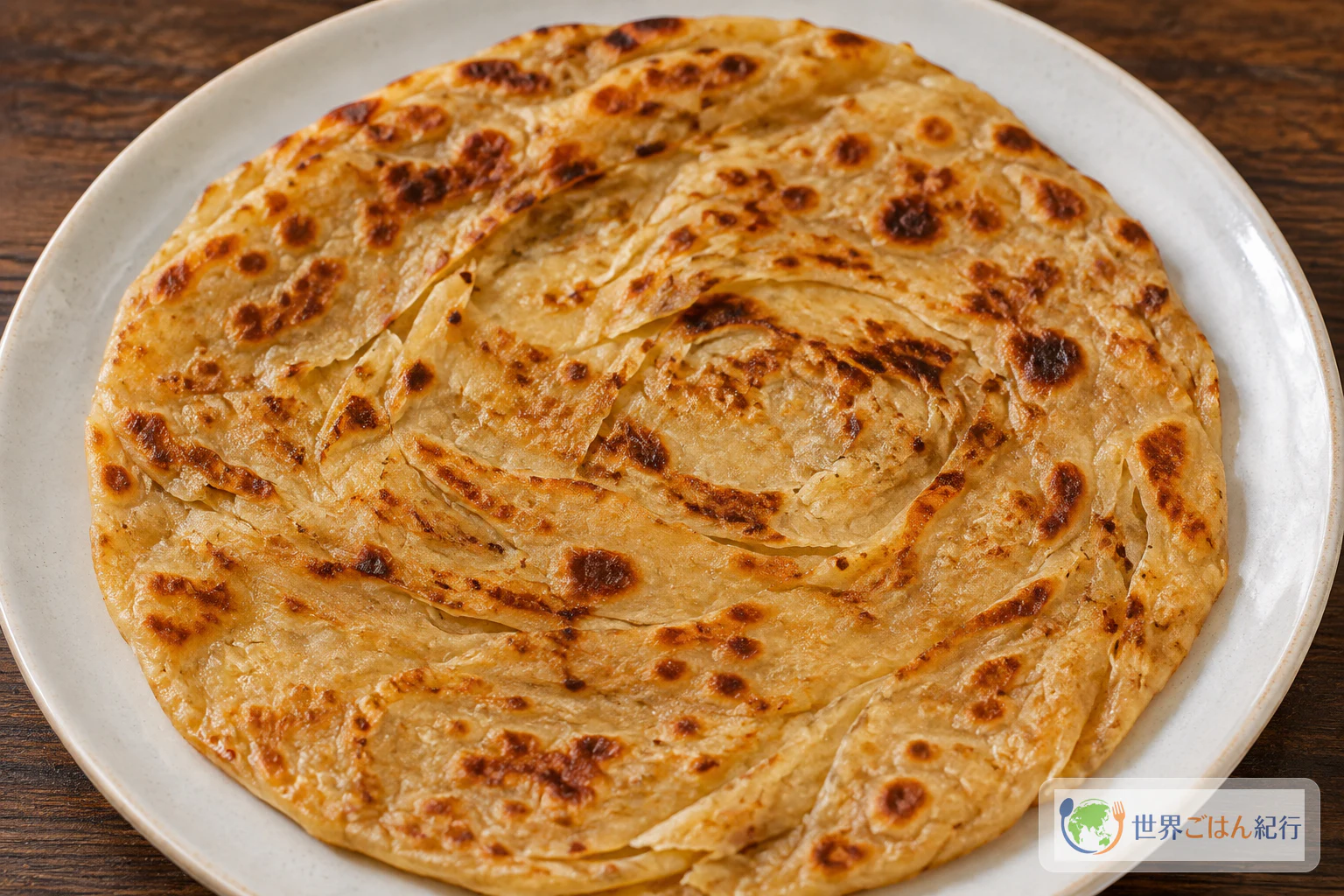
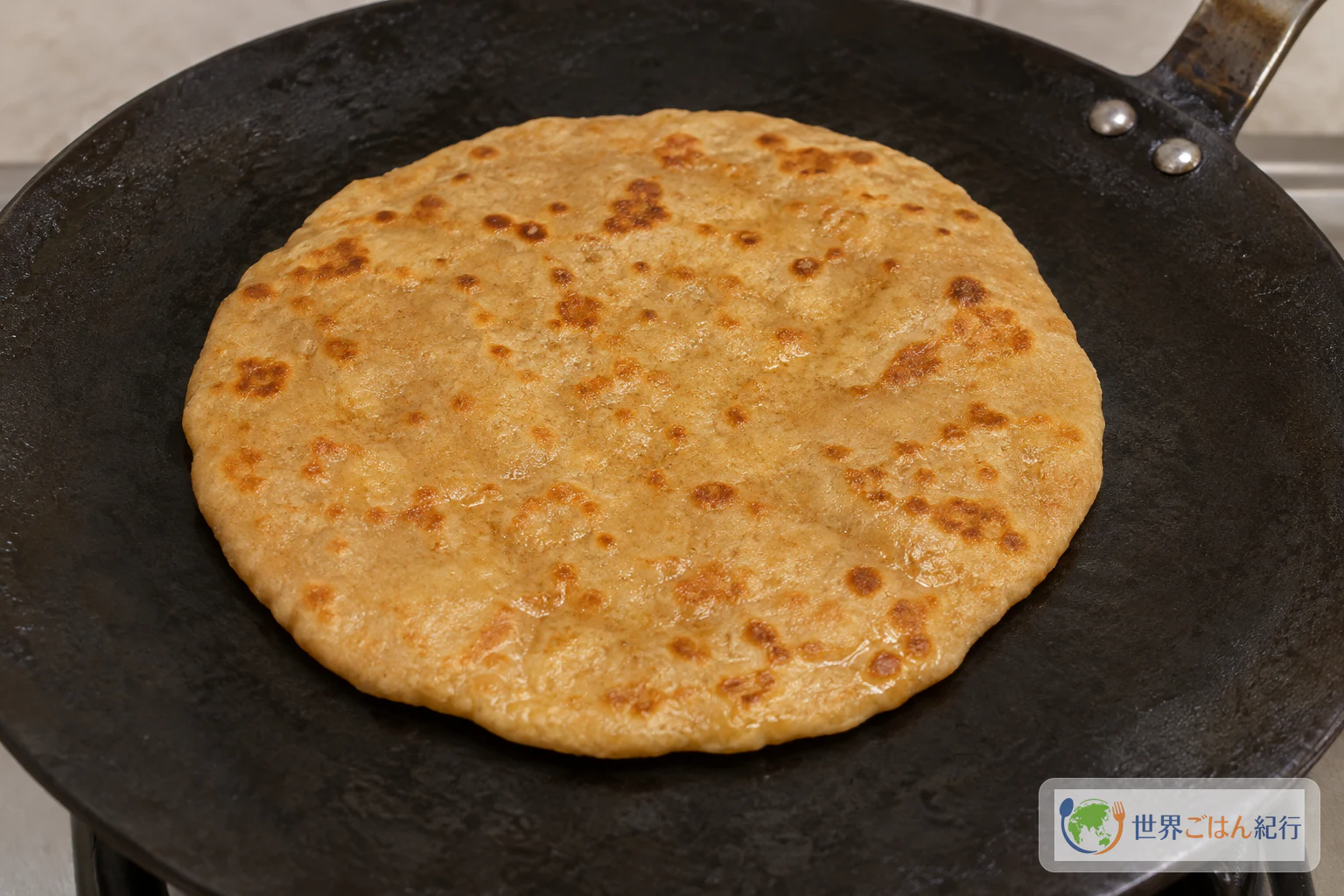
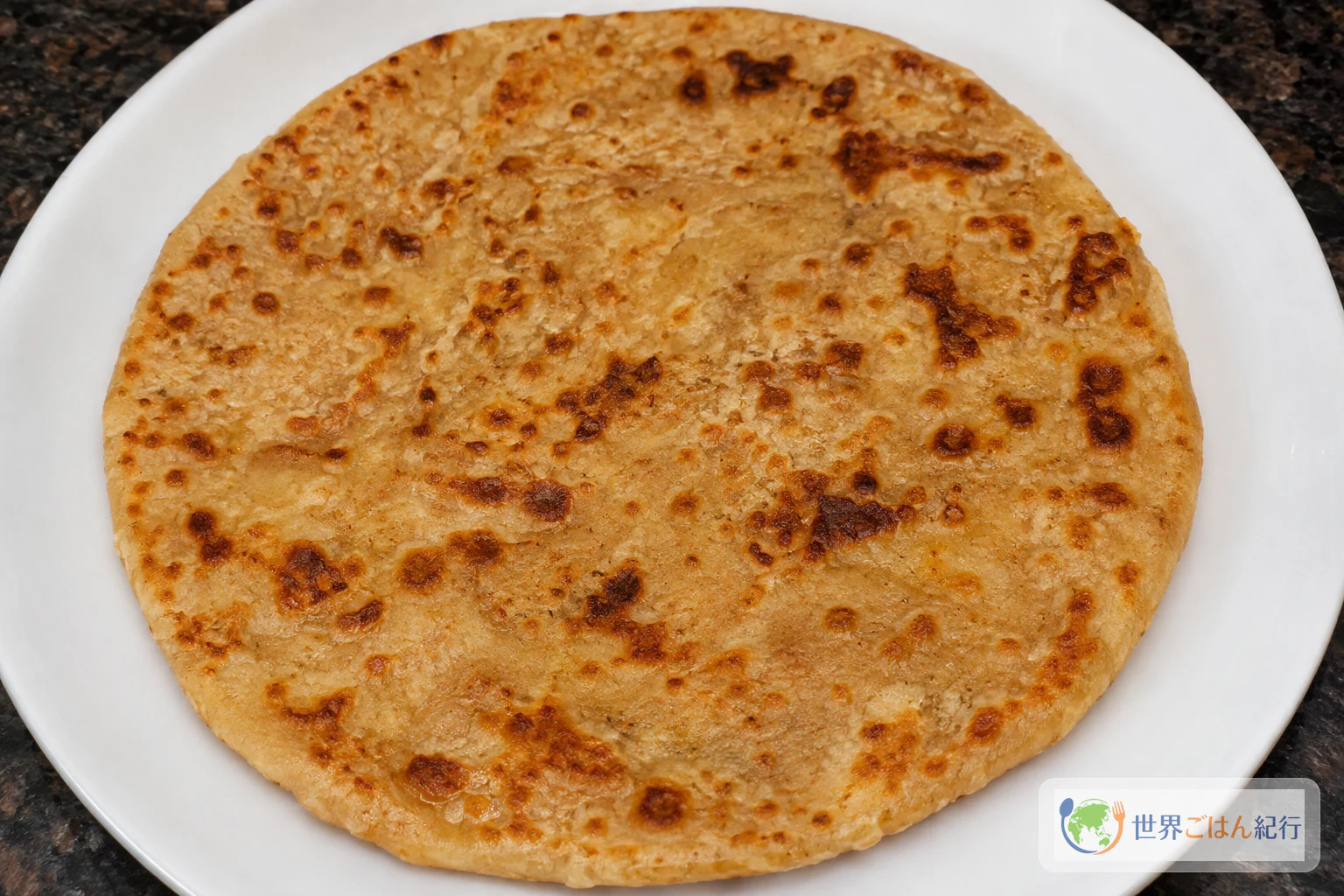
There is no filling here. The character of this paratha comes from a soft whole wheat dough, the ghee spread between its folds, and brown spots from a hot pan.
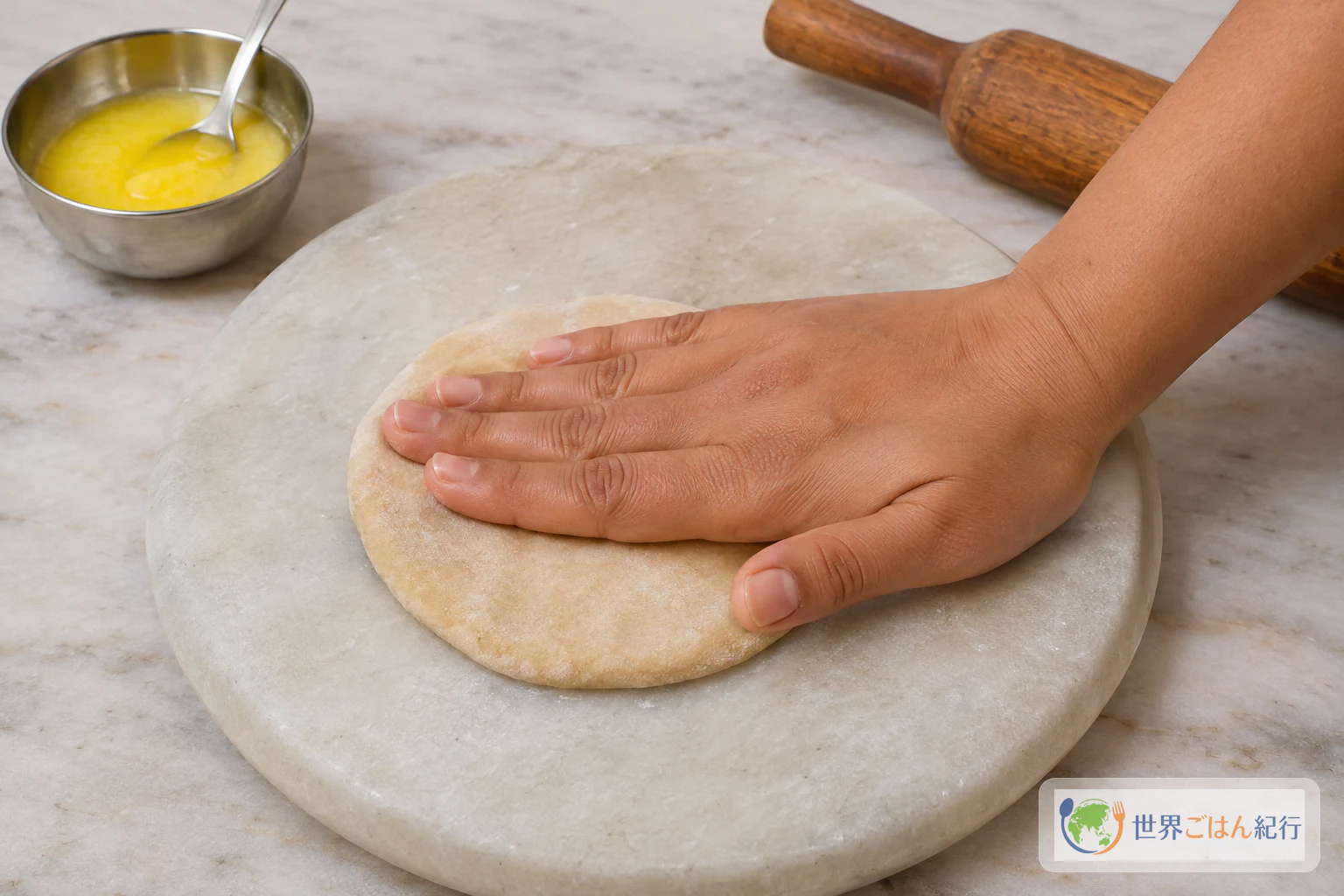
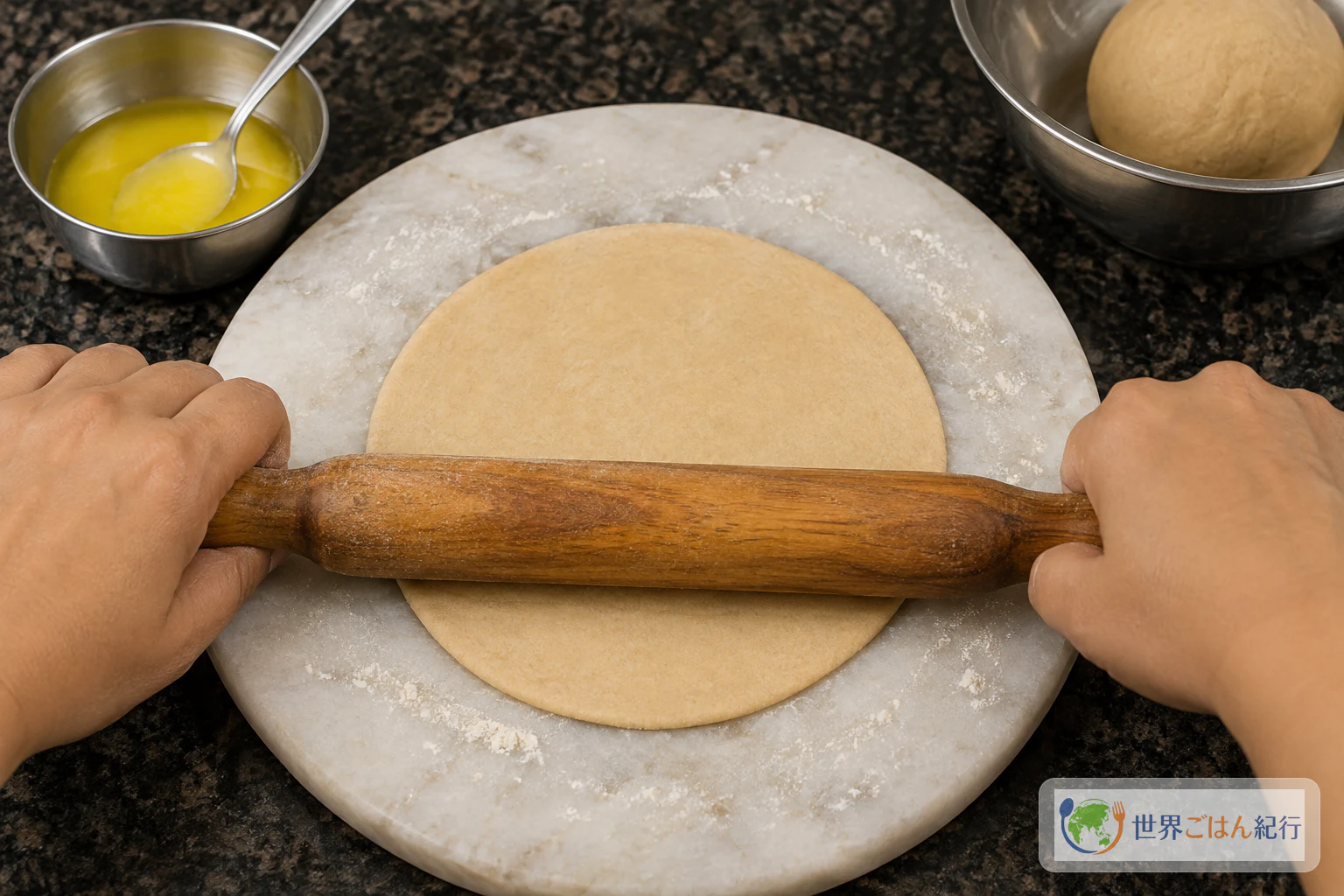
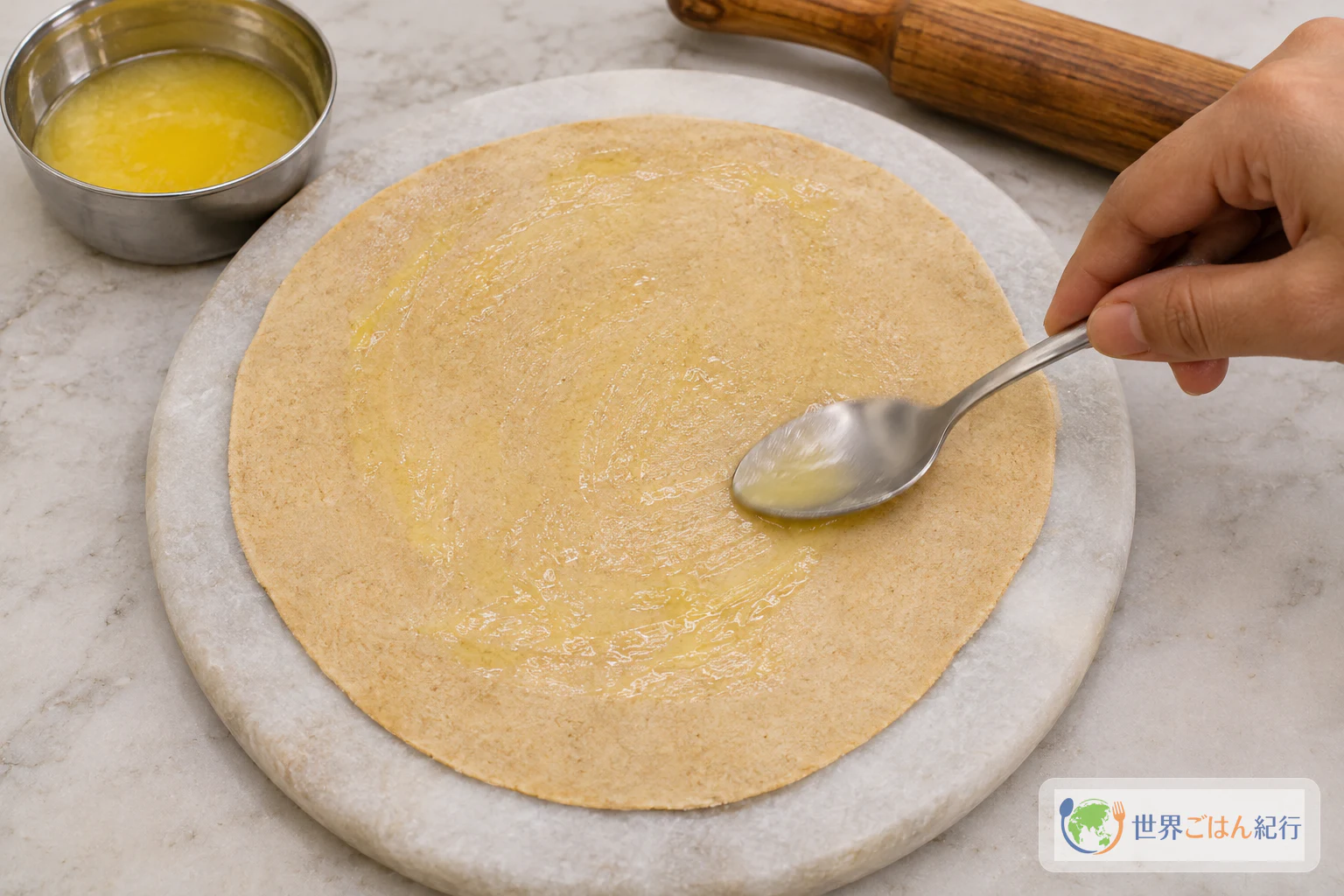
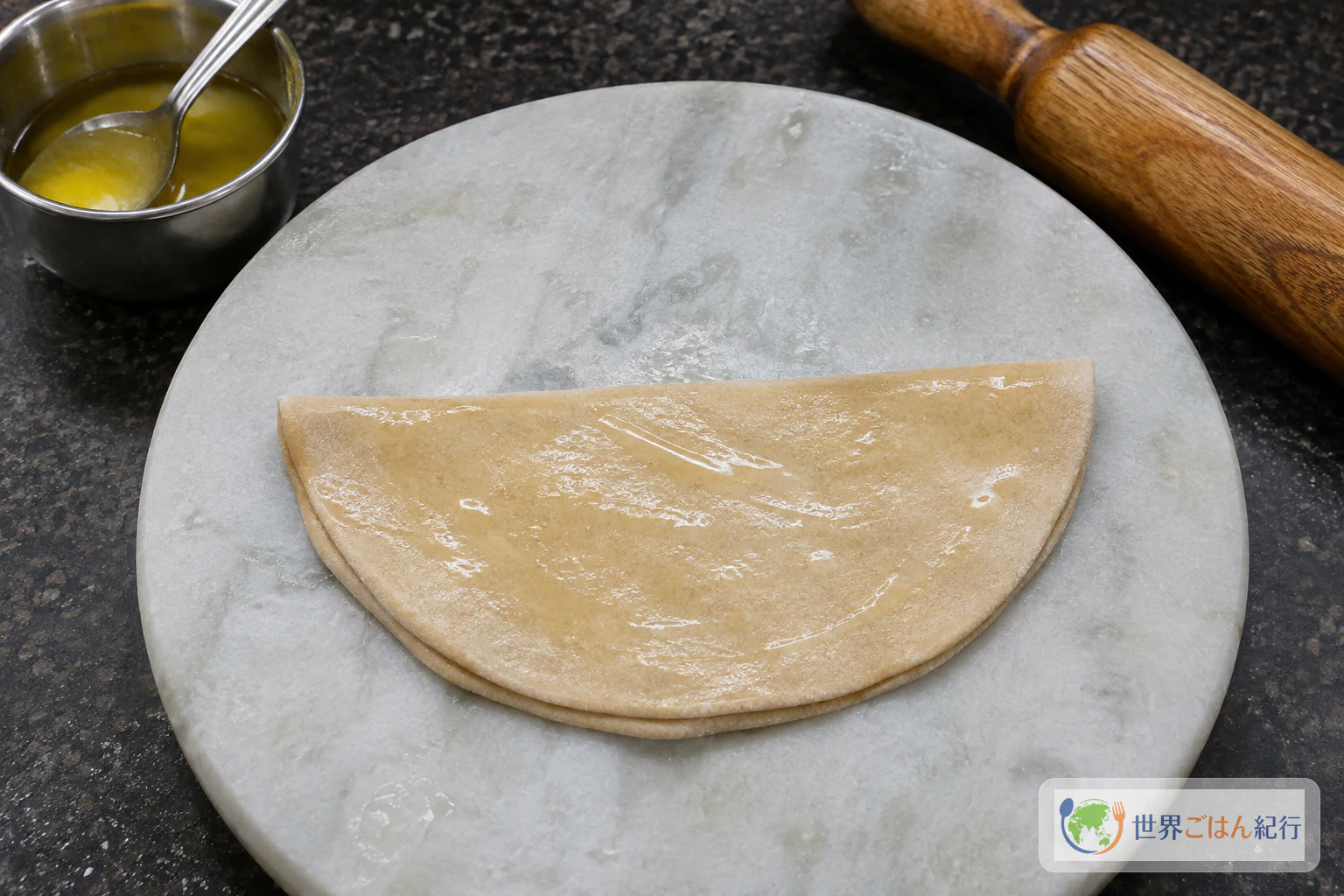
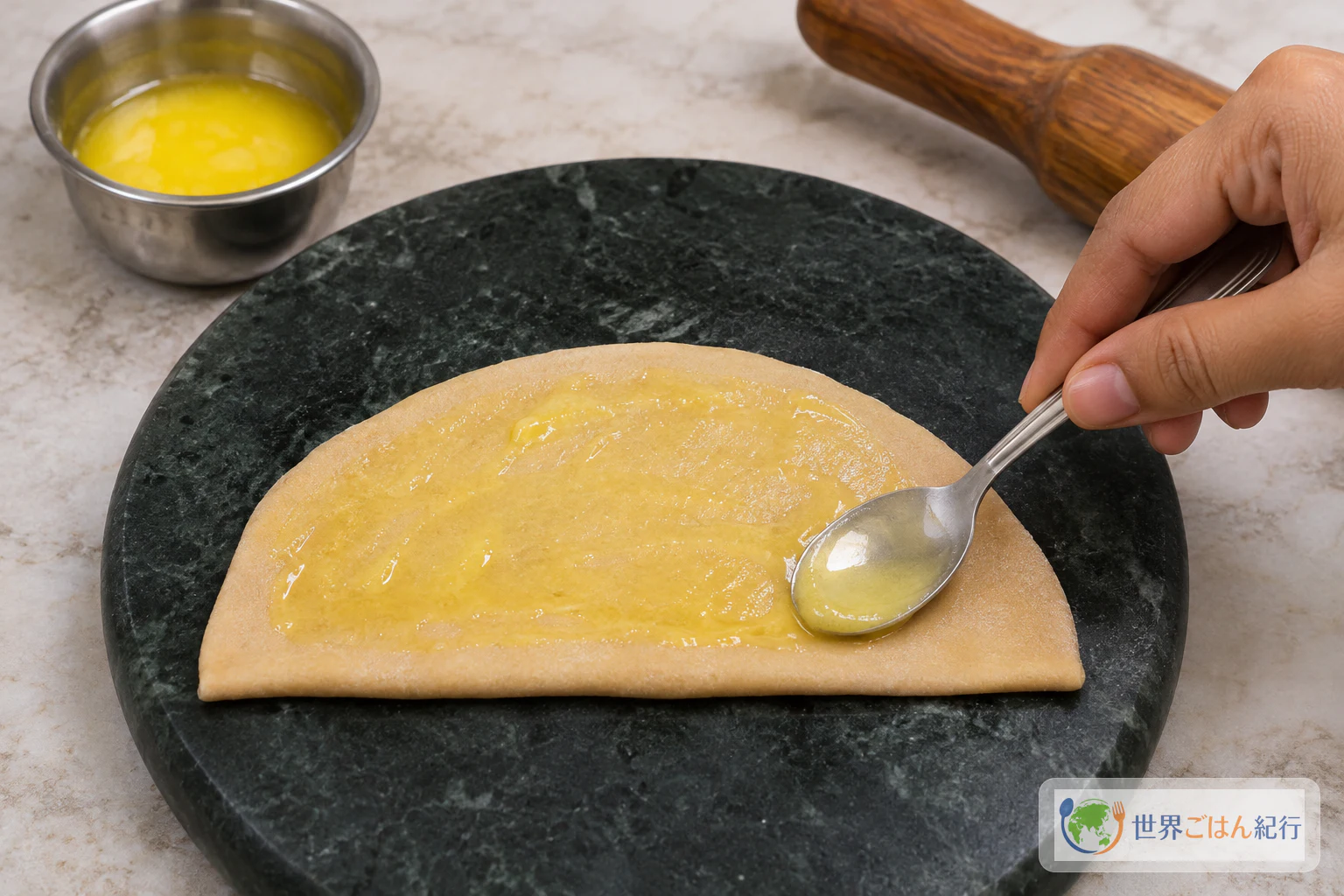
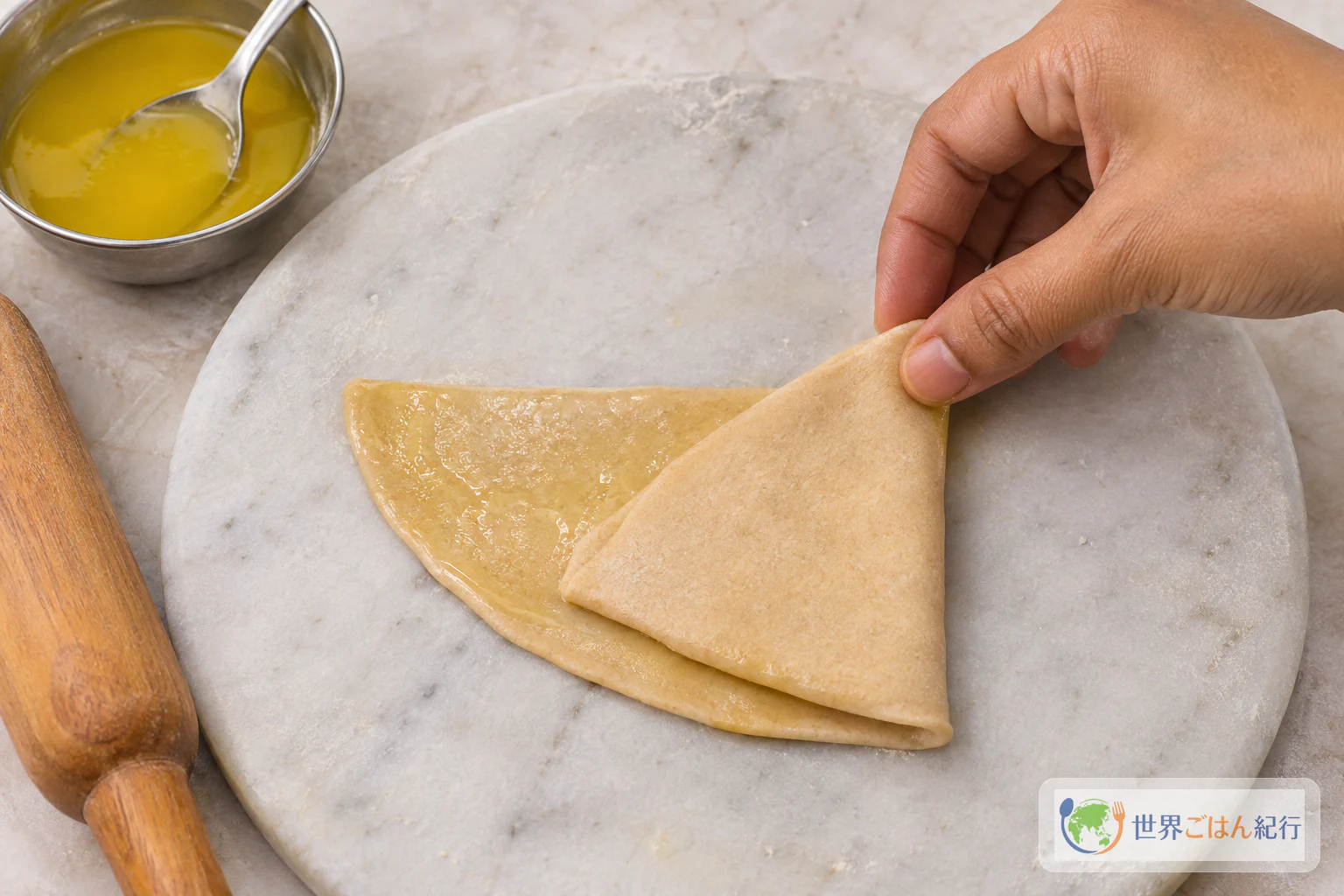
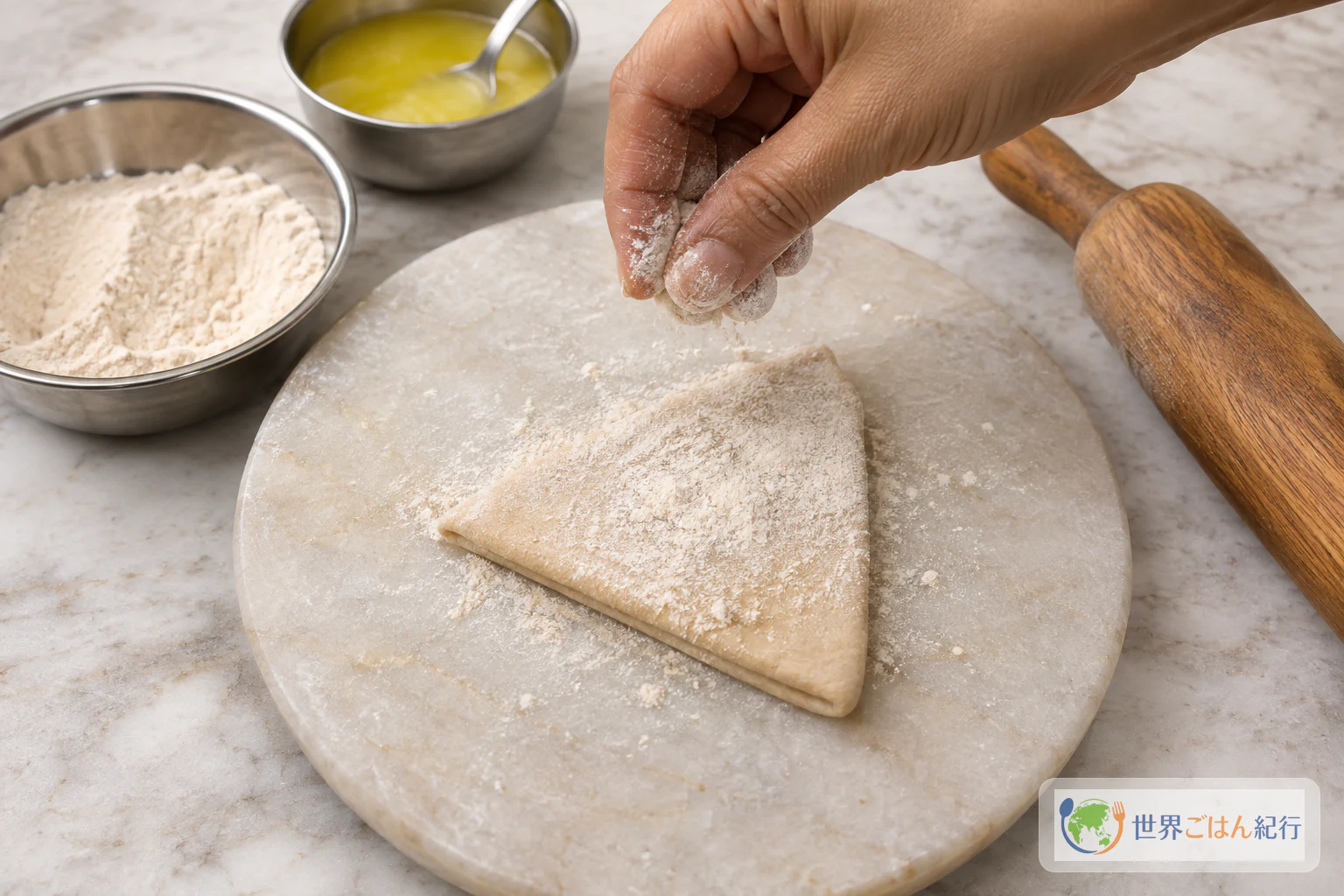
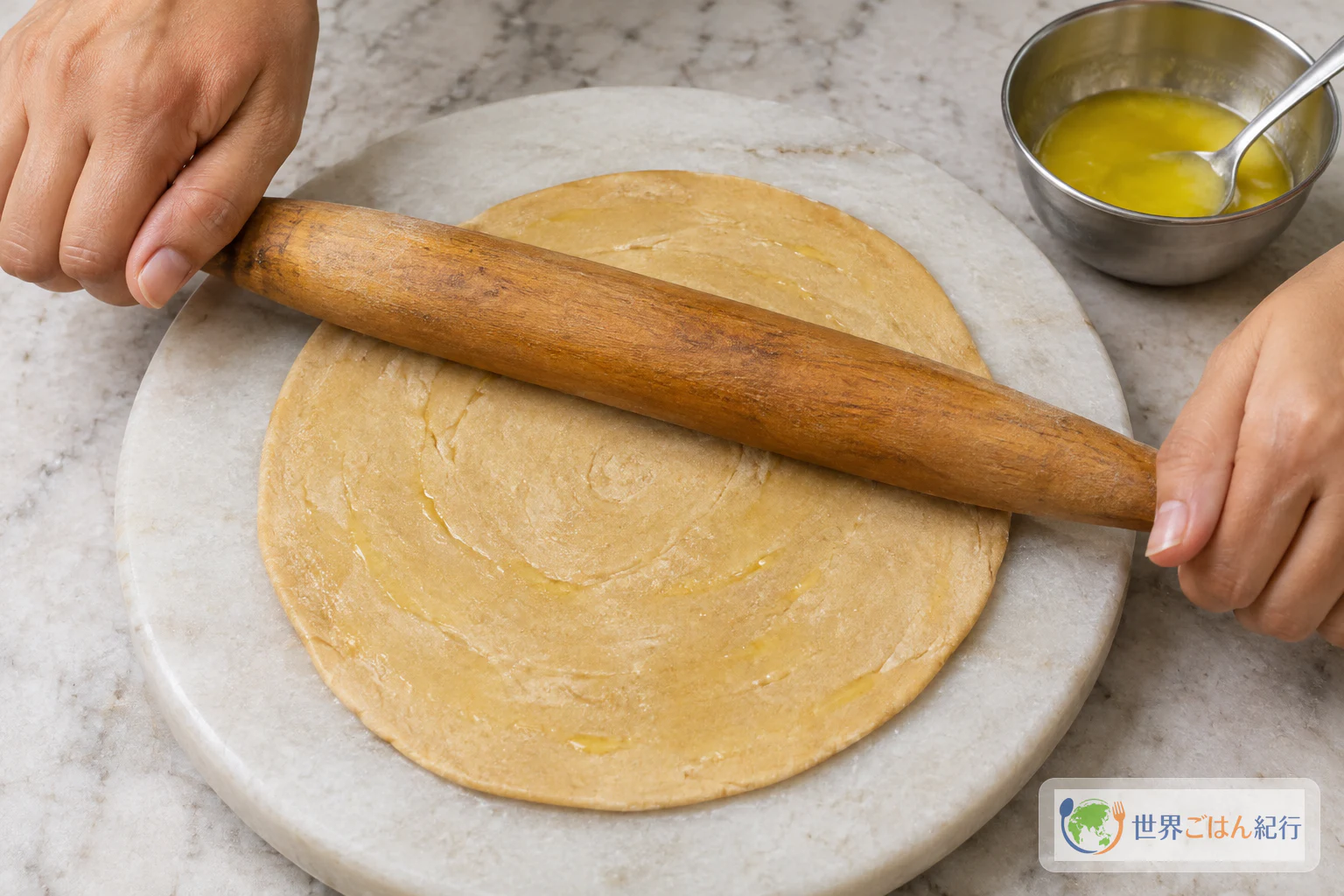
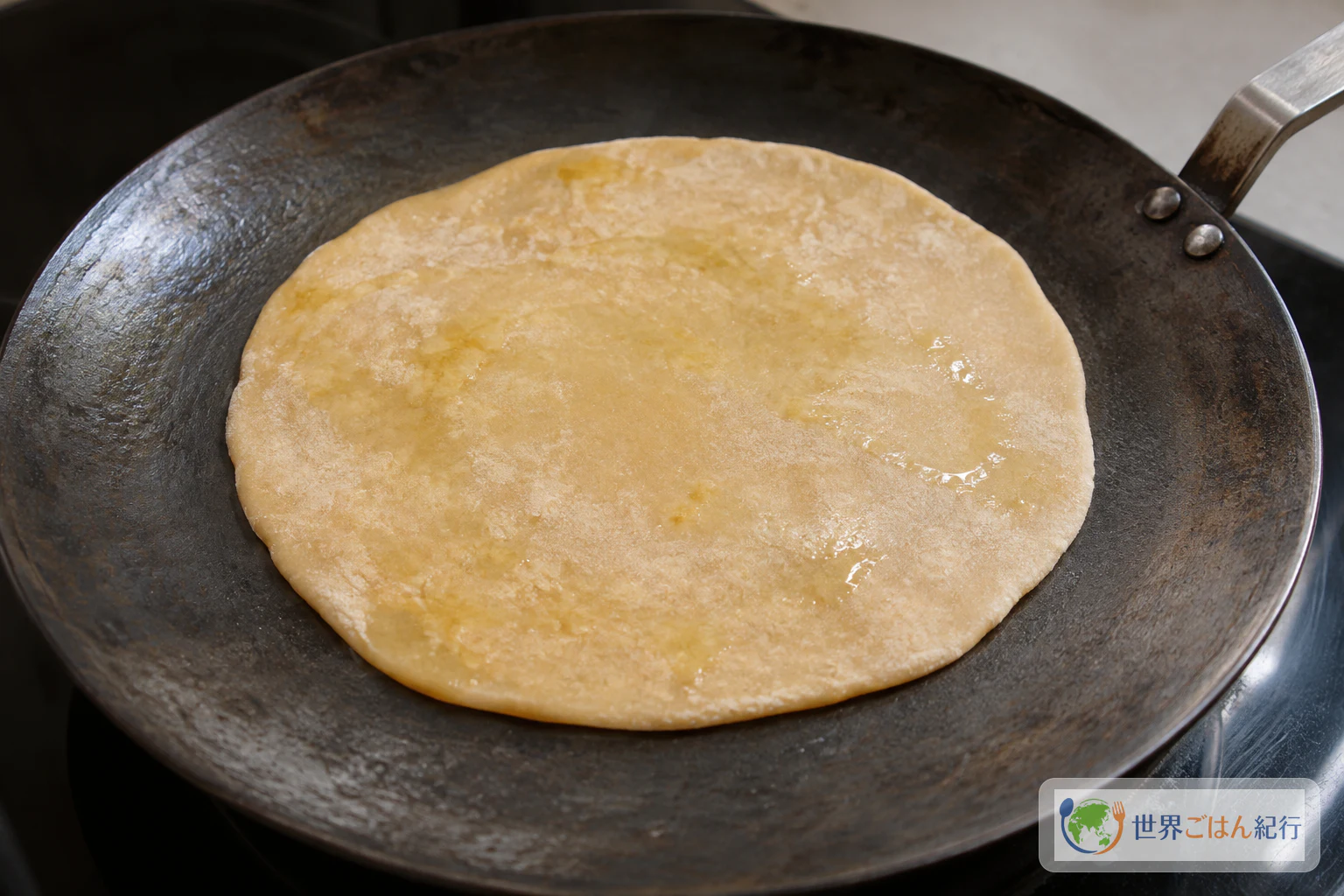
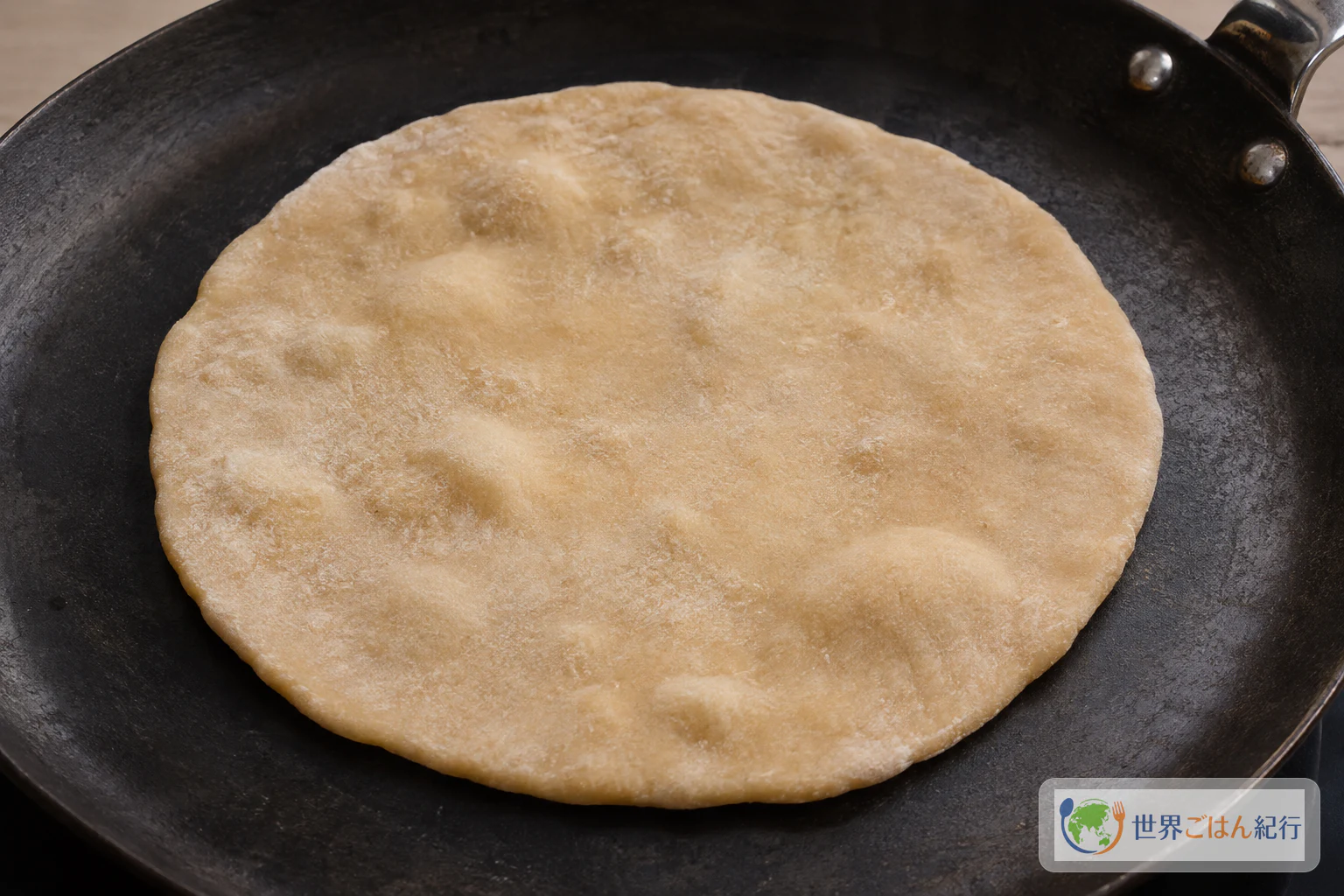
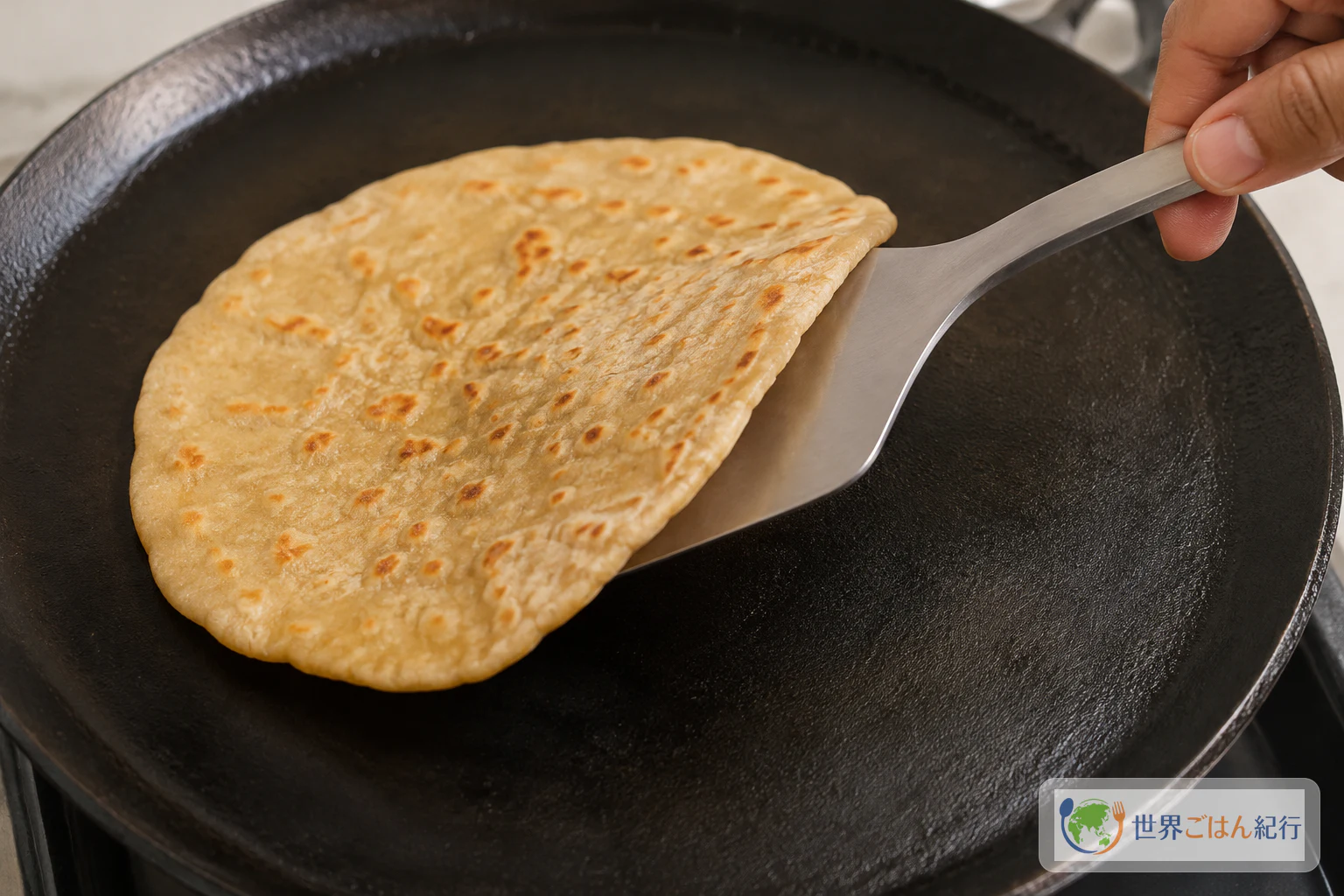
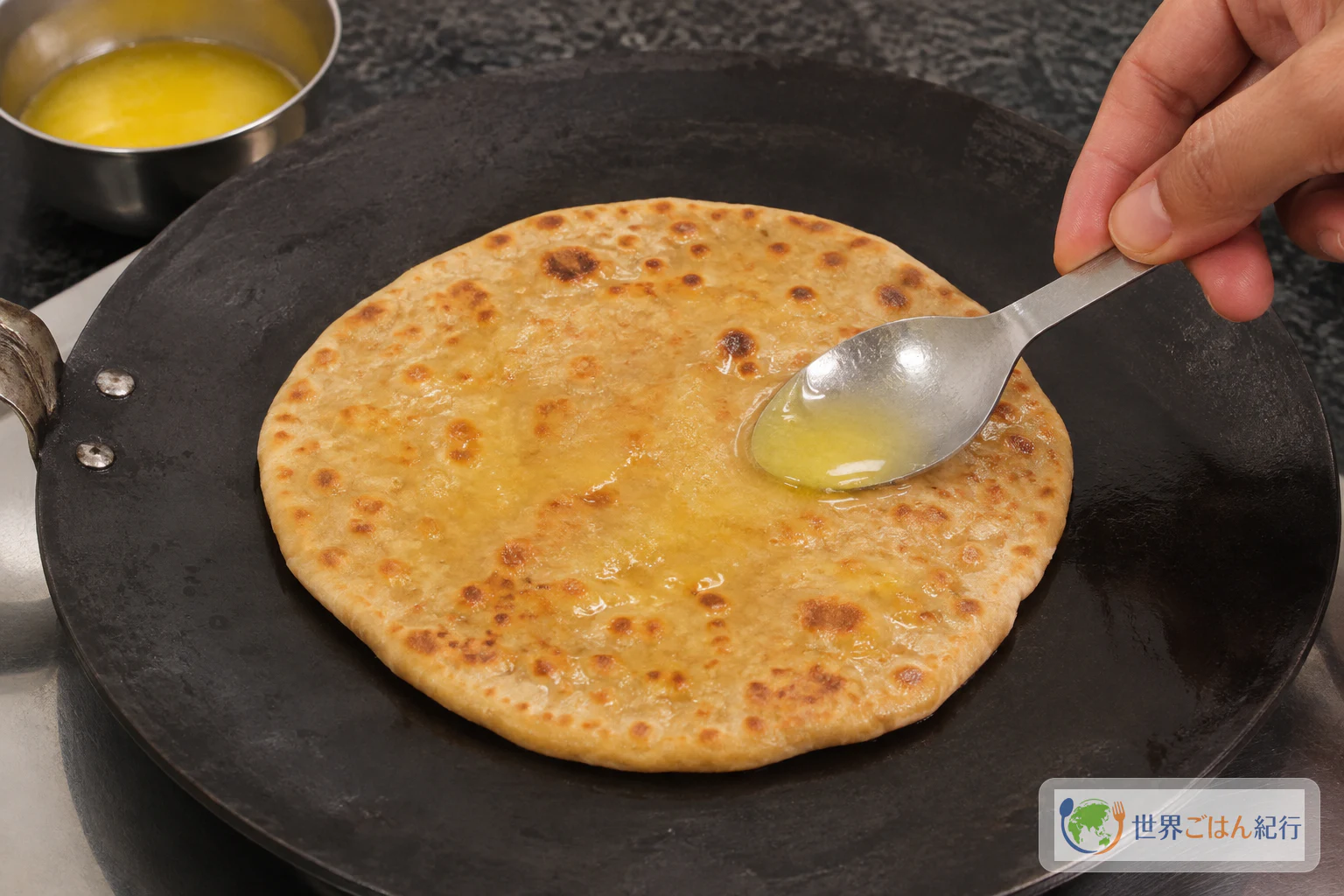
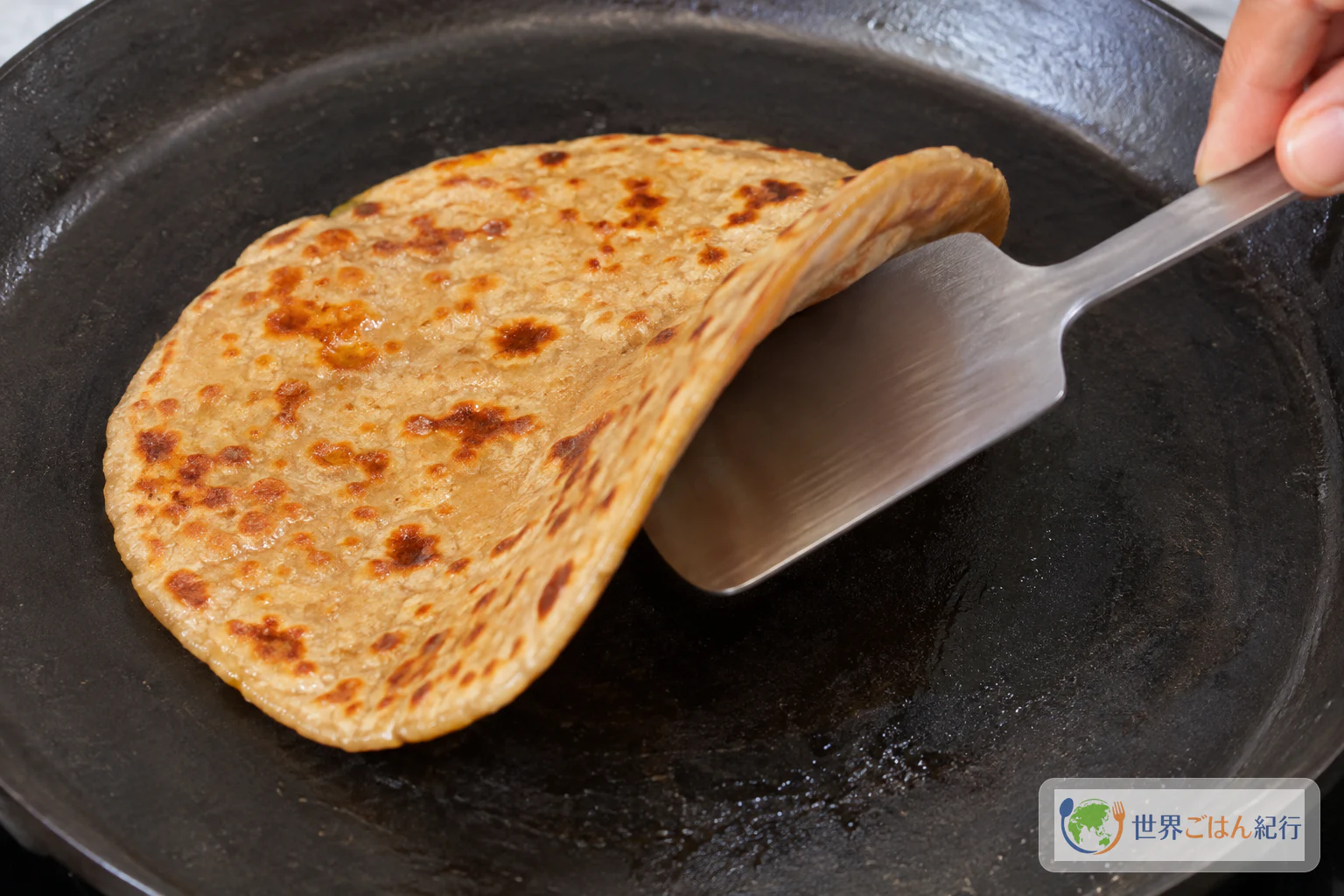
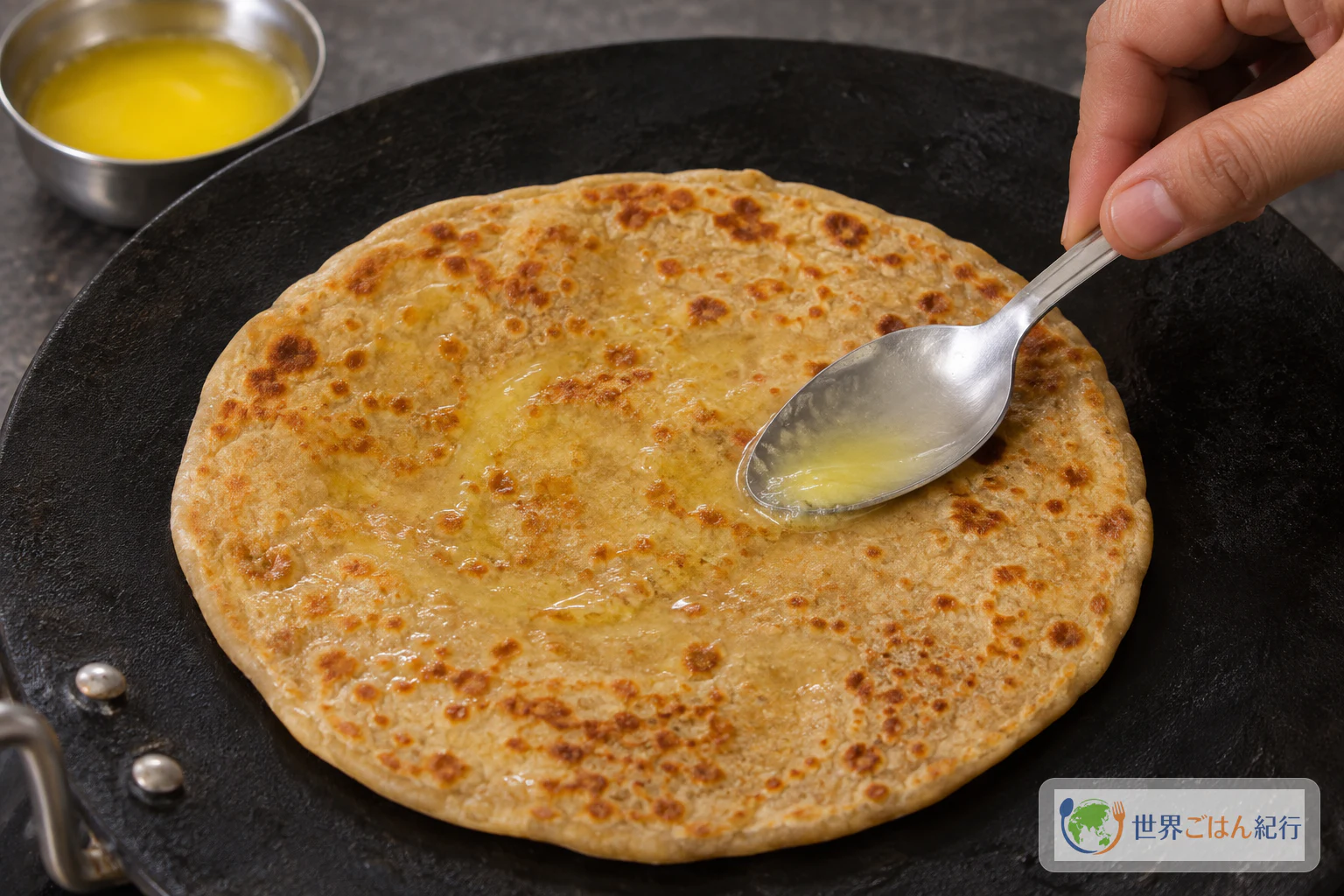
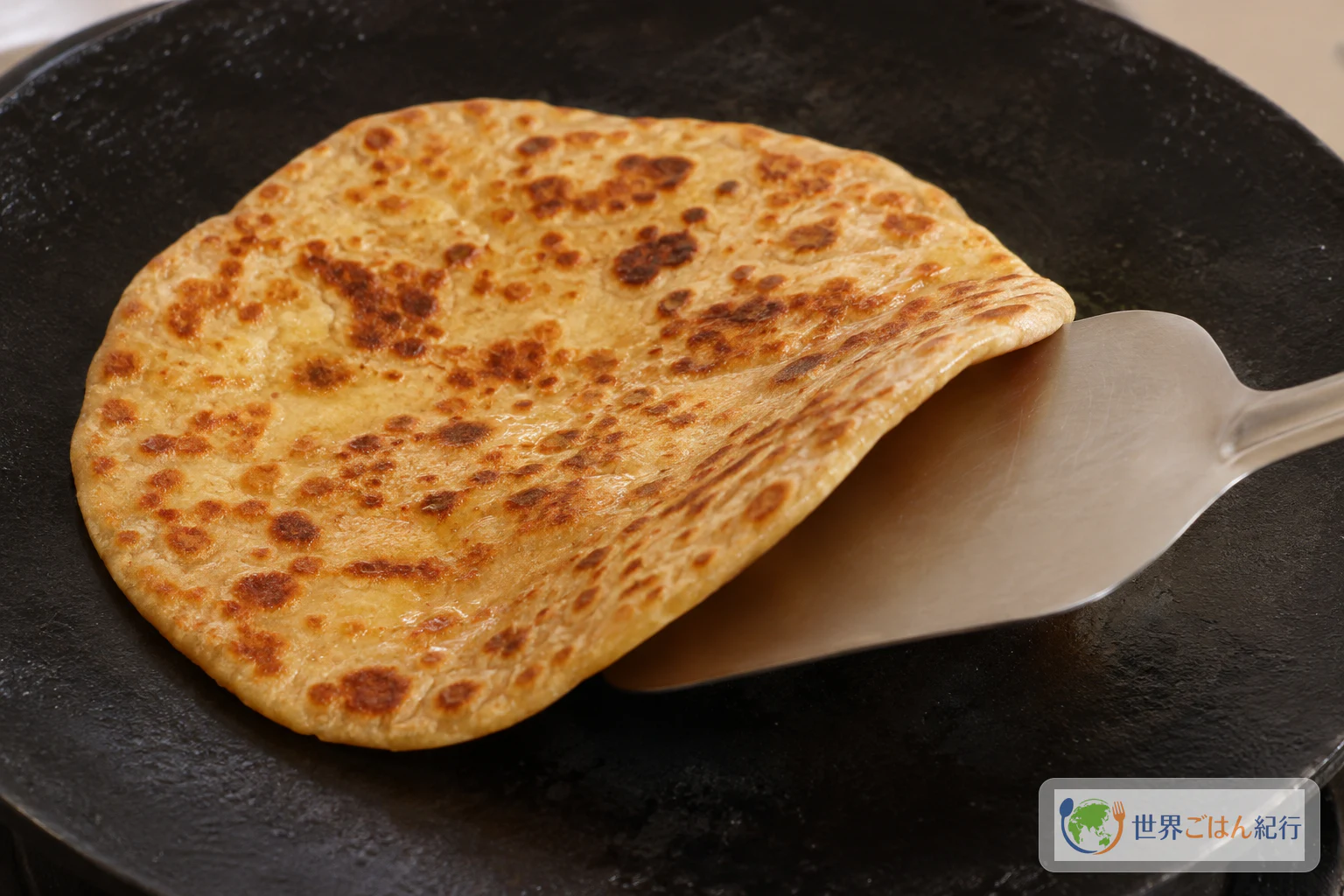
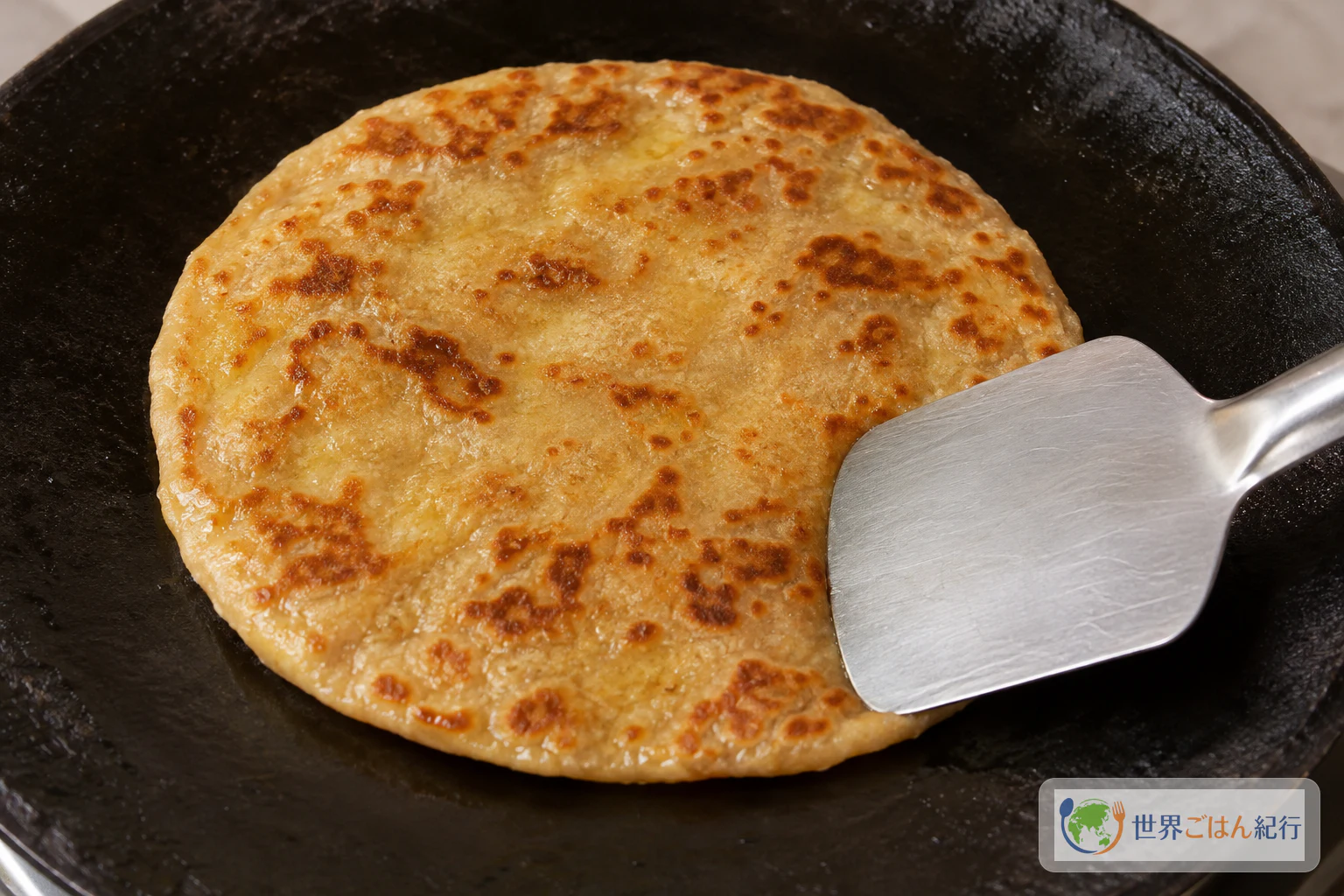
A small circle of soft dough gets a thin coat of ghee, then folds in half. It gets more ghee, folds sideways into a triangle, and goes back under the rolling pin until it is round again. On the pan, air pockets begin to form, the bread is turned, and brown spots appear across its surface.
This article follows one version of paratha: the plain North Indian tawa paratha from Dassana Amit's Dassana's Veg Recipes, in the guide updated February 1, 2026. "Tawa" refers to a flat griddle. The dough is unleavened and made with atta, a whole wheat flour. Sekai Gohan has not kitchen-tested this recipe.
"Paratha" covers many breads, so it helps to be clear about what this one is not. It is not aloo paratha, the potato-filled bread also covered on this site, or Mughlai paratha, which is filled with egg and meat. Rinku Dutt's paratha at BBC Good Food is a different formula that uses oil and a one-hour rest, and none of its amounts or methods are used here.
About the amounts and times
Dassana prints the flour as 2 cups or 240 g. The gram figure is Dassana's own, not our conversion. Water and rolling sizes also stay in the cups and inches Dassana uses, and we have not added conversions of our own.
Dassana's recipe card gives 3 servings, with estimates of 35 minutes for preparation, 30 minutes for cooking and 65 minutes in total. It does not give a number of breads or a cooking time for each one, so use the visual cues in the steps while the bread is on the pan.
Dassana's card allows 1–2 tsp of ghee in the dough, and the written method uses 1 tsp, which is the amount chosen here. Dassana does not measure the ghee for layering and cooking, so we don't either.
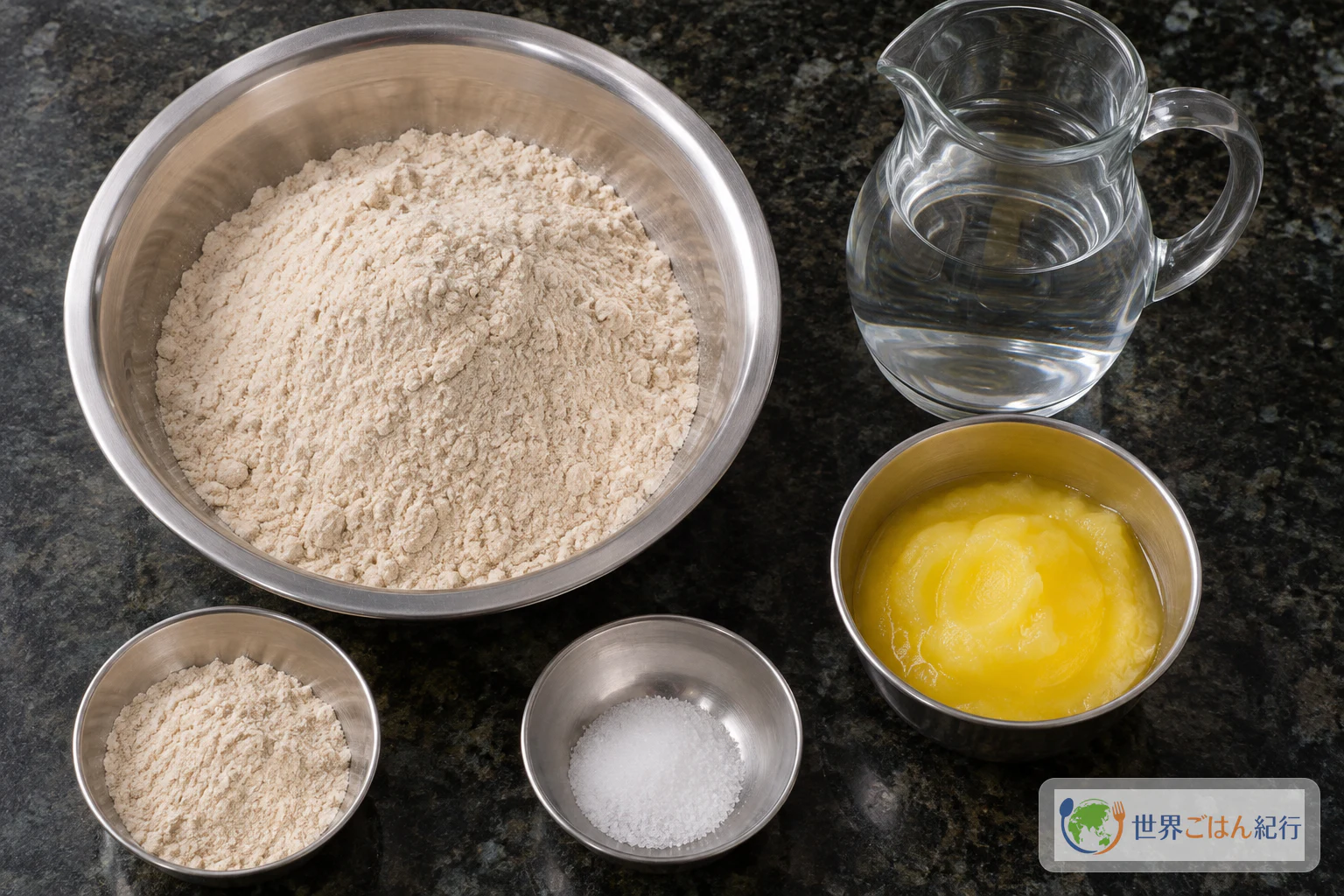
Ingredients: Atta, Ghee, Salt and Water
Choosing Flour, Fat and Pan
Flour. If you can't find atta, whole wheat flour from an ordinary supermarket is our editorial suggestion. It is not a guaranteed match, because its grind and the way it absorbs water may differ, so judge the water by how the dough feels.
Fat. This version uses ghee throughout: in the dough, between the layers and on the pan. It does not include a version made with oil.
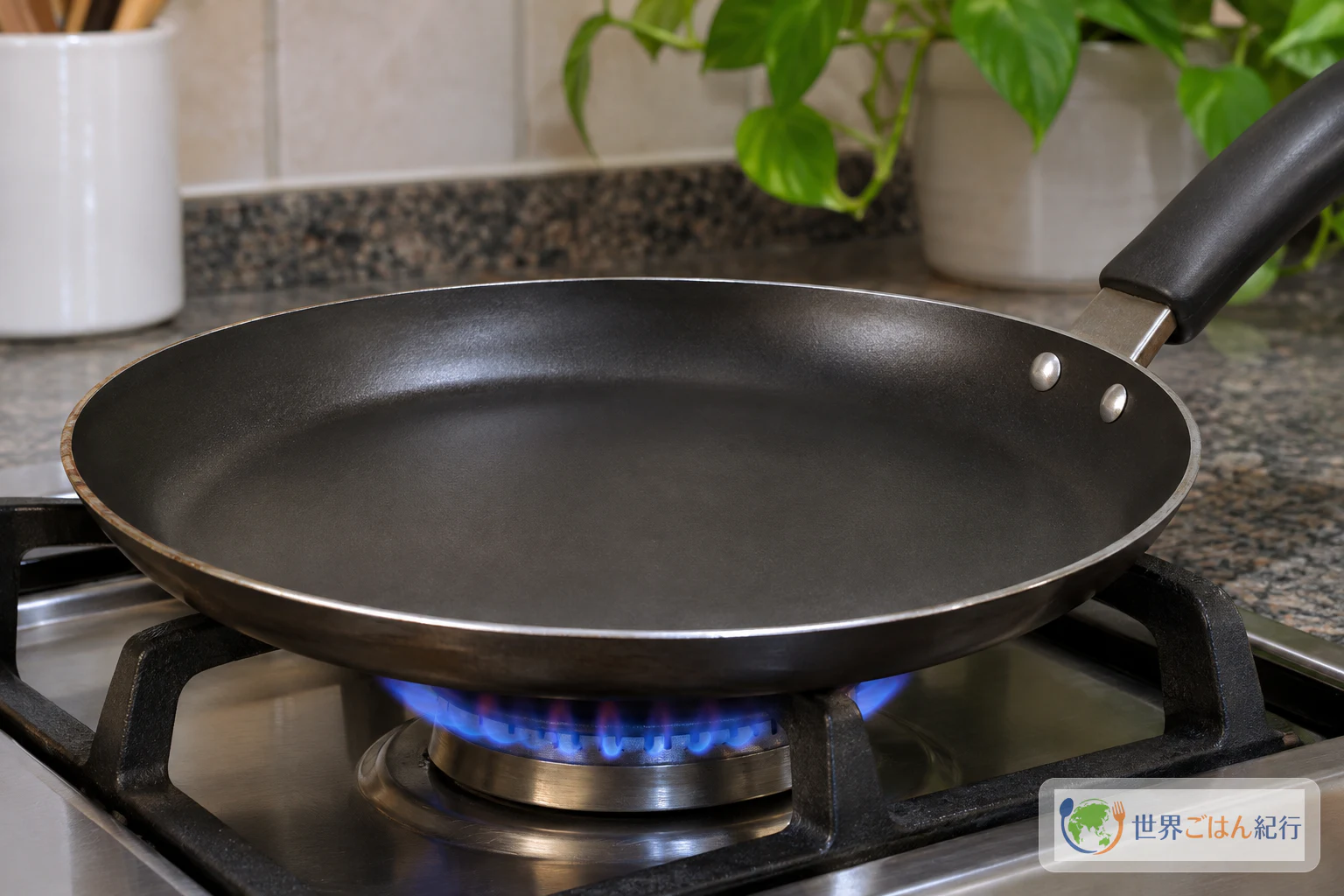
Pan. A tawa is a flat griddle. An ordinary thin, flat-bottomed frying pan is our editorial choice for a home kitchen. The medium heat in the steps is for that kind of pan and does not apply to every pan.
Equipment
- Mixing bowl
- Clean kitchen towel
- Board for rolling
- Rolling pin
- Thin, flat-bottomed frying pan
- Flat spatula
- Spoon for spreading ghee
Method: Rest, Fold, Reroll, Cook
Don't taste the raw dough. Cook each bread fully before eating it.
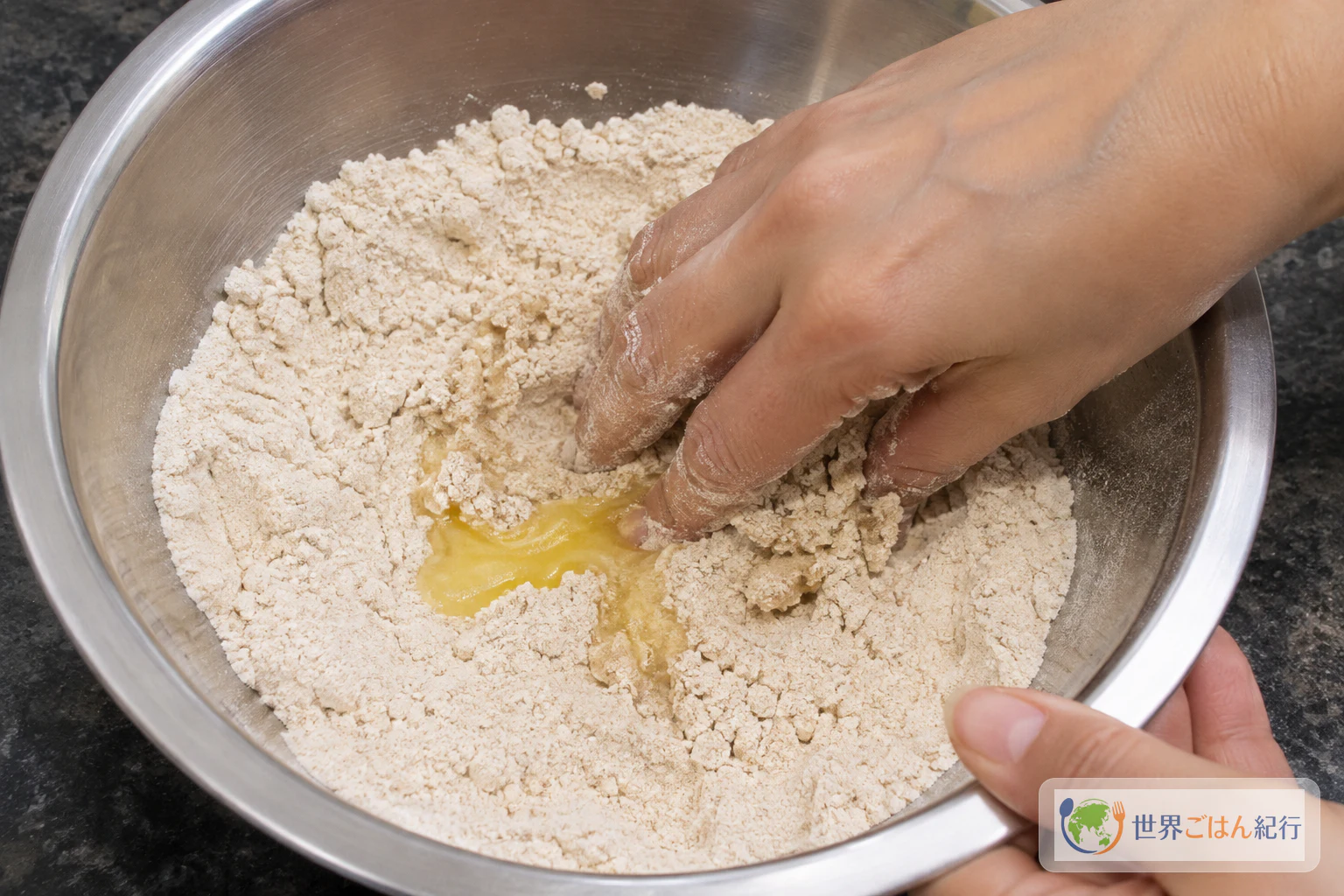
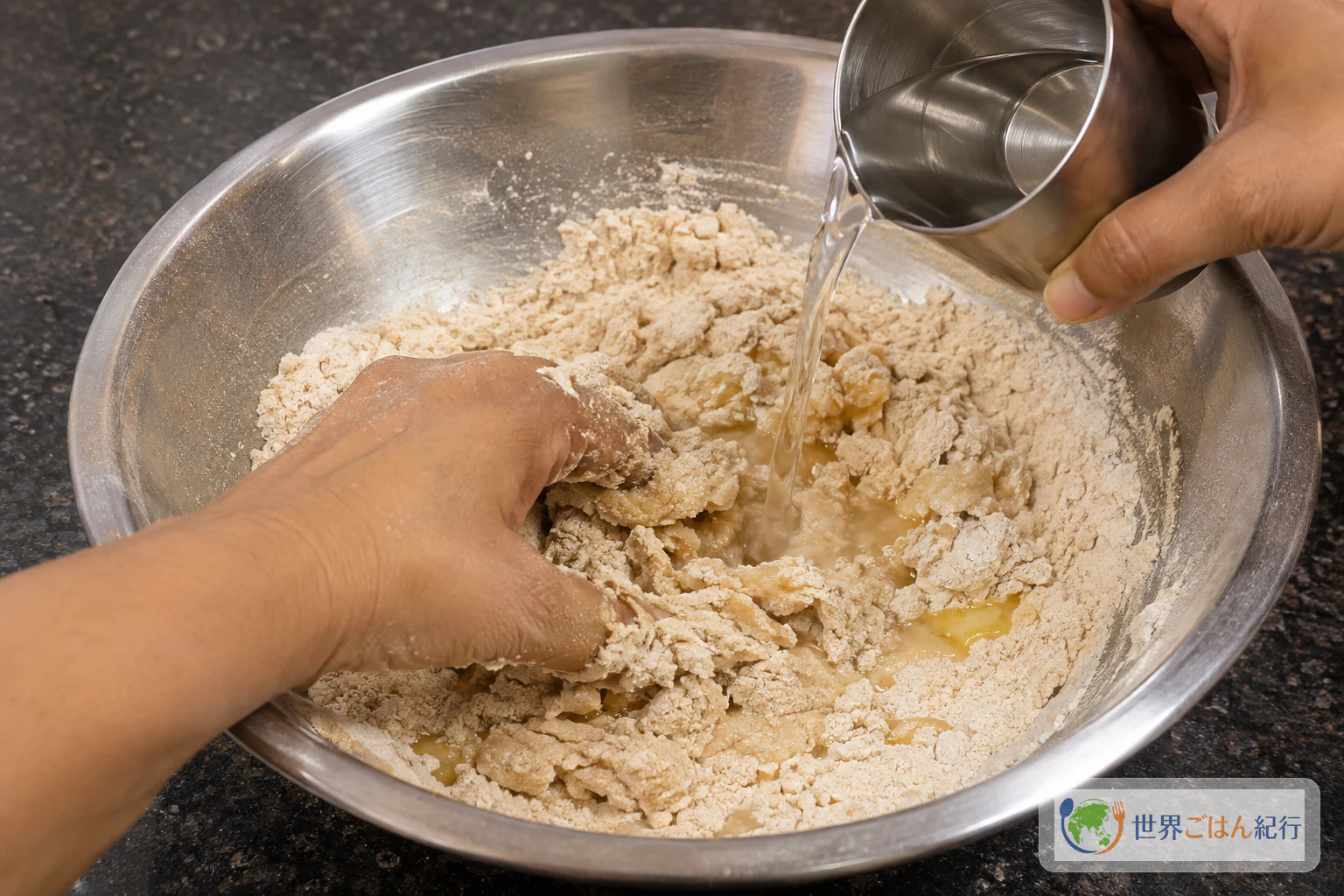
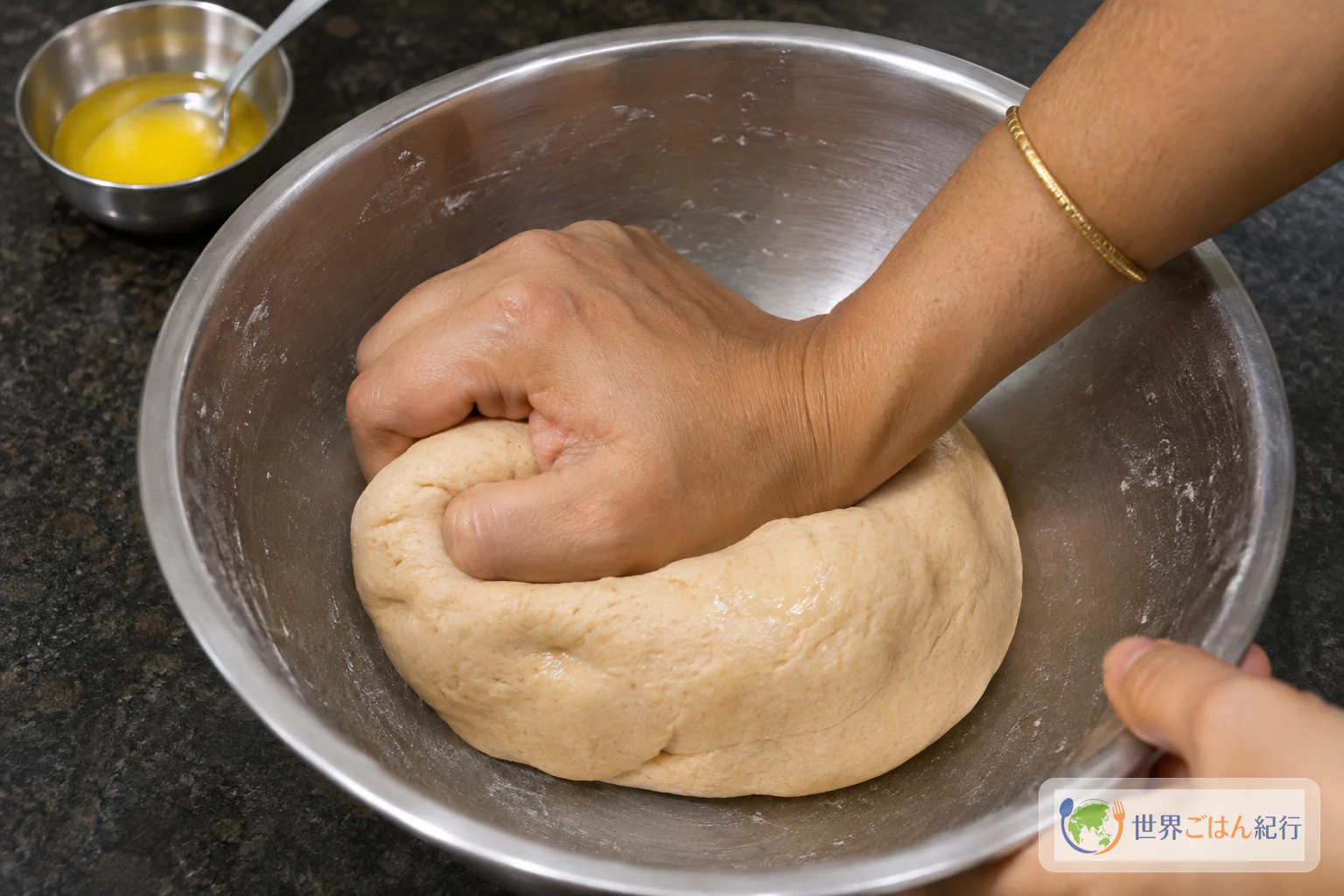
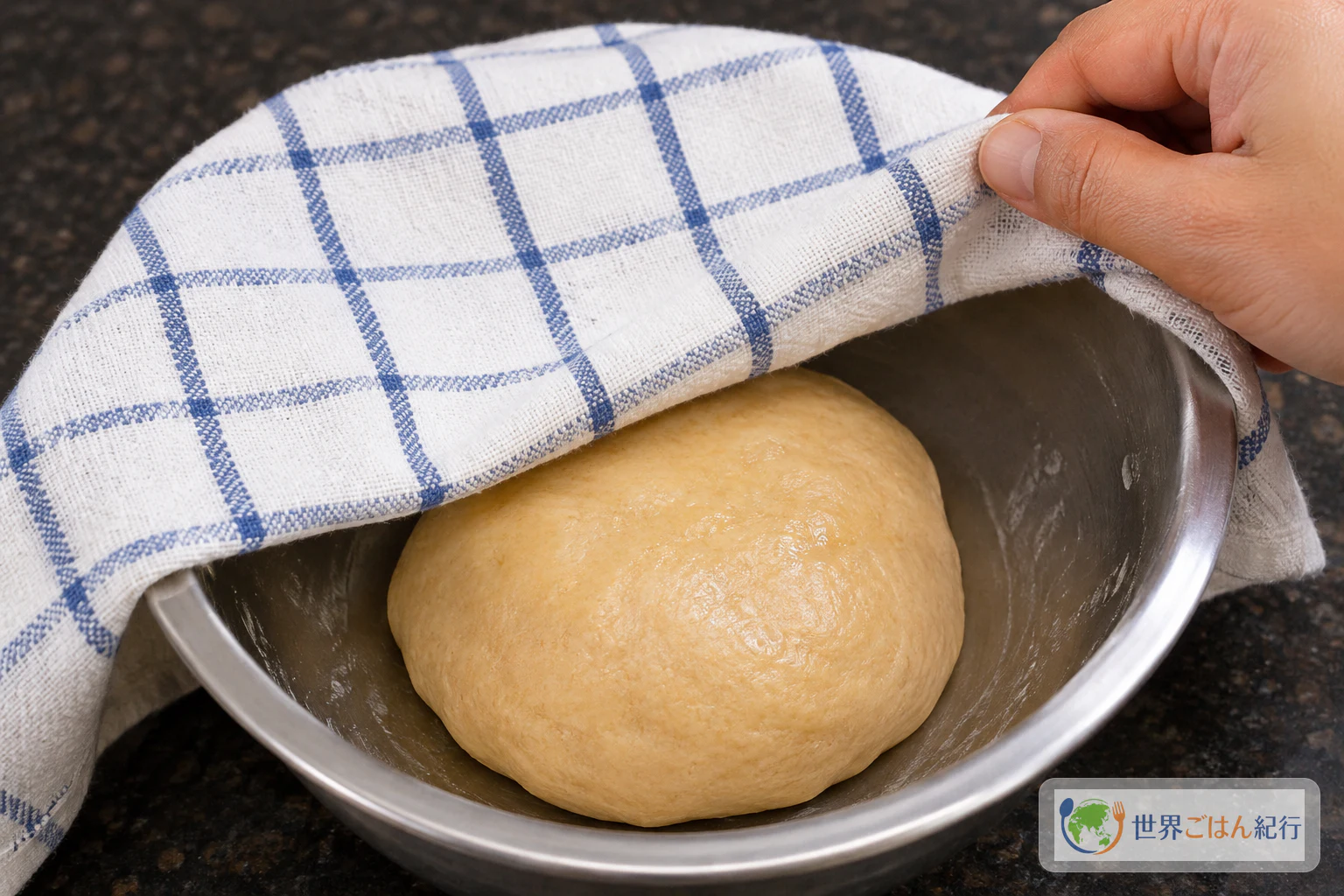
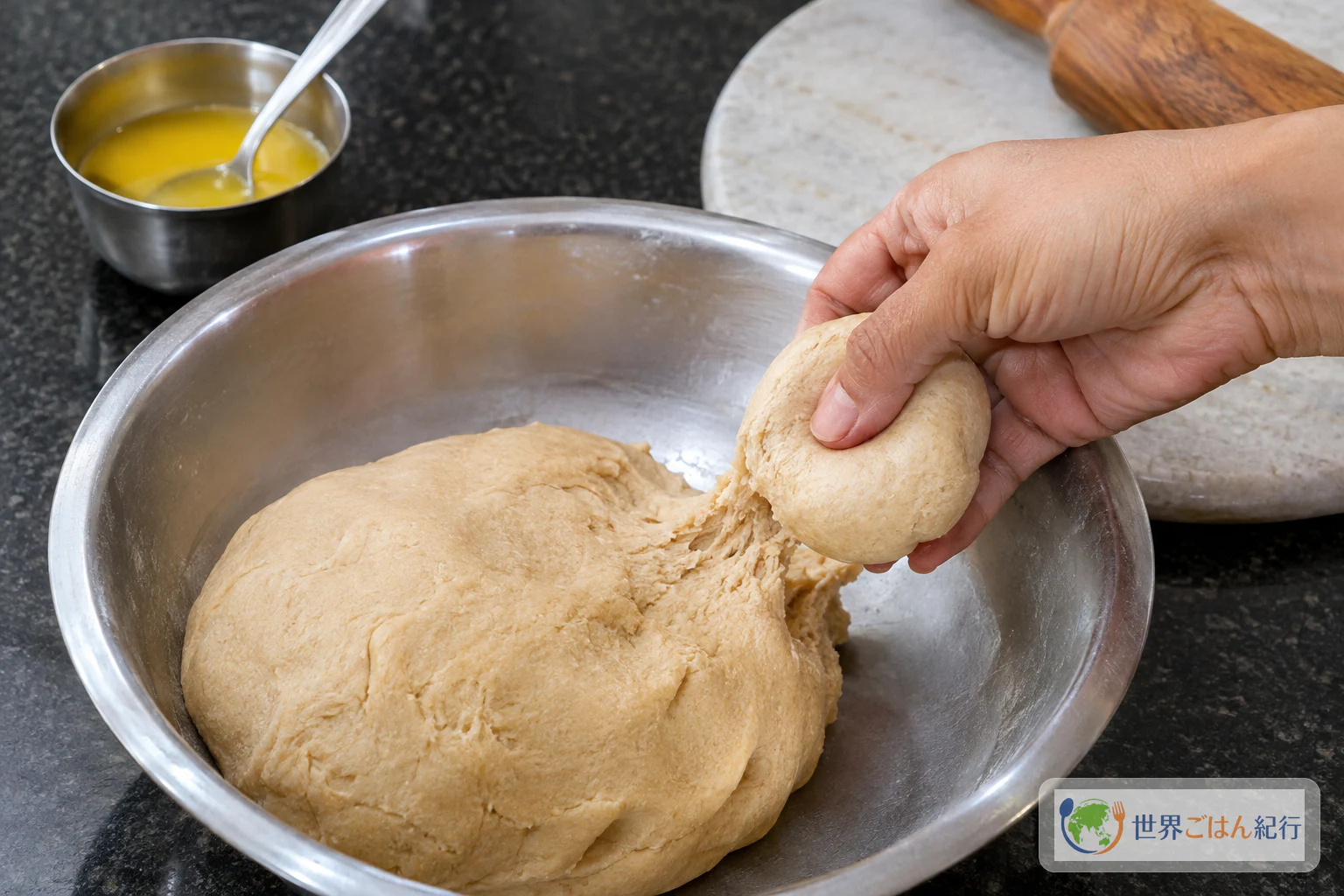
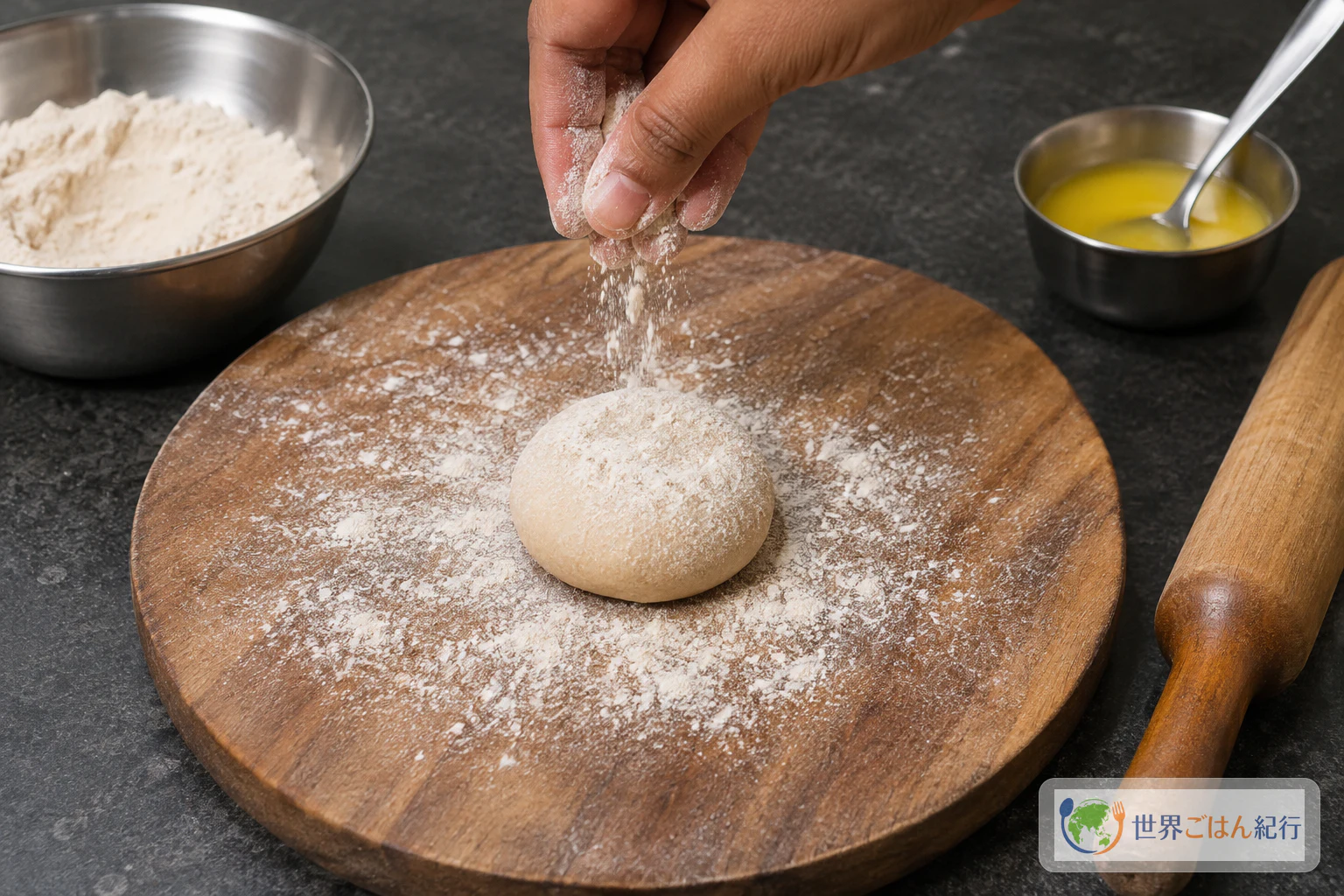
The images show the action in each step. They can't confirm exact amounts, sizes, times, temperatures or doneness, so rely on the written cues.
When Something Looks Off
| What you notice | What to do |
|---|---|
| The dough is too dry to knead smoothly | Add a little more water, in small amounts, and keep kneading |
| The dough did not rise during the rest | Nothing is wrong. It is unleavened, and the 30 minutes is not fermentation |
| The folded dough is hard to roll | Dust it with just enough atta to keep rolling |
| The second side has no brown spots yet | Keep cooking, and don't flip until the spots appear |
| One side looks less cooked than the other | Turn the bread a few more times until both sides are even |
| The edges still need attention at the end | Press them lightly with the spatula |
Variations: Where This Bread Ends and Others Begin
The choices that stay within this bread are small. Dassana's card allows up to 2 tsp of ghee in the dough, while the method here uses 1 tsp. Dassana also adjusts the heat for heavier pans, as the FAQ below explains.
Larger changes make a different bread, and they need their own recipes rather than a tweak to this one:
| Type | What sets it apart | Relationship to this recipe |
|---|---|---|
| Aloo paratha | Filled with potato | Wrapped differently, so don't apply these folds to it |
| Mughlai paratha | Filled with egg and meat | A separate type that shares the name |
| Rinku Dutt's paratha at BBC Good Food | A different formula using oil and a one-hour rest | Its amounts and timings aren't used here |
Paratha in Delhi: Chandni Chowk and Paranthe Wali Gali
The Indian Ministry of Tourism's Incredible India guide to Delhi's food places paratha in the street-food setting of Chandni Chowk and Paranthe Wali Gali, and it introduces stuffed versions of the bread.
That is a picture of one city's street food, and it doesn't describe the plain bread in this recipe. It also doesn't tell us where paratha began or how households across North India eat it. For more from the same country, see dishes from India.
Frequently Asked Questions
Can I use a heavy pan or griddle?
Dassana's written guide uses medium heat for a thin pan and adjusts to medium-high or high as needed for a heavy one. The steps above follow only the thin-pan route, so if you use a heavy pan, watch the bread's cues closely as you adjust the heat.
How many parathas does this make, and how long does each one take?
Dassana's recipe gives neither. It lists 3 servings and overall estimates of 35 minutes for preparation and 30 minutes for cooking, and those figures shouldn't be divided up per bread. Use the medium ball of dough and the cues in the steps as your guide.
How do I know it's done?
Look for both sides evenly cooked with brown spots. "About one-quarter" and "about half" are rough progress cues rather than exact measures, and this recipe gives no internal temperature. If the bread doesn't look cooked through, keep cooking it, and don't taste the raw dough.
Do I have to finish with a round shape?
This version does. The triangle is the folding stage, and it is rolled into a round before cooking.
What should I serve with it?
This recipe doesn't call for a particular side dish. It ends with the plain bread, served hot.
Can I store or reheat leftovers?
This recipe is written for serving hot right after cooking and doesn't include storage or reheating guidance, so we don't give a storage time.
Sources
- Dassana Amit, "Paratha Recipe (Indian Flatbread)," Dassana's Veg Recipes, updated February 1, 2026. The basis for this recipe's ingredients, amounts, method, pan and heat guidance, servings and time estimates. https://www.vegrecipesofindia.com/paratha-recipe-plain-paratha-recipe/
- Rinku Dutt, "Paratha (Indian flatbreads)," BBC Good Food. A comparison only: a different formula with oil and a one-hour rest, not used in this recipe. https://www.bbcgoodfood.com/recipes/paratha-indian-flatbreads
- Incredible India / Ministry of Tourism, Government of India, "Explore Delicious Gastronomy of Delhi." Context on paratha as street food in Chandni Chowk and Paranthe Wali Gali, and on stuffed versions. https://www.incredibleindia.gov.in/en/delhi/delhi/a-captivating-journey-of-flavours