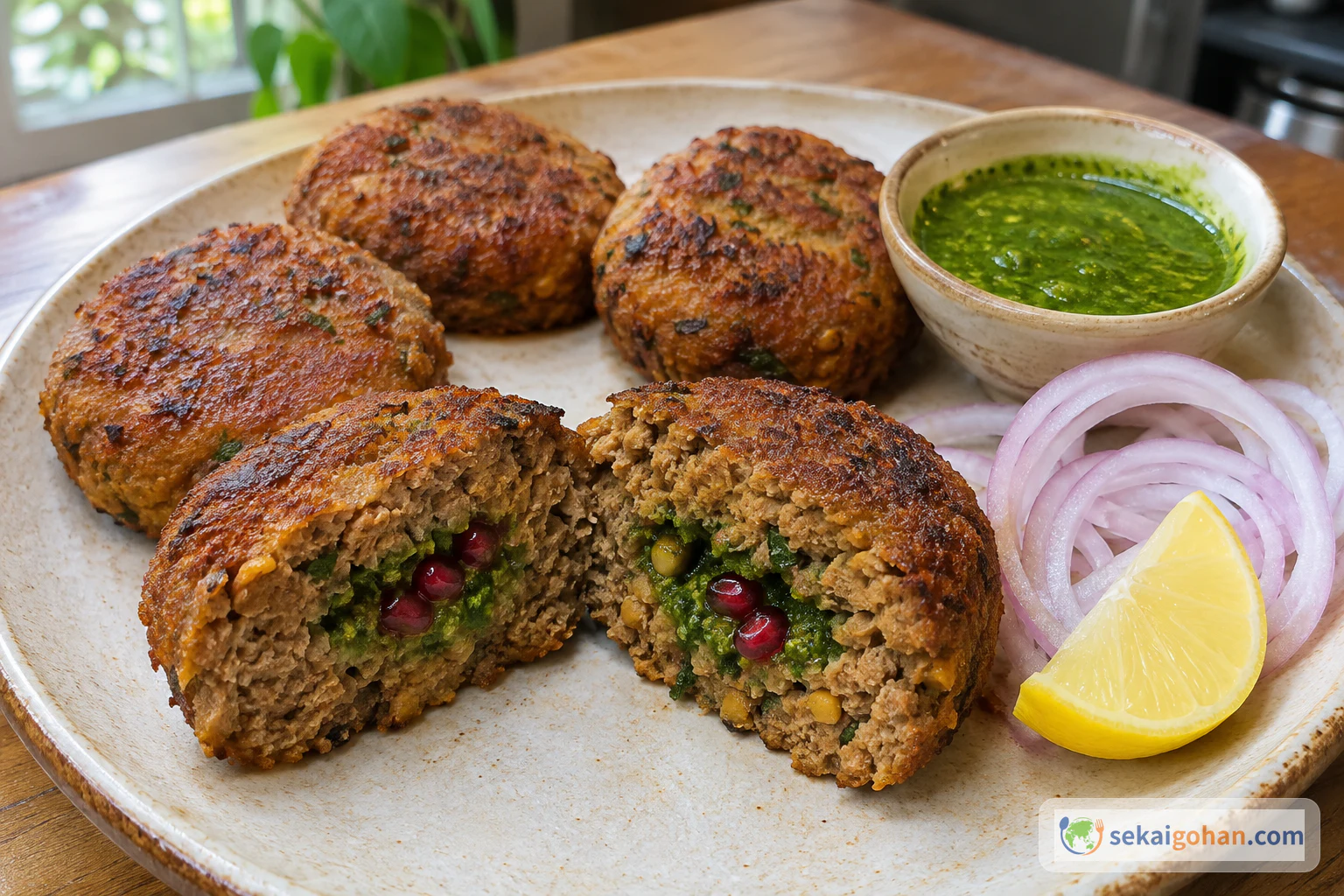
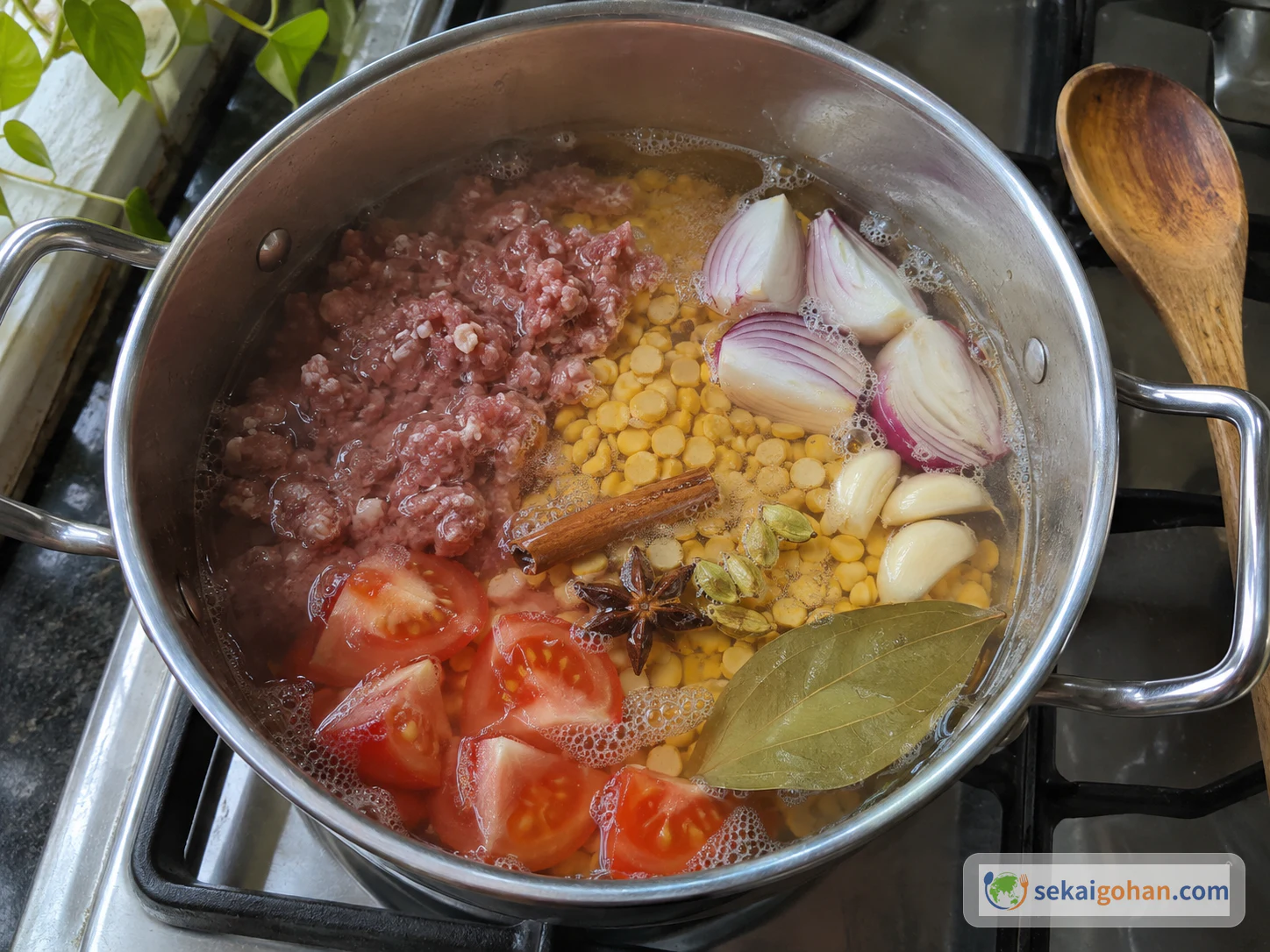
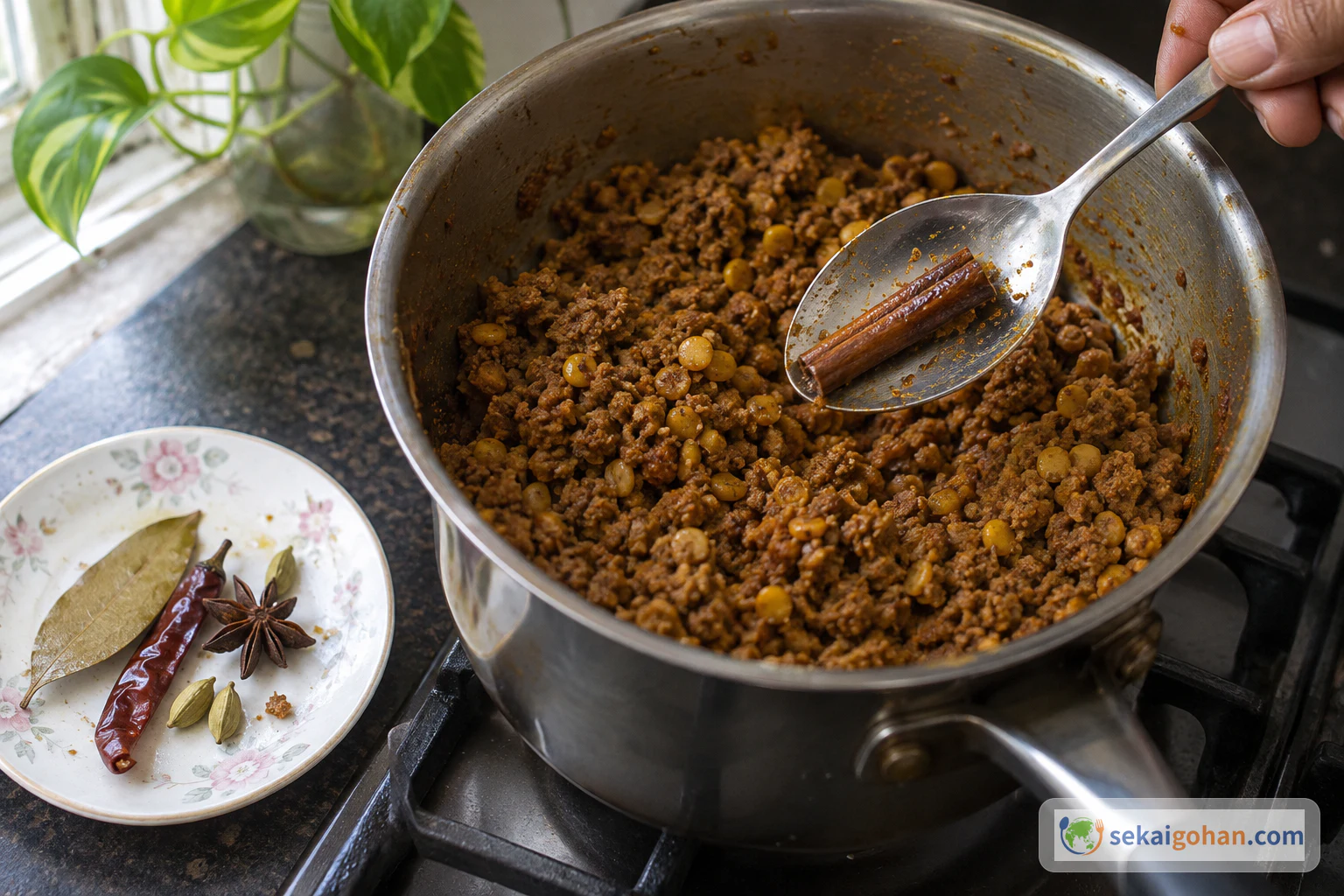
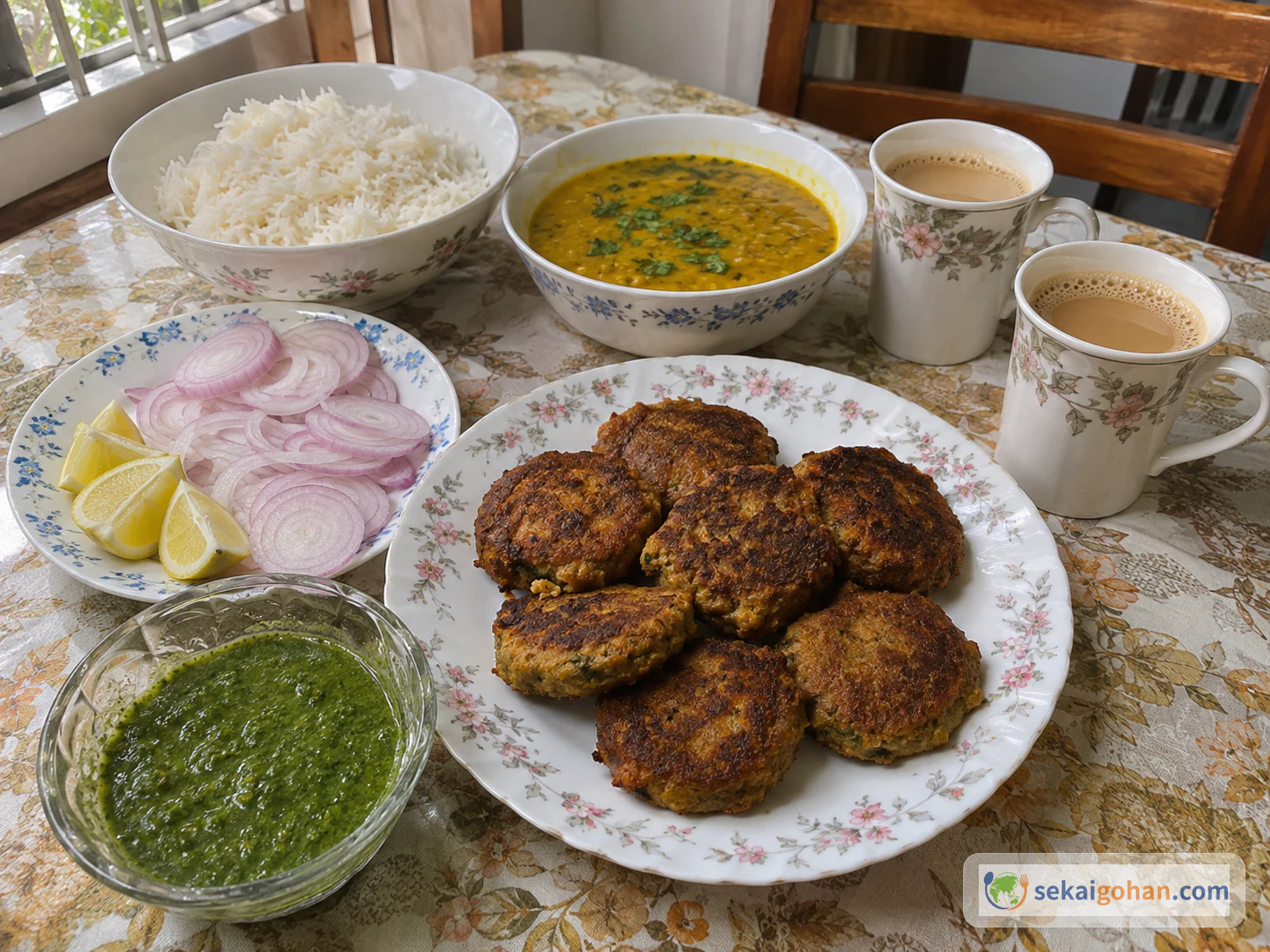
Near the end of the simmer, the pot goes quiet. The bubbling stops, the smell of cardamom and star anise rises off a mixture that has turned from soupy to crumbly, and the wooden spoon leaves a clean track across the bottom of the pan. That dry pot is the whole secret of a shami kebab. Ground smooth, rolled around a dab of green chutney and a few pomegranate seeds, then fried to a deep brown crust, it bites soft and fine-grained, warm with whole spices and sweet from the split chickpeas. In Pakistan it turns up as a starter, a tea-time snack and the hot centre of a Karachi street bun.
A kebab that is cooked twice
Most kebabs go onto the heat raw. A shami kebab is cooked before it is ever shaped. Minced beef and chana dal, the small split chickpea, are simmered together with onion, garlic, tomato and whole spices until every drop of water is gone. Only then is the mixture ground to a paste, bound with egg, shaped and fried. That double cooking is what separates it from its neighbours on a Pakistani table: the chapli kebab is raw mince pressed flat and fried, the bihari kebab is threaded onto skewers. The shami kebab is softer than both, almost creamy inside, with a texture closer to a fine pâté than to a burger.
Where the name comes from is not settled. One reading ties it to shaam, evening, the time of day the kebabs are eaten. Another links it to Bilad al-Sham, the old name for the lands around present-day Syria. A third connects it to shamama, a perfume, a nod to the fragrance of the spices. The dish is usually placed in the Mughal era on the Indian subcontinent, and the common story has it travelling into north India through the nawabs of Awadh and their cooks. None of these accounts can be pinned down, and the kebab is now cooked on both sides of the border, with beef the usual meat in Pakistani homes.
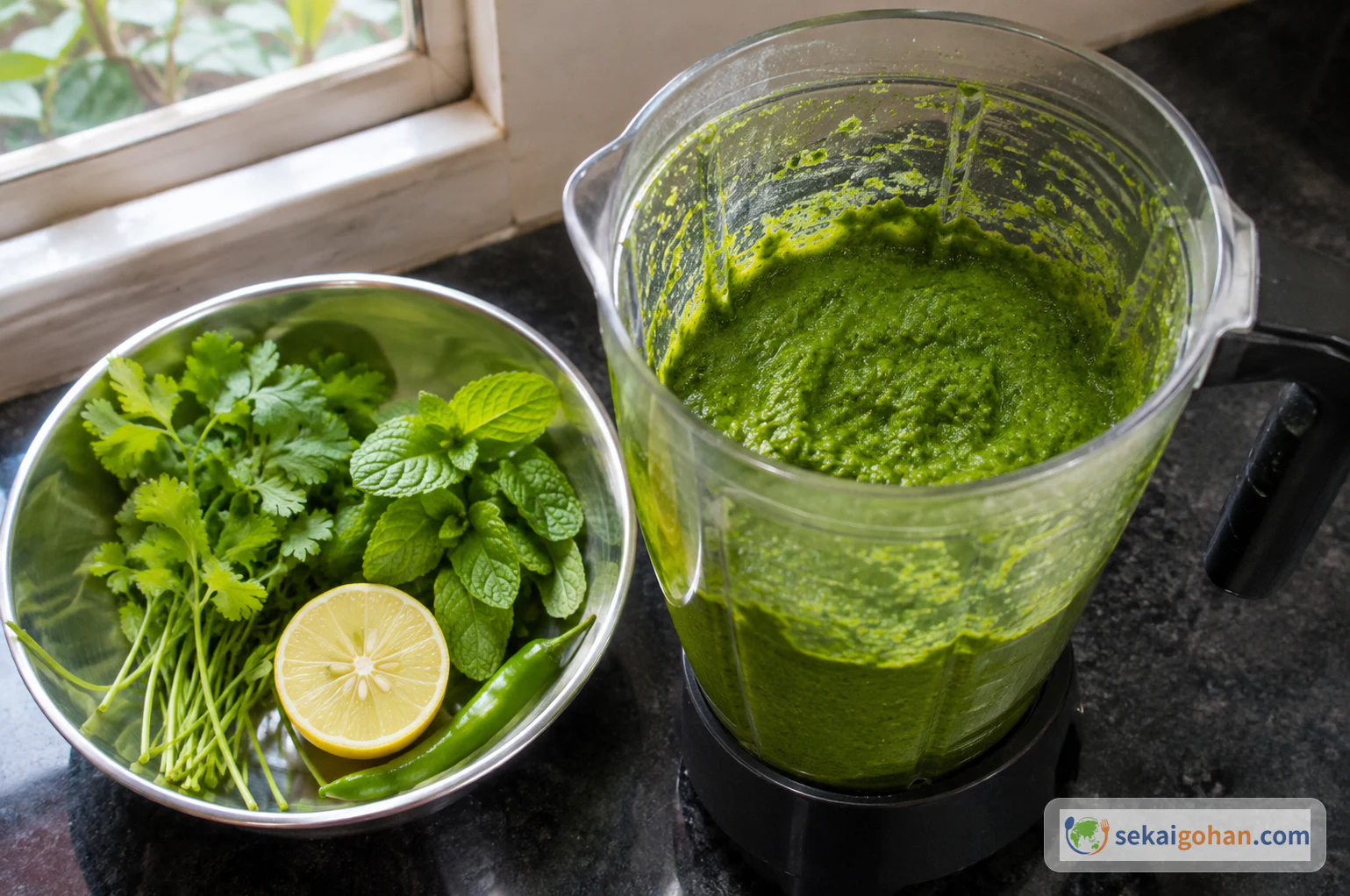
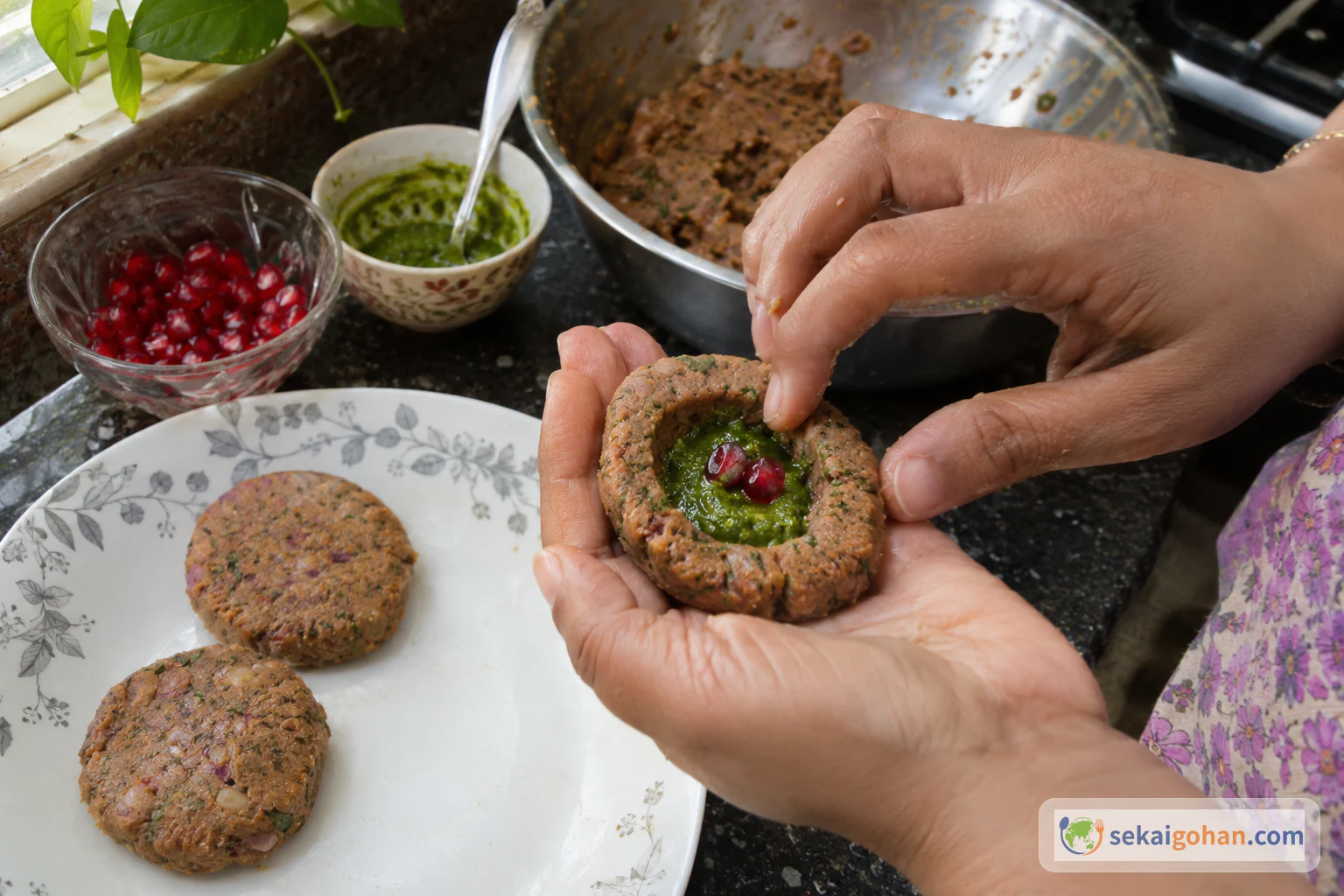
The pocket of coriander-mint chutney and pomegranate seeds inside each kebab is a home cook's flourish. Break one open at the table and the green and ruby filling shows against the brown, fine-grained interior, and the first bite carries a sharp, fresh burst through the warm spice.
Where it lands on the table
At home, shami kebabs are made in batches and pulled out for many occasions. They go out as a starter before korma or chicken biryani, sit beside cups of chai with nankhatai biscuits in the afternoon, and turn a plain meal of rice, dal and pickles into something more generous. In Karachi they cross over to the street as the bun kebab: a soft brioche-style bun toasted lightly in ghee, a hot shami kebab, tamarind and coriander chutneys and a little salad.
Regional cooks shift the balance. In Kashmir the mixture leans heavily towards meat, often lamb, and in Hyderabad the kebabs are eaten with rice. Some households coat the patties in egg white or cornflour before frying for a crisper shell. For more dishes from the same kitchen, see Pakistani food.
Ingredients (serves 6 to 8)
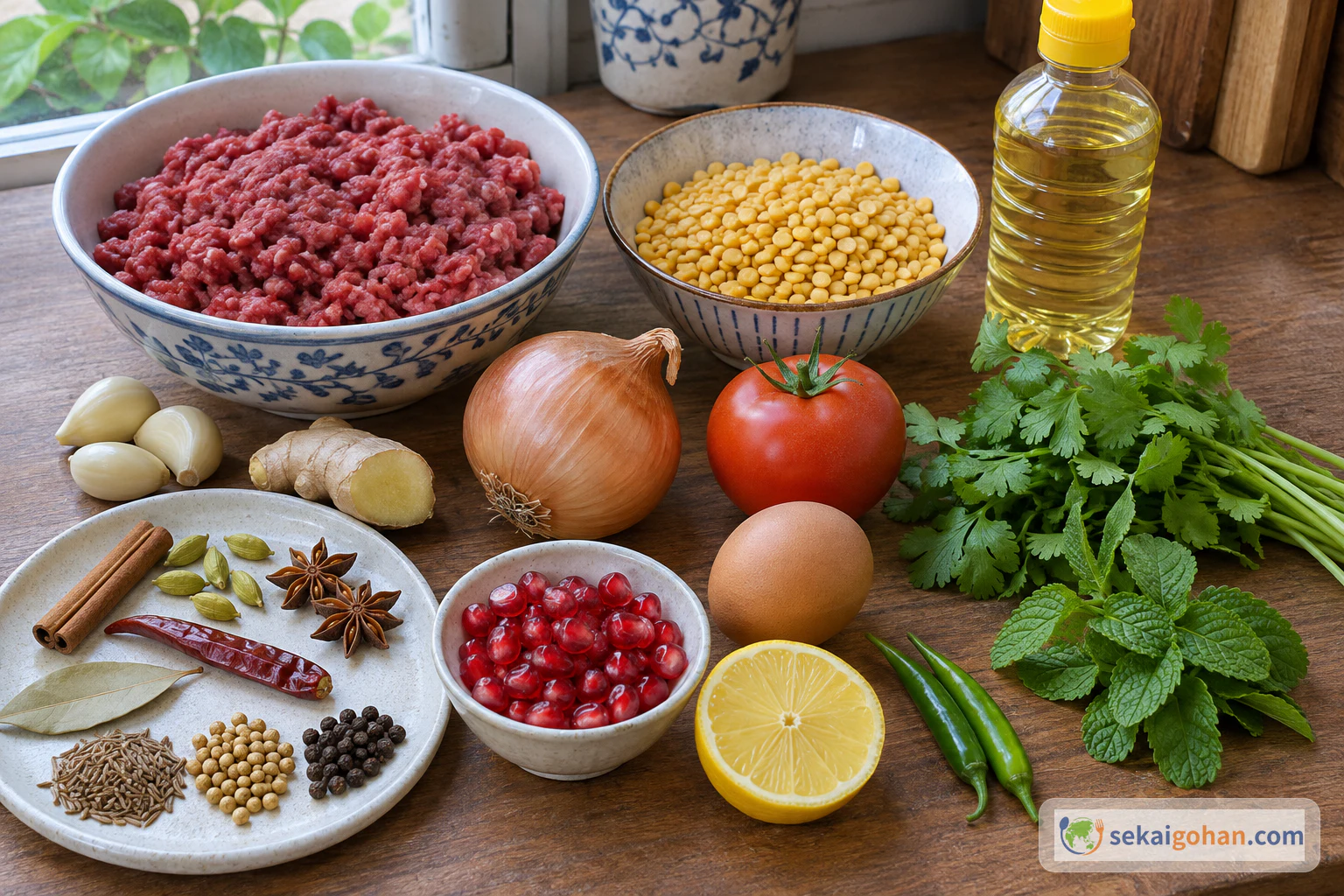
The chutney does two jobs: about ½ tsp goes inside each kebab, and the rest goes to the table. None of it is mixed into the paste.
The paste contains egg. Chana dal is a legume (chickpea), so check with anyone who reacts to pulses before serving.
Equipment
- A small dry frying pan for toasting the seeds
- A spice grinder or mortar and pestle
- A heavy saucepan with a lid
- A wooden spoon
- A food processor
- A blender or small food processor for the chutney
- A wide frying pan and a metal spatula
- A plate lined with paper towels
Choosing and substituting
Chana dal is the one ingredient worth a trip to a South Asian grocer or an online order. It is skinned, split small chickpeas, and its sweetness and fine texture make the inside of the kebab. Yellow split peas can be used in its place, but the flavour changes, turning milder and more pea-like.
Buy lean minced beef. Fatty mince softens the paste and makes the kebabs crumble in the pan. Sunflower oil can be swapped for any neutral oil, such as rice bran oil. When pomegranates are out of season, leave the seeds out; the kebab loses its sweet-tart pop but still holds its chutney centre. The green chillies are optional, and removing their seeds keeps the chutney fresh-tasting rather than hot.
What keeps the dish tasting of Pakistan is the sweetness of the dal, the perfume of cardamom, star anise and cinnamon, a paste dried all the way down before grinding, and the cool chutney hidden inside. Hold on to those four and the rest can bend to your shop.
Dry-roast the cumin and coriander seeds in a small pan, then grind them. Freshly toasted and ground seeds smell stronger than ground spice from a jar.
Method
Soak the dal and toast the seeds first; everything else follows from those two. The simmer is the hands-off stretch, and it is when you make the chutney. Once the pot is dry, the grinding, shaping and frying move quickly, so have the processor, a plate and the frying pan ready before you lift the pot off the heat.
When it goes wrong
| What you see | Why | What to do |
|---|---|---|
| The paste is soft and sticky and will not hold a ball | Water was left in the pot | Return the mixture to the pan and cook it further until it is very dry. Before shaping, roll a 1 tsp ball as a test; it should keep its shape |
| Kebabs crack or fall apart in the pan | Paste too warm or too soft, or turned too often | Chill the paste before shaping, handle it lightly, and turn each kebab only once |
| Chutney leaks out while frying | Too much filling, a thin chutney or an unsealed seam | Use about ½ tsp per kebab, keep the chutney thick and pinch the seam closed |
| Hard, bitter bits in the bite | A whole spice was ground into the paste | Count all whole spices out before grinding |
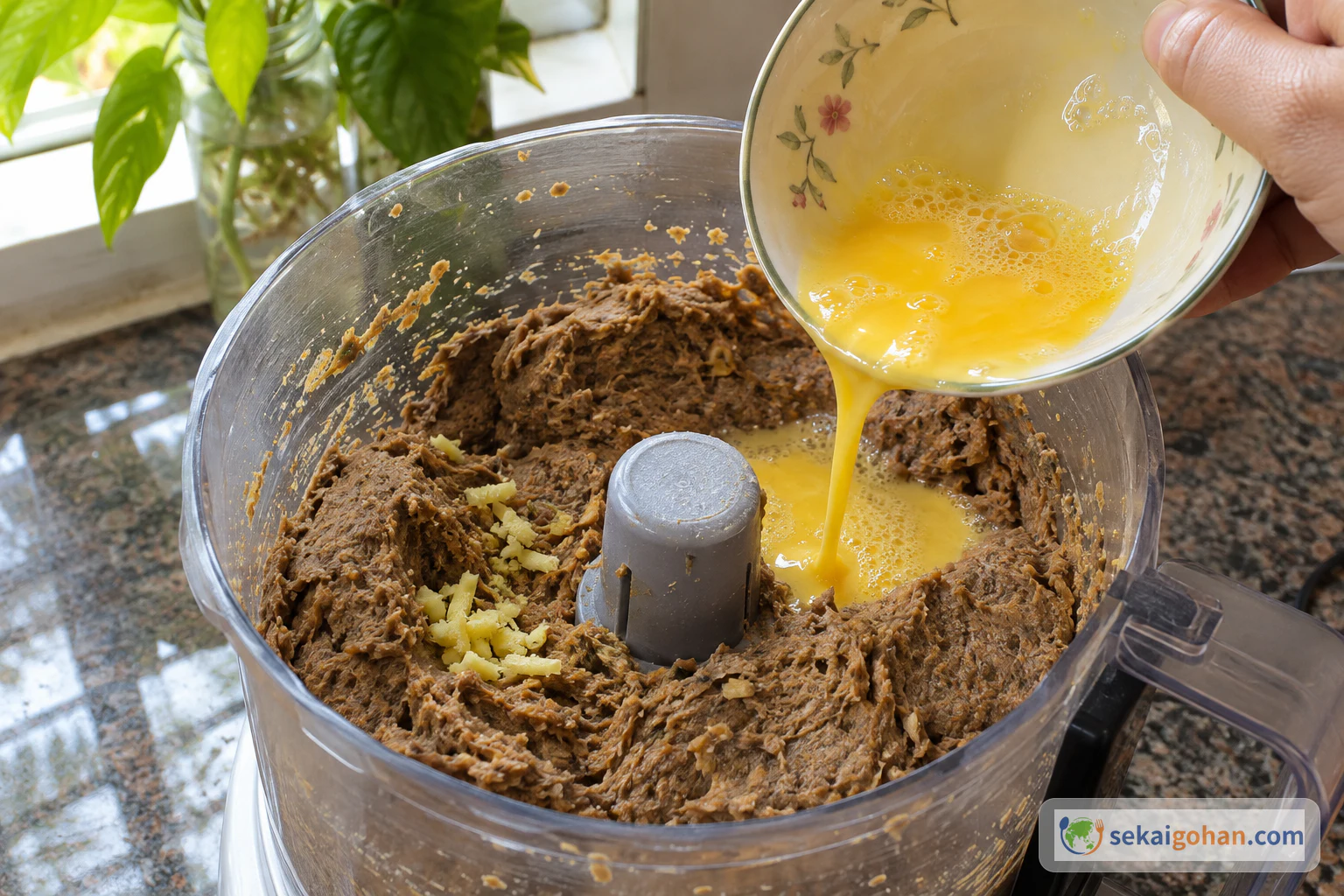
| Grainy texture inside | The dal was not ground fully | Process longer before adding the egg, until no whole grains remain |
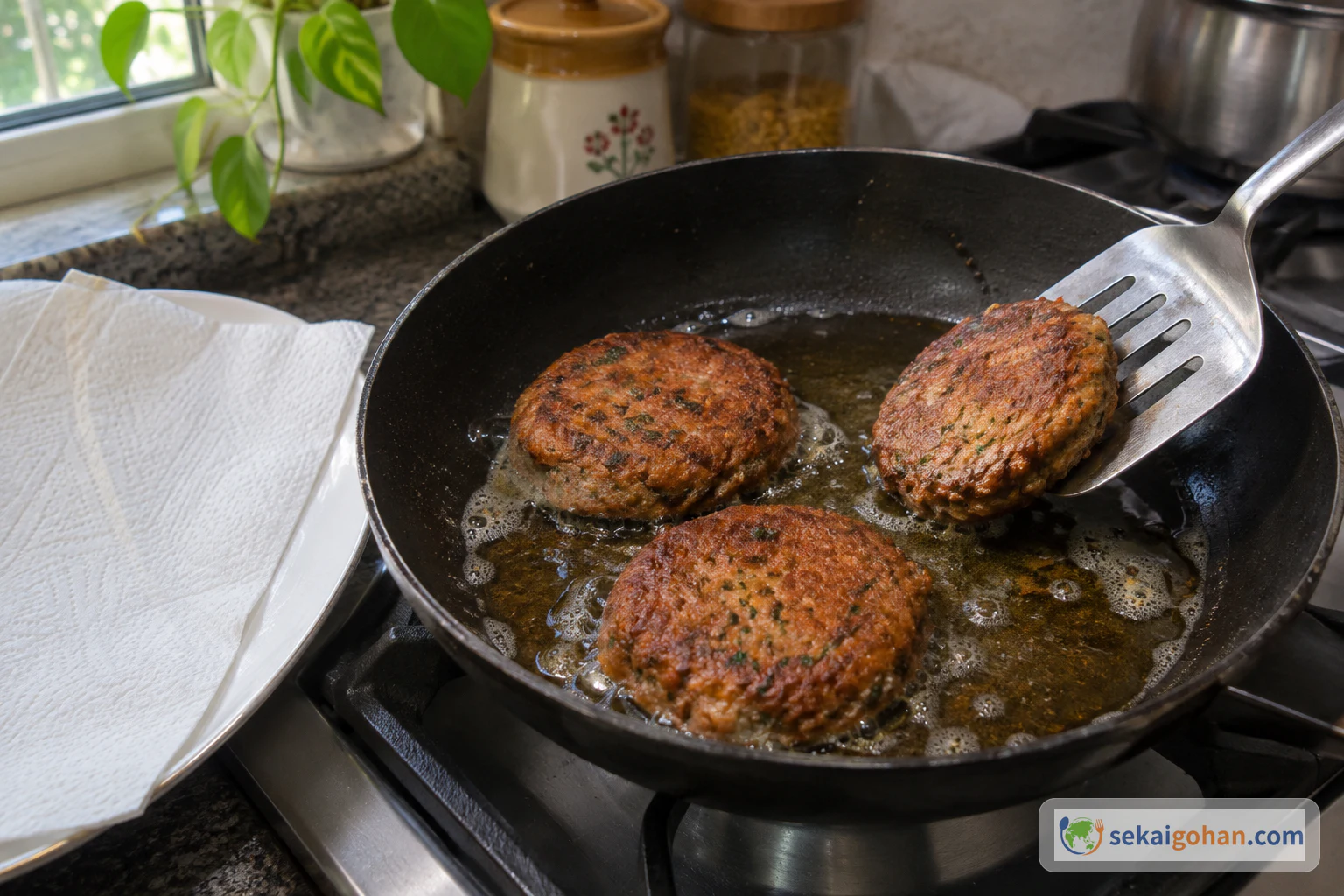
| Pale, soft crust | The oil was too cool or the pan crowded | Fry fewer at a time over medium heat until the crust is deep brown |
Serving, variations and storage
At the table
Hot shami kebabs need little beside them: the green chutney for dipping and a squeeze of brightness. Before a main of korma or biryani they are a starter; in the afternoon they sit with chai and nankhatai; on a weekday they stretch a plate of rice, dal and pickles into a full meal.
Variations
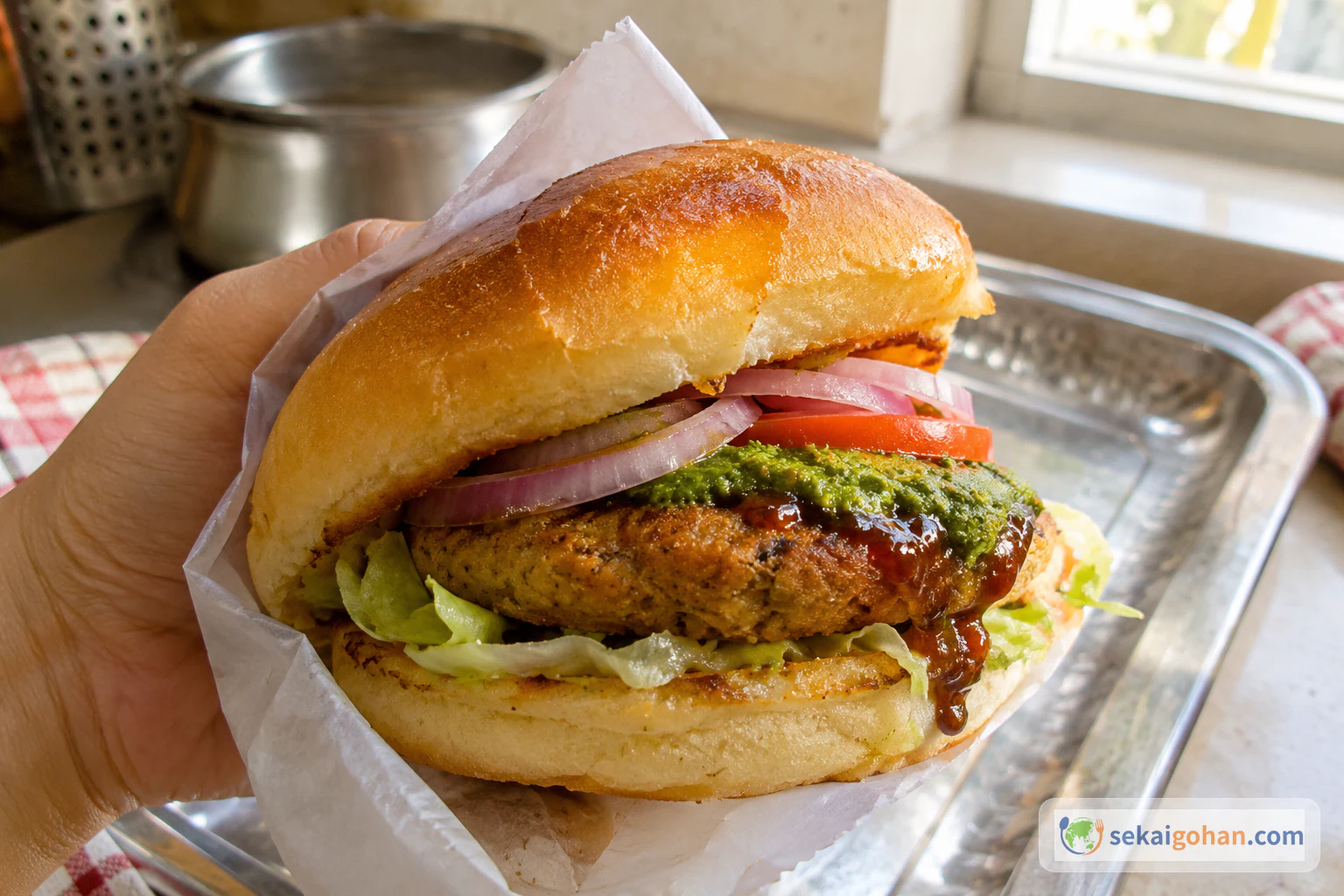
- Bun kebab. Toast a soft brioche-style bun lightly in ghee and fill it with a hot kebab, tamarind chutney, coriander chutney and salad. The rich bun and sweet-sour tamarind turn the kebab into street food in the Karachi style.
- Coated kebabs. Dip the shaped patties in egg white or dust them with cornflour before frying for a crisper, thicker shell. Households that coat their kebabs usually build the paste differently too, so treat this as its own style.
- Plain centre. Leave out the chutney and pomegranate filling for a simpler kebab that shapes faster and holds together more easily, serving all the chutney on the side.
Storage
Freeze cooked kebabs in a covered container for up to 3 months. Thaw them completely, then reheat them thoroughly until hot all the way through before serving. Keep the unshaped paste out of a warm room; refrigerate it promptly in a covered container if you are not shaping it right away.
Frequently asked questions
Why are the meat and dal simmered before grinding?
Cooking the beef and dal with the spices first softens the dal and drives out the water. A fully dried mixture grinds into a smooth paste that holds a shape and fries into a soft, fine-grained kebab. Raw mince would give a firmer, coarser patty, closer to a chapli kebab.
Can I freeze the kebabs before frying?
Yes. Shape and fill them, freeze them in a covered container, then thaw them completely and fry them as in step 7 until deep brown and cooked through. Freezing them shaped means fresh kebabs straight from the pan on the day you serve them.
Can I use lamb instead of beef?
Yes, lamb shami kebabs are common, especially in north India. Use lean lamb mince and follow the same method, simmering until the pot is completely dry. The kebab comes out richer and more strongly flavoured.
Do I need a food processor?
A food processor gives the smooth paste that makes the soft texture. A mortar and pestle or a mincer works with more effort, as long as no whole grains of dal remain before the egg goes in.