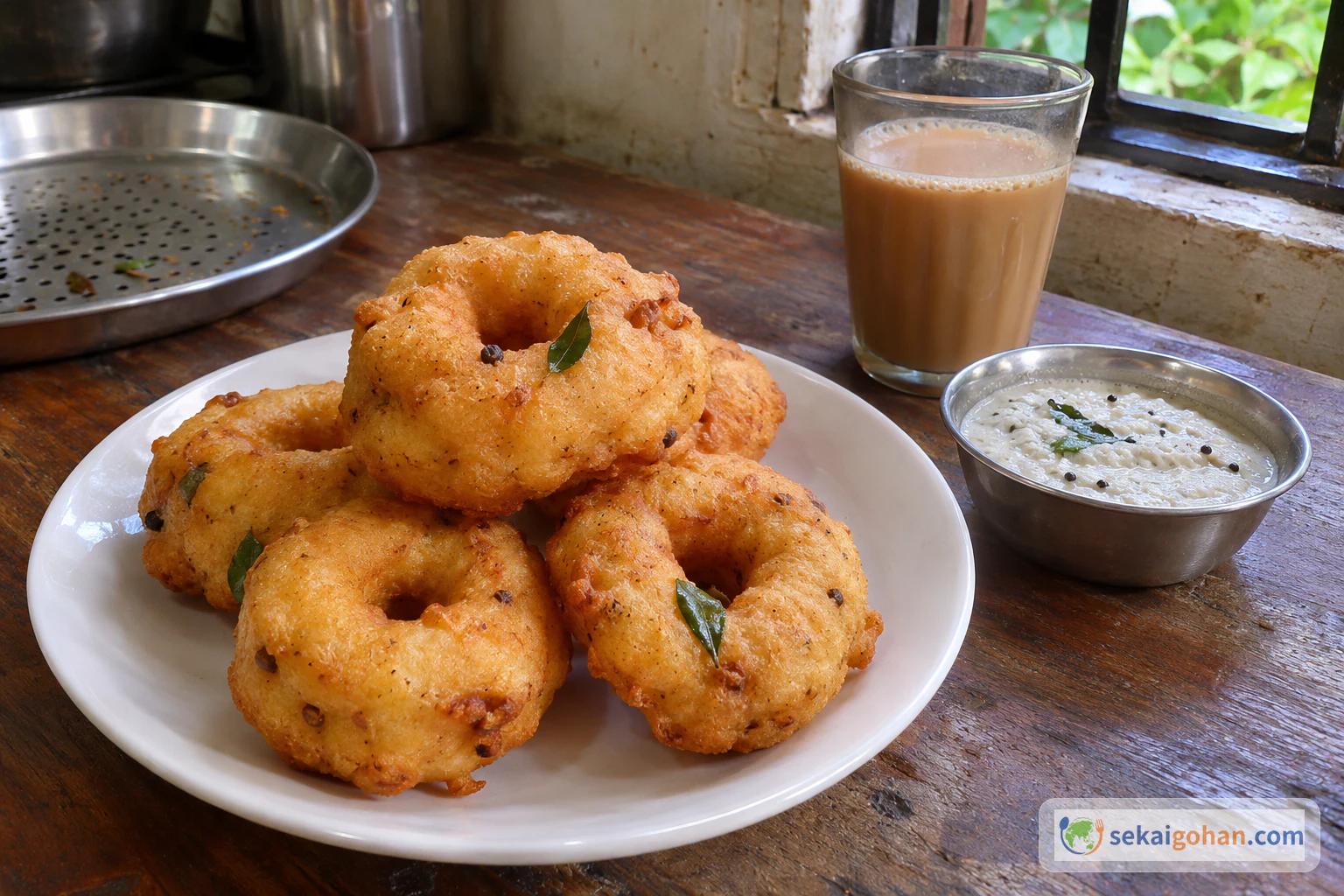
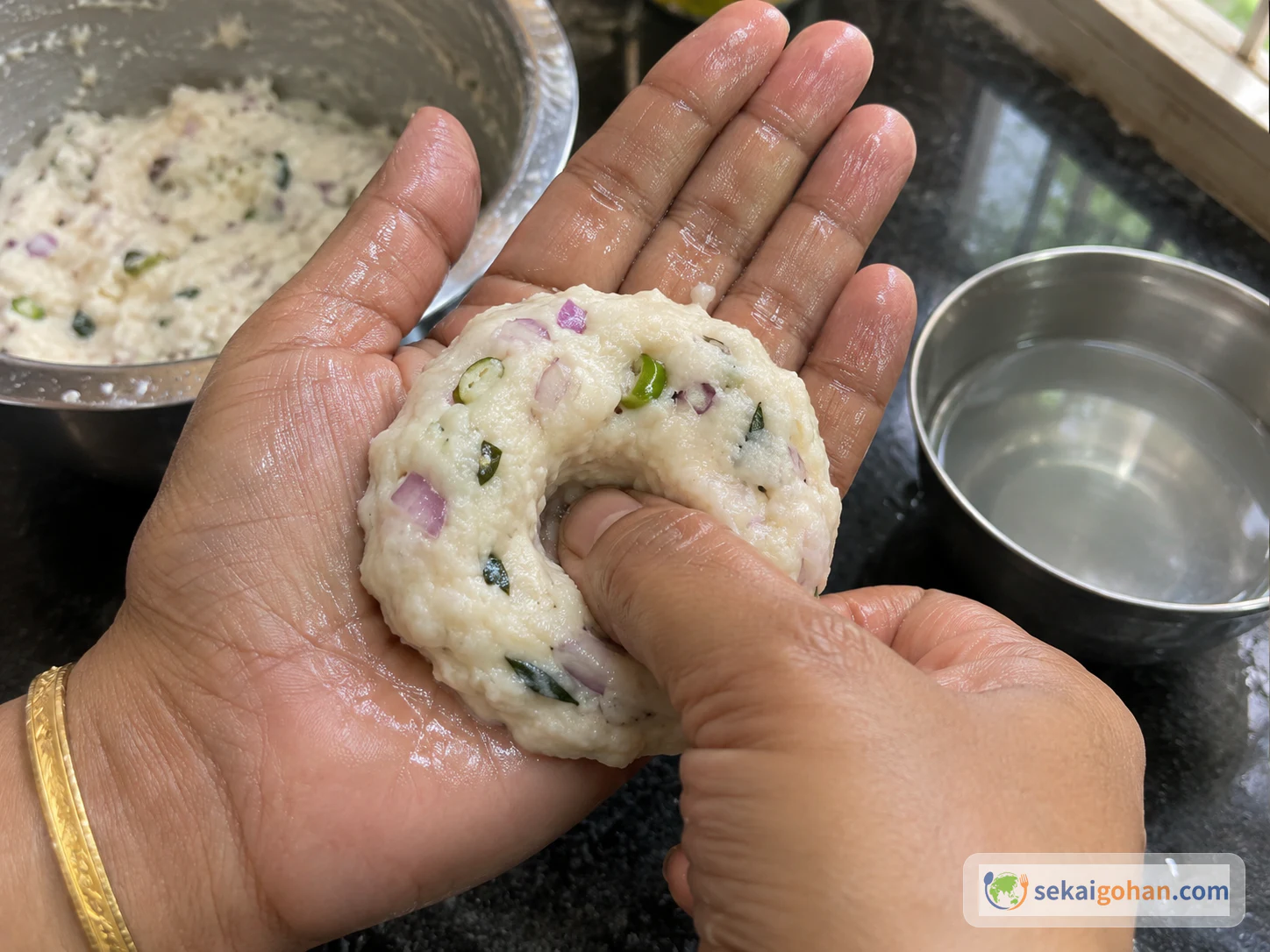
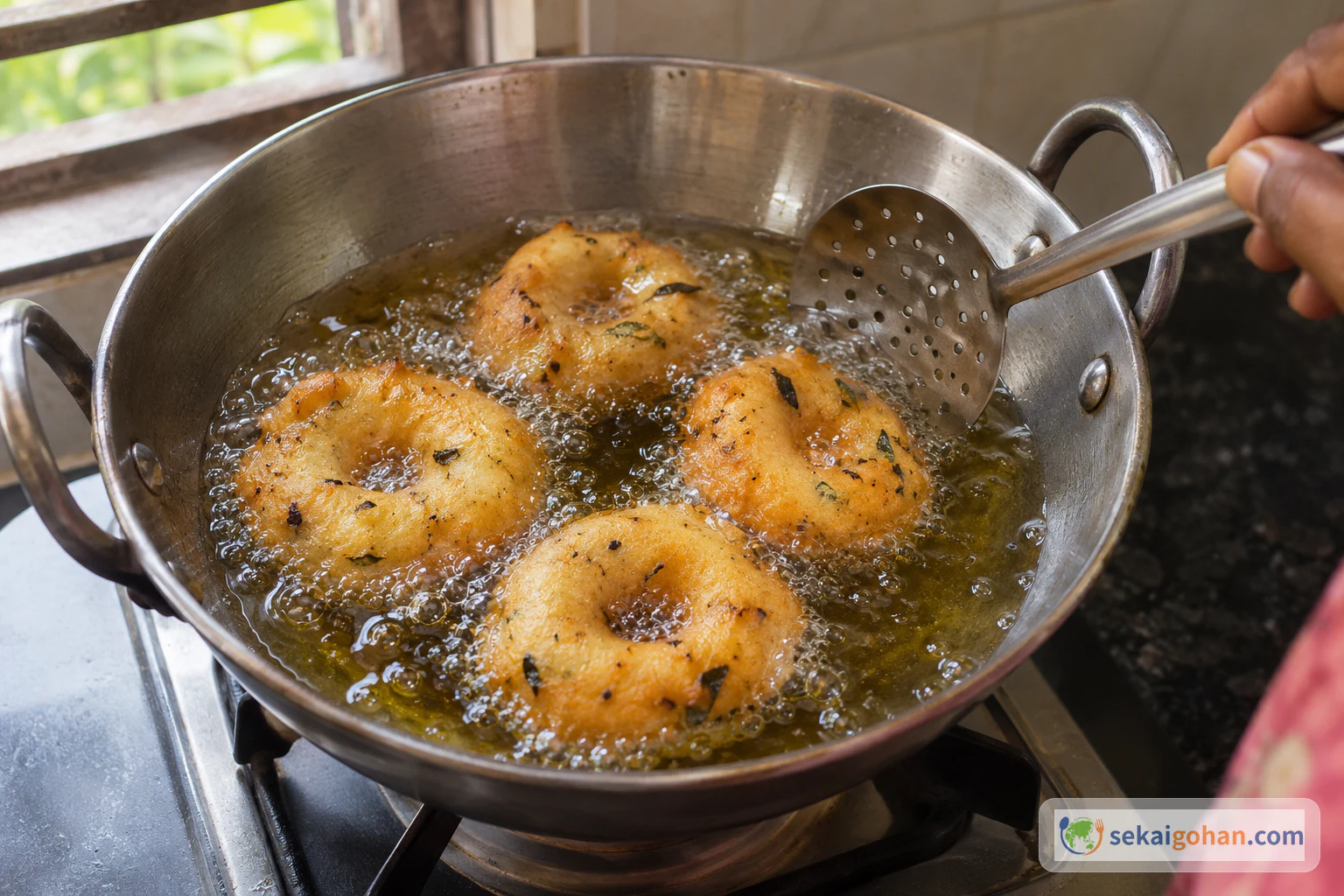
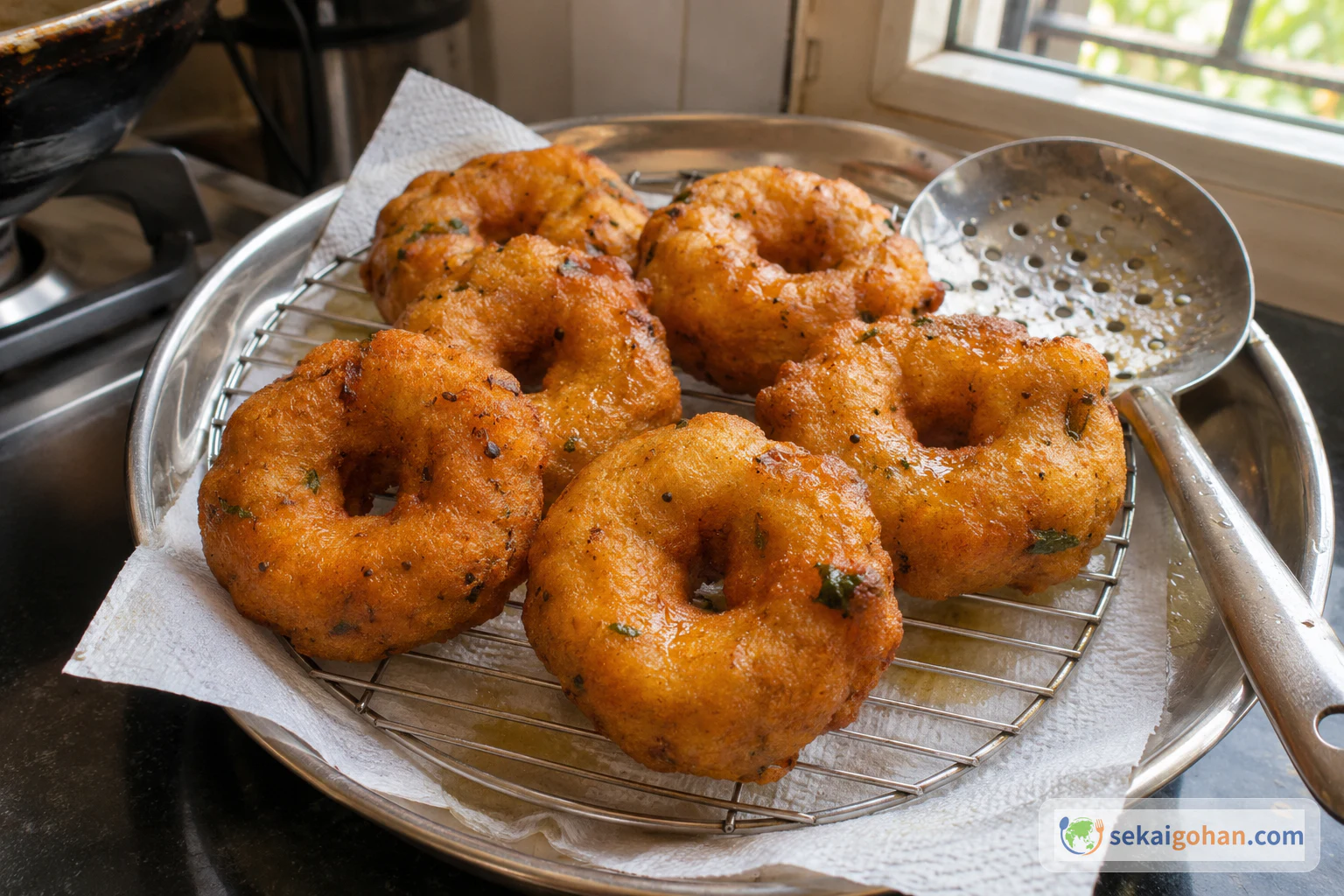
Wet your palm, press a ball of pale batter flat, push a thumb through the middle, and slide the ring into the oil. It hisses, small bubbles crowd around its edge, and through the hole you can see the oil moving underneath. It comes out deep gold, the edge thin and crisp, the inside soft and pale and flecked with green chili and curry leaf.
This is ulundu vade, Sri Lanka's ring-shaped fritter of skinned urad dal. It sits in tea-shop glass cases, in paper bags at bus stands and railway stations, and on plates next to a glass of milky tea at any hour of the day.
One Name, Three Fritters, and a Five O'Clock Glass Case
Ulundu, parippu and isso
Ask for "vade" in Sri Lanka and the answer depends on the tray. Ulundu vade is made from black gram with its skin removed, ground into a thick batter and shaped into a ring with a hole, so it fries up crisp on the outside and soft and airy inside. Parippu vade is made from split chickpeas (chana dal, kadala parippu) ground coarse and pressed into flat, uneven discs that crunch when you bite them, though some households make it with red lentils instead. Isso vade is a flat lentil fritter topped with small prawns, the snack of the stalls along Galle Face in Colombo. Three different fritters, three different doughs, one word on the sign.
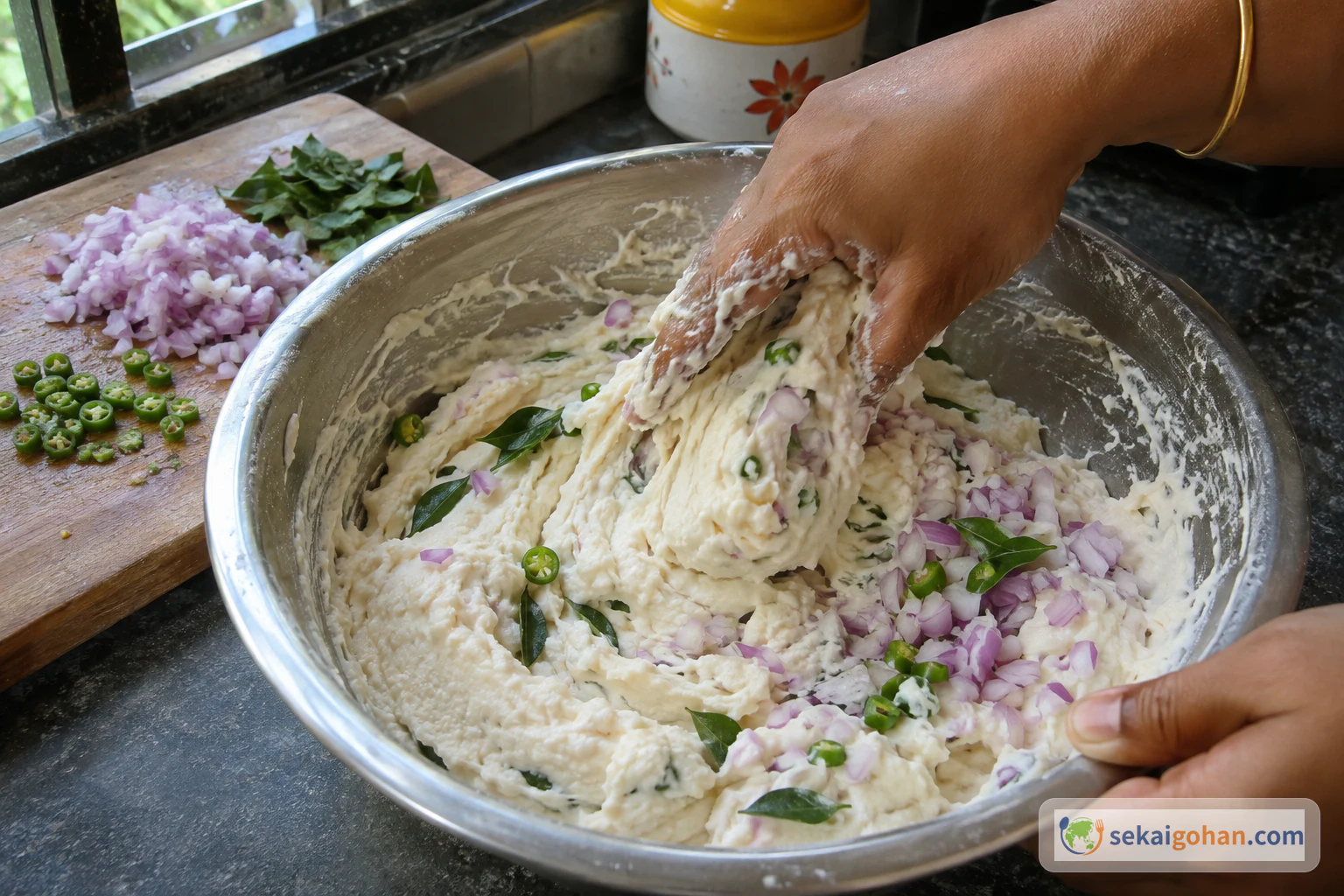
Across the Palk Strait in South India, almost the same urad dal ring is called medu vada. The Sri Lankan style is the one that folds chopped onion, green chili and curry leaves into the batter before it goes into the oil.
Vada or vadai means a fried thing, a fritter. In everyday Sinhala, vadai is shortened to wade, which is why you see vade and wade on handwritten shop cards as often as vadai.
Short eats at the glass case
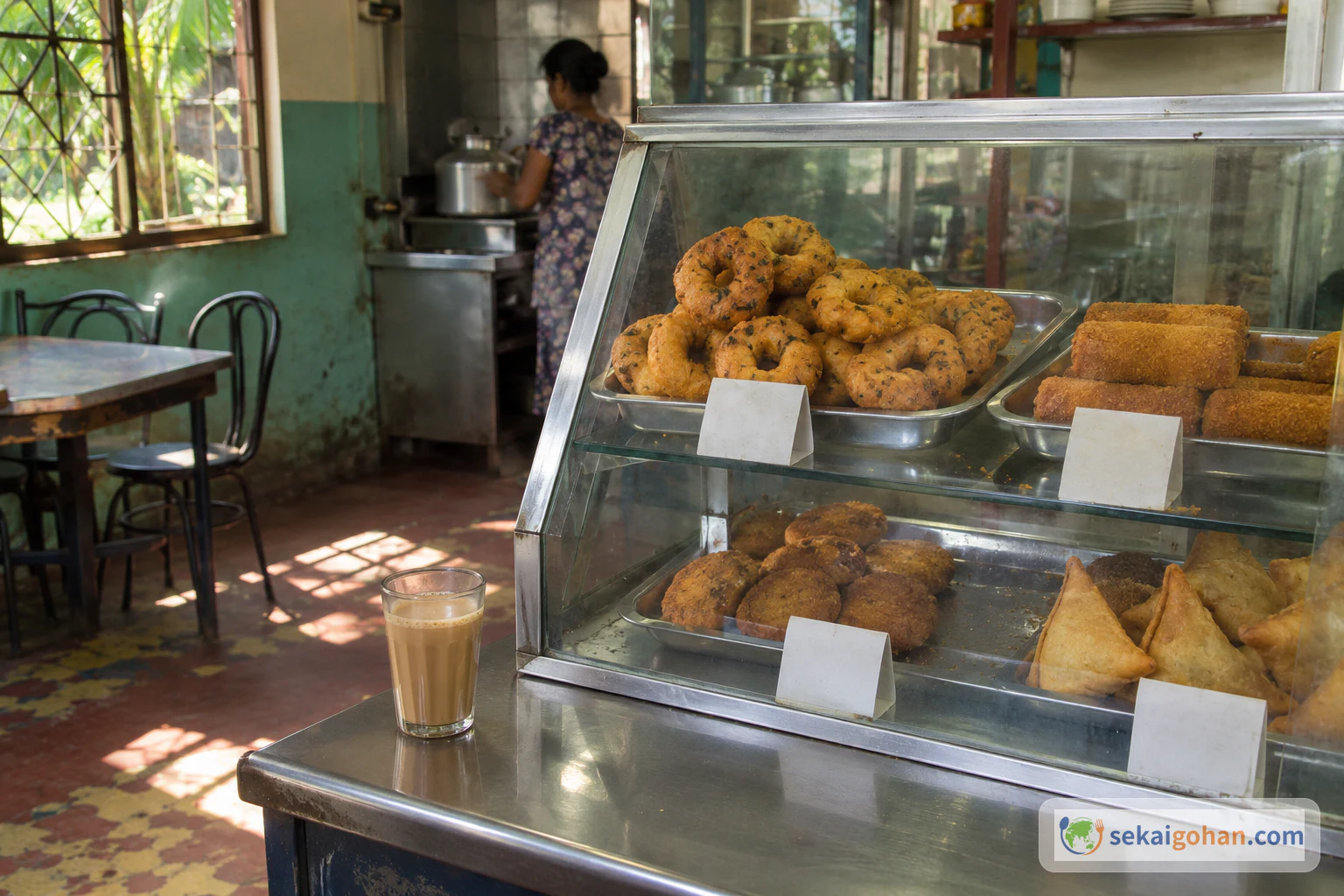
Vade belong to the family Sri Lankans call short eats, the fried and baked snacks eaten at any time of day. In Colombo, when the snack shops open at five in the afternoon, they fill up fast. Tea culture shaped the habit, and the trays themselves mix British, Dutch, Portuguese and Indian influences, but the ring of urad dal is a fixture in nearly every glass case. You find it at bakeries, bus stands and train stations all over Sri Lanka.
From Jaffna to the south
In the north and east, vade are everyday food in Tamil homes and eateries, and both the ulundu and parippu kinds are sold across much of the island. In Jaffna, shops hand out hot ulundu vade in paper bags with a fiery red chutney, and tell customers to eat them before they cool and go soggy. Older cooks there remember frying them in coconut oil.
The fritter came to Sri Lanka from South India with Tamil people. Exactly when, and with whom, is not settled. One account ties the plain lentil vade to South Indian workers brought to the tea estates under British rule; another holds that vade were traditionally made with red lentils (masoor dal).
Ingredients (makes 20)
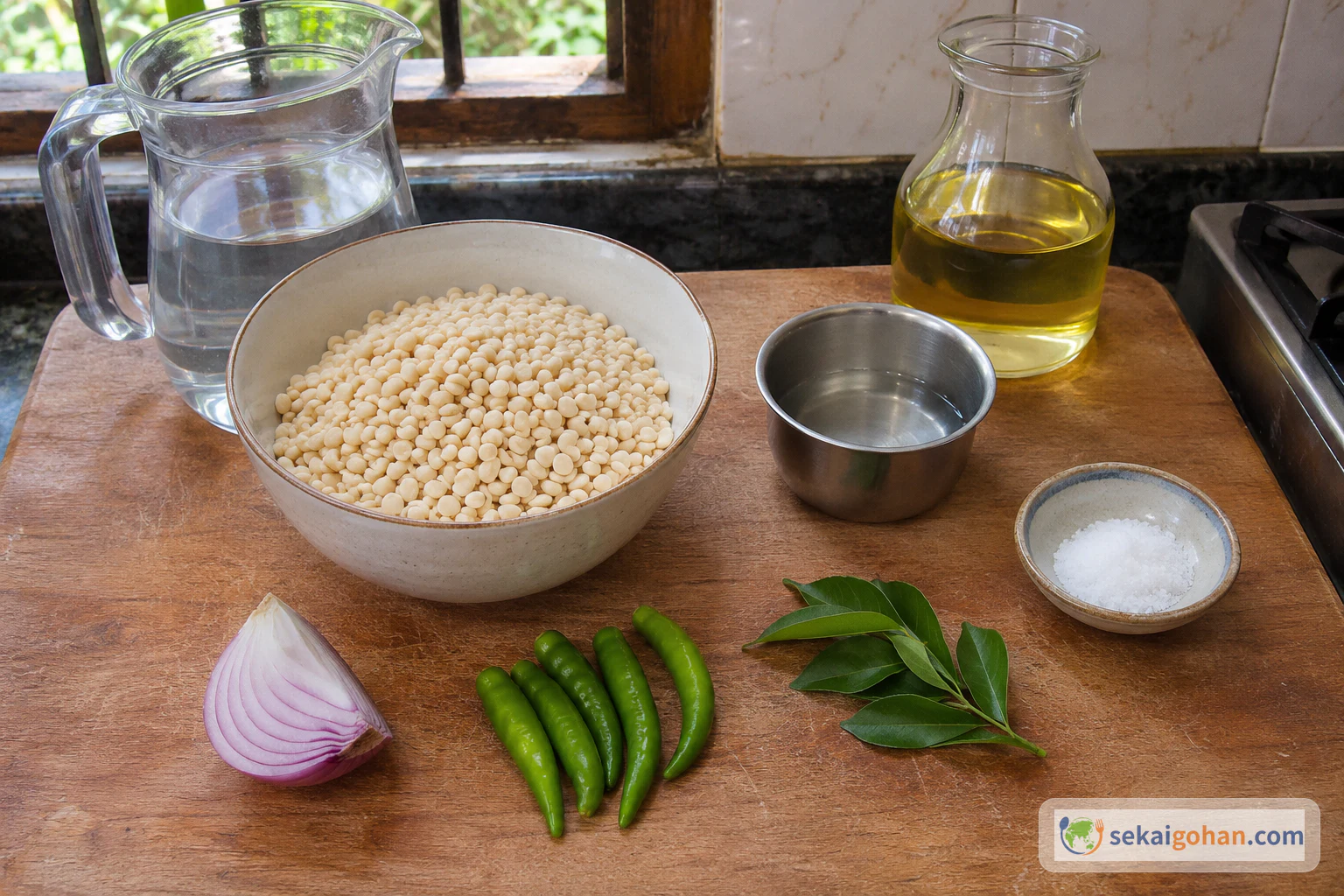
Urad dal is a legume. The ingredients contain no wheat, egg or dairy, but shared frying oil, pots and tools in your kitchen decide whether cross-contact is an issue for anyone at your table.
Equipment
- Deep pot for frying
- Deep-fry thermometer
- Food processor or blender
- Slotted spoon
- Wire rack over a tray, or paper towels
- Small bowl of water for wetting your hands
Buying Urad Dal and Curry Leaves
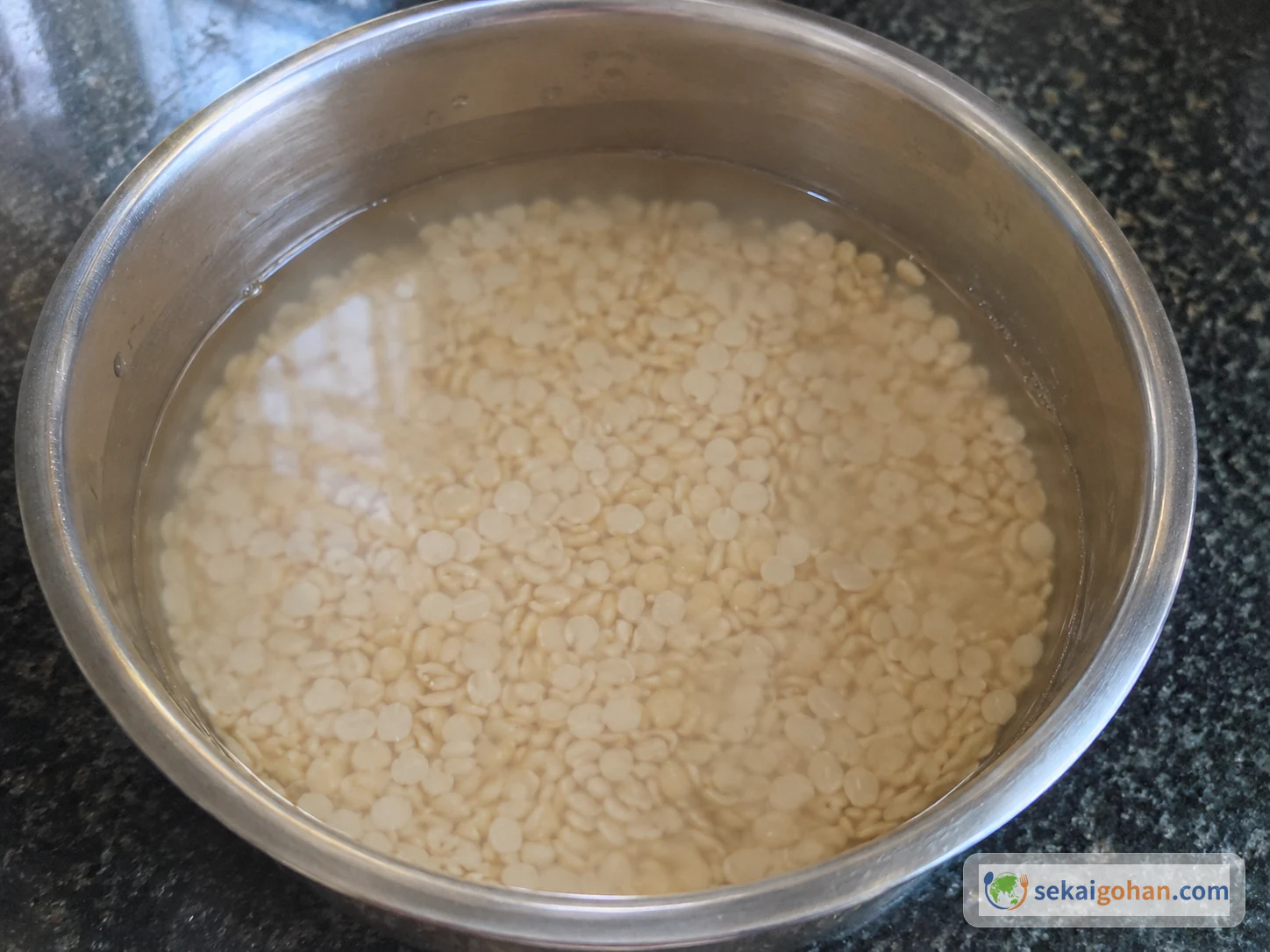
Urad dal is the one thing that cannot change. Buy the white, split, skinned kind, sold as "urad dal white split" in South Asian grocers and online. Swap in another bean and you make a different fritter: chana dal gives you the flat, crunchy parippu vade, red lentils the dal vada of other households.
Curry leaves are best fresh, from the same South Asian shops, and dried leaves work when fresh ones are not around. No other spice stands in for them; leave them out and the vade loses its Sri Lankan smell. For the chilies, use hot green ones. Mild peppers such as shishito give colour but almost no heat, so if yours are mild, use more of them.
For frying, any neutral oil does the job: vegetable, rice bran or canola.
Method
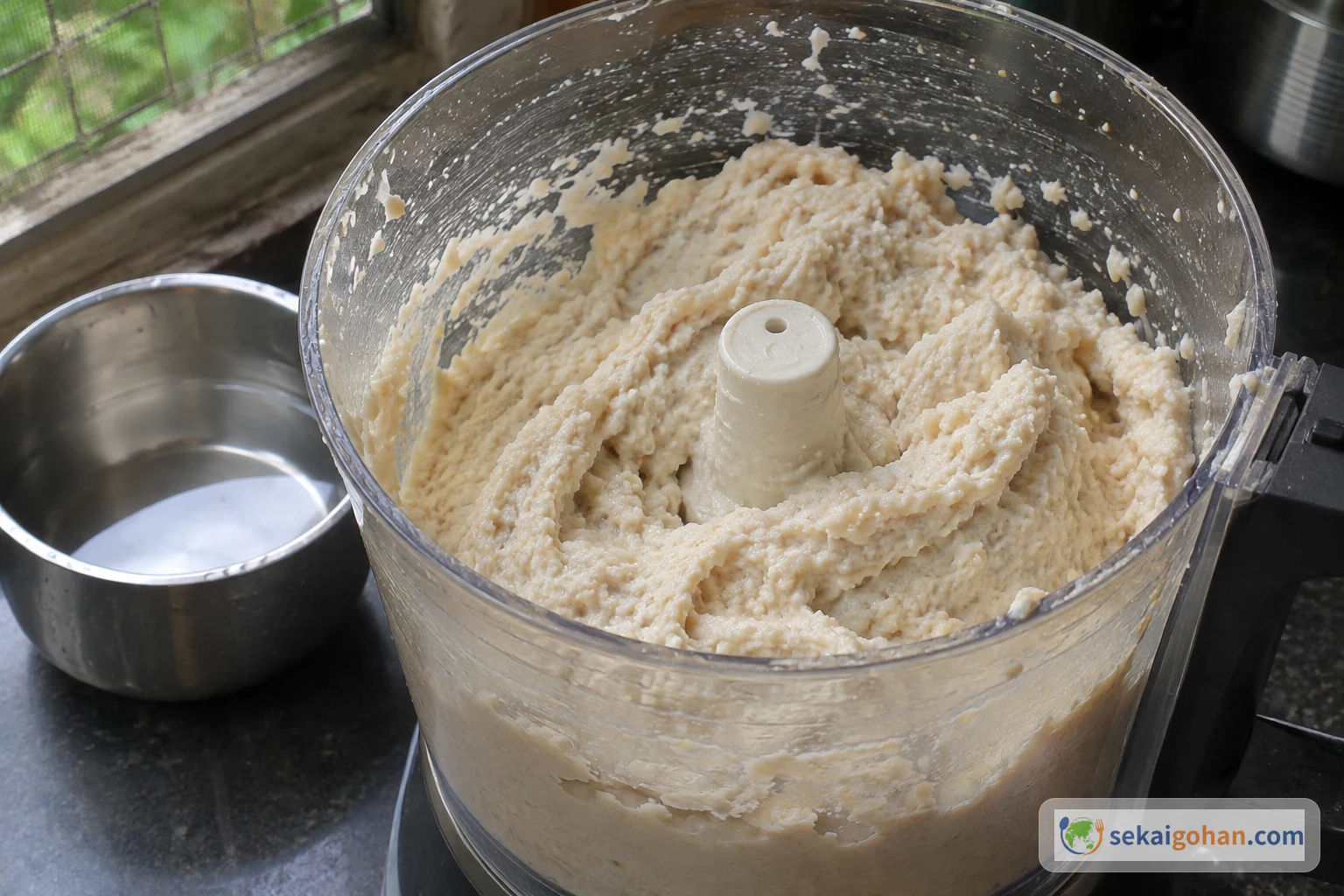
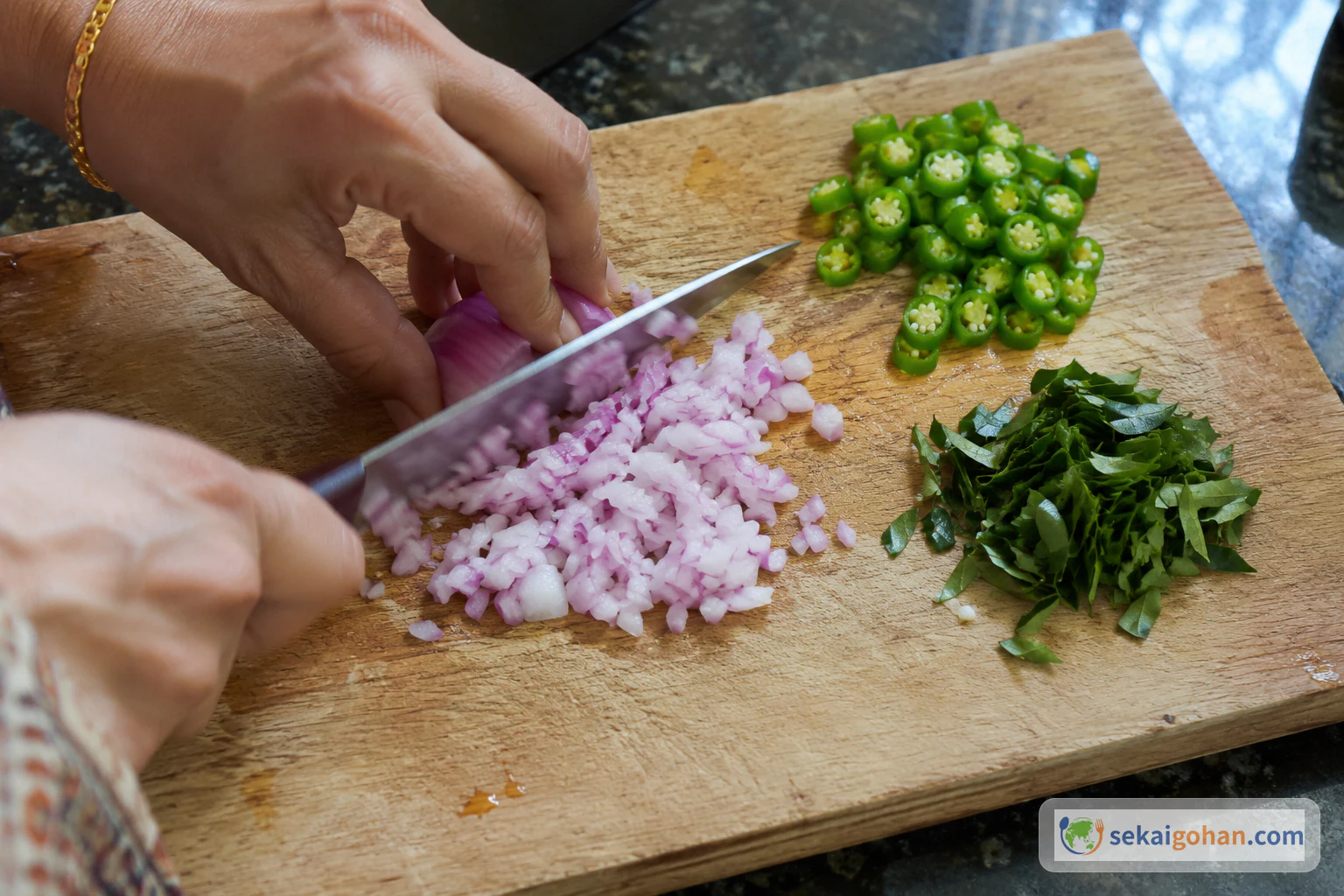
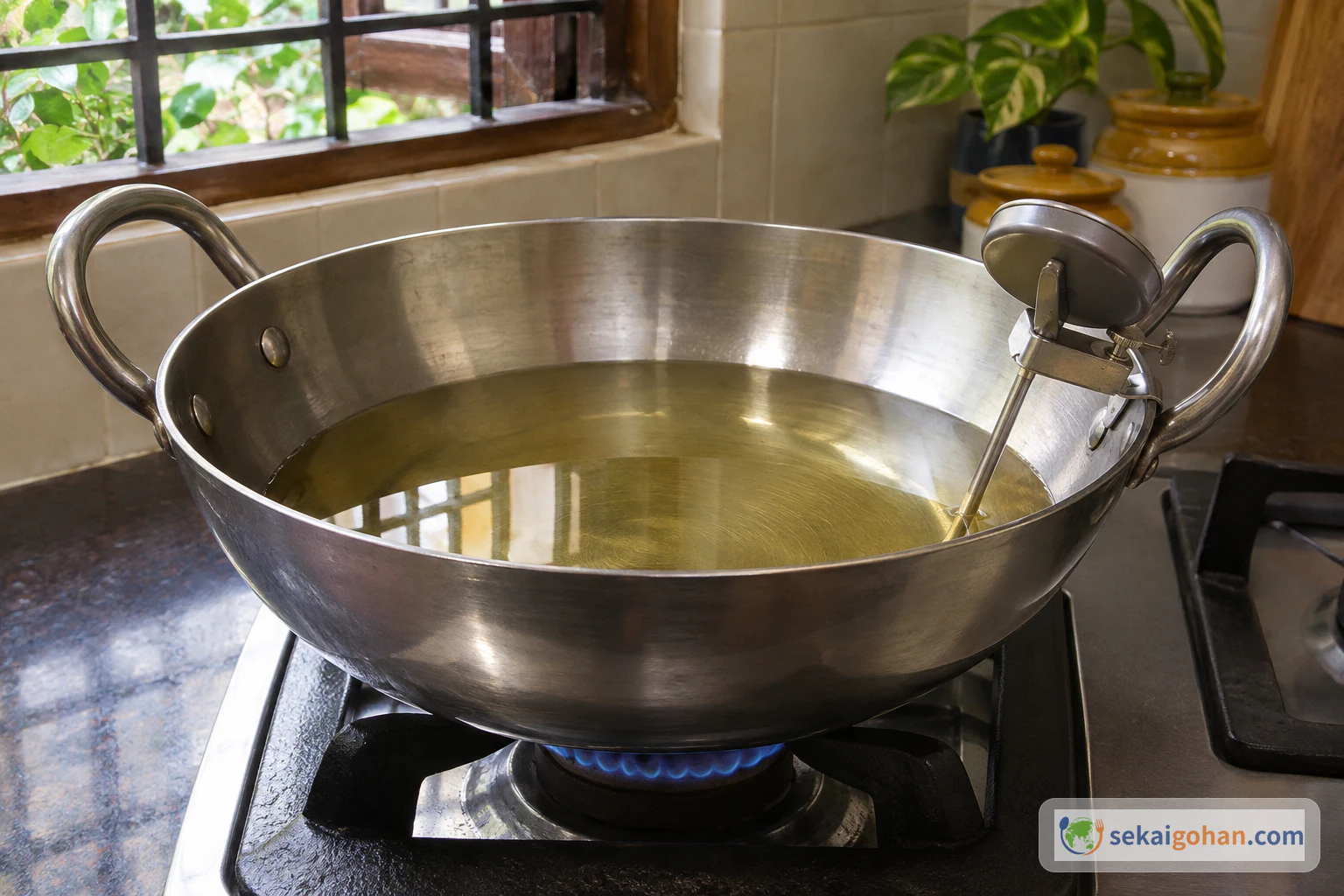
The work splits into two long waits and one busy stretch. Start the soak in the morning or the night before, grind, then let the batter rest while you chop the onion, chilies and curry leaves. The frying is the only part that keeps you at the stove, and it goes smoothly when the oil, the hand-water bowl and the batter are all set up before the first ring.
When It Goes Wrong
| What you see | Why | What to do |
|---|---|---|
| Greasy, heavy vade | Oil too cool, or batter too wet | Bring the oil back up into 325–375°F (163–191°C) before the next batch; keep the grinding water under 50 ml next time |
| Dark outside, raw inside | Oil too hot, or rings too thick | Lower the heat, flatten the rings more and make sure every hole is open |
| Batter will not hold a ring | Ground too fine with too much water | Grind coarse and add water by the spoonful; a stiff paste shapes, a loose one does not |
| Batter clings to your hand | Dry palm | Wet your palm again before every vade |
| Rings stick together in the pot | Too many in at once | Separate them immediately with the spoon and fry fewer per batch |
| Dense, heavy centre | The batter did not puff | Avoid over-grinding and keep the oil steady in range |
Most problems trace back to water and heat. A stiff, coarse paste and oil held in range on the thermometer fix nearly everything in this table.
Serving, Variations and Storage
At the table
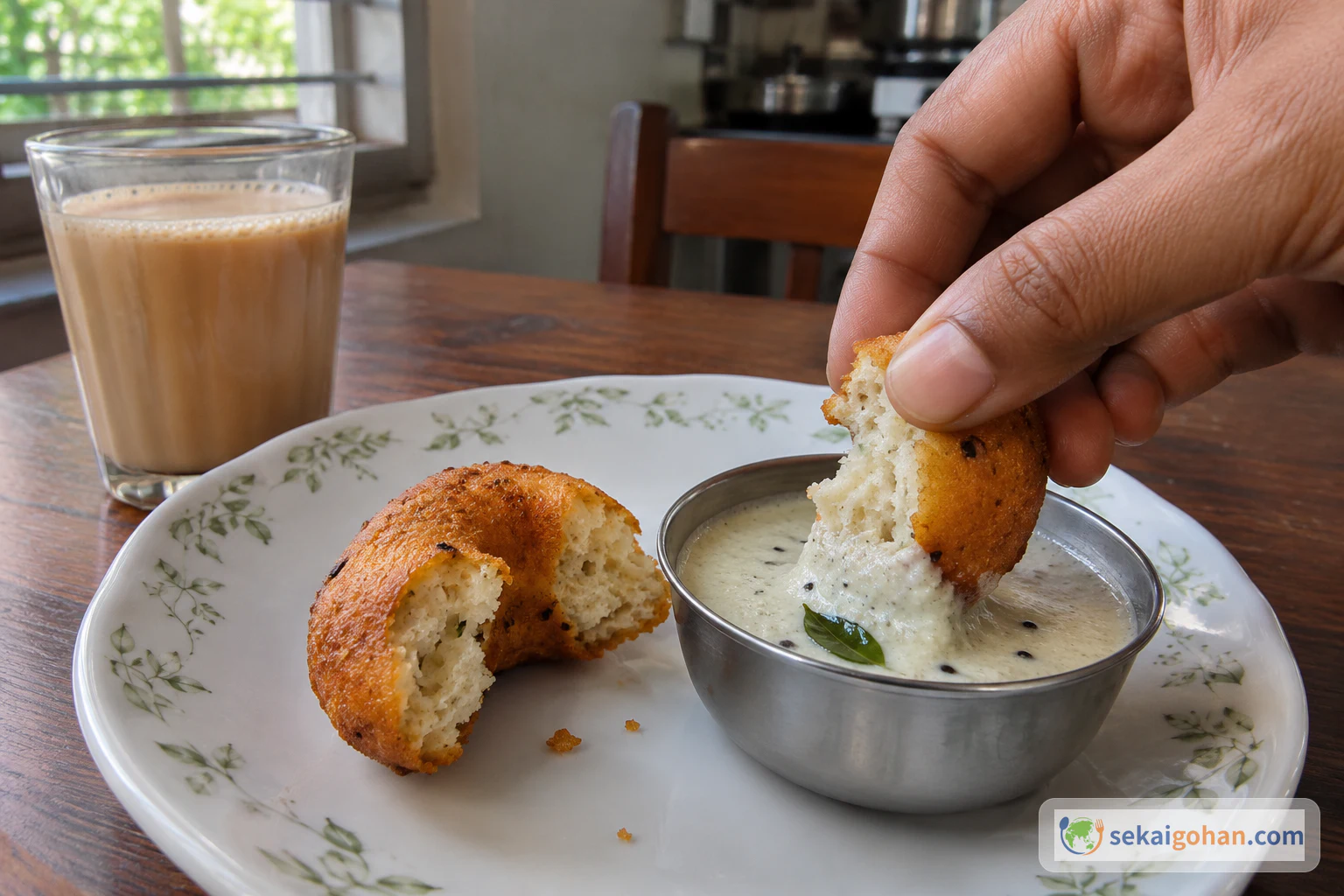
Ulundu vade are eaten at any time of day, breakfast included. Serve them with coconut chutney or a sambal, and put a pot of milky tea on the table; that pairing is what you get at the bus stand. At street stalls, plenty of people eat them plain, straight from the paper.
Variations
- Black pepper: some cooks grind a little into the batter with the aromatics, which adds a dry, lingering heat on top of the chili.
- Red onion: it changes the balance of sharpness and sweetness compared with a yellow onion, and leaves purple flecks in the crumb.
- Coconut oil: frying in coconut oil, as was once done in Jaffna, gives the crust a coconut aroma.
Storing and reheating
Vade are at their best hot. Store leftovers in an airtight container in the refrigerator; a related lentil vada recipe keeps them for up to five days this way. To freeze, spread them apart so they freeze individually, then take out only as many as you need. Reheat in the oven or an air fryer to bring the edge back to crisp.
Frequently asked questions
Is the 2 to 3 hour rest a fermentation?
No. The batter contains no yeast and nothing ferments; the rest is a plain wait after grinding, with no sour smell expected. Treat the batter as raw bean paste the whole time, and fry it fully.
How do I check the salt if I cannot taste the batter?
Salt the drained dal by eye before grinding, the way you would season raw vegetables. Then taste the first vade once it is fried and checked, and adjust the remaining batter only if it really needs it, mixing the salt through evenly.
Can I grind the batter smooth?
You can grind it finer if you prefer a smoother crumb. The water limit stays the same: a finer paste made with extra water slumps on your palm and soaks up oil. Coarse paste holds a ring most easily, so start there.
Are ulundu vade gluten-free and vegan?
Yes. The batter is urad dal, onion, chilies, curry leaves, salt and water, fried in vegetable oil. Check your frying oil and equipment if you are cooking for someone with a wheat allergy.