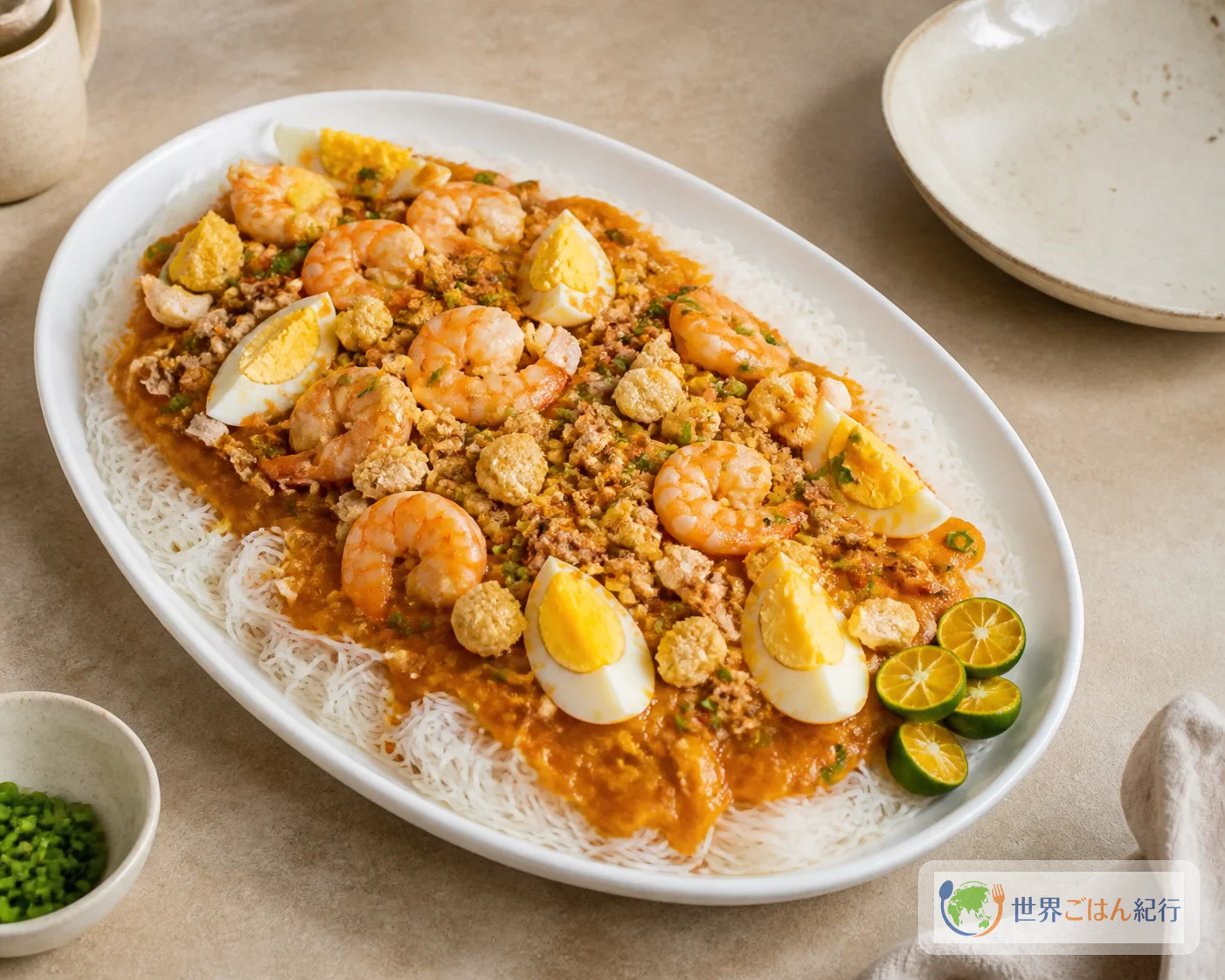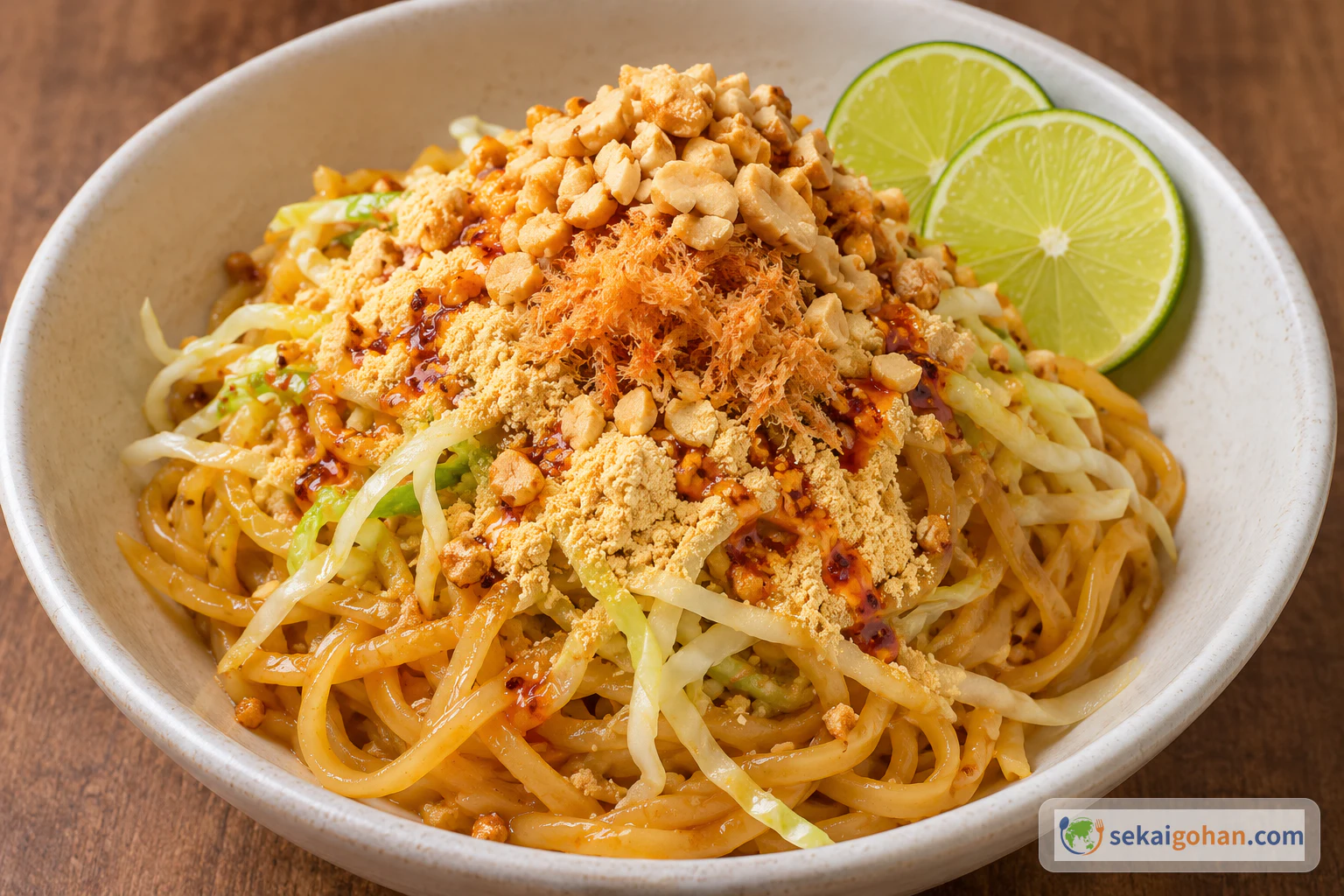
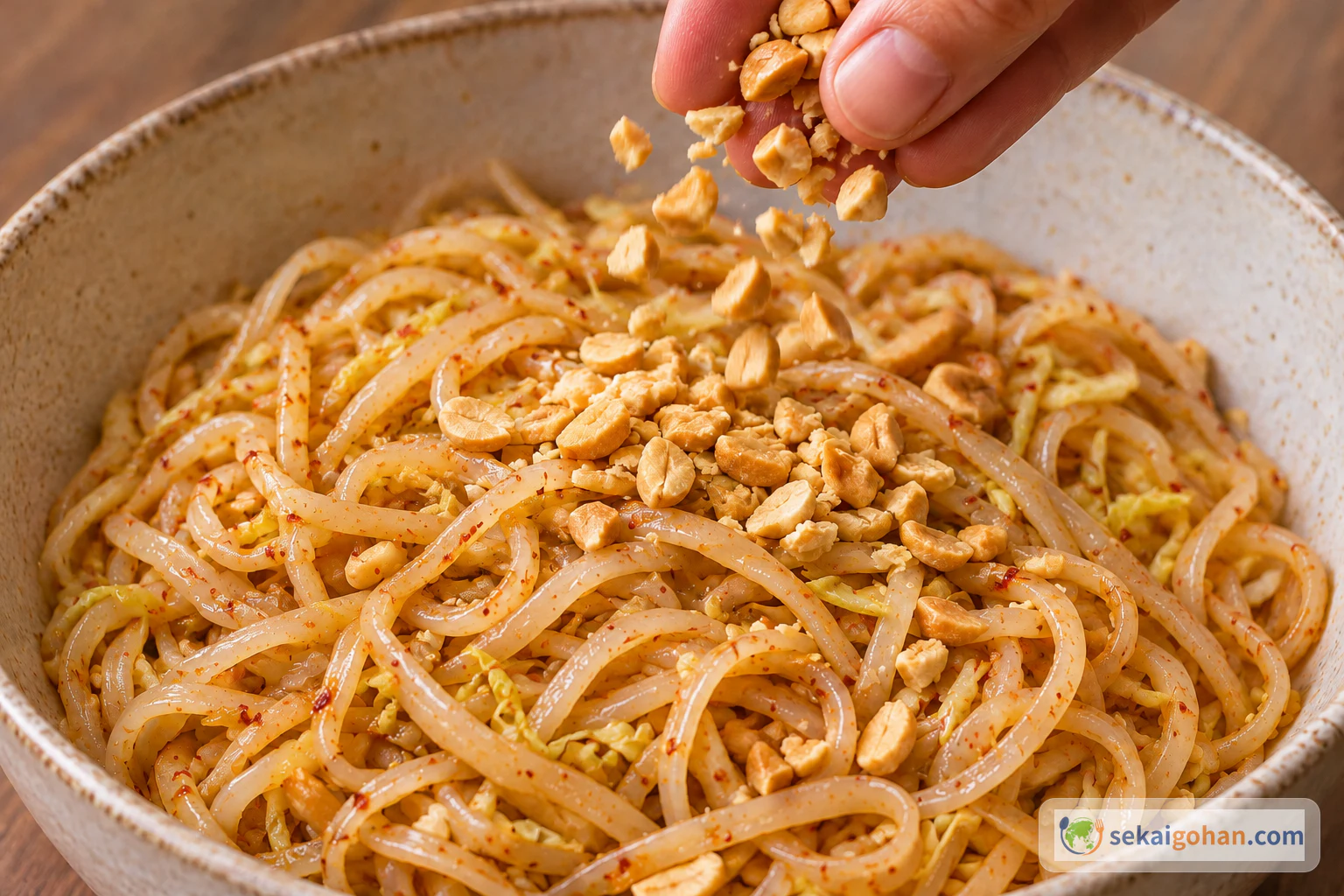
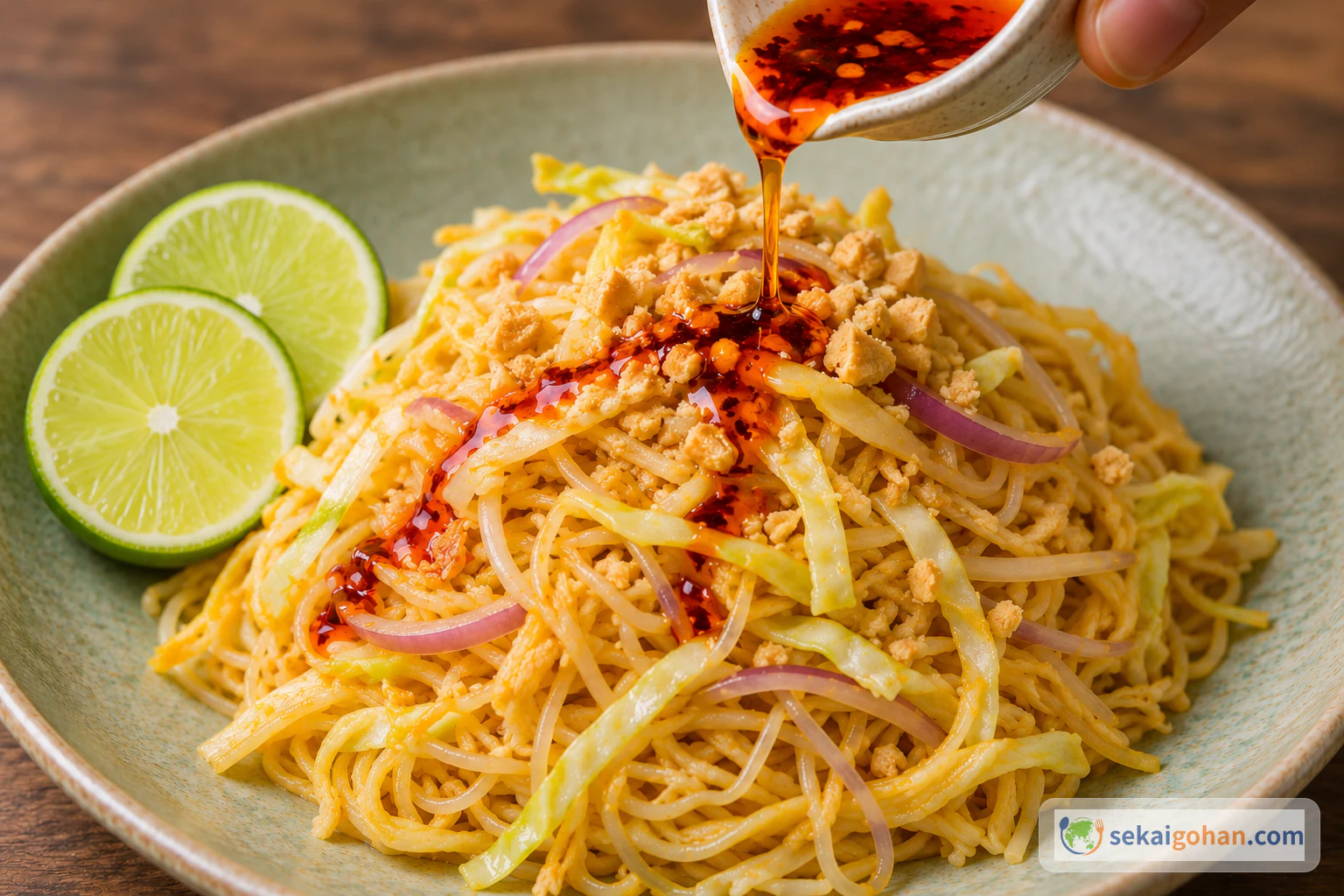
Picture flat, thin egg noodles glossy with turmeric-tinted garlic oil and a runny tamarind sauce, with fine shrimp floss, roasted chickpea flour and crushed peanuts clinging to every strand and shredded cabbage adding crunch underneath. That is khauk swè thoke (ခေါက်ဆွဲသုပ်), a noodle salad from Myanmar that you mix by hand. Sliced red shallots and ground dried shrimp go in with the noodles, and the tamarind brings a sweet-sour edge while fish sauce sets the salt. Chopped peanuts, chili oil and rounds of lime go on at the very end.
Khauk Swè Thoke and Myanmar's Hand-Mixed Salads
In Myanmar, thoke means a salad or hand-mixed dish: cooked or raw ingredients combined with oil, something sour and something crunchy. These salads can be snacks, light meals or side dishes, and each one balances salty, sour, chili and crunchy elements. Khauk swè thoke is the wheat noodle version, made with cabbage, carrot and dried shrimp, and it is eaten in cities and the countryside alike.
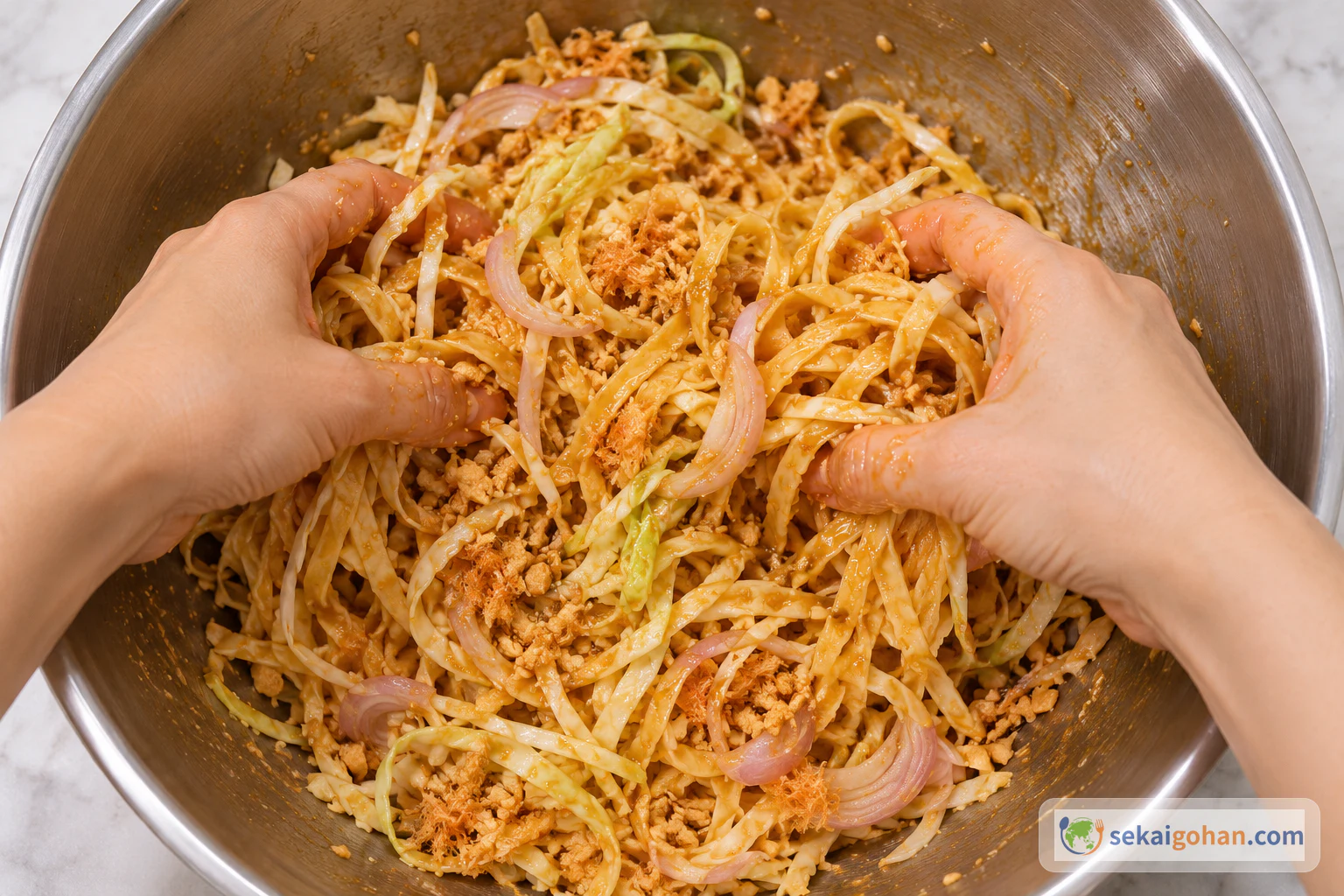
This recipe follows the classic pattern. Garlic oil supplies the fat, tamarind the sourness, fish sauce the salt, and peanuts and cabbage the crunch. The hand mixing that gives thoke its name happens in step 9. For more dishes from the country, see Myanmar food on Sekai Gohan.
Khauk Swè Thoke and Similar Noodle Salads
Several Myanmar noodle salads have similar names. Nan gyi thoke, for instance, is a Mandalay dish of thick round rice noodles with chicken curry, which is quite a different bowl from this one.
| Version | What it includes | How it differs from this recipe |
|---|---|---|
| Khauk Swe Thoke | One serving made with dried (or fresh) noodles, roasted chickpea flour, turmeric garlic oil, tamarind dressing, fish sauce, chicken seasoning powder, roasted chili powder, tofu, cabbage, coriander, dried shrimp powder, served with a separate soup | A single-bowl, condiment-heavy assembly with a side soup, rather than a six-serving mixed salad |
| hsa*ba, let thote sone | Rice, egg noodles, cellophane noodles, flat rice noodles, rice vermicelli, potatoes, cabbage, tofu, onion oil, chickpea powder, shrimp floss, tamarind and more | A spread of separate components that each diner mixes by hand; a different dish |
| Nan gyi thoke | Thick round rice noodles, chicken curry, chickpea flour and toppings | Built on rice noodles and curry rather than wheat egg noodles |
Ingredients (Serves 6)
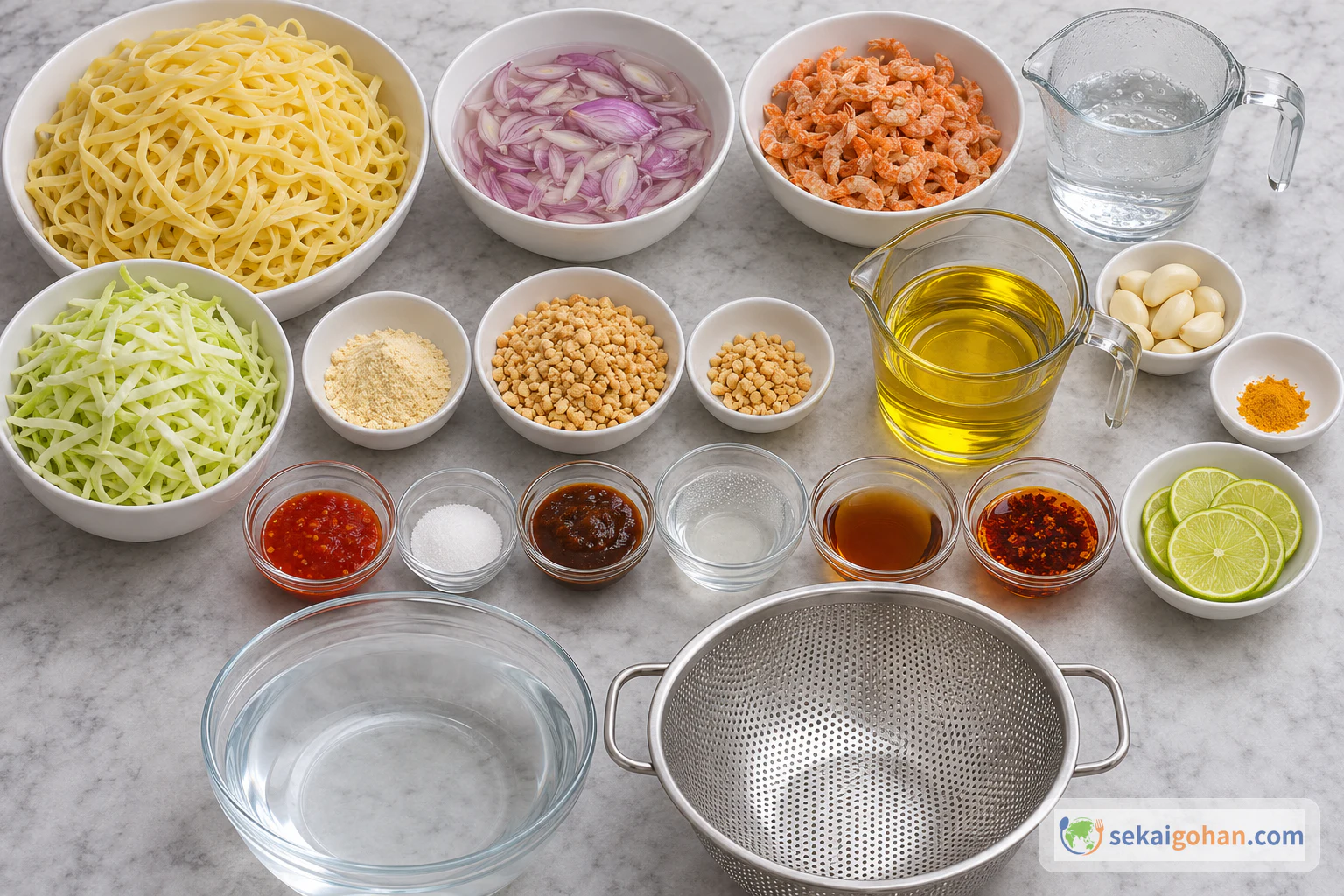
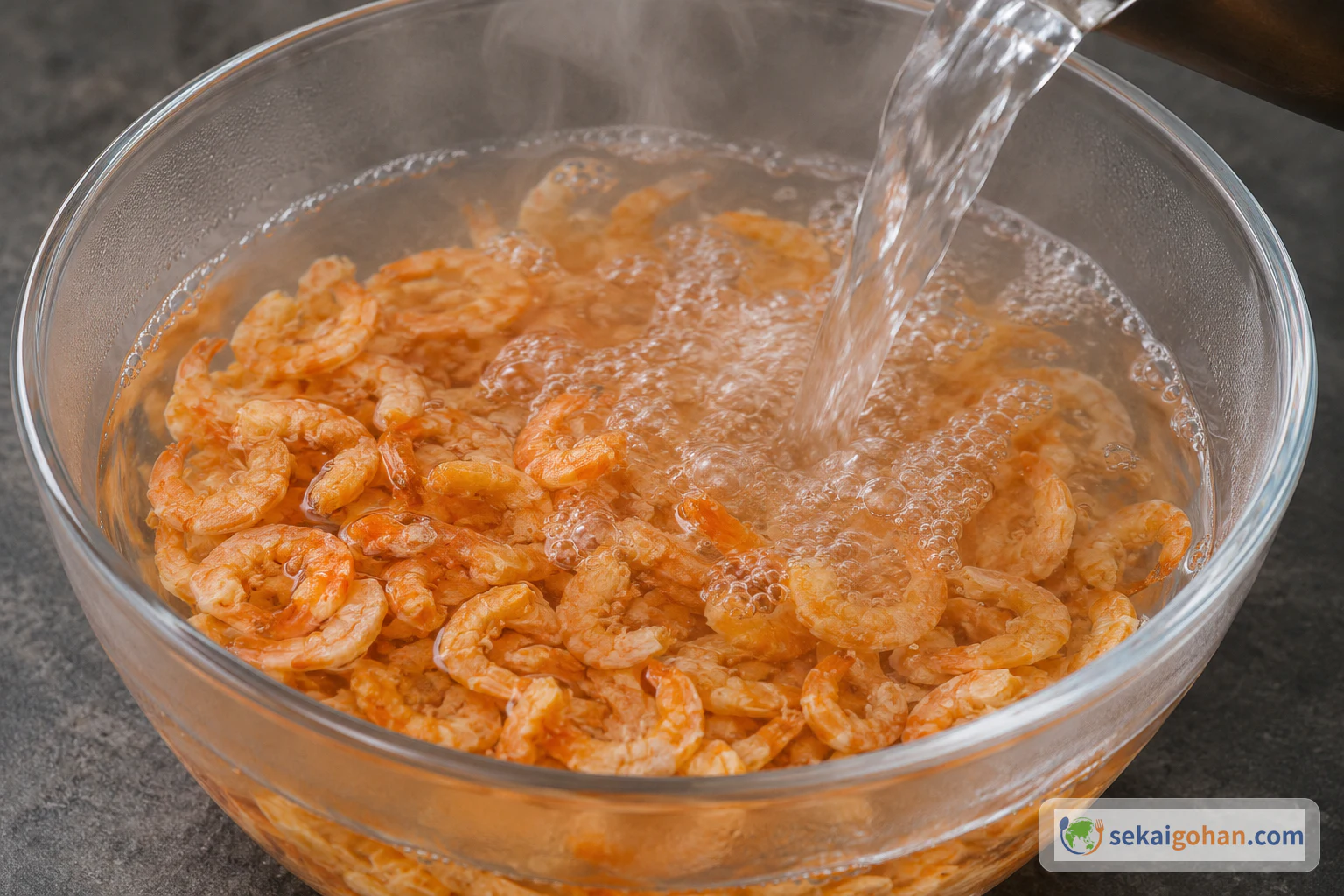
Keep the water uses separate: ¼ cup (80 ml) warm water goes into the sauce and 1 cups (250 ml) boiling water is for soaking the shrimp. Use water as needed for soaking the shallots and refreshing the noodles.
Equipment
- Heat-safe bowl
- Frying pan
- Spice grinder or small food processor
- Pan for the garlic oil, and a spoon to lift out the garlic
- Clean bowl for the cooled garlic oil
- Jug for the tamarind sauce
- Small bowl for the shallots
- Pot and colander for the noodles
- Large mixing bowl
- Measuring spoons and a measuring jug
Choosing Ingredients for Khauk Swè Thoke
Chickpea flour: The tablespoon of chickpea (besan) flour goes straight into the salad without any cooking, and raw flour isn't safe to eat. Home heat-treating may not reliably fix that, so use plain, commercially processed roasted chickpea flour that the package says is ready to eat and needs no further cooking, with no added salt or spices. One example is roasted Bengal gram (chana) flour that is sand-roasted and stone-ground, sold ready to eat with no added salt or cumin.
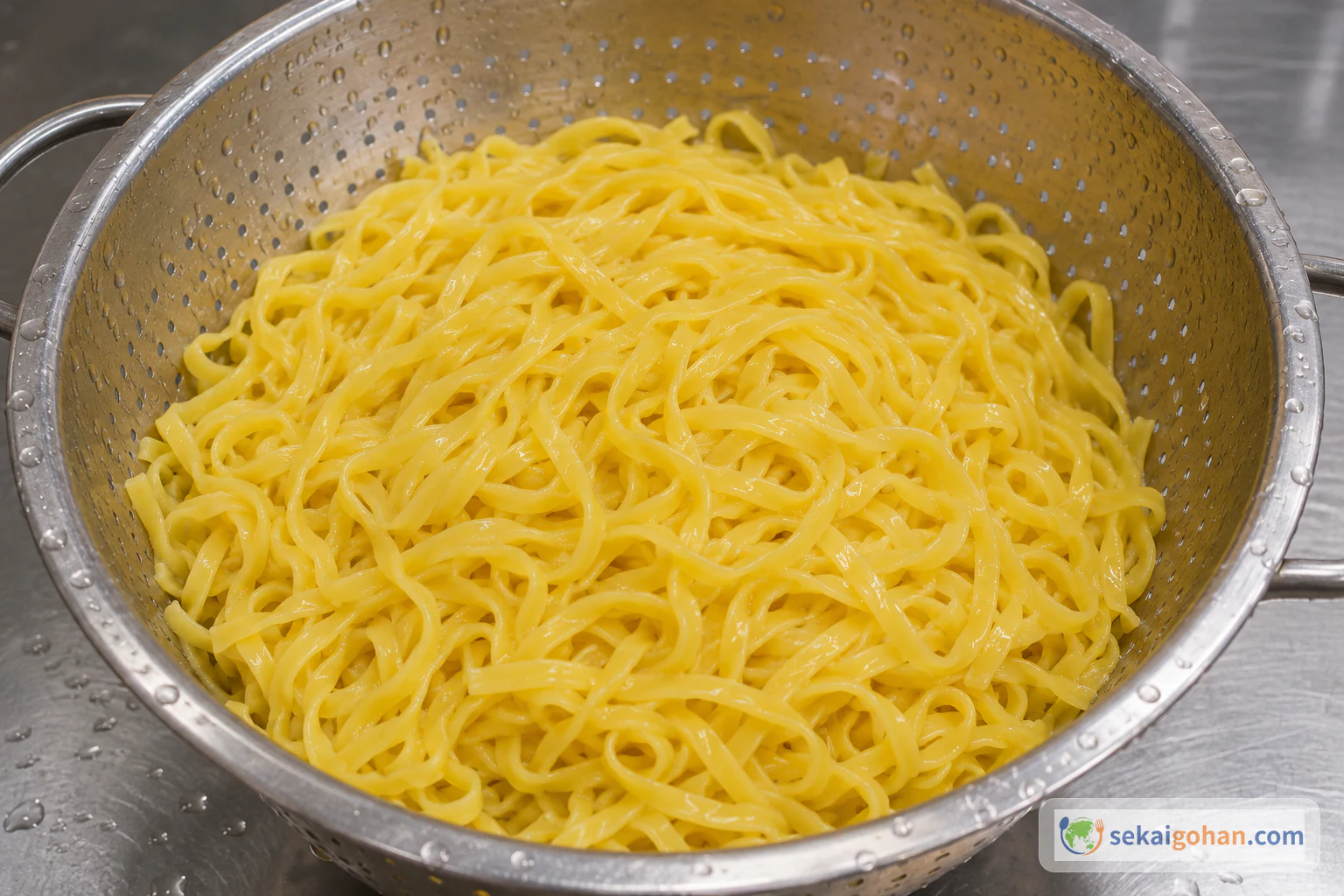
Noodles: Choose flat, thin egg noodles. Cook them following the package directions, then refresh and drain as in step 8.
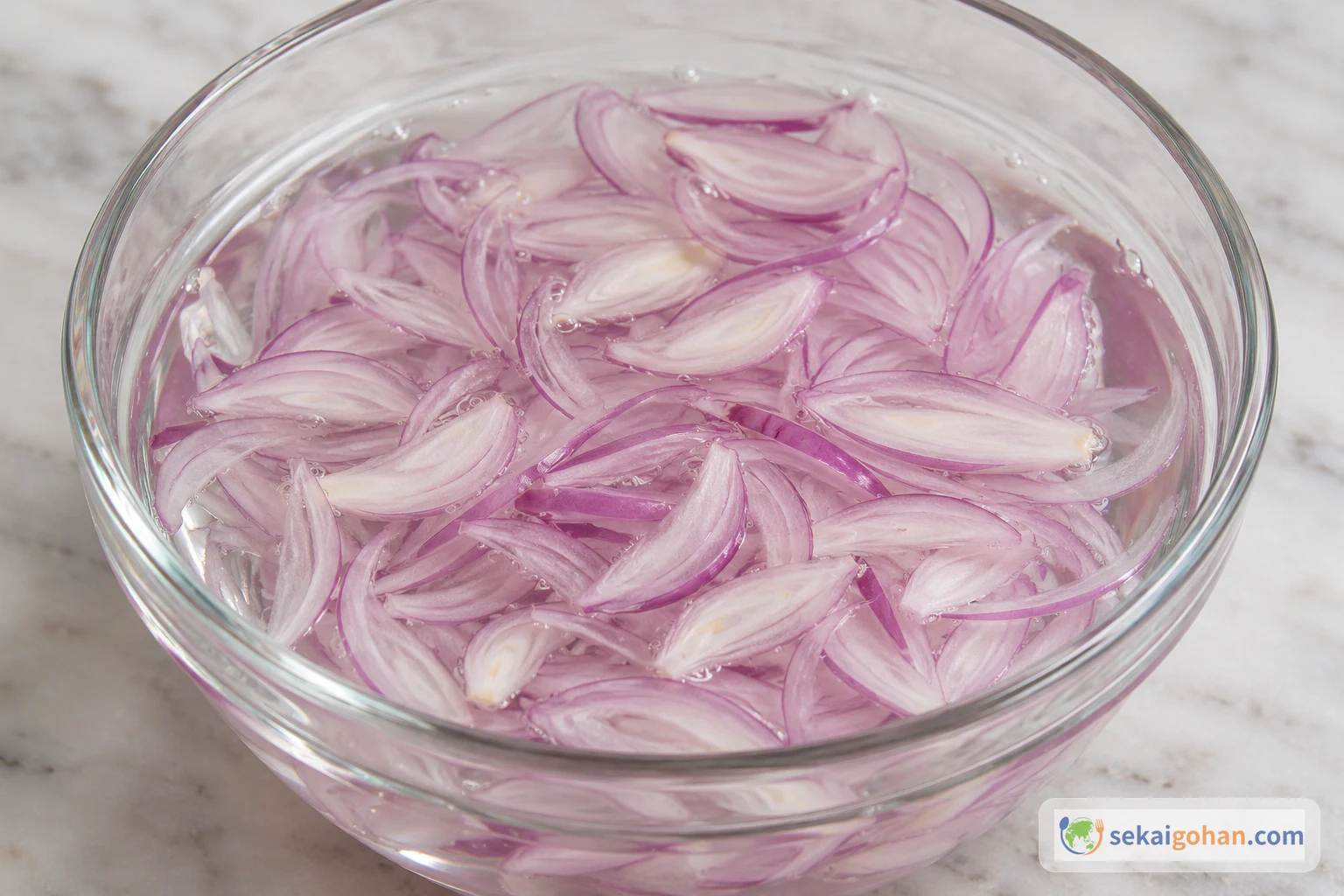
Shallots: Asian red eschalots are small red shallots. Slice them thin, soak them in water for 10 minutes, then drain.
Batches and Measures
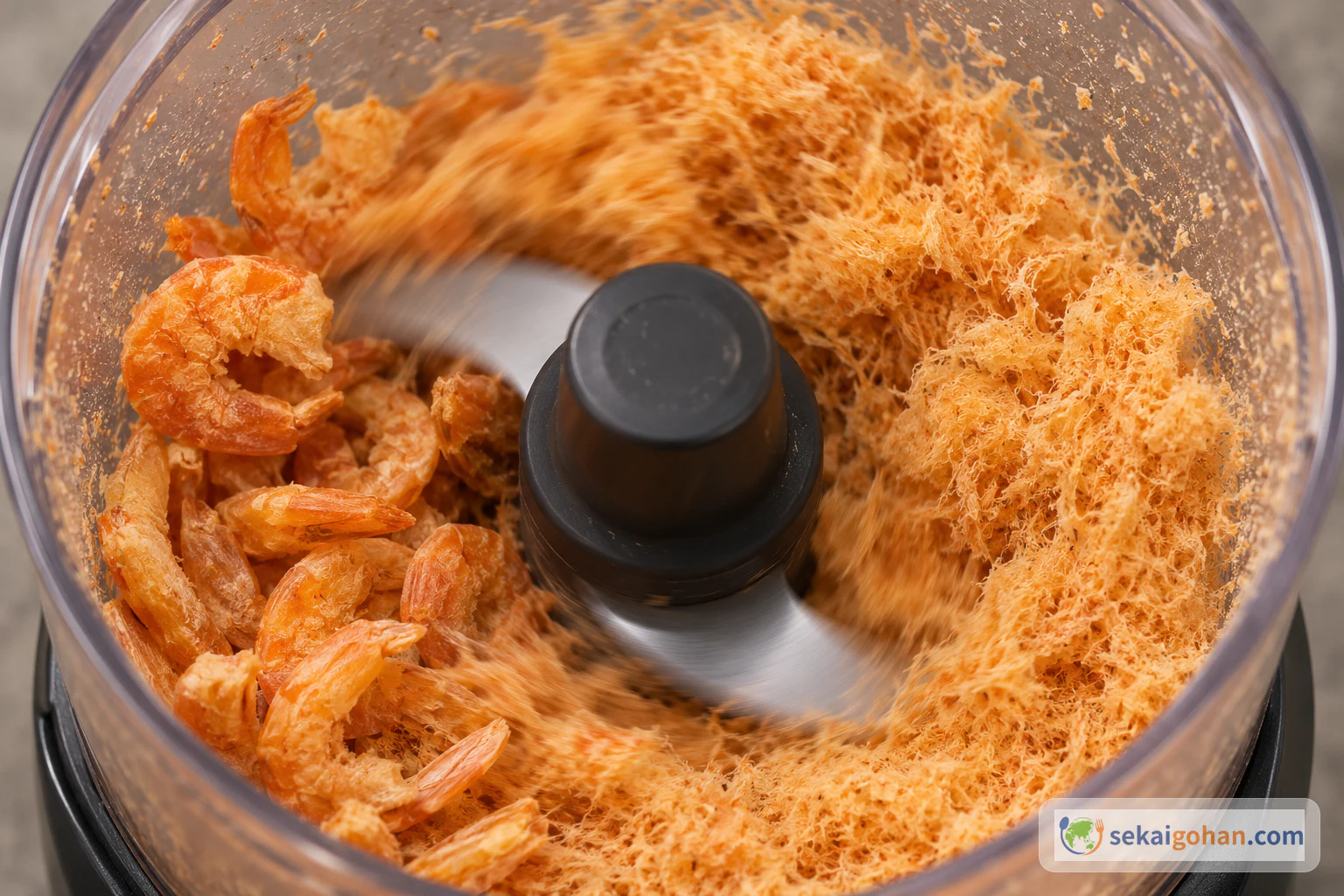
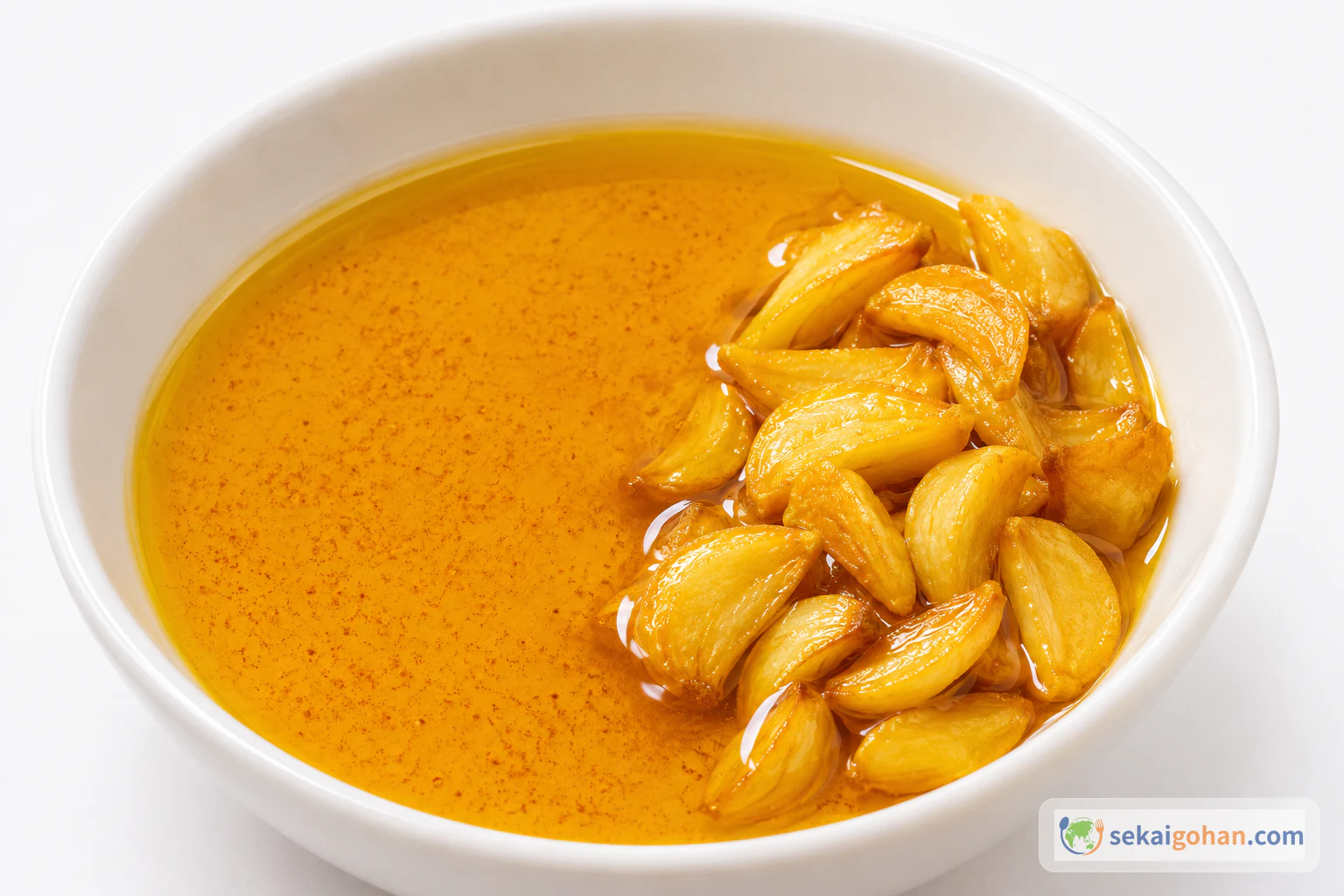
Two components are made in batches, and only part of each goes into the salad. You cook the garlic oil from 250 ml peanut oil but use 80 ml of it, and 120 g dried shrimp makes about 1 cup of floss, of which the salad takes 2 tablespoons. The measures are Australian: 1 teaspoon = 5 ml, 1 tablespoon = 20 ml and 1 cup = 250 ml, with cups lightly packed.
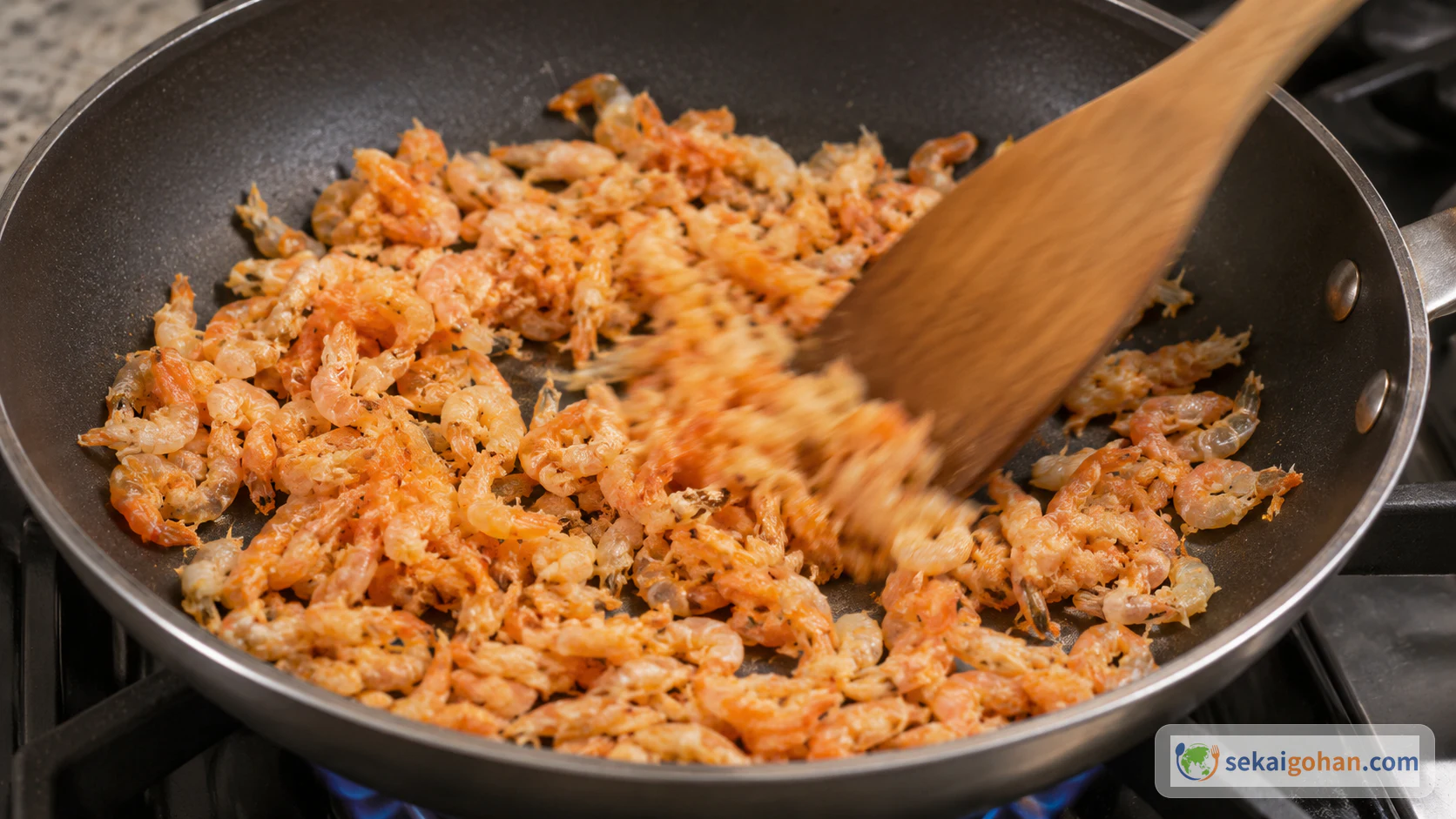
Allow extra time for the floss. On top of the listed prep and cooling, it needs a 30-minute soak, about 8 minutes of drying in the pan and a complete cool-down.
This salad contains wheat and egg (noodles), shrimp, peanuts, fish (fish sauce) and chickpea. Check the labels of the noodles, chilli sauce, chili oil and other processed ingredients for allergens and shared-facility statements. Wash the cabbage, mix with clean hands, and keep cutting boards for fresh produce separate from those used for raw meat, poultry or seafood.
Method: Floss and Oil First, Then Sauce, Noodles and the Hand-Mix
Make the shrimp floss and the garlic oil first. When you assemble, add only 2 tablespoons of floss and ¼ cup (80 ml) of oil. The whole batch of each does not go in.
Troubleshooting Khauk Swè Thoke
| What happened | What to check | What to do |
|---|---|---|
| The salad is greasy and heavy | Whether the whole garlic oil batch went in | Measure out only 80 ml before adding |
| The shrimp flavor overwhelms the noodles | Whether all of the floss was added | Use 2 tablespoons, not the whole cup |
| The floss is lumpy | Whether the shrimp were still warm or damp when ground | Dry the shrimp fully, cool them completely, then grind |
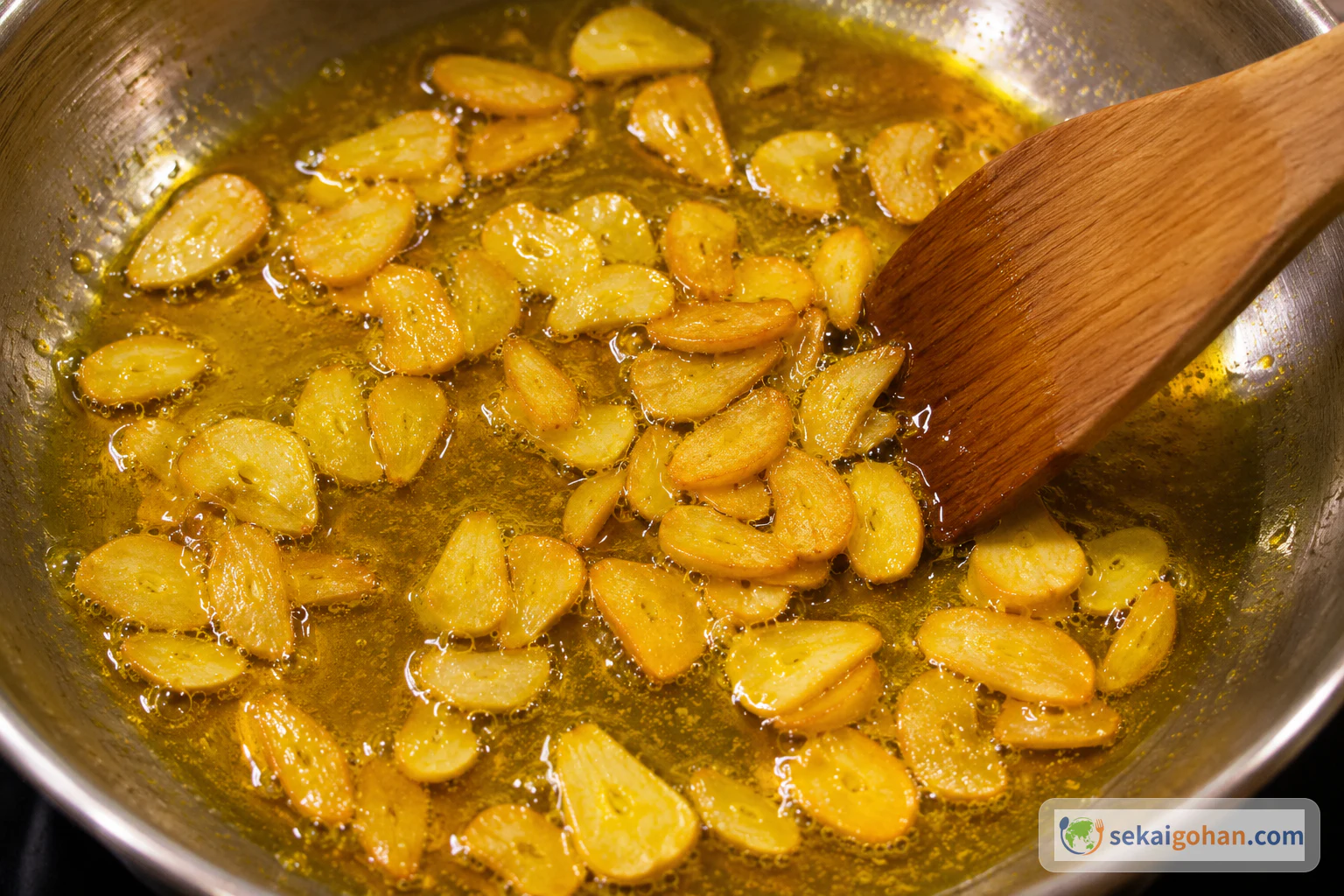
| The garlic is darkening past golden | Whether it has reached the golden endpoint | Lift it out at about 2 minutes or as soon as it turns golden |
| The dressing pools at the bottom | Whether the noodles were drained well | Drain the refreshed noodles thoroughly before mixing |
| The salad tastes flat | The fish sauce | Add fish sauce to taste and serve with lime rounds |
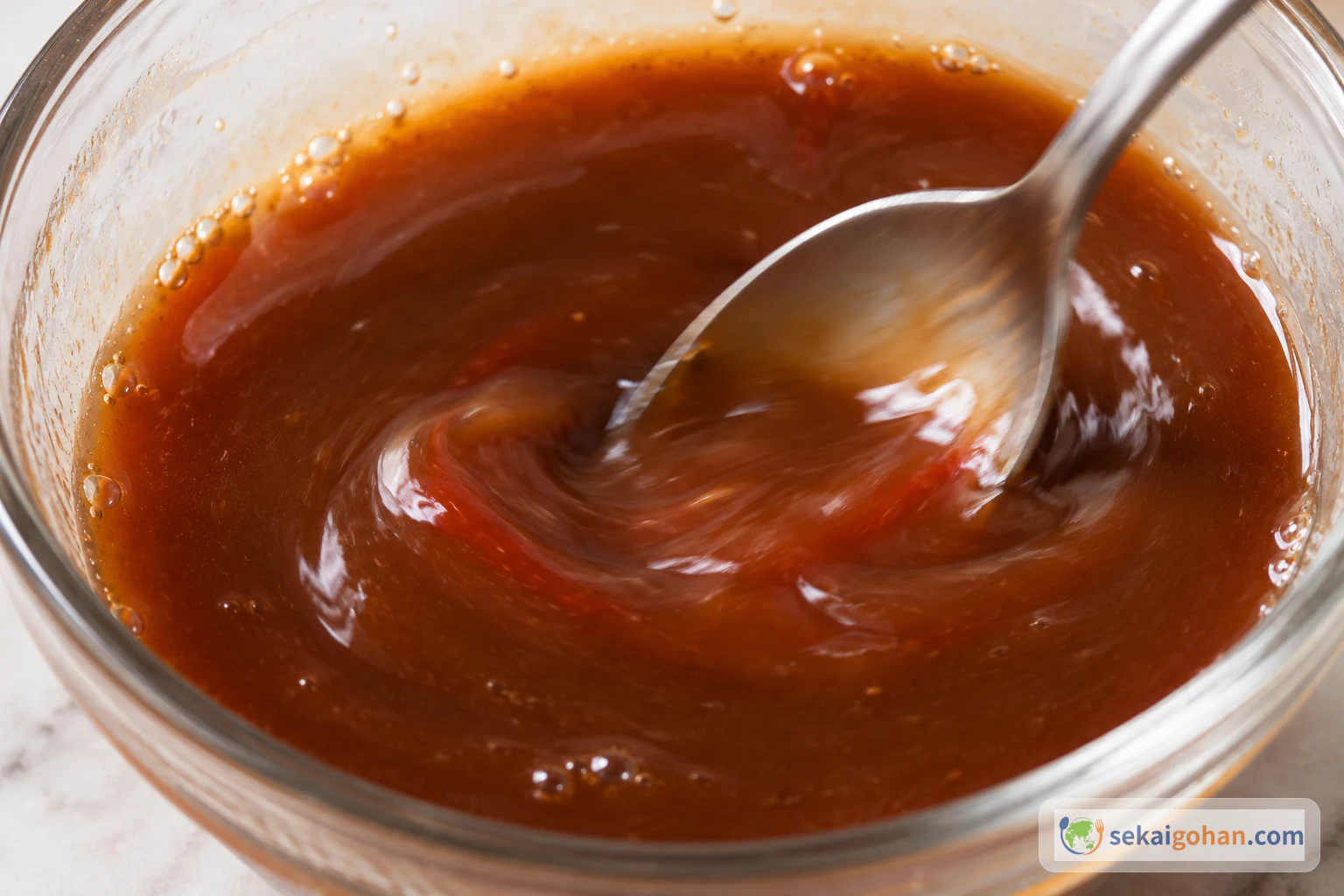
| The sauce is too thick to coat | The sauce consistency | Stir it again before adding; it should be runny |
Serving and Storing Khauk Swè Thoke
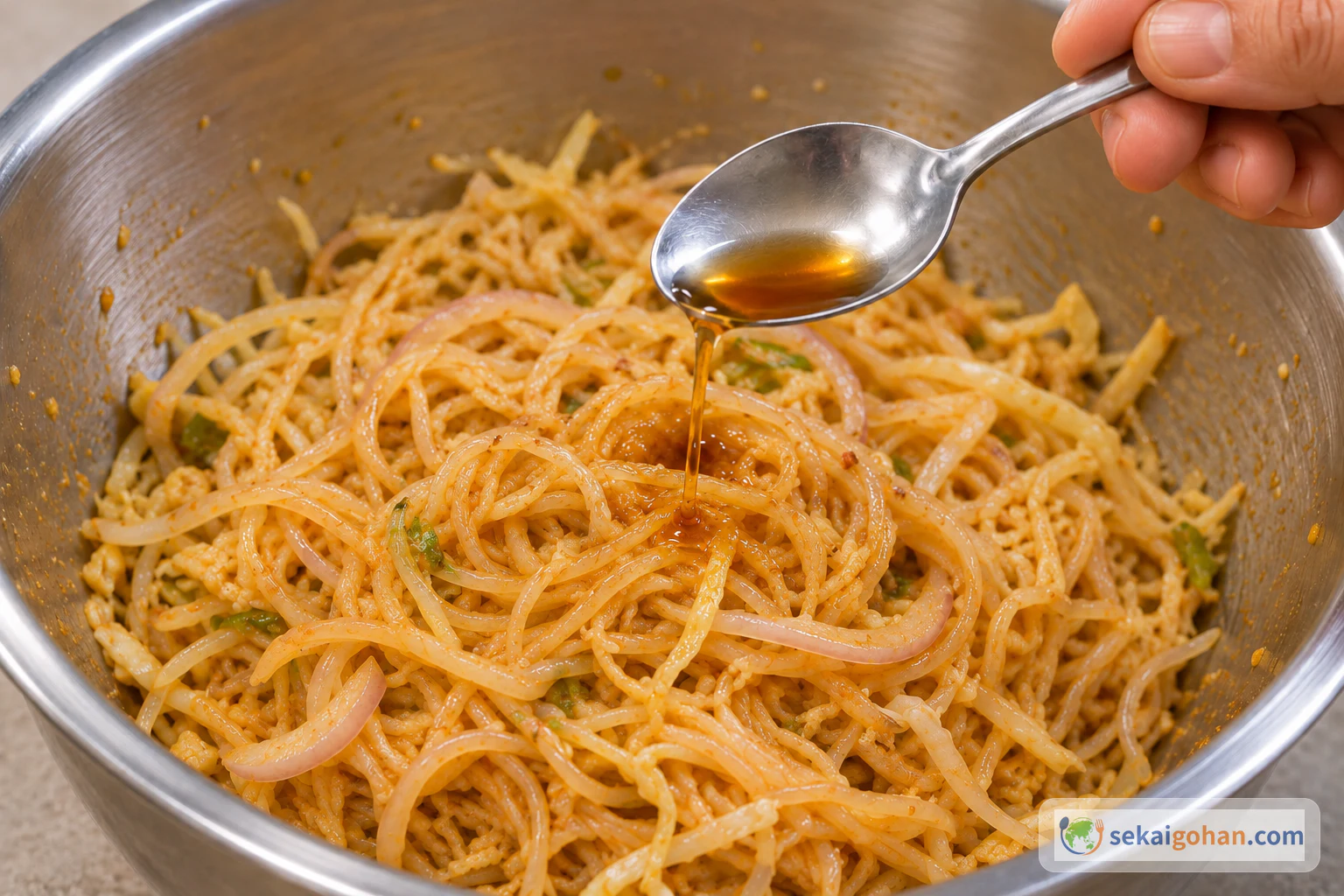
Add the lime and chili oil at the very end, right before the bowls go out. The dressed salad and cooked noodles shouldn't sit at room temperature for long. Refrigerate leftovers within 2 hours, or within 1 hour if the air temperature is above 32°C (90°F), in shallow, covered containers so the food cools quickly.
Frequently Asked Questions
Can I use ordinary chickpea flour (besan)?
Not in this salad. The flour goes in uncooked, so use plain roasted chickpea flour labeled ready to eat instead of raw besan.
Should the 1 lb (500 g) of noodles be fresh or dried?
Either way, use flat thin egg noodles, cook them according to the package, then refresh and drain them.
How do I measure the tamarind?
The tamarind pulp concentrate is listed as "100 g (⅓ cup)". Measure by whichever unit you prefer.