Tam Kỳ Chicken Rice: One Chicken, Two Rices, Four Separate Partners
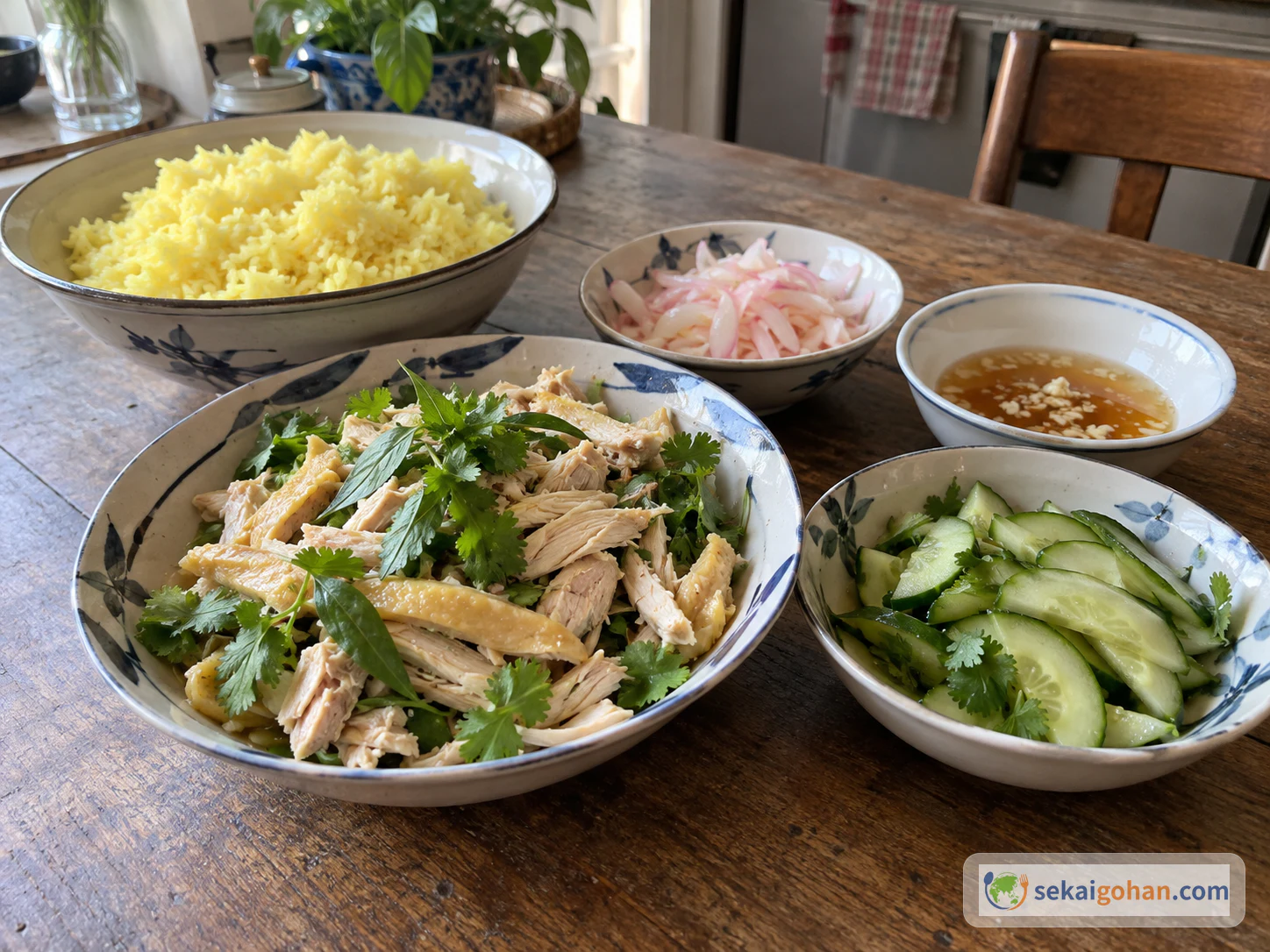
The chicken and the rice are linked by a single pot: the bird is poached whole, and its bones go back into that same liquid to make the stock the rice cooks in. Everything that goes alongside, from the herbed chicken to the dip, the cucumber salad and the pickled onion, is made on its own and stays separate until it reaches the table.
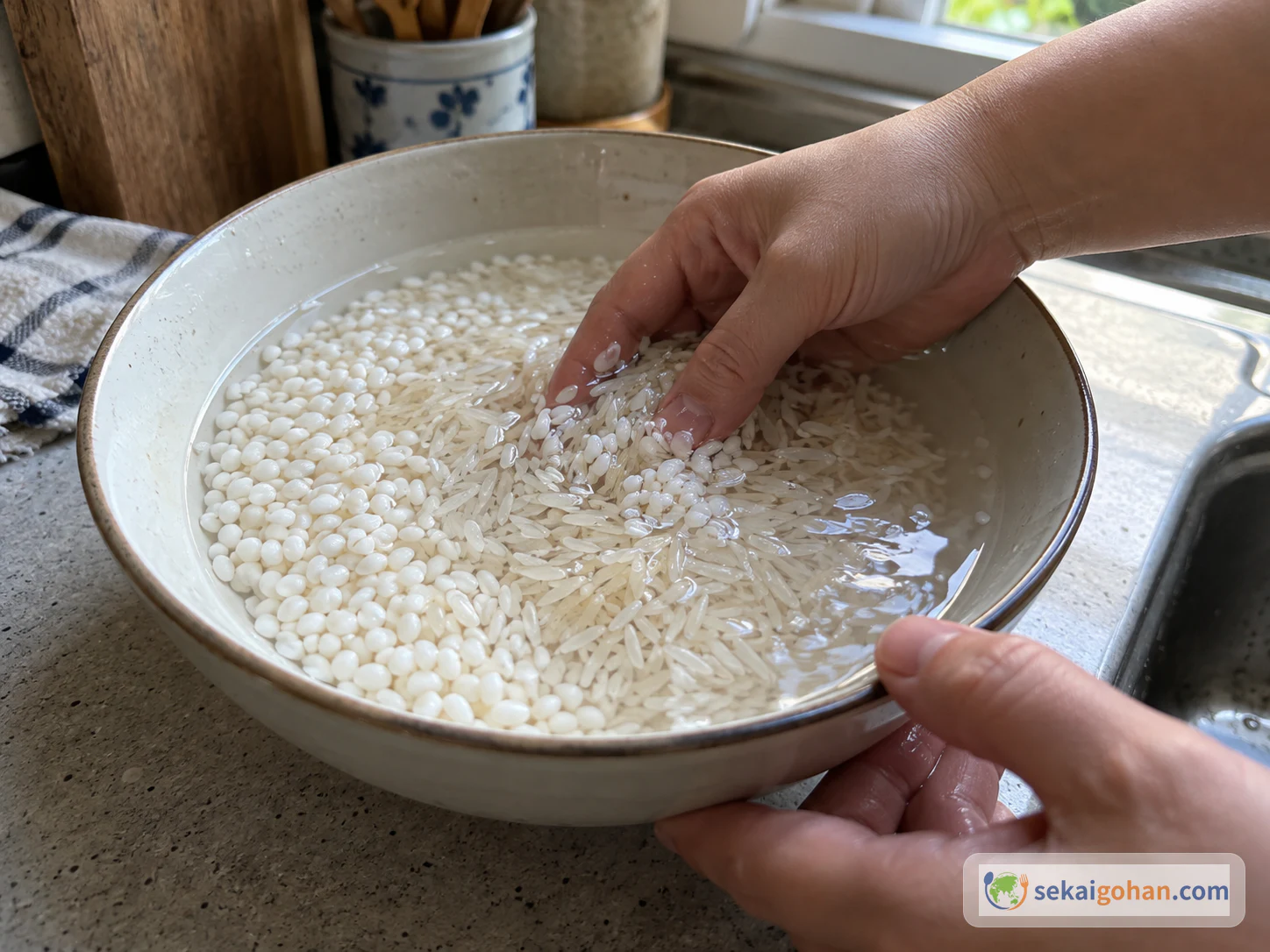
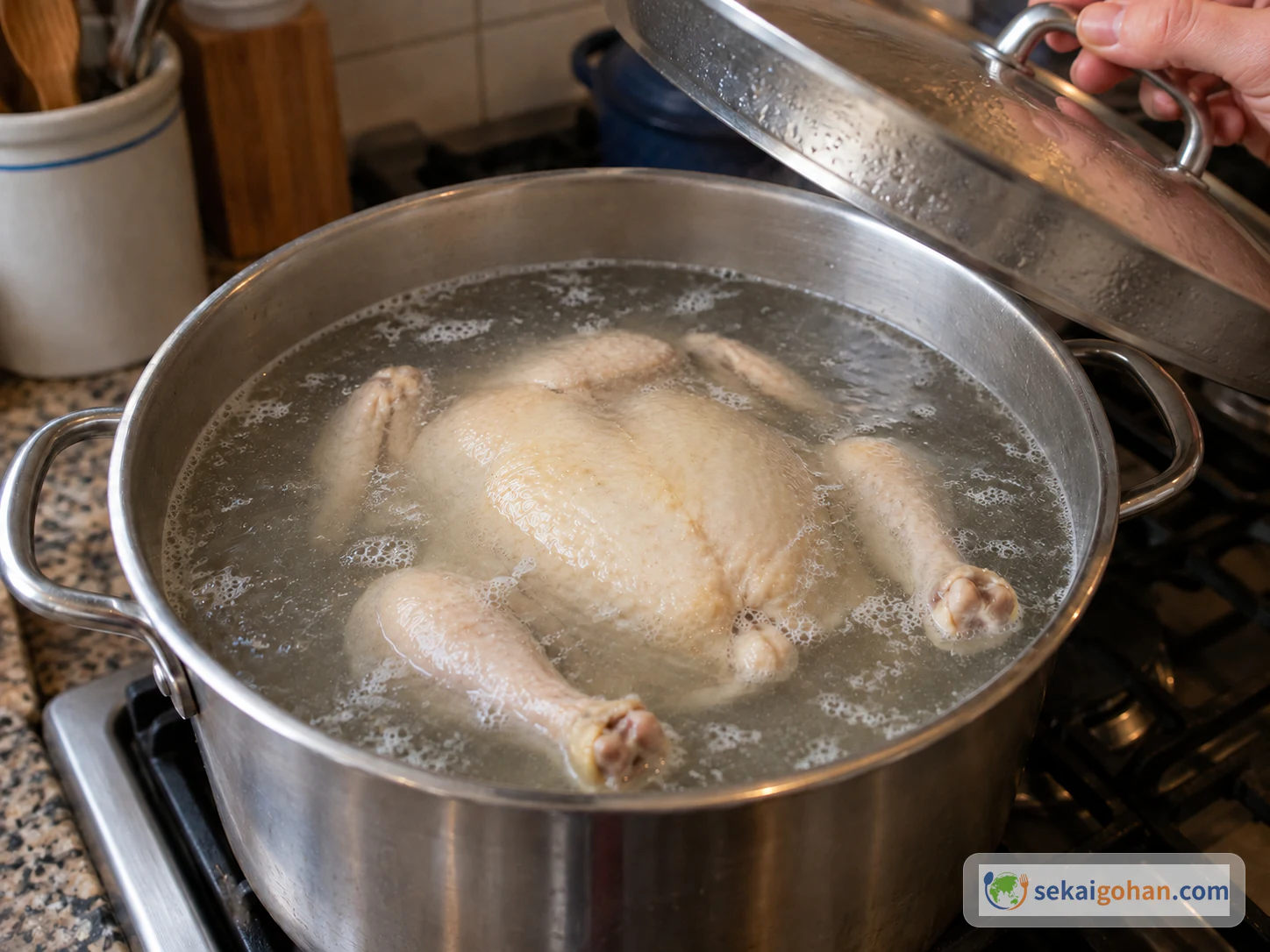
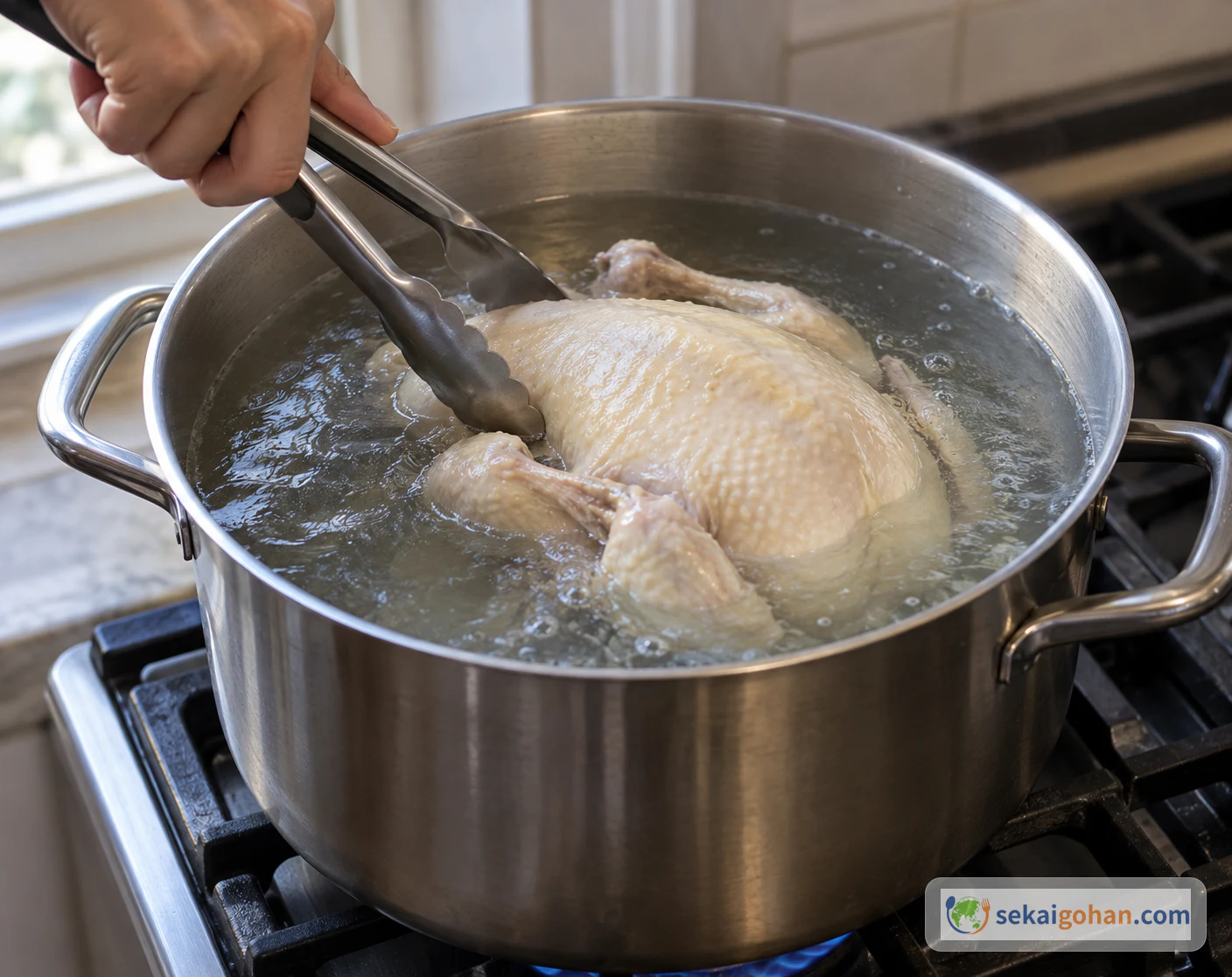
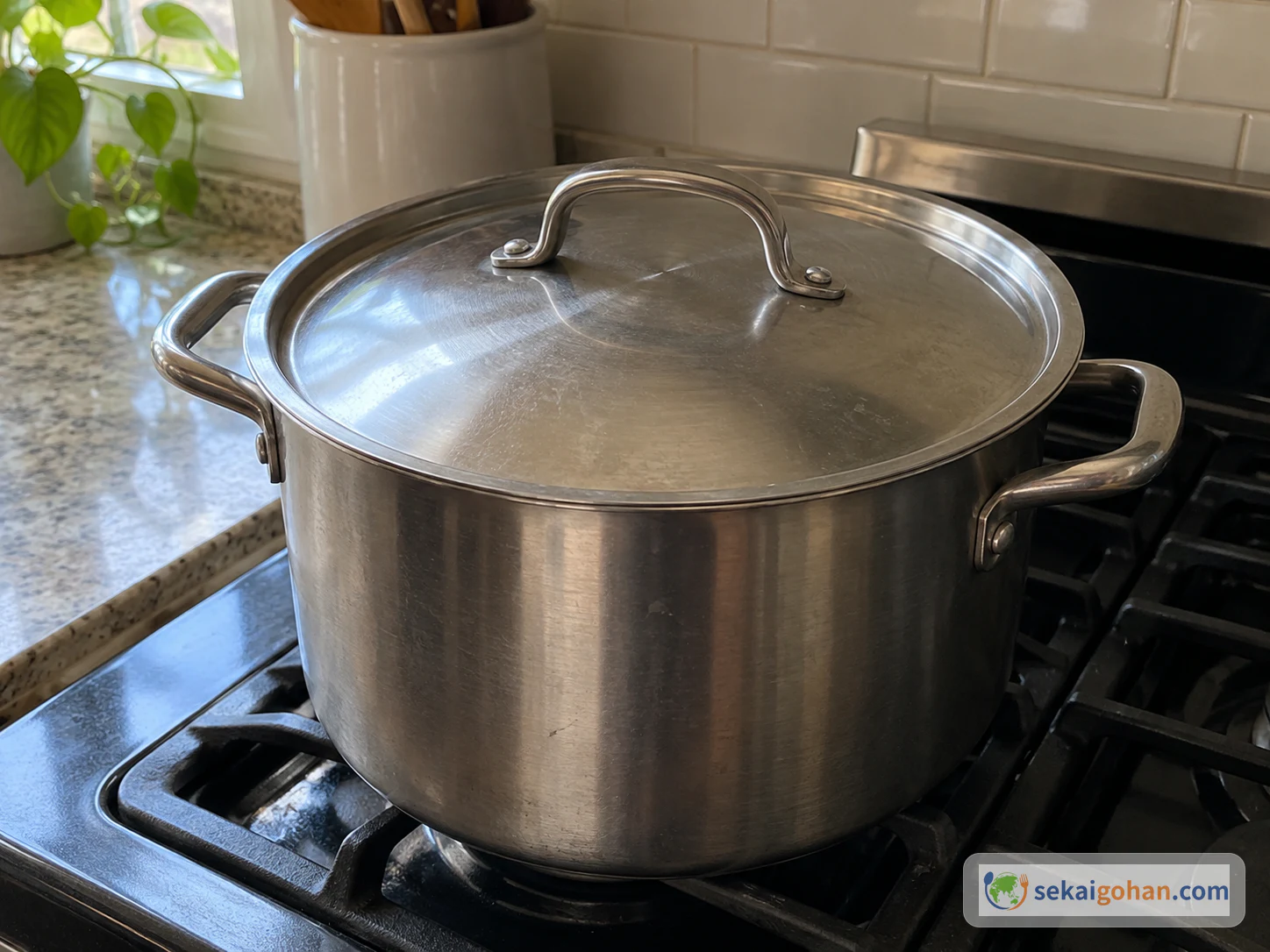
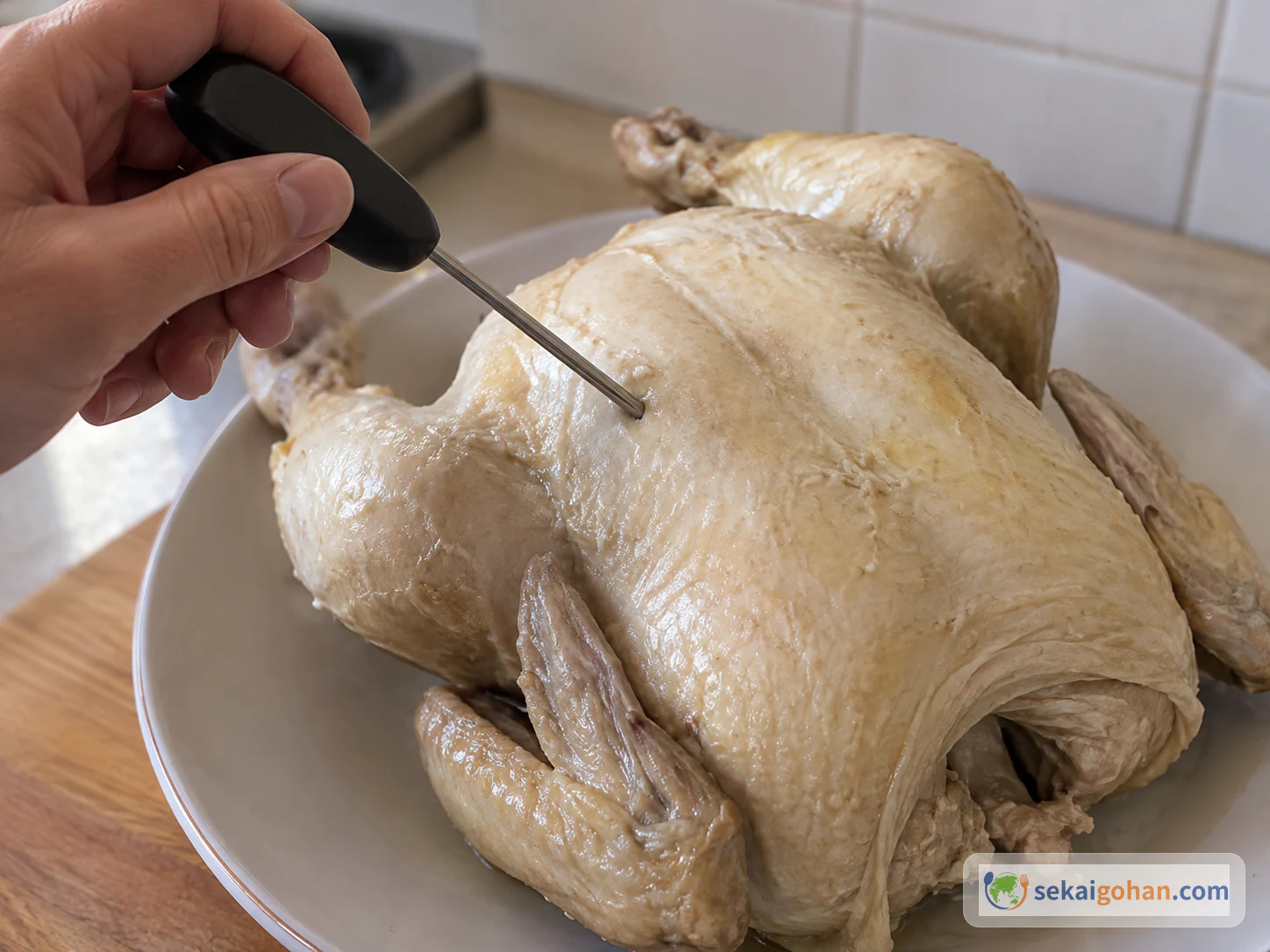
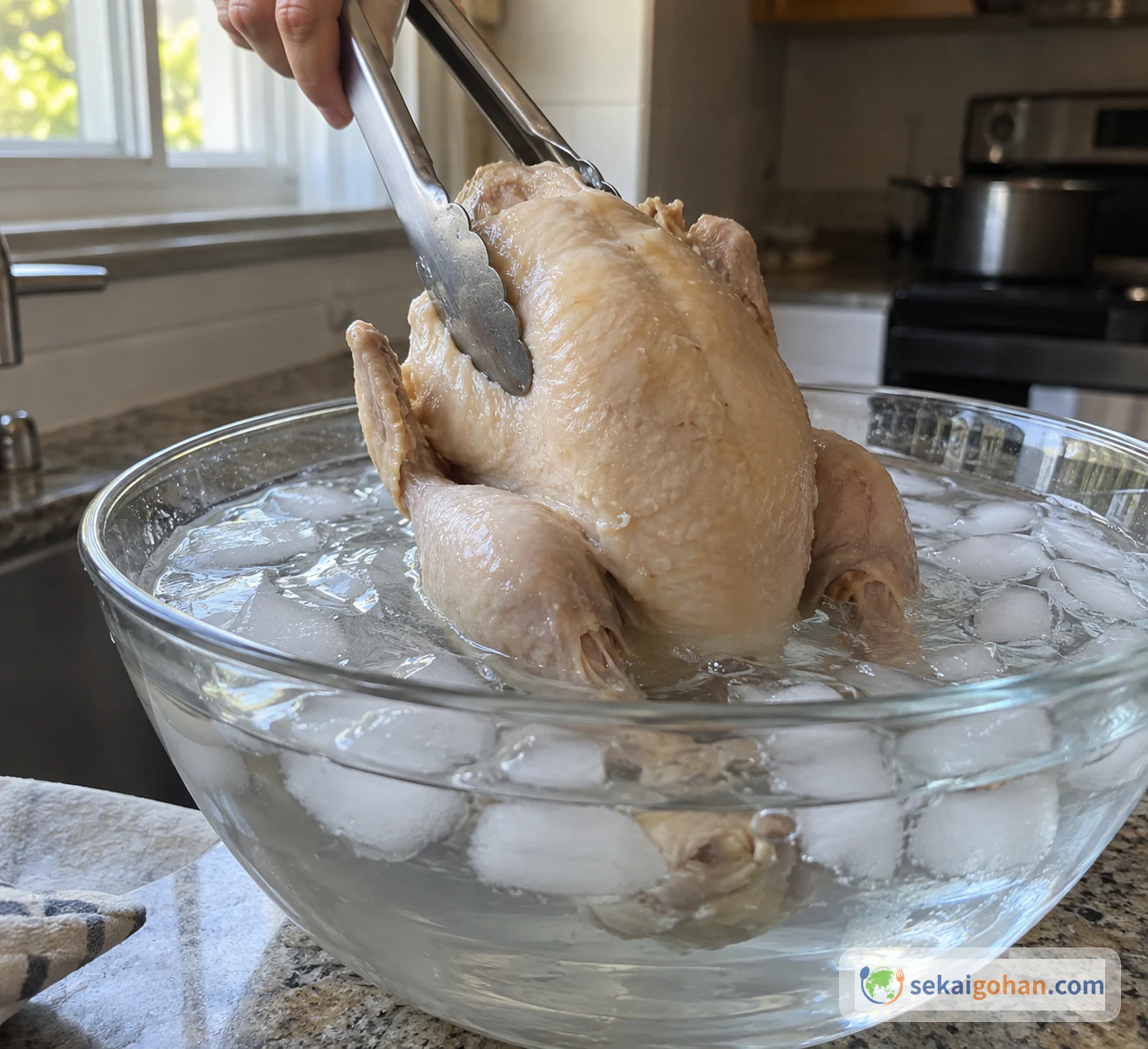
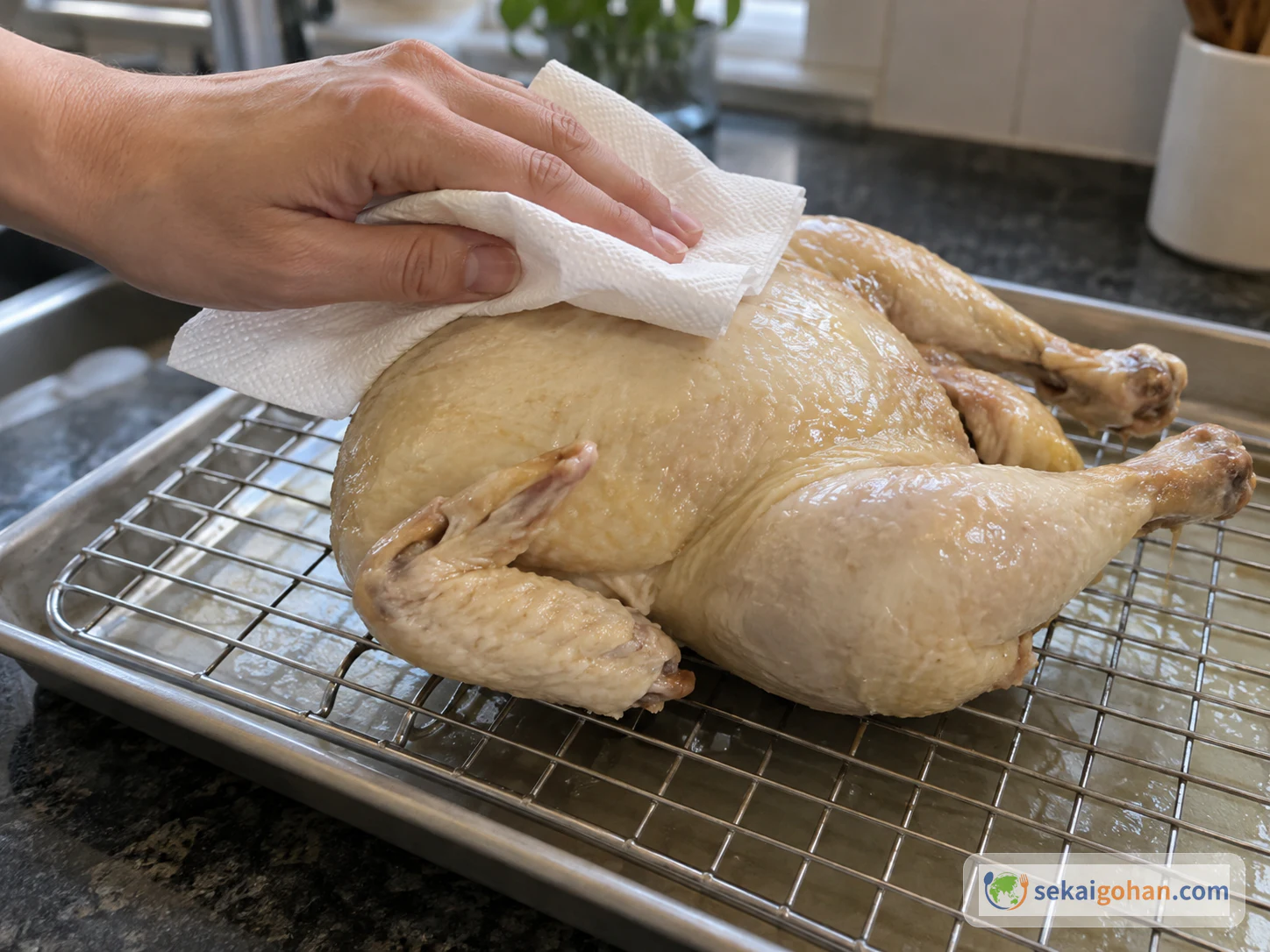
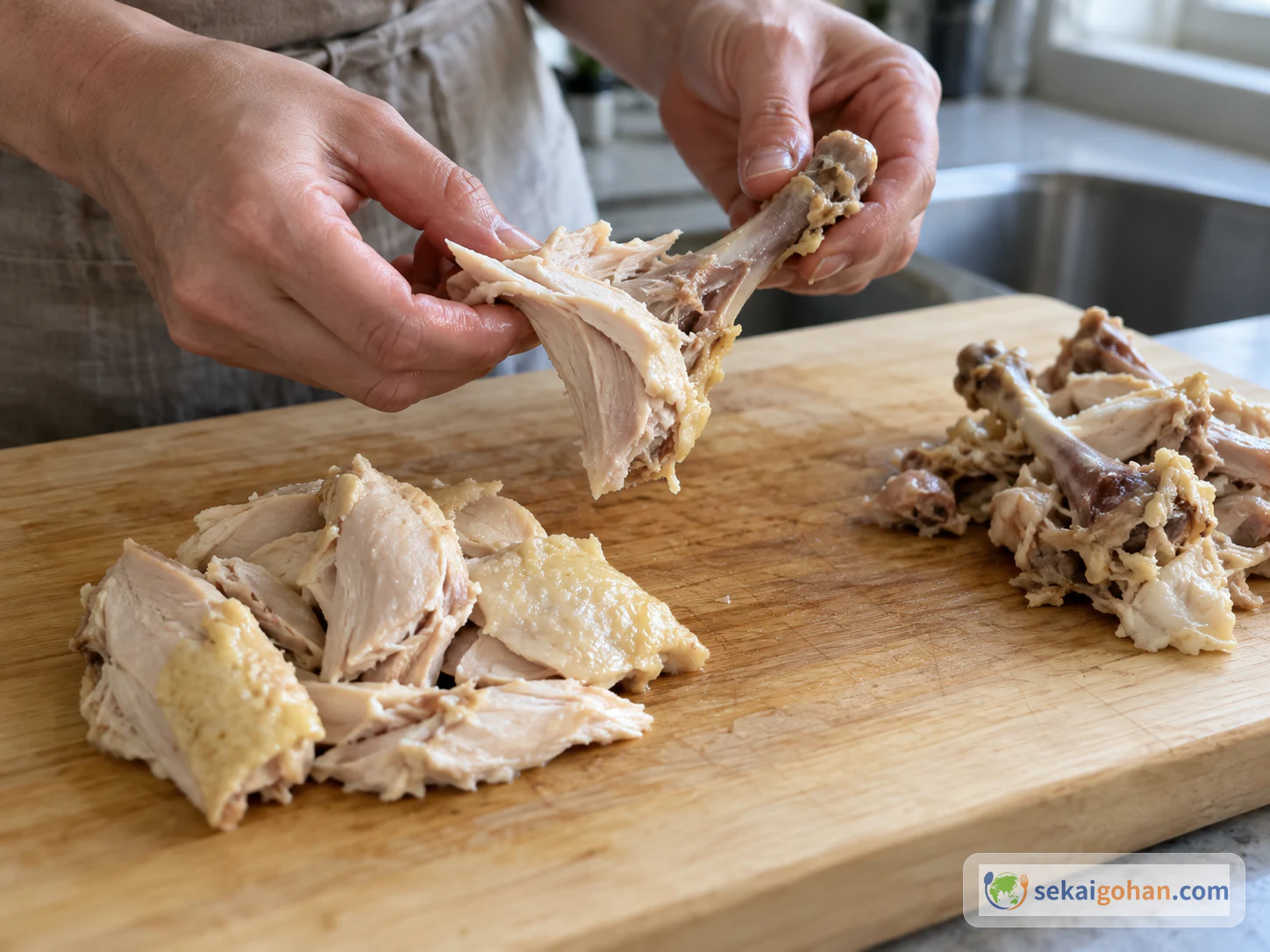
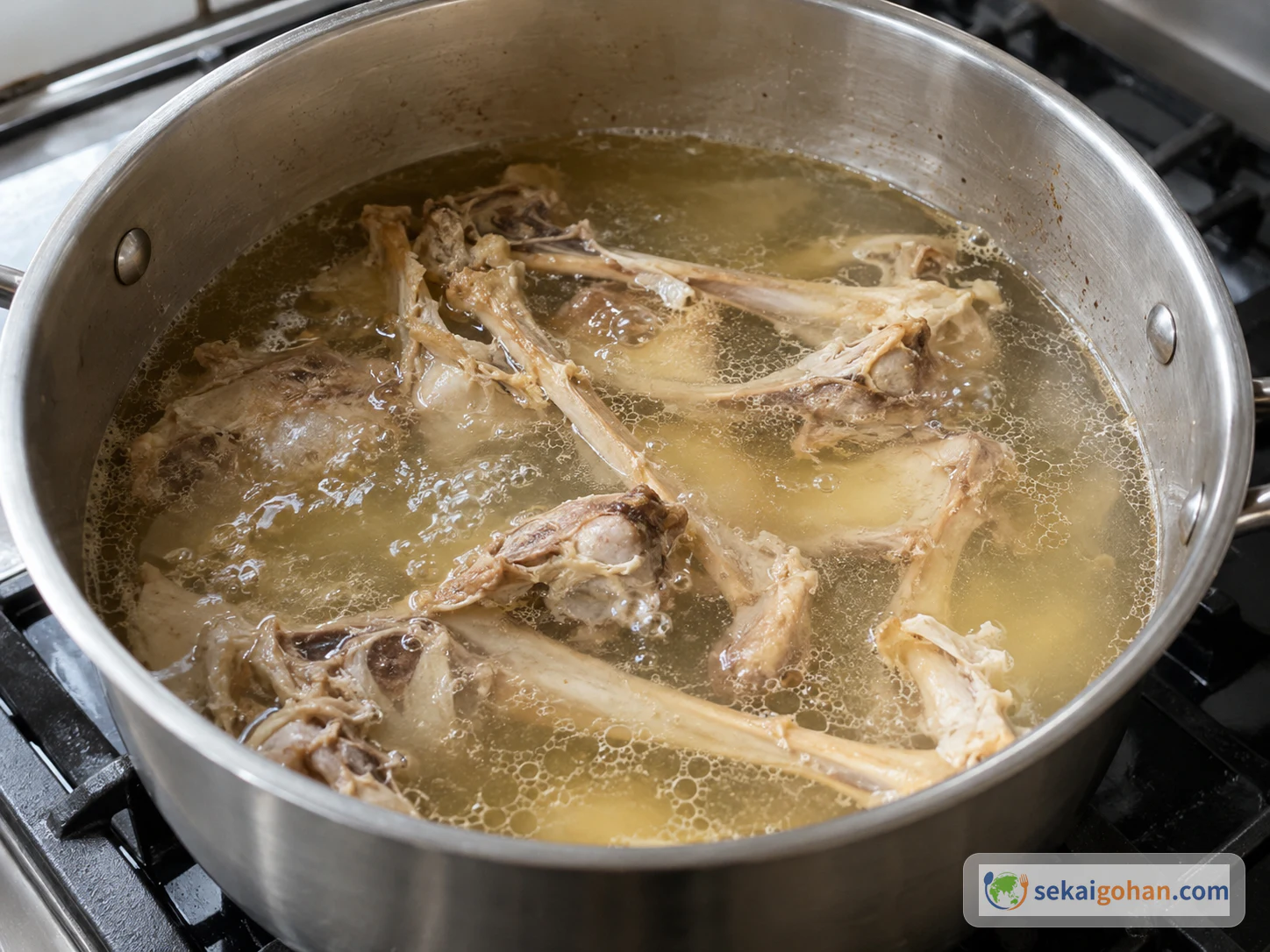
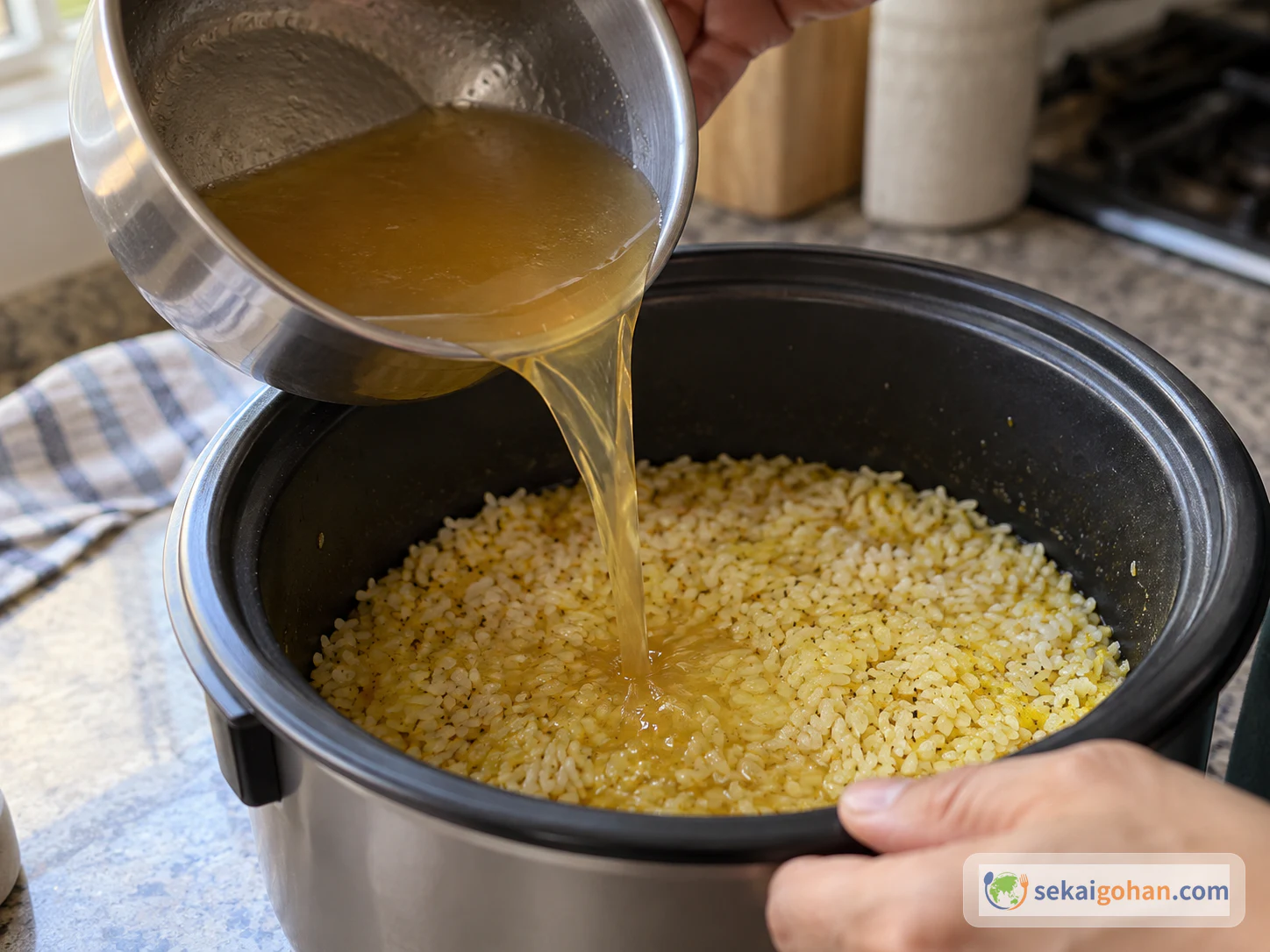
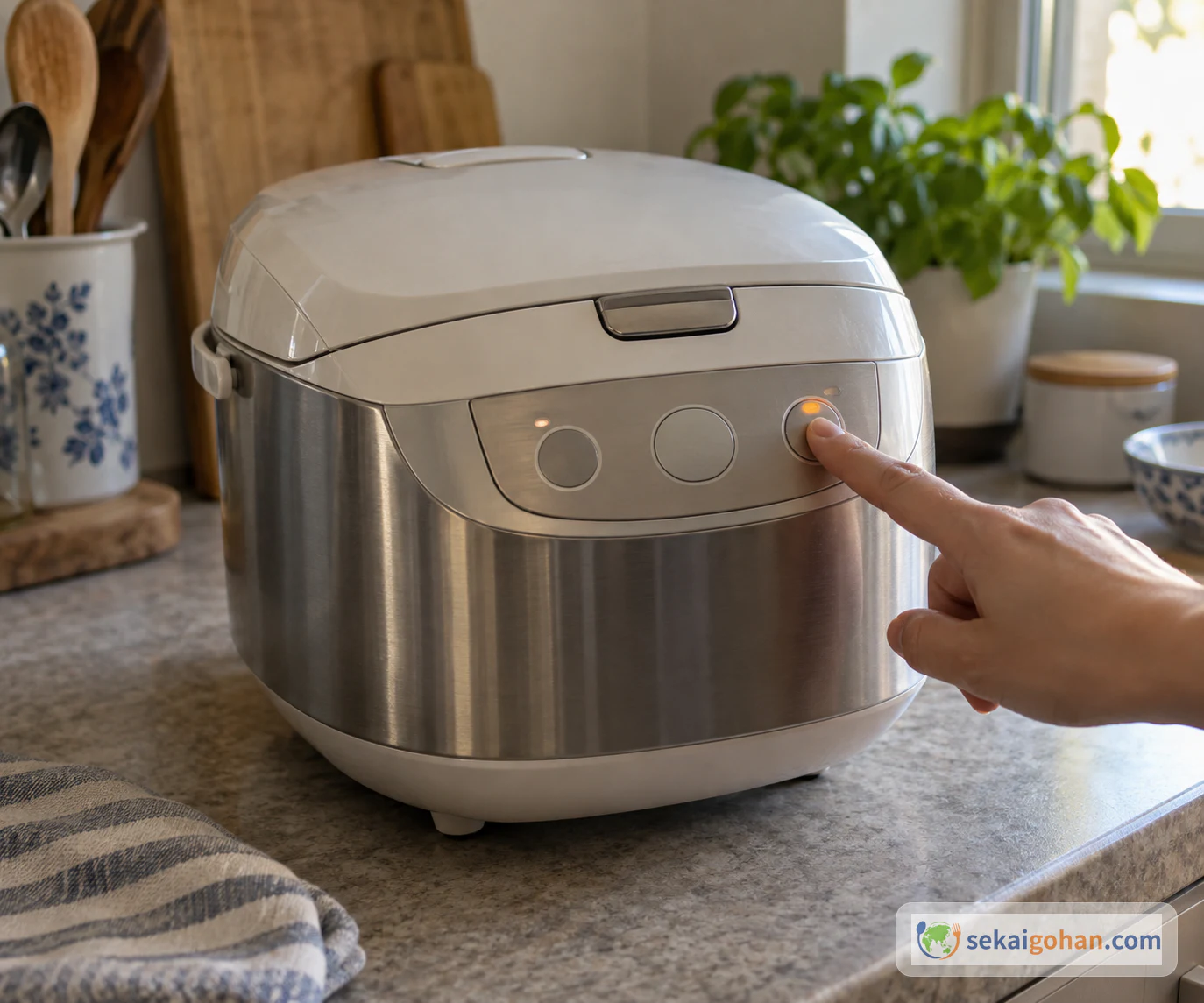
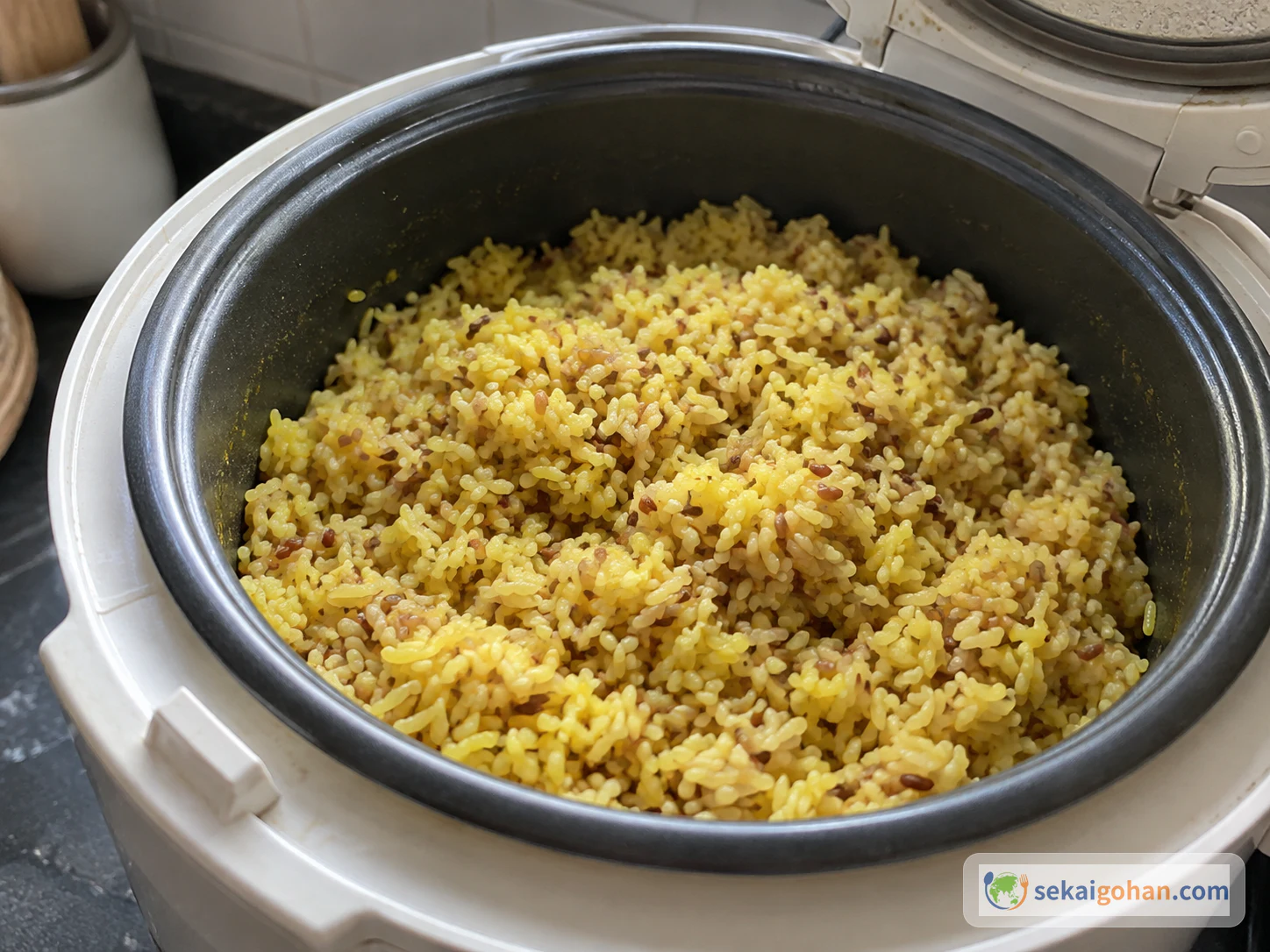
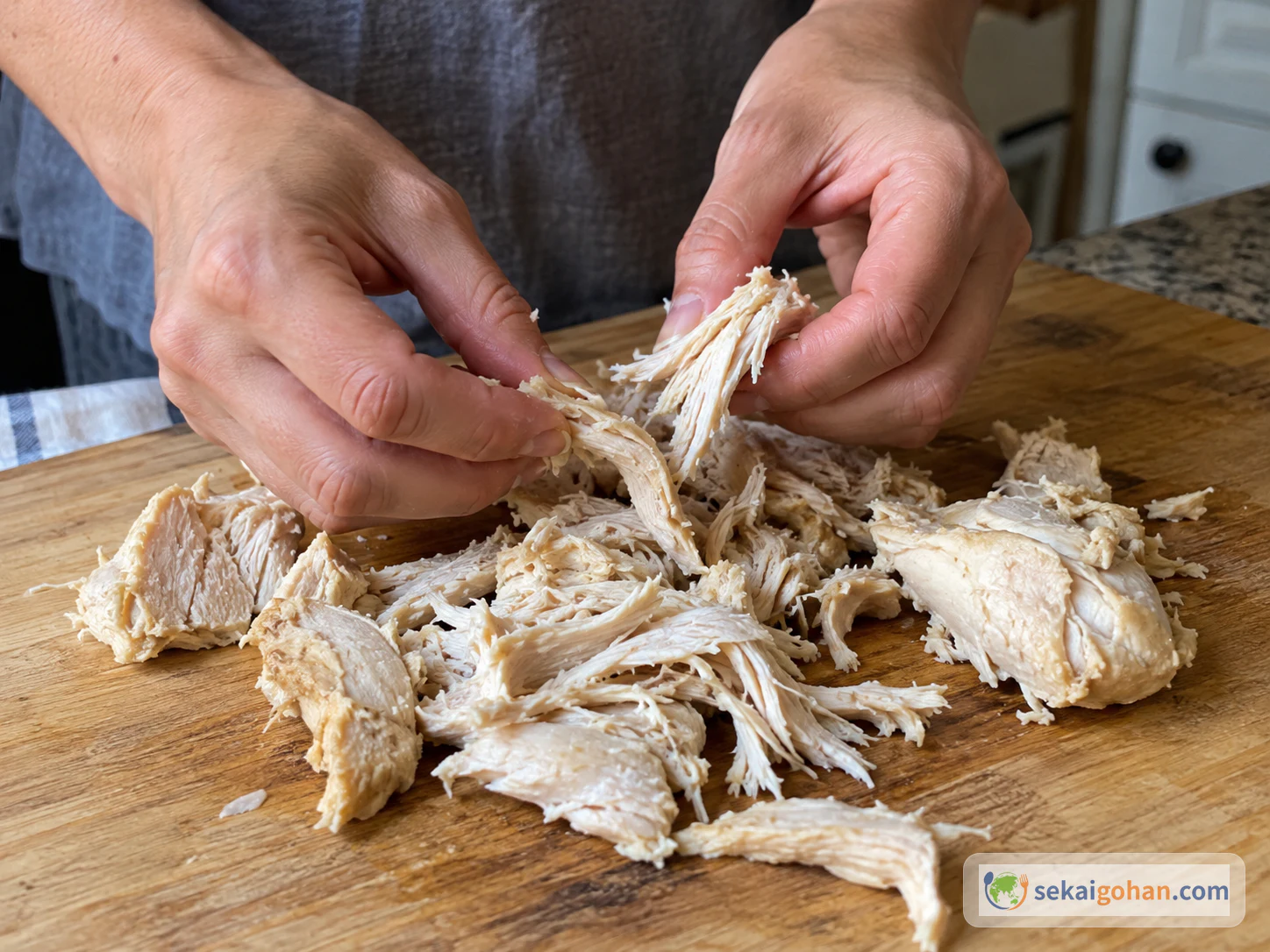
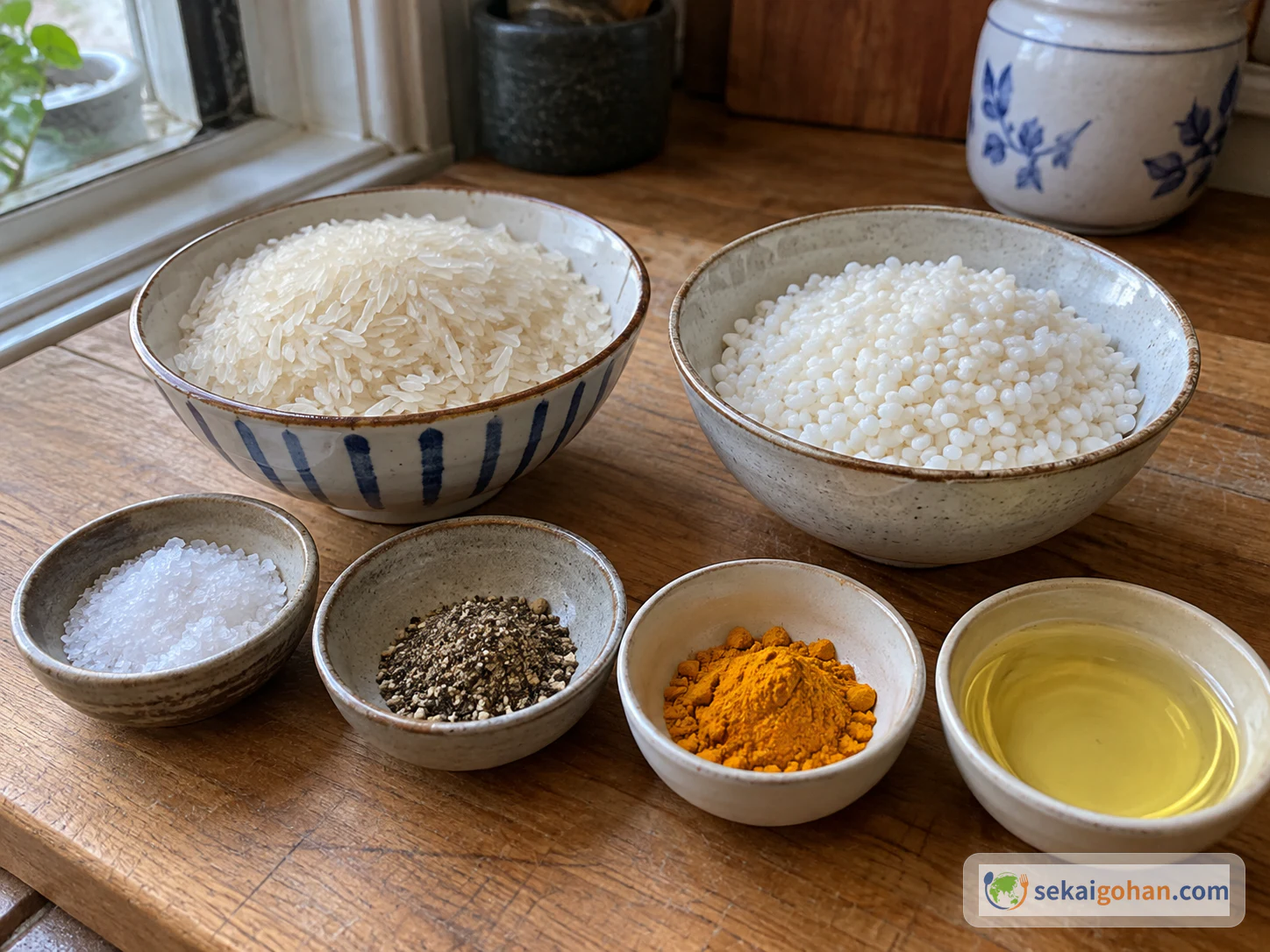
A whole chicken goes into a pot of cold water, breast side up. It simmers gently, is turned over, simmers again, then sits covered off the heat. After a thermometer check it is plunged into ice water, dried, and taken off the bone. The bones return to the pot, and the liquid is cooked down to half. Meanwhile two kinds of rice, regular rice and sweet (glutinous) rice, have been soaking in cold water. They go into the rice cooker with turmeric, salt, pepper and oil, and the reduced stock is poured over them.
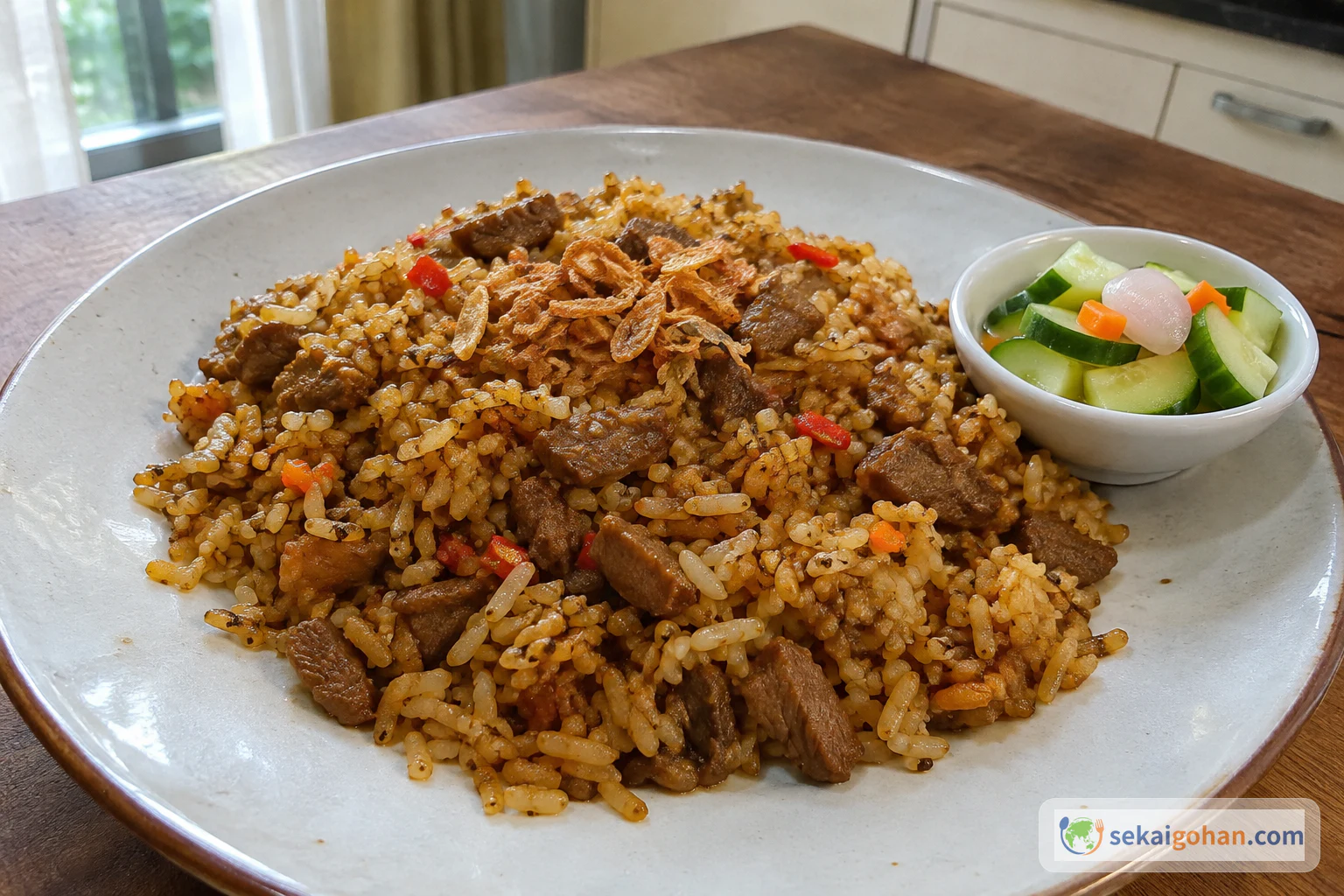
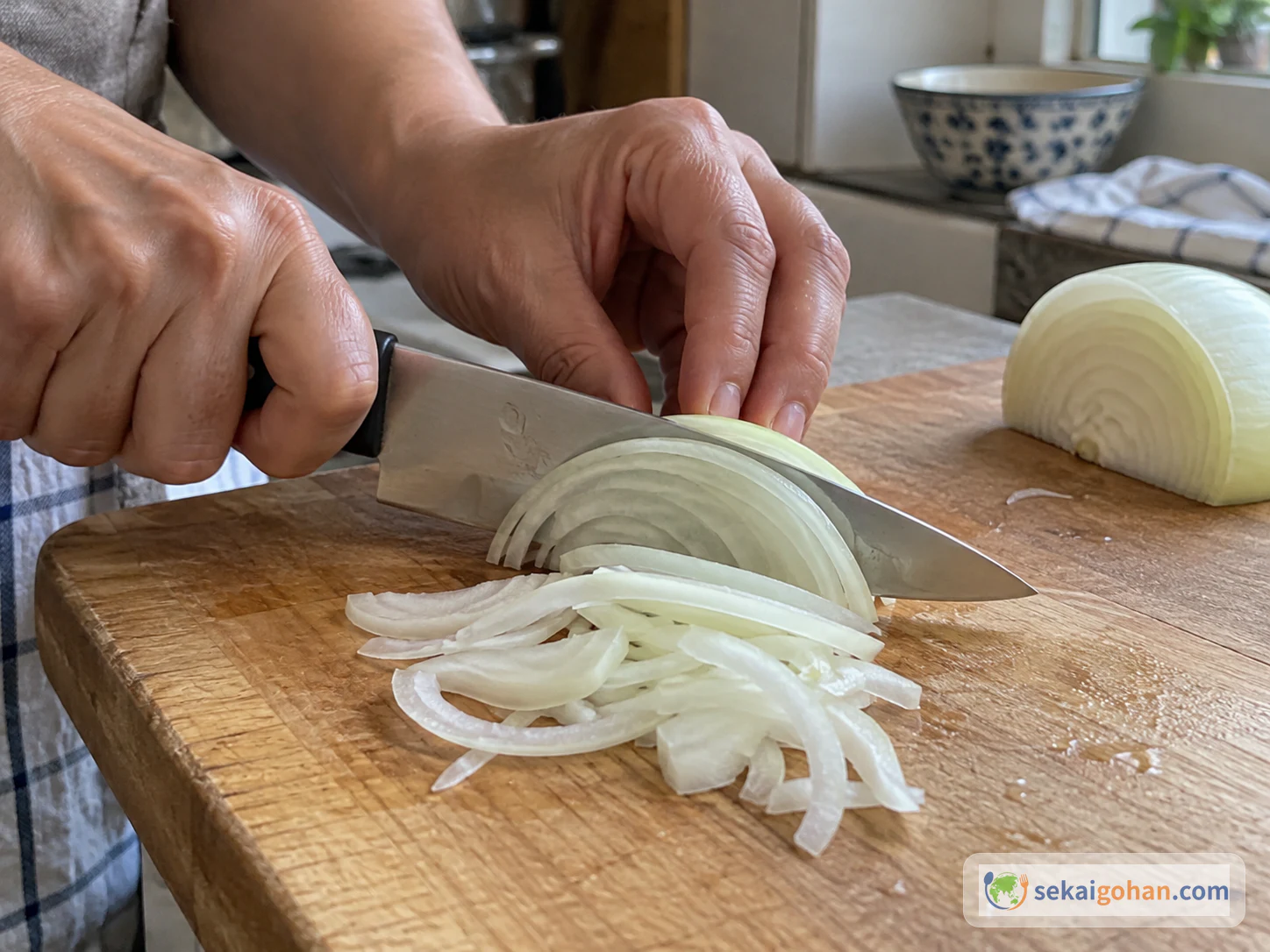
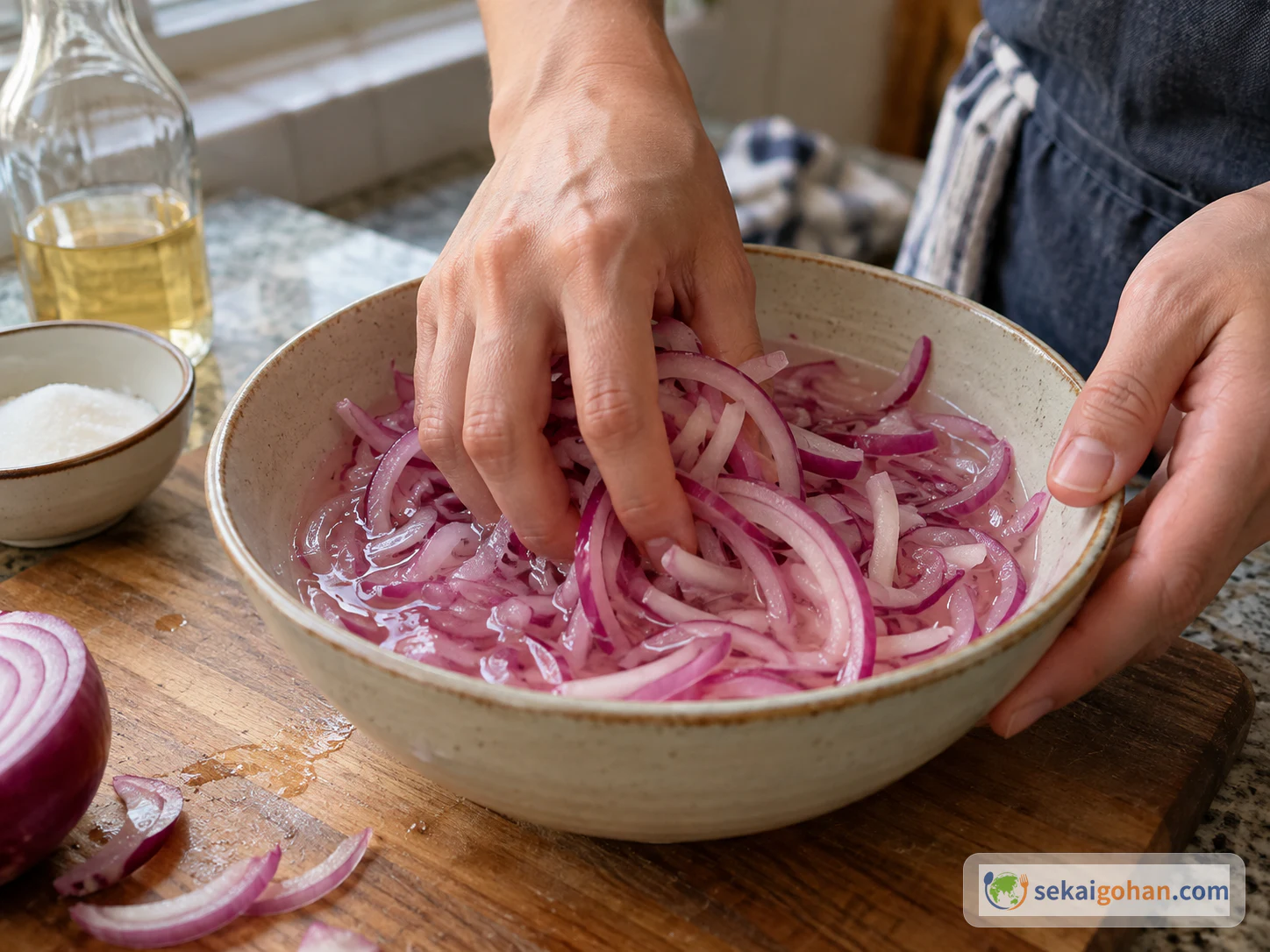
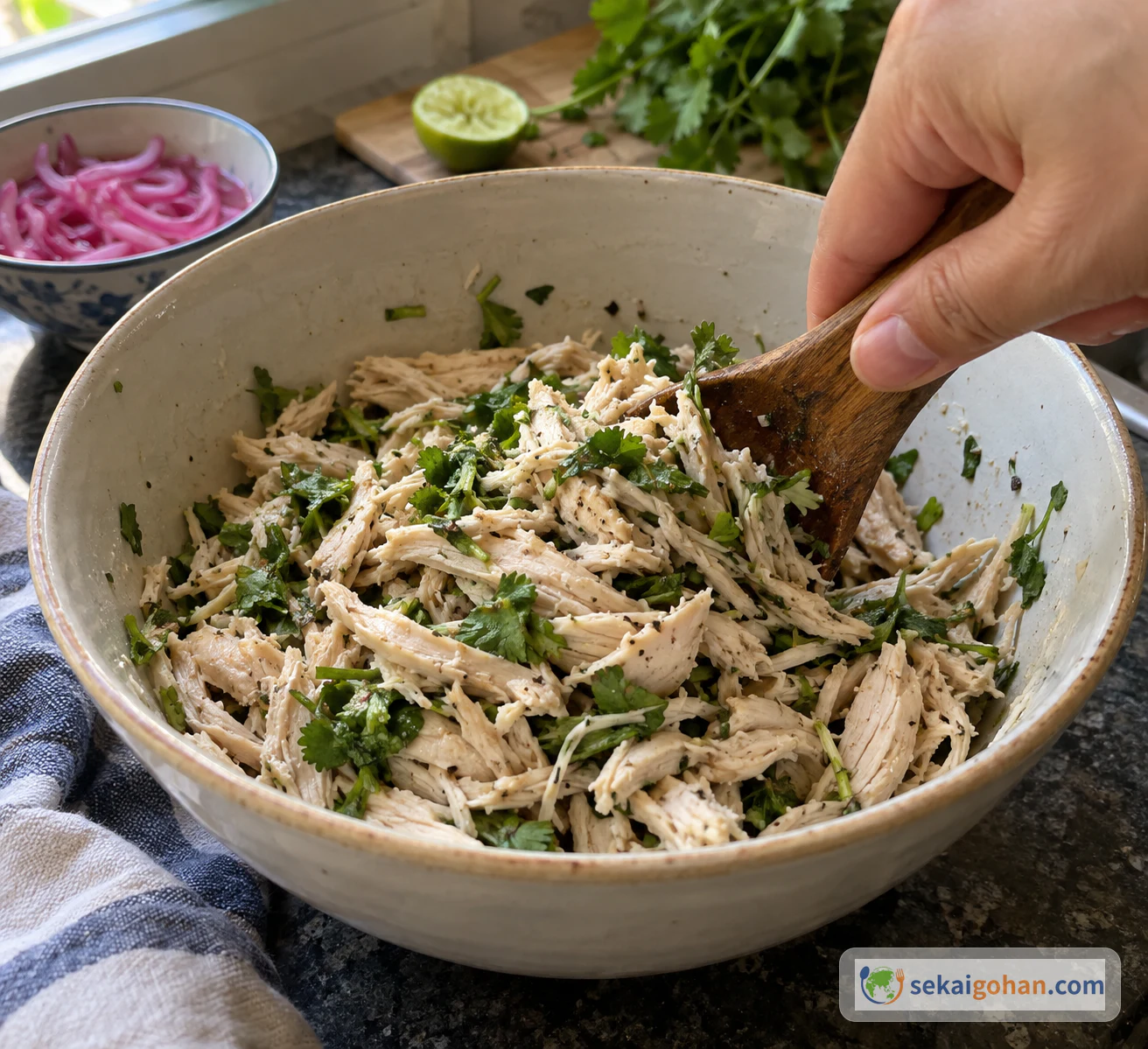
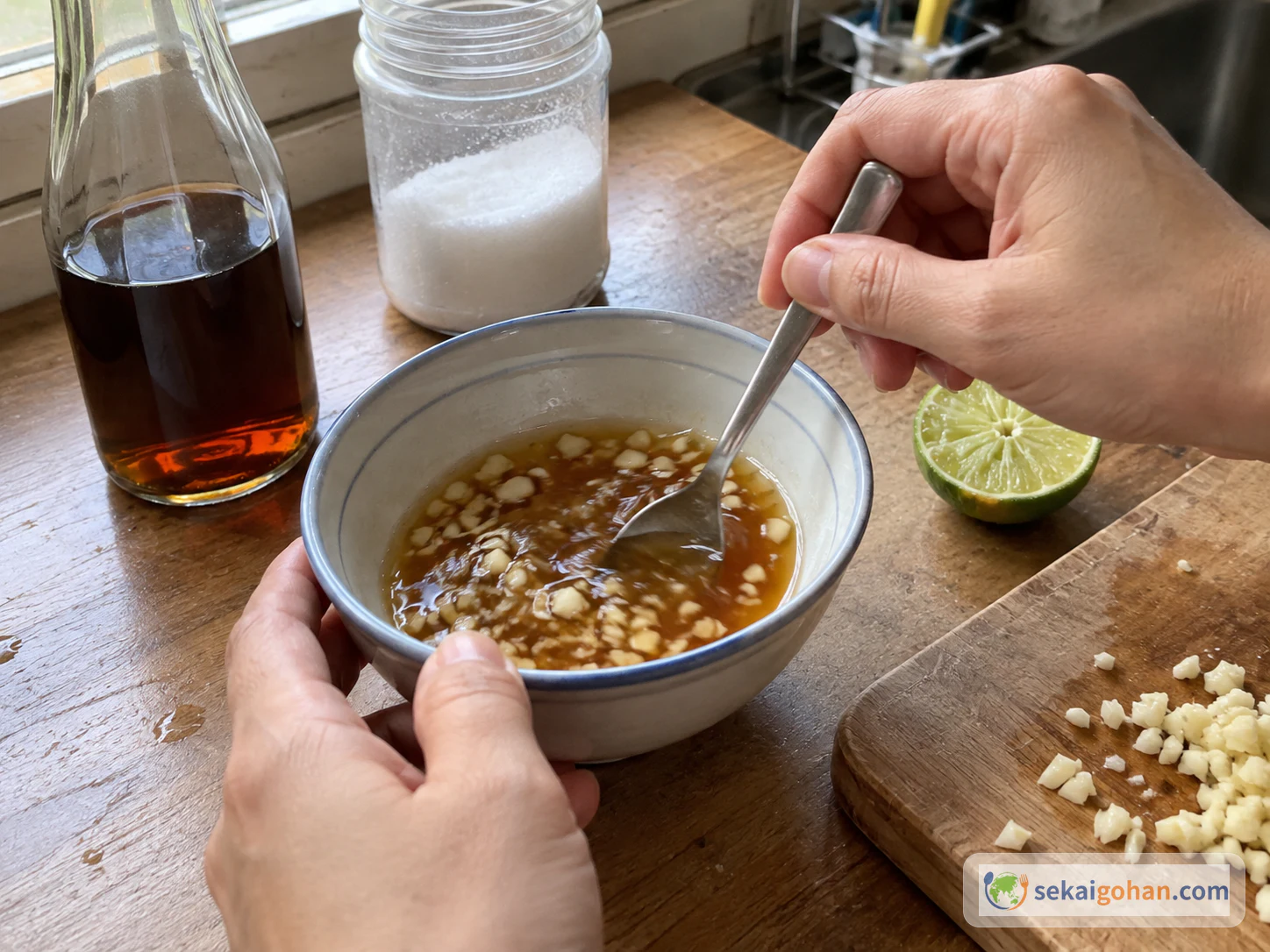
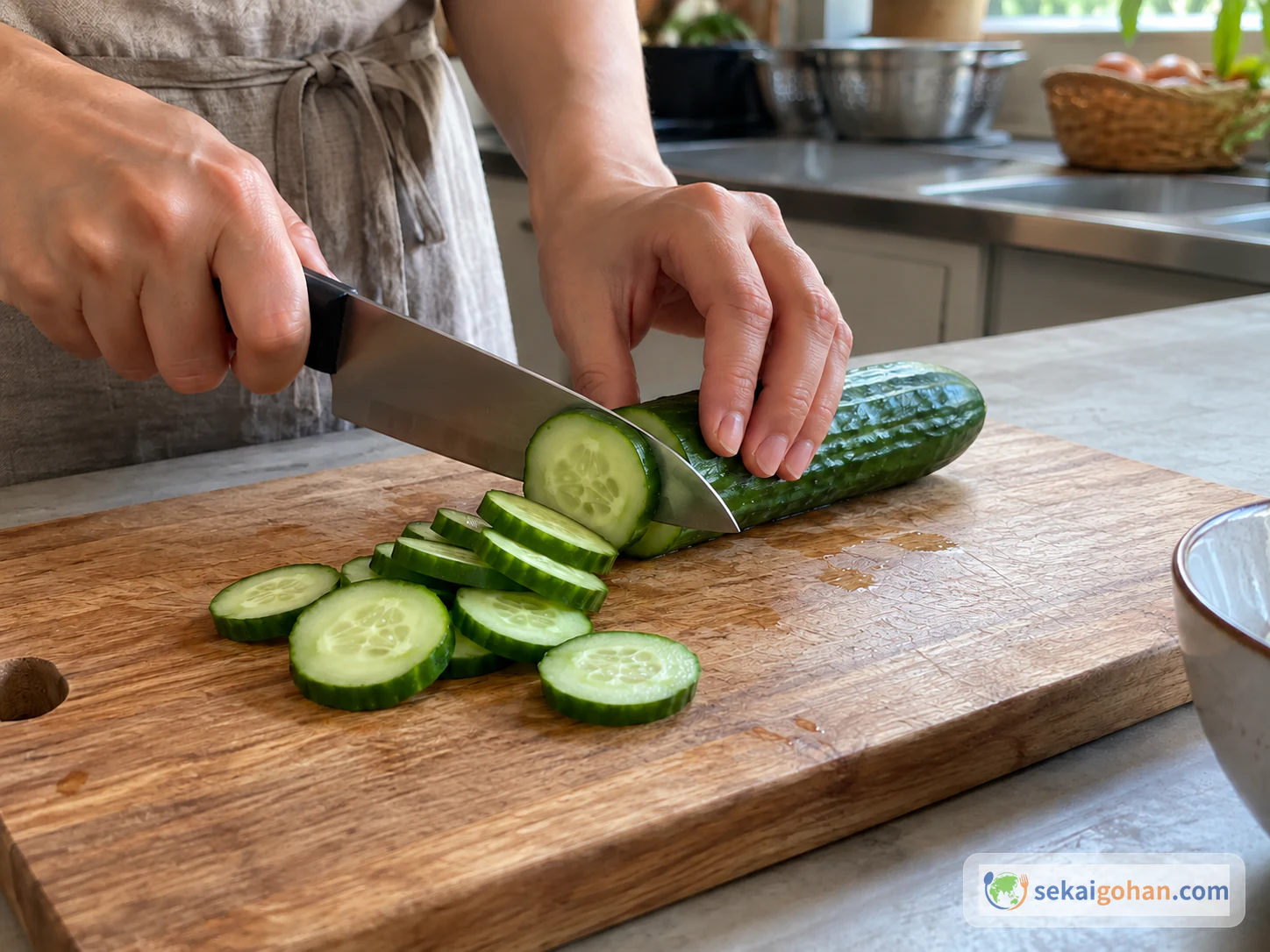
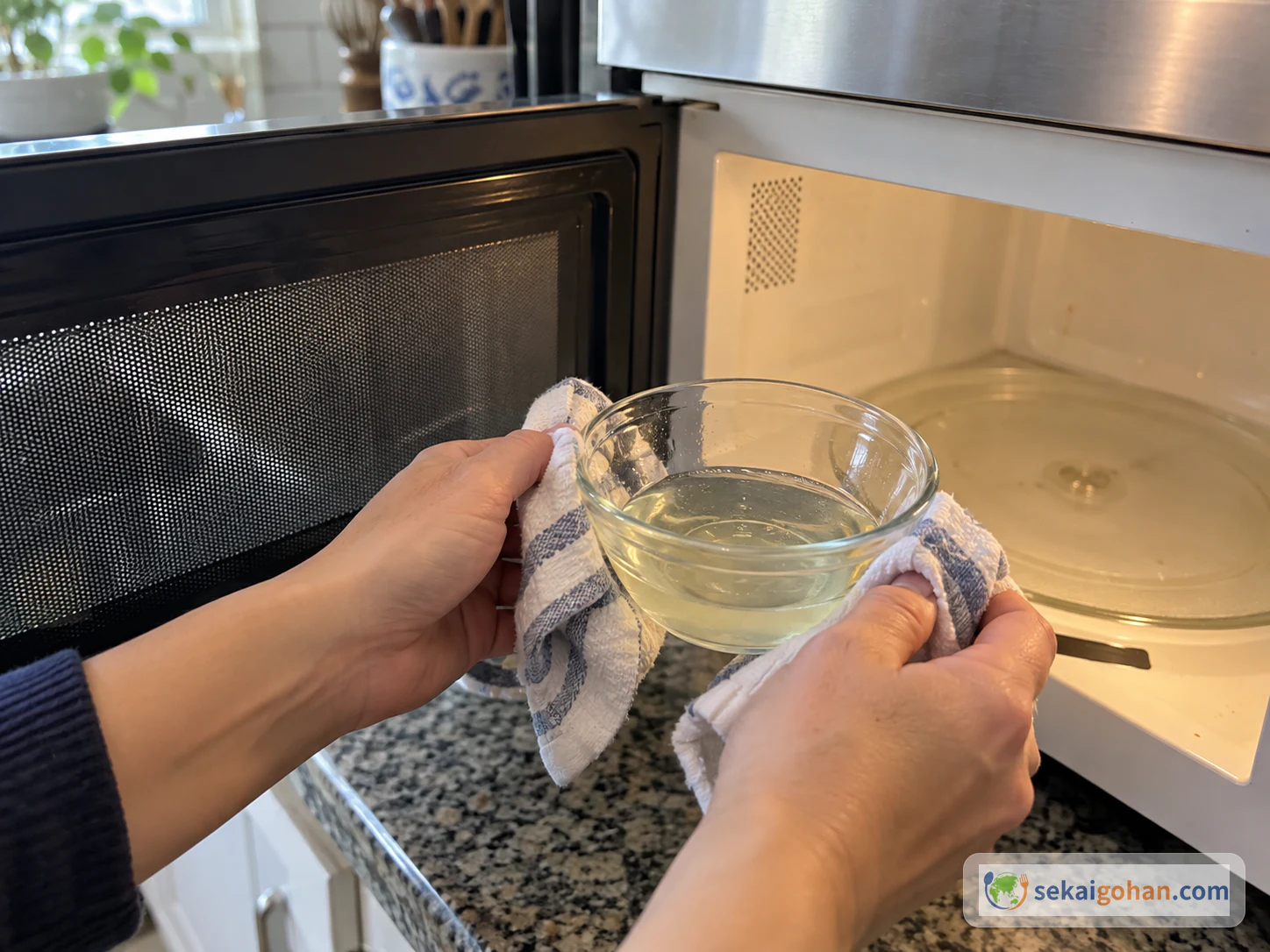
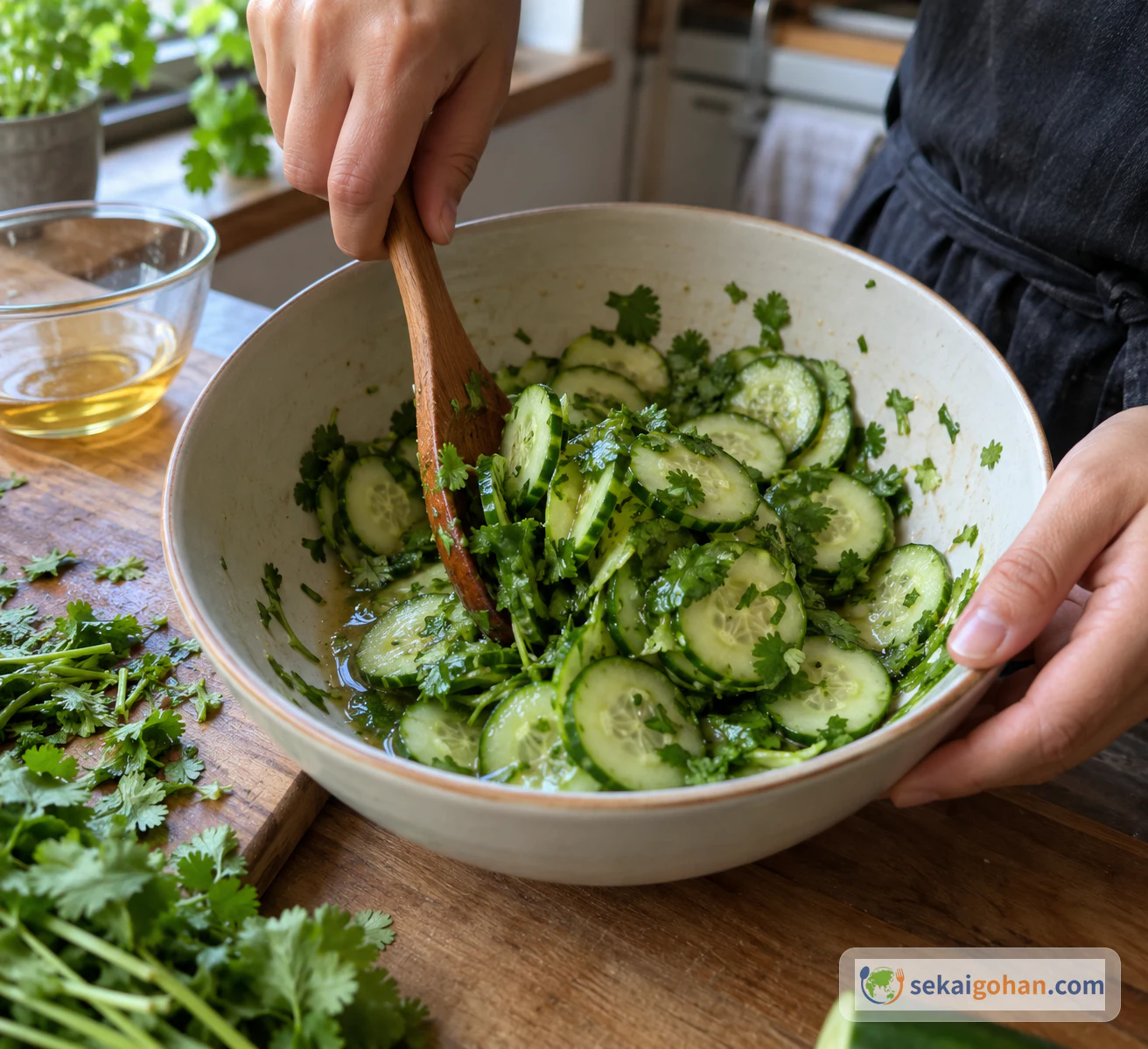
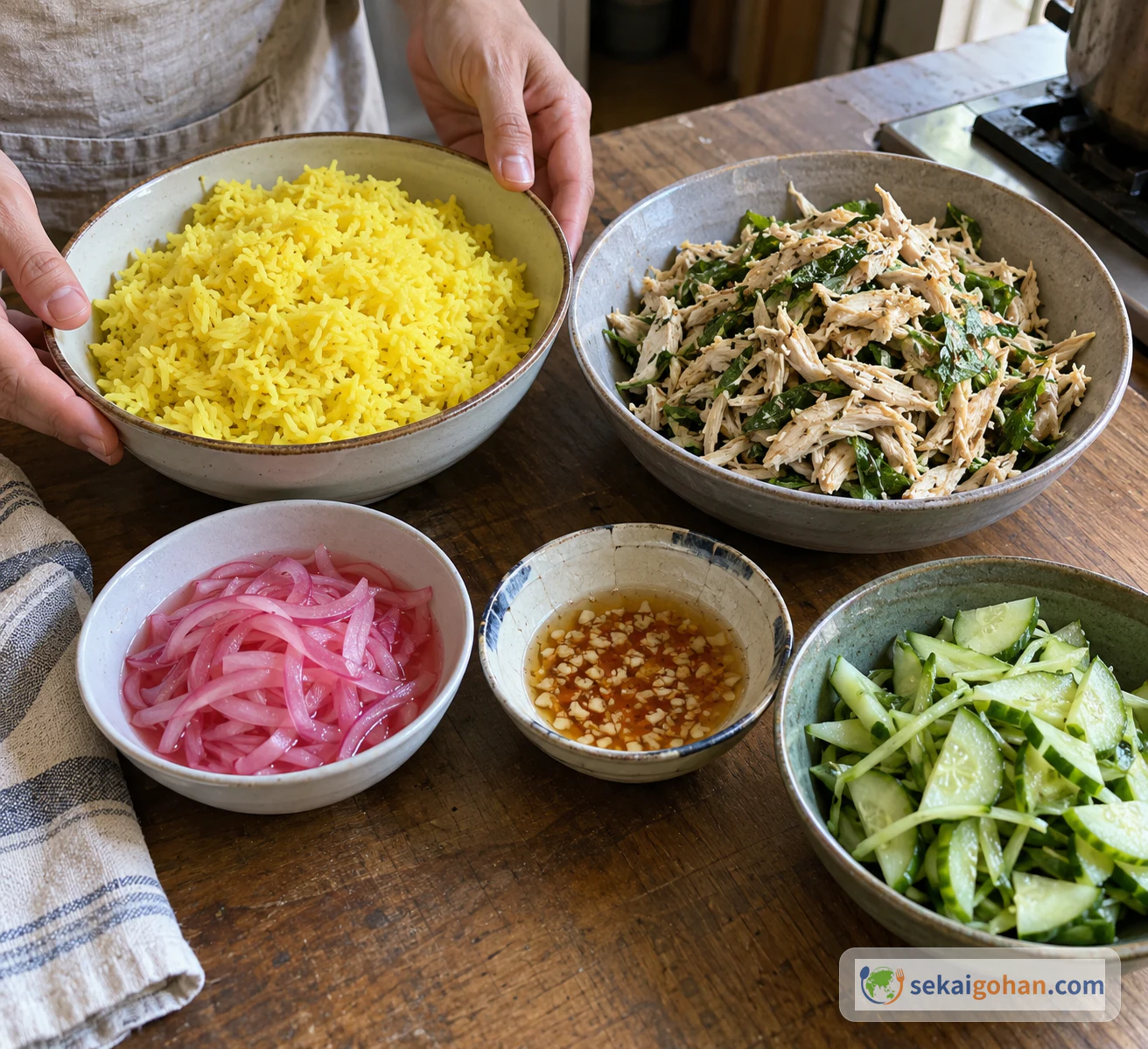
While the rice cooks, the rest of the meal comes together in separate bowls. The shredded chicken is tossed with sea salt, lime, pepper and two herbs, Vietnamese coriander and regular coriander. Fish sauce, sugar, lime and garlic are stirred into a dip. Cucumber is sliced and dressed in a sweet rice-vinegar dressing, and thin onion slices sit in sugar and rice vinegar. At the table you have turmeric-yellow rice, herbed chicken, and three different sharp, sweet or salty companions.
This article follows one specific published recipe: Tam Ky Chicken Rice by Nga Nguyen on Nga's Cuisine. The catalog name here is Cơm gà Quảng Nam, but the article does not present this version as the standard for the whole of Quảng Nam or as the only authentic form. Sekai Gohan has not kitchen-tested this recipe as a whole. For more dishes from the same country, see the Vietnam country page.
Tam Kỳ, Quảng Nam, and One Published Recipe
Tam Kỳ chicken rice is introduced by Vietnam's national tourism authority as one of the dishes to try in Quảng Nam. The official Vietnam Tourism site includes it in a short guide titled "4 must-try dishes from Quang Nam." That page is a visitor's introduction. It does not give a recipe, a province-wide standard, or a history of the dish, and this article uses it only for that regional context.
The recipe itself comes from Nga Nguyen's page Tam Ky Chicken Rice on Nga's Cuisine, dated 4 July 2016. The page shows a separate header date of 2020-02-03, but that is not treated as the year of the recipe. We have no information about the author's location, training or family background. The recipe is therefore presented simply as one published recipe that carries the Tam Kỳ name, not as how every Tam Kỳ household cooks.
Other published recipes under the Tam Kỳ name work differently. A recipe by Diên Nguyễn on Yêu Trẻ, for example, cooks the rice in chicken fat with aromatics before the stock goes in. Nga Nguyen's version uses canola oil in the rice cooker and does not fry the rice first. This article keeps the two apart and takes no ingredients, amounts or steps from the Yêu Trẻ page. Hội An–style chicken rice is also treated here as a separate version, not as the same recipe.
Origins, history and local eating customs are not covered by the materials this article is based on, so they are left out.
Ingredients: Five Separate Preparations
The ingredients fall into five groups: the chicken (with the herbed chicken made from it), the rice, the pickled onion, the fish-sauce dip and the cucumber salad. Several ingredients appear in more than one group, such as sugar, salt, lime, rice vinegar and regular coriander. Measure them separately for each group.
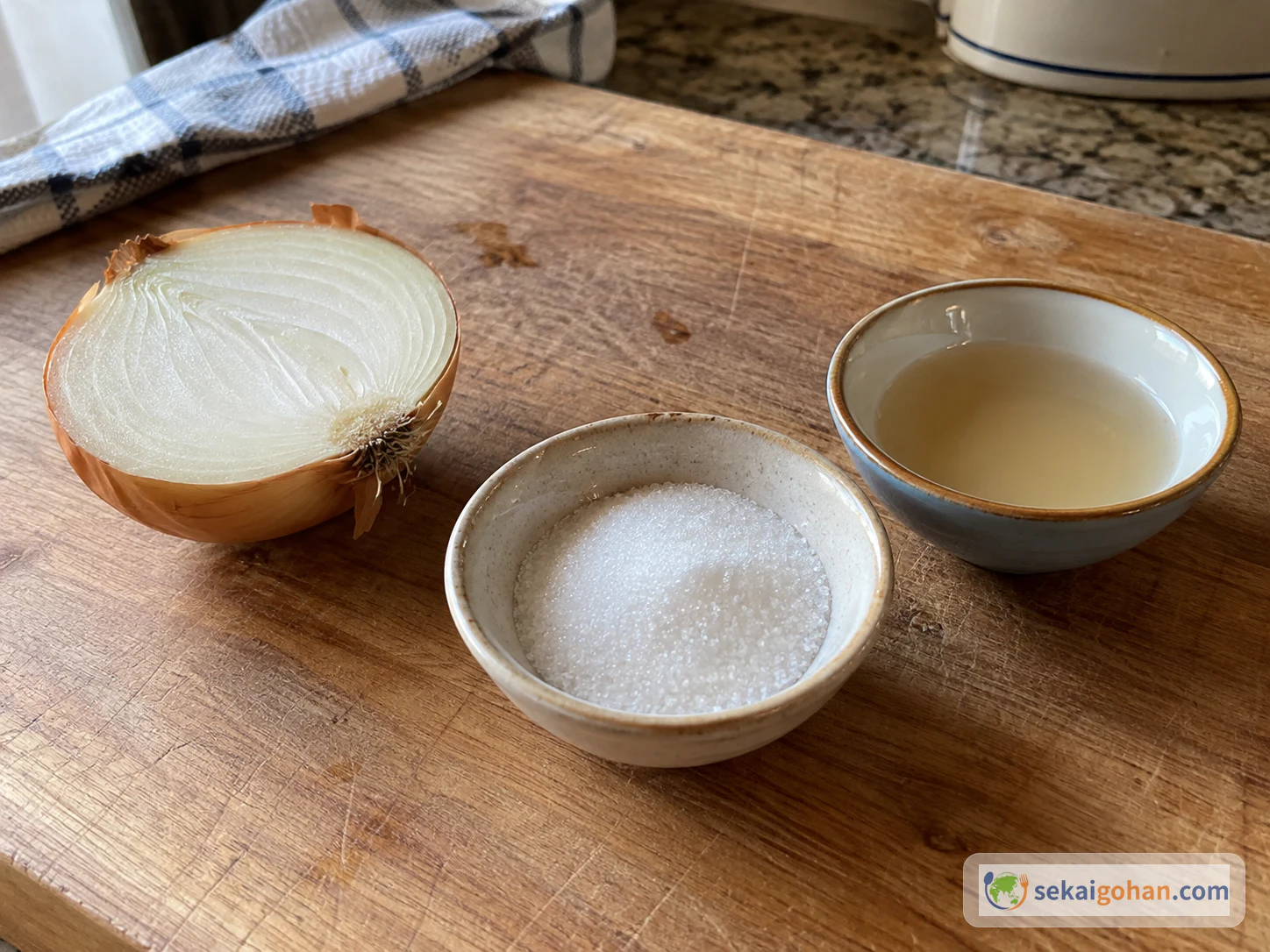
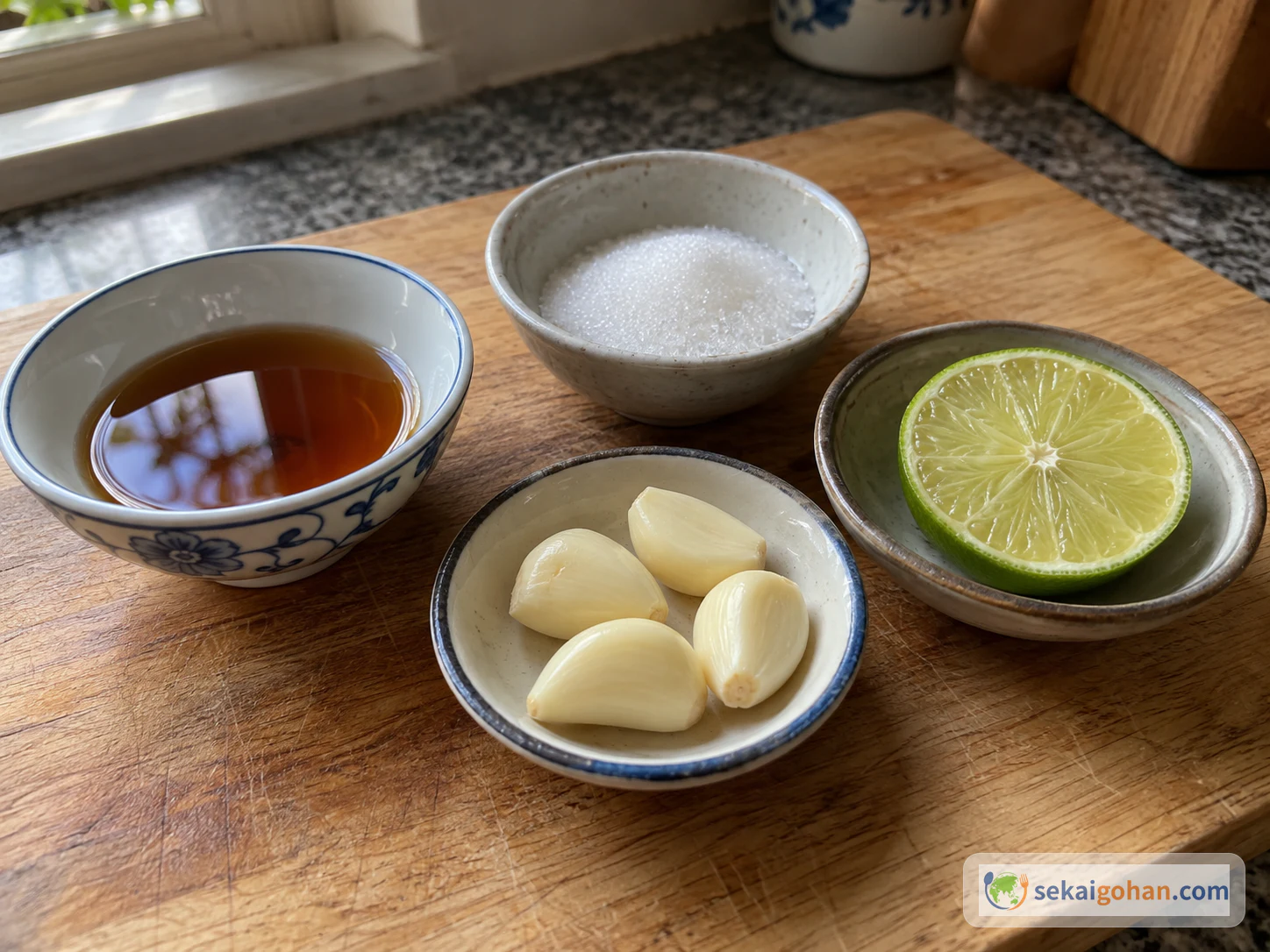
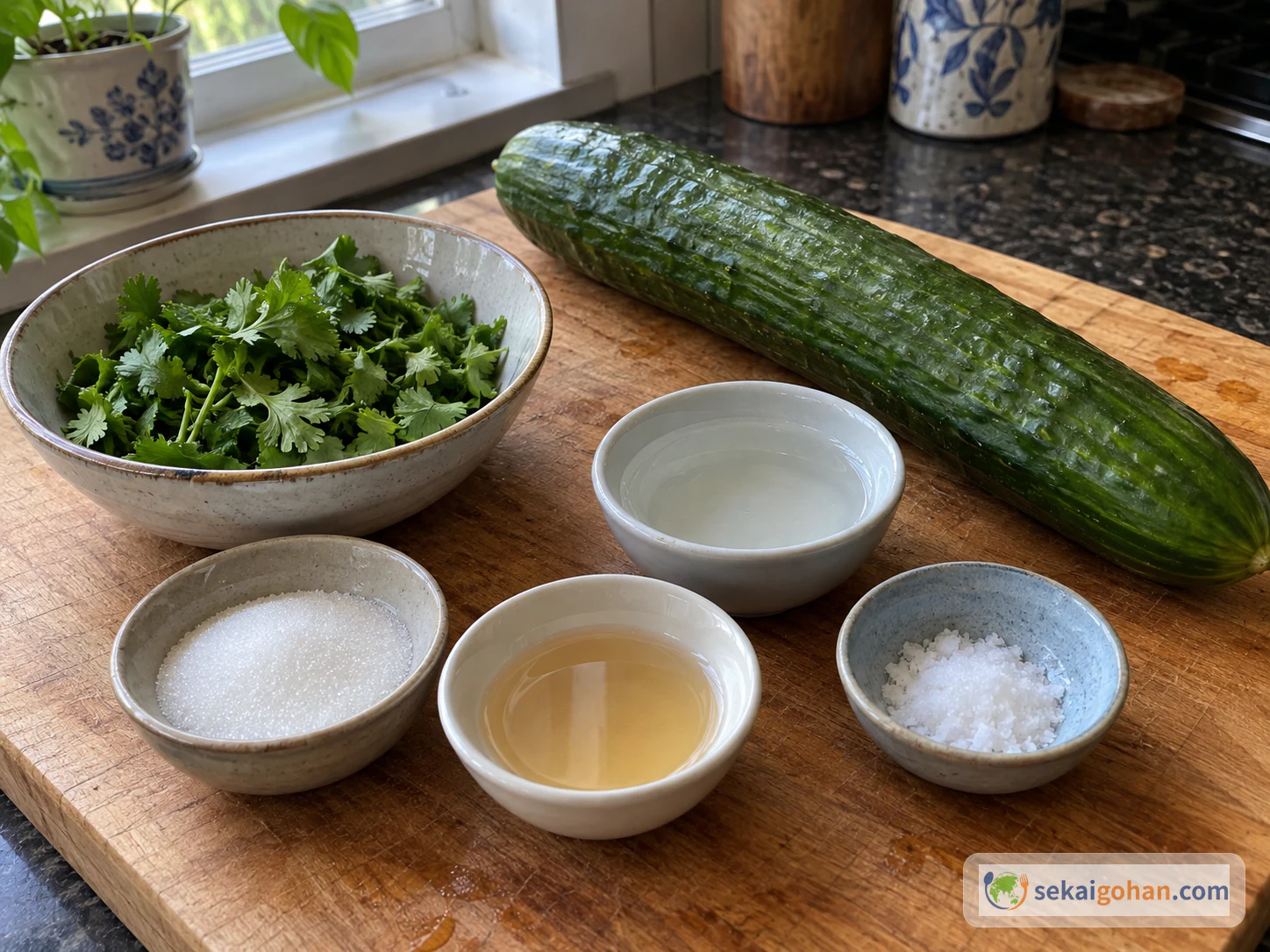
Choosing Ingredients and Shopping
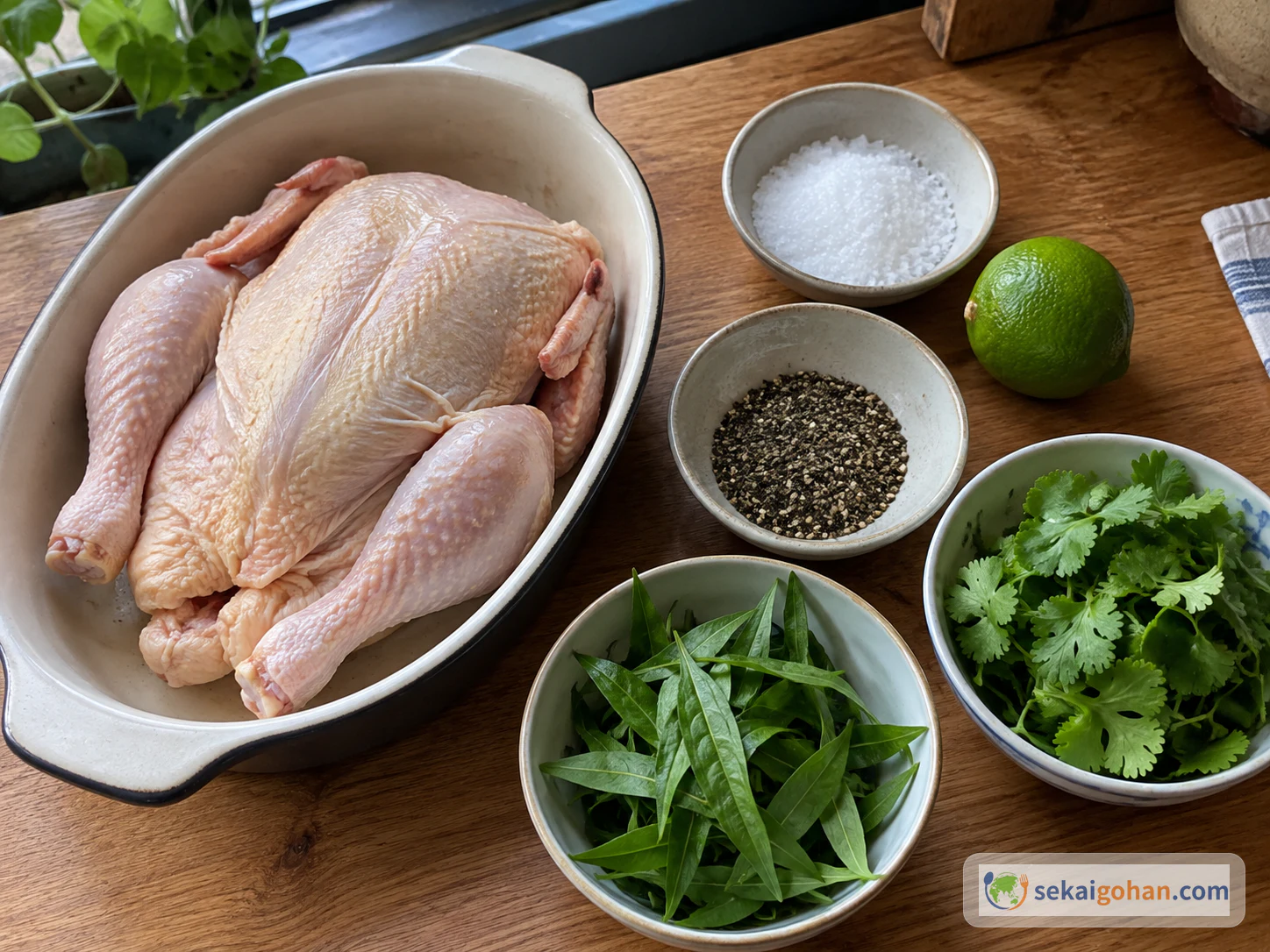
Vietnamese coriander and regular coriander are two different herbs. Vietnamese coriander is sold as rau răm, and regular coriander is the herb also called cilantro. The herbed chicken uses both. The cucumber salad uses only regular coriander, and its 0.25 cup is in addition to what goes into the chicken. The two herbs in the chicken are added to taste.
Use regular rice together with sweet (glutinous) rice.
Use a whole free-range chicken, about 3–4 lb. This version is made with a whole chicken, regular and sweet rice and a rice cooker.
Fish sauce is made from fish. Ingredients and labeling differ by product, so check the label of the bottle you buy for allergens. This article cannot guarantee anything about cross-contact or allergy safety.
Equipment
- Large pot with a lid, big enough to cover a whole chicken with water
- Food thermometer
- Large bowl for ice water
- Rack and paper towels for draining and drying the chicken
- Clean cutting board and knife for cooked food
- Rice cooker (with a SOFT setting if it has one)
- Small microwave-safe bowl and a microwave
- Separate bowls for soaking the rice, pickling the onion, mixing the herbed chicken, the dip and the cucumber salad
Method: From One Pot of Chicken to Five Dishes
The poaching schedule (5 minutes, 5 minutes, then 20 minutes covered off the heat) does not by itself show that the chicken is safely cooked. Before the chicken goes into the ice water, check it with a food thermometer against the safe minimum internal temperature for poultry, 165°F (74°C), from FoodSafety.gov. If it has not reached that temperature, keep heating and check again. There is no fixed extra time.
The steps follow the order of the kitchen work. Start the rice soaking and the onion pickling first, since both need time to sit while the chicken cooks. The times below belong to individual steps; they are not meant to be added up into a total.
When Something Doesn't Go to Plan
Most of the judgment calls in this recipe come at the chicken and the stock. These are the points to watch, without adding times or amounts the recipe does not give.
| Situation | What to do |
|---|---|
| The thermometer reads below 165°F (74°C) after the 20-minute rest | Do not move the chicken to the ice water. Keep heating it, then check again. There is no fixed extra time, so go by the thermometer |
| The water keeps boiling hard after the first boil | Turn the heat down to low. The poaching steps are meant to be a gentle simmer |
| You aren't sure when the stock is "reduced by half" | The recipe gives neither the starting water amount nor a reduction time, so compare the level with where it started and stop at about half |
| Your rice cooker has no SOFT setting | The recipe gives no alternative setting or stovetop method, so this article cannot promise the same result another way |
| Sugar still visible in the cucumber dressing | Microwave power is not specified, so 15 seconds may behave differently in different ovens. No extra time is given; whatever you do, heat only the dressing, never the cucumber |
| Tempted to mix everything together | Keep the herbed chicken, dip, cucumber salad and pickled onion separate. Each has its own seasoning |
Five Ways This Version Is Put Together
These are not alternative recipes; they are the features that set this particular version apart. The materials behind this article support no recipe changes, so no adapted versions are offered.
- One chicken, two jobs. The meat is chilled and pulled for the herbed chicken, and the bones go back into the poaching liquid to make the stock for the rice.
- Two rices, soaked and cooked together. Regular rice and sweet (glutinous) rice both soak in cold water for 2 hours, then cook in the rice cooker, on SOFT if available.
- Two different chicken seasonings, kept apart. The chicken itself takes salt, lime, pepper and two herbs, while the fish sauce, sugar, lime and garlic go into a separate dip.
- Two separate sour-sweet sides. The cucumber salad has its own warmed dressing, and the onion is pickled in sugar and rice vinegar. In the recipe, the pickled onion is prepared at the start but not mentioned again, so this article serves it as its own side dish. That is our presentation, not an instruction from the recipe; the recipe does not say to mix it into the chicken.
- Oil, not chicken fat, in the rice. This version puts canola oil and stock straight into the rice cooker, unlike the Yêu Trẻ recipe, which fries the rice in chicken fat with aromatics first.
Timing, Amounts and What Isn't Given
The recipe gives these times, each for its own step:
- Rice soak in cold water: 2 hours
- Onion pickle: at least 30 minutes
- Chicken: low simmer 5 minutes breast up, 5 minutes breast down, then 20 minutes covered off the heat, followed by the thermometer check
- Cucumber dressing in the microwave: 15 seconds
- Cucumber salad rest: 30 minutes
The recipe does not give the amount of water for poaching, how long the stock takes to reduce, how much stock goes into the rice cooker, the rice cooker time, the variety of regular rice, or the amounts of the herbs in the chicken. It also gives no servings, total time, nutrition, storage or reheating guidance. This article does not fill these in.
Frequently Asked Questions
Is this the same as Hội An chicken rice?
This article follows one recipe published under the name Tam Kỳ. It is not treated as the same as Hội An–style chicken rice, and it is not presented as the single form of chicken rice for the whole of Quảng Nam.
What kind of rice should I use?
The recipe says "regular rice" and "sweet rice (glutinous rice)" and does not name a variety for the regular rice. This article does not guess one.
Do I fry the rice in chicken fat?
Not in this version. Nga Nguyen's recipe uses 2 tbsp canola oil in the rice cooker with the stock and does not fry the rice. Another Tam Kỳ recipe, on Yêu Trẻ, does fry the rice in chicken fat with aromatics, but that is a different recipe and nothing from it is used here.
My rice cooker doesn't have a SOFT setting. What should I use instead?
The recipe only says to use the SOFT setting if your cooker has one. It gives no alternative mode or stovetop method, so this article cannot say which substitute would give the same result.
Should the pickled onion go into the chicken?
The recipe pickles the onion at the start but does not say where it goes afterward, and it does not appear in the step for mixing the chicken. This article serves it as a separate side. That is our choice of presentation, not something the recipe specifies.
Is the chicken safe after 5 + 5 + 20 minutes?
Those times alone do not guarantee it. Check with a food thermometer that the chicken has reached 165°F (74°C), the safe minimum internal temperature for poultry given by FoodSafety.gov, before it goes into the ice water. If it hasn't, keep heating and check again.
How many people does it serve, and how long does it take?
The recipe gives neither a number of servings nor a total time, so this article does not state them.
Sources
- Nga Nguyen, "Tam Ky Chicken Rice," Nga's Cuisine, 4 July 2016. The recipe followed in this article: the whole chicken, the two rices cooked in reduced stock, the herbed chicken, pickled onion, fish-sauce dip and cucumber salad, with their amounts and steps. https://ngascuisine.com/2016/07/04/tam-ky-chicken-rice/
- Viet Nam National Authority of Tourism, "4 must-try dishes from Quang Nam," official Vietnam Tourism website. Regional context only: Tam Kỳ chicken rice introduced as a local specialty in a Quảng Nam visitor guide. https://vietnam.travel/node/1437
- FoodSafety.gov, "Safe Minimum Internal Temperatures." The safe minimum internal temperature for poultry, 165°F (74°C), used for the thermometer check before the ice bath. https://www.foodsafety.gov/food-safety-charts/safe-minimum-internal-temperatures