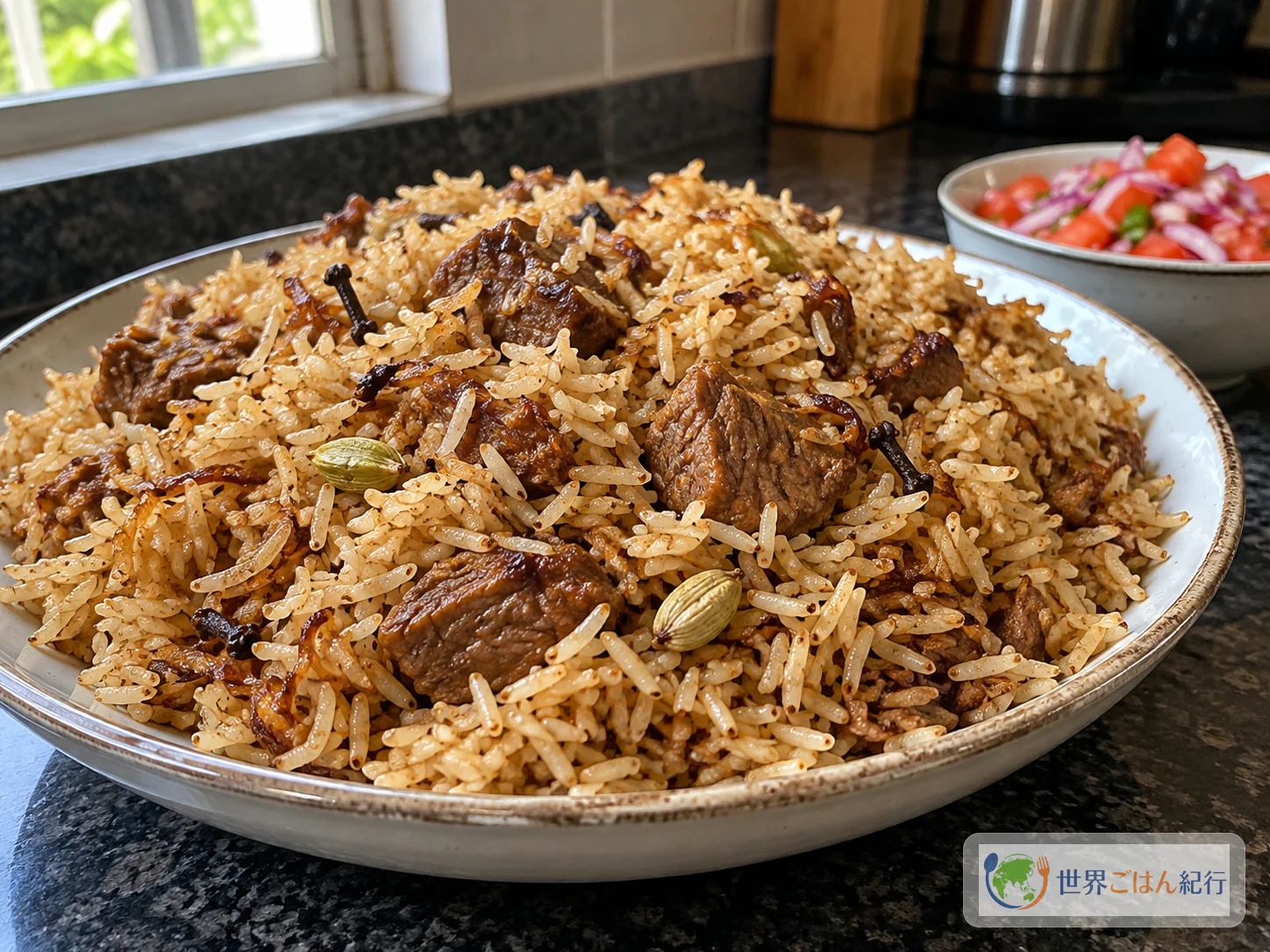
Kenyan Pilau: Golden Onions, Whole Spices and Rice Cooked in Beef Broth
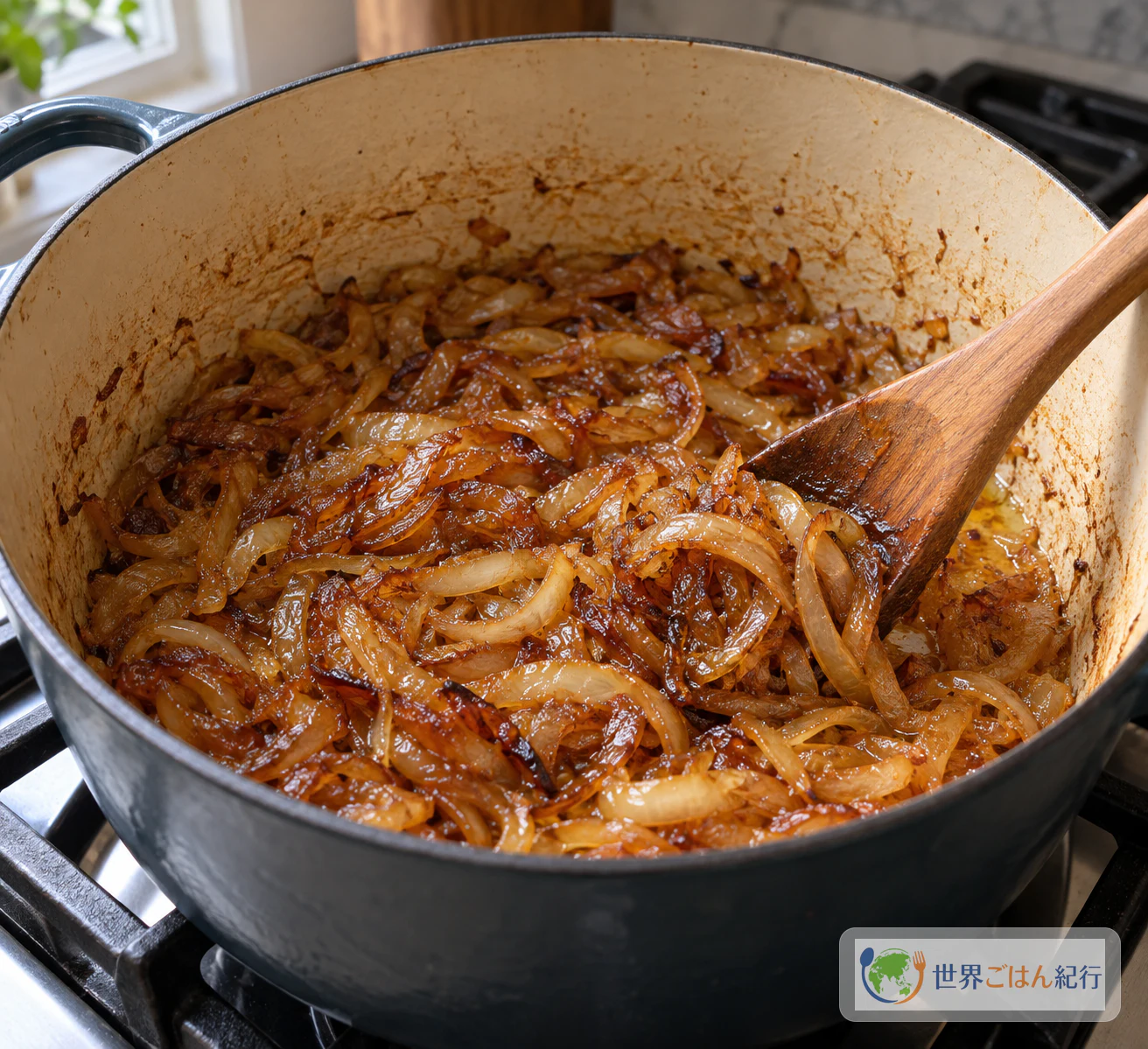
Take the onions to a deep gold without letting them turn black, measure the broth before the rice goes in, and leave the lid alone while the rice cooks.
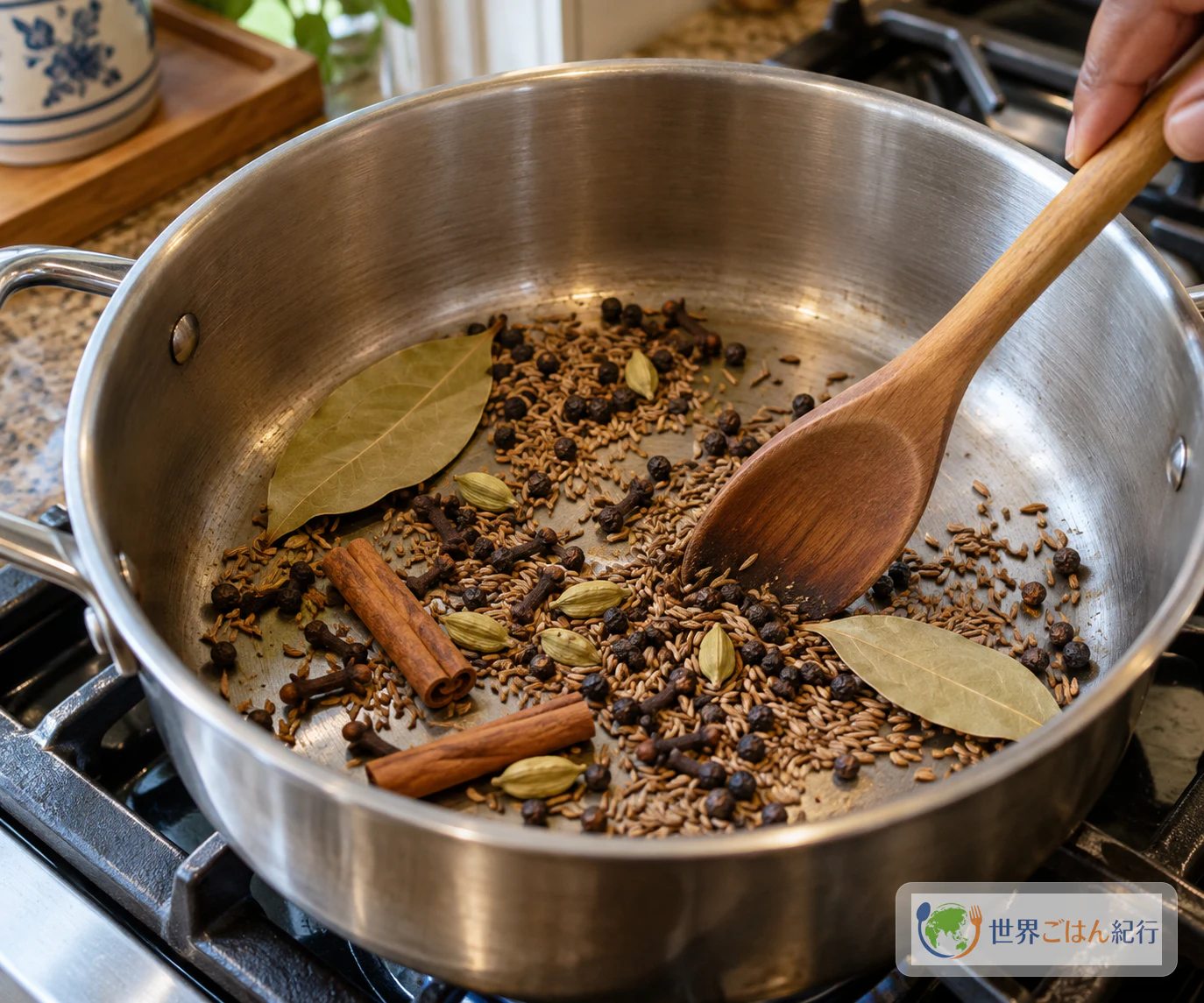
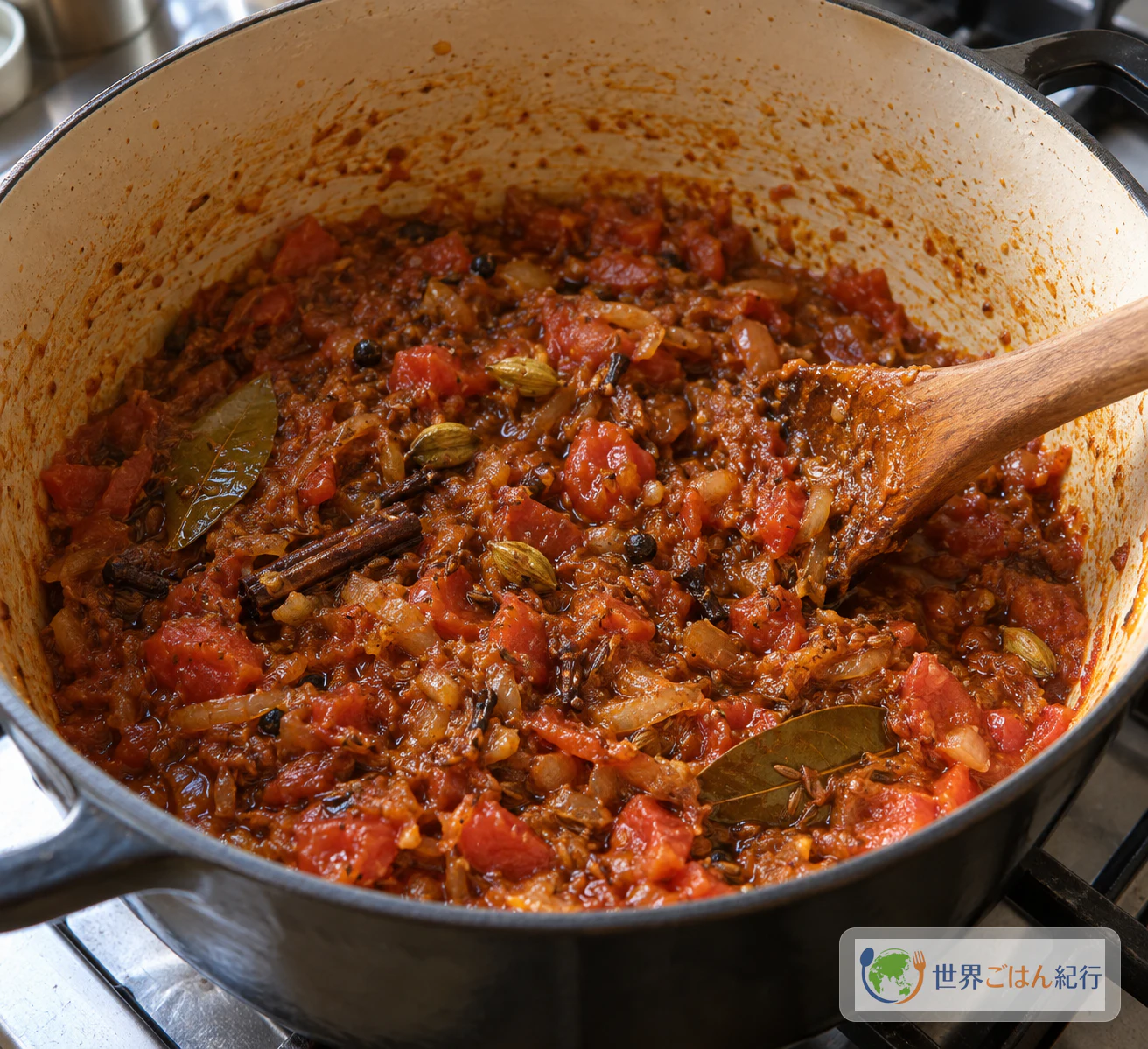
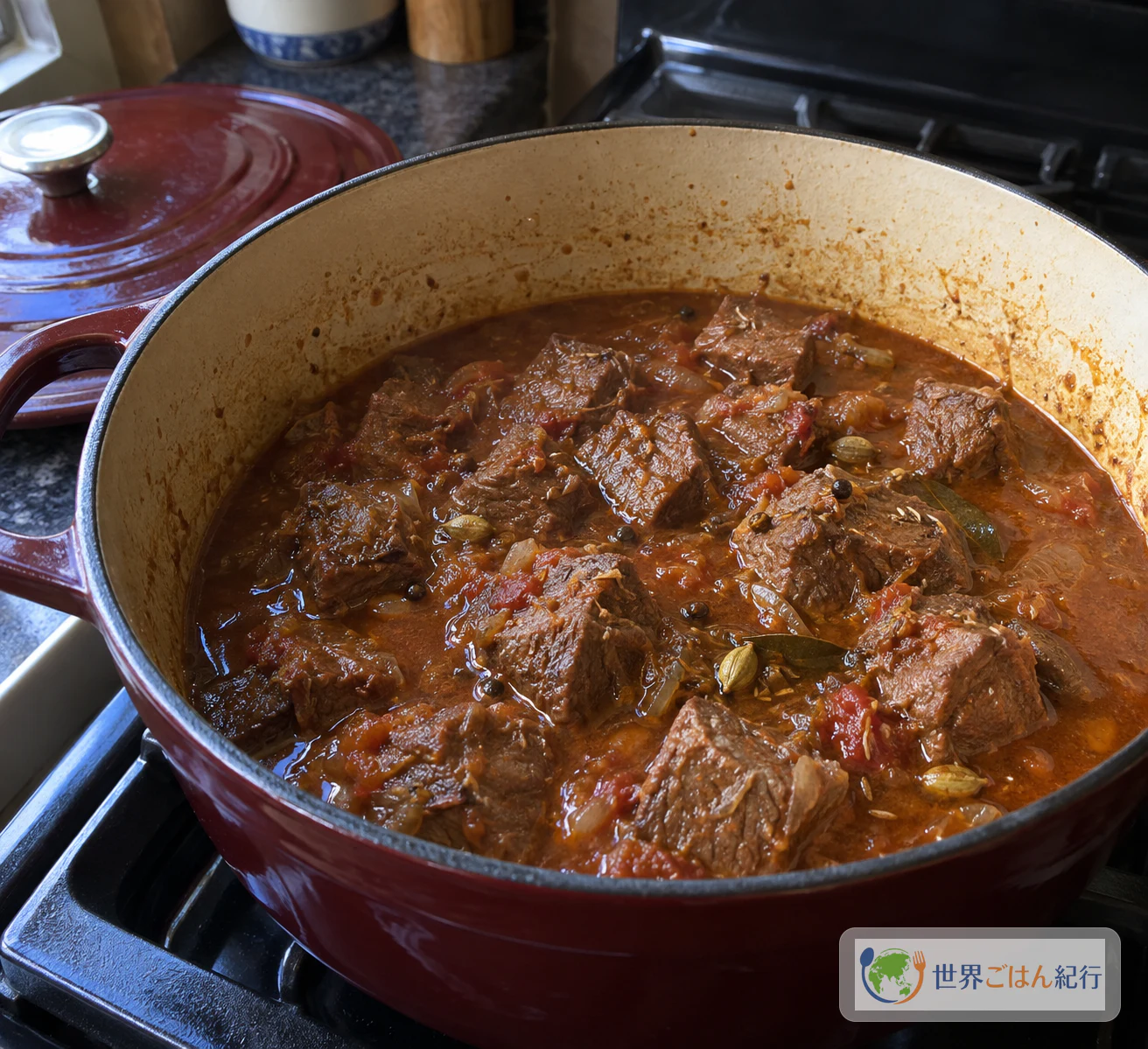
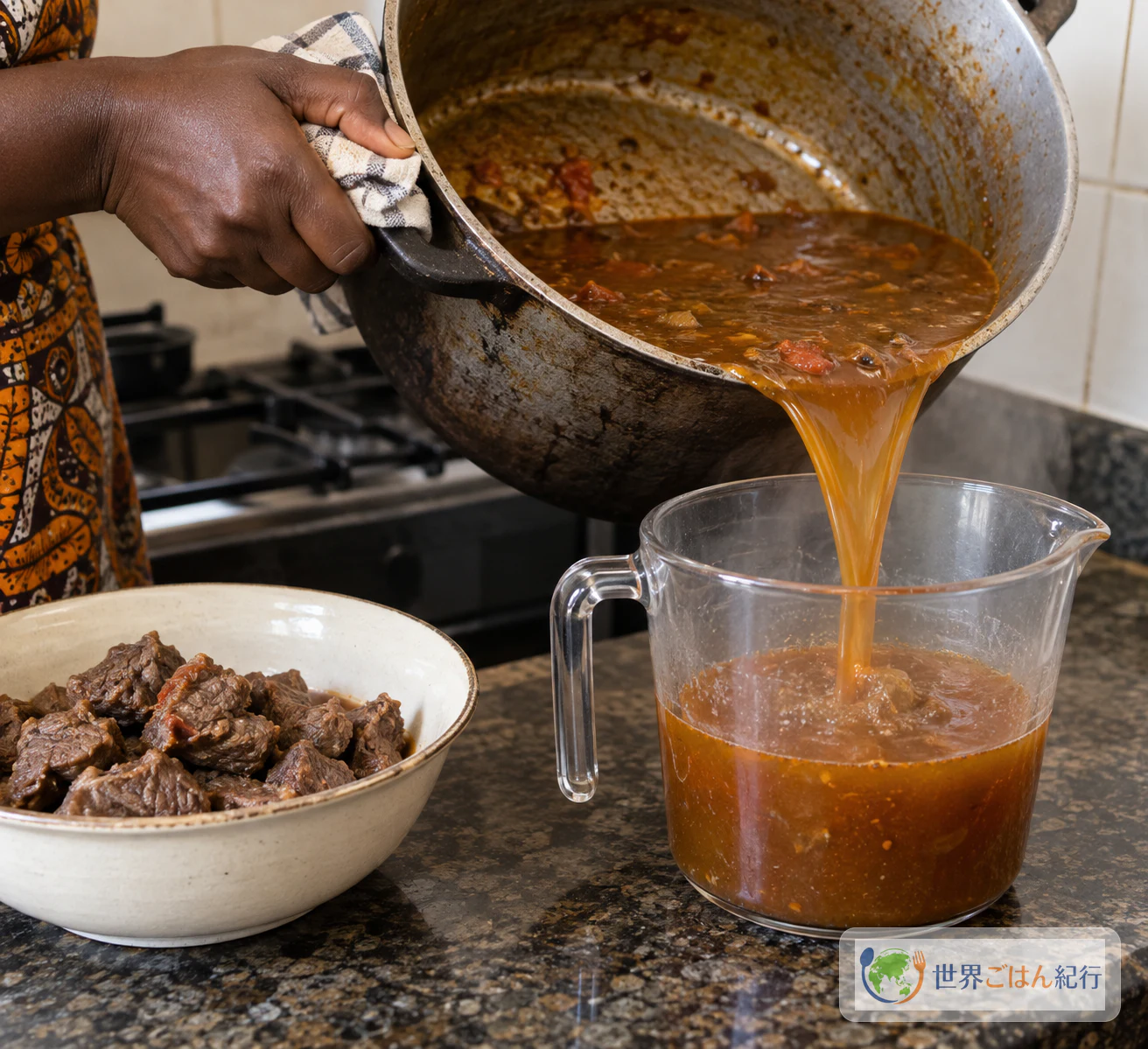
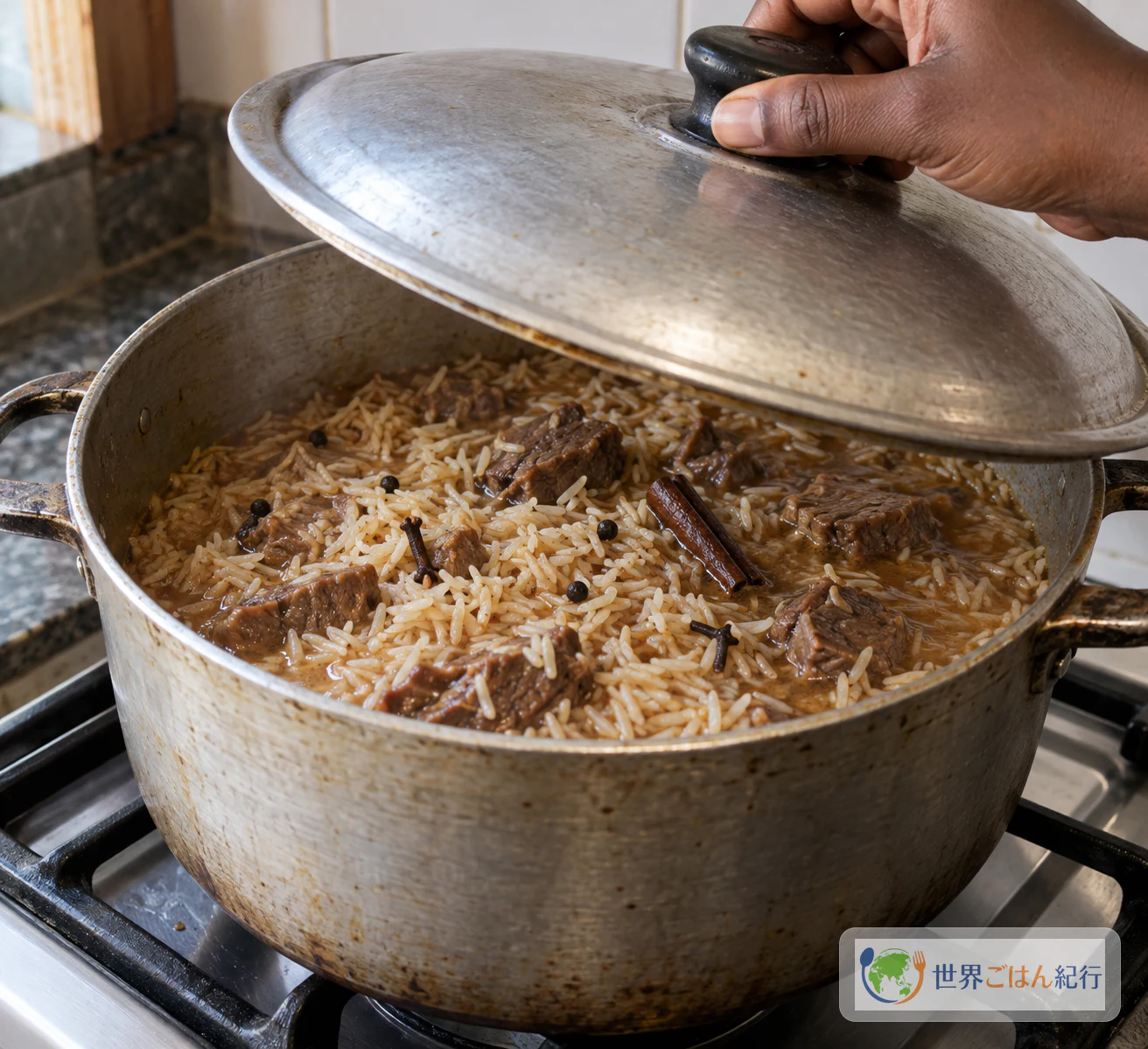
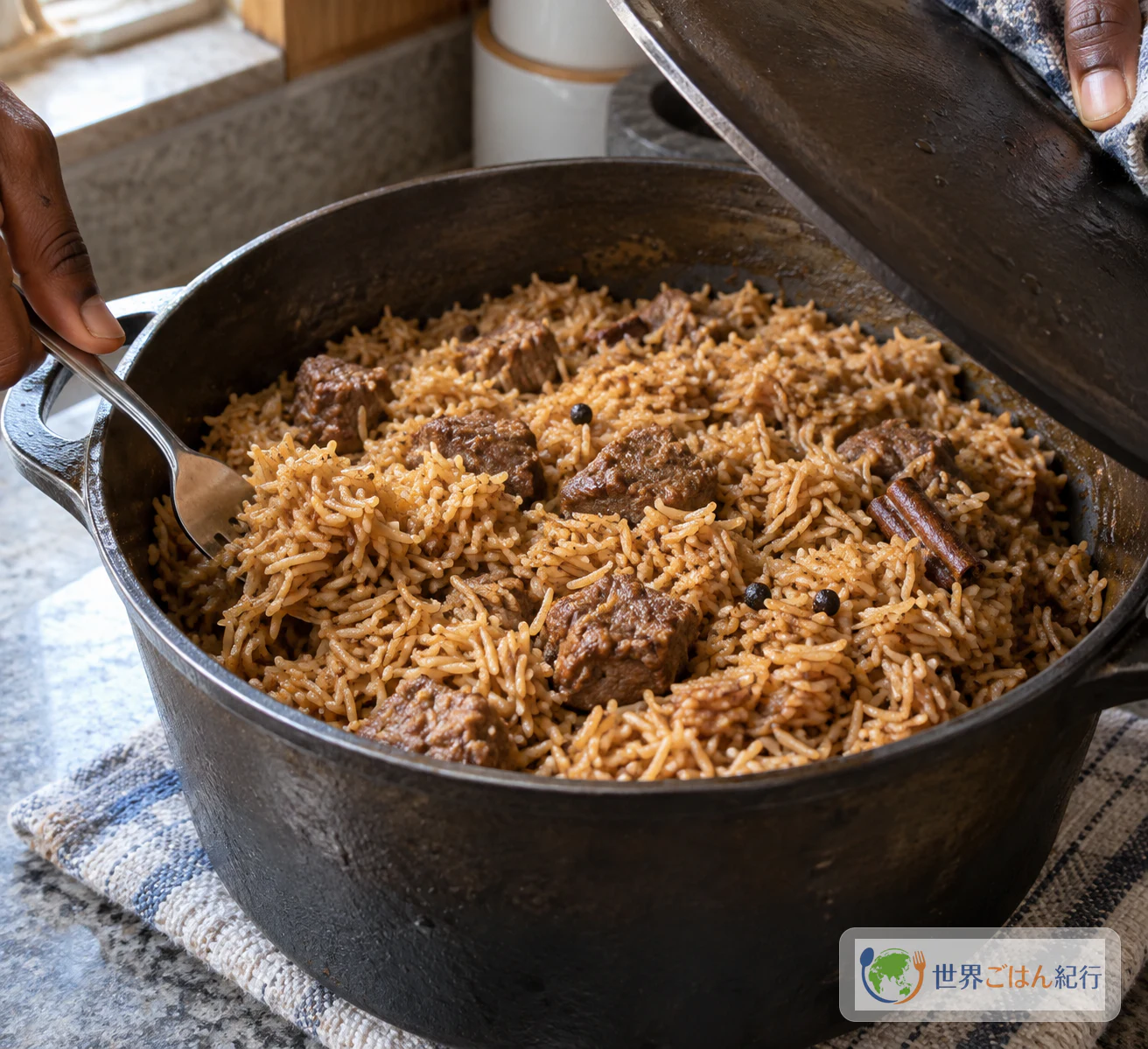
Cardamom, cinnamon, cloves and cumin come out of a dry pot smelling warm and toasted. In that same pot, sliced onions slowly turn deep gold in ghee, then tomato cooks down with them and beef simmers until a fork slides in. The rice goes in last and cooks in the broth the beef made, so the color and aroma of everything before it end up in each grain.
Chef's Pencil describes pilau as a much-loved dish of Kenya's Swahili coast, served at feasts, for guests and at Christmas. A recipe collection hosted by the University of Pittsburgh's Global Hub links beef pilau with the coast and with weddings. These are the accounts of those publishers, not a rule for every Kenyan household, and this article doesn't present one recipe as the only authentic version.
The recipe below follows a single recipe from GlobeNosh, Kenyan Pilau (Coastal Spiced Rice), and doesn't mix in other versions. Its 6 servings is the figure printed with that recipe, not a measured count of plates.
Sekai Gohan has not kitchen-tested this recipe. Rice firmness and moisture can depend on your pot and burner, and this article doesn't offer tested fixes for them.
Ingredients for 6 Servings
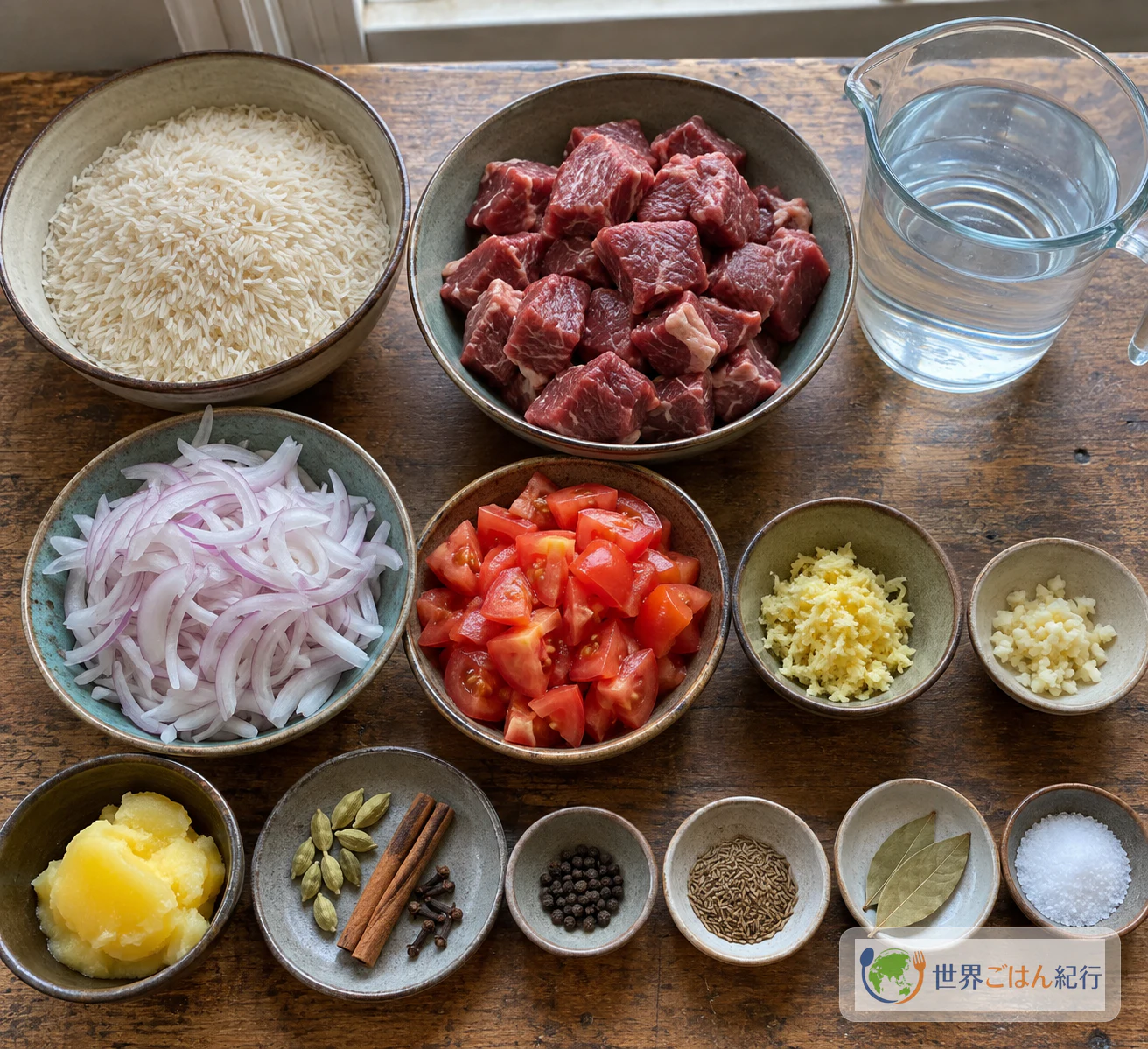
Choosing the Rice, Spices and Ghee
Rice. Use long-grain white rice. Japanese-style short-grain rice tends to turn stickier, and there's no basis for assuming it works with the same amount of liquid.
Whole spices. Buy cardamom, cloves, cinnamon sticks, cumin seeds, peppercorns and bay leaves separately, and don't replace them with ground spices. A single curry powder changes the whole aroma of the dish.
Beef. The cut here is chuck. Other cuts may not behave the same way, and other meats would need their own cooking times.
Ghee. Vegetable oil can replace ghee when you need to avoid dairy, though the flavor will differ.
Salt. Salt brands and grain sizes vary, so treat 2 tsp as a starting point and let the broth guide you.
Ghee is made from milk. Check the labels on ghee and other packaged ingredients, including any information about shared production lines.
Equipment
- Heavy pot with a well-fitting lid (a pot you already own is fine if the lid seals well)
- Clear measuring jug
- Plate for the toasted spices
- Plate for the cooked beef
- Bowl and strainer for the rice
- Wooden spoon
- Fork
How to Make Kenyan Pilau
Before you turn on the heat, slice the onions, cube the beef, chop the garlic and tomato, grate the ginger and lightly crack the cardamom. Each stage below has its own visual cue, so watch the pot as well as the clock.
Avoiding the Common Mistakes
| What you notice | Likely cause | What to do |
|---|---|---|
| Spices are scorching or smoking | Toasted too long or over too much heat | Next time, stir constantly and move them to a plate as soon as they smell fragrant |
| Onions taste bitter | They went from deep gold to black | Watch the color closely as they darken and stop at deep gold |
| Tomato base looks watery | It hasn't cooked down enough | Keep cooking until it forms a thick paste with fat showing at the edges |
| Beef still resists a fork | It needs more braising | Let it finish braising before measuring the broth |
| Too much or too little broth | Evaporation varies during braising | Reduce it uncovered or add boiling water to reach 600 ml before adding the rice |
| Rice is too firm or too wet | Not yet established | See below |
We don't give a water or time correction for firm or wet rice because this recipe hasn't been kitchen-tested and any number would be a guess. What you can control is the measured broth, the single stir, the lowest heat and the closed lid.
Variations and What to Serve Alongside
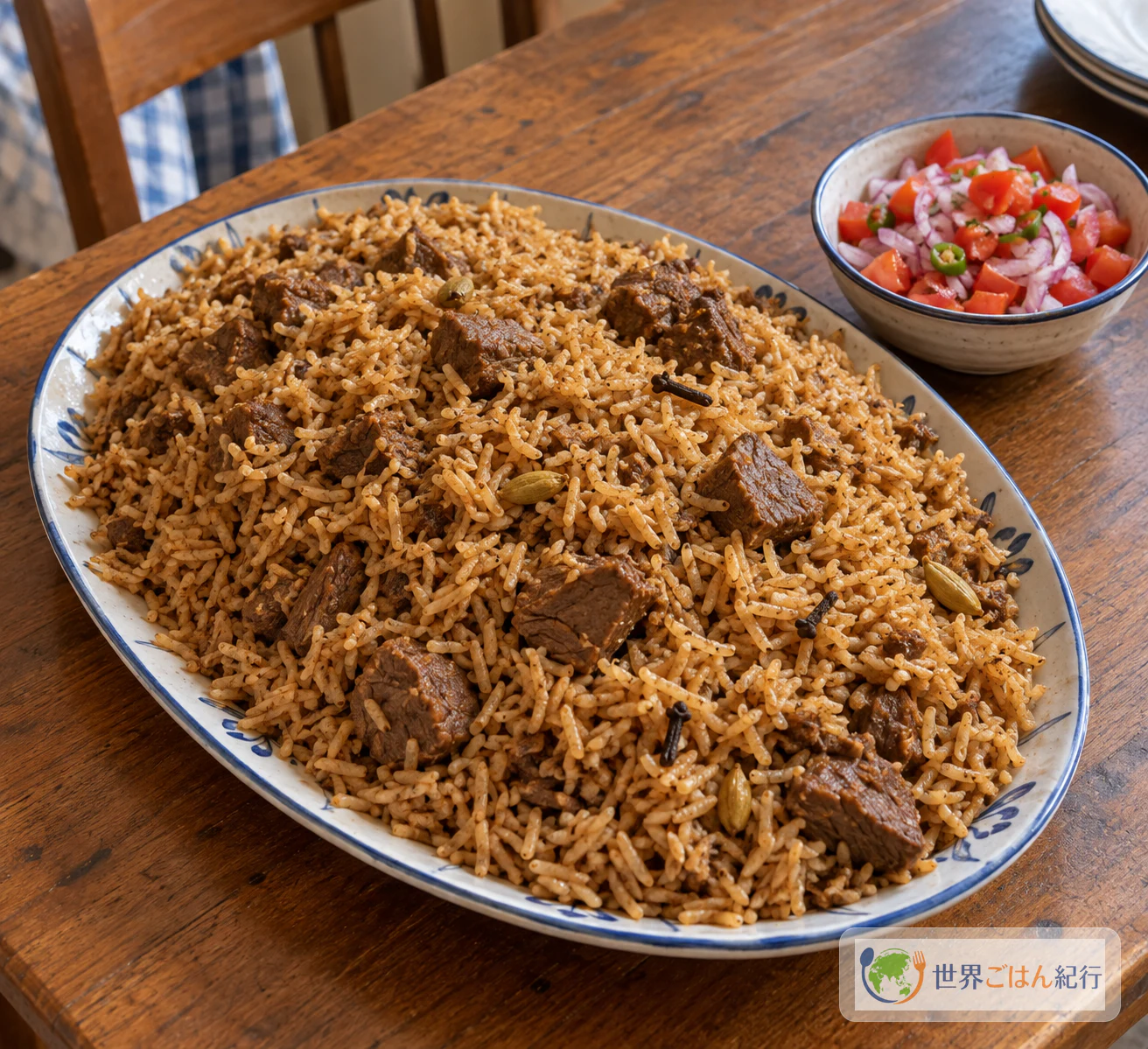
Each of these is a different recipe rather than a small tweak to the amounts above:
- Kachumbari on the side: Chef's Pencil and Kenya Milk Depot both pair pilau with this fresh salad, which adds acidity and a raw-vegetable crunch. It's optional and isn't part of the ingredient list.
- Goat: Chef's Pencil lists goat as a choice alongside beef and chicken. Look for a recipe written for goat rather than swapping it in here.
- Chicken: Kenya Milk Depot's version uses chicken with long-grain basmati. The braising time here is for beef chuck and hasn't been checked for chicken.
- Potato: Kenya Milk Depot lists potato as optional. This recipe has none.
- Fish, vegetables or no meat: The Global Hub collection shows this wider range. Because the rice here cooks in beef broth, treat these as separate recipes.
Pilau on the Kenyan Table, and Its Tanzanian Neighbor
The sources place pilau firmly on the coast but differ in focus. Chef's Pencil connects it with Kenya's Swahili coast and with feasts, guests and Christmas. The Global Hub collection connects beef pilau with the coast and weddings. Kenya Milk Depot presents it as a dish eaten by coastal communities in both Kenya and Tanzania, so it wouldn't be fair to claim it for one country alone.
The sources we could confirm don't establish the origin of the name, when the dish took shape or its specific history, so we leave those out. They also come from recipe publishers rather than cultural institutions, and their descriptions shouldn't be stretched into a habit shared by every family in Kenya.
Our Tanzanian pilau article belongs to the same family of dishes. It takes a Zanzibar-style approach, with beef, basmati rice and potatoes cooked in broth. The Kenyan recipe here has no potatoes, and that's a difference between these two recipes, not a border between two national versions.
For more of the country's table, try githeri, a stew of maize and beans, or nyama choma, Kenyan charcoal-grilled meat. You can also browse all of our Kenyan dishes.
Storing and Reheating
The sources for this recipe don't give storage times or temperatures, so we don't state any here. For leftovers, follow your local food-safety authority's guidance on cooling, refrigerating and reheating cooked rice and meat.
Frequently Asked Questions
Can I use rice other than basmati?
GlobeNosh calls simply for white rice, while Kenya Milk Depot's separate version uses long-grain basmati. Other long-grain rice will differ in texture, and short-grain rice tends to be stickier. We can't promise that any of them will cook properly with the same amount of liquid.
How dark should the onions get?
Deep golden, which takes 15–18 minutes in this recipe. They should be well colored but not black, because blackened onions turn bitter.
Why measure the broth before adding the rice?
The amount of liquid left after braising varies with evaporation. Measuring it means the rice always goes into the same amount of broth, 600 ml for 400 g of rice, which GlobeNosh describes as a 1.5:1 ratio.
Can I use oil instead of ghee?
Yes. Ghee is the standard ingredient here, and GlobeNosh's FAQ mentions vegetable oil as an alternative. It also suits cooks avoiding dairy, but the flavor will differ.
How long does it take?
We don't give a fixed total. GlobeNosh's headline cooking and total times don't match the times listed in its steps, and this recipe hasn't been timed in our kitchen. Follow the time and visual cue in each step, and allow for plenty of unhurried time at the stove.
What is kachumbari?
It's a Kenyan-style fresh salad made with ingredients such as tomato and onion. It's served separately and is optional.
How is this different from Tanzanian pilau?
Kenya Milk Depot describes pilau as a dish of coastal communities in both countries. The clearest difference between our two articles is that the Tanzanian one is a Zanzibar-style recipe with potatoes and this one has none. That compares two recipes and doesn't make either country's version the only true one.
Is pilau the same as biryani?
The sources used here don't set out that comparison, so we won't offer a general definition. What we can say is that in this recipe, the rice cooks in the broth left from braising the beef in the same pot.
Sources
- GlobeNosh, "Kenyan Pilau (Coastal Spiced Rice)." The basis for this article's ingredient amounts, cooking order and step times. It is a secondary recipe published under an editorial kitchen name and doesn't alone establish how representative the dish is or its history. https://globenosh.com/recipes/kenyan-pilau-coastal-spiced-rice/r1353
- Aderinsola Adeosun, "Kenyan Pilau," Chef's Pencil. Cited for pilau on Kenya's Swahili coast, the choice of beef, chicken or goat, the use of spices and fried onions, its place at feasts, for guests and at Christmas, and serving it with kachumbari. These cultural notes are the publisher's account. https://www.chefspencil.com/kenyan-pilau/
- "Ways in Which Kenyan Families Prepare Rice," PDF hosted by University of Pittsburgh Global Hub. Cited for the link between beef pilau, the coast and weddings, and for options using fish or vegetables. Its text is an editor's introduction and couldn't be confirmed as a verified cultural history. https://www.globalhub.pitt.edu/sites/default/files/Rice-and-series/kenyan_rice_recipes.pdf
- Kenya Milk Depot / Kenya Dairy Products, "Pilau." Cited for its description of a dish eaten by coastal communities in Kenya and Tanzania, and for its separate version with chicken, long-grain basmati, whole spices, optional potato and kachumbari. It is a publisher's recipe page, not a public or cultural institution's record. https://kenyamilk.com/pilau/