
Following the scent of charcoal in East Africa
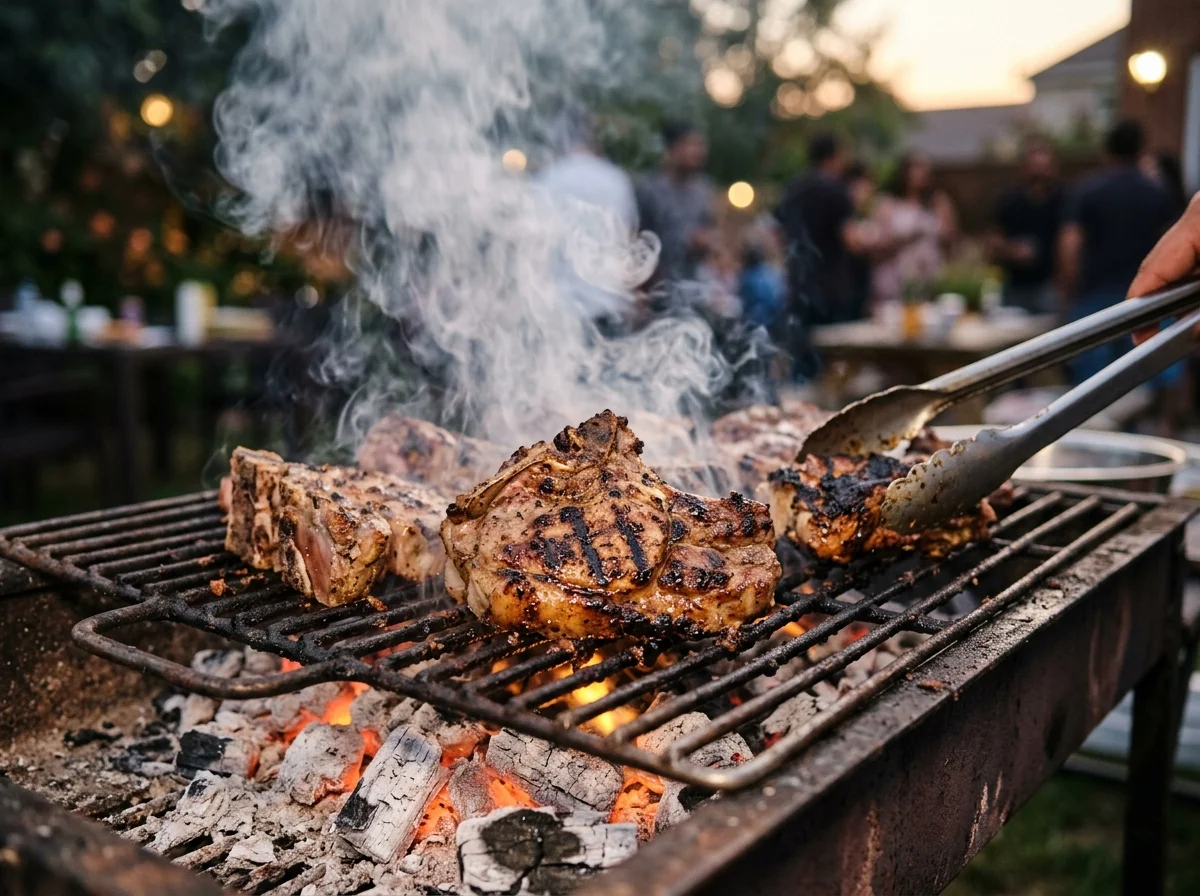
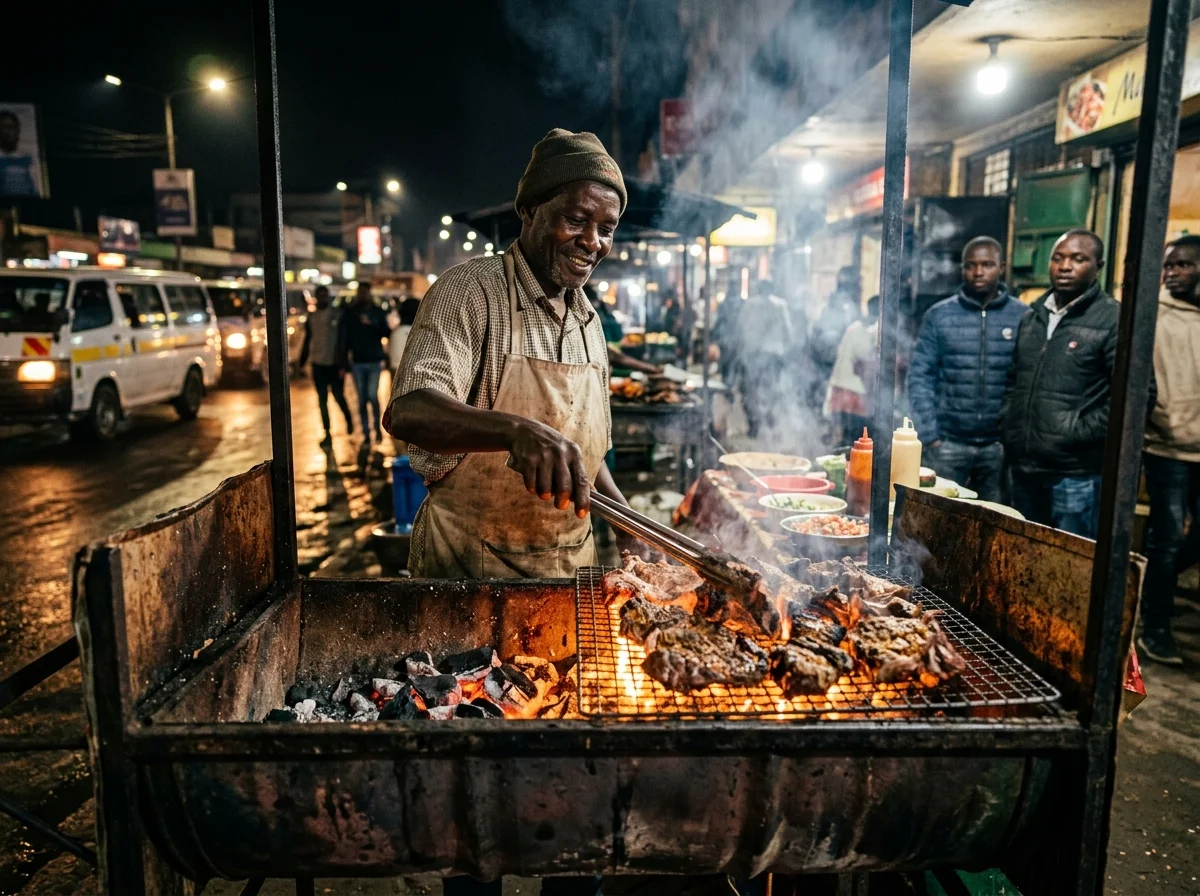
Nairobi, the Kenyan capital. On a Friday evening, charcoal smoke drifts in from every direction: from nyama choma stalls down back alleys, from restaurants on the main avenues, from backyards in the suburbs. For Kenyans, the weekend is "nyama choma time."
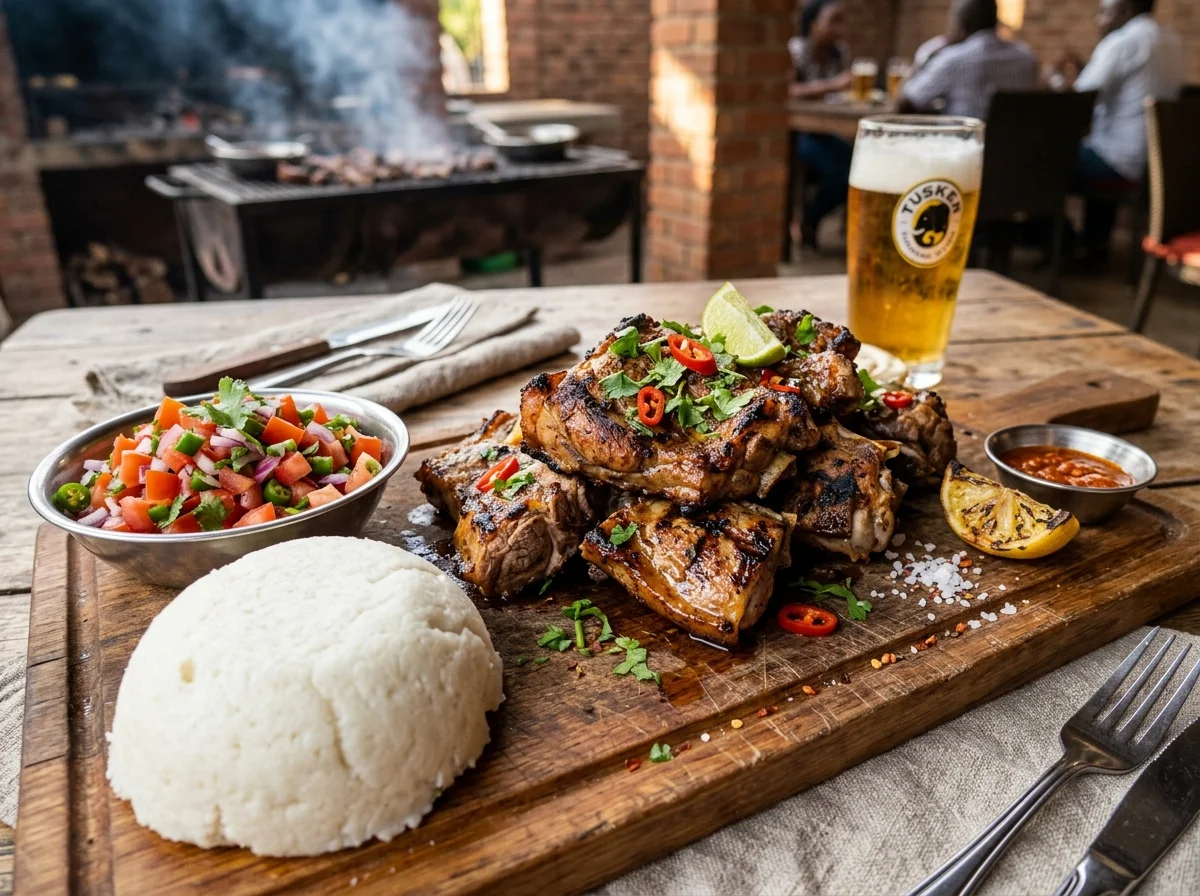
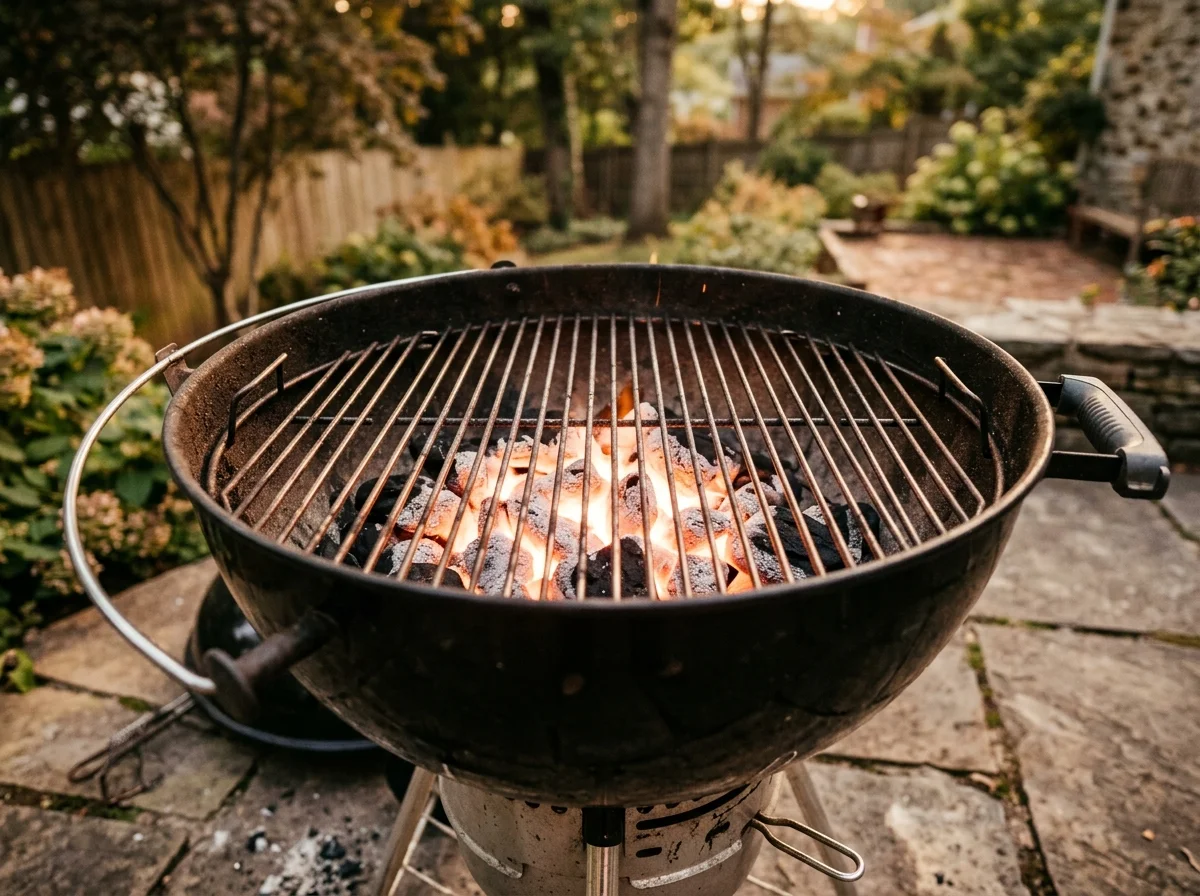
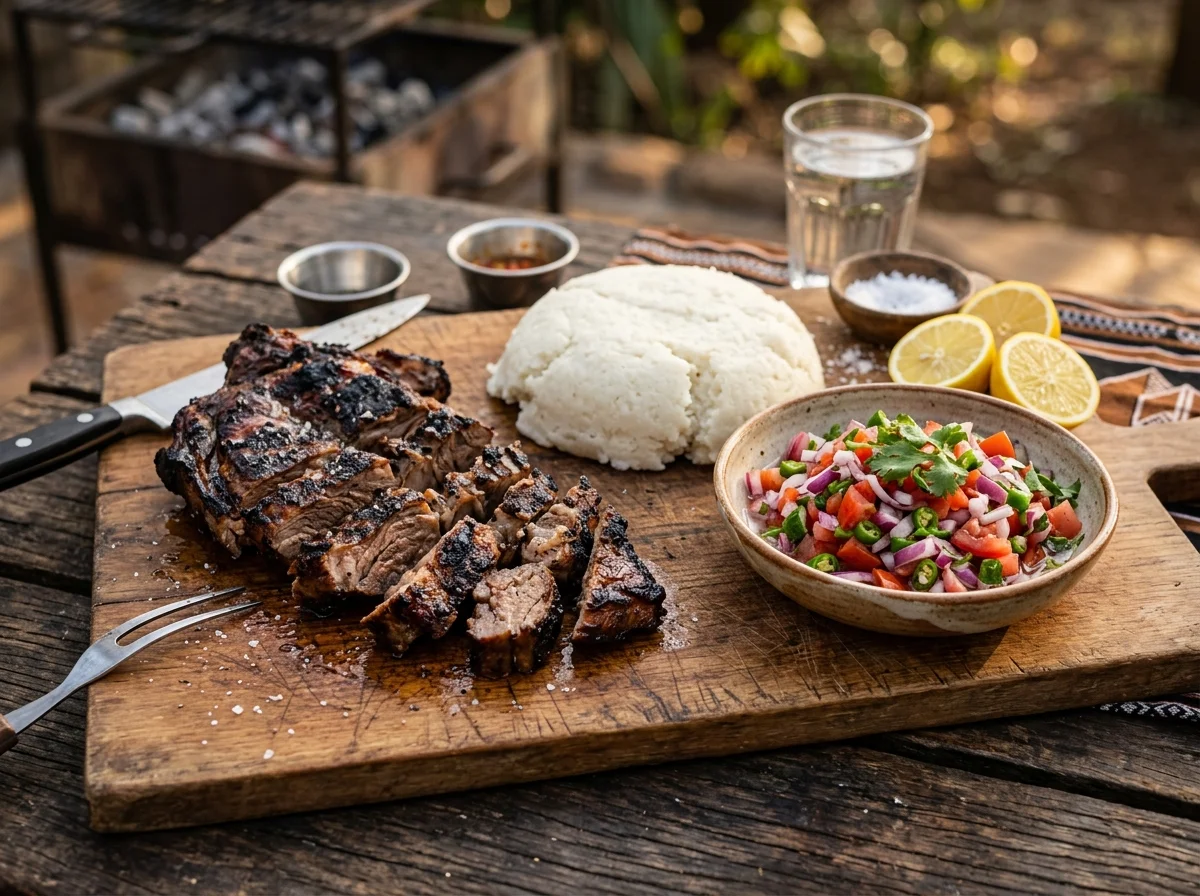
Nyama choma means "grilled meat" in Swahili, and it is Kenya's national barbecue dish. Goat (the most popular), beef or chicken is slowly cooked over charcoal in large pieces, then carved with gusto on a cutting board. The seasoning is strikingly simple; at its core, it's just salt. Yet that simplicity carries a quiet pride, the sense that Kenyans "know the taste of the meat itself," and an unshakable faith in cooking over coals.
From roadside eateries to big restaurants, you can find nyama choma almost anywhere in Kenya. Whether it's a special celebration or just a weekend with friends, wherever there's a charcoal fire, people gather and pick at the grilled meat with their hands. It's the dish at the center of easygoing get-togethers.
In Swahili, nyama means meat and choma means to grill or roast. It's eaten across East Africa and is sometimes called a national dish in Kenya and Tanzania in particular. In Kenya, goat is the favorite and beef is common too. Around Lake Victoria, whole fish (tilapia) is often grilled as well. Where Ethiopia's tibs (in Japanese) is meat cut small and stir-fried in a pan, nyama choma is defined by grilling large pieces over charcoal.
Search for "nyama choma recipe" and you'll find detailed recipes from many Kenyan food bloggers. As East African dishes such as Uganda's rolex (in Japanese) and Tanzania's ugali (in Japanese) draw more attention, nyama choma, the star of the Kenyan table, deserves to be better known too. This article walks you through the simple, salt-based Kenyan way of grilling it and how to recreate it in a home kitchen.
Ingredients (serves 4)
- Grill pan: Preheat over high heat, then lower to medium and cook 10 minutes per side
- Oven: 200°C (400°F) for 40 minutes, turning once halfway through
- Broiler or fish grill: Medium heat, 8–10 minutes per side. The closest result to charcoal Whichever you use, let the meat sit at room temperature for 30 minutes before cooking so it cooks evenly.
Kenyan nyama choma is traditionally served well-done, and cooking goat all the way through is recommended. With bone-in meat, cook until no pink remains around the bone. The surest method is to insert a thermometer into the thickest part and confirm at least 75°C (167°F). At the same time, don't overcook it until it's dry. Take it off the heat as soon as it reaches 75°C and let carryover heat finish it while it rests, for a juicy well-done.
Cooking tips
Meat that goes straight from the fridge onto the heat cooks unevenly: scorched outside, still cold inside. Take it out of the refrigerator 30 minutes before cooking. If you're using frozen meat, thaw it fully in the refrigerator first, then bring it to room temperature.
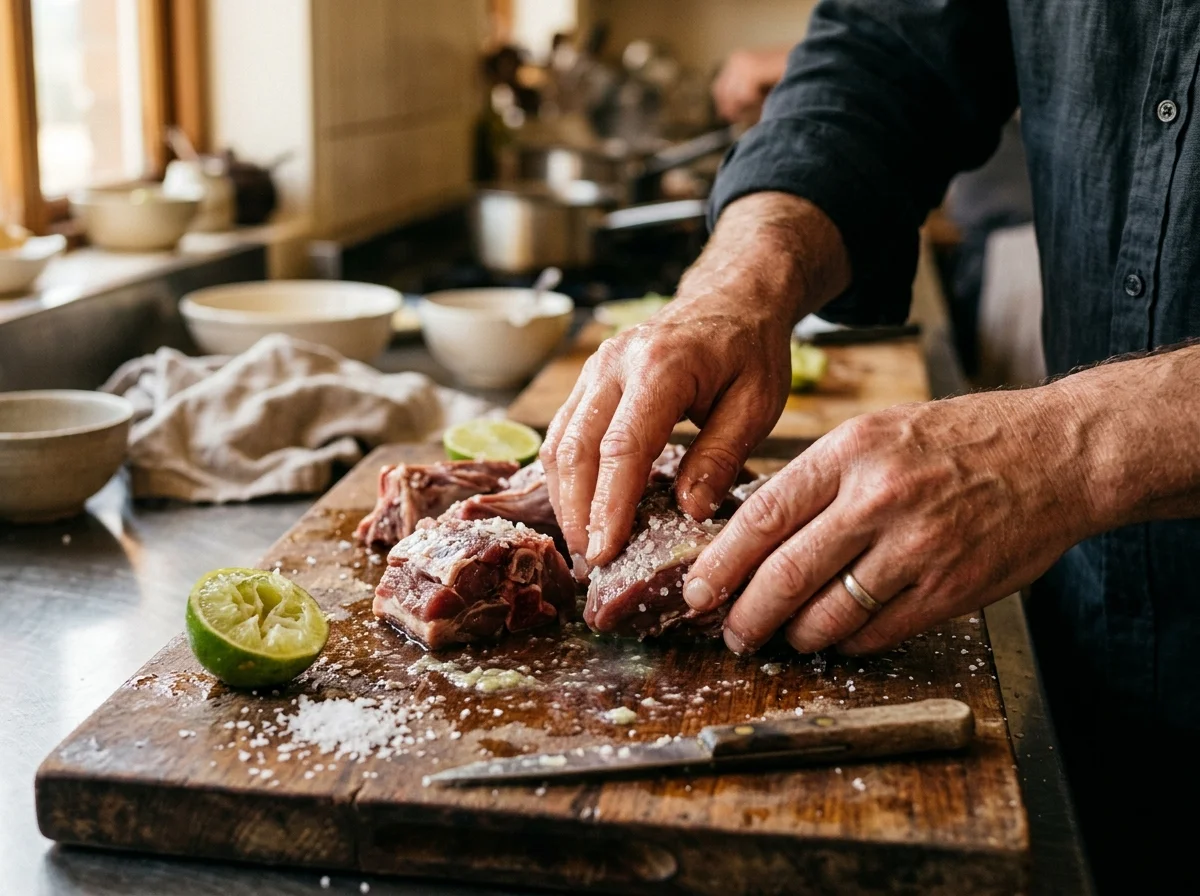
This recipe uses "1 tbsp salt per 1 kg of meat" as a guide. It may seem like a lot, but because the salt only seasons the outside of the large pieces, it tastes just right once the meat is carved. Skimp on the salt and the flavor of the meat goes flat.
If you can't cook over charcoal at home, you can add smoky flavor with wood chips after cooking in a grill pan. Light the chips in a small smoker pot, cover the cooked meat and the pot with a dome, and smoke for just 2 minutes for a smoky flavor close to charcoal grilling.
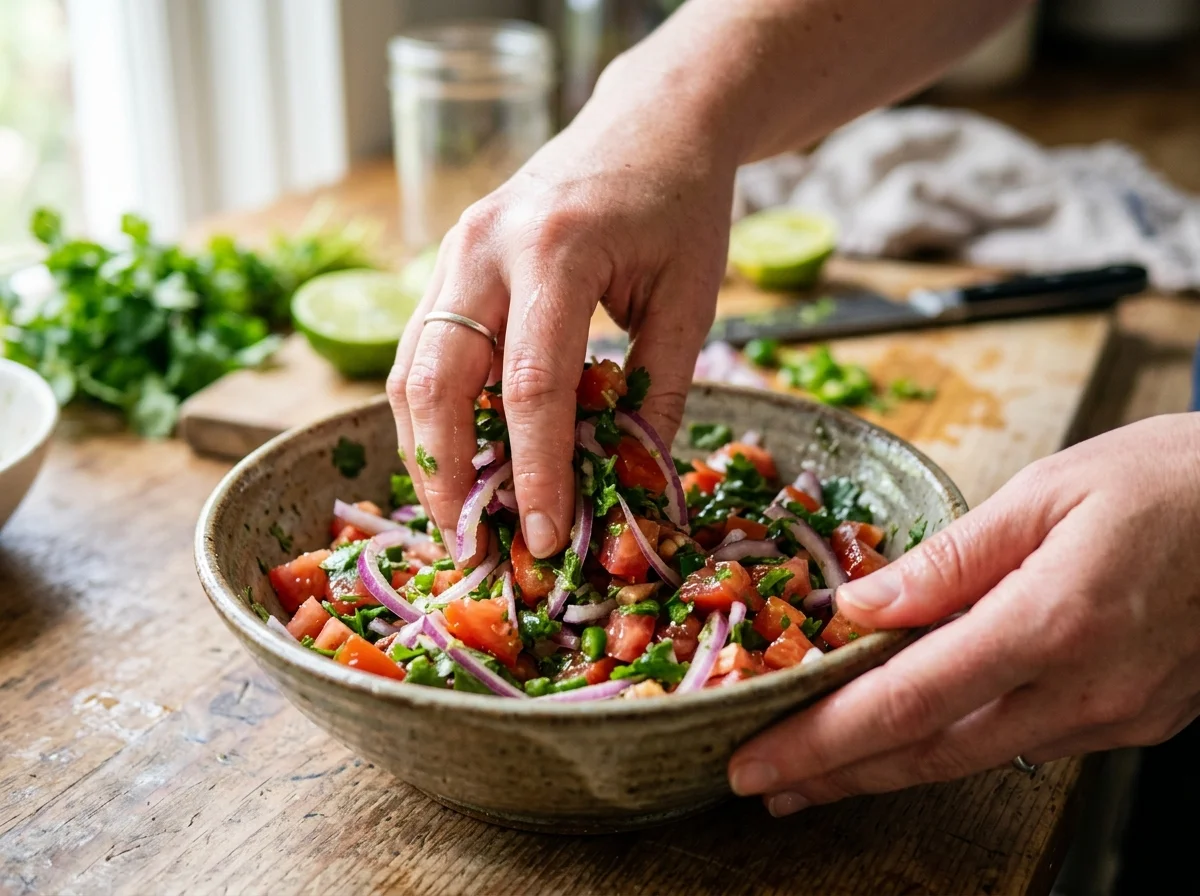
To keep the bite of the red onion from taking over the whole kachumbari, soak the sliced onion in cold water for 5 minutes, then drain it well. The pungent sulfur compounds leach into the water, leaving only the crisp texture and sweetness.
Variations
Chicken nyama choma (kuku choma)
Use 800 g bone-in chicken thighs. It's a popular variation grilled alongside goat and beef. Chicken cooks faster, so 10 minutes per side is plenty. The trick is to get the skin crisp. Split a whole chicken in half and grill it for a showstopping look.
Tilapia nyama choma (samaki choma)
Around Lake Victoria in western Kenya, people often eat samaki choma (samaki = fish), whole tilapia grilled over charcoal. Grill the tilapia (or sea bream) with the scales on; peel away the charred scales and you'll find tender, steamed white flesh inside. It's eaten with nothing but lemon and salt.
Spicy version (pilipili choma)
Use pili pili sauce for the marinade (2 tbsp Tabasco, 2 grated garlic cloves and 2 tbsp lime juice mixed together). Pili pili is Swahili for chile pepper. Serving it with a hot sauce on the side is also a classic in East Africa; unlike the layered spices of Morocco's tagine (in Japanese), its heat is direct and straightforward.
Beer-marinated version
Add 200 ml beer to the marinade and marinate overnight. A home-style twist that adds a subtle bitterness and toasty aroma when grilled.
With roasted vegetables
Grill corn, potatoes and plantains next to the nyama choma over the coals. Roasted corn is a popular snack in East Africa too; sprinkled with lime and chile, it makes a nice break from the meat.
The story behind the dish
Kenyan food culture and the place of meat
More than 40 ethnic groups live in Kenya, and food traditions vary from region to region. Against that backdrop, nyama choma is eaten all over the country, loved across ethnic and regional lines.
Everyday staples in Kenya are ugali, chapati and vegetable stews; grilling big pieces of meat over charcoal is more of a weekend or celebration treat. That's what gives nyama choma its special air as "food for days when people gather." What gets grilled also varies by region; in the west near Lake Victoria, samaki choma, whole grilled fish, is an everyday sight. To recreate it at home, using bone-in lamb in place of goat is the easiest route.
Maasai herders and meat-eating culture
The Maasai, who live across Kenya and Tanzania, raise cattle above all, and milk and meat have long been important foods for them. In contrast to grain-centered food cultures such as that behind Burkina Faso's tô (in Japanese), herders living with their livestock are a major presence on the East African savanna, and much of the beef and goat used for nyama choma reaches the market from this kind of herding.
The sociology of choma
A nyama choma gathering suits any occasion: a weekend with friends, a family celebration, a meal with coworkers. At grill houses, a common way to order is to choose the cut and the amount, have it grilled, and have the finished piece carved on a cutting board.
The carved meat is set on the table, board and all, and everyone takes from it by hand, eating it with kachumbari and ugali from the same platter. Gathering around a single board and sharing is the whole joy of the dish.
In 2006, the UK research institute IIED traced how meat for nyama choma flows from herders' cattle through slaughter, cooking and sale in the city of Arusha in neighboring Tanzania, to examine how much pastoralism contributes to local and national economies. Behind the grill house's coals lies a long supply chain linking herders, markets and grill houses.
More to read
If you enjoyed Kenya's nyama choma, try dishes from its neighbors and the wider region too.
- Ugali (Tanzania) (in Japanese) — Nyama choma's best partner, a stiff maize-flour staple
- Tibs (Ethiopia) (in Japanese) — Spiced stir-fry of small pieces of meat
- Rolex (Uganda) (in Japanese) — A chapati street food
- Isombe (Rwanda) (in Japanese) — Cassava leaves stewed with peanuts
- Tô (Burkina Faso) (in Japanese) — A stiff sorghum-flour staple
Dishes to make alongside
- Sukuma wiki (in Japanese) - Another dish from the same country's table.
- An introduction to African cuisine (in Japanese) - Ingredients and aromas from the same region.
- An introduction to Ethiopian cuisine (in Japanese) - Ingredients and aromas from the same region.
- Wasawasa (in Japanese) - Ingredients and aromas from the same region.
FAQ
What if I can't find goat?
Lamb is the closest substitute. Bone-in lamb chops or bone-in lamb shoulder are good choices. For beef, bone-in short ribs or spareribs work well. Goat is the most popular in Kenya, but beef and chicken nyama choma are also widely eaten.
Can I make it without charcoal?
Yes. A broiler or fish grill (medium heat, 8–10 minutes per side) gives the result closest to charcoal. In the oven, go for 200°C (400°F) for 40 minutes; in a grill pan, medium heat for 10 minutes per side. If you want to add smoky flavor, use wood chips or smoke powder.
What should I drink with nyama choma?
In Kenya, Tusker beer (a lager) is the classic. Otherwise, a lager with solid bitterness is a good match. For something nonalcoholic, Kenyan chai (with ginger and cinnamon) is a surprisingly good partner that cuts through the fat of the meat.
Nutrition (per serving, of 4)
| Nutrient | Amount |
|---|---|
| Calories | 480 kcal |
| Protein | 45 g |
| Fat | 28 g |
| Carbohydrates | 8 g |
| Fiber | 2 g |
| Sodium | 580 mg |
| Iron | 5.2 mg |
| Zinc | 6.8 mg |
Sources
- Letara, J., MacGregor, J. and Hesse, C. (2006). "Estimating the economic significance of pastoralism: The example of the nyama choma sector in Tanzania." International Institute for Environment and Development (IIED). Checked 2026-10-22
- Time. "Nairobi: 10 Things to Do — 6. Nyama Choma." Checked 2026-10-22
- Oredola, T. (2024). "Nyama Choma (Kenyan Grilled Meat)." Low Carb Africa. Checked 2026-10-22



