Set a lamb shoulder, just out of the refrigerator, on the cutting board and pile on garlic, preserved lemon and cumin. At this point the pot looks a little unpromising. Then you wait a few hours without opening the lid, and the fat of the meat and the scent of lemon become a single sauce. In the streets of Marrakech, this pot went not into a home oven but into the embers of a shared furnace.
Tangia is a dish defined by the time it spends in the heat of ashes. It is Marrakech's own: lamb, a few aromatics, the saltiness of preserved lemon and the scent of saffron, cooked slowly until the meat falls apart and the liquid turns rich and dark. Here it is made in a heavy pot in a home oven, so start with the pot you already have.
Tangia in Marrakech
The jar and the communal furnace
Tangia is lamb or veal cooked for hours in an earthenware jar, and it takes its name from that vessel, the "tangia." Lamb cut at the butcher is packed into the tall, narrow jar with garlic, lemon and a little spice, and the mouth is covered with paper and tied with string. The jar then goes not to the home stove but to a neighborhood communal furnace, called a farnatchi, that has finished baking bread, or to the furnace of a hammam.
The furnace keeper pushes the jar into the ashes, so it cooks slowly in the remaining heat rather than scorching over direct flame. Hours later, what waits at the bottom is the fat rendered from the meat and a little dark liquid. Tear some bread and scoop it up, and you can taste the whole dish before you even reach the lamb.
This was never a grand court dish. Tangia was a meal for male artisans between jobs, a stew working people collected at mealtime, and it is tied to Ramadan tables and the artisans' quarter. Its origin isn't a single story: Marrakech's communal furnaces, the butchers who handle the meat and the potters who make the jars all overlap in it.
Tangia and tagine
Many people hearing "Moroccan food" picture the tagine with its conical lid. Tagine layers meat or fish with vegetables, fruit and spices and circulates steam under the lid. Tangia keeps the meat as the star: garlic, preserved lemon, cumin, saffron, oil and water combine with the lamb's fat to become the sauce.
Add onion and tomato and plenty of ras el hanout and you get a fine Moroccan-style stew, but it drifts away from tangia's straight-line flavor. Tourist-oriented restaurants also serve versions with dried fruit and stronger spicing. For a first attempt at home, leave out extra ingredients so you can see what happened in the pot.
Making tangia at home
At home, the jar and furnace are replaced by an oven-safe heavy cast-iron pot, or any heatproof pot with a tight lid, and a low oven. What matters is sealing the pot and keeping the moisture in. The meat goes in without searing.
In a traditional jar, the ash and the thick clay round off the edges of the heat; at home, the weight of the lid and the oven's low setting do that job. Boil it hard from the start and the lamb's fat melts all at once, the liquid turns cloudy and the surface of the meat tightens. The liquid should reach only about halfway up the meat, since the lamb releases its own fat and water, and too much water at the start leaves the flavor loose to the end.
Ingredients (serves 4)
If the flesh of the preserved lemon is left in, saltiness comes out stronger than sourness. Cut the rind thin and wipe off the surface salt lightly before using. If you have no store-bought preserved lemon, the rind of 1 lemon plus 1/2 tsp salt can substitute, but the mature, round aroma will be weaker.
Soak the saffron not in boiling water but in warm water at around 122°F (50°C) for 10 minutes. If you boil it long to draw out color, the aroma is easily lost.
A mortar is not a tool for adding more spices
You can make this by crumbling the saffron with your fingers. But if the threads stay long, it takes time for color to move into the water, and the aroma can feel weak for the amount used.
For someone who will go on using saffron or whole cumin, there is a reason to buy a mortar: the work of crushing small amounts of spice and releasing aroma becomes the same every time. If you do not want to add a tool just for tangia, crushing with the back of a spoon and straining the water through a tea strainer is enough.
If you do buy one, check that it is granite, whether the mortar and pestle come as a set, and whether it is a size that fits in your kitchen. It is heavy, so if you have no storage space it is natural to pass.
Choosing Lamb and Spices for Tangia
Lamb and other meats
Choose bone-in lamb shoulder. The bones make it a little harder to eat, but even after long cooking the meat's flavor is less likely to go flat. Boneless shoulder works too; the cooking liquid comes out a little lighter, so adjust by reducing it at the end rather than adding more preserved lemon and spice.
Beef shank has less fat than lamb, so add 1 tbsp more olive oil. With chicken thighs, shorten the cooking time to 2–2 1/2 hours and check before the skin falls apart. Pork moves away from the Moroccan Muslim table that tangia comes from; to stay true to the culture and the process, choose lamb, veal, then beef.
Saffron and cumin
Tangia uses few spices, which is exactly why stale ones show. With old cumin or saffron that has lost its aroma, only the lamb's fat comes forward.
Soak a pinch of saffron in warm water before using, and along with the color of the red threads, a scent of dry grass and honey moves into the liquid. One dish uses very little, so if you also make paella or other rice dishes, a small 1 g container makes sense; check the contents, origin label and grade before buying. If you only want to try tangia once, or dislike saffron, the dish still works without it. A little turmeric adds color, though the floral aroma won't come back.
Cumin keeps the lamb's fat from feeling heavy. If nothing rises when you open your jar of ground cumin, this is where replacing it pays off; if yours is near-freshly ground, there's no need to buy more. The stew takes just 2 tsp, so think about whether you'll use up the rest in stir-fries and soups.
Method: Trust the Pot's Lid Instead of the Jar
STEP 1: Prepare the aromatics and lamb
STEP 2: Layer the ingredients in the pot
STEP 3: Cook long and low
STEP 4: Match the tenderness of the meat and the thickness of the liquid
STEP 5: Liquid first, meat after
Tangia Troubleshooting
Don't worry if the surface of the meat isn't deep brown when you open the lid. Tangia isn't about browning; it's about fat and liquid quietly becoming one. In a pot that went well, the lamb fibers come apart under a fork, yet the liquid doesn't run like water. The preserved lemon leaves more than sourness, with the rind's bitterness and saltiness sitting behind the fat. Cumin reaches the nose first, and saffron is the aroma that stays after you swallow.
If the liquid is cloudy white and the fat has separated widely, the starting temperature was too high. Take out the meat, warm only the liquid over low heat, add 1 tbsp hot water and stir slowly with a whisk. Even if it doesn't fully come back, with bread alongside it comes together at the table.
Tough meat means it's underdone or the pot ran short of moisture. Rather than raising the heat, add ½ cup (100 ml) hot water, put the lid back and extend by 30 minutes at a time at 250°F (120°C). If the bottom starts to dry partway through cooking, the same ½ cup (100 ml) of hot water at a time sets it right. With boneless meat, check with a fork every 20 minutes so it doesn't fall apart.
When the flavor tastes flat, check the salt before reaching for spice. Add a little more preserved lemon rind or reduce the liquid for 2 minutes. With so few ingredients, adjusting the moisture brings the flavor back more readily than adding aroma.
Variations, Storage and Serving Tangia
A tangia jar or a pressure cooker
If you already own a tangia jar clearly marked with its heat limit and direct-flame suitability, you can enjoy cooking the dish in it. A jar alone won't make it taste authentic, though; the local process depends on the furnace's ashes, the long residual heat and the jar's thickness all together. For a first attempt, an oven-safe heavy pot is enough. If you're happy with how it went, consider a jar next, and if you're short on storage space and have a small oven, pass on it.
When you can't spare 6 hours, put the same ingredients in a pressure cooker with 1¼ cups (300 ml) water, cook on high pressure for 35 minutes and let the pressure release naturally, then reduce the liquid after opening the lid. It's a handy way to get lamb shoulder on a weeknight, but the result differs from a slow change of temperature in the ashes. Make the oven version first, and you'll know how far the liquid should reduce.
Storing and reheating tangia
Put leftover meat and liquid together in a shallow container and refrigerate once it has cooled. Don't leave it at room temperature long, and eat it within 2 days, starting the next day.
Reheat it in a small pan over low heat until hot all the way through. If the liquid has set, add just 1 tbsp water and warm the meat without boiling hard. In a microwave, cut thick pieces in half, set the lid ajar and stir at short intervals. To freeze, divide meat and liquid into single portions, mark the date and use soon; thawed lamb comes apart easily, so it holds together better reheated in its liquid than stuffed into bread.
What to serve with tangia
Bread for the liquid comes first. Tagine or couscous beside it doesn't stand in for tangia, but comparing them at the table is part of the pleasure, and the same cumin plays a different role in each.
- How to make tagine: Layers vegetables and meat and cooks them in steam.
- How to make mrouzia: A festive dish from Fez, lamb sweetly braised with honey, raisins and spices.
- How to make couscous: A staple to catch the meat's cooking liquid.
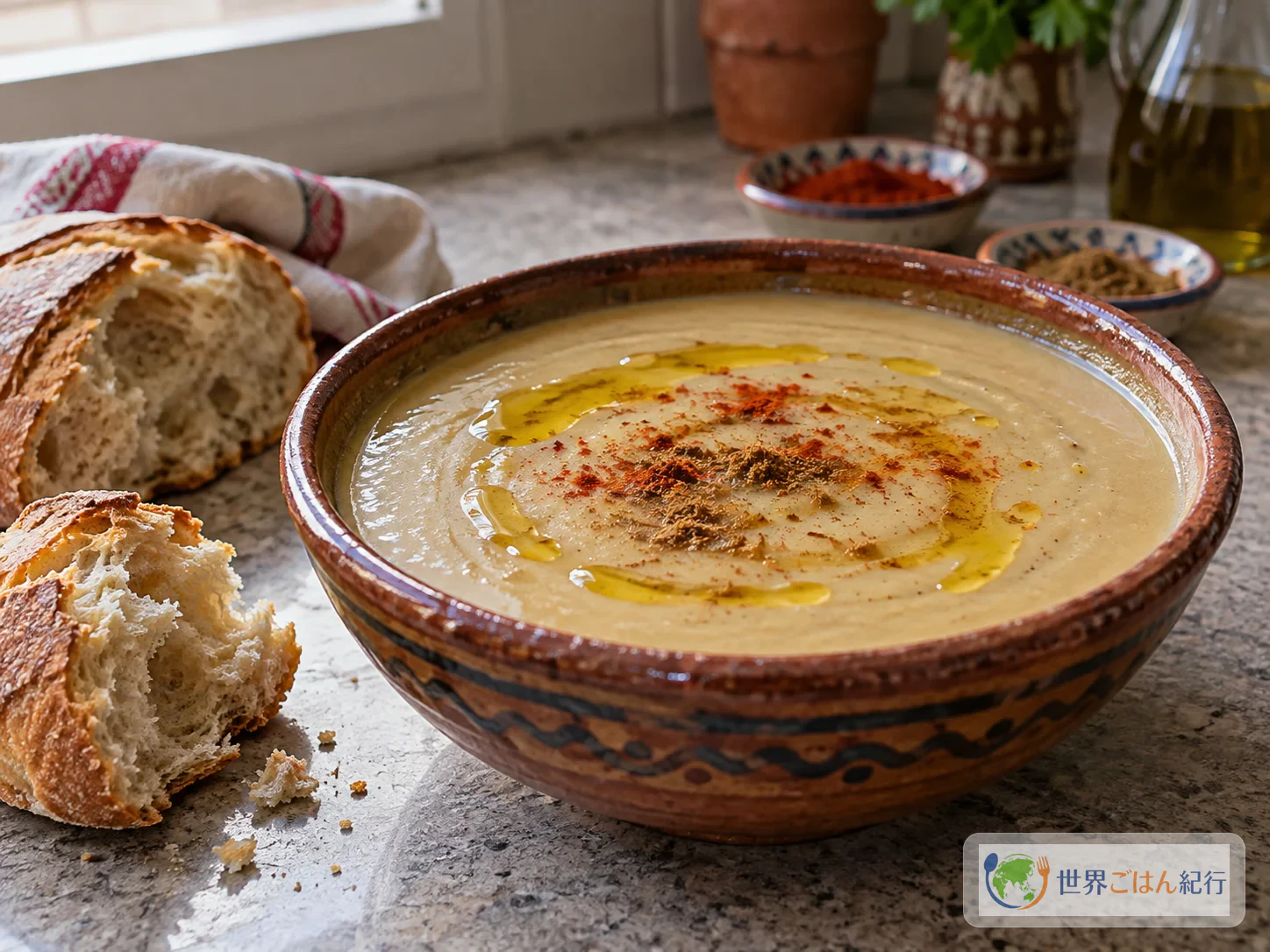
- How to make harira: A bean and tomato soup.
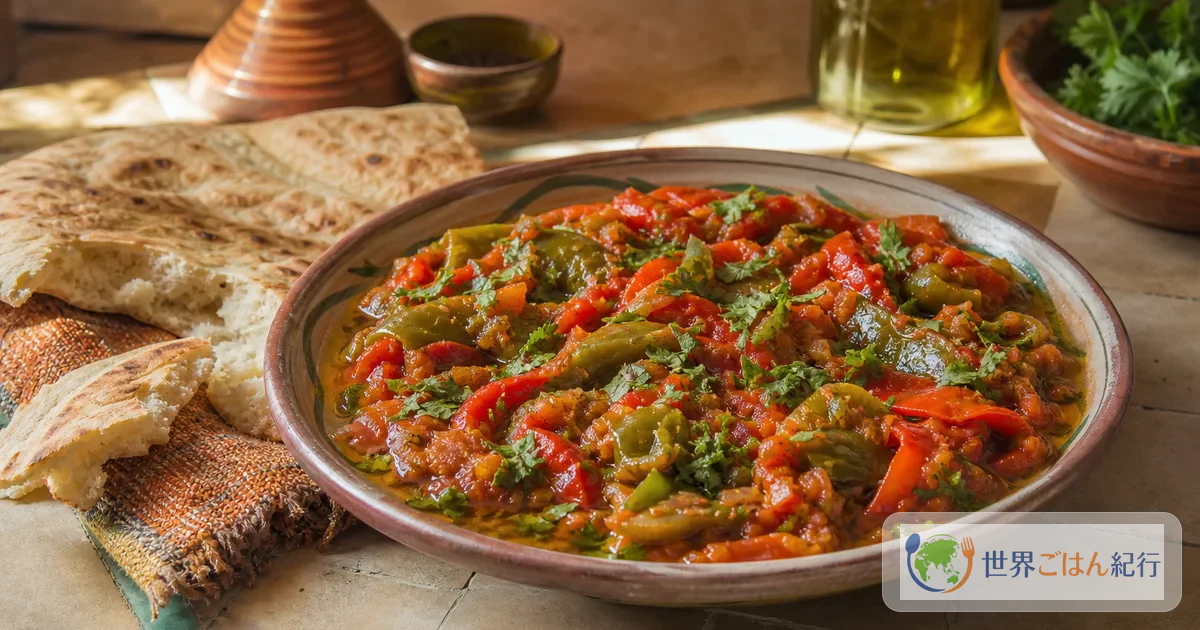
- How to make zaalouk: A roasted eggplant and tomato appetizer that adds acidity beside tangia's rich liquid.
FAQ
Can I make it if I dislike the smell of lamb?
Removing all the fat leaves the liquid without body after long cooking. Instead, remove only part of the yellow fat on the surface and use garlic, cumin and preserved lemon in the specified amounts. Choosing fresh, unfrozen shoulder helps more than doubling the spices.
What if I have no preserved lemon?
The rind of 1 lemon plus 1/2 tsp salt can substitute. A lot of juice pushes sourness forward, so start with rind only, taste at the end and add a few drops of juice. You won't get preserved lemon's matured aroma, so think of it as a different dish.
I have no oven that goes to 212°F (100°C)
Shorten to 5–5 1/2 hours at 250°F (120°C) and check the liquid once partway through. If your minimum is 275°F (140°C), move the heavy pot to the lowest flame on the stove, cover and cook 2 1/2–3 hours. If it keeps boiling hard, heat is concentrating on the bottom, so double the burner stand or go with the oven version.
Do I need a cooking thermometer?
You can make it without one, but checking the center of the thickest piece is reassuring. Especially with large bone-in pieces, and when cooking for children or older people, judge by center temperature and cook longer if needed, not by color alone.