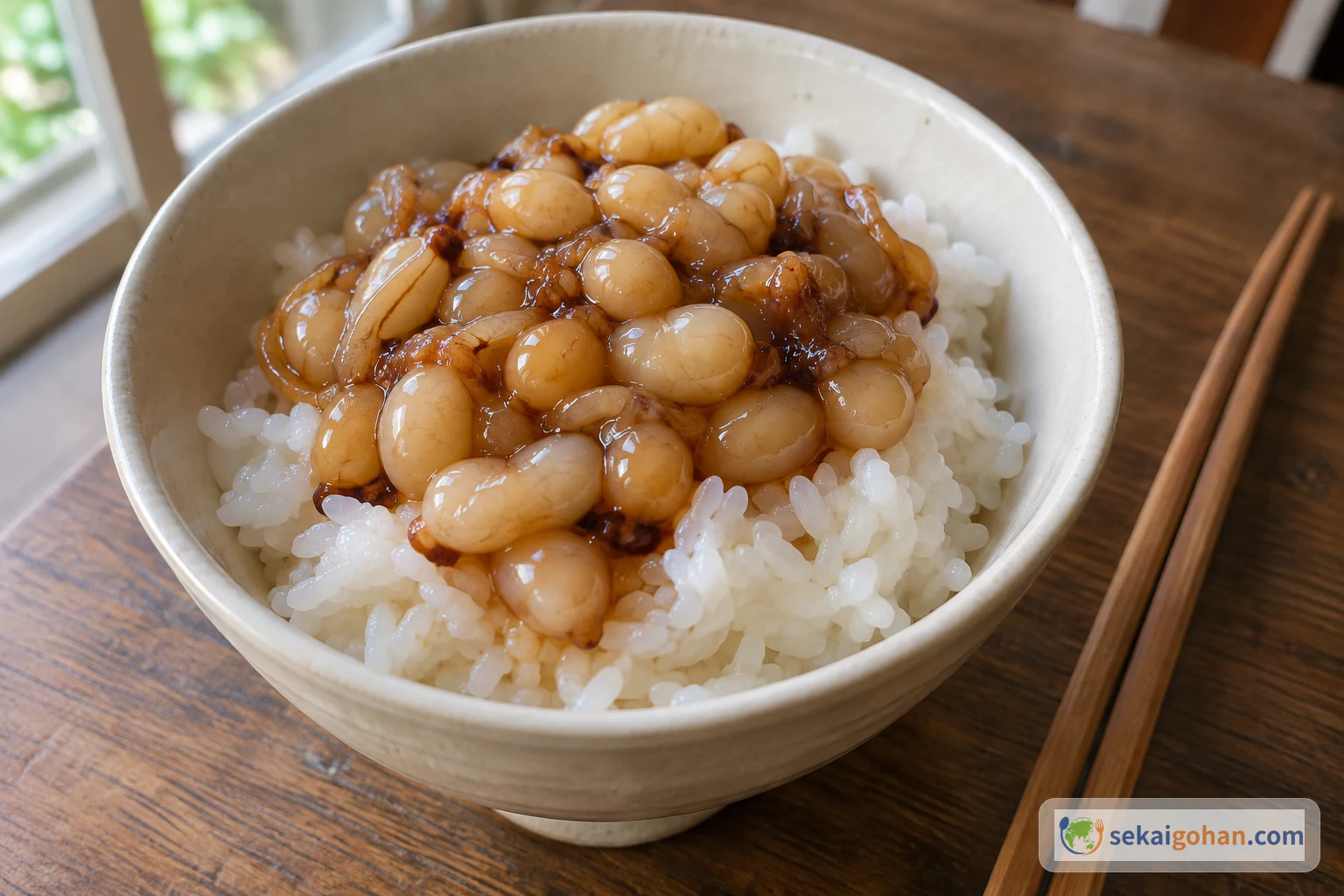
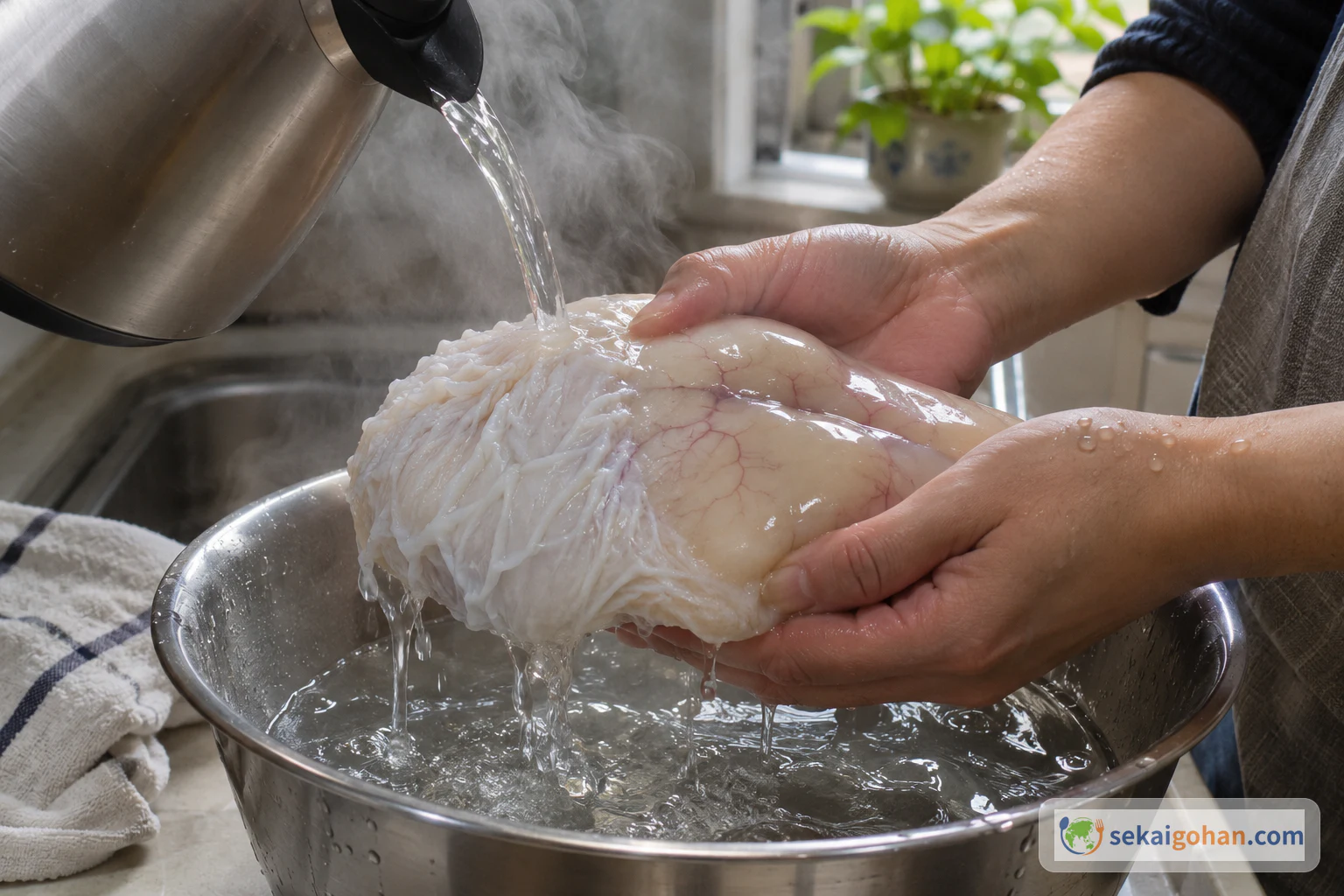
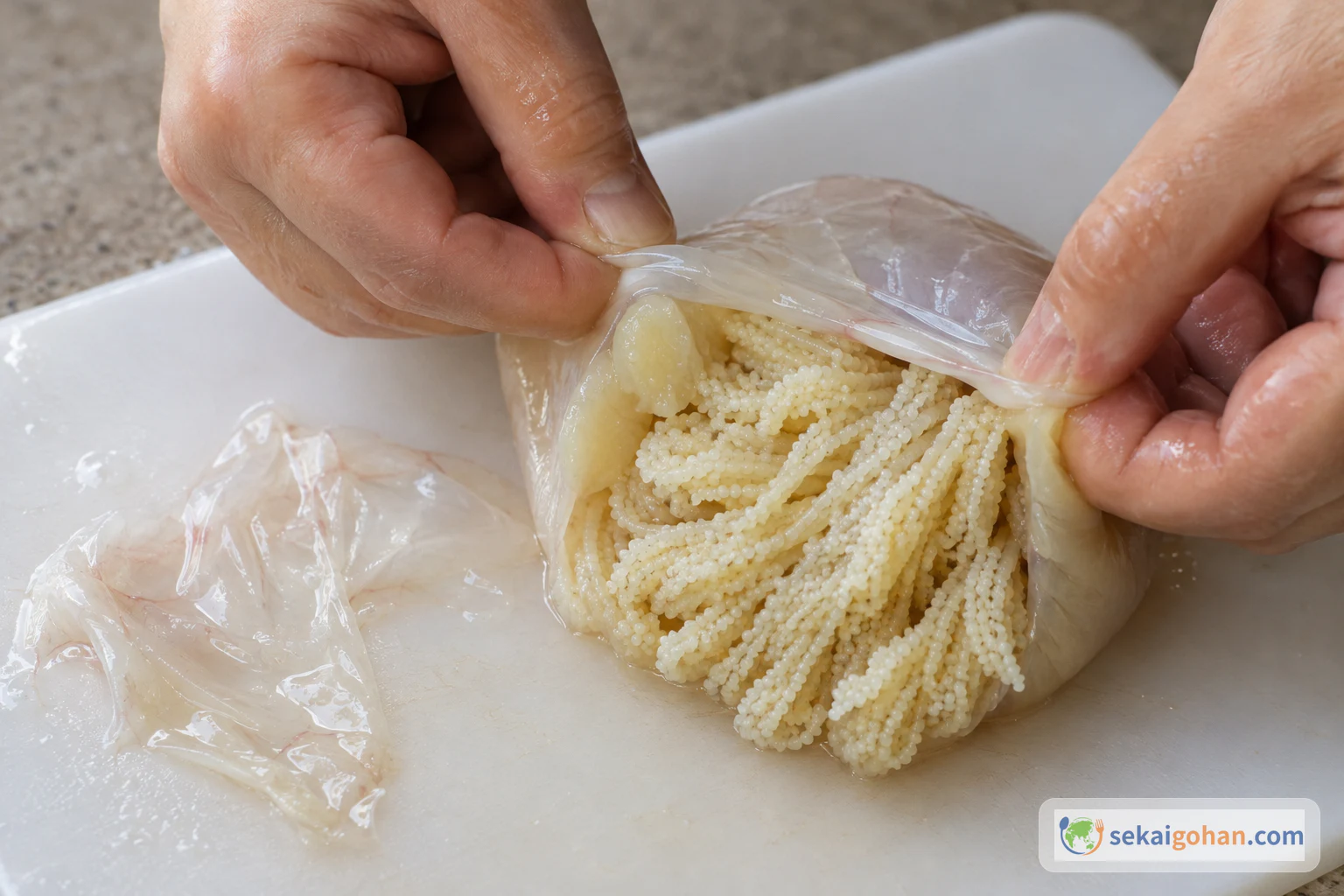
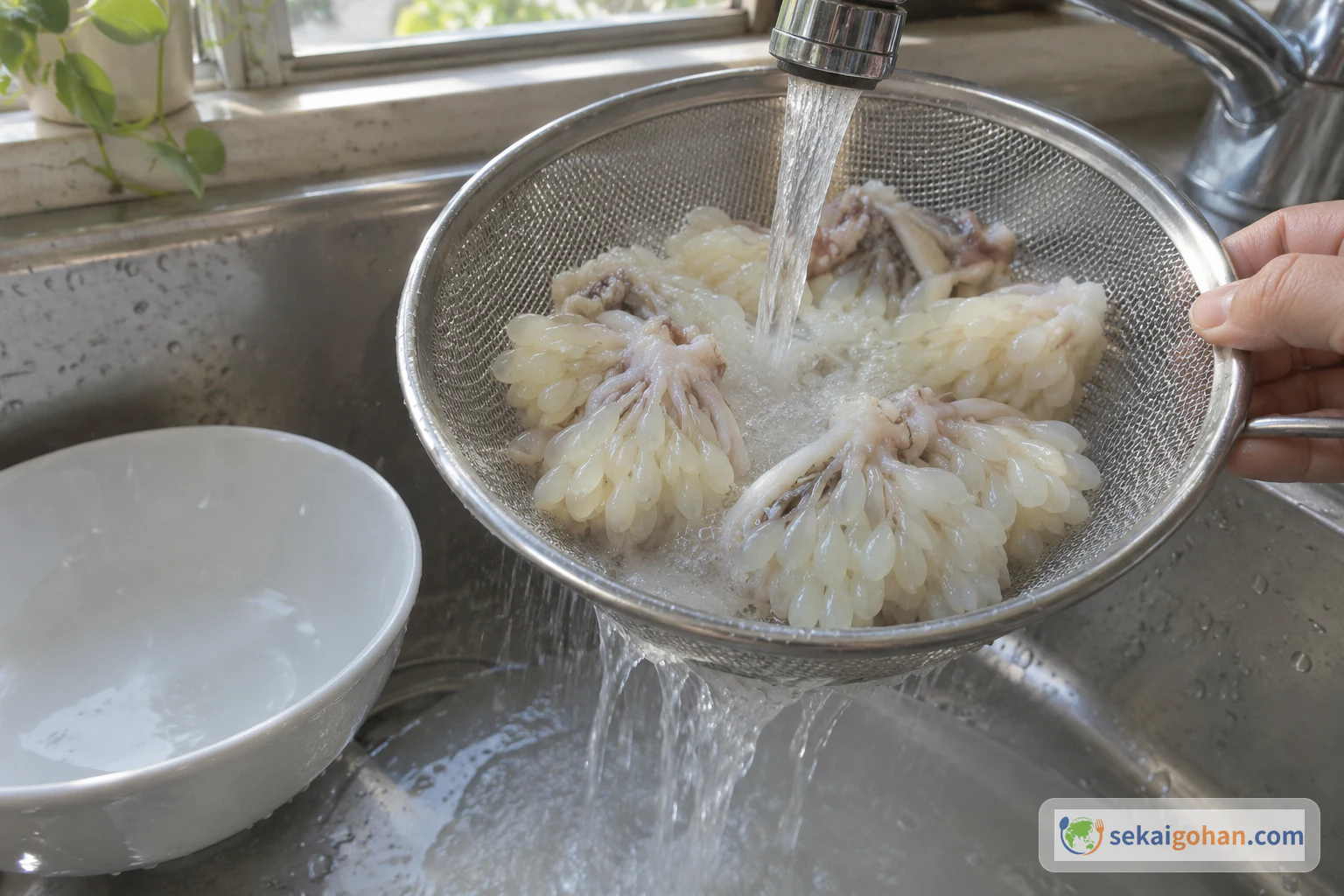
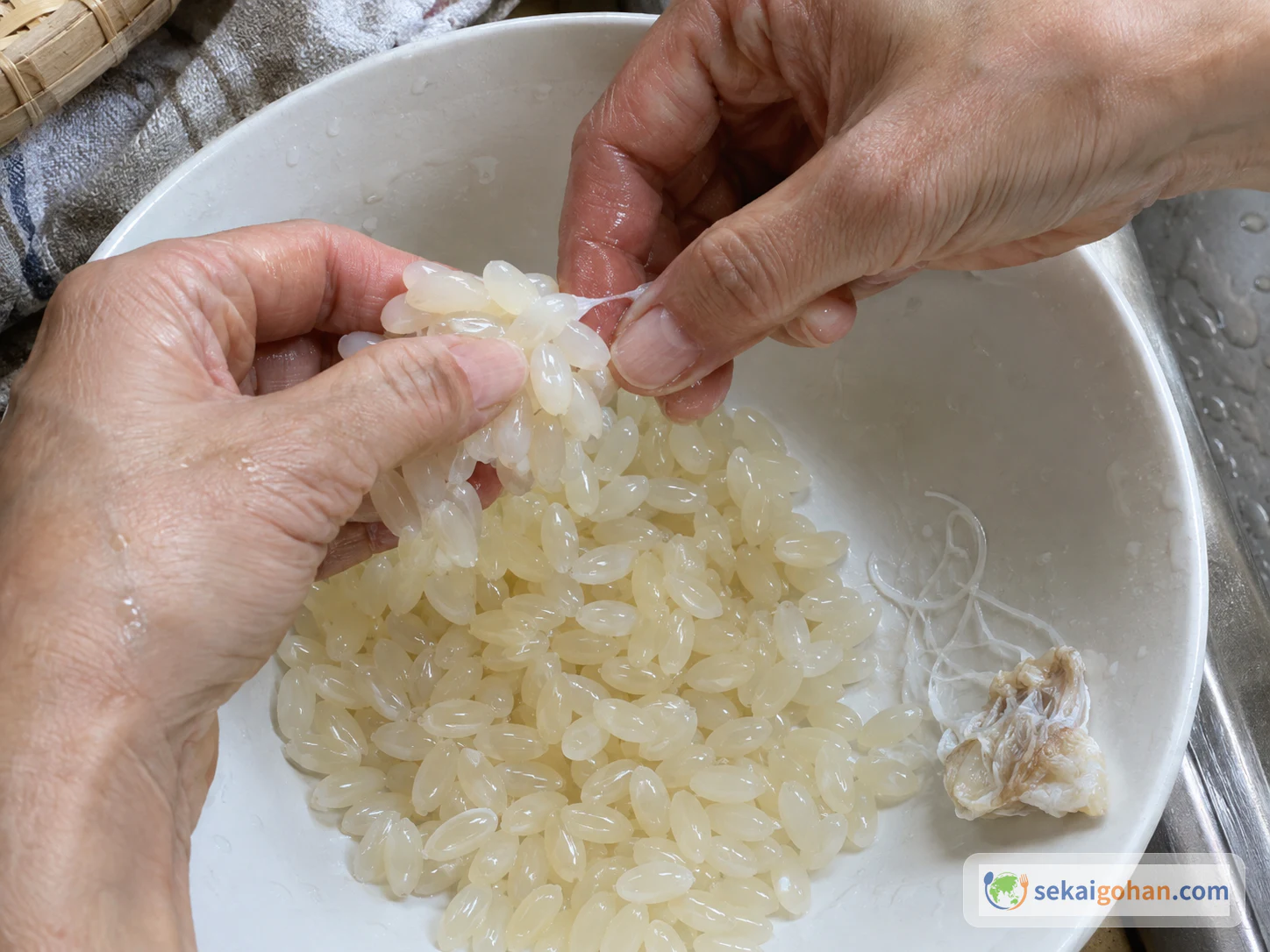
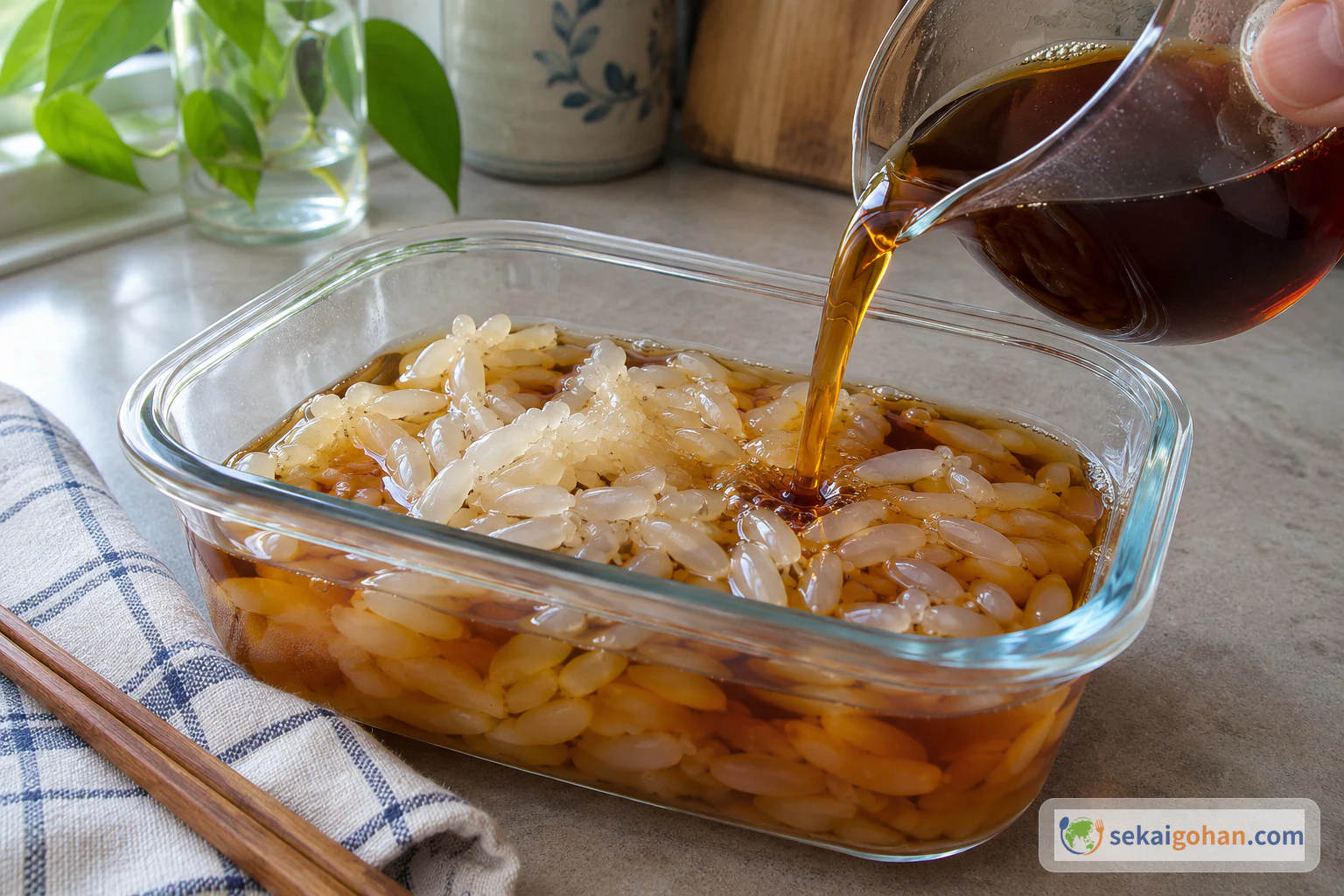
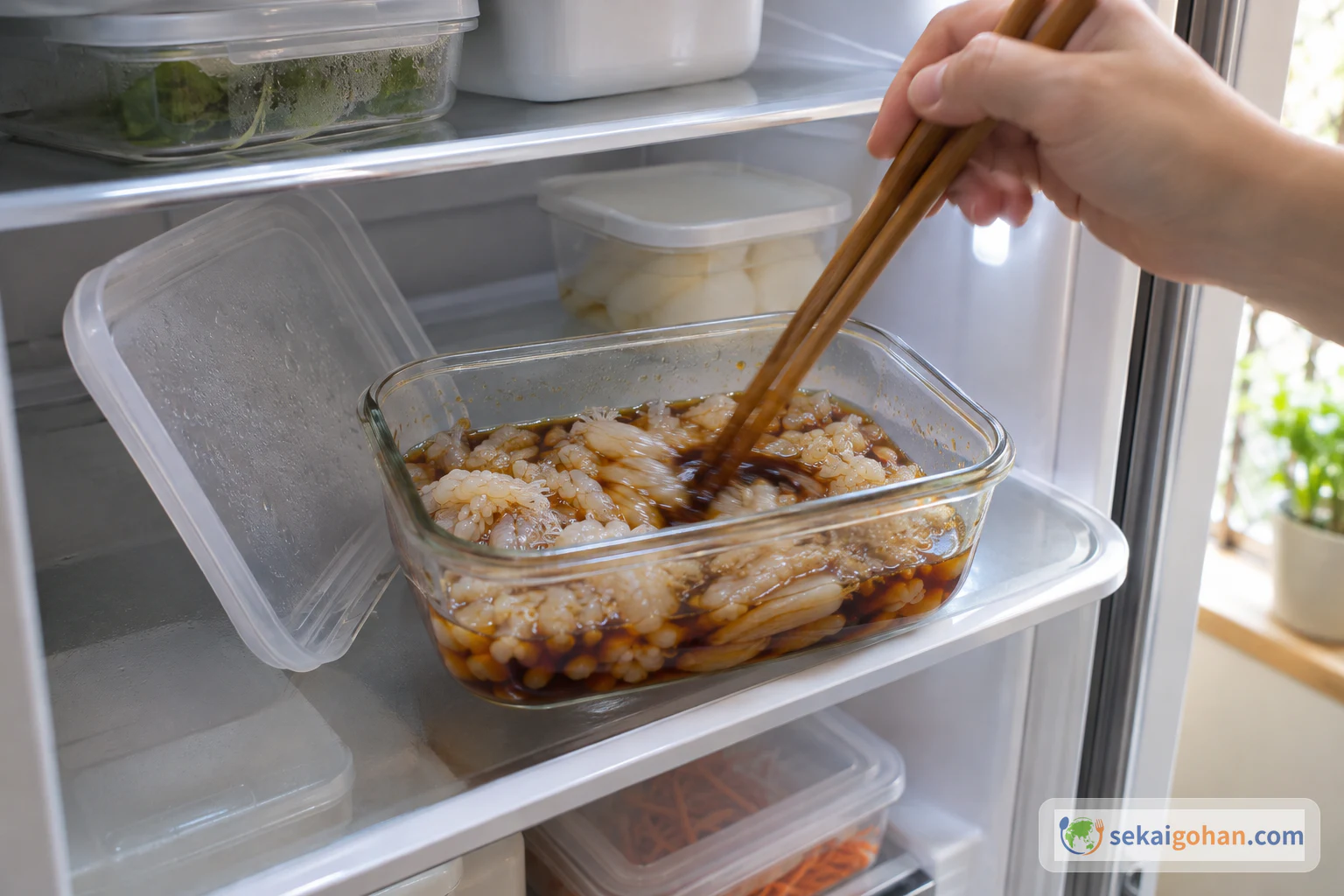
Pour boiling water over a takomanma and its thin outer skin tightens and turns white, ready to tear open. Inside sit dense clusters of pale cream eggs, each grain a little larger than a grain of rice, and after half a day in the refrigerator those same grains are glossy with sake and soy and piled onto a bowl of hot rice. Takomanma is the ovary of the yanagidako, a northern octopus fished off Hokkaido. Eaten raw over rice, it tastes somewhere between a raw-egg rice bowl and an ikura bowl, leaning toward the egg, with a faint sea-urchin note from the ocean.
Rice-Grain Roe from Hokkaido's Cold Coast
The name, and what it is
Cooked, the eggs turn opaque and look exactly like grains of cooked rice, and that is where the name comes from: manma is a homely word for rice, so takomanma is "octopus rice." Raw, the grains are translucent. Takomeshi, octopus cooked with rice, is a separate dish; takomanma is the roe itself and never goes into the rice pot.
The roe of the madako, the common octopus, is another food again. In Akashi it is sold as kaitōge, with eggs as small as poppy seeds, and it is almost always salted or plainly dried. Yanagidako roe has the bigger, rice-sized grain, and it is in Hokkaido that people call it takomanma.
The yanagidako (Paroctopus conispadiceus, written 柳蛸) is a little smaller than the mizudako, the giant octopus that dominates Hokkaido catches. It lives in fairly deep water from Ibaraki and Fukushima north around Hokkaido, with the main landings on the Pacific coast of Tōhoku.
Shiranuka in winter
Off Shiranuka, on Hokkaido's eastern Pacific coast, yanagidako are fished from December to April, the same months the octopus is in season. Boats work a karatsuri longline, a line of hooks set with no bait at all. By the Taishō era the town was already boiling octopus for market, and that know-how still lives in its processing plants. When catches fell in the mid-1970s, Hokkaido sank spawning reefs off Shiranuka to rebuild the grounds.
Takomanma spoils fast, so very little of it travels. The local fishery cooperative handles it straight off the boat and salts it, selling manma no shiokara (roe cured in salt alone) and manma no sanbaizu (fresh roe in sweet-sour vinegar). Both are eaten as they are, on steaming rice or alongside sake, and you can buy them at Michi-no-Eki Shiranuka Koitoikan, the roadside station in town. Around Kushiro, salt-boiled yanagidako is also hung to dry in the cold as kanboshi.
Southern Hokkaido in spring, and the rest of the coast
In southern Hokkaido, around Hakodate, whole ovaries appear in shops in early spring, and the usual home treatment is a soy marinade. Further south in Sanriku, octopus season runs from autumn to spring and the egg masses come in during the cold months, but most of the catch is boiled or steamed whole and the roe goes to processors. Fresh, raw takomanma at a fish counter is a northern, seasonal find; you can read more about the wider kitchen of Japan on its country page.
| Area | When | How it is eaten |
|---|---|---|
| Shiranuka, eastern Hokkaido | December to April | Cooperative shiokara and sanbaizu, boiled octopus, cold-dried kanboshi |
| Southern Hokkaido | Early spring | Marinated in soy at home |
| Pacific Tōhoku (Sanriku) | Autumn to spring; roe in the cold months | Mostly boiled octopus; roe goes to processing |
Cooked or raw
Simmering in seasoned broth was long the main way to cook takomanma, and it also goes into shiokara and chawanmushi. Heat, though, sets the eggs firm: boiled whole, an ovary turns into a hard ball, and even a quick blanch firms the grains and dulls the flavor if it runs too long. That is why the home method here is the uncooked sake-and-soy marinade, the way it is eaten over rice in Hokkaido kitchens.
Ingredients
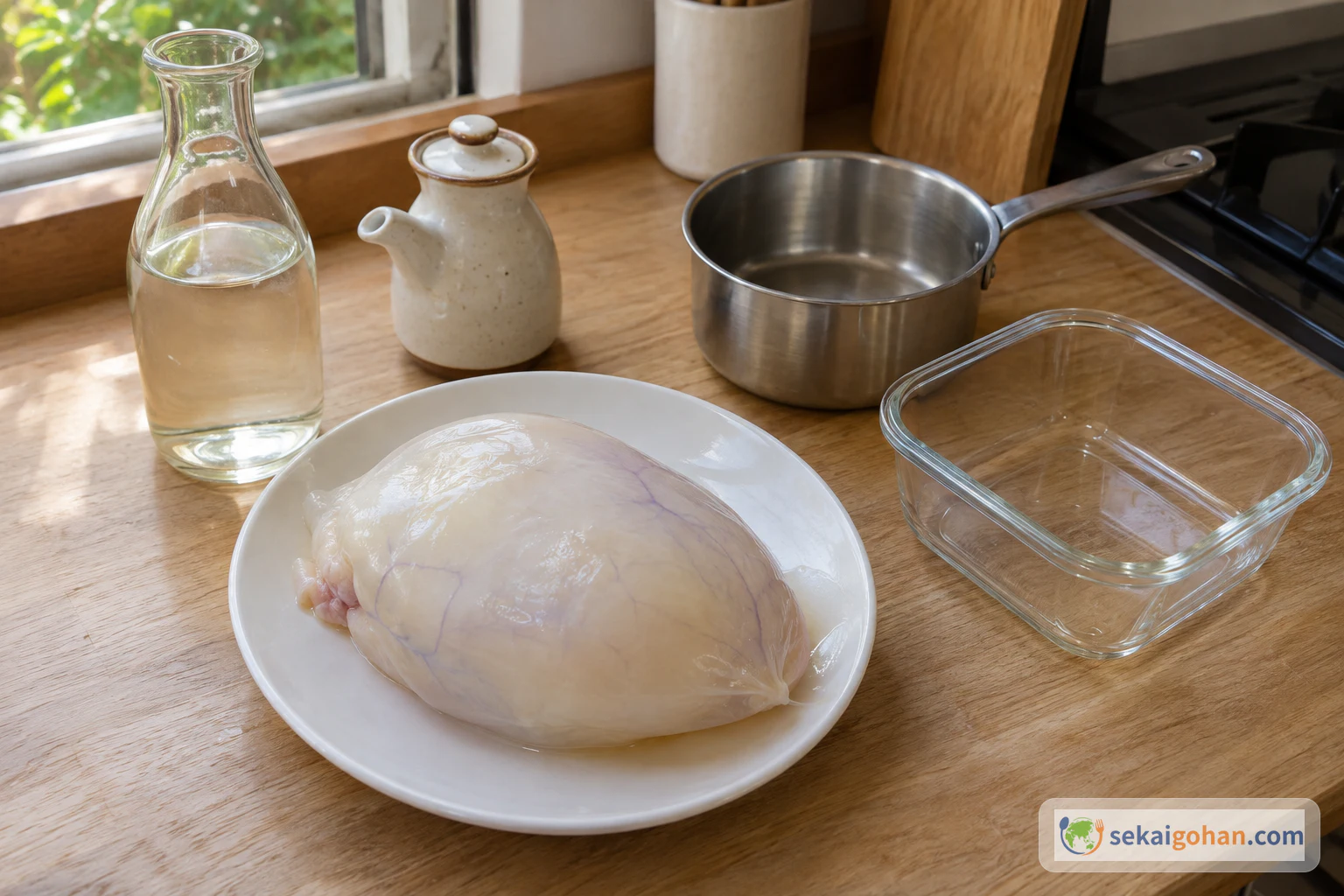
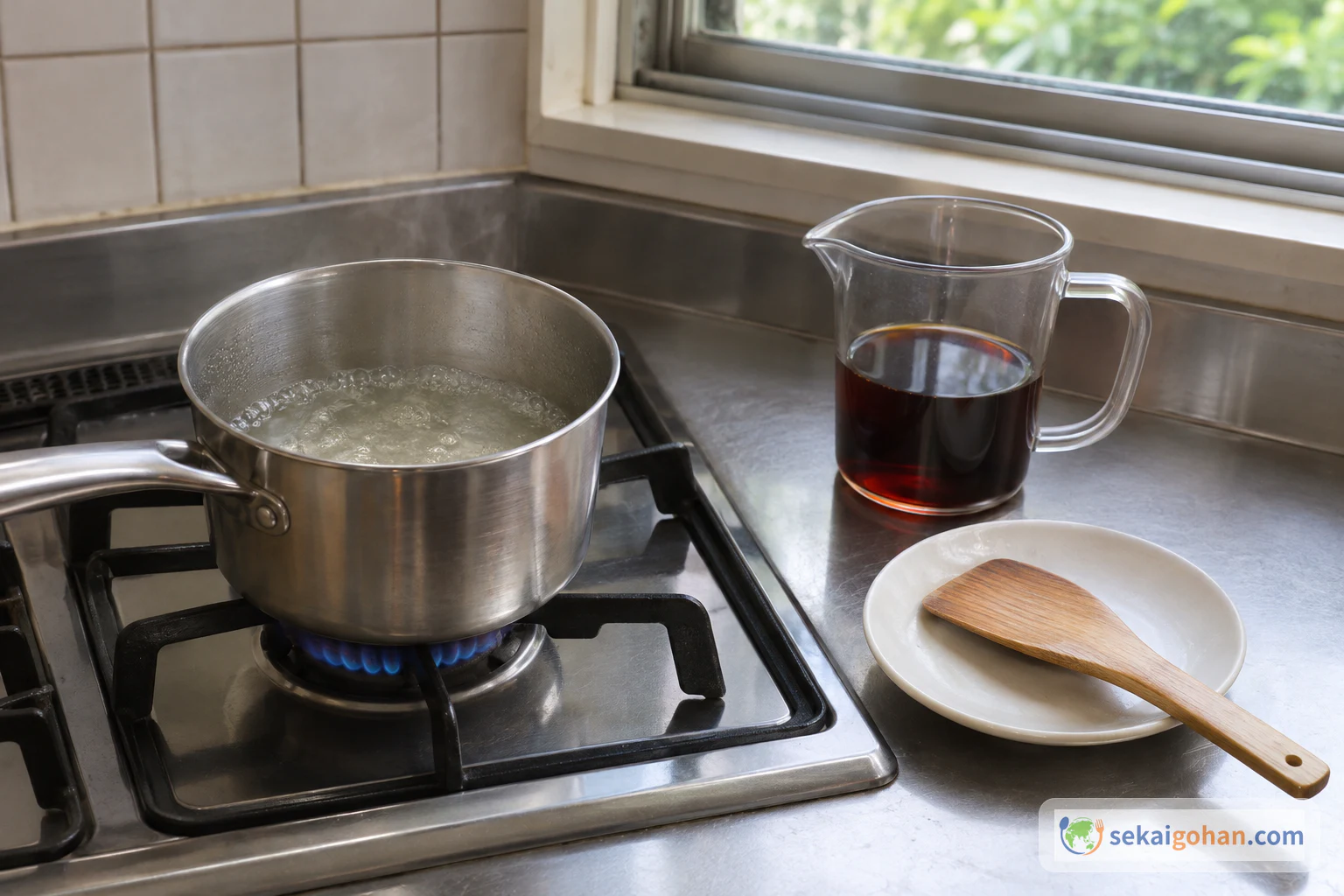
The marinade is 2 parts boiled sake to 1 part soy sauce, the same balance used for ikura. The spoon amounts above are a starting point for one ovary; if they do not cover the eggs, mix more at the same ratio rather than adding soy alone.
Takomanma is octopus roe, a mollusc product. Check the labels on your soy sauce, sake and any shio koji or kombu soy you use for soy, wheat and other allergens.
Equipment
- Stainless steel bowl and a kettle for boiling water
- Fine-mesh stainless colander
- White ceramic bowl for loosening the eggs
- Kitchen scissors
- Small saucepan
- Shallow lidded storage container, glass if you have one
- Chopsticks
- A colander, bowl and cutting board kept for seafood only during this job
Buying Takomanma and What You Can Swap
Look for takomanma frozen or salted, from producer direct sales on the Hokkaido coast, fishmongers in Hokkaido, or online. The one thing to read before you buy is the label: choose a pack marked for raw eating. Anything labeled for cooking is not eaten raw, and frozen packs are kept as their storage label says (usually "keep frozen"). Common-octopus roe and boiled octopus do not stand in for it; the grain and the dish both change.
| Ingredient | Swap | What changes |
|---|---|---|
| Sake | Cooking sake | Works; cooking sake with added salt makes the marinade saltier |
| Dark soy sauce | Kombu soy sauce or light (usukuchi) soy sauce | Paler color on the grains |
| White rice | Brown rice, or rice mixed with brown | Nuttier base; the roe sits just as well |
For the variations below you will also want shio koji (check its salt content on the label), plus mirin, sweet soy sauce and kombu soy sauce.
Eating It Raw: What Makes It Safe
This is raw seafood, so decide how you will make it safe before you open the pack.
Soy sauce does not kill anisakis. Neither does vinegar or wasabi at the amounts used in cooking. Anisakis is the parasite behind severe stomach pain a few hours to a little over half a day after eating raw seafood that carries it. Two things kill it: freezing at -4°F (-20°C) or colder for at least 24 hours, or heating to 158°F (70°C) or above, or 140°F (60°C) for at least 1 minute. Raw seafood is also checked by eye in good light, and anything you see is removed.
Most home freezers are set to 0°F (-18°C). Unless you know yours holds -4°F (-20°C) for 24 hours, choose a cooked dish instead of eating the roe raw. A quick dip in boiling water, as in the ponzu variation below, is for texture and is not a parasite step.
Vibrio parahaemolyticus, a salt-loving bacterium from coastal seawater, is the other concern. It does not multiply in fresh tap water, so rinse the roe well under running tap water, keep it at 39°F (4°C) or below, and keep the colander, bowl and board you use for it separate from anything else. Freezing does not kill it in the short term. When you cook seafood for this reason, heat it to the center at 140°F (60°C) for at least 10 minutes.
Children, older people, anyone who is pregnant and anyone with a weakened immune system should not eat the roe raw. Choose a dish where it cooks through to the center, such as chawanmushi.
Method
The hands-on work is short: open the skin, rinse, loosen, pour. The waiting is in the refrigerator, where the eggs take the marinade overnight or for about half a day. Boil the sake first if you like, so it is cold by the time the eggs are loose.
When It Goes Wrong
| What you see | Why | What to do |
|---|---|---|
| Too salty | Too much soy in the marinade, or too long in it | Eat it over more rice. Next time make the marinade sweeter, as in the four-part blend below |
| Thin, bland flavor | Not enough time in the marinade | Leave it in the refrigerator longer and taste again |
| Fishy smell | Not rinsed enough, or the roe was not fresh | Rinse more carefully next time. If the smell stays, do not eat it |
| Hard, crumbly grains | Heated too long, or marinade poured on hot | Cool the marinade fully; when blanching, lift the roe out half-set |
| Rinse water turns cloudy | Normal for this roe | Keep rinsing |
| The skin will not tear | It is thick | Make a shallow cut with the tip of a knife and turn the eggs out |
Serving, Variations and Keeping
On the table
The marinated roe goes over steaming white rice and nothing else needs to join it. Seasoned roe straight from the container also sits well beside a cup of sake, and so do the Shiranuka shiokara and sanbaizu, which need no preparation at all: open, spoon over hot rice or onto a small plate.
Variations
- Shio koji cure. For one ovary of about 10½ oz (300 g), use ½ oz (15 g) shio koji, about one-twentieth of the roe's weight. Separate the eggs without crushing them, mix in the shio koji and refrigerate for a full day and night. The rice koji makes it rounder and sweeter than the soy version; check the salt on your shio koji's label. Finish it within about a week, or freeze it in small portions for about 3 months.
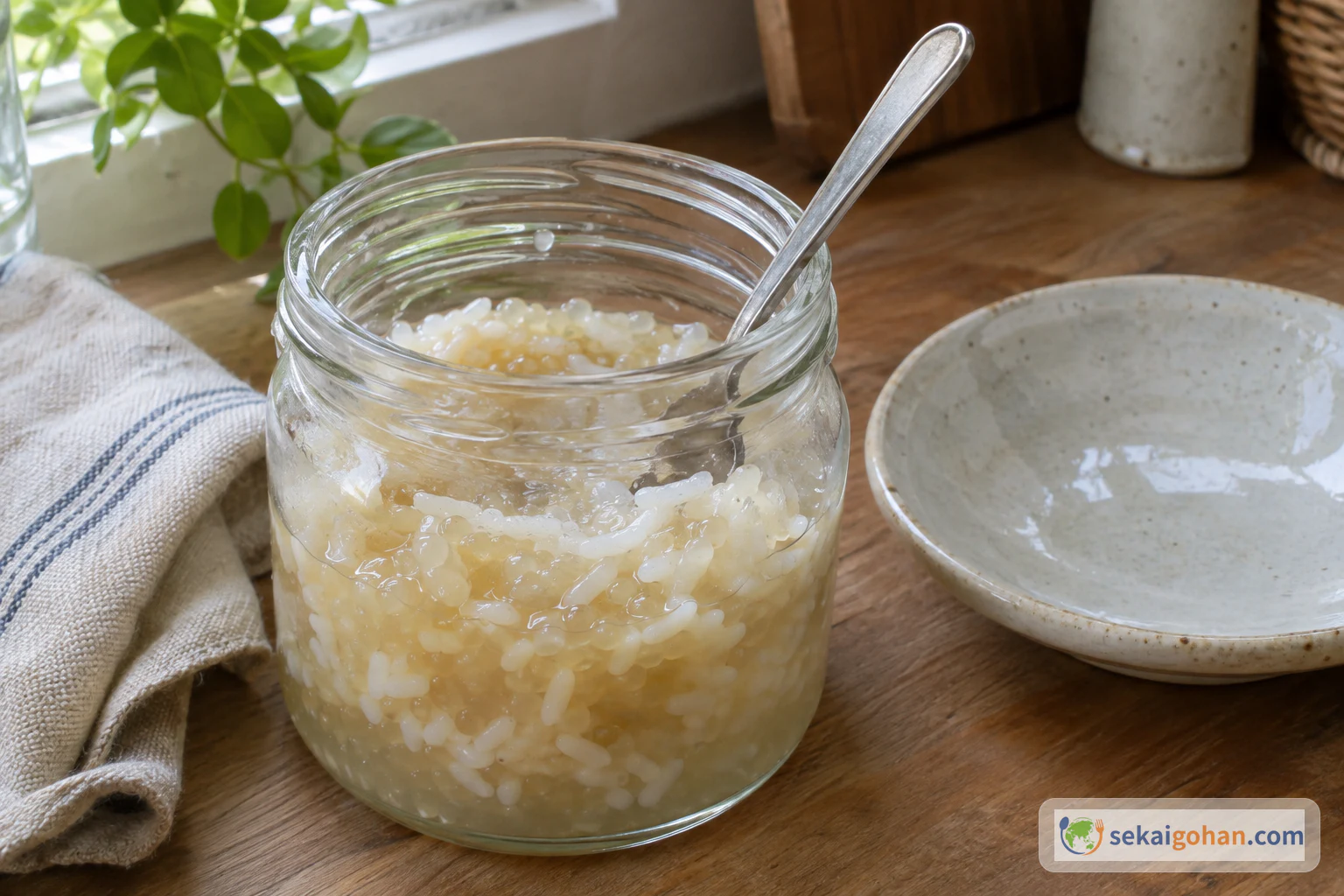
- Sweeter four-part marinade. Mix mirin, sake, sweet soy sauce and kombu soy sauce in equal parts and use it in place of the sake-and-soy marinade. It is ready in about half a day and comes out softer in salt and sweeter than the 2:1 version. Use it on its own; do not blend the two marinades.
- Blanched with ponzu. Leave the clusters whole, dip them briefly in boiling water and lift them out while still half-set, then dress with ponzu soy. The grains firm on the outside and stay soft inside; a little too long and they set hard. This is a texture dish, not a way to make raw roe safe.
- With grated nagaimo. Mix loosened eggs with grated nagaimo yam and mentsuyu and serve over soba. It is one cook's own idea rather than a regional dish, and the yam's silkiness carries the roe's sea flavor.
Keeping
Make only as much as you will finish in one or two sittings. Keep it covered in the refrigerator at 39°F (4°C) or below. If it smells off, feels slimy or has changed color, do not eat it.
Frequently asked questions
Why is fresh takomanma so hard to find?
It loses freshness quickly, so most of it is processed and salted right after landing, and most yanagidako are boiled whole for market. Raw roe at a fish counter is a seasonal find in Hokkaido. Elsewhere, frozen packs from producer direct sales and online shops are the practical route.
Can I use common-octopus roe instead?
It makes a different dish. Common-octopus roe has poppy-seed-sized eggs and is sold mostly salted or dried, so it does not loosen and marinate the same way. Keep this method for yanagidako roe.
What should I make if I want it cooked?
Choose a dish where the roe cooks through to the center, such as chawanmushi, the steamed savory custard. Simmering in seasoned broth is a long-standing way to eat it, but expect firm grains. Heat it fully to the center for safety.
Can I use the leftover marinade again?
Spoon it over the rice with the roe instead. It has been in contact with raw seafood, and every new batch starts with fresh sake and soy.