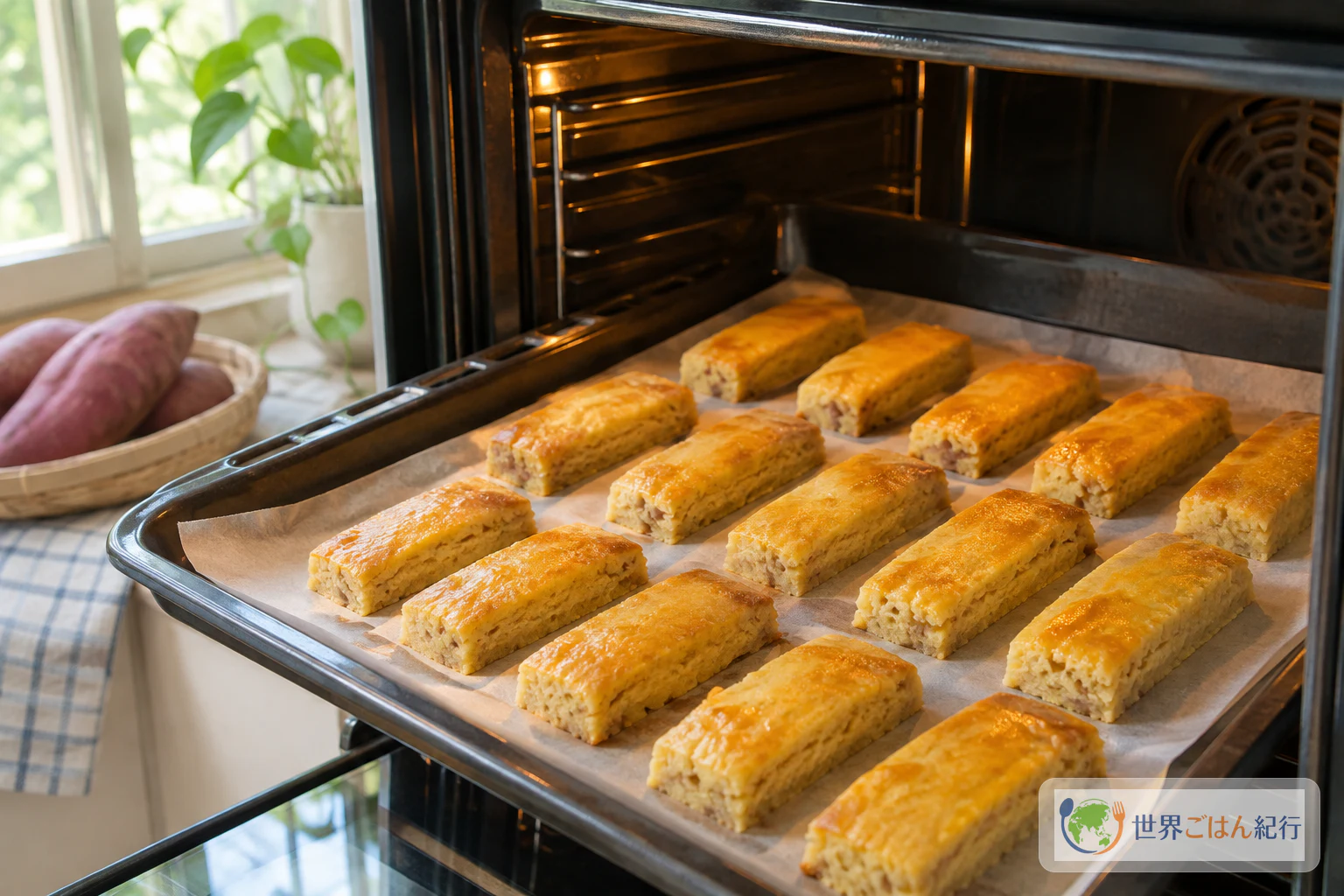
Hualien Sweet Potato: One Mash, Two Ways, Shaped Back into Little Sweet Potatoes
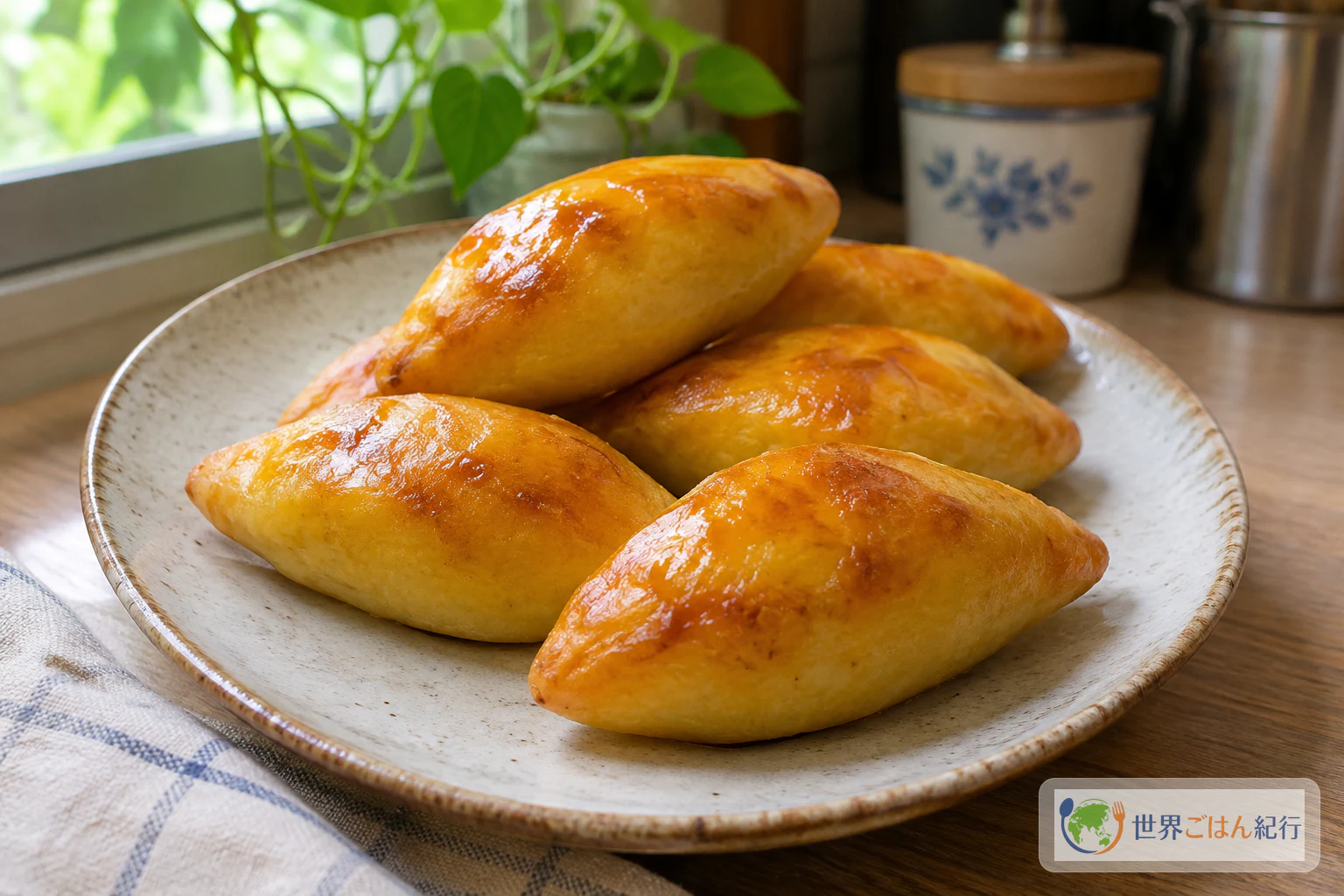
One smooth dough of sweet potato and white bean paste, no pastry skin and no filling. Forty small sweet-potato shapes, two thin coats of egg, and a glossy golden surface.
Hualien sweet potato (花蓮藷) is not a roasted sweet potato. It is a small baked sweet named after Hualien on Taiwan's east coast, made by turning sweet potato mash into a dough, shaping it to look like a little sweet potato again, and baking it under a coat of egg.
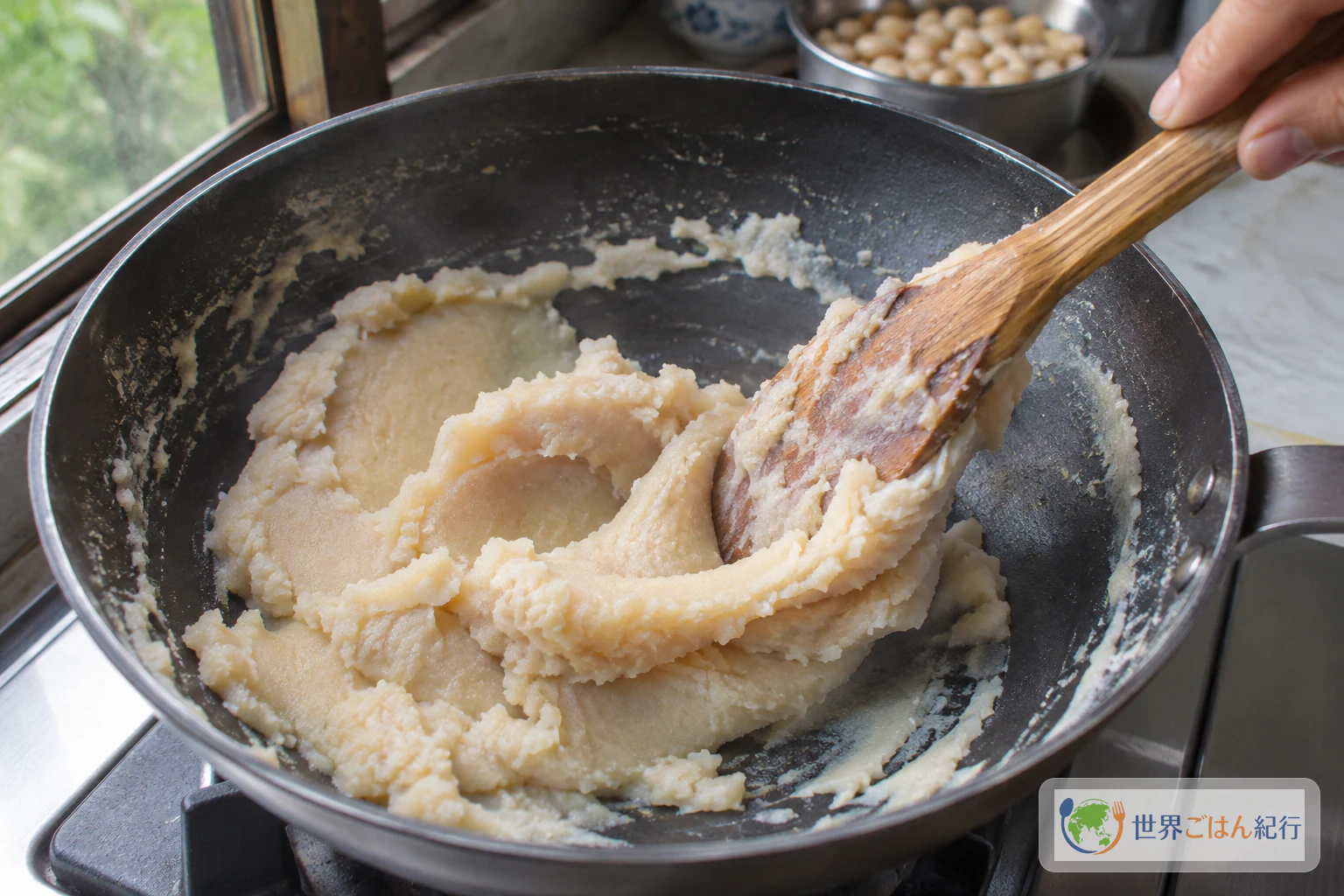
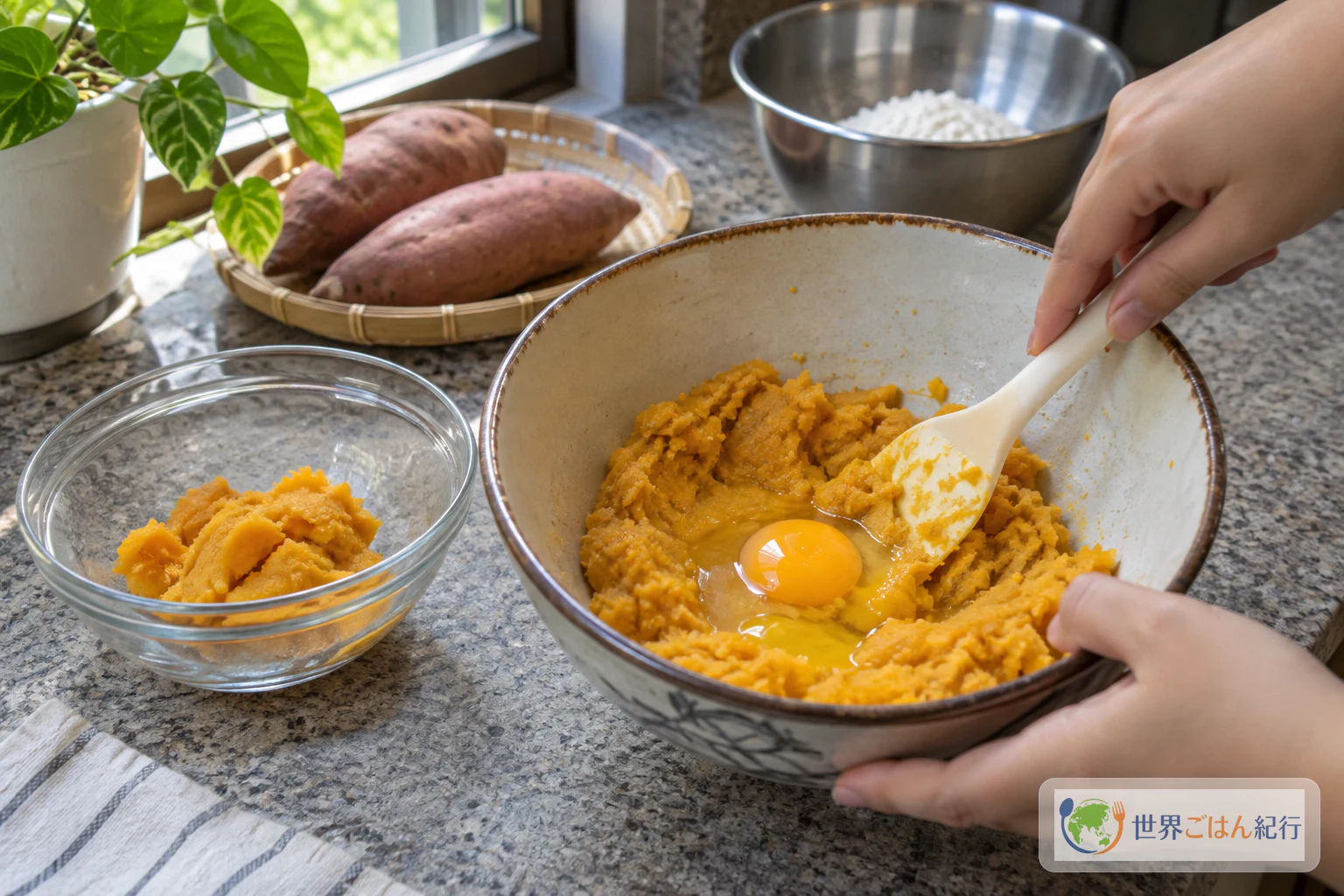
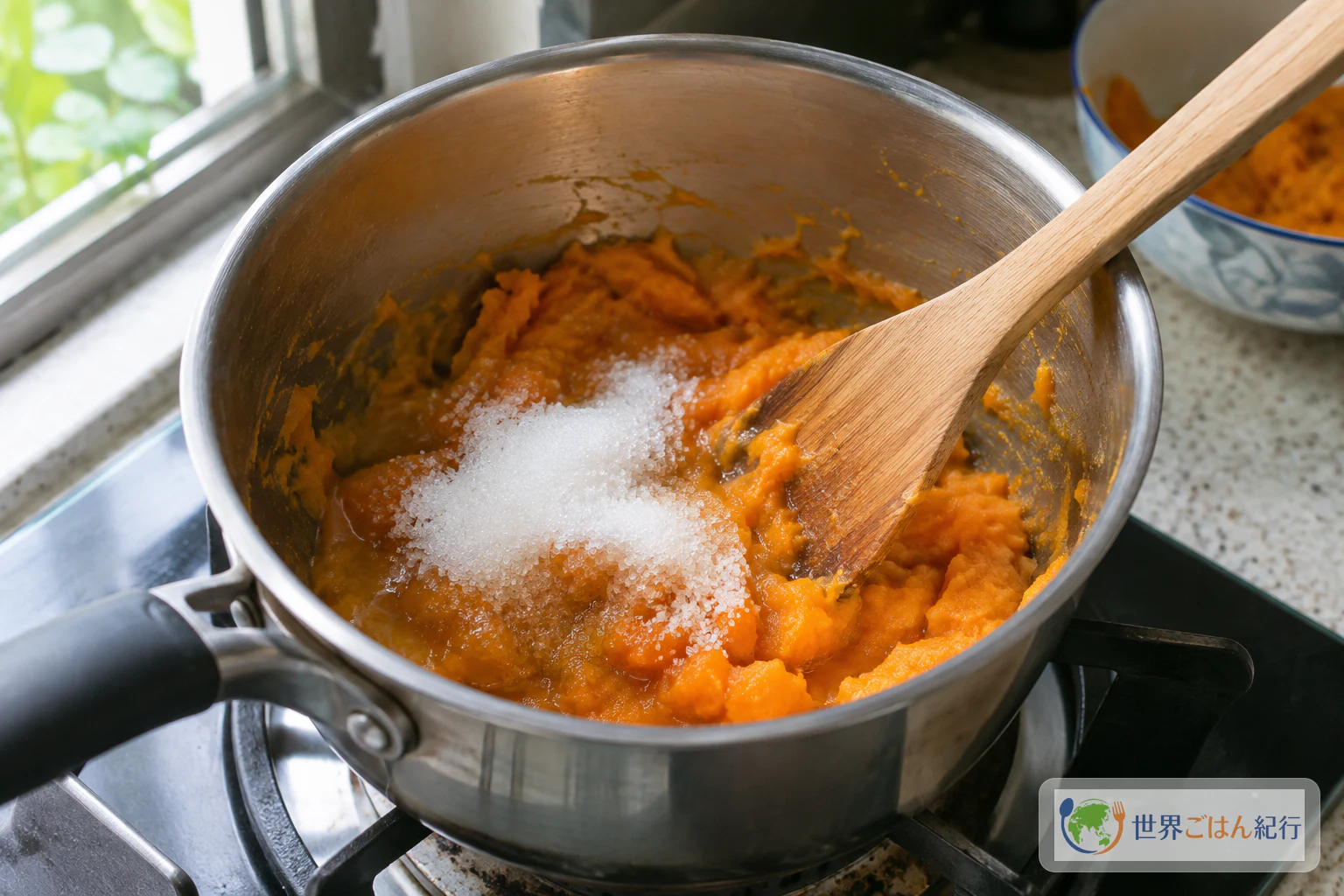
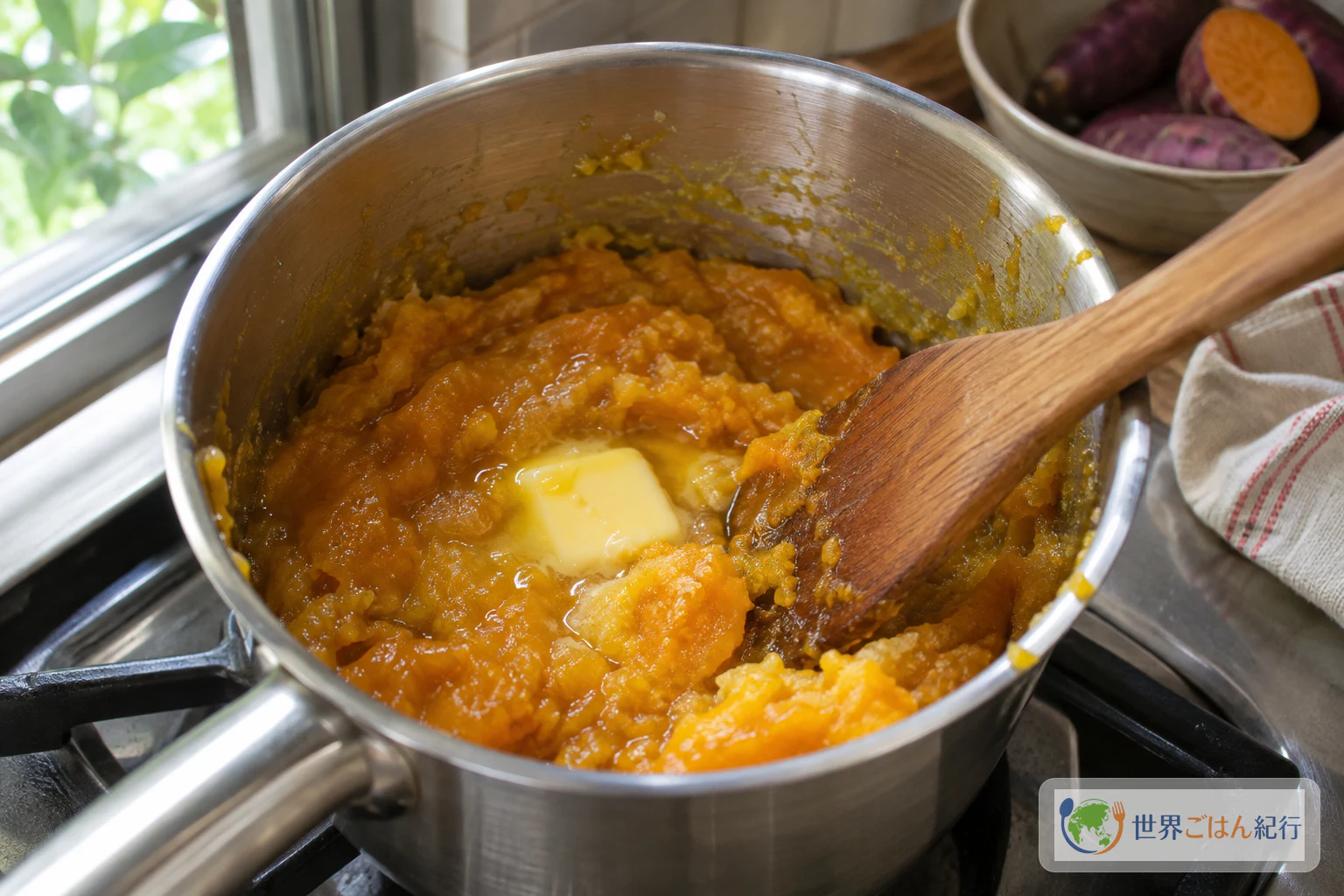
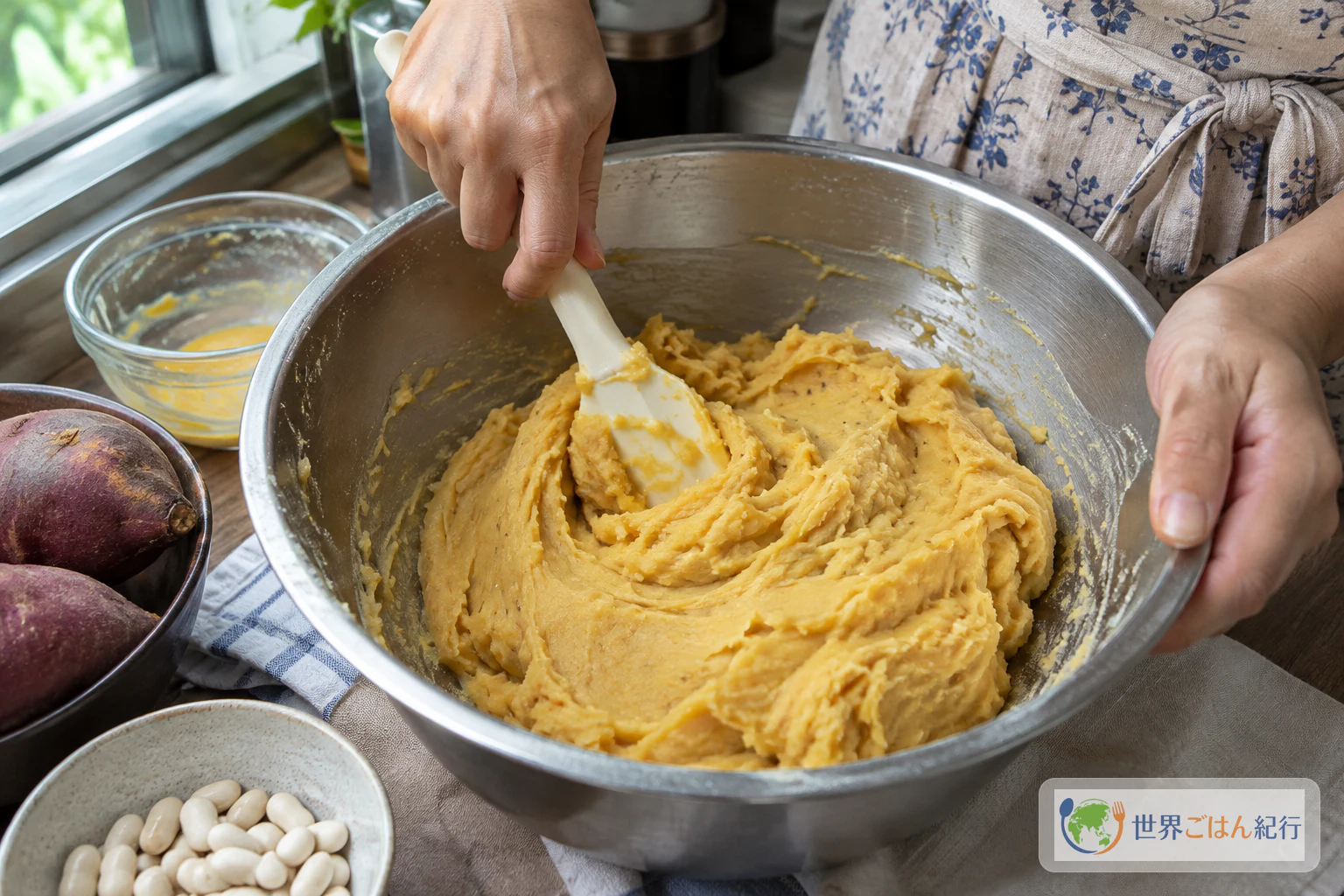
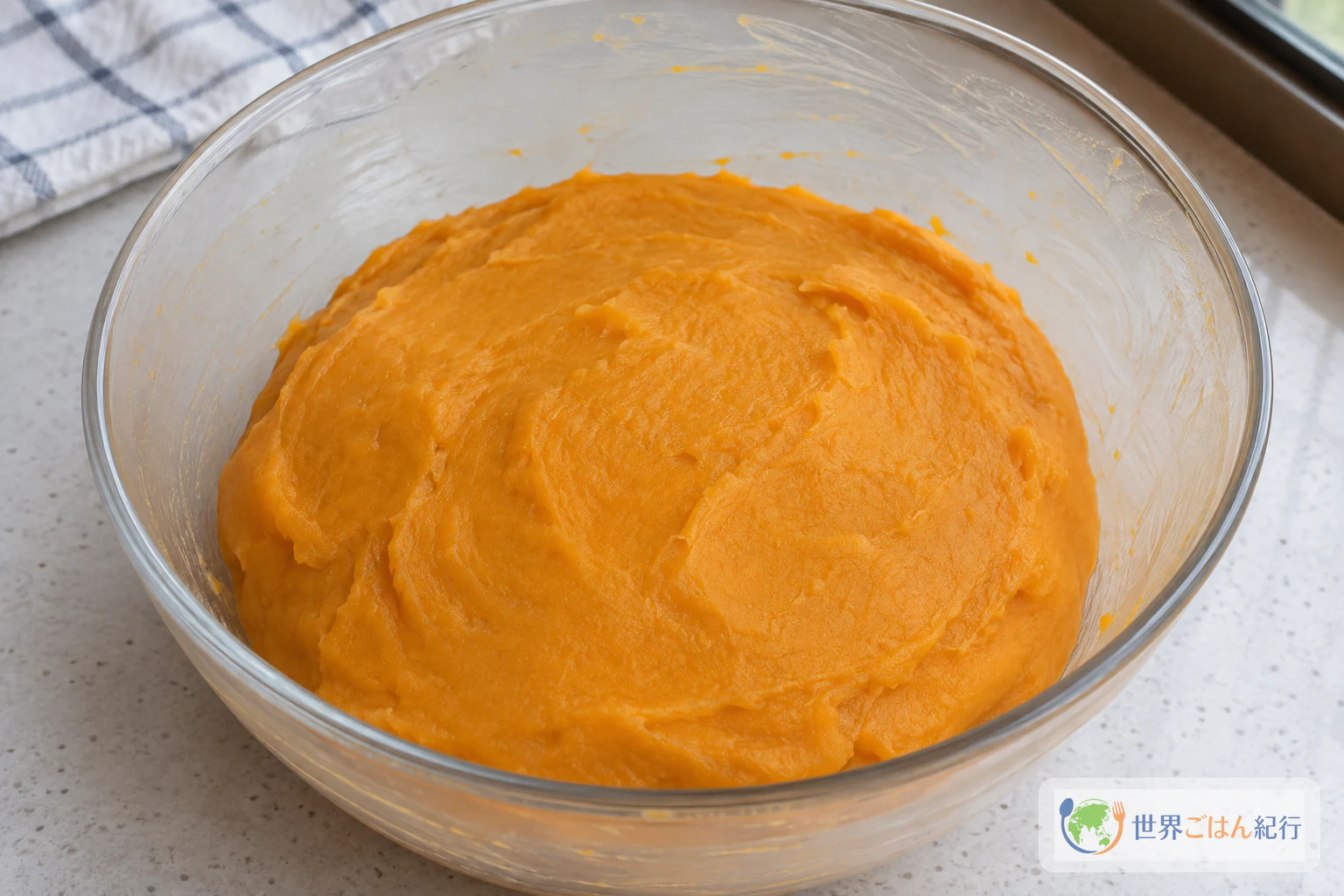
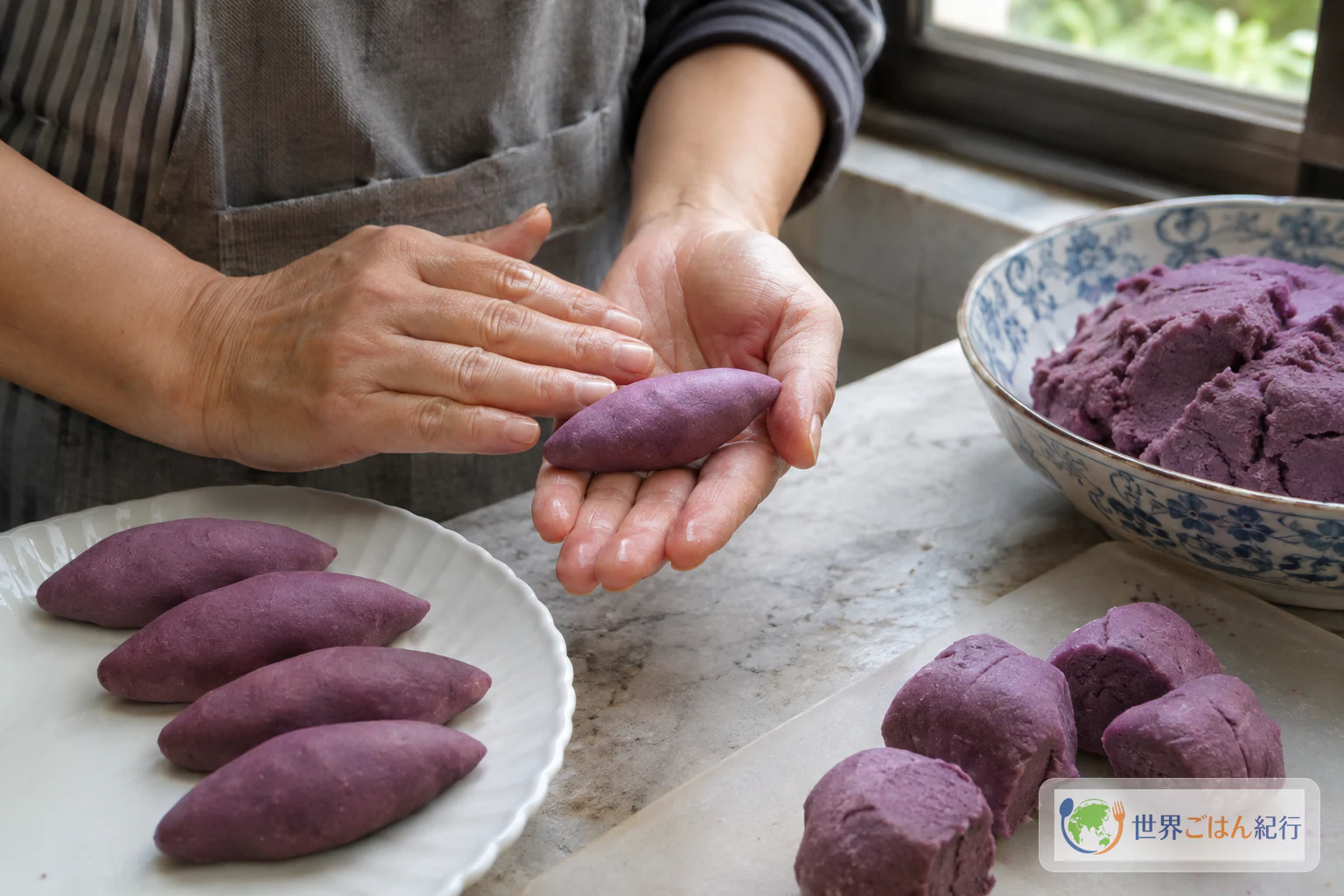
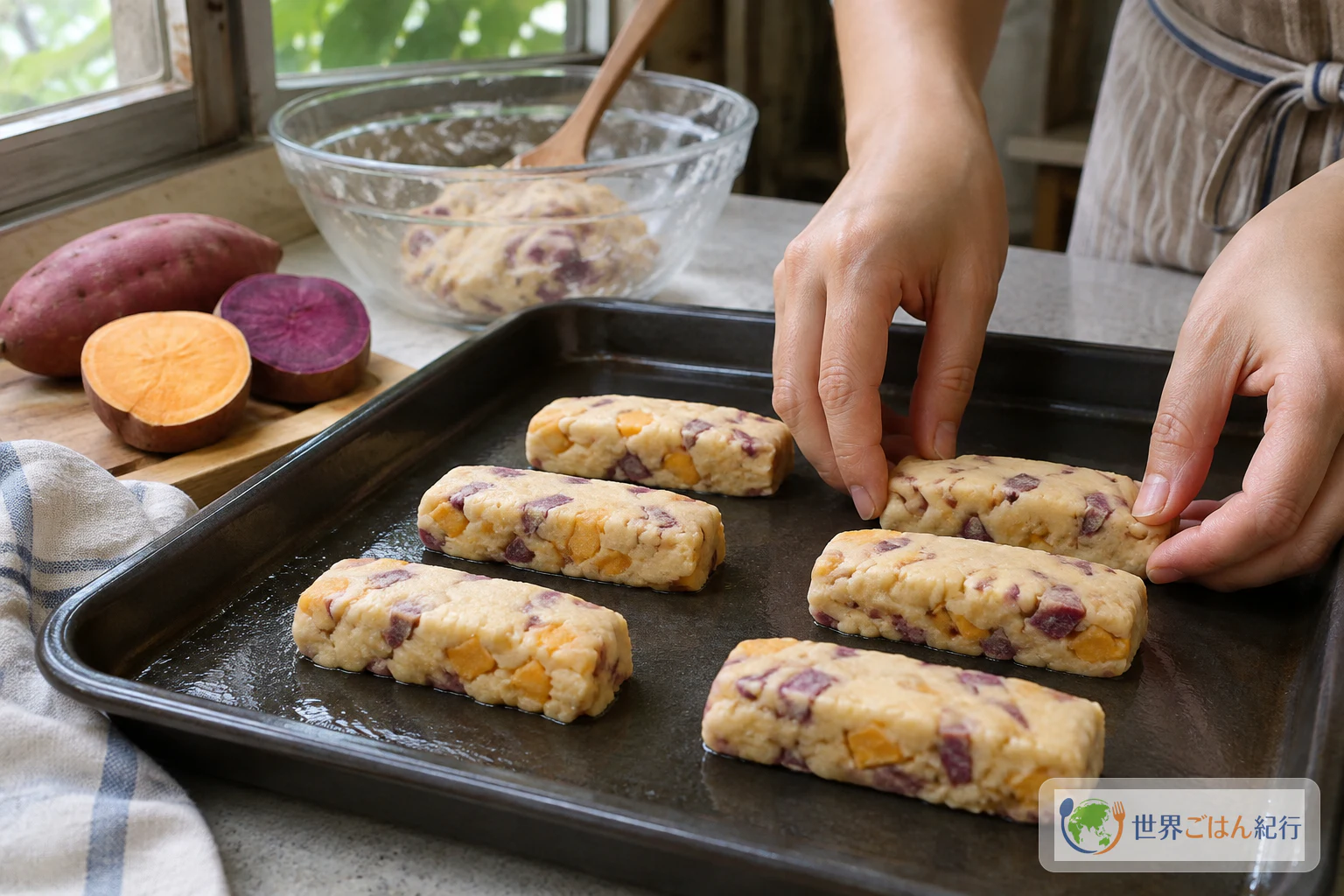
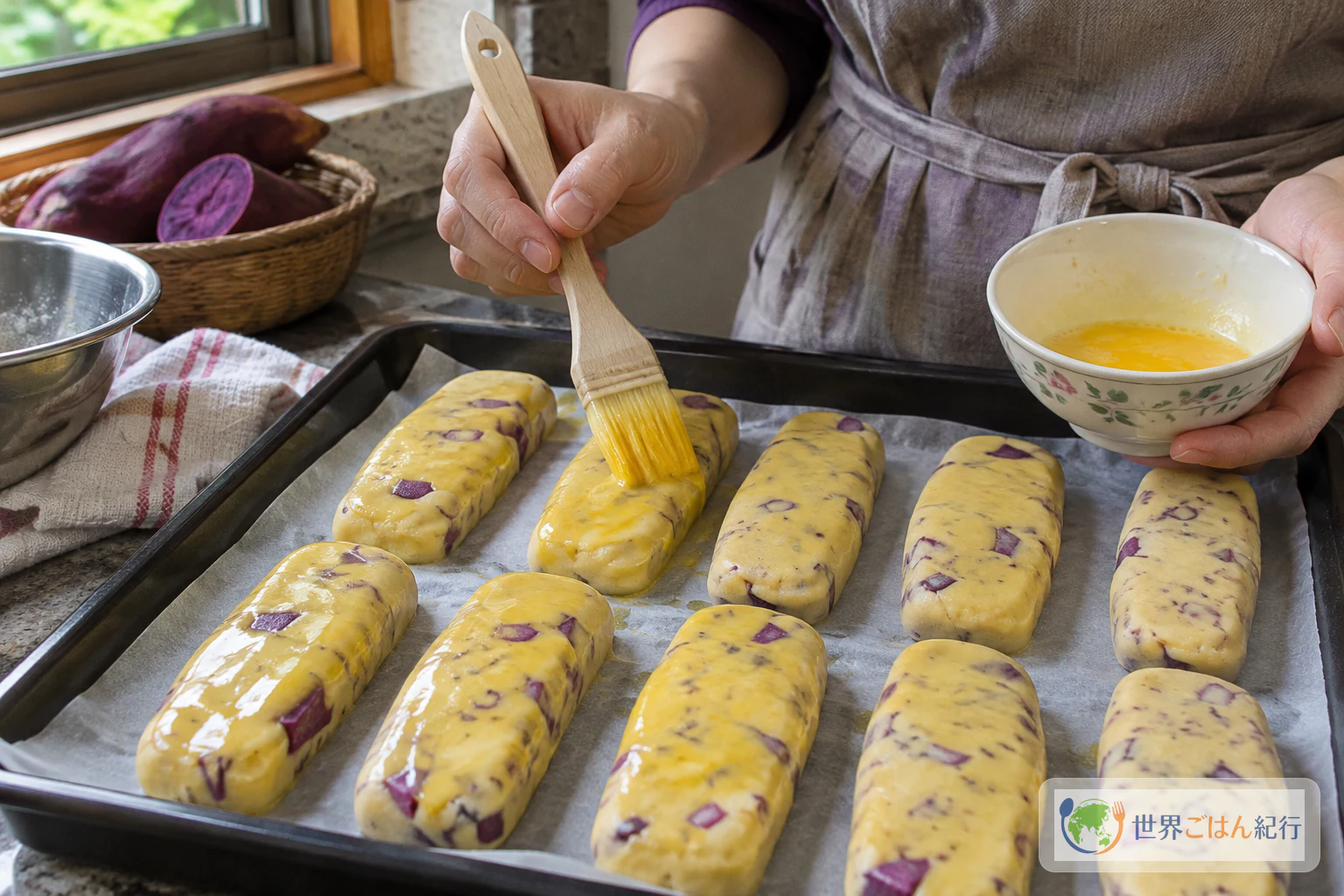
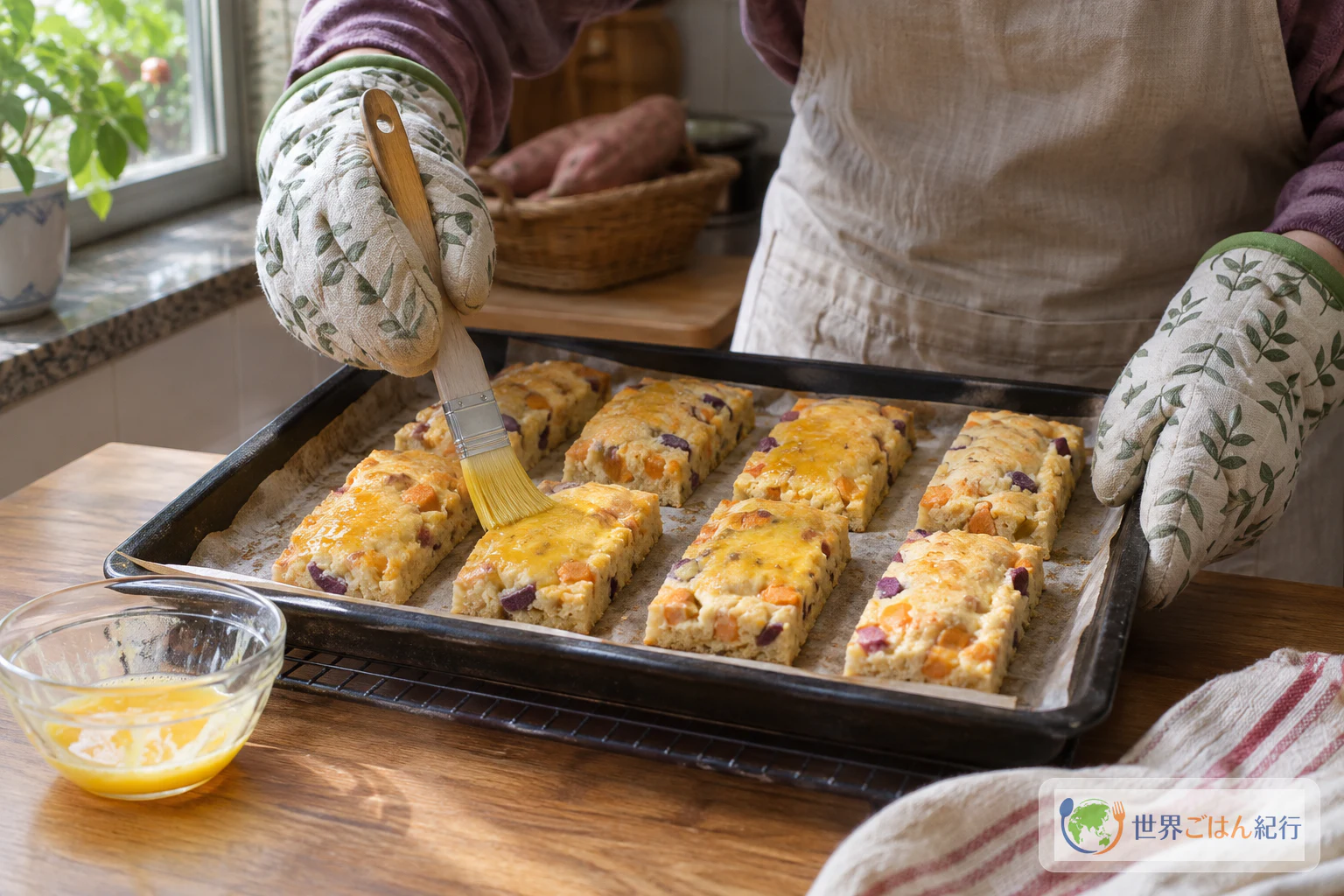
What makes the recipe interesting is how the mash is used. It is split in two. Two-thirds is mixed with an egg. The remaining third is cooked with sugar until thick, and butter is melted into it. Unsweetened white bean paste, dried out in a pan first, then brings everything together into a single dough. Once cooled, the dough is shaped by hand into forty bars, brushed with egg, baked, brushed again and baked until golden.
This recipe has not been kitchen-tested by Sekai Gohan. The amounts, temperature and times below follow a published official recipe, with selections made from within the ranges it gives; they are not the result of our own trial bakes.
For more dishes from the same island, see our Taiwan recipes.
Where This Recipe Comes From, and What We Chose
The recipe appears in a 1993 article introducing the nutrition of sweet potatoes and ways of eating them, written by Lin Miao-chuan (林妙娟) for the Hualien District Agricultural Research and Extension Station's newsletter (花蓮區農業專訊, issue 4, pp. 22–24). Taiwan's Ministry of Agriculture reposts the same recipe under the name 花蓮藷 in the dessert category of the sweet potato section of its Agricultural Knowledge Portal. The ministry page is a transcription of the 1993 article, so it confirms the wording rather than adding an independent test.
The published recipe gives three ranges or choices, and this article fixes one point in each:
| Item | Published recipe | This article |
|---|---|---|
| White sugar | 250–350g | 250g, the lower end |
| Fat for the dough | Butter (奶油) or lard (豬油), 50g | Butter, 50g |
| Baking temperature | 250–300°C | 250°C, the lower end |
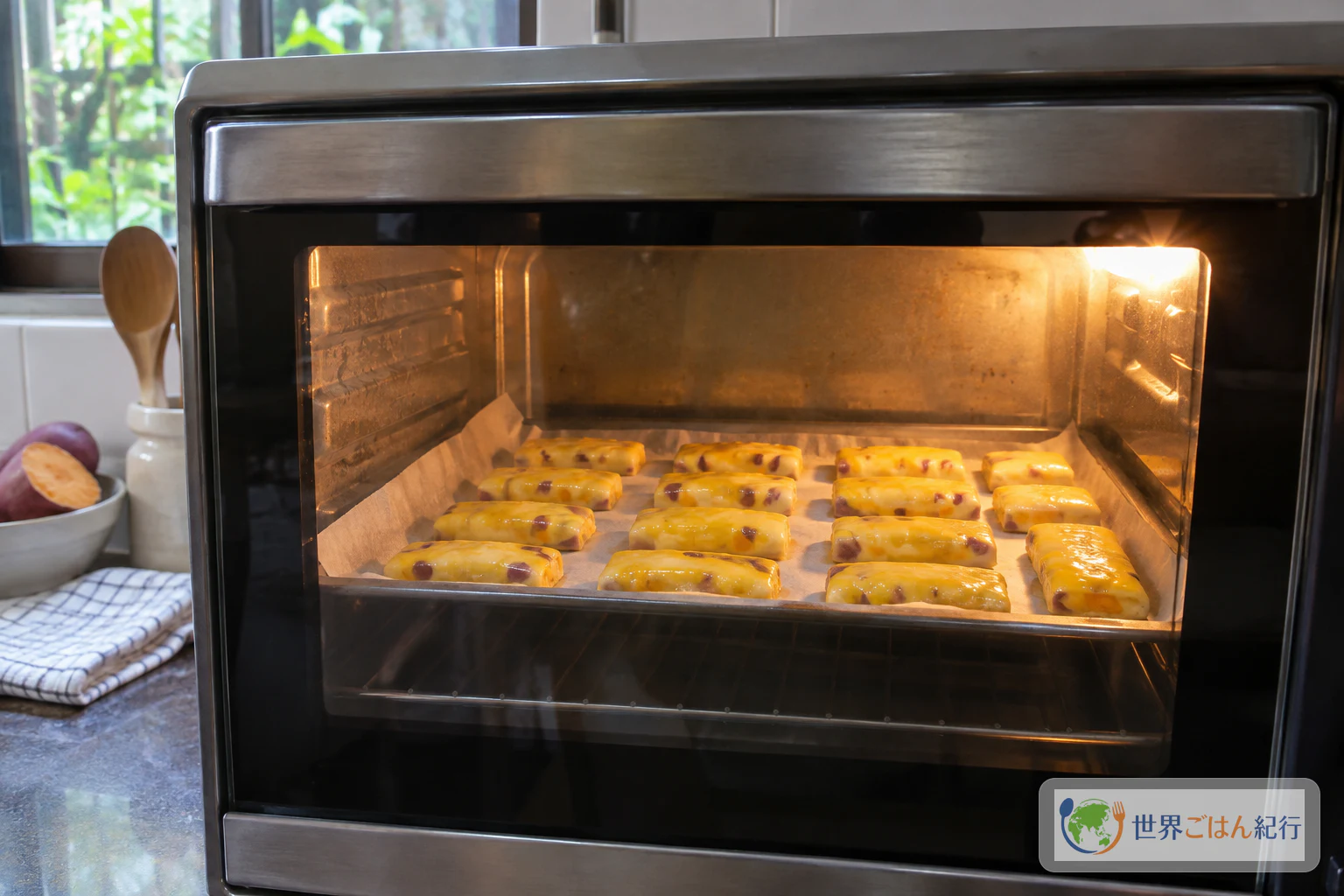
These are editorial selections from inside the published ranges. They are not a claim that we tested 250°C against 300°C, or 250g of sugar against 350g. The baking times are the recipe's own: about 8 minutes, a second coat of egg, then about 6 minutes until the surface is golden.
The recipe does not specify oven mode (conventional or fan), rack position or tray size, and it does not give a total time, the size or weight of each bar, or how to make the sweet potato mash from raw potatoes. We have not filled those gaps with numbers of our own. What it does require is an oven, and a tray, that can be used at 250°C. If your oven cannot reach 250°C, this recipe is not one to convert to another temperature by guesswork.
Not the wrapped pastry of the same name
The name 花蓮薯 is also used for a different sweet: a pastry in which a thin dough skin is wrapped around a sweet potato filling. One home-baking blog records such a version baked at 160°C for 15–18 minutes. That is a different formula and a different form, so neither its quantities nor its temperature are borrowed here. The bars in this article have no skin and no filling; the whole bar is the sweet potato and bean dough.
Ingredients for 40 Bars
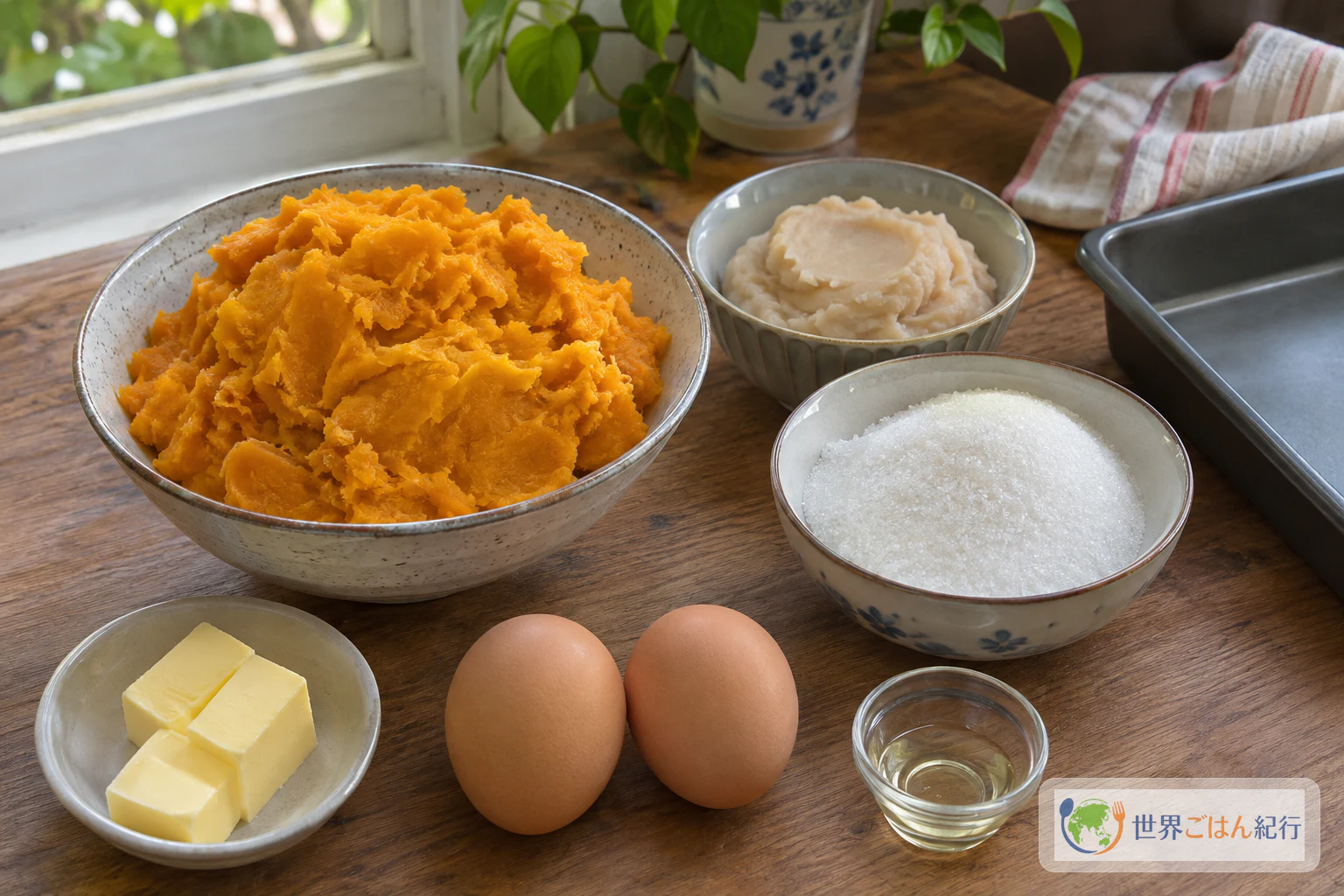
Equipment
- A pan for drying the white bean paste
- A saucepan for cooking the mash with sugar and butter
- Mixing bowls
- A spatula or wooden spoon
- A baking tray that is safe at 250°C
- An oven that can be set to 250°C
- A pastry brush and a small bowl for the egg wash
- Oven mitts
Choosing and Preparing the Ingredients
Sweet potato mash. Start with 1kg of prepared, cooked sweet potato mash. Sweet potatoes sold outside Taiwan, including Japanese varieties, work as an ingredient substitution; they are not the same as the potatoes grown in Hualien, and sweetness and moisture can differ.
White bean paste. Look for a cooked, unsweetened white bean paste made for eating (in Japan, unsweetened shiro-an). Ordinary sweetened white bean paste already contains sugar, so using the same amount would change the formula; it is not a like-for-like swap. Use prepared, cooked paste rather than raw or dried beans.
Butter or lard. Use 50g butter. You may use 50g lard instead, but the result has not been compared in Sekai Gohan's kitchen.
The two eggs. Keep them apart from the start. One is mixed into two-thirds of the mash. The second is beaten in a small bowl and is the only egg wash, used for both coats. There is no third egg.
This recipe contains egg and butter (milk). White bean paste is not automatically made from soybeans, and it is not automatically soy-free either: check the actual product's ingredient list for the beans used, other ingredients and any shared-facility statements. Treat the dough and the bars as an egg-containing food, follow general safe-heating practice for egg-containing foods, and keep tools and hands clean while shaping.
How to Make Hualien Sweet Potato
The mash goes two ways (two-thirds with egg, one-third with sugar and butter) and meets again in step 5. The second egg is only for brushing, in step 9 and step 11.
Where It Can Go Wrong
| Situation | Why it matters | What to do |
|---|---|---|
| Both eggs went into the dough | There is no egg left for the two washes, and the dough no longer matches the recipe | Keep the second egg separate from the start; it is used only for brushing |
| An extra 50g of fat was added for the tray | The 50g of butter belongs in the dough only | Grease the tray with just a thin coat of oil |
| Sweetened white bean paste was used | The sugar in the paste adds to the 250g already in the dough | Use cooked, unsweetened bean paste |
| The bars were wrapped or filled | That turns it into the other, wrapped pastry of the same name | Shape the single mixed dough directly into bars |
| Your oven or tray isn't rated for 250°C | The method depends on that temperature | Don't substitute a temperature or time from a different recipe |
| The surface is golden | Color doesn't confirm the inside is heated through | Follow general safe-heating practice for egg-containing foods |
At 250°C the oven, tray and racks are very hot. Use oven mitts every time the tray comes out for the second coat of egg and at the end, keep children away from the open oven, and let the bars cool before picking them up.
Meaningful Variations
The options below change the version above. None has been compared in our kitchen.
- Lard instead of butter. Use 50g lard (豬油) in place of butter. We don't claim the flavor or texture is the same.
- More sugar. Use 250g to 350g sugar; the version above uses 250g.
- Sweet potatoes from where you live. Making the mash from locally available sweet potatoes is a substitution of ingredient, not a reproduction of Hualien's potatoes.
Serving
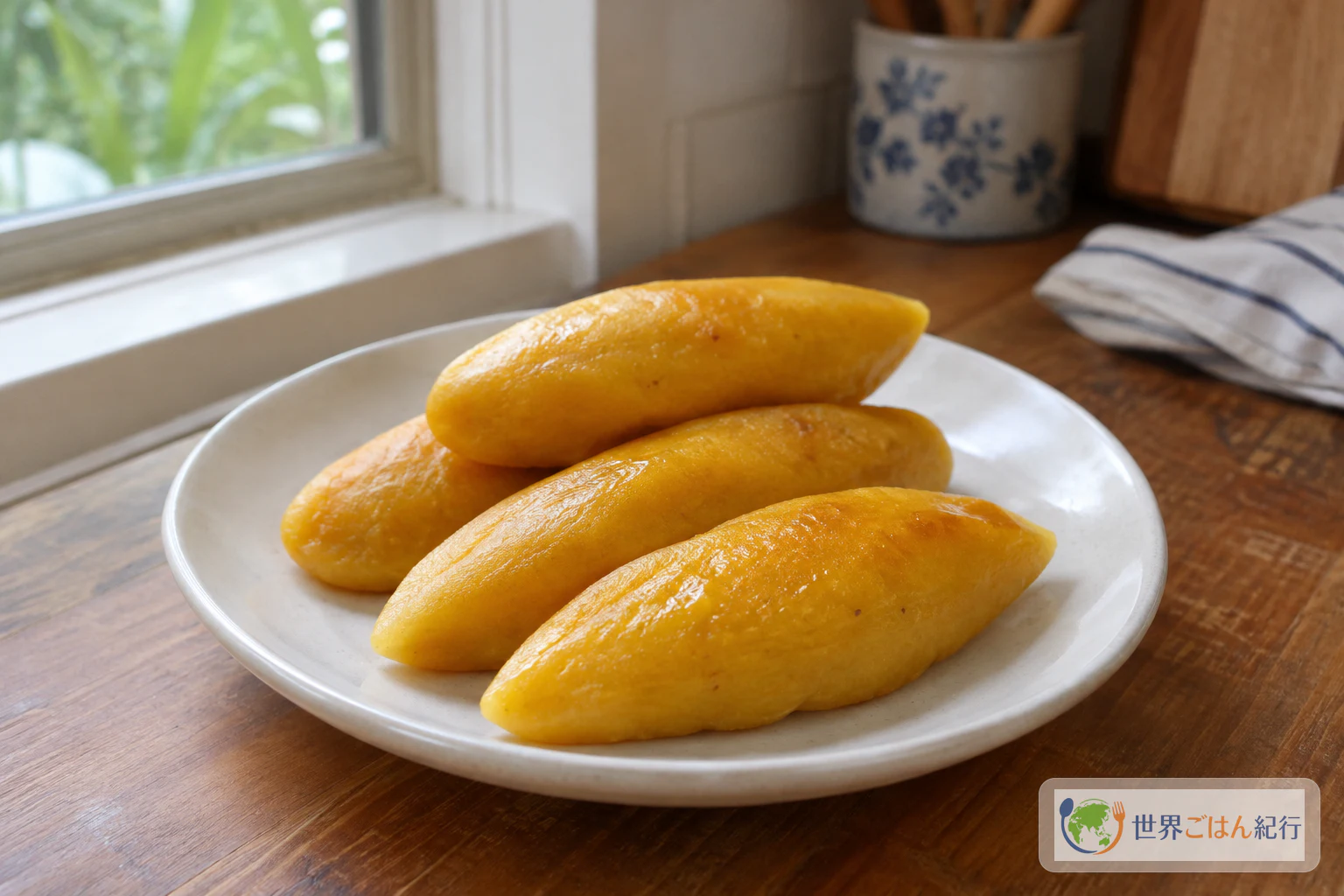
Serve the bars once cooled enough to handle, as a sweet snack. No safe storage period has been established for this version.
Frequently Asked Questions
Is Hualien sweet potato just baked sweet potato?
No. Cooked sweet potato mash is mixed with unsweetened white bean paste, sugar, butter and egg, shaped into small sweet-potato-like bars, brushed twice with egg and baked. The shape echoes the potato, but it is a made dough.
Why 250°C?
The official recipe gives a range of 250–300°C, with about 8 minutes, a second coat of egg, and about 6 minutes more until golden. This article uses 250°C, the lower end of that range. It is a selection from the published range, not a conversion and not the result of our own testing. Use an oven and tray that can work at 250°C.
I've seen 花蓮薯 baked at 160°C. Why not use that?
That temperature comes from a different recipe: a pastry with a dough skin wrapped around a sweet potato filling, recorded on a home-baking blog at 160°C for 15–18 minutes. Its formula and form differ from these mixed-dough bars, so its temperature isn't carried over.
Can I use sweetened white bean paste?
Not in the same amount. The recipe calls for unsweetened paste, and the 250g of sugar is cooked into part of the mash separately. Sweetened paste would change the balance of the whole recipe.
Is white bean paste a soy product?
Not necessarily. "White bean paste" can be made from different beans, so check the ingredient list of the product you buy. The recipe itself definitely contains egg and butter (milk).
Can I make it with lard?
Yes, the published recipe allows lard or butter, 50g either way. This article uses butter; we haven't compared the two.
How long do the bars keep?
The recipe gives no storage guidance, and we don't add a keeping time of our own.
Sources
- Lin Miao-chuan (林妙娟), "甘藷營養及食用法介紹" (Sweet potato nutrition and ways of eating), 花蓮區農業專訊 (Hualien District Agricultural Newsletter) 4:22–24, Hualien District Agricultural Research and Extension Station, 1993. The recipe's ingredients and amounts (1kg sweet potato mash, 200g unsweetened white bean paste, 250–350g white sugar, 50g butter or lard, 2 eggs), the division of the mash, the full method, the yield of 40 bars, and the baking at 250–300°C for about 8 minutes, a second egg wash and about 6 minutes until golden. https://www.hdares.gov.tw/upload/hdares/files/web_structure/828/bull-4_22-24.pdf
- Ministry of Agriculture (Taiwan), Agricultural Knowledge Portal, sweet potato section, "〖點心類〗花蓮藷." A transcription of the 1993 recipe, used to match ingredients, amounts, method and temperature, and to identify 花蓮藷 by name as a regional sweet; also the basis for the selections of 250°C, 250g sugar and butter from within the published ranges. https://kmweb.moa.gov.tw/subject/subject.php?id=19228
- Bibi's Baking Journey, "古早怀旧滋味 ~ 花莲薯【Hualin Sweet Potato Cake】" (personal baking blog). Shows that a different, wrapped form of 花莲薯 exists, with a dough skin around a sweet potato filling and baking at 160°C for 15–18 minutes; used for comparison only, not for any amount or temperature in this recipe. https://bibibaking.blogspot.com/2018/03/hualin-sweet-potato-cake.html