The "scraping meal" that Alpine herders began by the fire
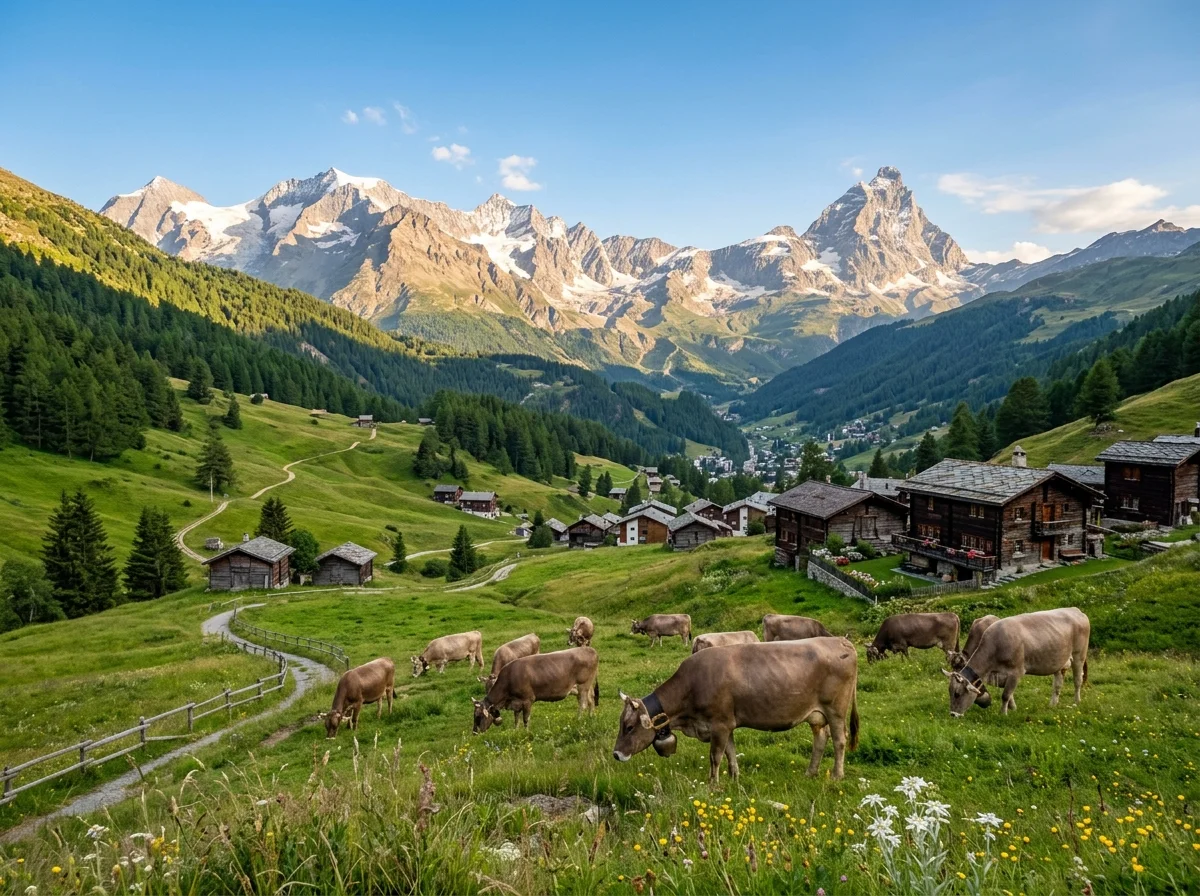
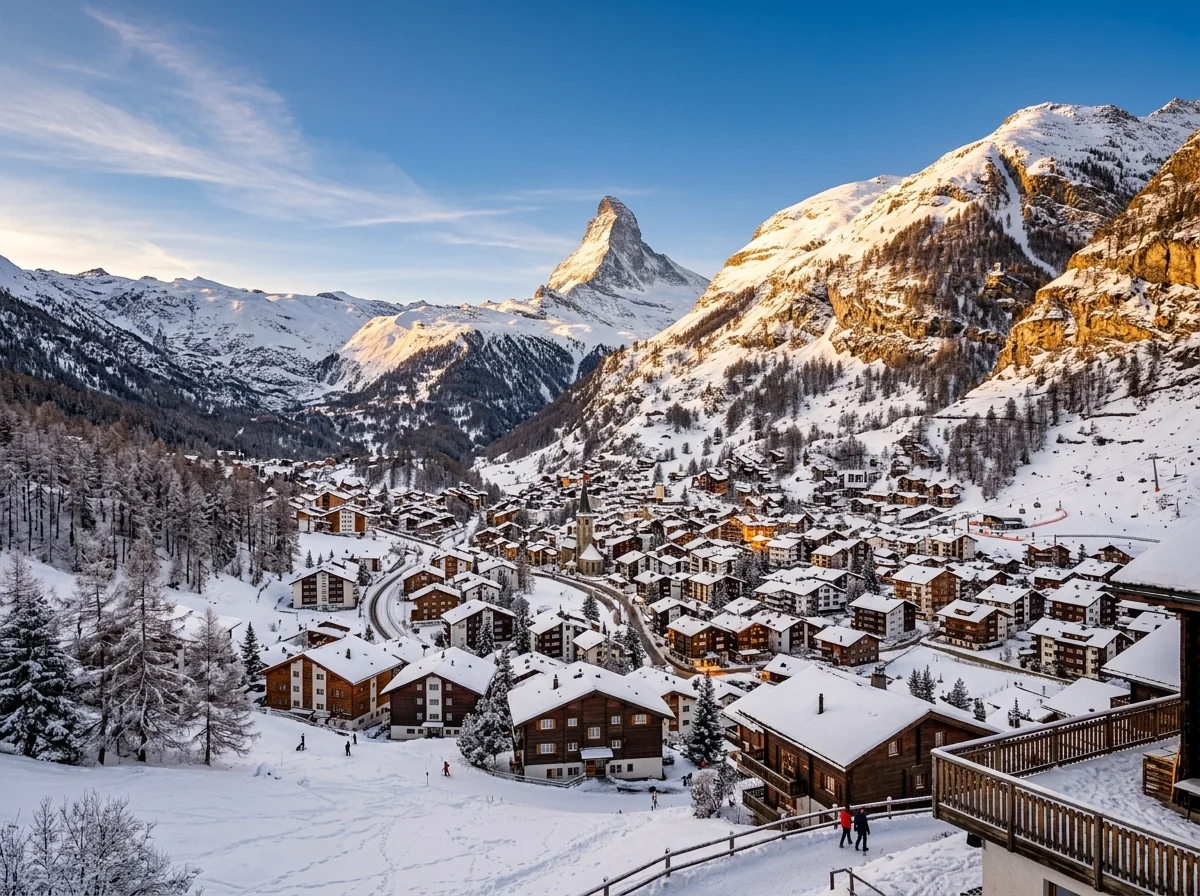
The canton of Valais in Switzerland. Pastures cling to the steep Alpine slopes, and the tradition of alpine grazing, taking cattle up the mountain only for the summer, is still alive. Raclette is a dish associated with the herders up there.
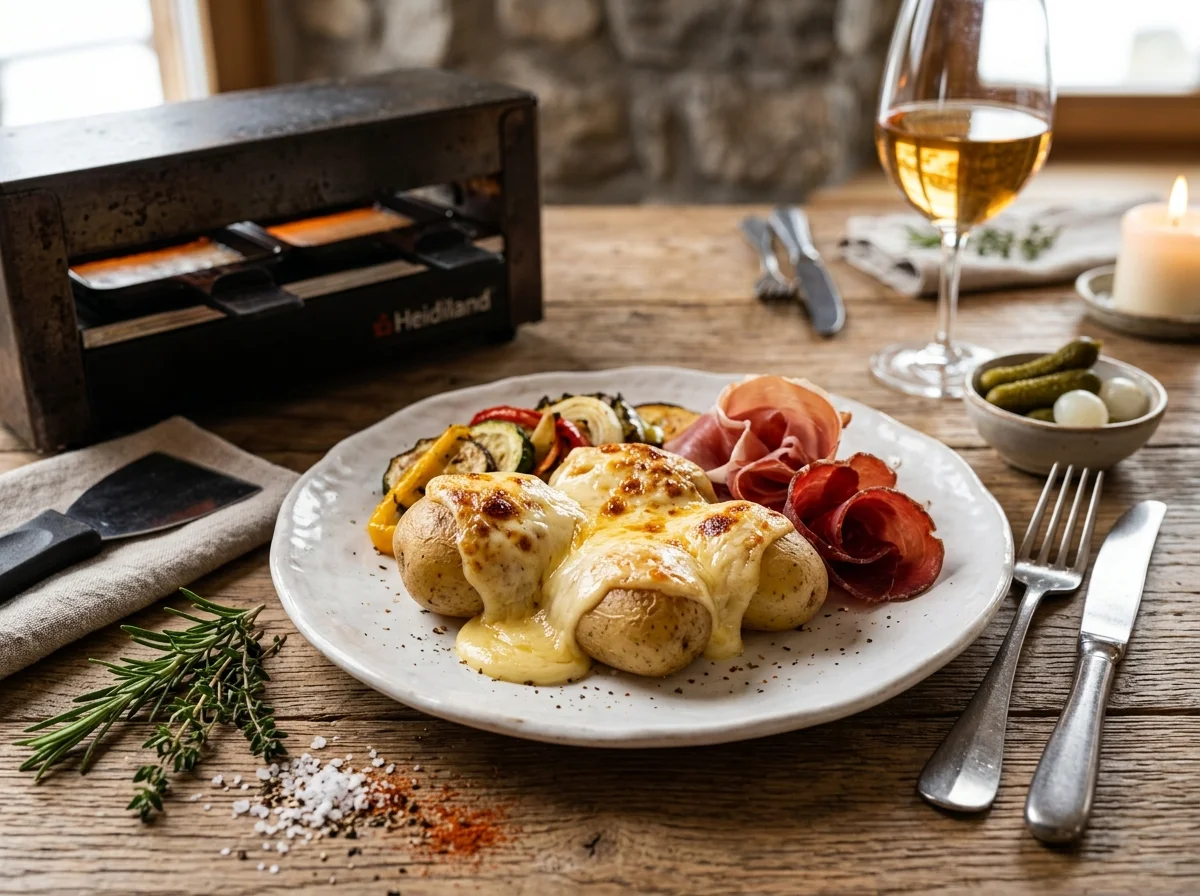
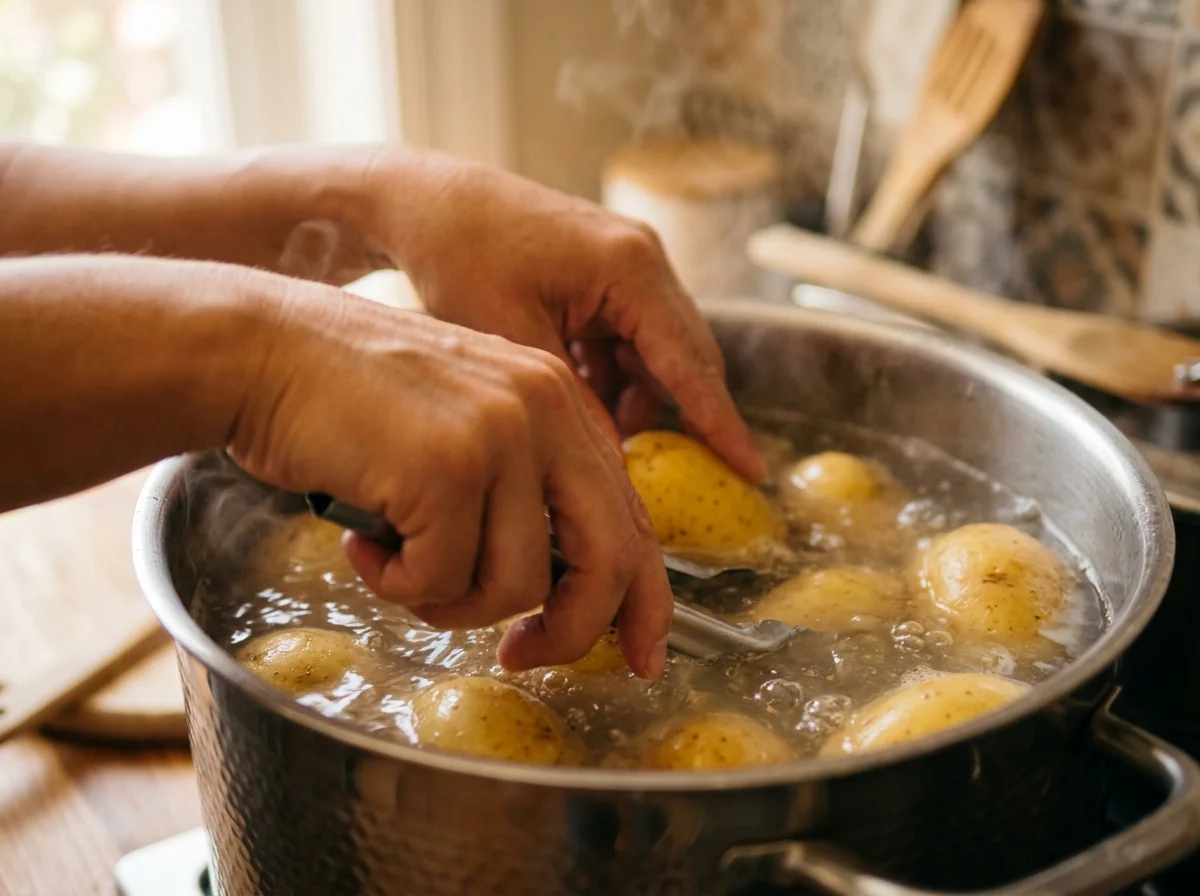
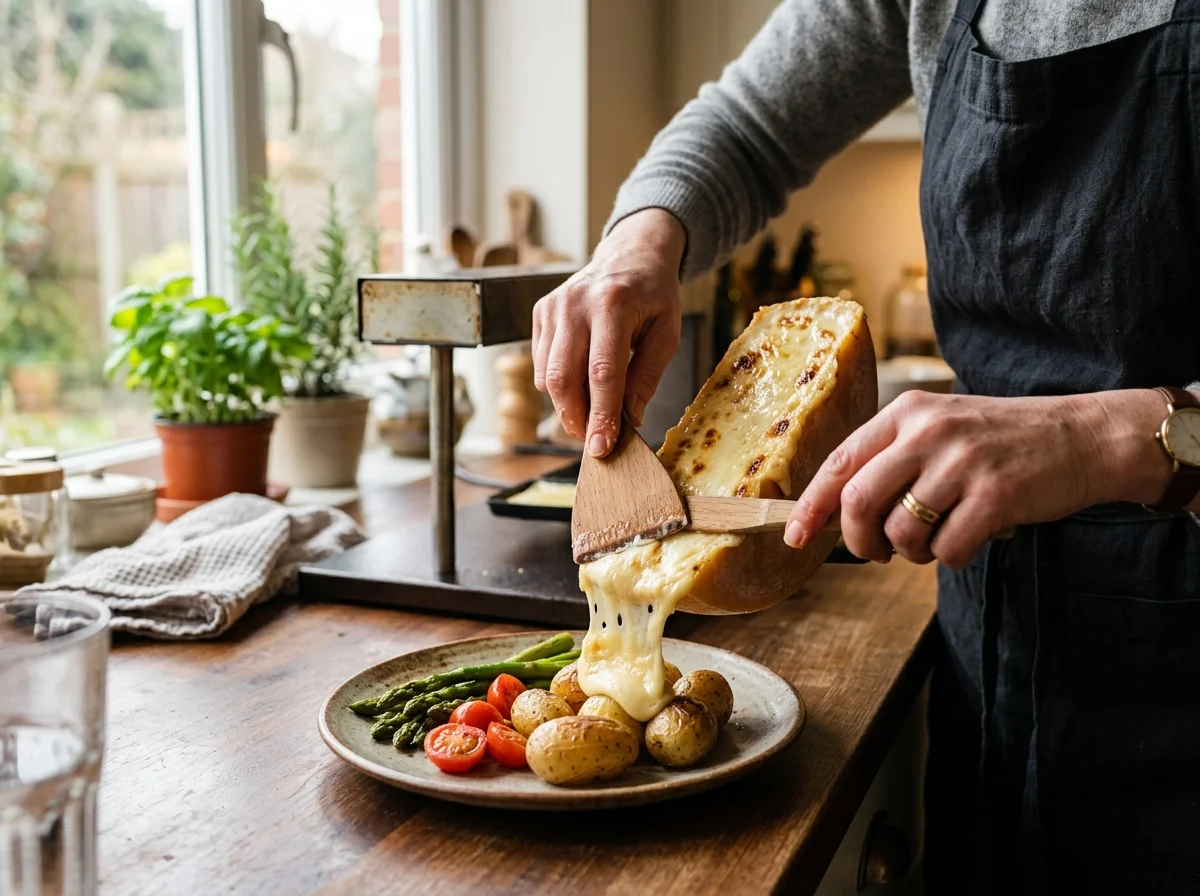
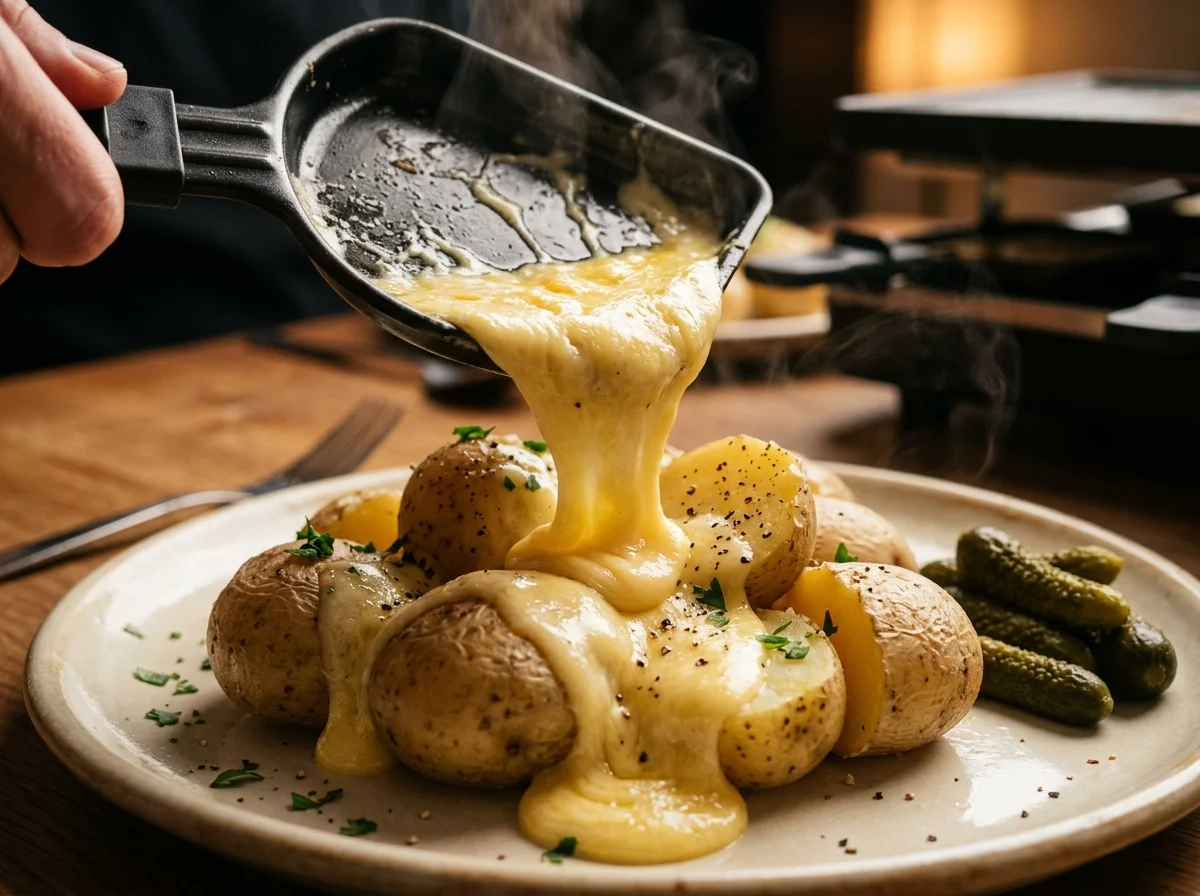
The name comes from the French "racler," to scrape. Melt the cut face of a cheese toward a fire, scrape it off with a knife and put it on boiled potatoes. That's all there is to it, but in that simplicity lies the depth of Swiss food culture. Melted raclette cheese has a toasty, nutty flavor and a rich, creamy depth, and when it melts together with the fluffiness of a skin-on potato it becomes a blissful bite to warm an Alpine winter night.
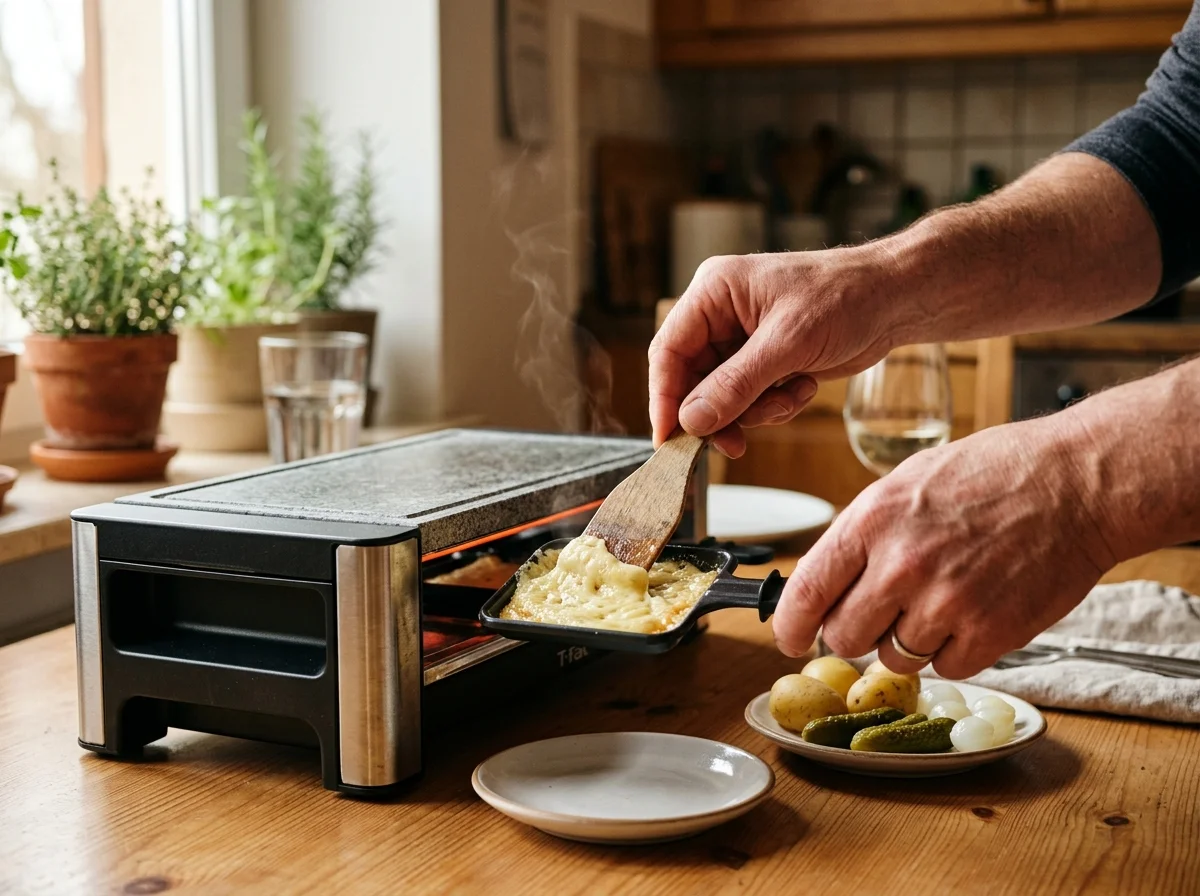
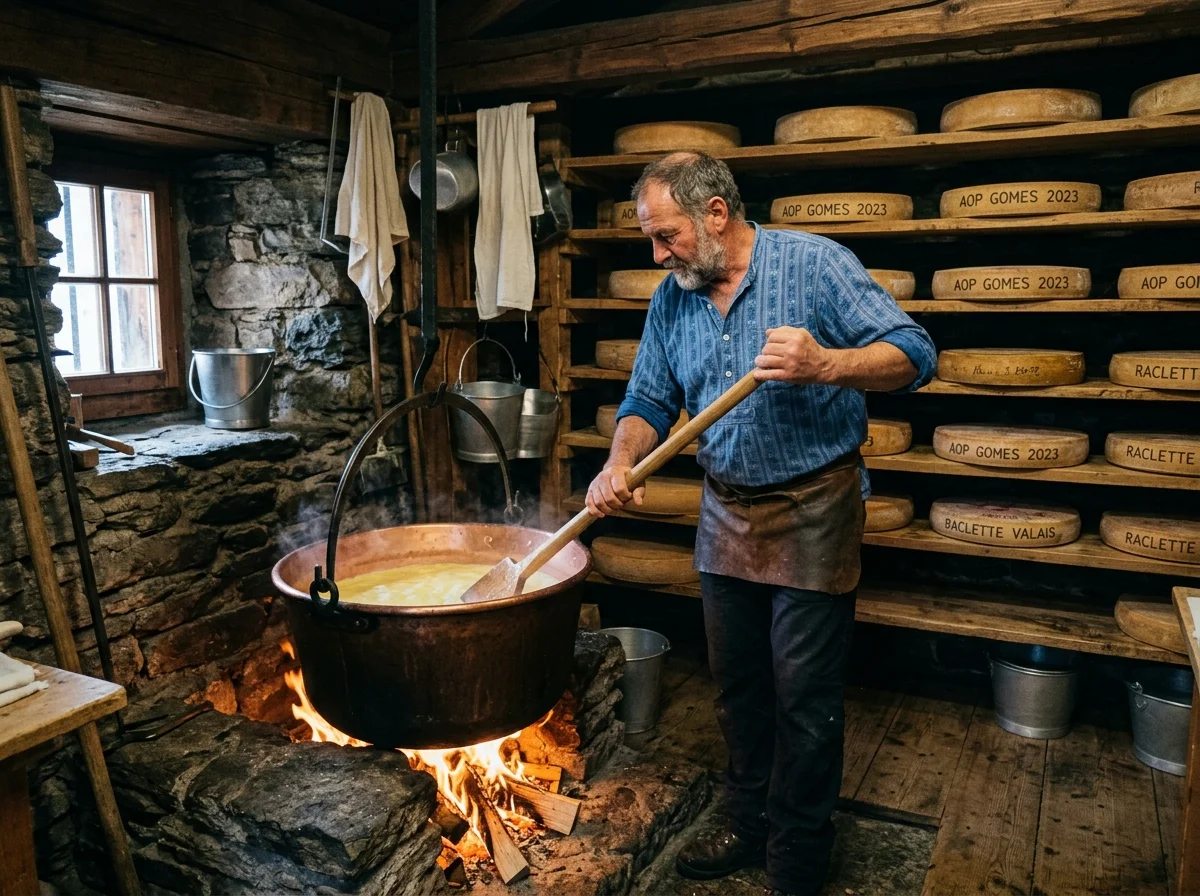
"Raclette" is the name of both a cheese and a dish. A traditional cow's-milk cheese of Valais (a wheel about 30 cm across and weighing 5–6 kg) is cut in half, the cut face is held to a heat source to melt, and the cheese is scraped off with a knife and eaten. Today tabletop raclette grills are common, and it has become established as a home party dish. Raclette du Valais has AOP (protected designation of origin) status.
There are plenty of English- and French-language recipes and cultural background for "Swiss raclette," but practical tips for enjoying it at home, such as how to choose the cheese, temperature control, the meaning of the traditional accompaniments and how far to brown it, are still not widely explained in other languages. Though it is a famous European dish in the company of Belgium's carbonnade, its home preparation remains little known. This is a complete guide based on primary information.
Ingredients (serves 4)
Tips
The thin crust that forms on the surface of raclette cheese is not a failure; it is the most delicious part. The Maillard reaction brings a nutty toastiness and caramel sweetness. The ideal is to wait another 30 seconds to 1 minute after the cheese starts to bubble, until the surface is golden brown. But if it turns black it gets bitter, so judging it right at the edge is where skill shows.
Swiss tradition in drinks is distinctive. With the meal, drink a dry white wine (ideally a Valais Fendant; if you can't get one, a Sauvignon Blanc or Chablis), and finish after the meal with a hot herbal tea.
Variations
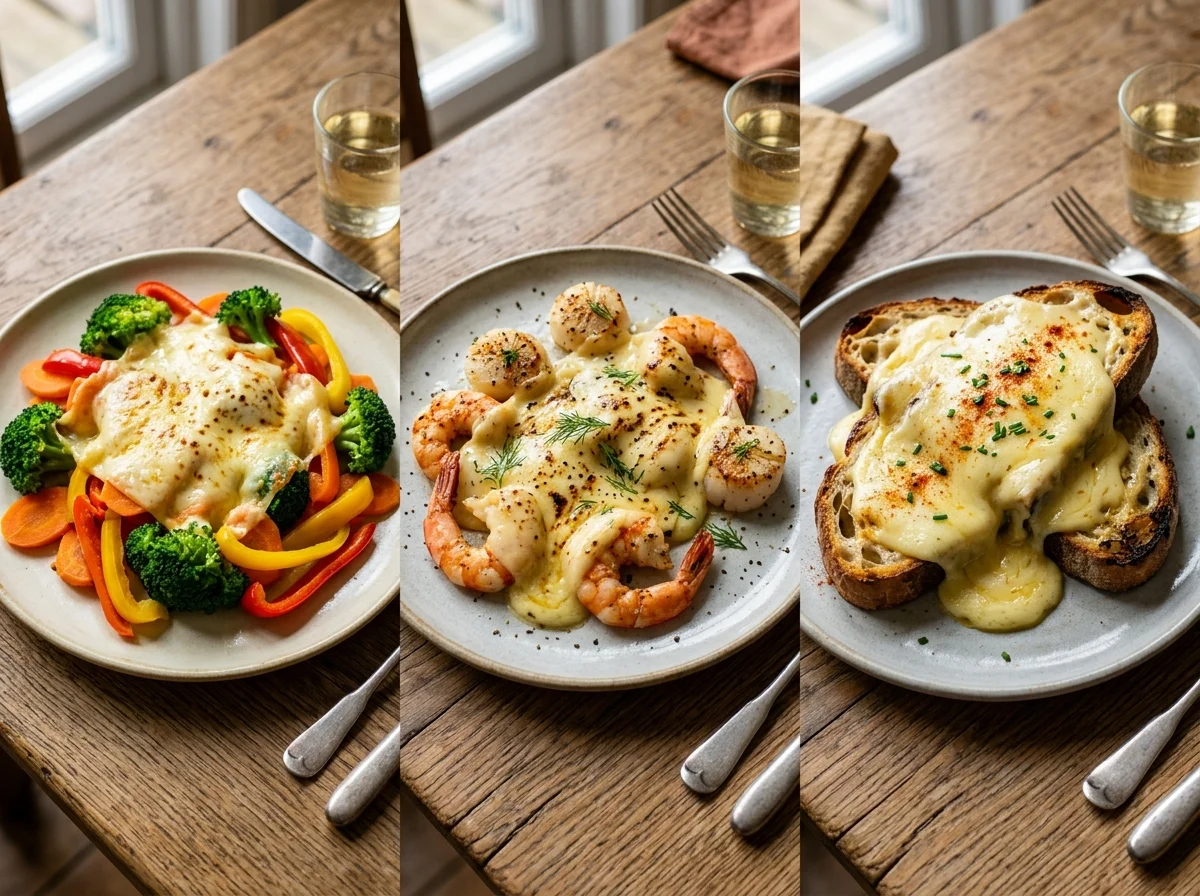
Vegetable-rich raclette
Besides potatoes, steam broccoli, cauliflower, carrots and bell peppers and use them as raclette fillings. You put the steamed vegetables in the mini pan with the melted cheese before bringing it to the table.
Seafood raclette
Grill shrimp, scallops and baby corn on the upper plate of the raclette grill and combine them with the melted cheese in the mini pan. The plump shrimp and the richness of the raclette cheese pair surprisingly well. It goes outstandingly with white wine too.
Raclette on bread
Instead of potatoes, pour the cheese over thick slices of country bread or baguette. The toastiness of the bread and the melting texture of the cheese match. Thick-cut toast also works.
Raclette burger
A luxurious version in which melted raclette cheese is poured over a burger patty. The cheese flavor is far stronger, and it's said that once you've had it you can't go back to an ordinary cheeseburger.
Background of the dish
A mountain meal of the Alps
In the Alpine region centered on Valais, Switzerland, "Alpaufzug" has been practiced for centuries: taking cattle in the summer up to high pastures (alps).
Herders spending months up the mountain carried foods that keep. Cheese, potatoes, dried meat: these are all the ingredients of raclette. Facing the cut face of the cheese to the fire and scraping the melted part onto potatoes with a knife was a rational and delicious way of eating that became established as "raclette."
"Raclette du Valais" holds Swiss AOP (protected designation of origin) status. AOP raclette cheese is made only from the raw milk of designated farms within Valais, using traditional methods, and must be aged at least 3 months.
The "raclette evening": a Swiss winter social event
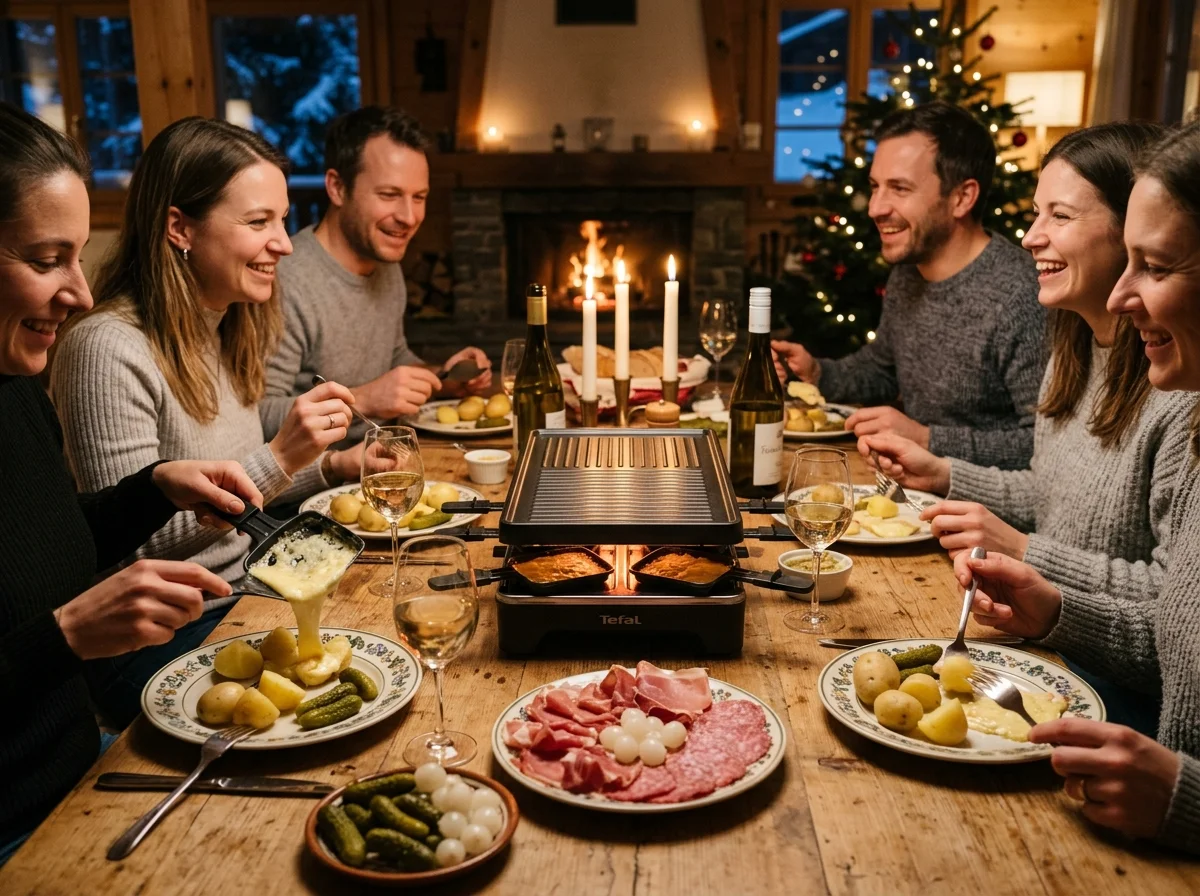
In Swiss winters (November to March), home parties called "Raclette-Abend" (raclette evenings) are held often. Friends and family gather, put a raclette grill in the middle of the table, and talk as each melts cheese at their own pace.
For the Swiss, this is less a "meal" than a "social event": the time spent melting cheese naturally makes pauses in conversation, and everyone can mingle in a relaxed atmosphere. Like Denmark's smørrebrød, a party dish enjoyed while making open-faced sandwiches of many kinds, the process itself is part of the pleasure of raclette.
Why does raclette cheese melt so well?
Not every cheese melts nicely. What sets raclette cheese apart is that its melted viscosity and flavor are in a fine balance. Harold McGee's On Food and Cooking is a good general reference on how cheese melts. A hard cheese like Parmesan is too firm to melt easily, whereas raclette sits at a good midpoint, flowing smoothly when melted while keeping its flavor.
Nutrition (per serving, of four servings)
Raclette is high in calories but rich in calcium and protein. Its history as "mountain nourishment" for enduring the Swiss winter cold makes sense.
| Nutrient | Amount |
|---|---|
| Calories | 580 kcal |
| Protein | 24 g |
| Fat | 34 g |
| Carbohydrates | 42 g |
| Fiber | 4 g |
| Sodium | 820 mg |
Dishes to make alongside
- How to make carbonnade: uses ingredients and aromas of the same region.
- Waterzooi (in Japanese): uses ingredients and aromas of the same region.
- Risotto alla ticinese: as a rice dish of southern Switzerland, it lets you compare the Italian-speaking table with this mountain cheese dish.
- Pasticada (in Japanese): uses ingredients and aromas of the same region.
FAQ
These are the questions we hear most often from people making raclette for the first time.
Q1. Is there a substitute if I can't get raclette cheese?
Gruyère is the closest substitute. It is also a Swiss cheese and melts in a similar way. French Reblochon or Comté also work. The most convenient is Gouda (aged 3 months or more), whose melted viscosity is close to raclette. Processed cheese melts quite differently and is not suitable.
Q2. What if I don't have a raclette grill?
You can substitute a broiler or a toaster oven. Arrange the potatoes on a heatproof dish, lay cheese slices on top and bake 3 to 5 minutes until melted. Laying aluminum foil on a hot plate and putting the cheese on it also works. If you have a fire, you can melt a block of cheese toward it just as at the source.
Q3. What drinks go with raclette?
In Swiss tradition a dry white wine (Fendant, from the Chasselas grape) is the standard. Close ones that are easy to find are Chablis and Sauvignon Blanc. A dry sake also goes surprisingly well.
Q4. How many grams of cheese per person?
A common guide is 150–200 g per person. That may feel like a lot, but since raclette is eaten slowly in 3 to 5 rounds, it turns out to be just right. The first time, start at 150 g per person and add more if it isn't enough.
Q5. Can children eat it?
Of course. Raclette is just cheese and potatoes, so it is safe for children. There is no spicy ingredient. Melting their own cheese in a mini pan is fun too, and it works as a family event.
Related European cheese dishes and traditional dishes
If raclette has caught your interest, explore more of Europe's cheese culture and traditional dishes.
- Carbonnade flamande: Belgian beer stew. Europe's winter stew culture
- Moussaka (in Japanese): Greek gratin of eggplant and béchamel. Mediterranean cheese culture
- Khachapuri: Georgian cheese bread. Caucasus cheese culture
European cheese culture is deeply rooted in the climate and history of each country.
- Goulash: Hungarian stew-soup. Central European winter food culture
- Svíčková (in Japanese): Czech beef in cream sauce. A Central European traditional dish
Sources
- McGee, H. (2004). On Food and Cooking: The Science and Lore of the Kitchen. Scribner.