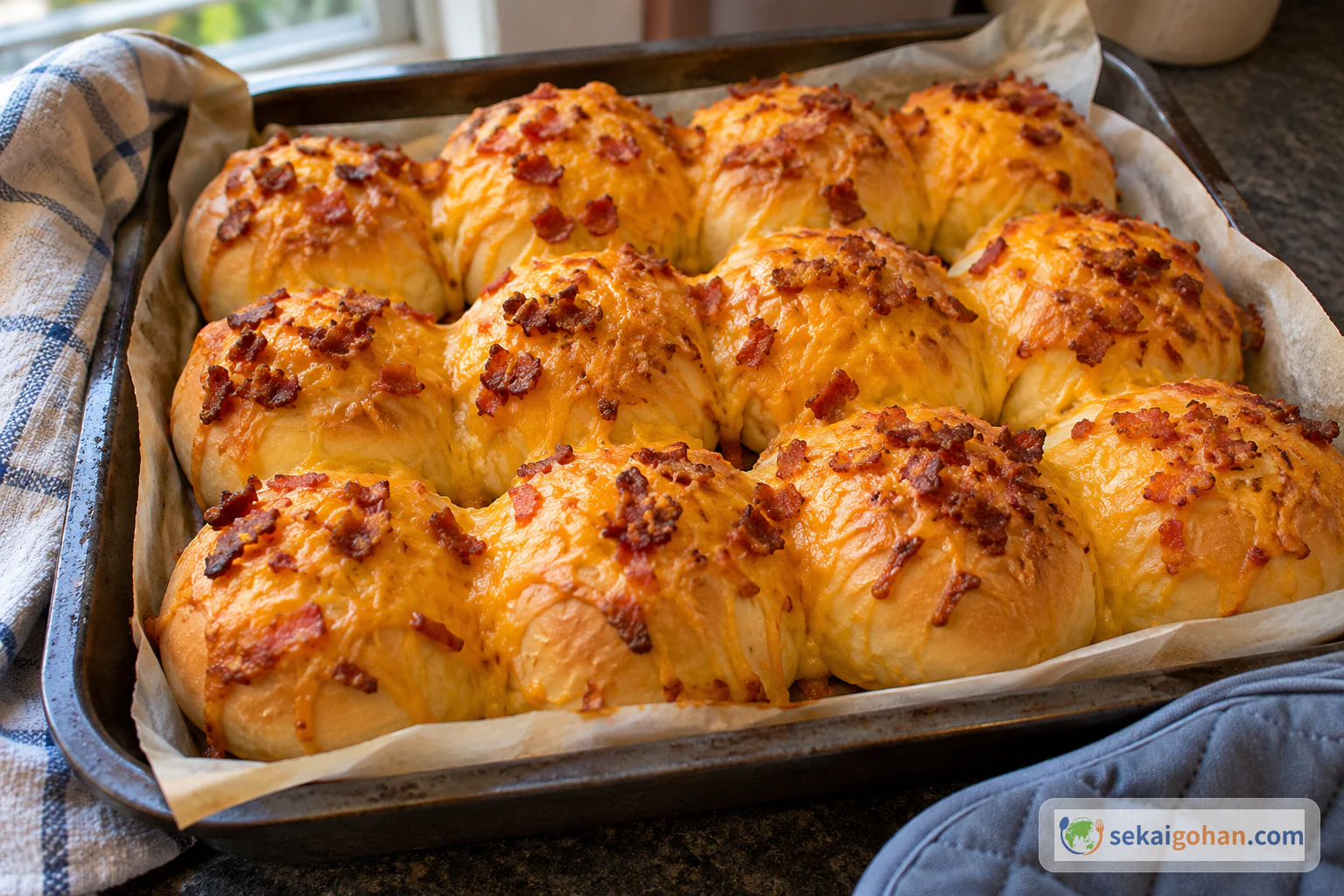
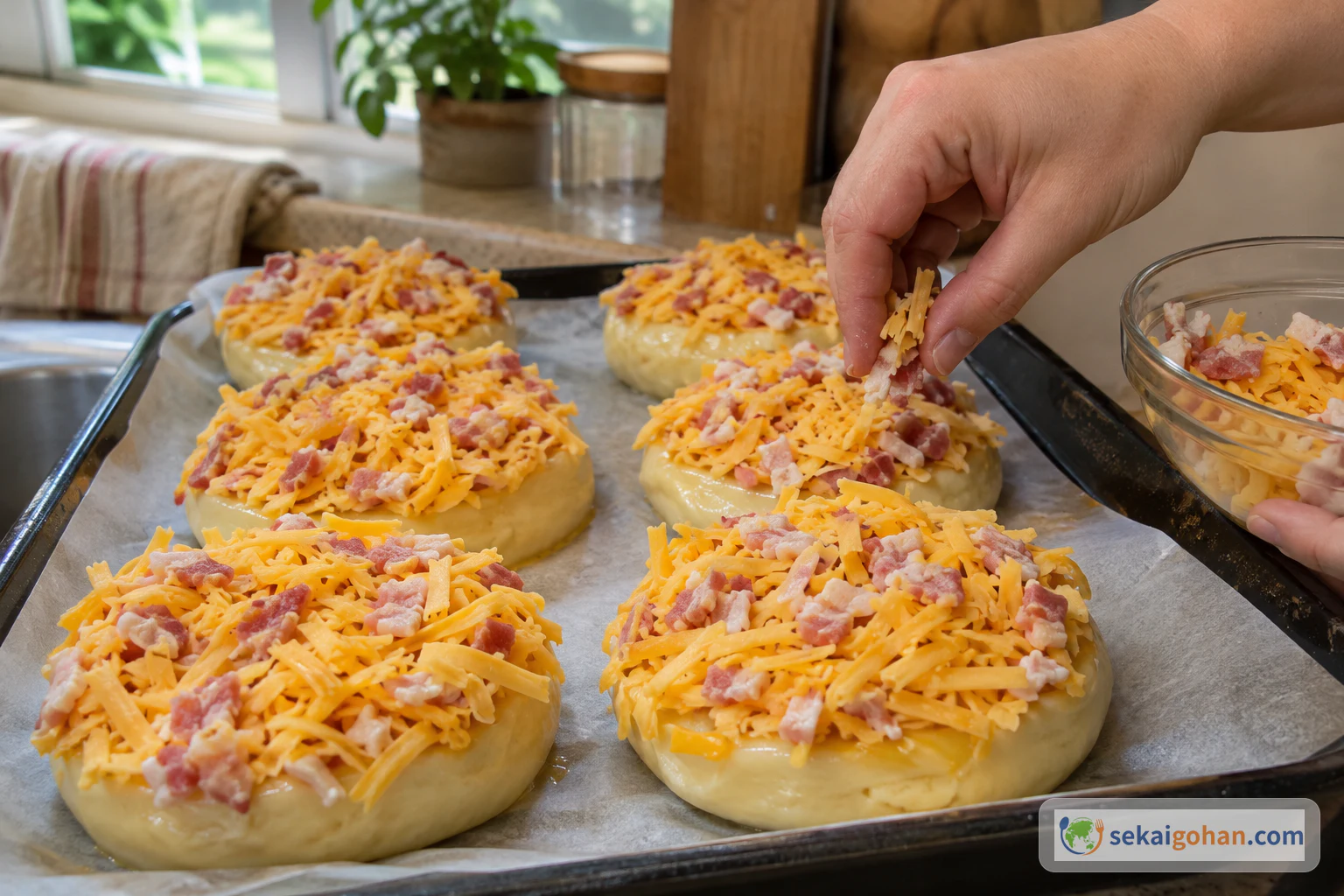
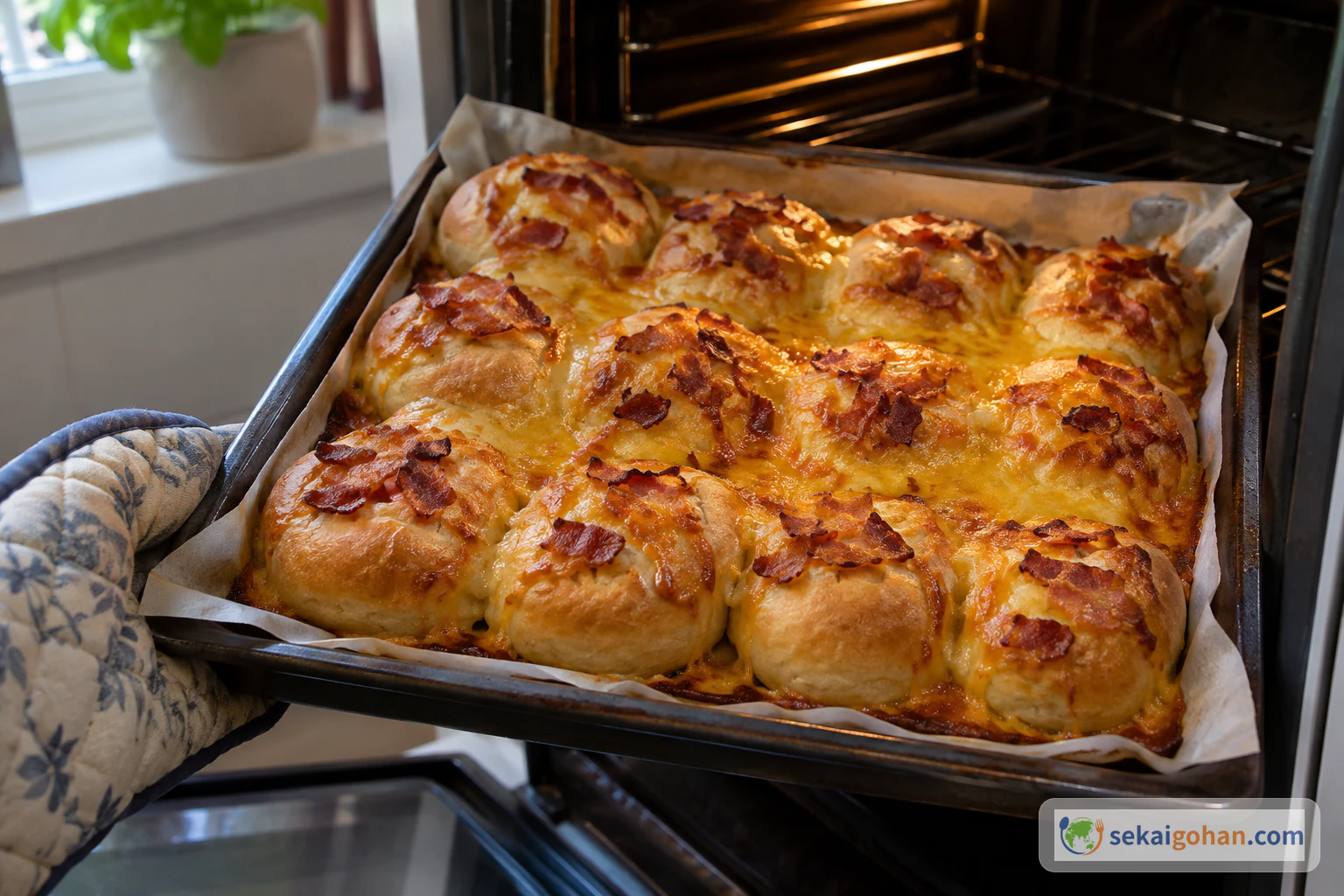
When the tray comes out of the oven, the cheese has run into a golden sheet with blistered brown edges, and the little pieces of bacon have curled and crisped in their own fat. Underneath sits a plain white roll, soft and lightly chewy, made from nothing more than flour, water, yeast and salt. In Australia this roll sits on bakery shelves and on school canteen menus, and it is at its best eaten warm. The taste is simple: salty bacon, sharp aged cheese and a mild bread that carries both. What makes it good at home is the dough's rise and the drop in oven heat at the end, more than anything you put on top.
A Roll from the Bakery Shelf and the Canteen Window
In a national bakery chain the cheese and bacon roll is a fixture, sold every day at 85 g a roll for A$3.90, with bacon and cheese each making up 22 percent of the ingredients. The shop describes real bacon pieces sourced in Australia and aged tasty cheese, and it tells customers to eat the roll the day they buy it. That last point says a lot about the food. This is a fresh bakery item, best on the day it is bought, warm enough that the cheese still stretches.
The same roll turns up at school. A public primary school in New South Wales lists "Cheese & Bacon Roll" at $3.00 on its 2026 canteen menu. That is one school's menu, with its own price, but the picture is familiar across Australia: a child at the canteen window with a few coins, ordering a roll.
For many adults the roll carries the memory of those canteen years. In 2026 a Sydney bakery group brought back a bacon and cheese roll out of nostalgia for 1990s and early-2000s canteen snacks, and its founder recalls that when the first shop opened in 2002, bacon and cheese rolls were all the rage. Their new version is built on Turkish bread dough with a tomato base, a sign that bakers still rework the idea.
Home bakers' recipes aim at the bakery version, with the same look and the same salty top. The classic roll is fairly flat and lean. Richer home versions made with milk and sugar rise taller and softer, and some cooks stuff cheese and bacon inside the dough as well as on top. Where the roll was first made, and by whom, is not settled.
Australians call the school food counter the canteen or, in some places, the tuckshop. The name "cheese roll" also belongs to other dishes, so the full name, cheese and bacon roll, is the one to look for.
Ingredients
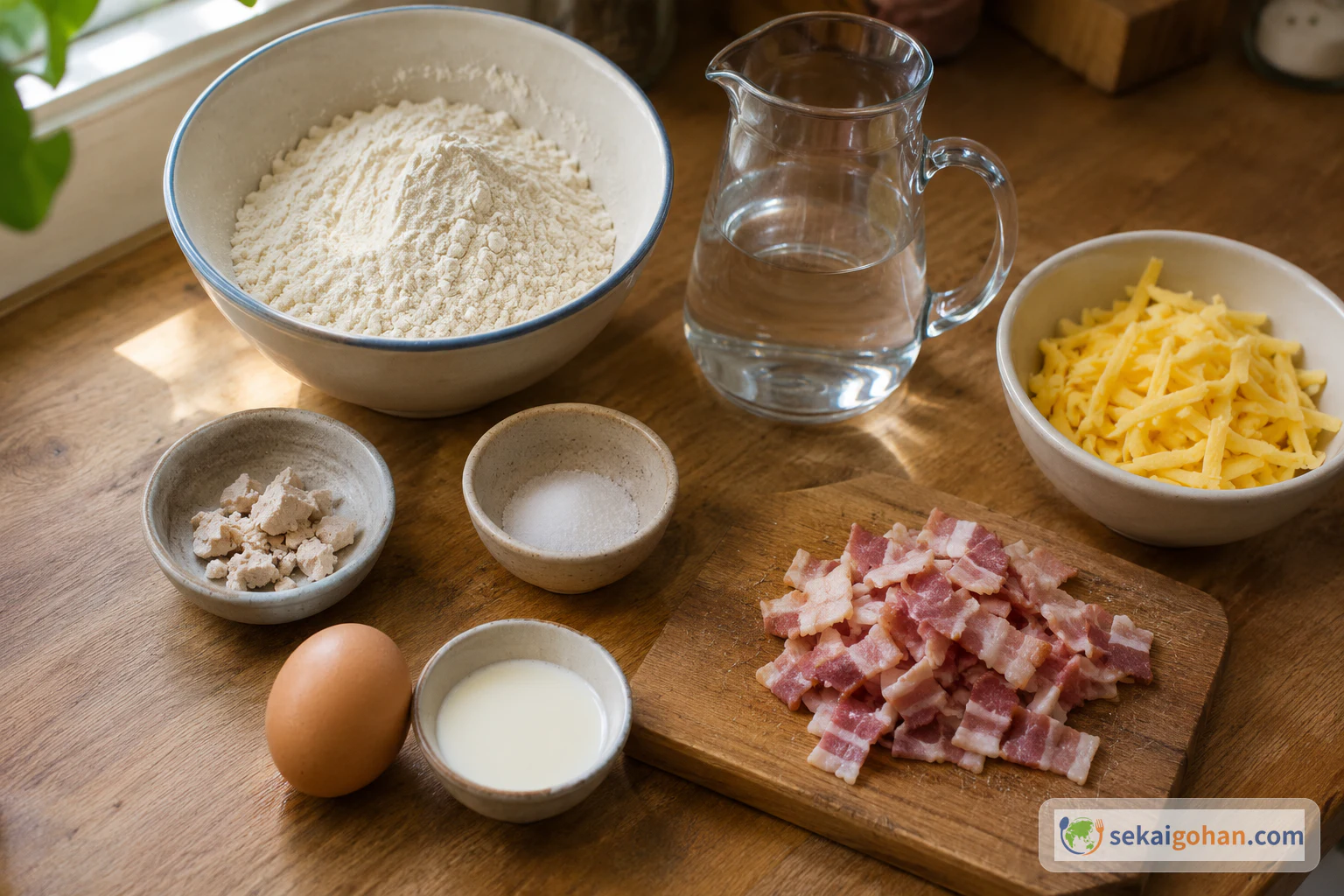
The dough is lean, with no butter, oil or sugar, so its flavour comes from a good rise and a hot oven. Everything rich lives on top.
These rolls contain wheat (gluten), milk (cheese and milk in the glaze), egg (glaze) and pork (bacon). Check the labels on your bacon and cheese for anything else they may carry.
Equipment
- Kitchen scale
- Measuring cup and tablespoon
- Large mixing bowl, plus a second larger bowl for rising in cold weather
- Spoon or wooden spoon for mixing
- Clean tea towel, dampened
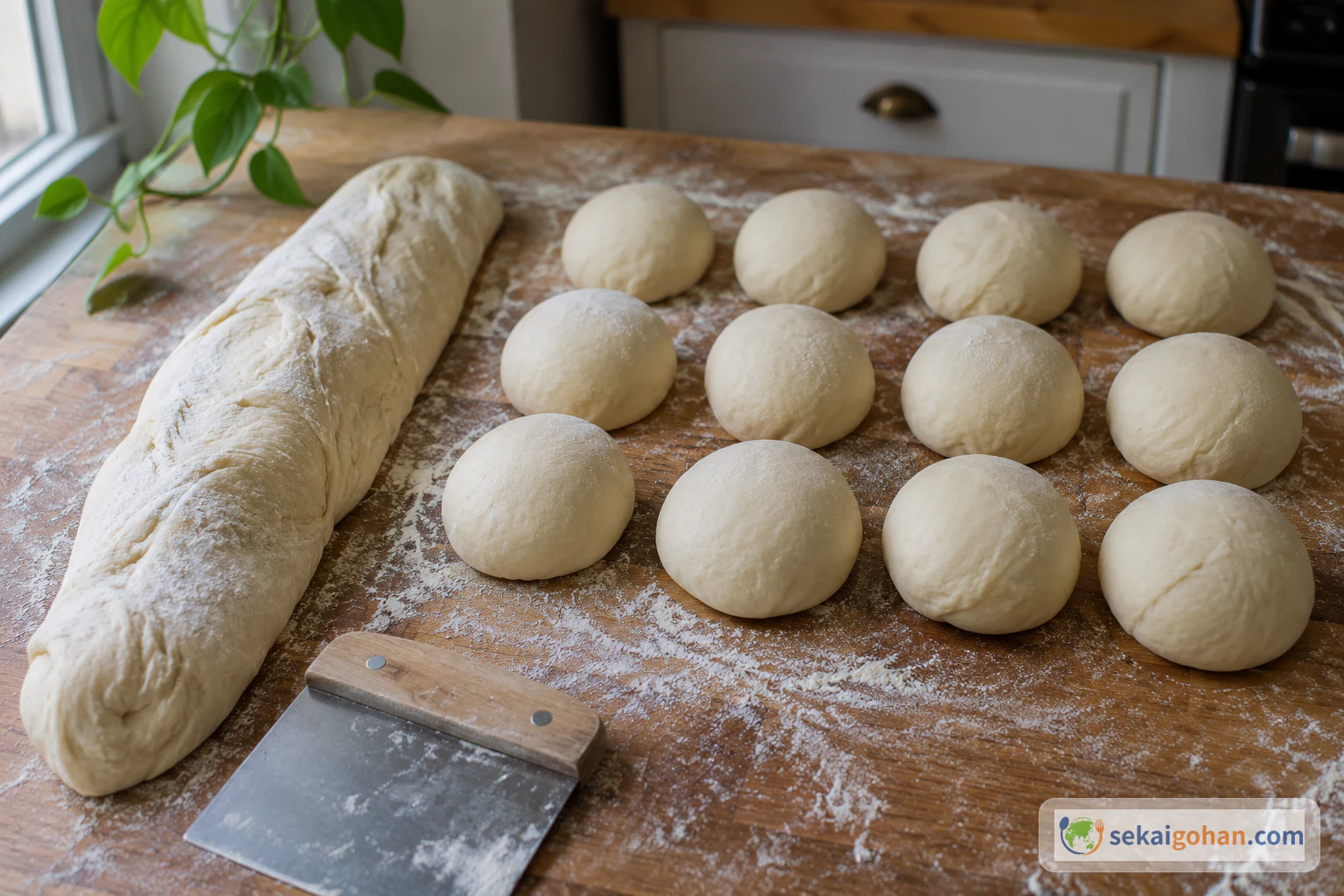
- Dough scraper or knife
- Baking tray lined with baking paper
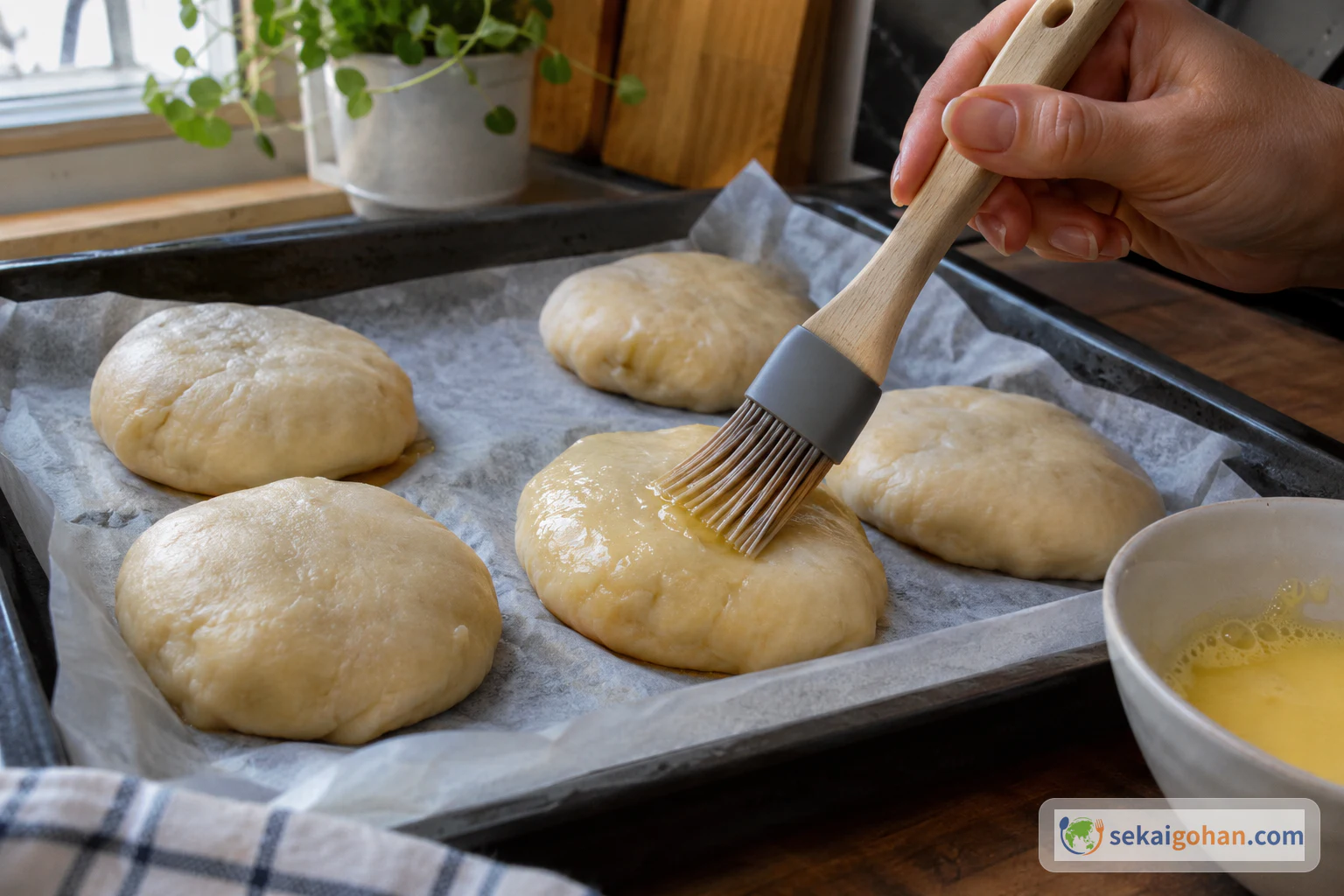
- Pastry brush
- Small bowl for the topping
- Oven mitts
- Wire cooling rack
Choosing and Substituting
Fresh yeast is the yeast this dough is built on. With dry yeast, use about 1.7 g (0.06 oz) instant yeast or 2 g (0.07 oz) active dry yeast in place of the fresh. Dry yeast moves at its own pace, so judge both rises by the dough rather than the clock: the first rise is done when the dough has doubled.
Tasty cheese is the standard Australian bakery cheese, a firm, sharp aged cheese. An aged block cheddar, grated at home, is the closest match abroad. Grating your own also keeps the strands loose, so they spread and blister well. Note the cup size: an Australian cup holds 250 ml, a little more than a US cup, so a generously filled US cup gets you there. Use the flour you buy as bread flour or strong flour. Its higher protein is what makes the roll soft and fluffy.
For bacon, use ordinary sliced bacon. What matters is that every piece is small, because the bacon cooks on the roll in the oven.
The bacon goes onto the rolls raw and cooks only in the oven. Chop the three rashers into small, even bits so they crisp and cook through in the bake, and so they mix evenly through the cheese.
Method
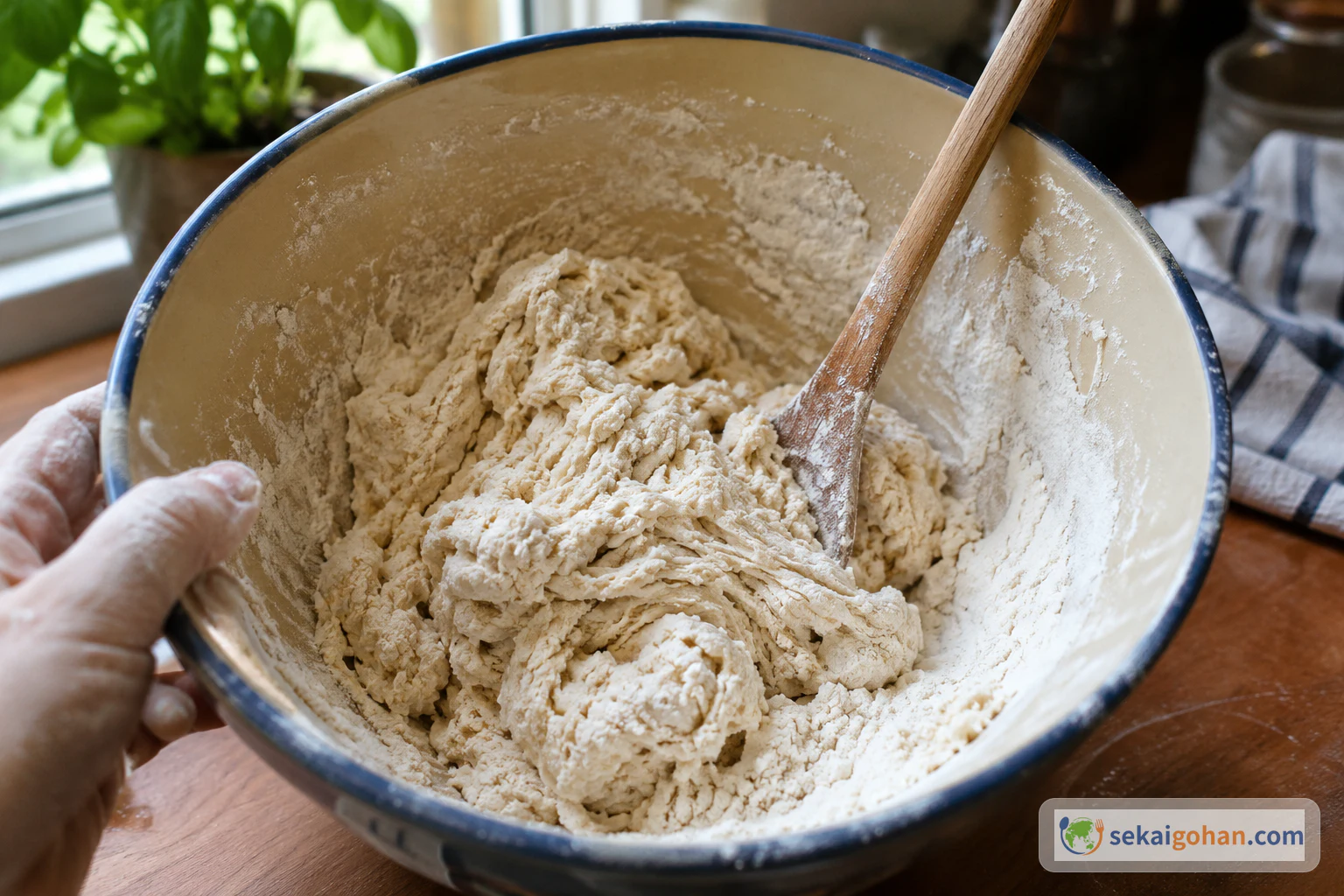
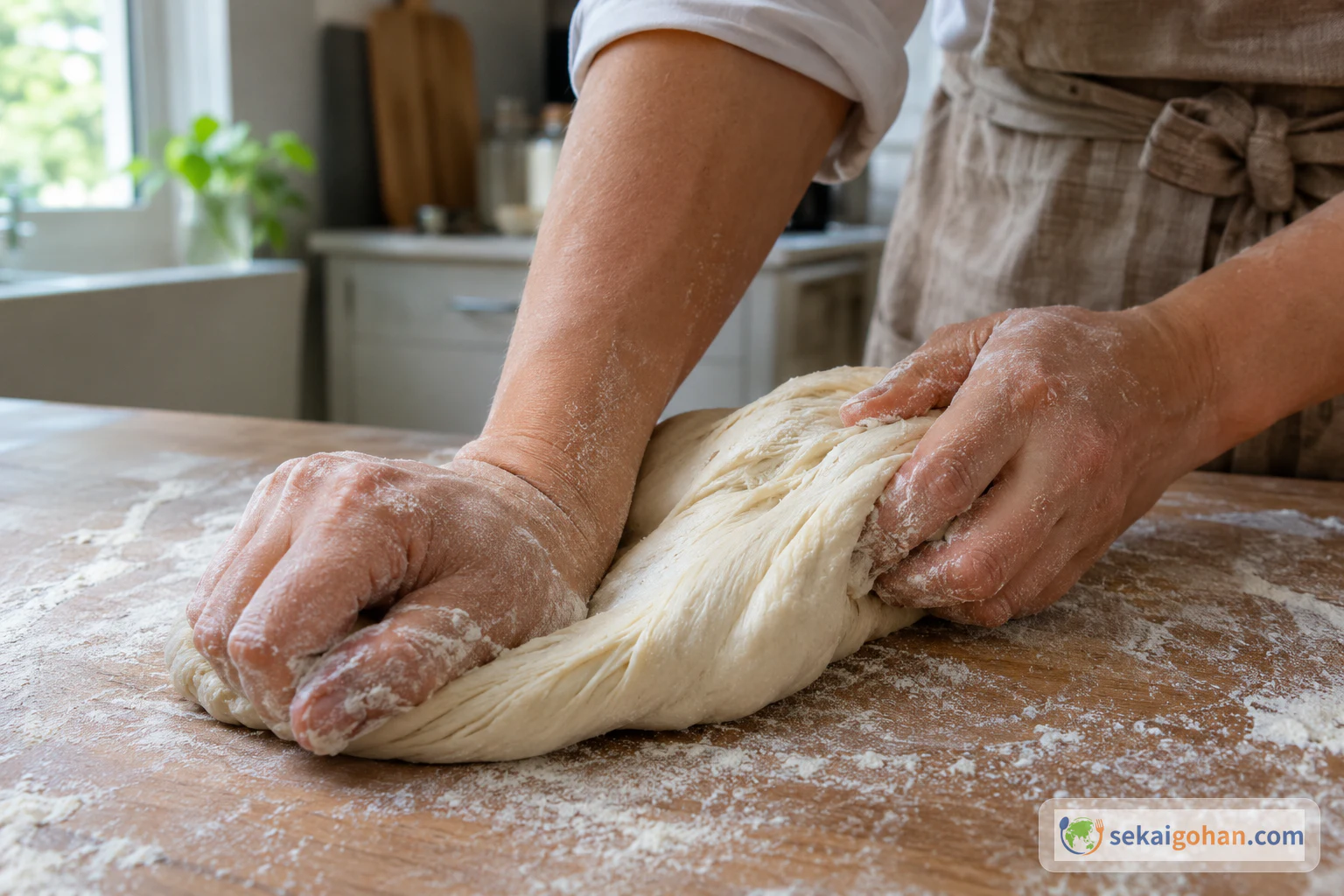
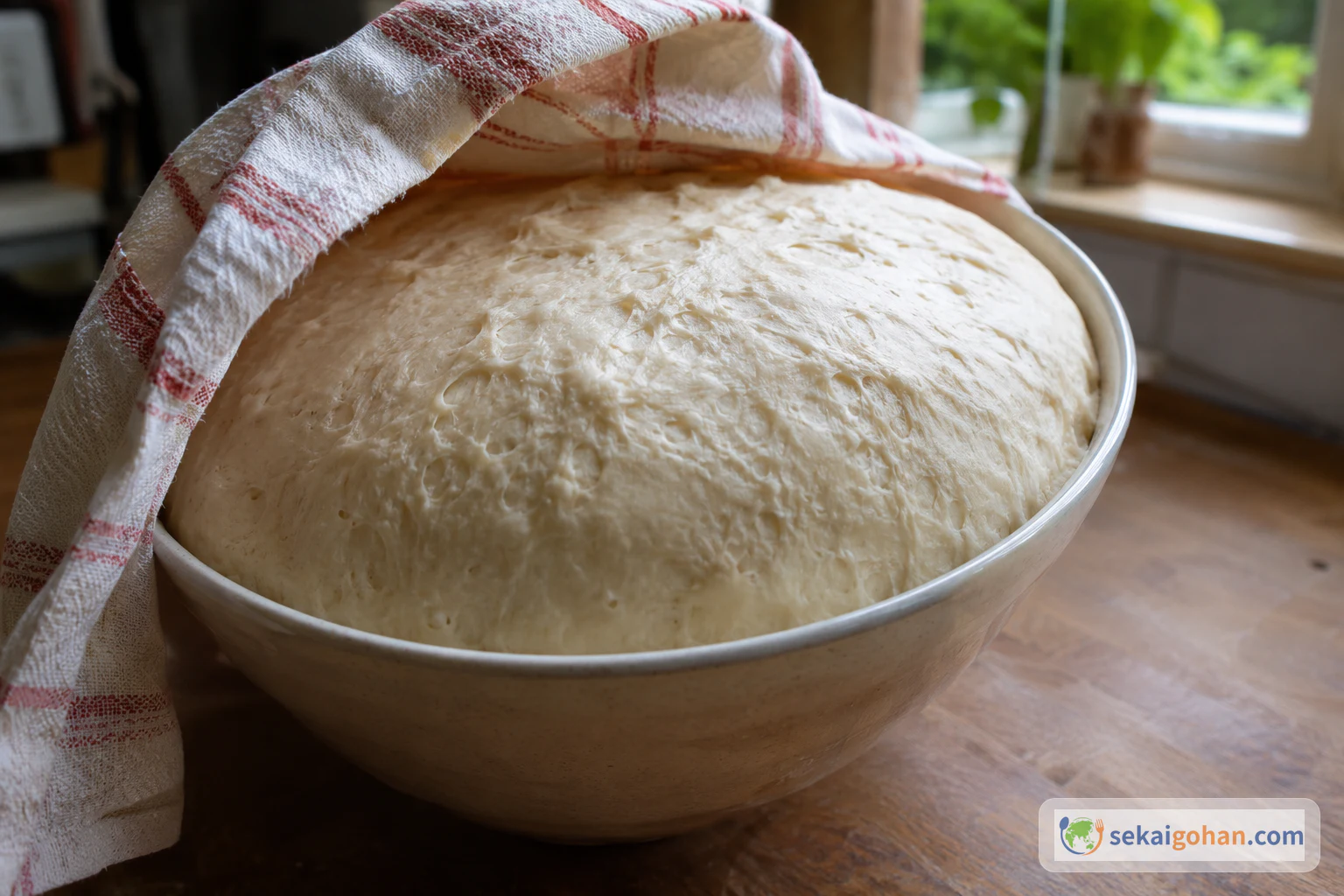
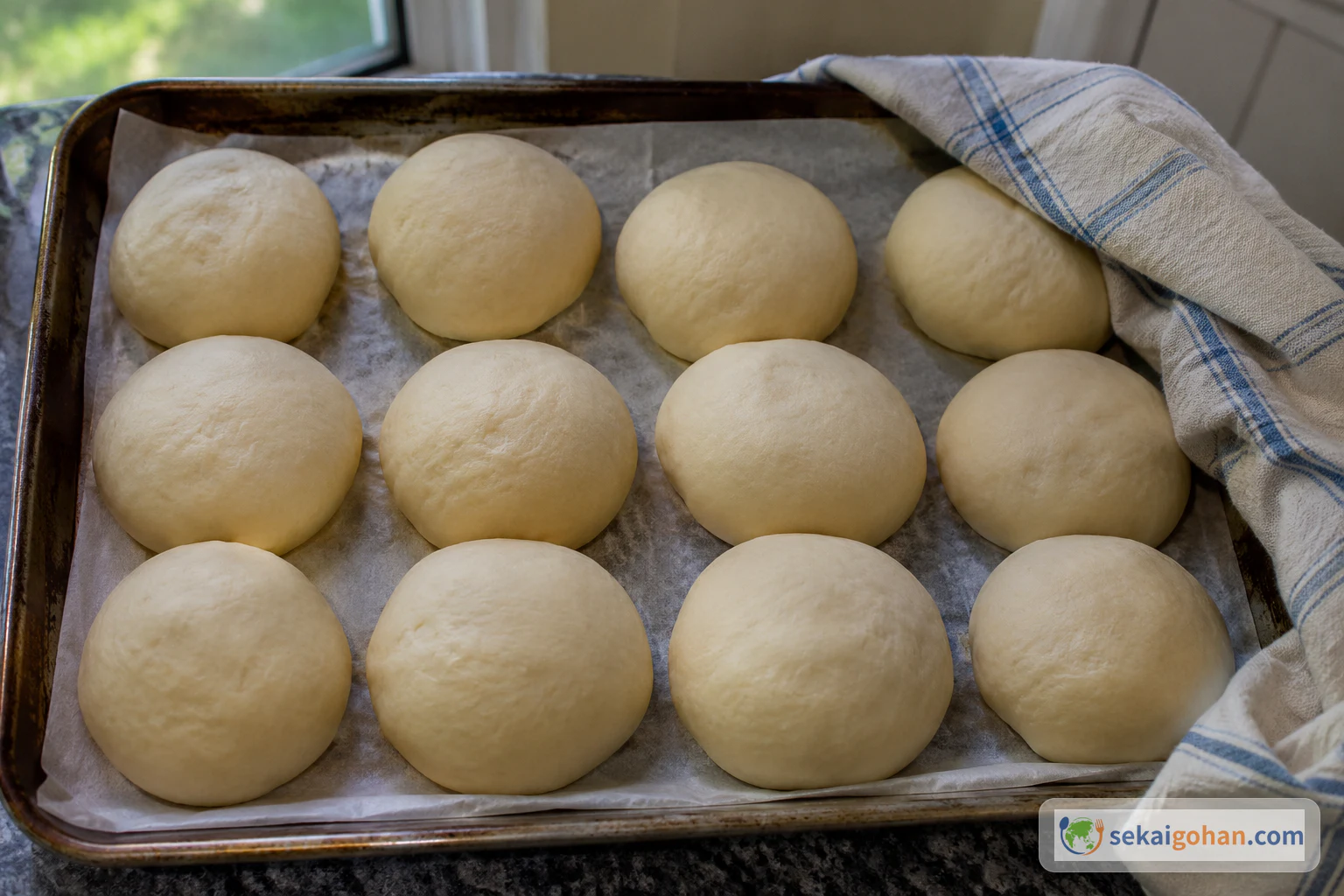
The work comes in short bursts with long rests between them. Mixing and kneading take minutes, then the dough rises in its bowl for an hour, and the shaped rolls rest for another half hour while the oven heats. Weigh everything before you start, and have the cheese grated and the bacon chopped before the second rise ends, so the rolls go into the oven the moment they are topped.
When It Goes Wrong
| What you see | Why | What to do |
|---|---|---|
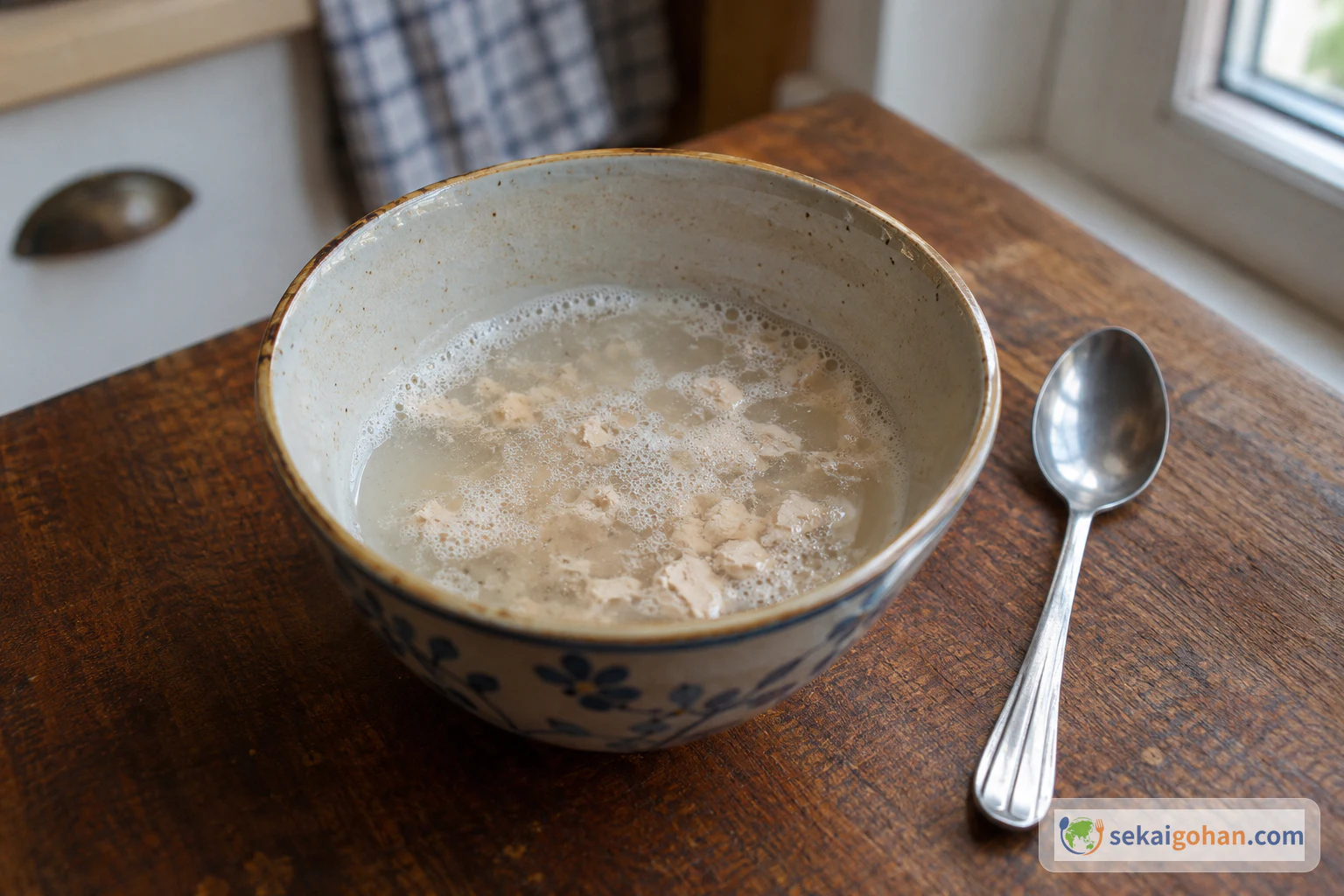
| The dough barely rises | The yeast is dead, the water was too cold or too hot, or the room is cold | Check for froth in step 1 before adding flour. On cold days, use the 85°F (30°C) water bath around the bowl |
| The rolls are heavy and tight | The dough was divided before it had doubled | Let the first rise run until the dough has doubled, however long it takes |
| Cheese and bacon are dark before the bread is done | The oven was not turned down | Lower the oven to 390°F (200°C) before the tray goes in, and watch the colour toward the end |
| The bottoms are soggy | The rolls cooled on the baking tray | Move them to a wire rack as soon as they come out |
| Some bacon still looks raw | Pieces were cut too large, or the bake was short | Chop the bacon smaller next time. Now, return the tray to the oven until no raw sheen remains |
Serving, Variations and Storage
Serving
Eat these warm, on the day they are baked, the way a bakery sells them. They go into a lunchbox, out to morning tea or onto a plate beside whatever else is on the table. A cooled roll also splits into a sandwich: cut it in half and fill it with ham, egg or salad.
Variations
- Double cheese and bacon. Wrap cheese and bacon into the centre of each ball as well as on top. A topping-only roll goes firm and plain once the cheese cools; a filled one stays rich all through, even cold.
- Tomato base. After glazing in step 7, brush a thin layer of tomato sauce over each roll before the cheese and bacon go on. It adds a sweet-sharp layer, like one Sydney bakery group's version built on a tomato base.
- Overnight first rise. Put the kneaded dough in the fridge overnight instead of rising it for an hour, then divide and shape the next day. Most of the work moves to the evening before.
- Milk bread version. Make the dough with milk and sugar for a taller, softer, sweeter roll. The classic lean roll is flatter and chewier.
Storage
Cool the rolls completely. Keep leftovers in a clean, covered container in the fridge, put them away promptly instead of leaving them out on the bench, and eat them soon; throw out any that have sat for a long time. For longer keeping, pack the cooled rolls into a container and freeze them. Reheat for a few minutes in a low oven, or briefly in the microwave with the roll covered, until it is hot all the way through.
Frequently asked questions
My oven does not reach 465°F. Can I still make these?
Preheat as high as your oven goes, then lower it to 390°F (200°C) when the rolls go in. A lower preheat changes the bake, so judge by the rolls rather than the clock: bake until the cheese is golden and blistered and every piece of bacon is crisp with no raw sheen.
Why bread flour?
Its higher protein builds the gluten that gives this lean dough a soft, fluffy crumb. With no butter or sugar in the dough, the flour does all the work, so use flour sold as bread flour or strong flour.
Why do my rolls taste dull once they cool?
The cheese firms as it cools, and the top loses its stretch and aroma. Eat the rolls warm, reheat them until hot through, or make the double version with cheese and bacon inside, which keeps more flavour at room temperature.