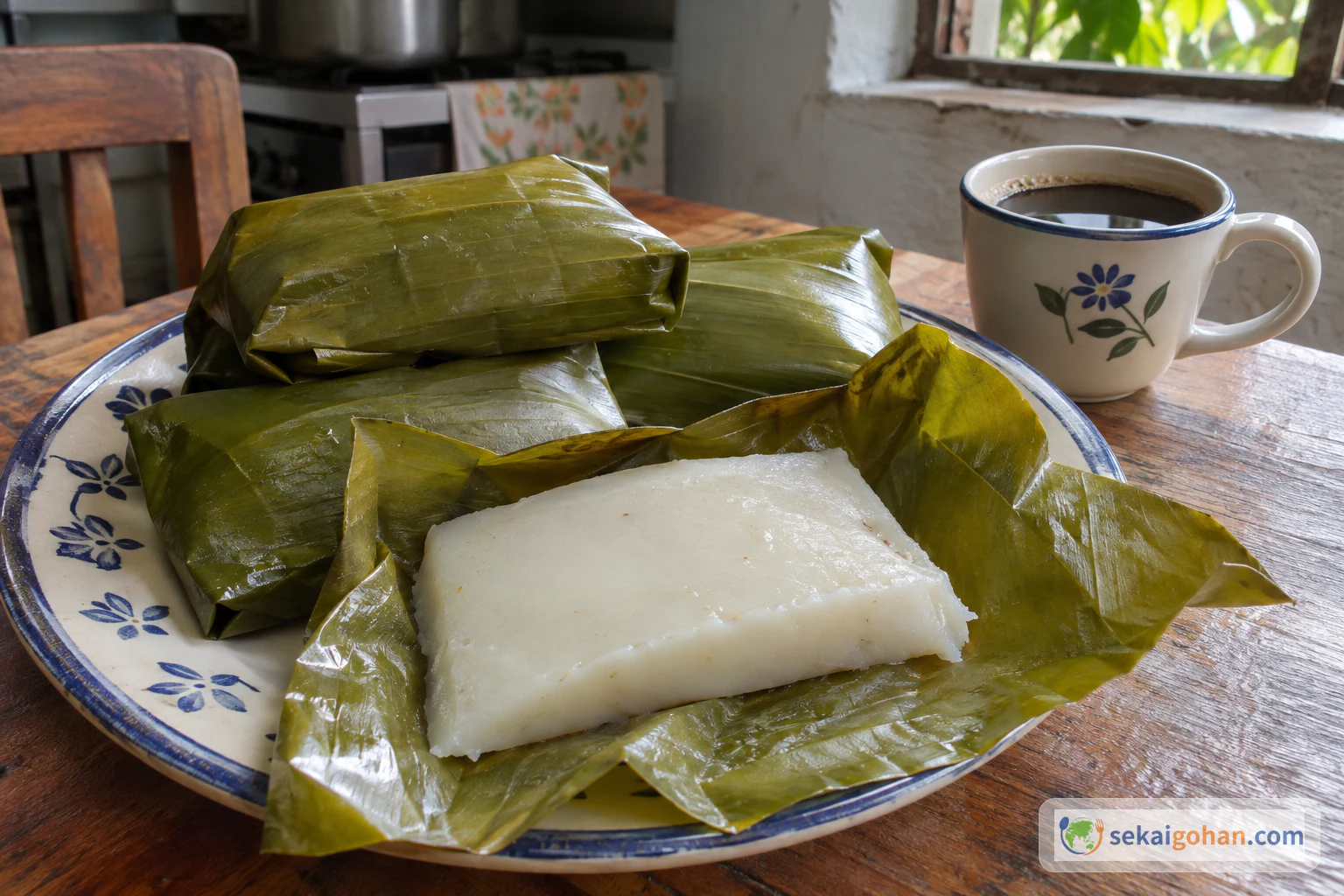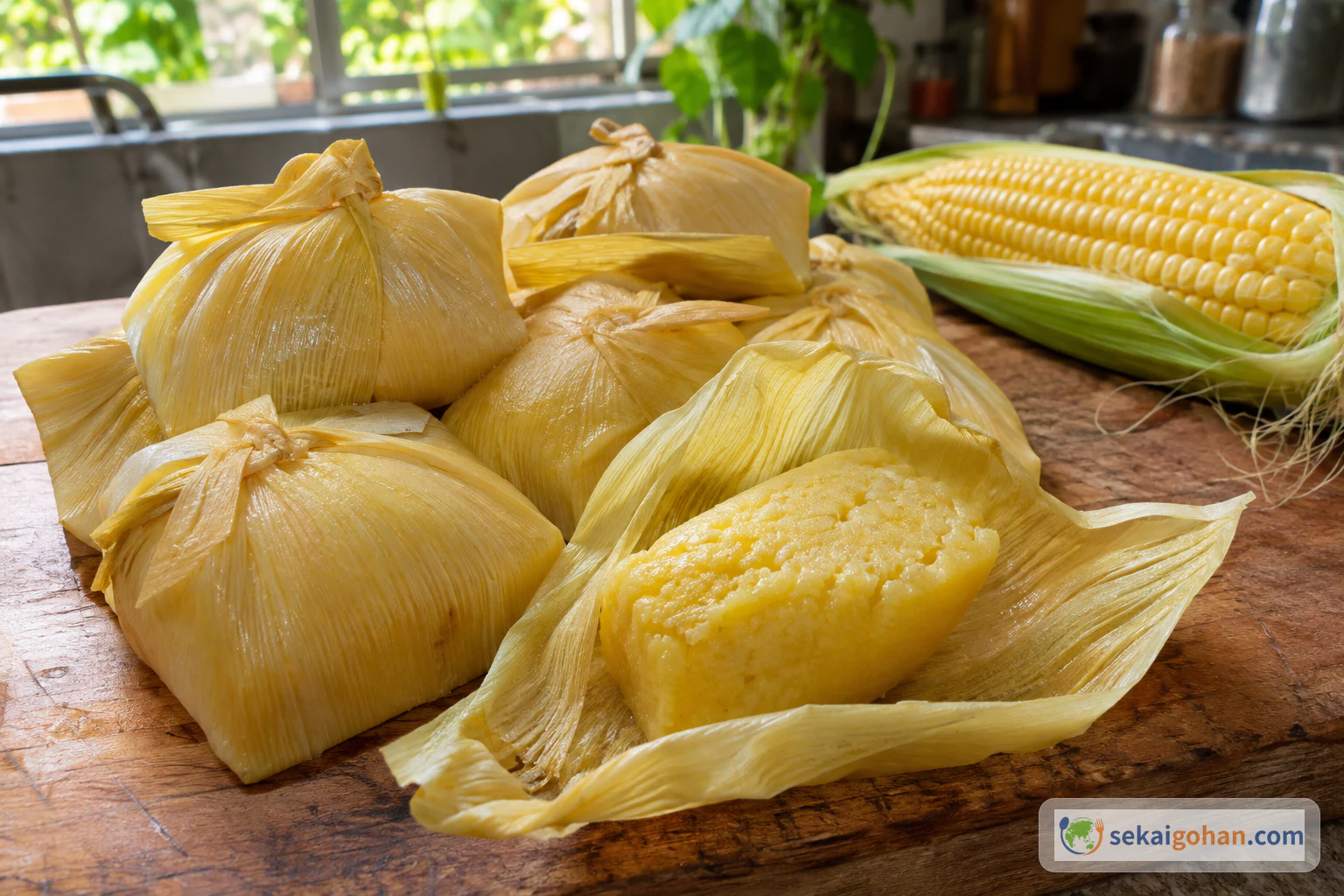
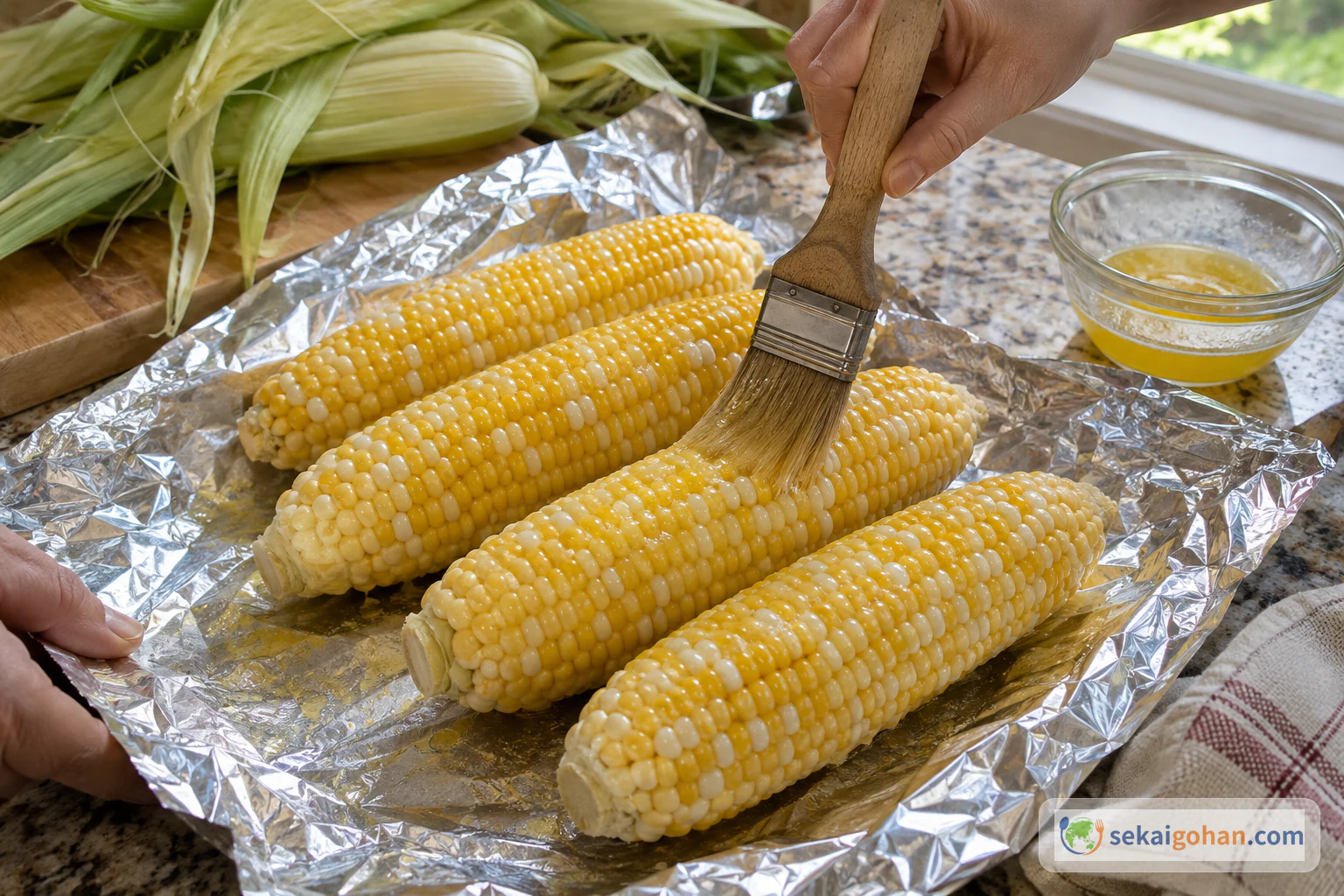
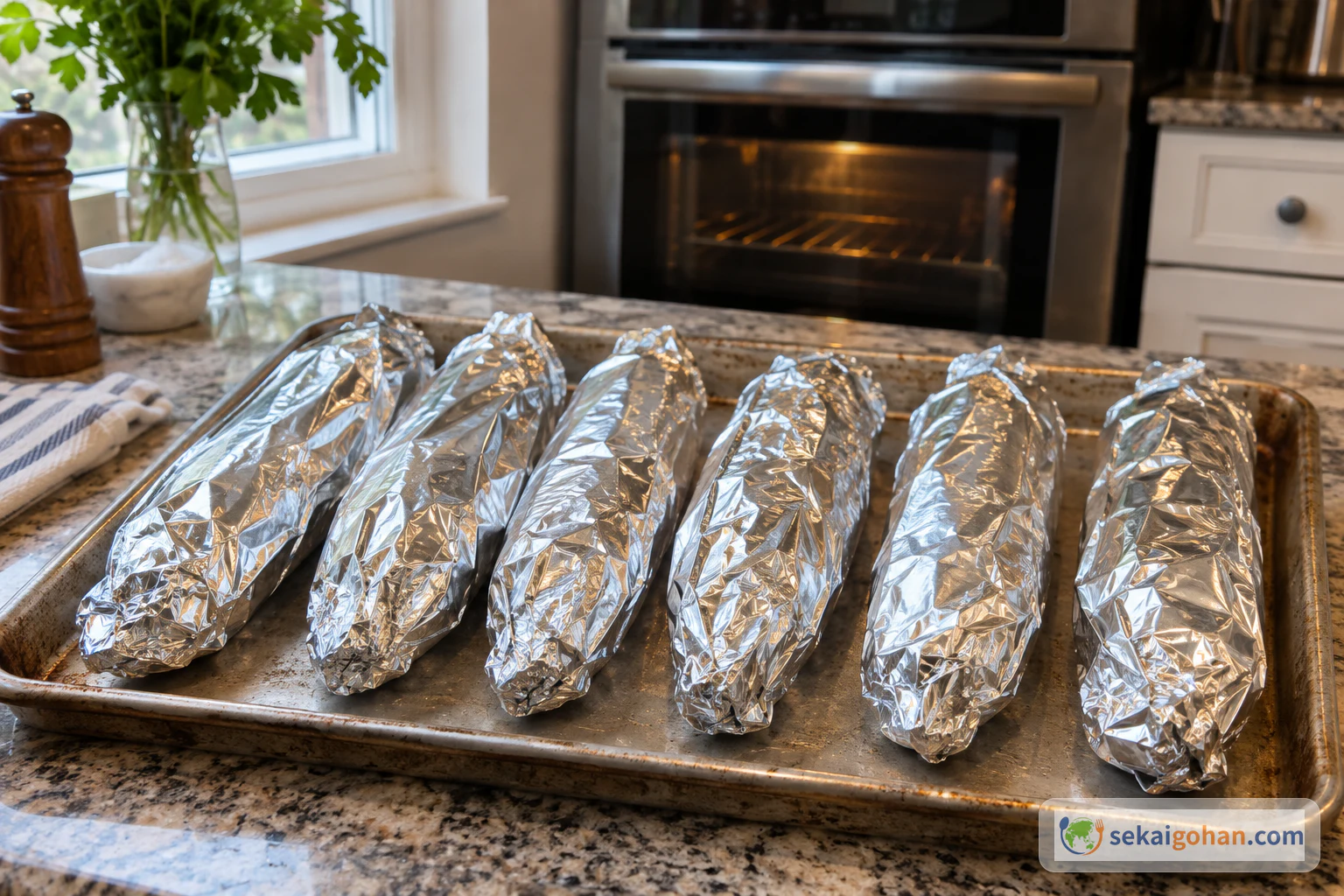
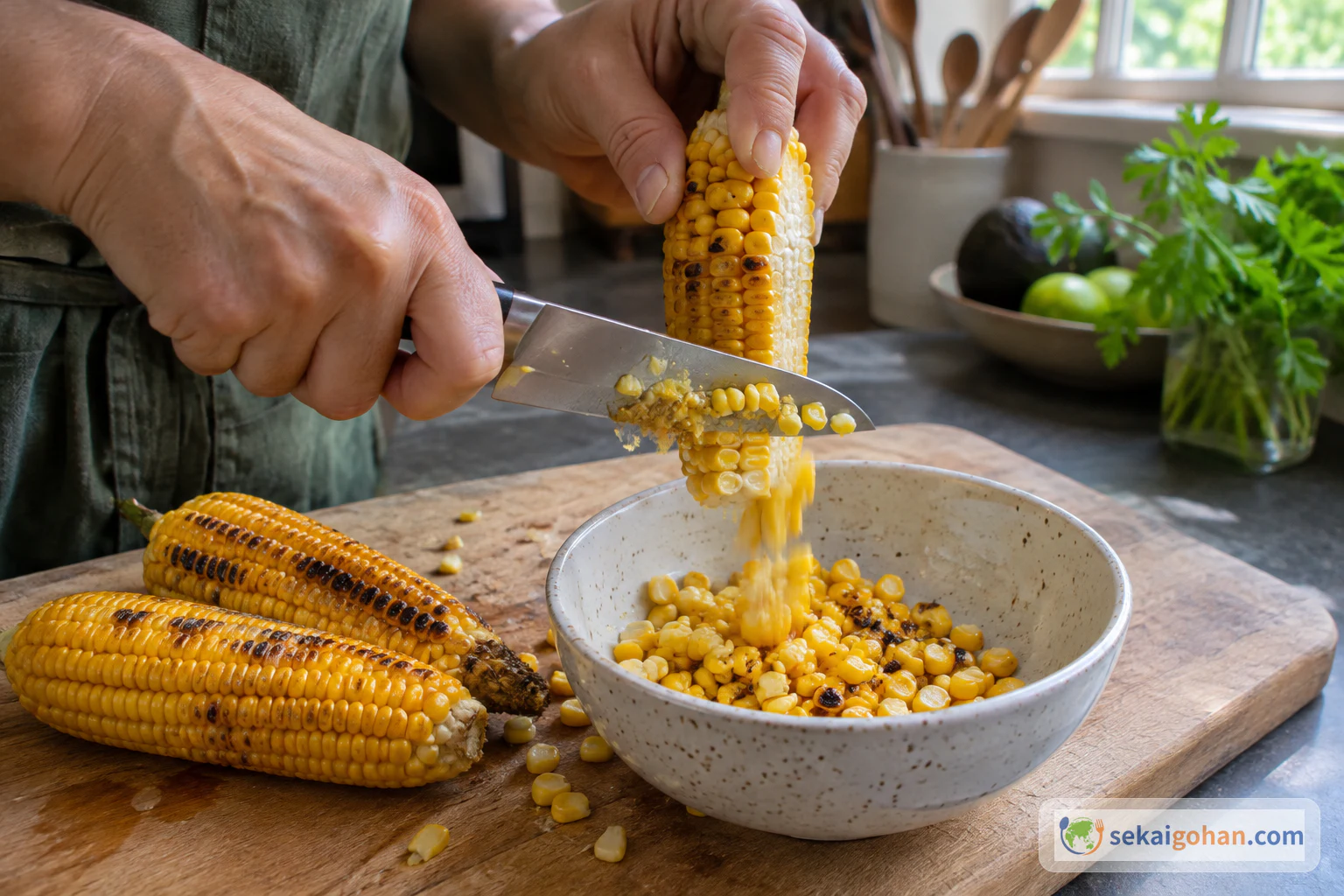
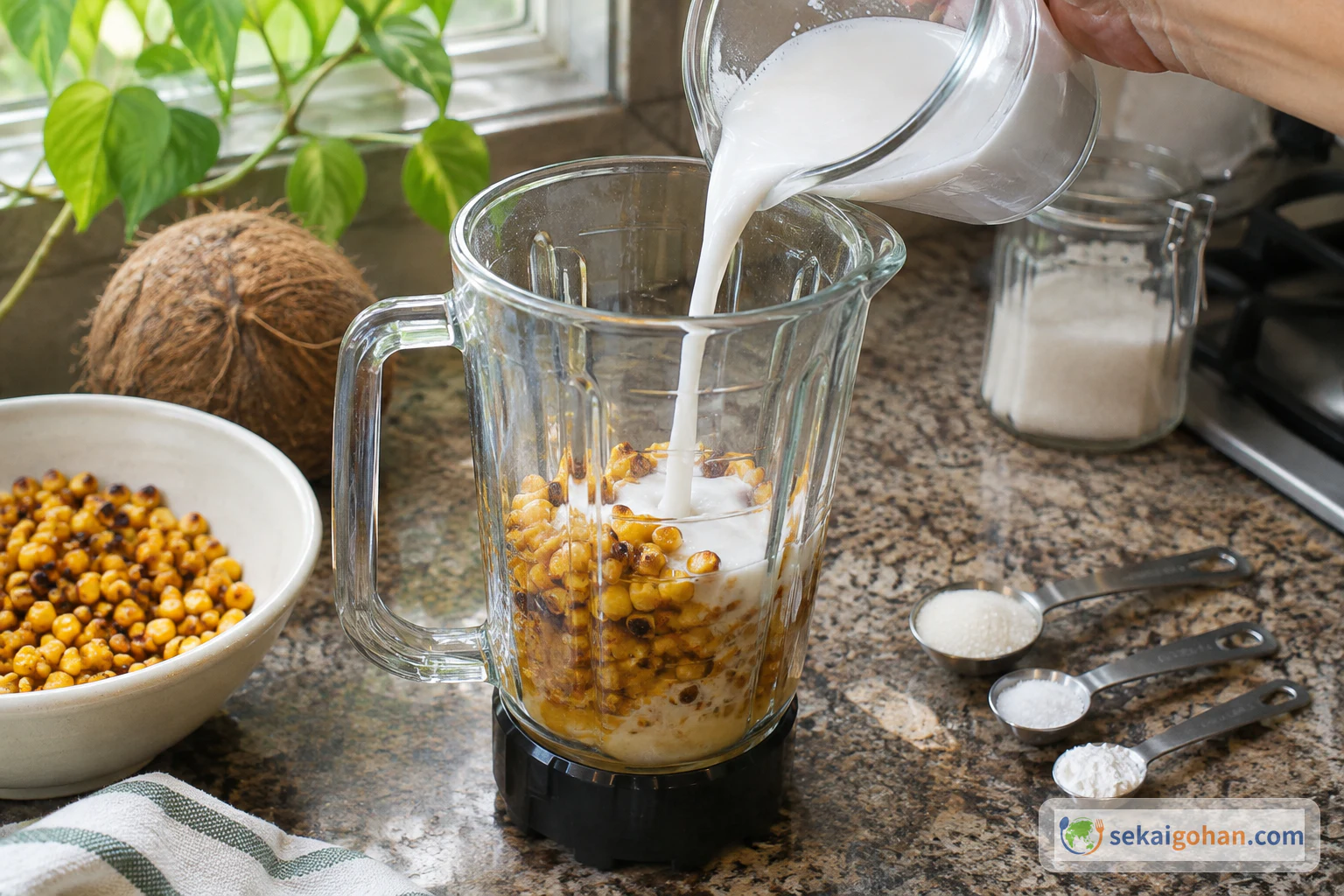
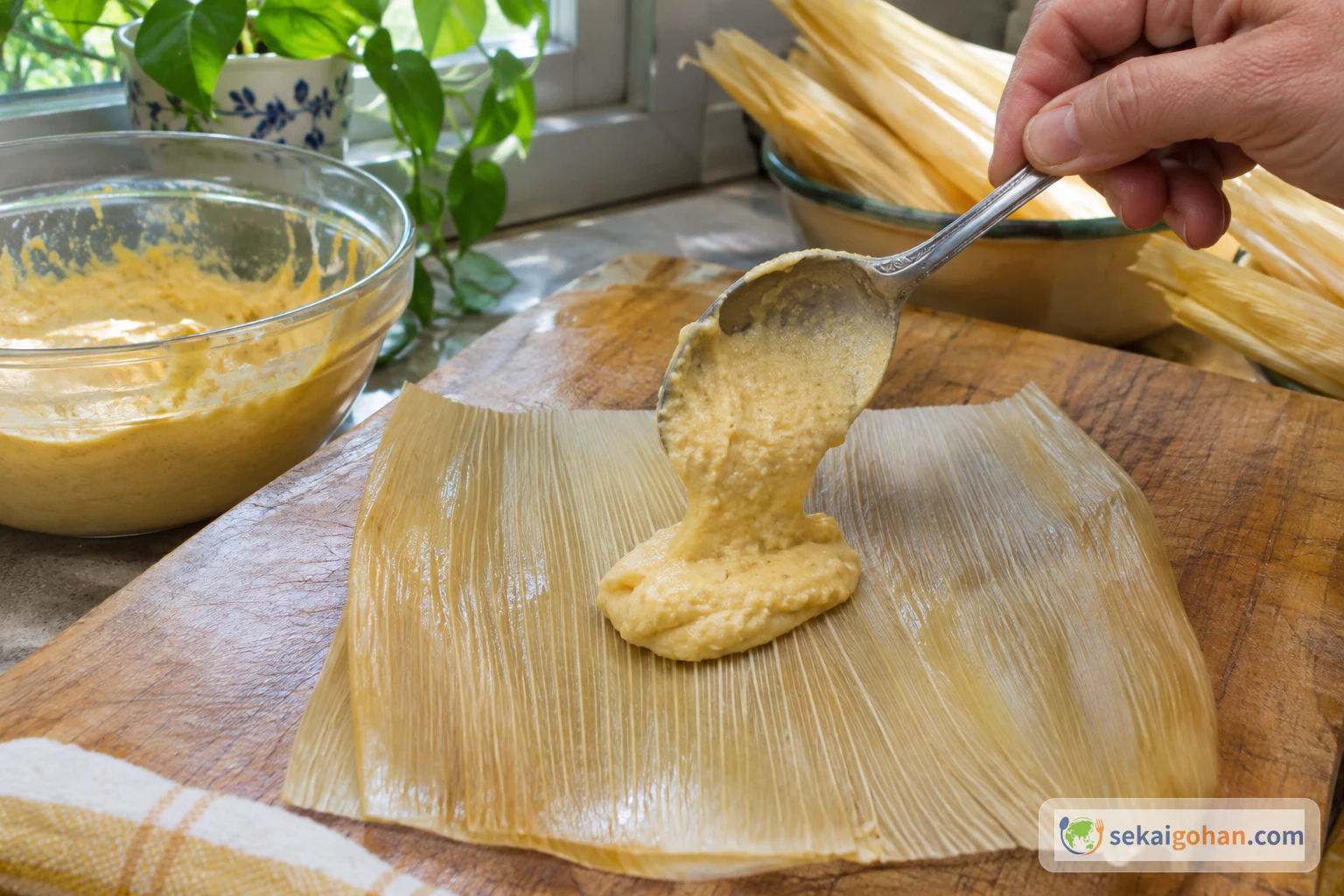
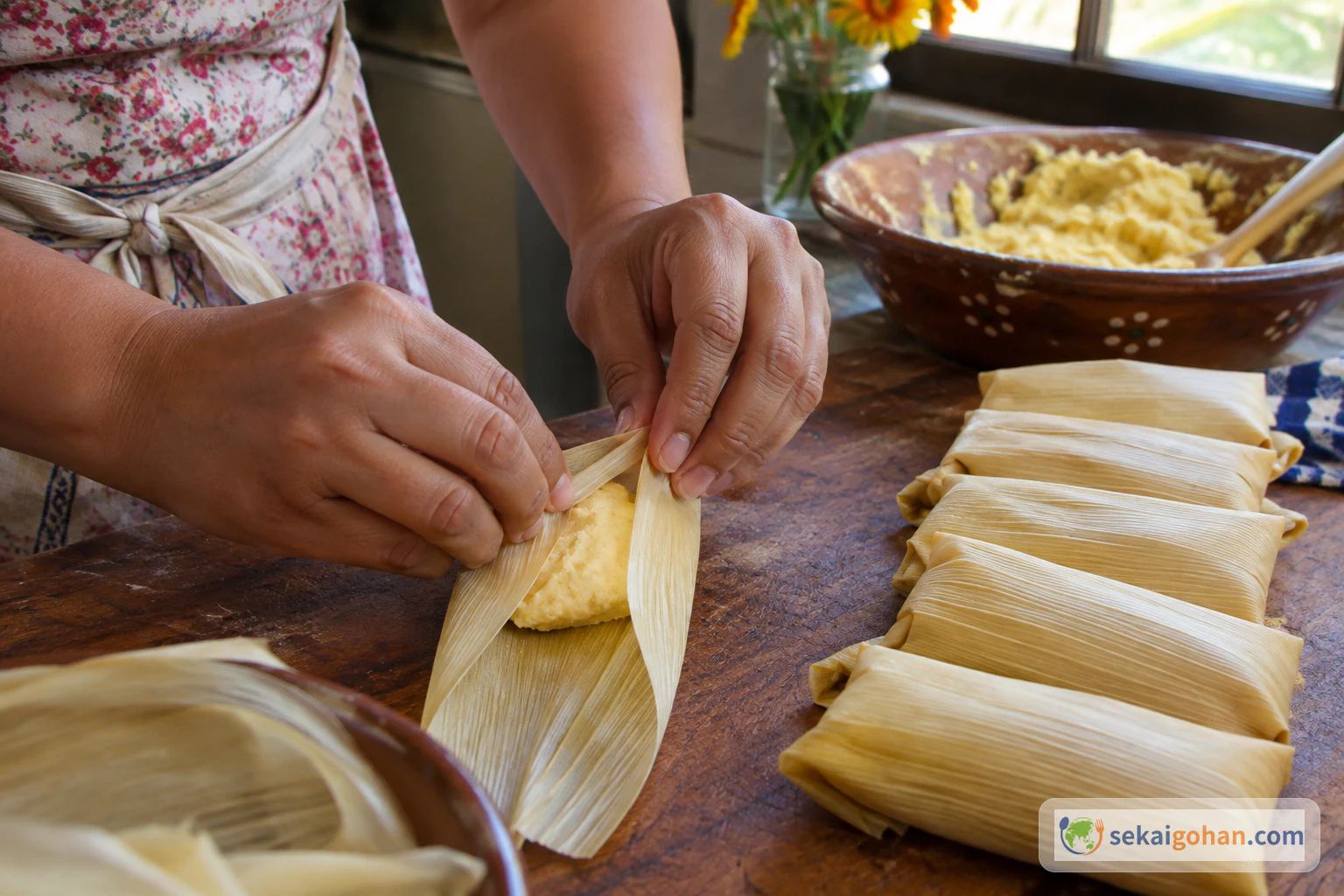
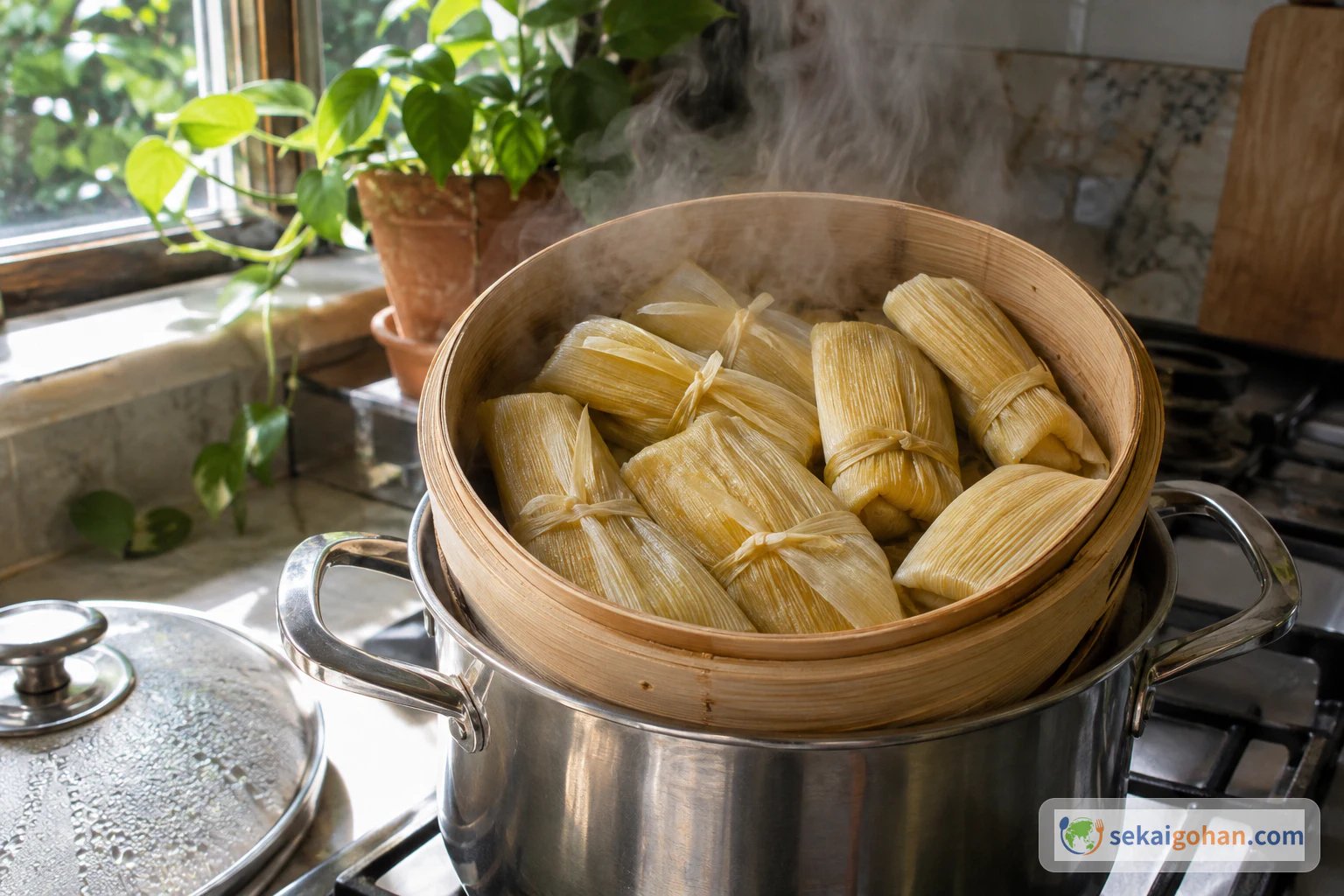
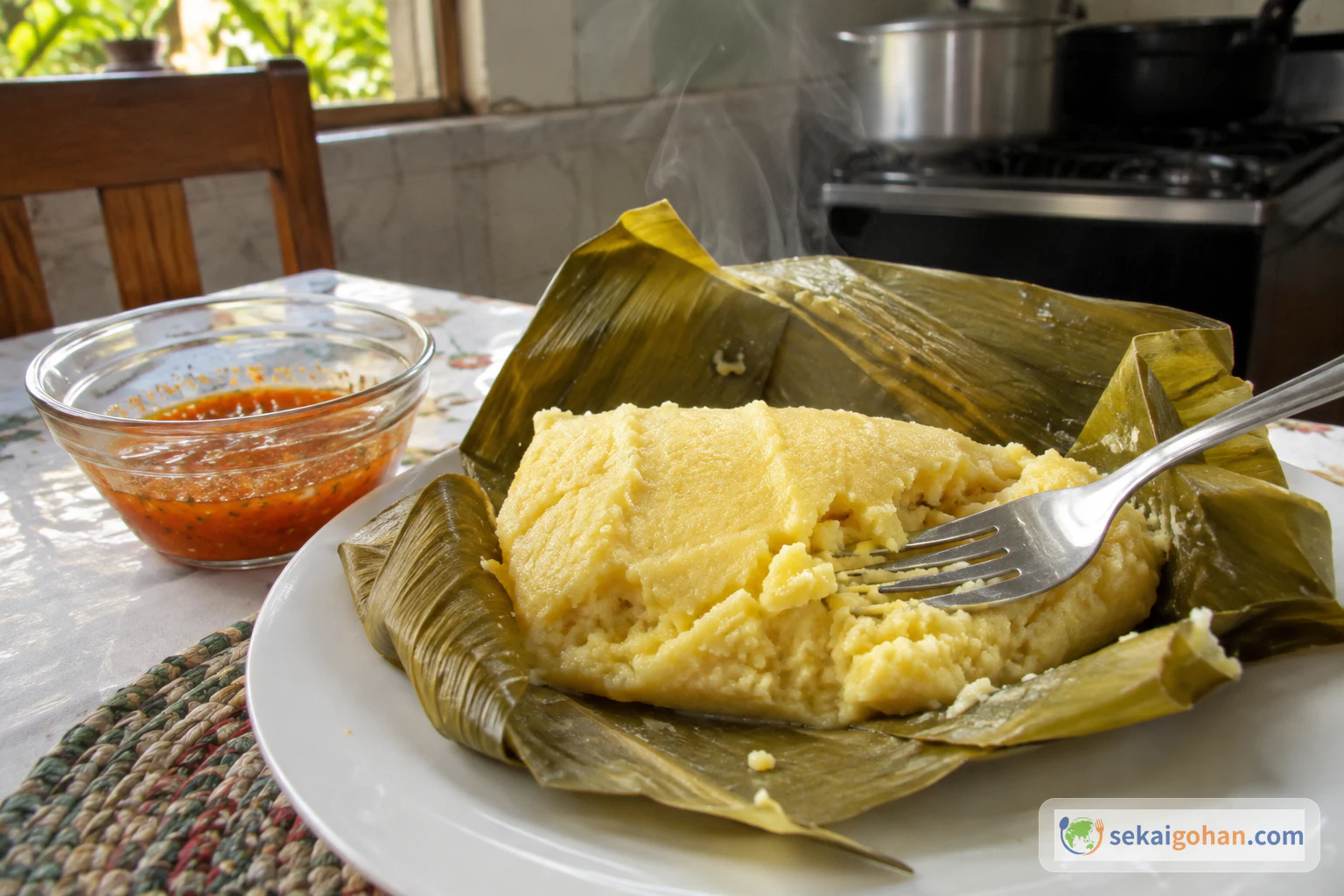
Steam rolls out when you open the foil on the roasted ears, and the kitchen fills with the smell of butter and toasted corn. Those kernels are blended with coconut milk, spooned onto soft corn husks, folded shut and steamed. The result is dukunu, a small Belizean corn bundle sold on street corners and eaten hot, straight from its husk. It tastes of sweet corn first, toasted at the edges, with coconut underneath and enough salt to keep it from being a dessert.
Dukunu, Tamalito, Ducunu: One Bundle With Several Names
In Belize the same bundle goes by dukunu, tamalito or ducunu, depending on who is selling it and who is buying. It is everyday food. You buy it from a street vendor, sometimes off a bicycle, and eat it on the spot while the husk is still too hot to hold for long. Its roots are usually traced to both Maya and African traditions. How those threads came together in this one dish is not settled.
The spelling ducunu is usually said to come from a Garifuna word meaning "boiled corn." The name fits a dish built on corn and heat, though how far back the word goes is unclear.
Every household has its own method
People agree that dukunu is corn batter wrapped in husk and cooked in moist heat. They disagree about nearly everything else. The method here roasts the ears in butter before cutting off the kernels, which gives the batter a browned, nutty sweetness. Other cooks start from canned corn and fine cornmeal and stir in onion and sweet pepper, which makes a firmer, more savory bundle. Still others grind raw kernels with cornmeal, wrap the husk bundles in foil and boil them. This version has no cornmeal. The corn and coconut milk carry it alone, so the batter sets soft and tender, closer to a corn pudding than to a dense tamale.
What it is not
Two neighbouring dishes have similar names or shapes. Jamaican duckunoo, also called blue drawers, is wrapped in banana leaf and built on green banana or root vegetables with coconut, not fresh corn. Garifuna darasa is a green banana tamale, made with banana and coconut milk, wrapped in banana leaf and steamed. Dukunu also belongs to the wider family of tamalitos, the meatless corn bundles of the Maya world. For more Belizean cooking, the Belize collection includes the soup chimole and Belizean stew chicken.
Ingredients
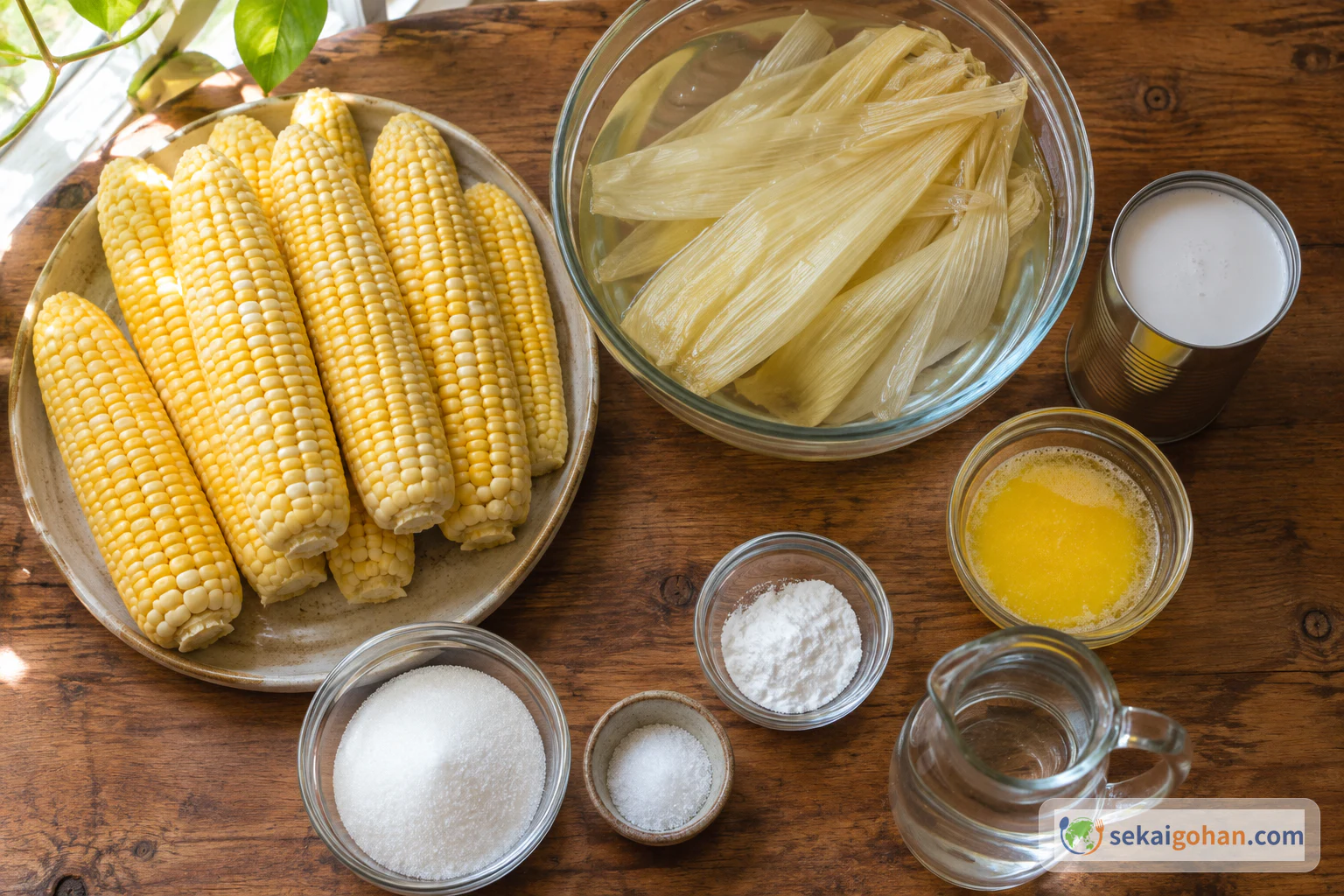
This recipe contains milk (butter) and coconut (coconut milk). Ingredients in baking powder vary by brand, so check the label if anyone at the table has allergies.
Equipment
- Large bowl and a plate to keep the husks submerged
- Aluminum foil and a baking tray
- Pastry brush
- Sharp knife and cutting board
- Blender or food processor
- Tablespoon measure or spoon
- Steamer basket with a pot and lid
- Tongs
Choosing the Corn, the Coconut and the Wrapper
Fresh corn decides how sweet the batter is. Ears picked a day or two before cooking are sweeter and more tender than ears that have sat in storage, so buy from a farm stand or the freshest supermarket bin you can find. Look for tight green husks and plump kernels. Use unsweetened canned coconut milk and shake the can hard before opening, because the cream settles at the top.
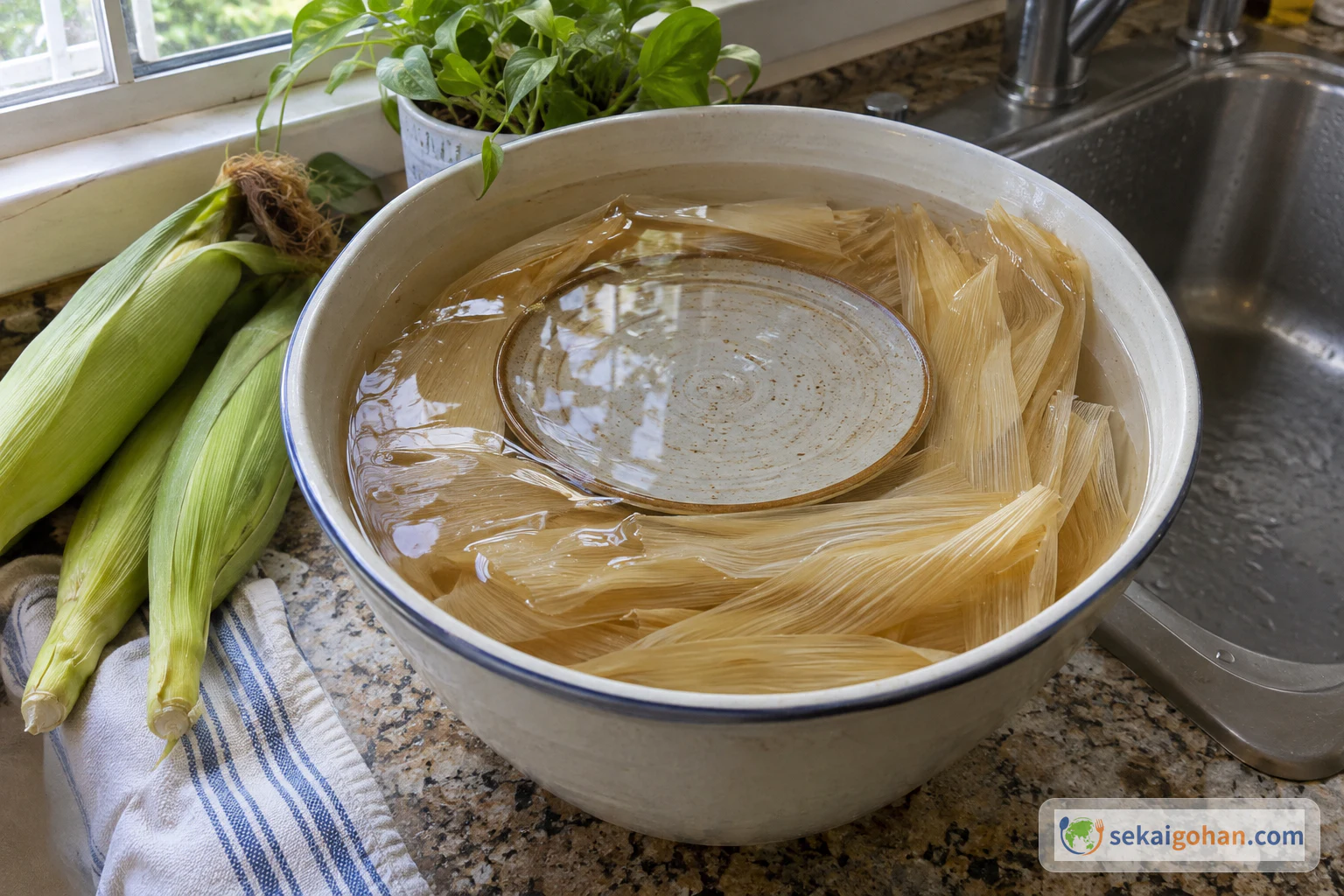
The wrapper is the part people worry about. Dried corn husks sold for tamales soak back to a soft, foldable leaf and work well. A good alternative comes with your groceries: the husks you strip off the fresh ears. Discard the tough outer two or three layers, rinse the inner ones and soak them with the rest. If you run short, foil or parchment will hold the batter in the steamer. The bundle cooks the same way, but you lose the moment of peeling back the husk at the table.
| Keep | Let go if you must |
|---|---|
| Roasting the corn in butter before cutting | Dried tamale husks (fresh-ear husks work) |
| Coconut milk | Blender (mixing by hand gives a coarser batter) |
| Folding and steaming | Husk for every bundle (foil or parchment can cover the shortfall) |
Break off a raw kernel at the market and bite it. If it squirts sweet juice, the dukunu will be sweet. Starchy, dull kernels make a flat batter that no amount of sugar fixes.
Method
Get the husks soaking first. They soften while the corn roasts, and roasting is the main stretch of hands-off time. After that the work runs in a straight line. Cut the kernels off, blend the batter, fill and fold the husks, then steam everything at once.
When It Goes Wrong
| What you see | Why | What to do |
|---|---|---|
| Husks crack when you fold them | They have not soaked long enough | Put them back in the water until they bend double without splitting |
| Kernels are still firm after roasting | The ears needed more time in the oven | Reseal the foil and roast a little longer, until a knife slides into a kernel easily |
| Batter leaks from the seams in the steamer | Too much batter, or a narrow husk | Keep to 1–2 tbsp per husk and overlap two husks when one is too small |
| Whole kernels in the finished bundle | The batter was blended too briefly | Blend until no whole kernels remain, unless you want the hand-mixed texture |
| Batter tastes flat | The corn was not fresh | Buy the freshest ears you can and taste a raw kernel before you buy |
| Bundles are softer than expected | This batter has no cornmeal | That is how this version sets. For a firm bundle, use a cornmeal-based recipe |
Serving and Variations
At the table
Dukunu is eaten hot, straight from the husk, as a snack bought on the street or as part of a meal. It sits well beside pork dishes or a barbecue, where its sweetness balances smoky, salty meat. At home, put hot sauce on the side, or set out salsa, sour cream and cheese and let everyone dress their own. The corn and coconut stay mild, so the sharp, cool toppings work best.
Other ways Belizean cooks make it
- Cornmeal-based dukunu. Some cooks build the batter on fine cornmeal with fresh or canned corn. The bundles come out firmer, with less of the soft, pudding-like give. This changes the whole recipe, so follow a cornmeal-based version from the start rather than stirring cornmeal into this batter.
- Savory with onion and sweet pepper. Some versions use canned corn and cornmeal, add chopped onion and sweet pepper, and finish with hot sauce. They move the flavor away from sweet corn toward something you would eat next to grilled meat.
- Boiled in foil. Some cooks wrap each husk bundle in foil and boil it instead of steaming it.
Frequently asked questions
Is dukunu a kind of tamale?
It belongs to the same family: corn batter wrapped in husk and cooked in moist heat. Dukunu has no filling and no meat. The batter is fresh roasted corn with coconut milk, which makes it sweeter and softer than a masa tamale.
How many husks should I soak?
Soak a generous pile. Each bundle takes one husk for every 1–2 tbsp of batter, and torn or narrow husks can be overlapped. Spares are useful for overlapping narrow husks.
Can I use sweetened coconut milk or cream of coconut?
Use unsweetened coconut milk. The sweetened kinds push dukunu toward dessert and cover up the toasted corn. Taste comes from the corn first, so leave the extra sugar out.
What does the baking powder do?
It gives the steamed batter some lift, so the bundles are light rather than dense. Check the label on your brand if you are cooking for anyone with allergies.