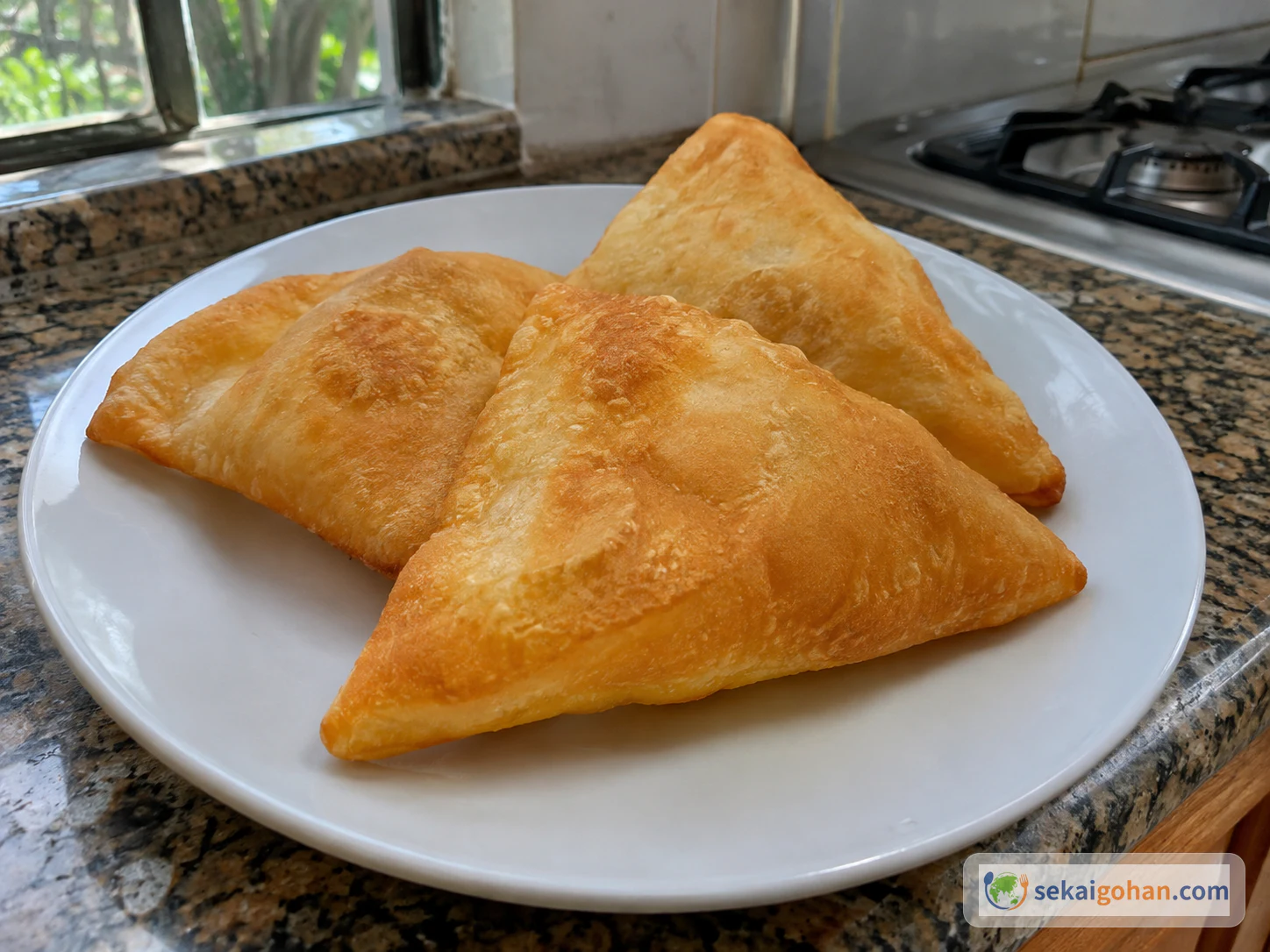
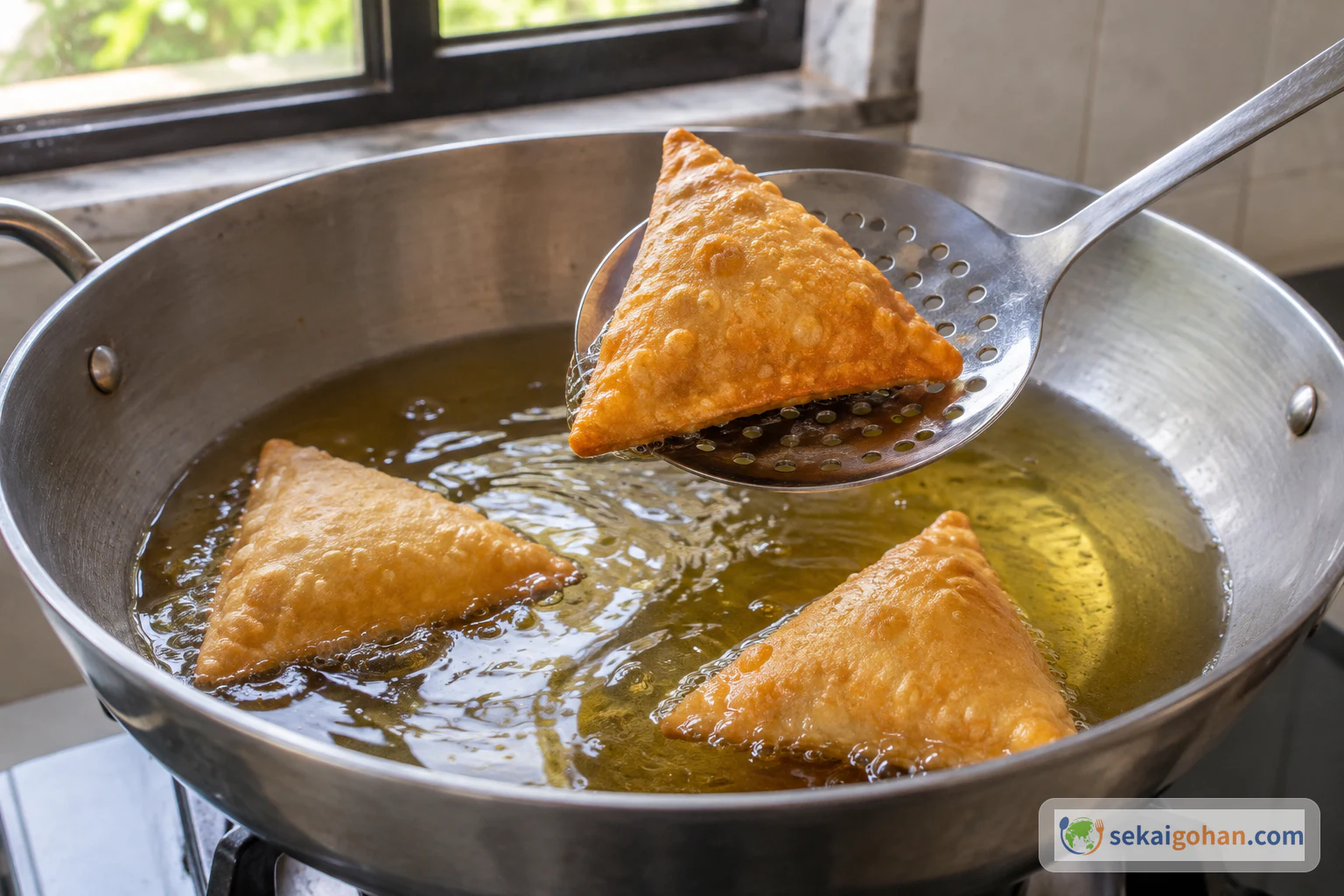
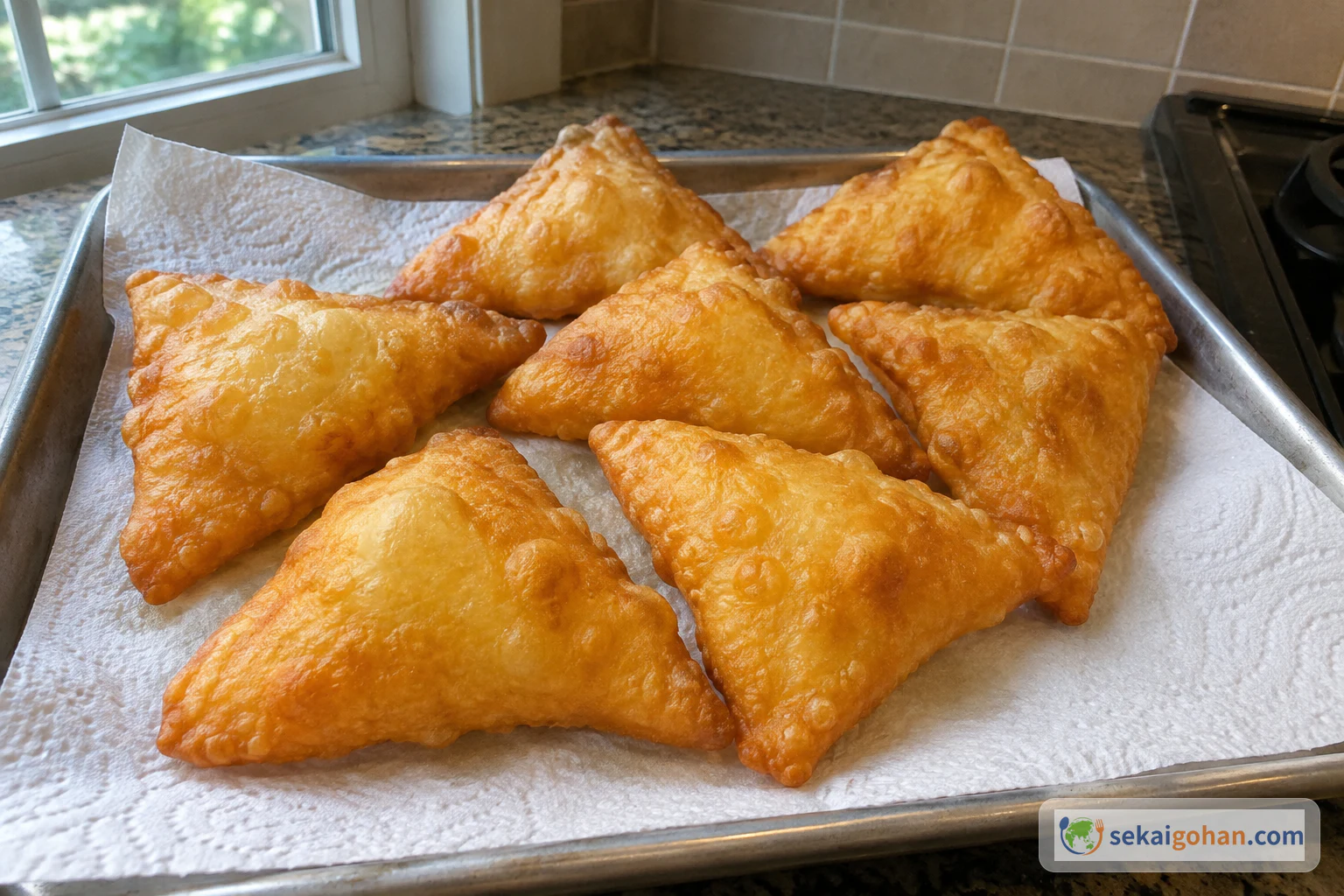
A pale triangle of dough slides into the hot oil, sinks for a moment, then swells. Bubbles cover its surface and it turns gold. You flip it, wait for the other side to match, and lift it out onto paper towels. Within minutes it is on the breakfast table next to a bowl of stewed beans, a fried egg and a jar of honey. Fry jacks are Belize's breakfast bread: flour, baking powder, a spoonful of shortening and water, rolled thin and fried until they are crisp at the edges and hollow and tender inside.
Belize's Breakfast Bread
Belize sits on the Caribbean coast of Central America. Locals and visitors alike eat fry jacks for breakfast. They are a light meal on their own. With beans, eggs and cheese on the plate they become a full Belizean breakfast. The dough is plain, a little salty and soft under the crisp skin, so it works with salty and sweet toppings alike. One person tears a piece open and fills it with refried beans. Another drips honey or jam into the hollow center.
The dish belongs to the Creole kitchen, which mixes British, African, Maya and Mestizo influences. Coconut milk and coconut oil run through much of Creole cooking, and fry jacks show it too. Some cooks make the dough with coconut and yeast, cut it into triangles or squares and fry it lightly. The version here is the simpler baking-powder dough. It needs no rising time and comes together in one bowl.
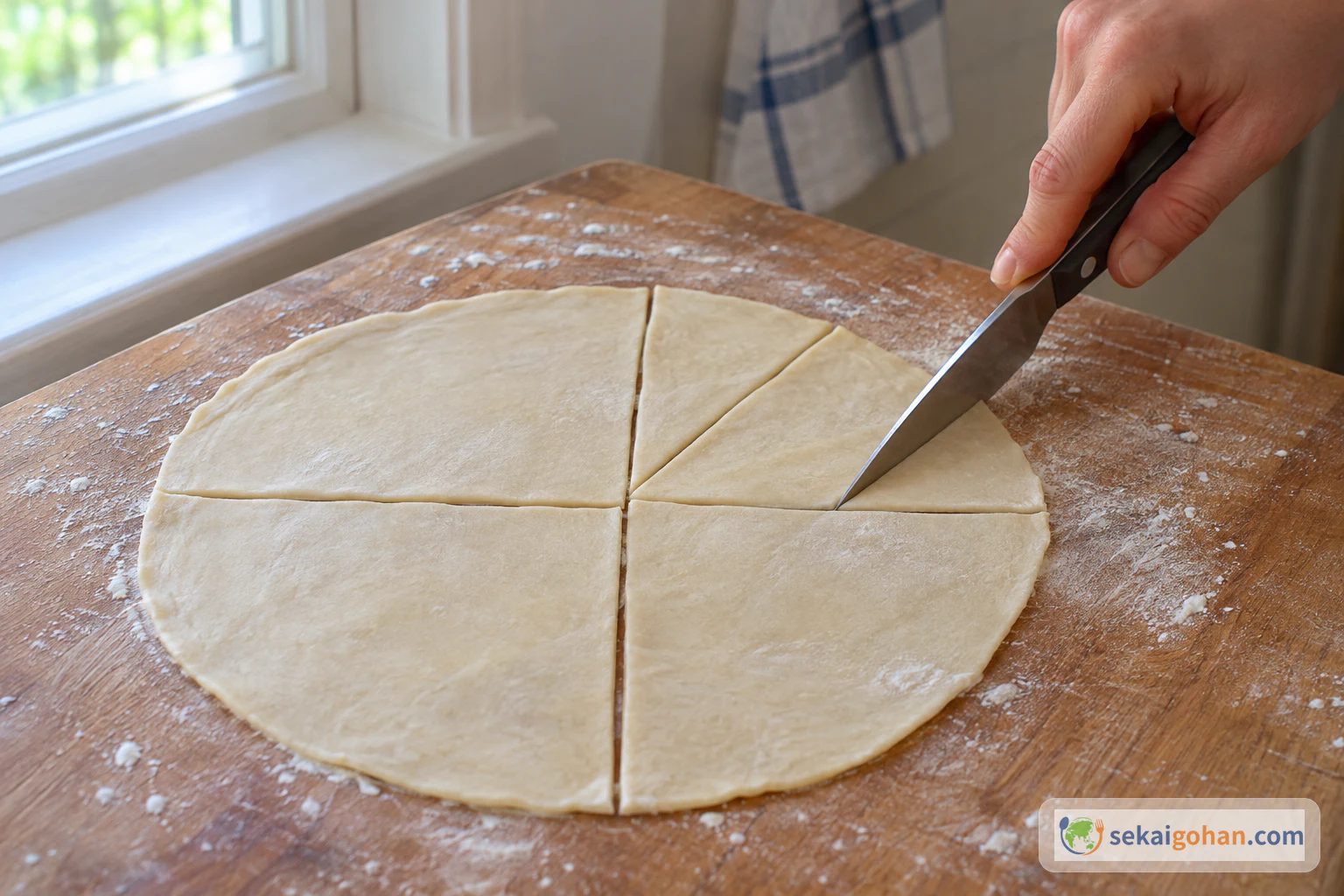
Shapes vary from kitchen to kitchen. Fry jacks are cut into triangles, squares or rounds. Triangles are the familiar shape, and you get them by rolling each piece of dough into a big circle, quartering it and cutting each quarter into points. You can read more about the country's cooking on the Belize country page.
Belize became independent from Britain on 21 September 1981. Before that it was called British Honduras. A fry jack recipe was shared to mark that Independence Day.
Ingredients (serves 4–5)
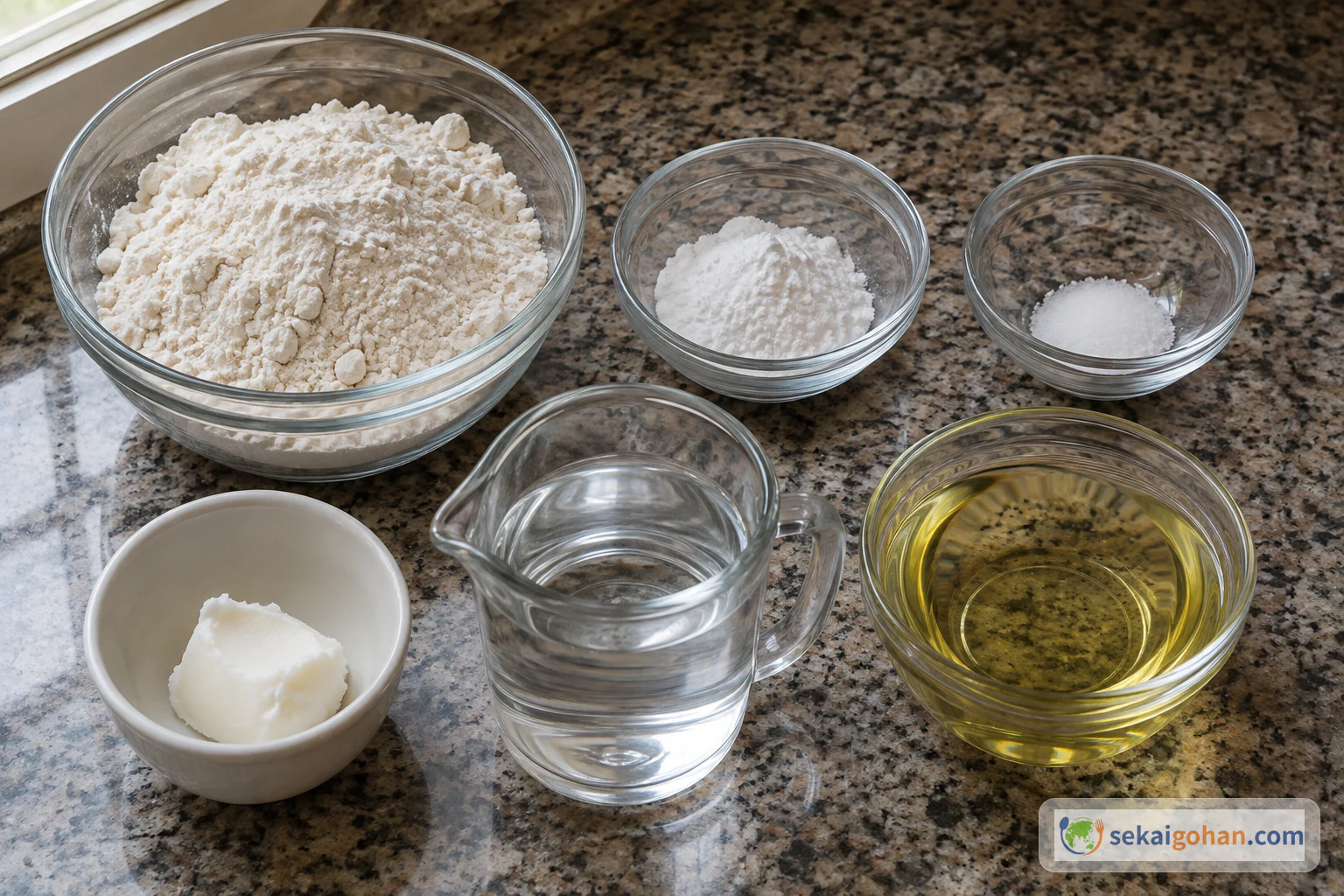
The dough contains wheat. The dough itself has no egg or milk, but eggs and cheese on the breakfast plate add both. If allergies matter at your table, check the labels on your shortening and baking powder.
Equipment
- Mixing bowl
- Whisk
- Wooden board or clean work surface for kneading and rolling
- Clean kitchen cloth
- Rolling pin
- Sharp knife
- Deep, heavy pot for frying
- Deep-fry thermometer
- Slotted spoon
- Tray lined with paper towels
Choosing and Substituting
Plain all-purpose flour gives the right result: soft enough to roll thin and strong enough to puff into a hollow without tearing. Any ordinary baking powder works, including aluminum-free ones. Use solid white vegetable shortening. It is a small amount, but it is what makes the inside tender, so keep it in the recipe. For frying, use a neutral vegetable oil.
The one piece of equipment that pays for itself is a deep-fry thermometer. The oil window is narrow, and you cannot judge it reliably by eye.
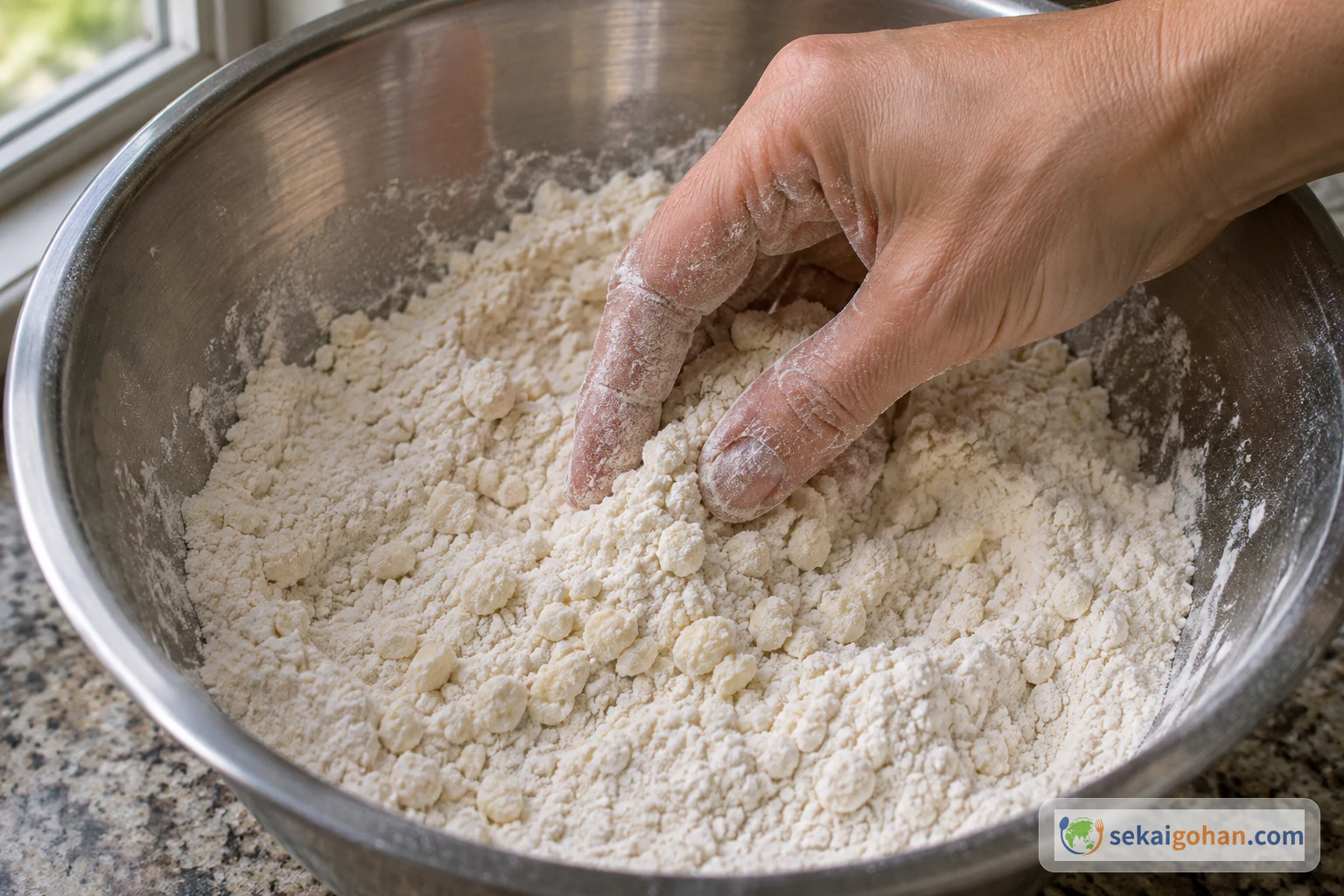
When you rub the shortening into the flour, stop while you can still see small pea-sized bits of fat. Those crumbs spread through the dough and keep it tender.
Method
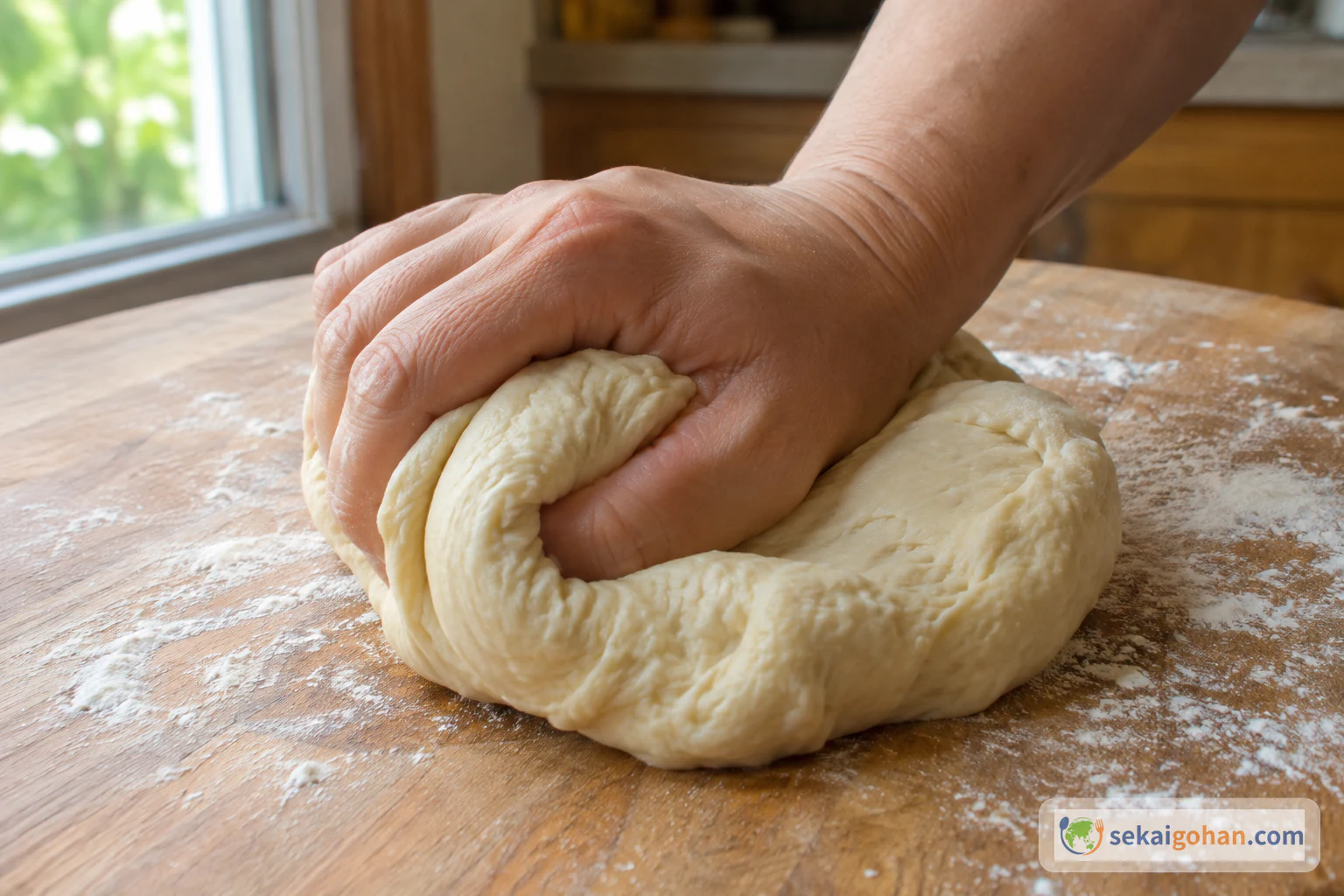
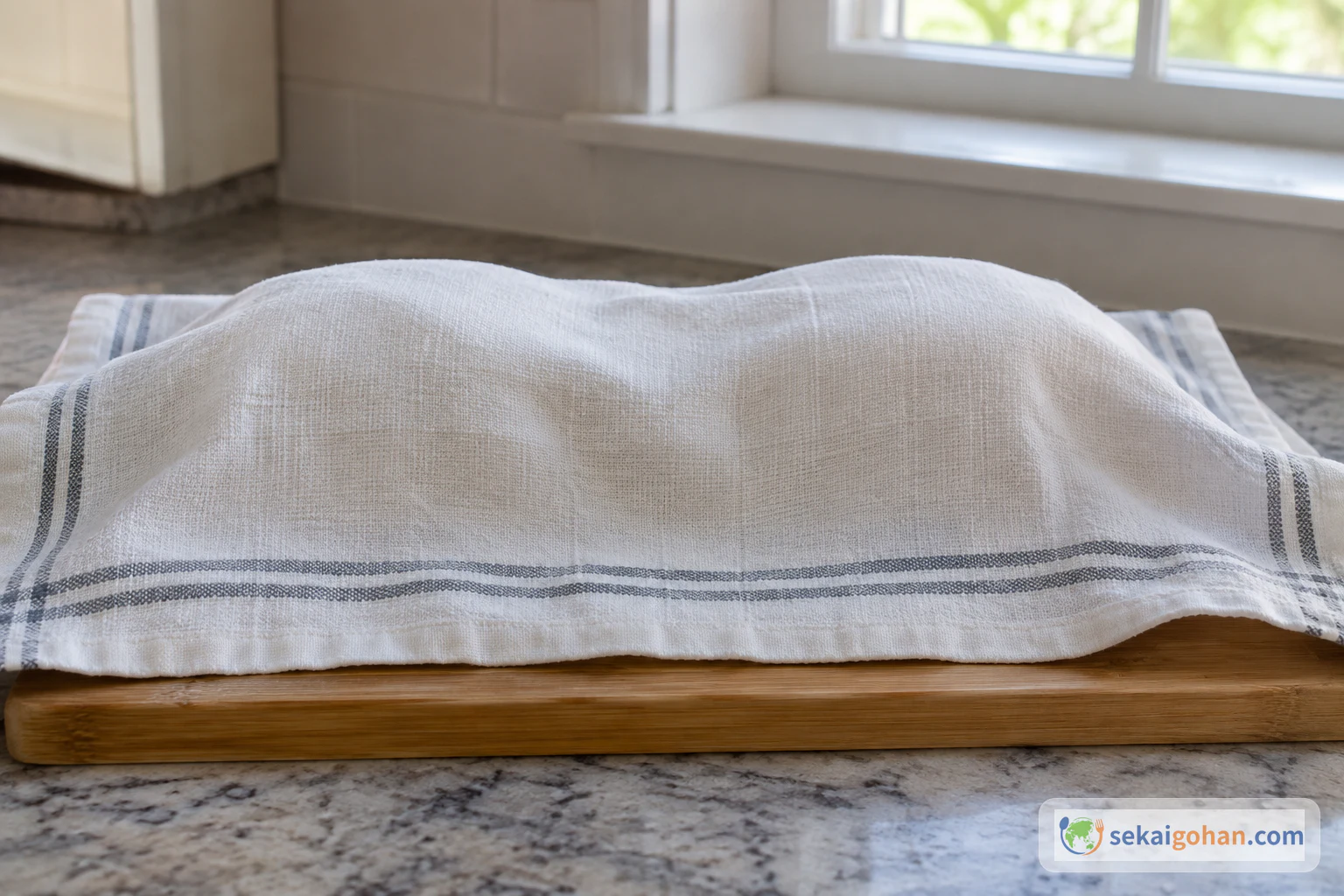
The whole process takes about 35 minutes. Mix and knead the dough first. While it rests under a cloth, set up your board, rolling pin, knife and frying pot, and start heating the oil. Once the oil is at temperature the frying goes quickly, so have the cut triangles and the paper-towel tray ready before the first one goes in.
Never leave the pot alone while the oil is heating or frying. If the oil catches fire, turn off the heat and cover the pot with a lid. Never pour water on burning oil. Slide the dough into the oil gently, away from you, and keep children and pets away from the stove.
The 3 minutes per side is only right when the oil is between 325 and 350°F. Cold dough lowers the temperature, so let the oil come back into that range before each new batch.
When It Goes Wrong
| What you see | Why | What to do |
|---|---|---|
| Fry jacks come out heavy and greasy | The oil was below 325°F (160°C) | Heat it back into the window and check with a thermometer before each batch |
| Pieces stay pale and puff poorly | Too many pieces in the pot cooled the oil | Fry fewer at a time, with space between them |
| Outsides brown before the pieces have puffed | The oil rose above 350°F (175°C) | Lower the heat and wait until the thermometer is back in range |
| Dough is sticky and clings to the pin | Too much water went in at once | Knead on the lightly floured board. Next time, add the water little by little |
| Dough stays crumbly and will not come together | Not enough water | Add a little more water and knead until soft and smooth |
Serving and Variations
At the table
For a savory breakfast, serve fry jacks with refried or stewed beans, eggs and cheese, with bacon or ham and fresh fruit on the side. Everyone tears their own open and fills the hollow. For a sweet breakfast, put out jam or honey. Fry jacks are at their best fresh from the oil, so fry them just before you sit down.
Squares and rounds
Cut the rolled dough into squares or rounds instead of triangles. Triangles are the shape used in the steps above.
Frequently Asked Questions
Do I really need a thermometer?
Yes, it is the most useful tool for this recipe. The difference between light fry jacks and greasy ones is oil temperature, which should stay within 325–350°F (160–175°C), and it drops every time you add cold dough. A thermometer clipped to the side of the pot shows you exactly when to start the next batch.
Can I use butter or oil instead of shortening?
Stay with vegetable shortening. It stays solid while you rub it in, so the pea-sized crumbs form and give the dough its tender inside. Butter and oil change how the dough behaves, and the result moves away from a Belizean fry jack.
What are coconut and yeast fry jacks?
They are a Creole version that adds coconut and yeast to the dough, then cuts it into triangles or squares and fries it lightly. Make the baking-powder version here first, since it needs no rising time and is ready for an ordinary breakfast.