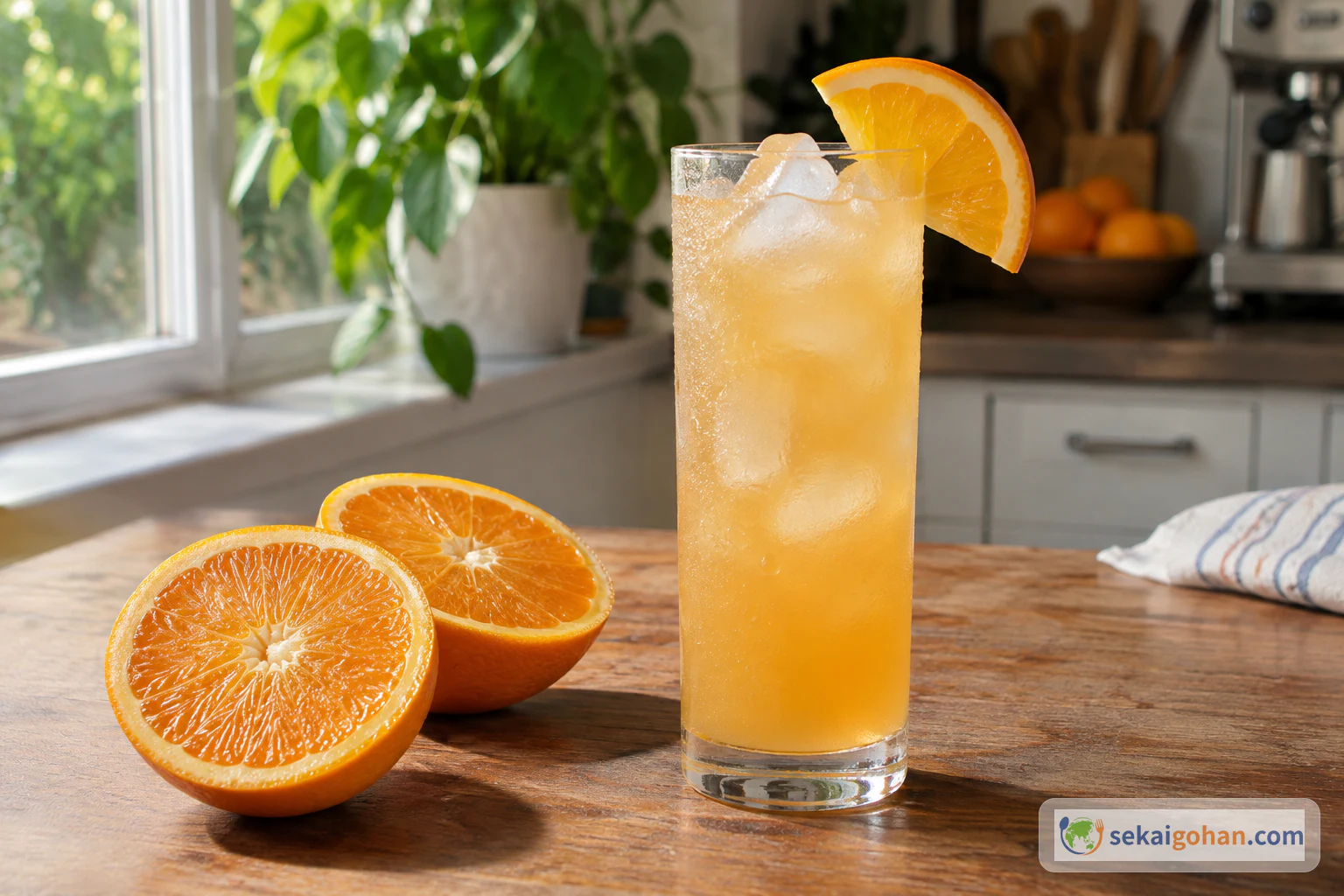
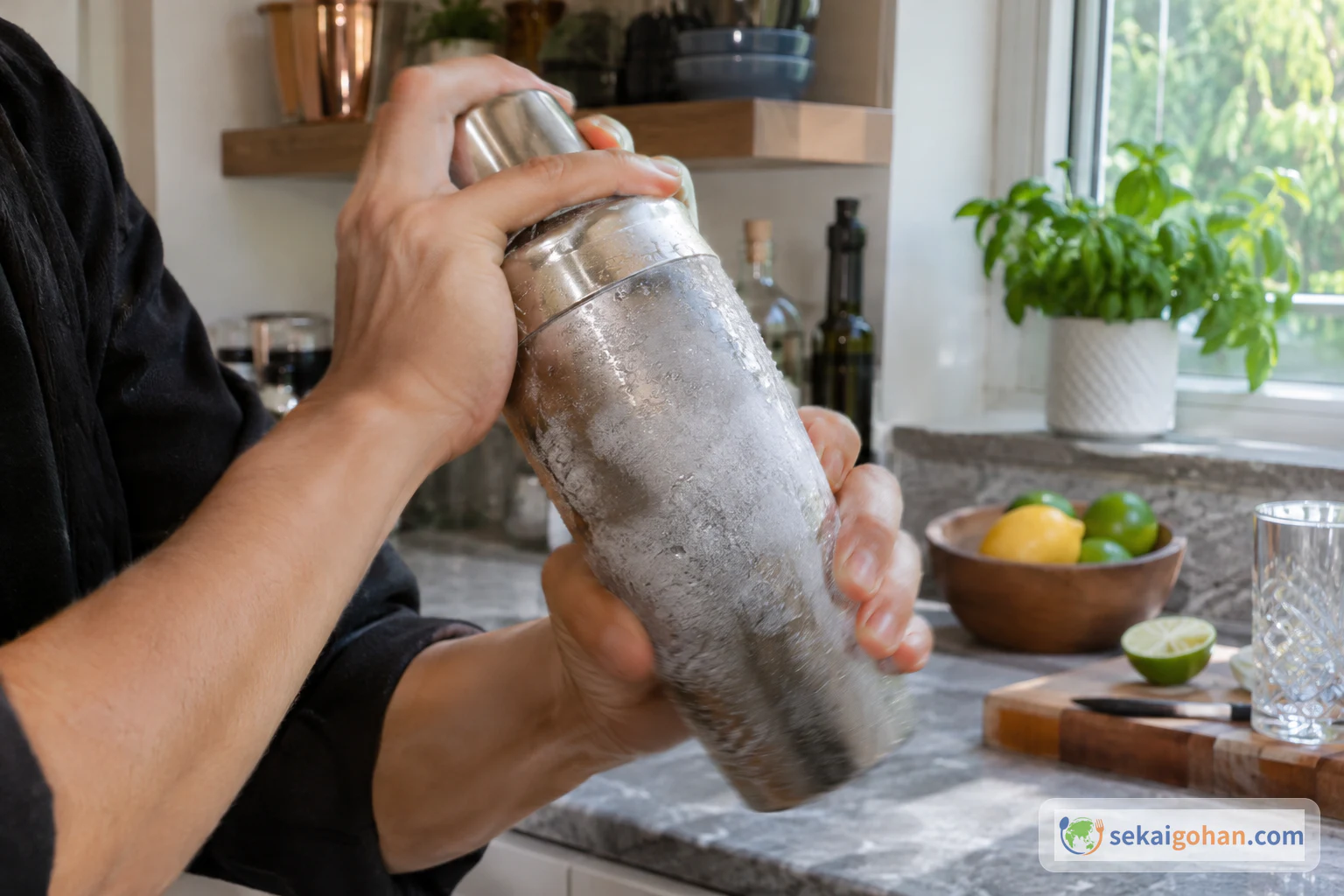
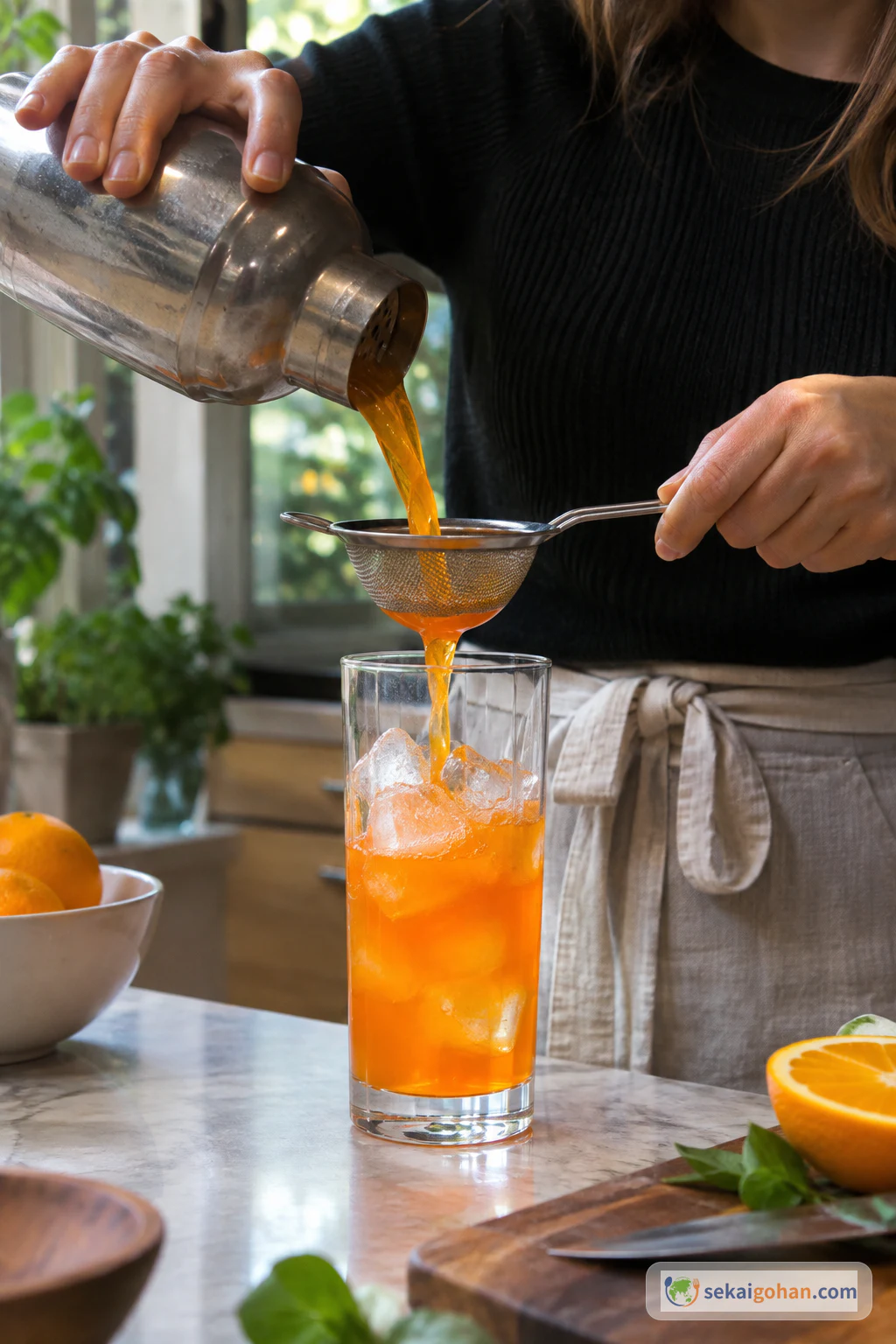
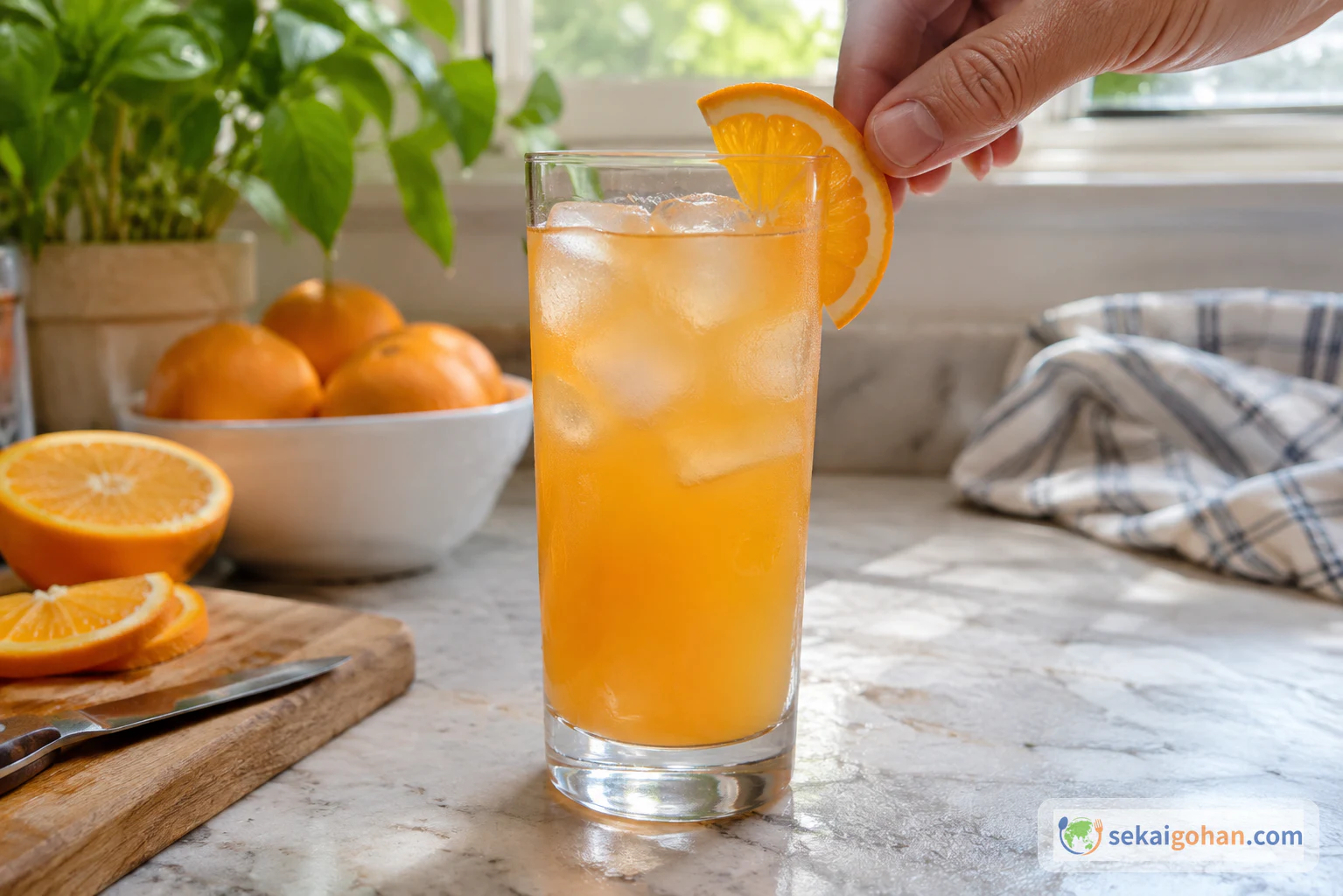
Just after you cut the oranges, the smell of fresh zest fills the kitchen. Then the shaker goes cold enough in your hands that frost starts to bloom on the metal. Yungueño is Bolivia's long, bright orange drink: singani, the country's grape spirit, shaken with freshly squeezed orange juice and a little syrup, then poured over a full glass of ice. It tastes first of juicy orange. The spirit's floral grape aroma comes up underneath, and the syrup rounds off the sharp edges of the citrus. Serve it very cold, in a tall glass, with an orange slice on the rim.
A Drink Named for the Yungas
The name means "of the Yungas." The Yungas are tropical, humid valleys on Bolivia's mountain slopes, a fertile region known for its fruit and coca and especially for its citrus. Oranges from the valleys and singani from the south go into one glass, so the drink brings two parts of the country together. Singani comes from Tarija, Chuquisaca and Potosí, and Bolivians regard it as a spirit that is entirely their own. The classic Yungueño uses singani.
Where the drink first began is not settled. One story traces it to Afro-Bolivian communities. In that story it was once a drink for special days among poor families in Beni, made with undiluted cane spirit and grapefruit juice, sealed in bottles and buried in the ground to age. That account rests on thin ground and comes with no dates. Treat it as lore about the drink's past, not as a way to make it today. The drink poured now is the cold, shaken one with singani and orange.
Yungueño describes anything from the Yungas, so the region's breakfast plate shares the name. That breakfast is a different thing altogether. Here, Yungueño means the glass. A smaller cousin, Yungueñito, uses less juice and adds mint. It appears under variations below.
The proportions change from glass to glass. Some pours lean heavily toward juice, about three parts orange to one part spirit, which keeps the drink long and easy. Others go stronger, at two parts juice to one, and sweeten with spoonfuls of sugar instead of syrup. The recipe below is the longer, juicier pour. If you are building a Bolivian evening around it, start from the dishes collected on the Bolivia country page.
Ingredients
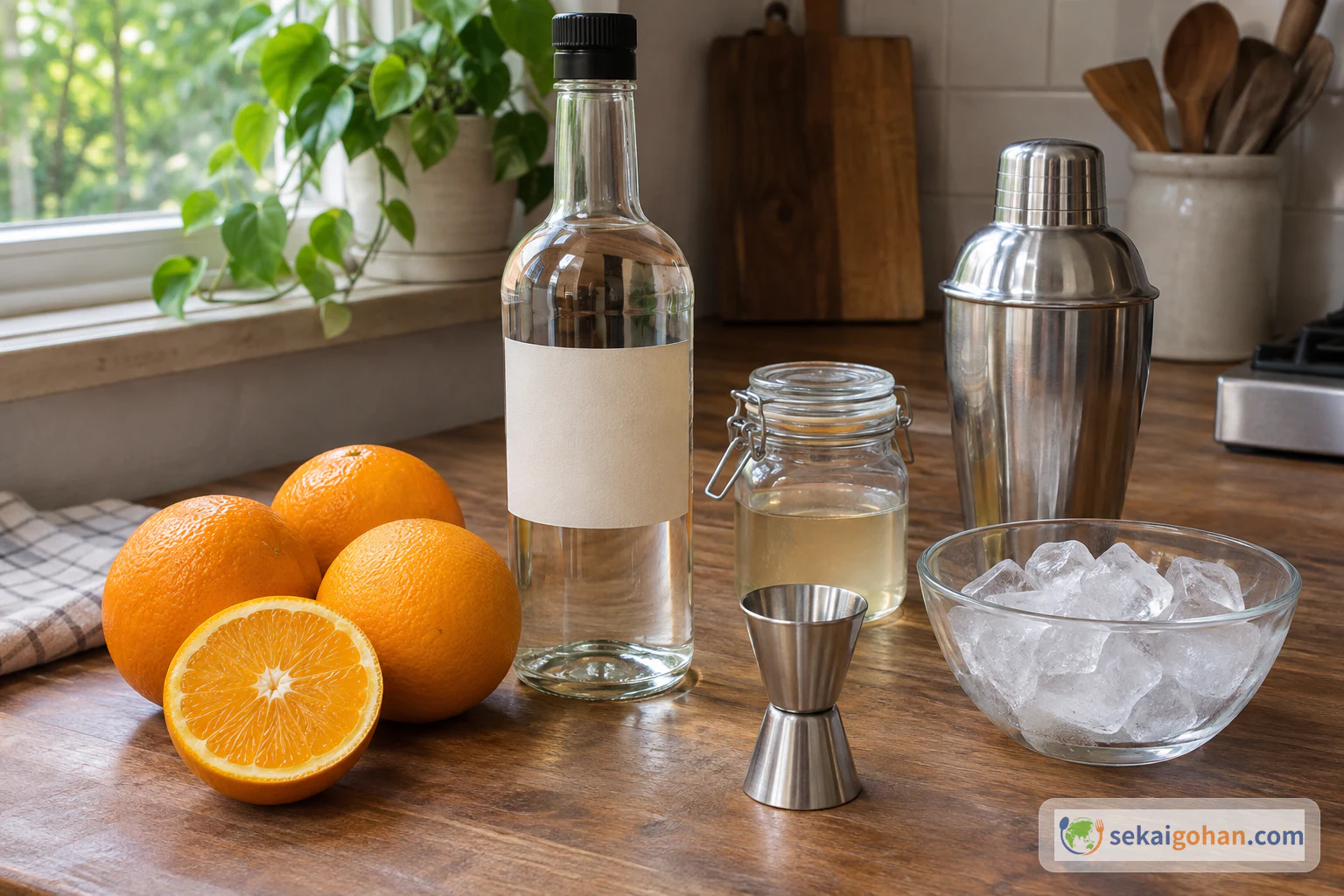
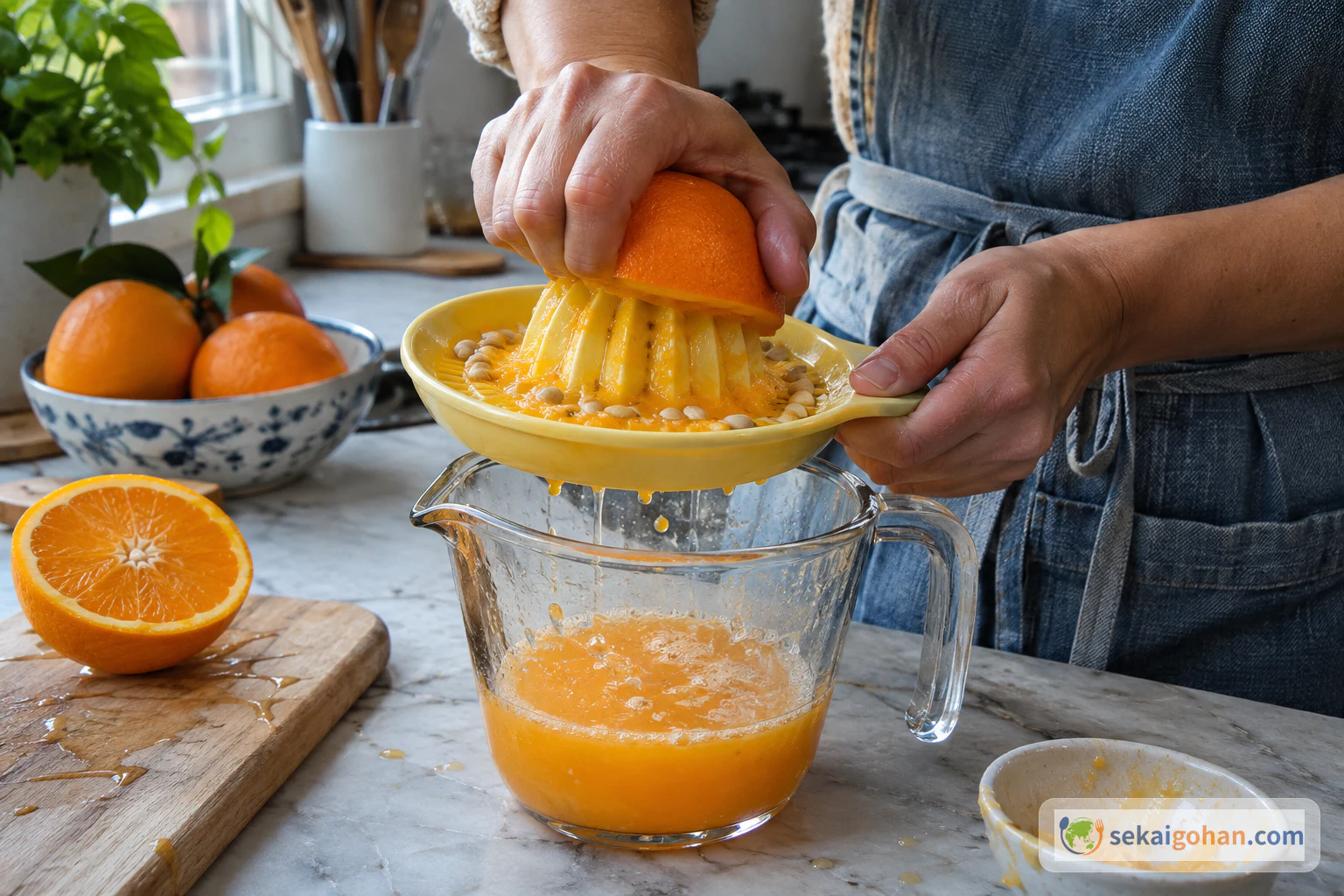
The orange carries the whole drink, so use freshly squeezed juice and use it straight away. Juice that sits loses its bright smell and starts to taste flat.
This is an alcoholic drink. Serve it only to adults of legal drinking age (20 and over in Japan). Never drink and drive. Do not drink it during pregnancy. Do not try to distil spirits at home, and do not recreate the old buried-bottle cane-spirit method. If anyone at the table reacts to citrus, leave the drink out for them.
Equipment
- Jigger (measuring cup for spirits)
- Cocktail shaker with a strainer
- Handheld citrus juicer
- Knife and cutting board
- Tall glass (highball or Collins)
Choosing Singani and What Can Stand In
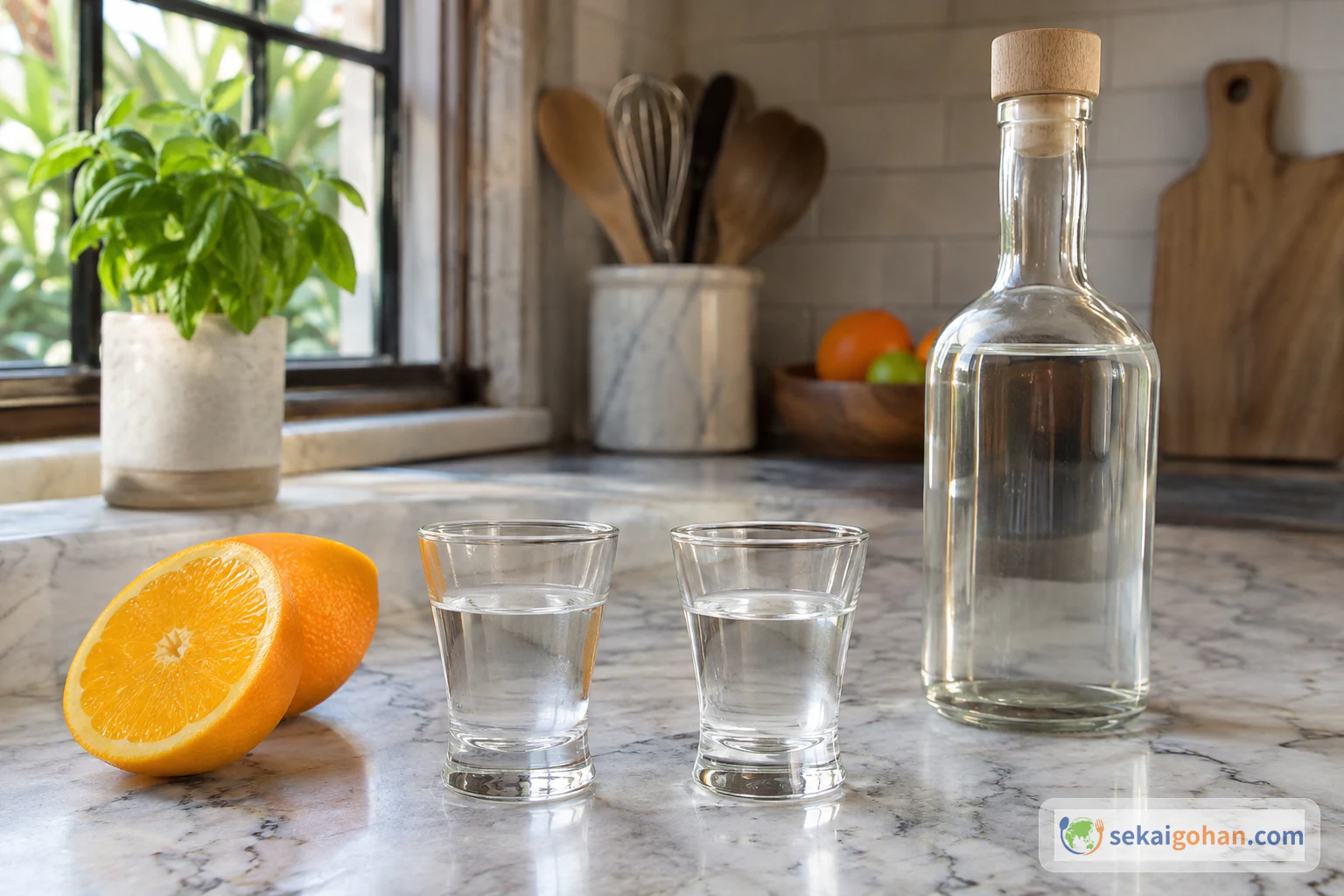
Singani is the part worth hunting for. Availability varies, so ask a shop that stocks imported spirits. Choose a bottle from Bolivia. Its grape aroma is what makes the drink taste like Bolivia, and keeping it, along with fresh juice and real cold, keeps the drink close to the one served there.
| If you can't get | Use | What changes |
|---|---|---|
| Singani | Pisco | A stand-in, not the classic pour. Another grape spirit, so the drink still reads as fruit and orange. The aroma shifts away from singani's |
| Singani | Brandy | Rounder, woodier and darker in flavor. The drink loses some of its lightness |
| Freshly squeezed orange juice | Bottled orange juice | Easier, but flatter and often sweeter. Cut back on the syrup and taste |
| Syrup | Simple syrup made from sugar dissolved in water, or plain sugar | Syrup blends instantly. Granulated sugar needs a hard shake to dissolve |
Sweet, juicy oranges make the best base. If your oranges are tart, add a little more syrup to taste. If they are very sweet, use a little less.
Method
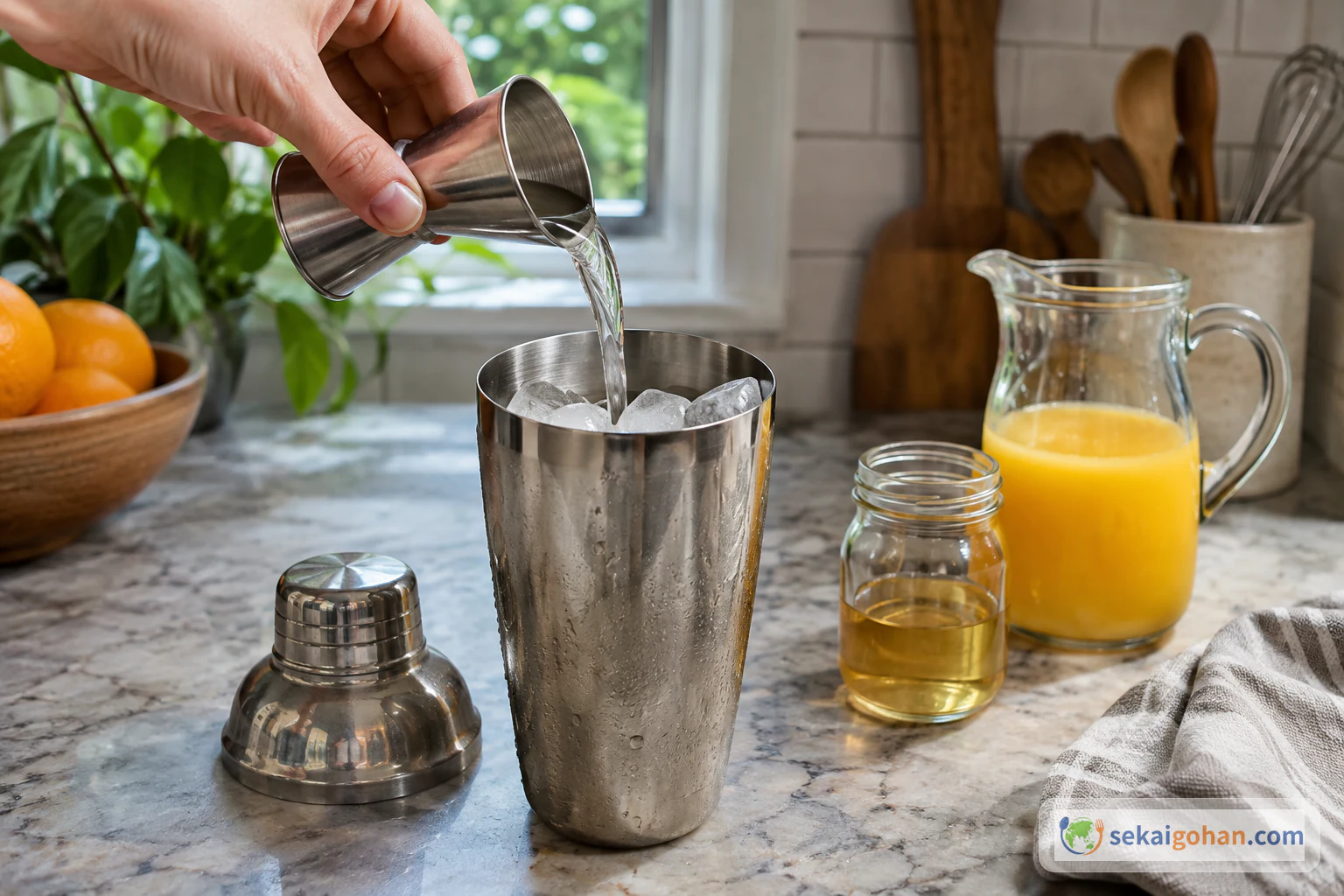
Squeeze the oranges and fill the serving glass with ice before anything else, so that nothing waits once the spirit is poured. The rest takes a few minutes, and the shake is the part that decides the drink. You can also build the Yungueño directly in the ice-filled glass and stir it well. The shaker gives a colder, more blended result.
A lukewarm Yungueño tastes like sweet juice with spirit floating on top. Shake very well and serve over a full glass of ice. The cold pulls the orange and the singani into one clean taste.
When It Goes Wrong
| What you see | Why | What to do |
|---|---|---|
| The drink tastes harsh and boozy | The spirit was heavier than the recipe, or the drink is too warm | Measure with the jigger, shake longer and pour over a full glass of ice |
| It tastes bitter | The pith was pressed into the juice | Squeeze gently next time and stop before the white layer gives way |
| It is cloyingly sweet | Too much syrup, or bottled juice that was already sweet | Top up with a little fresh juice. Next time cut the syrup and taste |
| Sugar grains sit at the bottom | Granulated sugar did not dissolve | Use syrup, or shake much harder to melt the sugar |
| It tastes flat and dull | The juice sat too long after squeezing | Squeeze the oranges right before mixing |
Serving and Variations
Yungueño is a long drink for warm afternoons and evenings, made one glass at a time and served the moment it is poured. Set out cut oranges beside the glasses so people can add more slices, and make the mint version next to the plain one for guests to choose between.
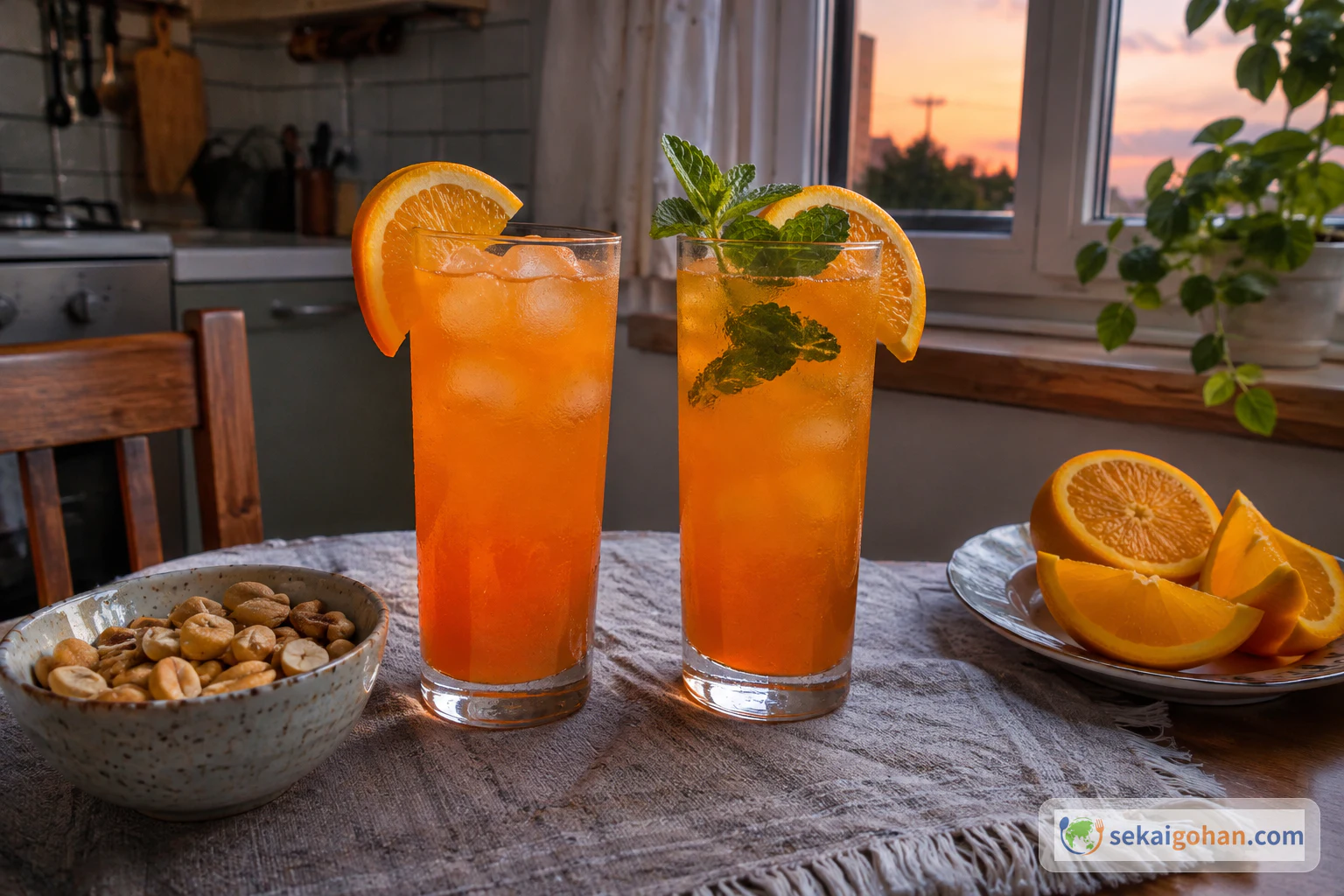
Yungueñito, with mint
This is a shorter glass: 1½ fl oz (45 ml) singani to 3½ fl oz (105 ml) orange juice, sweetened with sugar or syrup. Pour the syrup into the singani first, then add the juice. Garnish with an orange slice or peel and fresh mint (hierbabuena). The mint makes the drink cooler and greener on the nose, and the smaller amount of juice lets more of the spirit come through.
The stronger two-to-one pour
Use 1¾ fl oz (50 ml) spirit, either singani or pisco, to 3⅓ fl oz (100 ml) orange juice. Sweeten it with 2 tsp sugar or brown sugar instead of syrup. Shake with a little ice, strain into an ice-filled highball glass and garnish. The spirit is more noticeable, and brown sugar gives a faint caramel note.
Adjusting the sweetness
The syrup is the dial. Taste your oranges before you mix, and add syrup to taste until the acidity is rounded but the orange still tastes fresh.
Frequently asked questions
What is singani?
Singani is a clear grape spirit made in Bolivia, from Tarija, Chuquisaca and Potosí. It is the national spirit and the classic base for this drink. Its floral grape aroma sits underneath the orange in the glass.
Is the Yungueño the same as the Yungueño breakfast?
No. They share a name because both come from the Yungas, but the breakfast is a plate of food and the Yungueño is a cocktail. Everything here is about the drink.
Which syrup should I use?
Simple syrup, made from sugar dissolved in water, works well and blends instantly into cold juice. Plain sugar or brown sugar also works if you shake hard enough to dissolve it. Brown sugar adds a darker, caramel edge.
Can I mix several glasses at once in the shaker?
Mix one or two glasses at a time. A packed shaker leaves less room for the ice to move, so the drink chills less and the frost cue comes later. Making each glass separately keeps every one very cold.