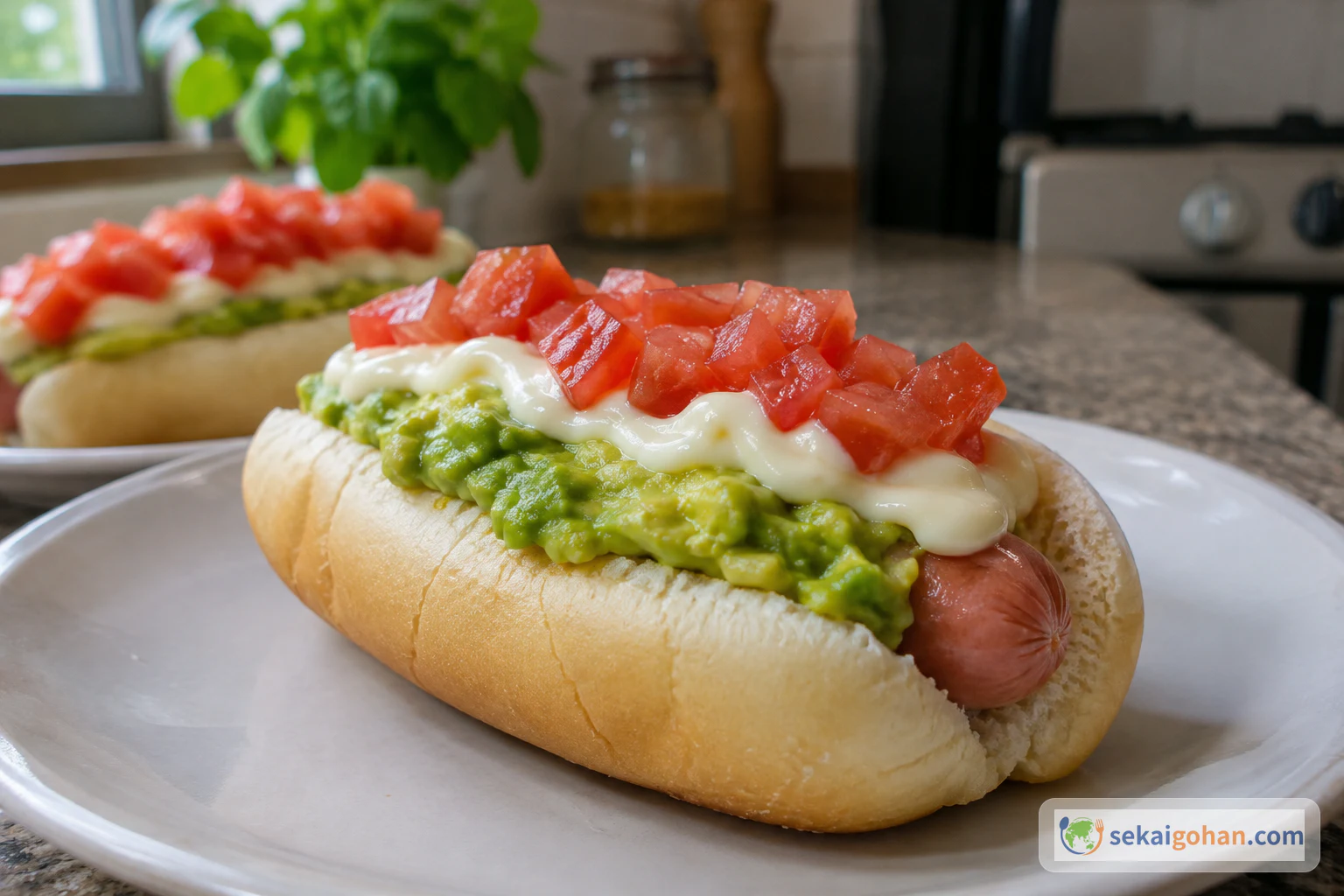

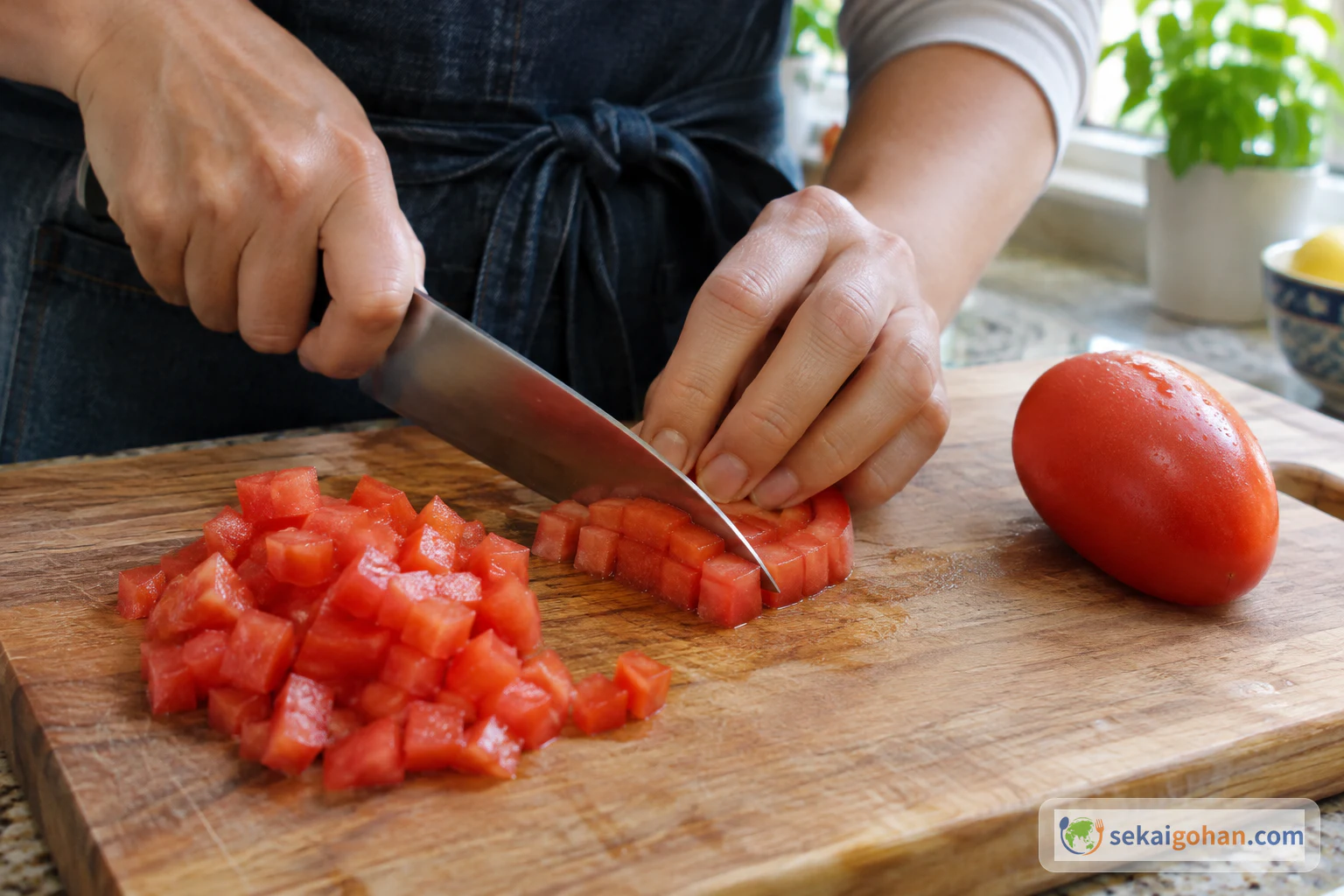

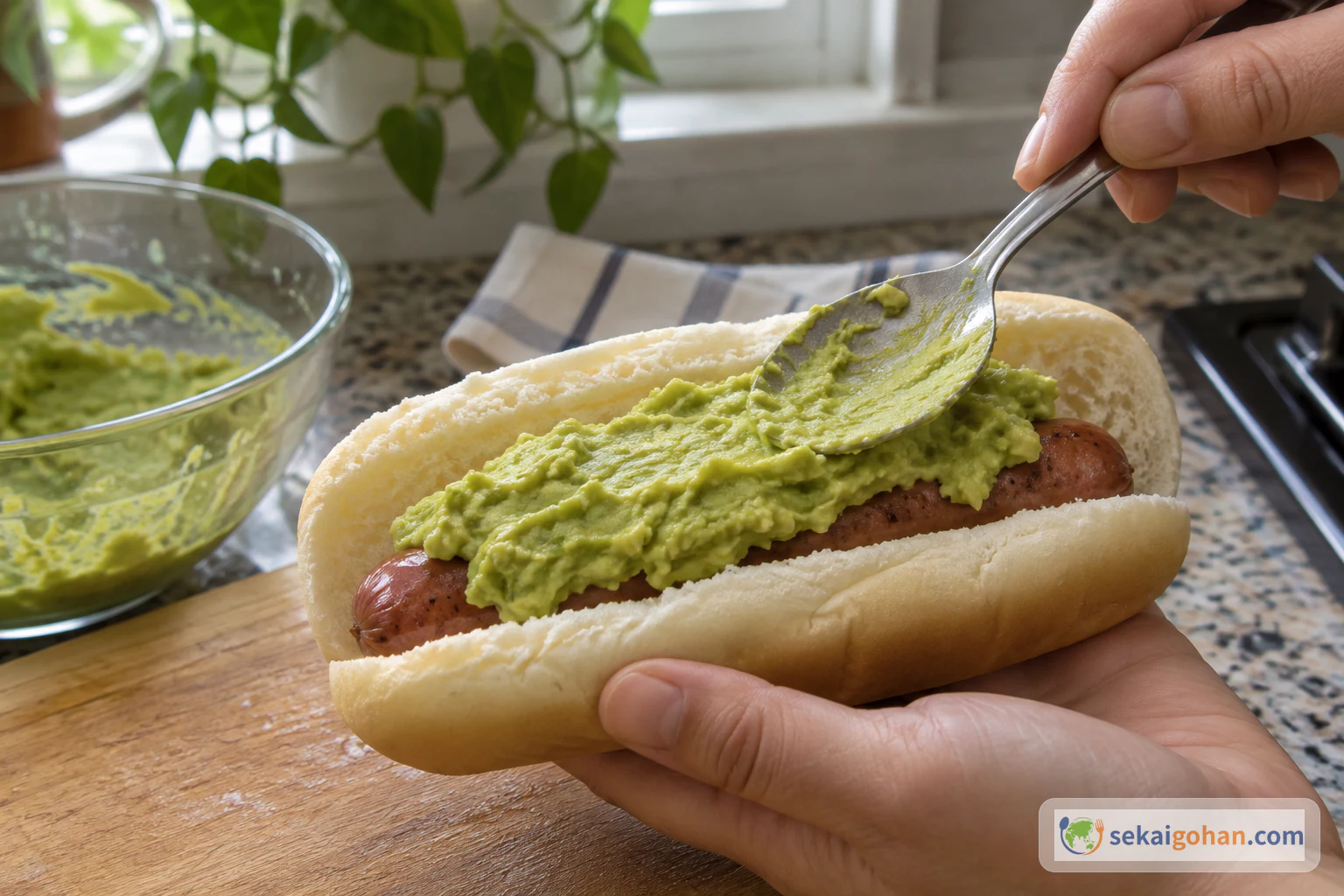
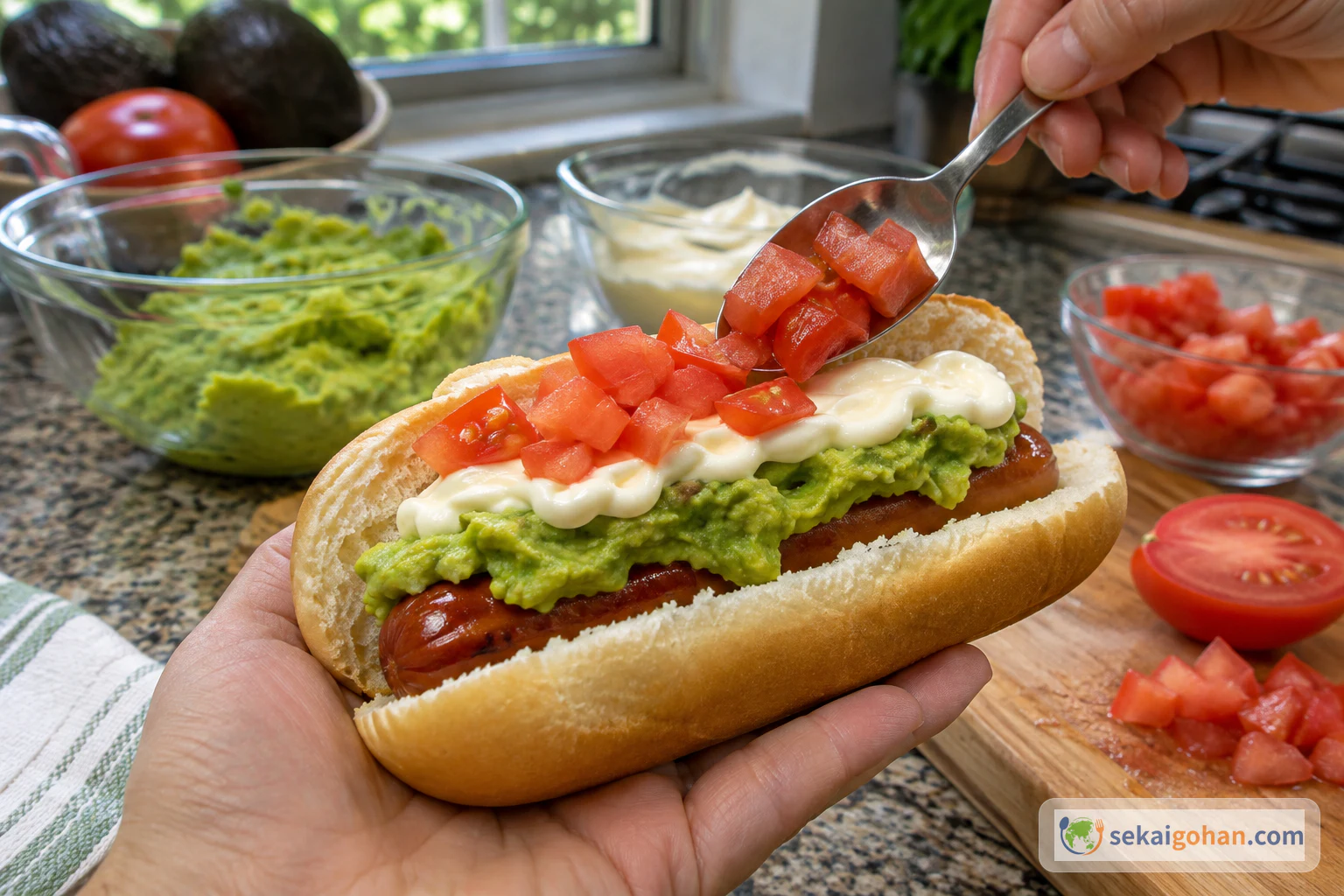
The sausage comes out of the hot water steaming and goes into a soft white bun. A thick green layer of mashed avocado goes over it, then a white line of mayonnaise, then a heap of finely diced red tomato. You eat it with your hands, straight away, while the sausage is still hot under the cool avocado. This is the completo italiano, Chile's hot dog. It tastes rich, mild and fresh at once, and the sausage is almost the side dish.
In Chile, "completo" is the word for the whole family of loaded hot dogs, and the italiano is the one most people picture. It belongs to street stands and to the home table alike, and it is easy to make in any kitchen with a supermarket nearby.
Green, White and Red: The Hot Dog Chile Calls Complete
A flag in a bun
The name of the italiano is usually traced to its colours. Green avocado, white mayonnaise and red tomato make the Italian flag, so a completo with those three layers became the "Italian" one. The base never changes: a bun and a boiled sausage, the vienesa, often a mix of beef and pork. What changes is what goes on top, and in Chile the topping is the point.
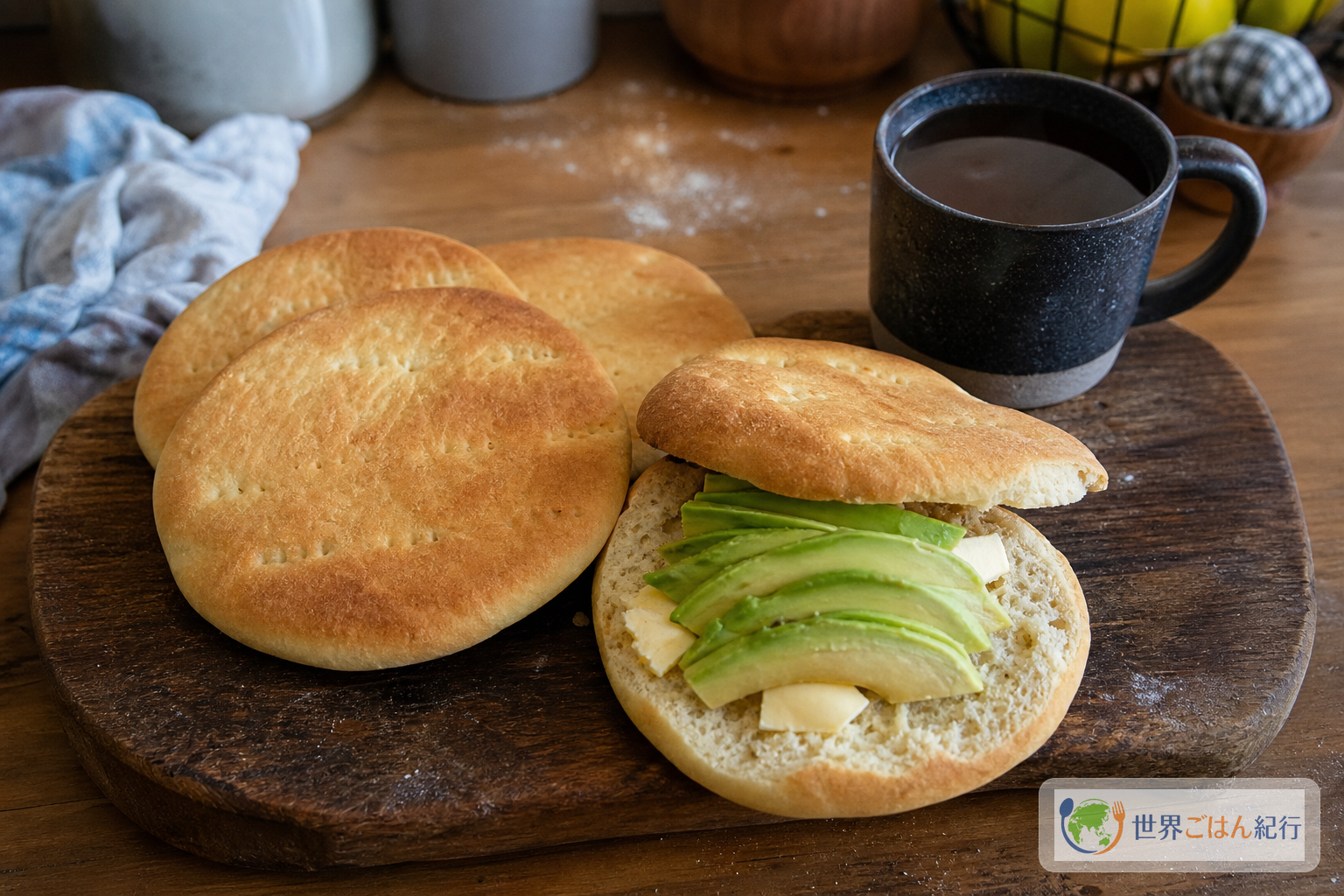
Completos are eaten at street counters and at home. They also come out at once, the Chilean meal later in the day, at the same table as soft breads like hallulla. A plate of warm completos is easy to set out for a family, and everyone builds or eats their own.
Where it began
The completo is usually tied to Eduardo Bahamondes and his Santiago lunch counter, the Quick Lunch Bahamondes, where he is said to have first served hot dogs to Chileans. The date is not settled: some place it in the early 1920s, others in the 1930s. The sausage is often linked to German immigrants in Chile, and that link shows in the name of one of the classic types, the alemán, meaning "German".
Chilean menus list at least a dozen kinds of completo. Besides the italiano you will see the dinámico, the alemán, the chacarero, the completo a lo pobre and the Jarpa, among others.
You can find more of the country's home cooking on the Chile page, from pastel de choclo to the winter stew charquicán.
Ingredients (serves 4)
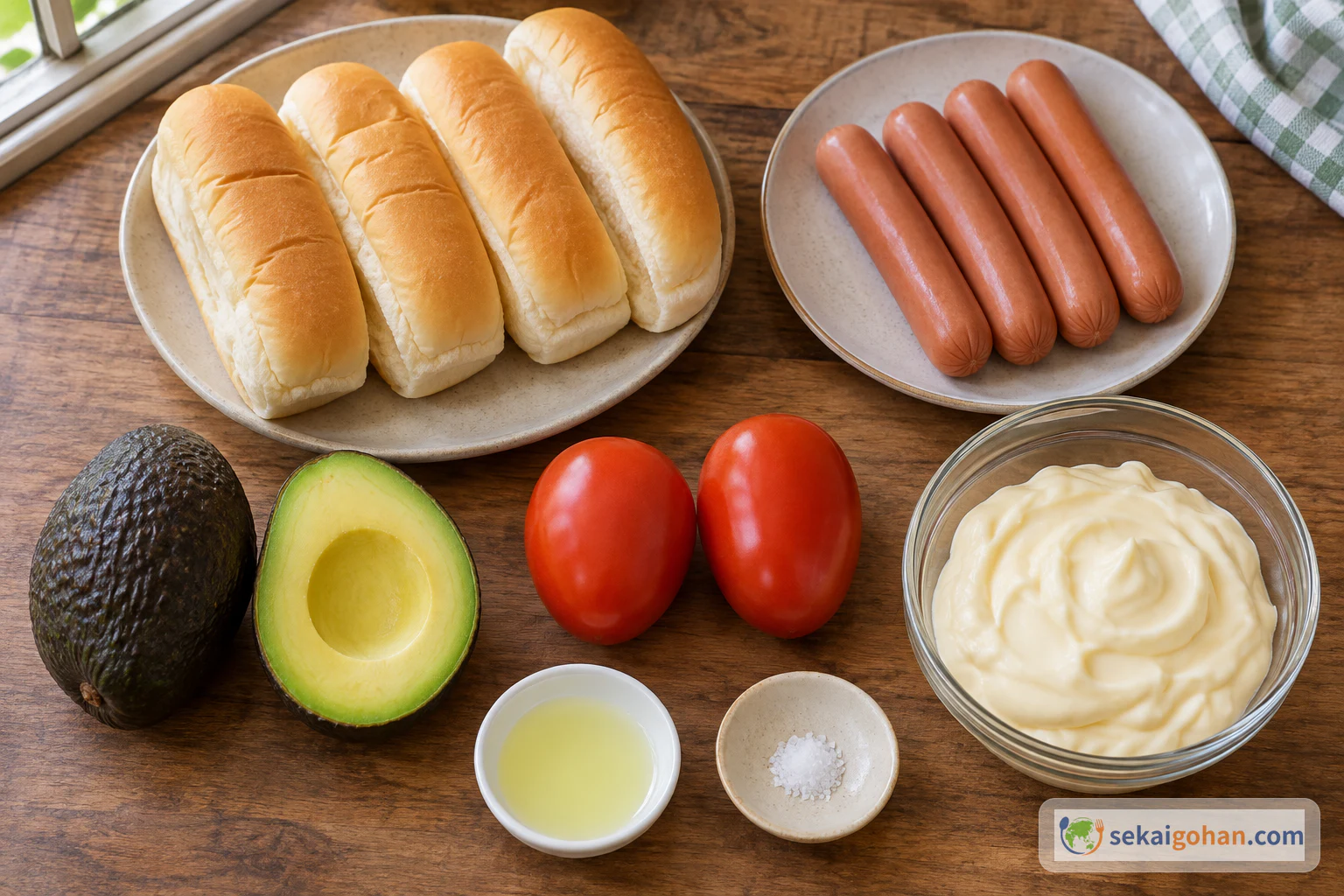
Mayonnaise contains egg and the buns contain wheat. Sausages can contain milk, soy, mustard or other allergens depending on the brand, so read the label. Use sausages that are sold fully cooked; this recipe only warms them and never serves them raw.
Equipment
- Medium pot with a lid
- Tongs
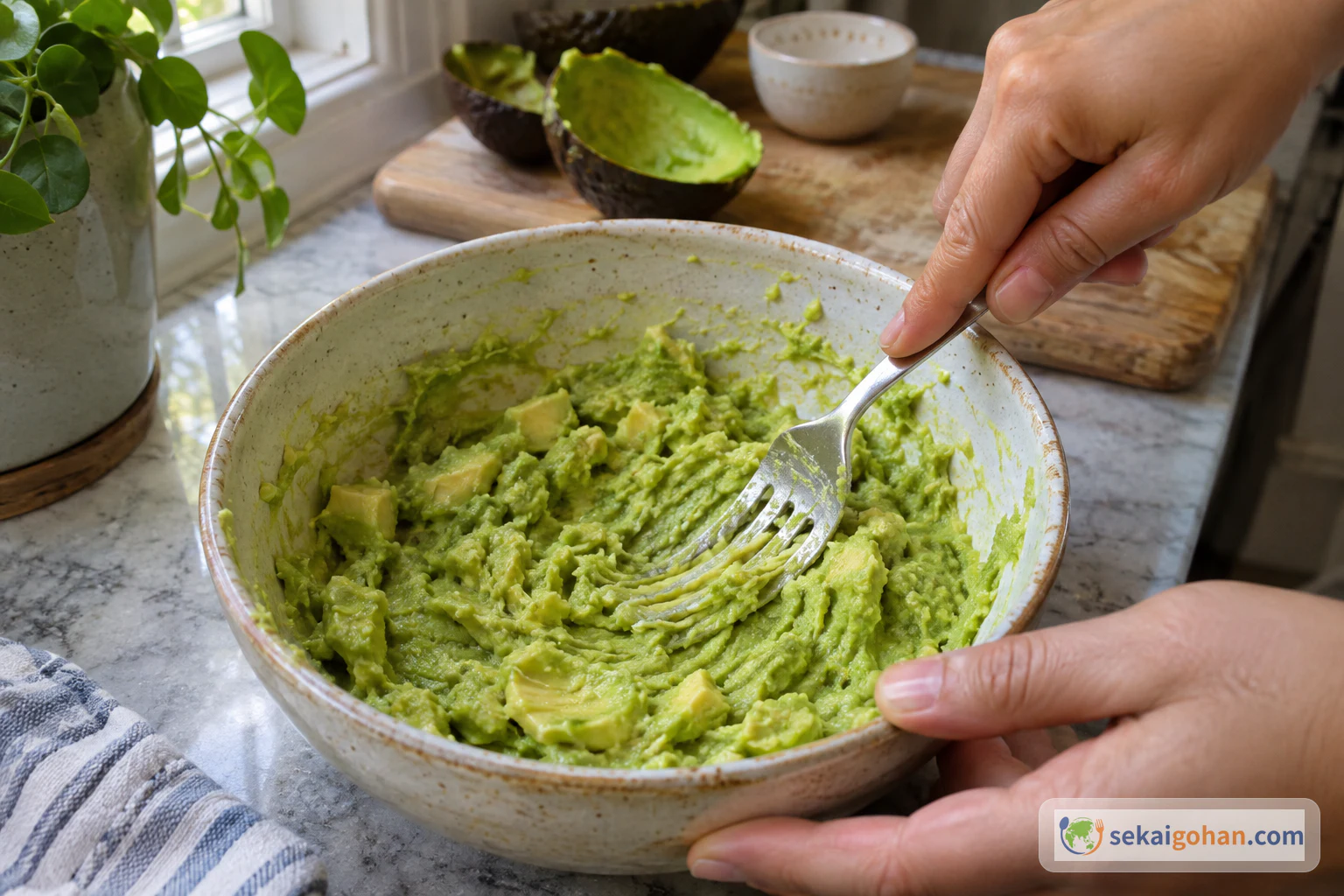
- Small bowl and a fork for mashing
- Sharp knife and cutting board
- Skillet, or aluminium foil for warming the buns
- Spoon for spreading
- Squeeze bottle or piping bag for the mayonnaise (optional)
What to Buy and What You Can Swap
Nothing here needs a specialty shop. The bun matters more than you would think. Look for a soft, plain white hot dog bun. Crusty or seeded rolls fight the toppings and make the whole thing hard to bite through.
For the sausage, regular hot dogs, Vienna sausages or frankfurters all work. A thicker frankfurter is meatier and fills the bun more; a thinner Vienna-style sausage lets the avocado lead, which is closer to the Chilean balance.
The avocado must be fully ripe. It carries the dish, and an underripe one stays lumpy and tastes grassy. A Hass avocado that gives under gentle pressure is right.
| Swap | What changes |
|---|---|
| Lemon juice for lime | Sharper and a little less fragrant; still keeps the avocado green |
| Salt only, no citrus, in the avocado | The way many Chileans season it; purer avocado taste, but it browns sooner, so mash it right before serving |
| Round tomatoes for Roma | More juice and seeds; remove the core and seedy centre before dicing |
| A tangier mayonnaise | Brighter against the avocado; use even less of it |
Chileans like their mayonnaise, and ¾ cup across four completos is a generous hand. Start with a thin line on each and add more at the table. The avocado should still be the first thing you taste.
Method
All the work is quick, and the only hands-off time is while the sausages warm. Start the water first, then mash the avocado and dice the tomato while it heats. Warm the buns last, so nothing waits long. Build each completo just before it is eaten.
Put the hot sausages, warm buns, avocado, tomato and mayonnaise out together and let each person build their own. Every completo is eaten as soon as it is made, and nobody gets a cold sausage.
When It Goes Wrong
| What you see | Why | What to do |
|---|---|---|
| The sausage is cold in the middle | It came out of the water too soon | Return it to the hot water until it is hot right through; keep the pot covered on the lowest heat |
| The sausage skin split | The water boiled hard | Lower the heat so the water only steams |
| The avocado turned grey-brown | It sat open to the air too long | Mash it close to serving, mix in the lime, and press plastic wrap onto the surface while you wait |
| The avocado is lumpy and bland | The avocado was underripe | Buy ahead and use avocados that give under gentle pressure |
| Mayonnaise is all you taste | Too heavy a line | Use a thin line and offer more at the table |
| The bun cracks when you fold it | It was toasted too long or too hot | Warm it on low heat only until warm, or wrap it in foil |
Serving and Variations
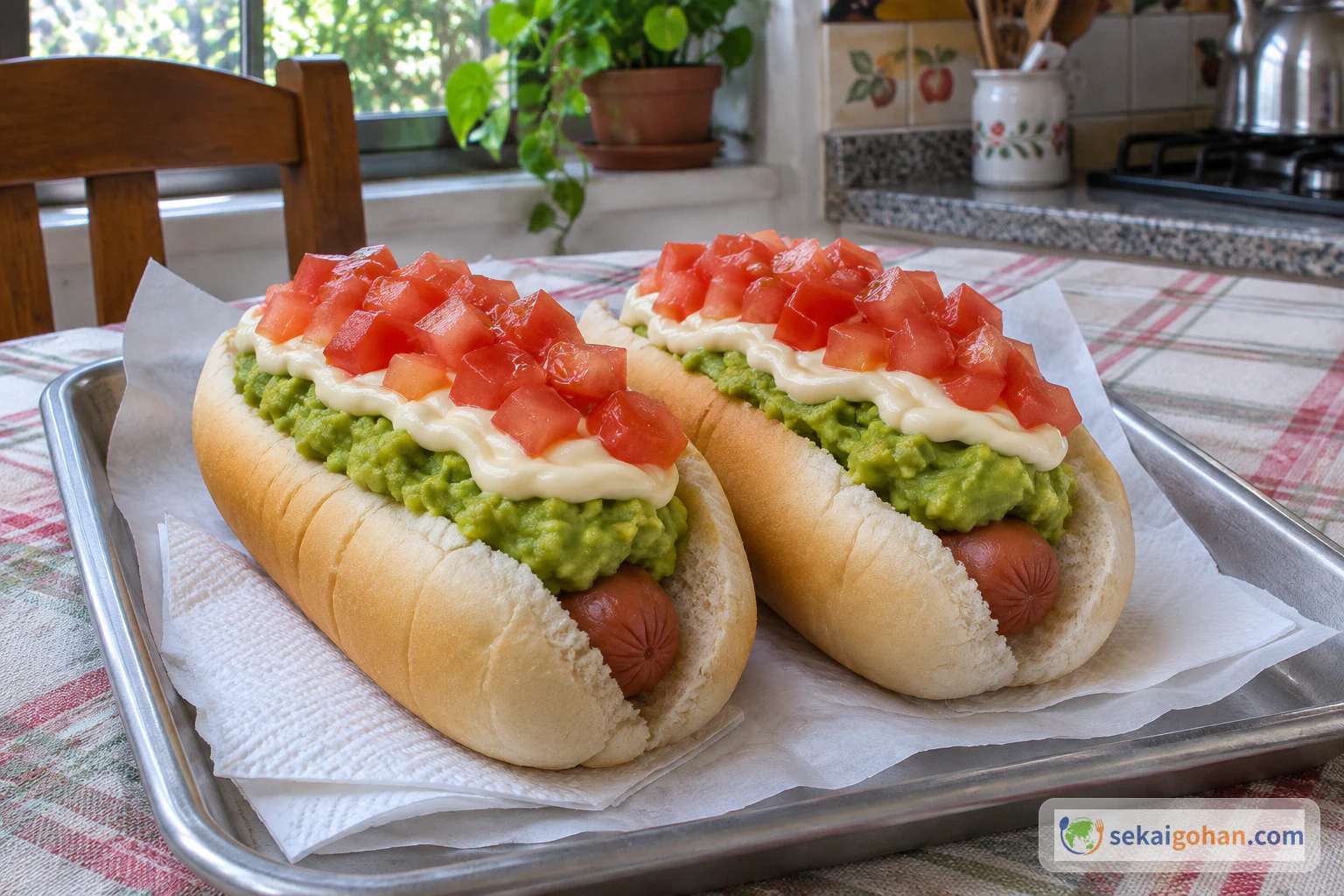
Completos are eaten with your hands, so put out plenty of napkins and a glass of juice. Completos do not keep once they are built: eat them right away and do not store assembled leftovers.
The other completos
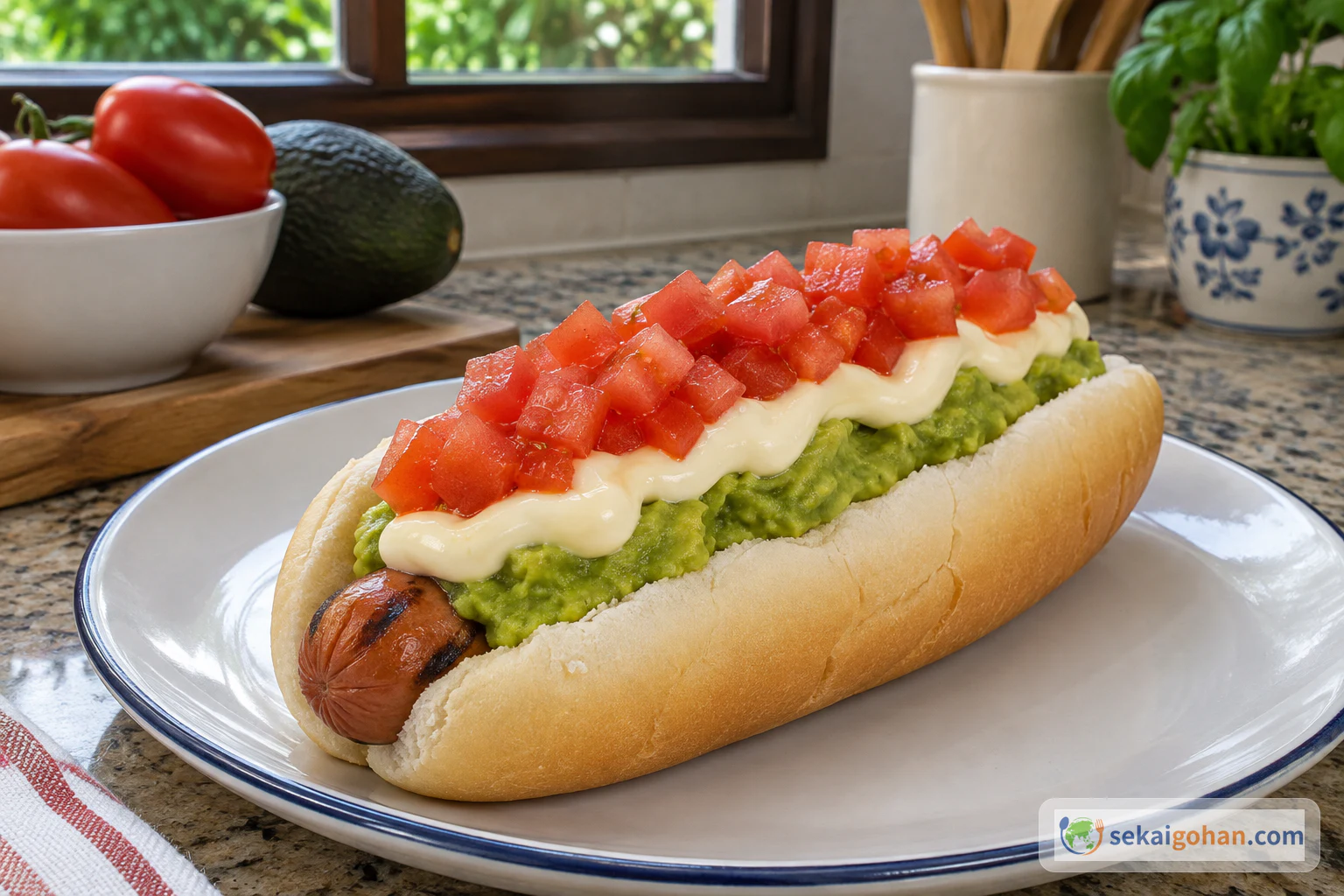
- Alemán. The "German" completo trades the avocado for chucrut (sauerkraut) with tomato and mayonnaise. It is sour and crunchy where the italiano is soft and rich.
- Dinámico. An italiano with extra sauces on top, such as salsa americana or salsa verde. It is wetter and sharper, and harder to eat neatly.
- With salsa americana. Cucumber, onion and carrot are blanched briefly and pickled in vinegar, then spooned over the sausage. It adds crunch and acidity that cut the mayonnaise.
- With salsa verde. Parsley, onion and garlic are chopped with salt, pepper, lemon juice or vinegar, and oil. It gives a fresh herbal bite.
The chacarero, the completo a lo pobre and the Jarpa are other named types you will see on Chilean menus.
Frequently asked questions
Can I grill the sausages instead of boiling them?
Yes. Grill them over charcoal for 3 to 5 minutes, turning them, until they are hot through and lightly marked. They get a smoky edge that boiled vienesas do not have, which moves the taste a little away from the soft Chilean street style. The toppings and build stay the same.
Should the mayonnaise go on first or on top?
Both are common. Some cooks spread the mayonnaise on the bun first, under the sausage, which hides it and keeps the colours on top to green and red. Putting it between the avocado and the tomato shows the white stripe of the flag. Choose by how you like the bite.
How do I make completos for a crowd?
Prepare the parts, not the finished hot dogs. Keep the sausages covered in hot water on the lowest heat, wrap the buns in foil, and mash the avocado shortly before people sit down. Build each completo as it is asked for.