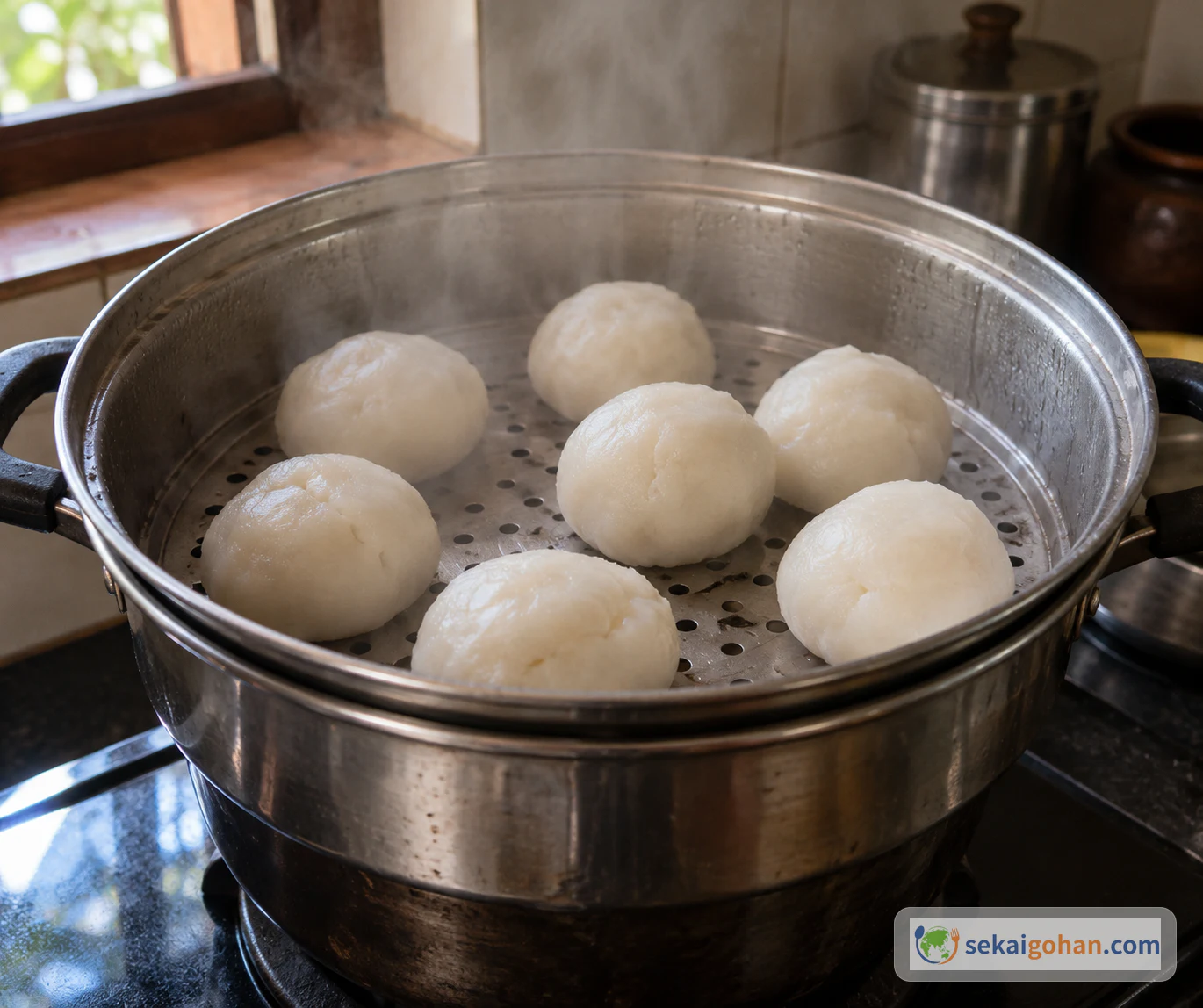
Kerala Kozhukatta: A Soft Rice Shell Around Jaggery and Coconut
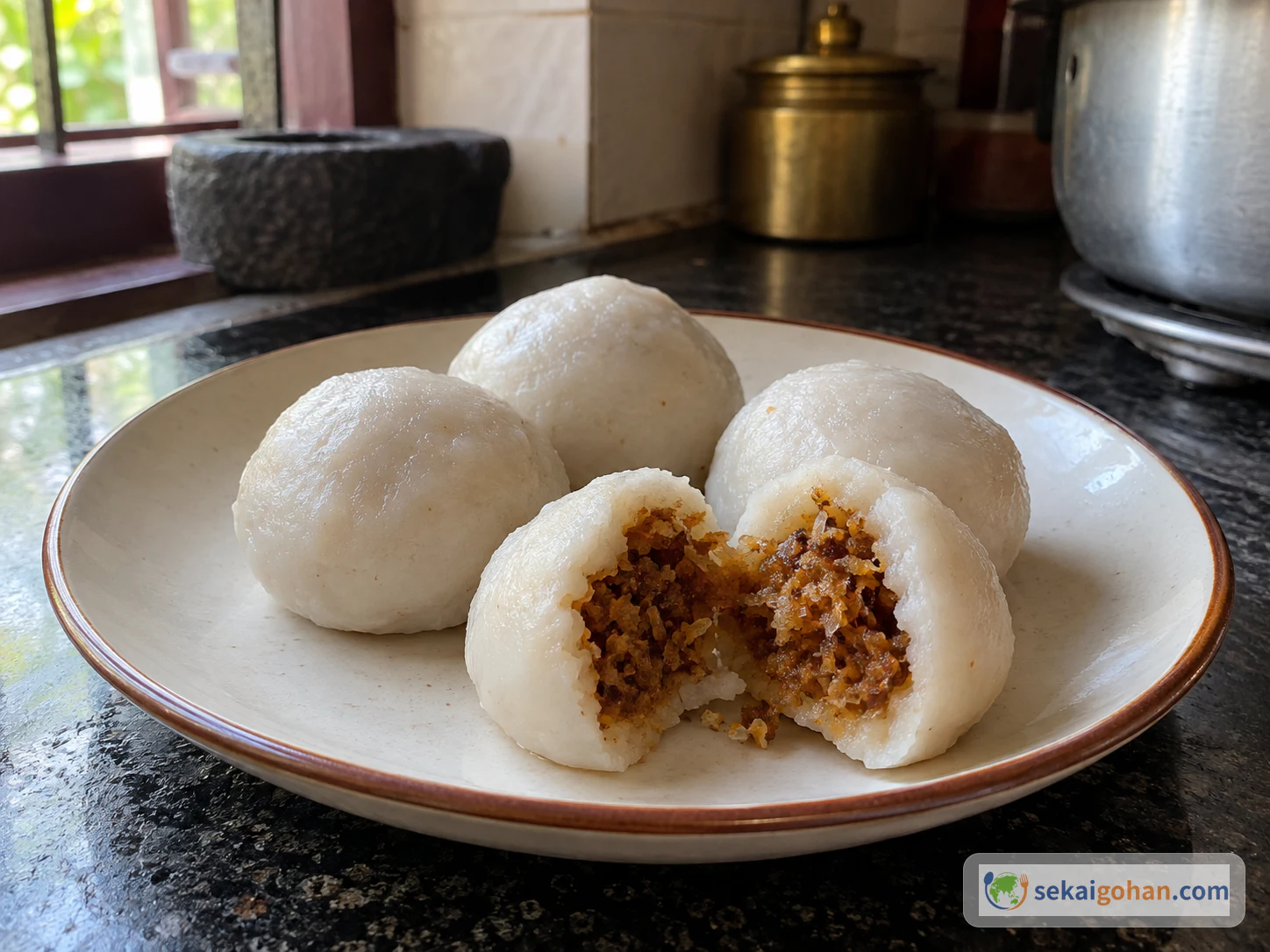
One sweet home version of Kozhukatta, following Ann Ittoop's recipe: a jaggery-and-coconut filling scented with cardamom and cumin, sealed inside a round shell of toasted rice flour and coconut milk, then steamed.
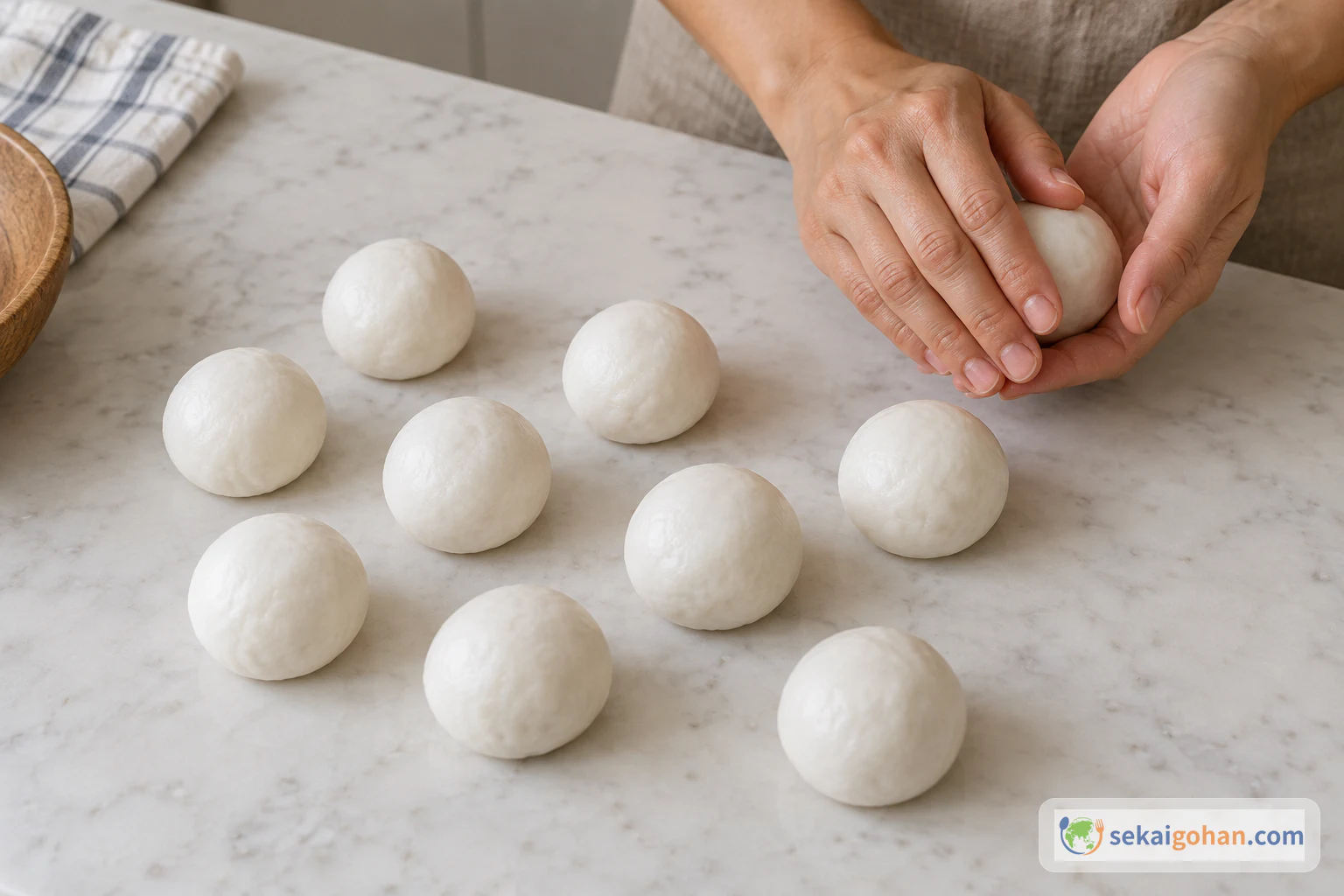
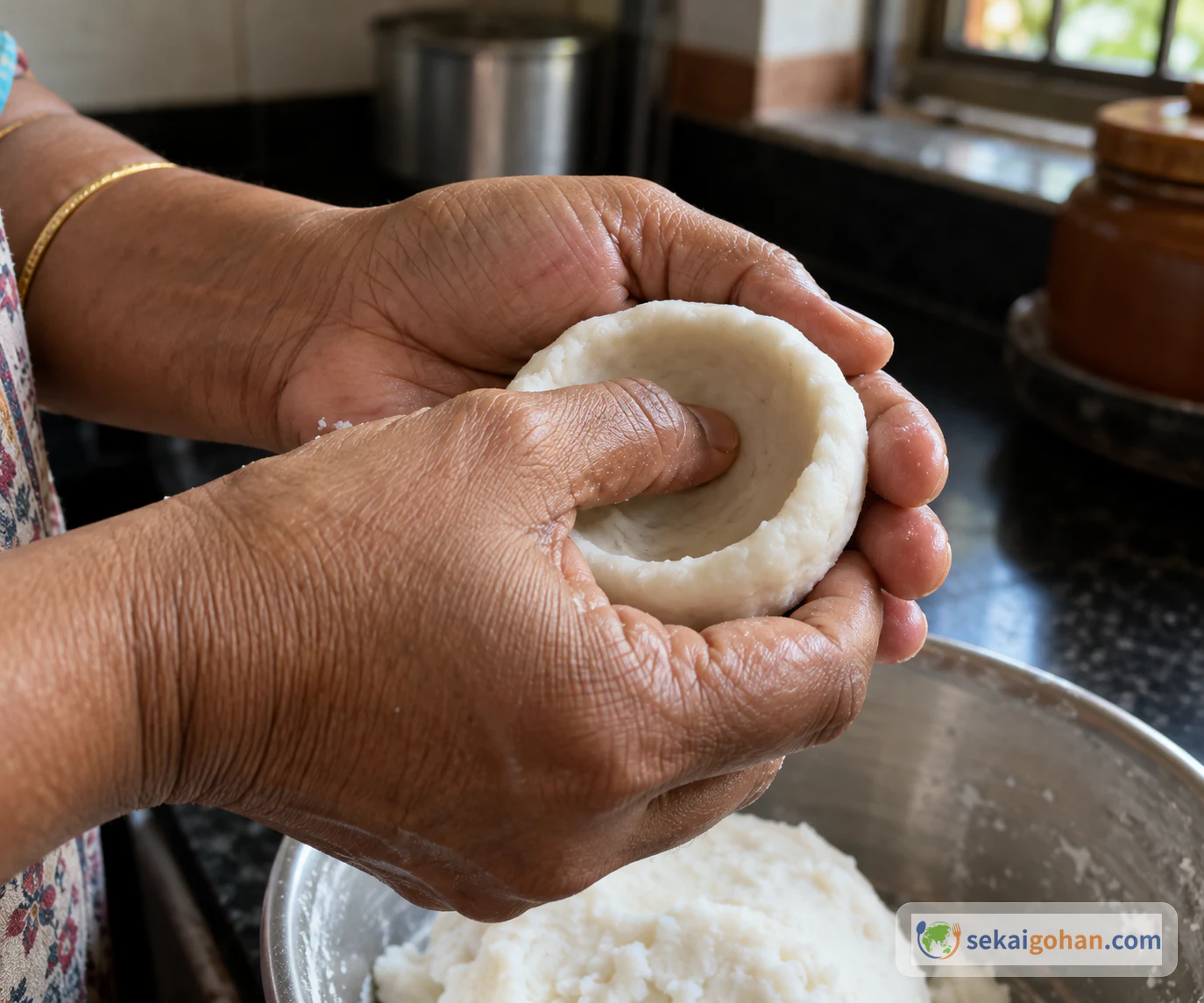
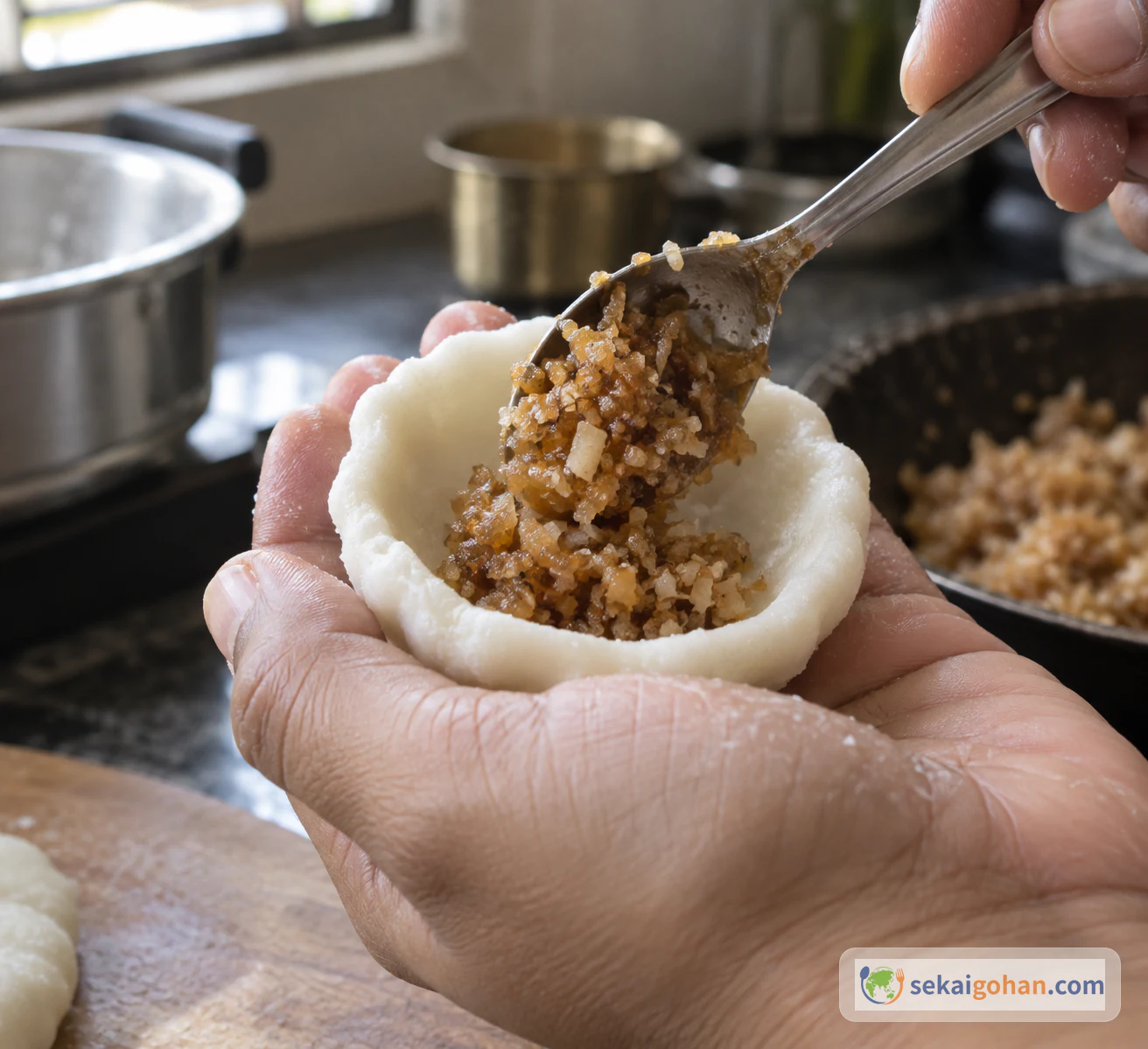
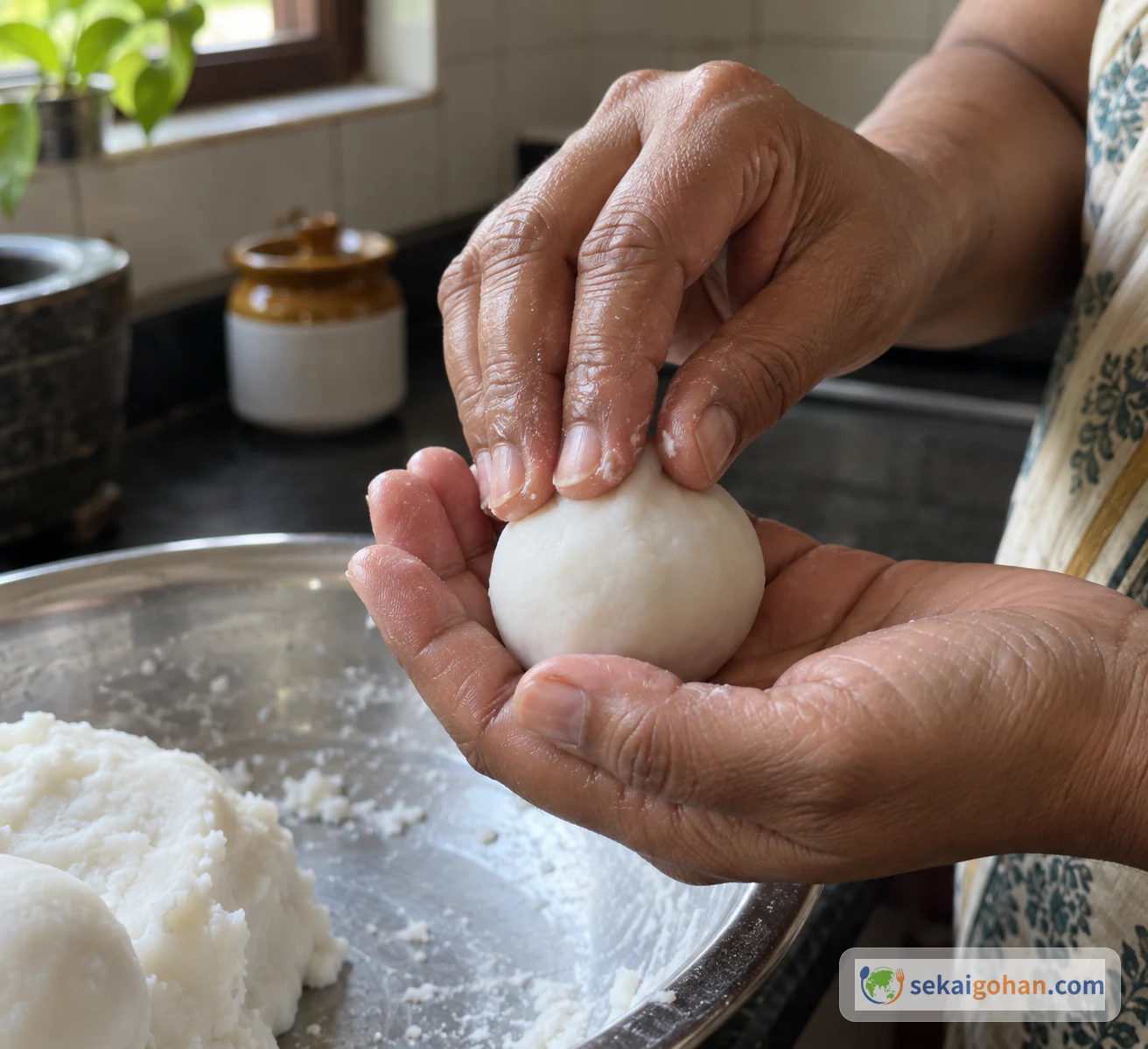
Kozhukatta (കൊഴുക്കട്ട) is a name used in Kerala, in southern India, for dumplings made with rice flour. The version here is sweet: grated coconut is cooked down with melted jaggery, tucked into a small cup of soft dough, closed into a smooth round ball and steamed until the shell turns slightly sticky.
Ann Ittoop, who writes the food site The Familiar Kitchen, shares this recipe as part of her own family's Palm Sunday memories, a sweet treat from the table she grew up with. That memory belongs to her household; it is not a description of how every Kerala family, or every Palm Sunday, works. This article follows her one recipe and does not try to cover every Kozhukatta made in Kerala. For more dishes from across the country, see our India recipes.
This Kozhukatta Is Ann Ittoop's Home Version
All amounts, times and steps below come from Ann Ittoop's published recipe. Other Kozhukatta recipes use different flours, fillings and methods, and none of them are mixed in here. Where her page offers another sweetener, this article uses jaggery, and her optional extra spices and coconut-milk coating before steaming are left out. Her recipe gives no amounts for the extra warm water, the coconut oil for your hands, the cooking oil spray or the steamer water, and it does not name the type of spray oil or rice flour.
Her recipe card lists 10 dumplings, 25 minutes of prep, 15 minutes of cooking and 40 minutes in total. These are her published figures. We have not kitchen-tested this recipe, so treat the yield and timings as her guide rather than something we have measured.
The method has two parts that are easy to mix up: a filling made first and set aside, and a dough made in a clean pan afterward. Each part has its own water, and the dough, your hands and the steamer each get a different oil.
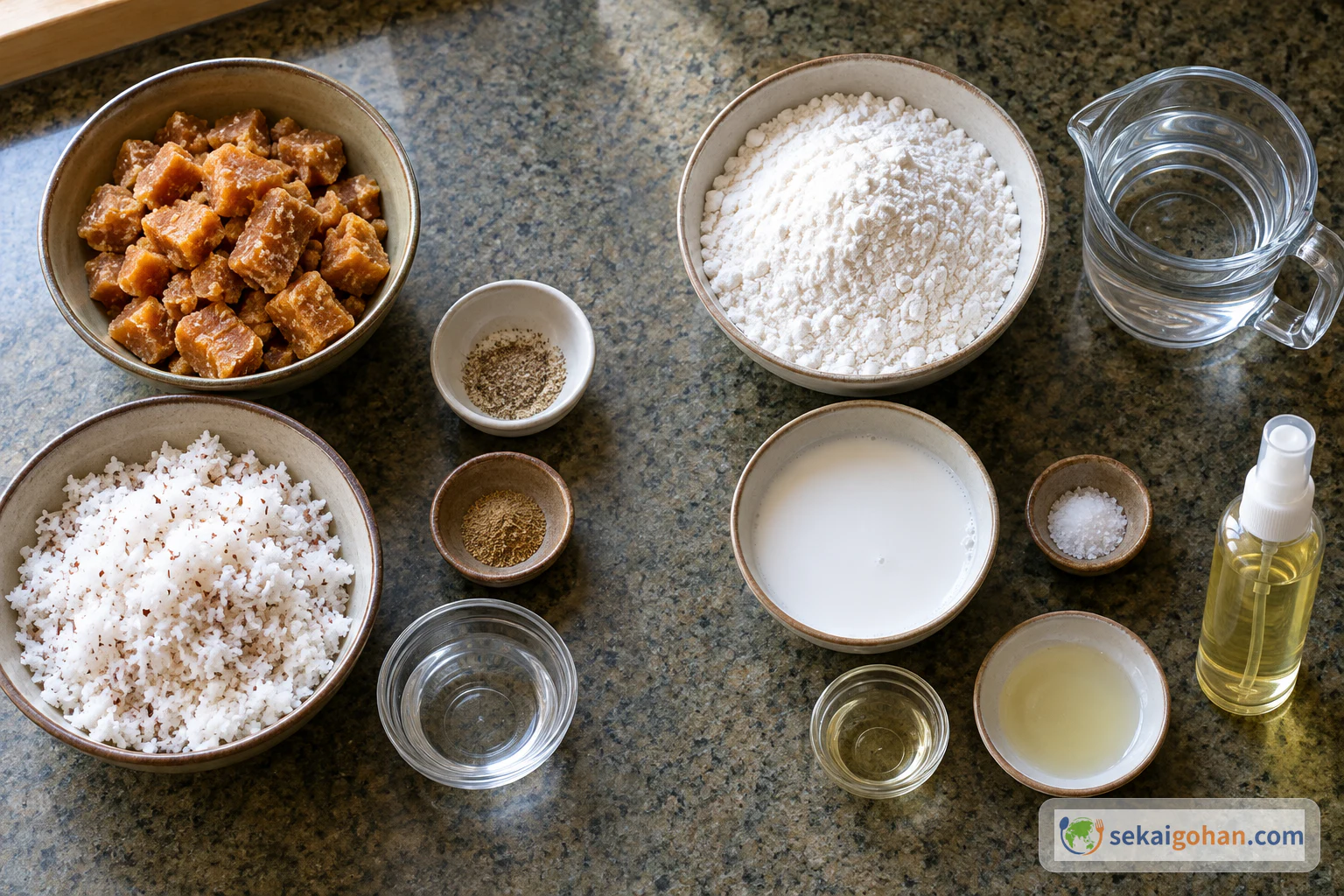
Ingredients for 10 Kozhukatta: Filling and Dough
Equipment
- A skillet for the filling
- A clean skillet for toasting the flour and making the dough
- A bowl for the toasted rice flour and a bowl or plate for the cooked filling
- A spatula for stirring
- Cup and spoon measures
- A clean work surface for resting, kneading and shaping
- A small spoon (about 1 tbsp) for filling
- A basket steamer set over water for steaming (this water is separate from the 1 cup in the dough)
Choosing the Jaggery, Coconut and Rice Flour
Jaggery. This version uses jaggery only. Look for it under the name jaggery.
Grated coconut. 1 1/2 cups go into the filling. For frozen grated coconut, see the FAQ below.
Rice flour. Look for a product sold simply as rice flour. Other flours are not part of this recipe.
Coconut milk. The 1/2 cup goes into the dough only. This version does not coat the dumplings in coconut milk before steaming.
Spices. The cardamom is one item: the seeds from 10 green pods, ground. The cumin is ground too. No other spices are added.
Three oils, three jobs. 1 tsp coconut oil goes into the dough; a little coconut oil goes on your hands; cooking oil spray goes inside the steamer. Keep them separate rather than adding them together.
Method: Filling First, Then a Dough Made in Hot Liquid
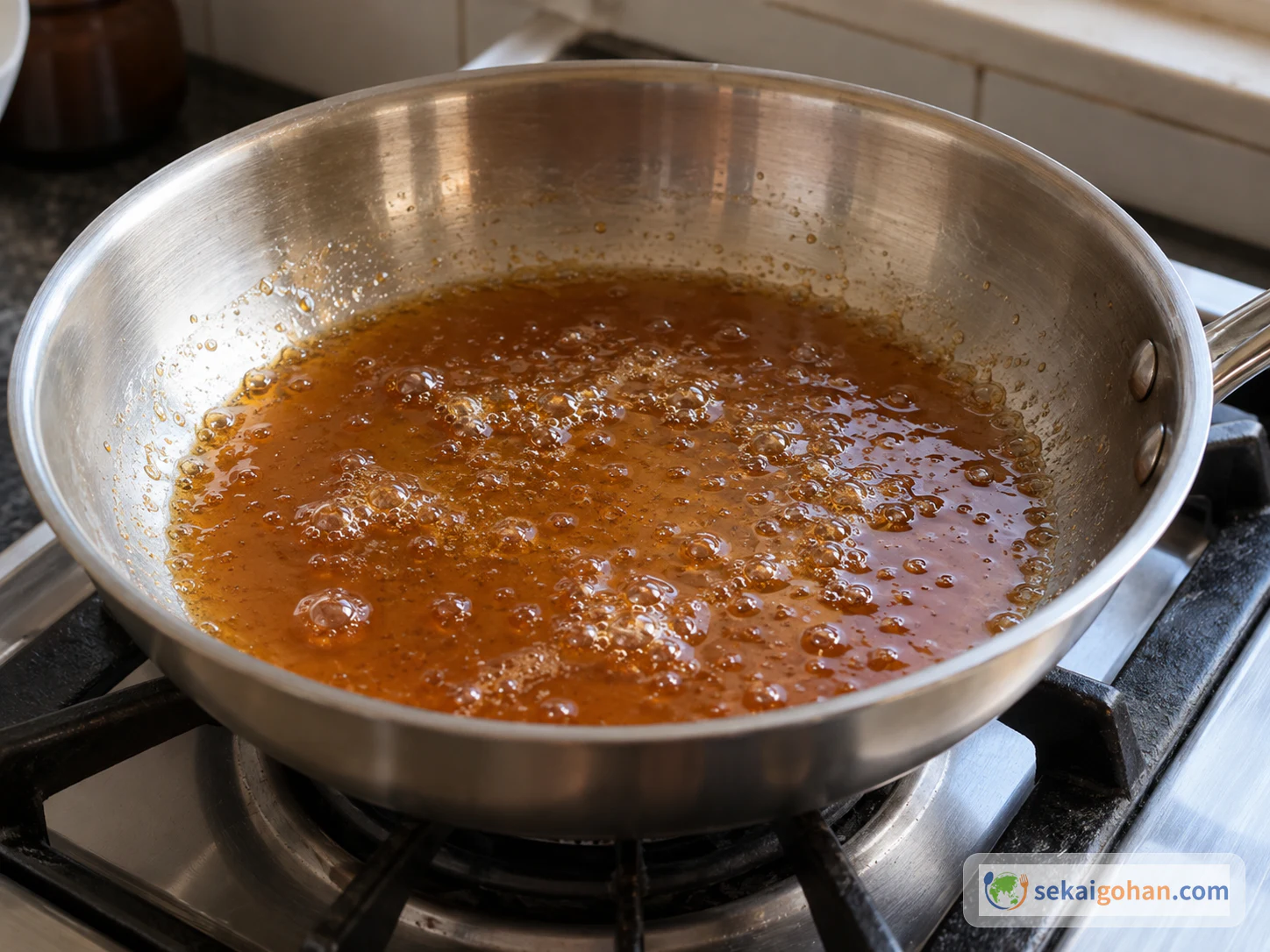
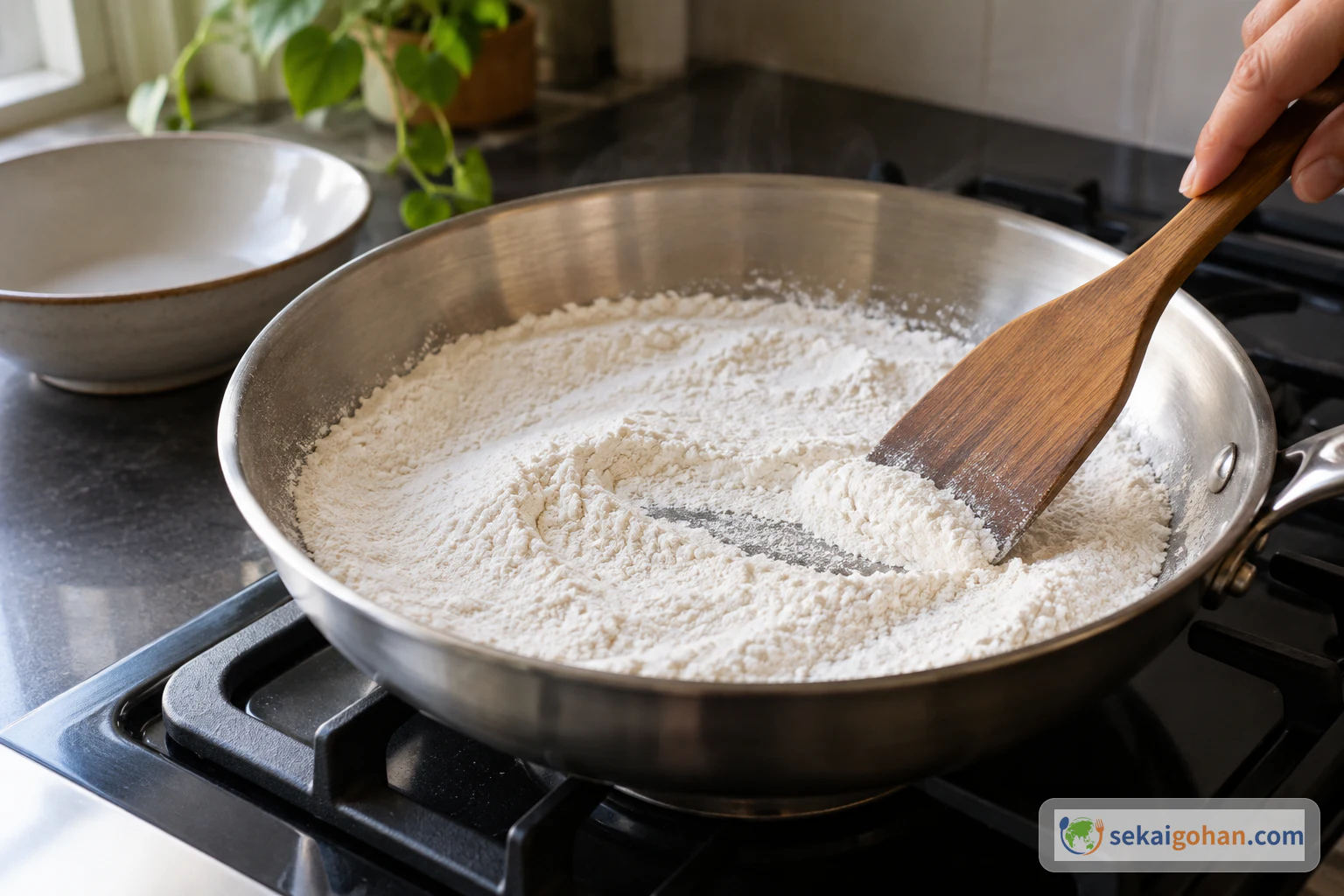
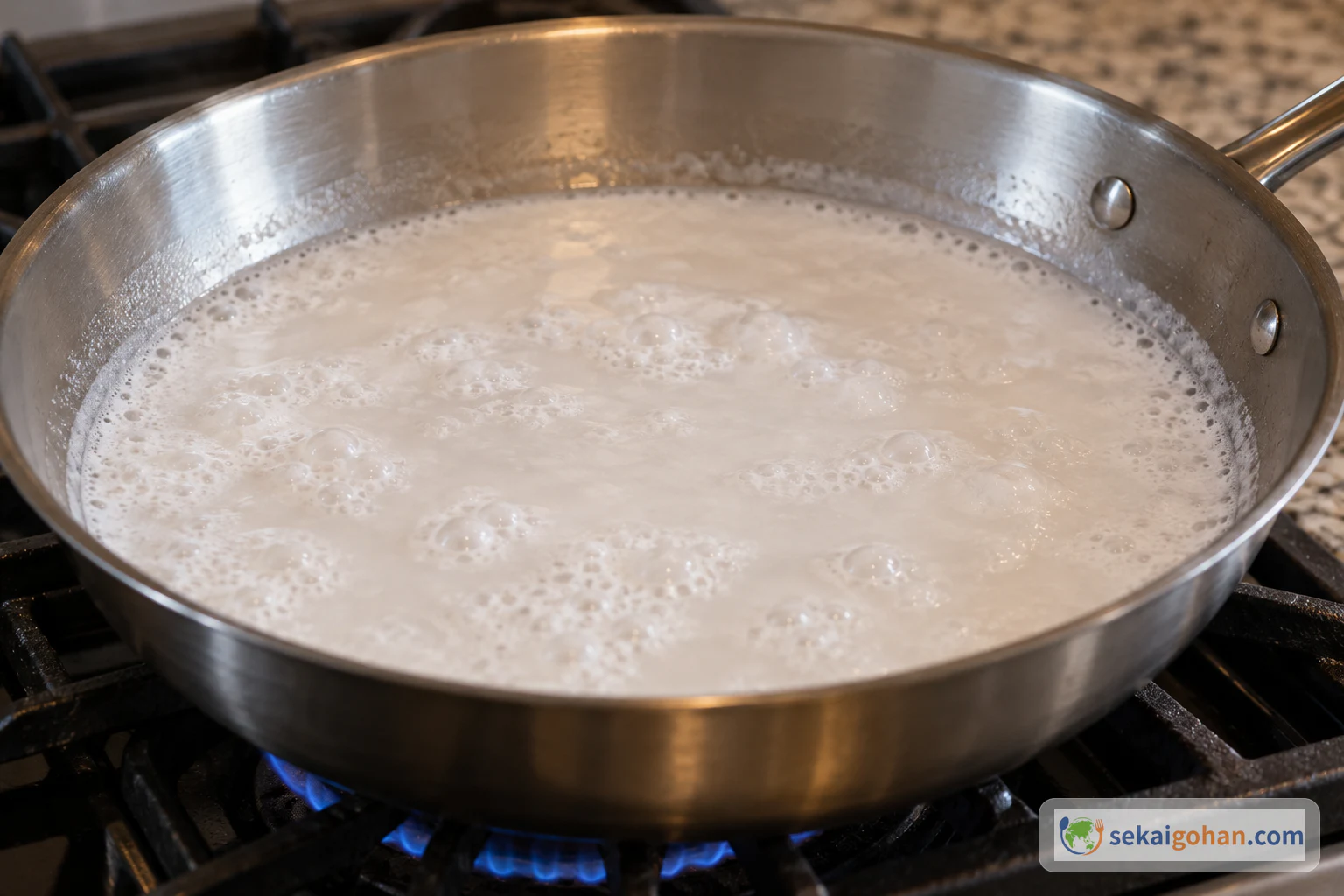
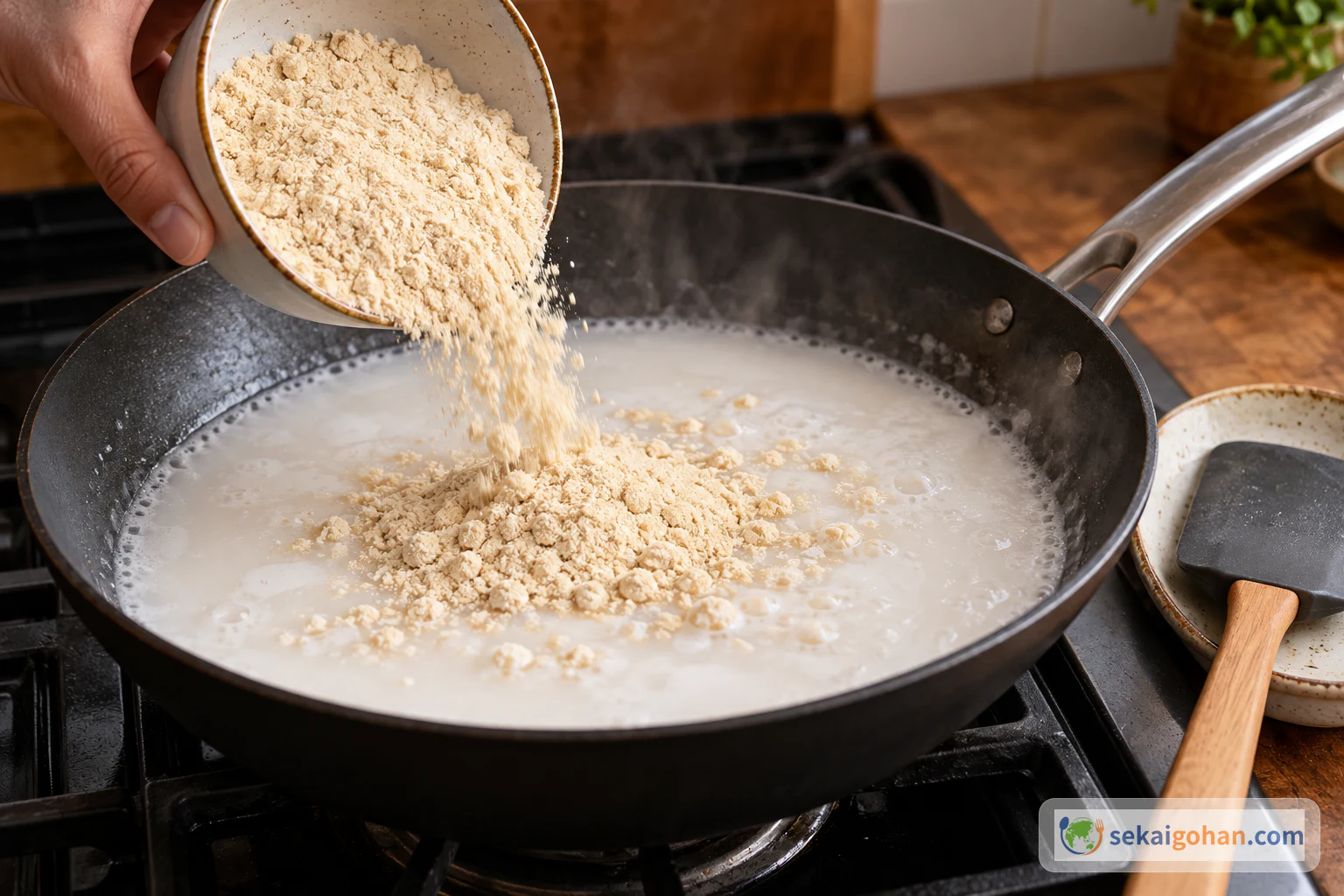
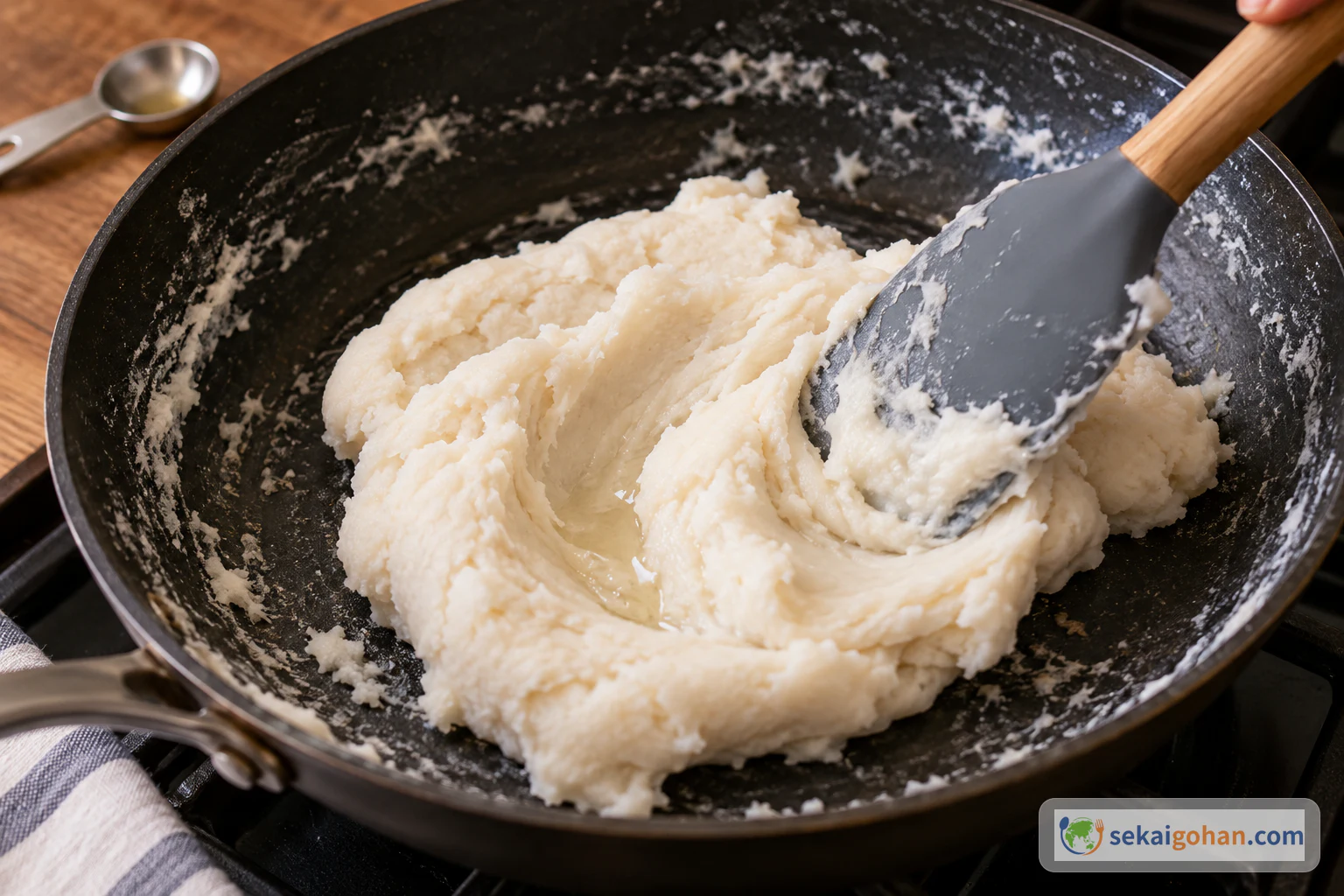
Make and set aside the filling before you start the dough. For the dough, the toasted flour goes into the hot liquid, gradually, not the other way round.
Troubleshooting: Crumbly Dough, Cracks and Extra Filling
| What you notice | What the recipe points to |
|---|---|
| The dough is still crumbly after all the flour is in | Add a little more warm water, a small amount at a time. The source gives no amount |
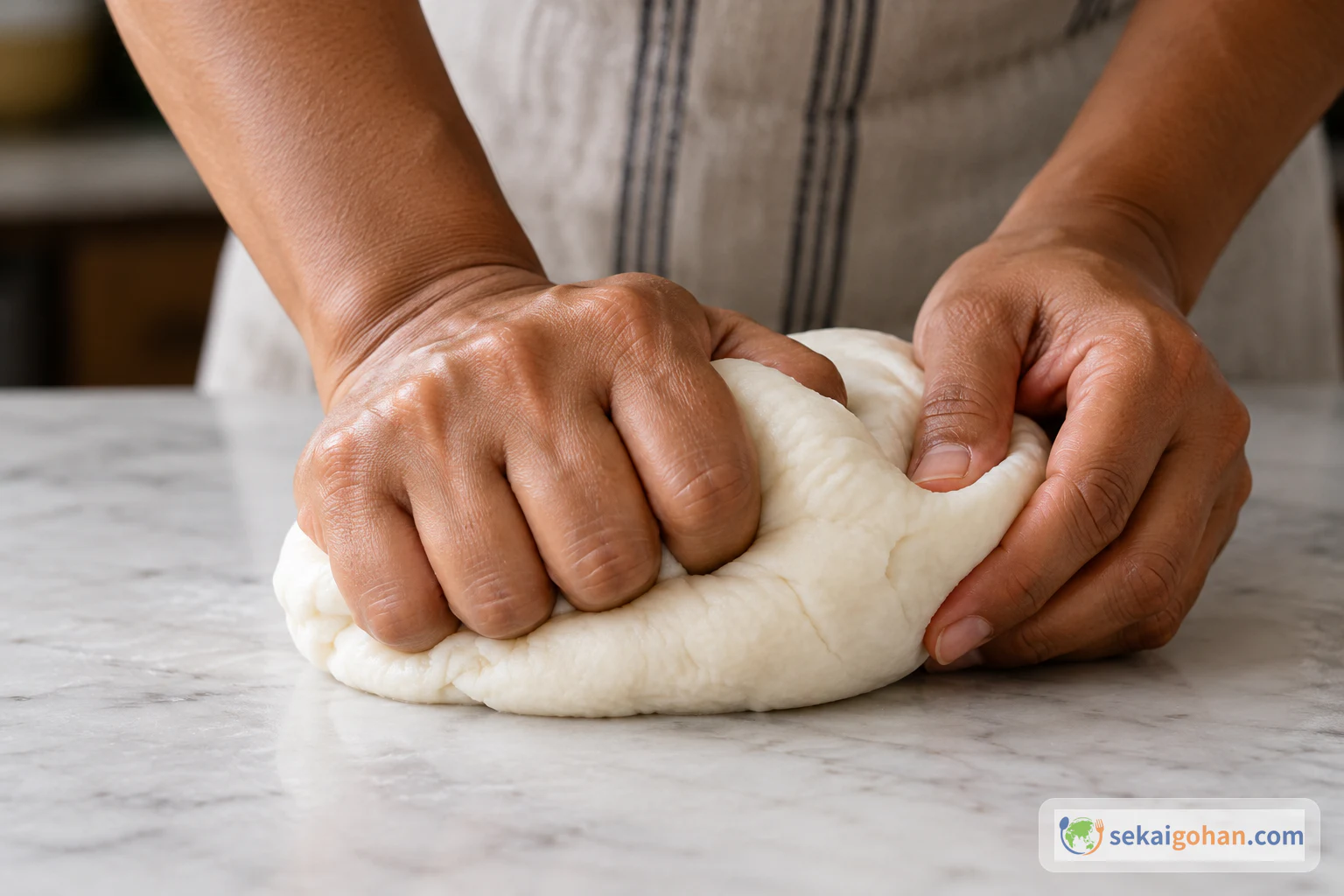
| The dough feels too loose to shape | Check that the oil went in only after the dough started coming together, and that it rested and was kneaded for 2–3 minutes. The author's target is soft dough that holds its shape when pressed |
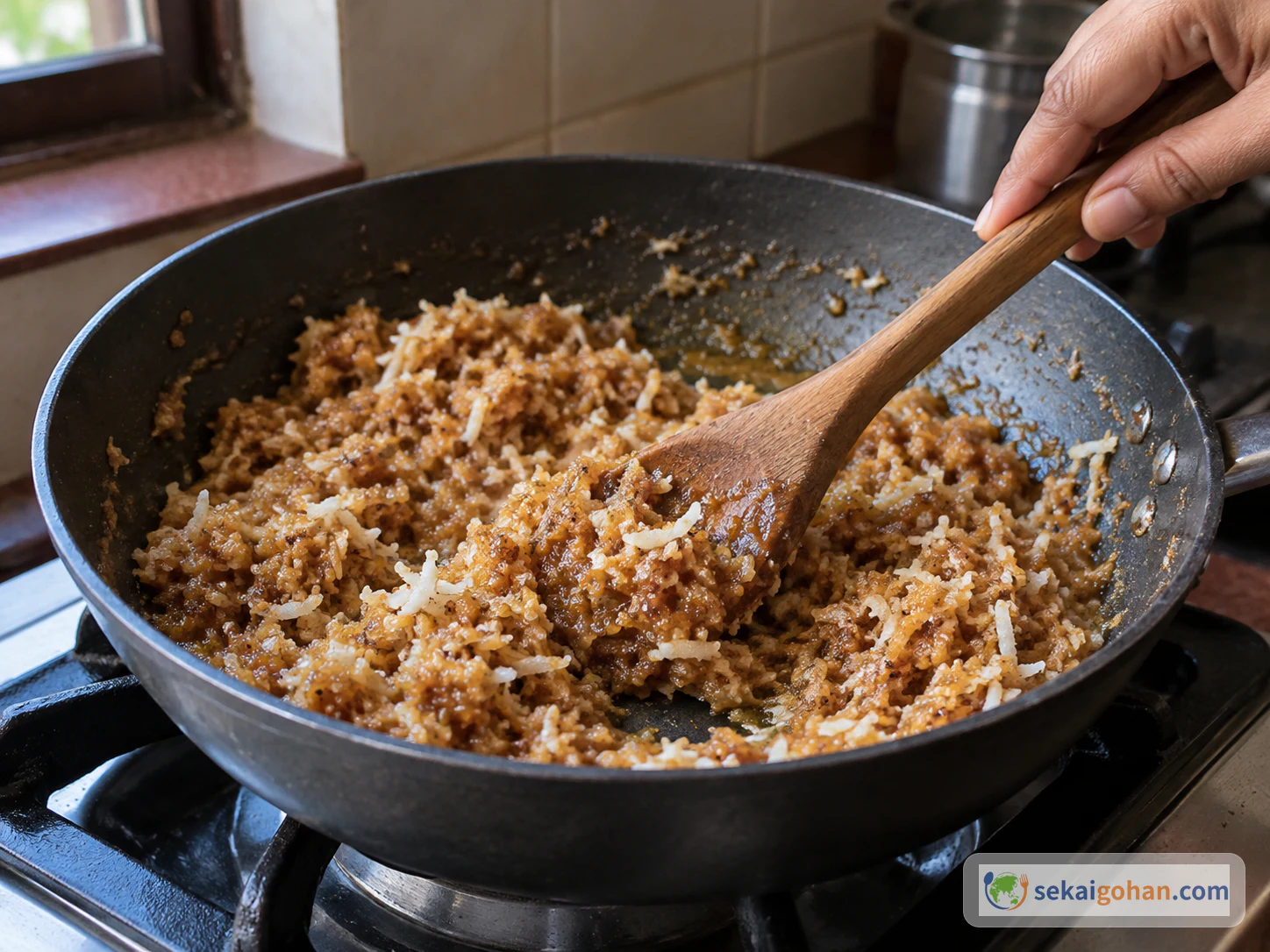
| The filling is wet and runny | Keep stirring it over medium heat until most of the moisture has evaporated and the jaggery sticks to the coconut |
| Cracks or filling show after closing | Pinch the opening shut again and smooth the ball until no cracks, holes or filling are visible |
| Filling is left over | The source does not say whether all of it gets used. Stay with about 1 tbsp per dumpling rather than overfilling |
| The dumplings came out pleated or pointed | This version is meant to be a plain round ball, closed and smoothed by hand |
The Same Name, Different Kozhukatta
The versions below are other writers' recipes and descriptions. Their ingredients and steps are not part of this recipe.
In The Indian Express, Pooja Pillai writes about sweet Kozhukatta filled with coconut and jaggery alongside savory versions, and describes how it varies from household to household. She also compares the round or oblong shapes she discusses with the pleated shape of ukadiche modak. That is her comparison; it is not offered here as a fixed rule about where one dumpling ends and the other begins.
Kerala Tourism's collection of Malabar recipes includes a savory Kozhukkatta from the Malabar coast, made with rice flour and a separately cooked, spiced coconut mixture. It is a different preparation under the same name, and none of its ingredients or steps are borrowed here.
Ann Ittoop's recipe is one home version among these, not the only correct Kozhukatta.
Frequently Asked Questions
Can I convert the cups and spoons to grams?
The source does not state its cup or spoon standard, and the weights of these ingredients aren't given, so no conversions are offered here. Use the cup and spoon measures as written.
Can I use frozen grated coconut?
Ann Ittoop writes that she uses frozen grated coconut. That is her choice; the recipe doesn't vouch for any particular product.
How do I know the dumplings are done?
The recipe steams them on medium-high for 12–15 minutes. The author says the shell becomes slightly sticky and less brightly white than before steaming. These are her descriptions, not a guaranteed sign or a safety check.
Is Kozhukatta the same as modak?
This article does not settle that. Pooja Pillai compares the round or oblong shapes she describes with the pleated shape of ukadiche modak, but that is one writer's comparison. This recipe makes a plain round, unpleated dumpling.
Should I add a coconut-milk coating before steaming?
The author mentions it as an option after shaping and before steaming. This version leaves it out.
Is there storage guidance?
The source does not give leftover or storage guidance, so none is offered here.
Sources
- Ann Ittoop, The Familiar Kitchen, "Kozhukatta (Coconut Jaggery Dumpling)," 2020-04-05. The recipe followed in this article: filling and dough amounts, the 2 tbsp filling water in the method, the order of steps, the published yield and times, the author's cues for the dough and steamed shell, and her own family's Palm Sunday memories. https://thefamiliarkitchen.com/kozhukatta-coconut-jaggery-dumpling/
- Pooja Pillai, The Indian Express, "The Back Burner: Try kozhukatta, a delicious sweet dumpling from Kerala," 2020-05-20. Used for the writer's discussion of sweet and savory household versions and her comparison with the shape of ukadiche modak. Its recipe is not used here. https://indianexpress.com/article/lifestyle/food-wine/the-back-burner-kozhukatta-a-delicious-sweet-dumpling-from-kerala-recipe-6419440/lite/
- Kerala Tourism, Government of Kerala, "Kozhukkatta." Used as an example of a savory Malabar-coast preparation with the same name. Its ingredients and method are not used here. https://www.keralatourism.org/ebooks/flavours-of-malabar/kozhukkatta