
The Mediterranean opens up inside a skillet
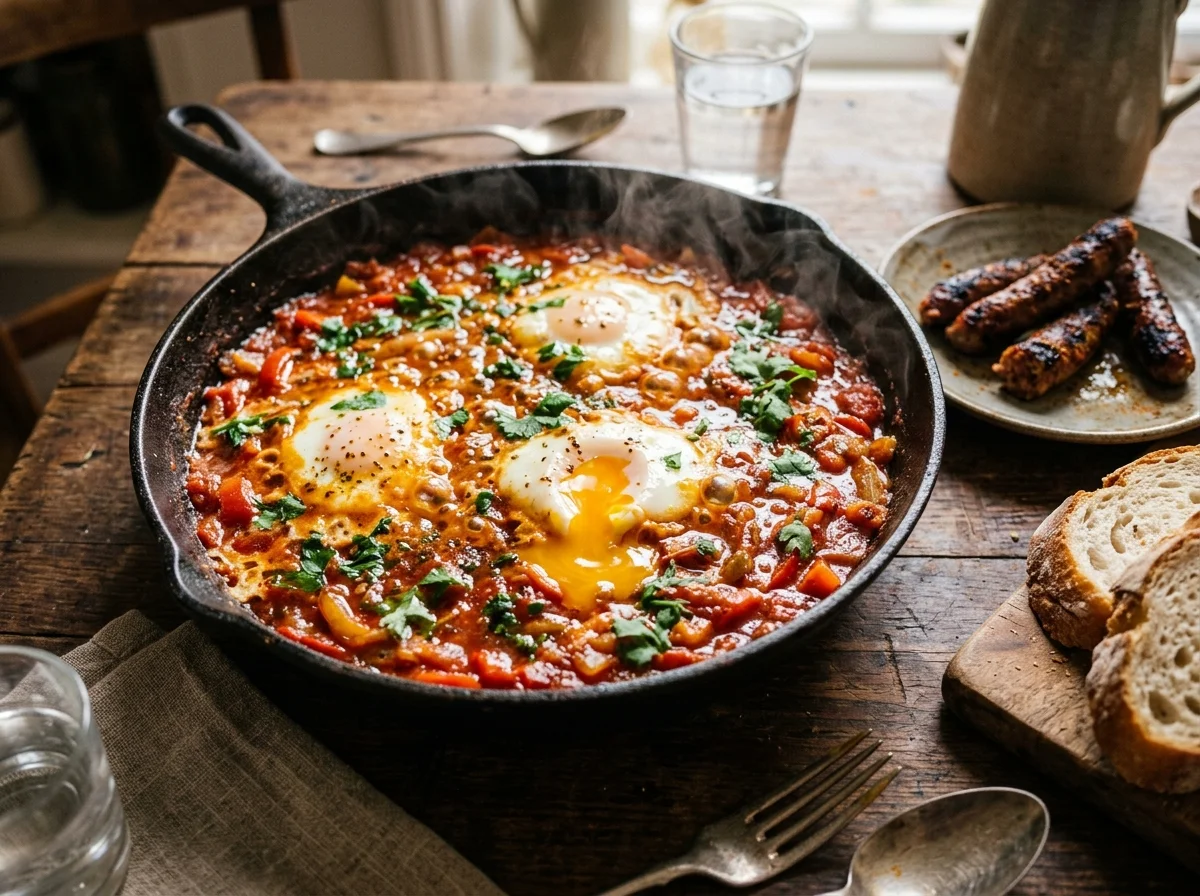
Tunis, the capital of Tunisia. In a small eatery at the edge of an old market (souk), a cast-iron skillet is set down in front of a customer with a thump. White and golden eggs float in a red tomato sauce, and the gloss of olive oil and the red of chili catch the morning light. That is chakchouka (Chakchouka / شكشوكة).
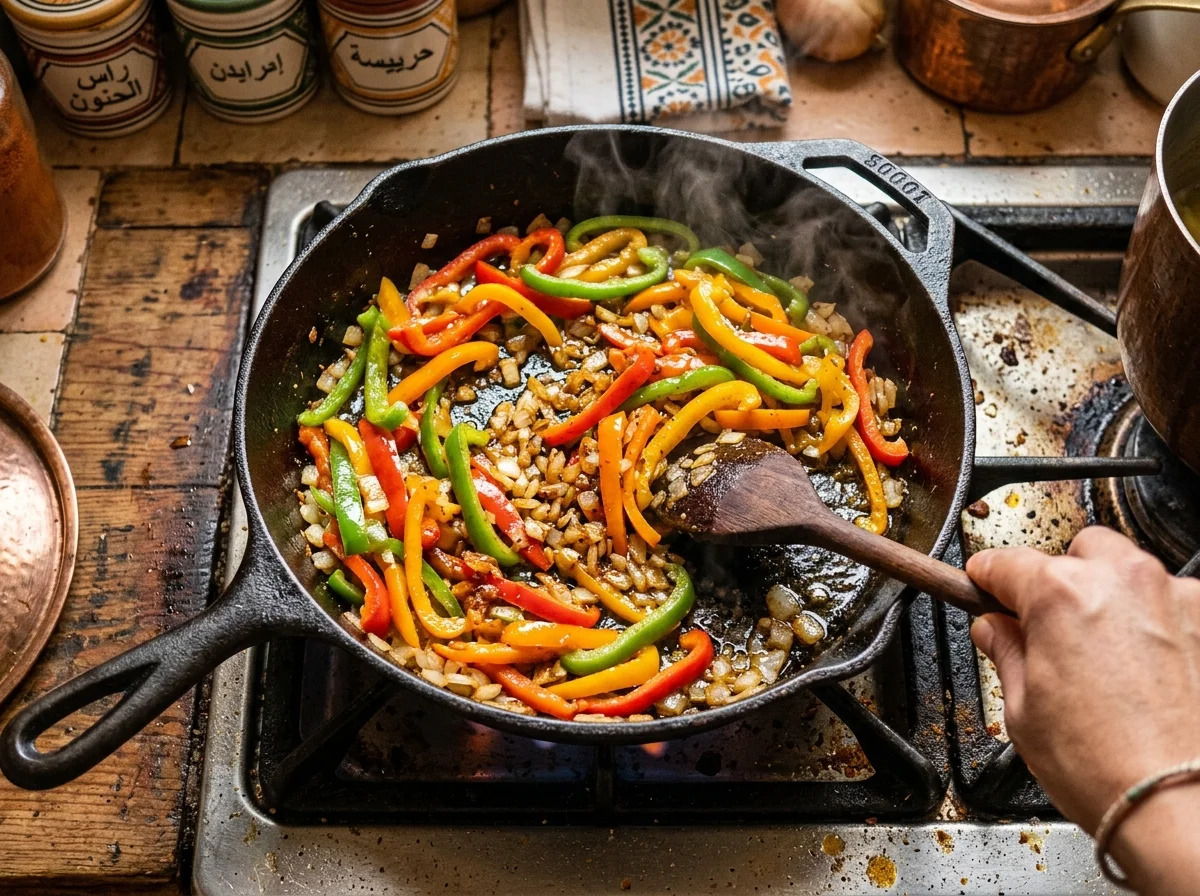
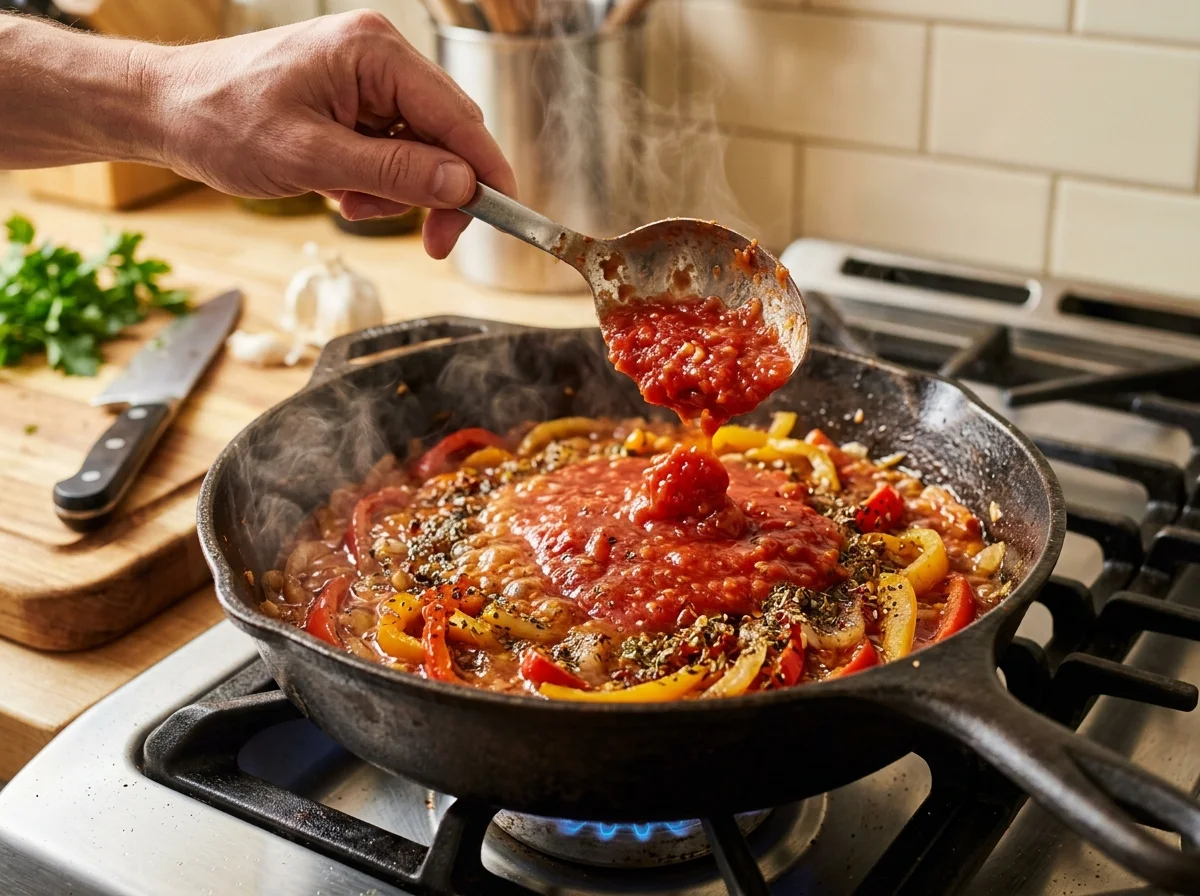
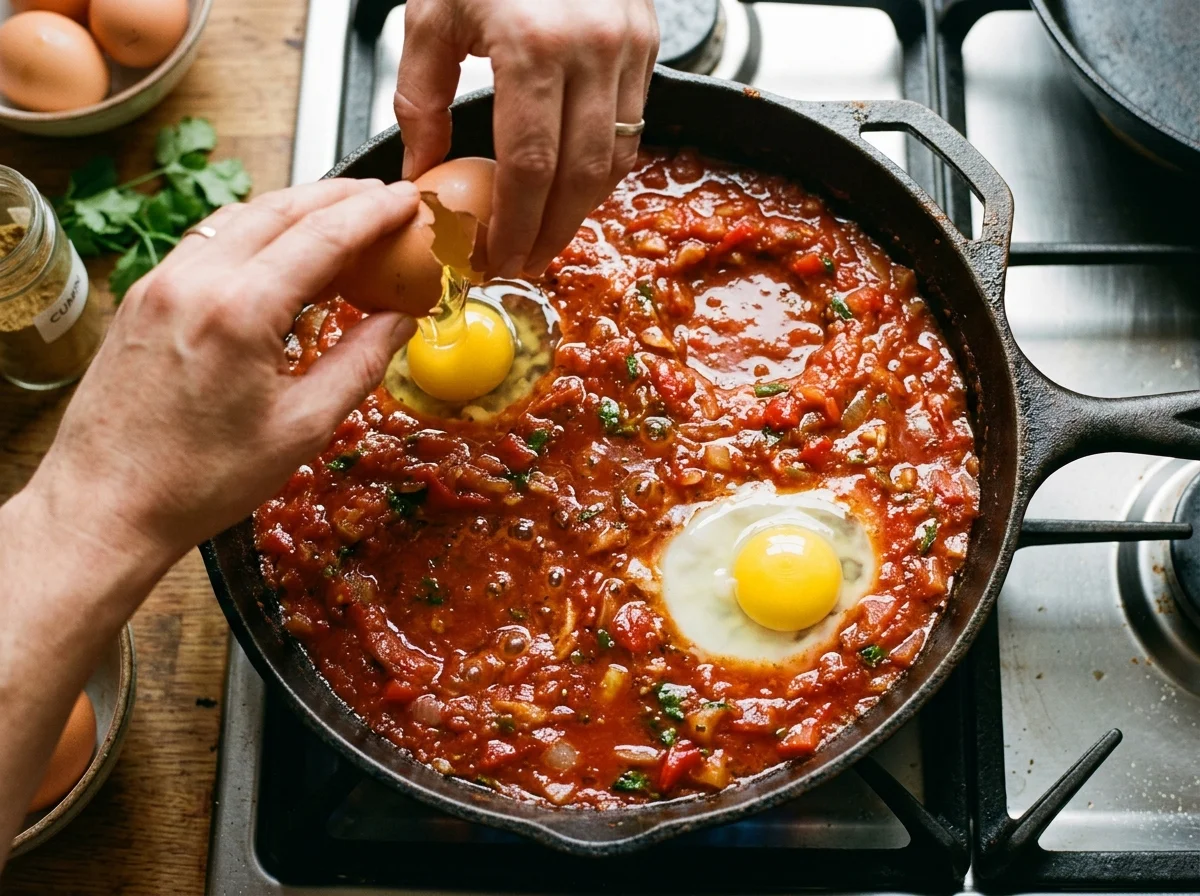
Chakchouka is a dish in which peppers, tomatoes and onions are cooked in olive oil to make a sauce, hollows are made in it, eggs are cracked in, and the pan is covered and simmered until the eggs are soft-set. It is very close to Israel's shakshuka, but Tunisian chakchouka has two distinctive elements, harissa (chili paste) and caraway seeds, which make it hotter and more spiced.
In Tunisia, chakchouka is a breakfast staple and, at the same time, loved throughout the country as "the everyday taste you can make from the vegetables in the refrigerator." The ingredients are cheap, the cooking takes under 30 minutes, and it is finished in a single skillet. Chakchouka meets every condition of a perfect home dish.
The Berber word "tšaktšukt" is said to mean "a mixture of vegetables." It is an egg and tomato stew eaten widely in the Maghreb of North Africa (Tunisia, Algeria and Libya). It spread to the Balkans in Ottoman times and took root in various places as Turkey's "menemen" and Israel's "shakshuka." The defining feature in Tunisia is the addition of harissa paste.
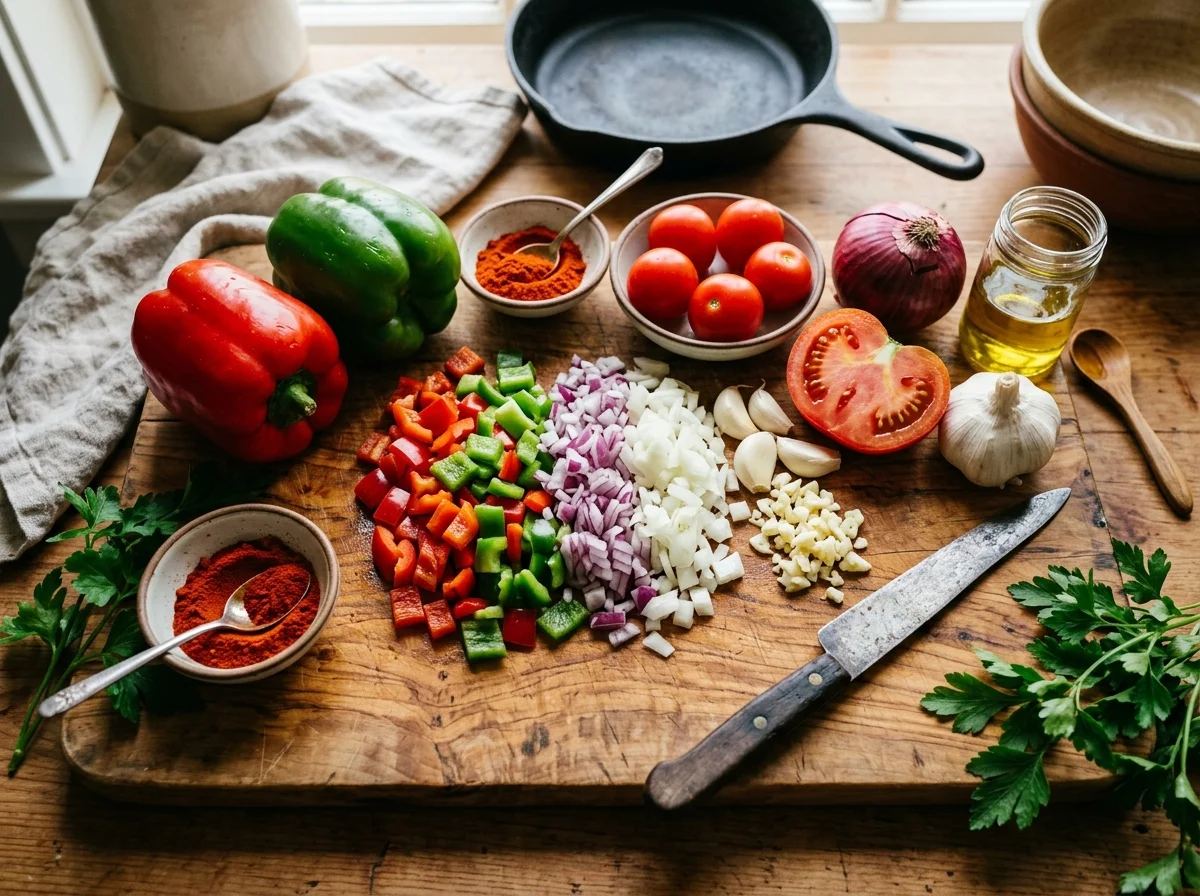
Ingredients (serves 4)
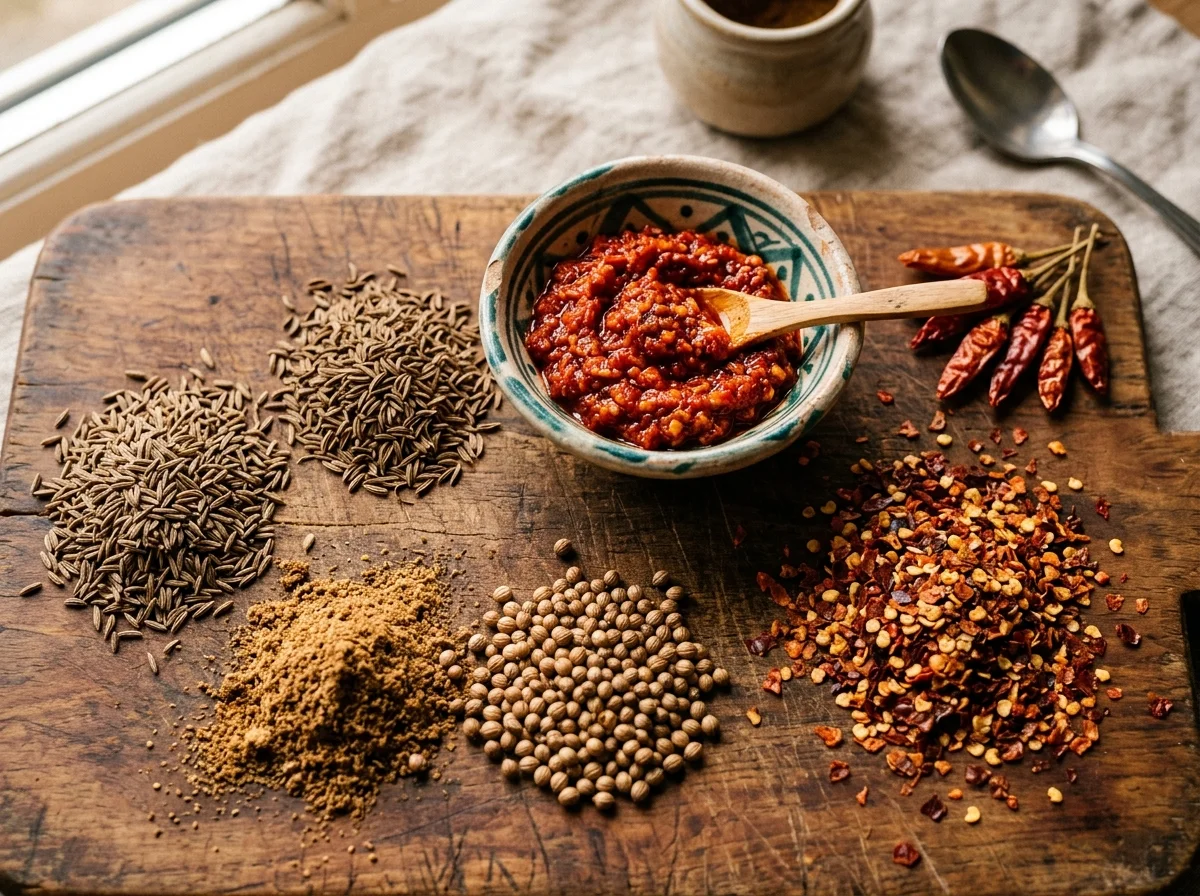
Harissa, which you could call the soul of Tunisian cooking, is a spice condiment made as a paste from chili with cumin, coriander, caraway and garlic. Look for it in stores that sell Middle Eastern or North African foods, in well-stocked supermarkets' imported food sections, or online. Brands from Cap Bon, in Tunisia, are the real thing.
If you cannot find it, 1 tsp chili bean paste (doubanjiang) + 1/2 tsp ground cumin + a little grated garlic gives a similar flavor. Gochujang is too sweet to substitute.
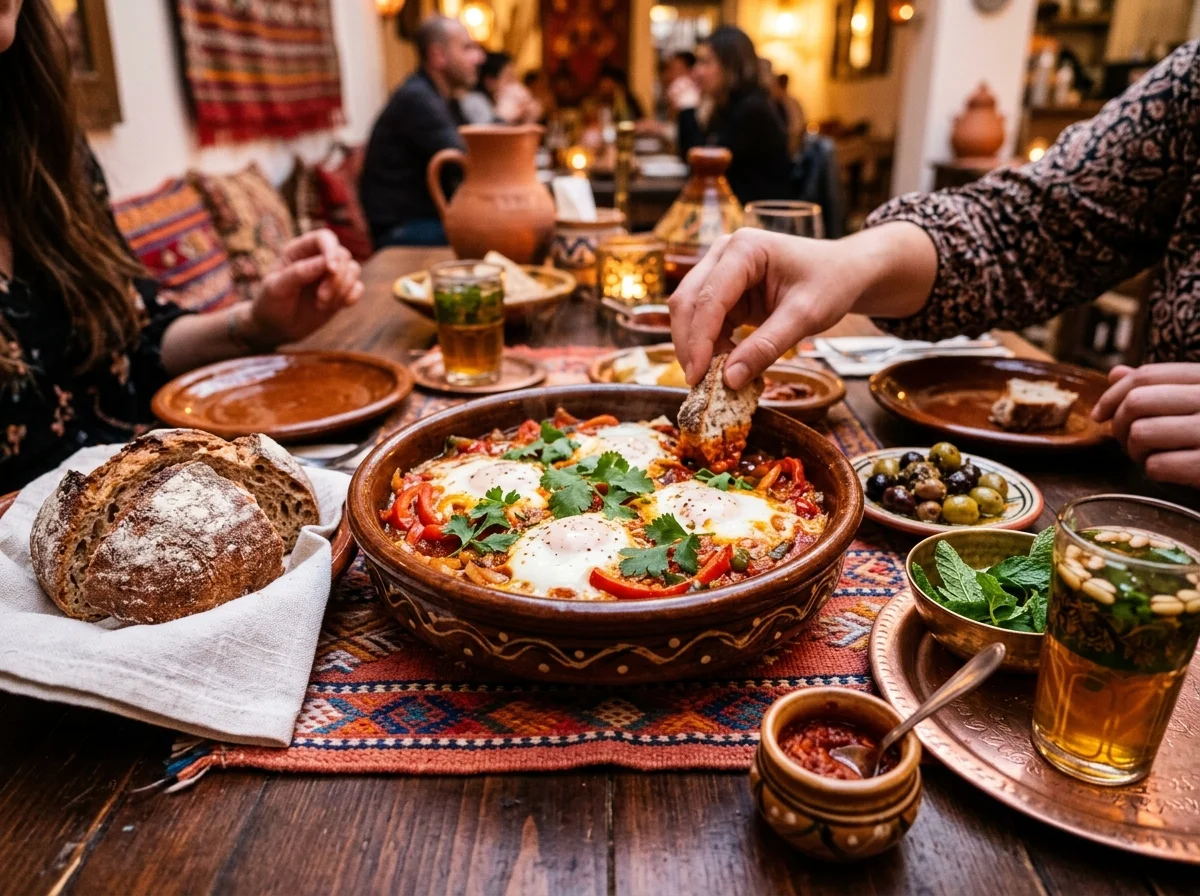
Always finish chakchouka eggs soft-set. The best way to eat it is to break the yolk with bread and mix it with the sauce. If you turn off the heat before the whites have fully set, a raw smell remains; if the yolks set completely, the dish is heavy. The moment the edges of the whites begin to turn white and set, and a faint white film forms on the surface of the yolk, is the guide for "perfect soft-set."
The history of the dish: the "sibling dispute" with shakshuka
Any telling of chakchouka's history has to deal with its relationship to Israel's shakshuka.
Chakchouka and shakshuka share the same basic structure: "eggs dropped into tomato sauce and simmered." But they are not "two names for the same dish." They are sibling dishes with clearly different cultural roots.
The origin of chakchouka goes back to North Africa in Ottoman times. After tomatoes were brought from Spain in the 16th century, they were added to the Berber "vegetable stews" of the Maghreb, and the prototype of today's chakchouka is said to have been born. Israel's shakshuka, on the other hand, is a dish brought by Jews (Mizrahi Jews) who migrated to Israel from Tunisia and Libya in the 20th century. In other words, shakshuka is a "descendant" of chakchouka.
The differences between the two are as follows.
| Element | Chakchouka (Tunisia) | Shakshuka (Israel) |
|---|---|---|
| Heat | Strong heat from harissa | Mild (often not spicy) |
| Caraway | Essential | Not used |
| Peppers | Large strips | Small dice or omitted |
| Served with | Bread + merguez (sausage) | Challah (white bread) |
| Eaten | Breakfast to lunch | Mainly breakfast |
| Feta cheese | Not used | Sometimes used as a topping |
Turkey's menemen belongs to the same family, but menemen is characterized by scrambling the eggs together with the sauce, and does not keep the shape of the eggs the way chakchouka and shakshuka do. If you cook shakshuka and chakchouka side by side, you can feel how much the presence of harissa changes the impression of the flavor.
After independence, chakchouka became established nationally in Tunisia as a symbol of the "Arab breakfast," and since the 2000s it has also influenced brunch culture in Europe and America. In cafes in London and New York, "shakshuka" is a popular brunch item.
Cooking tips: five techniques for a perfect chakchouka
1. Really cook the peppers
To draw out the most sweetness from the peppers, it is important to cook them until they soften and take a light brown color on the surface. Undercooked peppers keep releasing liquid into the sauce and the result turns thin like soup. Cook them slowly for 5 to 6 minutes, and move on only after you have confirmed the pepper skins have shrunk slightly and a sweet aroma has risen.
2. Judge the thickness of the sauce
The biggest failure with chakchouka is a watery sauce. Drop eggs into a watery sauce and the whites run and lose their shape, and the yolks sink into the sauce. The ideal consistency of the sauce is "when you draw a line with a wooden spoon, it slowly closes back over about 3 seconds," so reduce it properly until it reaches that thickness.
3. Add the eggs via a small bowl
If you crack eggs into the sauce directly from a height, the yolks break and the whites splash. Crack each egg first into a small bowl (a ramekin or small dish) and slide it gently into a hollow in the sauce; this is the professional technique. This way the yolk reliably lands in the center, and the result is beautiful.
4. The choice of lid changes the cooking
When cooking the eggs, a glass lid lets you check what is happening inside, which makes a perfect soft-set easier. If you use a metal lid, lift it once at 6 minutes to check, and judge the extra time by how far the whites have set. Covering with aluminum foil also works, but steam escapes easily and cooking takes longer.
5. Serve with merguez for the authentic taste
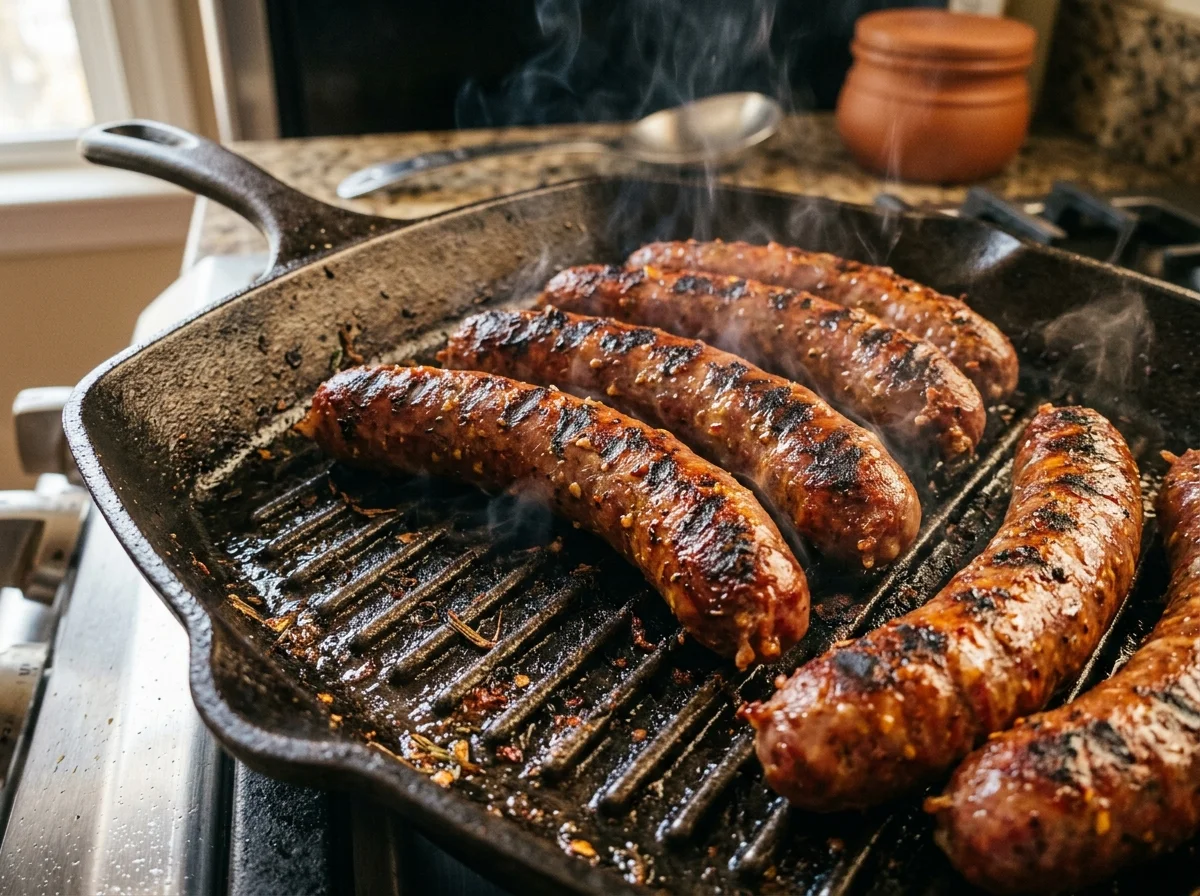
In Tunisia, chakchouka is typically served with merguez (a North African lamb sausage). It can be found frozen at halal food shops and online. If you cannot find merguez, chorizo or a coarse-ground sausage is a substitute, but the wild flavor peculiar to merguez's lamb is in a class of its own.
Chakchouka can be made in a nonstick frying pan, but a cast-iron skillet is ideal. A skillet retains heat well, so it not only heats the simmering sauce evenly, it can go straight to the table, which looks good. Just as a tagine is cooked in its special pot and served in it, serving chakchouka in the skillet is the North African way.
Variations: making chakchouka your own
Green chakchouka
A "green chakchouka" based on spinach, kale and green peppers in place of tomato. Top it with feta (or ricotta) and grate lemon zest over it for a refreshing breakfast.
Cheese version
Scatter shredded mozzarella or feta over the sauce, drop in the eggs, cover and simmer. The cheese melts in the heat of the sauce and mingles with the eggs for a rich dish. This is a variation often seen in cafes in Israel.
Japanese-style chakchouka
Use eggplant and shishito peppers in place of peppers, and 1 tsp chili bean paste in place of harissa. Finish with shredded perilla (shiso) leaves for an East-meets-West breakfast. Adding 1/2 tsp miso brings the savory depth of a fermented food that goes well with the acidity of tomato.
As a pasta sauce
The chakchouka sauce (before the eggs go in) is excellent as it is as a pasta sauce. Toss in spaghetti boiled al dente and top with a soft-set egg to make "chakchouka pasta." Pairing with starch, as in koshari, is a natural thing in North African food culture.
Sourcing guide: gathering the ingredients for chakchouka
Almost all the ingredients for chakchouka are available at an ordinary supermarket. Only the harissa paste needs to come from a specialty or imported food store, but the dish is still delicious without it.
For another Tunisian snack that uses the same harissa, fricassé, a small fried bread stuffed with tuna, potato, egg and olives, is also easy to make. If you have harissa left over from making chakchouka, it can go into the next day's lunch.
Main ingredients and where to get them
| Ingredient | Where to get it |
|---|---|
| Bell peppers (red and green) | Supermarket |
| Tomatoes (ripe) | Supermarket |
| Harissa paste | Middle Eastern or North African food stores, online |
| Caraway seeds | Spice shops, online |
| Merguez sausage | Halal food shops, online |
| Cast-iron skillet | Kitchenware stores, online |
Frequently asked questions
Q1. What is the difference from shakshuka?
The biggest difference is the use of harissa paste. Tunisian chakchouka has a clear heat from harissa, while Israeli shakshuka is mostly not spicy. Also, chakchouka uses caraway seeds and cuts the peppers larger, while shakshuka is cumin-led and cuts the peppers small or omits them. It is accurate to understand them as "sibling dishes" with different flavor directions.
Q2. Is it eaten at times other than breakfast?
In Tunisia it is eaten as a matter of course at lunch and dinner too, and often made into a main dish by increasing the number of eggs. It is not unusual for a household to make a light dinner of chakchouka and bread alone. Along with chorba frik, it is one of the "anytime all-purpose dishes" of North Africa.
Q3. Can I make it ahead?
The sauce (before the eggs go in) keeps for 3 days in the refrigerator. The best way is to reheat the sauce just before eating, then drop in the eggs and cook. Refrigerating after the eggs have been added is not recommended, because the eggs turn hard.
Q4. What if I want it milder?
Reduce the harissa paste to 1 tsp, or leave it out entirely and increase the sweet paprika to 2 tsp for a no-heat "mild chakchouka." It also becomes easier for children to eat.
Q5. Is there a way to make it in the oven?
Yes. Make the sauce in an oven-safe skillet, drop in the eggs, and bake in a 200-degree oven for 8 to 10 minutes. In an oven, heat also comes from above, which has the advantage of setting the egg whites evenly. This is an approach that suits a food culture good at oven cooking, like burek (in Japanese).
Related articles: tables of North Africa and the Mediterranean
Other North African dishes: The tagine is a Moroccan stew, and like chakchouka embodies the North African taste of "spice + vegetables + meat." Chorba frik is an Algerian wheat soup, and along with chakchouka represents the "home flavors" of North Africa.
The lineage of Mediterranean egg dishes: Shakshuka is the Israeli breakfast dish that is a "descendant" of chakchouka. Turkey's menemen also belongs to this lineage. Together with hummus, it shapes the breakfast culture of the eastern Mediterranean.
Africa joined by spice: Doro wat is Ethiopia's spicy chicken stew; the region differs from chakchouka, but they share the element of "a chili-based spice paste (berbere versus harissa)." It also connects with the tomato-based flavor of jollof rice.
Summary: the "red plate" that changes the morning table
Chakchouka is a magical dish that turns ordinary ingredients, peppers, tomatoes and eggs, into a "North African breakfast" through the power of harissa and caraway.
Cooking time is under 30 minutes, no special tools or skills are needed, and the cost of ingredients for four is small. Chakchouka satisfies every condition of a "perfect home dish." The happiness of dipping bread and breaking a soft yolk is no less than any dish in a fine restaurant.
On a weekend morning, take out the skillet, cut the peppers, cook down the tomatoes, drop in the eggs and cover. Wait 6 minutes while making coffee. The aroma of tomato and spice that spreads when you lift the lid: I hope you will enjoy the feeling of being in a market eatery in Tunis, in your own kitchen.
Sources
- Wright, C. A. (2011). A Mediterranean Feast: The Story of the Birth of the Celebrated Cuisines of the Mediterranean. Harvard Common Press. https://www.harpercollins.com/products/a-mediterranean-feast-clifford-a-wright
Chakchouka contains egg as a main ingredient. For a vegan version, crumble silken tofu in place of the eggs, or add cooked chickpeas to supply protein. Merguez contains lamb (and in some products pork).
| Item | Value |
|---|---|
| Energy | 320 kcal |
| Protein | 18 g |
| Fat | 20 g |
| Carbohydrate | 22 g |
| Dietary fiber | 5 g |
| Salt | 2.0 g |
Lycopene from tomatoes, vitamin C from peppers, and protein and vitamin D from the eggs, all in one plate. The unsaturated fats in olive oil help the absorption of lycopene, making it a nutritionally sound combination.



