Nanbanzuke: Whole Small Fish, Fried and Slipped into Sweet-Sour Vinegar
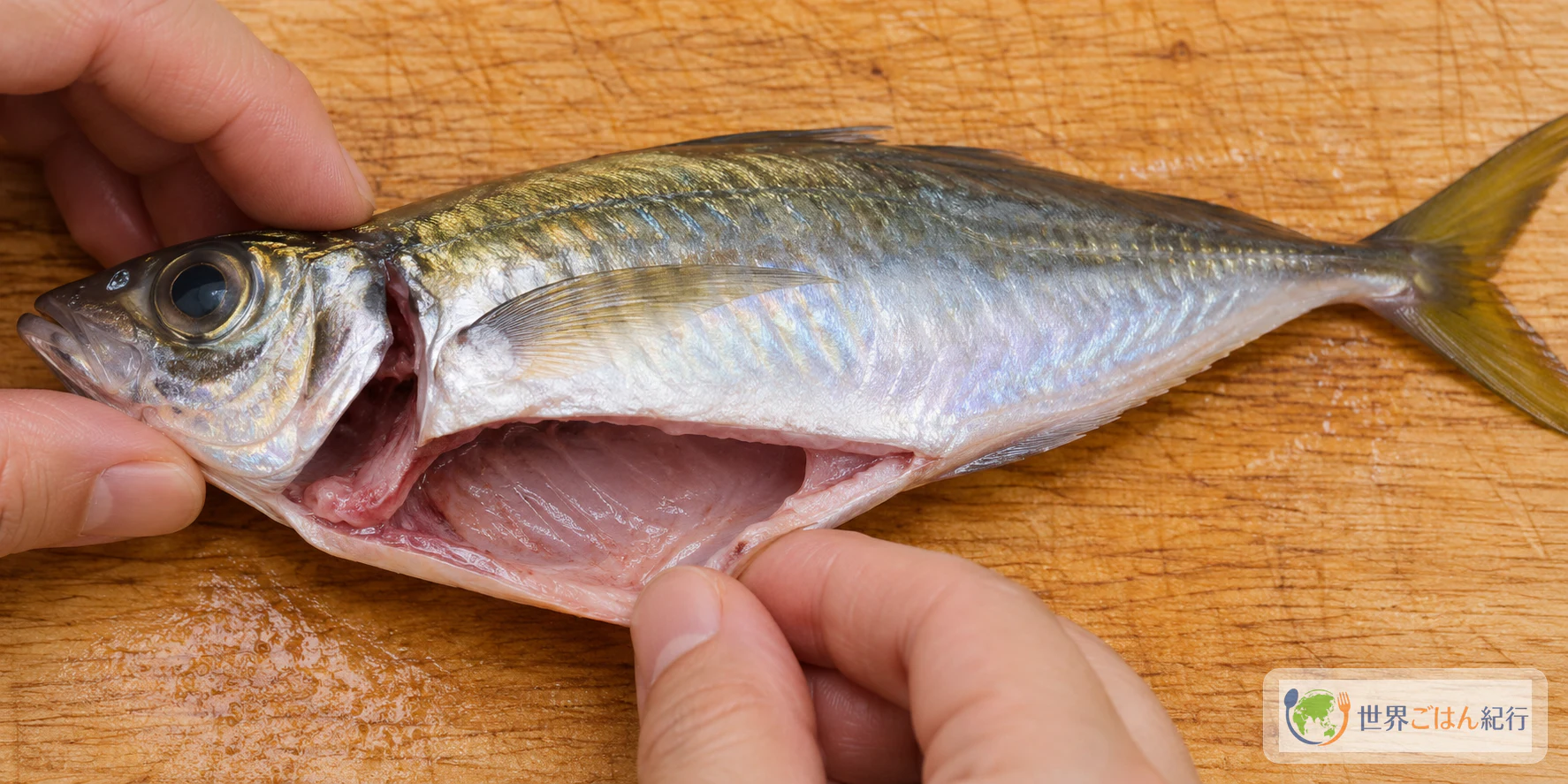
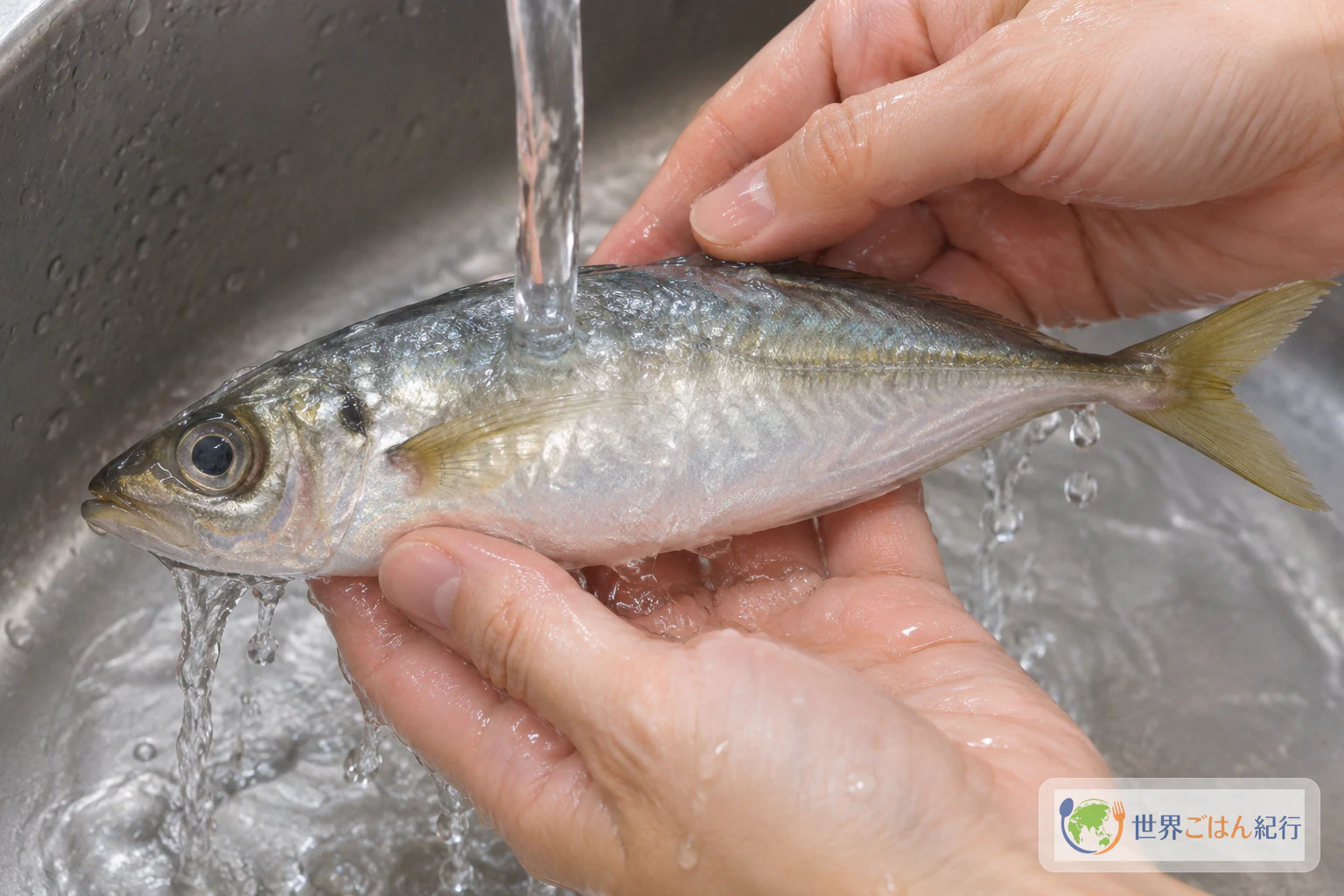
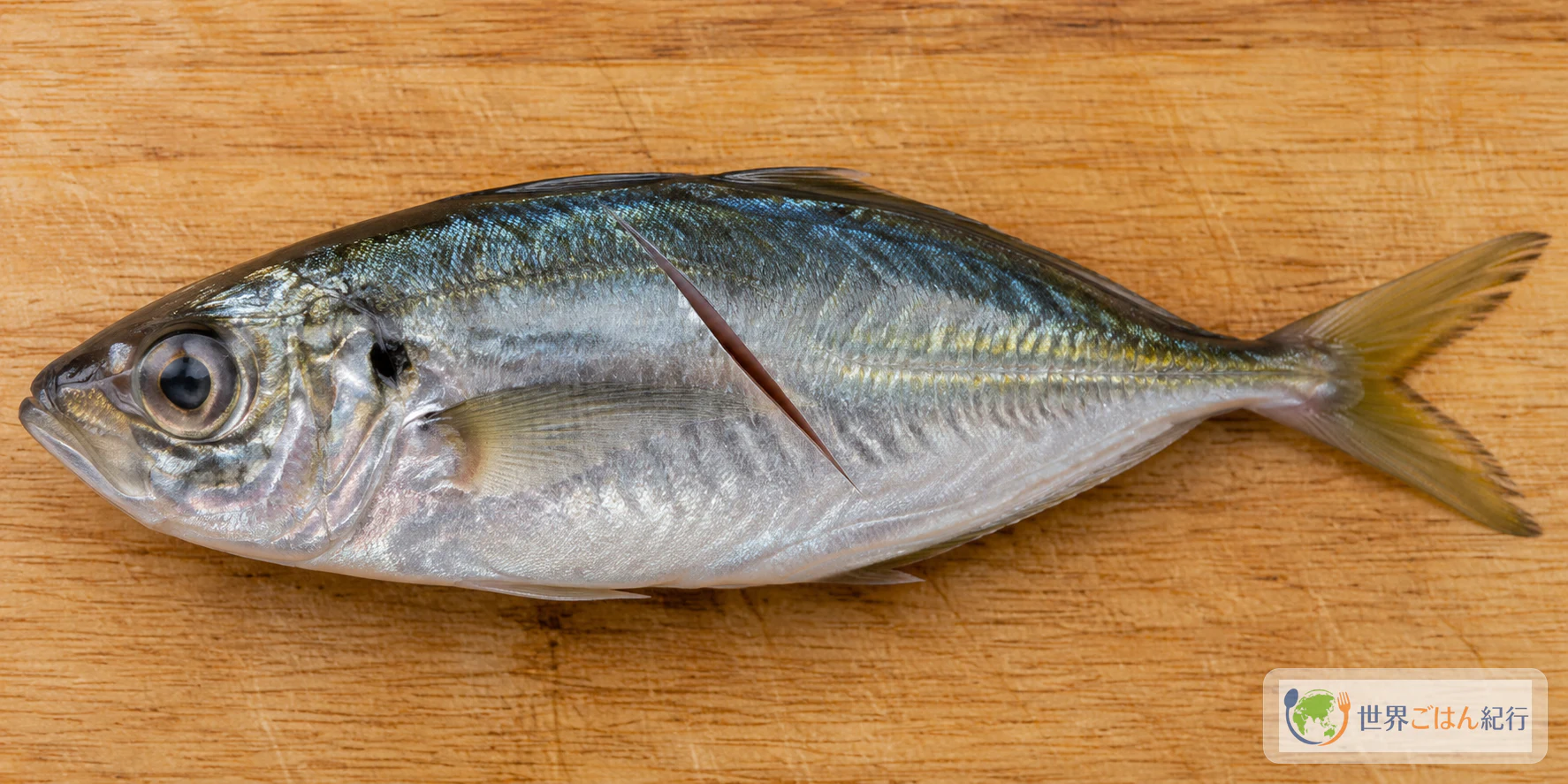
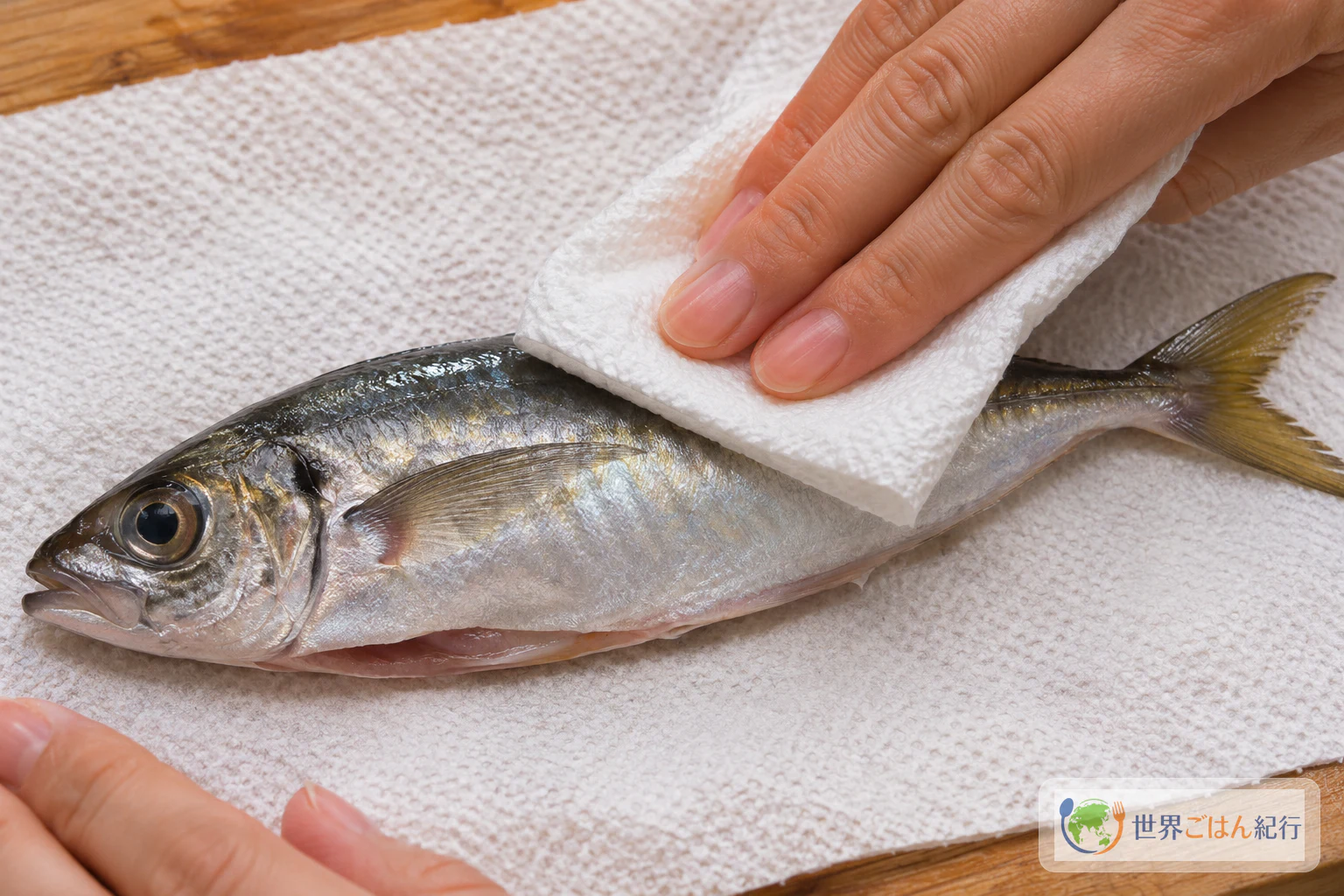
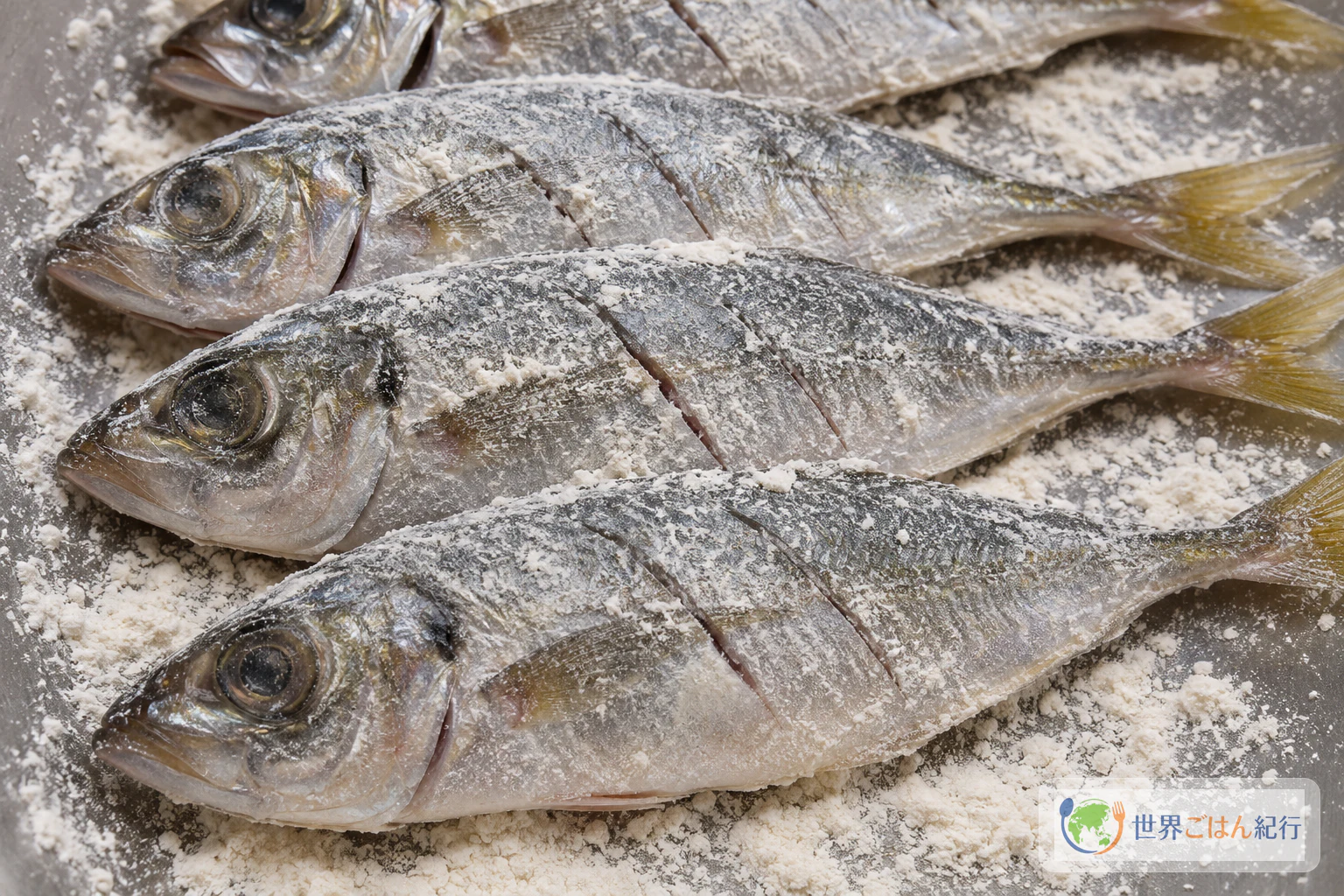
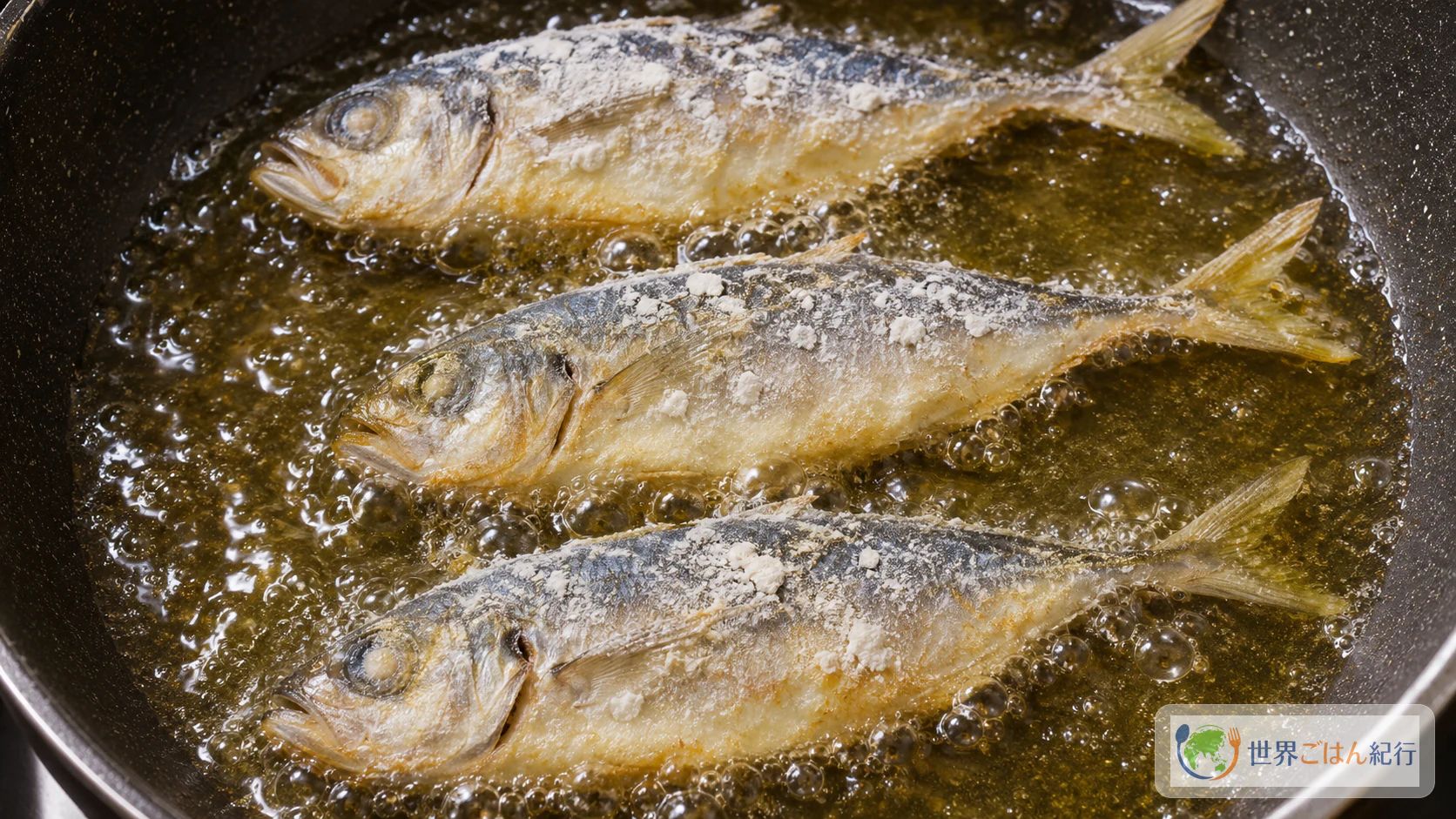
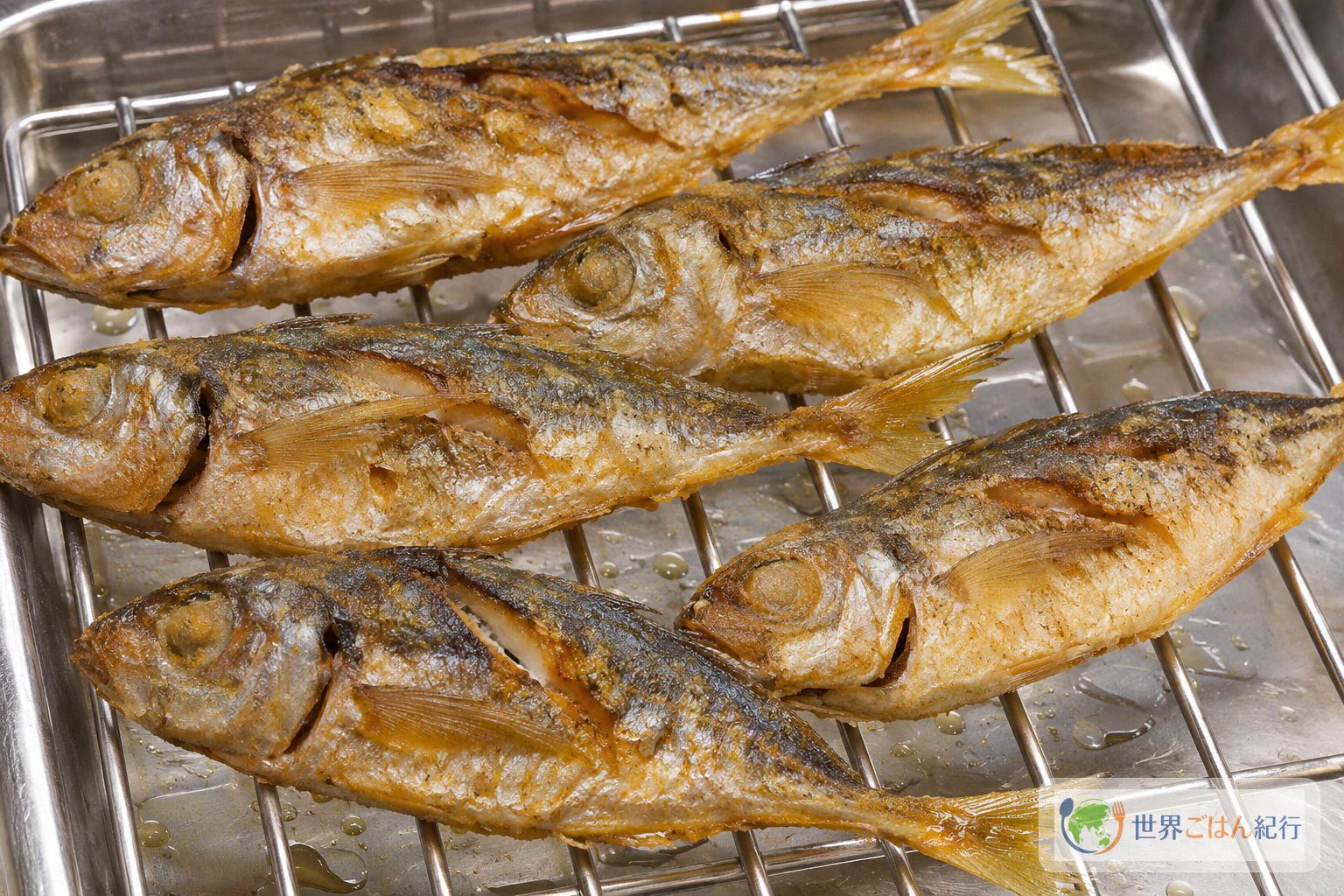
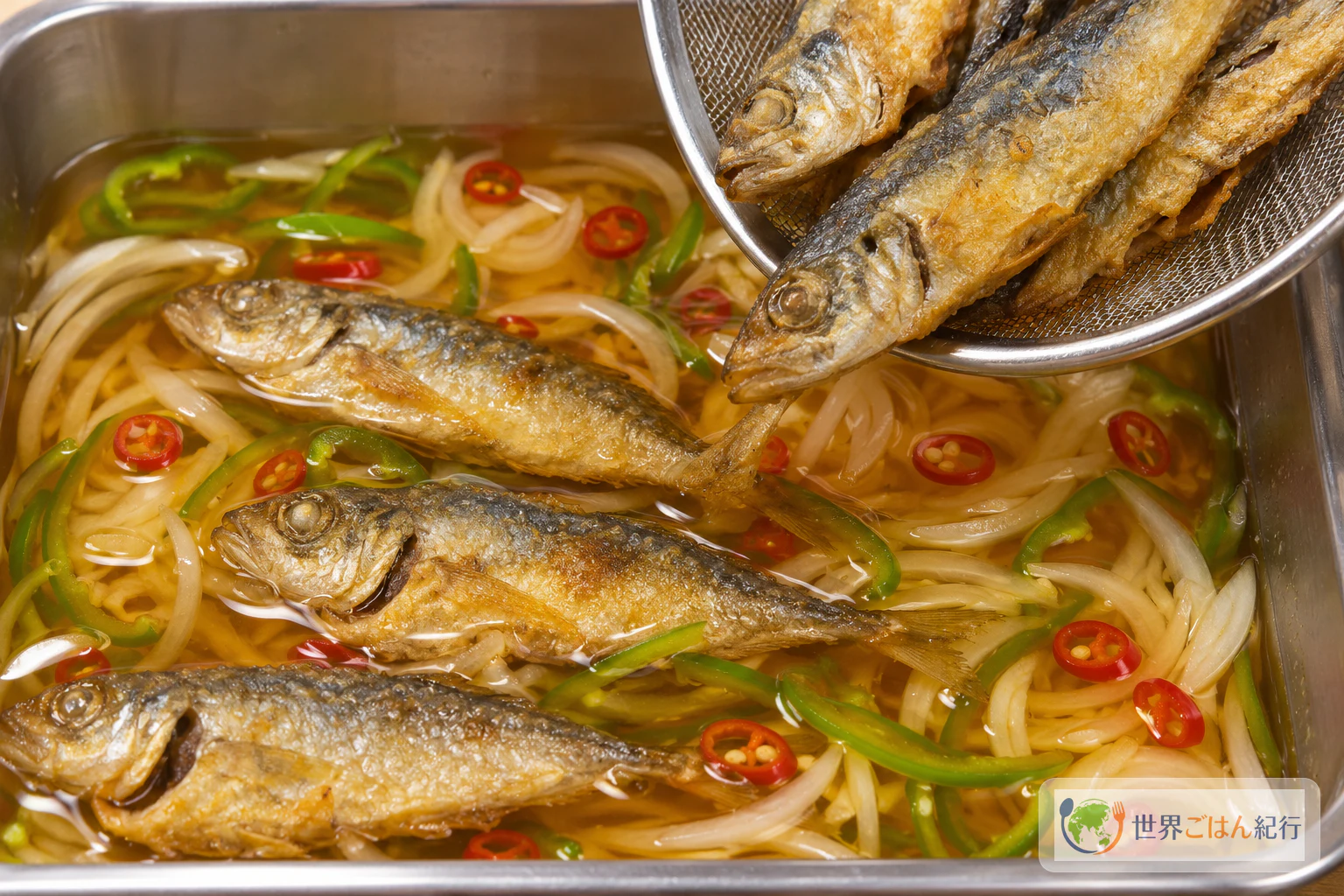
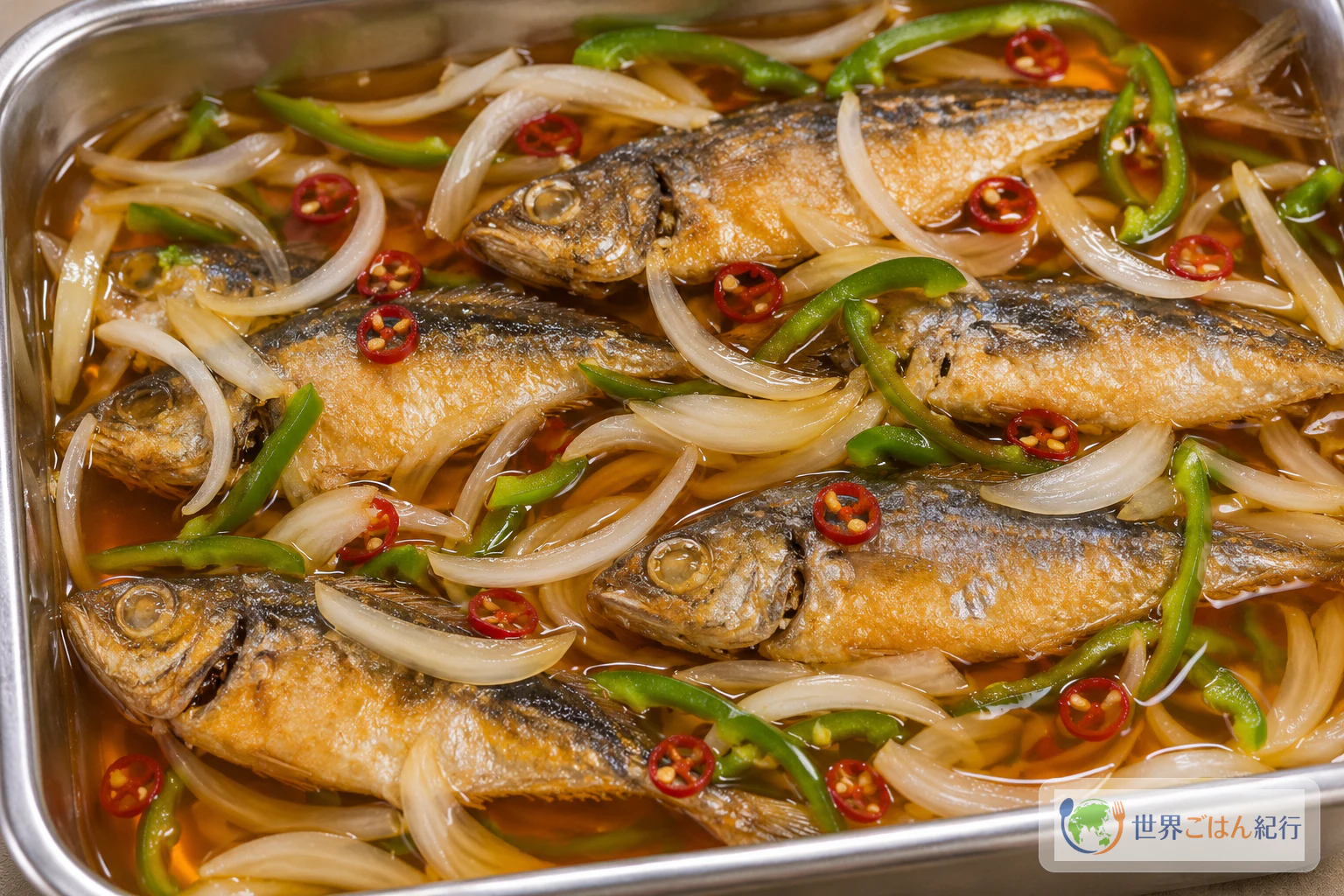
Clean the small fish but keep them whole, dust them thinly with flour and fry them. Drain them, move them into the marinade with the sliced vegetables, and let the flavors come together for a while. This recipe has not been kitchen-tested by Sekai Gohan.
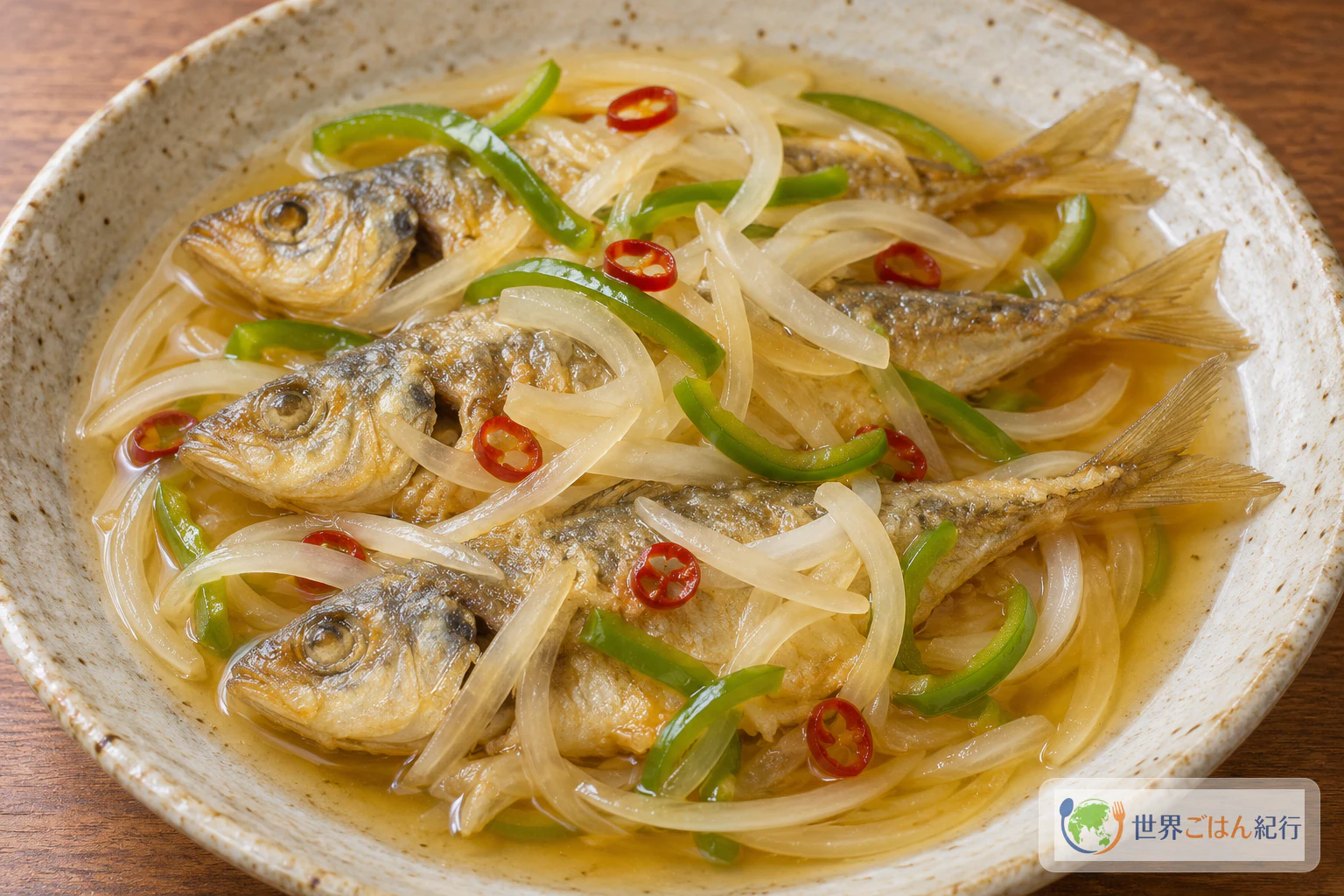
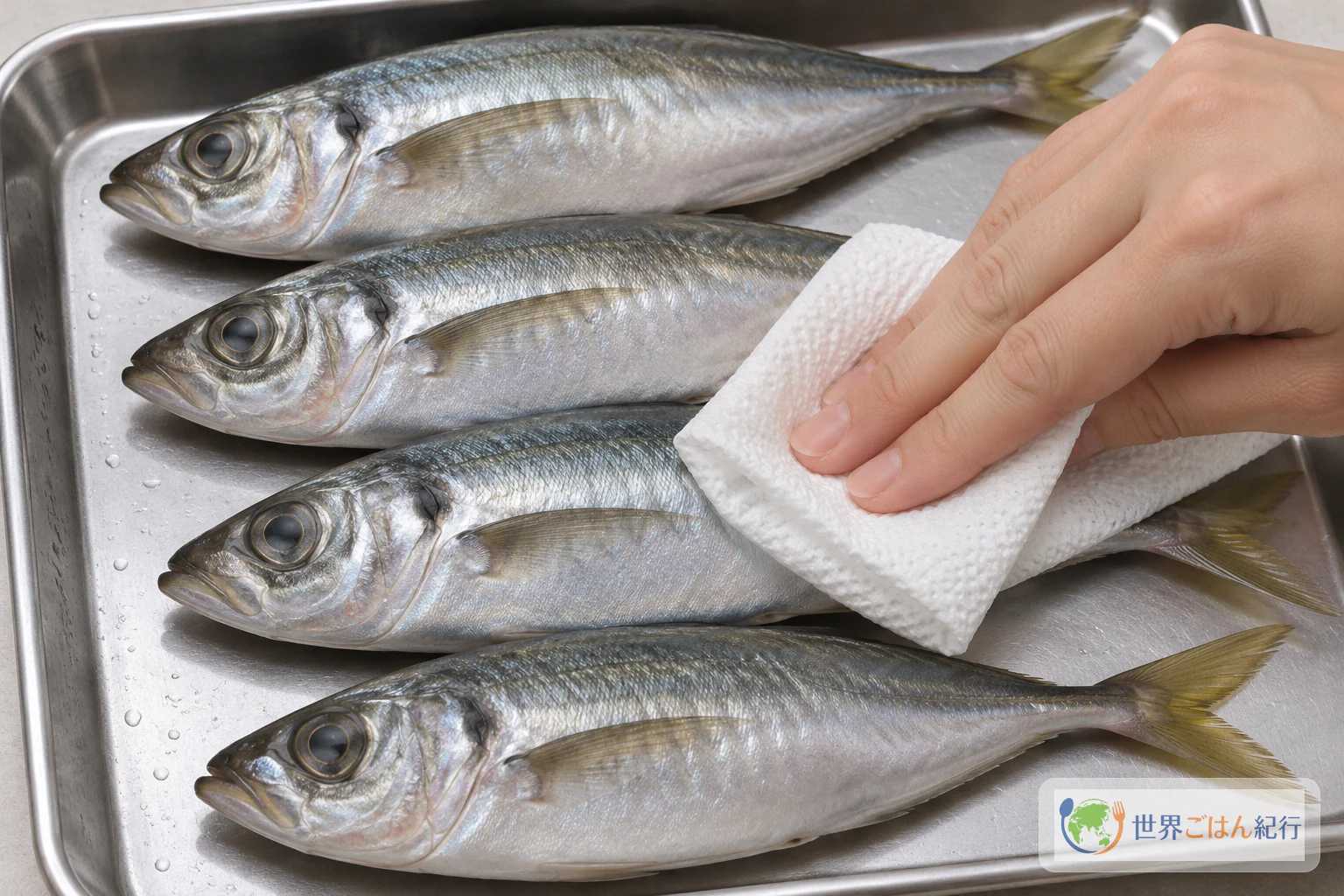
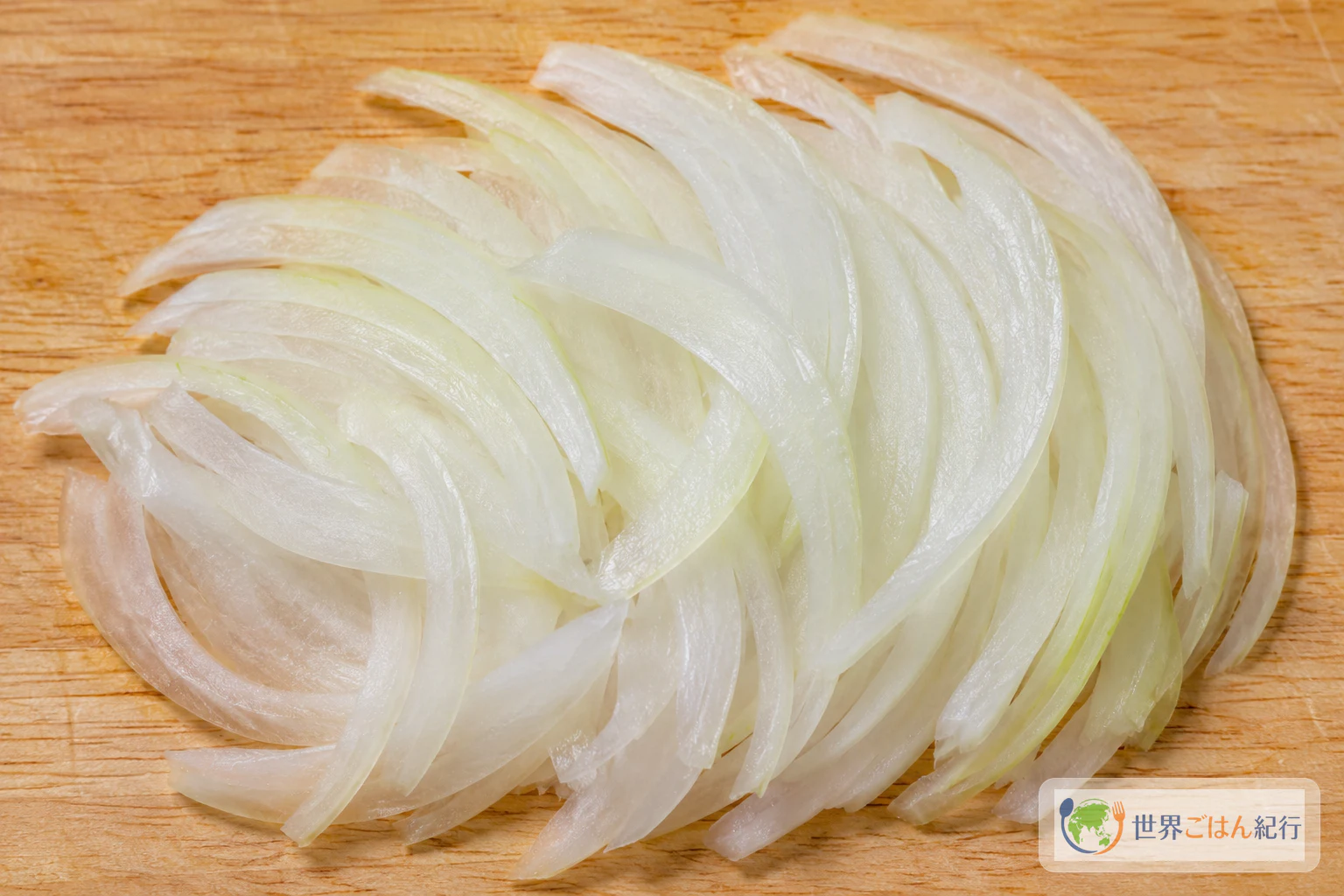
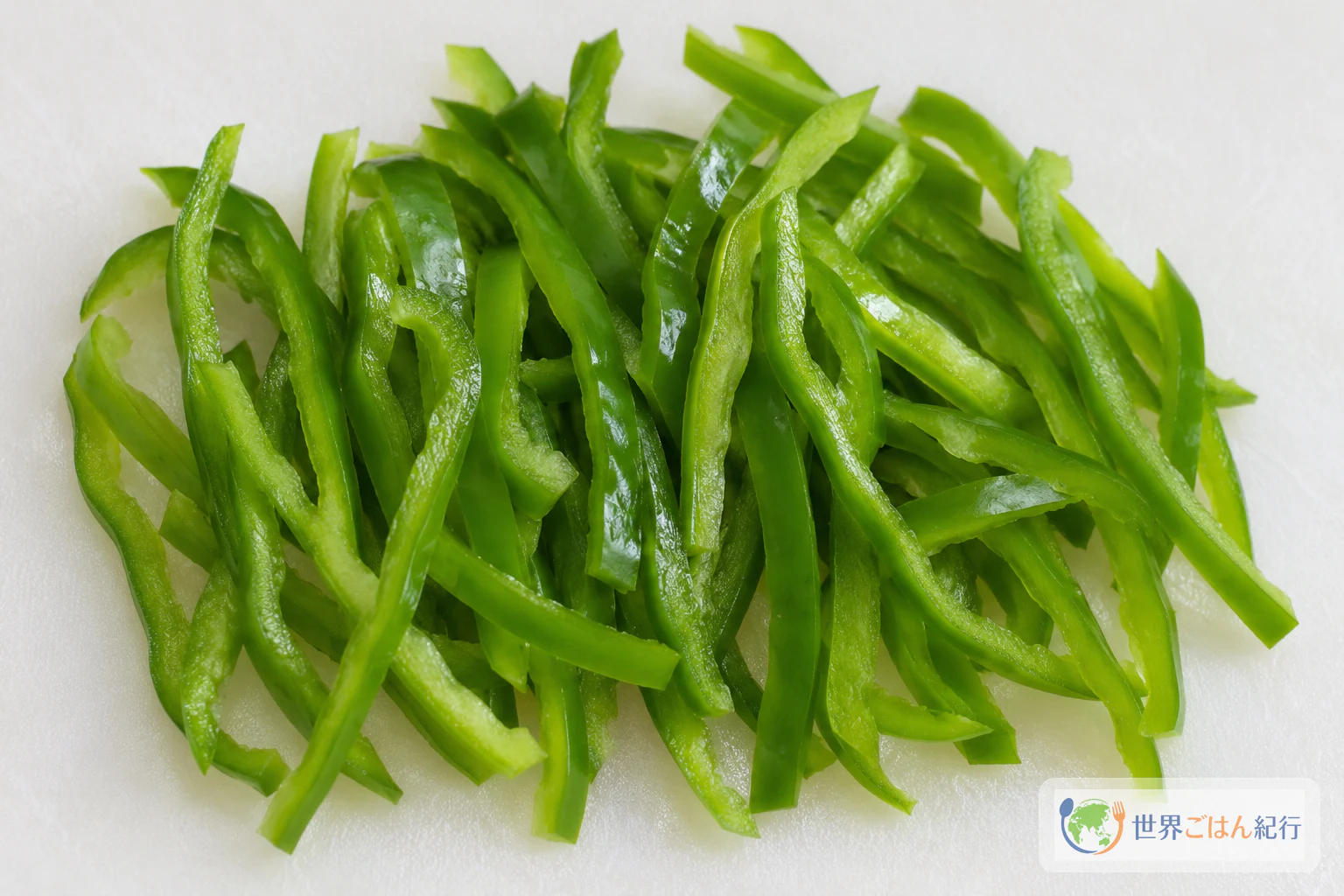
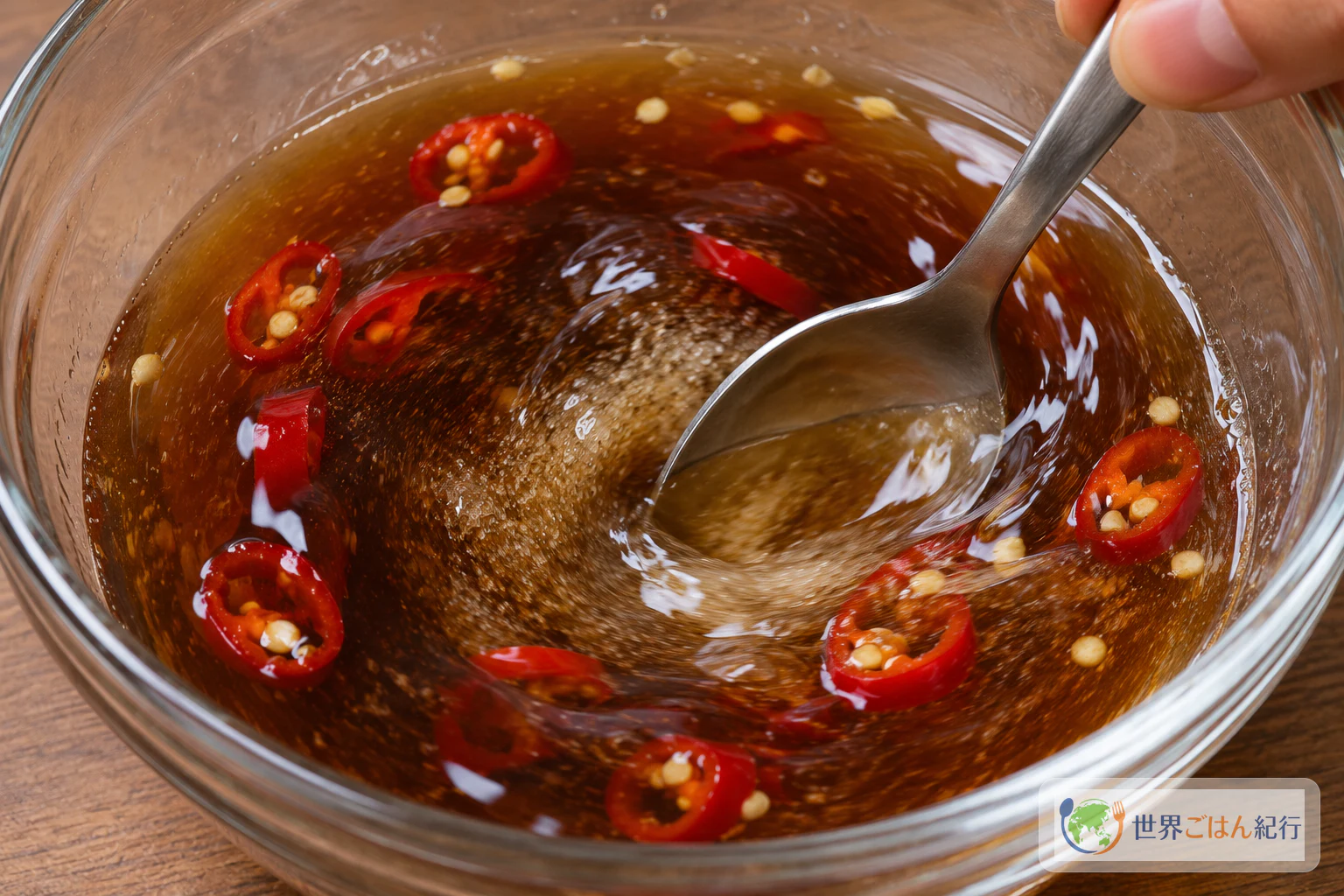
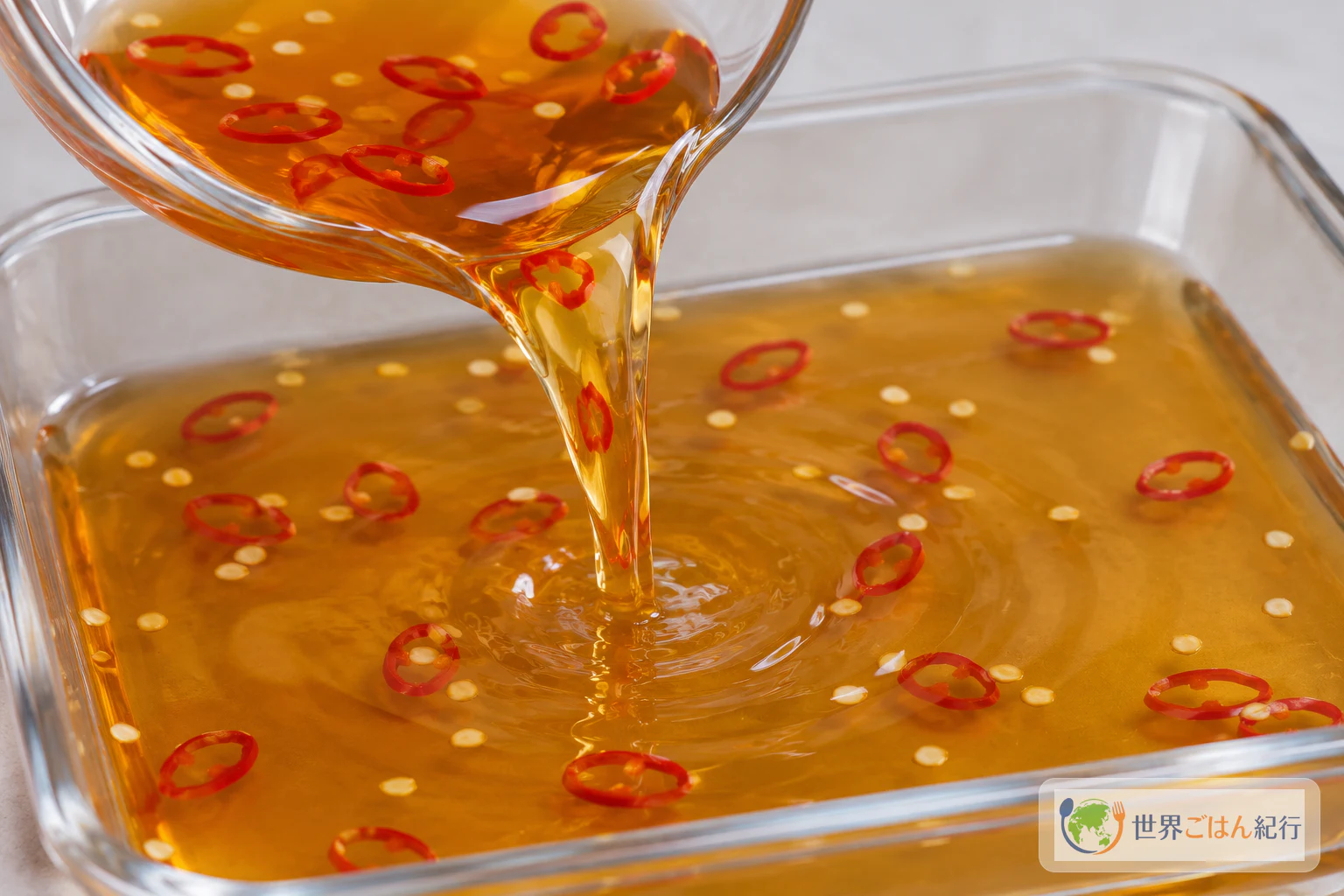
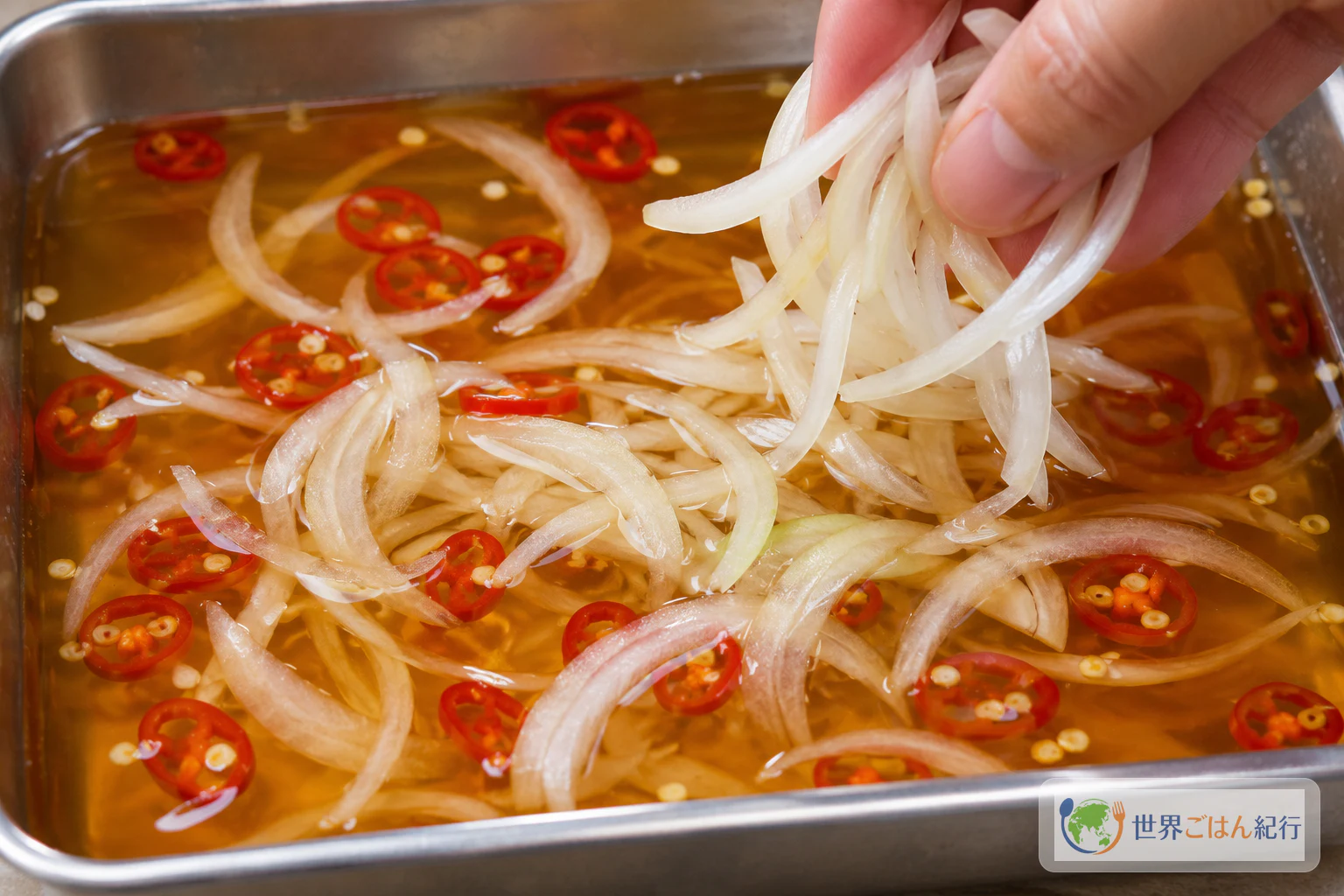
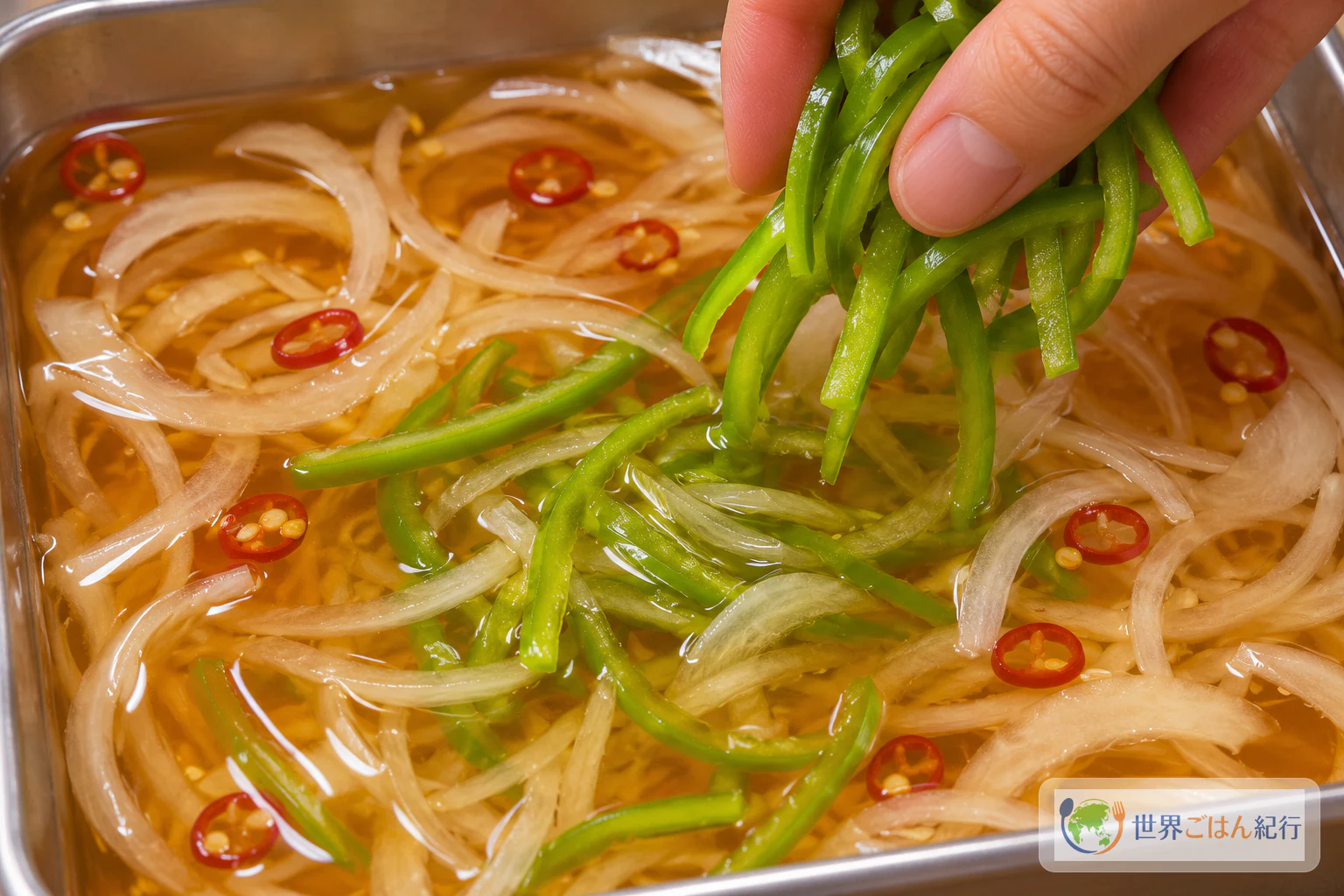
Small whole horse mackerel come out of the hot oil, drain on a rack, and go straight into a shallow tray of vinegar, sugar, soy sauce and salt. Thin slices of onion, narrow strips of green pepper and rings of red chili are already waiting in the liquid. This is nanbanzuke (南蛮漬け) as Kikkoman Home Cooking presents it in a recipe by Akiko Watanabe, one example of the fish nanbanzuke made in Japan.
Because fried fish meets vinegar, sugar and soy sauce, the dish reads as sweet and sour, with some heat from the chili. That description is our reading of the ingredient list. For other dishes from the same country, see our Japan page.
The version used here
This article follows one recipe from start to finish: Akiko Watanabe's "Aji no Nanbanzuke" for 2 servings. We chose it because it gives a complete ingredient list and method, from cleaning whole fish to resting them in the marinade. Its amounts, including the "as needed" entries for flour and oil, are unchanged. Nothing from the other recipes discussed further down has been mixed in.
Three safety instructions are our own additions, not part of Watanabe's recipe: rinsing the vegetables under running water, keeping raw-fish tools away from the vegetables, and the handling of leftovers. The rinsing sentence is an editorial decision. The tool and storage guidance comes from Japan's Ministry of Health, Labour and Welfare (MHLW). Details are under Serving and Leftovers.
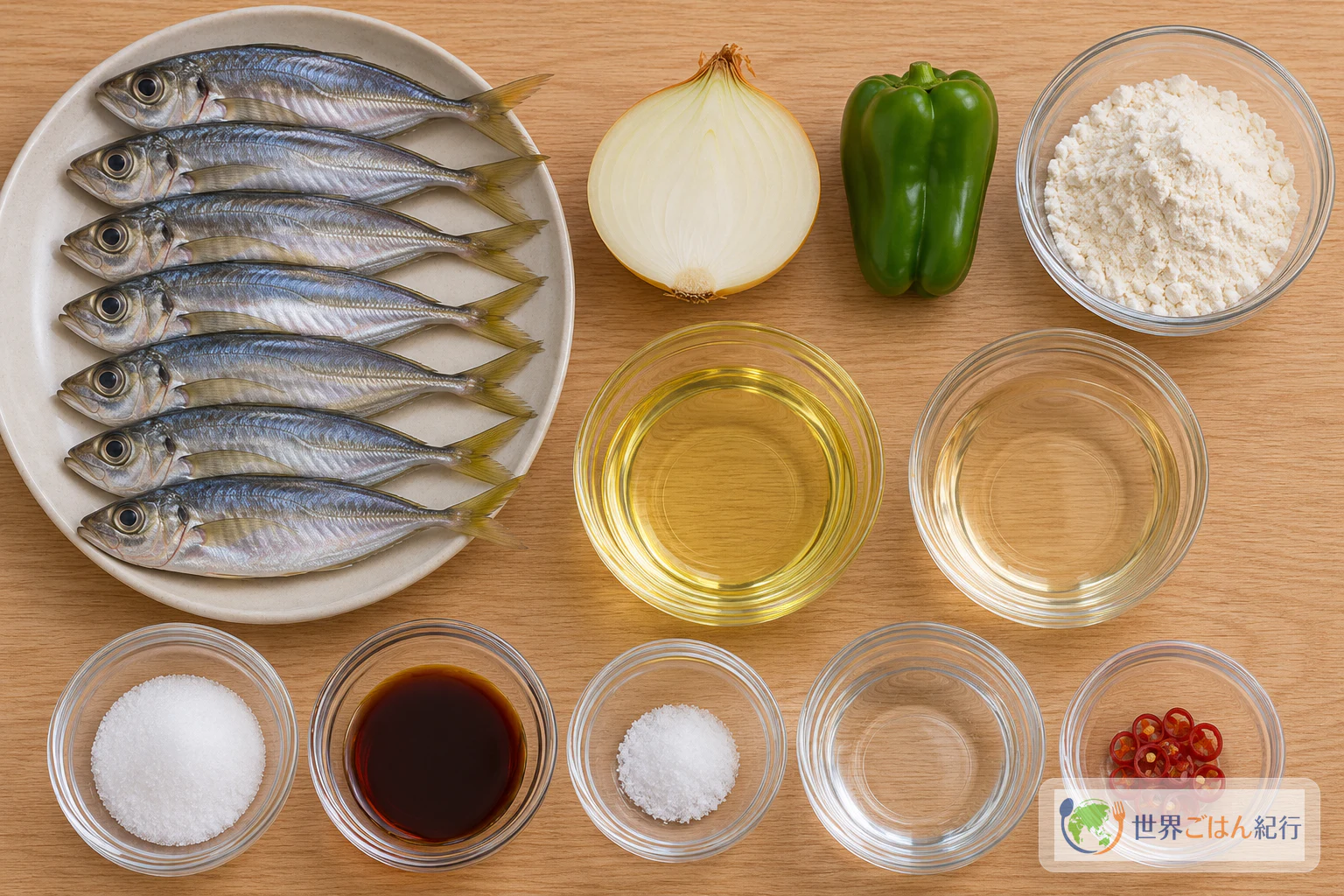
Ingredients for 2 Servings
Equipment
- Sharp knife
- Cutting boards, ideally one for fish and one for vegetables
- Paper towels
- Measuring cup and spoons
- Bowl and spoon for mixing the marinade
- Shallow tray for marinating
- Deep pan for frying
- Oil thermometer, useful for checking the oil temperature
- Wire rack set over a tray, for draining
Choosing the Fish and Other Ingredients
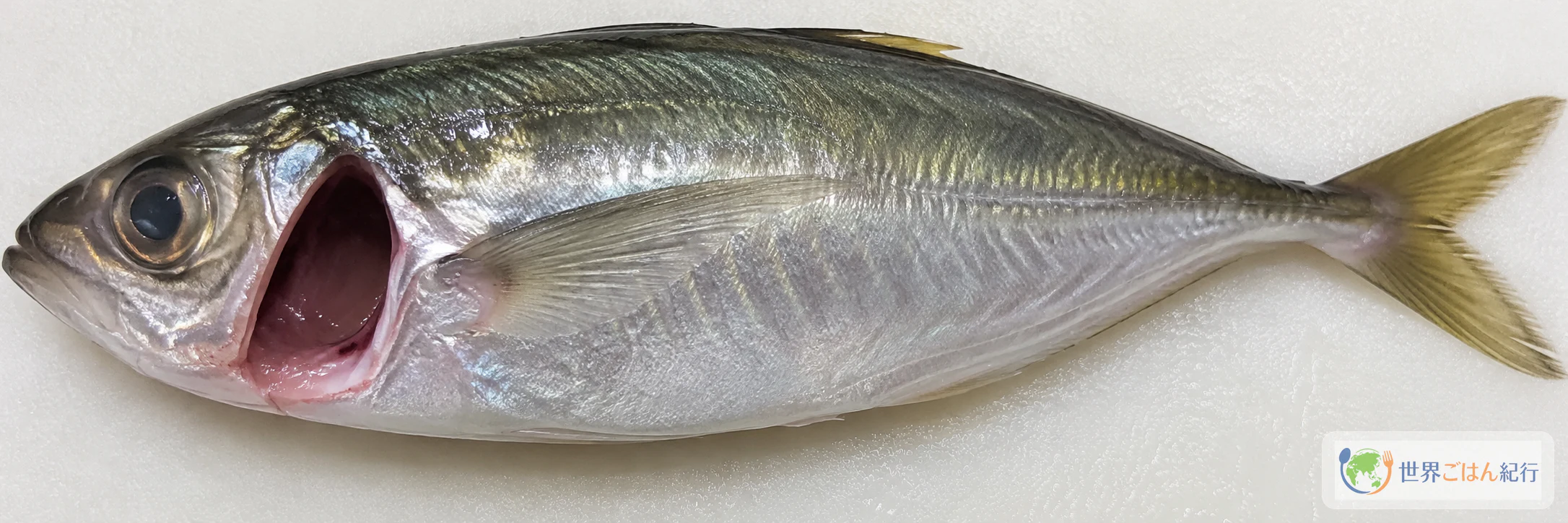
Fish. Look for small horse mackerel, labeled in Japanese as ko-aji (小あじ) or mame-aji (豆あじ). Buy 8 fish, 300g in total. We have no verified substitute species to recommend, so we don't offer one as part of this recipe.
Green pepper. Pīman is a mild green bell pepper from Japan. Do not replace it with a hot green chili, which is a different ingredient and would change the dish.
Flour. The coating is wheat flour, dusted on thinly. Potato starch and breadcrumbs are not part of this recipe.
Soy sauce. Ordinary soy sauce works, though the flavor may differ somewhat from brand to brand.
Allergens. This dish contains fish, wheat flour and soy sauce.
Method: Clean, Cut, Mix, Fry, Rest
The marinade and vegetables go into the tray before the fish is fried, so everything is ready when the fish comes out of the oil.
Serving and Leftovers
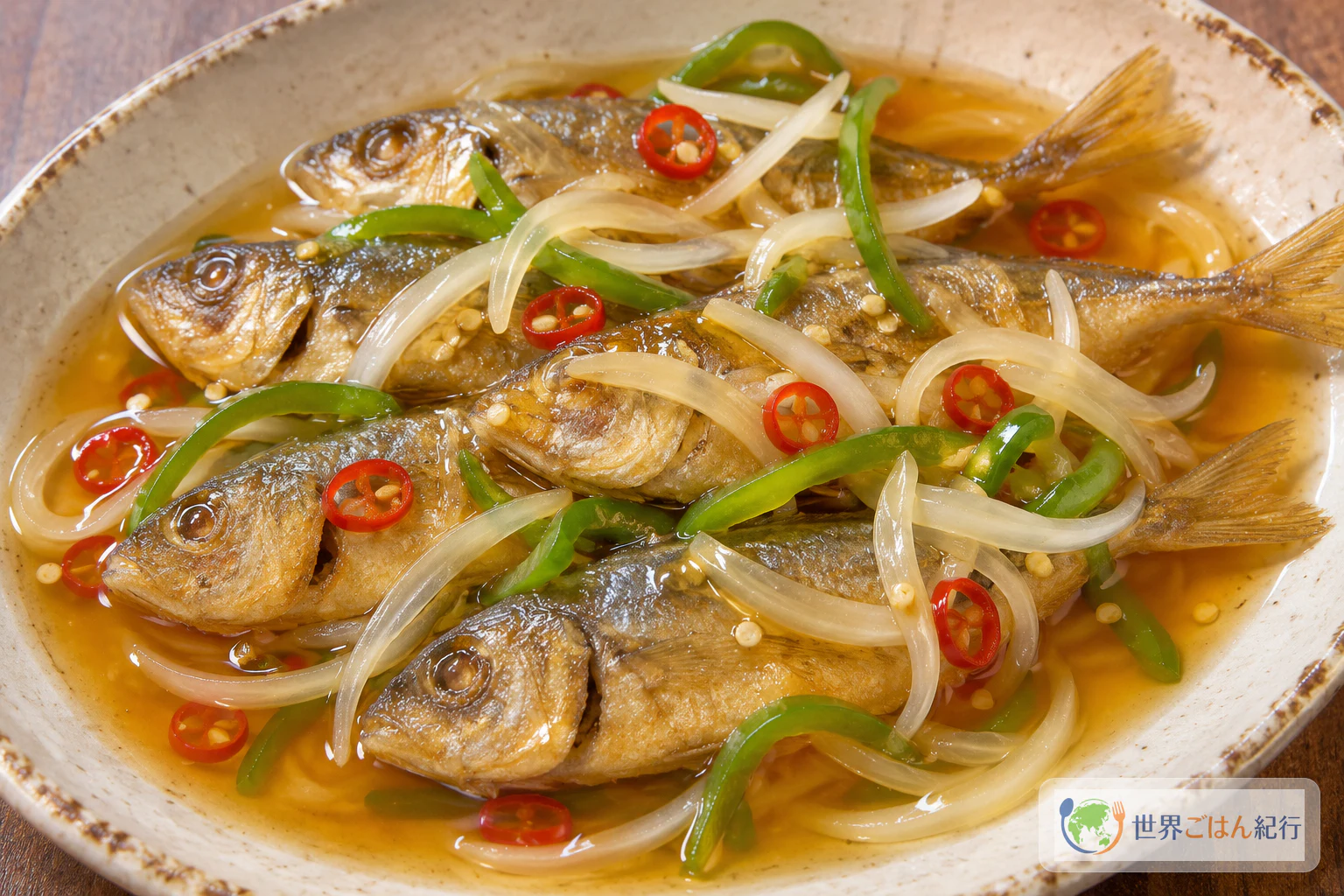
Spoon the fish into a shallow dish with the onion, green pepper and chili.
The onion and green pepper are not cooked in this dish. Rinse them well under running water before cutting. Do not use the knife and board from the raw fish on them without washing first, and don't let raw fish juices touch them. Separate tools for fish and vegetables are safer still.
Do not leave finished nanbanzuke at room temperature for long. Store it in the refrigerator, at 10°C or below as a guide. Divide leftovers into shallow containers so they cool quickly, and throw them out if too much time has passed. We don't give a fixed storage period because this recipe doesn't establish one.
Vinegar and hot fish should not be relied on to sterilize the raw vegetables or to make the dish keep longer. The 170°C and 10 minutes are the recipe's cooking figures, not a safety guarantee for fish of every size.
Troubleshooting
| Problem | Likely reason | What to do |
|---|---|---|
| The oil spatters hard | Water left on the fish | Wipe the fish dry again before flouring, and lower them in carefully |
| The coating is thick and pasty | Too much flour | Aim for a thin dusting, not a batter |
| You can't tell whether the oil is at 170°C | No way to read the temperature | Use an oil thermometer |
| A larger fish doesn't look cooked at 10 minutes | The 10 minutes doesn't account for every size | Cut into the thickest part to look, and keep frying if it isn't cooked through |
| The strips taste hot | A hot green chili was used in place of pīman | Use mild Japanese green pepper next time |
| The marinade tastes sharp | It is built on vinegar | The recipe includes no adjustment, so keep to the listed amounts on a first try |
| The flavor seems light | The fish hasn't rested long enough for your taste | Taste it and decide for yourself, keeping it out of room temperature for long |
| The bones are still firm | The recipe doesn't promise edible bones | Eat with care, and don't assume the bones can be eaten |
Other Nanbanzuke Recipes: Separate Dishes, Not Tweaks
These recipes show how widely nanbanzuke can vary. Each has its own proportions and method, so cook them from their own pages rather than swapping parts into the version above.
| Recipe | Fish | What sets it apart |
|---|---|---|
| Akiko Watanabe, Kikkoman Home Cooking (used here) | Whole small horse mackerel | Onion, green pepper, red chili; one fry at 170°C for 10 minutes; rested "for a while" |
| Makiko Oda, Kikkoman Home Cooking | Mame-aji (ko-aji) | Mirin and katsuobushi in the seasoning; two-stage frying; marinated for 2 hours or more |
| Ministry of Agriculture, Forestry and Fisheries (ChefooDo recipe) | Fish fillets | Curry flavor and many kinds of vegetables |
Chicken nanban, associated with Miyazaki, is a different dish built around chicken and tartar sauce.
Background: What We Can and Can't Say
The materials we consulted support this recipe's ingredients and method, and the differences between the recipes above. They don't establish where the word nanbanzuke comes from, a single place of origin, or which version represents a particular region. So we present this only as one example of fish nanbanzuke made in Japan, and we don't treat the differences between these recipes as regional ones.
Frequently Asked Questions
Are ko-aji and mame-aji the same thing?
The recipe used here writes "small horse mackerel (mame-aji, 8 fish), 300g," and Kikkoman's other nanbanzuke page also pairs the two names. It's practical to look for either label when shopping. The recipe gives no exact fish size, so we don't define one.
What can I use if I can't find small horse mackerel?
We can't confirm a substitute. The materials behind this article don't verify any other species, so the fish, amount and frying figures here apply only to small horse mackerel.
How long should the fish marinate?
The recipe says only "for a while" and gives no number of minutes. Makiko Oda's 2 hours or more belongs to a different recipe with a different method, so it doesn't carry over. Taste as you go, and don't leave the dish at room temperature for long.
How many days does it keep?
This recipe gives no storage period, and we don't set one. Refrigerate it at 10°C or below as a guide, divide leftovers into shallow containers so they cool quickly, and throw them out if too much time has passed.
Does the vinegar or hot fish make the raw vegetables safe?
That can't be claimed, so rinse the vegetables and keep the dish refrigerated. Rinse the onion and pepper well under running water before cutting, and keep them away from raw-fish tools. The FDA's general seafood guidance gives 145°F/63°C as a cooking guide for fish, but it doesn't validate this recipe's 170°C and 10 minutes or address these uncooked vegetables.
Can I eat the bones?
The recipe doesn't say, so we can't promise that they're edible, even in small fish.
Sources
- Kikkoman Home Cooking, "Aji no Nanbanzuke" (あじの南蛮漬け), recipe by Akiko Watanabe. The recipe used in this article: ingredients for 2 servings, cleaning whole fish, cutting the vegetables, the sweet-sour marinade, frying at 170°C for 10 minutes, and draining and marinating. https://www.kikkoman.co.jp/homecook/search/recipe/00051459/
- Kikkoman Home Cooking, "Mame-aji (Ko-aji) no Nanbanzuke" (豆あじ(小あじ)の南蛮漬け), recipe by Makiko Oda. Used for comparison only: mirin and katsuobushi, two-stage frying, and marinating for 2 hours or more. https://www.kikkoman.co.jp/homecook/washoku/013/
- Ministry of Agriculture, Forestry and Fisheries of Japan (ChefooDo recipe), "Yasai to Aozakana no Nanbanzuke" (野菜と青魚の南蛮漬け). Used for comparison only: fish fillets, curry flavor and many kinds of vegetables. https://www.maff.go.jp/j/syokuiku/minna_navi/recipe/full4.html
- U.S. Food and Drug Administration, "Selecting and Serving Fresh and Frozen Seafood Safely." General seafood guidance on refrigeration and cross-contamination, and the general 145°F/63°C guide for cooking fish. It doesn't validate this recipe's frying figures, uncooked vegetables or storage. https://www.fda.gov/food/buy-store-serve-safe-food/selecting-and-serving-fresh-and-frozen-seafood-safely
- Ministry of Health, Labour and Welfare of Japan, "Six Points for Preventing Food Poisoning at Home" (家庭でできる食中毒予防の6つのポイント). General home guidance on keeping raw fish juices and tools away from foods eaten raw, refrigerating at 10°C or below, not leaving cooked food at room temperature for long, and cooling leftovers quickly in shallow containers. https://www.mhlw.go.jp/stf/seisakunitsuite/bunya/kenkou_iryou/shokuhin/syokuchu/01_00006.html