Chile and lemon wake up the kitchen
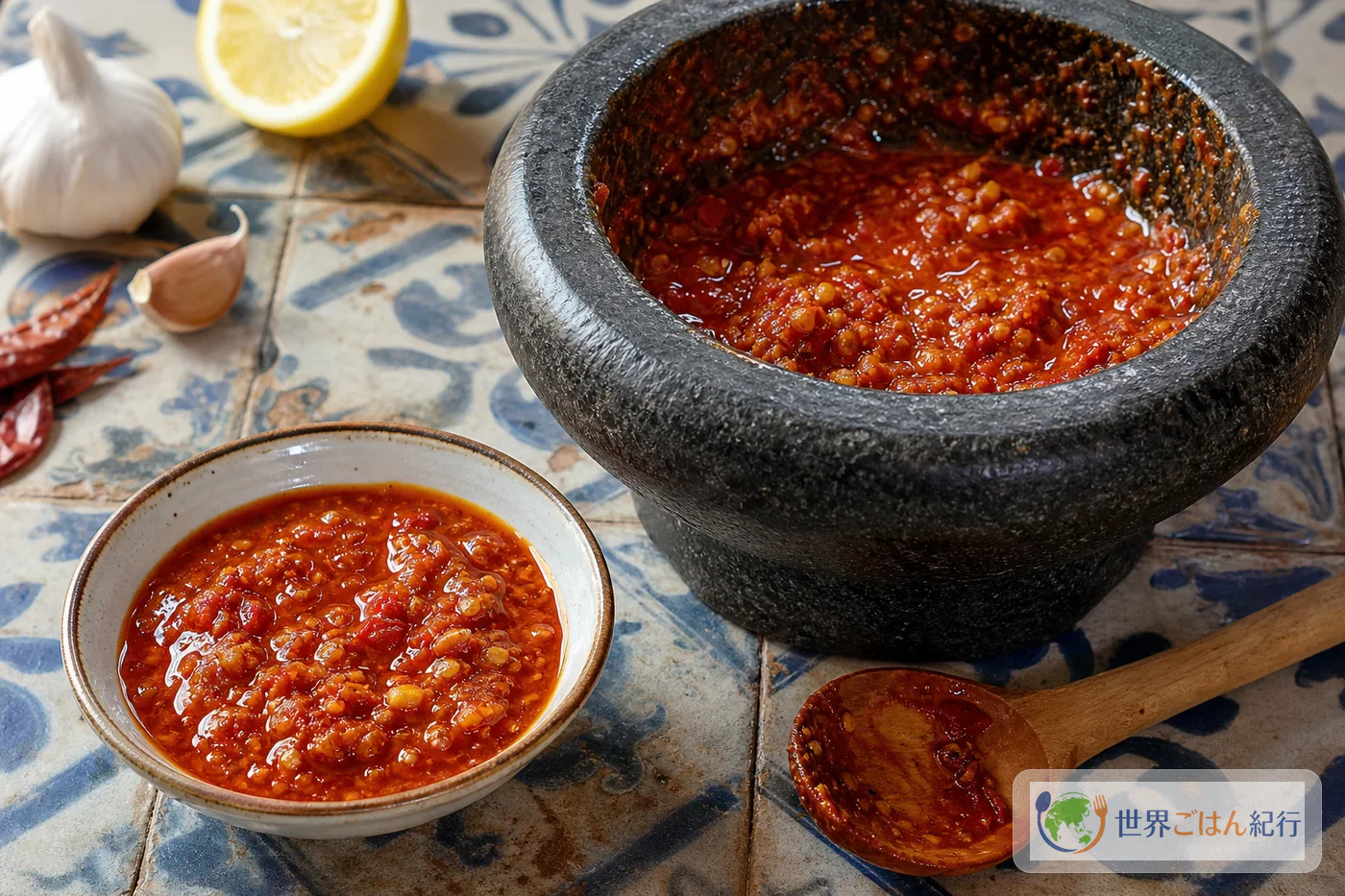
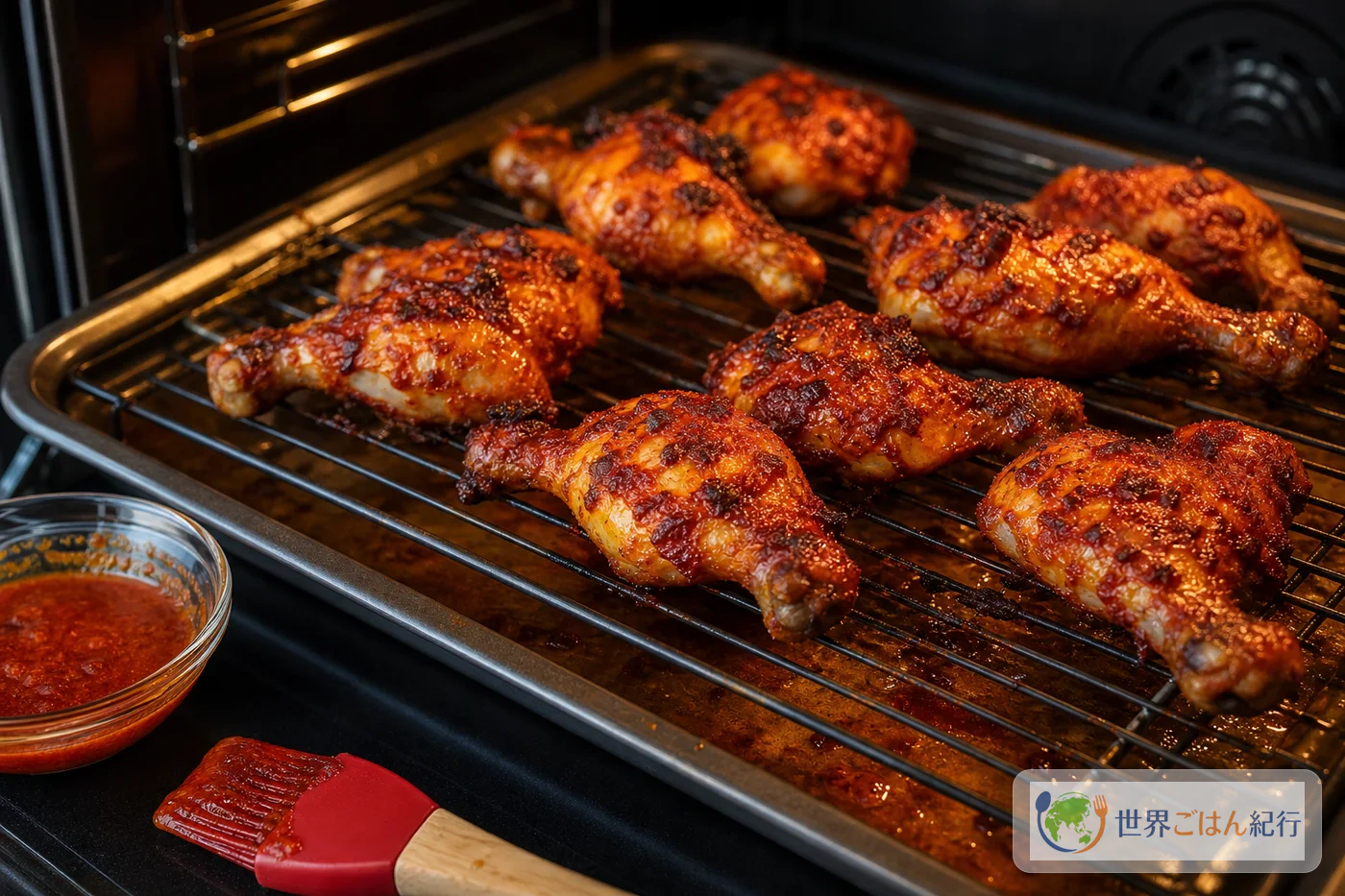
The green scent the moment you cut a lemon, the sharp smell of crushed garlic, and then oil stirred with red chiles and paprika: suddenly the air in the kitchen turns south. Piri-piri chicken, also spelled peri-peri, is a red chicken dish from the Portuguese-speaking world, made by marinating chicken in chile, lemon, garlic and oil and then grilling or roasting it.
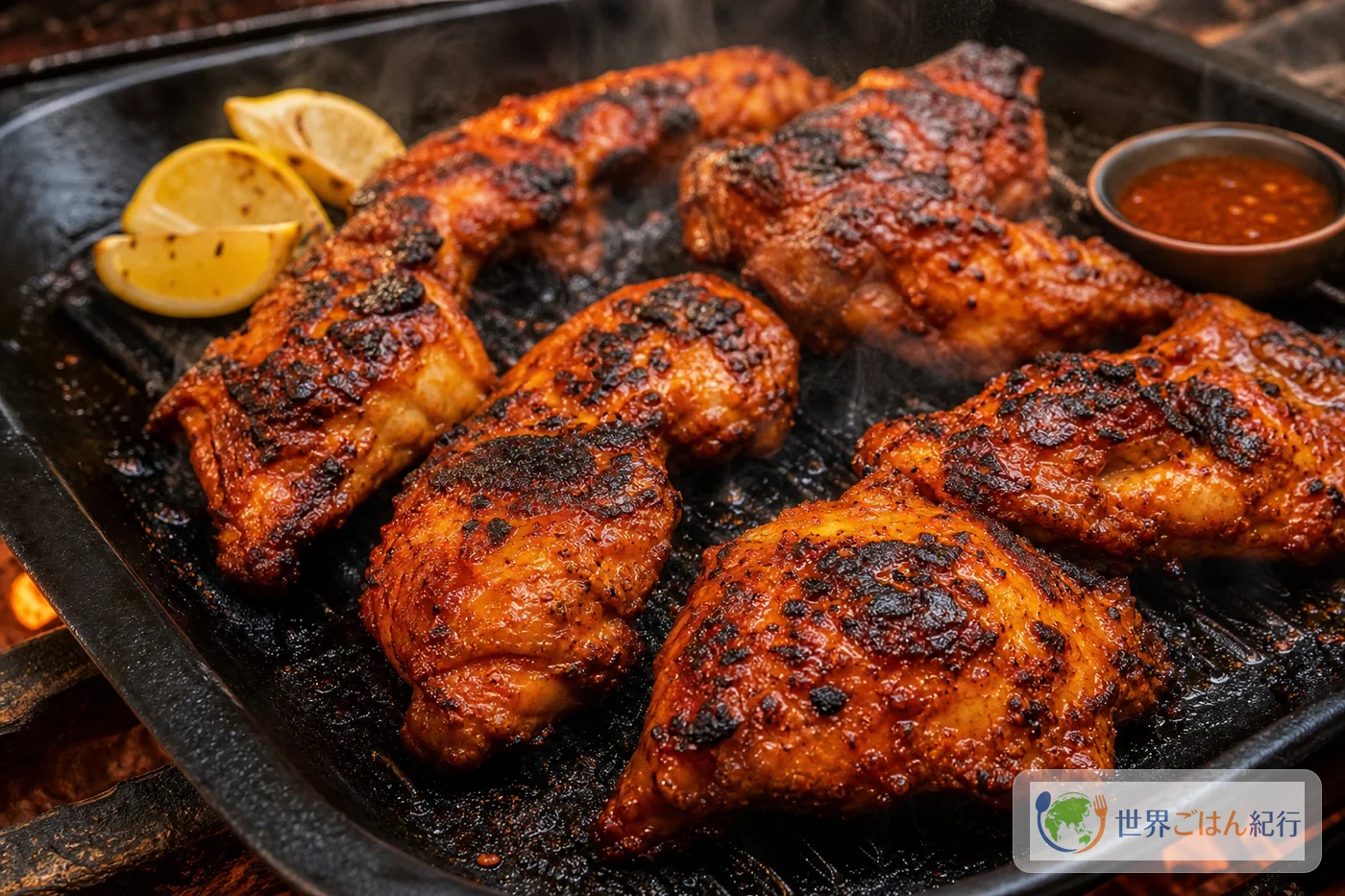
Many people know it as a fast-casual restaurant flavor, but what makes it interesting as a dish is that you can't simply call it "only Portuguese." In Portuguese it's written piri-piri, in English often peri-peri, and behind it lie the chile culture of southeastern Africa, Portuguese charcoal grilling and the spice routes across the Indian Ocean. A hot sauce that grew up on Mozambican tables met Portuguese charcoal-grilled chicken, and today it's eaten around the world as "the red, tangy chicken." Seen that way, even the small charred spots on the plate look like traces of a journey.
The hard part in a home kitchen isn't the heat itself. Simply add more chiles and pain arrives before aroma. Go the other way, pull back too far out of fear, and you end up with ordinary lemon grilled chicken. This recipe is built around a home version made with small dried red chiles, paprika, lemon and garlic. It splits the heat into two stages and cooks the chicken through in the oven before charring it at the end.
If caldo verde (in Japanese) and bacalhau à Brás (in Japanese) belong to Portugal's simple home table, piri-piri chicken is a little more outward-facing, a dish of sweat and smoke. Charred skin, tangy sauce, potatoes, salad. Roast it for a weekend lunch and your table turns into a bit of a street stall.
In Portuguese-speaking countries it's written piri-piri; in English and at South African-style restaurants you'll often see peri-peri. This article uses "piri-piri chicken" as the main name and also gives the Portuguese name, frango piri-piri.
Background: Mozambican chiles and Portuguese charcoal
Look into piri-piri chicken and the names Mozambique and Portugal always come up. Chiles themselves are native to the Americas, but after the Age of Discovery they spread to Africa and Asia along Portuguese trade routes. In southeastern Africa, small, fiery chiles went into sauces, and the word survives as piri-piri in Portuguese dish names and on English-language menus.
The closest dish on the Portuguese side is frango no churrasco, charcoal-grilled chicken. Birds turn in front of shops and near markets, red sauce is brushed on, and the skin chars black in places. Pour piri-piri sauce over it and the acidity, fat and heat come together. If Brazilian churrasco (in Japanese) is about subtraction, beef and coarse salt, piri-piri chicken is charcoal cooking by addition, throwing chile and lemon against chicken fat.
At home, rather than forcing a charcoal flavor with liquid smoke or heavy smoking, you get closer by drying the skin and charring it at high heat. You can swap the type of chile, but don't drop the lemon's acidity, the garlic, using oil to carry the aroma, or charring the skin a little at the end. Keep those, and even a home oven gives you a convincingly "real" plate.
| Element | Traditional | Practical at home |
|---|---|---|
| Chile | Small, hot chiles; piri-piri sauce | Small dried red chiles, fresh red chiles, a little Scotch bonnet-style sauce |
| Acidity | Lemon, vinegar, citrus | Lemon juice as the base, with a little vinegar |
| Cooking | Charcoal, rotisserie, strong direct fire | Cook through in the oven, then char under the broiler or on a grill pan |
| Served with | French fries, salad, bread, rice | Potatoes, lettuce, bread or plain rice all work well |
Ingredients (serves 4): build the heat in two stages
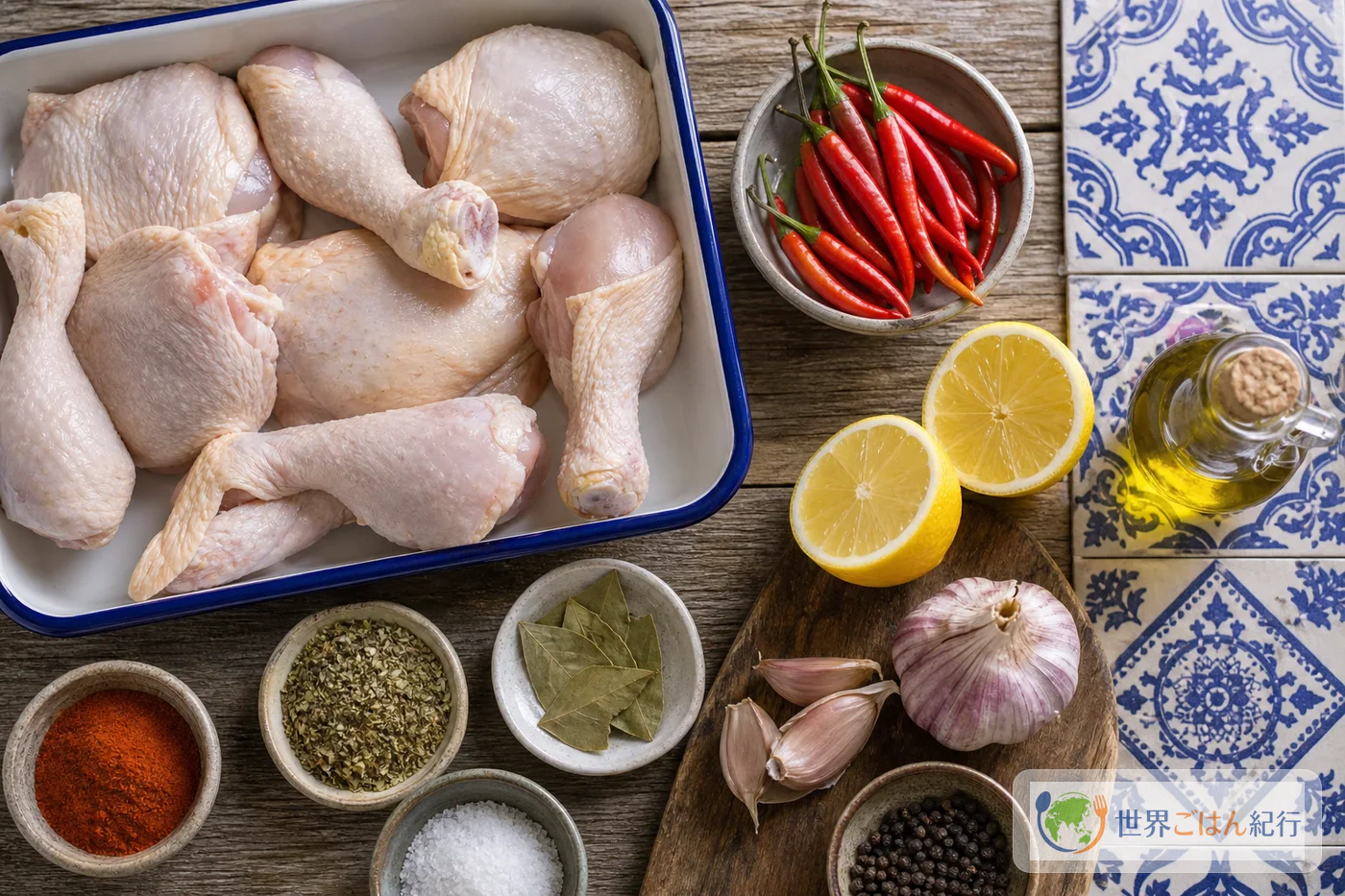
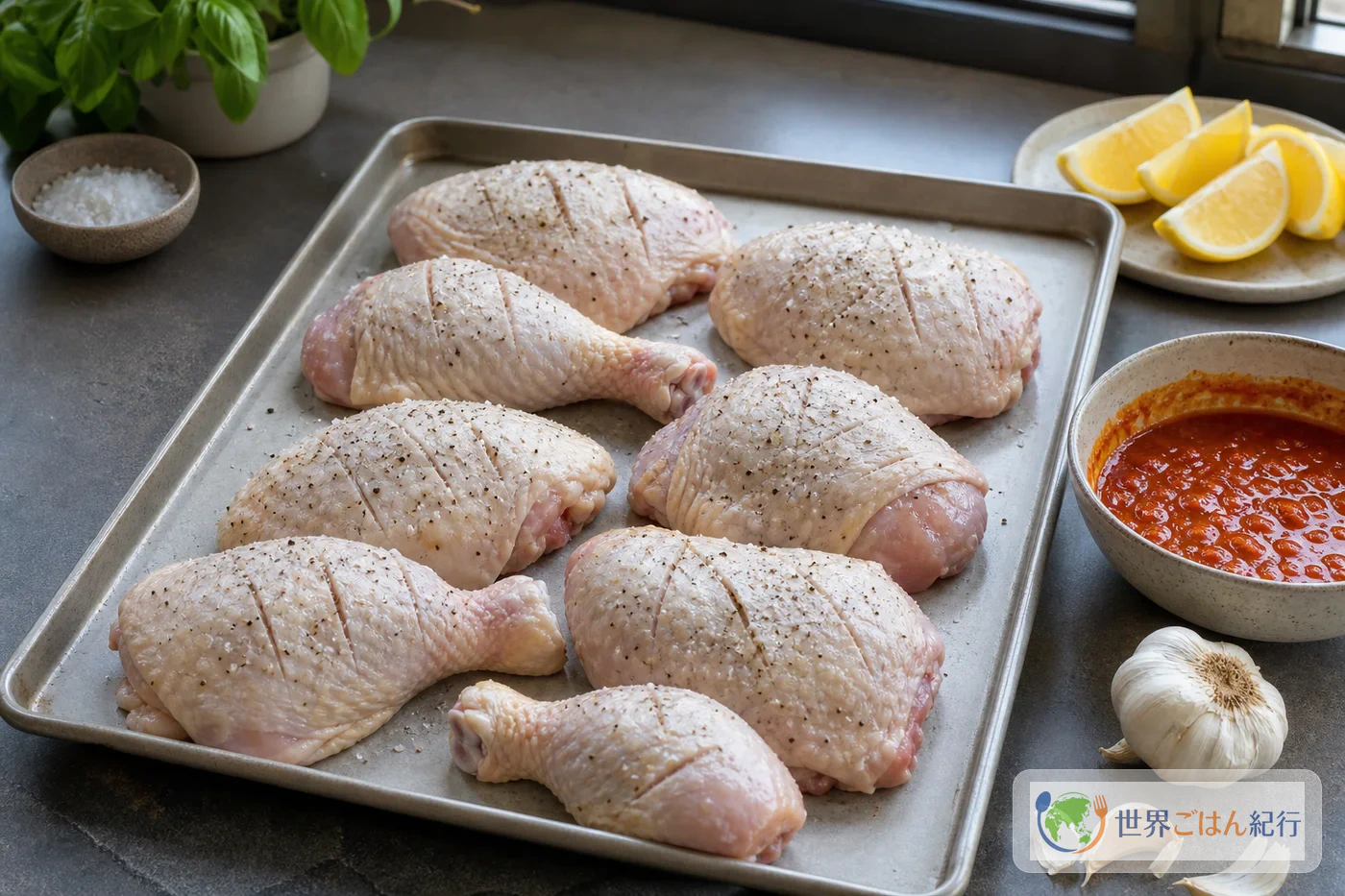
Bone-in chicken thighs give the most authentic feel. Since stores don't always have bone-in pieces, though, the quantities also work with boneless thighs. Don't remove the skin: piri-piri chicken is at its best when charred skin and tangy sauce come together.
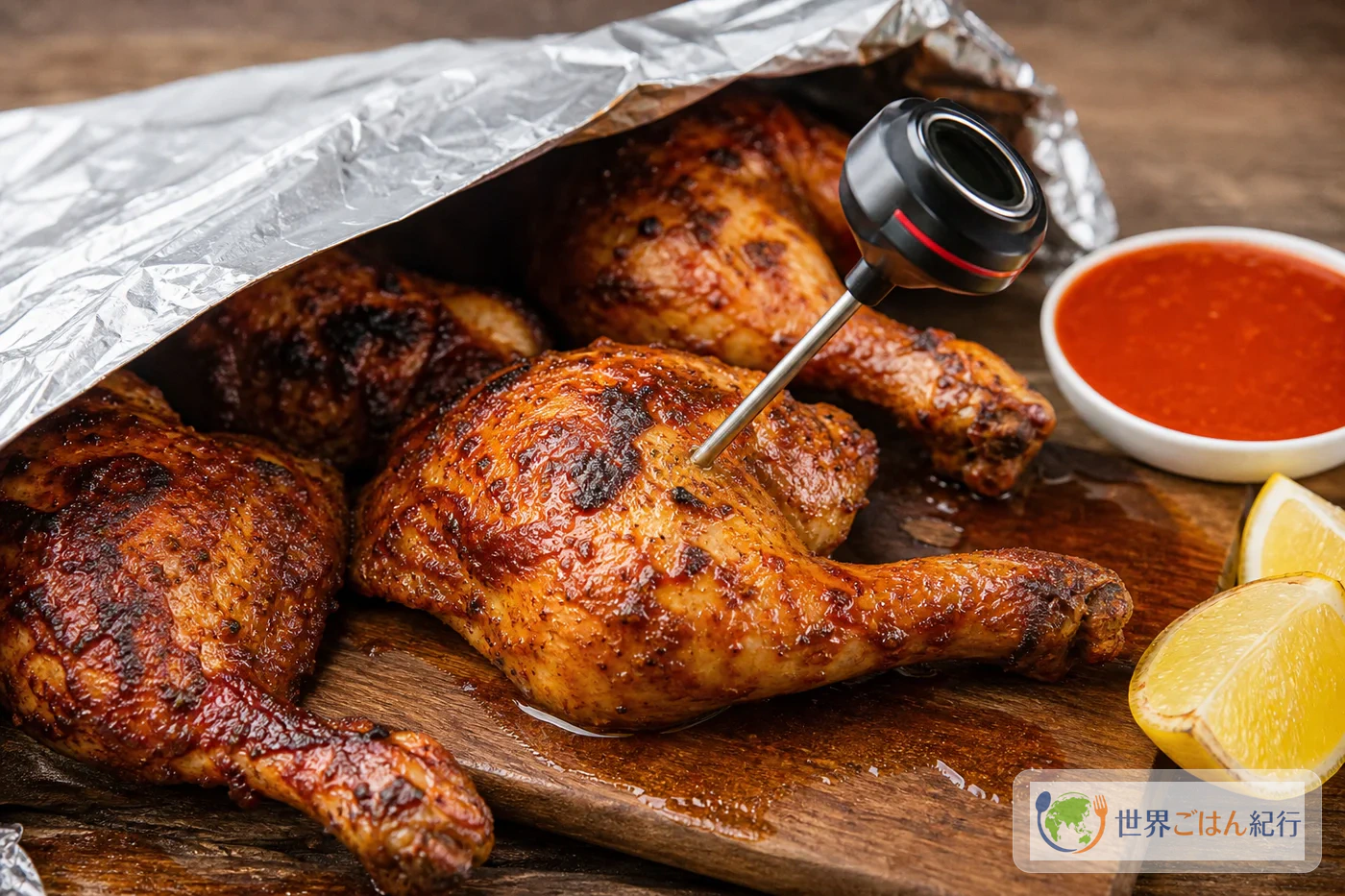
This recipe uses chicken. If you add a store-bought chile sauce, some products contain wheat, soy or preservatives. Make sure the chicken reaches an internal temperature of at least 74°C (165°F) and cook until the juices run clear. Once the marinade has touched raw meat, don't serve it as a table sauce.
Adjusting the heat, and where it tends to go wrong
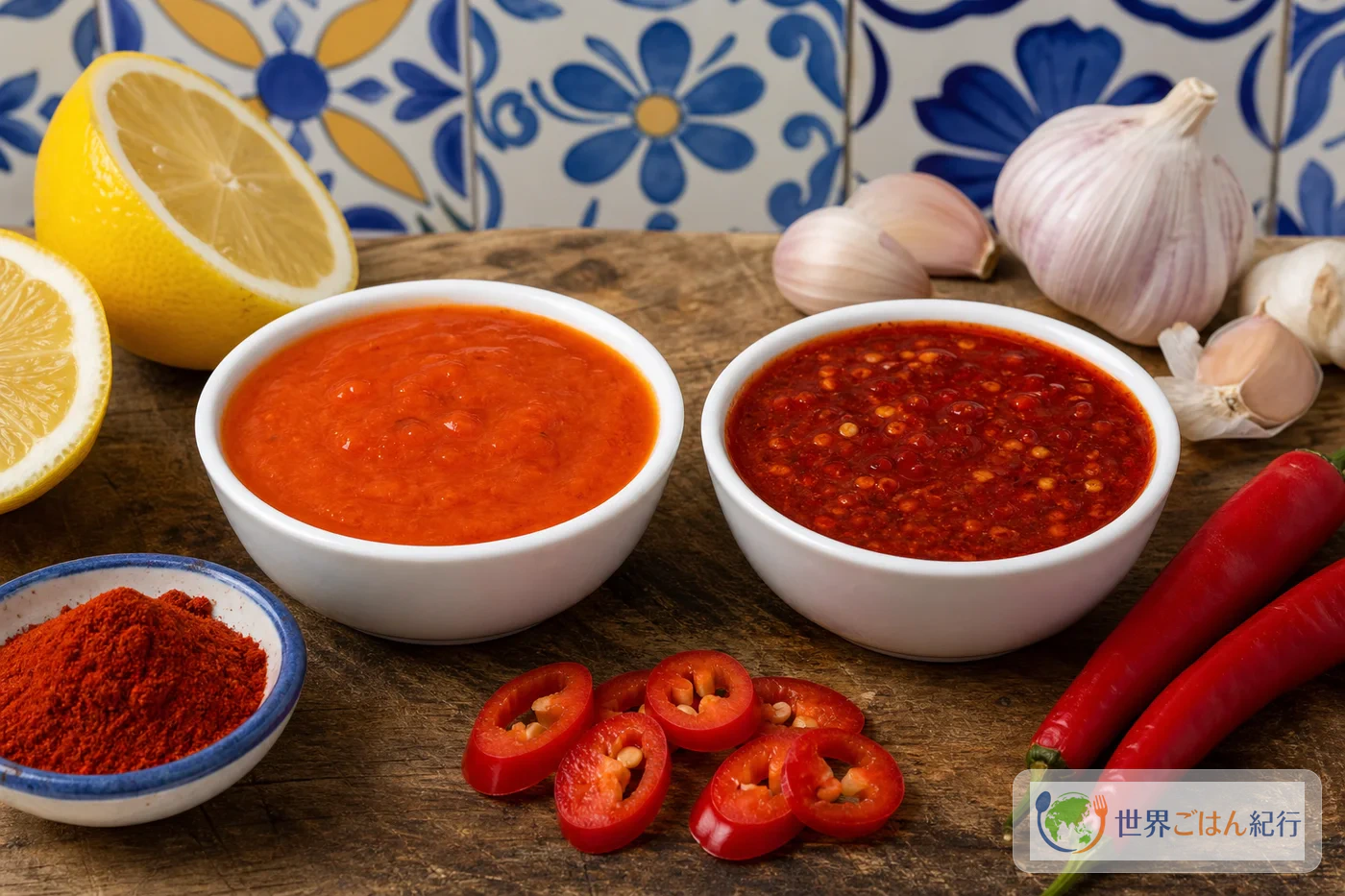
If you set the heat of piri-piri chicken by the number of chiles alone, it comes out harsh. For a first try, 2 dried chiles with seeds left in only half is easy to eat. For those who love heat, adding a few drops of a Scotch bonnet-style sauce after cooking makes it easier for the whole family to share the same platter.
| Problem | Cause | Fix |
|---|---|---|
| Too hot | All the seeds went in, or the sauce was brushed on thickly | Mix 2 tsp lemon juice with 1 tbsp olive oil and use it to tone things down on the plate |
| Skin black and bitter | Sugar and chile burned under high heat | Trim the burned parts thinly and serve the table sauce on the side |
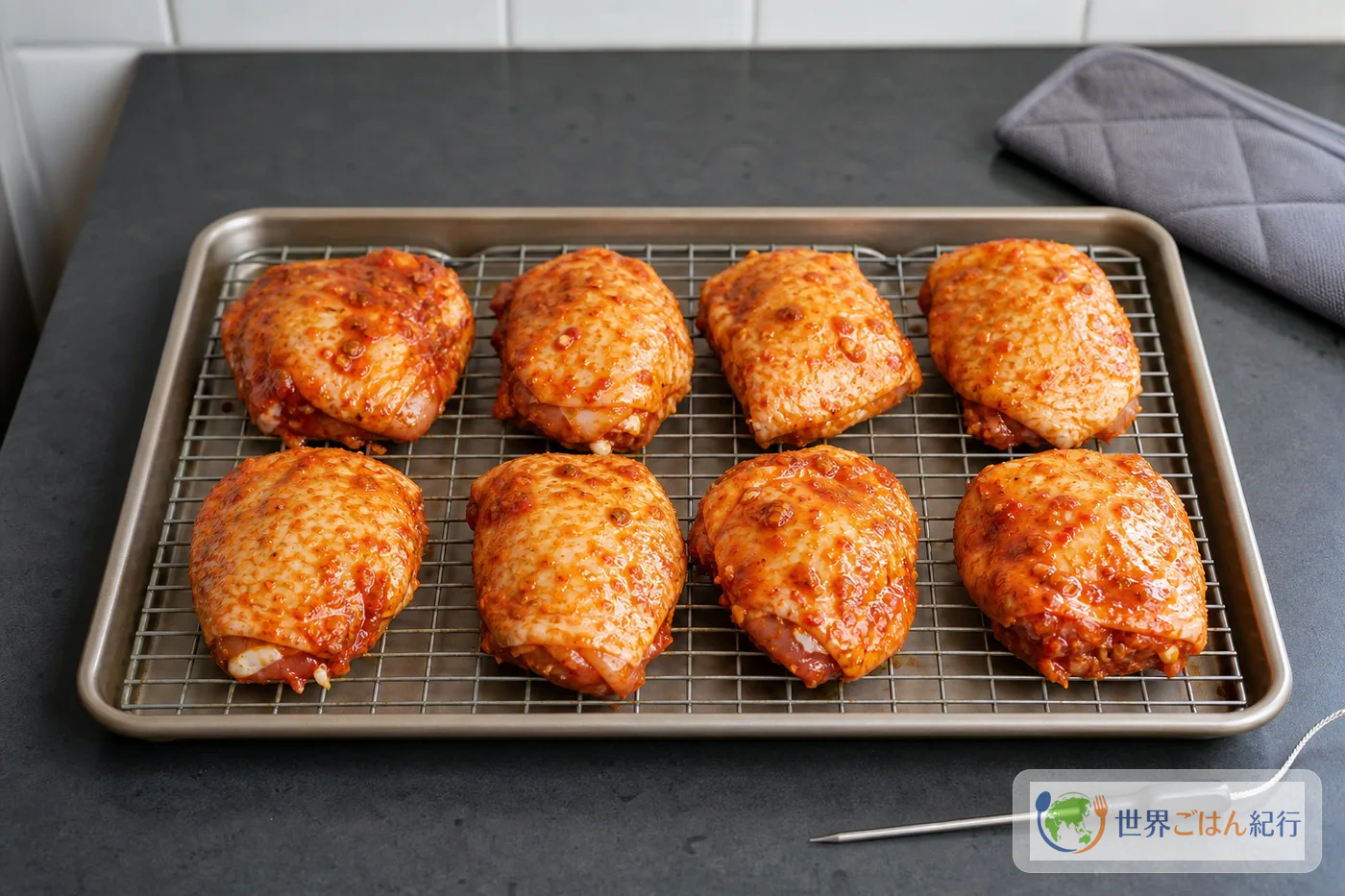
| Underdone inside | Only the surface was charred at high heat | Lower to 180°C (350°F), add 10 minutes and check the internal temperature |
| Bland | Too little salt or too short a marinade | Sprinkle a pinch of salt and some lemon over it after cooking |
| Watery sauce | Too much lemon juice or too little oil | Add 1 tsp paprika and 1 tbsp oil and whisk to emulsify |
Don't try to lock in the heat in the marinade. Make it mild the first time and let people add hot sauce at the table; that way it can't go wrong. Check the internal temperature once the chicken is cooked, and only then char the skin over high heat at the end.
If you cook over charcoal, don't put the chicken directly over the hottest fire from the start. Ten minutes skin side up over a medium zone, 8 minutes after turning, and then a final char over the hot zone keeps things steady. Rather than moving it around constantly like yakitori, cooking one side at a time calmly keeps the skin from tearing.
Compared with jerk chicken (in Japanese), piri-piri chicken has fewer layers of spice, with acidity and chile up front. Allspice or cinnamon would push it toward jerk, so they're left out here. It also differs from salt-and-fire meat dishes like nyama choma: the hallmark of this dish is the sauce's acidity cutting through the chicken fat.
Serving, storage and next-day leftovers
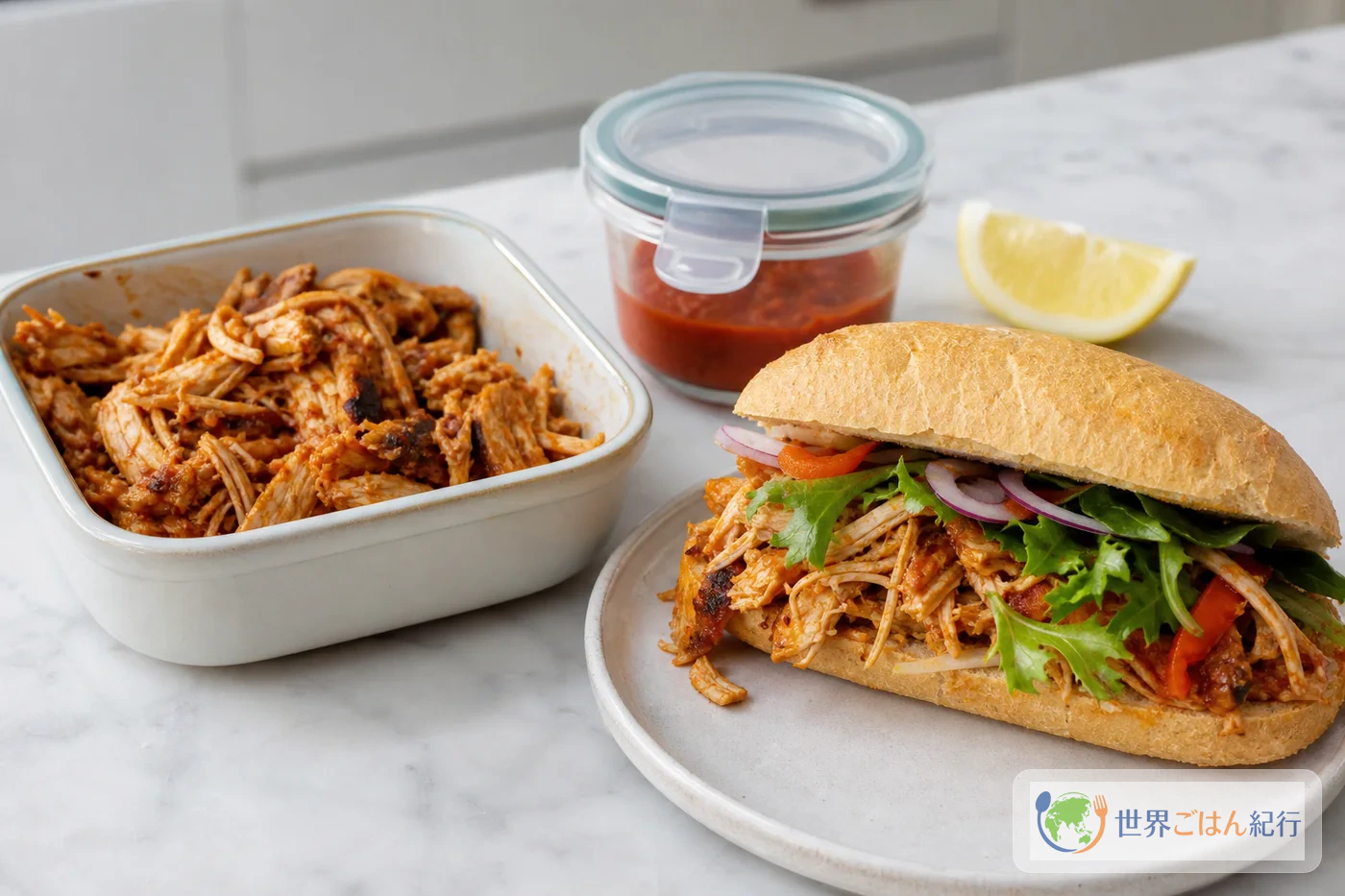
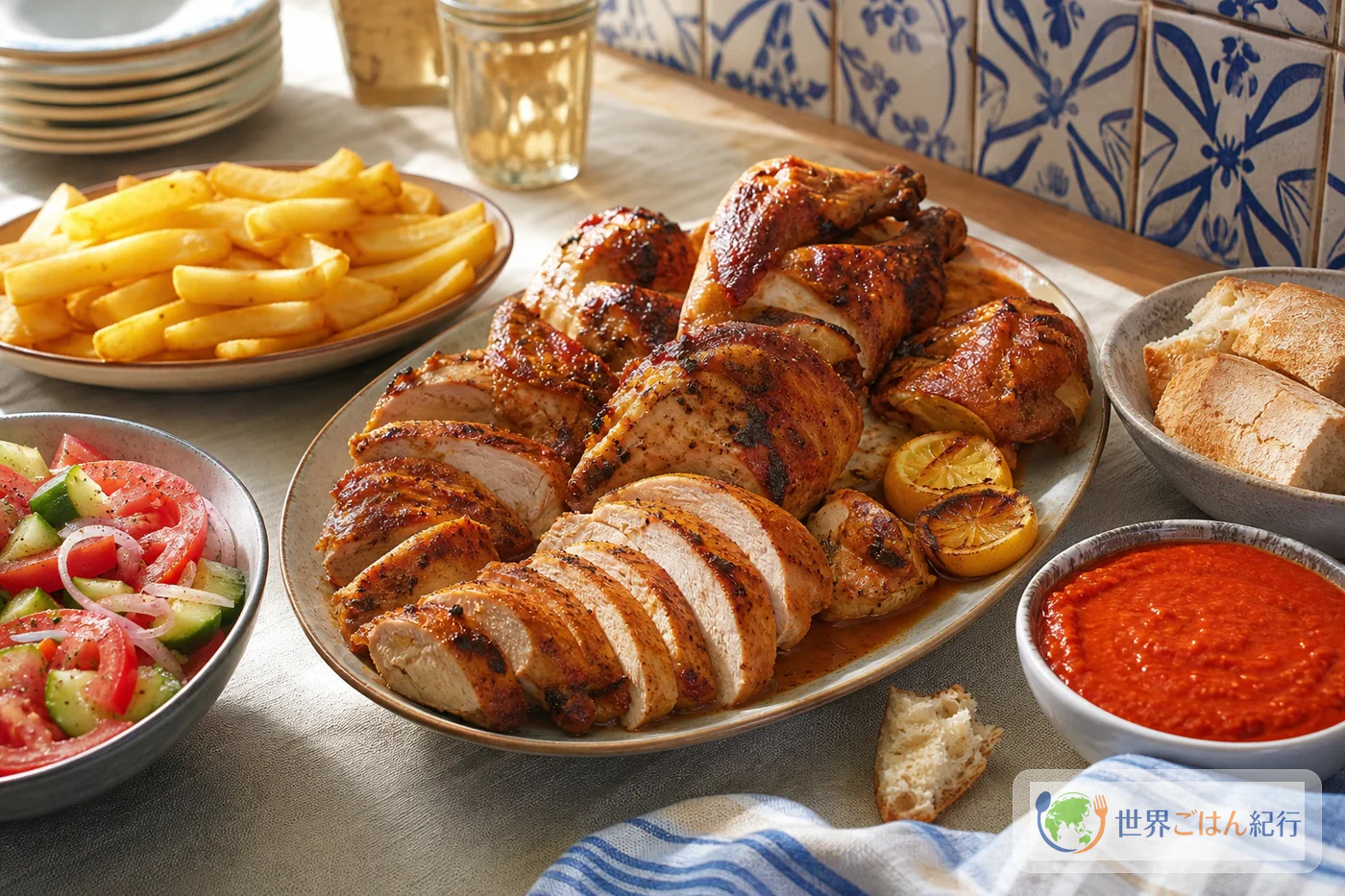
Hot from the oven, fries, salad and bread are the most obvious companions. At Portuguese charcoal-chicken restaurants, the feel is a plate of potatoes and salad, with everyone adding red sauce to taste. Plain rice works too; the sauce is tangy enough that pairing it with rice, as you would a curry, doesn't feel heavy.
To store, let it cool, take the meat off the bone and refrigerate in an airtight container for up to about 2 days. If you want to enjoy the charred skin, don't reheat it in the microwave alone the next day; reheat in a toaster oven or under the broiler for 3–4 minutes. The microwave alone leaves the skin soggy and the red oil runs off.
Cook the chicken all the way through to the center. Don't serve marinade that has touched raw chicken as a table sauce without cooking it.
Leftover meat is great in bread, tacos, salads and fried rice. Add 1 tsp lemon juice, 1 tsp olive oil and a pinch of salt to 100 g (about 3 1/2 oz) of shredded chicken and the flavor comes back even the next day. Tuck it into bread with tangy vegetables, as in a bánh mì (in Japanese), and the chile aroma really comes through.
FAQ
Q1. Can I use chicken breast?
Yes, but it dries out more easily than skin-on thighs. If you use 2 chicken breasts, butterfly the thick parts, marinate for no more than 30 minutes, and start checking after 14–16 minutes at 220°C (425°F). As soon as it passes 74°C (165°F) internal, let it rest, and keep the final high-heat charring to 2–3 minutes.
Q2. How do I make it mild for kids?
Cut back to 1 dried chile and remove all the seeds. Instead, increase the paprika to 2 tbsp and keep the lemon juice the same. If only the adults add hot sauce at the table, everyone can share the same chicken.
Q3. Without charcoal, will it taste authentic?
Charcoal aroma is a powerful advantage, but at home it's easier to get close by drying the skin and charring it at high heat. Cook the chicken through in the oven, then char it briefly under the broiler or on a grill pan at the end for a good balance of aroma and safety.
Q4. Can I marinate it the day before?
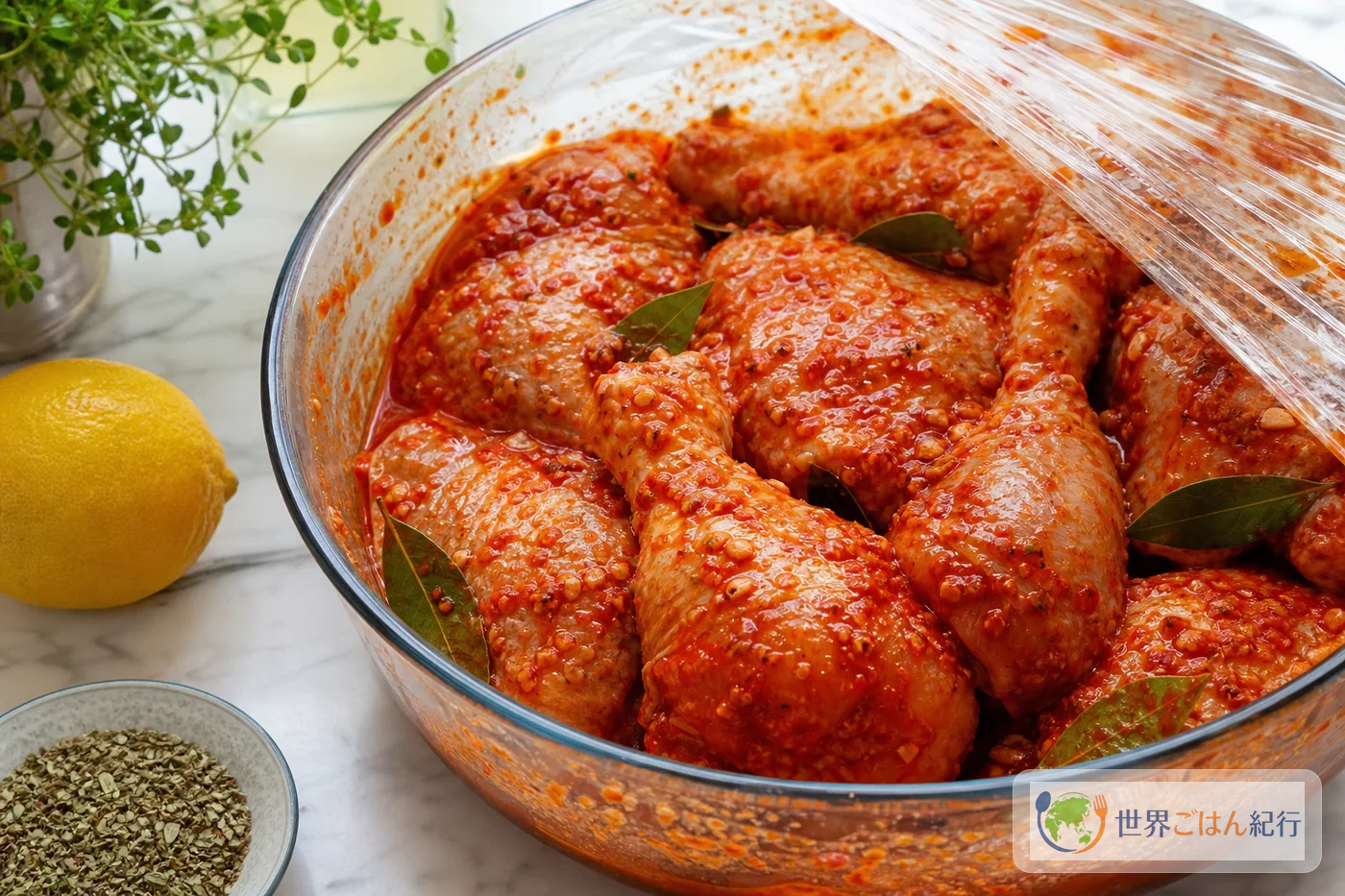
Yes. Up to 8–12 hours in the fridge lets the flavor soak in well. Because there's lemon and vinegar in it, though, marinating 24 hours or longer can make the surface of the meat too firm. If you're prepping the day before, add only half the acid, then add the remaining lemon juice 2 hours before cooking for a gentler result.
Q5. I'd like to use the sauce at the table too
Don't use marinade that has touched raw chicken as a table sauce. When you first make the sauce, set aside 1/3 in a clean container and use that for brushing on and for the table. For pouring at the table, add 1 tsp lemon juice and 1 tsp olive oil to the reserved sauce to bring the aroma back.
Sources
- USDA Food Safety and Inspection Service. "Safe Minimum Internal Temperature Chart." https://www.fsis.usda.gov/food-safety/safe-food-handling-and-preparation/food-safety-basics/safe-temperature-chart (safe internal temperature for chicken)
- Dicionario Priberam da Lingua Portuguesa. "piripiri." https://dicionario.priberam.org/piripiri (spelling and meaning of piri-piri in Portuguese)
- Wikipedia. "Piri piri." https://en.wikipedia.org/wiki/Piri_piri (accessed 2026-10-22; names of the chile and how it is used in Portugal and Mozambique)
- Felicity Cloake. "How to cook the perfect piri piri chicken." The Guardian, 2018. https://www.theguardian.com/food/2018/oct/17/how-to-cook-the-perfect-piri-piri-chicken-recipe (comparison of seasonings and cooking methods in English-language recipes)