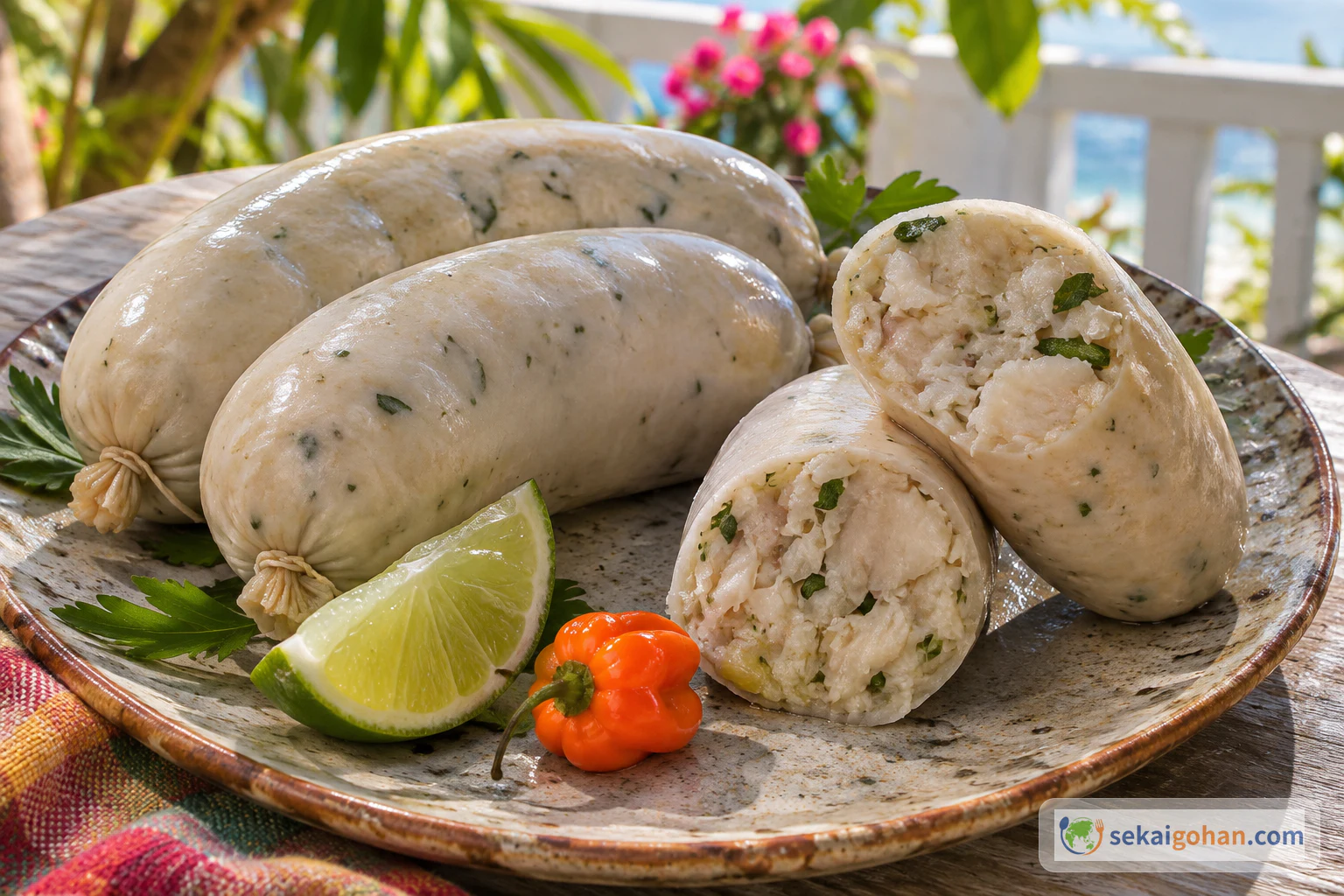
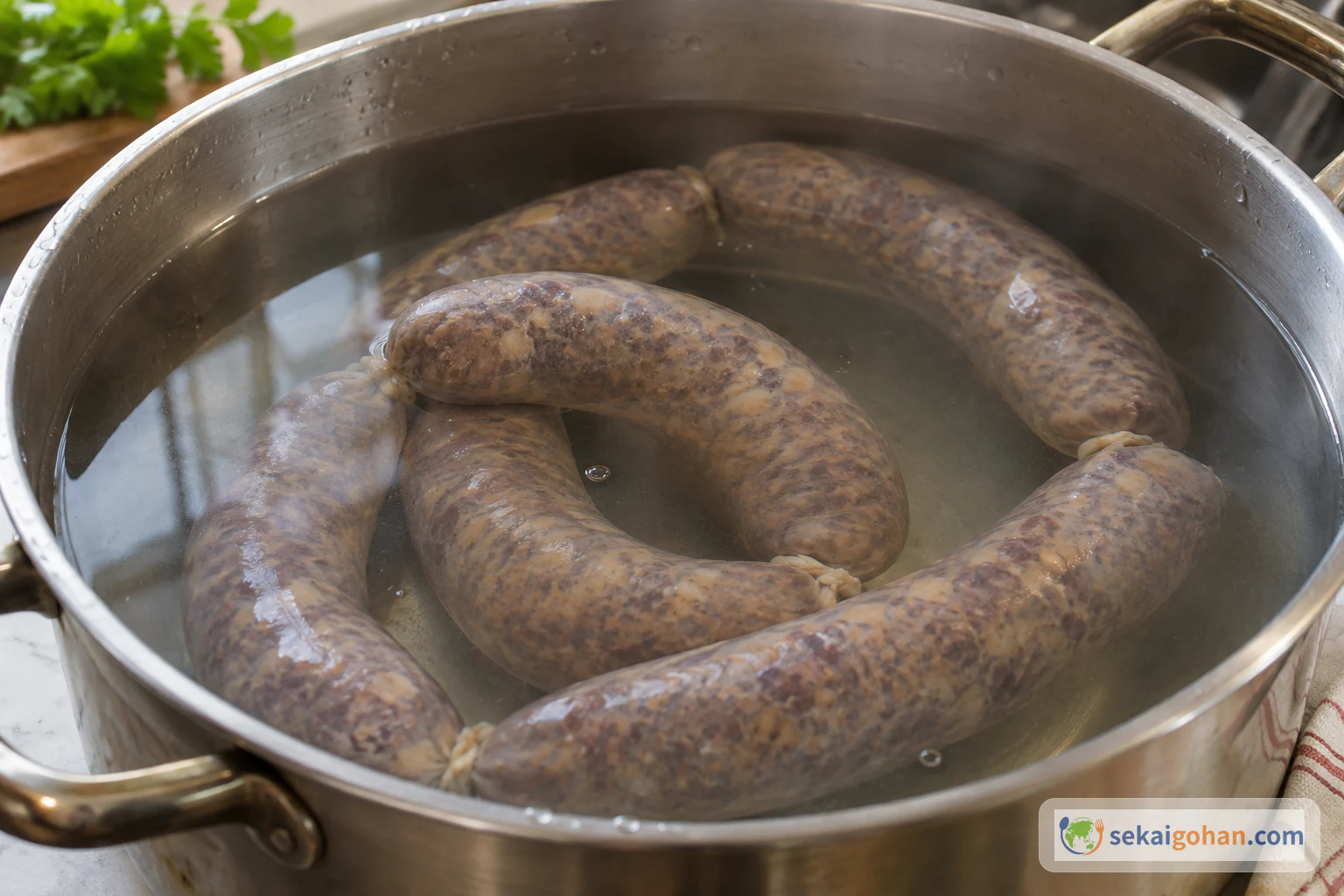
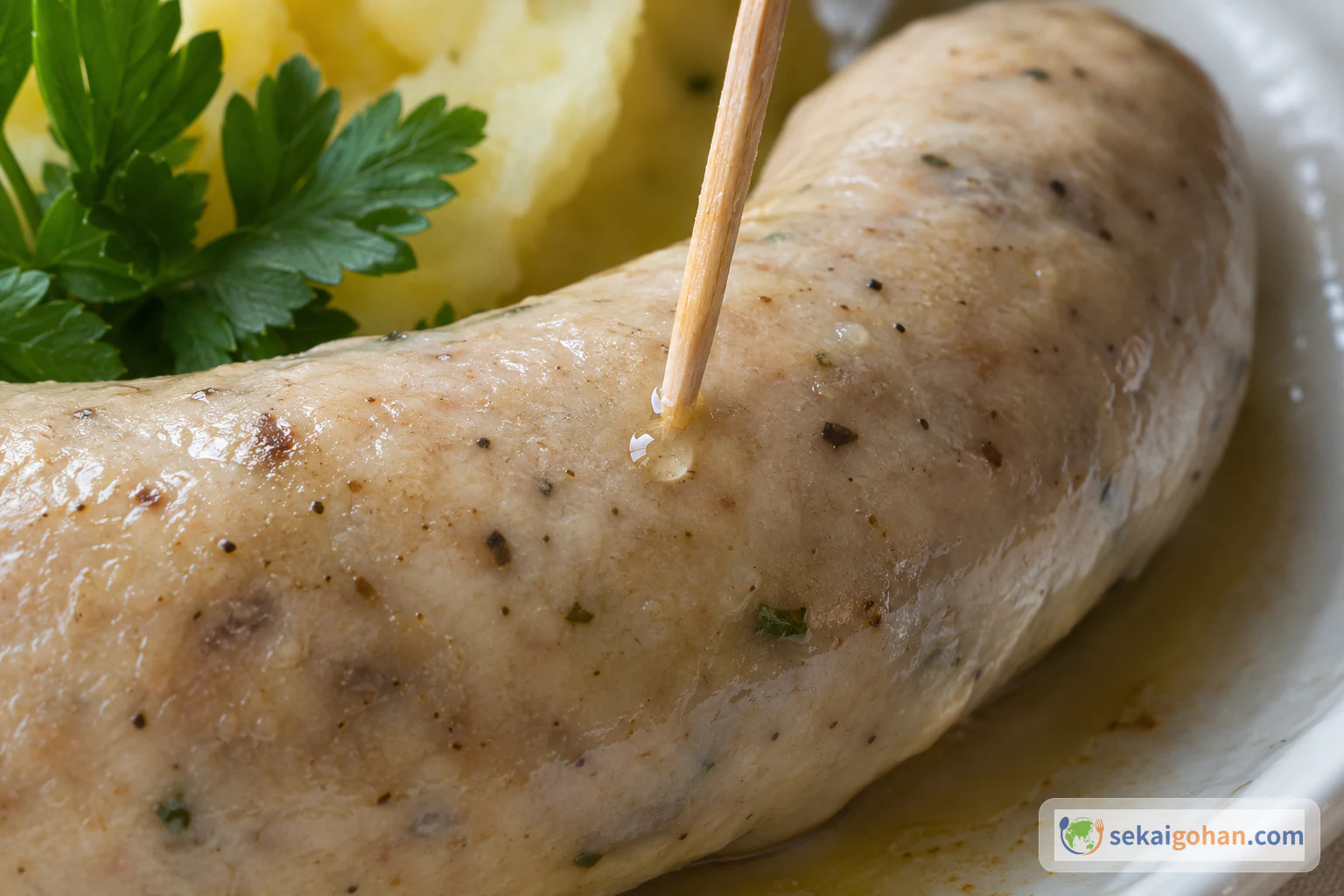
The water in the pot shivers without breaking into a boil. Under the surface a chain of pale sausages turns slowly, and the kitchen smells of lime, thyme and green onion. Boudin de poisson is a fish sausage from the French Antilles. White fish, soaked bread and herbs are blended into a soft farce, piped into casing and poached gently. Sliced, it is tender and moist, bright with lime, and the pepper warms it without burning.
A Fish Boudin on a Caribbean Island Table
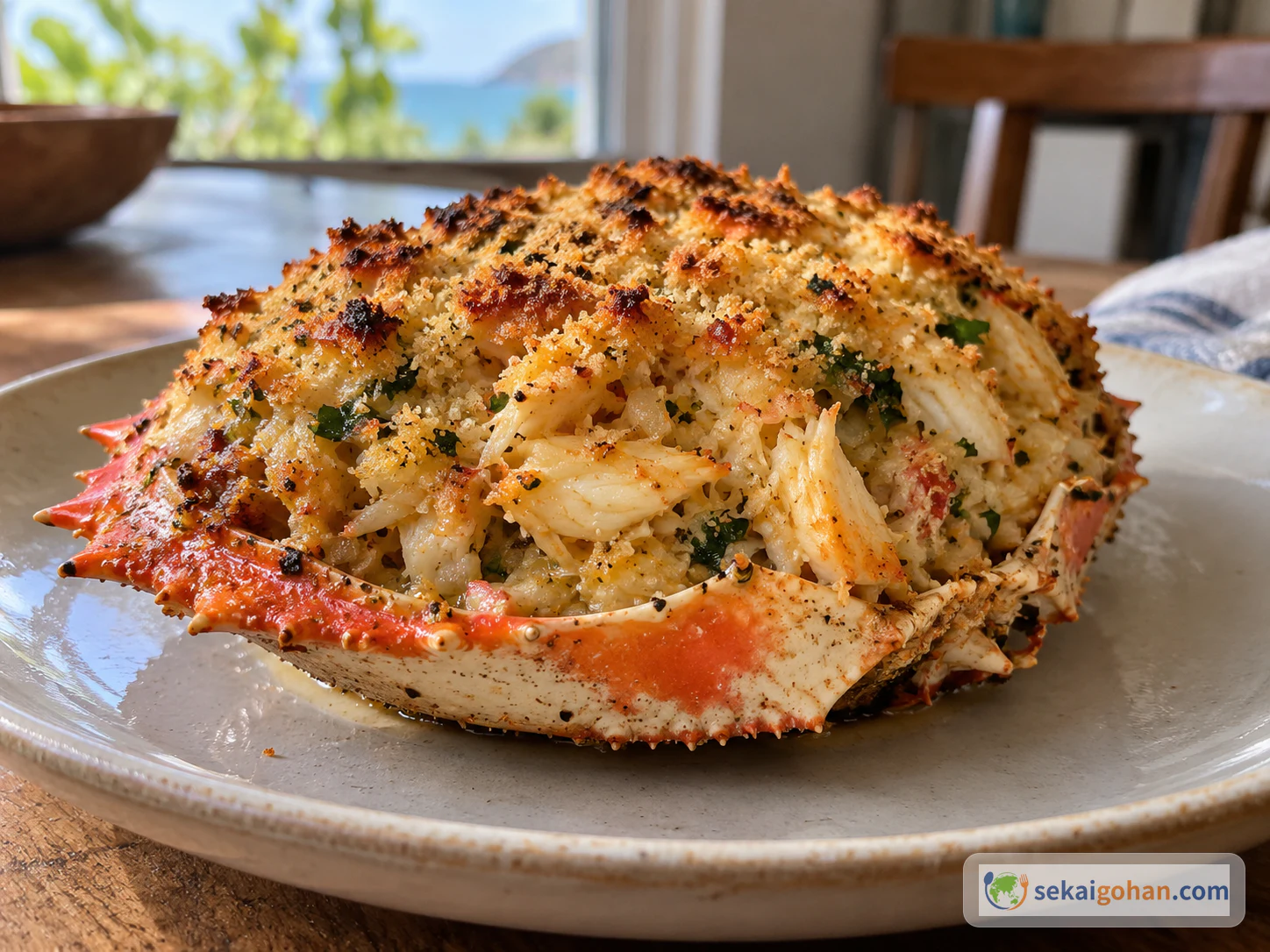
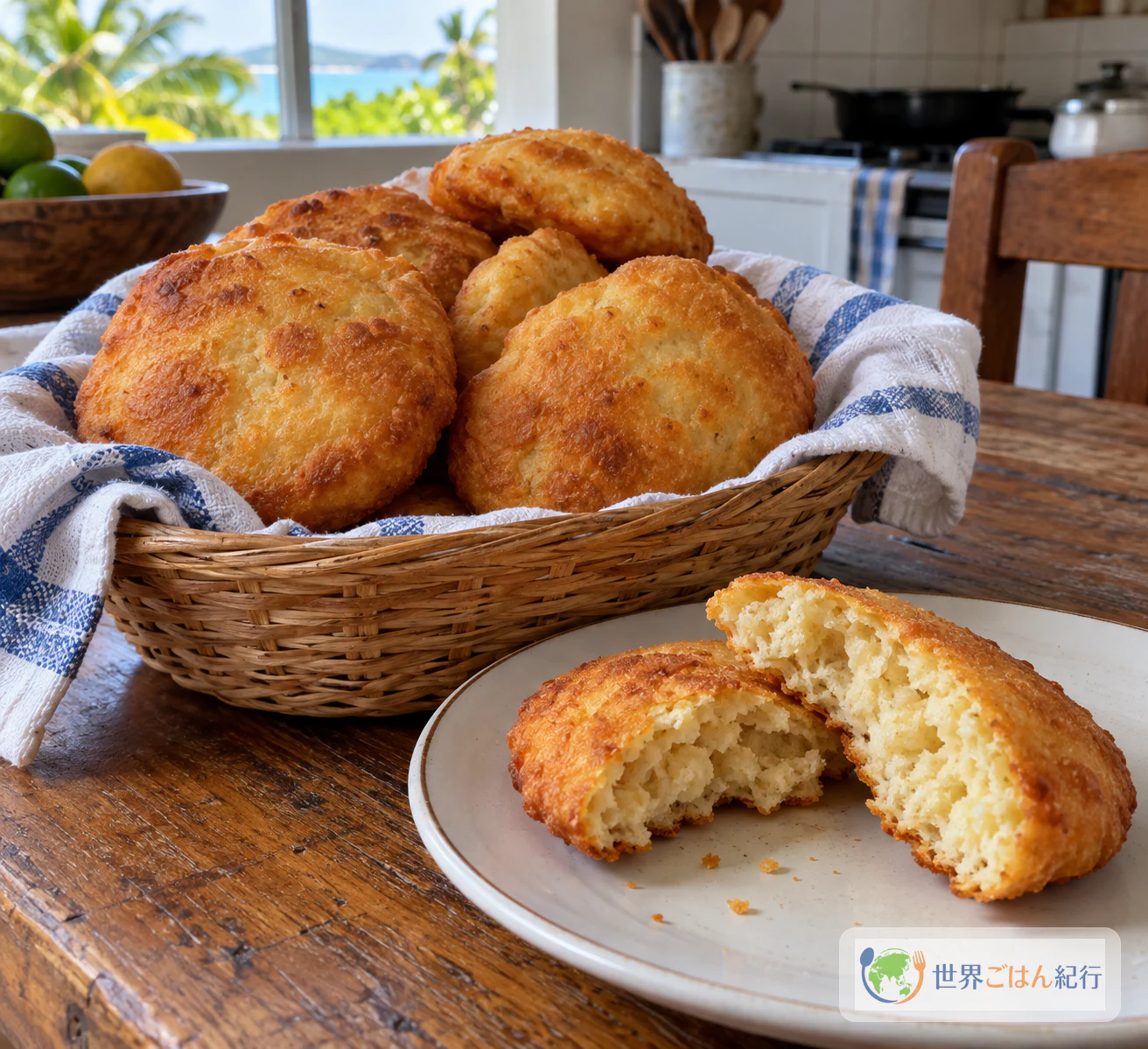
On Saint-Barthélemy, boudin de poisson appears in the list of the island's Caribbean flavours, alongside stuffed crabs (crabes farcis), accras and christophine with salt cod. The island cooks with a mix of French technique and local produce, and seafood leads, with lobster and mahi-mahi among the examples. You can read more about the island's food on the Saint-Barthélemy country page.
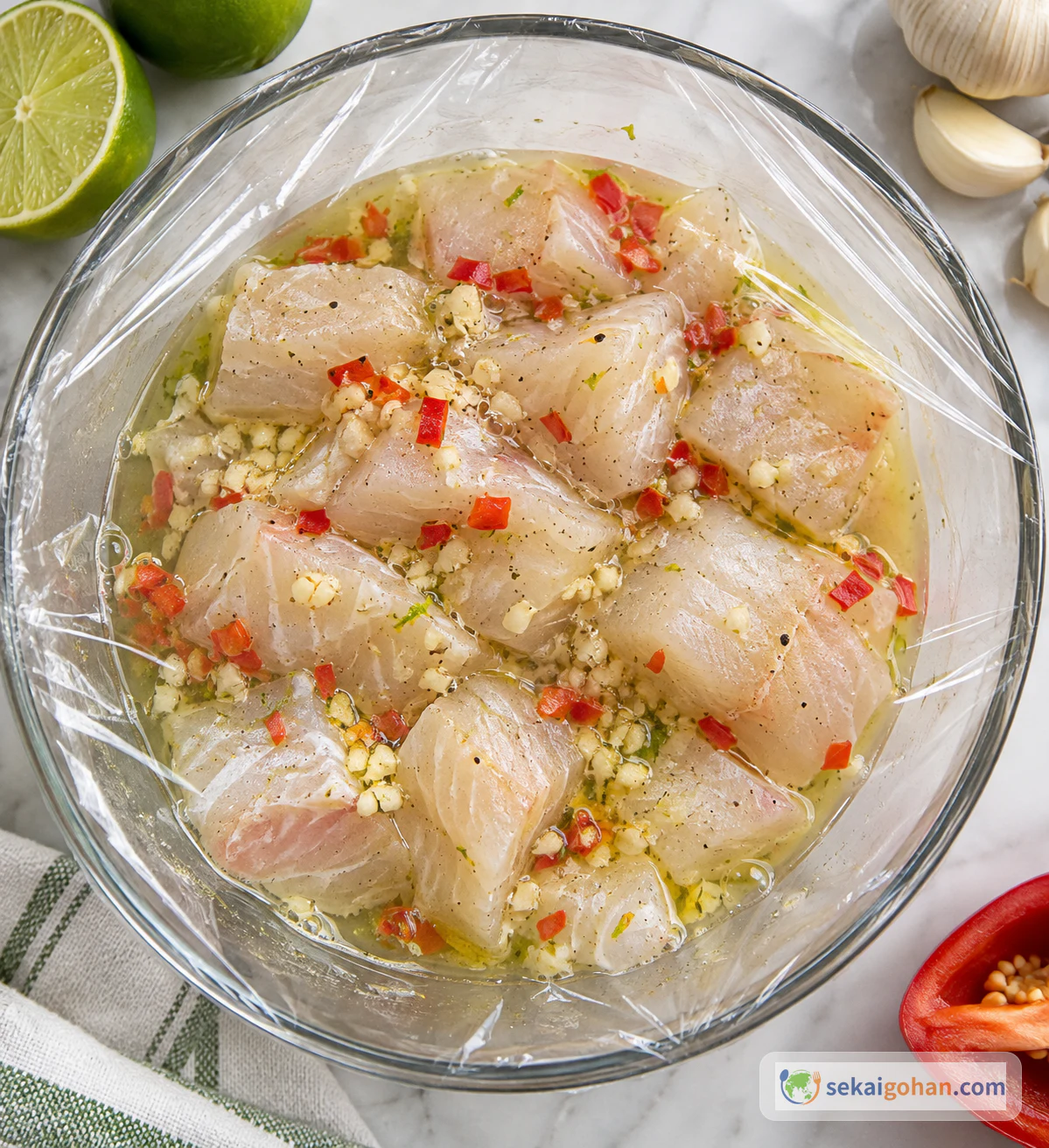
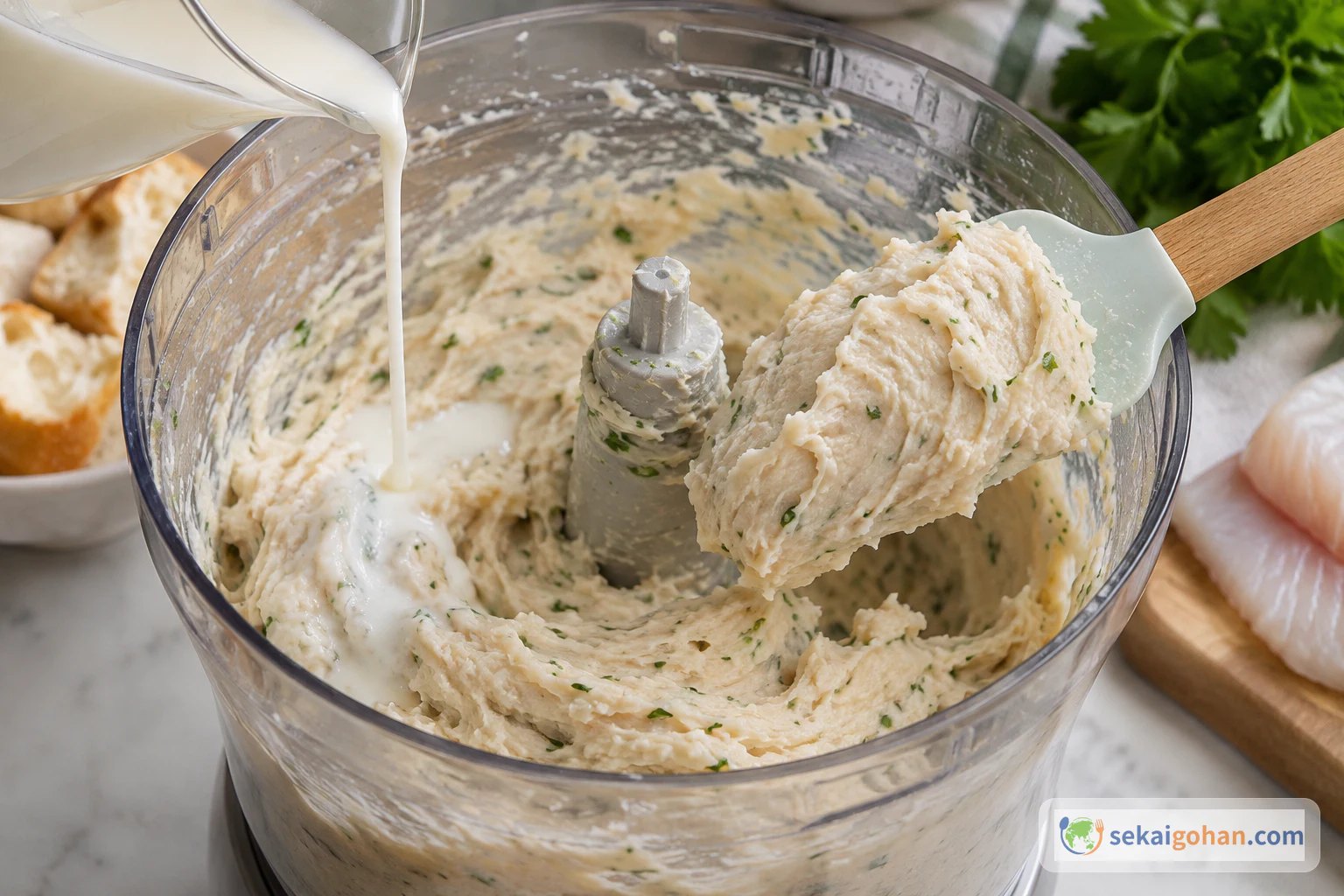
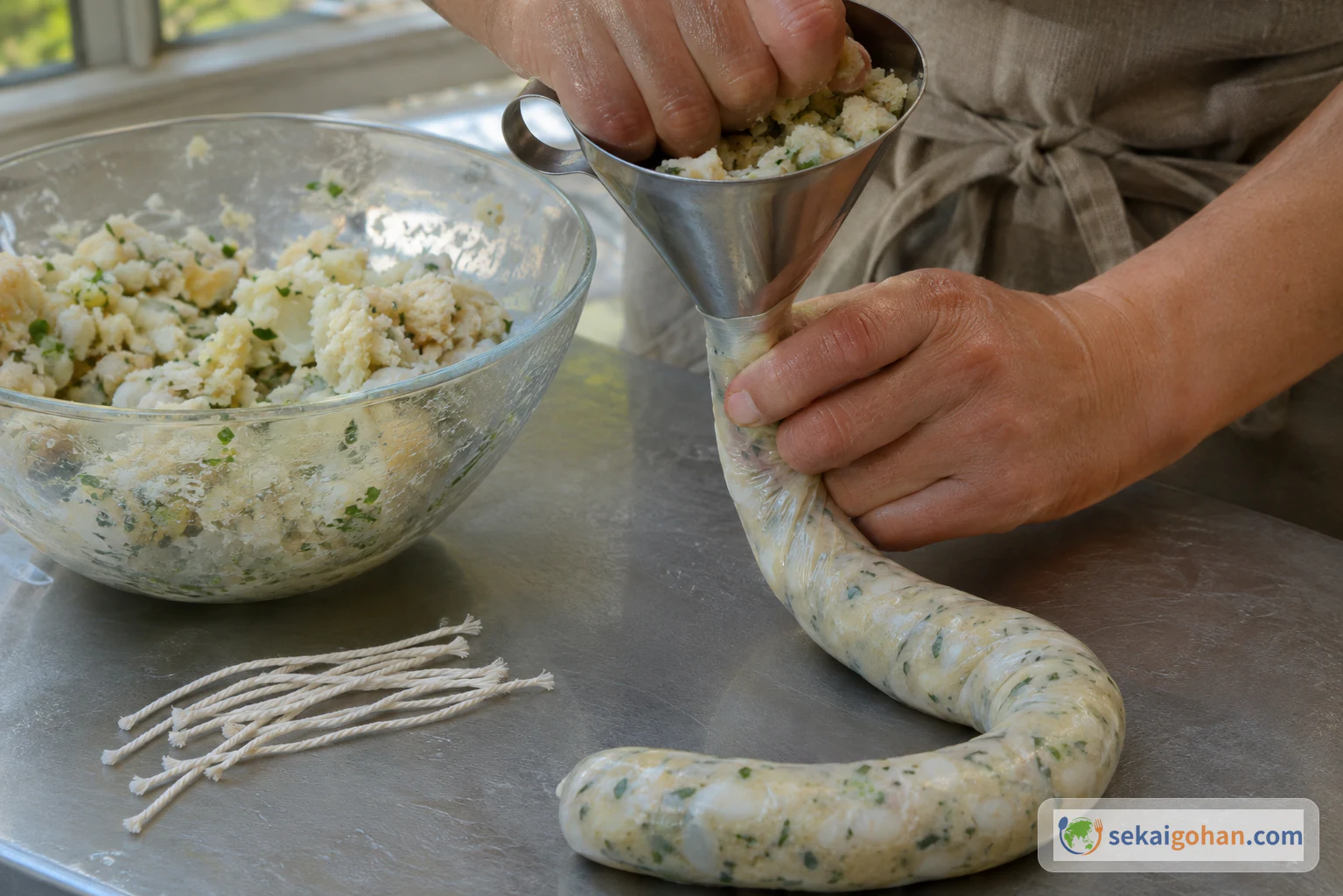
The recipe below is an Antillean home recipe for fish boudin from the creole kitchens of the French Antilles. Fish is marinated in lime, garlic and pepper, then blended with bread, onion, cive, parsley, thyme and a pinch of bois d'Inde. Sunflower oil and a little milk make the farce smooth. It goes into pork casing and is tied off into links of four. Where the dish first came to Saint-Barthélemy, and whether the island has its own mix, is not settled. What travels from kitchen to kitchen is the flavour: lime, thyme, green onion and pepper.
In French Caribbean cooking, boudin covers a family of sausages. Boudin noir and boudin créole are pork blood sausages, dark and spiced. Boudin blanc is made with pork. Boudin de poisson is the pale one: white fish and bread, with no blood at all.
Cooks make it in more than one way. In another version the filling is cooked first: fish and smoked marlin are stewed in a pan, then mixed with bread. That version makes 10 boudins and poaches them in a flavoured broth. The method here blends raw marinated fish, so the farce stays fine and very light, and the only heat the boudin ever sees is the trembling pot.
Ingredients
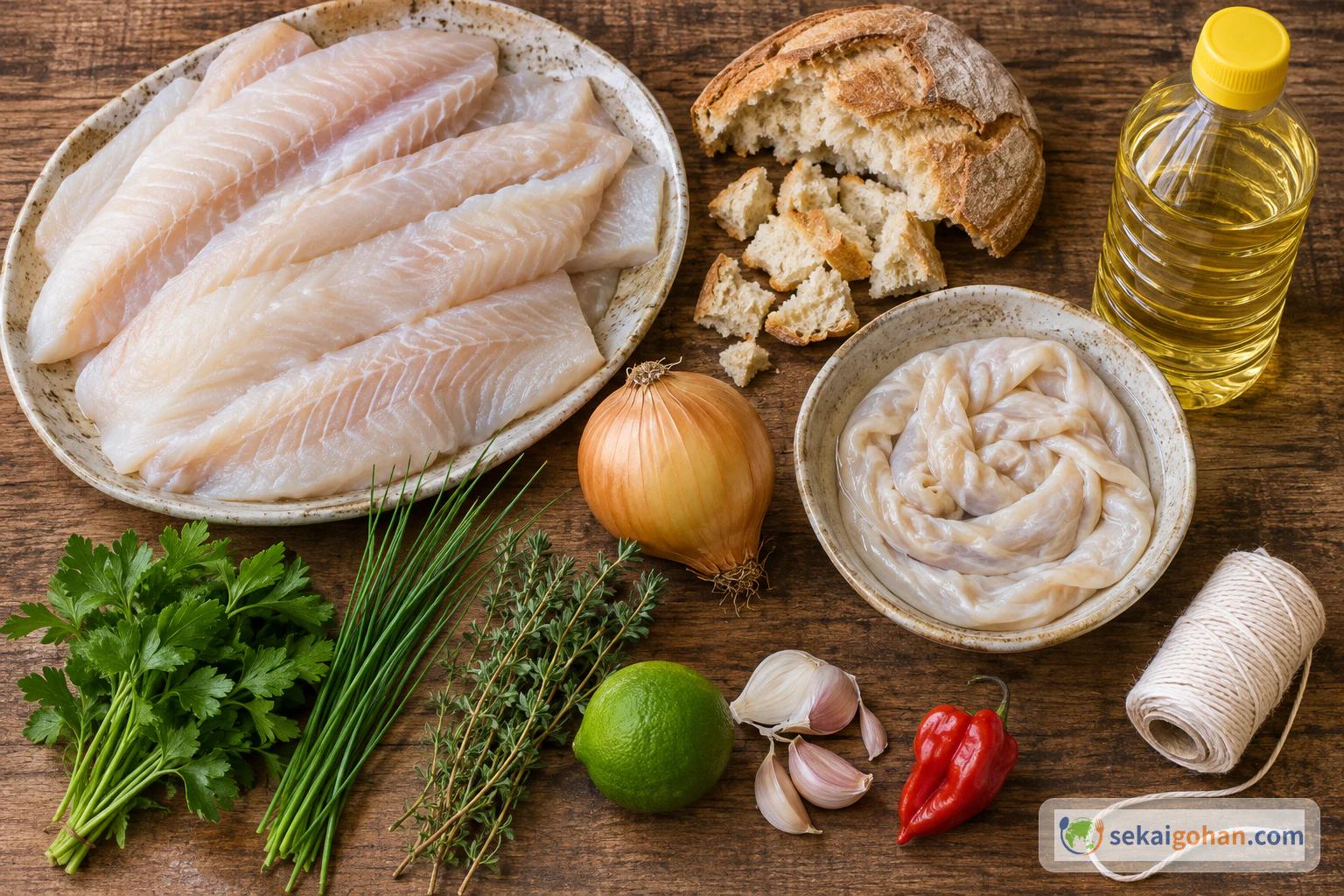
This boudin contains fish, milk and wheat (from the bread). The casing is pork. Check the bread label for other allergens.
Equipment
- Glass or ceramic bowl with a cover, for the marinade
- Bowl for soaking the bread
- Blender or food processor
- Bowl of water for the casing
- Kitchen twine, cut into 6-inch (15 cm) lengths
- Sausage funnel
- Wide pot
- Toothpicks
Choosing and Substituting
The flavour depends on the herbs and the lime, so spend your effort there. Keep lime, thyme, green onion and pepper. Those four make it taste Antillean, even when other things change.
| Ingredient | Swap | What changes |
|---|---|---|
| Lime | Lemon | Works, but lemon's sourness is different and the marinade tastes less like the islands. |
| Cive (ciboule) | Scallions | The closest supermarket match. The aroma is similar but not the same. |
| Bois d'Inde | Ground allspice | The usual stand-in. It is a different spice, warm in the same direction, so a pinch is plenty. |
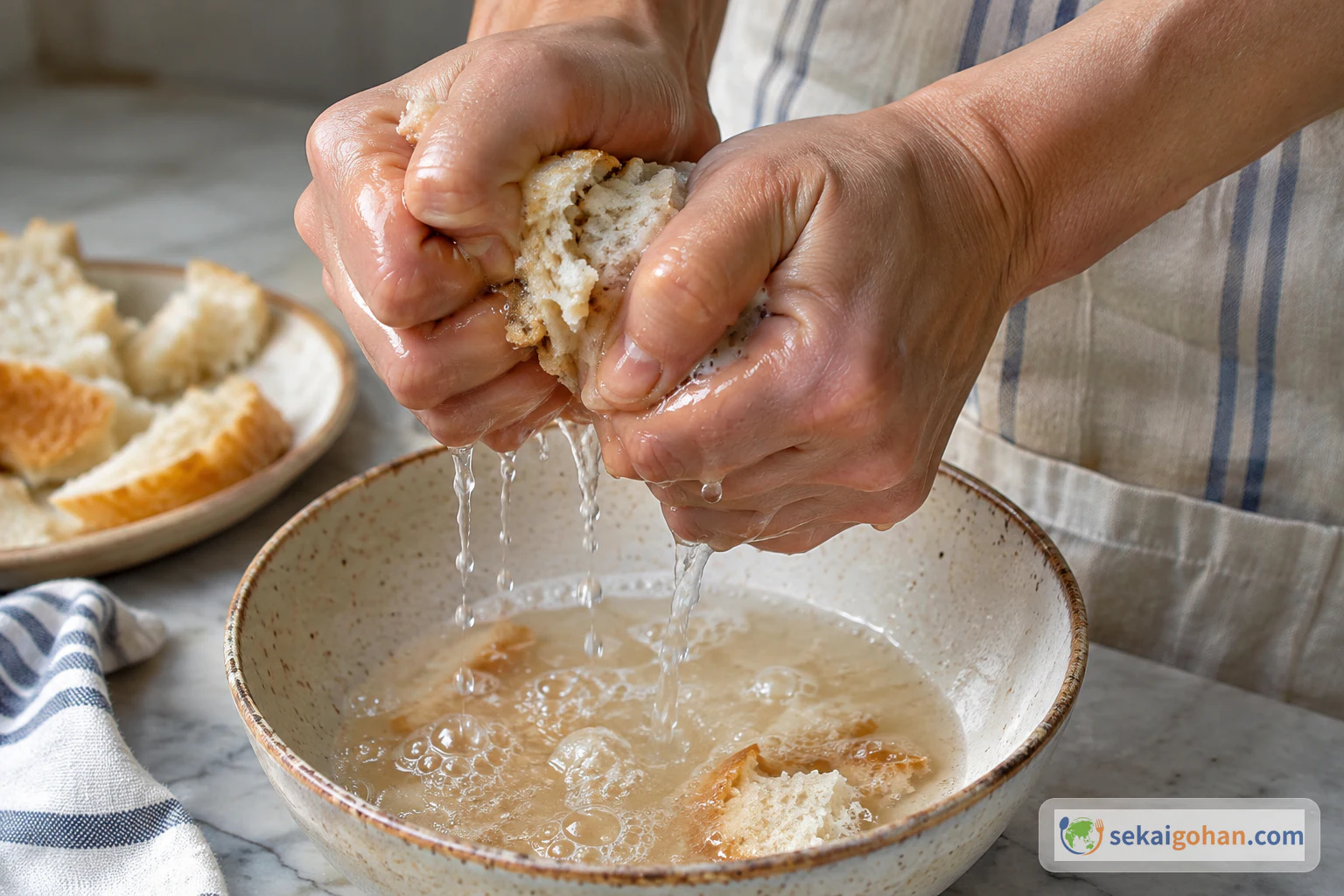
| Stale bread | Dry sandwich bread or baguette | Both work. Use bread that has gone properly dry so it soaks up water and squeezes out firm. |
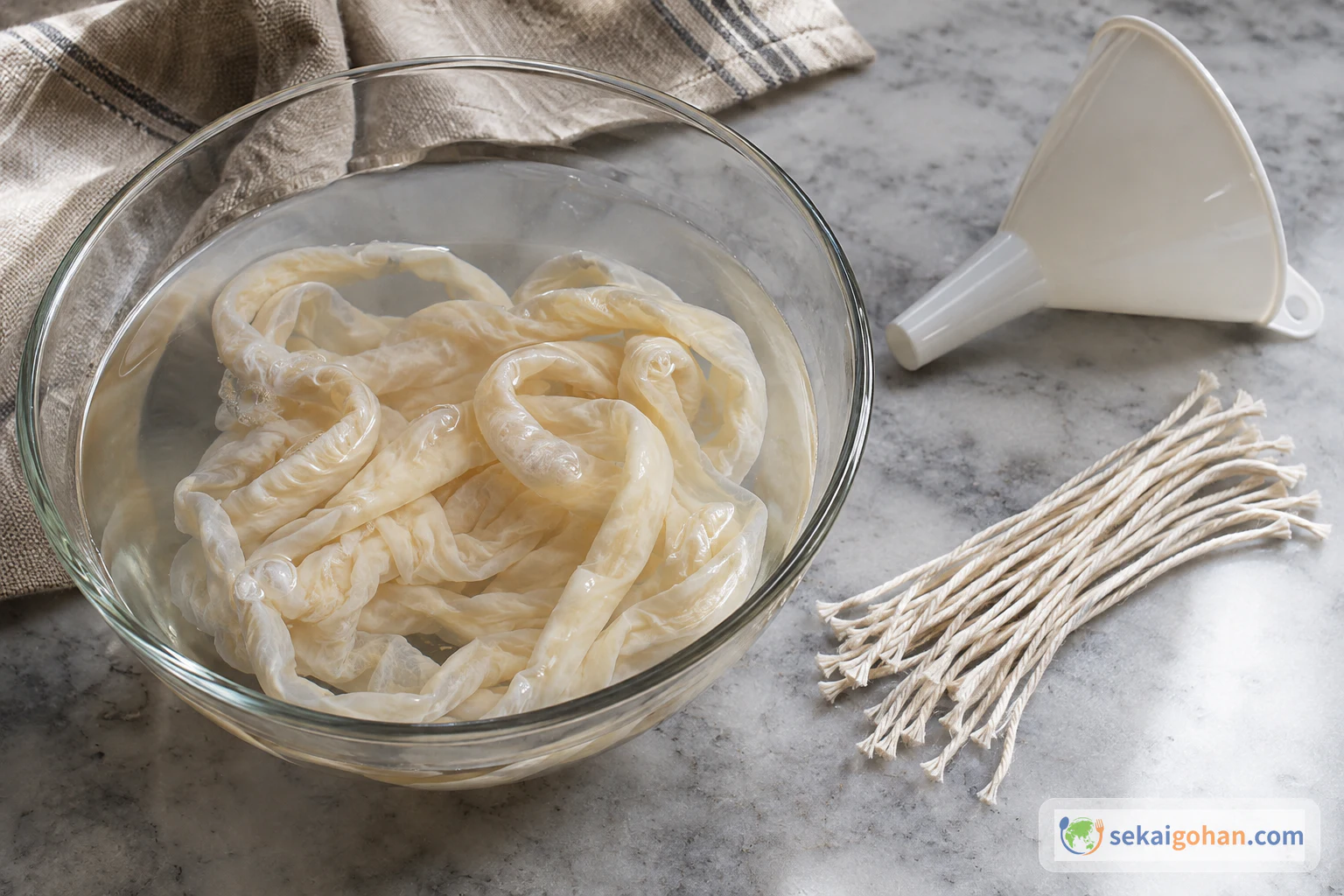
| Pork casing 32/34 | Salted natural sausage casing from a butcher or online | Supermarkets rarely stock it, so order natural pork casing in this calibre from a sausage-making supplier. |
Casing and a funnel are the only things that need planning ahead. Order them before you buy the fish, so the fish goes into the marinade on the day you shop.
Method
Start with the fish, because it needs at least 2 hours in the refrigerator. While it marinates, soak and squeeze the bread and soak the casing. After that the farce comes together quickly, the filling and tying take steady hands, and the 30-minute poach is quiet time beside the stove.
The acid in the marinade flavours the fish. It does not cook it or make it safe to eat. The boudins are ready only after the full poach and the toothpick check.
When It Goes Wrong
| What you see | Why | What to do |
|---|---|---|
| Casings split in the pot | The water reached a boil | Lower the heat to a bare tremble right away and keep it there for the rest of the poach |
| Farce is runny and hard to push through the funnel | Too much milk, or bread squeezed too lightly | Next time add milk in smaller amounts and squeeze the bread hard |
| Boudins feel soft and sag after poaching | Wet farce | Squeeze the bread harder and stop the milk as soon as the farce turns smooth |
| Liquid other than oil comes out at the toothpick | Not yet cooked | Return to trembling water and test again |
| Casing tastes salty | Casing went in without a proper soak | Soak the casing in fresh water until it is supple and no salt clings to it |
Serving and Variations
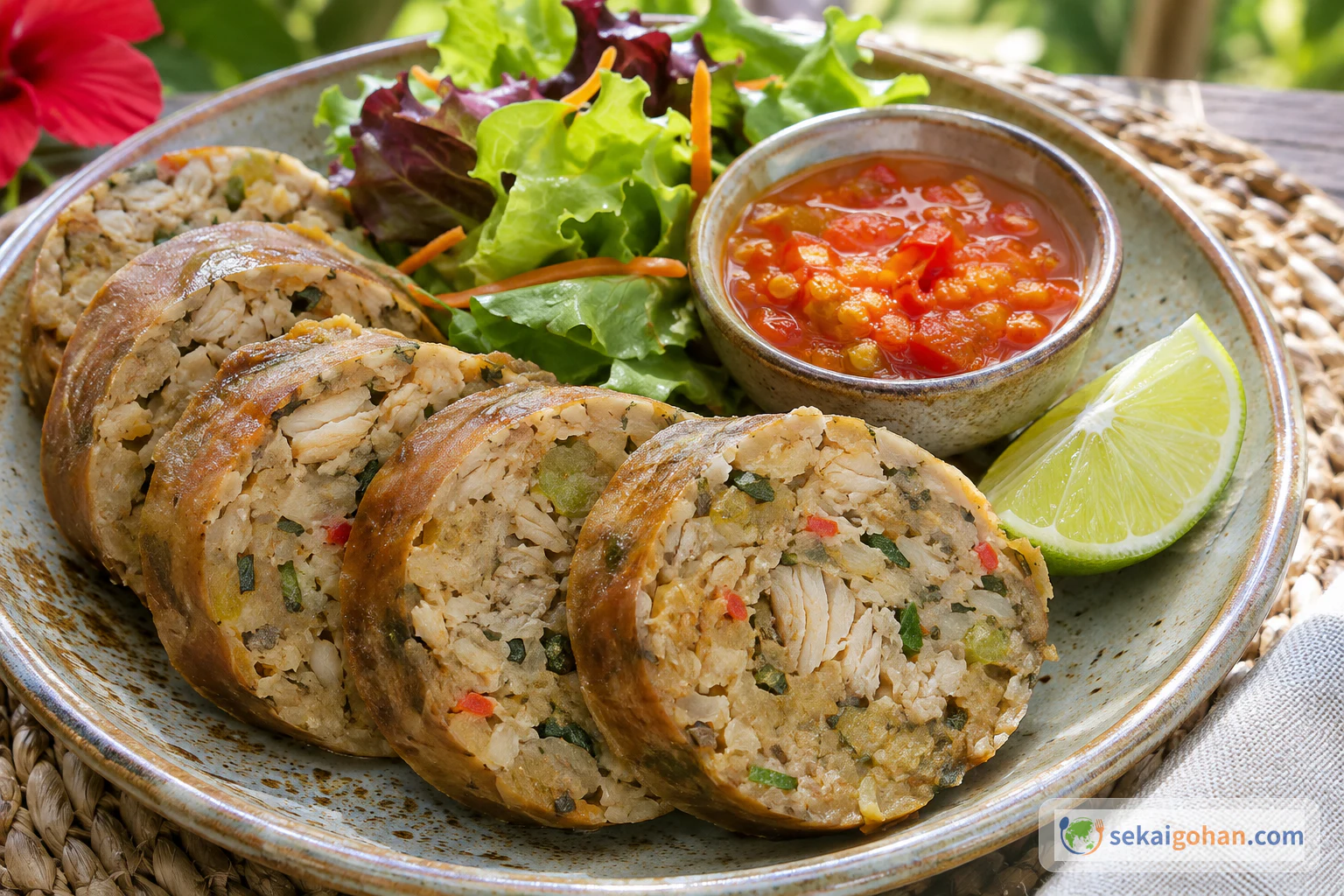
Cut the boudins apart at the ties, slice them, and put lime on the table to squeeze over. A hot pepper or pepper sauce on the side lets everyone add heat to their own plate, and a few salad leaves keep the plate fresh. As a serving suggestion, it would sit well next to accras or stuffed crab, the other Caribbean dishes named alongside it for the island.
Half batch
As an editorial suggestion, to make less, halve every ingredient. That means about 9 oz (250 g) fish, about 4½ oz (125 g) bread, 2½ tbsp sunflower oil and about 3¼ ft (1 m) of casing, with the lime, garlic, herbs and pepper halved too. The method stays the same and you get 10 boudins.
Cooked filling with smoked marlin
Another Antillean version stews the filling before it goes into the casing. It uses about 6¾ oz (190 g) snapper and about 3½ oz (100 g) smoked marlin with about 3½ oz (100 g) stale bread, makes 10 boudins, and poaches them for 20 minutes in about 1½ quarts (1.5 L) of aromatic broth, again without boiling. The smoked marlin gives a deeper, smokier taste and the broth seasons the casing from outside. Make it as its own recipe. Its amounts and timings do not combine with the method above.
Milder or hotter
All of the heat comes from the piment fort added to the farce. Leave it out for a boudin that tastes only of lime, herbs and seasoning pepper, or add more for a fiery one.
Frequently asked questions
Which fish should I buy?
Choose a firm white fish such as dorade, tazar or cod, and buy it as fresh as you can find. Freshness matters more than the species, because the farce is blended raw and the fish flavour comes through clearly.
Do I need a sausage stuffer?
No, a funnel is all you need. Feed the casing onto the funnel and push the farce through by hand. Work steadily so the casing fills evenly.
Why is the seasoning pepper in the marinade separate from the hot pepper?
The piment végétarien goes into the marinade for its pepper aroma. The piment fort goes into the farce for heat. Keeping them separate lets you set the fragrance and the fire independently.
Can I prepare the farce while the fish is still marinating?
The fish and its marinade go into the blender together, so the farce waits for the full 2 hours. Use the marinating time to soak and squeeze the bread and to desalt the casing.