The "taste of independence" that a whole nation cooks on Revolution Day
Argentina is famous for asado (grilled meat) and empanadas. But ask an Argentine "which dish expresses the soul of your country?" and many will name locro.
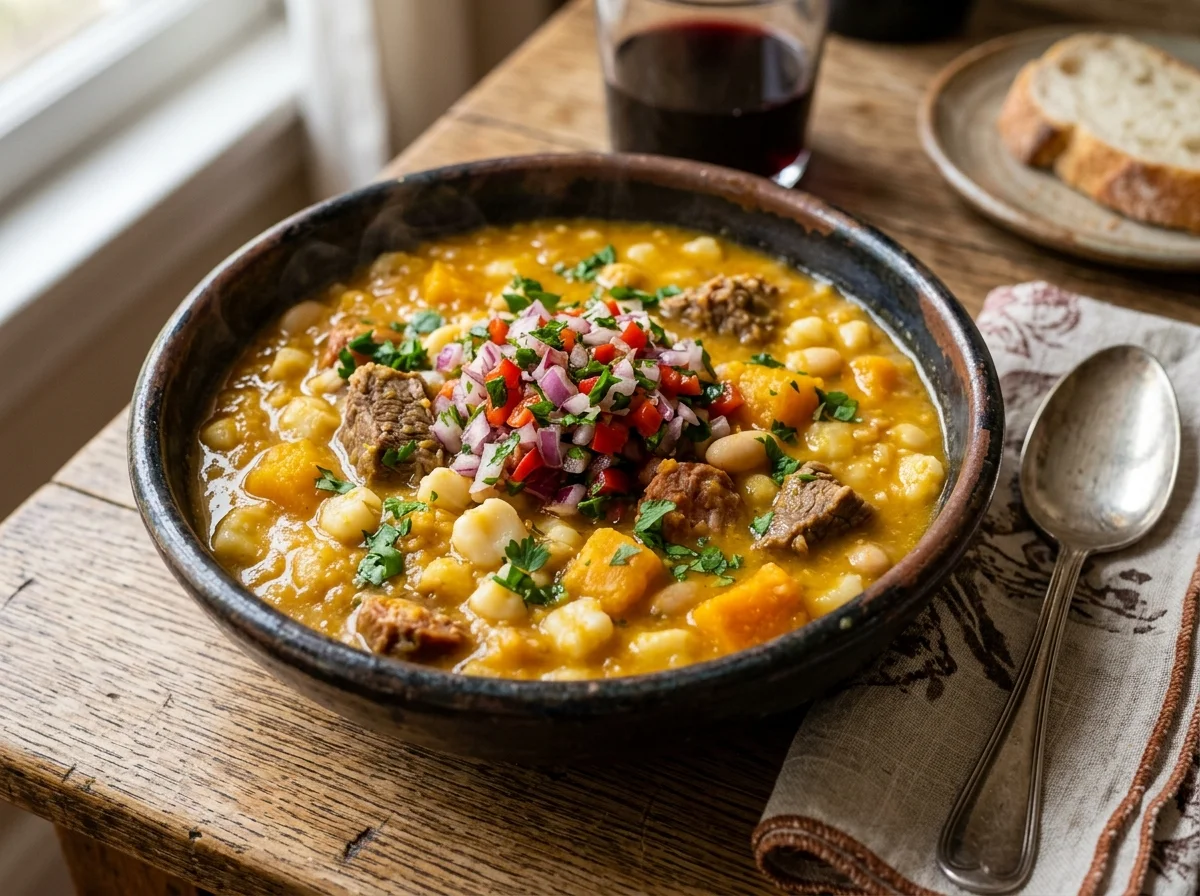
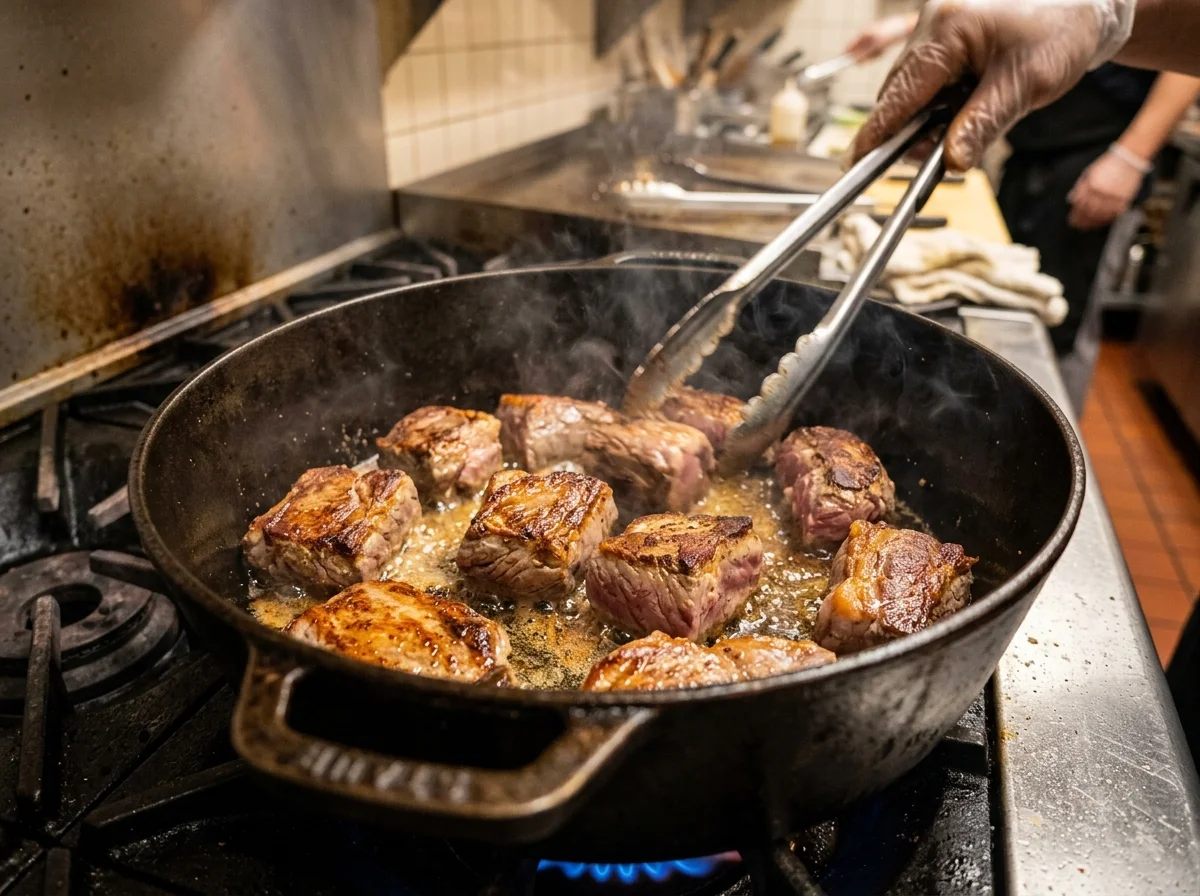
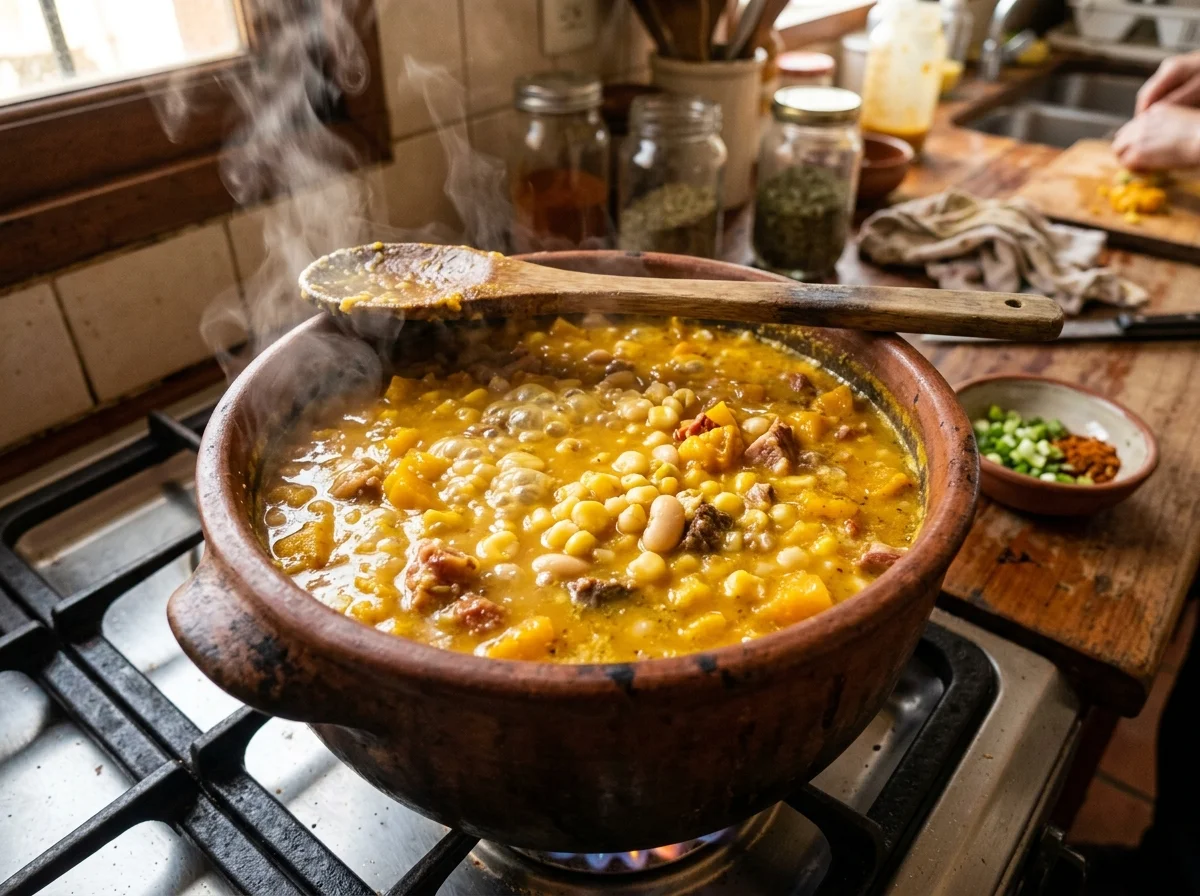
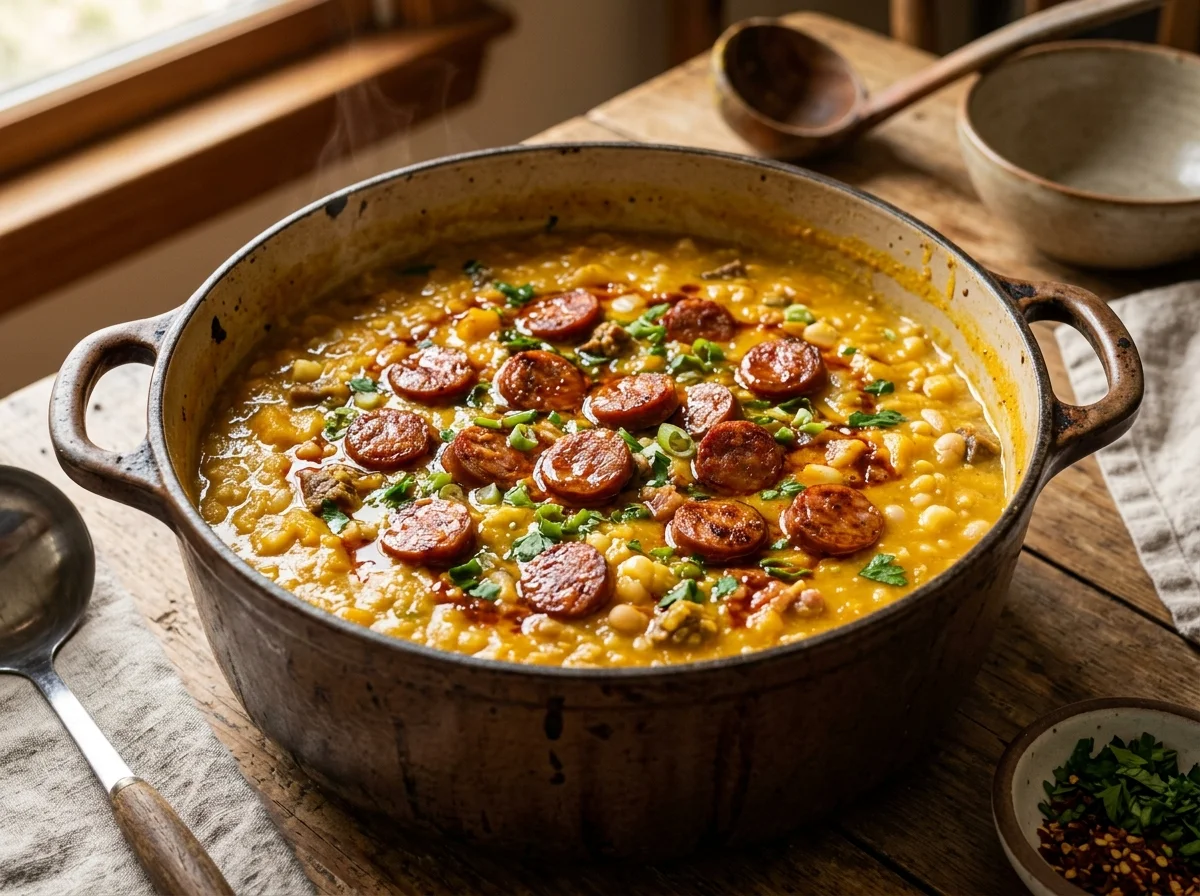
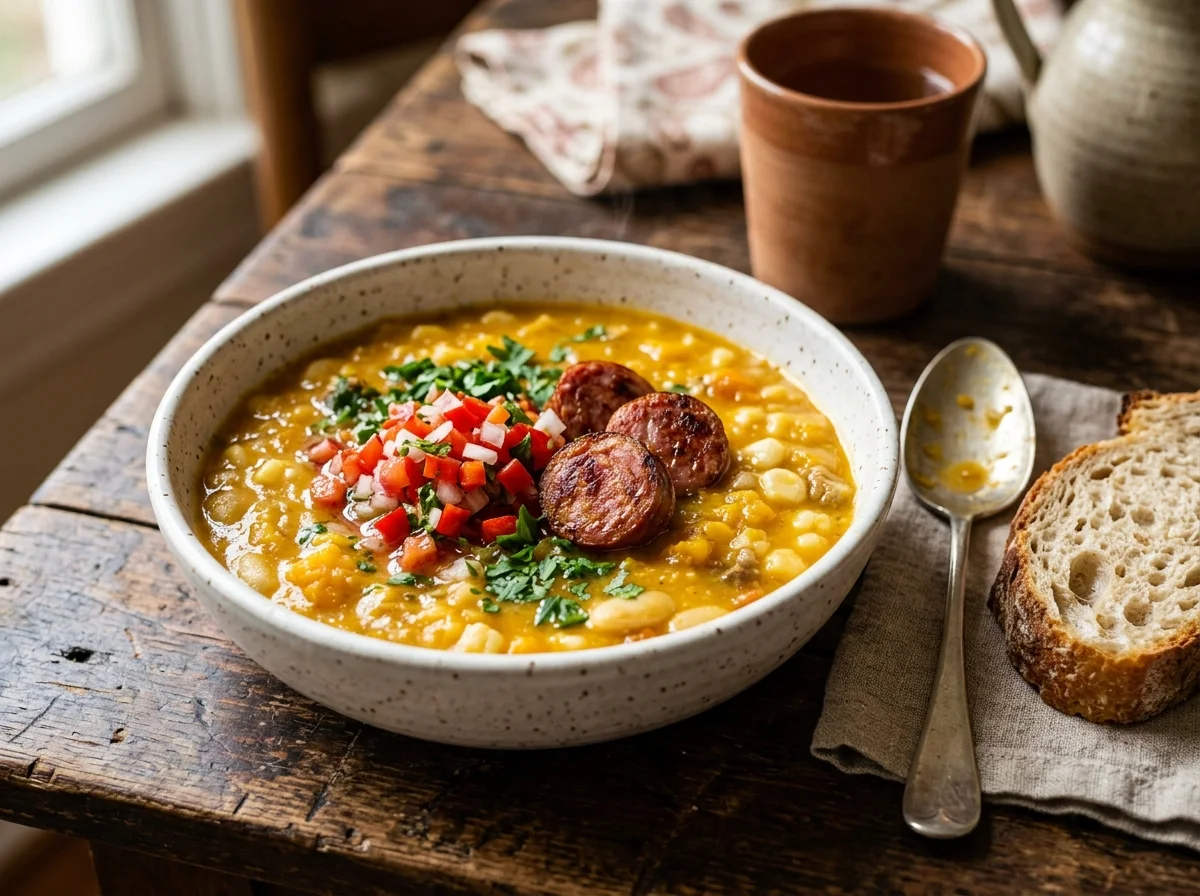
Locro is a dish in which Indigenous tradition remains strong even among South and Central American dishes: a rich, golden stew of white corn, squash, white beans and beef (or pork) simmered with spices for hours. It is a dish with Indigenous Andean roots, and the name itself is said to come from the Quechua word "ruqru" (stew).
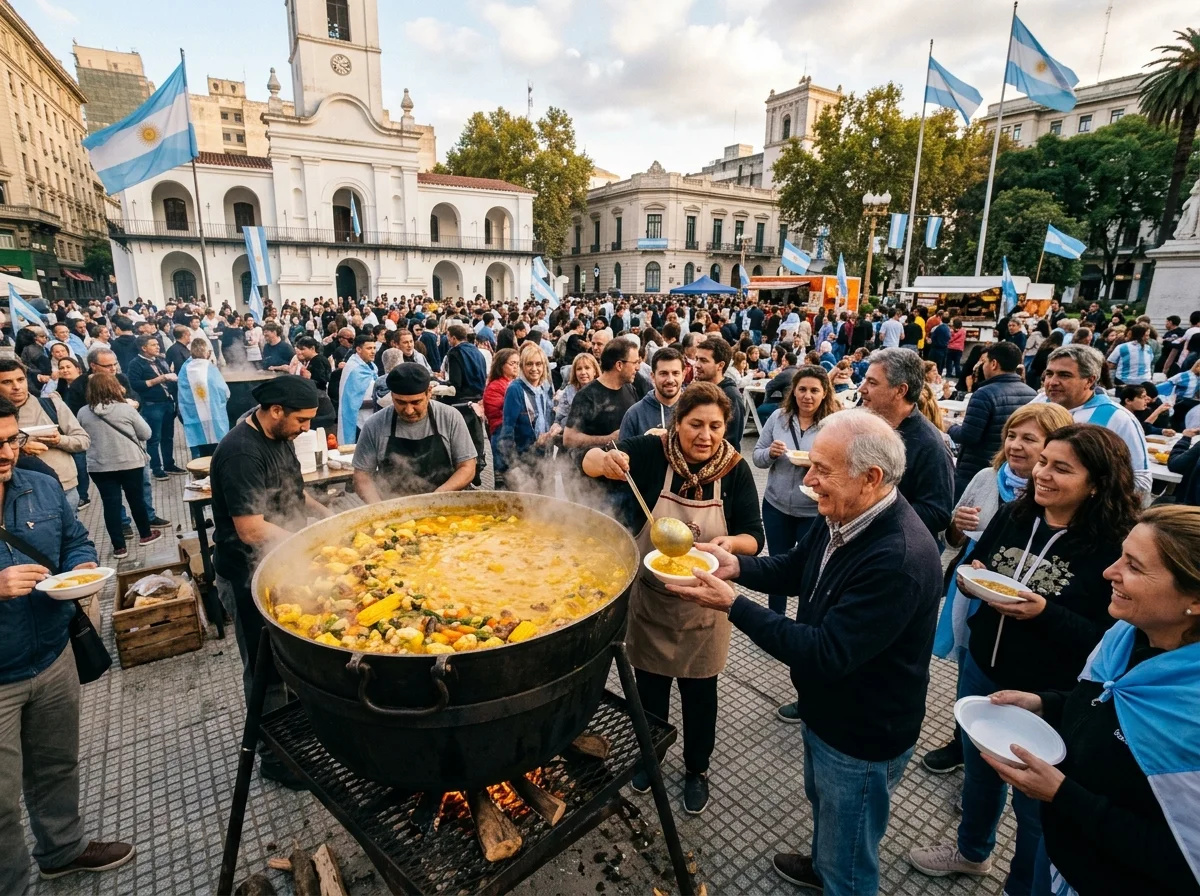
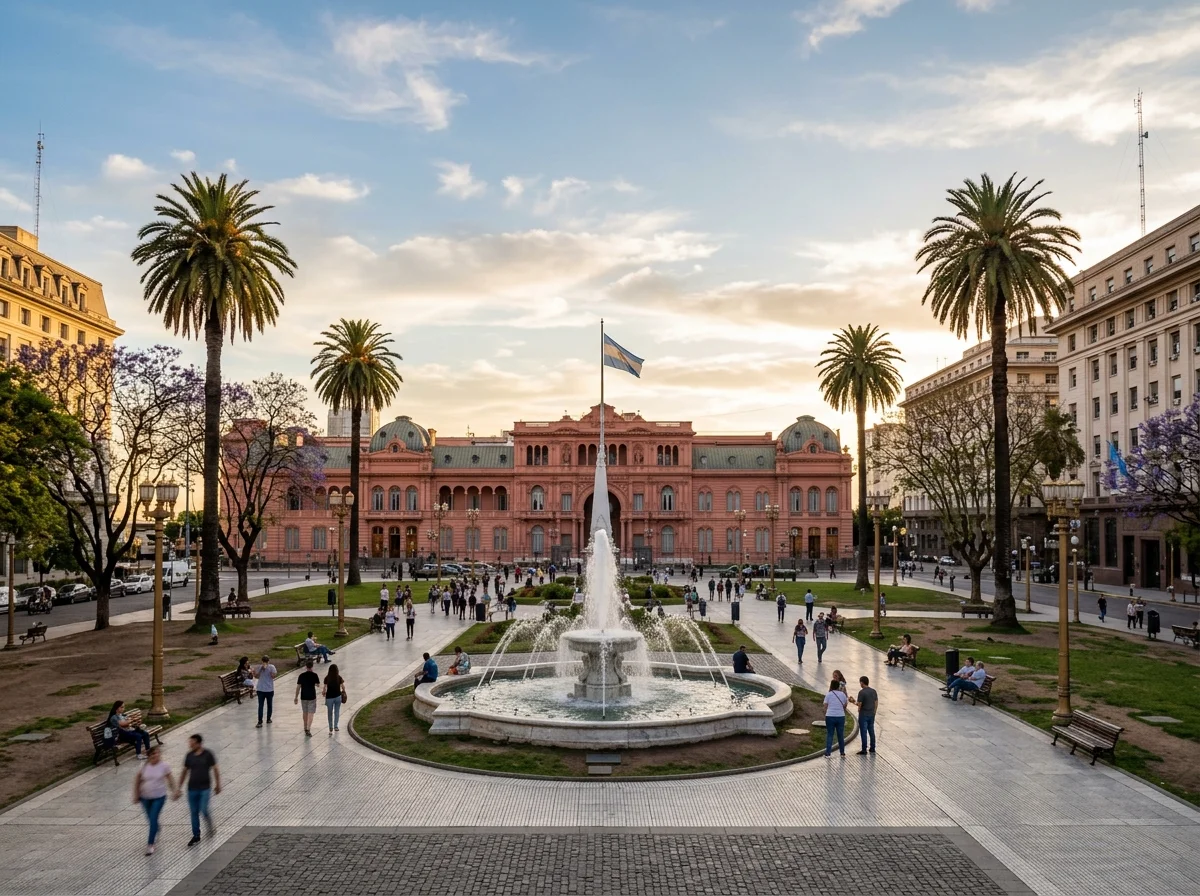
What stands out is that locro is a dish eaten as a national custom on Argentina's day of independence celebrations, May 25, the anniversary of the May Revolution. Each year on this day, huge pots of locro are cooked in squares and parks across the country, and families and friends gather around them.
A stew with Indigenous roots, from the Quechua "ruqru." White corn (maíz blanco, hominy) is the main ingredient, with squash and beans completing the nutrition. Similar dishes exist in Peru, Ecuador and Bolivia as well, but "eating locro on May 25" is a distinctly Argentine tradition.
Search for a locro recipe and you won't find much. Here we make an authentic locro with ingredients available at an ordinary supermarket. As interest grows in South American cooking, as with Colombia's bandeja paisa (in Japanese) and Brazil's feijoada, locro is a dish worth adding.
Ingredients (serves 8)
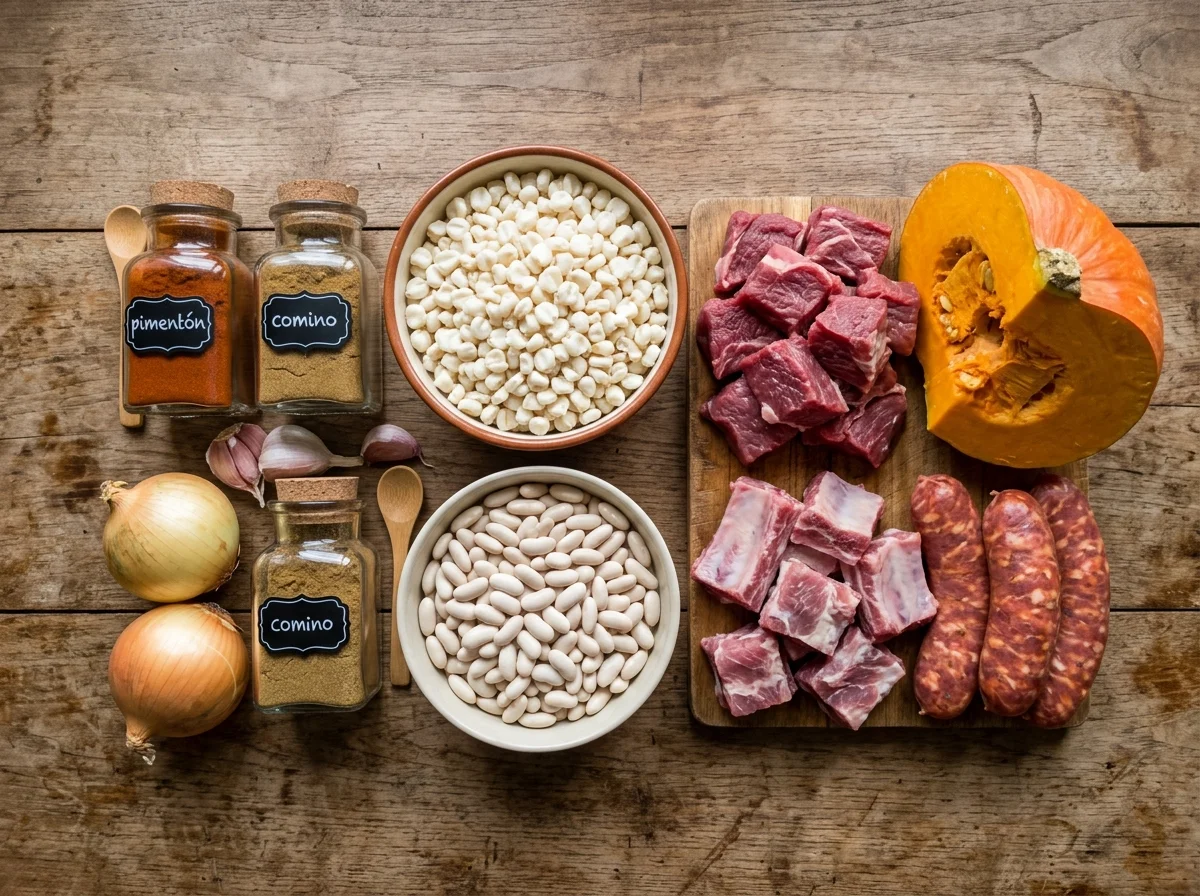
Main ingredients
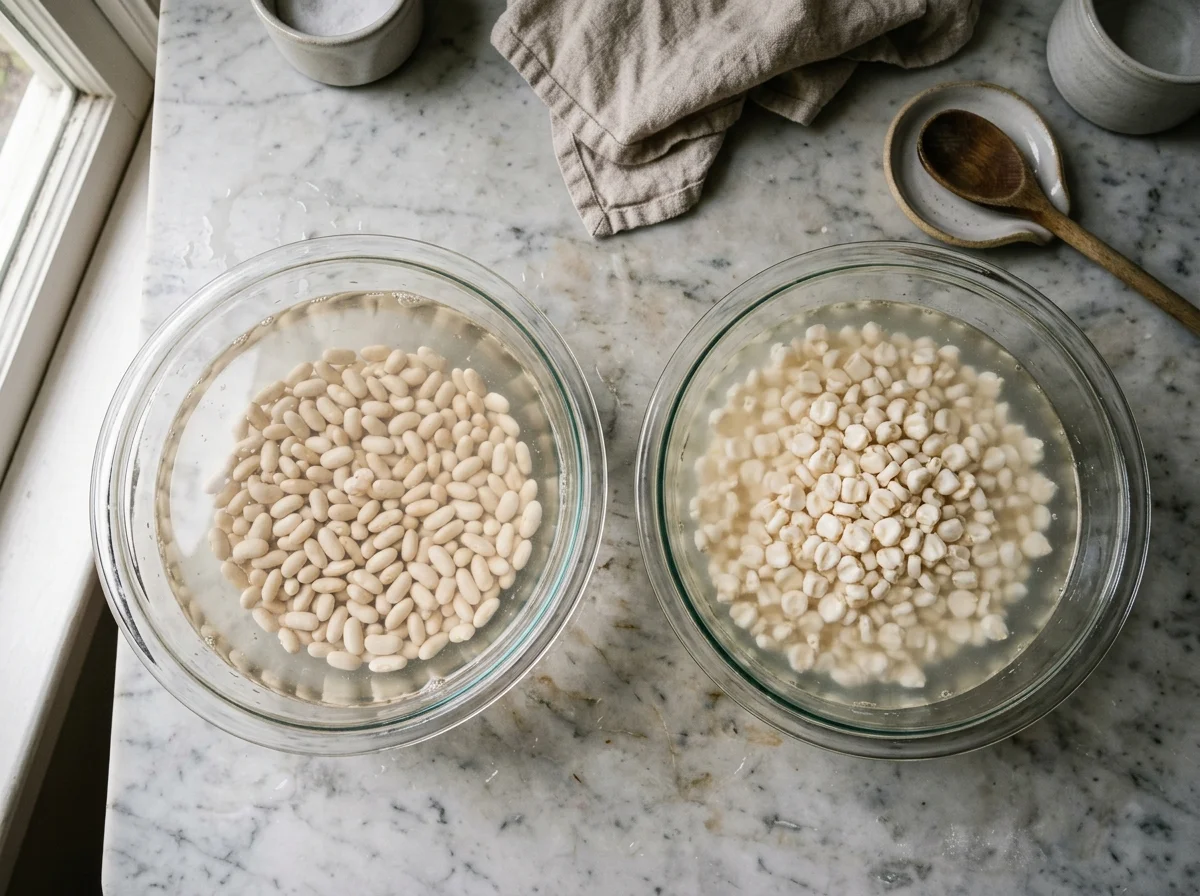
The heart of locro is hominy (maíz blanco). These are white corn kernels treated with alkali, with a distinctive chewy texture. Canned hominy is sold at Latin American grocers and online. Dried hominy is soaked overnight before use.
If you really can't get it, 500 g frozen sweet corn can stand in. The texture will differ, though. To get closer to the chew of hominy, coarsely grind half of the corn in a food processor and add it to the stew, which adds thickness and texture.
Seasonings and spices
Salsa criolla (for finishing)
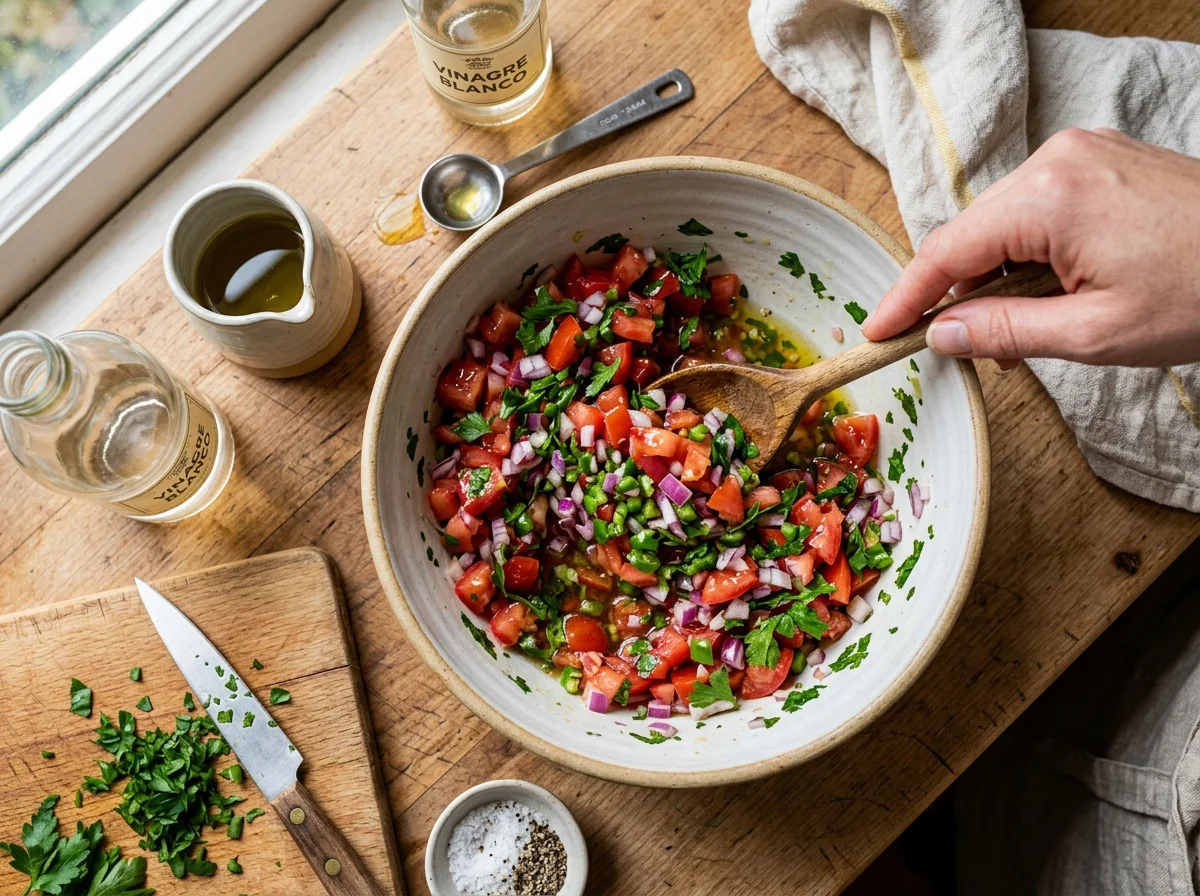
Salsa criolla, spooned over locro as you eat it, is the all-purpose condiment of Argentine cooking. It is a raw salsa of tomato, onion and parsley tossed with vinegar and olive oil, adding acidity and freshness to the richness of locro. Locro without it is missing the finishing touch. As with farofa (cassava flour) for Brazil's feijoada, the accompaniment completes the dish.
Tips
Dried hominy simmered without soaking can still have a hard core after 6–8 hours. Soaked the night before, it turns chewy with the 4-hour simmer. Canned hominy needs no soaking and saves time, so it is recommended for first-timers.
The squash used in Argentina (zapallo) is a high-moisture variety, but kabocha is sweet and fluffy, which makes it rather ideal for locro. It breaks down easily, so cut it into large pieces of 3 cm or more and settle it at the bottom of the pot, pressed down by the other ingredients, and it melts naturally to give thickness. It is also interesting that in Guatemala's pepián squash seeds form the base of the sauce, and that across Latin America squash is the key to many stews.
The starch of the squash and hominy settles on the bottom of the pot and scorches easily, the only tricky point in locro. Remember to stir deeply from the bottom every hour. The trick is to stir by scraping the bottom with a wooden spoon. If it does scorch, move the contents to a new pot.
Salsa criolla is best freshly made. If too much water comes out of the tomato it gets watery, so making it 30 minutes before eating is best. Like the leche de tigre of Peruvian ceviche, a sour raw accompaniment works as a partner to a rich stew.
Variations
Vegetarian locro
Leave out the meat and chorizo, and add 200 g sweet potato and 200 g zucchini instead. The sweetness of the sweet potato layers over that of the squash, for a satisfying result even without meat. Increasing the beans to 300 g to make up the protein is also recommended.
Patagonian locro (lamb version)
In Patagonia in southern Argentina, there is a variation made with 600 g lamb instead of beef. The wild flavor of lamb harmonizes beautifully with cumin and paprika, for a wilder taste. As with Jordan's mansaf, the combination of lamb and spices is a theme shared by traditional dishes around the world.
Peruvian-style locro (locro de zapallo)
Peruvian locro differs from the Argentine one: squash is the star. Leave out the beef and increase the squash to 1 kg. Add 100 g cheese (queso fresco) and 100 ml evaporated milk for a creamy finish. In Peru it is commonly eaten as an accompaniment to rice.
Slow cooker version
After completing step 2, put all the ingredients in a slow cooker and cook on LOW for 8–10 hours. Set it in the morning, and a golden locro is waiting by evening.
Pressure cooker version (quick locro)
After step 2, put all the ingredients in a pressure cooker and cook at high pressure for 45 minutes to 1 hour. It is done in a quarter of the usual time, but the drawback is that it is harder to control how far the squash breaks down.
Background of the dish
The Quechua legacy: an Andean stew
The origins of locro go back to the Andean civilizations before the Inca Empire. This stew, called "ruqru" in Quechua, is built on corn, beans and squash grown in the Andean highlands, the fruit of Indigenous knowledge.
The link between May 25 and locro
On May 25, 1810, the "May Revolution" broke out in Buenos Aires, opening the road to independence from Spain. This day is celebrated as Argentina's de facto independence day, and locro became its symbolic dish.
Locro is a dish with Indigenous roots, standing opposite the "European-style" cooking of the Spanish colonial period. It is deeply symbolic that a nation that won independence chose for its celebration table a dish rooted in the land rather than the cuisine of its colonial rulers.
Locro and regional differences: the Northwest versus Buenos Aires
Even within Argentina, locro recipes vary greatly by region. The locro of the Northwest (Salta, Tucumán, Jujuy) is faithful to Indigenous tradition, centered on hominy with simple spices. The locro of Buenos Aires, on the other hand, has the influence of European immigrants, with more chorizo and bacon and a richer taste.
This regional difference is similar to how Brazil's feijoada differs between Rio and São Paulo. Neither is "correct," and it is a very Argentine scene that each household is proud that "our locro is the best."
Argentina's "pot culture" and community
Locro is essentially a dish made in quantity. At minimum it is for 8 people, and on holidays one pot is simmered for 50 or 100. This act of "simmering in a big pot and sharing it with everyone" is itself an expression of Argentine community spirit. It is related to the culture of sharing one dish by hand, as with Ethiopia's injera.
Nutrition (per serving, from 8 servings)
The carbohydrates of corn, the protein of beans and the vitamins of squash come together in one bowl.
| Nutrient | Amount |
|---|---|
| Calories | 480 kcal |
| Protein | 28 g |
| Fat | 16 g |
| Carbohydrates | 58 g |
| Fiber | 12 g |
| Sodium | 620 mg |
Frequently asked questions
Questions that first-time locro cooks often ask, from finding ingredients to storage and variations.
Q1. I can't find hominy. Is corn a fine substitute?
Yes. 500 g frozen sweet corn can stand in. However, the chewy texture of hominy can't be reproduced. As a trick, coarsely grind half of the corn in a food processor before adding it to the soup, which adds thickness and corn flavor for a closer result.
Q2. Eight servings is too many. Can I cut the amount?
Halve the ingredients and it serves 4. But making plenty and eating it over the following days is the authentic way. It keeps 3 days in the refrigerator and 1 month in the freezer. Reheated the next day, locro tastes far better as the flavors sink in, so making extra is recommended.
Q3. Is salsa criolla absolutely necessary?
Locro is good enough on its own, but with the acidity and freshness of salsa criolla the contrast of flavors is on another level. It takes less than 5 minutes, so please do serve it. Leftover salsa is also good on salads or spread on bread.
Q4. Is Argentine chorizo different from the kind I know?
Yes. Argentine chorizo (chorizo criollo) is quite different from Spanish chorizo (cured and dried); it is a fresh, coarse-ground sausage. The closest in many places is a coarse-ground sausage. Italian sausage can also stand in. Choose the plain, non-spicy type.
Q5. What drink goes with locro?
In Argentina a Malbec red wine is the standard companion to locro. The fruity, soft-tannin character of Malbec goes well with the spices in locro. For a non-alcoholic option, yerba mate is the traditional pairing.
Related South American dishes
If locro has sparked your interest, please try other South American dishes. The continent's varied food cultures stretch out before you.
- Empanada: Argentina's other national food. A fried pastry also eaten on May 25, like locro
- Feijoada: Brazil's black bean and meat stew. Another peak of South American bean stews
- Bandeja paisa (in Japanese): Colombia's one-plate platter. A symbol of South America's "everything on the plate" culture
- Pepián: Guatemala's Maya stew. A sibling of locro in its Indigenous origins