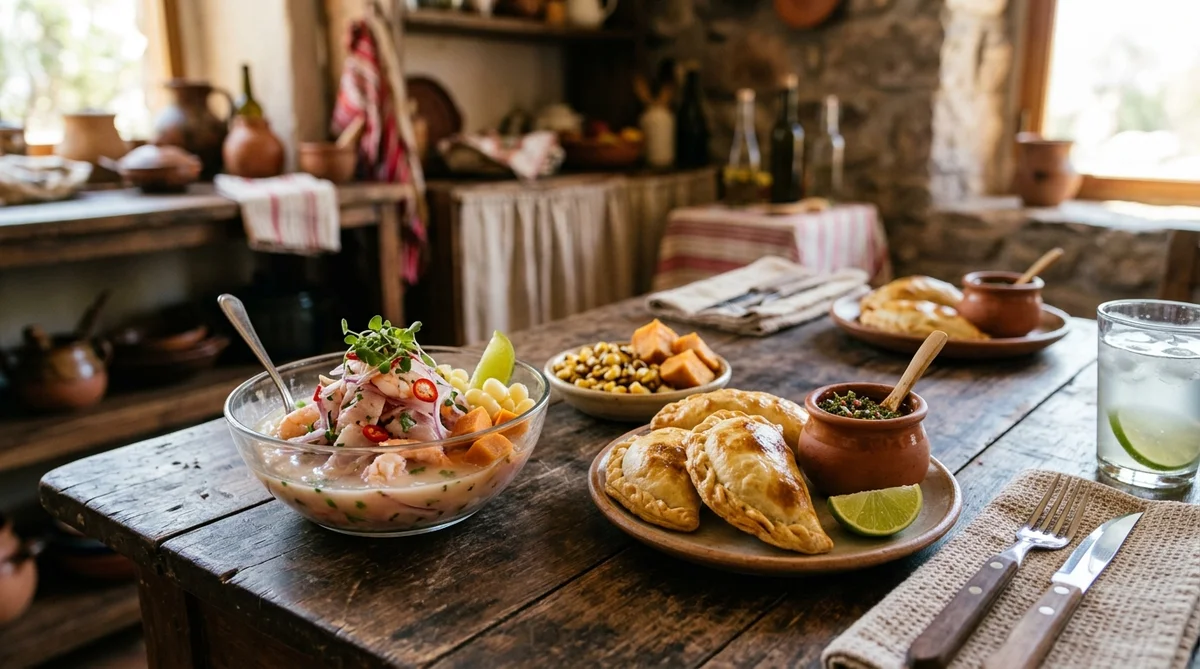
Why the world is now so excited about South American cuisine
In June 2023, something unprecedented happened in the food world. Central in Lima, Peru, was named No. 1 on The World's 50 Best Restaurants. It was the historic moment when a Latin American restaurant reached the top of the world for the first time.
And it was no accident. In TasteAtlas's "100 Best Cuisines in the World" published in 2025, Peruvian cuisine also ranked third in the world after Greece and Italy (score 4.54).
Why has South American cuisine drawn the world's attention? It is because the wisdom of the Inca, with a history of over 5,000 years, has collided and fused with the food cultures of Spain, Portugal, Africa and Japan, and keeps changing into something new.
Few people know that the culture of Japanese sashimi lives in ceviche. Not many know that the soul of Africa lives in the black bean stew of feijoada. South American cuisine is also a record of centuries of human migration and mixing.
As an entrance to South American cuisine, this article packs in information that makes you want to cook right away, from the character of each country, its signature dishes and basic ingredients to the unexpected points of contact between Japan and South American food.
It is built as an "introductory guide" for getting the overall picture of South American cuisine and then going on to the individual recipe pages for the dishes that catch your interest. The link for each dish leads to detailed steps.
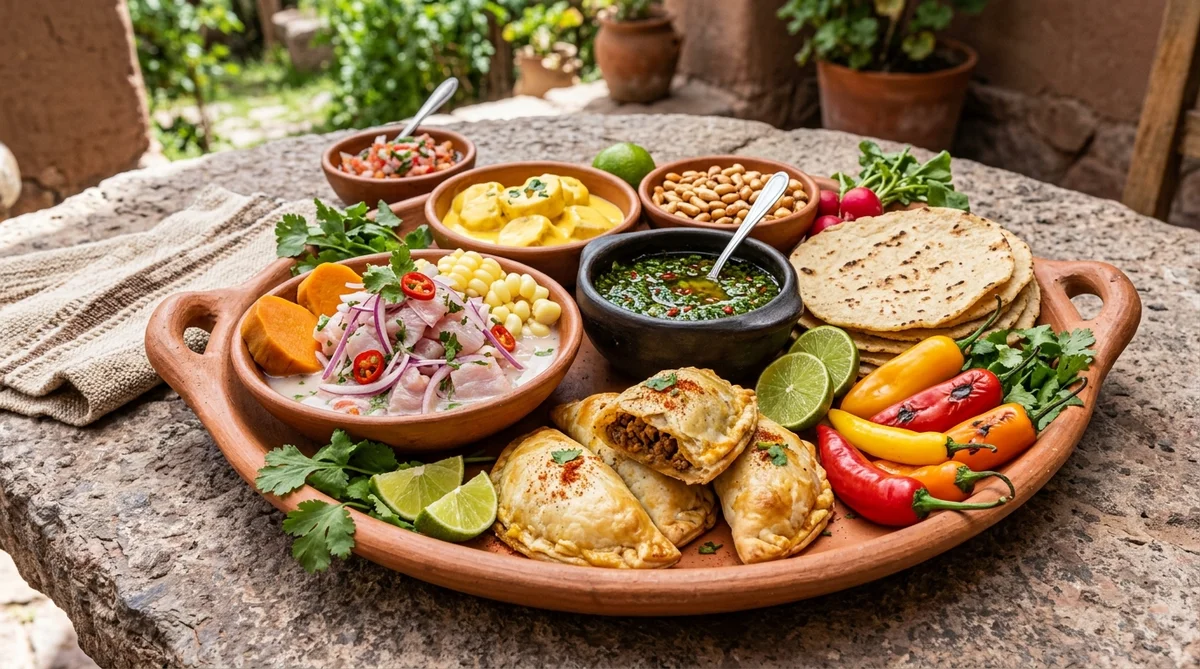
History and food culture: 5,000 years of taste memory
The "world ingredients" created by the Inca Empire
Many of the ingredients indispensable on today's tables originated in the Andean highlands of South America. Potatoes, tomatoes, corn, chile peppers, cacao, vanilla. All of these are plants that the indigenous peoples of South America domesticated over thousands of years.
The agricultural technology of the Inca Empire (13th to 16th centuries) was astonishing. Around Machu Picchu, they grew dozens of crops at once in terraced fields using differences in altitude. They made use of the different microclimates of each plot and maintained a diverse food ecosystem within a single empire.
The Andes of the Inca era are said to have had more than 3,000 varieties of potato alone. In contrast to the few kinds of potato lined up in a modern supermarket, the Inca table was filled with a great variety of potato dishes. "Chuño," freeze-dried for preservation, was a specialty of the Inca, and the technique could be called an ancestor of modern freeze-dried foods.
The Inca preserved food by natural freeze-drying, using the temperature swing between day and night in the Andes. Long-term preservation techniques such as potato chuño and meat charqui (the origin of the word "jerky") supported the empire's logistics and wars.
The colonial era: a table where three civilizations crossed
After Spanish conquistadors destroyed the Inca Empire in 1532, South America's food culture changed greatly. The food cultures of Spain and Portugal flowed in, and the food culture of enslaved people brought from Africa was added.
Brazil in particular is a melting pot of complex mixed cultures. Dishes arose in which Portuguese stewing technique, African black beans, palm oil and spices, and the ingredients of Amazonian indigenous peoples were thoroughly fused. The national dish feijoada is its symbol, and in its stew of black beans and pork these three cultures live on one plate.
Argentina received many immigrants from Europe in the 18th and 19th centuries. The Italian influence in particular was large, and Argentine-style pizza (the Buenos Aires style is thicker than the New York style) and alfajores (butter and sugar cookies) are descendants of Italian sweets. The asado culture of roasting cattle raised on the pampas (grasslands) whole on iron bars was born when the barbecue cultures of Spain and Portugal fused with 19th-century gaucho (cowboy) culture.
The modern Peruvian culinary revolution
From the 1990s, a culinary movement called "Novoandina" (new Andean cuisine) began in Peru. It was a move to reinterpret indigenous traditional ingredients (quinoa, maca, achiote) with modern cooking techniques, led by the chef Gastón Acurio.
Acurio presented Peruvian cuisine to the world as "material for fine dining, not fast food." High-end Peruvian restaurants appeared one after another in Lima, and in the 2010s Lima's status as "the gastronomic capital of South America" was established. The culmination was Central's No. 1 ranking in 2023.
The character of South American cuisine, country by country
The South American continent is 47 times the area of Japan. Twelve countries each have their own food culture. It has a diversity that "South American cuisine" in a single phrase cannot capture, but here we introduce the characteristics of five representative countries.
Peru: the "genius of fusion" recognized by the world
Peru is the country with the highest international reputation in South American cuisine. Its strength lies in "the power of fusion." Inca indigenous ingredients (ají amarillo, choclo, quinoa), Spanish cooking techniques, the Chinese-Peruvian cooking "chifa" brought by Chinese immigrants, and Nikkei cuisine shaped by Japanese immigrants. All of these coexist and form a universe of their own.
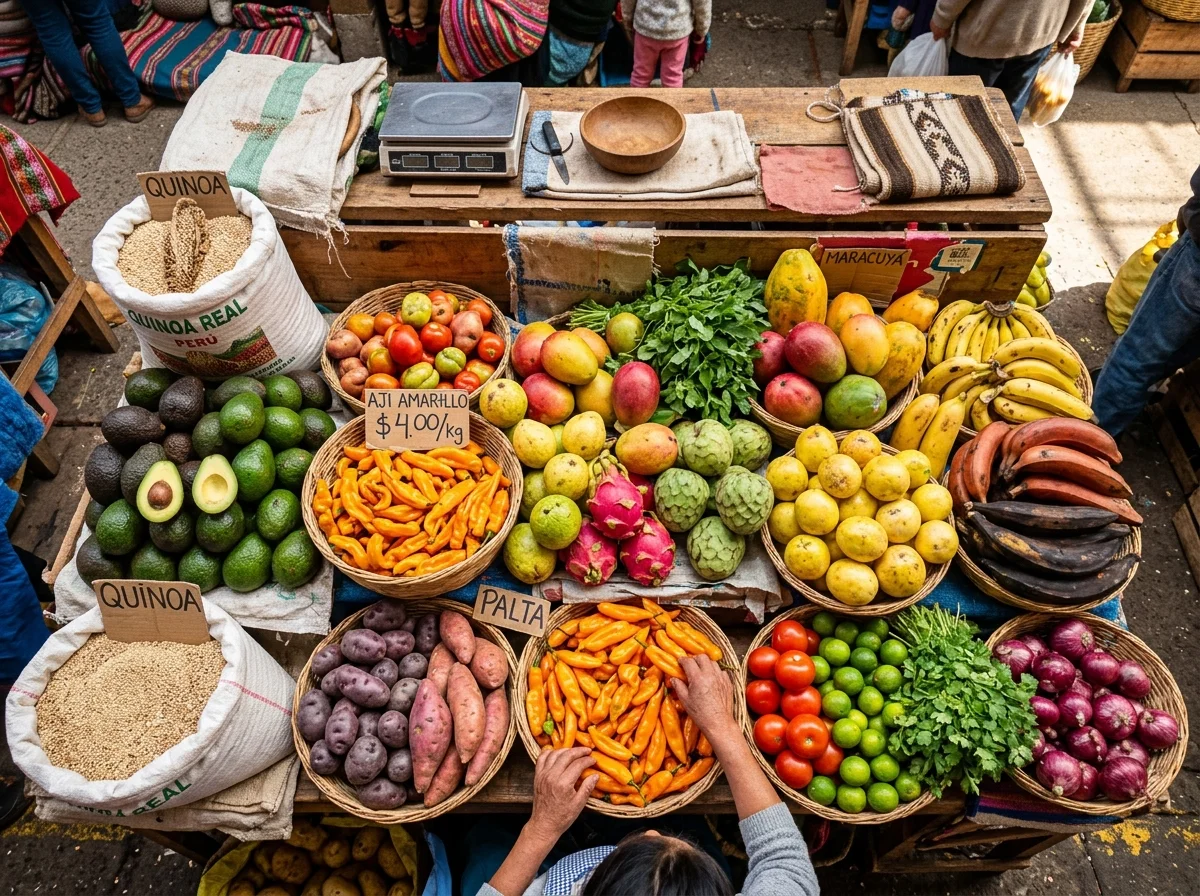
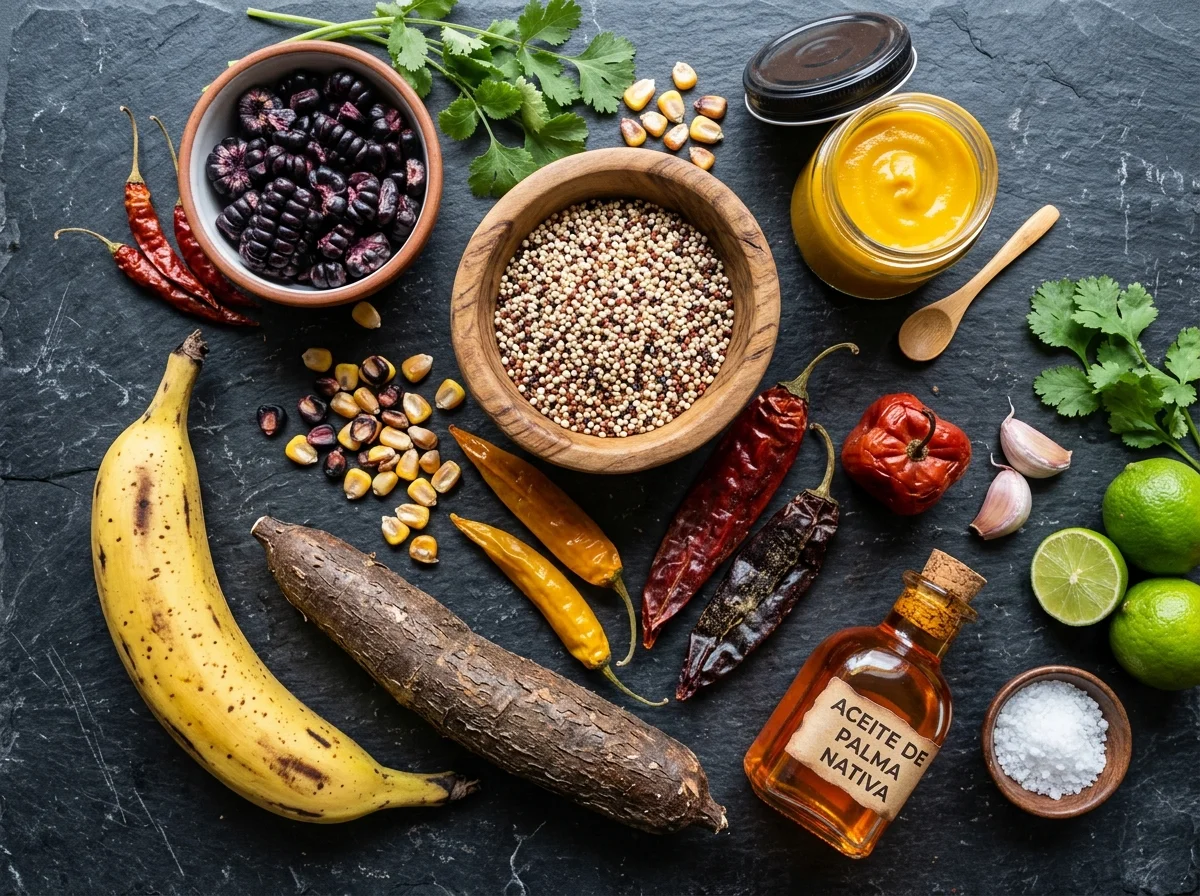
An ingredient peculiar to Peru that you should know is ají amarillo. A yellow-orange chile pepper, it is regarded as one of the three pillars of Peruvian cooking (the other two are garlic and red onion). Fruity and medium-hot, with a distinctively warm heat, it is used in many dishes such as ceviche, lomo saltado (stir-fried beef) and ají de gallina (chicken in cream sauce). The paste can be bought at Latin American groceries and online.
Brazil: continental-scale diversity
Brazil is a country with such a range of food culture that it is almost "a continent" in a single nation. The food culture of the northern Amazon and that of the southern Rio Grande do Sul are completely different.
In the northeast (Bahia), the Afro-Brazilian cooking "comida baiana" developed, and everyday dishes include caruru, a shrimp stew using African palm oil (dendê). The south is strongly influenced by European immigrants, and German and Italian dishes have taken root.
One of the foods Brazil is proud to show the world is churrasco (called asado in the south too). The style of skewering beef on long iron skewers and slowly roasting it over charcoal while turning is the root of Brazilian barbecue restaurants all over the world. For a more everyday snack, learning about coxinha, a teardrop-shaped fried pastry of shredded chicken, shows you the feel of Brazil's snack stands. And to extend to a sweet plate after the meal, quindim, made with egg yolks and coconut, is a dish in which you can easily feel how Portuguese sweets and Brazilian ingredients mix.
Argentina: the beef culture born of the pampas
Argentina is a country with one of the highest per-capita beef consumption rates in the world (about 50 kg a year). The meat of grass-fed cattle raised on the vast pampas is fine-grained and flavorful, and is regarded as among the best in the world.
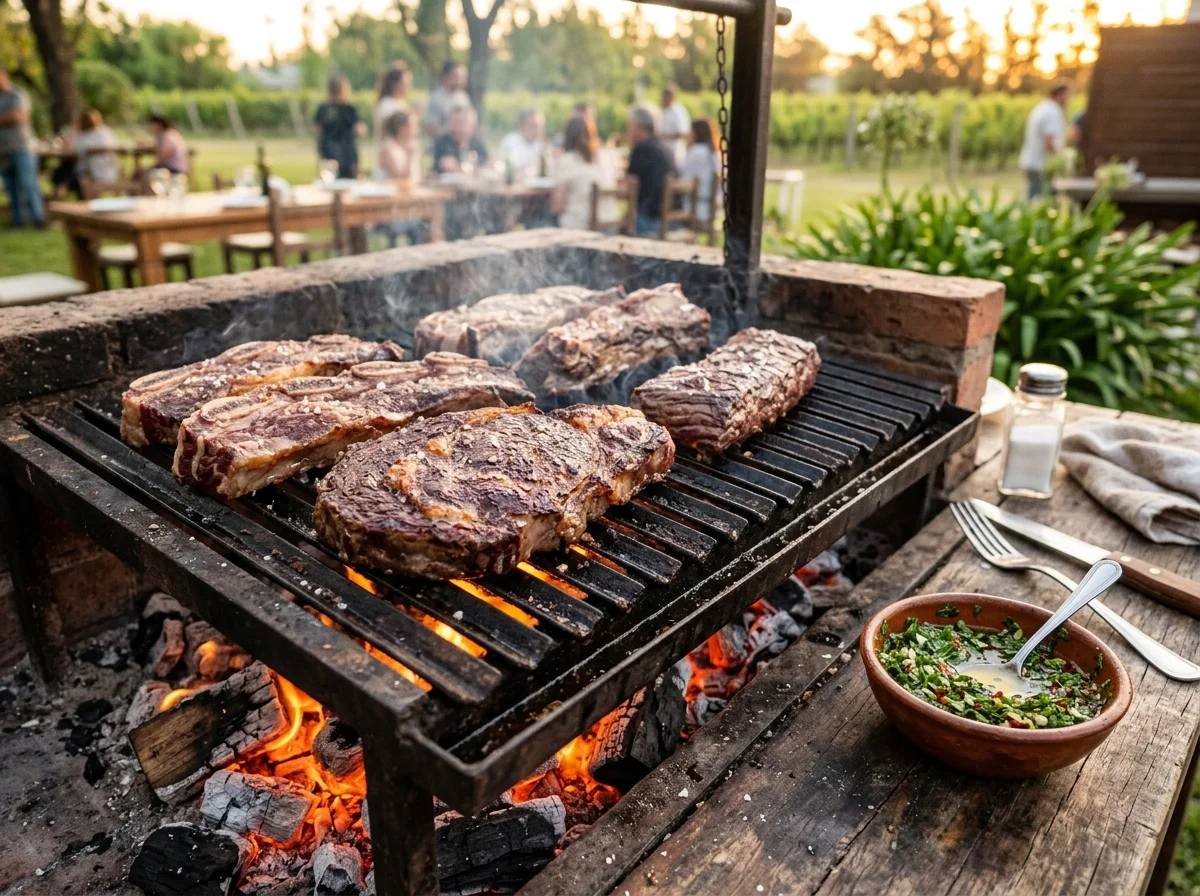
Asado is Argentina's very identity. On Sunday noon, family and friends gather and spend hours around the parrilla (iron grill), and the asado is not just a meal but a social ritual. It is not something to eat in a hurry; from preparation to the last bite it can take up to 5 hours.
Another essential in Argentine cooking is chimichurri. An all-purpose sauce made with parsley, oregano, garlic, red chile, olive oil and vinegar, it is indispensable at an asado. It could be called a "supporting player that is the star," usable on anything.
Chile: Pacific seafood and north-south diversity
Chile, with its long, narrow territory, has varied climates from the northern desert to the southern glacier zone. The hallmark of Chilean food facing the sea is its abundance of seafood. Erizo (sea urchin), picoroco (a crustacean resembling a goose barnacle) and conchas (shellfish) are ingredients native to Chile.
Chilean soul food includes pastel de choclo (a meat pie covered with a corn crust). The spice merkén of the indigenous Mapuche people is a blend of smoked chile, and it is drawing attention worldwide as a Chilean spice.
If you widen your view to Andean highland home cooking, neighboring Bolivia's silpancho (in Japanese) can be read in a close context. A plate that layers thinly pounded breaded beef with rice, potatoes, egg and salsa, it shows well the practical South American table that "puts meat and carbohydrates on one plate."
Colombia: coffee and a varied regional cuisine
Colombia is known as the world's third-largest coffee producer, but its cooking is just as varied. Completely different environments, the Andean mountains, the Caribbean coast, the Pacific coast and the Amazon basin, give rise to different food cultures.
A representative dish of Colombia is bandeja paisa. Beans, white rice, chicharrón (fried pork skin), a boiled egg, plantain (cooking banana) and ground beef are heaped on one large platter in a dish of "overwhelming volume," with enough calories on this one plate for a day. It is a remnant of a practical food culture that Andean farmers ate to prepare for a day's labor.
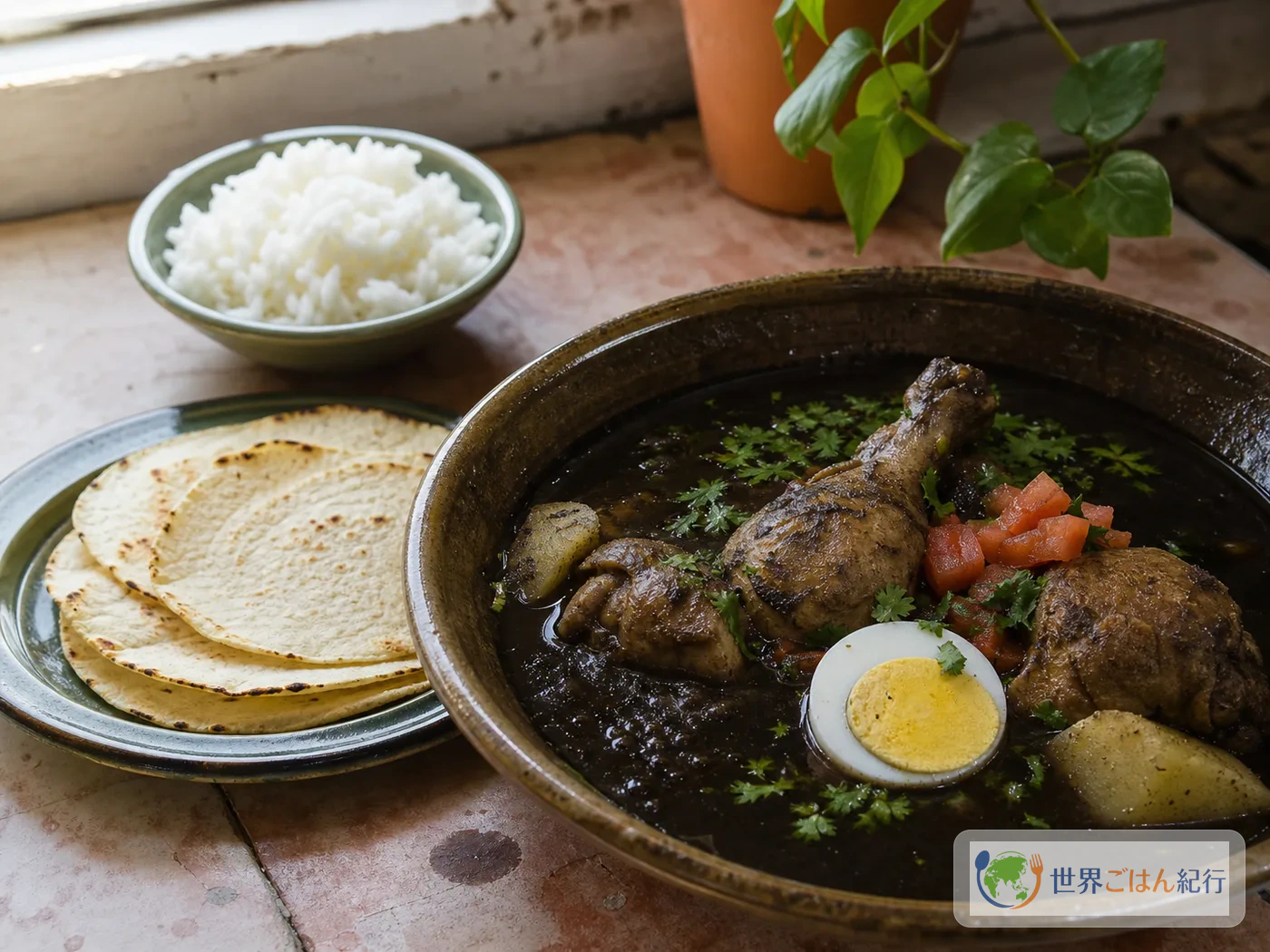
If you extend to the Caribbean side of South America, Guyana's pepperpot is also an interesting way in. A dish in which meat is stewed long with the black, sweet-bitter cassareep, it reveals an English-speaking Caribbean holiday dish different from Brazil or Colombia.
People in South America sometimes feel somewhat mixed about being lumped together as "South American cuisine." For a Brazilian, feijoada, and for an Argentine, asado, are as different as sushi and yakiniku are for a Japanese person. Enjoy the food while respecting the culture of each region.
Basic ingredients and spices
Chile peppers: the "heat" South America gave the world
Cayenne, habanero, jalapeño, chile pepper... the plants that brought "heat" to the modern table all originated in South and Central America. Chile peppers have been cultivated in South America for over 7,000 years, and did not exist in Asia or Europe until Spanish explorers spread them around the world in the 16th century.
Here are three chile peppers that are especially important in South America.
Ají amarillo: A yellow-orange, medium-hot chile that is almost synonymous with Peruvian cooking. Fruity, with a distinctive sweetness. Paste in jars or cans is available at Latin American groceries. It is a different thing from the super-hot Scorpion-type varieties, and can be used with confidence in home cooking.
Ají limo: A small, hot chile essential to Peruvian ceviche. It is hard to find in some places, but green chile can substitute.
Rocoto: A red, round chile common in Peru and Bolivia. Several times hotter than a jalapeño, it is used in dishes such as stuffed peppers.
Quinoa: a superfood from the Andes
Quinoa, which has drawn worldwide attention in recent years as a health food, originated in the Andes. Cultivated as a staple since the Inca era, this "mother grain of the Inca" is rich in protein, fiber and iron, and its gluten-free nature suits today's health-conscious tastes.
It is now easy to buy at supermarkets. It can be cooked together with white rice in a rice cooker, and though it won't bring a South American atmosphere, it is an ingredient easy to work into everyday meals.
Key ingredients at a glance
| Ingredient | Typical use | Where to find it |
|---|---|---|
| Quinoa | In soups, salads, as a staple | Supermarkets, health food stores |
| Ají amarillo paste | Ceviche, sauces | Latin American groceries, online |
| Chicharrón (fried pork skin) | As a side dish | Latin American groceries |
| Plantain (cooking banana) | Steamed or fried | Latin American, Caribbean and Asian groceries |
| Yuca (cassava) | Fried, in soups | Latin American and Asian groceries (frozen) |
| Dendê oil (palm oil) | Cooking of northeastern Brazil | Import groceries, online |
| Chimichurri ingredients (parsley, oregano) | Sauce for asado | Ordinary supermarkets |
Ten classic dishes and key points for making them
1. Ceviche: Peru's UNESCO intangible cultural heritage
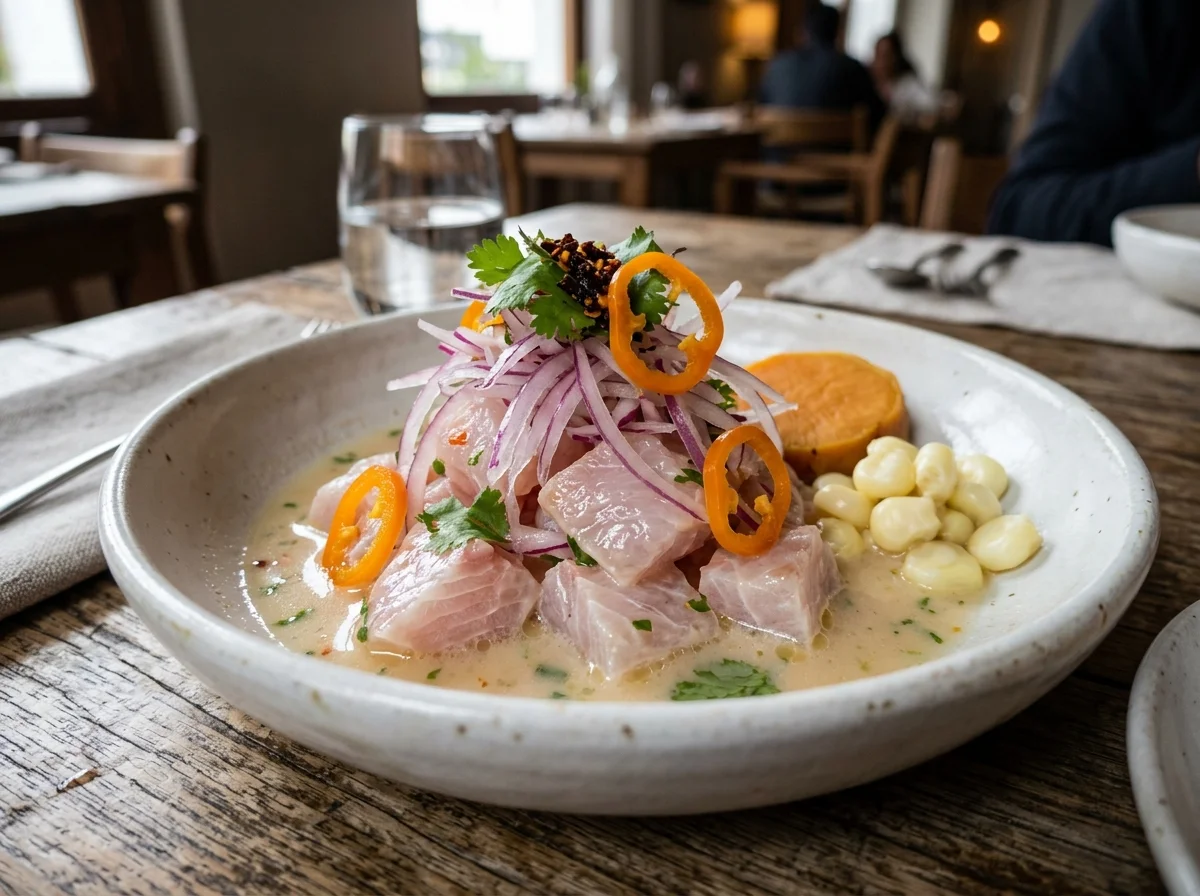
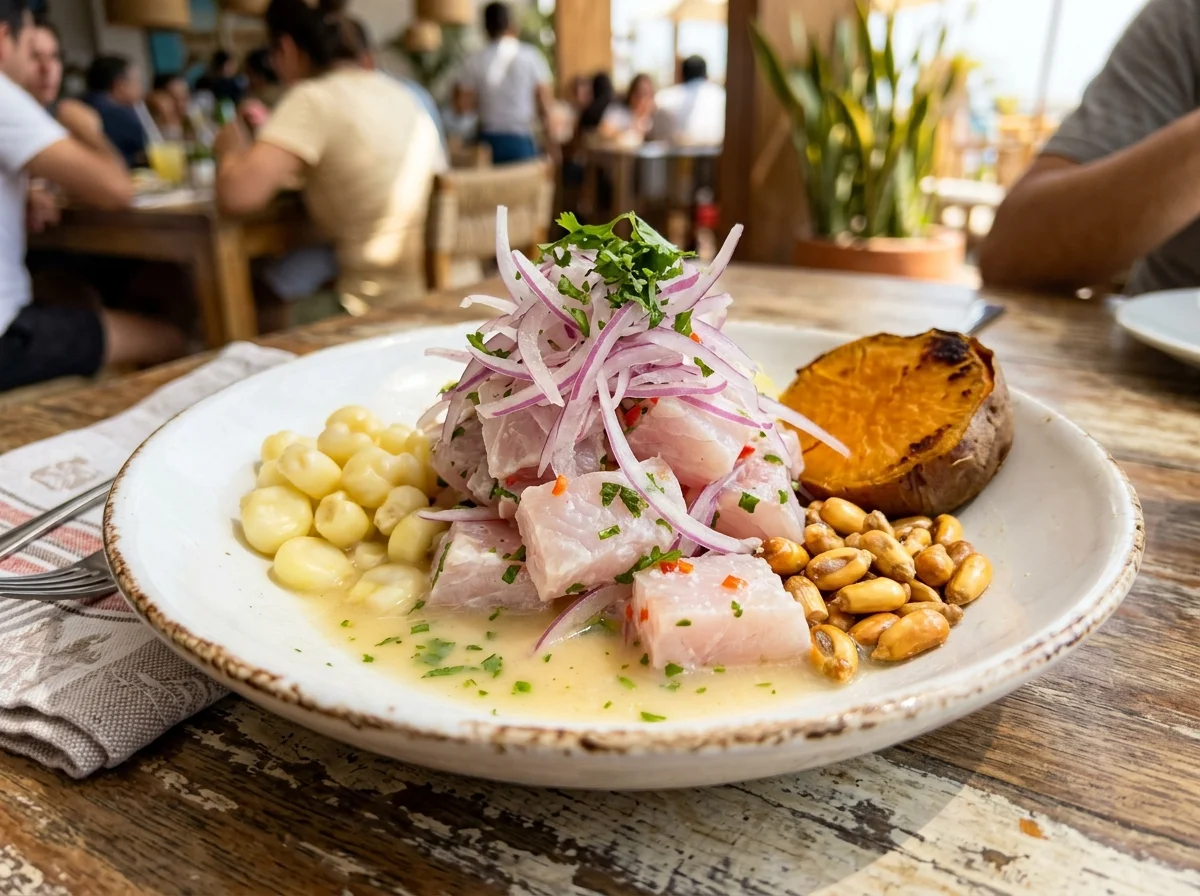
Peru's national dish, in which fish is "cooked" in a lime marinade. White fish (sea bream, flounder, octopus and so on) is marinated in lime juice, garlic, red onion and ají amarillo, and eaten together with the marinade, called tiger's milk (leche de tigre).
This dish, also a point of contact with Japanese sashimi culture, is explained in detail in the complete ceviche recipe. From its origin 3,000 years ago to the modern ceviche changed by Japanese immigrants.
Difficulty: Intermediate / Cooking time: 35 minutes
2. Feijoada: Brazil's national dish
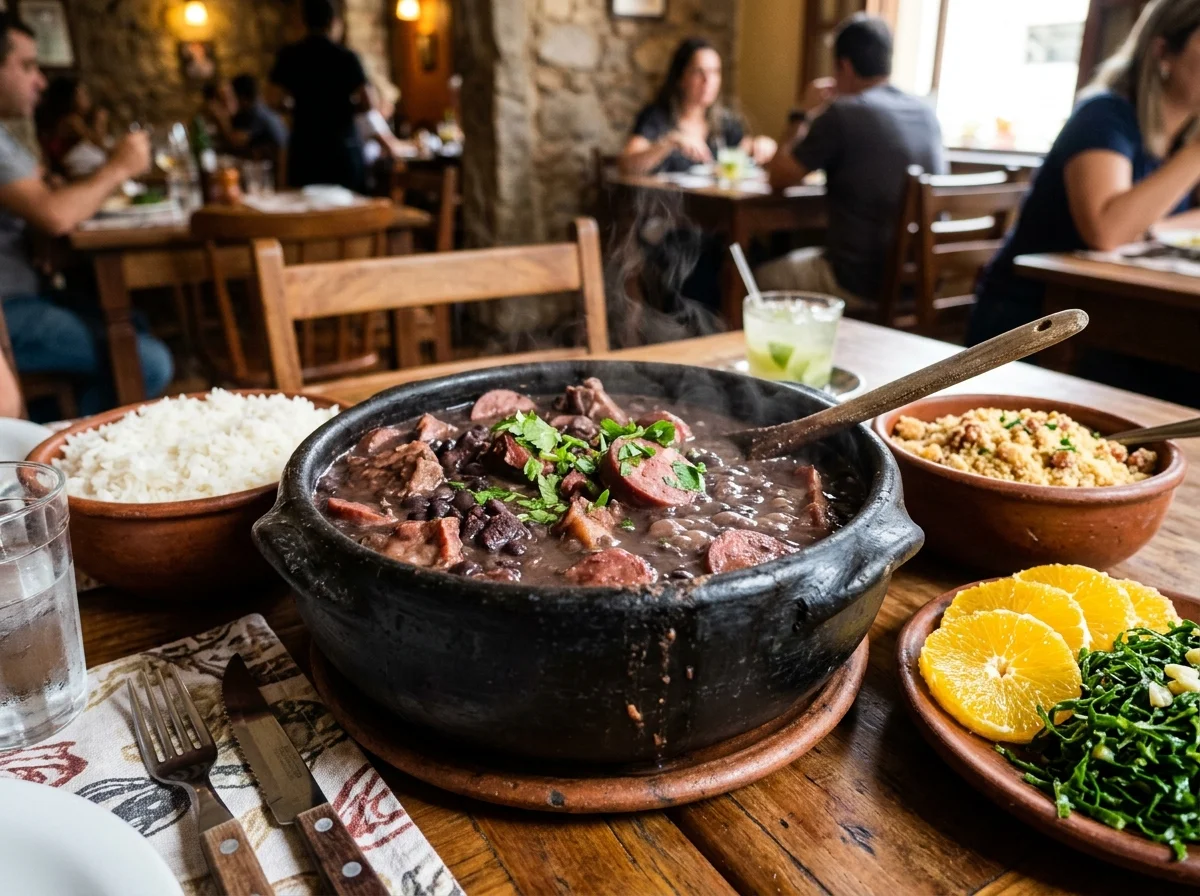
A stew of black beans with pork and beef. The historical record of feijoada is said to be found in 1827 in Recife, Pernambuco, and it is thought to have come about through the fusion of Portuguese pork stewing technique with African black bean culture.
In Brazil there is a strong custom of eating it as Saturday lunch, a dish that family and friends gather to eat slowly. The orthodox style is to serve it with white rice, farofa (toasted cassava flour) and orange slices. It is a dish you should order whenever you go to a Brazilian restaurant.
Key point for re-creating it: Canned black beans work. Combining pork trotters, bacon and sausage brings you close to the Brazilian atmosphere.
3. Asado / churrasco: the philosophy of charcoal fire
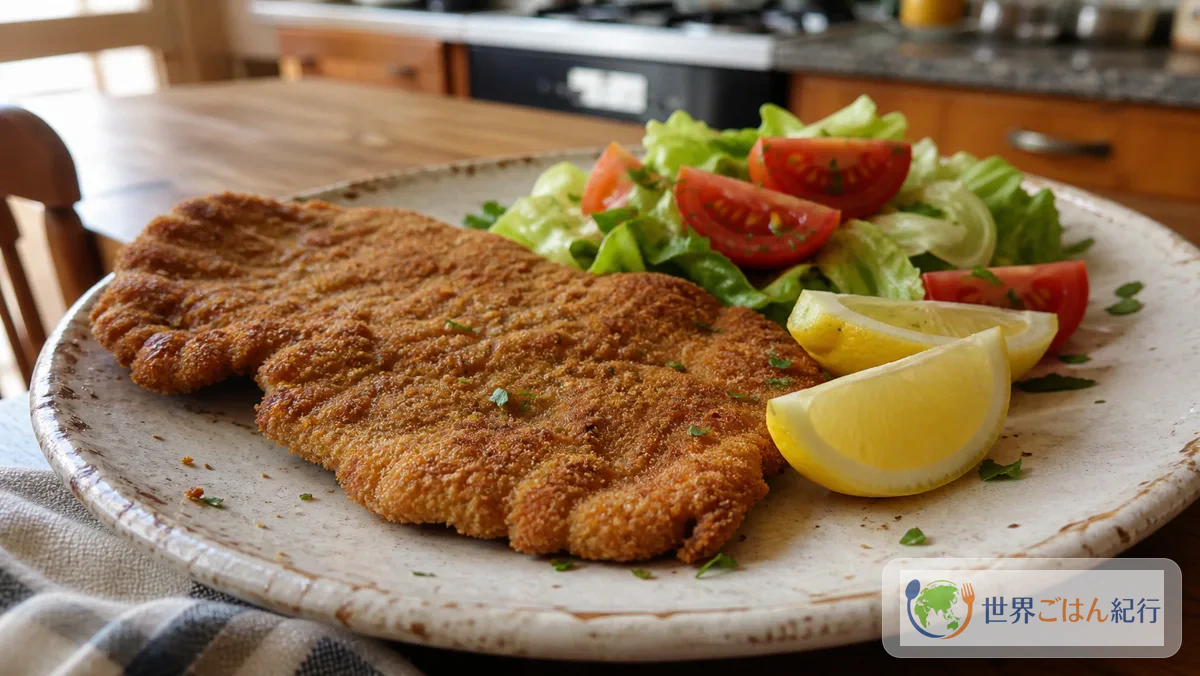
A general name for South American barbecue. It is called "asado" in Argentina and Uruguay and "churrasco" in Brazil. Its greatest feature is the simplicity of grilling meat with no marinade, with salt alone. Only salt and cracked pepper, to bring out the flavor of good beef.
Argentine asado is not just a cooking method but a "social ritual." From choosing the wood to lighting the fire, asado technique is passed down by word of mouth. Don't hurry, use good meat, gather with friends: these are the three principles of asado.
Key point for re-creating it: Just grilling skirt steak or ribeye with salt and black pepper only, and eating it with plenty of chimichurri, lets you experience the "South American table."
4. Empanada: South America's equivalent of the California roll
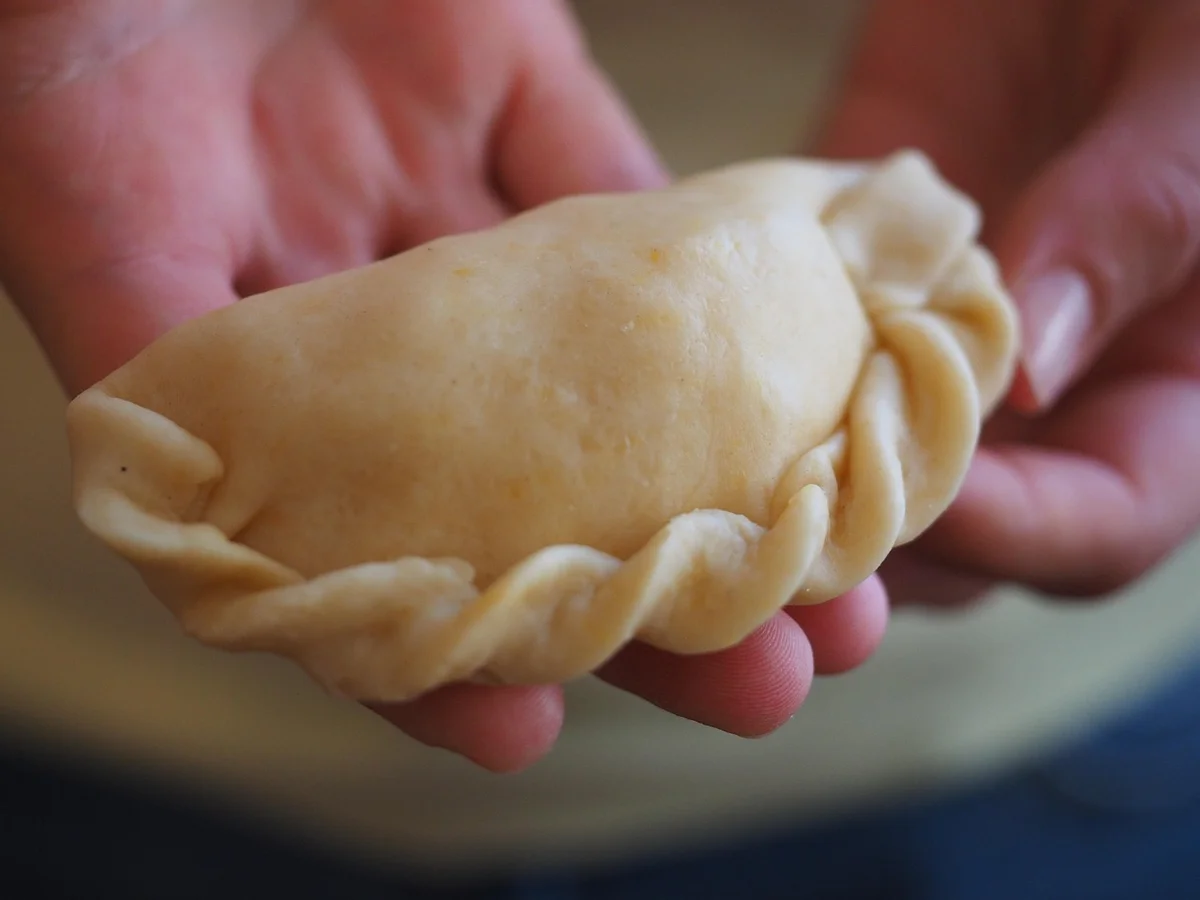
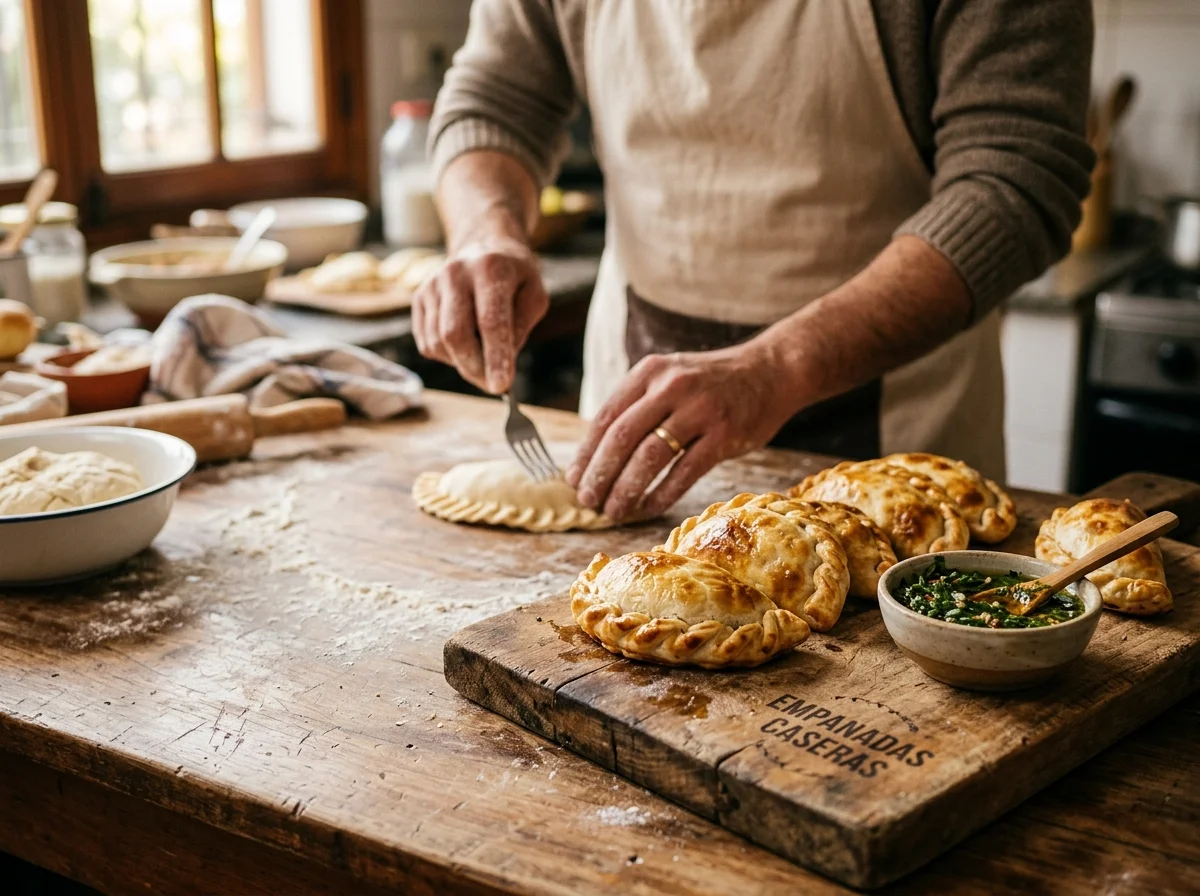
A dish in which fillings are wrapped in a flour dough and baked (or fried). A dish brought by Spanish settlers spread across South America, with a different arrangement in each country. In Argentina the standard filling is ground beef, olives and boiled egg, and in Chile beef, onion and boiled egg. Colombian ones are often the fried type, and in Brazil under the name "pastel" it has become a staple street food.
It can be made with ingredients from an ordinary supermarket and is the lowest hurdle as an introduction to South American cooking.
5. Lomo saltado: a stir-fry born in Peru's Chinatown
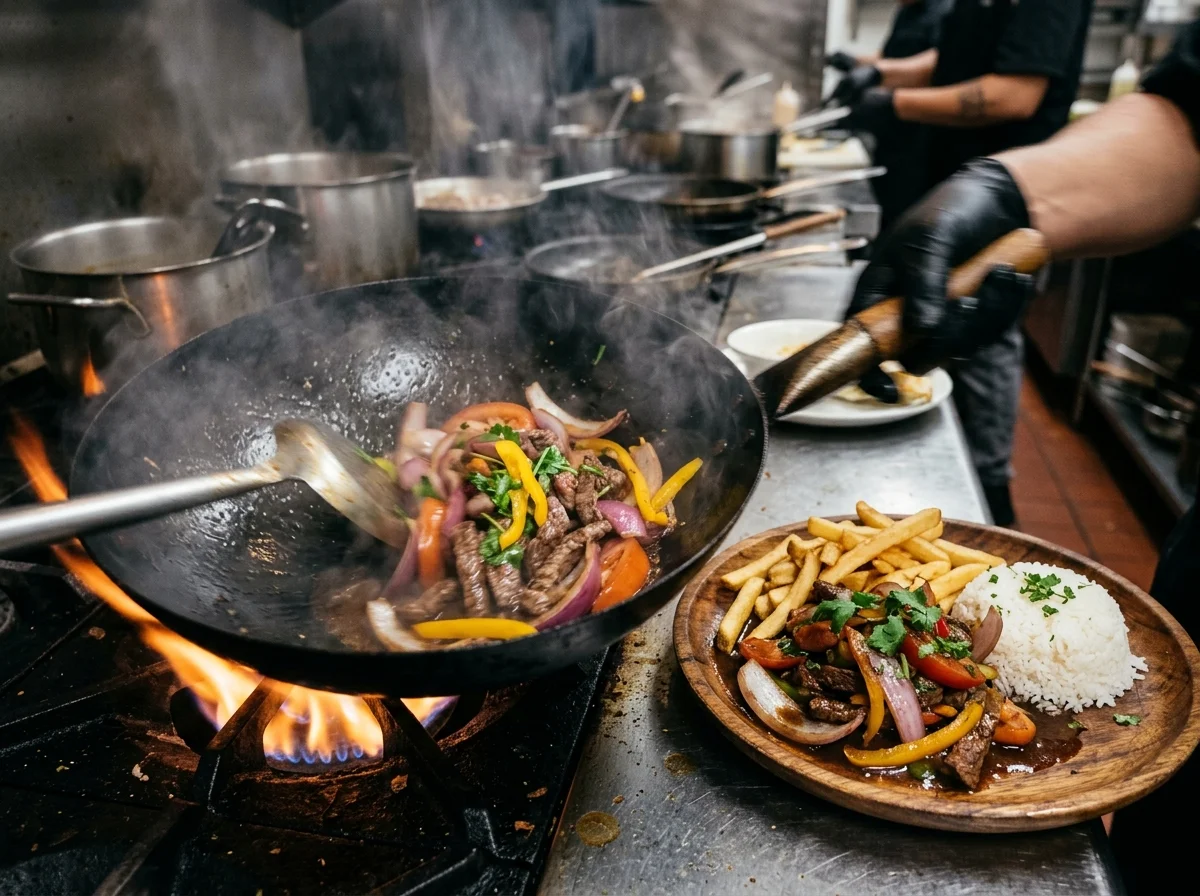
A Peruvian dish of beef, red onion, tomato and ají amarillo stir-fried with soy sauce (or a fermented soybean seasoning) and served with french fries and white rice. One of its origins is "chifa," the cooking of Chinese-Peruvian immigrants.
Because soy sauce goes in as a hidden flavor, it is a very approachable taste. It is also the one most recommended as an introduction to Peruvian cooking.
6. Ají de gallina: Peru's chicken stew
A Peruvian home dish of steamed chicken folded into a creamy sauce made with ají amarillo, walnuts, bread and milk. The bright yellow sauce is the signature, an appetizing look. It is eaten with white rice and boiled potatoes.
The balance of the richness of the walnuts and the sweet heat of the ají amarillo is distinctive, and many Peruvian food fans say "once you've had it you can't forget it." It can be nearly re-created with ingredients from home.
7. Tamale: an indigenous dish wrapped in corn husks
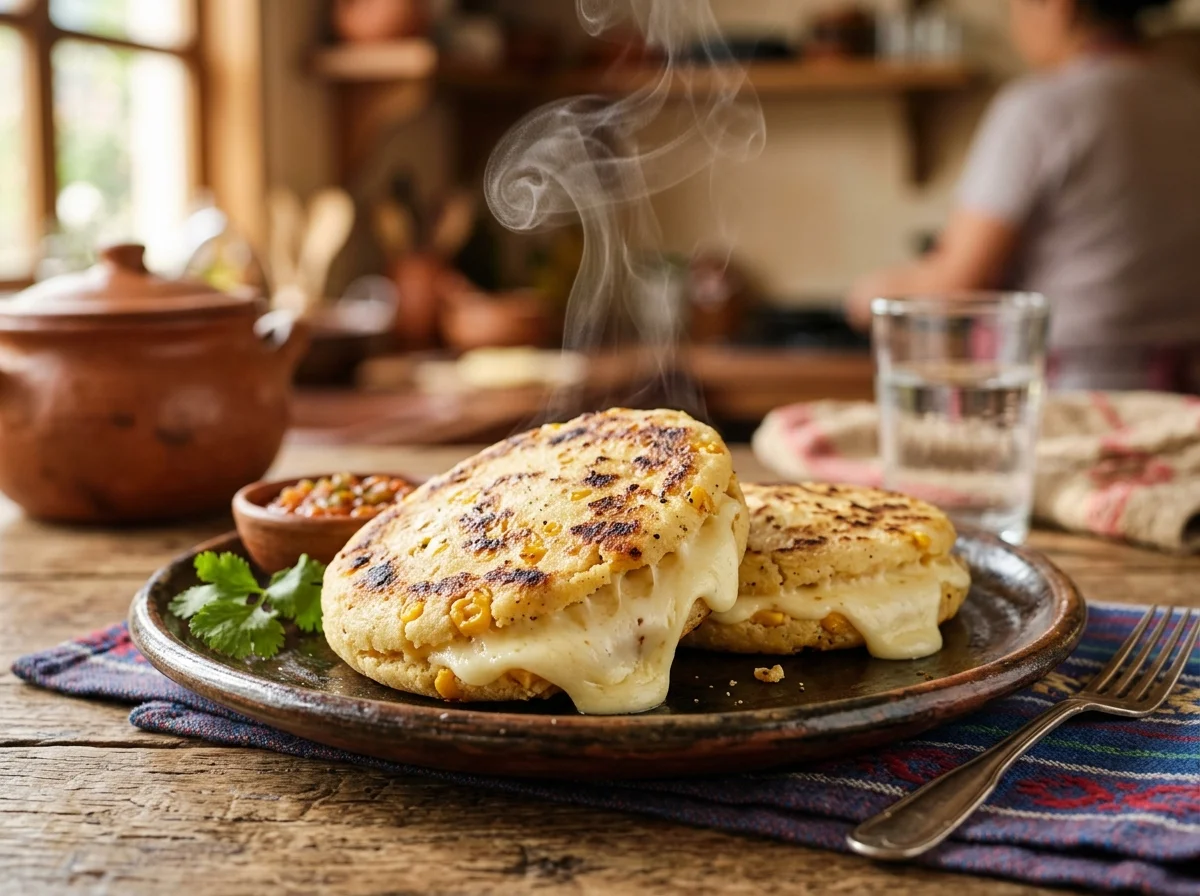
A dish in which fillings are wrapped in corn masa (flour dough) and steamed in corn leaves or banana leaves. It is widely eaten in Mexico and Central America too, but in South America there are variants everywhere. Names differ by region, such as Peru's "humita" and Colombia's "bollo."
A dish made since before the Inca era, rooted in the indigenous cultures of South America as a whole.
8. Chaufa: Peru's fried rice
The leading dish of Peruvian Chinese cooking "chifa." Cooked in almost the same way as Chinese-style fried rice, with soy sauce, sesame oil, scallion and egg. It is widely woven into the everyday meals of Peruvians.
"Why did Chinese food take root in Peru?" is explained in the next section. It is one of the Peruvian dishes most familiar to Japanese people.
9. Encocado: an Ecuadorian and Colombian dish of coconut and spices
Fish or shrimp stewed in coconut milk and spices. A dish of Ecuador and the Pacific coast of Colombia, in which the influence of Afro-descendant food culture remains strong. It has an aroma and richness close to Japanese curry and goes superbly with white rice.
10. Picarones: Peru's fried doughnut
A Peruvian dessert of ring-shaped doughnuts fried from a sweet potato and squash dough, eaten with chancaca (a dark sugar syrup). A transformation of Spain's buñuelos (fried doughnuts), it is a South American arrangement using the indigenous ingredients sweet potato and squash.
Nikkei cuisine: how Japanese immigrants changed South American food
Knowing this story changes how you see South American cuisine.
In 1899, 790 Japanese immigrants arrived in Peru. They emigrated through cooperation between the Japanese and Peruvian governments, mainly to work as agricultural laborers on coastal plantations. By 1924, more than 18,000 Japanese immigrants had crossed to Peru.
What the Japanese immigrants brought was not only ingredients. A culture of eating raw fish: this fundamentally changed Peruvian food. In Peru at the time there was almost no custom of eating raw fish, and ceviche, too, was normally "cooked" by soaking in lime for hours.
The Japanese cooks thought: "Why soak it so long? If the fish is fresh, you can just prepare it right before serving." The Japanese sashimi idea, "bring out the freshness of the ingredient and serve it with minimal treatment," was infused into ceviche, and the modern style of ceviche "finished in 10 to 15 minutes" was born.
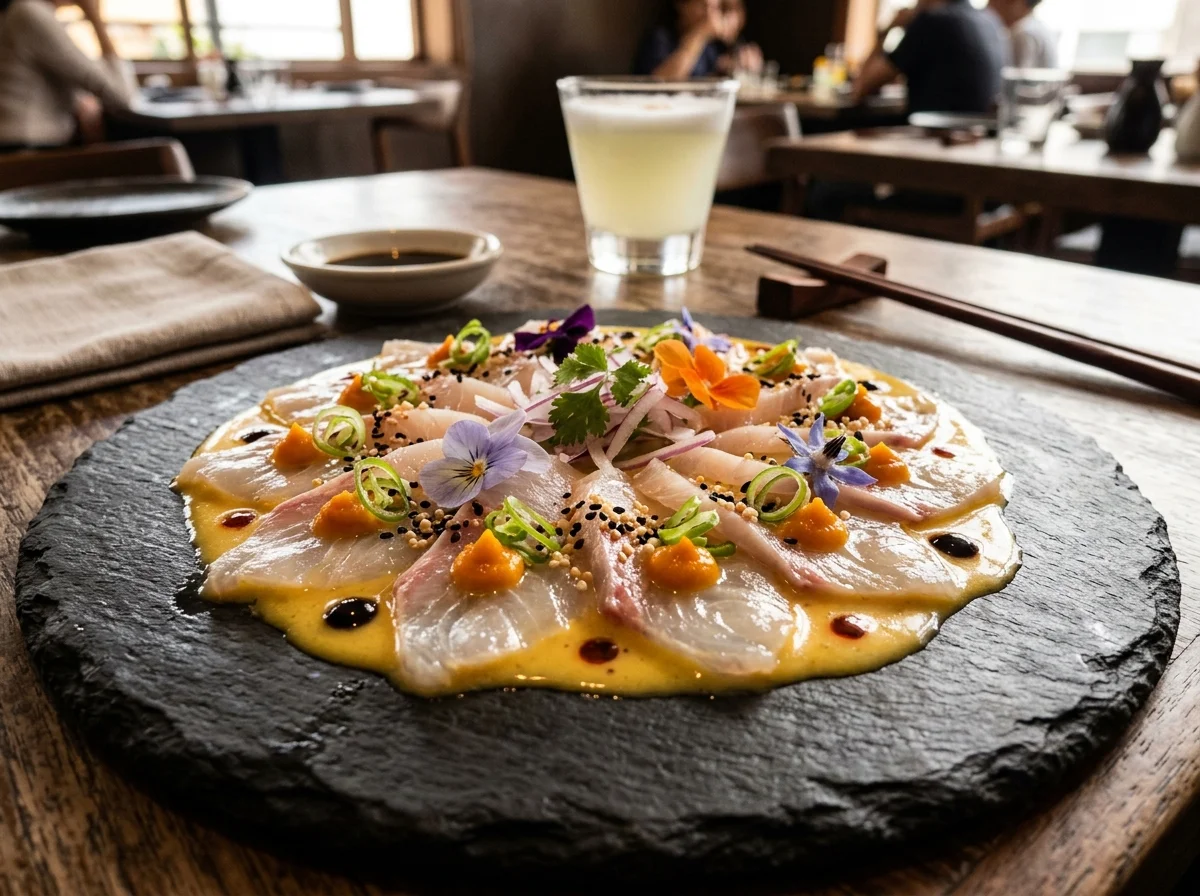
This Japanese-Peruvian fusion cooking is called "Nikkei cuisine." The famous chef Nobuyuki "Nobu" Matsuhisa, who spread the "Nobu style" fusing Japanese and Peruvian cooking from Los Angeles to the world, also belongs to this Nikkei current.
It was not only the Japanese; Chinese immigrants too changed Peruvian cooking. In the latter half of the 19th century many Chinese laborers moved to Peru, and the fusion of Chinese cooking and Peruvian ingredients, "chifa," was born. Behind soy sauce, ginger and sesame oil blending into Peruvian cooking lies this history. Lomo saltado (stir-fry) and chaufa (fried rice) are the representatives.
Why South American food can be cooked at home
South American cooking tends to be thought of as full of ingredients you can't get, but in fact many dishes can be re-created in an ordinary kitchen.
For the white fish that is the key to ceviche, fresh fish from the fish counter is enough. Lime (lemon can substitute), red onion and coriander (cilantro) are all found at ordinary supermarkets. With ají amarillo paste, available in jars or cans at Latin American groceries, you have taken the first step toward "authentic Peruvian cooking."
Feijoada too, with pork belly and canned black beans, reproduces the basic flavor. If you insist on the authentic style you add pork trotters, but it makes a delicious plate without them.
Chimichurri sauce can be made at home from parsley, garlic, red chile, olive oil and white wine vinegar. With just this, plain grilled meat turns at once into "an Argentine table."
Some South American dishes contain eggs (empanadas, accompaniments to feijoada), wheat (empanadas, tamales) and nuts (the walnuts in ají de gallina). If you have a food allergy, check the ingredients of each recipe beforehand.
FAQ
It may look difficult, but in fact most of it can be made with ordinary ingredients.
Q. How spicy is South American food?
It varies greatly by dish. Ceviche and lomo saltado have a heat easy for most people to eat (ají amarillo is about medium-hot), but dishes using rocoto are on the spicy side. Argentine asado and empanadas are hardly spicy at all.
Q. How does Peruvian cooking differ from other South American cooking?
Peruvian cooking is characterized by the diversity of its ingredients and its "power of fusion." Greatly influenced by Asian immigrants, it uses Eastern ingredients such as soy sauce, ginger and sesame oil on a daily basis. The big differences are that Argentine cooking is influenced by beef and European immigrants, and Brazilian cooking by African food culture. The things it shares with Middle Eastern cooking (such as an abundance of bean dishes like hummus) are also interesting.
Q. Is it safe to eat raw fish in ceviche?
The citric acid in lime denatures the surface of the fish, but it does not guarantee the complete killing of bacteria. Use fresh fish, and for pregnant people and those with weakened immunity, we recommend considering a cooked version. It is explained in detail in the complete ceviche recipe.
Q. How should I use quinoa?
You can work it into daily meals simply by cooking it together with white rice in a rice cooker at a ratio of 1 to 4 (quinoa 1 : rice 4). It can also top salads or go into soups. It has a distinctive popping texture, and if used unwashed it can taste bitter, so it is important to rinse it well with water before using.
Q. What should I try first in South American food?
As an entry to home cooking, the easiest is making chimichurri and spooning it over grilled meat. Just mixing parsley, garlic, vinegar and olive oil gives an authentic South American flavor. As the next step, try ceviche (made with fish from the fish counter, lime and cilantro).
Explore more world cuisines
As with South American cooking, we introduce recipes that let you enjoy the home cooking of the world with ingredients from an ordinary supermarket. With the concept "you don't need to look anywhere else once you've read this article," we localize English-language information for the home kitchen.
Cuisines of South America, Central America and the Caribbean
Ceviche is the first South American dish published on this site. As UNESCO intangible cultural heritage and a dish changed by Japanese sashimi culture, it covers both the authentic taste and the home version.
Argentina's empanada recipe is a home dish baked with ground beef and olives wrapped in a flour dough and, as noted among the ten classics, ideal as an introduction to South American cooking. Brazil's feijoada recipe is a stew of black beans and pork, a national dish to make slowly on the weekend. Suriname's pom recipe is a dish of chicken and taro baked and set with citrus, an entrance where the food cultures of northern South America and the Caribbean overlap. Chile's pastel de choclo recipe is a meat pie covered with corn paste, representing Chilean home flavor. Mexico's mole poblano recipe is a dish with a complex sauce combining chocolate and chile peppers, the height of Latin American spice culture. From the Caribbean, Jamaica's jerk chicken recipe is another one worth trying, with the intense flavor of Scotch bonnet pepper and allspice that grows on you.
Cuisines of Africa and the Middle East
We also introduce Middle Eastern cooking in abundance, which, like South American cooking, draws attention as a "food culture of fusion." We recommend grasping the whole picture with the overview of Middle Eastern cuisine before moving on to individual recipes.
- Tagine: Moroccan spice stew
- Hummus: Lebanese chickpea dip
- Falafel: fried chickpea dish
- Kebab: Turkish grilled meat dish
- Tabbouleh: Lebanese herb salad
Talked about on social media among Middle Eastern dishes is shakshuka: an Israeli brunch dish with an exquisite combination of eggs and tomato.
Cuisines of Southeast Asia and Eastern Europe
For well-known Southeast Asian cuisine, we include three: gapao rice, banh mi and nasi goreng (in Japanese). From Eastern Europe, borscht (in Japanese) (Ukrainian beet stew) is widely read.
Sources
This article draws on English-language primary sources (English Wikipedia, academic materials and specialist sites). Figures and dates are as of the time of writing (April 2026).
- TasteAtlas. "100 Best Cuisines in the World (2025-2026)." https://www.tasteatlas.com/best/cuisines (accessed 8 April 2026)
- The World's 50 Best Restaurants. "No.1: Central, Lima, Peru." https://www.theworlds50best.com/stories/News/the-worlds-50-best-restaurants-2023-no-1-central-lima.html (accessed 8 April 2026)
- Wikipedia. "Nikkei cuisine." https://en.wikipedia.org/wiki/Nikkei_cuisine (accessed 8 April 2026)
- Wikipedia. "Feijoada." https://en.wikipedia.org/wiki/Feijoada (accessed 8 April 2026)
- Wikipedia. "Asado." https://en.wikipedia.org/wiki/Asado (accessed 8 April 2026)
- Food Network. "What is Nikkei? The History of Japanese Influence on Peruvian Food." https://www.foodnetwork.com/recipes/packages/global-flavors/nikkei-peruvian-japanese-cuisine (accessed 8 April 2026)
- EatPeru.com. "What did the Incas eat?" https://www.eatperu.com/what-did-the-incas-eat-foods-of-the-ancient-peruvian-empire/ (accessed 8 April 2026)
- Social Studies Help. "South American Cuisine: Fusion of Indigenous & Colonial Tastes." https://socialstudieshelp.com/south-american-cuisine-fusion-of-indigenous-colonial-tastes/ (accessed 8 April 2026)