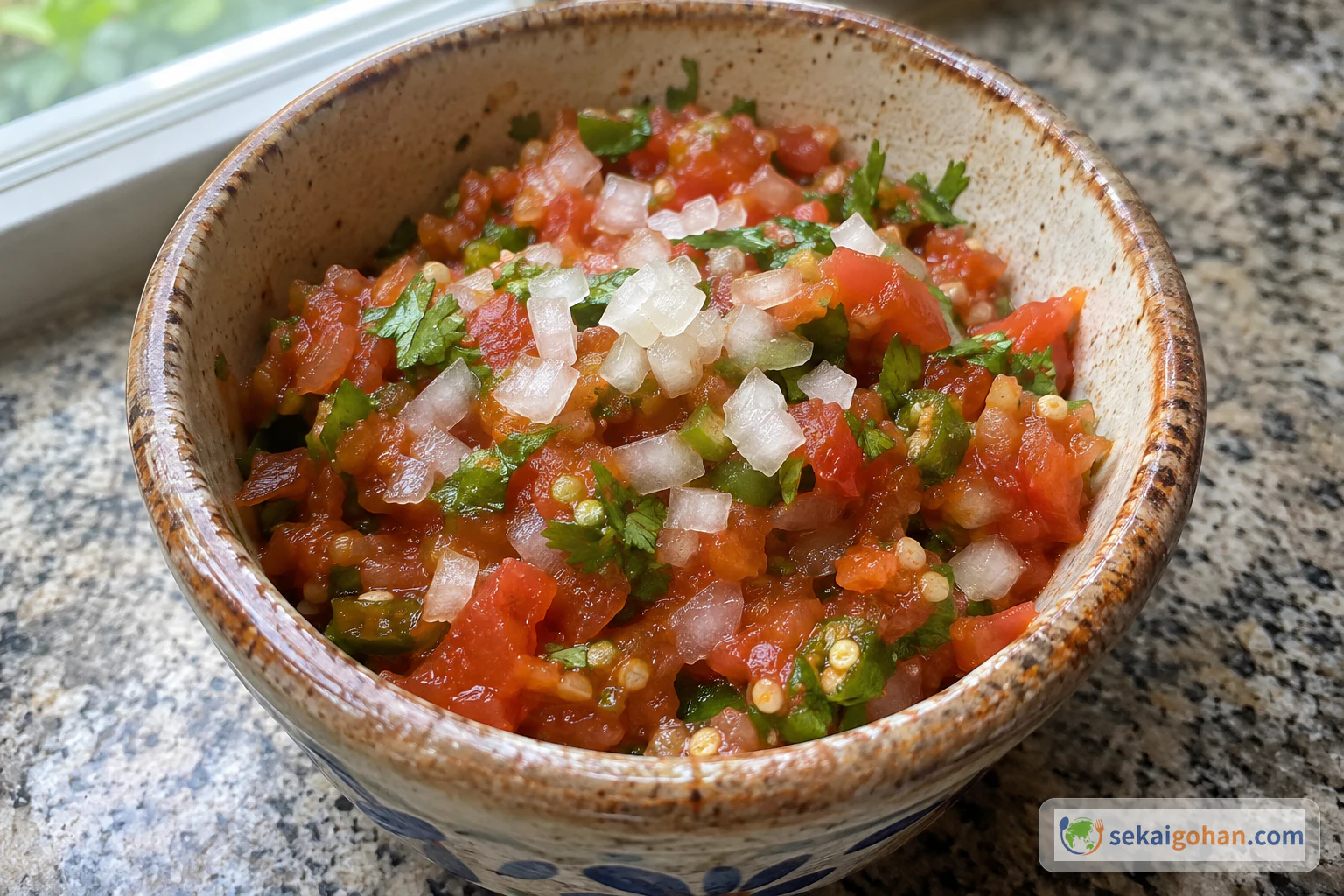
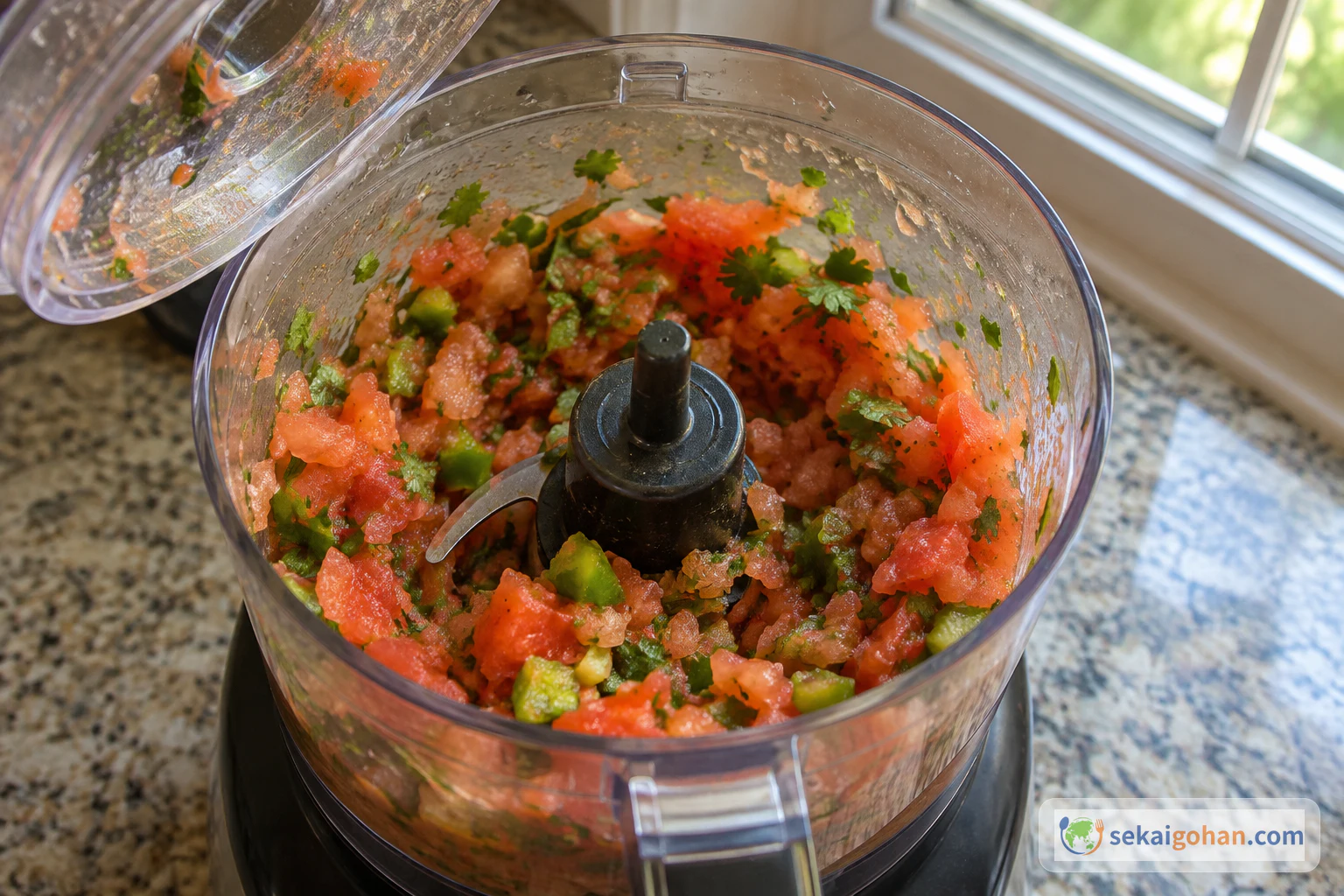
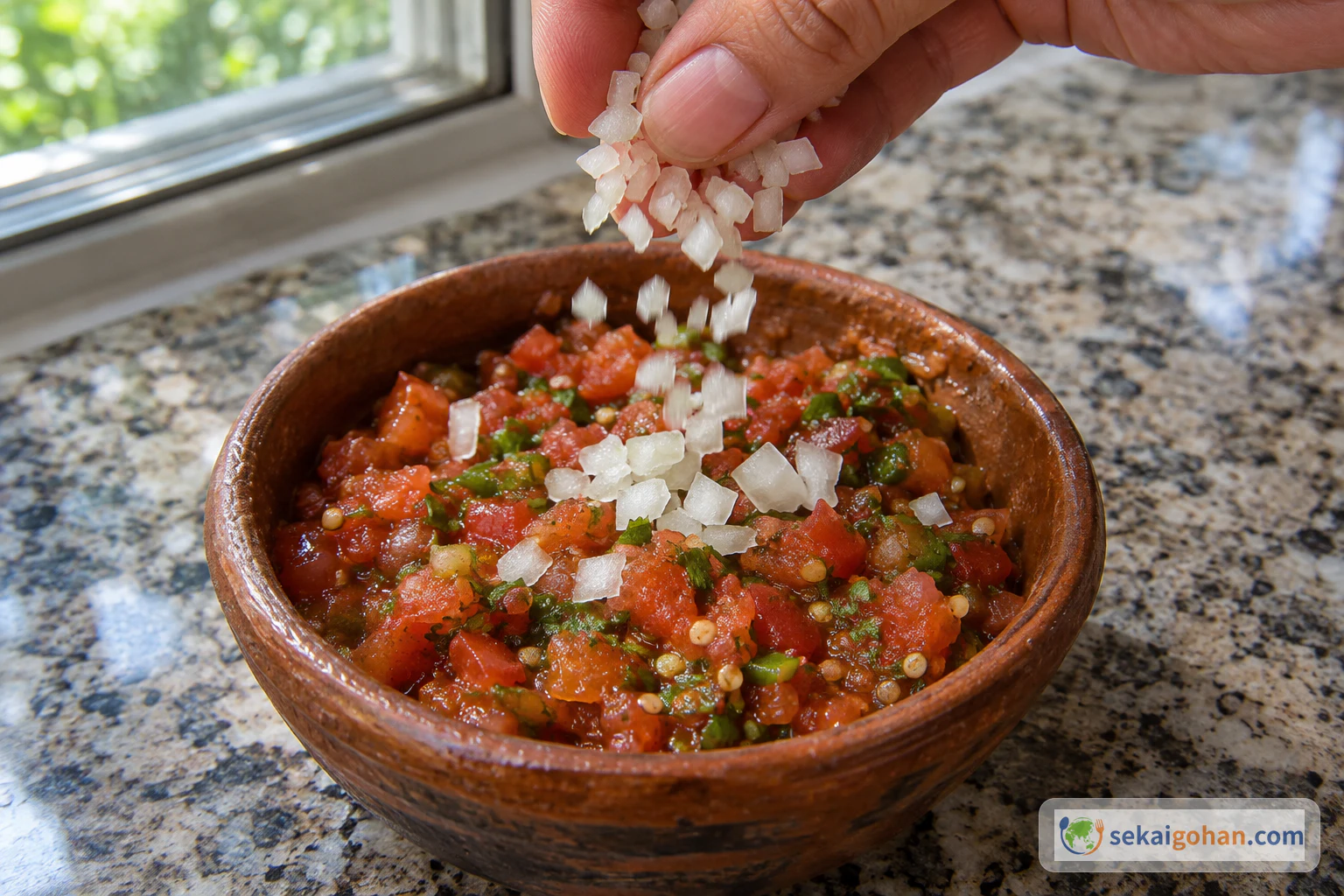
Lift the lid off the processor after a few short pulses and the smell reaches you first: cut green chili, crushed cilantro, and ripe tomato underneath. The mixture is red-orange and rough, flecked with green, wet but still in pieces. That bowl is llajwa, the raw hot sauce of Bolivia. It goes on the table at almost every lunch and dinner, and people spoon it over potatoes, soup and grilled meat. It tastes bright, hot and grassy, with the tomato's acidity holding the heat together.
From the Grinding Stone to the Blender
On every table
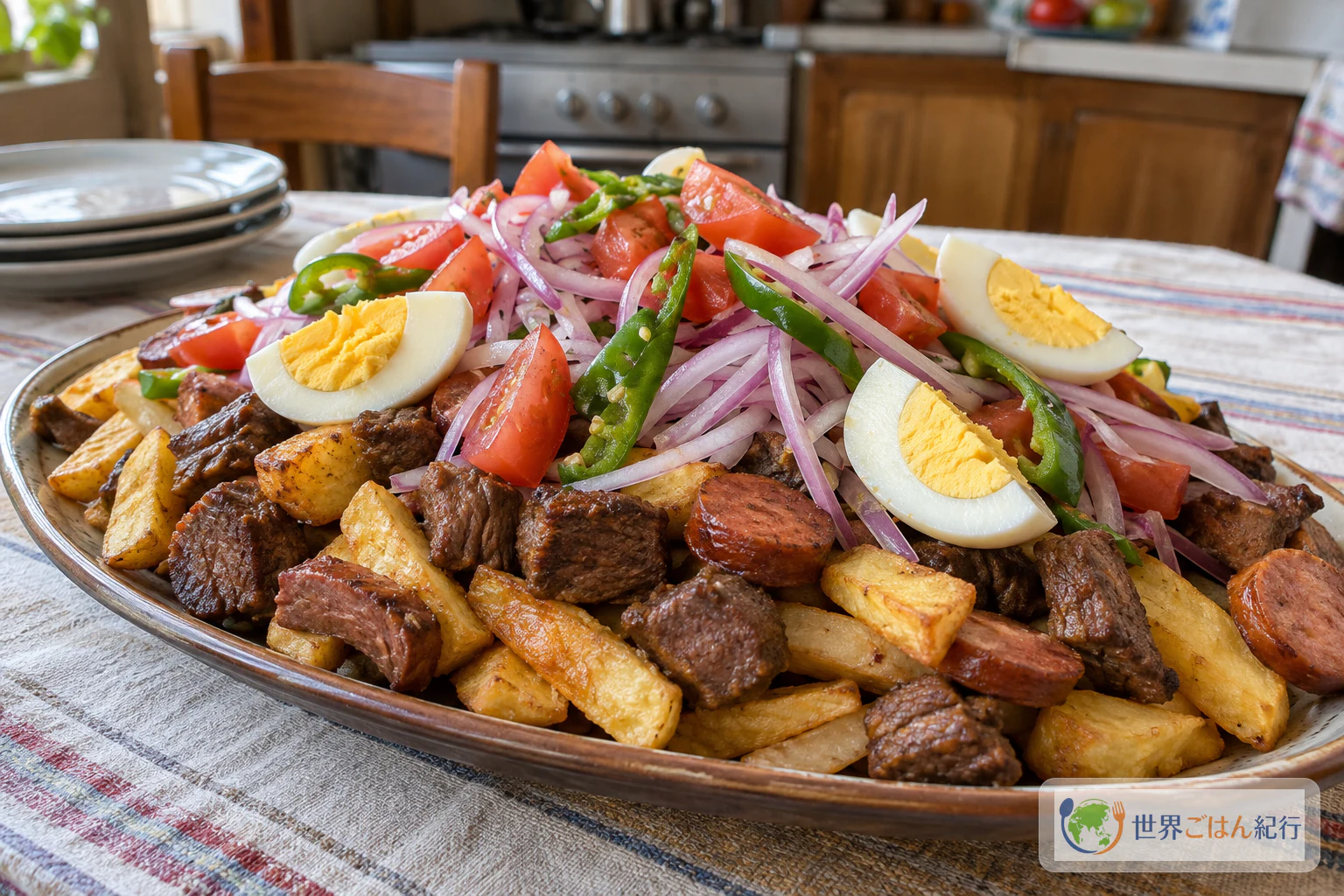
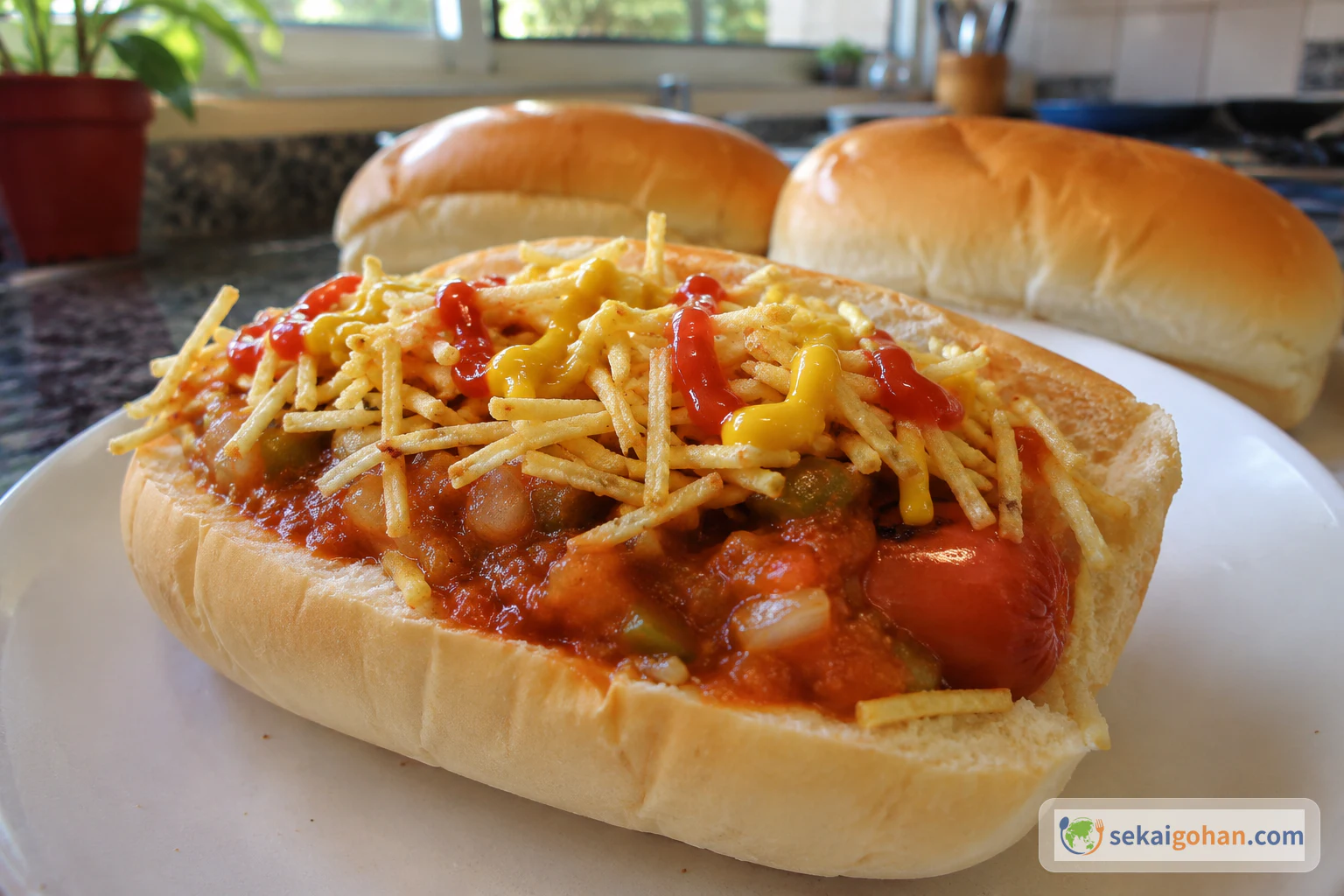
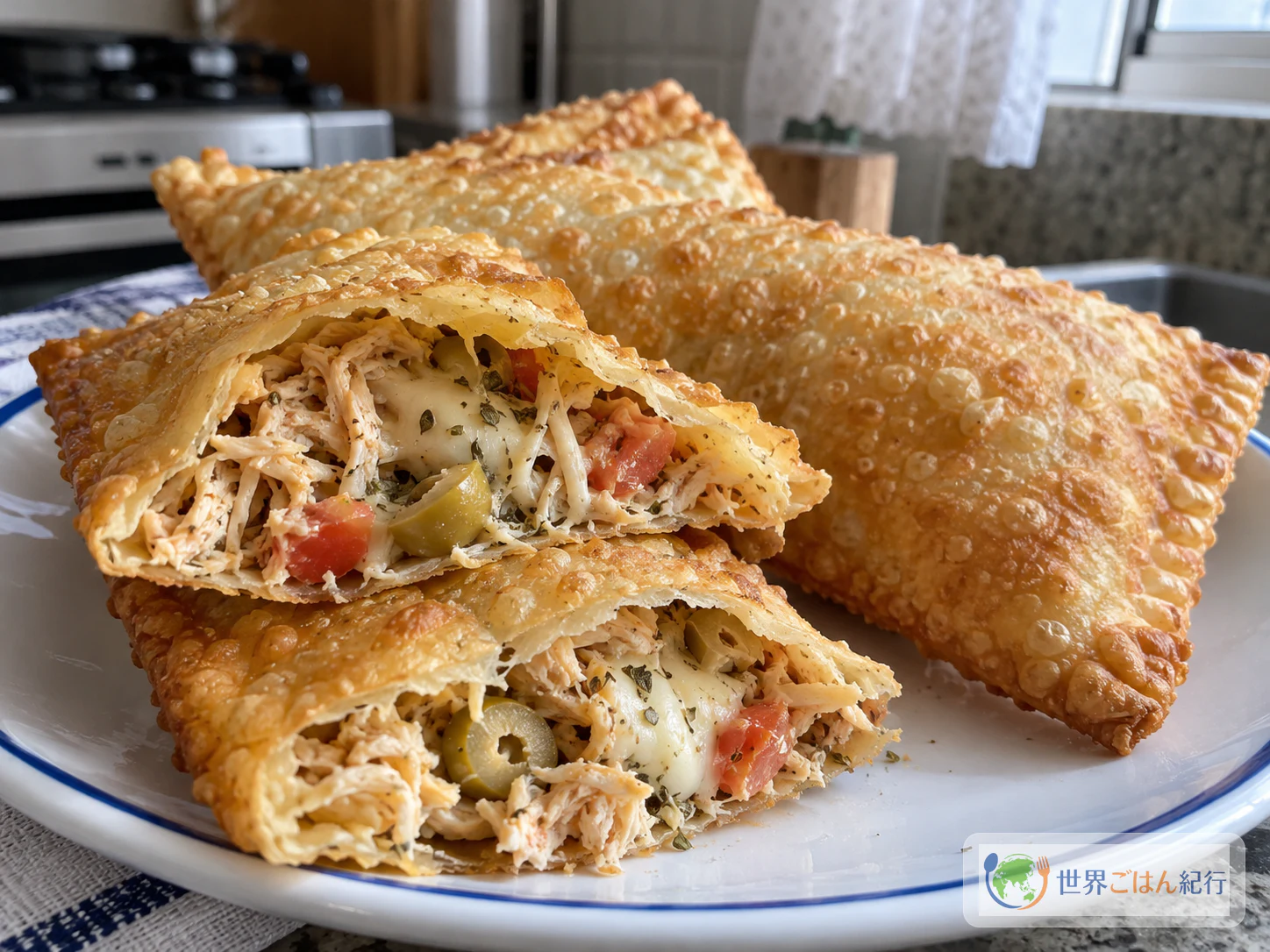
Llajwa sits on Bolivian tables wherever people eat, from street-stall burgers to upscale restaurants. At street stalls it is handed over in small bags to take away. People dip potatoes and bread in it and stir it into soup. It also goes alongside grilled meat and empanadas. It turns up at sajra hora, the mid-morning snack, next to potatoes, hominy and grilled gizzards. For more dishes from the same tables, see our Bolivia country page.
The sauce changes from region to region and from house to house, but tomato and chili are always there. The chili that matters most is locoto (Capsicum pubescens), the most popular chili in Bolivia. Its heat lingers on the tongue longer than you expect, and no wild relative of it has been found.
The stone and the herb
The traditional tool is the batán, a flat grinding stone. Many people treat it as essential to proper llajwa, and families pass their stones down through the generations. For the stone method, peel the tomato, take the seeds out of the locoto, and crush them on the stone with quillquiña. Then add salt and grind again. The stone leaves a coarser texture than a blender, and blenders are common in Bolivian kitchens today.
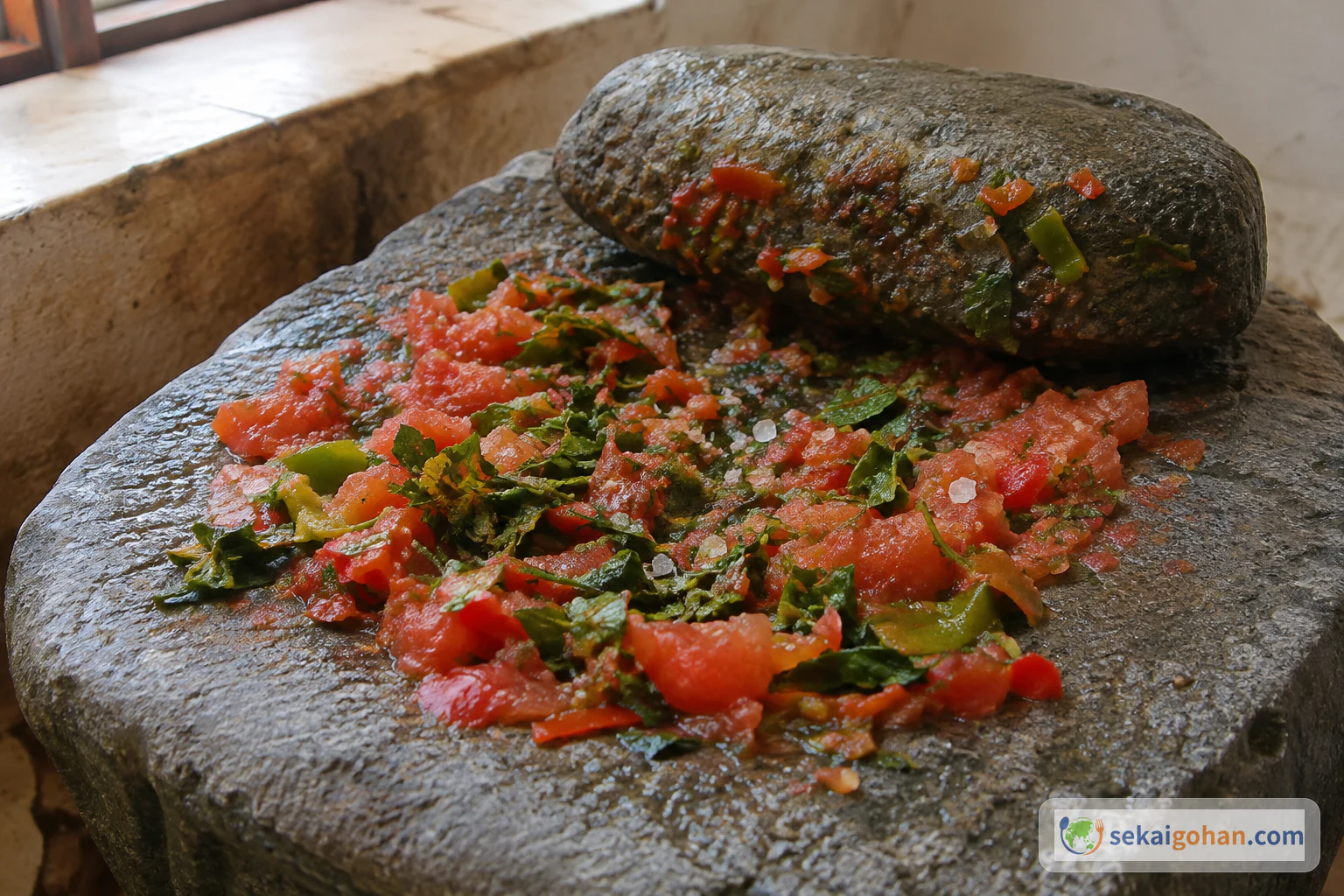
Quillquiña is a pungent native herb, sometimes called Bolivian coriander, and it is closely tied to Cochabamba. Other places use a different herb, wakataya (also spelled wacataya). Exactly where it belongs is not settled. It is linked to Sucre in Chuquisaca and also to the Altiplano and the valleys. In Cochabamba, some cooks add perejil, which is parsley.
Older forms and neighbours
Uchu llajwa, llajwa verde and llajwa normal are named as forms of the sauce from before Columbus. Onion appears in the classic llajwa of today, but it is an Old World crop and has no place in those older forms.
Across the border, in northern Argentina and in Chile, a related sauce goes by the name pebre. Llajwa is also eaten in northwest Argentina under its own name.
Ingredients (serves 4)
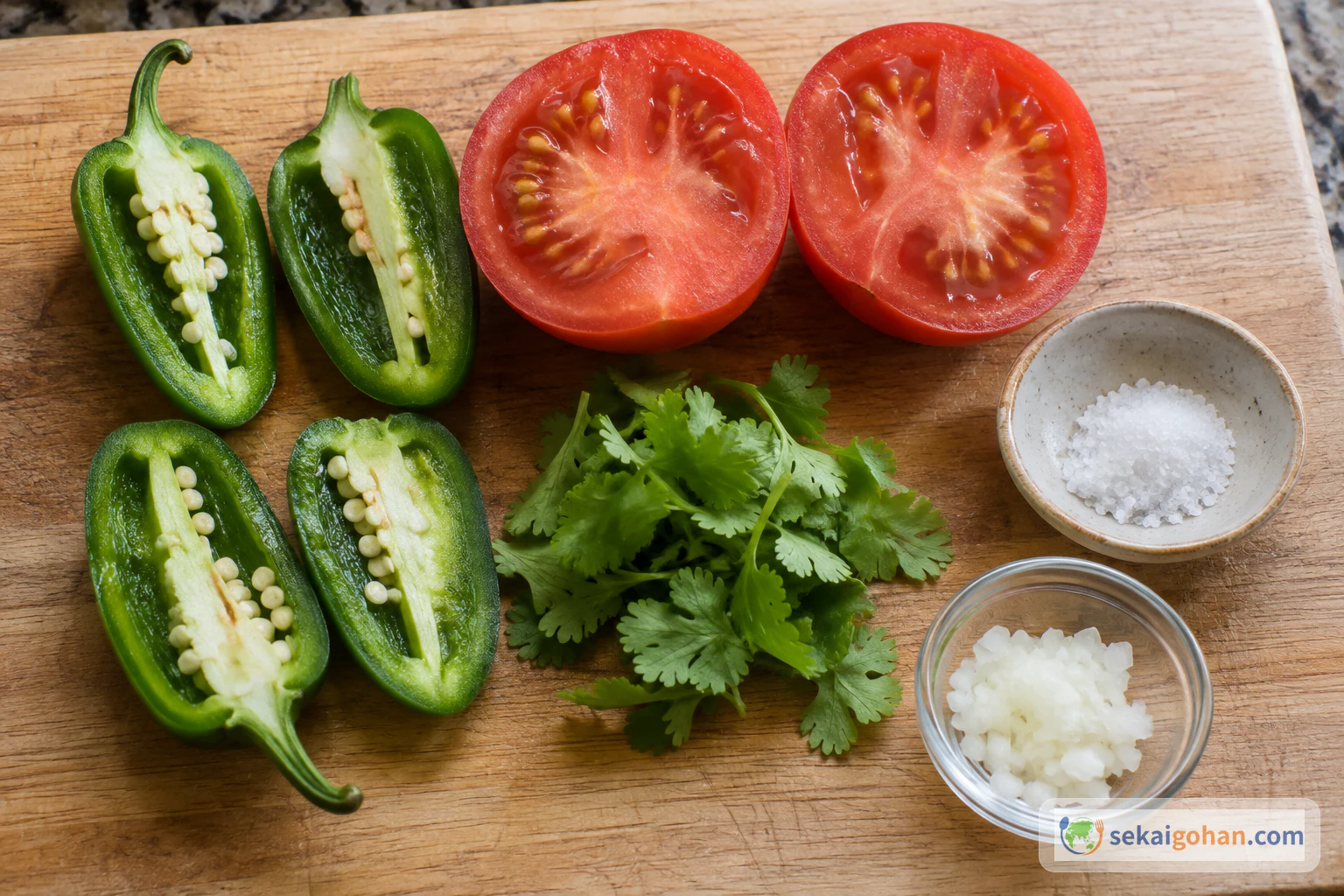
The tomato is the only thing softening the chili, so a fully red, heavy tomato makes the difference between a sauce that tastes rounded and one that tastes only hot.
None of these ingredients is a common major allergen. Anyone sensitive to tomato, chili peppers or cilantro should leave this sauce aside.
Equipment
- Cutting board and a sharp knife
- Small food processor or blender
- Small bowl for the tomato seeds
- Spoon for scraping seeds and stirring
- Disposable kitchen gloves
- Serving bowl
- Mortar and pestle (optional, for a stone-style texture)
Choosing and Substituting
Locoto is hard to find outside the Andes. Fresh jalapeño is the closest stand-in, but it is a different chili. The heat is cleaner and fades faster than locoto's long burn. If a Latin American grocer near you stocks fresh locoto, use it, deseeded, in place of the jalapeños.
Cilantro takes the place of quillquiña. It brings the green, herbal lift, but less of the pungent edge. Parsley moves the sauce toward the Cochabamba style that uses perejil. For the onion, use a sweet type like Vidalia or a white onion, chopped as finely as you can.
To keep the sauce tasting Bolivian, keep it raw and keep it coarse. Tomato and chili are fixed. The herb, the onion and the choice of tool are where households differ. A mortar and pestle stands in for the batán and gives a rougher crush than the processor.
Method
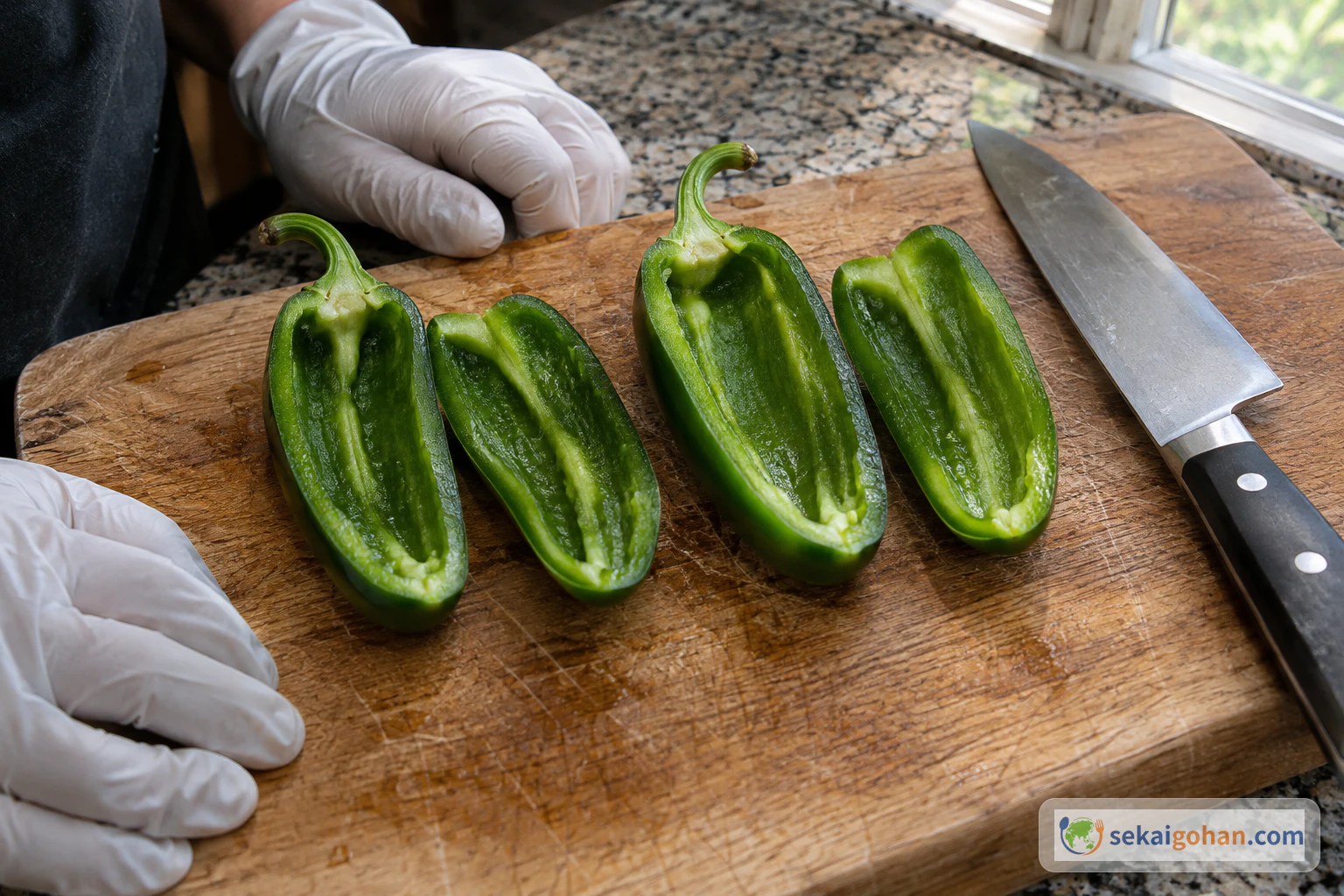
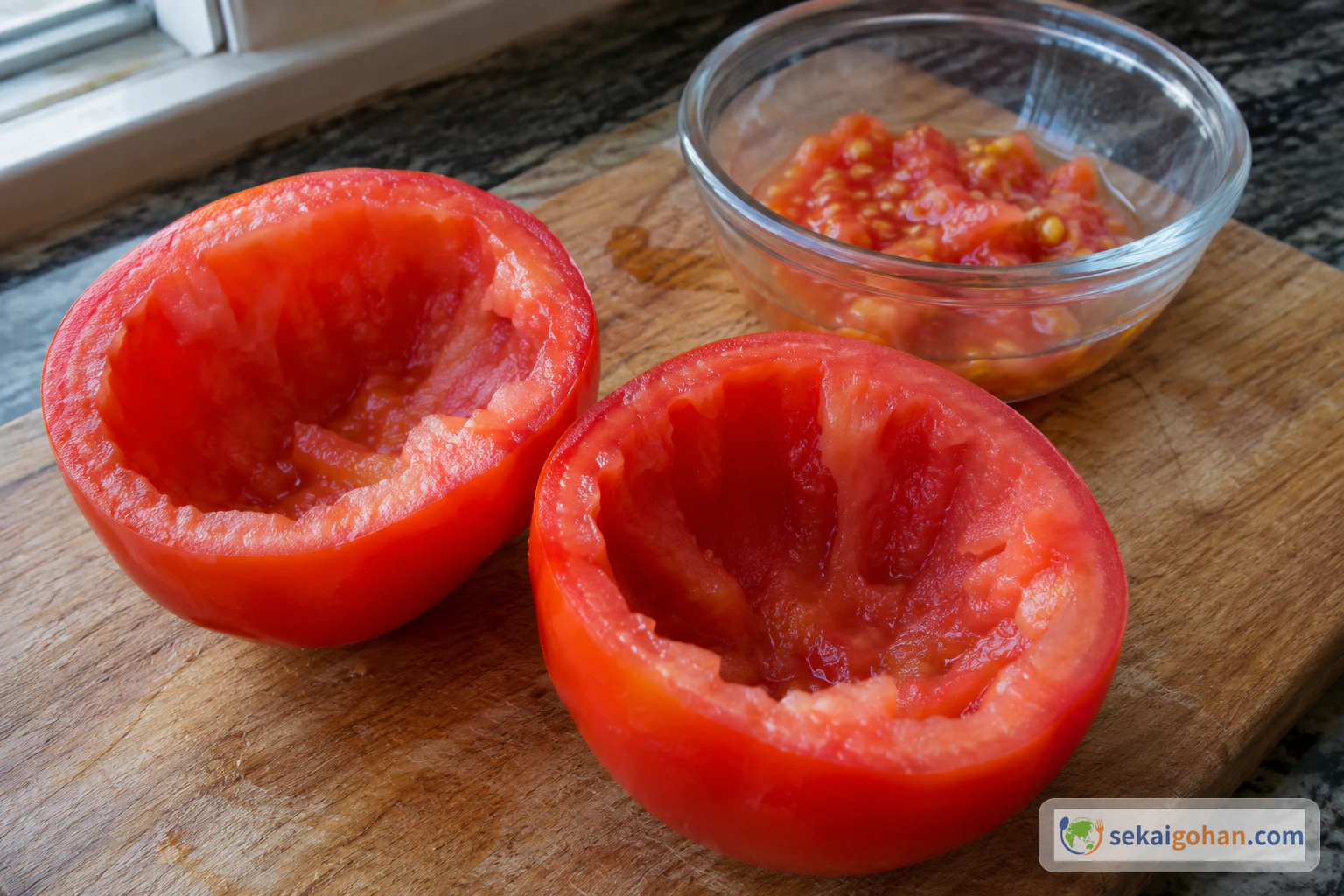
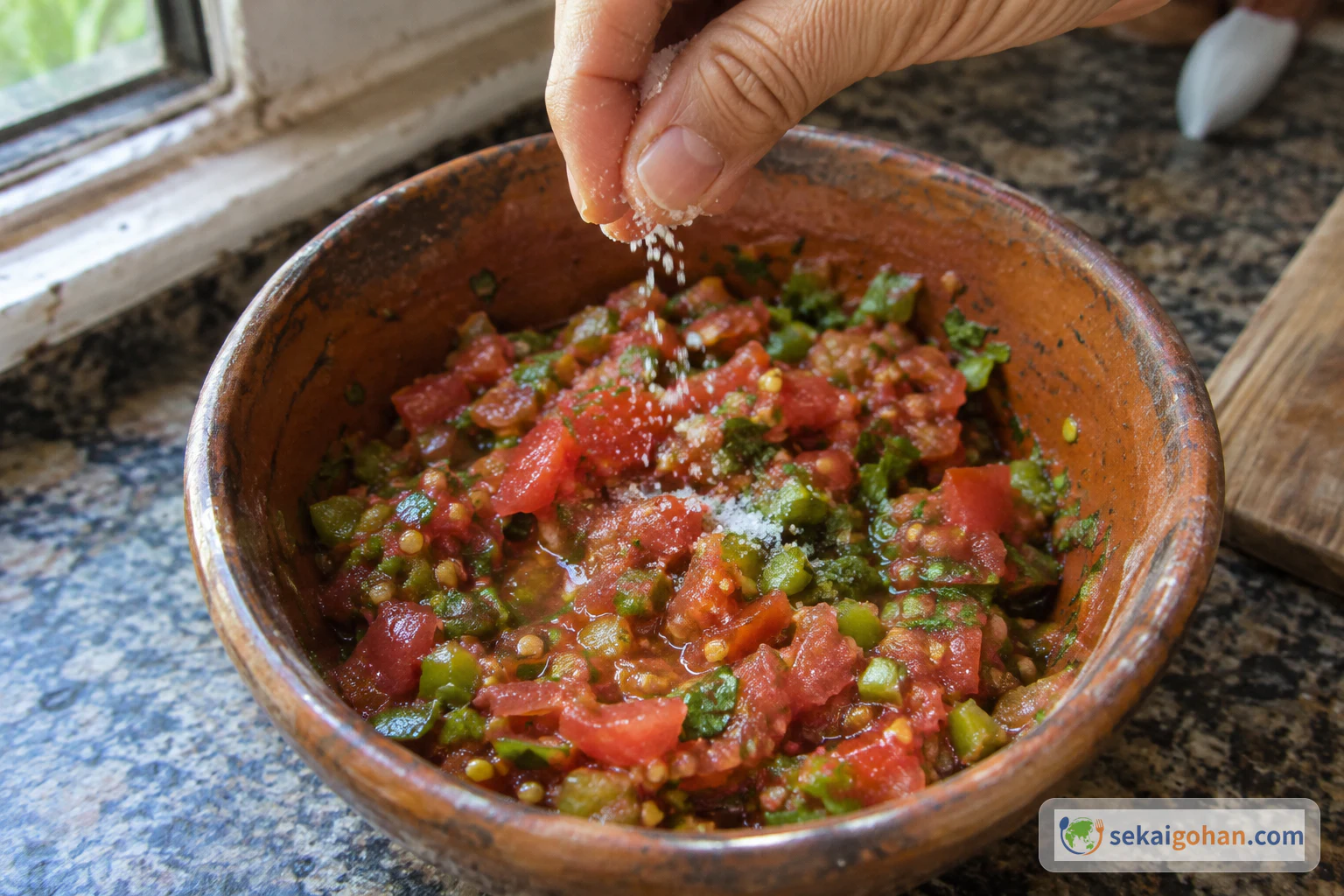
Prepare the chilies and the tomato first, and keep the tomato seeds aside in their own bowl. The processor work is a few seconds of pulsing. After that, you adjust the sauce by hand with the seeds and the salt. The whole job takes 10 minutes, and nothing goes near the heat.
When It Goes Wrong
| What you see | Why | What to do |
|---|---|---|
| Smooth, pink purée | Pulsed too long or ran the motor continuously | Use short bursts and check after each one. Coarse pieces are what you are aiming for |
| Thin and watery | The seeds and juice all went in at once | Add the seed juice gradually next time. For now, let the sauce sit and spoon it out with a slotted spoon |
| Too hot | The chili seeds stayed in | Stir in more chopped ripe tomato. Next time, scrape out the seeds |
| Tastes flat | Not enough salt | Add salt a pinch at a time and taste between pinches |
| Stinging eyes when you open the lid | Chili vapour inside the processor | Let the bowl sit a moment, then open it facing away |
Serving and Variations
At the table
Put a small bowl of llajwa out with boiled potatoes and bread for dipping. Spoon it into a bowl of soup, or serve it next to grilled meat, empanadas or a burger. For a mid-morning plate in the sajra hora style, serve it with potatoes and hominy.
Variations
- Batán or mortar style: Peel the tomato and crush everything by hand, then add salt and grind again. This gives a rougher, more uneven sauce than the processor.
- Red and green locoto: If you can find both colours, mix them. The more red you use, the milder the sauce.
- With onion: The classic finish for same-day eating. It adds sweetness and crunch, and it moves the sauce away from the older forms.
- Cochabamba with perejil: Add parsley along with the herb. This gives a greener, fresher sauce with less pungency.
Keeping it
Eat llajwa the day you make it. Put any leftovers in a covered container, refrigerate them promptly and finish them soon. Keep the onion out of any portion you plan to store.
Nothing in llajwa is cooked. Wash the vegetables and herbs well, work with clean hands and tools, and do not leave the bowl sitting out once the meal is over.
Frequently Asked Questions
Can I leave the cilantro out?
Yes. Some households make llajwa with no herb at all, because only the tomato and chili are fixed. Without the herb, the sauce is simpler and hotter-tasting, with nothing green to soften the edge of the chili.
Should I peel the tomato?
For the processor method, leave the skin on, because it breaks up with everything else. Peel the tomato when you crush by hand on a stone or in a mortar. Grinding does not break the skin down, and peeling is part of the traditional stone method.
How do I make it hotter without more seeds?
Use less tomato and more chili and herb. Each step in that direction makes the sauce hotter and greener. If you are using red and green locoto, use more green.