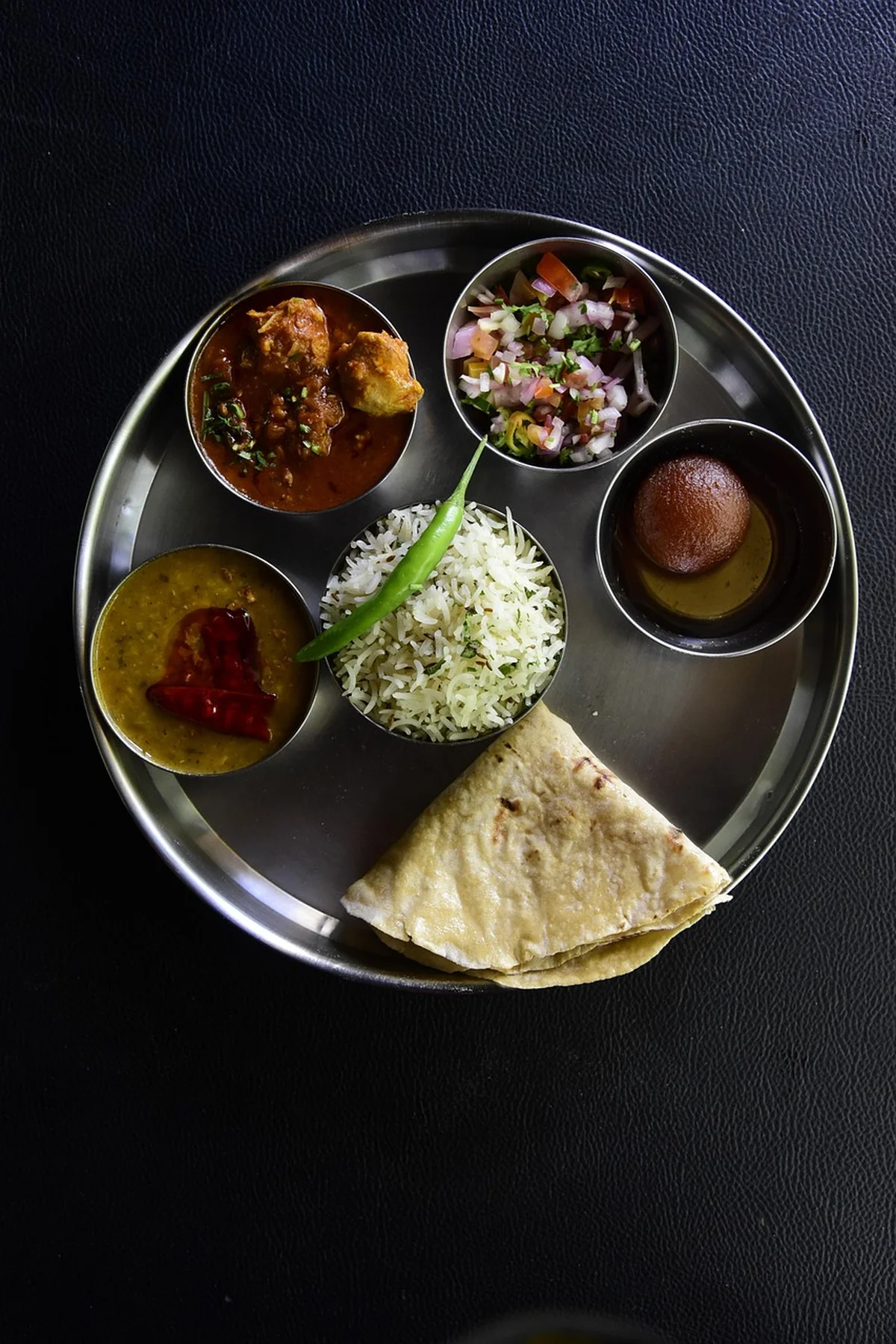
Indian Food Is Not "One Cuisine"
If you think "Indian food means curry," you know about 1% of it. India is a subcontinent of 28 states and 8 union territories, about nine times the size of Japan, and the food cultures that grew there differ strikingly by region, religion, and community.
The north centers on rich meat dishes shaped by the Mughal Empire, while the south leans on rice, lentils, and coconut, with a wealth of vegetarian meals. The east is represented by Bengali cooking, with its mustard oil and seafood, and the west by Goan food, which still carries traces of the Portuguese colonial era. In a 2021 Pew Research Center survey, about four in ten Indian adults (39%) described themselves as vegetarian (largely under the influence of Hinduism and Jainism), and the diets of everyone else vary with the rules of Islam, Buddhism, and Christianity.
This article draws on English-language food scholarship and local sources to lay out the whole picture of Indian cuisine by region and by dish. Its aim is to convey what the Indian table is actually like, information that is hard to come by elsewhere.
Regional Characteristics: North, South, East, and West Are Different Countries
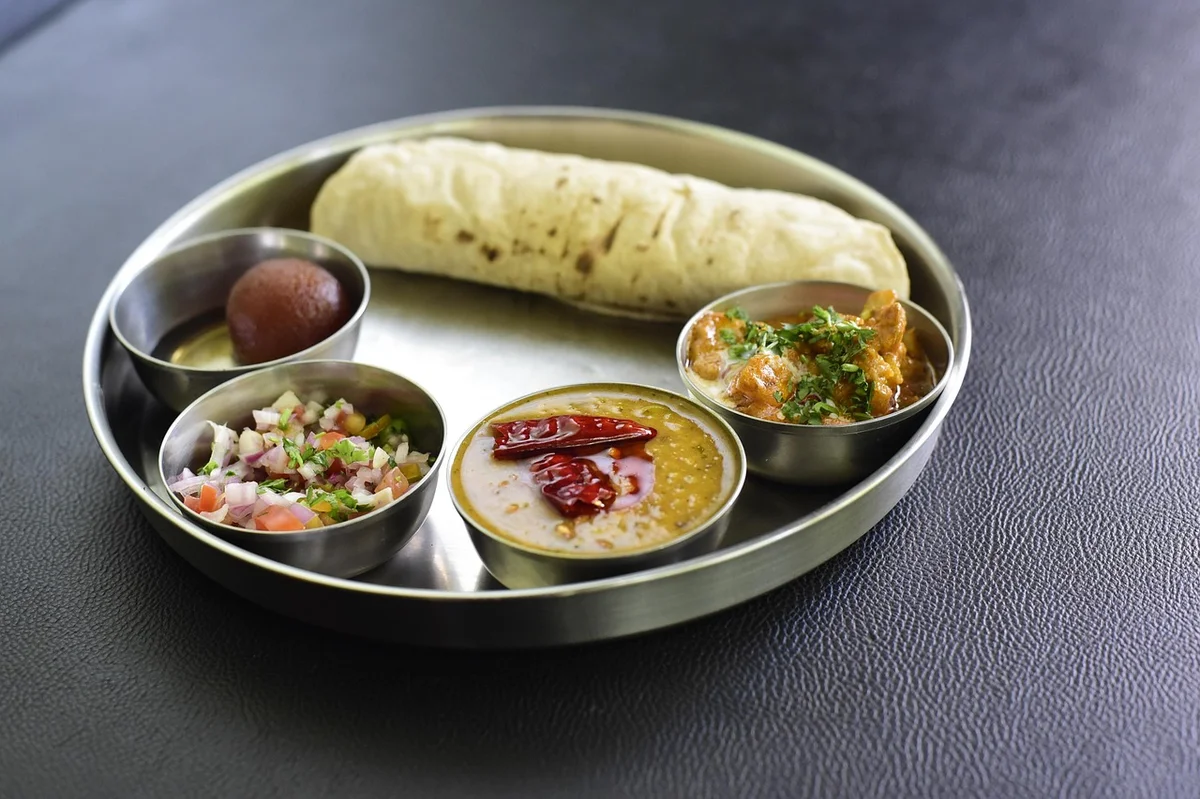
Divide India into north, south, east, and west and each region has its own food culture. Even under the single label "Indian food," a North Indian table and a South Indian table differ as much as Japanese and Korean food do. Compared with the diversity of Southeast Asian cooking (in Japanese), the size of regional differences becomes clear.
Indian food differs in staples, cooking methods, and spices across the north, south, east, and west. Please reset the assumption that "Indian food = curry" before you read on.
North India: Rich Flavors Shaped by the Mughal Empire
The Mughal Empire, which flourished from the 16th to the 19th century, is essential to any talk of North Indian cooking. With the inflow of Persian and Mongol culture, a lavish court cuisine developed that used saffron, nuts, and ghee (clarified butter) without restraint. Many of the dishes best known abroad today, such as tandoori chicken, butter chicken (murgh makhani), and biryani, belong to this North Indian cooking.
The staples are wheat breads such as naan, chapati, and paratha. This is the biggest difference from the south. People in North India eat bread at everyday meals and use rice for special dishes like biryani and pulao.
Seasoning is built on garam masala (a blend of cinnamon, clove, cardamom, cumin, pepper, and more), and rich gravies made with yogurt and cream are characteristic. North India itself divides further into Punjabi, Kashmiri, and the Awadhi cooking of Lucknow, among others.
South India: Lighter Food Woven from Rice and Spices
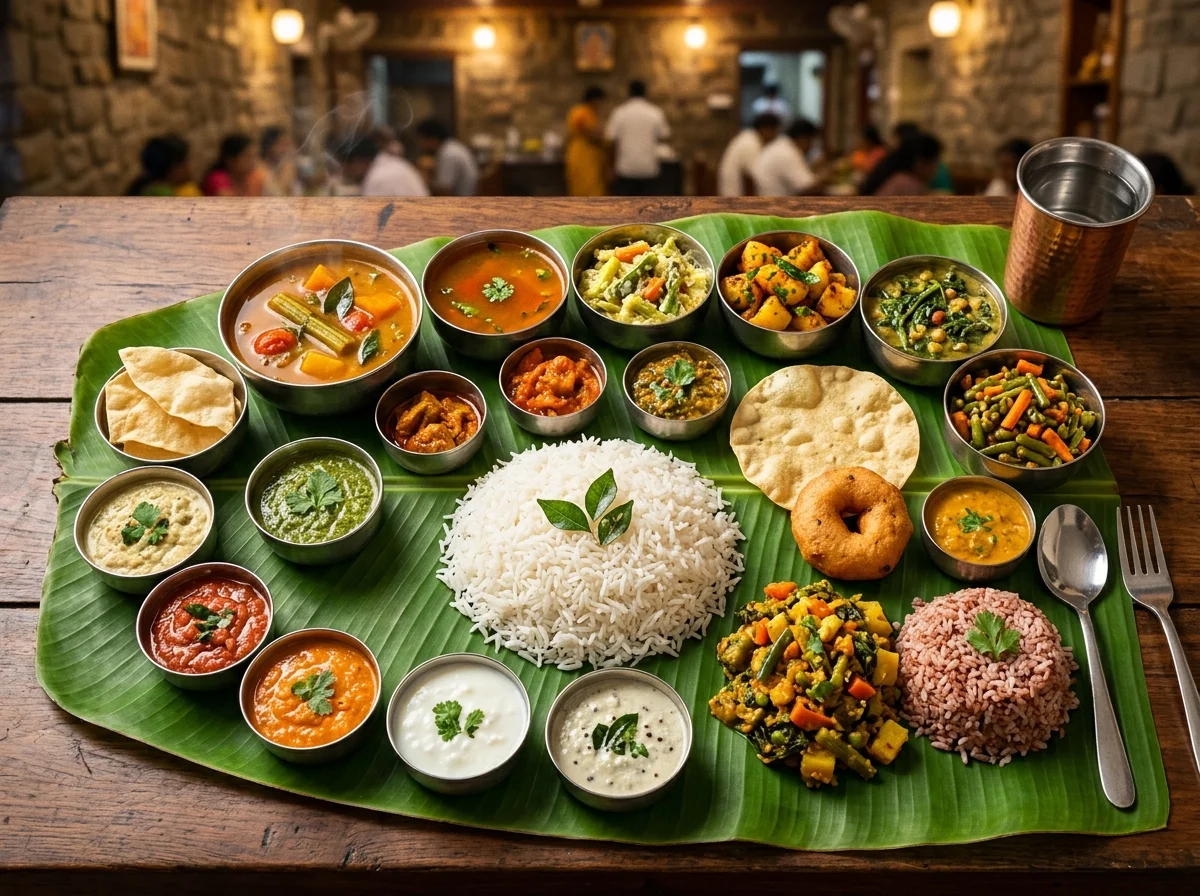
On the South Indian table, rice is the star. The everyday meal is sambar (a lentil soup) and rasam (a spicy tomato soup) served on a banana leaf with several kinds of curry alongside. If you want to try Kerala's use of coconut at home, look at avial (in Japanese), which binds vegetables in a white sauce, and you will see a lightness unlike North India's thick gravies.
Less fat is used than in the north, and sourness comes from tamarind and tomato rather than yogurt and nuts. A characteristic technique is tempering, in which mustard seeds and curry leaves go into hot oil, and the aroma of curry leaves is almost a symbol of South Indian cooking.
Dosa (a crepe of rice and lentil flour) and idli (steamed rice cakes) are known across the country as South Indian breakfasts, eaten with chutney and sambar. Cooking styles divide further among Kerala, Tamil Nadu, Karnataka, and Telangana.
East India: Fish and Mustard Oil in Bengali Cooking
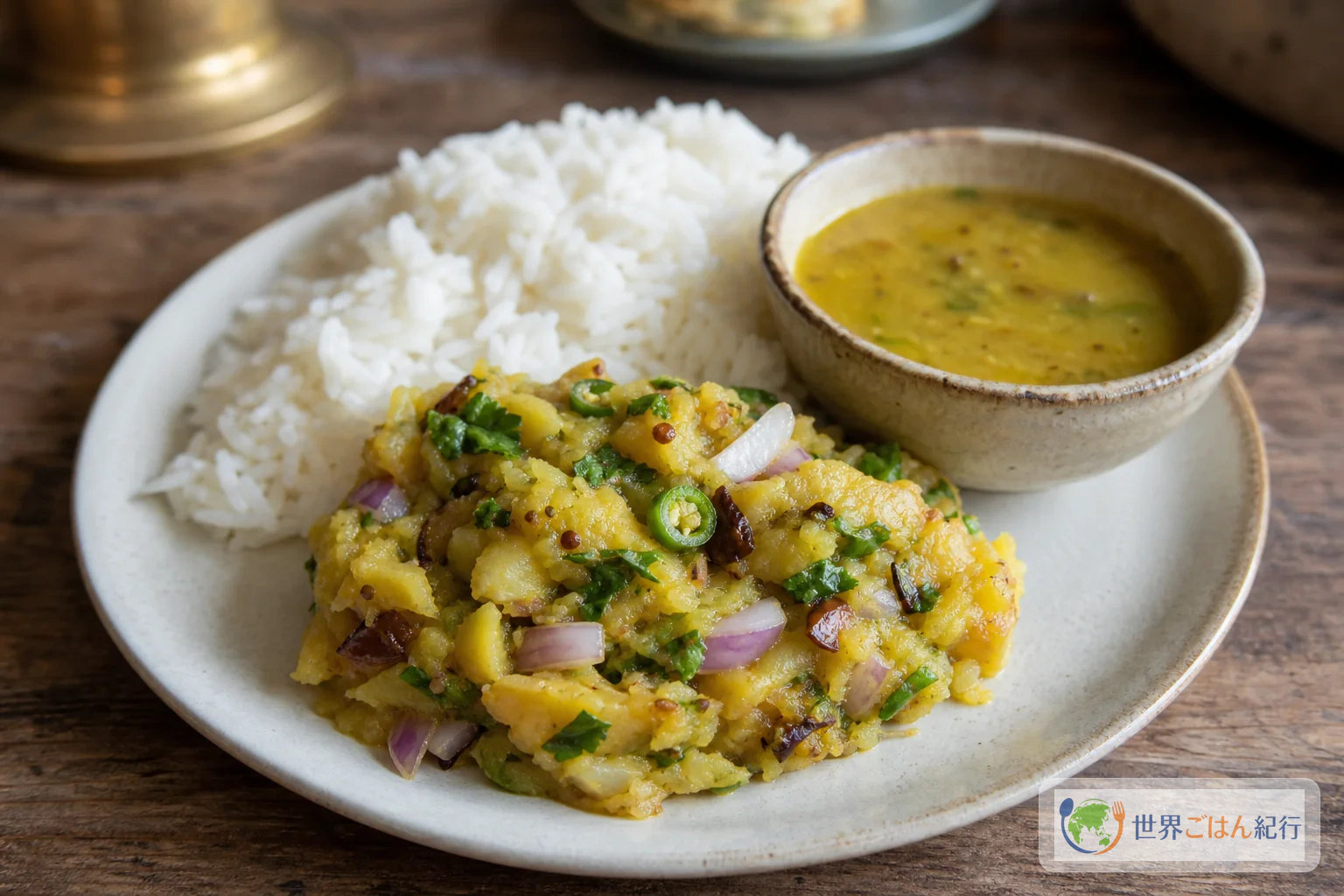
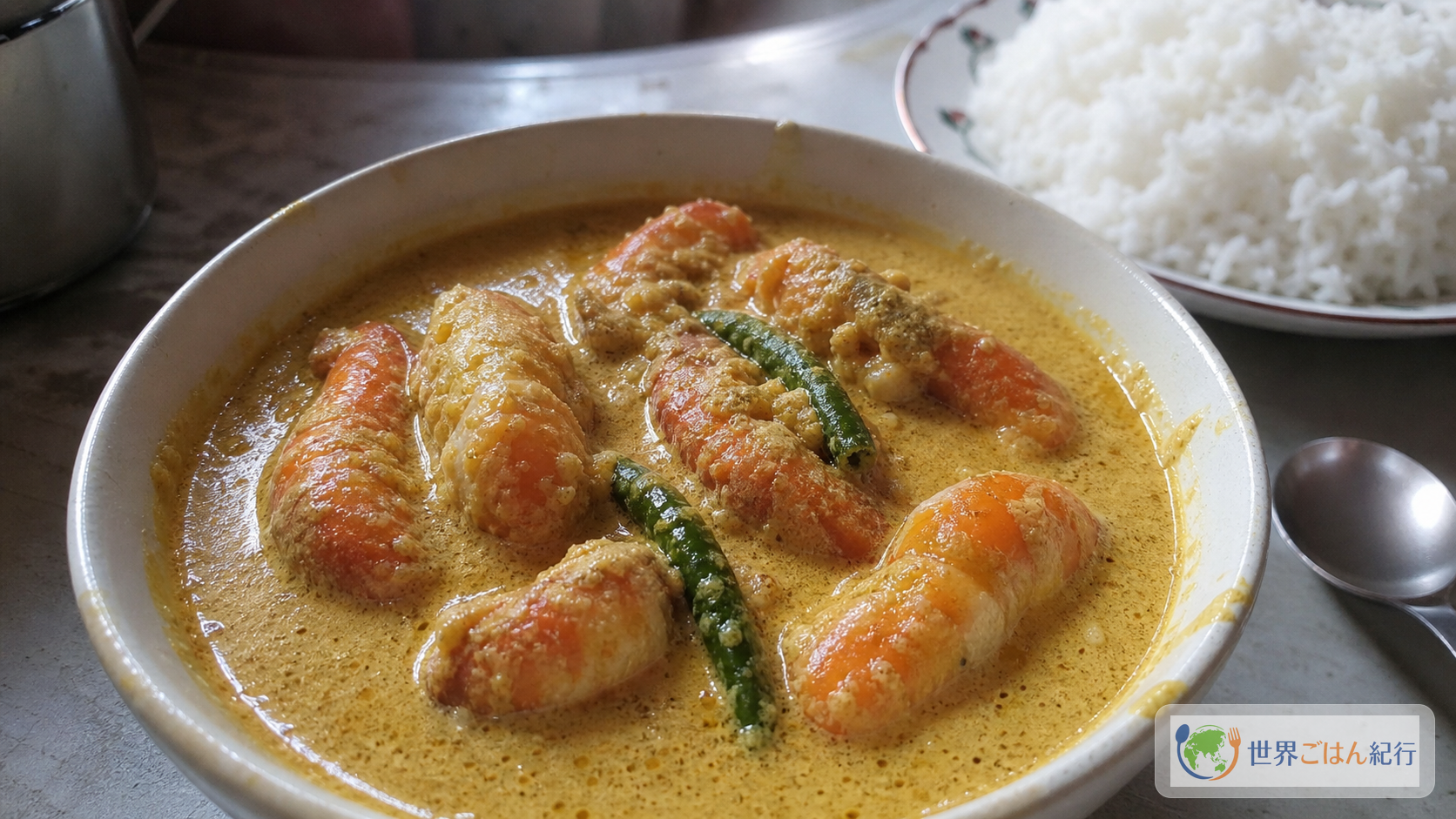
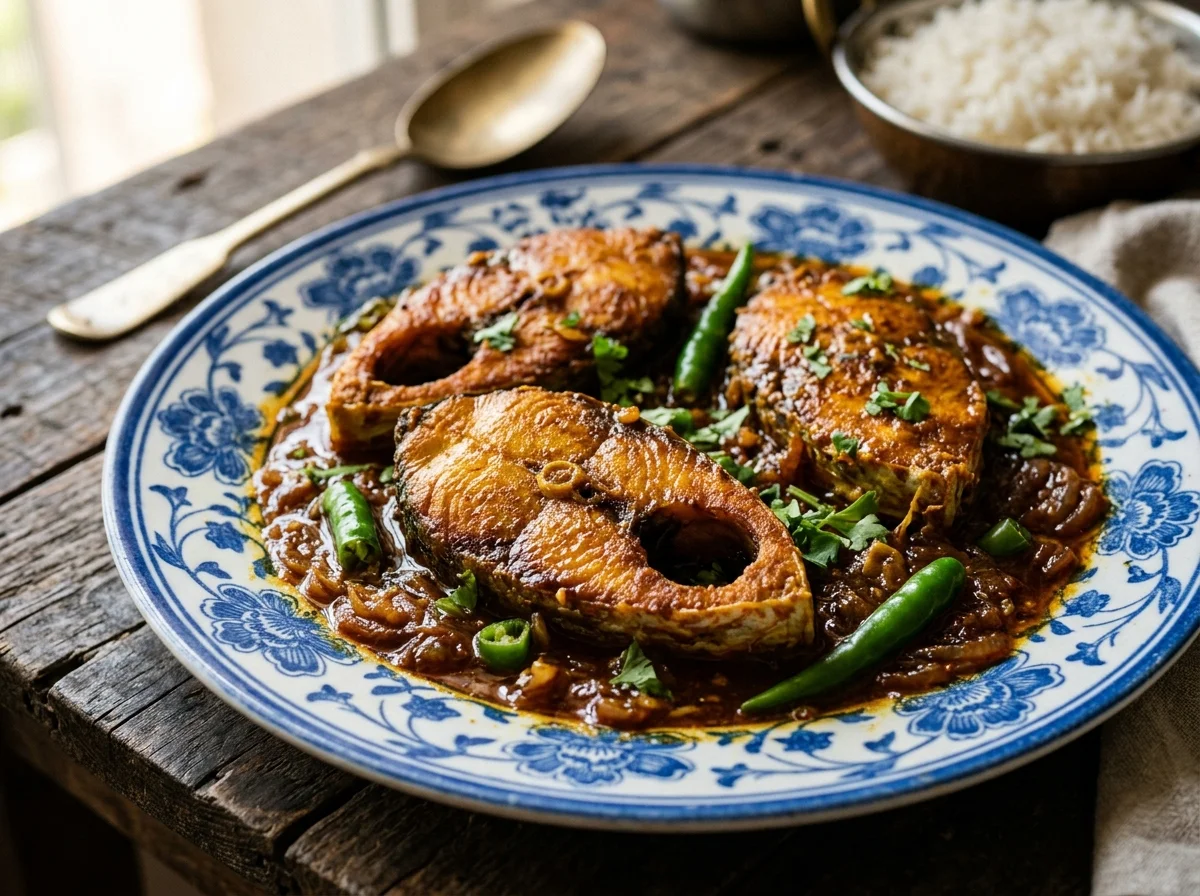
The food of East India, centered on West Bengal and Bangladesh, is built around fish dishes, thanks to rivers and sea. Shorshe maach (fish in mustard paste), cooked in mustard oil, is an emblematic Bengali dish, with a strong flavor and a distinctive sharp finish.
One feature of East Indian food is its multi-course dining culture. Serving dishes in a set order from starters to sweets is described as "the only traditional multi-course region on the Indian subcontinent" (from Wikipedia's Indian cuisine article).
East India also stands out for its desserts. Rasgulla (cheese balls in syrup) and sandesh (sweet cheese confections) are the region's signature sweets and are popular all over India.
West India: Goan Food and Gujarat's Vegetarian Culture
West India is more diverse still. Gujarat is the heartland of vegetarianism, with bean and vegetable dishes that balance sweet and spicy.
Goa, meanwhile, carries strong marks of the Portuguese colonial era (1510–1961). Portuguese cooking with vinegar, wine, and pork combined with local spices to produce vindaloo (a sour pork curry). Vindaloo spread to British curry houses and became known as a byword for a very hot curry.
Indian Spices: Why So Complex?
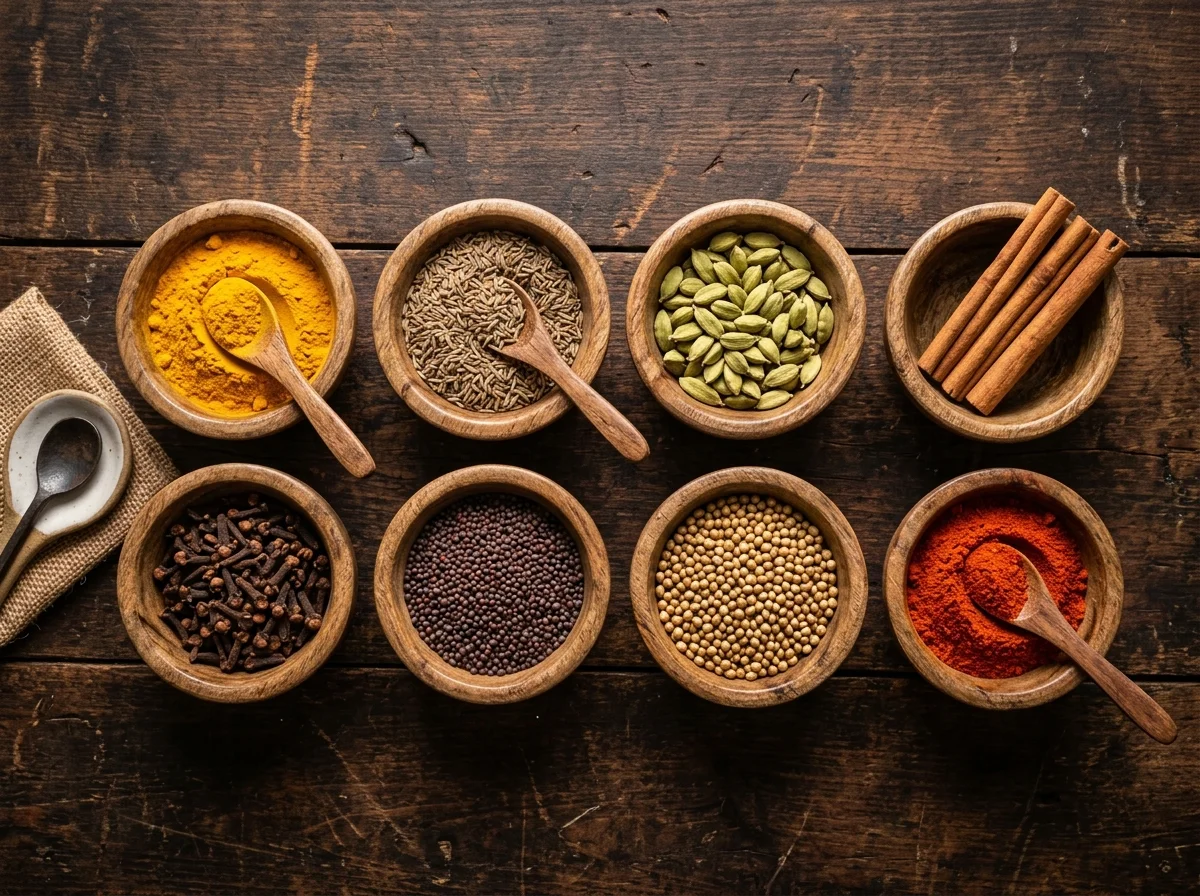
Any talk about Indian food has to include spices. But to see them only as a "source of heat" misses the point. In Indian cooking, spices also scent, color, adjust texture, and even serve medicinal purposes (from an Ayurvedic view), as well as providing heat.
- Aroma: cumin, coriander, cardamom, star anise, and others
- Heat: chili pepper (introduced by the Portuguese in the 16th century), black pepper (used since antiquity)
- Color: turmeric (yellow), paprika (red), saffron (orange to yellow)
- Body and depth of flavor: cashew nuts, poppy seeds, fried onion
What Is Garam Masala?
"Garam masala" is the most versatile blended spice in Indian cooking. "Garam" is Hindi for "warm" (warming the body), and "masala" refers to a spice blend.
A basic garam masala contains black cardamom, cinnamon, clove, cumin, black pepper, coriander seed, and star anise, but the blend varies by region and household. In India, every family has its own "grandmother's secret garam masala." Ready-made garam masala is sold, but cooks in India toast and grind fresh spices themselves.
Six Basic Spices to Stock
If you narrow your pantry to six basic spices, you can make many Indian dishes.
Turmeric is the basis of color and flavor. Cumin is the foundation of aroma in stir-fried dishes. Coriander seed has a mild citrus scent. Chili pepper adjusts the heat. Garam masala finishes a dish with aroma. Cardamom is used in desserts and rice dishes. With these six you can cover everything from chicken curry to dal (lentil curry) and samosas.
20 Dishes Worth Knowing
Staples: Breads and Rice Dishes
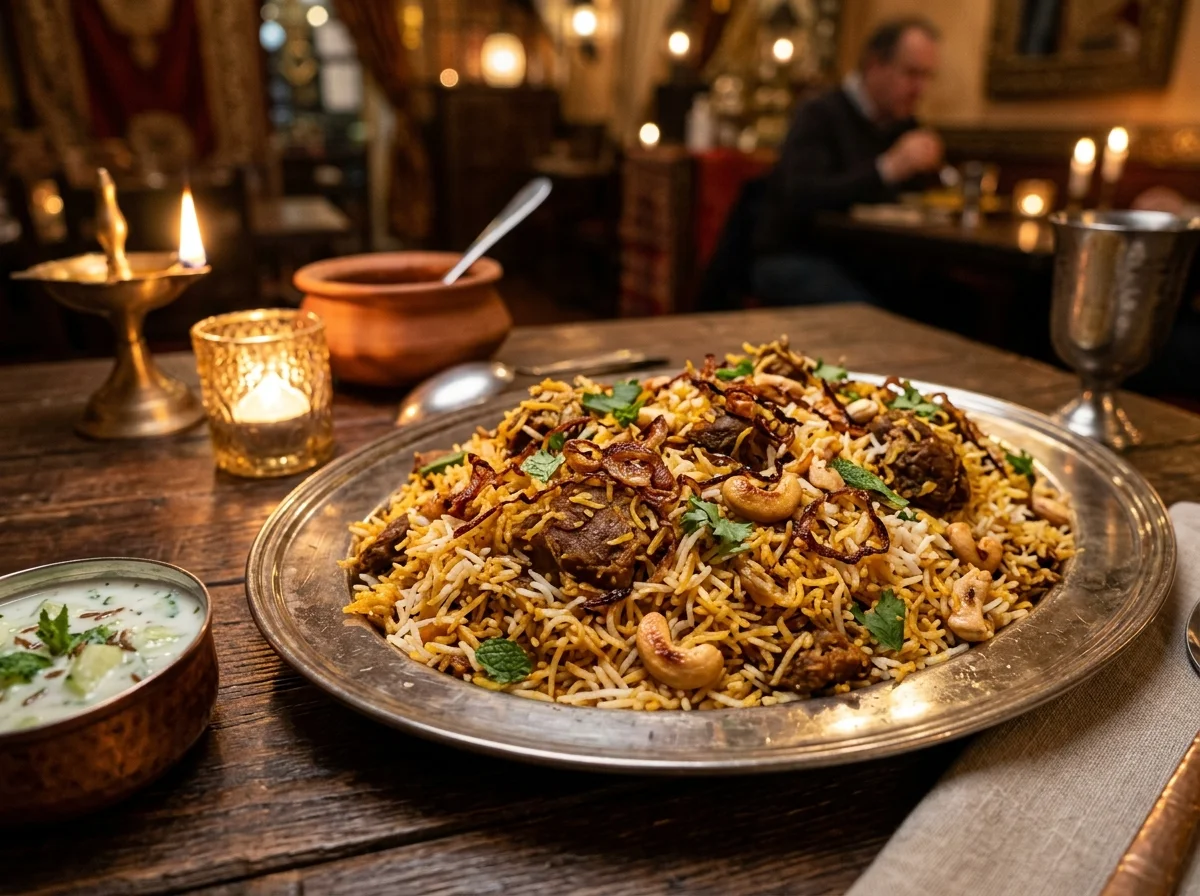
Biryani: A mixed rice dish essential to celebrations and birthdays. Meat, vegetables, spices, and rice are layered and steamed in a sealed pot. There are many regional variations, such as Hyderabadi and Kolkata styles. It is among the most labor- and time-intensive of Indian dishes. See also the biryani recipe.
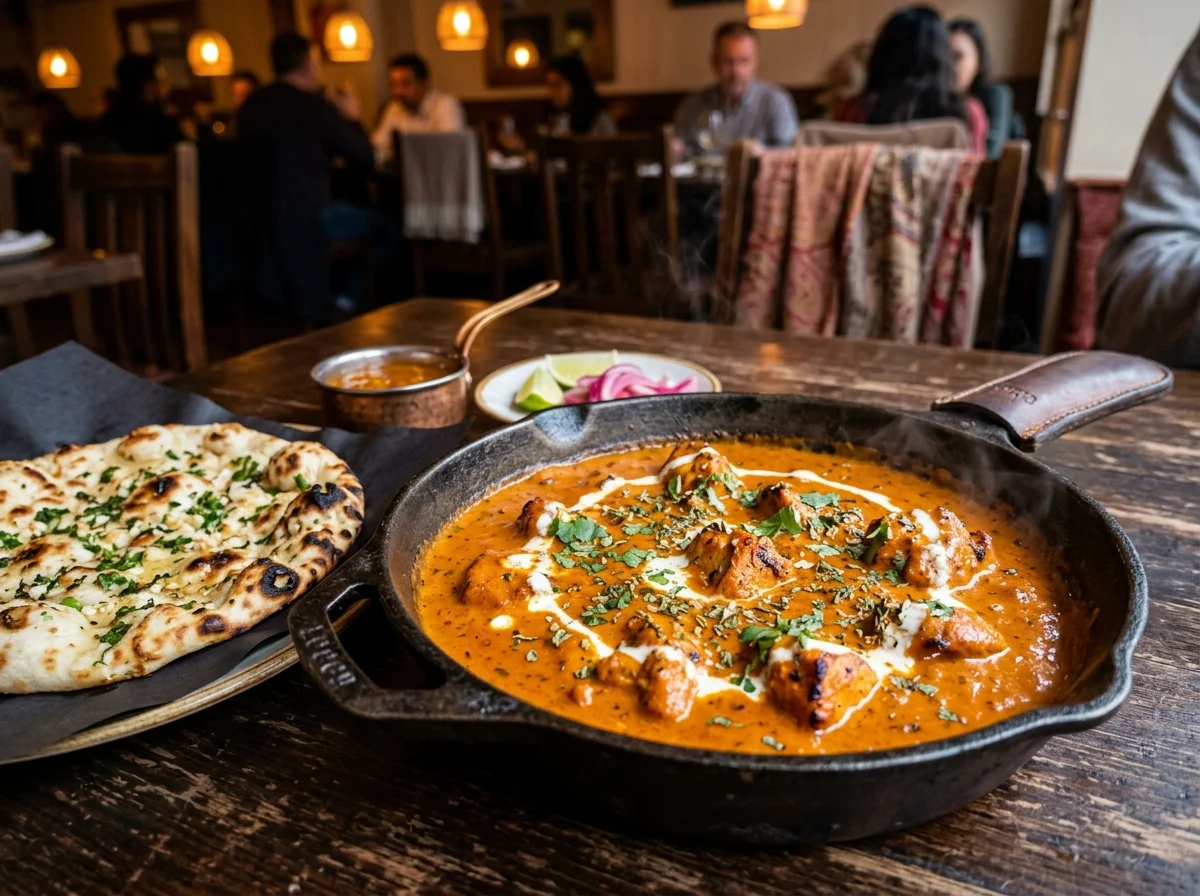
Naan: Bread dough of wheat flour and yogurt baked in a tandoor oven. It is known for a fluffy texture and light char. It developed as a North Indian court dish and is not eaten everywhere in India.
Chapati (roti): A simple thin flatbread of whole wheat flour. It is an everyday North Indian food, cooked on a griddle (tawa) with little oil, and used to scoop up curry and dal.
Puri: A puffed bread of fried wheat dough. It is often eaten at festivals and for breakfast. Fresh from the oil it is not limp but crisp outside and hollow inside.
Paratha: A layered bread made by folding wheat dough and brushing it with butter as it cooks. Aloo paratha, stuffed with potato, is especially popular.
Curries and Gravies
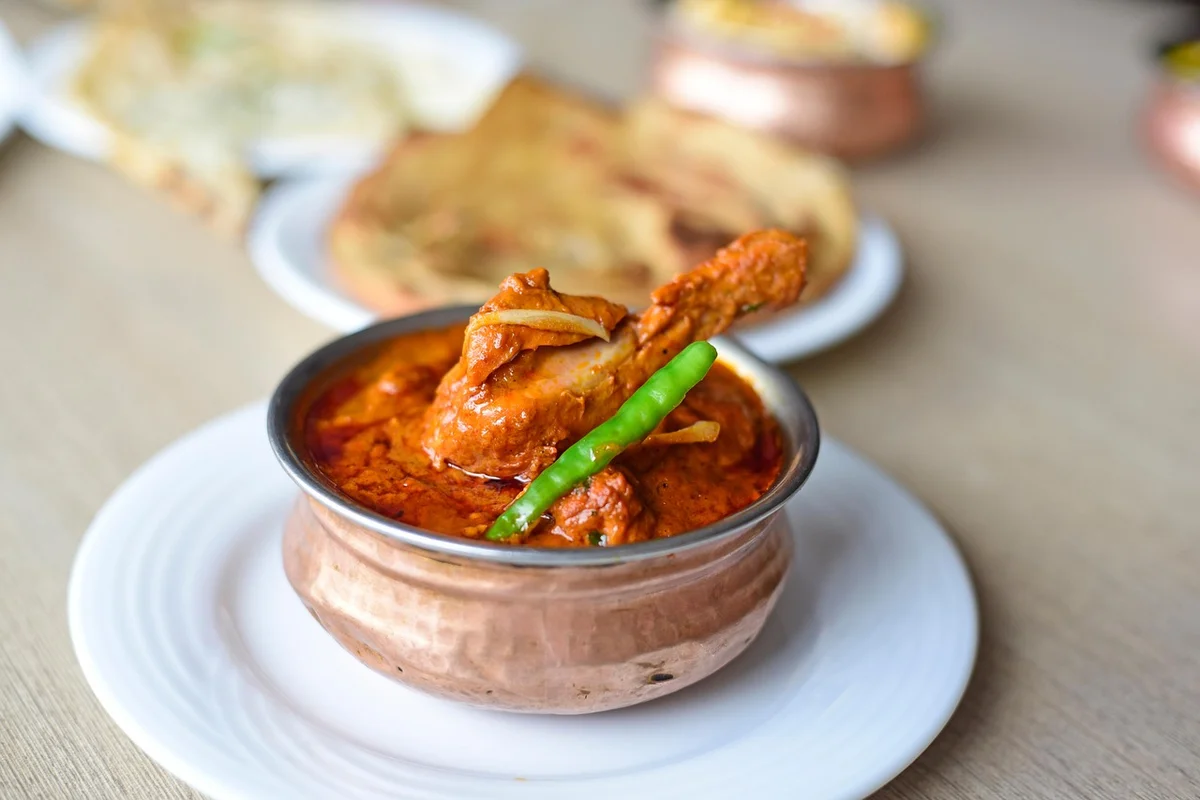
Butter chicken (murgh makhani): A modern curry said to have been born in Delhi in the 1950s. It uses butter and cream freely and simmers tandoori chicken in a tomato-based sauce. It is one of the best-known Indian curries abroad. Together with Middle Eastern kebab, it is a leading example of a grilled-meat-and-sauce dish that has spread worldwide.
Chicken tikka masala: Chicken marinated in yogurt and spices, grilled, and finished in a masala sauce. It became hugely popular in Britain and is sometimes called "Britain's national dish."
Dal makhani: Black lentils (urad dal) simmered until creamy with butter and cream. The longer it simmers, the deeper the flavor. It is a standard Indian dish that works for vegetarians. Like Middle Eastern hummus (in Japanese), puréed bean dishes are household staples in every food culture.
Palak paneer: A curry of spinach purée with paneer (Indian fresh cheese). The green curry is visually striking and rich in flavor.
Sambar: A staple South Indian soup of tamarind and lentils. The balance of sour and spicy is superb, and it is eaten with dosa and idli. It appears on every South Indian table.
Snacks and Light Dishes
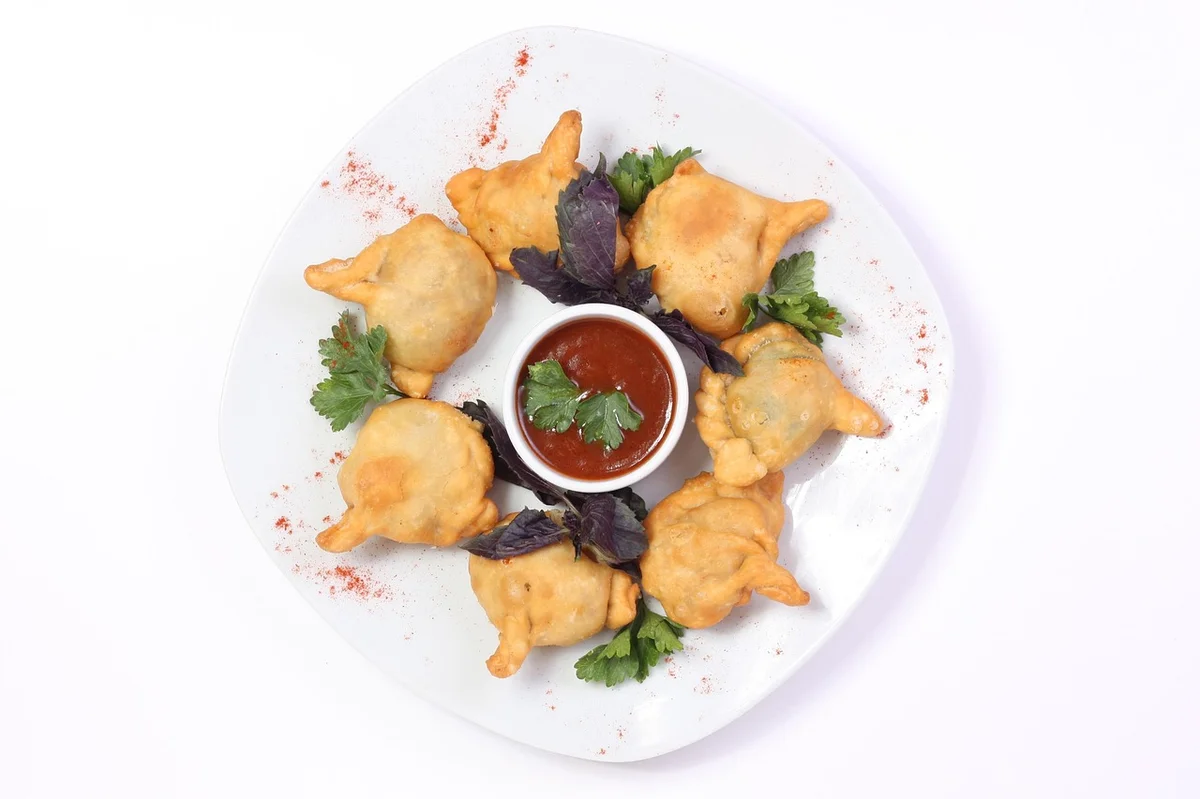
Samosa: A triangular snack of spicy potato or meat filling wrapped in wheat dough and fried. It is one of the most popular street foods in India and a standard appetizer at Indian restaurants around the world. Alongside falafel (in Japanese) and nasi goreng (in Japanese), it is a leading example of street food recognized worldwide.
Chaat: A general name for snacks that mix various vegetables, chutneys, and spices. There are many kinds, including pani puri (thin crisps filled with spiced water), batata puri, and dahi puri. It is a symbol of India's street food culture.
Pakora: Vegetables or meat coated in besan (chickpea flour) batter and fried. Onion pakora and spinach pakora are the standards. It is customary to eat them with chai in the monsoon season.
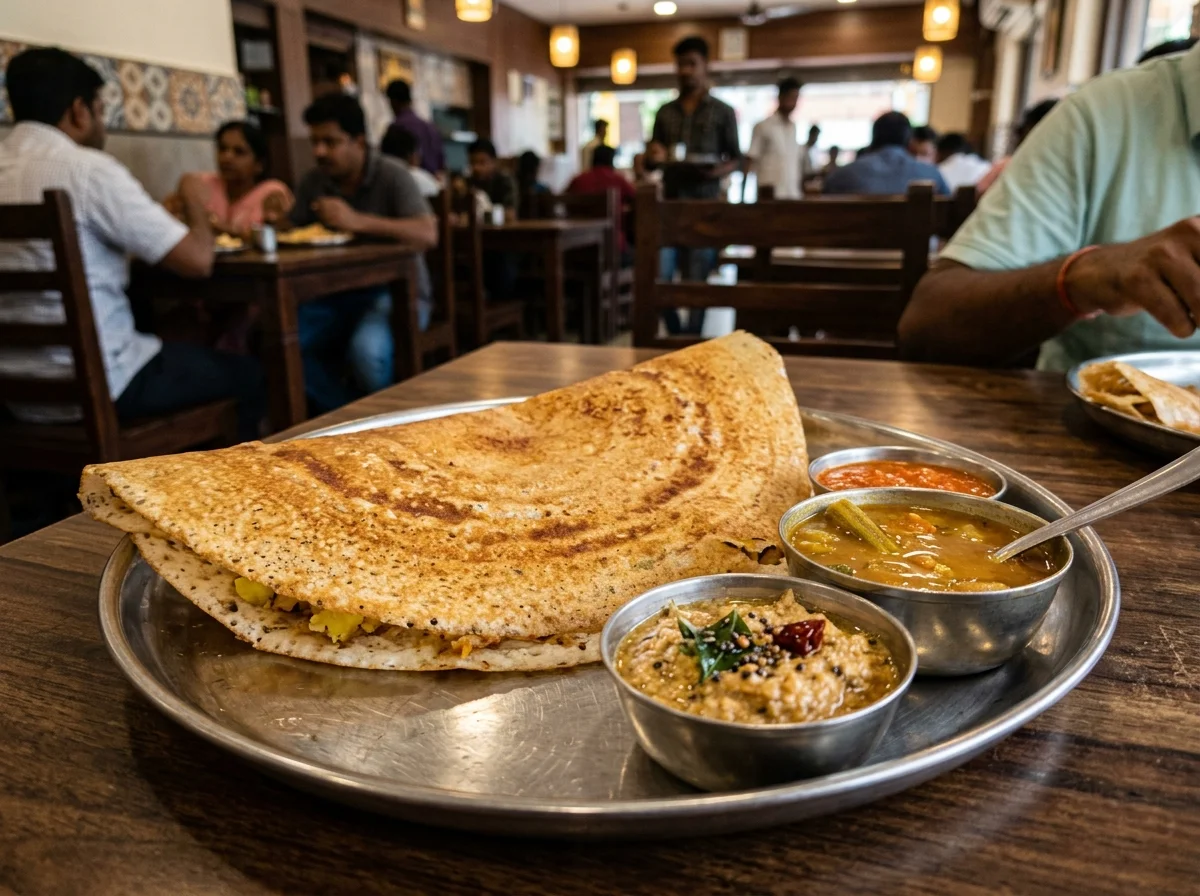
Dosa: A crepe baked thin from a batter of rice and urad dal fermented overnight. Crisp outside, chewy inside. Masala dosa, filled with spiced stir-fried potato, is the famous version.
Desserts and Sweets
Rasgulla: Small balls of chhena (curdled milk cheese) cooked in syrup. Both West Bengal and Odisha claim to be its birthplace, and it is a signature sweet of East India.
Gulab jamun: Fried balls of flour and milk powder soaked in syrup. A dessert that always appears at Indian festivals and weddings. It is often called "the Indian doughnut."
Kulfi: Indian ice cream made by slowly reducing milk and freezing it. It is often flavored with pistachio, mango, or saffron. It is denser and richer than Western ice cream.
Chai: Sweet milk tea simmered with spices and milk. Strictly speaking it is not a dish, but it cannot be separated from Indian daily life. Ginger, cardamom, cinnamon, and clove are the basic combination, and every household has its own recipe.
Religion and Food: What Indian Cuisine Does Not Include
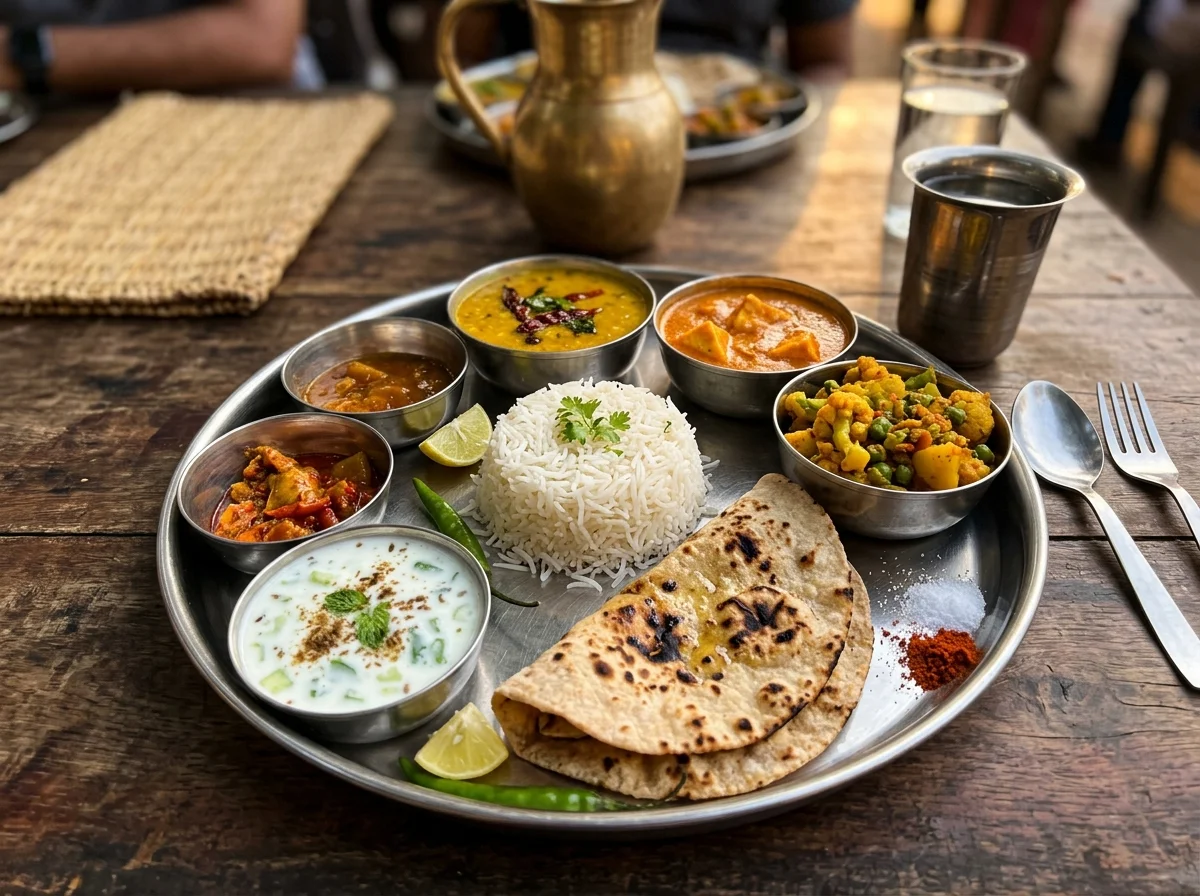
To understand the diversity of Indian food, you cannot avoid the influence of religion. Even at the same Indian restaurant, what can be served and what cannot varies with religion.
Hinduism: Cattle are sacred and eating them is forbidden, so beef is basically not used. Ideas that support vegetarianism are also strong, and one survey found about four in ten adults call themselves vegetarian (with large regional differences).
Islam: Pork and pork-derived foods are forbidden (halal rules). Beef is permitted, and in the Muslim-majority areas of North India mutton and beef are widely used.
Jainism: Out of respect for the life of all living things, many practice a strict vegetarianism that excludes not only meat and seafood but also root vegetables (potatoes, onions, carrots, garlic).
Sikhism: Sikhs have their own rule (jhatka) against eating meat prepared by halal (Islamic) methods.
When ordering vegetarian dishes at an Indian restaurant, the distinction between "Veg" and "Non-Veg" is very important in India. For religious reasons, some people do not allow the same cooking utensils to be used, so strict vegetarians should check in advance.
History: Spices That Redrew the World Map
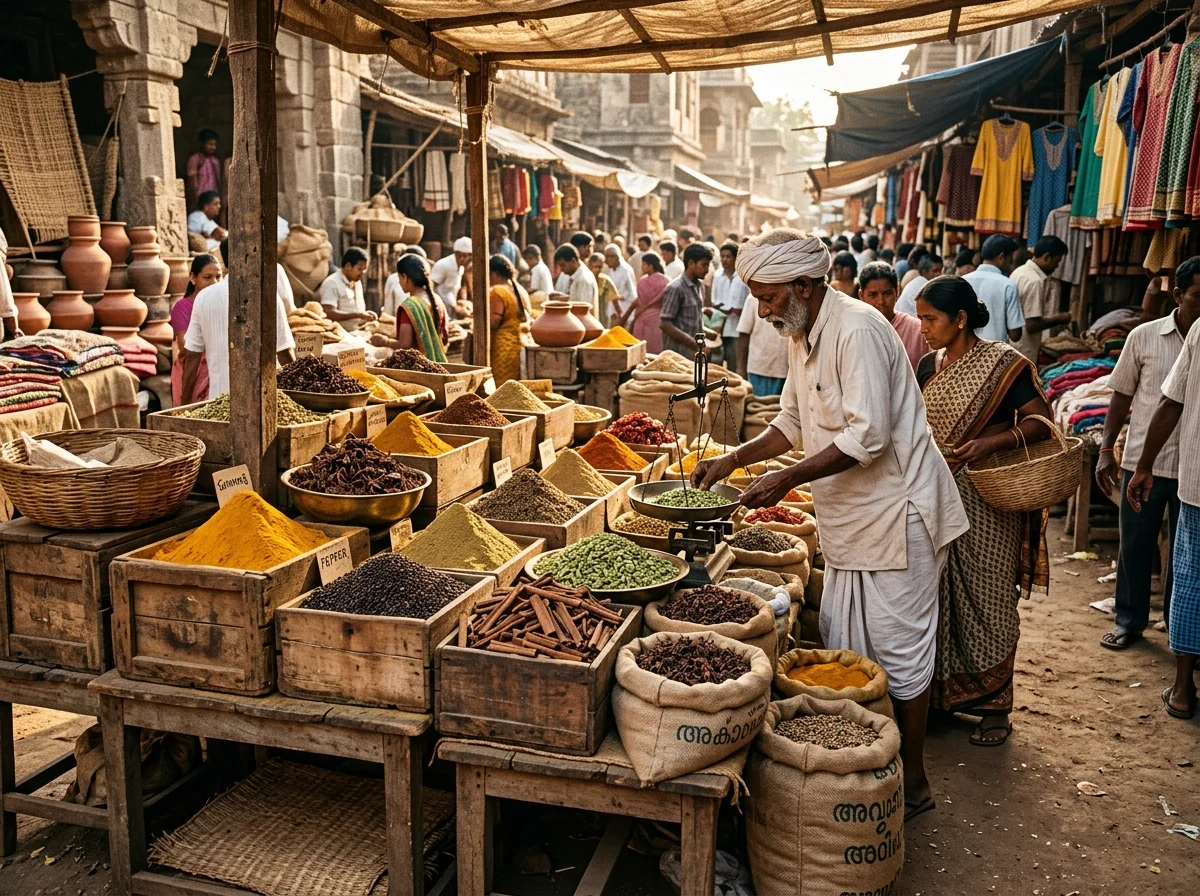
The history of Indian food overlaps with the history of human agriculture. Some studies report traces of cooking with ginger, turmeric, and eggplant in the remains of the Indus civilization (which flourished from around 2600 BCE).
India has long been known as a source of sugarcane, pepper, and more, and spread them westward through trade. The arrival of Islamic powers from the 10th–13th centuries, together with Persian and Central Asian influence, brought fruits such as apricots, melons, and peaches and complex gravy dishes. The court cuisine of the Mughal Empire (16th–19th century) was the pinnacle of the fusion of Central Asian and Indian cooking.
The arrival of the Portuguese in the 16th century was one of the most important turning points in food history. The chili peppers, tomatoes, and potatoes the Portuguese brought became essential to Indian cooking from then on. It surprises many people that the chili that gives Indian food its heat did not in fact exist before the 16th century.
The biggest motive of Europe's Age of Discovery (15th–17th centuries) was in fact to secure spice trade routes to India. Columbus's westward voyage was also aimed at India. It is no exaggeration to say that the spices of Indian cooking drew the map of the modern world.
Getting Started with Indian Cooking: Ingredients and Substitutes
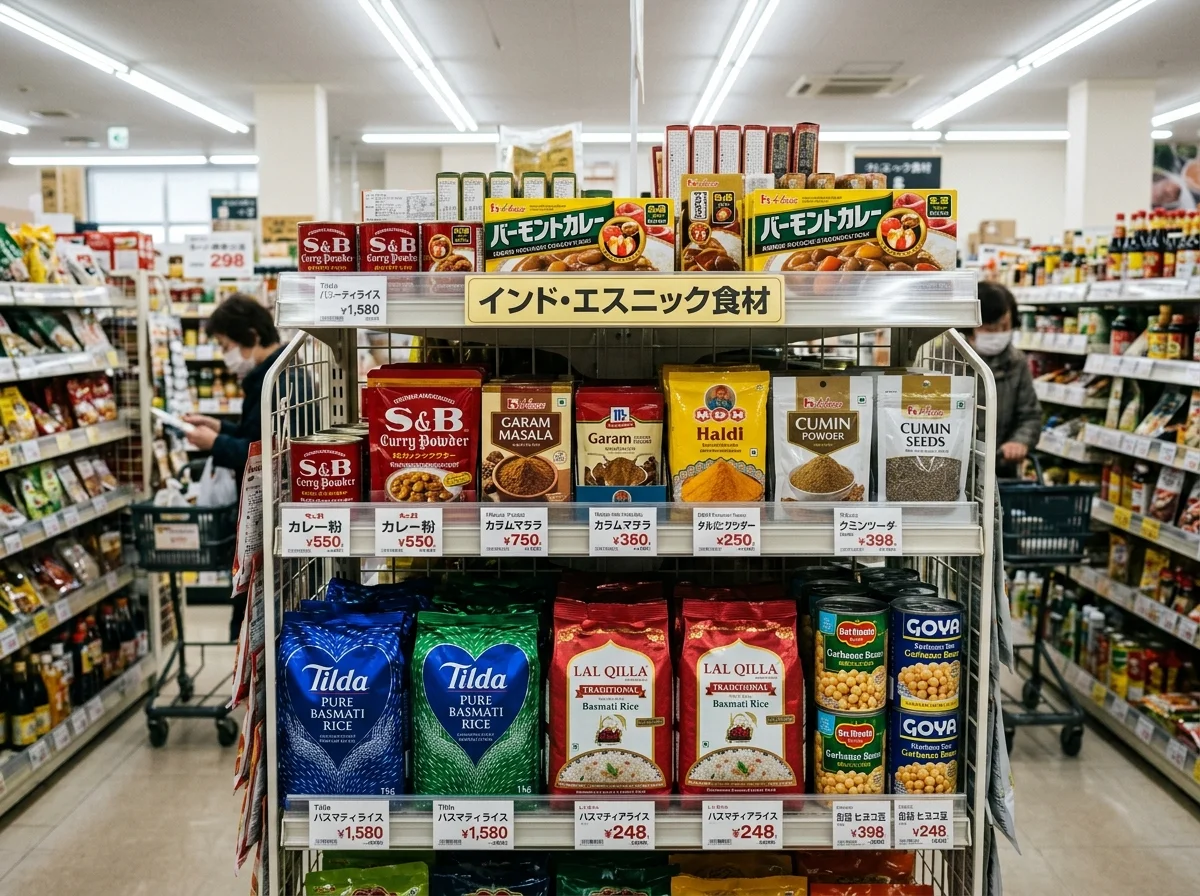
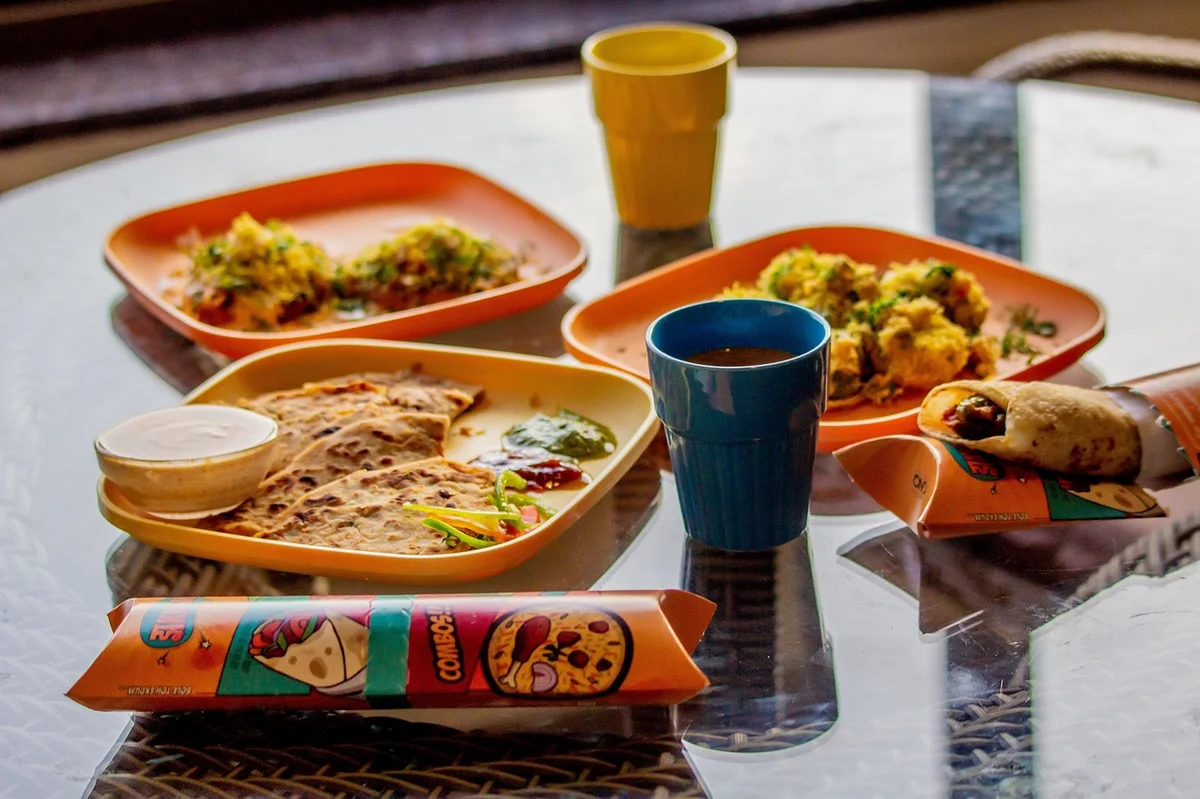
The hurdle in cooking Indian food at home is sourcing ingredients. But the basic ones can mostly be found at supermarkets, Asian or South Asian grocers, and online.
Easy substitutes:
| Indian ingredient | Why it is hard to find | Substitute |
|---|---|---|
| Curry leaves | Fresh ones are scarce | Dried curry leaves, or bay leaf (the flavor differs) |
| Amchur (mango powder) | Specialty shops only | Lemon juice (as the sour element) |
| Tamarind | Available at Asian grocers | A little Worcestershire sauce (an incomplete substitute) |
| Ghee | Available at South Asian grocers and online | Unsalted butter |
| Chhena (Indian cheese) | Hard to find | Firm tofu (drained) or ricotta |
| Basmati rice for biryani | Available at South Asian grocers and online | Other long-grain rice (such as Thai rice) will do |
I recommend starting with butter chicken curry. With the basic spices (cumin, turmeric, coriander, garam masala, chili), chicken, canned tomatoes, and heavy cream, you can make it. Whole wheat flour can stand in for chapati flour. Indian cooking suits making a large batch at once and storing it, so even if you buy spices in volume, you will use them up as your repertoire grows.
Related Reading: South Asian Recipes
South Asian recipes
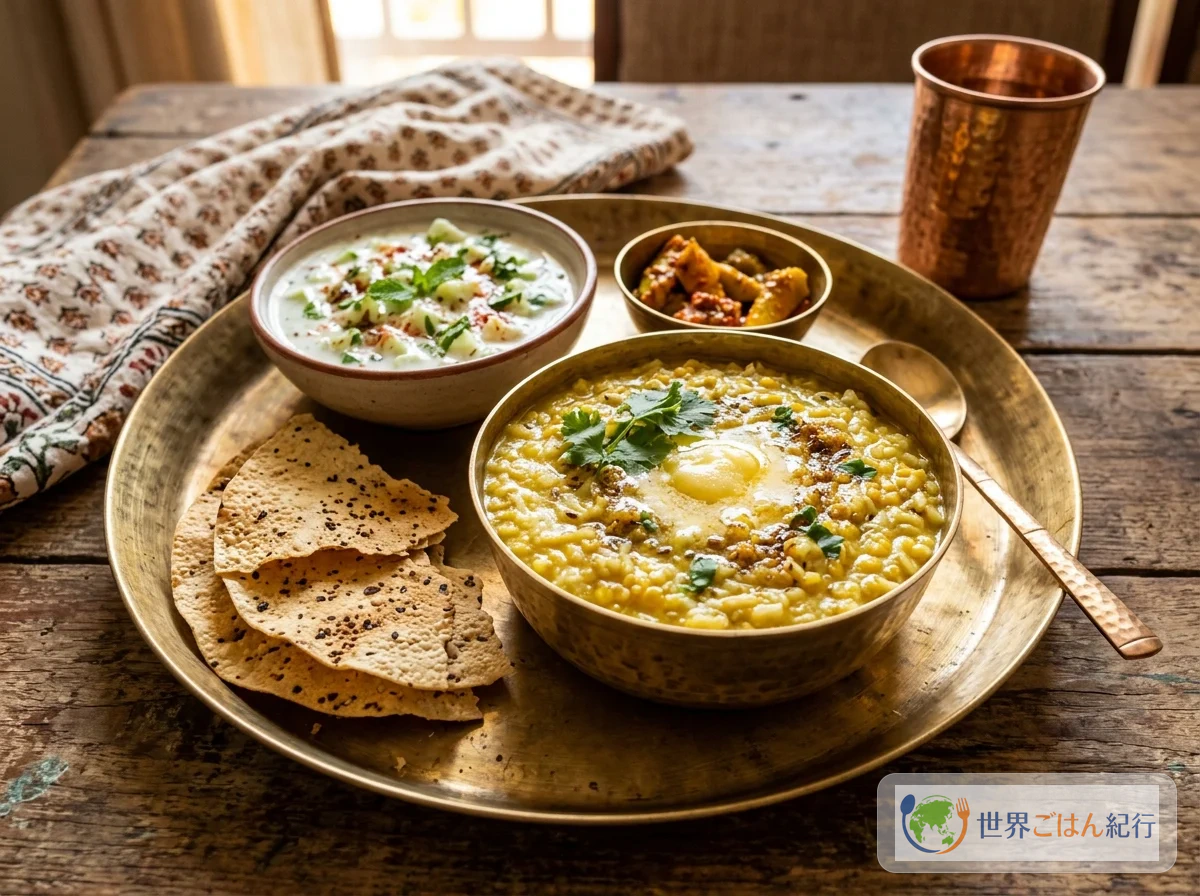
To experience the depth of South Asian cooking, start with the biryani recipe. As noted above, it is the pinnacle of India's feast dishes, woven from spices and rice. The khichdi recipe (in Japanese), perhaps the origin of Indian home cooking, is a gentle dish of rice and lentils cooked with spices, and is also loved as a recovery food when you are unwell.
Nepal's dal bhat recipe is a set meal built around lentil soup (dal) and white rice (bhat) with several side dishes, the national dish that Nepalis eat every day. Sri Lanka's kottu roti recipe is a street dish of finely chopped roti stir-fried on a griddle with vegetables, eggs, and meat, with the rhythmic clatter of cooking as its trademark.
If you want to learn about world cuisines across regions, see the following. Compared with Indian food, the commonalities and differences between regions become interesting.
For the gateway to Southeast Asian cooking, the overview of Indonesian cuisine (in Japanese) is detailed. Compared with Vietnamese food culture through banh mi, the way French colonial influence took hold is similar to Portuguese influence in India. Thailand's gapao rice also shares things with Indian cooking in its use of spices.
The overview of Middle Eastern cuisine (in Japanese) covers the region as a whole. Many dishes, such as tabbouleh and shakshuka, use the same spices as Indian food (cumin and coriander).
If South American cooking interests you, see the overview of South American cuisine (in Japanese) as well. Sour-forward dishes such as ceviche (in Japanese) share an idea with the way Indian cooking uses tamarind. North African dishes like tagine (in Japanese) also have an influence relationship with India in their use of spices. A comparison with Eastern European food such as borscht (in Japanese) is interesting too.
FAQ
Q&A for people trying Indian cooking for the first time, or who do not know what to order at an Indian restaurant.
Q. Is all Indian food spicy?
Many dishes are not. Some South Indian dishes are hot, but North Indian rajma chawal (bean curry with rice) and dal makhani (black lentil curry) are mild and easy to eat. Heat can be adjusted through the amount of spice, so at home you can tailor it to your taste.
Q. Is Indian food good for vegetarians?
The vegetarian menu is extremely rich. Palak paneer, dal makhani, sambar, dosa, and countless other dishes use no meat or fish. However, many use dairy such as paneer, ghee, and cream, so vegans need to be careful.
Q. Did "curry" originate in India?
The word "curry" itself did not originate in India. It is said to have begun in the British colonial era, when the British used "curry" as a blanket term for the many Indian stewed dishes. Within India, dishes are normally called by individual names such as "masala," "sambar," and "dal," depending on the type of dish.
Q. How many hours does biryani take?
An authentic biryani takes 3–4 hours including preparation. The meat marinade needs at least 30 minutes to a few hours, and frying the onions alone takes 30 minutes or more. A simplified version using a pressure cooker or rice cooker can cut it to 60–90 minutes.
Q. Is there any cooking equipment that is essential to Indian cooking?
A tandoor oven is hard to recreate at home, but a broiler or an oven can give a char close to tandoori chicken. With a skillet and a lid, you can make most curries. For the griddle (tawa) used to cook Indian roti, a seasoned cast-iron skillet can stand in.
Sources
- Indian cuisine — Wikipedia (accessed April 2026)
- A Guide to Indian Cuisine — Culinary Schools (accessed April 2026)
- India Food: 25 Most Popular Traditional Dishes — Rainforest Cruises (accessed April 2026)
- History of Indian cuisine — Wikipedia (accessed April 2026)
Photo by Kirtip / JulLeto / vedantshah on Pixabay