Three Textures Gathered on One Plate
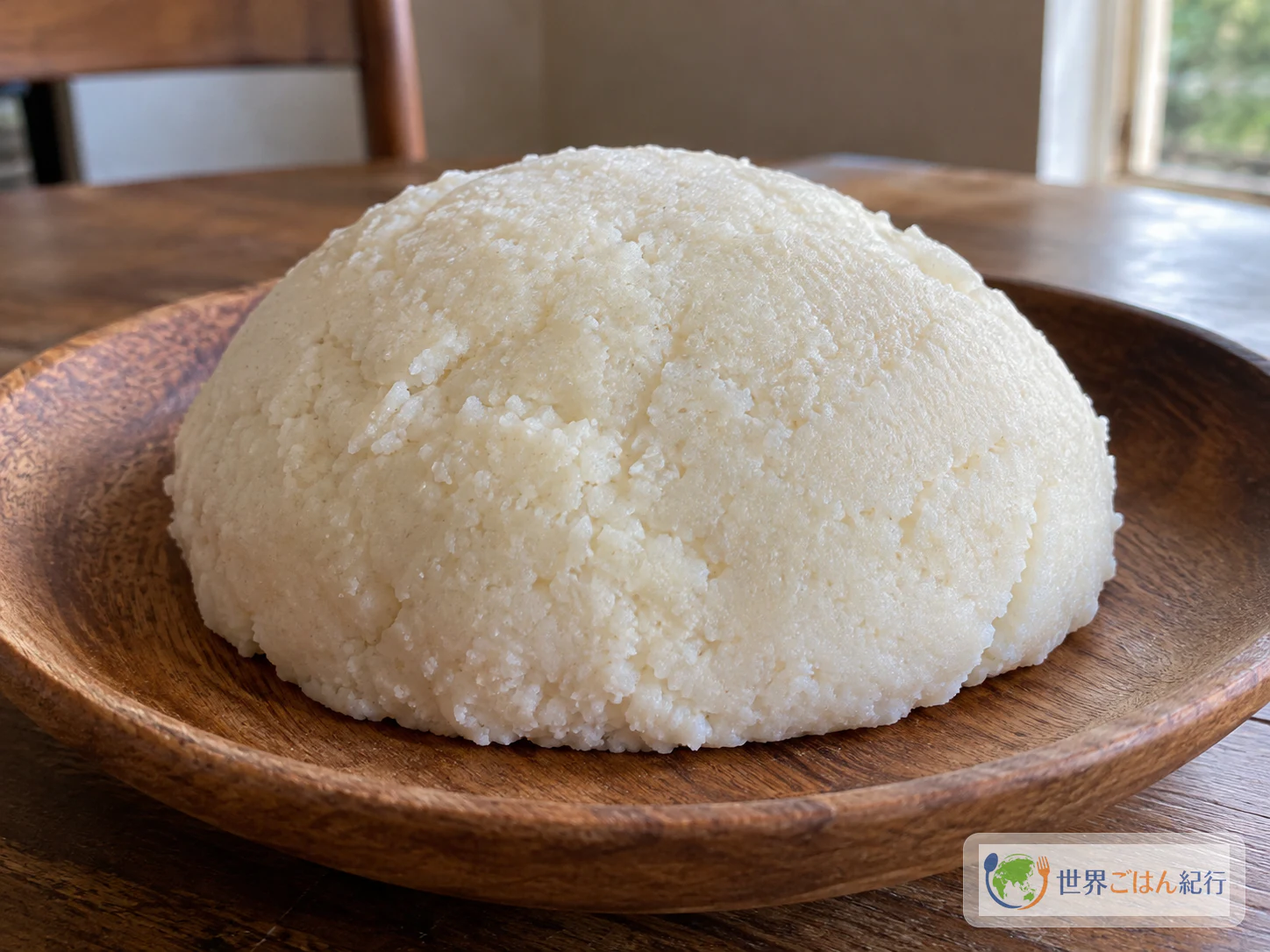
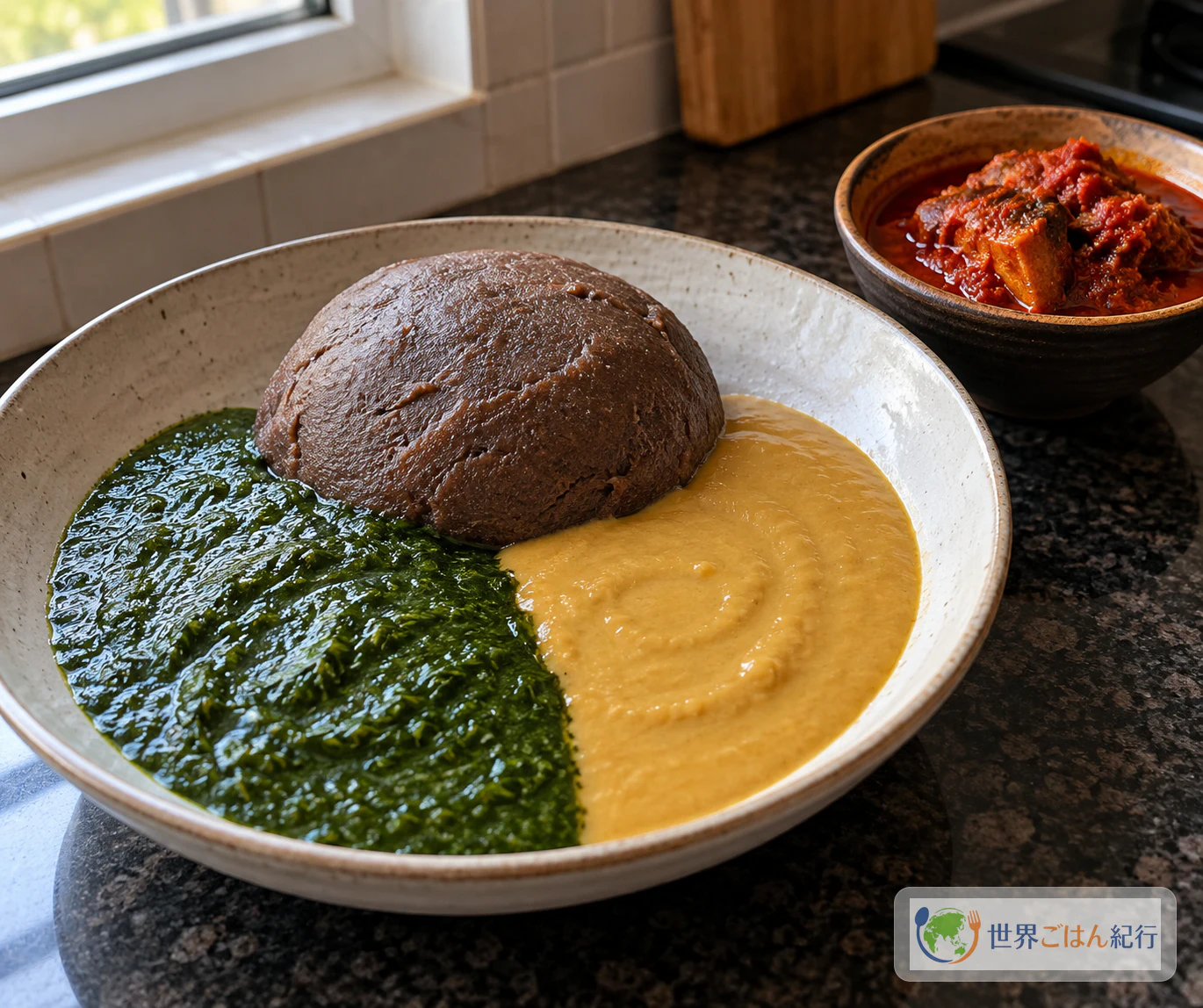
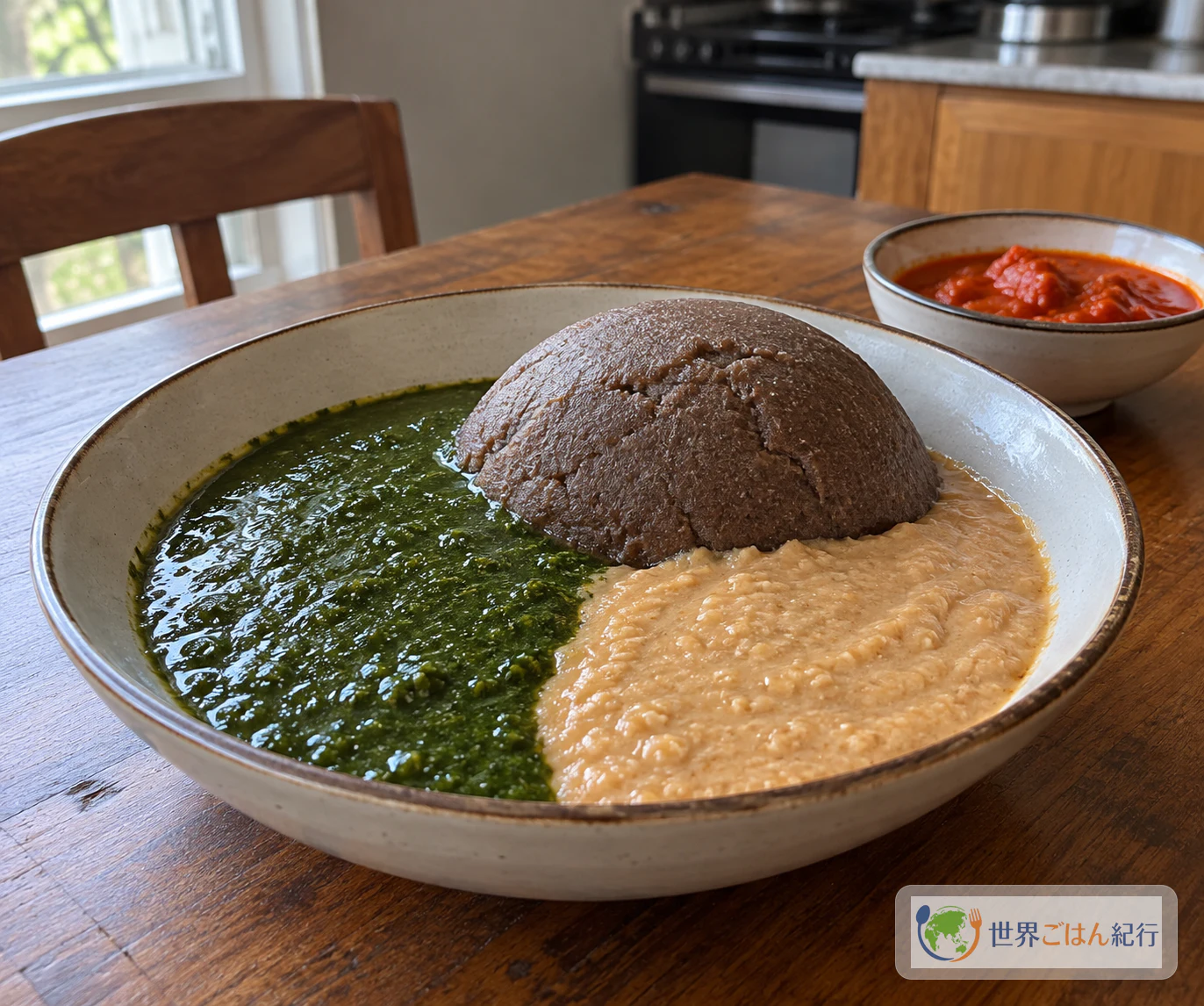
Amala should be glossy and springy, gbegiri smooth and rounded, and ewedu fine and slippery. Keep the three separate on the plate so that each mouthful can bring them together.
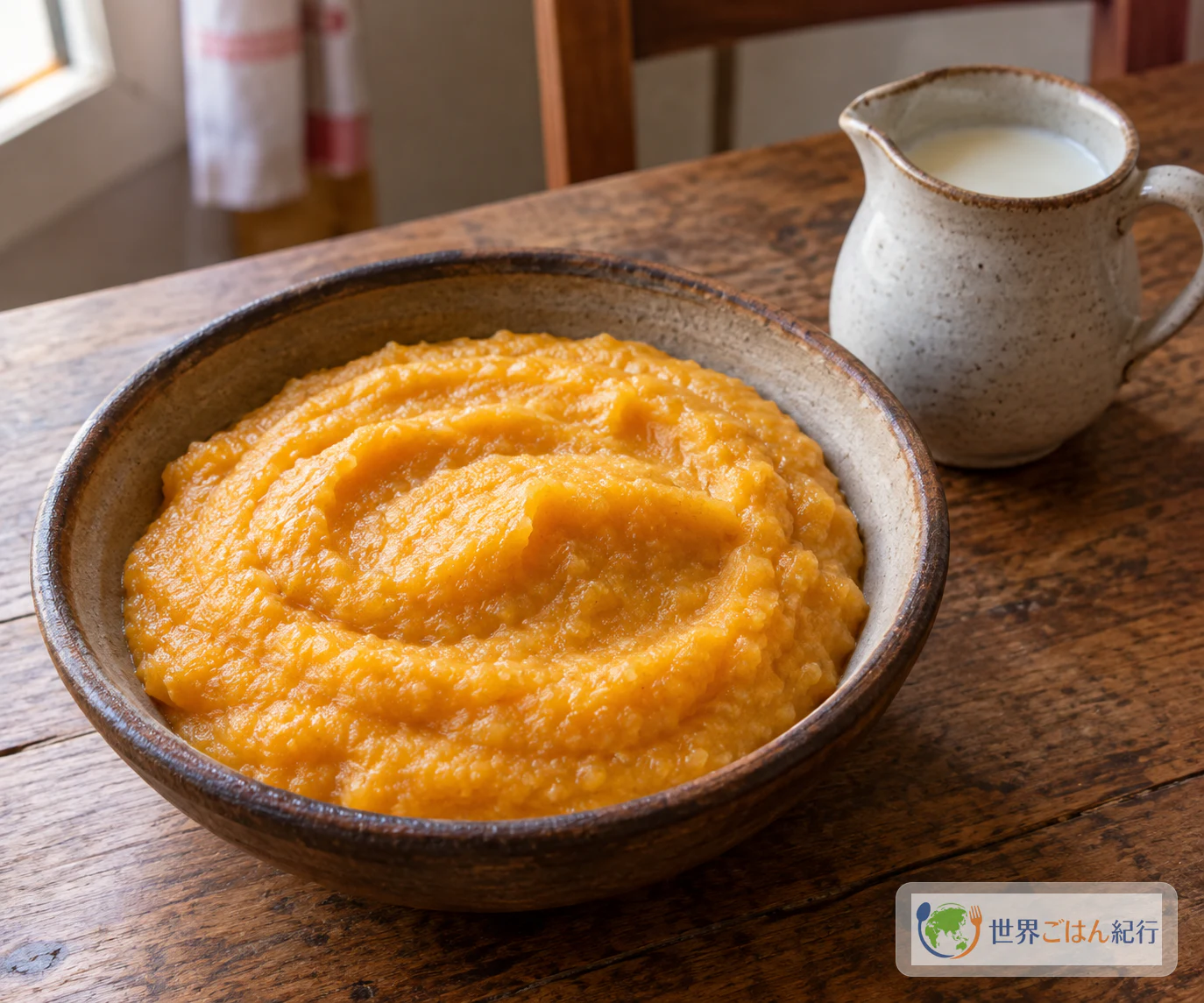
A compact, dark mound of amala sits at the center. Beside it lies a pool of pale golden gbegiri, made from beans cooked soft and puréed, and a vivid green pool of ewedu, made from jute leaves cooked and broken down until slippery. A small bowl of red pepper stew may sit on the side. Each mouthful pulls a little amala together with the soups, so the springy staple, the round bean soup and the slick leaf soup arrive at once.
This recipe makes the three components named in the dish: amala, gbegiri and ewedu. The recipe it follows also serves pepper stew with the plate, but the stew is a separate recipe. Here it appears only as an already-prepared accompaniment, and its own recipe isn't part of this article. The reason to cook all three on the same day is the contrast. Each is simple on its own, and the plate only comes together when the three textures sit side by side.
Amala, Gbegiri and Ewedu: What Each One Is
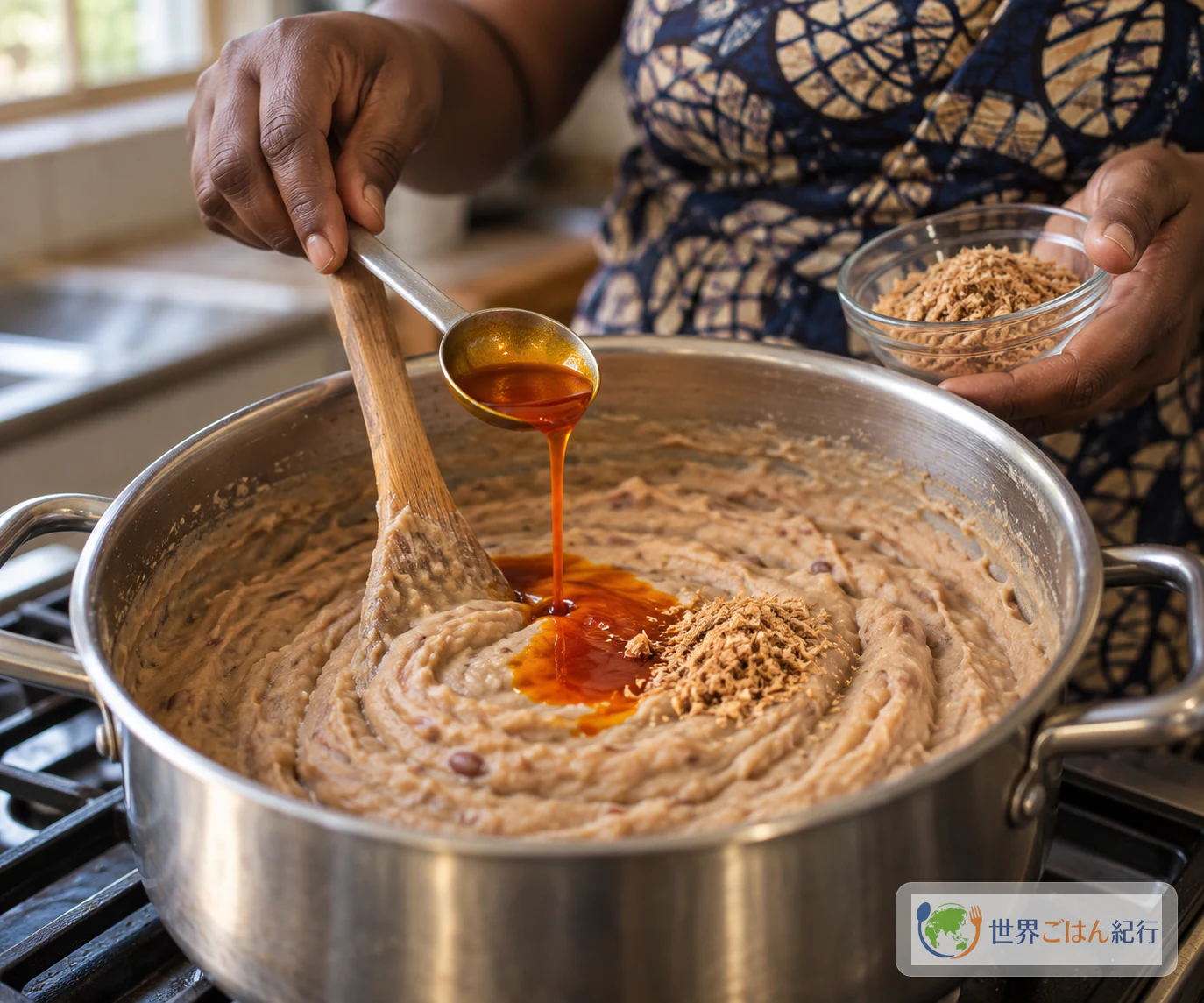
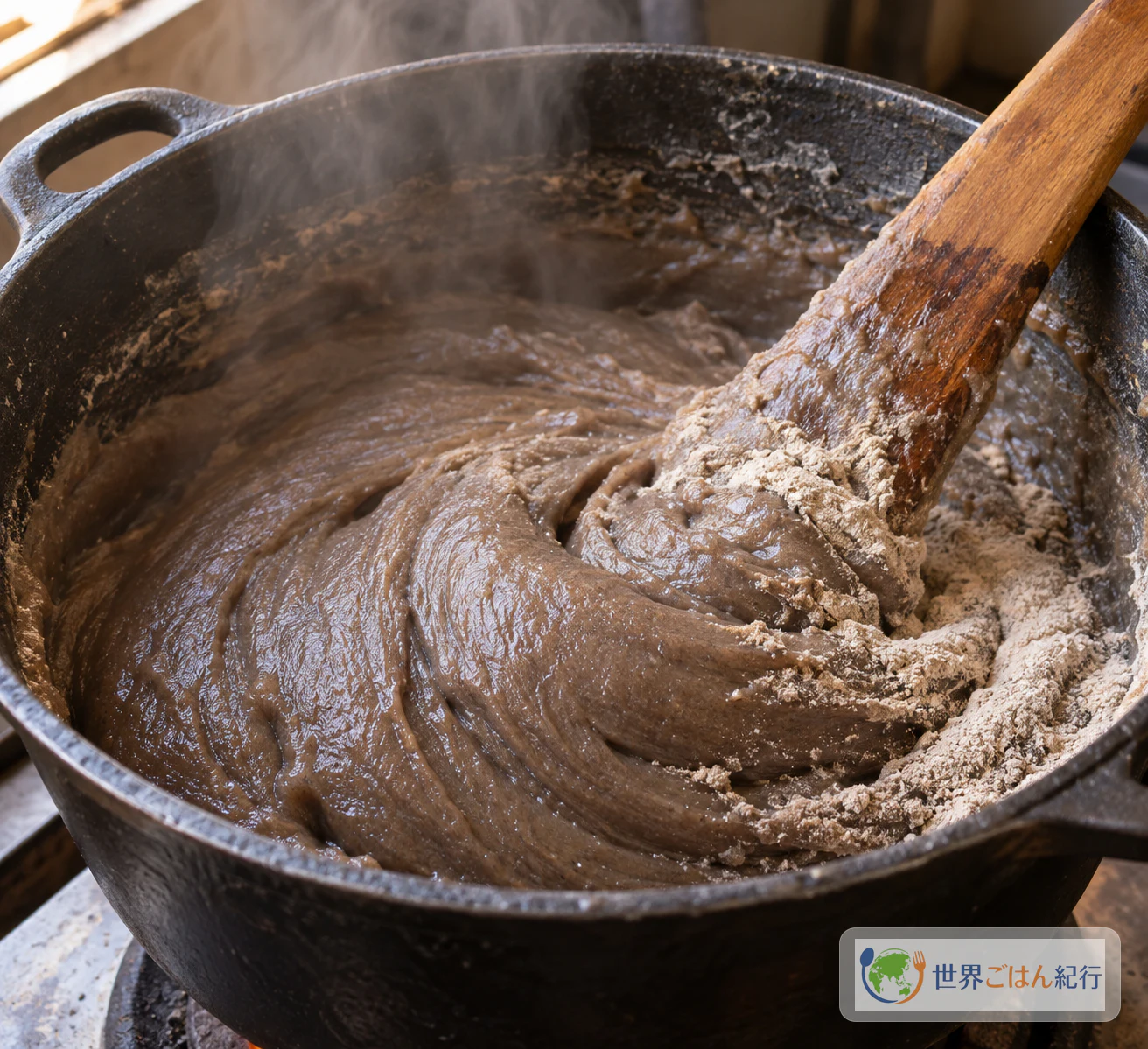
Amala is a staple made by working yam flour, called elubo, into boiling water until it becomes a smooth, elastic dough. Made from yam flour, it turns out dark. A white amala made from cassava flour (lafun) also exists, but it uses a different flour and is a different choice. This article uses yam flour throughout.
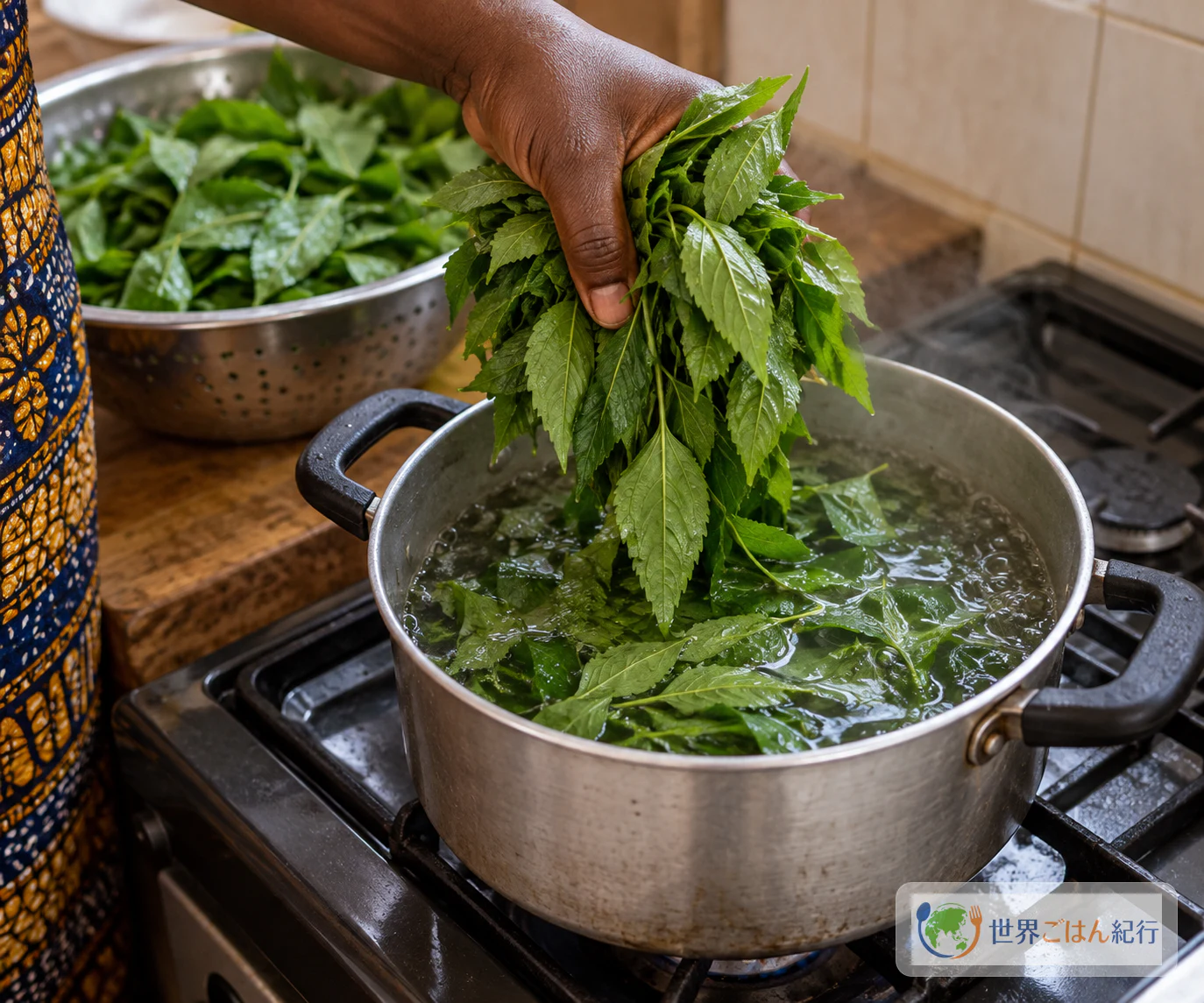
Gbegiri is a soup of beans cooked until soft and made smooth. Ewedu is a soup made from jute mallow leaves (Corchorus olitorius), cooked and broken down finely so that the leaves' natural slipperiness carries through. One soup is thick and rounded, the other green and slick. They are meant to be eaten together with the amala rather than one after another.
The combination of the three is also called Abula in the recipe and newspaper sources this article draws on. Amala is one component, and Abula refers to the plate in which amala is combined with the soups. The origin of the name Abula could not be confirmed, so it isn't explained here.
The focus of the dish is South West Nigeria and Yorùbá foodways, not Nigeria as a whole. Nigeria's National Institute for Cultural Orientation lists Amala, Gbegiri Soup and Ewedu among the dishes of Oyo State, and lists Amala and Ewedu for Osun State as well. A postgraduate study of food production in Oke Ogun, Oyo State, records yam flour amala and gbegiri in the area, gbegiri served with amala, and ewedu and other drawy soups eaten with amala. These sources support those particular places. They don't show that every table across the region makes the plate the same way.
Ingredients: The Source Recipe's Amounts, Kept As They Are
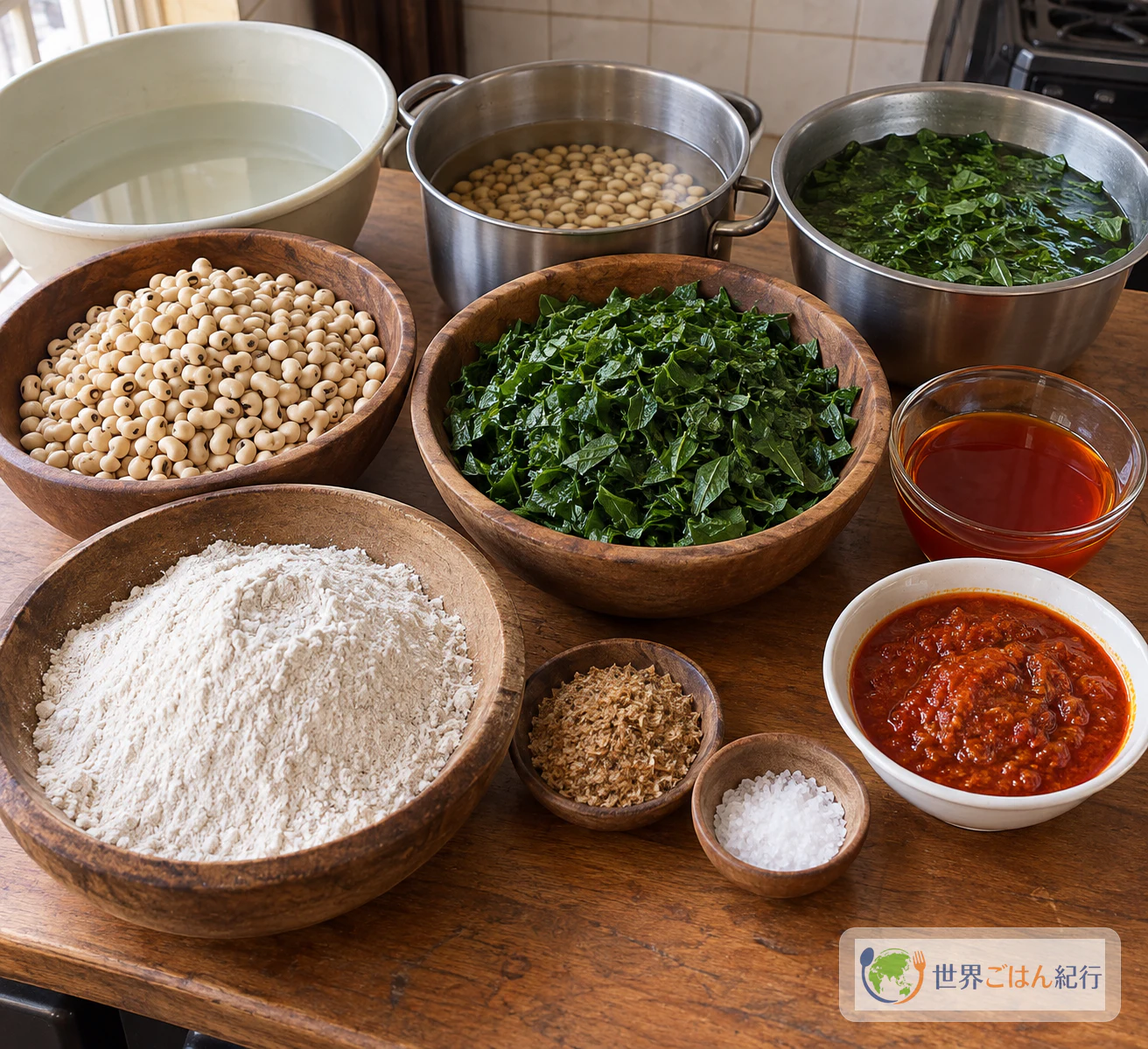
These amounts come from a single recipe page that gives all three components together. The page labels the batch as 6 plates. That label hasn't been measured or tested here, so treat it as the source's label, not a serving guarantee. The page doesn't name an author or testing conditions. Amounts from other gbegiri or ewedu recipes have not been mixed in.
Water appears on several rows because each component uses its own. The source gives a fixed amount only for the amala water. For cooking the beans and the leaves, it gives no amount, so the table doesn't invent one.
About the cup and spoon sizes. The source doesn't state which cup or spoon standard it uses. If you read a cup as 240 ml, a tablespoon as 15 ml and a teaspoon as 5 ml, then the yam flour is 720 ml by volume, not 720 g. The amala water is 1200 ml, the palm oil 30 ml, the crayfish 5 ml and the pepper stew 480 ml. This is one way to read the amounts, not the source's own statement.
About the beans. The source specifies peeled brown beans, so this version measures beans that already have their skins removed. The source doesn't say whether that means dry peeled beans or beans peeled after soaking. Check what form your beans come in when you buy them. Black-eyed peas are the source's own alternative.
About the amala salt. The source gives salt for the soups only. No salt amount for the amala is given here.
Ground crayfish is a crustacean. Leave it out for anyone avoiding shellfish. Check the labels on beans and flours for shared-facility statements, for example with soy. If you serve pepper stew, check the ingredients and allergens of the specific stew you use.
Choosing and Substituting
Yam flour (elubo). This is the ingredient that makes the dish what it is. Look for it under the names yam flour or elubo, the flour for amala. Don't replace it with potato starch, other yam powders or pounded yam mix. Cassava lafun gives white amala, which is a different flour and a different result.
Ewedu leaves. Look for jute mallow, which is sometimes sold as molokhia. Use leaves sold as food. Molokhia may be easier to find, but it isn't guaranteed to match the aroma or slipperiness of ewedu used in Nigeria. Other greens, such as spinach, change the texture and flavor too much to count as the same dish.
Beans. The source accepts peeled brown beans or black-eyed peas. Black-eyed peas change the color of the gbegiri.
Kaun (potash). The source lists ½ tsp kaun as an optional addition to ewedu. This version leaves it out. Food-grade standards and safe usage for kaun have not been confirmed here. Don't buy industrial potash, and don't swap in baking soda or other alkalis one-for-one.
Crayfish. It is optional in the source. Leaving it out softens the seafood note. Other dried shrimp powders are a different flavor and not an established equal swap.
An English-language home recipe written by a learner in a migrant community also discusses finding jute leaves, beans and yam flour abroad. It confirms that cooks outside Nigeria do track these ingredients down. Its own amounts are a different recipe and aren't used here.
Equipment
- A pot for cooking the beans
- A pot for cooking the ewedu leaves
- A heavy pot for the amala
- A sturdy wooden spatula for working the amala dough
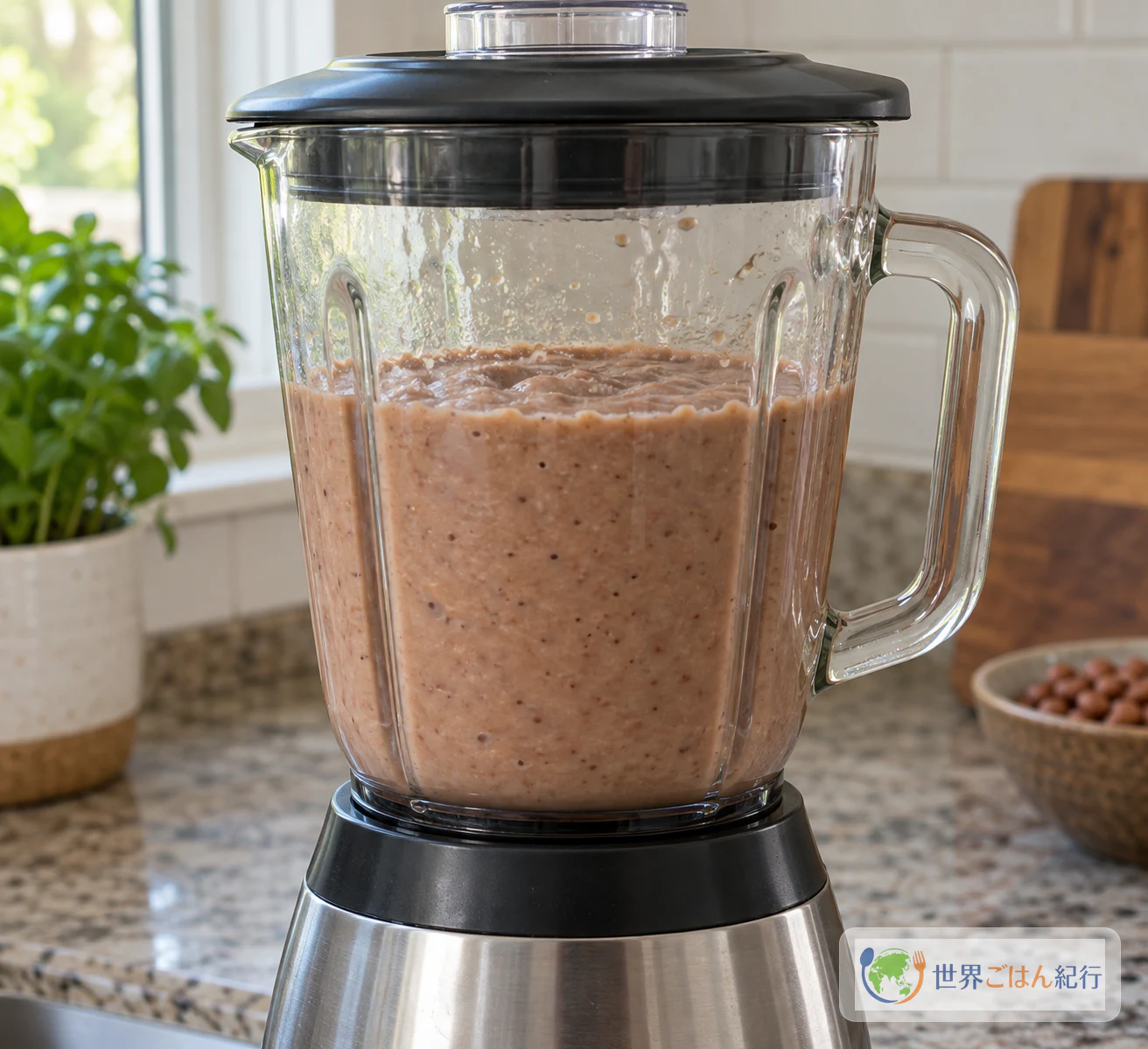
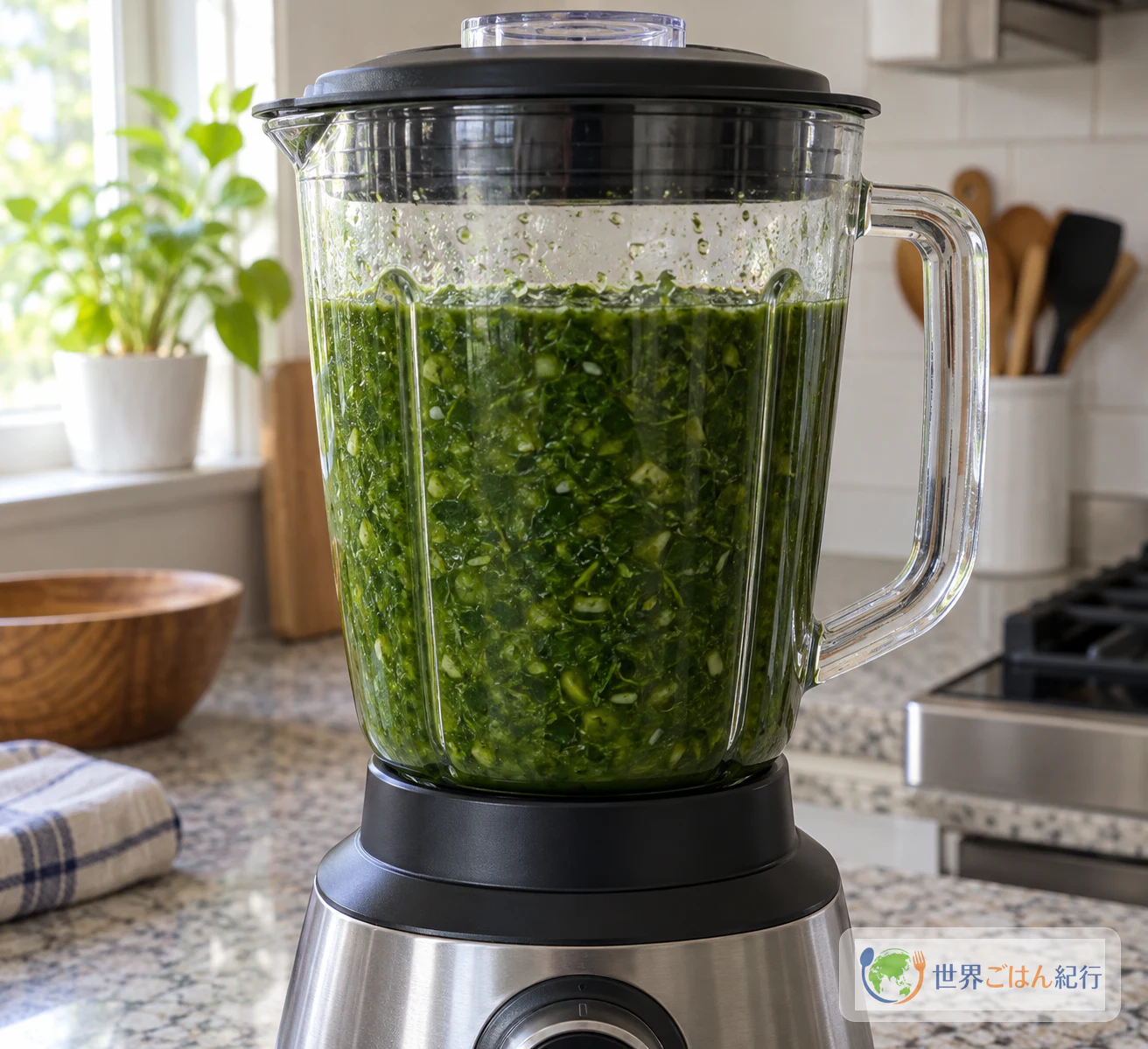
- A blender with a well-fitting lid, or an ijabe (a Nigerian cooking broom used to break down leaves and beans)
- A sieve, optional, for extra-smooth gbegiri
- Bowls for serving, plus a small separate bowl for the pepper stew
Method: Cooking Three Components in Parallel
The source recipe is mostly written by the state of the food rather than by the clock. Its page also shows step timers: 50 minutes for the beans, 15 minutes for the bean soup, 7 minutes for the ewedu, 12 minutes for the amala and 3 minutes for serving. These timers don't line up with the page's own listed cooking time, and they haven't been tested here. Treat them as rough reference only, not as times that guarantee doneness or safety. Decide when each stage is finished by what you see and feel.
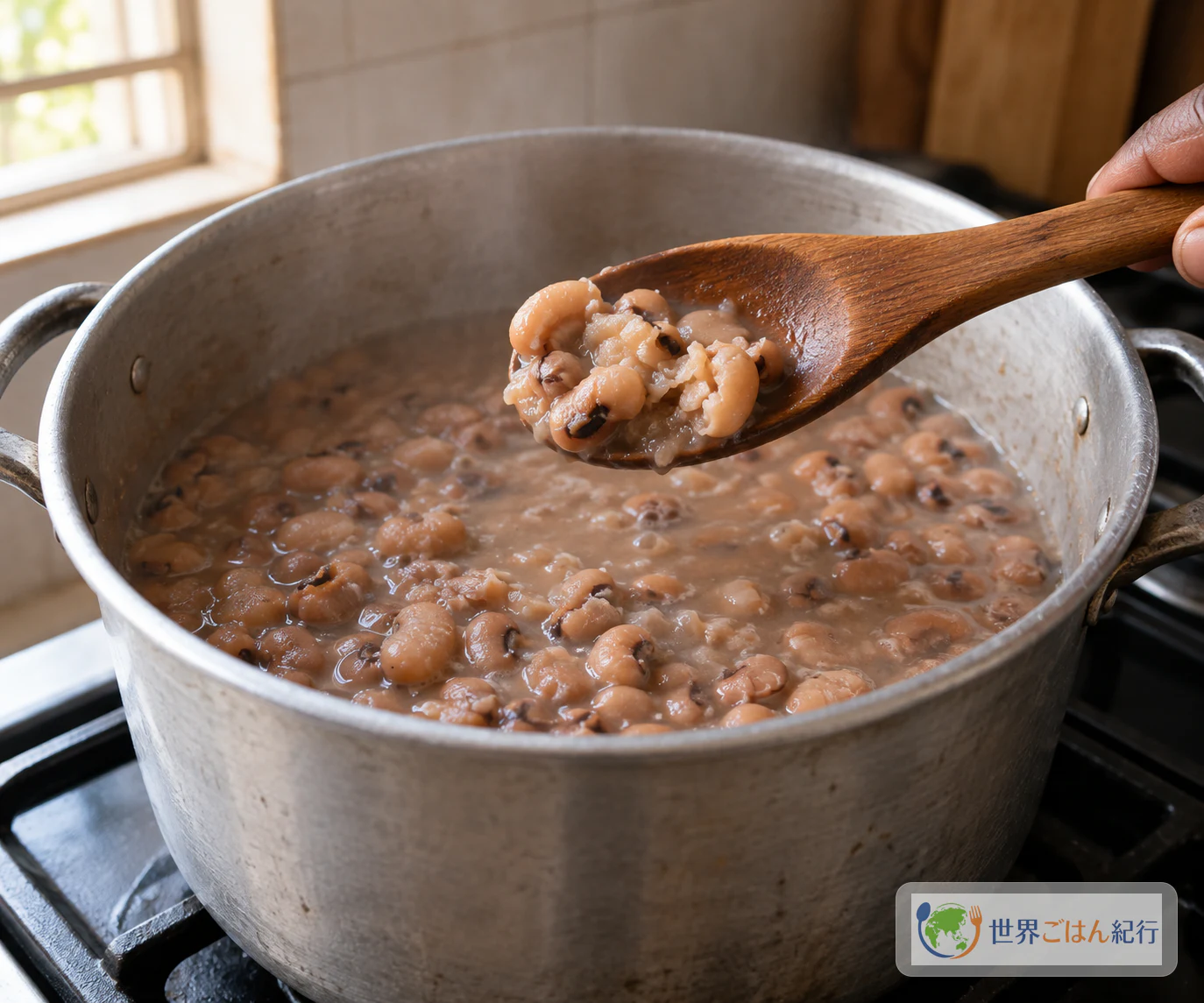
The beans need to be completely soft before they can be made smooth, so start them first. While they cook, prepare the leaves. Make the amala last and plate everything together.
Japan's Ministry of Health, Labour and Welfare gives general home guidance for preventing food poisoning. Heat food until the center reaches 75°C for at least 1 minute, and avoid cross-contamination. Divide leftovers into shallow containers, cool them quickly and refrigerate promptly. When reheating, aim for 75°C or higher. This is general food-hygiene guidance, not a tested result for these beans, leaves or this flour, and no storage period is given here.
How to Eat It
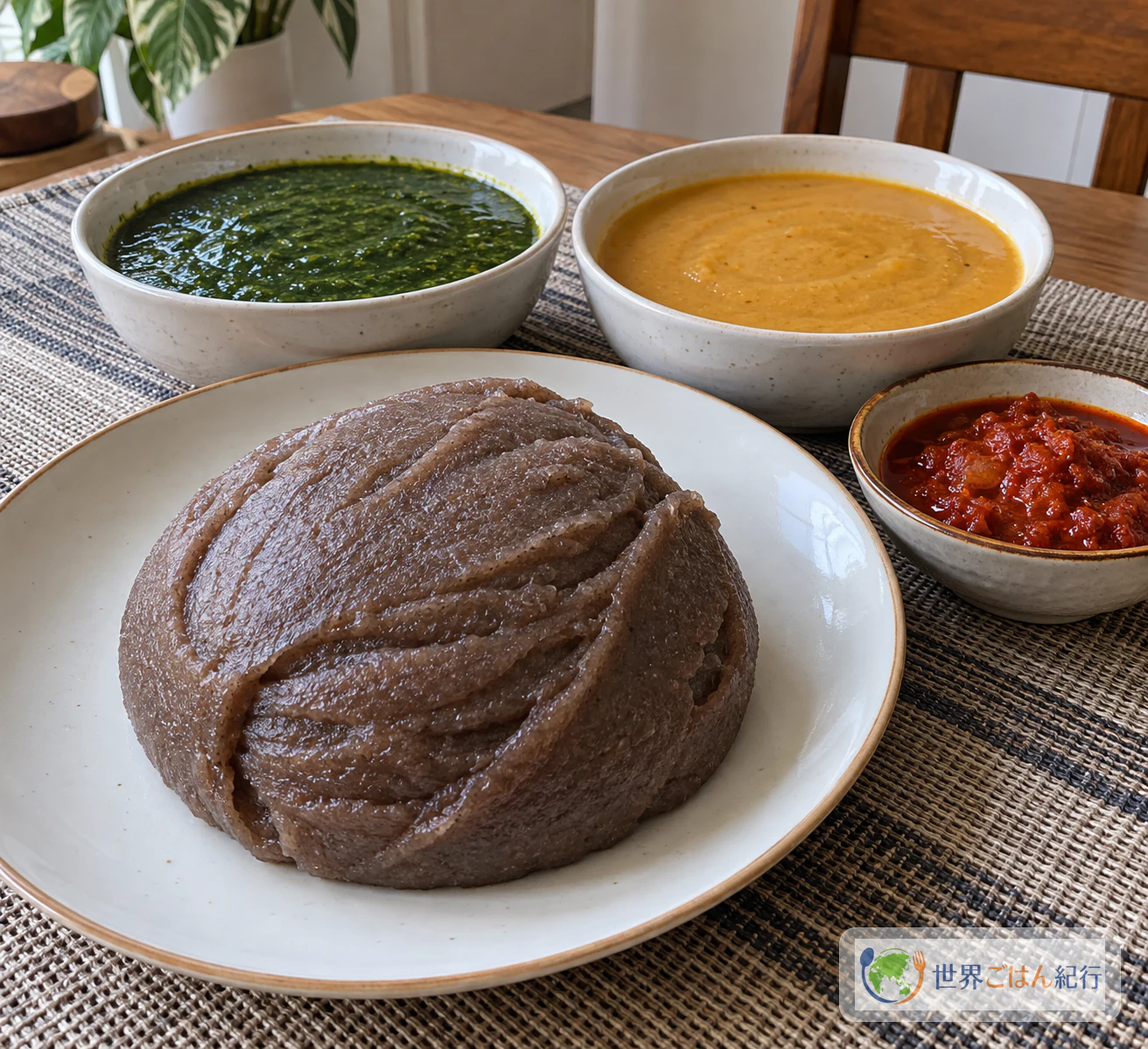
Don't stir the three together in the bowl. Each mouthful brings a little amala together with the gbegiri, the ewedu, or both, and the contrast between the springy dough and the two soups is the point of the plate. A little pepper stew can be added from its own bowl. Eating customs vary, so no single way of eating is presented here as the standard.
Troubleshooting
| Condition | Likely cause | What to do |
|---|---|---|
| Gbegiri is grainy | Beans weren't fully soft, or too much was blended at once | Cook the beans until they collapse completely, blend in small batches, and push through a sieve if needed |
| Gbegiri is too thick | Cooked down too far | Add the reserved bean cooking liquid a little at a time. This changes the source amounts |
| Amala has lumps | Flour went in too quickly | Add the flour gradually to boiling water and work it hard with a wooden spatula |
| Amala is too stiff | Not enough water for your flour | Add a little hot water at a time and keep working. The source allows extra water |
| Amala is too loose | Too much water added | Keep heating and working the dough to drive off moisture. This is a practical adjustment, not a source instruction |
| Ewedu is watery | Too much cooking water, or the leaves were very wet | Use less water next time. Leaves vary in moisture, so start with less |
| Ewedu lost its slipperiness or color | Overcooked or blended to a purée | Cook only until soft and blend briefly. Kaun is optional in the source and isn't a fix here |
Variations
These are optional changes to the source recipe, not tested versions of it.
- Black-eyed peas for gbegiri. The source permits them. The soup will be a different color.
- Leave out the crayfish. It is optional in the source. The seafood note becomes softer. Omitting the crayfish removes that ingredient, but check the separate pepper stew and all product labels for crustaceans and cross-contact before serving someone with an allergy.
- Leave out the kaun. It is optional in the source, and this version already leaves it out.
- Blender instead of ijabe. Sources describe both. With a blender, blend only briefly so the ewedu stays fine rather than puréed.
- Serve without pepper stew. This keeps the focus on the three named components. It is a serving choice; the source itself lists stew for serving.
For other dishes from the same country, explore Nigerian recipes. Draw soup is another slippery soup worth comparing, though it isn't ewedu. Efo riro is a Yorùbá vegetable dish of a very different style. Akara shows beans cooked a completely different way from gbegiri.
The Plate in South West Nigerian Food Culture
A Nigerian food blogger explains that gbegiri is eaten in South West Nigeria and is usually paired rather than eaten alone. It goes with ewedu and tomato stew, and with amala, pounded yam or eba. In that account, the soup belongs to a set of combinations. The Abula plate described by the newspaper and recipe sources is one of those sets, with amala at its center.
The Oke Ogun study adds some local depth. In this part of Oyo State it records several kinds of yam alongside cassava lafun, yam flour amala and gbegiri, and gbegiri served with amala. It also records ewedu and other drawy soups eaten with amala. It is a history of one area's food production, so it doesn't speak for every Yorùbá community, and it says nothing about cooking amounts or ancient origins.
The national cultural institute's list places Amala, Gbegiri Soup and Ewedu under Oyo State among South West dishes. Within the region, the kind of beans, whether they are peeled, the seasoning and the stew served alongside can all differ by household and eatery. No single version is the only correct one, and this recipe is one documented version.
Frequently Asked Questions
Are Abula and amala the same thing?
No. Amala is the yam flour staple on its own. Abula is the name given in the sources to the plate that combines amala with gbegiri and ewedu.
Do the beans have to be peeled?
This version follows a source that specifies peeled beans, so yes. Other gbegiri recipes use different beans and methods, but their amounts and steps aren't mixed in here.
What if I can't find ewedu leaves?
Search for jute mallow or molokhia. Other greens change the slipperiness and aroma, so the result would not be the same dish.
Is potash necessary for ewedu?
The source lists it as optional, and recipes differ on it. Its food-grade standards and safe use haven't been confirmed here, so this version leaves it out.
Do I need to make pepper stew too?
The source recipe doesn't include stew in its cooking. It only adds 2 cups at serving. This version does the same: serve a stew you have prepared separately, or leave it out.
Sources
- AfroKitchen, "Amala, Ewedu and Gbegiri Recipe | Nigeria." The base recipe: the 6-plate label, all amounts used here, the outline of the method, the pepper stew for serving, and the on-page step timers. The page does not name an author or testing conditions. https://afrotools.com/tools/afrokitchen/recipes/amala-ewedu-gbegiri-ng/
- The Nation Newspaper, "Best Nigerian recipe for this weekend – Abula." Abula as the combination of amala, gbegiri and ewedu; beans for gbegiri and jute leaves for ewedu; adding yam flour gradually to boiling water with a wooden spatula; cooking ewedu leaves and breaking them down with an ijabe or blender. Its amounts are not used. https://thenationonlineng.net/best-nigerian-recipe-weekend-abula/
- Afrolems, "How to Make Gbegiri Soup." Gbegiri in South West Nigeria and its pairings with ewedu, tomato stew and amala, pounded yam or eba; peeling beans, cooking them soft, and blending and sieving for smoothness. Its separate amounts are not used. https://www.afrolems.com/2020/04/01/how-to-make-gbegiri-soup/
- "Food Production in Oke Ogun, Oyo State, Nigeria, 1900–1999," University of Ibadan postgraduate thesis. Yam flour amala and gbegiri in Oke Ogun, gbegiri served with amala, ewedu and other drawy soups eaten with amala, and local yams and cassava lafun. https://pgsdspace.ictp.it/xmlui/bitstream/handle/123456789/1376/amosun.pdf?isAllowed=y&sequence=1
- National Institute for Cultural Orientation (NICO), Nigeria, "Cuisines in Nigeria." State dish lists placing Amala, Gbegiri Soup and Ewedu under Oyo State, and Amala and Ewedu under Osun State. https://nico.gov.ng/cuisines-in-nigeria/
- Write@Home / Achēv, "Amala Ewedu and Gbegiri with Stew Recipe." A learner-written home recipe used for comparison and for sourcing jute leaves, beans and yam flour abroad. Its amounts are not used. https://www.linchomestudy.ca/online/wah/article.aspx?a=3359&y=2025-01-01
- Ministry of Health, Labour and Welfare, Japan, "Preventing food poisoning at home" (家庭での食中毒予防). General home guidance on heating food to 75°C at the center for at least 1 minute, avoiding cross-contamination, cooling leftovers quickly in shallow portions, and reheating to 75°C or higher. https://www.mhlw.go.jp/stf/seisakunitsuite/bunya/kenkou_iryou/shokuhin/syokuchu/01_00008.html