The pinnacle of the Silk Road's "wrapping culture"
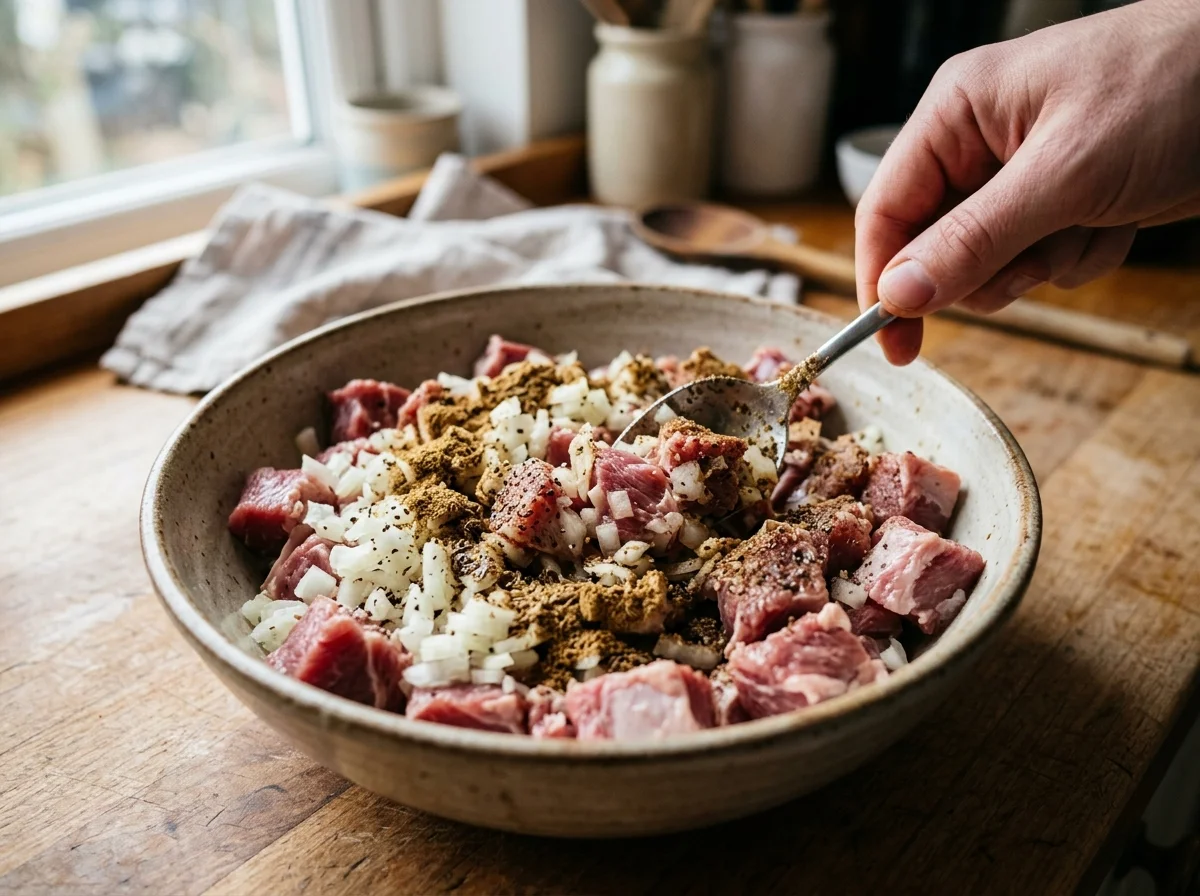
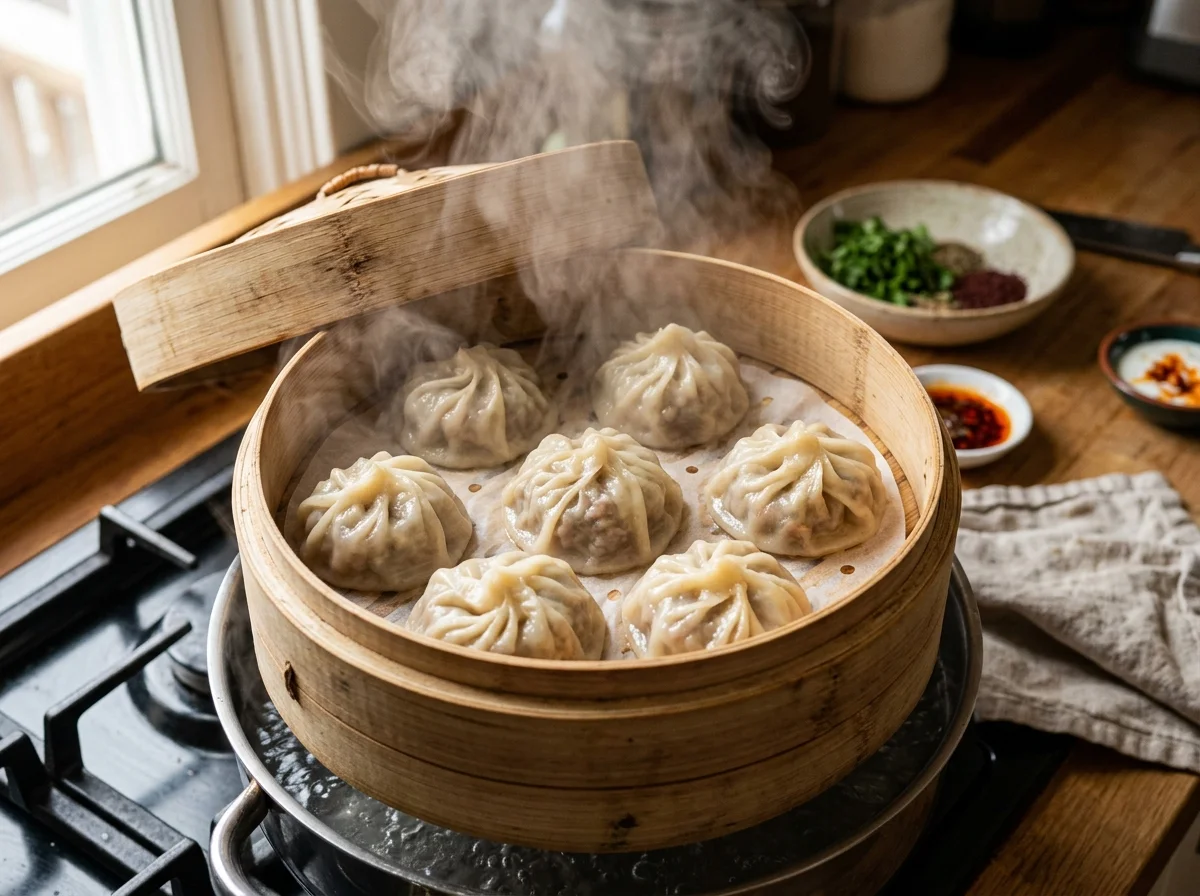
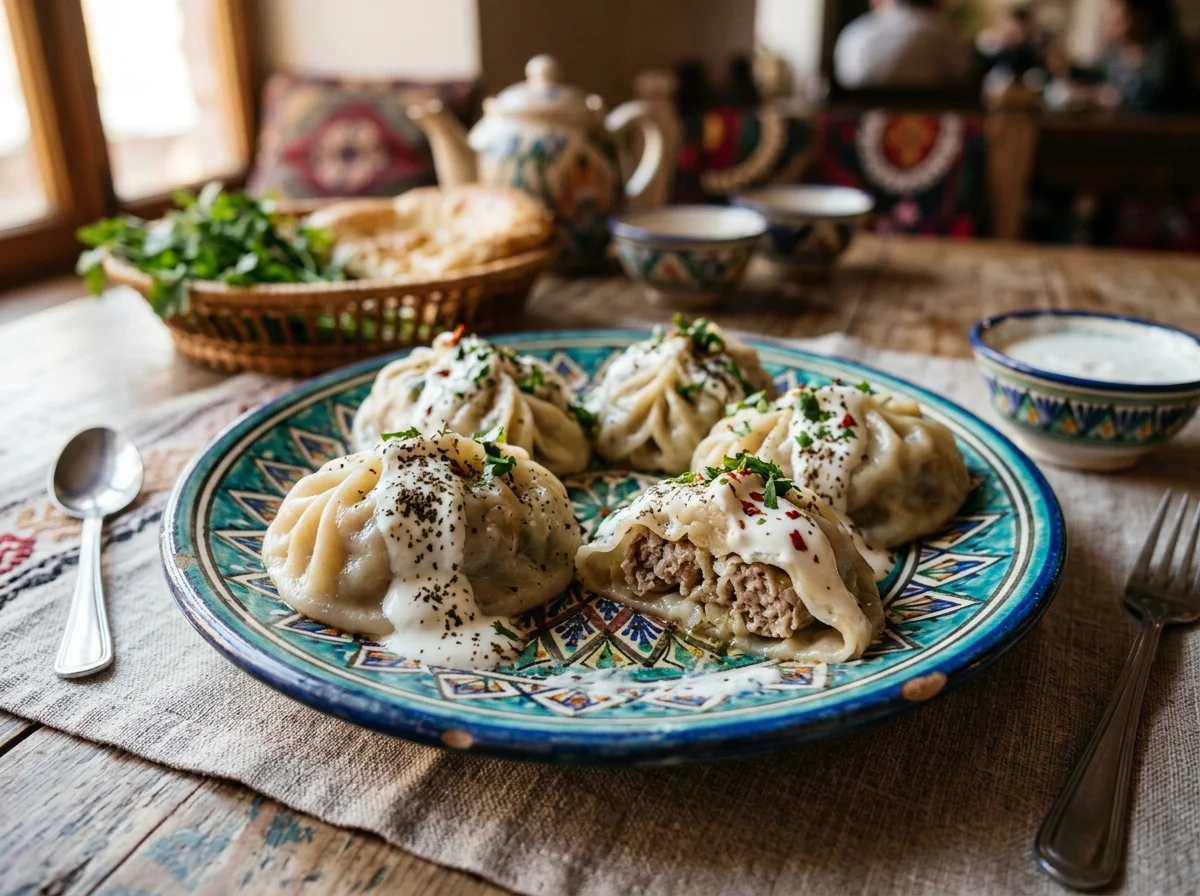
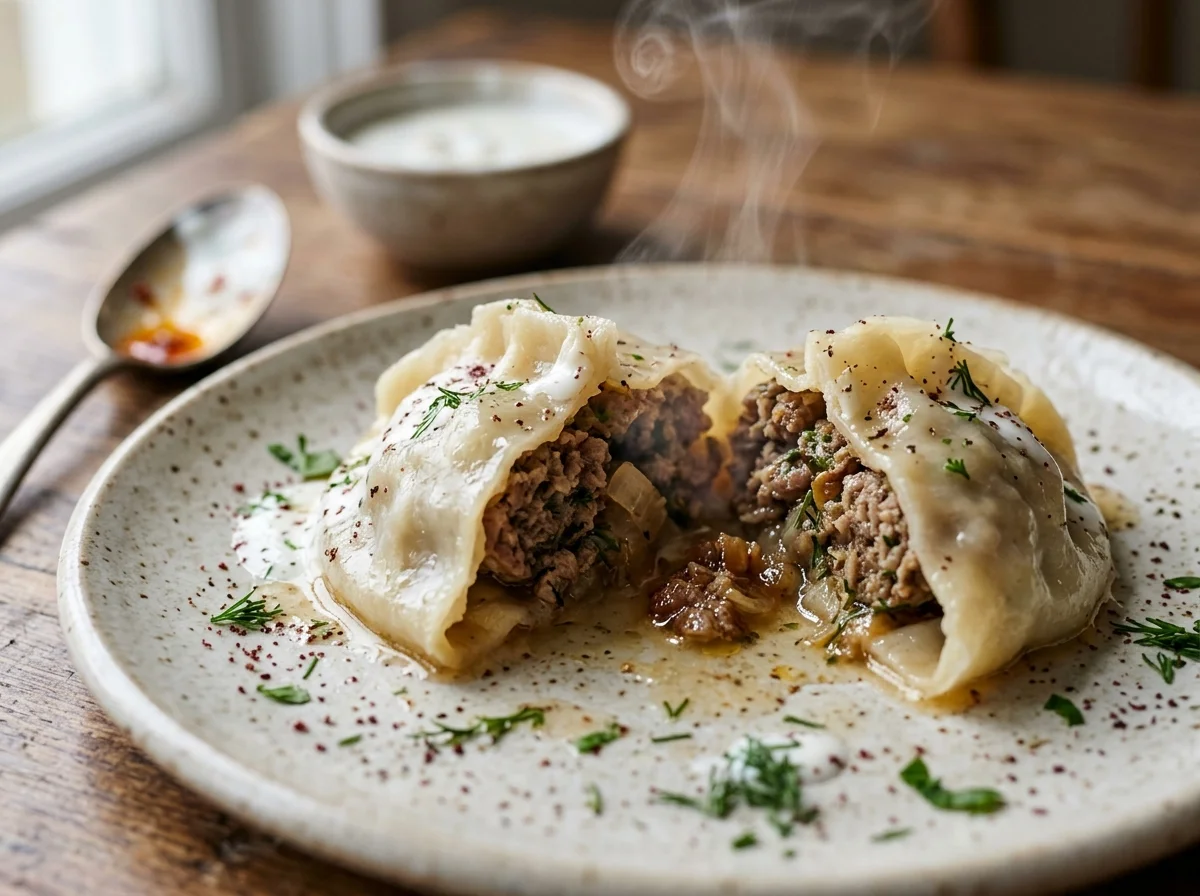
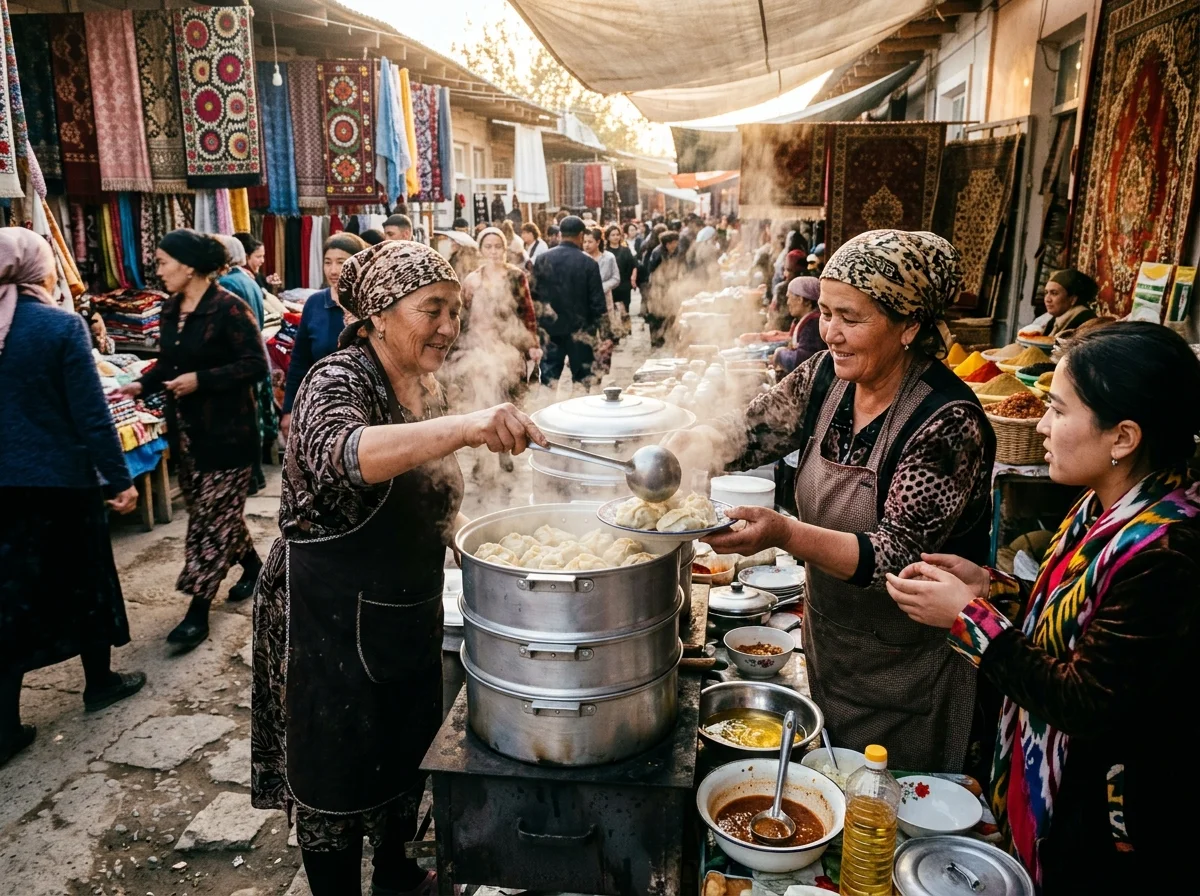
Walk into a Central Asian canteen and, through the steam rising from the steamers, you'll see rows of dumplings as big as the palm of your hand. Inside a thin dough is spiced lamb with plenty of onion, and a drizzle of yogurt sauce goes over the top. These are manti (манти). They're steamed dumplings loved across the vast stretch of the Silk Road, from Uzbekistan, Kazakhstan and Kyrgyzstan to Turkey and Afghanistan. You could call them Central Asia's answer to soup dumplings.
Old records of dishes resembling manti are said to go back to the era of the Mongol Empire. One view holds that they traveled to Anatolia with the migration of Turkic peoples and became Turkish mantı. Chinese jiaozi, Japanese gyoza, Korean mandu, and the manti of Turkey and Uzbekistan: how much of this shares a single origin isn't clear, but all of them wrap a filling in wheat dough, making them members of a "wrapping culture" that spans Eurasia.
The name "manti" itself hints at that history. One theory traces it to the Chinese mantou (饅頭), and as "steamed wheat food" spread east and west along the Silk Road, it evolved in its own way in each region.
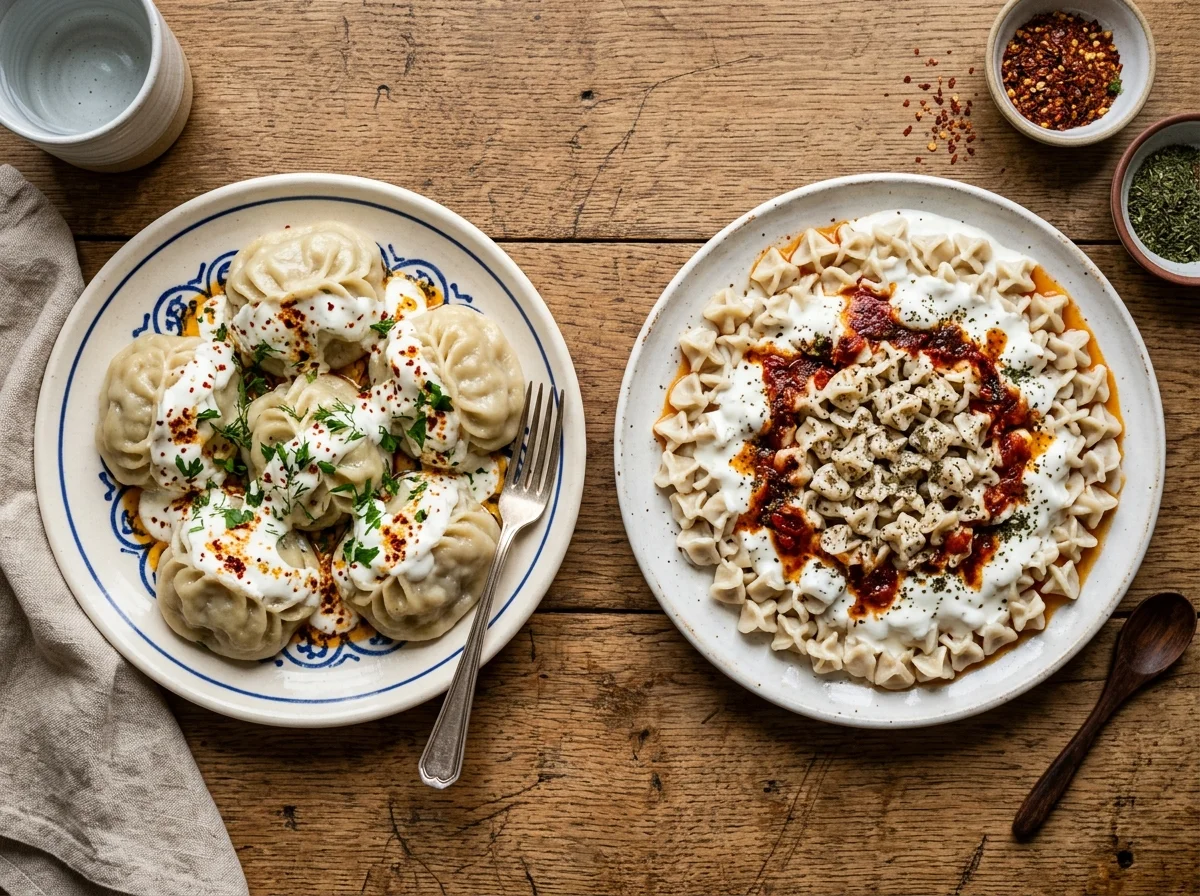
The biggest differences between Japanese gyoza (pan-fried or boiled) and manti are size and cooking method. Gyoza are bite-sized, while Uzbek manti are large, 8–10 cm (3–4 in) across. And rather than being fried or boiled, they're basically steamed. The other big difference is the sauce. Gyoza are dipped in vinegar and soy sauce, while manti always come with yogurt sauce. That pairing is a big part of what makes manti so distinctive.
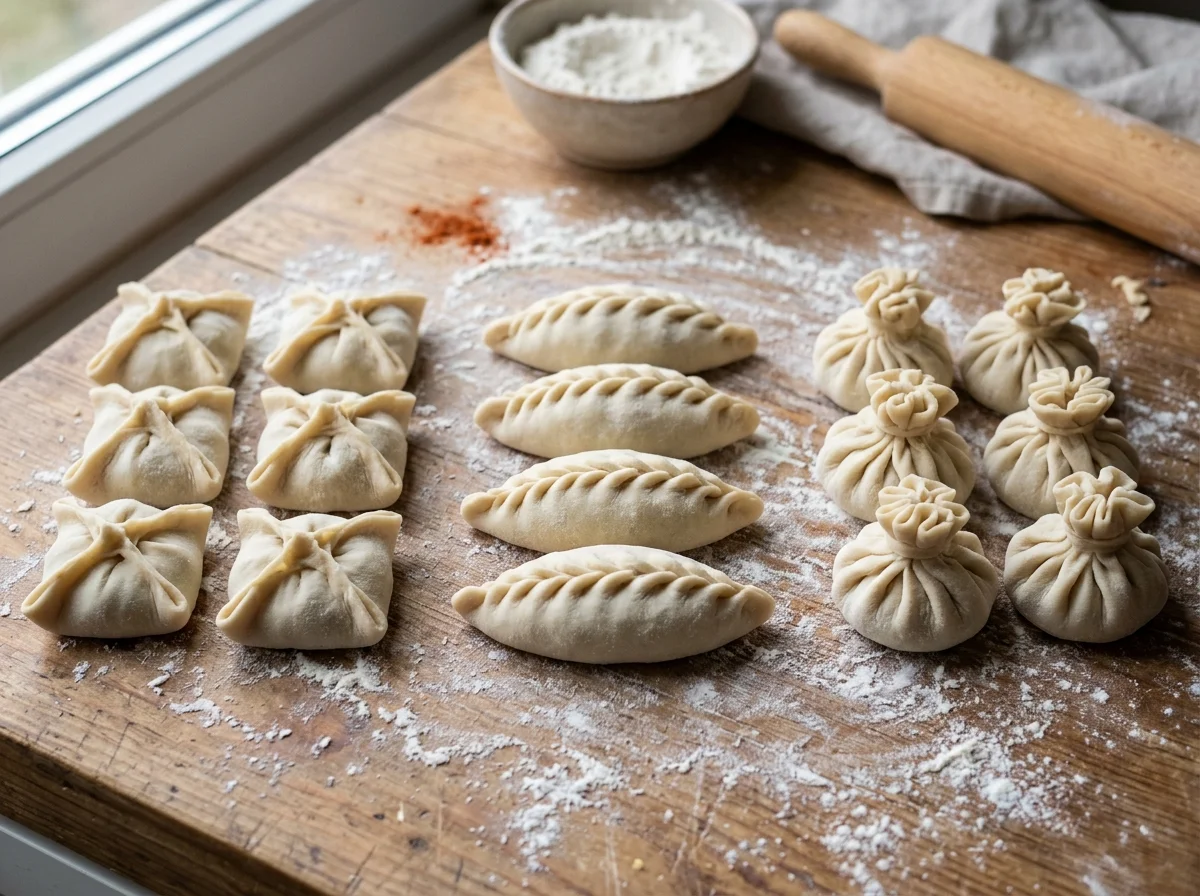
This article brings you a manti recipe you can make with ingredients from a regular supermarket. It covers three ways to fold the dough, step by step, from a method that's hard to get wrong for beginners to a traditional shape. For more dishes from the same Eastern Europe and Caucasus region, try Georgian khachapuri and khinkali, and Ukrainian borscht (all in Japanese).
Ingredients (serves 4, about 24 manti)
Nutrition (per serving, of 4)
The nutrition figures for this recipe are estimates for one of four servings (about 6 manti). The 28 g of protein comes from the lamb, and the 26 g of fat comes from the lamb fat and cooking oil. The 56 g of carbohydrates comes mainly from the bread flour in the dough.
This dish contains wheat, egg and dairy. The yogurt sauce is dairy, so leave it out for anyone with a milk allergy. For an egg allergy, leave the egg out of the dough and add 2 tbsp more water to compensate. If you don't care for lamb, a mix of ground beef and pork can stand in, though the flavor will be very different.
Cooking tips
Lamb isn't stocked everywhere, but you can usually find it at warehouse clubs (lamb leg or chops), in the freezer section of larger supermarkets, at halal butchers and Middle Eastern grocers, and from online meat suppliers. Halal butchers often carry lamb tail fat too, so they're worth a visit if you want to go all in.
Shaped, uncooked manti freeze well. Line a tray with parchment paper, arrange the manti with space between them, freeze for about 2 hours until firm, then transfer them to a zip-top freezer bag. Aim to use them within 1 month. To cook, put them in the steamer straight from frozen and add 10 minutes to the steaming time, for 50–55 minutes in total. Making a big batch to keep in the freezer is handy for busy weeknights.
Pour 1 cm (1/2 in) of water into a skillet, set an upside-down heatproof plate in it, and put a plate on top to steam on. Cover and steam over medium-low heat, allowing about 5 minutes longer than usual. You can also set a metal colander in a deep pot as a makeshift steamer. An inexpensive collapsible steamer insert works too.
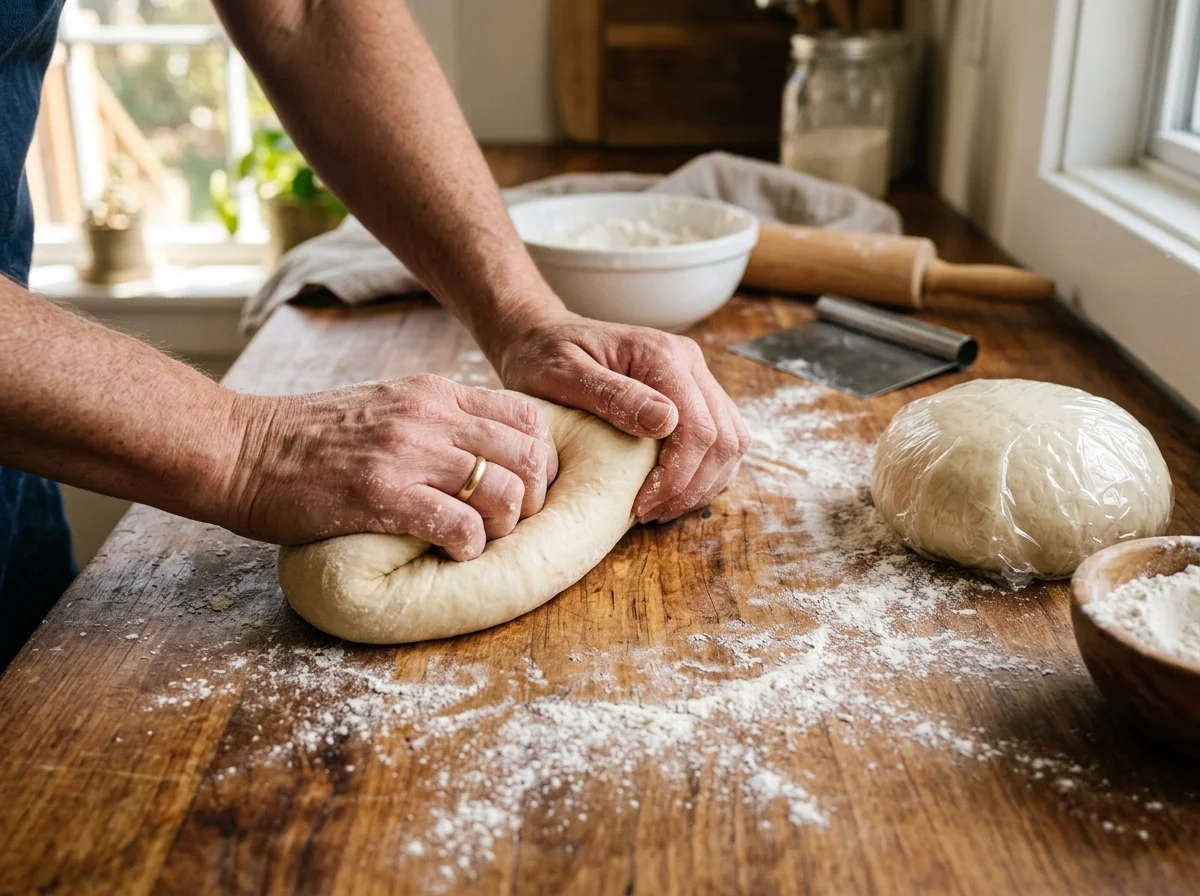
Knead the dough the night before, wrap it in plastic and refrigerate it; the next day, all that's left is to fill and steam. Dough rested overnight in the fridge has well-developed gluten and resists tearing even when rolled thin. Take it out about 15 minutes ahead to come to room temperature before using.
Variations
Turkish manti
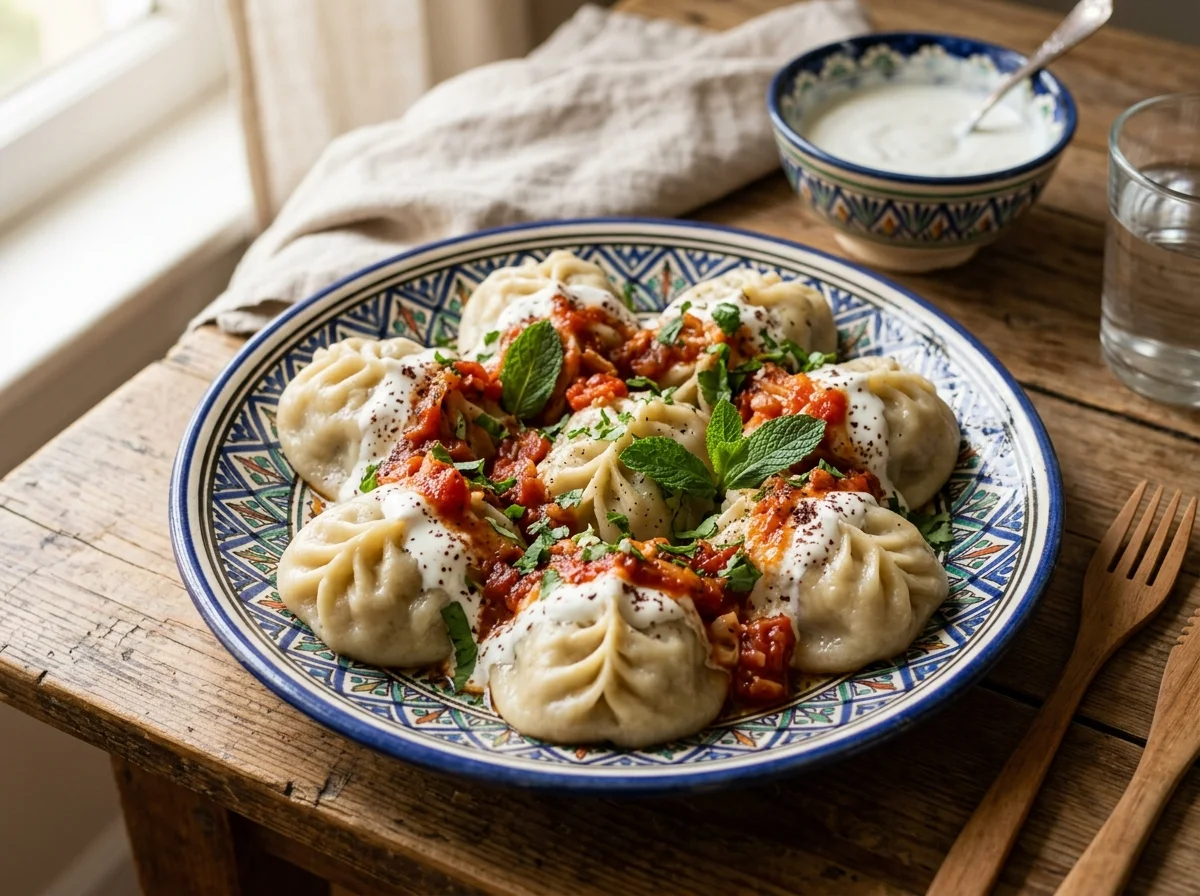
Turkish manti are very different from the Uzbek version. Their defining trait is that they're tiny. Kayseri in central Anatolia is known as the home of mantı, and there's even a saying that they don't count as mantı unless 40 of them fit on a single spoon.
The Turkish style is usually topped with yogurt sauce and a red oil of melted butter and paprika, and in looks and flavor it seems like a different dish from the Uzbek version.
Afghan ashak
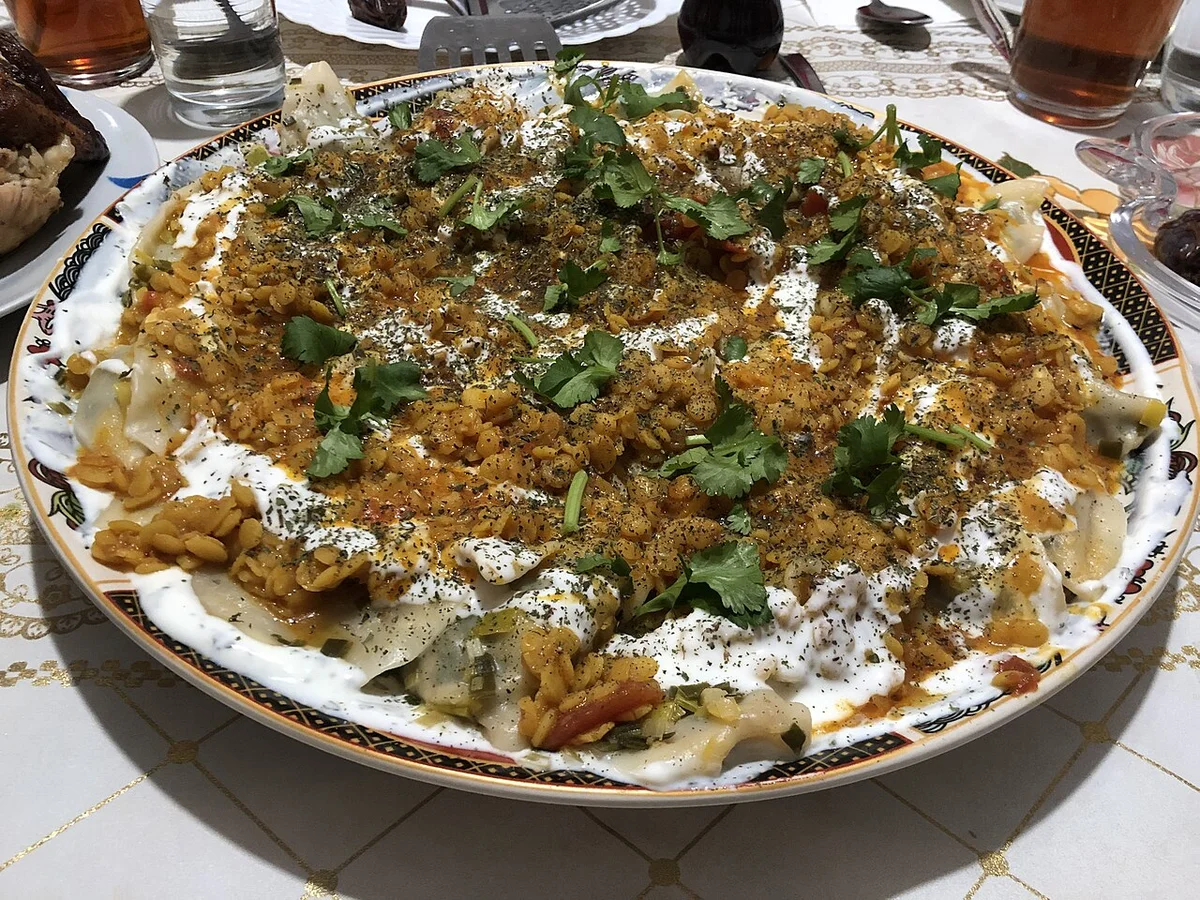
In Afghanistan there's a variation of manti called ashak, notable for a filling of chives or leeks. Rather than meat, it's a light dumpling wrapping chives and spices, eaten with both yogurt sauce and a meat-and-tomato sauce on top. The idea is close to Japanese garlic-chive gyoza, but the pairing with yogurt sauce makes it a whole new experience.
Japanese-style "manti-ish steamed dumplings"
If lamb isn't for you, a mix of 200 g ground pork and 100 g ground chicken works as a substitute. Use 1 grated knob of ginger instead of cumin, and serve with ponzu and chili oil instead of yogurt sauce for a flavor closer to Japanese dumplings. That said, the chewy texture of handmade dough is worth experiencing, so make the dough yourself rather than using store-bought wrappers.
Vegetarian pumpkin manti
In Uzbekistan and Tajikistan, besides lamb and beef, manti filled with pumpkin are also common. Grate 300 g pumpkin and mix it with 1 finely chopped onion, then season with cumin, salt and pepper. Steamed, they're sweet and comforting, and go beautifully with yogurt sauce. Japanese kabocha squash is very sweet, so if you can get butternut squash, it will taste closer to the original.
Small boiled dumplings (chuchvara)
Uzbekistan also has small dumplings called chuchvara. Unlike manti, they're not steamed but boiled in meat broth, and they're eaten floating in clear broth, or without broth alongside vinegar, a tomato sauce with chopped herbs, and strained yogurt or sour cream. Wrap the same dough and filling as manti into small dumplings and you can enjoy a chuchvara-style meal at home.
Background: a culinary heritage of the Silk Road
Manti and the Silk Road
The Silk Road carried not only silk and spices but cooking methods themselves. Manti are one of the clearest pieces of evidence. Old records of dishes resembling manti appear in the era of the 13th-century Mongol Empire, and wrapped dishes are thought to have spread to many regions along with the movement of people and goods.
Tracing which dish came from where along a single line is difficult, and researchers' views differ. Even so, the fact that similar wrapped dishes survive across a wide stretch of Eurasia speaks to the culinary exchange among the people who traveled the Silk Road.
Chinese jiaozi, Japanese gyoza, Korean mandu, Mongolian buuz (in Japanese), Tibetan momo, Nepali momo, Afghan manti, Turkish manti and Georgian khinkali (in Japanese) all belong to the same "wrapping" culture. Each evolved on its own to reflect local ingredients and spices, and they blossomed into very different dishes.
Manti at the Uzbek table
In Uzbek food culture, manti hold a special place as a dish for welcoming guests. Where plov (Uzbek pilaf) is an "everyday feast," manti are held in higher regard as a dish whose effort makes it fit to serve guests.
Because wrapping them takes time, families often share the work, and that time together becomes part of the pleasure of the meal. It's not unlike a family in Japan gathering to fold gyoza together.
Manti in the bazaar
In the bazaars (markets) and canteens of Uzbek cities, you can see manti steaming in big steamers stacked many tiers high. In Russian-speaking areas these steamers are called a manty-kaskan or mantovarka: shallow perforated pans stacked in tiers and set over a pot of boiling water.
Like Turkish kebab and Lebanese hummus (in Japanese), manti are one of the defining dishes of the food cultures along the Silk Road.
The diversity of Uzbek cuisine
Manti are just one small part of Uzbek cooking. Sitting at a crossroads of the Silk Road, Uzbek food culture has been shaped by Persian, Indian, Chinese, Russian and many other cuisines. Here are a few signature dishes.
Plov is a rice dish you could call Uzbekistan's national food: lamb, carrots, onion and rice cooked together with cumin in a large pot. At weddings and celebrations, specialist cooks known as "plov masters" are brought in to cook plov for hundreds of people in a huge iron kazan. In 2016, Uzbekistan's palov culture was inscribed on UNESCO's list of Intangible Cultural Heritage.
Lagman is a soup of hand-pulled noodles and lamb, said to share roots with China's Lanzhou lamian. Samsa is spiced lamb wrapped in pastry and baked, a close cousin of the Indian samosa. Eat these alongside manti and you get a taste of the Silk Road's food culture all at once.
Trying manti outside Central Asia
Uzbek food still isn't widely known in many places, but in larger cities you can sometimes find manti at restaurants serving Central Asian food.
To make them at home, the hardest ingredient to track down is the lamb, but as mentioned above, warehouse clubs and halal butchers are reliable sources. Ground cumin is sold almost everywhere, so the spices are an easy hurdle. Like Georgian khachapuri or Nigerian jollof rice (both in Japanese), manti are a lesser-known feast well worth discovering.
FAQ
Like manti, Georgia's meat-filled soup dumplings, khinkali, are a highlight of the wrapping culture. Cheese-filled khachapuri is Georgia's national dish. Deep-red beet soup, borscht, is a signature of Eastern Europe. If you're curious about spiced Middle Eastern food, try shakshuka or tabbouleh. For rice and noodle dishes, there's also Indian biryani and Thai pad thai. (All in Japanese.)
Q1. I'm bothered by the gamy smell of lamb. What can I do?
Using more ground cumin (up to 1.5 tsp is fine) is the most effective fix. Adding 1 grated knob of ginger to the filling also softens the smell. Soaking the lamb in milk for 30 minutes before cooking helps too. If it still bothers you, choose lamb rather than mutton; lamb from young animals has far less of that smell than mutton from older sheep.
Q2. The steaming time is long. Is there a shortcut?
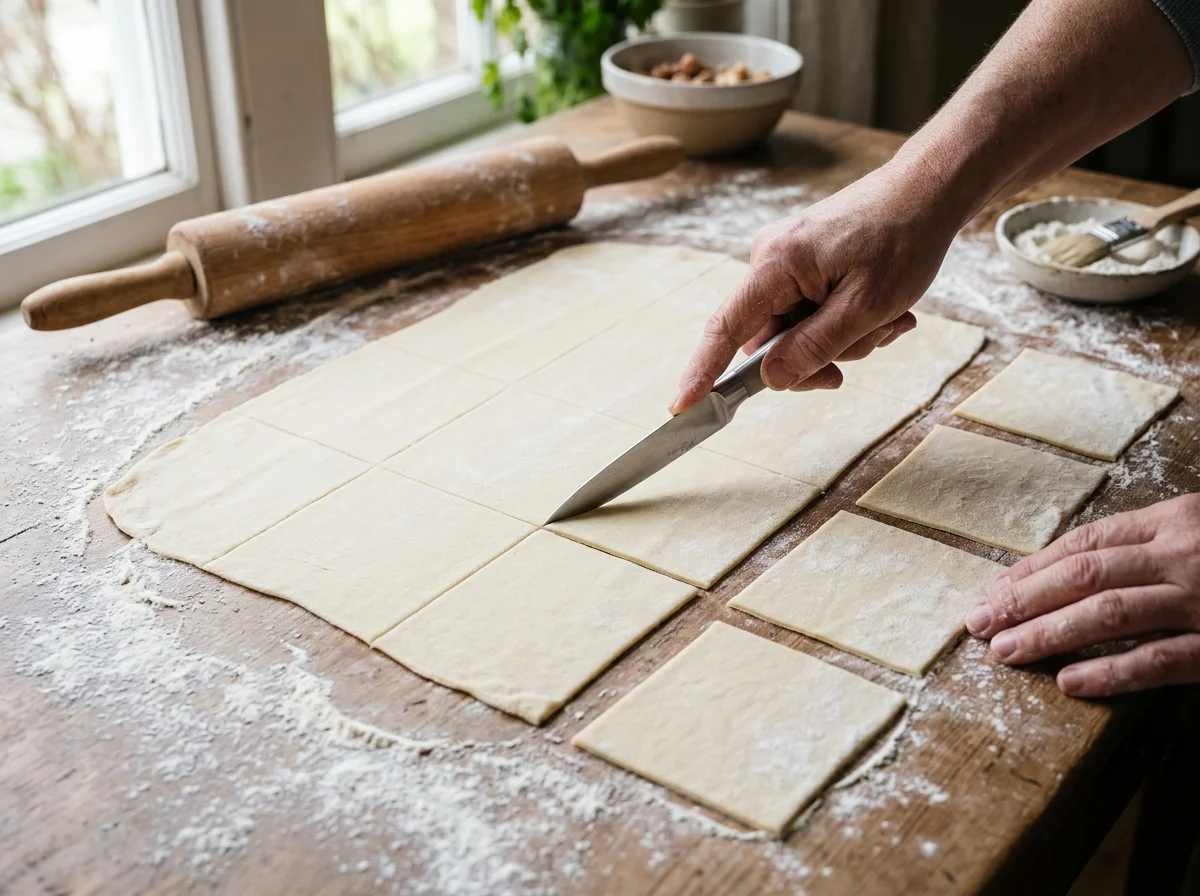
Steaming by nature takes some time. But if you make the manti smaller (squares of about 5 cm / 2 in), you can cut the steaming time to 25–30 minutes. A microwave steamer (silicone steamer) can also cook them in about 15 minutes, though only a few at a time. A real steamer gives far better results, but keep this in mind as a compromise when you're short on time.
Q3. The yogurt sauce is too sour.
To tame the tang, stir 2 tbsp sour cream into the yogurt; it adds a mellow richness and softens the sourness. Using less garlic and more dried mint also gives a fresher flavor that makes the sourness less noticeable. Greek yogurt (strained yogurt) makes the sauce thick and creamy, with a milder tang.
Q4. What drinks go with manti?
In Uzbekistan, green tea (kok choy) is the classic pairing. Any green tea works well, and it helps wash away the richness. For alcohol, vodka is the norm in Central Asia, but sake and beer go well too. For wine, a light red (Pinot Noir) pairs nicely with the flavor of lamb.
Q5. How do I reheat leftover manti?
Re-steaming is best. About 10 minutes in the steamer brings them back close to freshly steamed. To microwave, sprinkle with 1 tsp water, cover with plastic wrap and heat for 2 minutes. Another delicious option is "pan-fried manti": melt butter in a skillet, crisp the bottoms of the manti, then cover and steam-fry.
Q6. How can I make them more kid-friendly?
Ground chicken breast instead of lamb gives a mild flavor that kids love. Cut the cumin to 1/2 tsp and add 10 g butter to the filling instead for a rounder taste. Stirring 1 tsp honey into the yogurt sauce softens the tang and makes it easier for kids to enjoy. Making the manti about half size also helps.
Q7. What's the difference between manti and khinkali?
Georgian khinkali (in Japanese) and manti both wrap meat in dough, but they're cooked differently. Khinkali are boiled, while manti are steamed. Khinkali fillings are often beef or pork, whereas manti are traditionally lamb. And while khinkali are eaten with just black pepper, manti need their yogurt sauce. Both are descendants of the Silk Road's wrapping culture, and tasting them side by side makes for some interesting discoveries.
Sources
- Wikipedia, "Manti (food)" (https://en.wikipedia.org/wiki/Manti_(food)) accessed October 22, 2026
- Wikipedia, "Chuchvara" (https://en.wikipedia.org/wiki/Chuchvara) accessed October 22, 2026
- The Guide Istanbul, "How to enjoy the ultimate Turkish comfort food this winter" (https://www.theguideistanbul.com/article/how-enjoy-ultimate-turkish-comfort-food-winter/) accessed October 22, 2026
- UNESCO Intangible Cultural Heritage, "Palov culture and tradition" (https://ich.unesco.org/en/RL/palov-culture-and-tradition-01166) accessed October 22, 2026