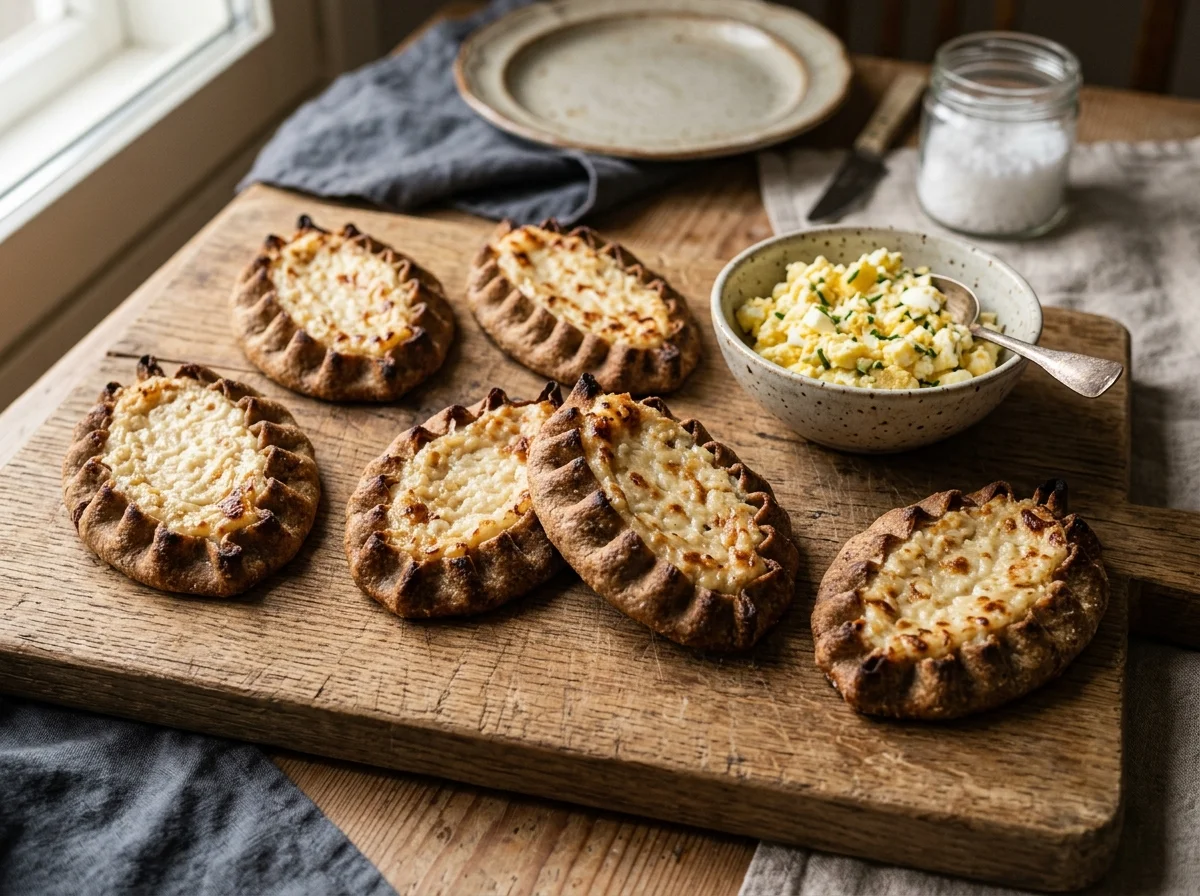
Finland's karjalanpiirakka: boat-shaped pies of thin rye crust filled with rice porridge, served with munavoi (egg butter)
Prep40 min
Cook25 min
Servesabout 20 pies
CuisineFinnish

Karjalanpiirakka: Finnish Karelian Rice Pies with Rye Crust and Egg Butter

A full recipe for Finland's beloved Karjalanpiirakka (Karelian pies): thin rye crusts wrapped around creamy milk rice porridge, from rolling the dough and shaping the boat-like pies to making munavoi, the egg butter, with oven temperature, storage and variations.

Total: 1 hr 5 minLevel: Intermediate

Cooking flow

Cooking steps

STEP 11 / 9

Parboil the rice in water

10 min

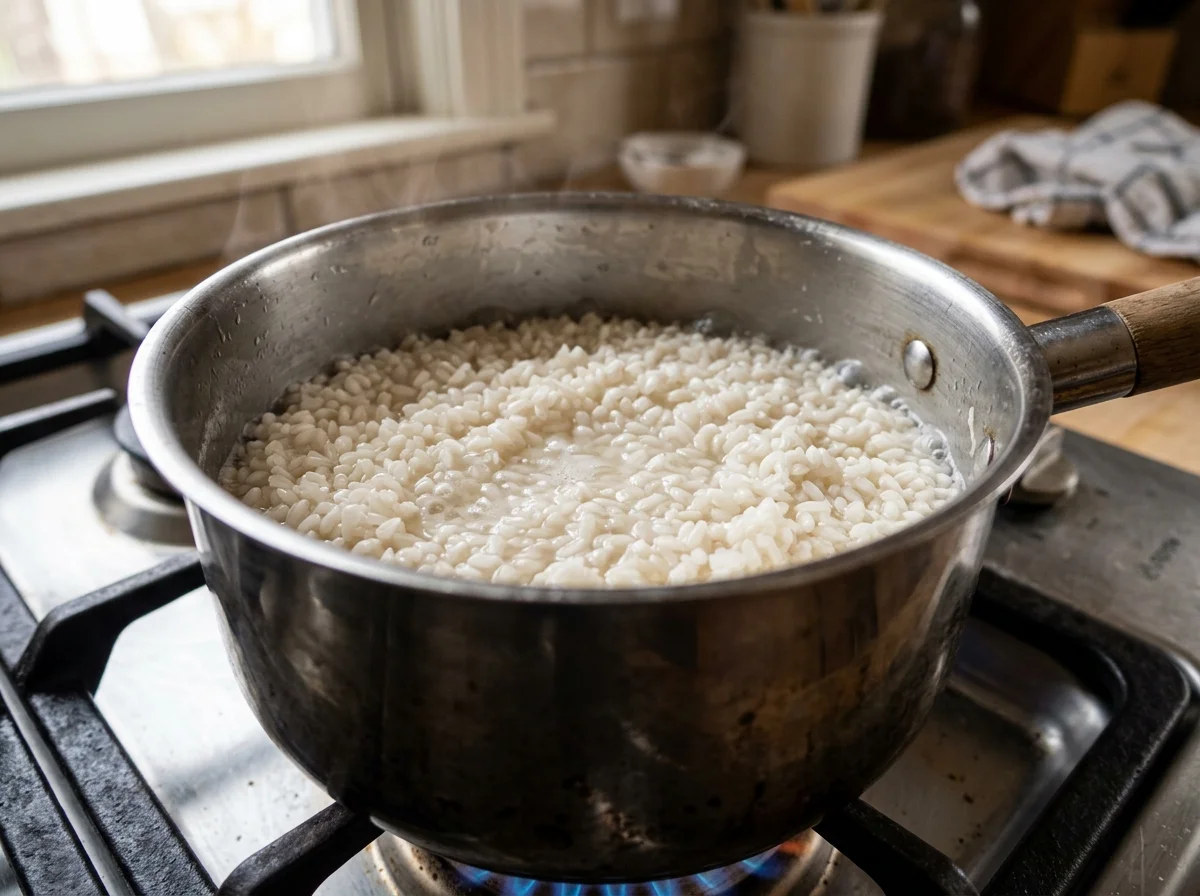
Parboiling rice in water in a pot
Parboil the rice in water. When nearly all the water has cooked off, it is ready for the milk

Bring 200 ml water to a boil in a pot. Add 200 g rice and cook over medium heat for about 5 minutes, until nearly all the water is gone. This is the base of the porridge. Cooking it in water first makes it less likely to scorch when the milk is added.

STEP 22 / 9

Add the milk to make milk porridge

40 min

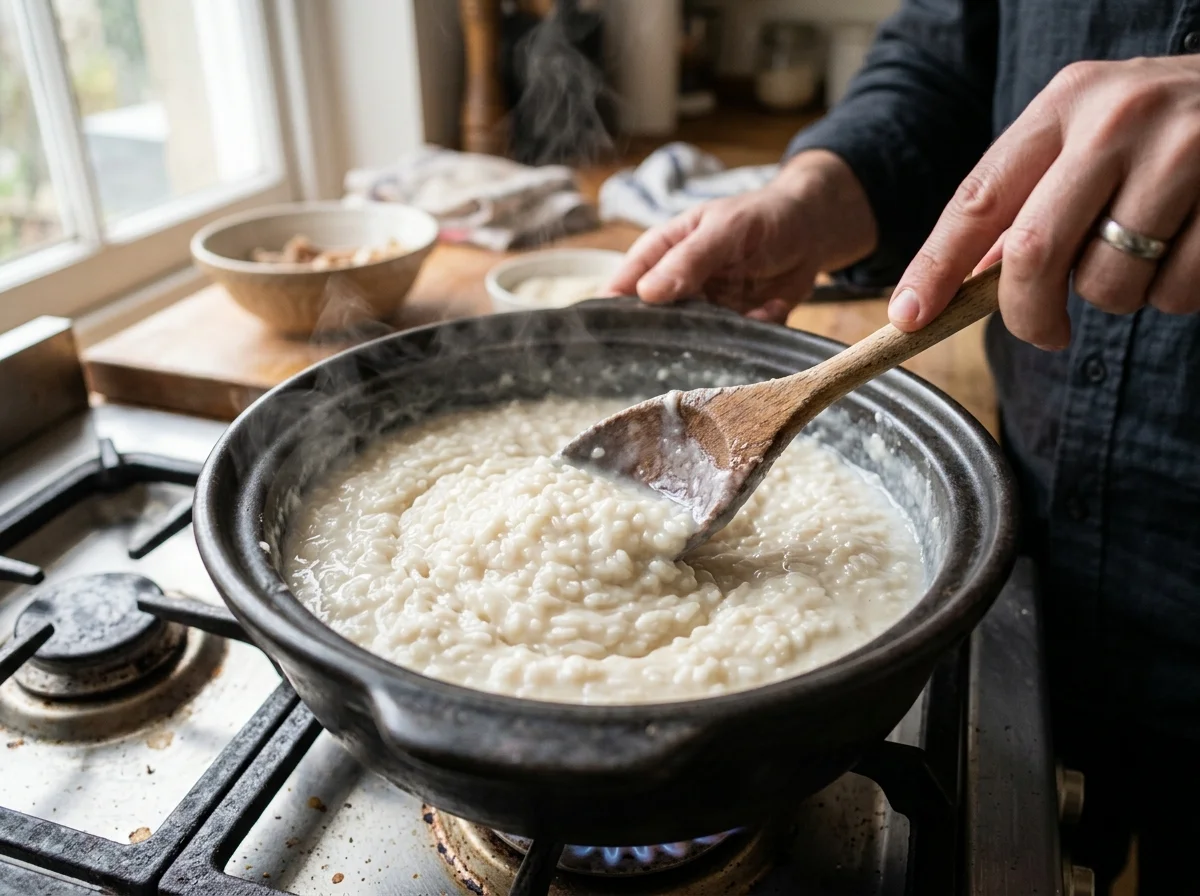
Simmering rice porridge after adding milk
Add the milk and simmer slowly over low heat. About 40 minutes until it is a thick milk porridge. Stir regularly so it does not scorch

When the water has nearly gone, add 800 ml milk all at once. Turn the heat to high and warm until the edge of the pot is bubbling, then lower the heat at once. Cover and simmer for 40 minutes, stirring occasionally. The bottom scorches easily, so scrape it with a wooden spatula every 10 minutes. Cook until the grains have swelled with milk and a line drawn with the spatula holds for about 1 second.

Watch for scorching

Milk porridge scorches very easily. Scrape the bottom of the pot as you stir every 10 minutes; once it scorches, the smell carries through the whole batch. Use a nonstick pot, or if you use stainless steel, keep the heat firmly low.

Add the butter and salt and let it cool (5 min + cooling)

When the porridge is thick, turn off the heat. Add 20 g butter and 1 tsp salt and mix well. It is right when it is a little looser than risotto. If it is too loose, remove the lid and cook it down for about 5 minutes. Spread it out in a tray to cool. It does not need to cool completely. It can be used for shaping when lukewarm (around 40°C / 104°F).

Can be made the day before

The porridge can be made the day before and kept in the refrigerator. The next day you can shape it cold. Some say cold porridge is actually easier to shape.

STEP 33 / 9

Knead the rye dough

10 min

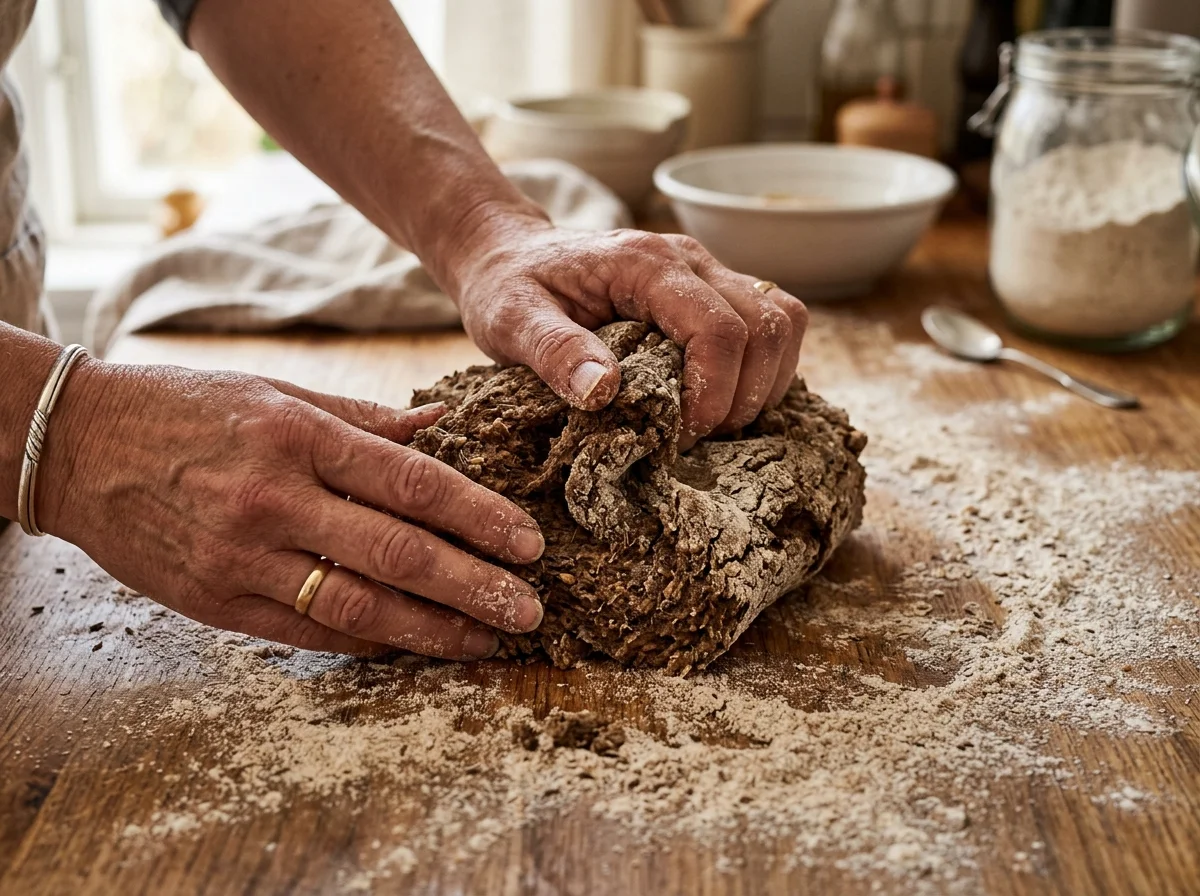
Kneading the rye dough
Knead the rye dough. It does not need a long knead like wheat bread. It is enough if it comes together

Mix 200 g rye flour, 50 g cake flour and 1/2 tsp salt in a bowl. Add 150 ml water and 1 tbsp vegetable oil and knead by hand. You do not need to develop gluten. Rye contains almost no gluten, so it is enough if it comes together. In about 2 minutes it becomes a smooth lump. Wrap in plastic and rest 15 minutes.

Handling the dough

Rye dough behaves completely differently from wheat dough. It cracks when rolled and does not spring back when spread. Do not treat it like wheat dough. If it cracks, press it closed with your fingers. Do not aim for a perfect shape; the handmade look is part of karjalanpiirakka's charm.

STEP 44 / 9

Divide the dough and roll it thin

15 min

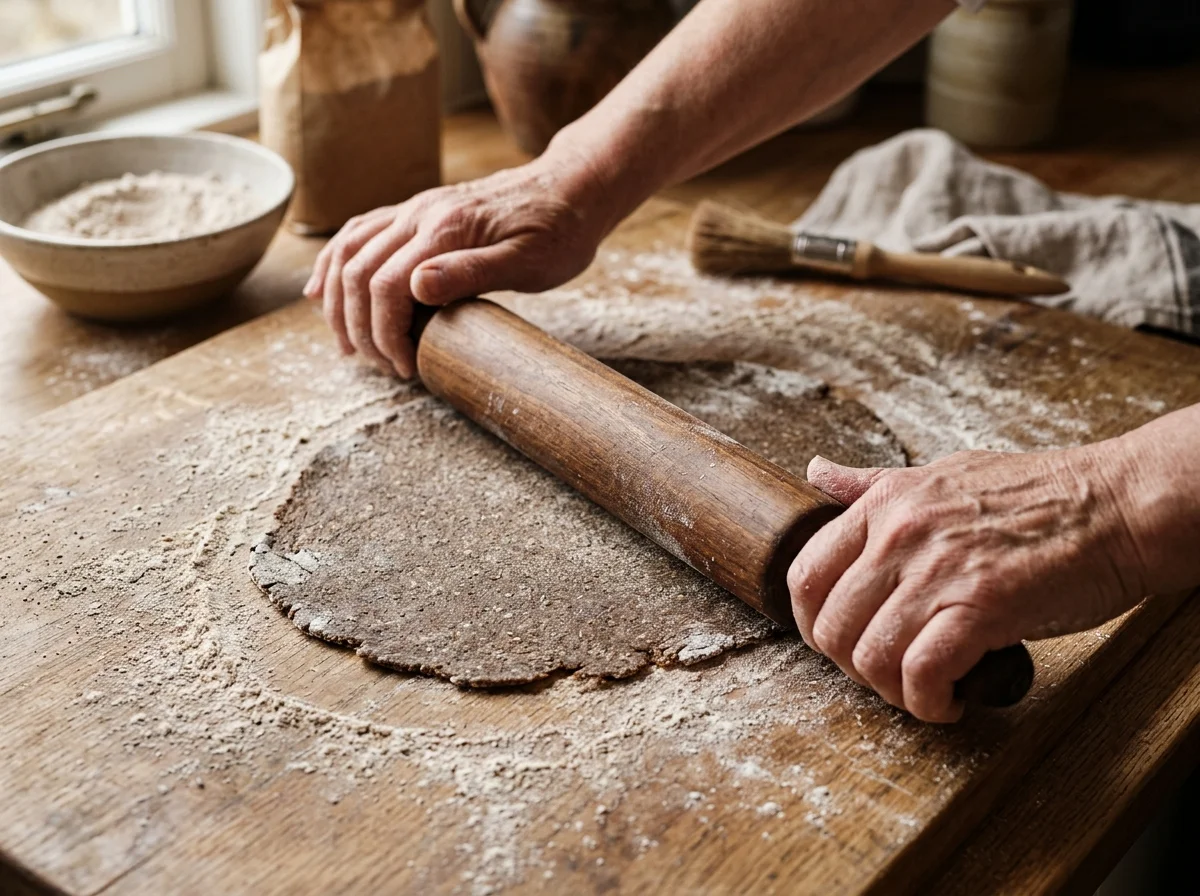
Rolling the dough thin
Roll the rye dough thin with a rolling pin. A circle 15 cm across and 1 to 2 mm thick. Paper-like thinness is the ideal

Divide the dough into 20 equal pieces. Roll each by hand into a ball, then roll with a rolling pin on a surface dusted with rye flour into a circle 15 cm across. The thickness is 1 to 2 mm. Thin as paper. This thinness is the hallmark of karjalanpiirakka. If it is thick, the baked crust will not be crisp.

Gauge of thinness

A good guide is thin enough that you could read a newspaper through it. A wooden rolling pin rolls it thinner more easily, but any rolling pin will do. Rolling it out on top of plastic wrap keeps it from sticking.

STEP 55 / 9

Add the rice porridge and shape into a boat

15 min

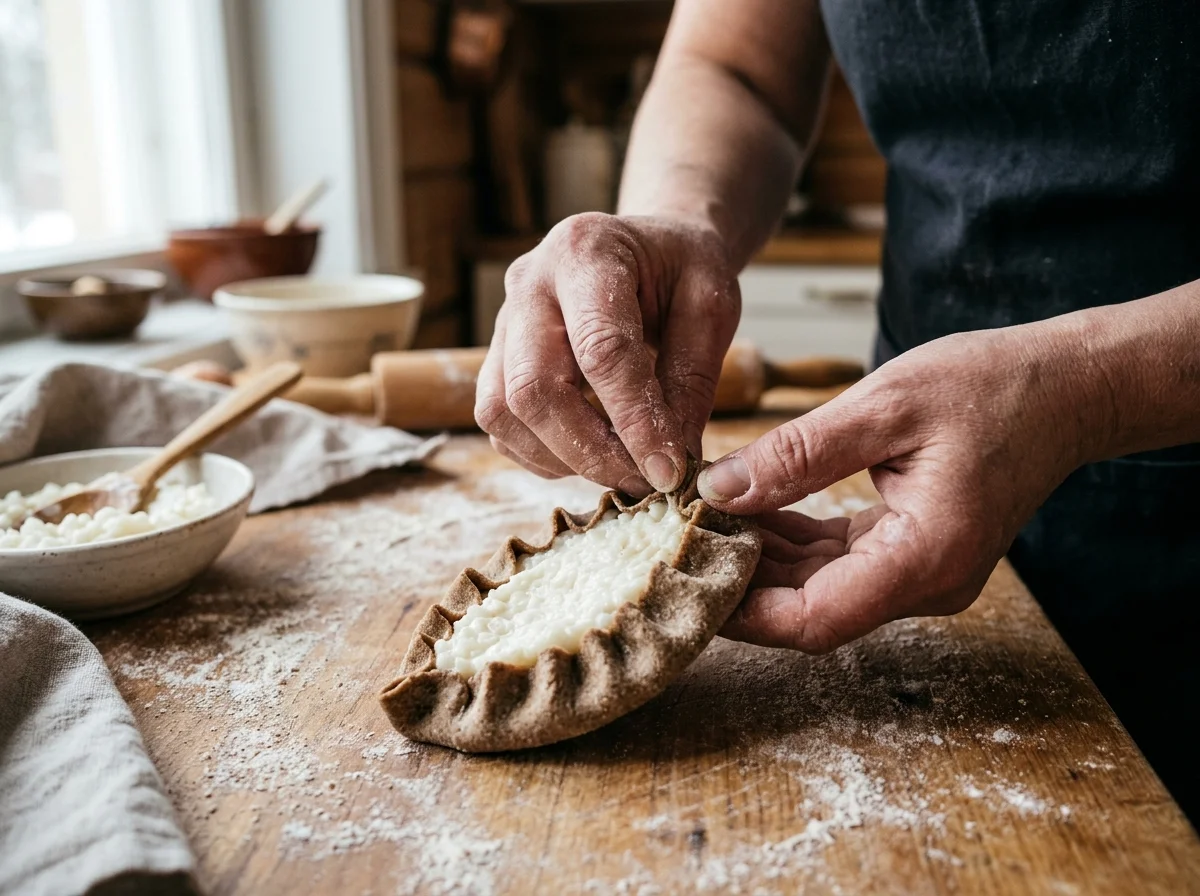
Shaping karjalanpiirakka into a boat
The shaping step. Fold the rye dough up from both sides and pleat with your fingers into a boat. Leave the rice porridge showing in the center

Place 2 tbsp (about 30 g) rice porridge in the center of a rolled-out circle. Spread the porridge into a long oval. Fold the left and right sides of the dough up toward the center to make a boat shape. Pinch the edges with your fingers to make pleats, and shape it with the porridge still visible.

Three points for shaping:

  • Do not gather the porridge too much to the center. Spread it evenly to the ends
  • Fold the dough over by 1 to 1.5 cm. Folding deeper makes the baked pie thick
  • Pinch the pleats firmly between thumb and forefinger. This keeps them from opening in the hot oven
Variations in shaping

In Karelia the style of shaping differs from home to home: wide boats, long thin canoes, nearly round ovals. There is no right answer. Find your own style.

STEP 66 / 9

Bake in a hot oven

12–15 min

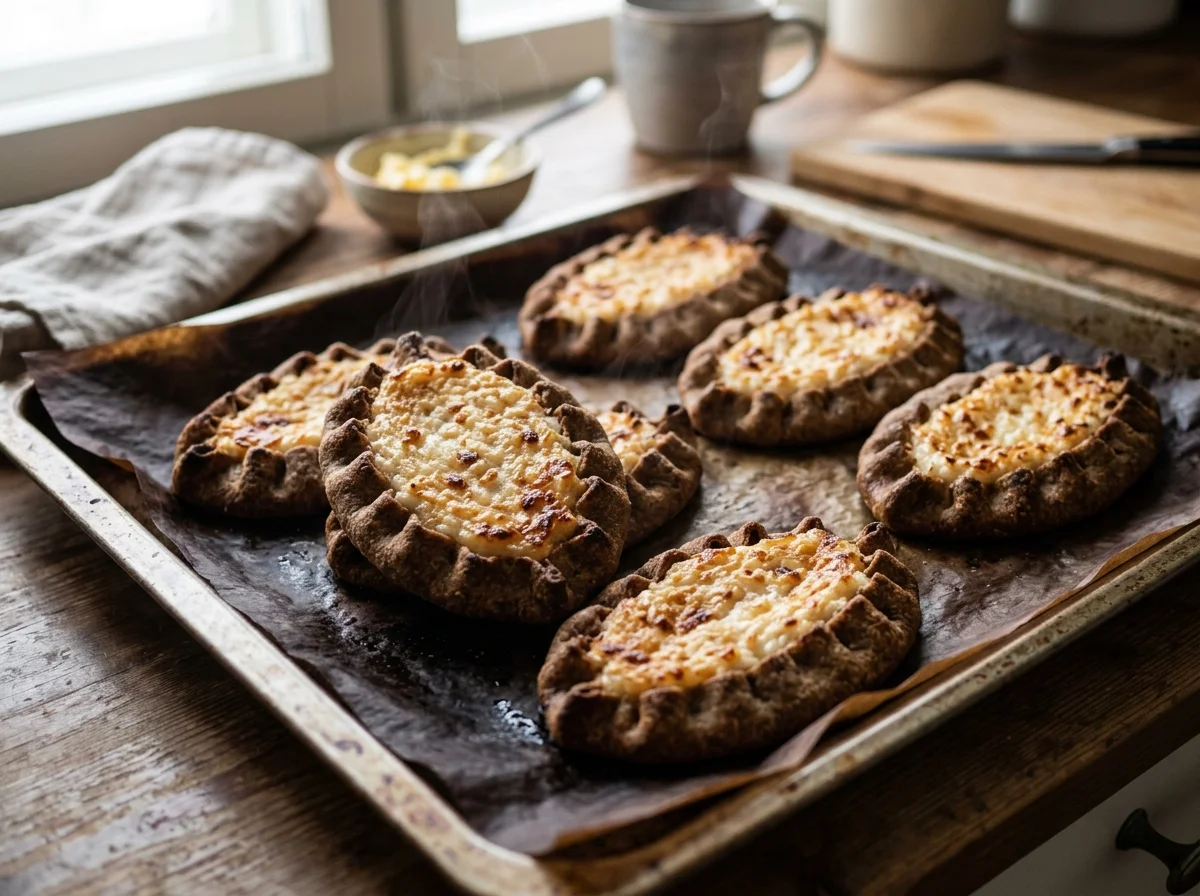
Karjalanpiirakka baked in the oven
12 to 15 minutes in a 250°C oven. Done when the rye crust shows dark brown spots and the rice porridge has taken a little color

Preheat the oven to 250°C (480°F). Line a baking sheet with parchment and arrange the shaped pies, leaving 2 cm between neighbors so they do not stick. Bake at 250°C for 12 to 15 minutes. They are done when the rye crust shows dark brown spots and the surface of the rice porridge has taken a little color.

Beware of overbaking

250°C is a high temperature. Be sure to check at 12 minutes. Rye dough is thin and scorches easily. A deep brown surface on the rice porridge is the sign of overbaking. Check the baking time on the first batch and adjust for the rest.

STEP 77 / 9

Brush with milk butter (right after baking)

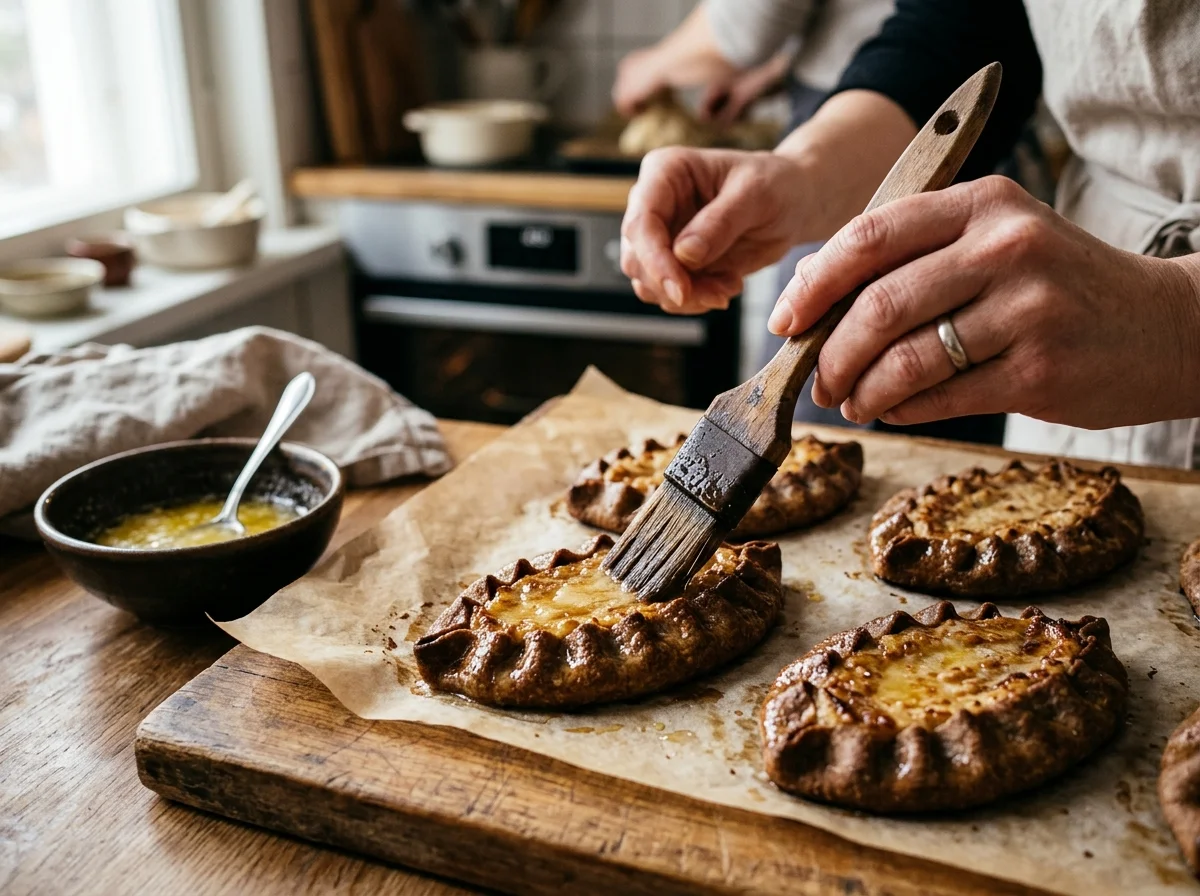
Brushing freshly baked pies with milk butter
Brush with melted butter and milk right after baking. This step makes the surface moist and soft

Take the baked pies from the baking sheet and immediately brush the surface with melted butter and milk mixed 1:1. Melt 2 tbsp butter and mix in 2 tbsp milk. This makes the surface soft and moist. Cover with a cloth and let them steam for 5 minutes.

Do not skip this step

If you bake them and leave it there, the rye crust gets too hard and cracks. This one extra step lets you have both a crisp bite and moist softness.

STEP 88 / 9

Combine the egg and butter

5 min

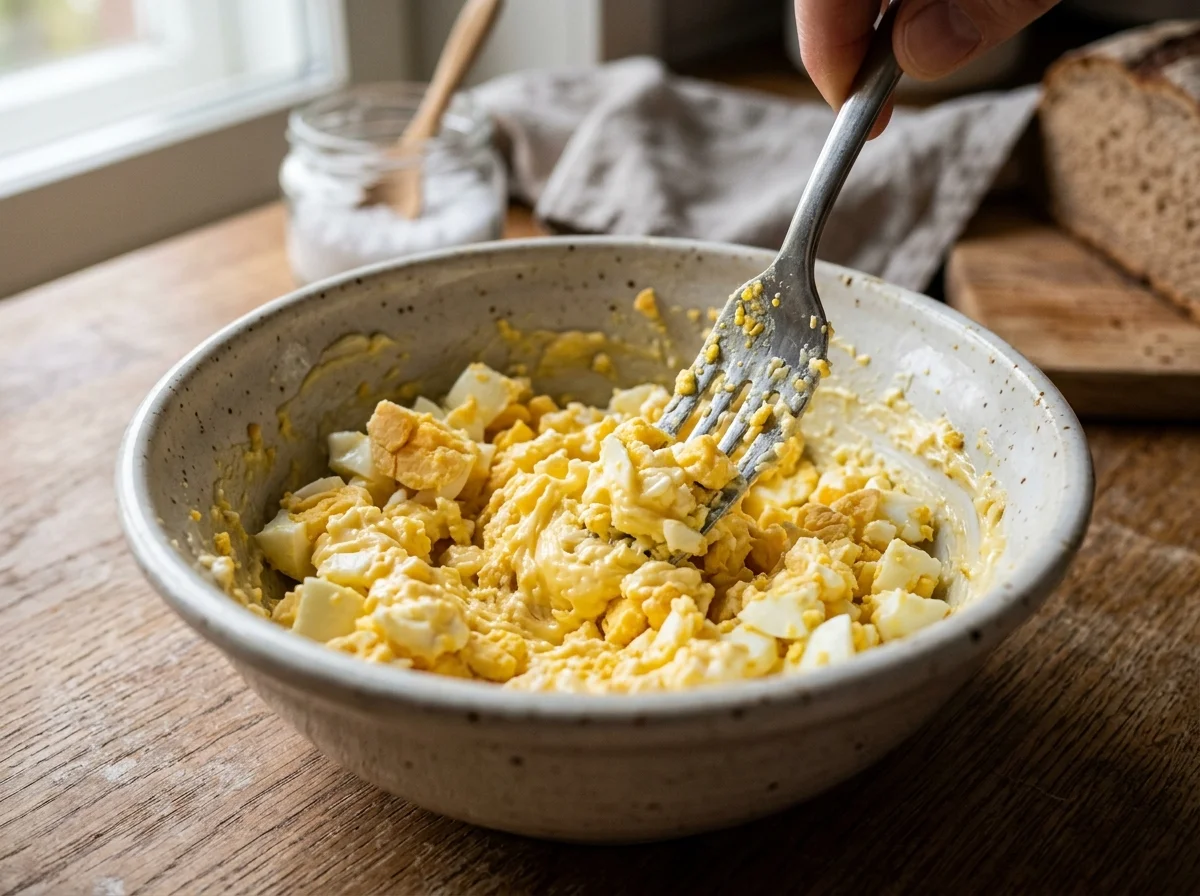
Making munavoi (egg butter)
Chop the hard-boiled eggs with a fork and mix with soft butter. Munavoi is the essential partner of karjalanpiirakka

Peel 3 eggs and chop them with a fork into fine bits about 5 mm. Put 100 g room-temperature salted butter in a bowl and work it into a soft cream that spreads without resistance when pressed with a fork. Add the chopped egg and mix until the white and yolk bits are evenly coated with butter and it forms a coarse paste you could spread on bread. Taste for salt, and add a little if needed.

STEP 99 / 9

Spread generously on the pies and serve

2 min

STEP 9

Pile munavoi generously onto warm karjalanpiirakka. The butter melts slowly and soaks into the rye crust along with the bits of egg. This moment is when karjalanpiirakka is at its best.

0 / 0
Ingredients

Ingredients

1 / 3

Rye dough (the crust)

Ingredient Amount Substitutes & notes
Rye flour (whole grain) 200 g Whole grain rye is recommended. Refined rye flour also works but the flavor is weaker
Cake flour (low-protein flour) 50 g Added to make the dough easier to handle
Water 150 ml Room temperature
Salt 1/2 tsp —
Vegetable oil 1 tbsp Helps the dough hold together. Butter also works
Choosing rye flour

Rye flour is sold in the baking or import section of many stores and online. In Finland a coarsely ground whole grain rye flour called "ruisjauho" is used. A whole grain rye flour is the closest. If you can only find finely ground rye flour, reduce the cake flour to 30 g and increase the rye flour to 220 g. If the dough is sticky, simply use more rye flour for dusting.

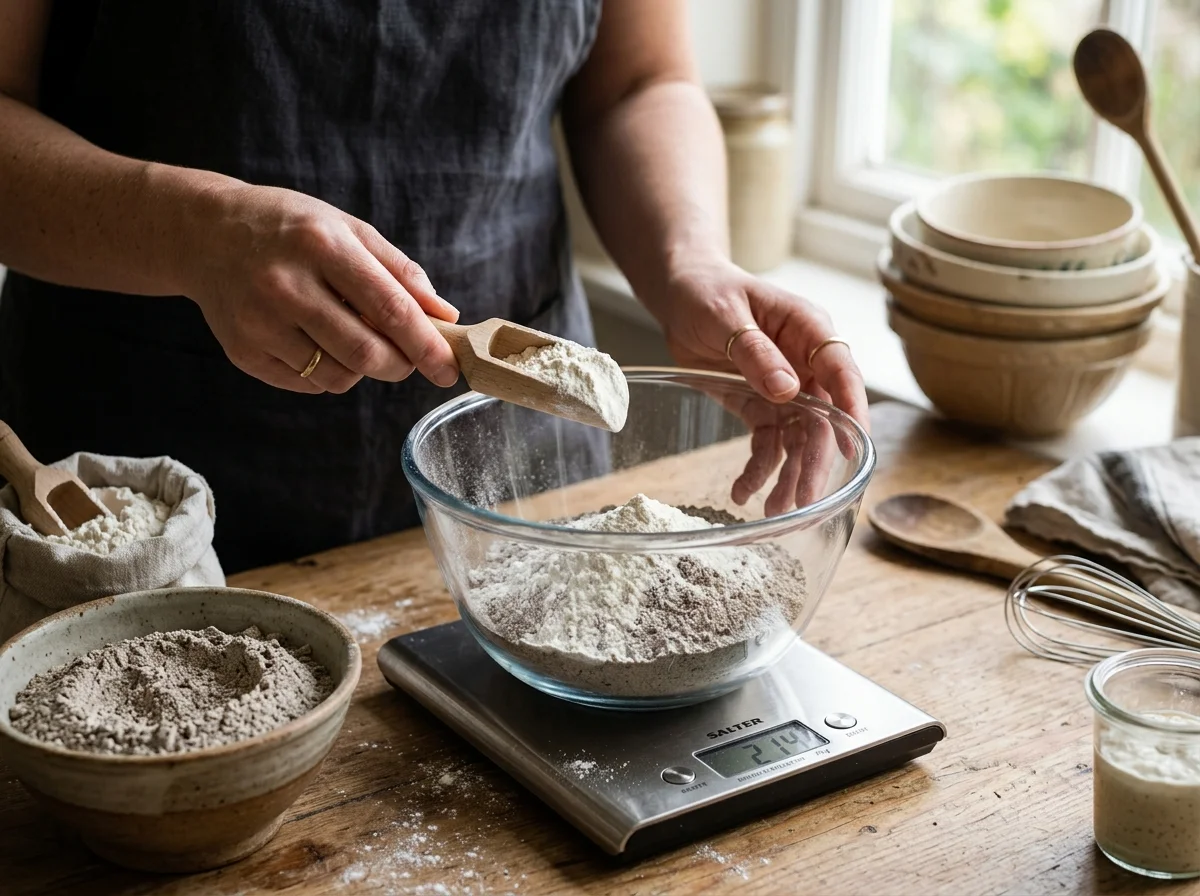
Measuring rye flour and cake flour
Measure 200 g rye flour and 50 g cake flour. The distinctive gray-brown color of rye flour is the base of karjalanpiirakka's flavor
2 / 3

Rice porridge filling

Ingredient Amount Substitutes & notes
Rice (short grain) 200 g Japanese-style short-grain rice is best. Risotto rice also works
Milk 800 ml Whole milk is recommended. Low-fat milk lacks richness
Water 200 ml For cooking the rice first
Butter 20 g Adds richness to the filling
Salt 1 tsp —
Short-grain rice suits karjalanpiirakka perfectly

The "puuroriisi" (porridge rice) used in Finland is a short, round-grain rice. English-language recipes call it "pudding rice" or "short-grain rice." The Finnish way is to use it unwashed, but you can wash it first if you like. Washing gives a cleaner taste, and not washing gives a thicker porridge. Choose to taste.

3 / 3

Munavoi (egg butter)

Ingredient Amount Substitutes & notes
Hard-boiled eggs 3 Hard boiled (12 minutes)
Butter (salted) 100 g Bring to room temperature. Unsalted butter plus a pinch of salt also works
Salt A little Only if the butter is unsalted
What is munavoi

"Muna" means egg and "voi" means butter. It is chopped hard-boiled egg mixed with soft butter. It is always spread on karjalanpiirakka before eating. For Finns, the pairing is inseparable.

0 / 0

The Finnish "taste of mom's cooking"

When you hear Finnish food, what comes to mind? Salmon. Reindeer meat. Sausages grilled in the sauna. None of these is wrong. But ask a Finn for the single most cherished food and the first name that comes up is karjalanpiirakka.

A thin rye crust wraps around a soft milk rice porridge. It is shaped like a little boat and baked in a very hot oven. Fresh from the oven it is spread generously with munavoi, egg butter. A crisp, fragrant rye shell outside, creamy rice porridge inside, and melting butter with chopped egg on top. In the moment those three layers meet in your mouth, a Finn remembers home.

What is karjalanpiirakka

In Finnish it means "Karelian pie." It originated in Karelia in eastern Finland, and in 2003 it received the EU's Traditional Speciality Guaranteed (TSG) status. It turns up at every kind of occasion, from breakfast and snack time to holidays and funerals.

Search in English for "Karelian pie recipe" or "Karjalanpiirakka" and you will find many authentic recipes. This article explains how to reproduce it in a home kitchen, from rolling the dough to shaping, drawing on information from the English-speaking world. It stands beside Lithuanian cepelinai and Portuguese caldo verde (in Japanese) as one of Europe's hidden gems.


Ingredients (makes about 20)

Allergy information

This dish contains wheat (cake flour), dairy (milk, butter) and egg. A gluten-free version is not recommended because the dough is hard to substitute. For a dairy allergy, you can make the rice porridge with oat milk and vegan butter, but the flavor is very different.
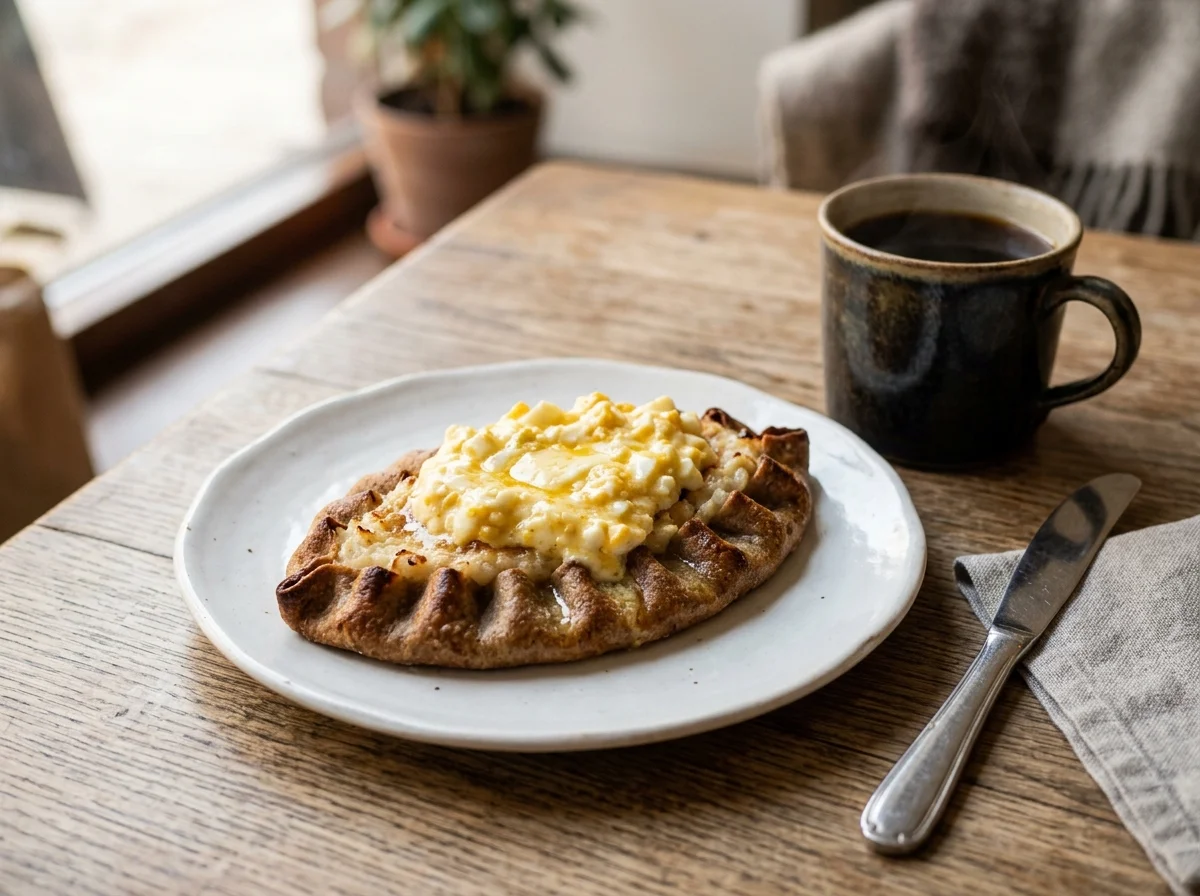


Finished karjalanpiirakka with munavoi
Done. Warm karjalanpiirakka with plenty of munavoi. Enjoy the trinity of rye, rice porridge and egg butter

Cooking tips

Thin dough, plenty of porridge

The ideal proportion for karjalanpiirakka is "1 part crust to 3 parts porridge." The thinner the dough, the better. Pack in plenty of porridge. A good pie does not make you feel the crust; the first thing you notice on the tongue should be the gentleness of the rice porridge.

You do not have to bake them all at once

Shaping and baking 20 at once is a lot of work. In Finnish homes it is usual to divide the work, one person rolling and another shaping. If you are making them alone, shape and bake about 5 at a time. Keep rolled dough under a cloth to keep it from drying out.

Freeze them as a pantry food

Baked karjalanpiirakka freeze very well. Let the heat go, wrap each in plastic wrap and put them in a freezer bag, and they keep for 1 month. To eat, give them 3 minutes in a toaster oven.
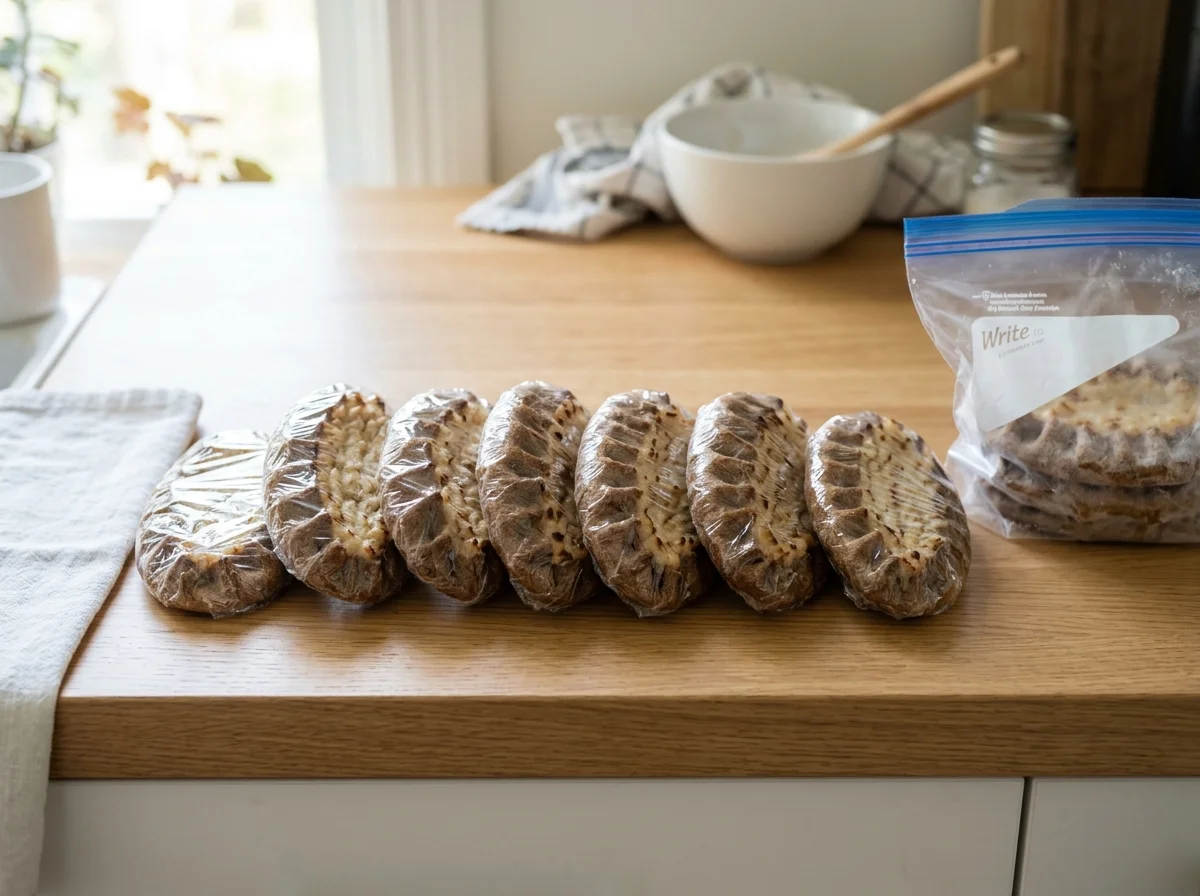
Wrapping karjalanpiirakka in plastic wrap for freezing
Tips for freezing. Wrap each in plastic wrap and put in a freezer bag. Good for 1 month

Variations and adaptations

Traditional filling variations

Rice porridge is the most popular filling, but other fillings have been used traditionally in Karelia.

Barley porridge (ohrapuuro) is the oldest form of karjalanpiirakka. Before rice became common in Finland, Karelian farmers filled them with barley porridge. Use a porridge made by simmering 100 g barley in 400 ml milk for 30 minutes. The chewy bite is a different charm from rice porridge.

Potato filling (perunapiirakka) is a popular variant in North Karelia. Boil 400 g potatoes, mash them, and smooth with 30 g butter and 50 ml milk for the filling. The taste is close to the filling of Lithuanian cepelinai.

Carrot filling (porkkanapiirakka) is rising in popularity with the recent focus on health. Grate 300 g carrots and simmer in 200 ml milk and 20 g butter for 20 minutes until soft for the filling. Faintly sweet carrots go superbly with rye.

Modern adaptations

Salmon and cream cheese is a modern twist popular in Helsinki cafes. Top baked karjalanpiirakka with cream cheese and smoked salmon, as an appetizer or with wine.

Dill and sour cream is a Finnish summer staple. Top the pies with 1 tbsp sour cream and fresh dill. Some households use this in place of munavoi.

Cheese version (juustopiirakka) mixes 80 g coarsely grated Emmental into the rice porridge before shaping. When baked the cheese melts for a richer taste.

Europe has traditions of wrapping foods in many places. Polish pierogi (in Japanese), Bosnian burek (in Japanese), Uzbek manti. Each is a distinctive dish reflecting the grains and fillings of its land. Karjalanpiirakka stands out among them for its unusual combination of rye and rice porridge.


Background of the dish

Karelian history and food culture

Natural landscape of Karelia, Finland
Karelia in eastern Finland. In this land surrounded by lakes and forests, karjalanpiirakka has been handed down for centuries

Karelia is a region of eastern Finland on the border with Russia. It is a land of forests and lakes where winter lasts more than half the year. In this harsh environment Karelian farmers honed the wisdom to feed their families from limited ingredients.

The oldest fillings are said to have been rye porridge and barley porridge. Later rice porridge became the main filling.

The Karelian evacuees and the spread of the piirakka across the country

After the wars of the 1940s, Karelia was ceded to the Soviet Union. About 400,000 Karelians were driven from their homeland and settled across Finland. They could take only a few belongings and recipes inherited from their mothers.

The evacuees kept making karjalanpiirakka all over Finland. They baked piirakka in their new communities, shared them with neighbors and sold them at markets. At first it was food only for Karelians. But people who tasted it began making it themselves, and over decades it spread across the whole of Finland.

This process could be called a "democratization of food." For Karelians, making piirakka was a way of keeping the link to their lost home. It was accepted by the people who took them in, and in the end it became the shared property of all Finns.

Receiving EU TSG status

In 2003 karjalanpiirakka was registered as a Traditional Speciality Guaranteed (TSG) product of the European Union. It is a sign that karjalanpiirakka is recognized internationally as part of Finland's cultural heritage. Like the Czech svíčková (in Japanese), it is a dish tied to national identity.

The piirakka in everyday Finnish life

It also appears at funerals, at weddings and at baby naming ceremonies. At the milestones of Finnish lives, karjalanpiirakka is always nearby. This pie is not only food; it is a cultural glue that binds Finnish communities together.


Nutrition information (per pie)

A handy, well-balanced snack

One karjalanpiirakka is only 95 kcal. It is balanced with the fiber of rye, the carbohydrate of rice, and the protein and fat of munavoi.

Nutrient Amount (per pie, with munavoi)
Calories 95 kcal
Protein 3 g
Fat 4 g
Carbohydrate 12 g
Fiber 2 g
Sodium 120 mg

Rye is particularly rich in fiber among whole grains. The carbohydrate in rice porridge digests slowly, so it keeps you full. Like Portuguese caldo verde (in Japanese), a low-calorie and nutritious soup, karjalanpiirakka is a plain yet complete nourishing food.


More dishes to cook next

  • Carbonnade: the ingredients and aromas of the same region can be reused.
  • Waterzooi (in Japanese): the ingredients and aromas of the same region can be reused.
  • Pasticada (in Japanese): the ingredients and aromas of the same region can be reused.

FAQ

FAQ: six questions about karjalanpiirakka

Questions from people making it for the first time.

Q1. Is there a substitute if I cannot find rye flour?

A pure substitute is difficult, but 200 g whole wheat flour plus 2 tbsp wheat bran gives a close flavor and color. It cannot reproduce rye's characteristic sourness and aroma, so get rye flour if you can.

Q2. The dough cracks when I roll it. Any tips?

Rye dough cracking is normal. If it cracks, press it closed with your fingers. Dough cracks more easily when it dries, so work with it covered in plastic wrap. Adding a few drops of water and kneading again also restores softness. Rolling it between sheets of plastic wrap is effective too.

Q3. What if my oven does not reach 250°C?

Extend the time to 15 to 18 minutes at 230°C (445°F), judging by the color. In an electric oven use both top and bottom heating. In a gas oven put them on the upper rack.

Q4. Can I use cooked rice instead of rice porridge?

Not recommended. What matters is that the filling is a porridge simmered in milk for a long time. If you add milk to cooked rice, the grains stay too distinct and it does not become a smooth porridge. If you re-simmer leftover rice in milk for 20 minutes until it is risotto-like, you can make a fairly close filling.

Q5. Can I use just butter instead of munavoi?

Butter alone is edible, but munavoi is far better. The combination of the texture of boiled egg and the richness of butter is essential to the finished karjalanpiirakka. It takes only 5 minutes, so do not skip it.

Q6. How many should I aim to make?

This recipe makes about 20. In Finnish homes it is usual to bake 40 to 60 at once and freeze them. For a first time, try this 20-piece recipe, and if you like it, make a double batch. If you freeze them, you can eat them right away for breakfast or snacks.


European traditions of wrapped and filled foods

If karjalanpiirakka caught your interest, look at the "wrap it" and "fill it" cultures of Europe. Every country has distinctive pies and dumplings made from its own grains and fillings.

  • Cepelinai: Lithuanian potato dumplings. It is interesting to compare Baltic food culture with karjalanpiirakka
  • Burek (in Japanese): Bosnian phyllo pie. Shares with karjalanpiirakka the wrapping of a filling in thin dough
  • Pierogi (in Japanese): Polish dumplings. The potato filling tastes like a variation of karjalanpiirakka
  • Manti: Uzbek large steamed dumplings. The wrapped-food tradition of Central Asia
  • Caldo verde (in Japanese): Portuguese kale soup. Like karjalanpiirakka, it has "deep flavor in simplicity"

Sources