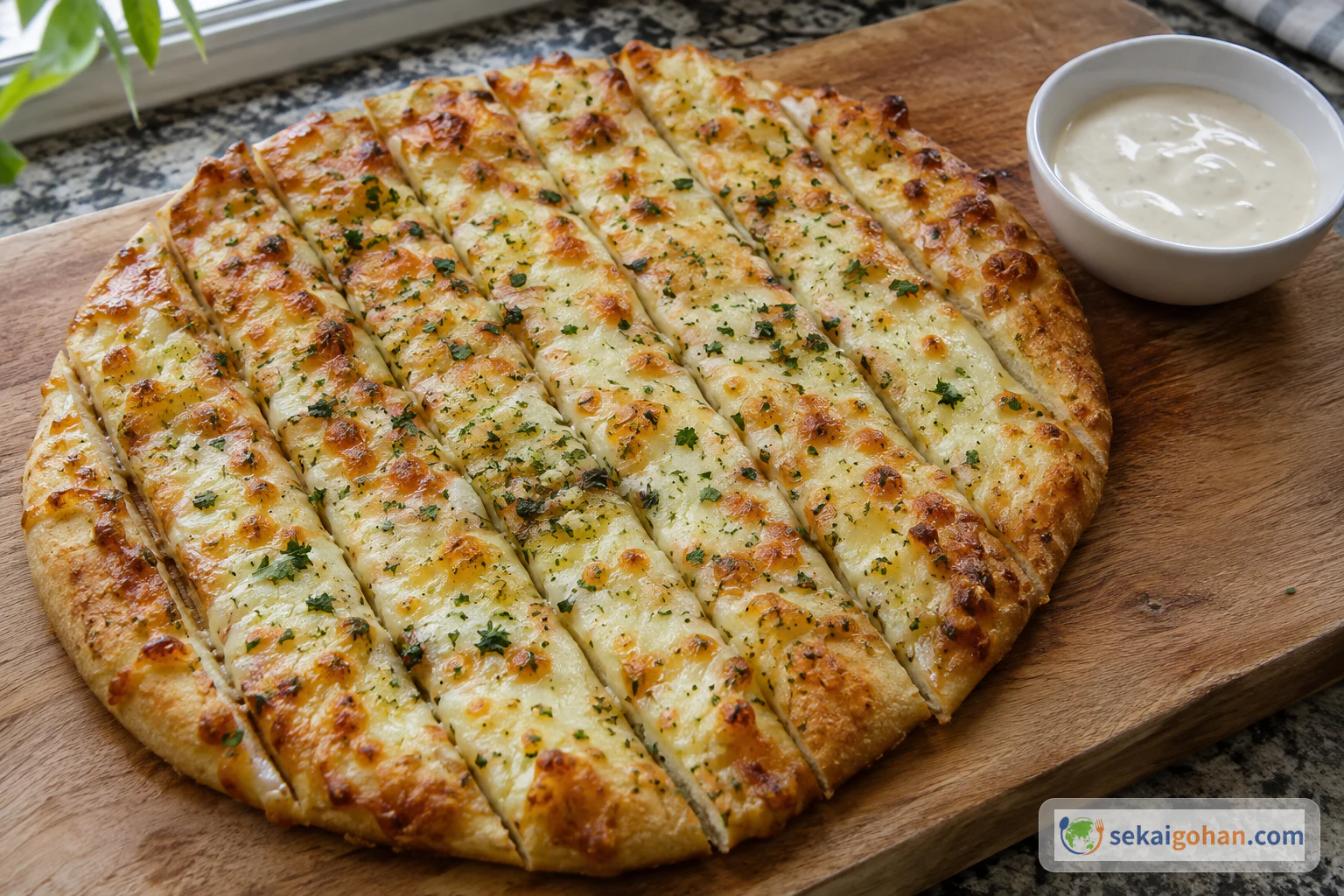
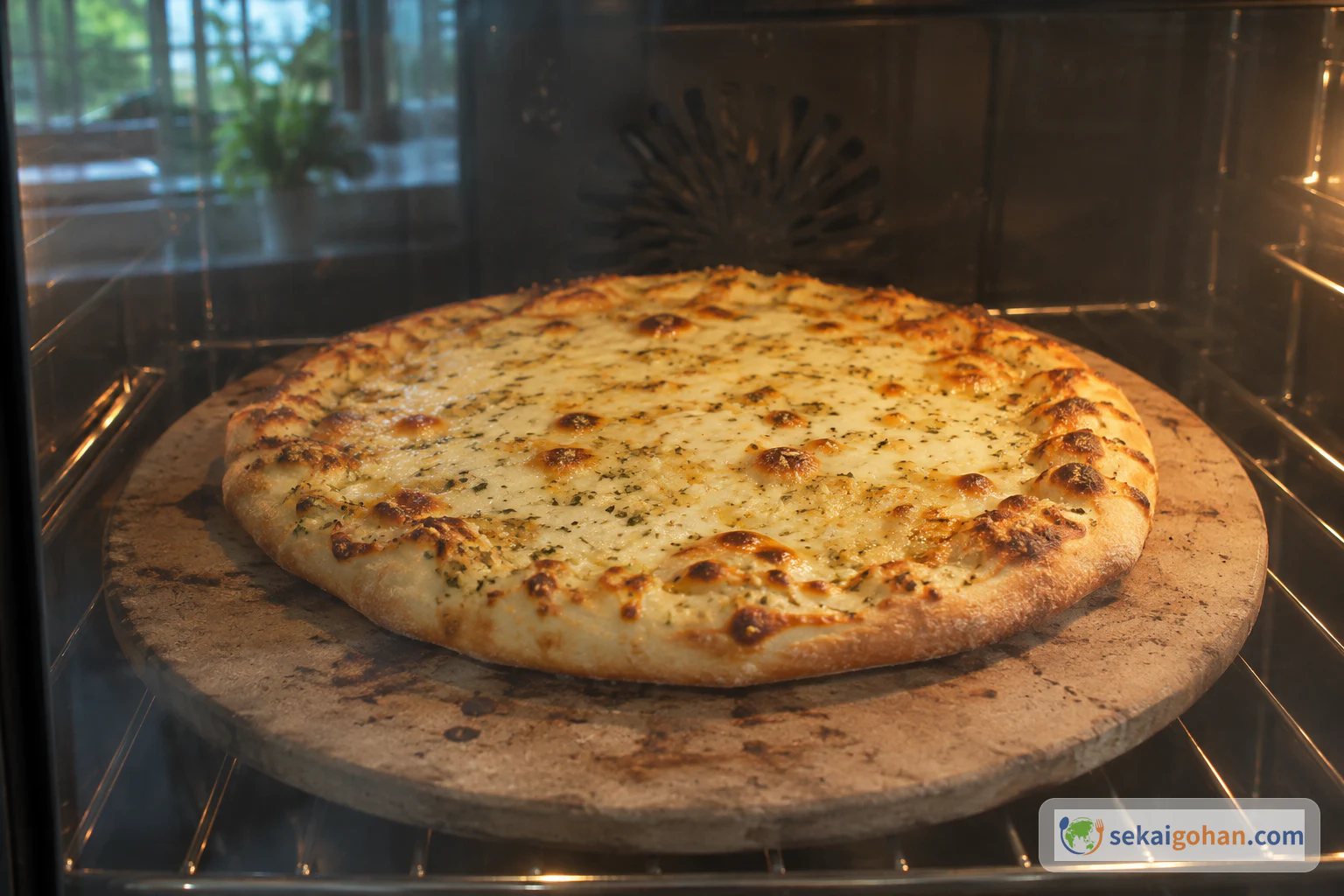
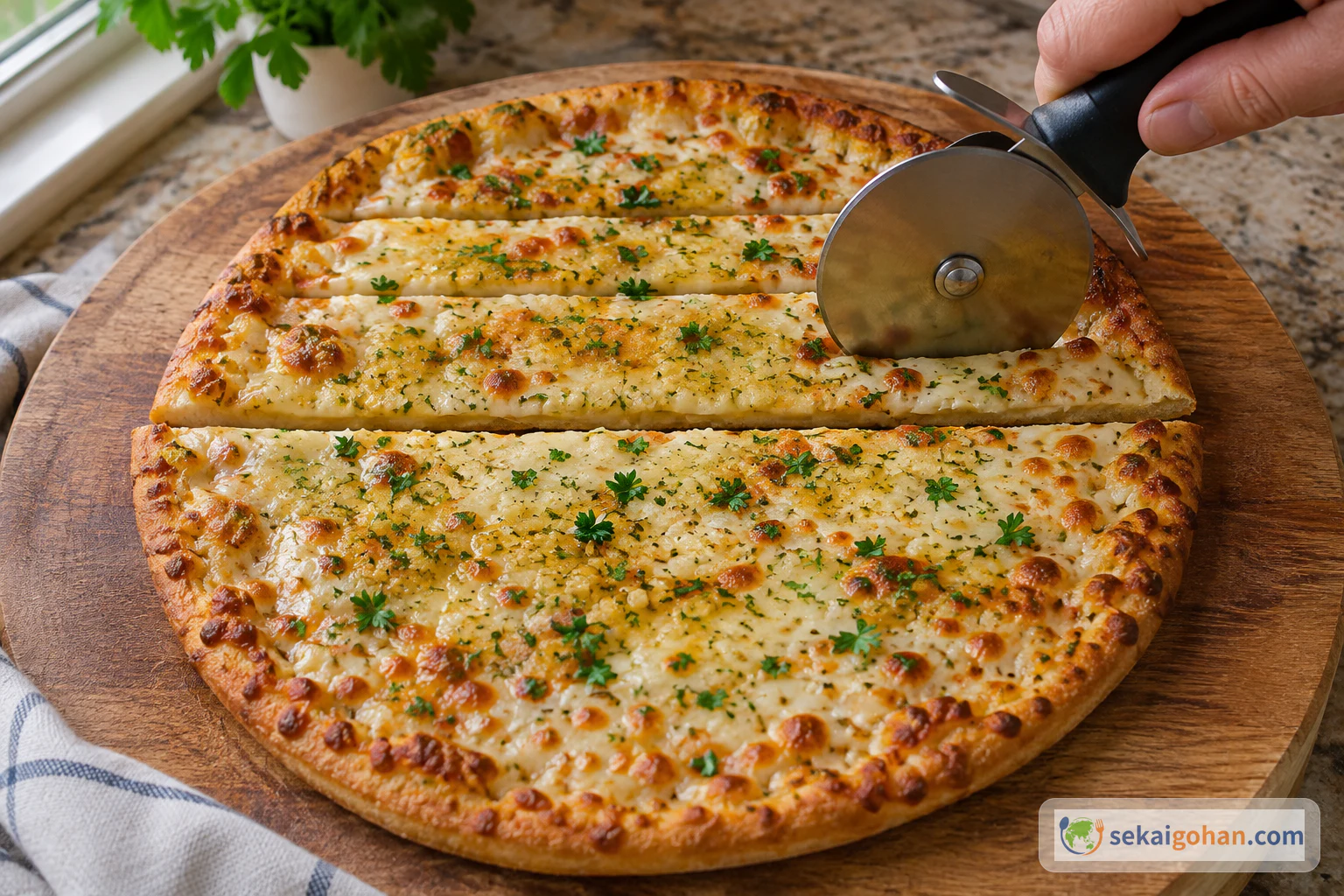
The round comes off the stone with no red on it anywhere. Mozzarella has melted over a layer of garlic butter and is starting to turn gold in spots, with flecks of parsley through it. Then a pizza cutter goes across it in narrow parallel lines, and the round becomes a board of soft strips. The outer strips curve and taper where the crust bends. In Nova Scotia and across Atlantic Canada these are garlic fingers, a fixture on pizzeria menus, and the strips get dragged through a small bowl of sweet, tangy donair sauce. They are rich and salty, with a strong hit of garlic: a pizza crust that tastes like garlic bread.
A pizzeria staple from Canada's east coast
Same dough, no sauce, cut into strips
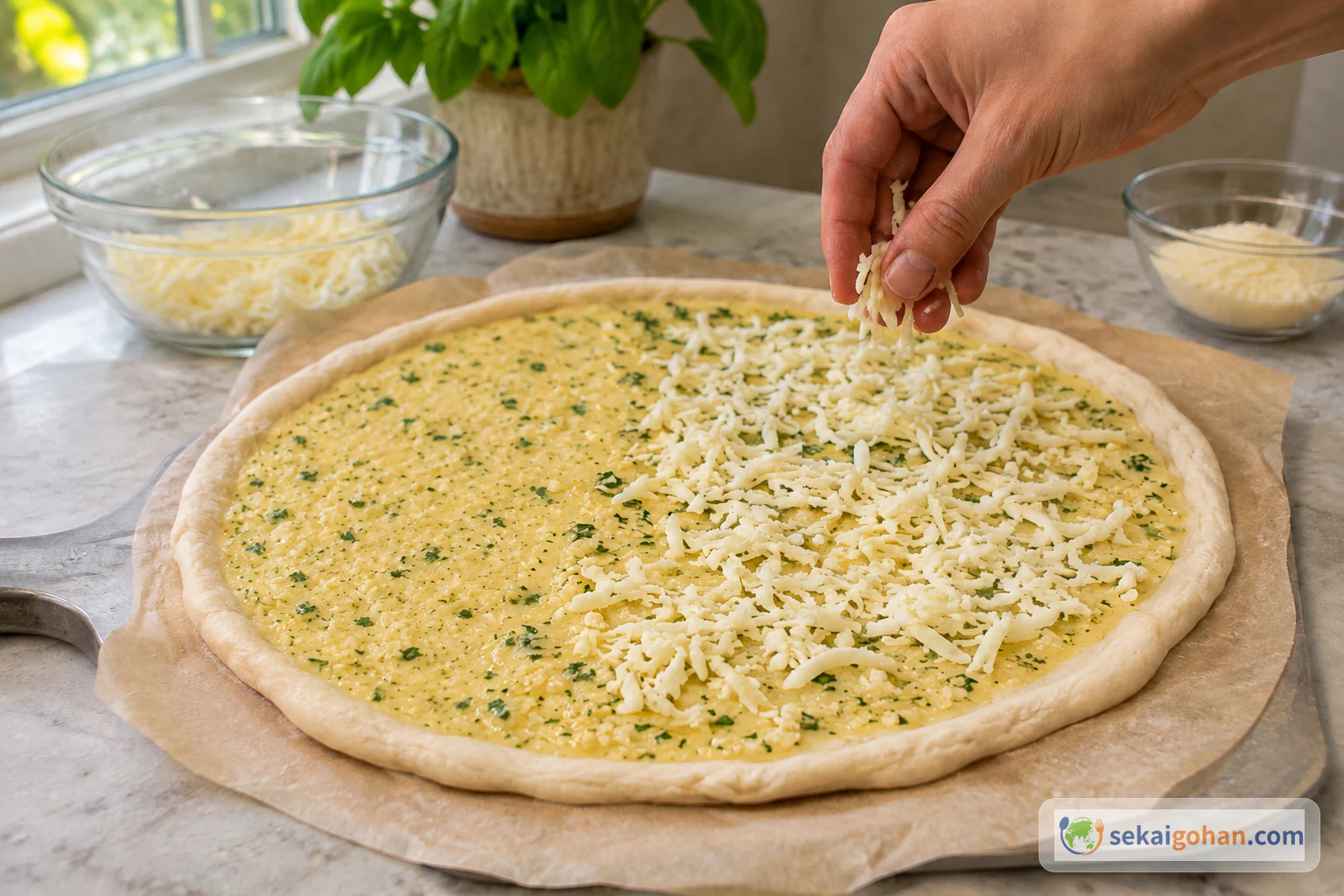
Look at pizzeria menus in Nova Scotia and the other Atlantic provinces and you'll find garlic fingers listed right next to the pizzas. They use the same dough and come out the same size. The only difference is the topping. Garlic butter goes where the tomato sauce would be, then mozzarella, then parsley. The round is cut into narrow strips instead of wedges. People order it alongside a donair or a pizza, and it is counted among the East Coast classics with the lobster roll and the donair itself.
That makes it different from the garlic bread most people know. Italian-style garlic bread starts with a loaf. Garlic fingers start with a full pizza round of pizza dough that bakes flat and hot on a stone, so the crust browns underneath while the cheese melts on top. Wisconsin has a similar idea under the names cheese fries or pizza fries, but that is a separate dish with its own home. Where garlic fingers were first made, and by whom, is not settled.
Depending on the pizzeria, you'll see garlic fingers, garlic cheese fingers or simply "garlies." The "fingers" are the strips, cut long and narrow so each one is easy to pick up and dip.
The sauce on the side
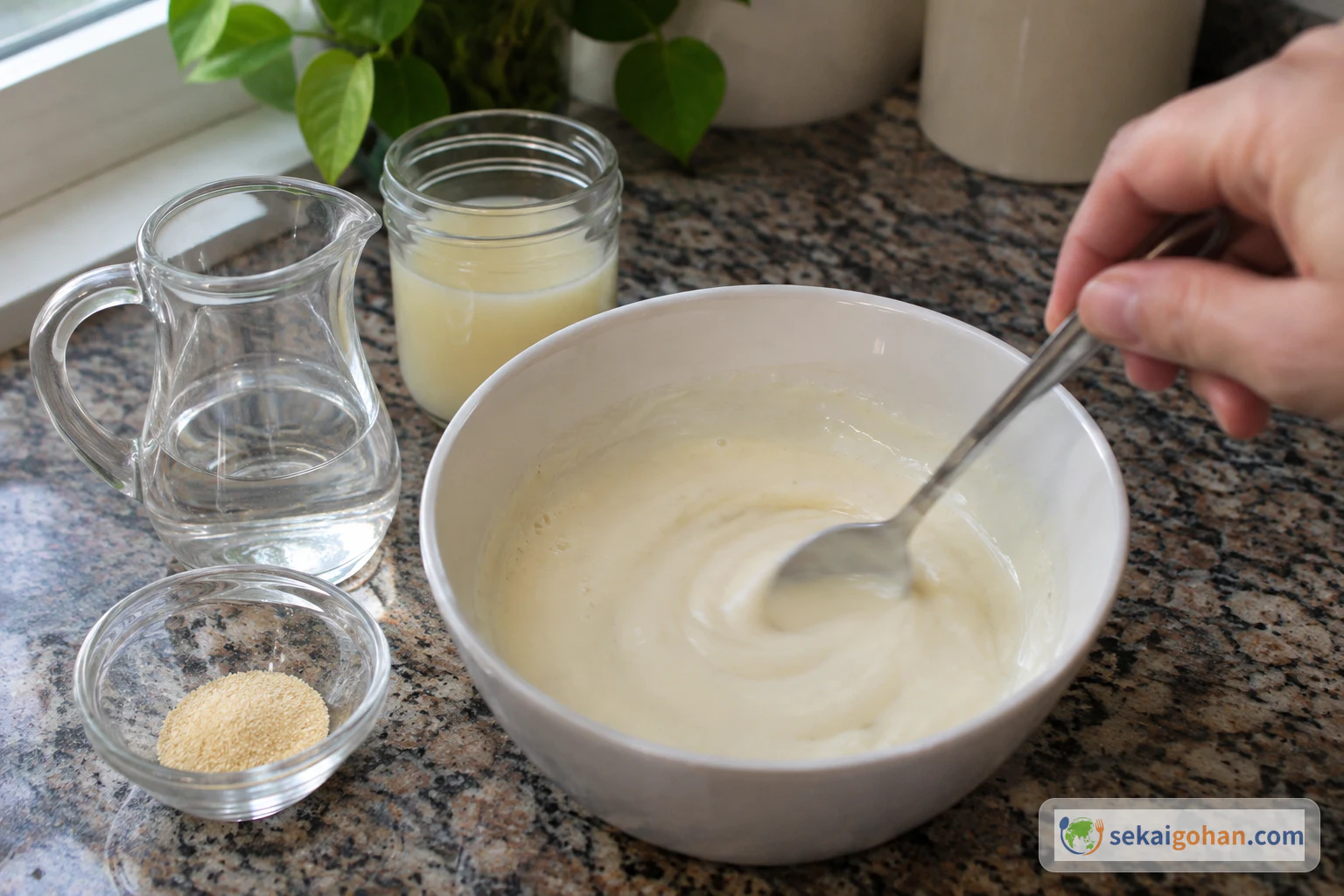
In Nova Scotia, the standard dip is donair sauce: condensed milk, white vinegar and garlic powder stirred together until thick, pale and sweet-sour. It is the sauce that goes with the donair, the spiced meat sandwich Halifax claims as its own. In December 2015, Halifax council split evenly on whether to make the donair the city's official food, and Mayor Mike Savage broke the tie in its favour. Garlic fingers were not part of that vote. On the table, though, they share the donair's sauce, and the cool sweet dip against hot garlic butter is a large part of why people order them.
Garlic fingers belong to the casual, shared end of Canadian cooking. If you are cooking your way across the country, poutine and butter tarts are good next stops.
Ingredients
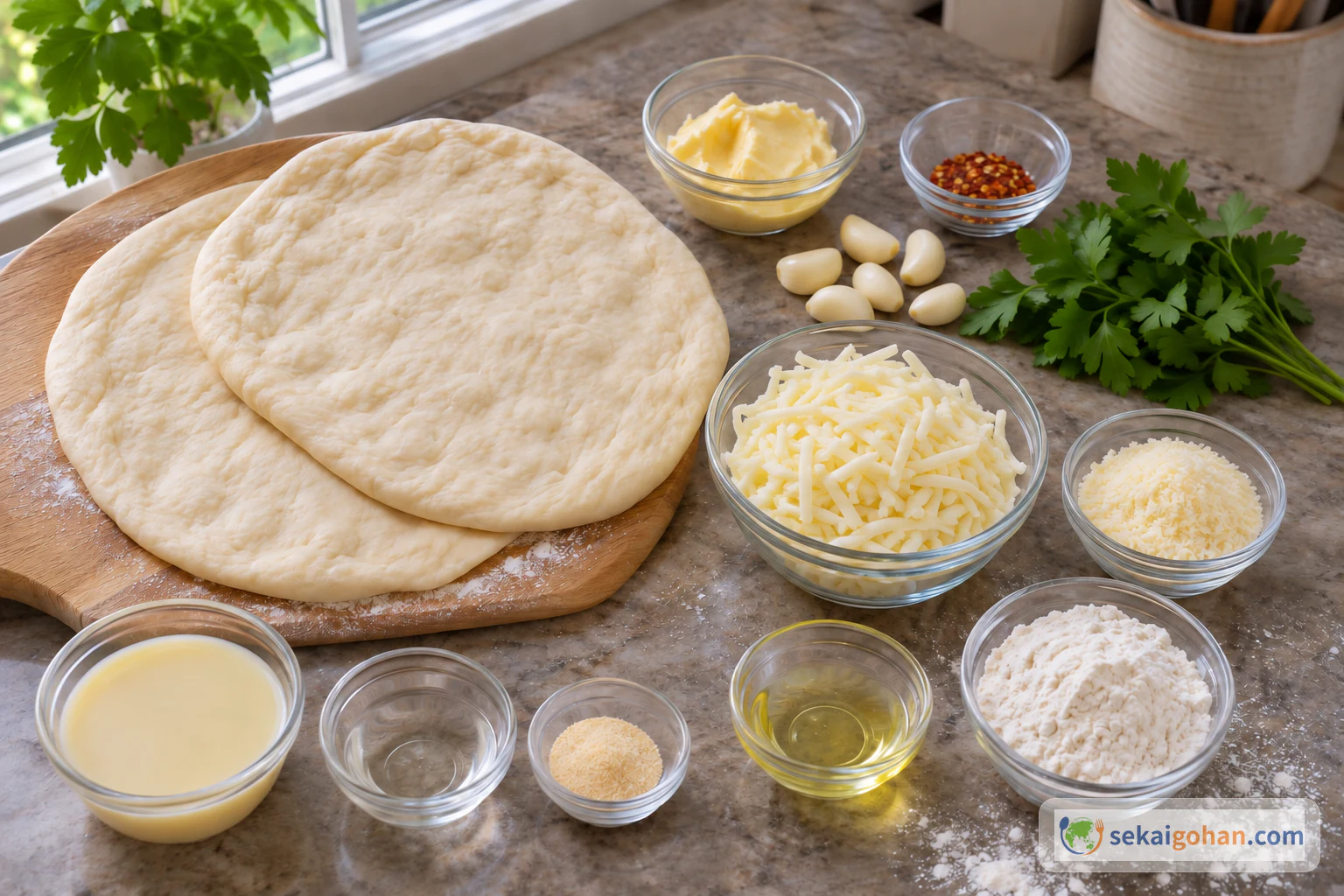
This makes two 12- to 14-inch (30–36 cm) rounds. The butter and cheese below cover both rounds together, so each round gets half.
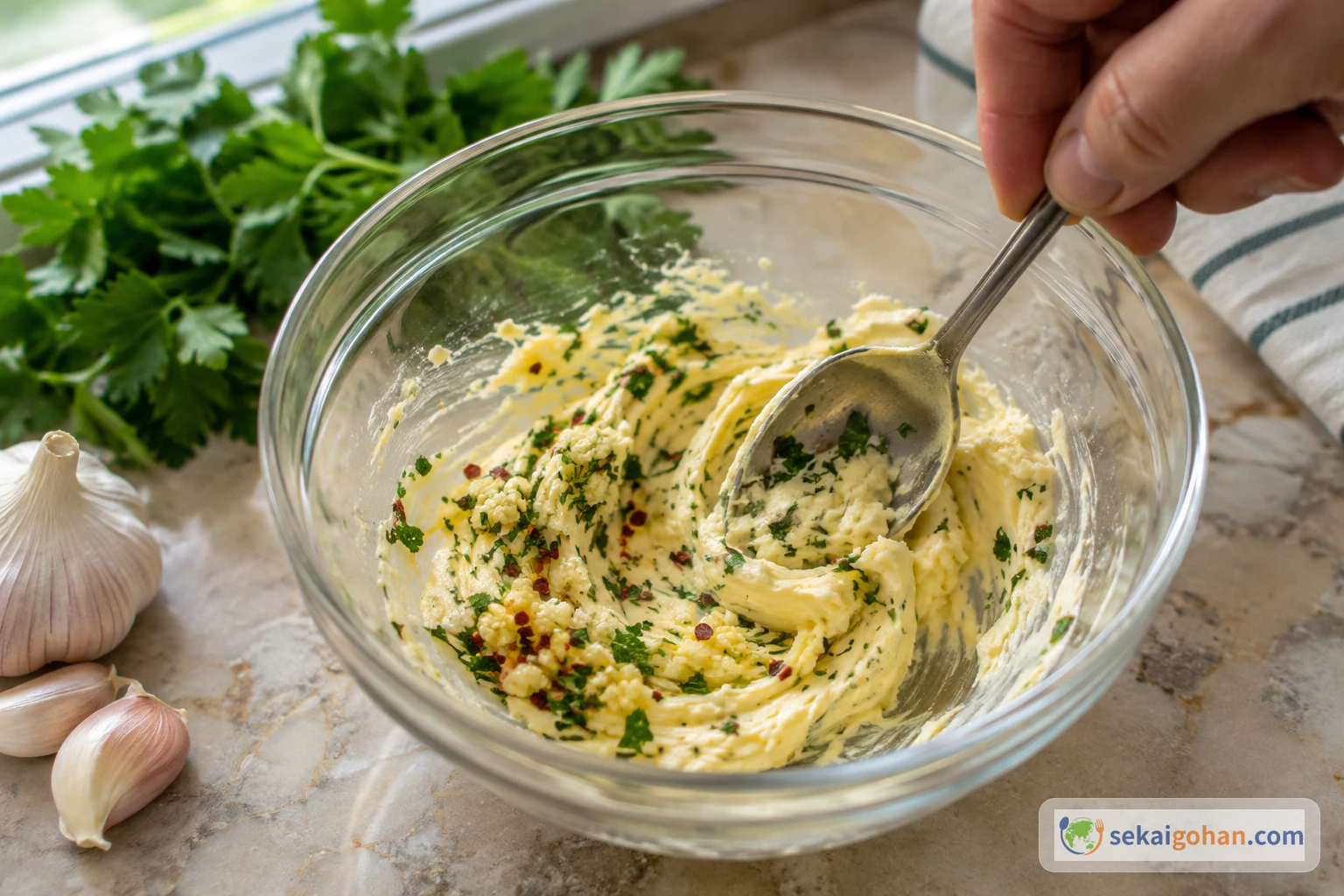
Use fresh cloves for the butter, not garlic powder. Mince them small so they spread evenly with the butter. Large pieces sit on the dough as hard bits and can scorch before the cheese browns.
Garlic fingers contain milk (butter, mozzarella, Parmesan, and condensed milk in the sauce) and wheat (the dough and dusting flour). Parmesan is often made with animal rennet, so leave it out when you cook for vegetarians.
Equipment
- Pizza stone
- Pizza peel or rimless baking sheet
- Parchment paper
- Baking tray for resting the dough
- Plastic wrap or a clean damp cloth
- Box grater with coarse and fine sides
- Small bowls and a spoon
- Cutting board
- Pizza cutter
- Covered container for the donair sauce
- Oven mitts
Choosing and substituting
Store-bought pizza dough works perfectly well. Garlic fingers are a pizzeria dish, and pizzeria-style dough is exactly right. Homemade is also fine if you have a dough you trust.
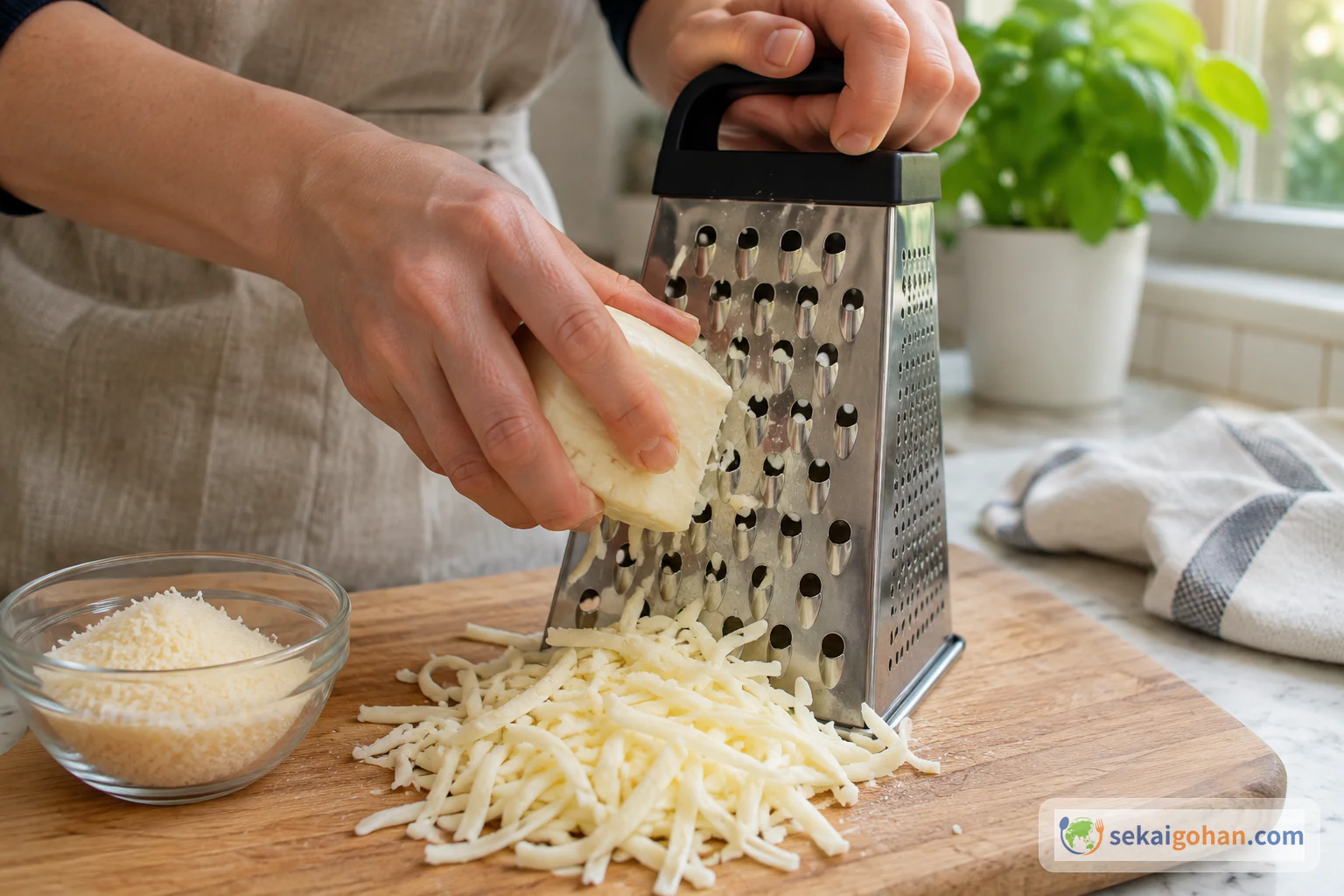
For the cheese, a block of mozzarella grated on the coarse side of a box grater melts into an even sheet. A bag of shredded mozzarella sold for melting is a fine shortcut and changes very little. Parmesan adds a sharper, saltier edge. Without it, the strips taste milder and more buttery, and that is the version to make for vegetarians.
Salted butter seasons the whole round on its own. With unsalted butter, stir in the salt from the table, up to ¼ tsp, or the strips taste flat next to the sweet dip. Red pepper flakes are optional. Whether they belong on a Nova Scotia round is unclear, so add them only if you want a little warmth.
For the sauce, use condensed milk, not evaporated milk. Evaporated milk is a different product and won't give the same thick, sweet-sour dip. Keep the milk, vinegar and garlic powder in the amounts given. Changing the balance changes how thick the sauce sets and how sharp it tastes.
Method
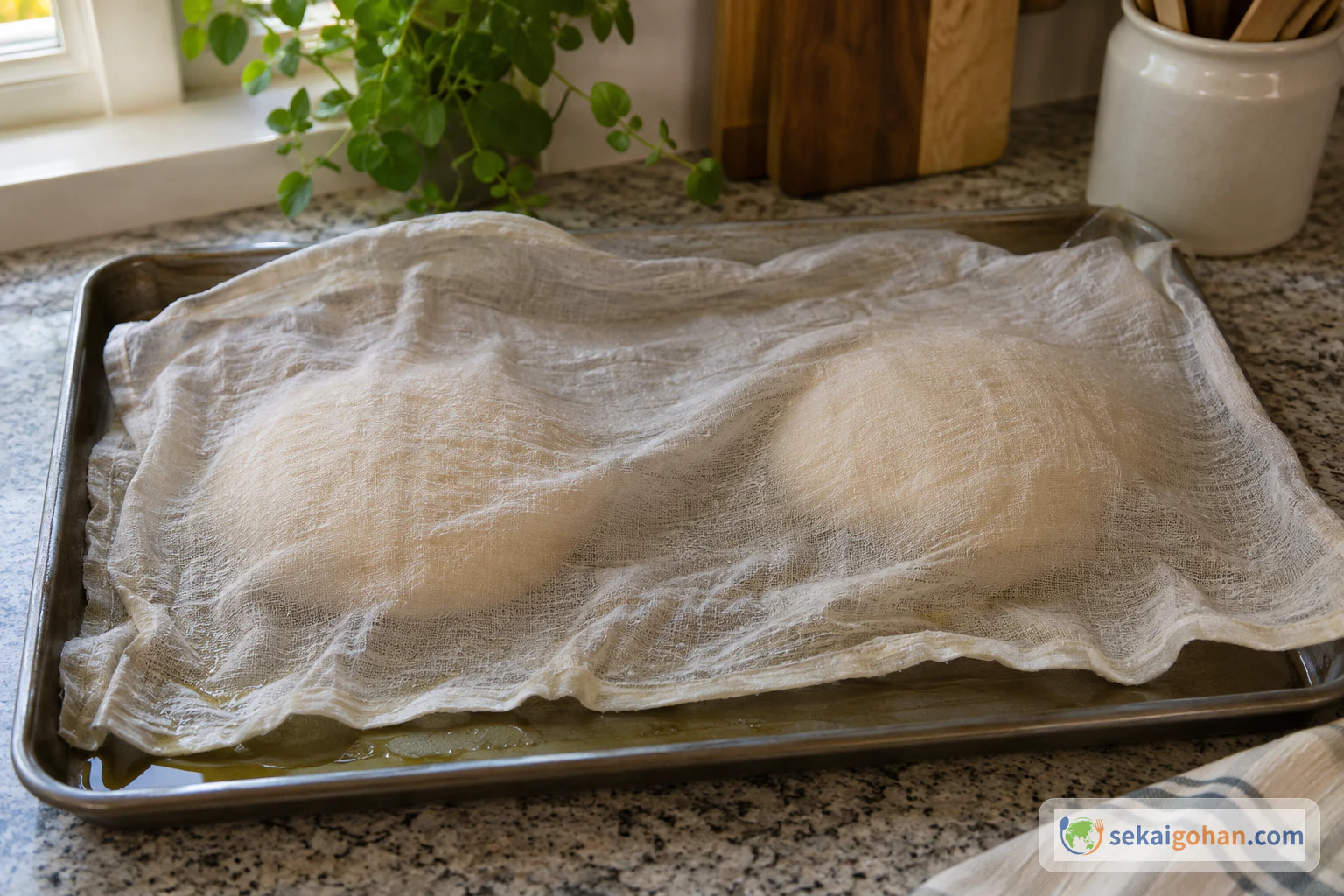
Start the oven before you do anything else, because the stone needs the longest time of anything in this recipe. The dough rests and the toppings come together during that time, so nothing waits on anything else. Make the donair sauce first so it can chill. Bake one round at a time, then cut it while the second one bakes.
The donair sauce
Pour the condensed milk into a bowl, add the white vinegar and garlic powder, and stir with a spoon. The vinegar thickens the milk almost as soon as it goes in, and the sauce turns pale, glossy and noticeably heavier on the spoon. Stop when it is smooth with no streaks of thin milk. Transfer it to a container, seal it, and refrigerate it until you serve.
The extra 15 minutes after the oven reaches temperature is what browns the bottom of the crust. Without it, the cheese is done while the base is still pale and soft.
Parchment makes it easy to slide raw dough onto the stone, but it sits between the crust and the heat. Pulling it out partway through lets the crust finish directly on the stone and crisp underneath.
At 500°F (260°C), the stone, rack and oven door burn instantly. Use oven mitts to slide the round in and to pull out the parchment, and set the peel or sheet down on a heatproof surface.
When it goes wrong
| What you see | Why | What to do |
|---|---|---|
| The rim is dark or scorched before the cheese browns | Garlic butter was spread right to the edge | Keep the border bare on the next round |
| Pale, greasy cheese in the middle with doughy crust under it | The cheese was piled up instead of spread thin | Scatter it in one even layer from edge to border |
| The bottom burns before the top is done | The stone runs hot in your oven | Lower the temperature a little and move the stone up to the middle rack |
| The bottom is pale and soft | The stone didn't get its full preheat | Give it the extra time after the oven reaches temperature before the next round goes in |
| The strips taste flat next to the dip | Unsalted butter without the added salt | Stir up to ¼ tsp salt into the butter for the second round |
| The sauce thickens the moment you stir | Vinegar thickens condensed milk, and it is meant to | Serve it as is; that body is what lets it cling to the strips |
Serving and keeping
At the table
Bring garlic fingers out on the board they were cut on and put the donair sauce in the middle. Everyone pulls off a strip and dips it. They make a good side to order with a pizza or a donair, and they work just as well on their own as a shared snack. Serve them hot, while the cheese still stretches.
Variations
- Different dips. Marinara, ranch, hot sauce or sweet chili sauce all replace the donair sauce. Marinara brings back the tomato the round leaves out. Sweet chili keeps the sweet-sour idea with heat added.
- Without Parmesan. The strips taste softer and more buttery, and the dish becomes vegetarian.
- With red pepper flakes. The butter picks up a slow warmth that comes through after each bite of sweet sauce.
Keeping
Mix the garlic butter just before baking and use it the same day. Don't make it ahead, and don't leave it at room temperature. Keep any leftover donair sauce in a sealed container in the refrigerator.
Frequently asked questions
Do I need donair sauce?
No. Garlic fingers have plenty of flavour without any dip, and plenty of people eat them plain. The sauce adds a cool, sweet contrast to the garlic. Any of the dips under Variations works too.
What if I don't have a pizza stone?
Put a baking sheet in the oven to preheat in place of the stone and bake on it the same way. The crust browns less underneath than it does on a stone, so judge doneness by the cheese melting and starting to spot brown.
My oven doesn't reach 500°F. Can I still make these?
Yes. Preheat at your oven's highest setting with the stone or a baking sheet inside, and give it the full preheat. At a lower temperature, go by the cheese, not the clock: take the round out when the cheese has melted and is starting to brown.
Are the red pepper flakes traditional?
Whether red pepper flakes are standard on Nova Scotia garlic fingers is not settled, which is why they're optional. The core of the dish is garlic butter, mozzarella and parsley. Add the flakes if you like a little heat against the sweet dip.