
Recipes (51)
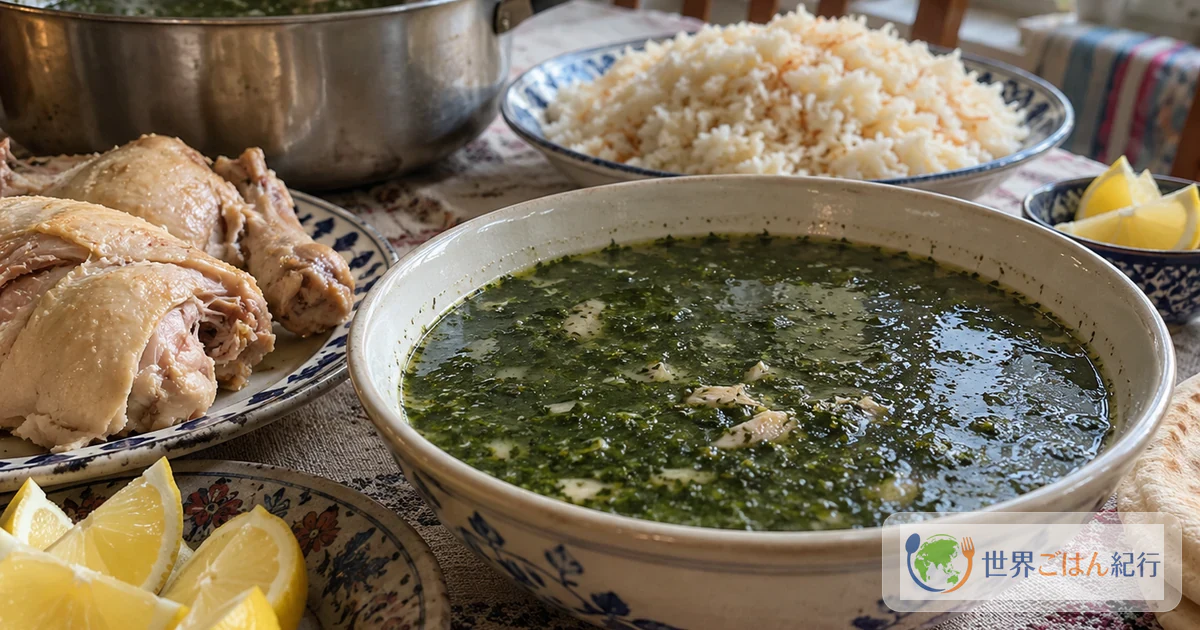
Molokhia: Egypt's Green Jute Leaf Soup
Molokhia, Egypt's everyday green soup, made with fresh or frozen jute leaves (mulukhiyah) and bone-in chicken thighs. Learn the garlic-and-coriander ta'liya finish fried in ghee, how fine to chop the leaves, how to judge the thickness, regional variations, using frozen leaves, and storage.

Ta'ameya: Egyptian Fava Bean Falafel
Ta'ameya is Egypt's green falafel made from dried fava beans. This recipe covers how it differs from the chickpea version, soaking the beans, drying the herbs, frying temperature, shaping patties that hold together, and serving with pita and tahini.

Kitfo: Ethiopian Spiced Minced Beef with Niter Kibbeh
How to make kitfo, with Gurage food culture in the background. Covers mitmita, niter kibbeh, ayib, and gomen; a safety-first cooked version for home kitchens instead of raw beef; checking the center with a thermometer; substitutions, storage, sides, and serving with injera.
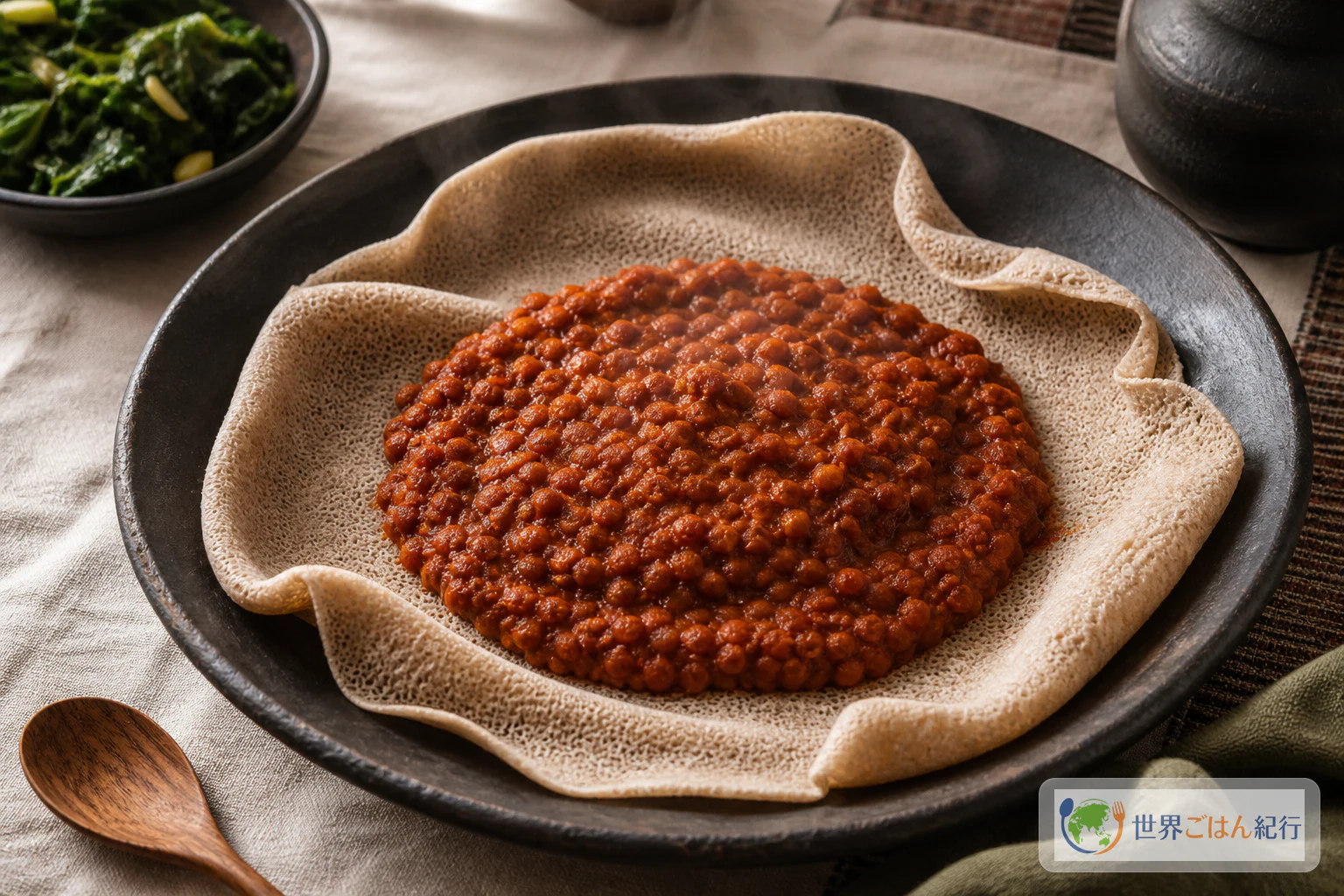
Misir Wat: Ethiopian Red Lentil Stew with Berbere
Misir wat is an Ethiopian stew of red lentils simmered with berbere. Learn how to draw out the sweetness of onion, how to judge heat, what to serve in place of injera, a fasting-day version, storage, and how to choose products, with step photos so you can check the state of the simmer.
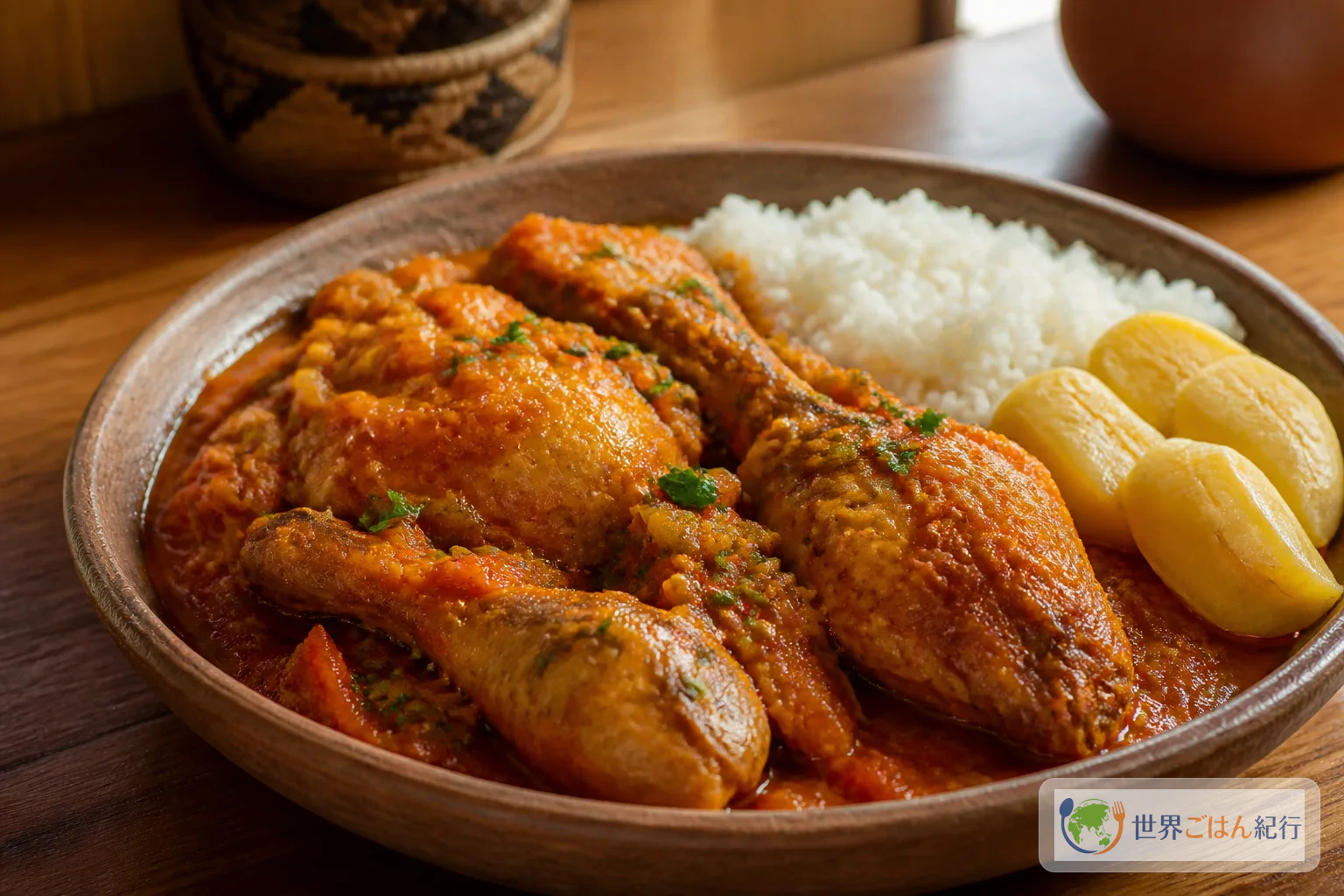
Nyembwe Chicken: Gabonese Chicken in Palm Nut Sauce
A home-kitchen recipe for Gabon's nyembwe chicken. Covers the difference between palm nut concentrate and red palm oil, how fresh versus smoked chicken changes the aroma, serving with rice, plantain, or cassava, plus sauce thickness, doneness, substitutions, and storage. Also explains the fresh-fruit extraction and what to check when buying ingredients online.

Kelewele Recipe: Ghana's Spicy Fried Plantain from the Night Market
Kelewele, the spicy fried plantain eaten at Ghana's night markets. How to judge ripeness, the aroma of ginger and chile, the limits of banana substitutes, oil temperature, fixes, storage, serving with peanuts, and menus that lead to waakye and red red.

Waakye: Ghanaian Rice and Black-Eyed Peas with Shito and Eggs
How to make waakye, Ghana's rice and bean dish, at home: cooking black-eyed peas with long-grain rice, substitutes for sorghum leaves, serving with shito and gari, rice cooker method, storage, and fixes for common problems, with how it is eaten in Ghana.

Kuku Paka: Kenyan Coastal Coconut Chicken
Kuku paka is the coconut chicken of Kenya's coast. This recipe covers browning the chicken, frying tomato and spices, reducing the coconut milk, cooking bone-in meat through, serving with coconut rice, storage, and adjusting heat, written for a home kitchen.

Taguella: Tuareg Sand-Baked Flatbread of the Sahara
A home-kitchen version of taguella, the sand-baked flatbread of the Tuareg in the Sahara. Covers the blend of wheat flour, atta, and semolina, kneading time, building dry top-and-bottom heat with a cast-iron pot or tawa, how to eat it, storage, and what goes wrong, with photos for each step.
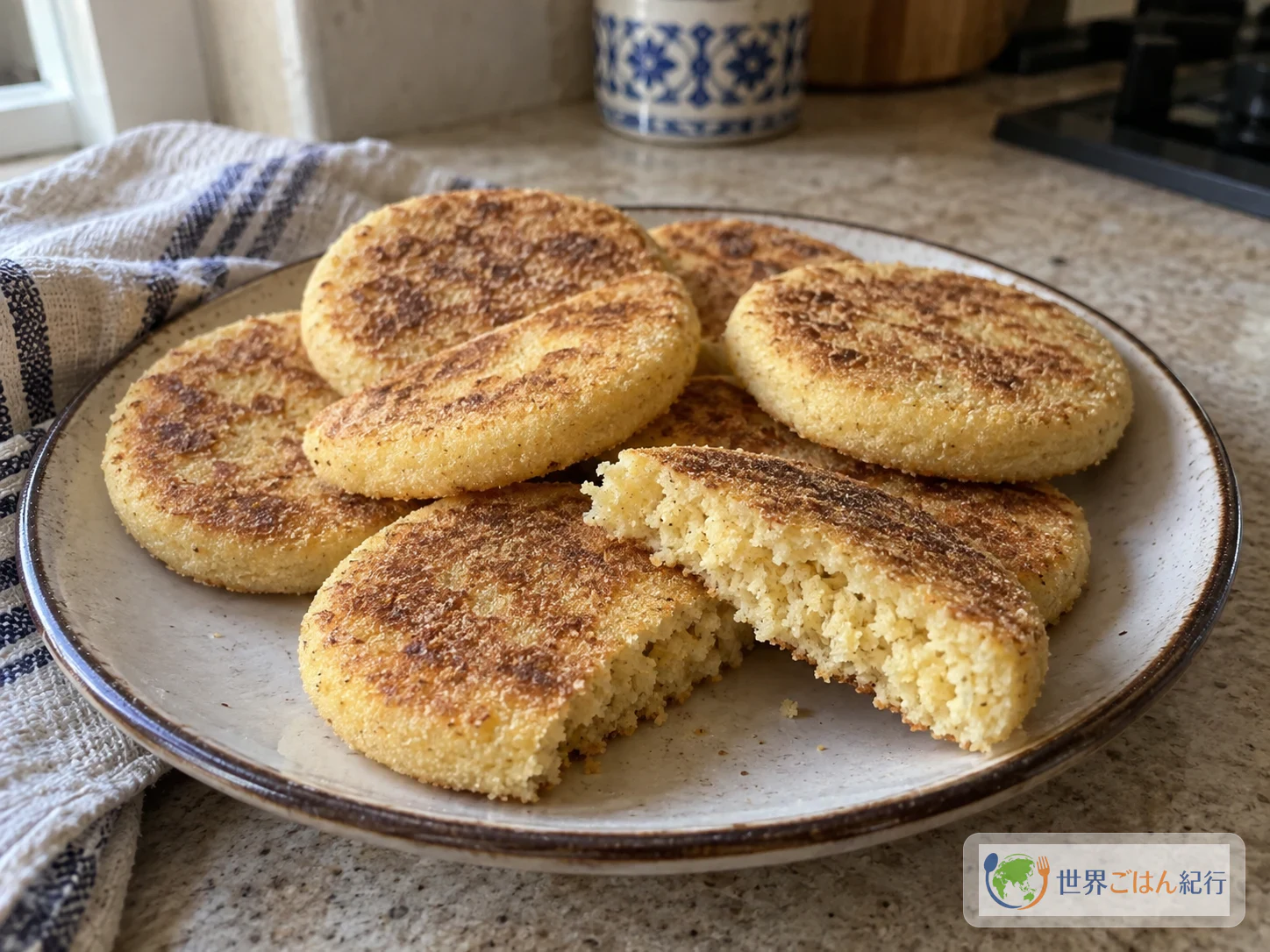
Harcha: Moroccan Semolina Flatbread with a Crumbly Grain
Harcha is a Moroccan flatbread made from semolina and butter, enjoyed at breakfast and with afternoon tea. Covers household variations in the formula, choosing flour, ingredients and steps for 4 servings, how to read the dough after the milk goes in, cooking over low heat, what to do if it crumbles, storage and reheating, and enjoying it with sweet or savory toppings.

Tangia Recipe: Marrakech's Slow-Cooked Lamb Pot, Made in a Home Kitchen
Marrakech's famous tangia, slow-cooked in the heat of embers, recreated with a heavy pot and a home oven. How it differs from tagine, choosing lamb, using saffron and preserved lemon, judging low-heat cooking, and storage, with a plain call on whether to buy a special pot.

Zaalouk: Moroccan Roasted Eggplant and Tomato Salad
How to make zaalouk, the Moroccan roasted eggplant salad. Covers roasting versus boiling the eggplant, the heat for cooking the water out of the tomato, the aroma of cumin and paprika, substitutions, storage, and serving with bread and tagine, with amounts that leave no guesswork in the kitchen.

Abacha: Nigerian Cassava Salad with Red Palm Oil (African Salad)
How to make Nigerian abacha (African Salad) at home: rehydrating dried cassava, emulsifying red palm oil, substitutes for ugba and efu, using dried seafood, adjusting the heat, and storage.

Akara Recipe: Nigerian Black-Eyed Pea Fritters for Breakfast
Nigerian akara, with notes on peeling black-eyed peas, whipping air into the batter and frying at 170°C. How to serve it with pap or bread, how it differs from Ghana's koose and Brazil's acarajé, storage, reheating, menus and fixes.

Chicken Yassa: Senegalese Lemon-Mustard Chicken with Caramelized Onions
How to make chicken yassa, Senegal's lemon-and-onion braise: marinating the chicken, cooking the onions, mustard substitutes, heat adjustment, serving with rice, bone-in versus boneless, storage, fixes and FAQ, written for a home kitchen.

Bunny Chow: Durban's Curry in a Hollowed-Out Loaf of Bread
How to make bunny chow, from the street food culture of Durban, South Africa: using an unsliced loaf with lamb, beef or bean curry, hollowing out the bread, carrot sambal, adjusting heat, storage, next-day ideas, regional variations and common mistakes.
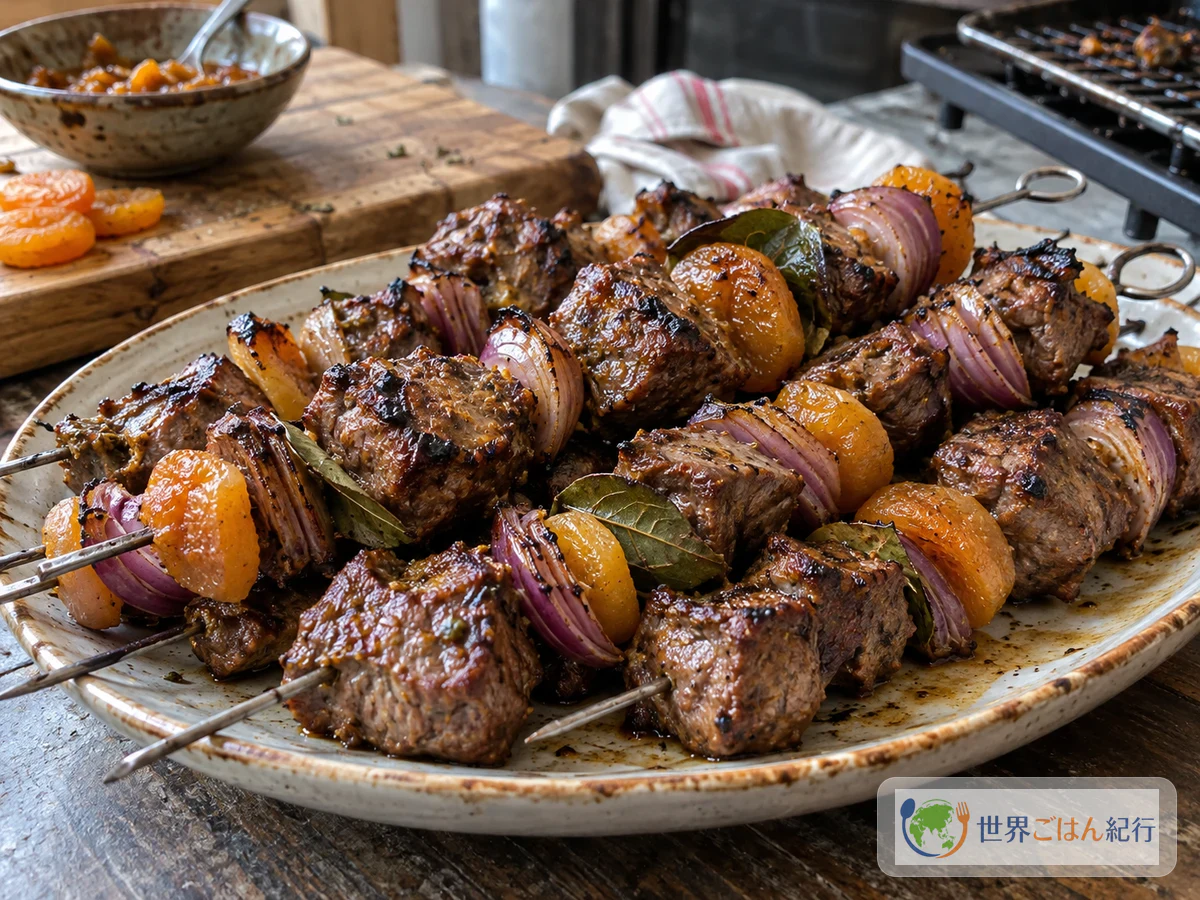
Sosaties: South African Curried Lamb Skewers with Apricots
Sosaties, the Cape Malay-rooted skewers that are a staple of the South African braai, made with lamb and dried apricots. Covers the curry-and-apricot-jam marinade, why to marinate overnight, threading onion and bay leaf, cooking on a grill pan, and where the name comes from.
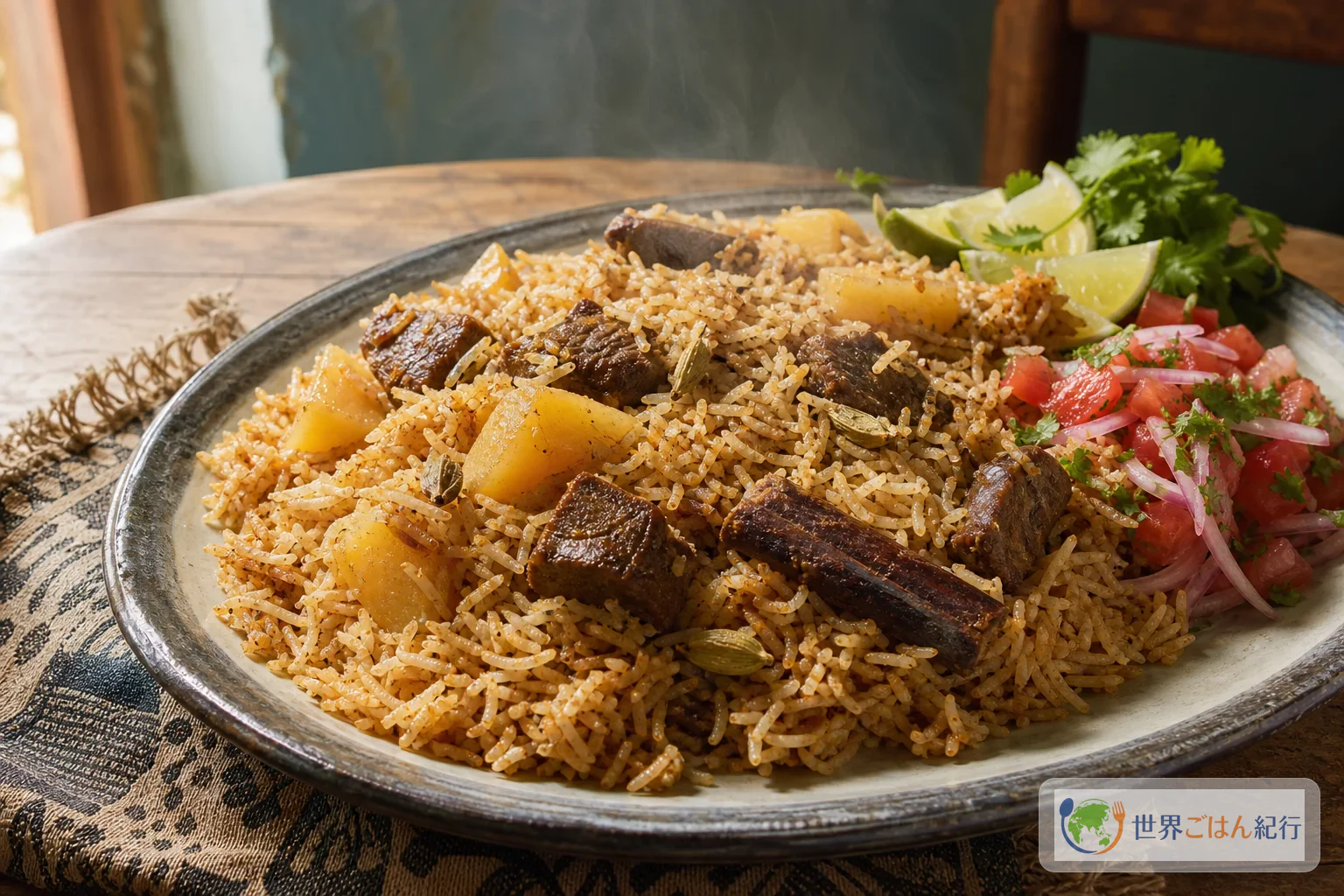
Zanzibar-Style Pilau: Fragrant Spiced Beef and Rice from Tanzania
A recipe for the beef pilau served at Zanzibar feasts, made in a home kitchen: deeply browned onions, cardamom and cloves, moving the meat broth into basmati, the right liquid to avoid scorching and stickiness, substitutions, storage and serving.

Chinese Home-Style Fried Rice Recipe: Fluffy, Separate Grains
A Chinese home-style fried rice that turns out fluffy and separate in an ordinary home kitchen: handling cold rice, egg and aromatic oil, using dark soy sauce, regional differences, what goes wrong, storage and reheating.
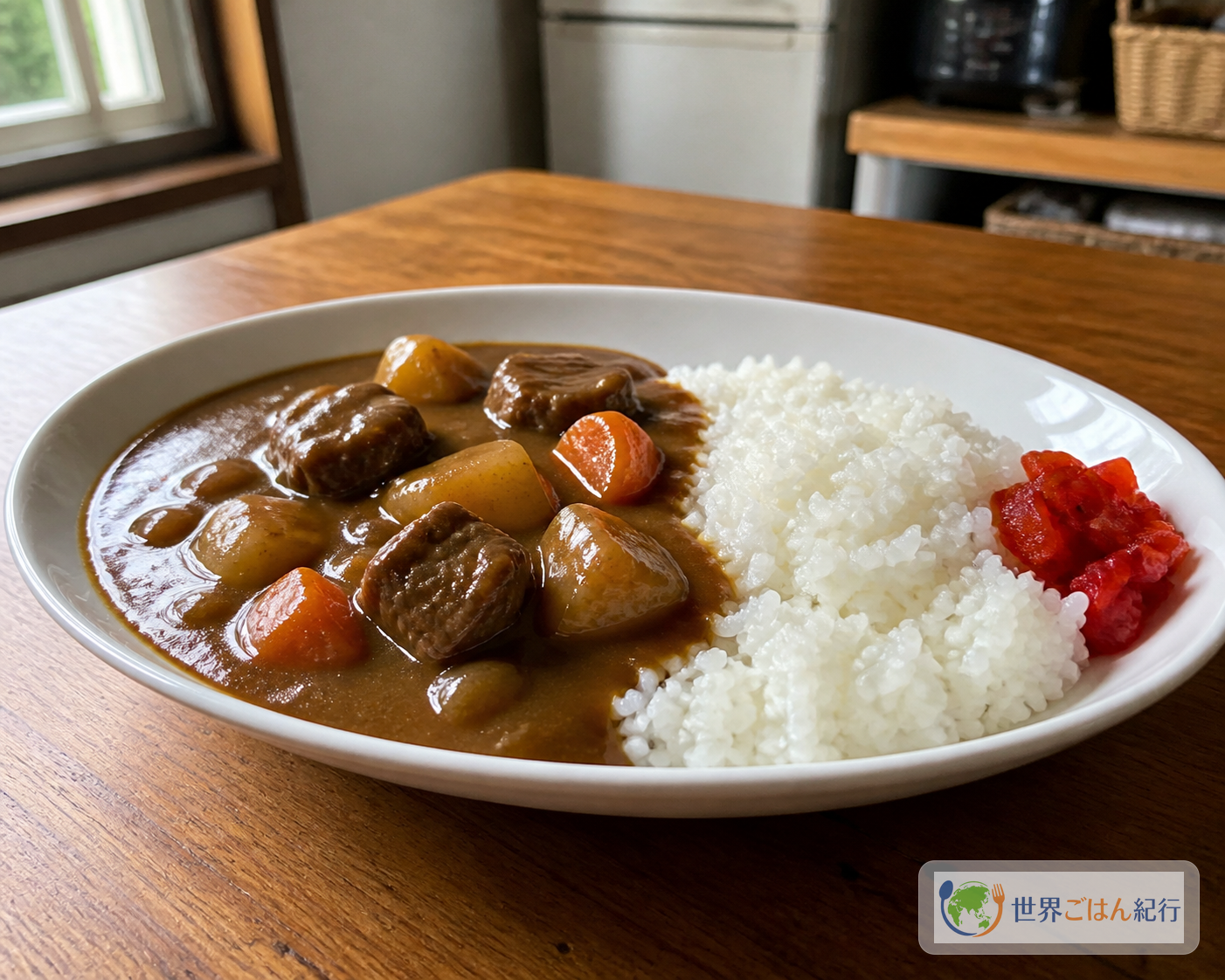
Japanese Curry Rice: A Home Roux Curry and Its Regional Styles
Japanese curry rice with a home roux made from curry powder and flour. How far to cook the onions, how to cut the fillings, the thickness after simmering, regional differences from Yokosuka, Kanazawa and Sapporo, substitutes, storage and how to fix a pot that goes wrong.

Tonkotsu Ramen: Kurume-Style Cloudy Pork Bone Broth at Home
Tonkotsu ramen with a home-sized mix of pork knuckle bones and trotters boiled hard. The cloudy broth born in Kurume, Hakata's thin noodles and kaedama refills, Kumamoto's garlic: bone prep, heat control, tare, substitutes, storage and safe reheating, and the yatai street-stall culture.

Bibimbap: Korean Rice Bowl with Five-Color Namul
How to make bibimbap with Korean-style namul, beef, a fried egg, gochujang sauce and crispy dolsot-style rice. Substitutes for hard-to-find ingredients, make-ahead prep, storage, a mild sauce without chile, how it differs from Jeonju style, and how to use leftover vegetables.

Bulgogi: Korean Sweet-Savory Grilled Beef with Pear Marinade
How to make bulgogi, Korea's sweet-savory grilled beef: thin-sliced beef, a pear marinade with soy sauce and sesame oil, the heat that builds browning, prep that keeps it from turning watery, lettuce wraps, storage, fixes for common failures, and menu ideas with bibimbap and jjigae.

Gimbap: Korean Seaweed Rice Rolls with Sesame Oil Rice
How to make gimbap (김밥), the Korean seaweed roll: rice seasoned with sesame oil and salt, substitutes for danmuji, controlling moisture in the fillings, rolling, slicing, and keeping it for a lunch box. Also covers school-trip lunches, Chungmu gimbap from Tongyeong and other background.