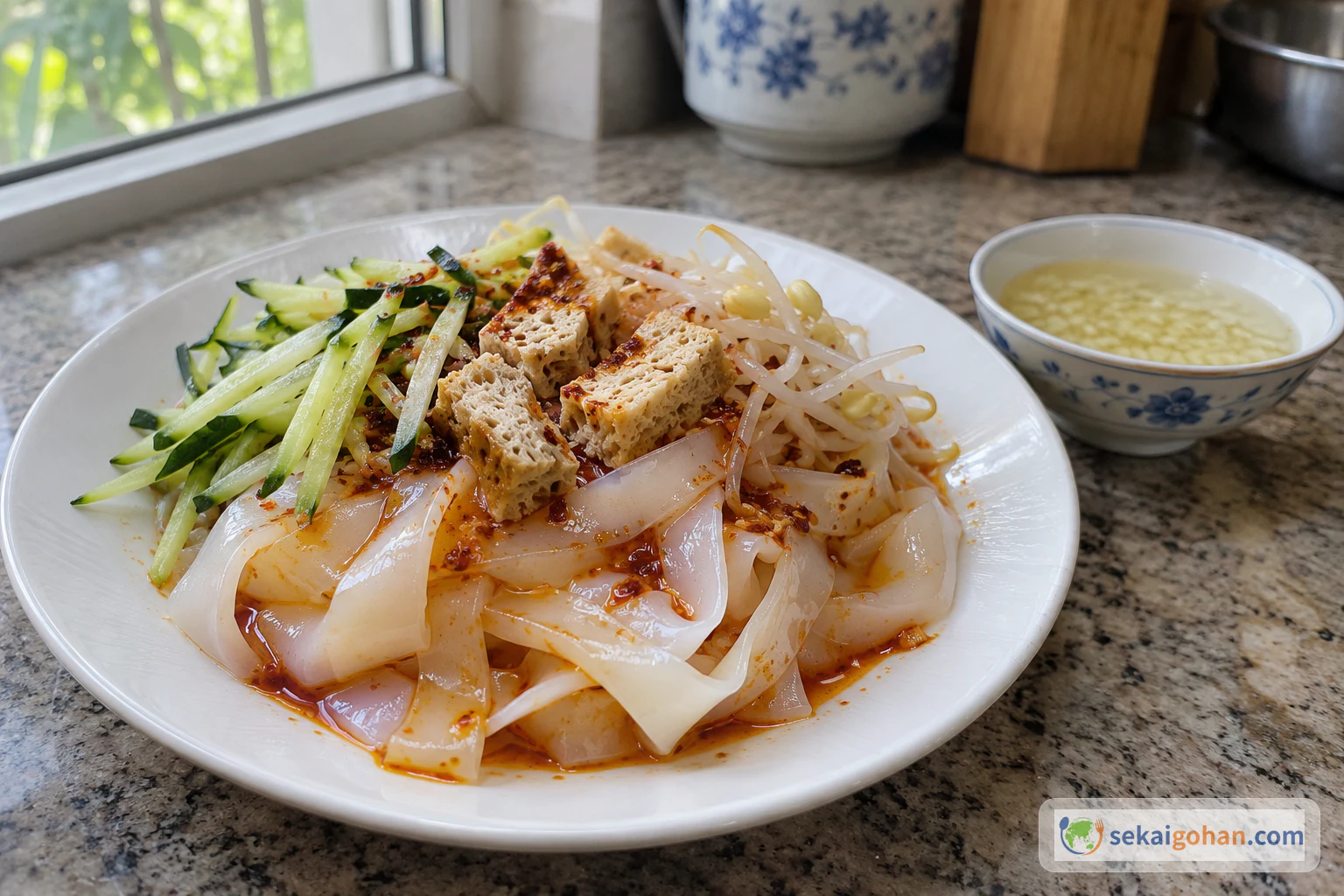
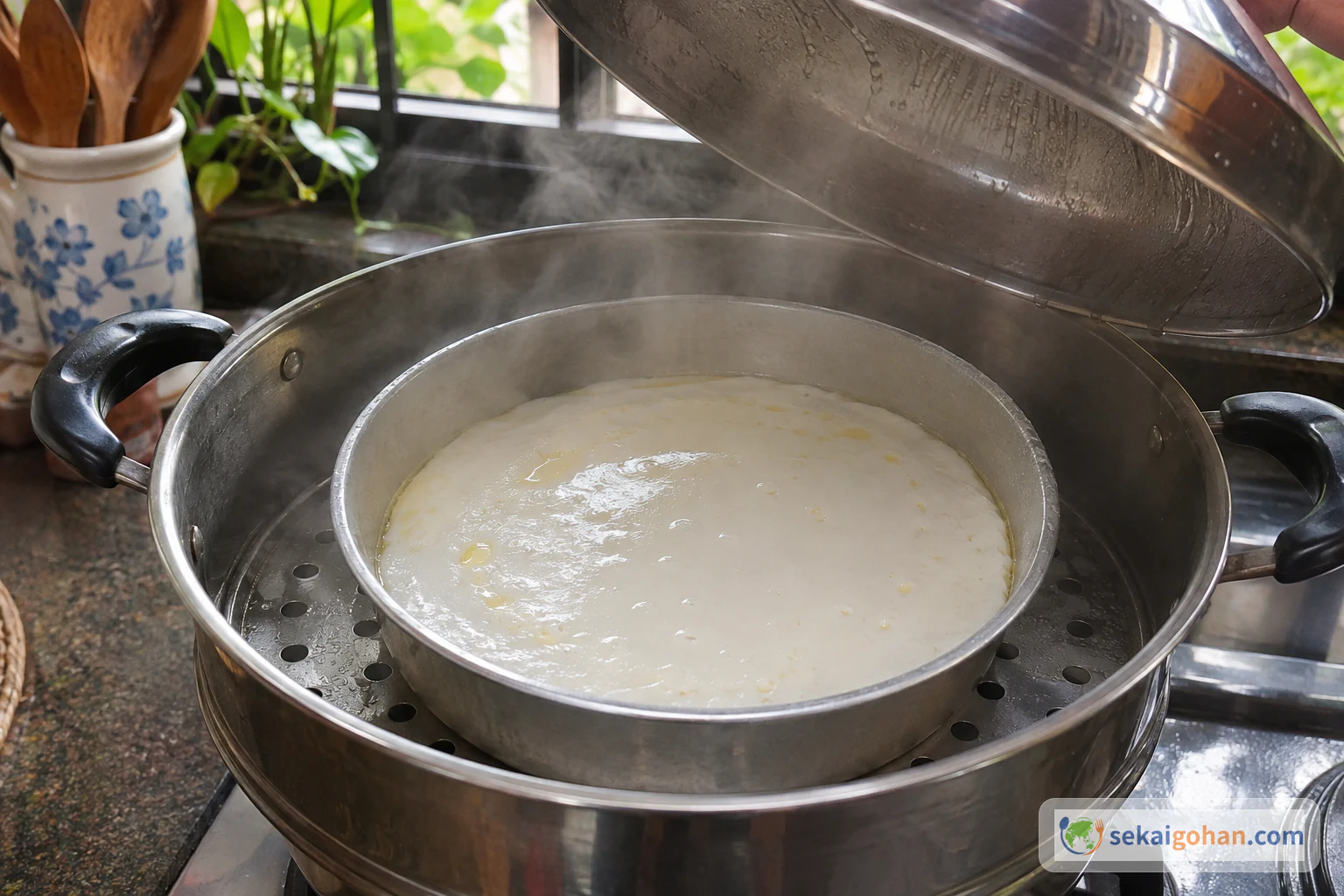
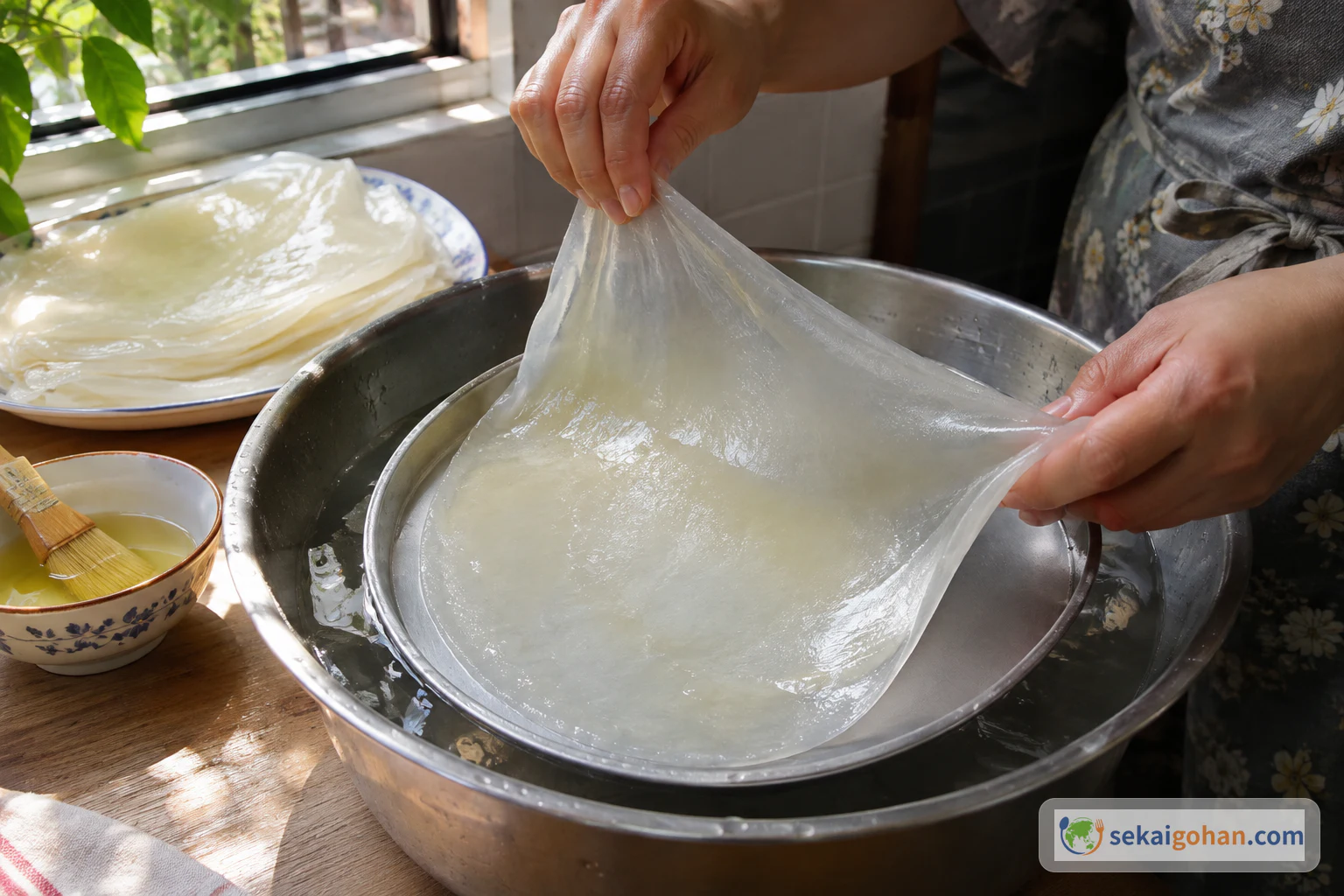
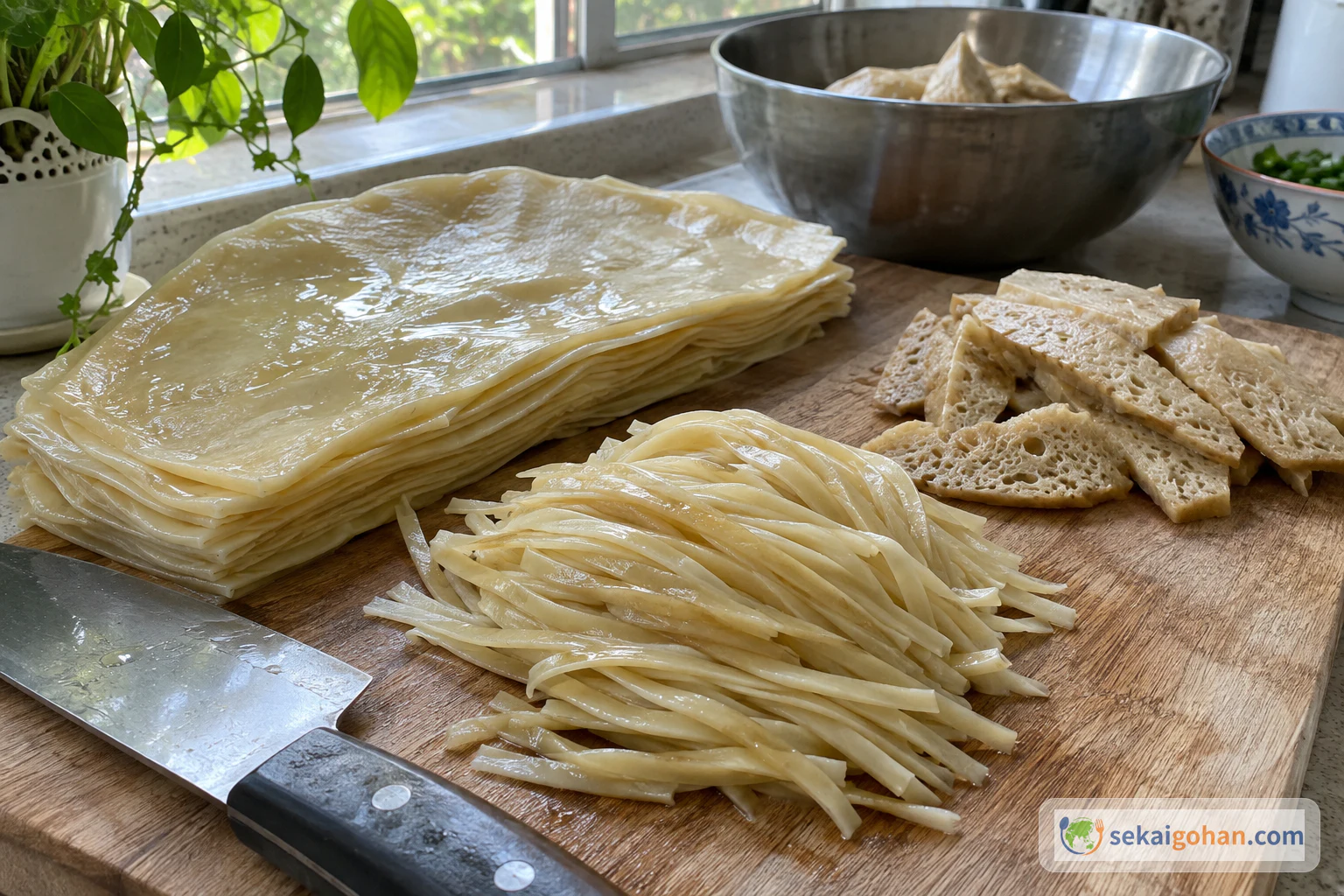
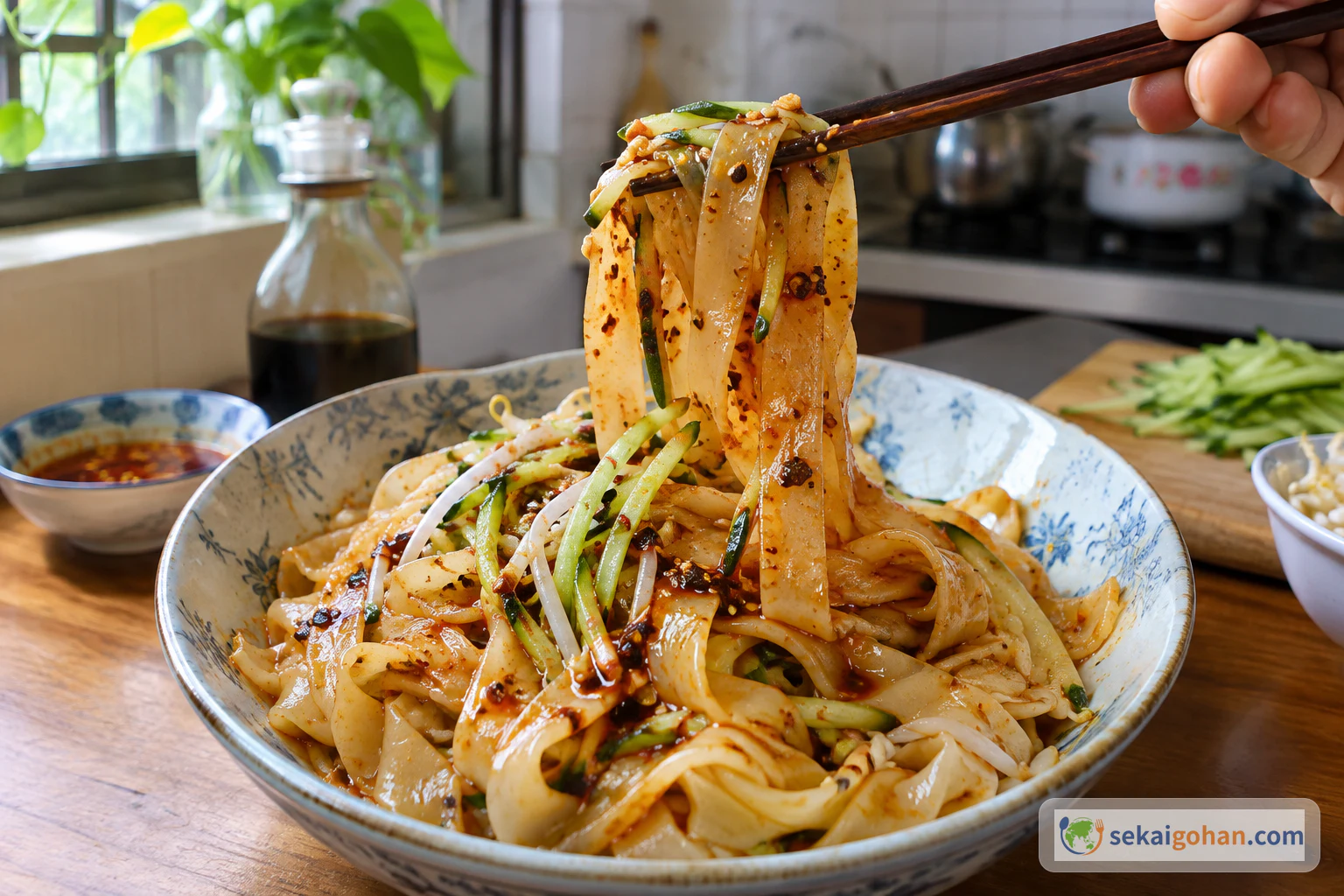
You pour a thin white batter into an oiled metal pan, set it over hard-boiling water, and close the lid. Two minutes later the batter has set into a single thin sheet, and a quick dip in cold water lets it peel away from the pan in one piece. Stack those sheets, cut them into ribbons, and you have liangpi (凉皮), the cold wheat noodle of Shaanxi street food. A bowl comes with chewy pieces of steamed gluten, crisp cucumber and bean sprouts, all turned in garlic water, vinegar and red chili oil until every strand is slick and glossy.
A Cold Noodle Made From What Washes Out of the Dough
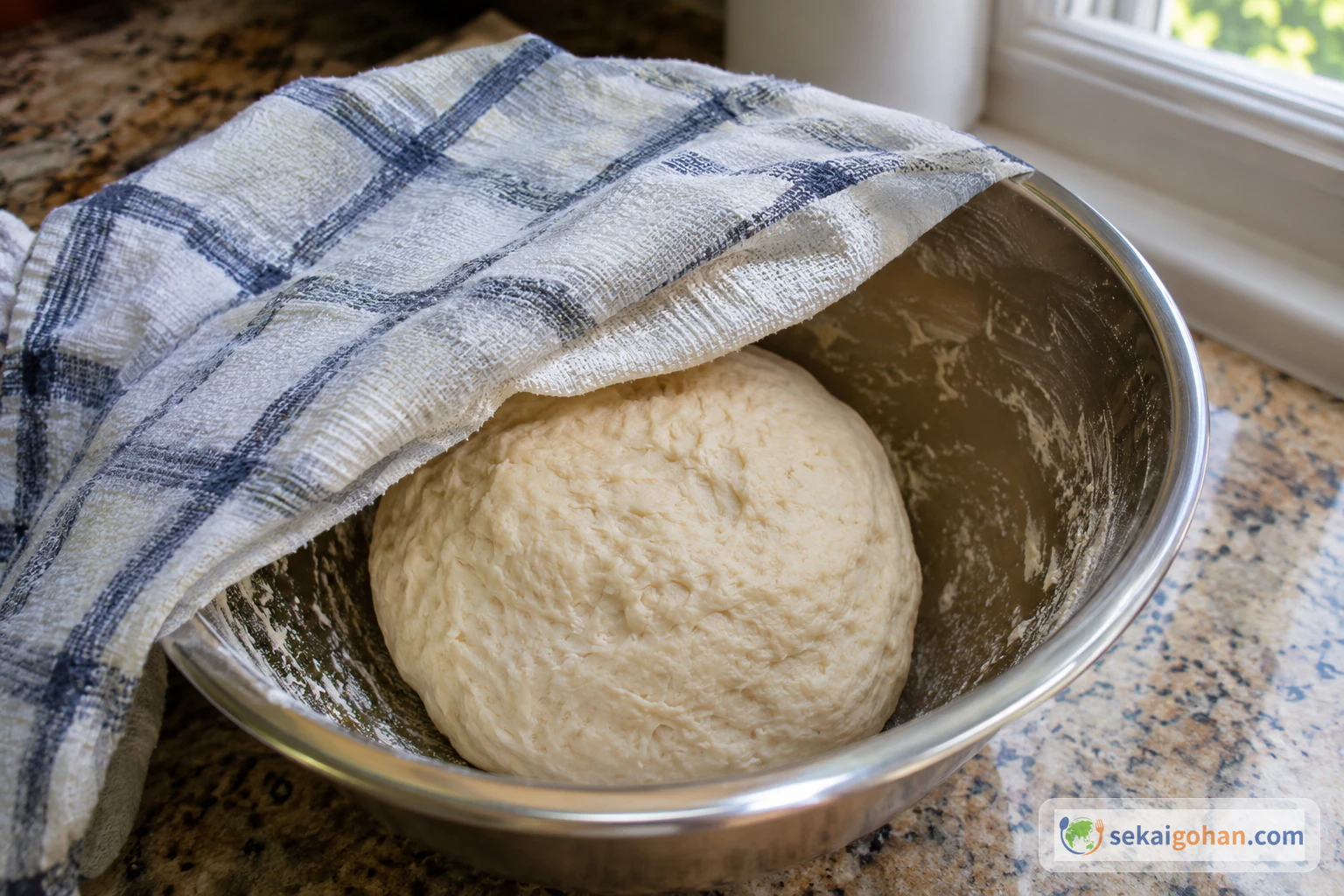
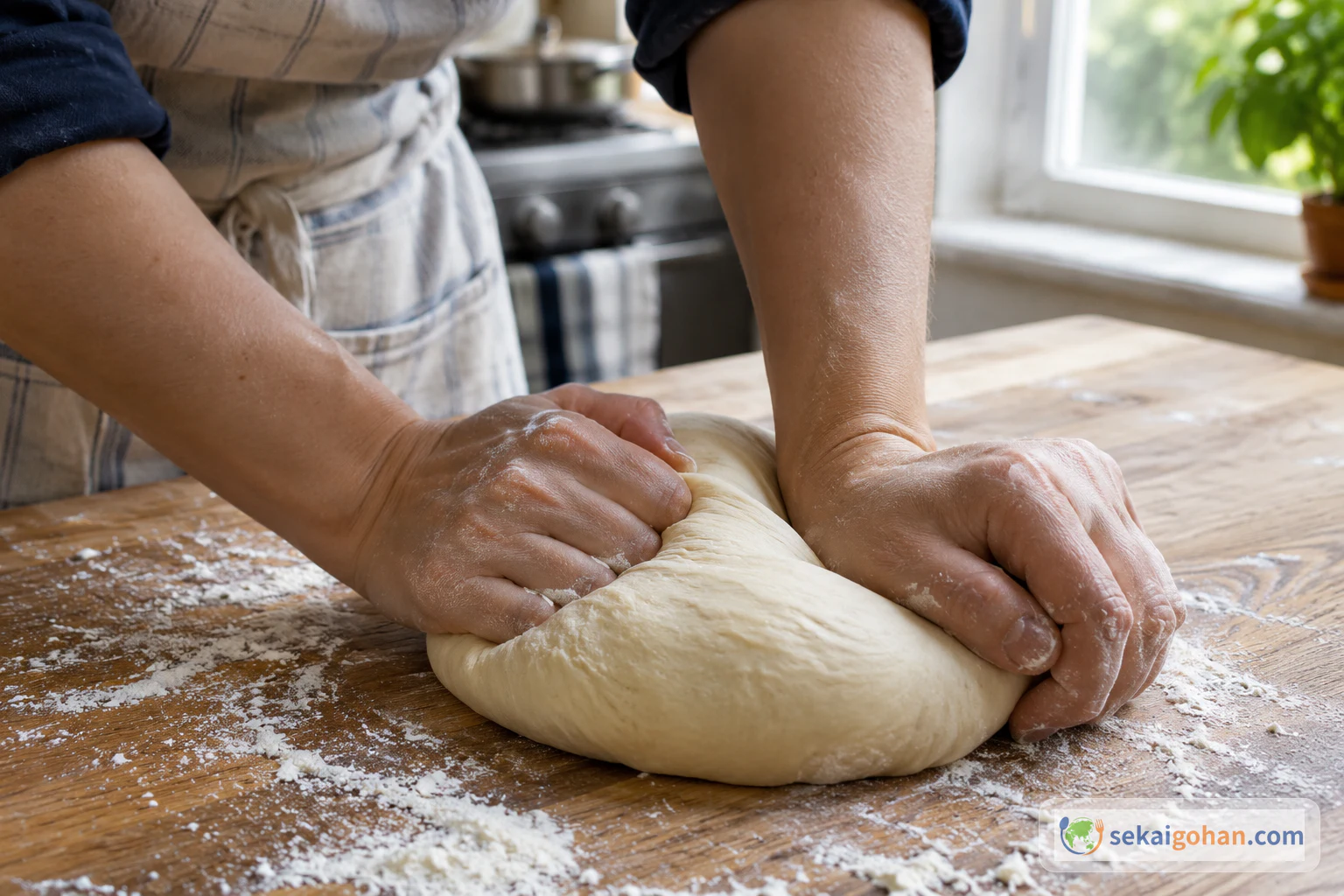
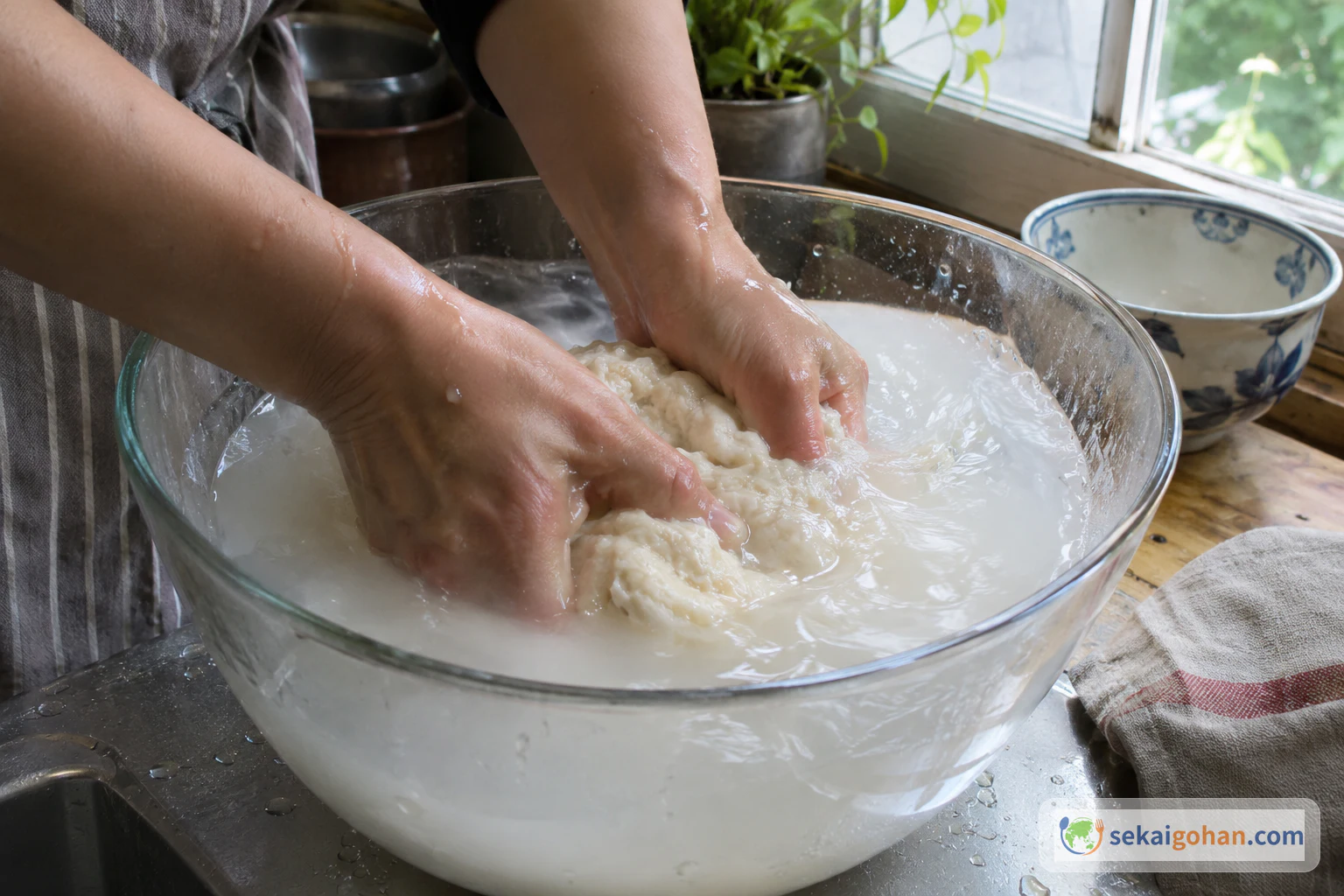
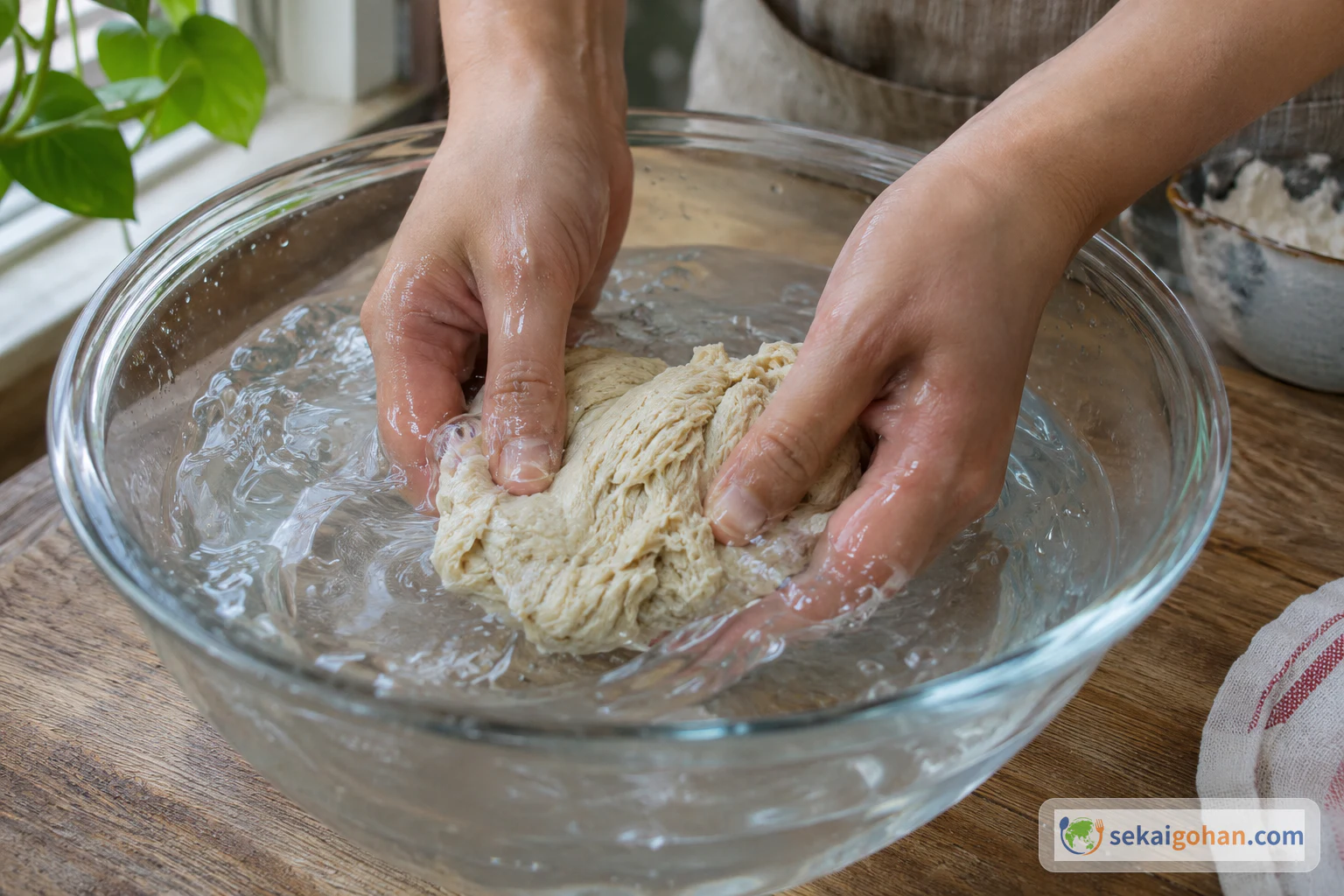
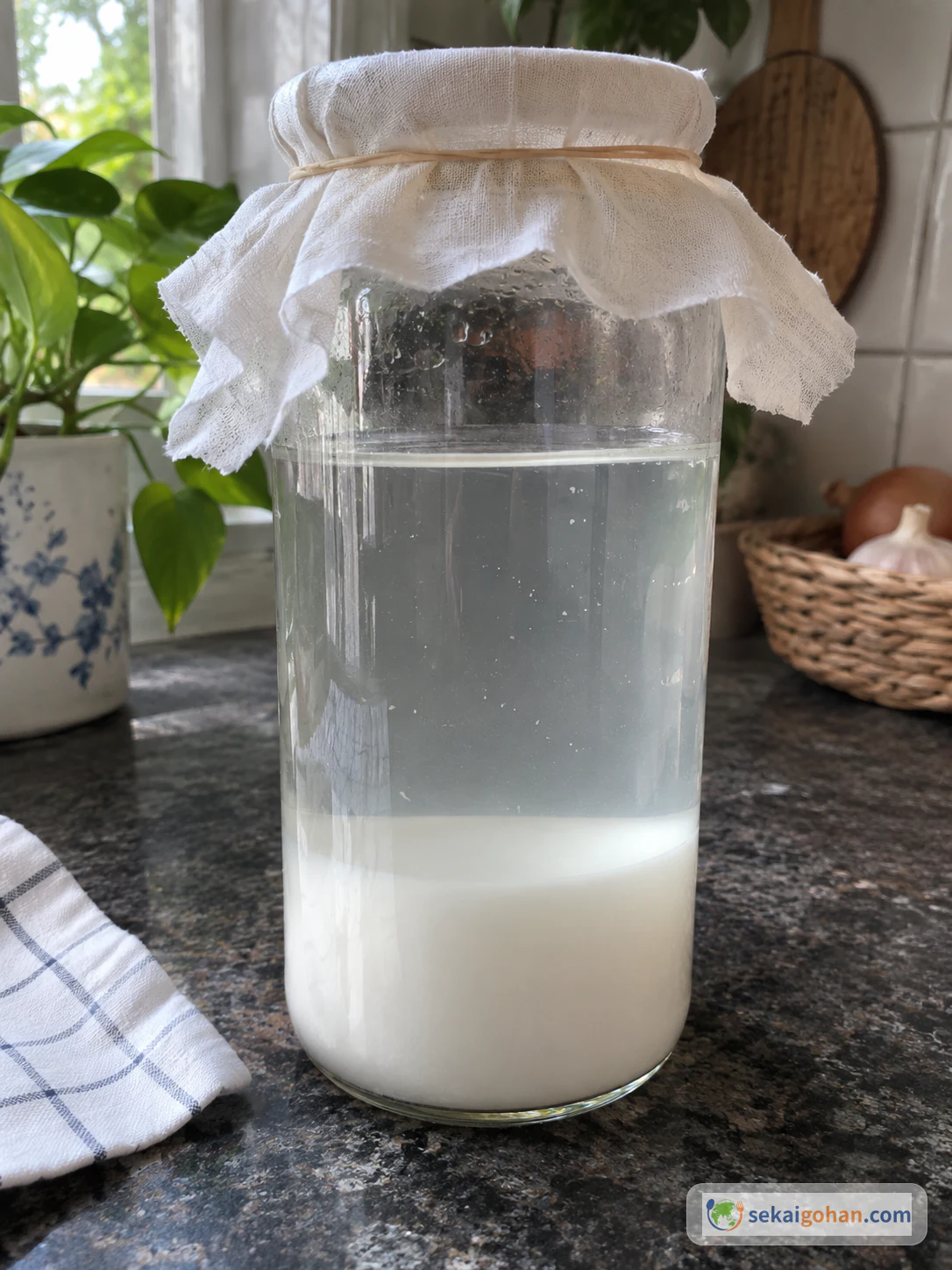
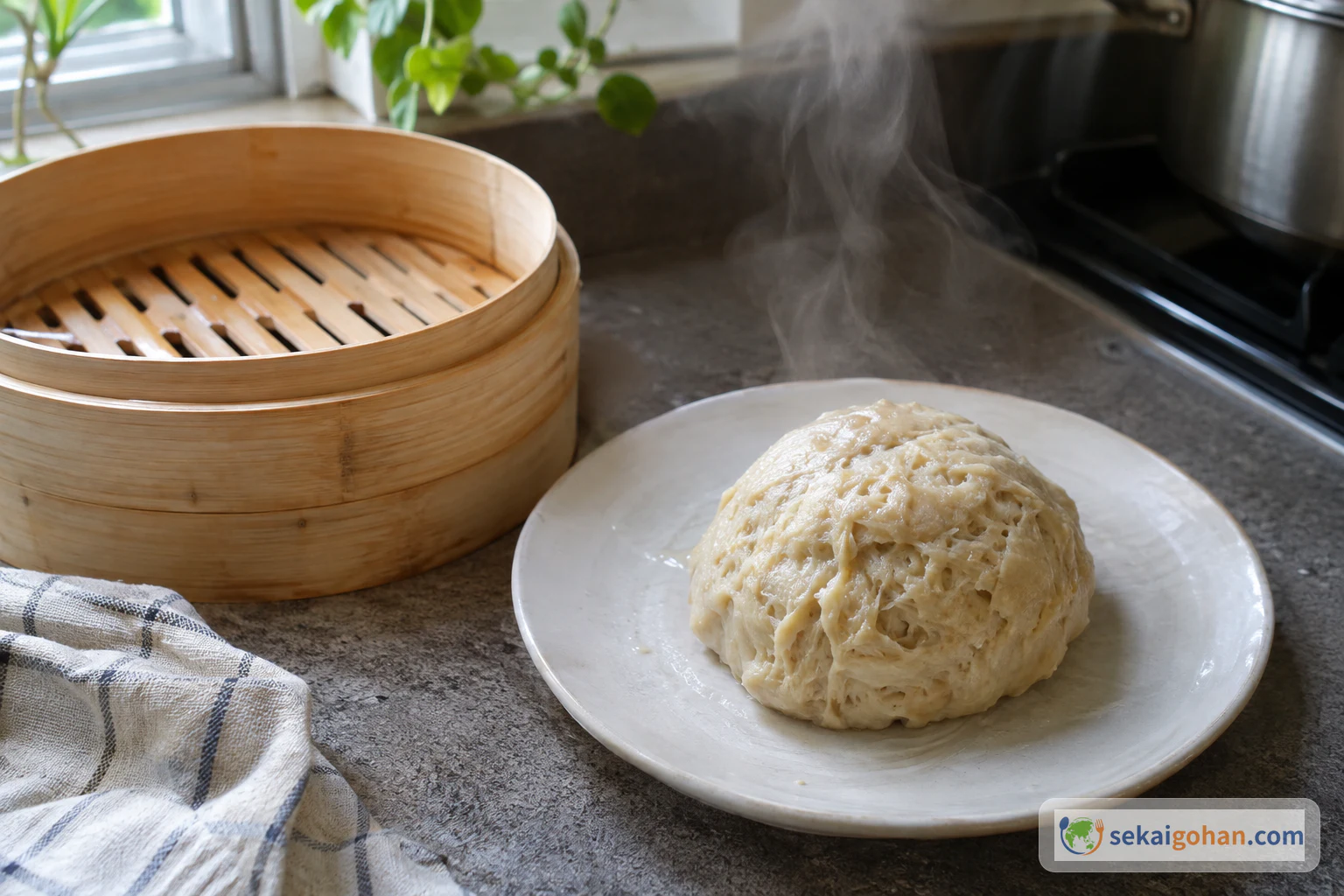
The version here starts with a plain dough of flour, salt and water. You knead it, rest it, and then wash it under water until the starch clouds the bowl white and only a springy knot of gluten is left in your hands. The milky water sits until the starch drops to the bottom. That thick starch becomes the noodle sheets, and the gluten gets steamed and sliced to eat alongside. Nothing goes to waste. One plain dough gives you both the noodle and its chewiest topping.
Liangpi is sold as street food across Shaanxi, and it is eaten cold. The word covers more than one dish, though. Around Qishan in western Shaanxi, cooks make Qishan ganmianpi (岐山擀面皮), a different type with its own technique. Hot dough is rubbed and rolled, and the sheets are stacked and steamed. That method is recorded as a provincial intangible heritage skill. Around Baoji it is everyday food, eaten with plenty of red chili oil and vinegar. Stories about how ganmianpi began are told locally, but where liangpi was first made is not settled. Rice versions exist too. Mipi (米皮) is made from rice that is soaked and ground to a slurry rather than from wheat.
Shaanxi's food standard for liangpi separates three products by ingredients and process. Mianpi (面皮) is wheat flour and water, washed and settled or not, then cooked, oiled, cooled and cut. Ganmianpi (擀面皮) includes fermentation and rolling. Mipi (米皮) is rice. The recipe below is a washed-and-settled mianpi, steamed one sheet at a time.
If you like the wheat noodles of this province, biangbiang noodles are the hot, hand-pulled side of the same table. If chili oil is what draws you in, dan dan mian shows how that heat works in a Sichuan bowl. You can find more of the country's dishes on the China page.
Ingredients (serves 6)
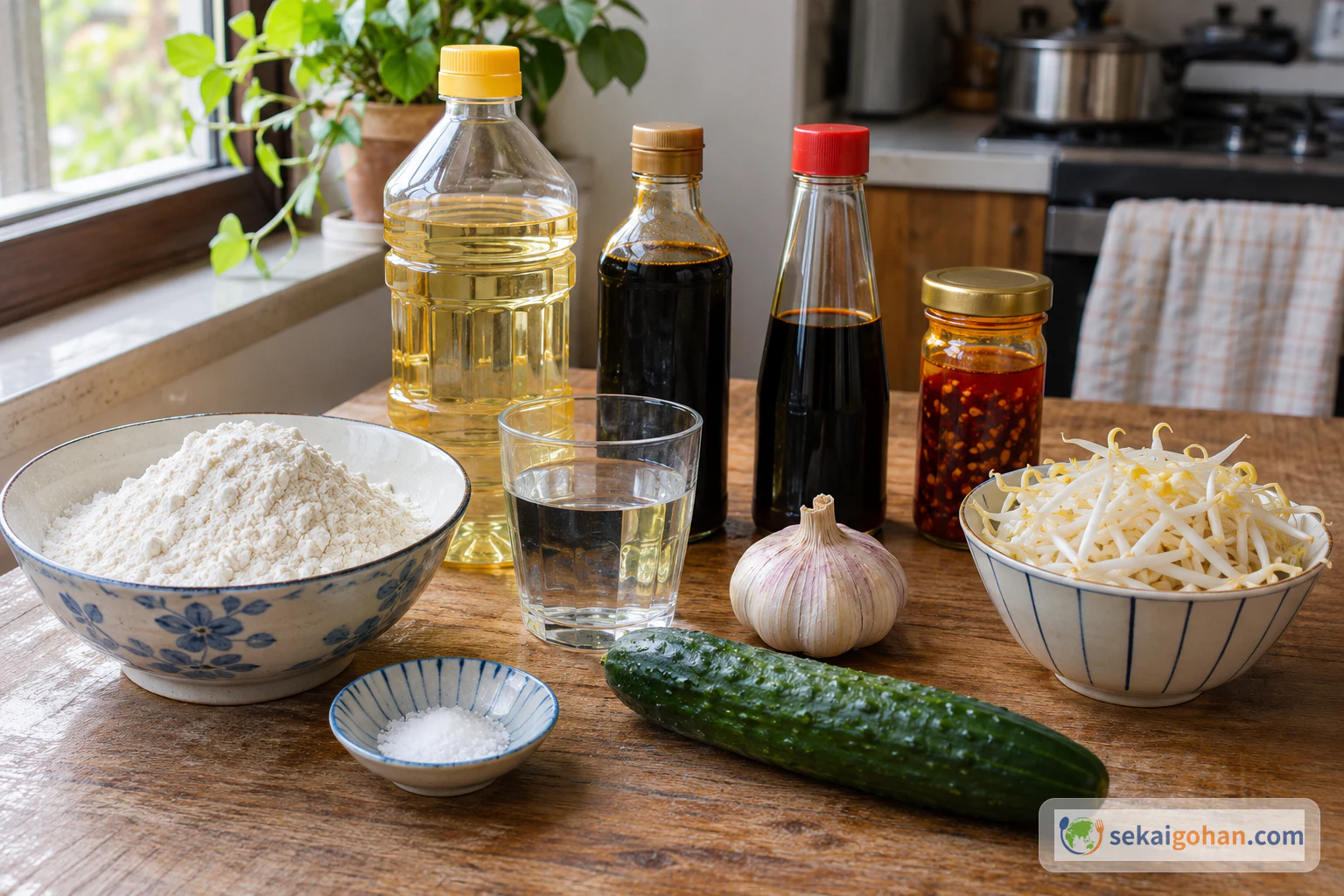
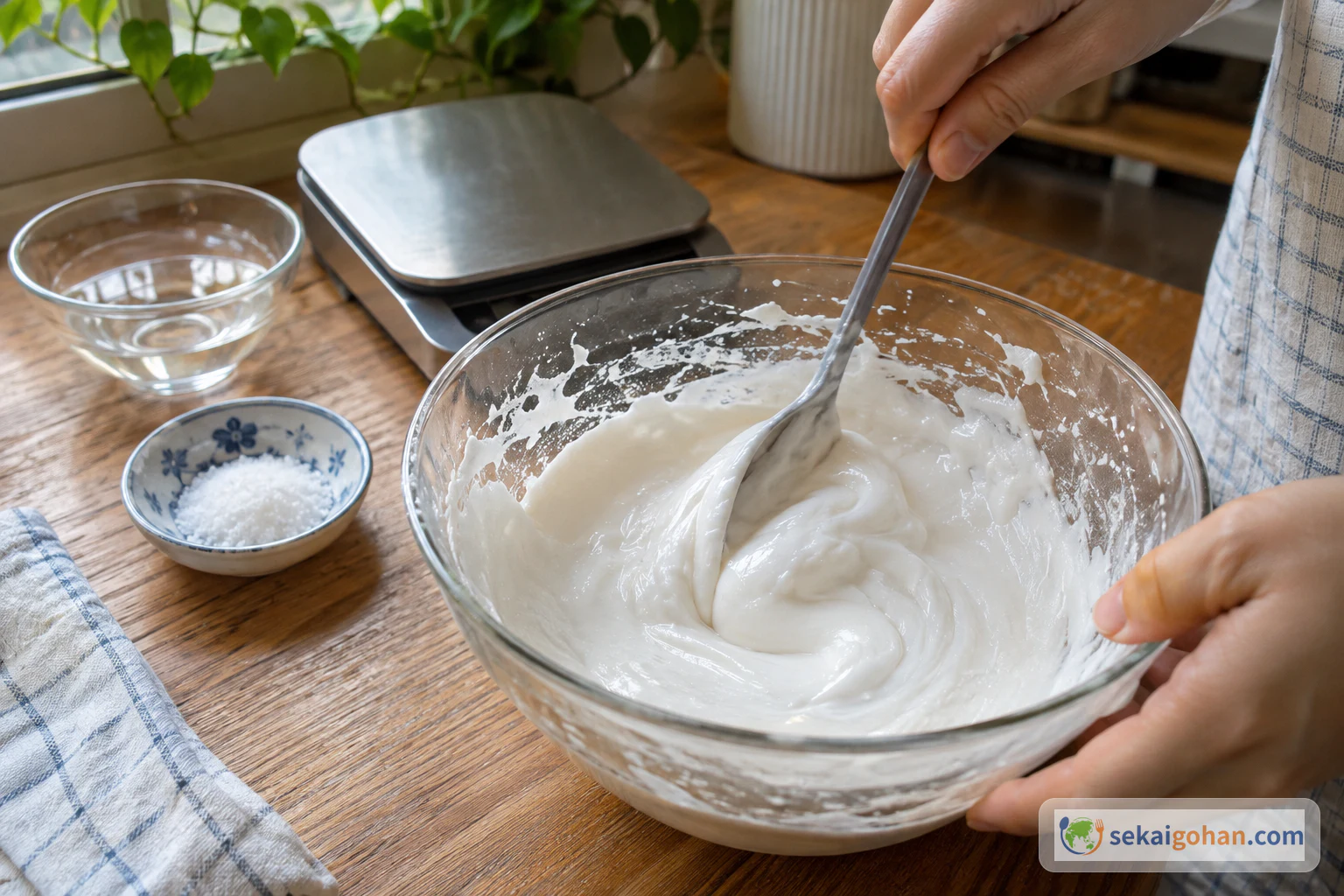
The flour, both salts, the dough water and the starch batch are all given by weight, and a gram scale is how you get them right. 4 g of salt in the dough and 2 g in each batter is too small for spoon guessing. The washing water is the one part you measure in cups.
The noodle sheets and the gluten are both wheat, and the gluten is concentrated wheat protein. Soy sauce, black vinegar and chili oil can contain wheat, soy or other allergens, so check the labels on the bottles you buy.
Equipment
- Gram scale
- Two large bowls, plus a large container for collecting and settling the starch water
- Fine strainer
- Metal round or square cake pan that fits inside your steamer
- Steamer, or a large pot with a lid and a rack
- A larger bowl or tray of cold water for cooling the pan
- Pastry brush for oil
- Sharp knife and cutting board
Choosing the Dressing and What Changes When You Swap
The sheets and gluten come out of your own flour and water, so the shopping that matters is the dressing. A Chinese grocery or an online shop gives you the three bottles that make liangpi taste like Shaanxi. They are black vinegar, light soy sauce and a red chili oil.
| What to look for | Supermarket swap | What the swap changes |
|---|---|---|
| Chinese black vinegar | Grain or rice vinegar | Brighter and sharper, without the dark, rounded aroma |
| Chinese light soy sauce (shengchou) | All-purpose soy sauce | A different, darker flavor. Add it a little at a time |
| Youpo lazi chili oil | Store-bought chili oil | Heat comes through, but the flavor and texture of the chili flakes differ by brand |
| All-purpose flour | Bread flour or cake flour | Changes the texture of the sheets and the amount of gluten left after washing |
Any neutral vegetable oil works for the pan and the sheets. Rapeseed oil is a good choice. Cucumber and bean sprouts are ordinary produce, and both are optional. The bowl stays true to its home as long as the vinegar and chili oil lead the dressing.
Method: Wash, Settle, Steam, Dress
The work splits across two sittings. On the first, you make and rest the dough, wash it, and set the starch water aside to settle. That settling is the long hands-off stretch, and it is also when the gluten rests. On the second, you pour off the clear water and steam the sheets one by one. Then you steam the gluten, cut everything, and dress the bowl. Keep the steamer at a hard boil with the lid on the whole time you make sheets.
The starch sinks to the bottom of the bowl within moments. If you pour without stirring, the first sheets come out thick and the last ones turn to water. Stir every single time right before the batter goes into the pan.
Oil goes on the pan before pouring, on the sheet before peeling, and between the sheets in the stack. Skip any one of these and the sheets tear or fuse together into a block when you cut them.
When It Goes Wrong
| What you see | Why | What to do |
|---|---|---|
| The wash water never clears | Starch is still trapped in the dough | Keep washing with small amounts of fresh water until the water barely clouds |
| Only a thin, loose layer of starch at the bottom | Not enough settling time | Cover it again and let it settle longer before you pour off the water |
| Sheets get thicker or thinner as you go | The starch sank between pours | Stir the batter from the bottom right before each pour |
| A sheet comes out thick and heavy | Too much batter in the pan | Pour just enough to cover the base in a thin film |
| The sheet tears or sticks when you peel it | The pan was not cooled, or the top was not oiled | Give it the full minute in cold water and brush on oil before you peel |
| Cut strands clump together | Dry spots between the stacked sheets | Brush oil between the sheets before you cut, then loosen the strands by hand |
Serving, Variations and Storage
At the table
Liangpi is served cold, so dress it right before eating and serve it while the cucumber is still crisp. Put out the bottles of vinegar and chili oil so everyone can sharpen or heat up their own bowl. Each bowl combines the soft, slippery noodle strands with the chewy, sponge-like gluten.
Variations
- More or less heat. Change the chili oil to suit your table. A spoonful adds color and aroma, and a generous pour turns the bowl hot and red.
- Choosing the soy sauce. Light soy sauce seasons the bowl without darkening it much. All-purpose soy sauce makes the dressing darker and changes its flavor.
- Choosing the vinegar. Black vinegar gives a deep, rounded sourness. Grain vinegar is sharper and lighter, so the chili oil stands out more.
- Sheets and gluten only. Leave out the cucumber and bean sprouts for a plain bowl that is all about texture and dressing.
Storing leftovers
Put leftover sheets in an airtight container, refrigerate them, and eat them within 2–3 days. Store them undressed and add the dressing just before you eat.
Frequently asked questions
Does liangpi need yeast or baking soda?
This washed-and-settled version uses neither. Flour, salt and water make the dough, and the batter is only settled starch, salt and water. The fermented style belongs to ganmianpi, which is a different dish.
Can I settle the starch for less time?
Give it at least 6 hours, or let it sit overnight. Shortening the settling time leaves you with less thick starch at the bottom. If your kitchen is warm, put the container in the refrigerator.
How many sheets will I get?
That depends on the size of your pan and how thin you pour. A smaller pan gives more sheets per batch, and a thinner pour gives more again. Choose a pan that fits easily inside your steamer, with enough room to lift it out by the rim.
Is the gluten the same as the wheat gluten sold in shops?
The gluten in this bowl is the wheat protein left in your hands after washing, steamed and sliced. Making it yourself means you get both the noodles and the topping from one dough. It is what gives liangpi its chewy second texture next to the soft sheets.