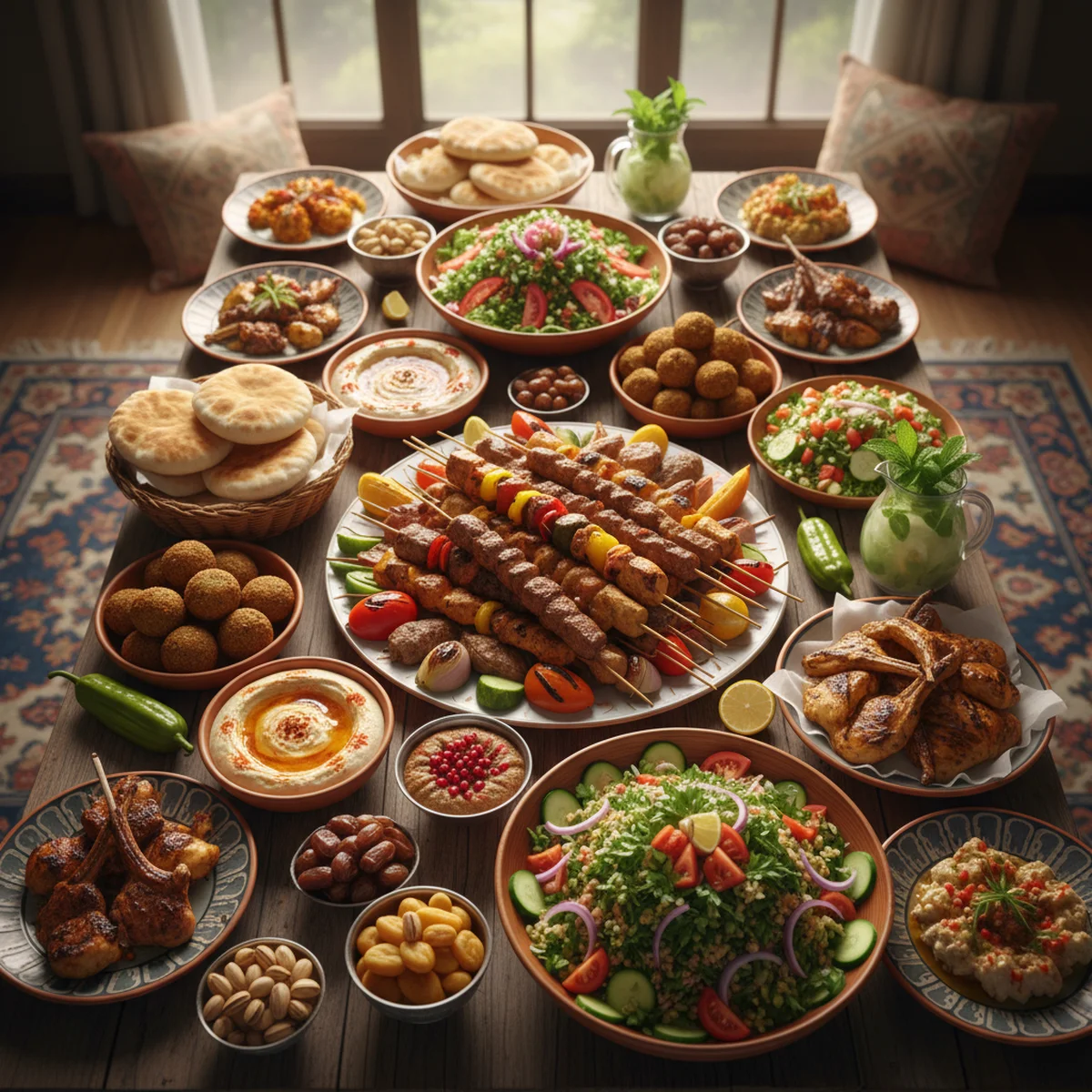
Why Middle Eastern Cuisine Is Getting Attention Worldwide
Middle Eastern cuisine is the food culture of a vast region stretching from the eastern shore of the Mediterranean to the Persian Gulf. Many countries, including Lebanon, Turkey, Israel, Iran, Syria, and Egypt, each have their own character while being linked by shared spices and ingredients.
In recent years, with the growing interest in healthy eating, interest in Middle Eastern cooking has been rising rapidly around the world. Middle Eastern cooking, which uses plenty of olive oil, chickpeas, lentils, yogurt, and fresh herbs, shares many elements with the Mediterranean diet and is highly regarded nutritionally as a healthy eating pattern.
And yet recipe information on Middle Eastern cooking is still scarce in many places. Although thousands of recipes are published in English, authentic recipes that can be read in other languages are limited. While some foreign dishes, like Southeast Asia's gapao rice, have become fully established far from home, Middle Eastern cooking is still a field where "untapped deliciousness" lies sleeping.
This article gathers the information you need to start with Middle Eastern cooking, from its history and cultural background to the basic spices and ingredients and the representative dishes whose recipes are published on this site. As of June 2026, individual recipes have grown to cover Lebanon, Turkey, Iran, Palestine, the Gulf, Iraq, and Armenia. To make it easy for beginners, it assumes ingredients and tools available at supermarkets, specialty grocers, and online.
It is built as an "introductory guide" to Middle Eastern cooking: grasp the whole picture first, then move on to the individual recipe pages for the dishes that interest you. Detailed steps for each recipe are given on the linked pages.
Many Middle Eastern dishes use wheat (bulgur, phyllo, pita), egg (shakshuka and others), sesame (tahini), and nuts (baklava, pine nut toppings). If you have a food allergy, please check the ingredients of each recipe beforehand.
History and Food Culture: From the Cradle of Civilization to the Tables of the World
Food traditions from ancient Mesopotamia
The Middle East is called the "cradle of civilization" and is also the birthplace of agriculture and food culture. In Mesopotamia (around present-day Iraq) around 4000 BC, dishes using wheat and lentils were already recorded, and Babylonian clay tablets about 4,000 years old deciphered at Yale University carry more than 30 recipes for stews and soups.
In ancient Egypt, bread and beer were the staples. Wheat and barley were grown in large quantities on the fertile land of the Nile basin, and flatbread baked in cylindrical ovens had become an everyday food by 2000 BC. This "culture of bread as a staple" is carried into modern Middle Eastern cooking as it is. Scooping hummus with pita is a gesture with a history of several thousand years.
In the Ottoman Empire (14th to 20th centuries), the court cuisine absorbed and fused food cultures from many regions, shaping the foundations of today's Turkish and Lebanese cooking. Spices brought from India and China along the Silk Road greatly broadened the range of flavors in Middle Eastern cooking.
Meze culture: a meal is something "shared"
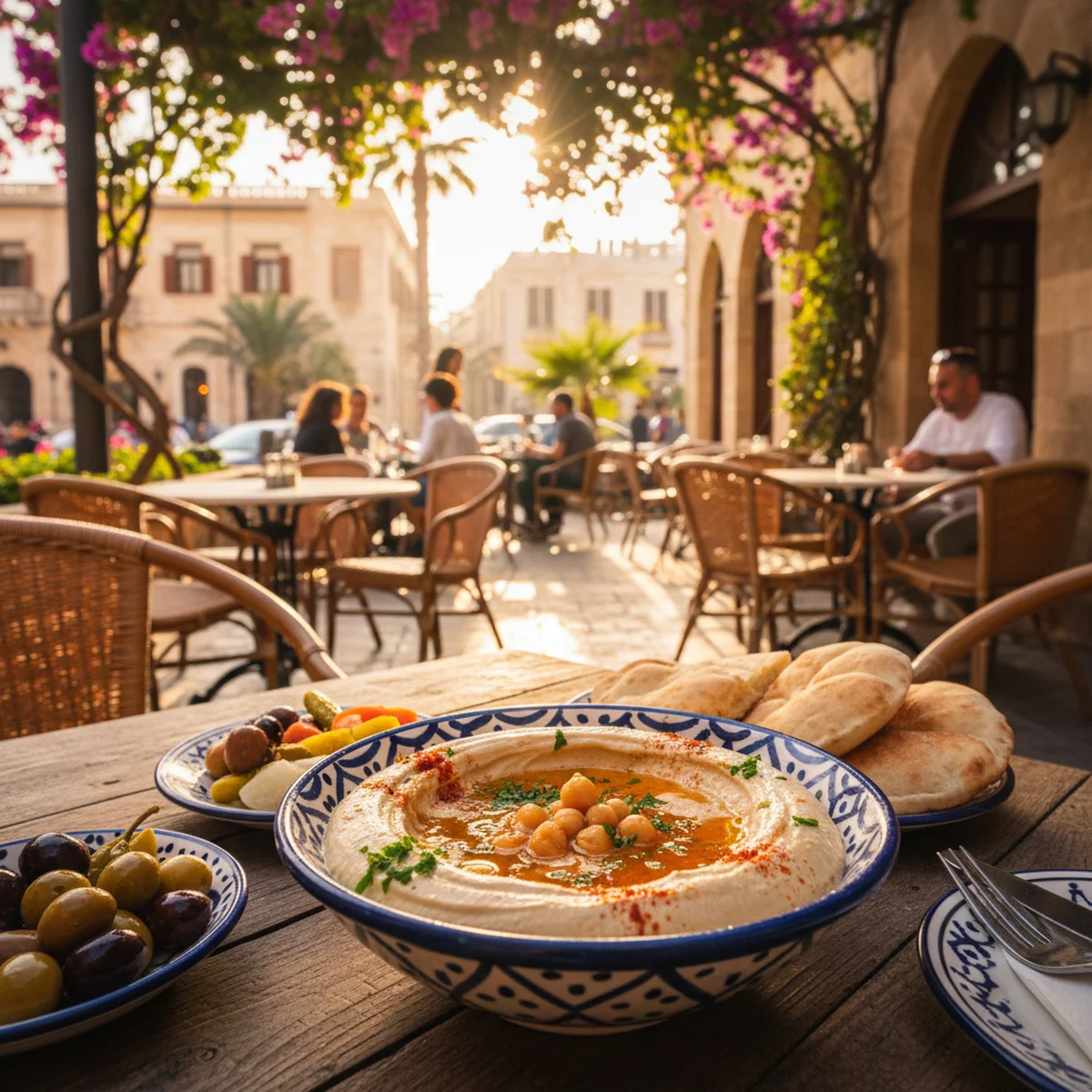
The most distinctive thing at a Middle Eastern table is "meze" culture. Meze is an assortment of small plates laid out at the start of a meal. Hummus, baba ghanoush (in Japanese), tabbouleh, pickles, cheese, and olives are set in the middle of a large table and everyone reaches out to share. If you want to add a warm small plate, balila (in Japanese), eaten with cumin and lemon, is also an easy dish to enter with.
This culture of "gathering around food and sharing" is at the root of Middle Eastern hospitality. In the Arab world there is a saying that "a guest is a gift from God," and it is considered a virtue to serve guests the best meal you can. In Lebanon, serving an amount the guests cannot finish is a sign of "good hospitality," and some households consider visible empty space on the table a shame.
Meze culture is also said to have influenced Greek and Spanish "tapas," and it is a common foundation of the food culture along the Mediterranean coast.
Religion and the rules of food
The Middle East is a region where the holy lands of Islam, Christianity, and Judaism gather, and religion and food are closely linked. Islam's "halal" is the rule of eating only foods permitted and processed by permitted methods, and pork and alcohol are forbidden. Judaism's "kosher" also has its own dietary rules, such as not eating dairy and meat together.
Ramadan (the Islamic month of fasting) is an especially important period in Middle Eastern food culture. During this period of abstaining from eating and drinking from sunrise to sunset, special menus appear at the post-sunset meal, "iftar." Lentil soup, dates, and fattoush (a salad with fried bread) are standards, and even ordinarily modest households prepare lavish meals. At the festival after Ramadan, "Eid al-Fitr," sweets such as baklava and ma'amoul are made in large quantities and there is a custom of taking them around to neighbors.
As a result of developing within these religious constraints, Middle Eastern cooking has honed the technique of using plant proteins such as chickpeas, lentils, vegetables, and yogurt well. It is no coincidence that Middle Eastern cooking fits so well with the recent worldwide trend toward plant-based eating.
The character of each region
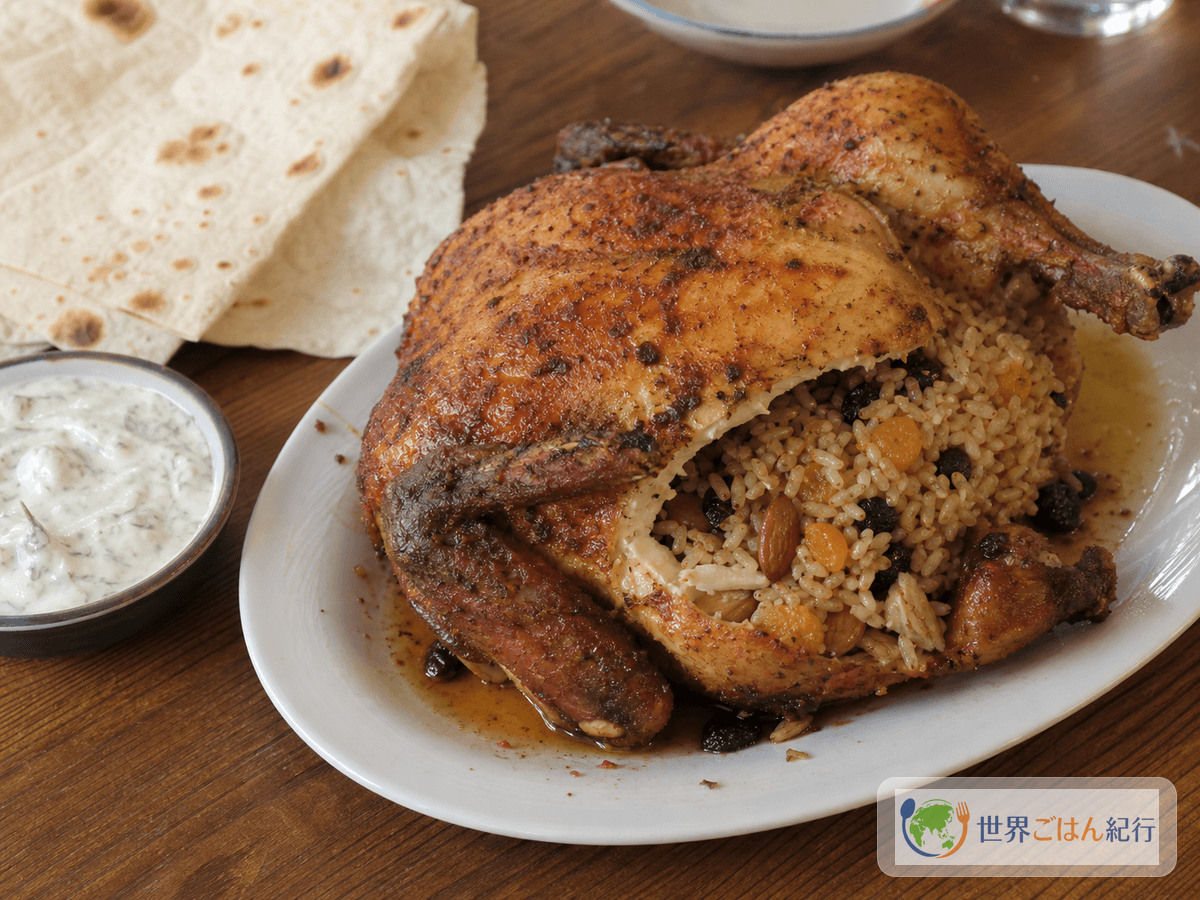
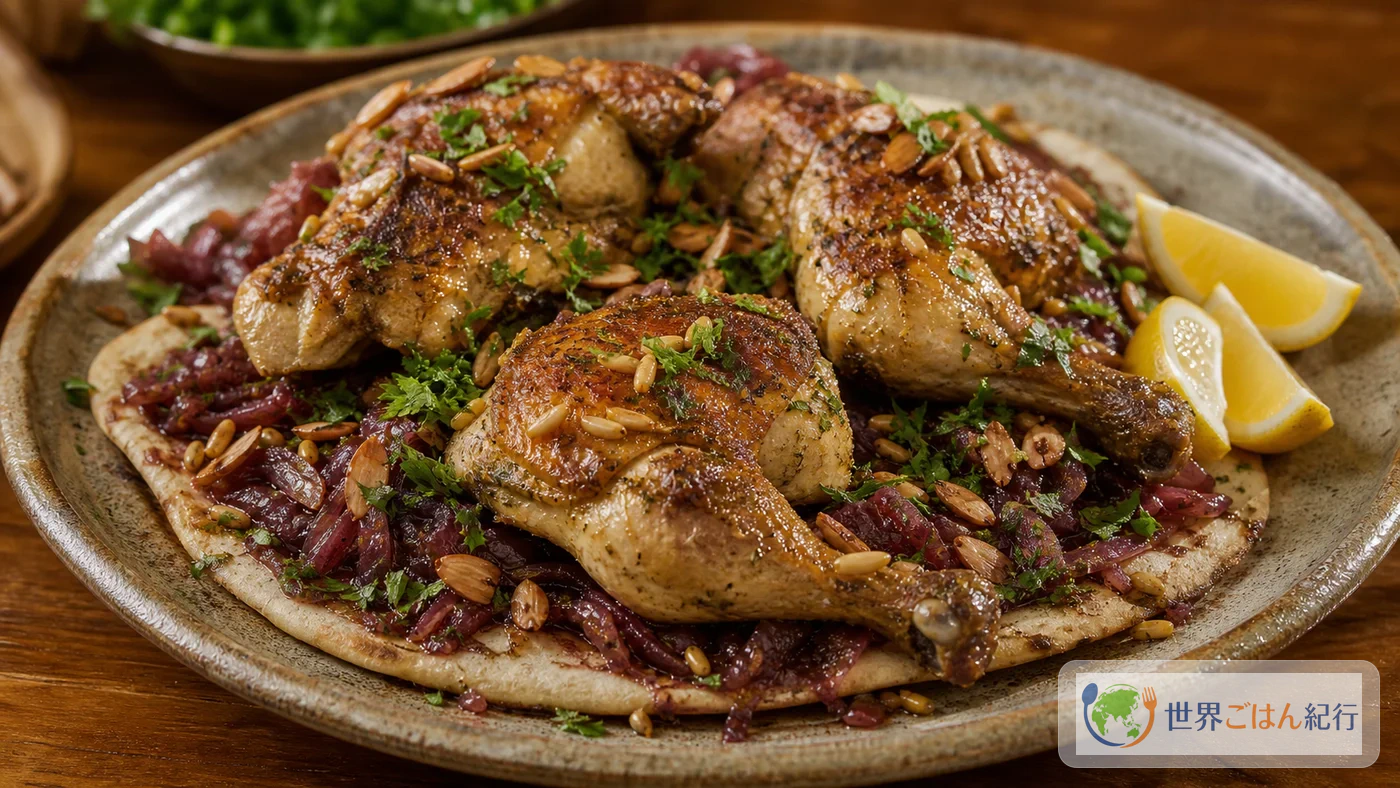
Even if we say "Middle Eastern cuisine," the flavors differ considerably by region. The Levant (Lebanon, Syria, Palestine) has a light taste that makes use of herbs and olive oil; Persia (Iran) has showy seasoning with saffron and dried fruit; Turkey stands out for the variety of its stews and kebabs. To get to know the Palestinian table, musakhan (in Japanese), in which onion and chicken coated in sumac are laid on bread, shows olive oil, bread, and a culture of sharing in a single dish. Looking further at maqluba, where the pot is turned over onto a large platter, and mahshi lift (in Japanese), a sour stuffed dish, you can see that Palestinian cooking is neither "only bread" nor "only meat."
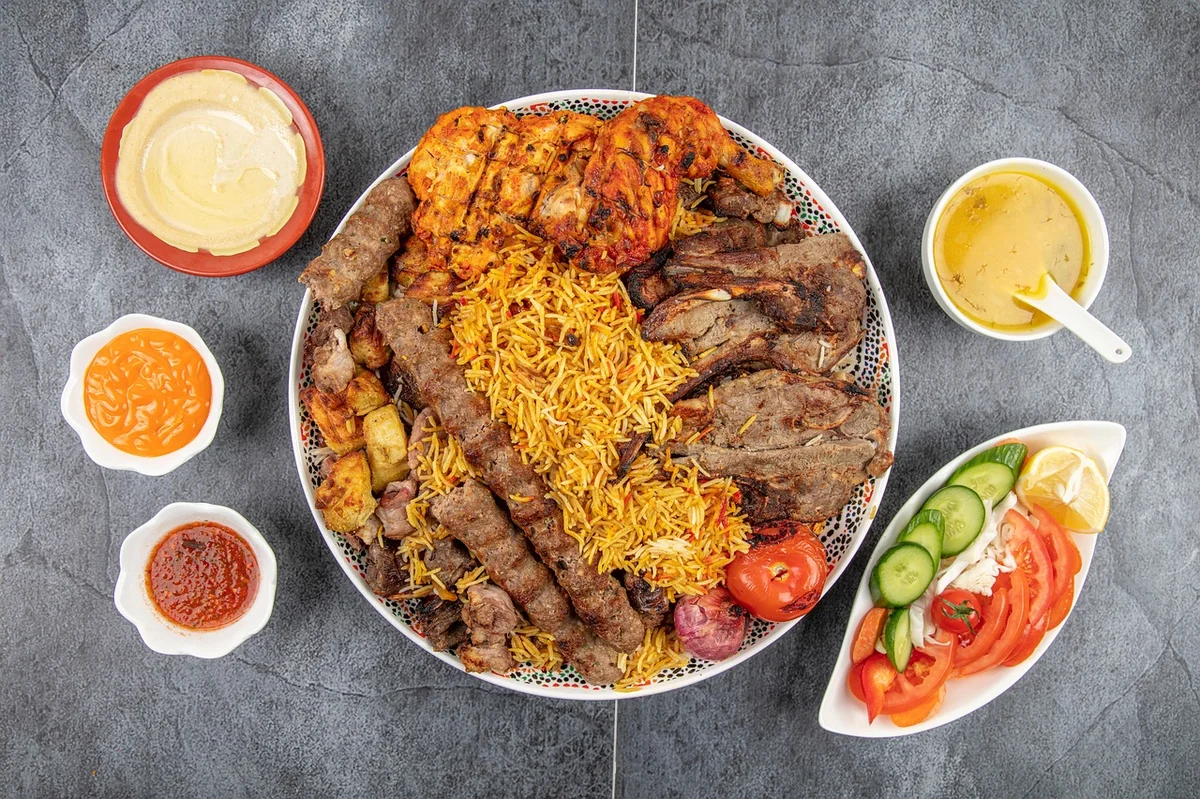
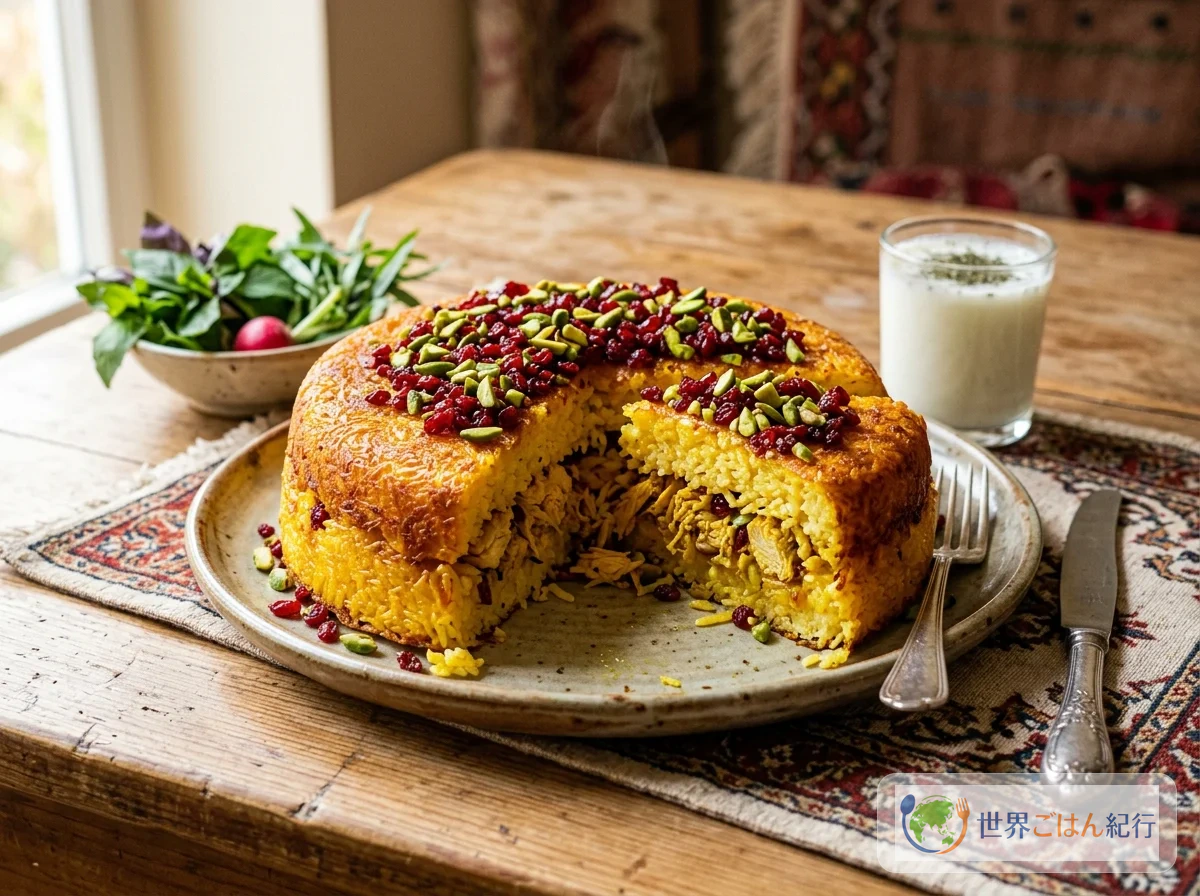
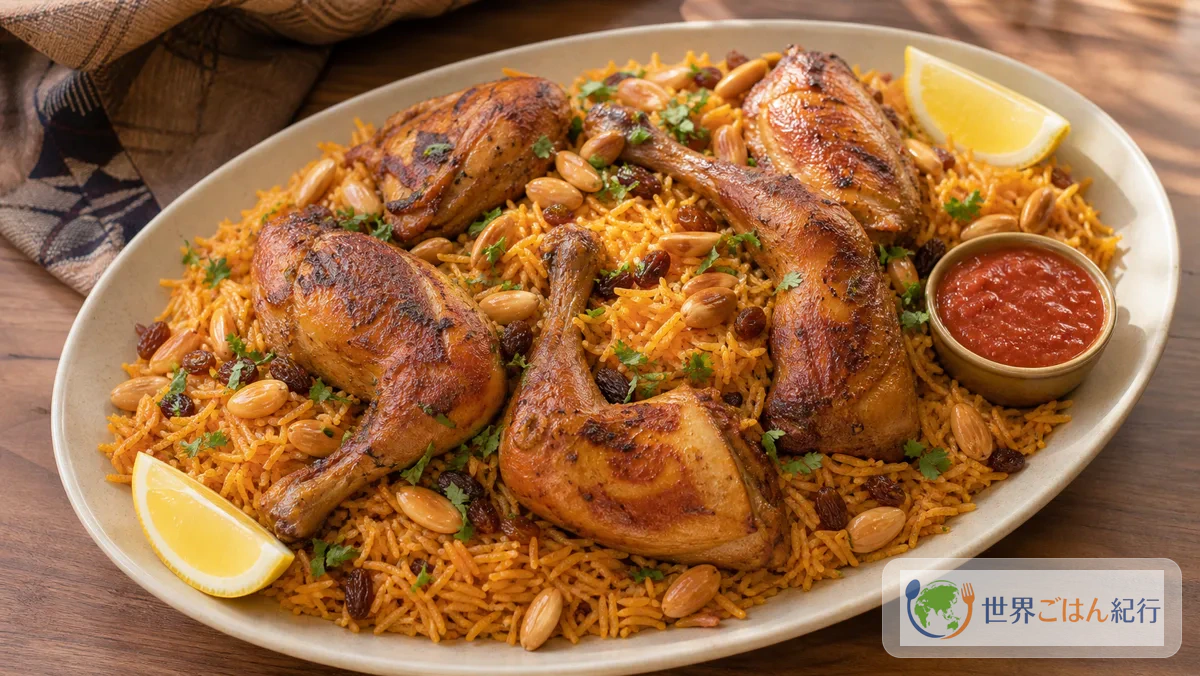
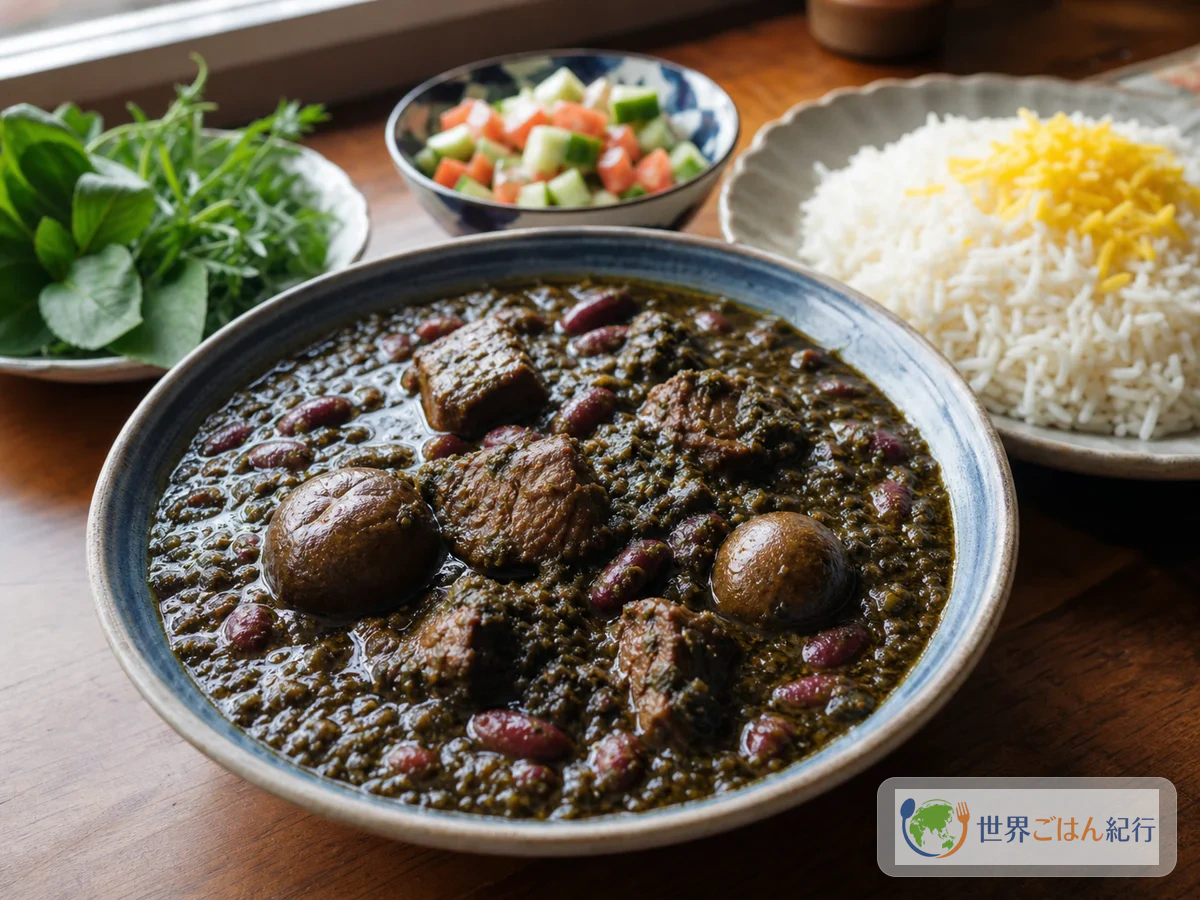
Iranian cooking is especially refined even within the Middle East and forms an independent genre as Persian cuisine. Looking at a stew in which herbs are deeply fried like ghormeh sabzi (in Japanese), a crusty rice dish like tahchin, and a sweet-and-sour walnut and pomegranate stew like fesenjan (in Japanese), the skill of delicately balancing sweetness and sourness becomes clear. Moving toward the Gulf, rice dishes that carry the aroma of meat into the rice take the lead, such as Saudi Arabia's kabsa (in Japanese), Bahrain's machboos, and Yemen's mandi.
If you say to a Lebanese person, "Your country's food is the same as Turkish food, isn't it?", they will surely shake their head. Each country has a proud food culture that seems similar but is different. That diversity is the depth of Middle Eastern cooking.
Basic Spices and Seasonings to Know
Spices decide the flavor of Middle Eastern cooking. Some professional cooks master dozens of kinds, but home cooking uses only 5 or 6 basic ones. All of them are easy to get at supermarkets, specialty grocers, or online.
Cumin is the most basic spice of Middle Eastern cooking, with a warm, earthy aroma. It is used in everything: hummus, falafel, seasoning for grilled meat, and soups. If you buy one first, make it cumin. Dry-toasting whole seeds in a frying pan and then grinding them spreads an aroma worlds apart from powder.
Coriander (the seed of cilantro) is a standard spice alongside cumin, with a fresh citrus-like aroma. It is indispensable in falafel and kofte (meatballs). It is handy to have both powder and whole seeds. Whole seeds suit meat marinades, and powder suits stews and paste-type dishes.
Sumac is a spice that may not be familiar in many places, but it can be called the "king of secret flavorings" in Middle Eastern cooking. It is a red-purple powder with a sourness similar to lemon. Just sprinkling it on salads or grilled meat brings the flavor much closer to the Middle East. It is made from dried berries of a plant in the sumac family, and its bright color also adds to the look of a dish.
Za'atar is an all-purpose spice blend of thyme, sumac, white sesame, and salt. Dipping bread in olive oil and za'atar is a standard local breakfast. It can be found at specialty grocers and online shops. The blend of za'atar differs by region and household, and variations that add marjoram or oregano also exist.
Cardamom has a sweet, floral aroma and is a versatile spice for meat dishes, desserts, and coffee. It is indispensable in Middle Eastern coffee (qahwa), and in Saudi Arabia and the UAE it is considered courtesy to serve guests cardamom coffee. If you use it in the pod, lightly tap it with the flat of a knife to crack it before adding, and the aroma comes out well.
Turmeric is characterized by a vivid yellow and an earthy flavor, and in Persian cooking it is indispensable for coloring rice. It is sometimes used as an inexpensive substitute for the saffron in Iranian saffron rice, but its own flavor adds warmth to a dish. It is said to have anti-inflammatory properties and is a spice getting attention for health as well.
You don't need to have all of them. With just "cumin," "coriander," and "paprika powder," you can handle many Middle Eastern dishes.
Spices are weak against light, heat, and moisture, so store them in an airtight container in a cool, dark place. After opening, the guide to shelf life is 6 months for powder and 1 year for whole seeds. A spice whose aroma has weakened not only loses flavor but, even if you increase the amount, will not give the flavor you expect, so replace it decisively.
Ingredients Essential to Middle Eastern Cooking
Just as important as spices are the basic ingredients.
Chickpeas are the star of Middle Eastern cooking. They are not only the base of hummus but are also used in falafel, salads, and stews. Either canned or dried work, but for authentic hummus or falafel, dried chickpeas are overwhelmingly recommended. The texture and flavor are completely different. Bought in quantity and stored in an airtight container at room temperature, dried chickpeas keep for more than a year.
Tahini is a paste of ground sesame and the core ingredient of hummus and baba ghanoush (in Japanese). Sesame paste can substitute, but Middle Eastern tahini is more liquid and gives a smoother result. The finest is made from Humera sesame from Ethiopia and is characterized by strong sweetness and little bitterness. Imported brands are available at specialty grocers and online.
Olive oil is used in almost all Middle Eastern cooking. For the extra virgin olive oil you pour on at the end, choose a good-quality one. For cooking, ordinary or pure olive oil is enough. The Middle Eastern countries are also major olive producing regions, and the olive oils of Palestine, Syria, and Turkey are known worldwide for their high quality.
Lemon's acidity is a very important element that decides the balance of flavor in Middle Eastern cooking. Squeezing lemon juice at the end of a dish brings out the flavor of the spices. Lime is not an effective substitute, so be sure to use lemon.
Flatbread (pita) is the "tableware" of many Middle Eastern dishes. It has endless uses: scooping dips, wrapping meat, filling with salad. Pita is characterized by a hollow interior, and stuffing the pocket with ingredients for a sandwich is also common. Frozen pita is available at many specialty grocers and warehouse stores.
Yogurt appears in every role: as seasoning, sauce, marinade, and dessert. Turkey is said to be the birthplace of yogurt, and the word "yogurt" itself comes from Turkish. Used in a meat marinade, the lactic acid breaks down proteins and the meat becomes surprisingly tender.
Middle Eastern Cuisine and Health: A Nutritional Balance Getting Attention
One reason Middle Eastern cuisine is supported worldwide is its good nutritional balance. The idea of the "Healthy Eating Plate" recommended by the Harvard T.H. Chan School of Public Health closely resembles the typical Middle Eastern table.
Chickpeas and lentils are rich in good-quality plant protein and dietary fiber, and olive oil is rich in monounsaturated fat. Fresh herbs and spices contain many antioxidants, and the custom of eating large amounts of raw vegetables such as tomato, cucumber, and parsley contributes to the intake of vitamins and minerals.
What is interesting is that the traditional Middle Eastern eating pattern shares much with the "Mediterranean diet." The Mediterranean diet has been reported in many studies to be associated with reduced risk of heart disease and longevity, and the World Health Organization (WHO) also recognizes it as a healthy dietary model. The everyday way of eating in the Middle East can itself be called a model of a healthy diet.
In terms of specific nutrition, 100g of dried chickpeas contains about 19g protein and about 17g dietary fiber. Lentils are even higher in protein, with about 25g protein per 100g dried. These legumes are also low-GI foods and can be expected to help moderate the sharp rise in blood sugar after a meal.
Middle Eastern Cuisine by Region
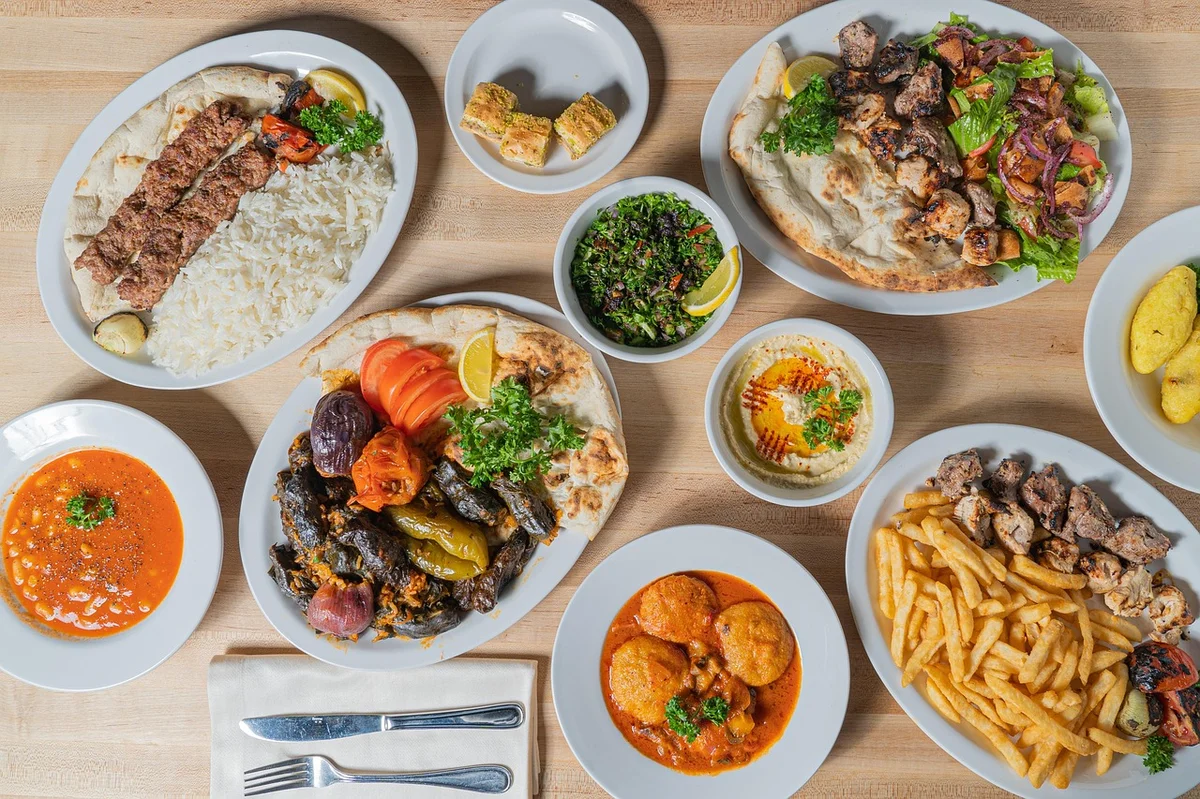
When learning Middle Eastern cooking, it is easier to understand by looking at "what each region is good at" than by memorizing country names. People who enter through Lebanon are drawn to the lightness of meze and herbs, people who enter through Turkey are surprised by the abundance of kebabs and flour-based dishes, and people who enter through Iran are drawn in by the delicacy of rice dishes and sweet-and-sour stews.
| Region | Dishes to read first | Flavor axis |
|---|---|---|
| The Levant (Lebanon, Syria, and surroundings) | Hummus, falafel (in Japanese), tabbouleh, baba ghanoush (in Japanese), mujaddara, kibbeh (in Japanese), knafeh | Olive oil, lemon, tahini, herbs, chickpeas |
| Turkey | Kebab, kofte, lahmacun (in Japanese), dolma (in Japanese), mercimek çorbası, piyaz (in Japanese), baklava (in Japanese) | Meat, yogurt, tomato, chili, beans, thin dough |
| Persia (Iran) | Tahchin, chelow kabab (in Japanese), ghormeh sabzi (in Japanese), fesenjan (in Japanese), borani (in Japanese) | Saffron, herbs, dried lime, pomegranate, walnut, crusty rice |
| Palestine and Jordan | Musakhan (in Japanese), maqluba, mahshi lift (in Japanese), mansaf | Sumac, olive oil, rice, yogurt sauce, shared large platters |
| Mesopotamia, the Gulf, and Yemen | Masgouf (in Japanese), arook (in Japanese), kabsa (in Japanese), jareesh (in Japanese), machboos, mandi | Fish, rice, dried lime, cardamom, rice cooked to carry the aroma of meat |
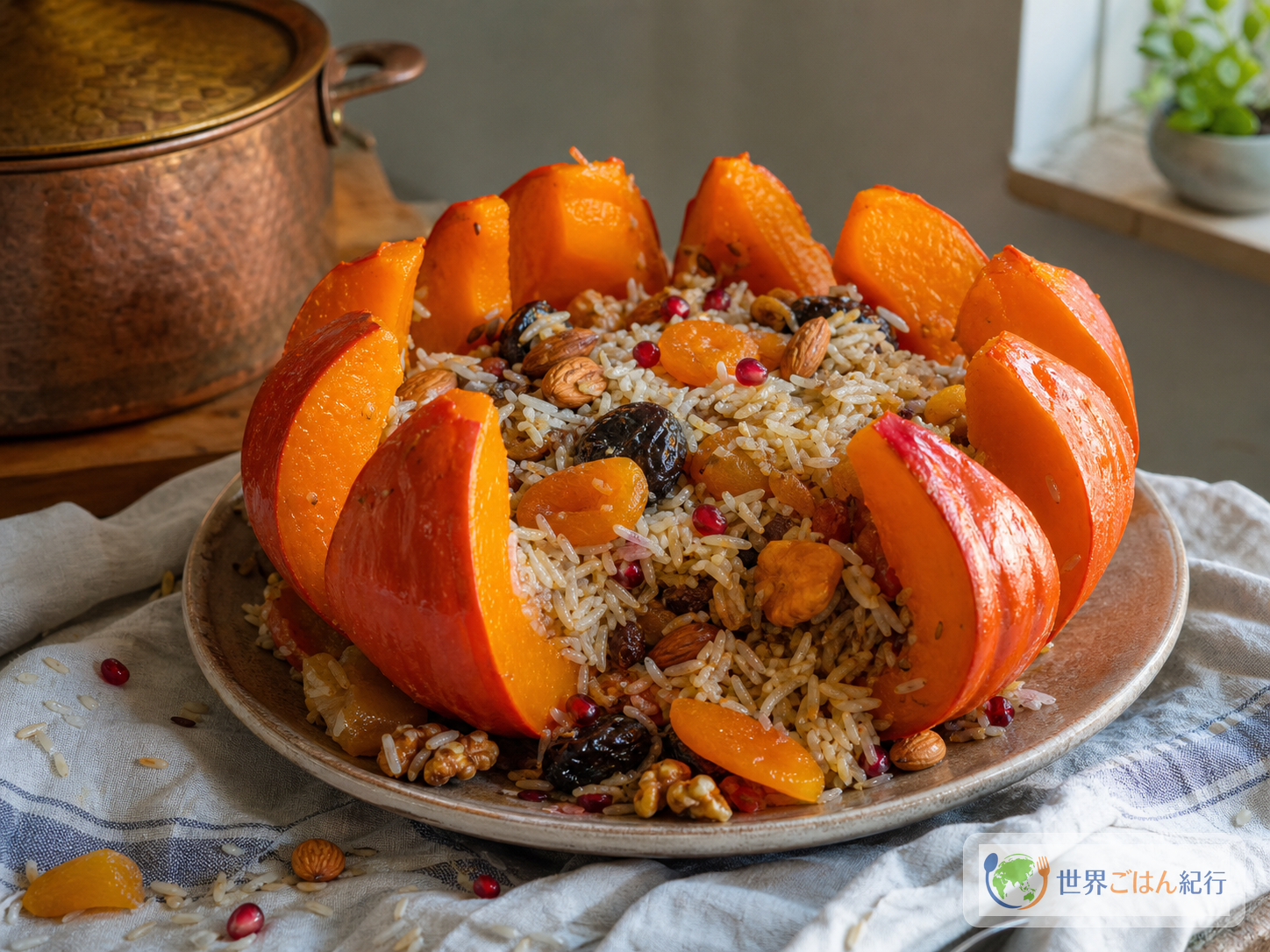
| Armenia | Harissa, ghapama (in Japanese), amich (in Japanese) | Wheat, chicken, pumpkin, dried fruit, nuts, festive dishes |
To start, Levantine meze are easiest to enter; if you want to make a star for the table, the meat and rice dishes of Turkey or the Gulf suit. People who want to enjoy depth of aroma will find that moving on to Iranian cooking, with saffron and dried lime, gives a deeper impression of Middle Eastern cooking.
Classic Middle Eastern Dishes to Make First
Here are the representative Middle Eastern dishes. They are listed roughly from the easiest to make at home, and since there are now many individual recipes, I have added related dishes that make it easy to move on from each one.
1. Hummus
A creamy chickpea dip, the face of Middle Eastern cooking. Eat it with bread, as a side to grilled meat, or as a dip for vegetable sticks. It can be made ahead, so keeping it in the refrigerator is handy. Served together with falafel (in Japanese) or shakshuka, it makes a colorful table.
A detailed recipe is given in How to make hummus: a superbly creamy recipe from the pros, which covers the science of baking soda and a professional chef's tahini technique. When you have leftovers, go on to how to store hummus (in Japanese) and you will have no doubts on refrigerating, freezing, and reviving it.
2. Shakshuka
A breakfast dish of Israel and Tunisia in which eggs are simmered in tomato sauce. The combination of a spiced tomato sauce and soft-set eggs has a familiar flavor to many palates. It is done in about 20 minutes in a single frying pan.
The method is explained in How to make shakshuka: spiced tomato and egg stew, including the blooming technique and how to use a cast iron frying pan.
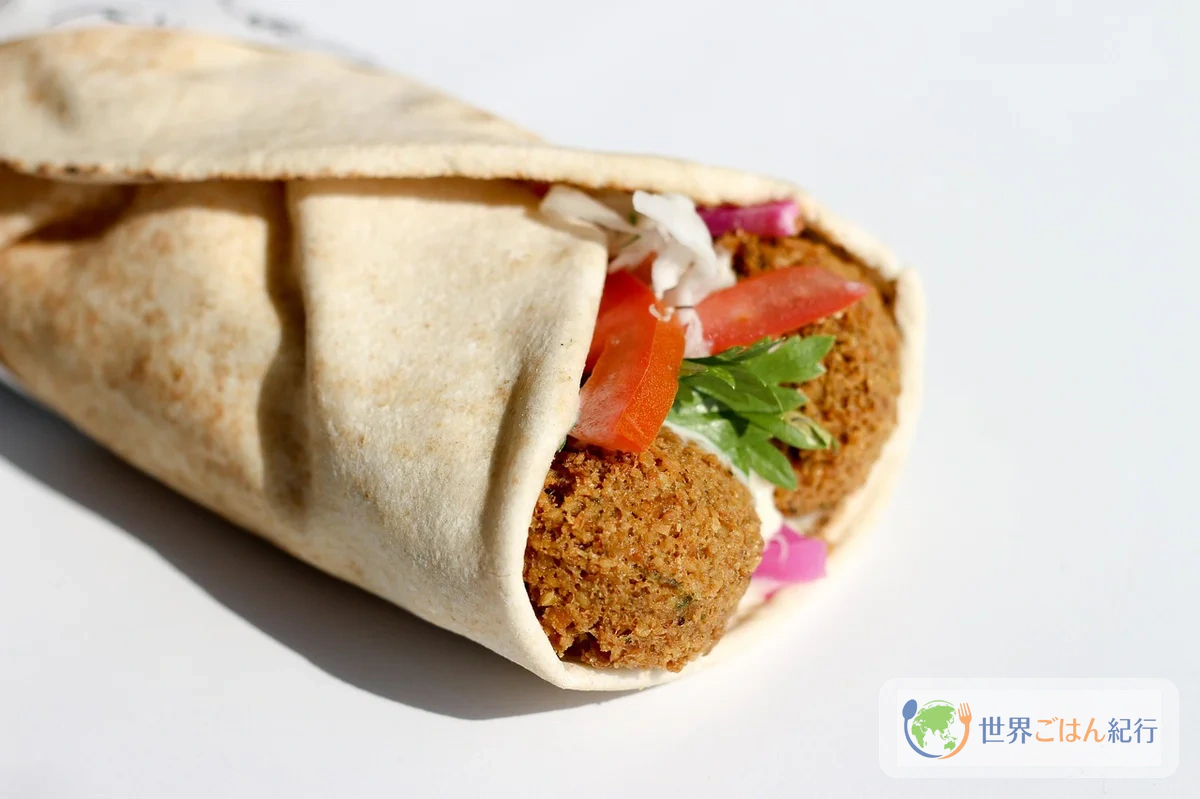
3. Falafel
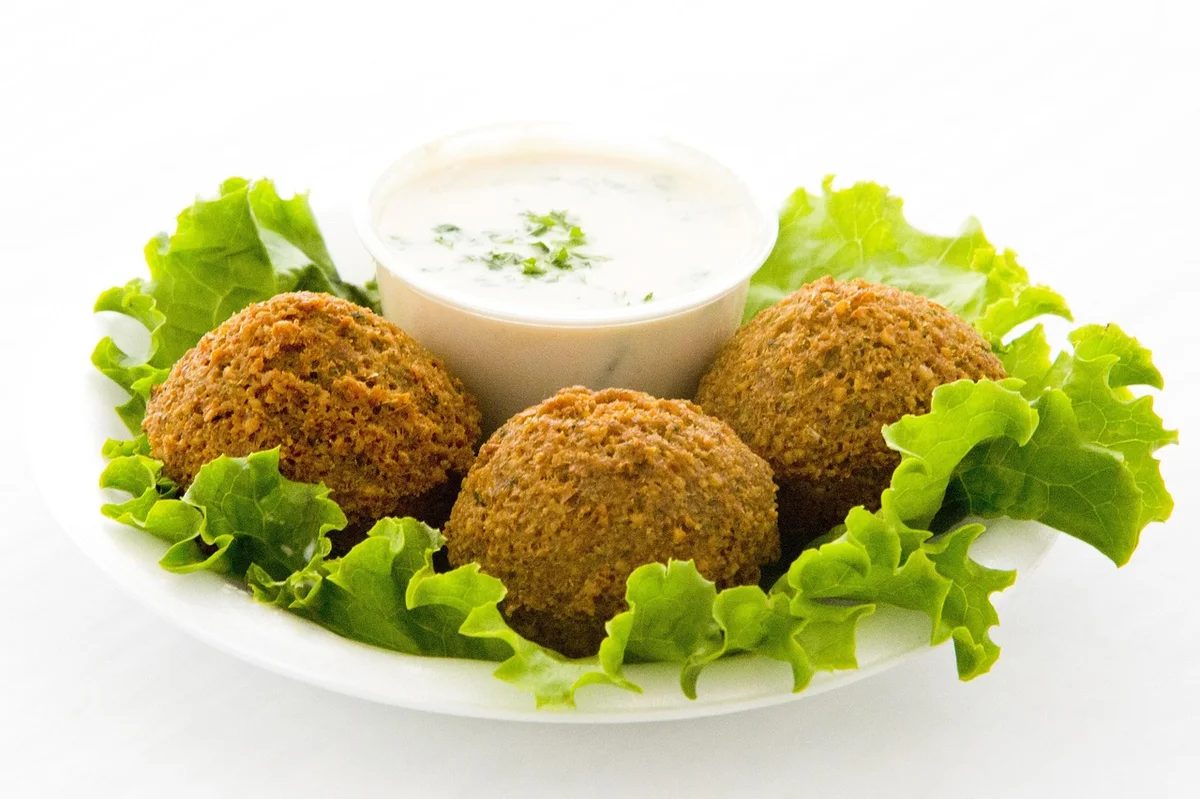
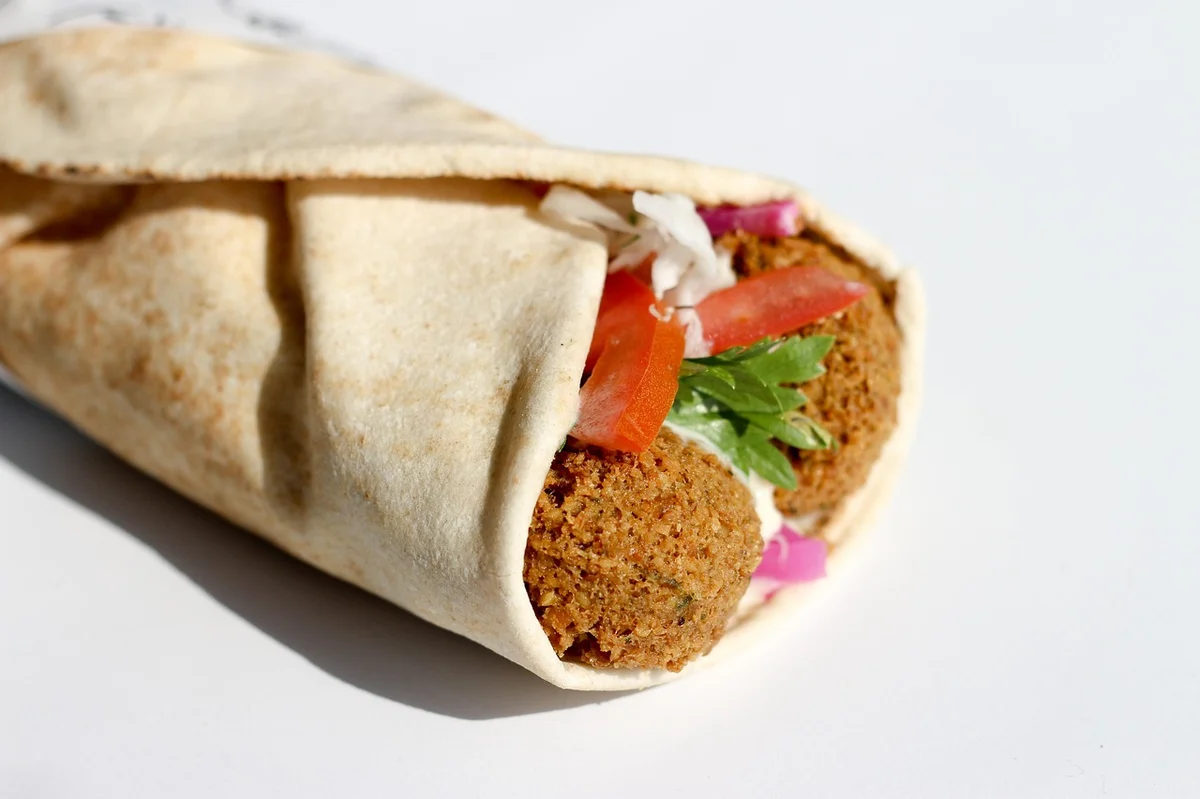
Chickpeas are crushed, mixed with herbs and spices, rolled, and fried. It is the representative Middle Eastern street food. The texture, crisp outside and fluffy inside, is irresistible.
The point is to soak dried chickpeas in water and use them. Canned chickpeas have too much moisture and break down easily. For details see How to make falafel: an authentic recipe crisp outside and fluffy inside (in Japanese).
4. Kebab
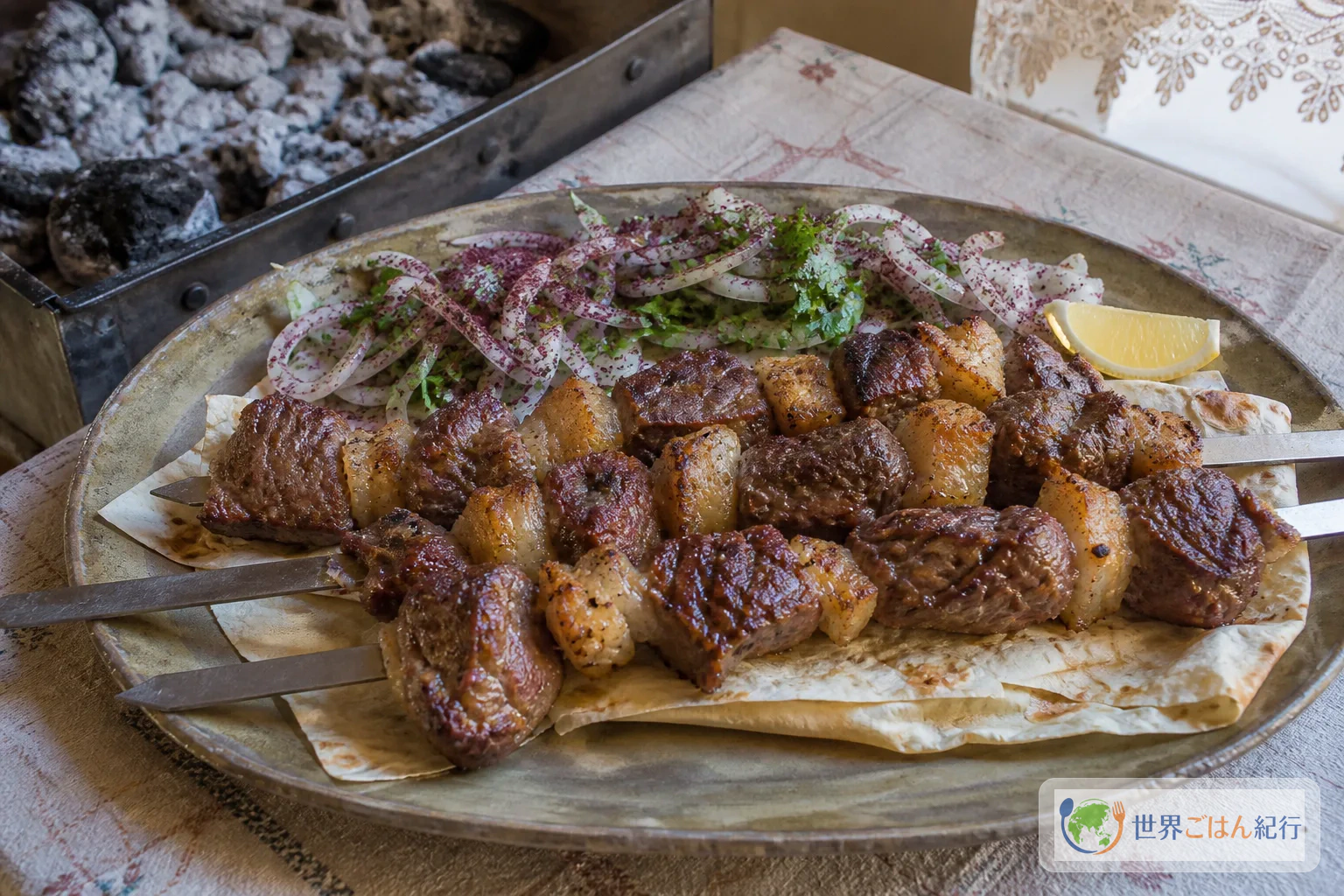
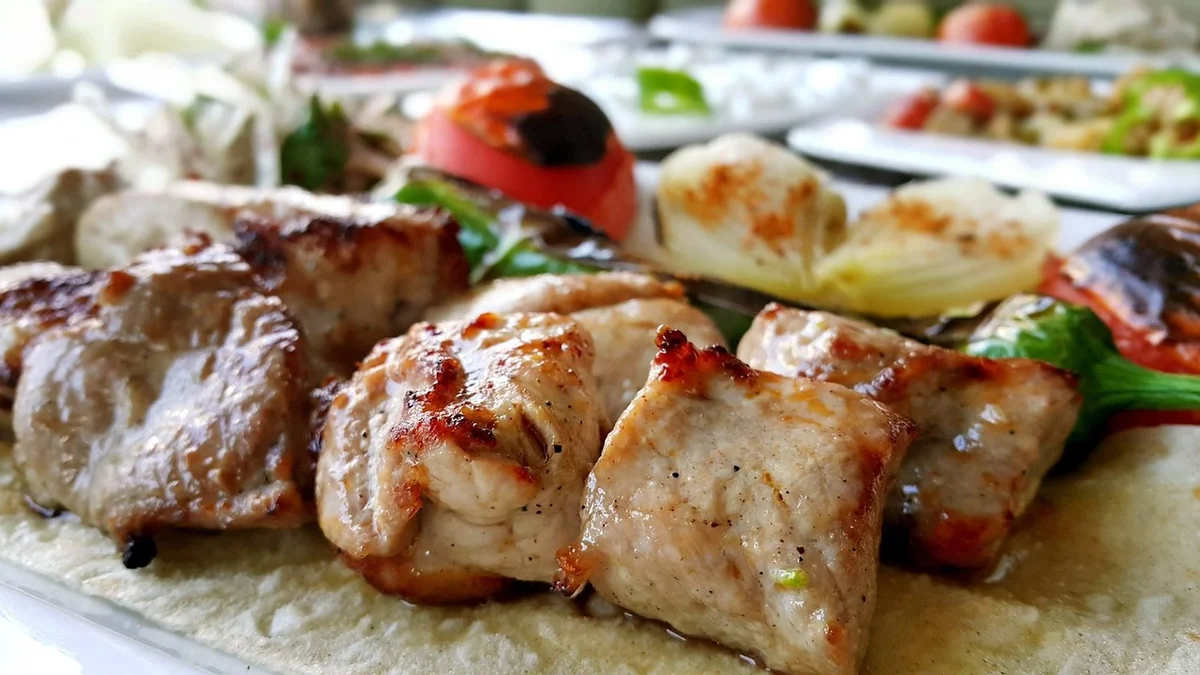
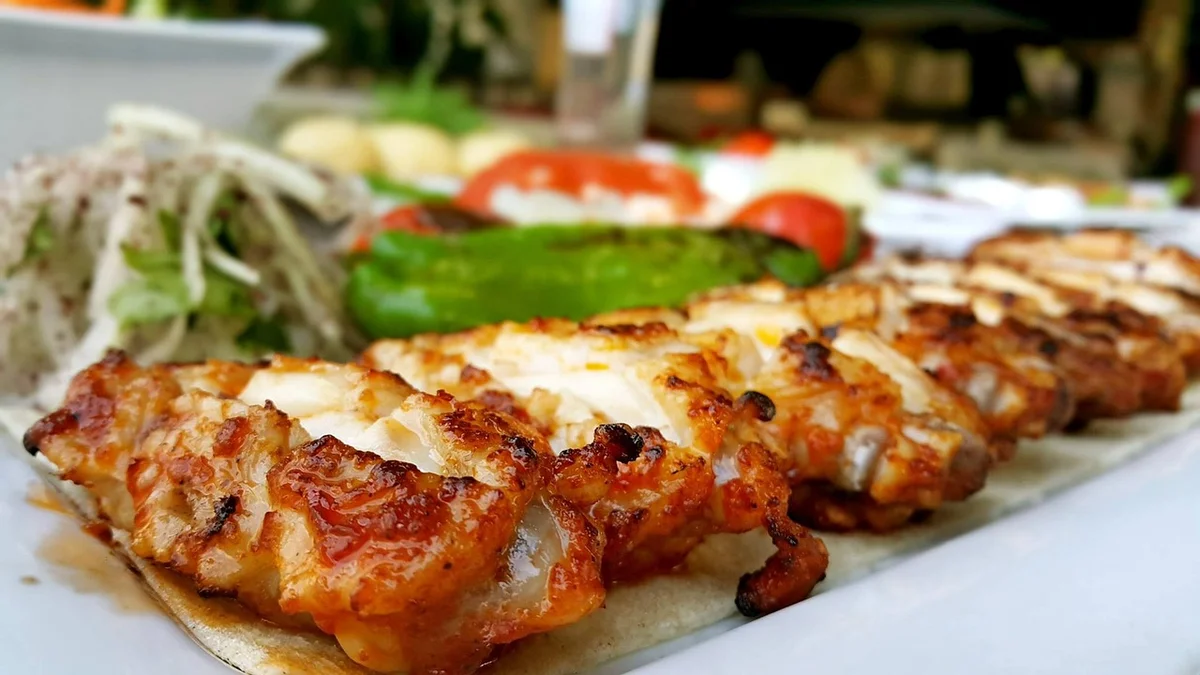
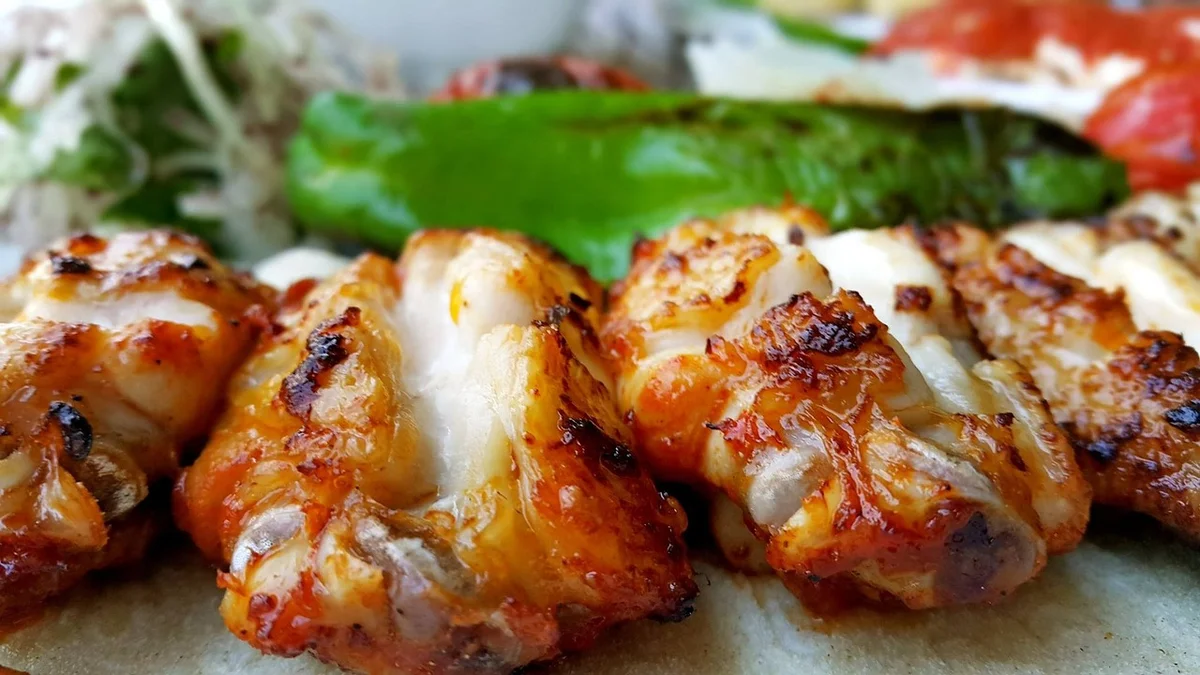
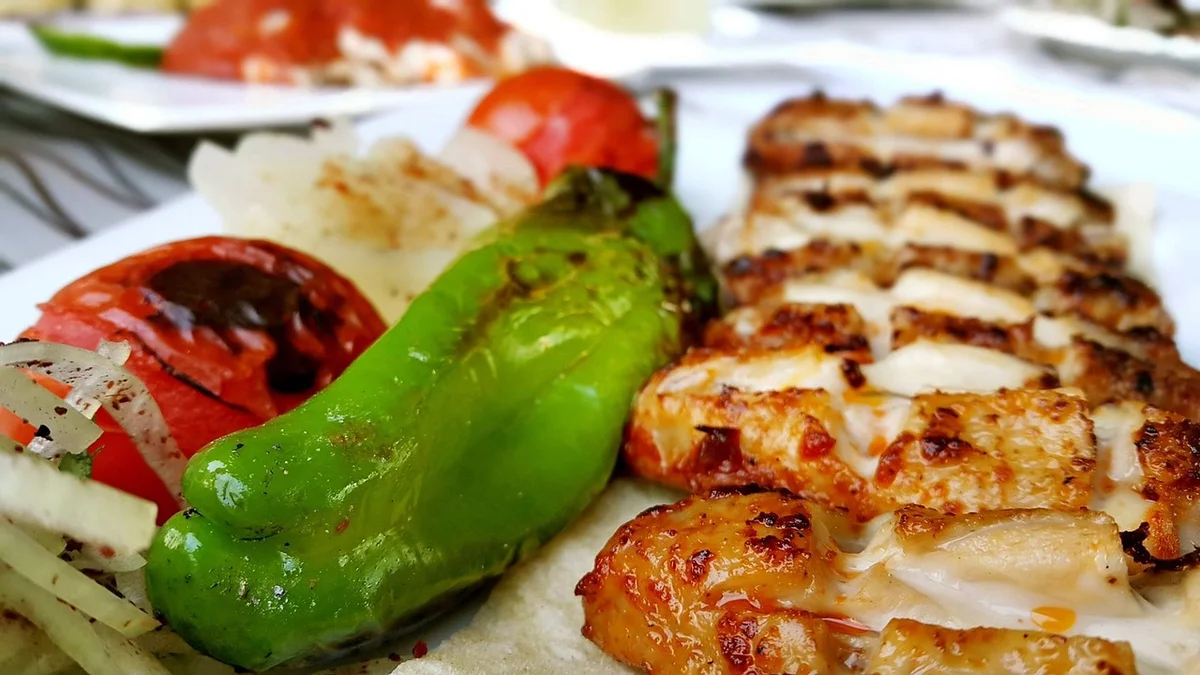
Dishes of meat grilled on skewers are eaten across a wide area of the Middle East, including Turkey, Iran, and Lebanon. They have a casual ease and are also great for barbecues.
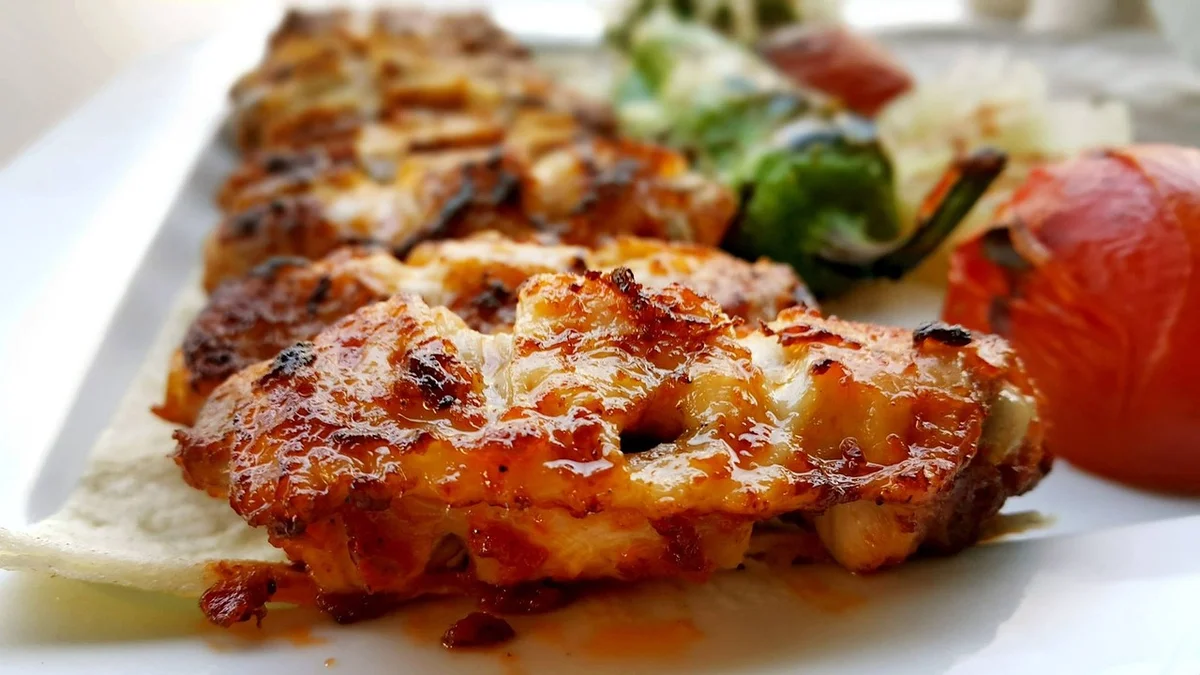
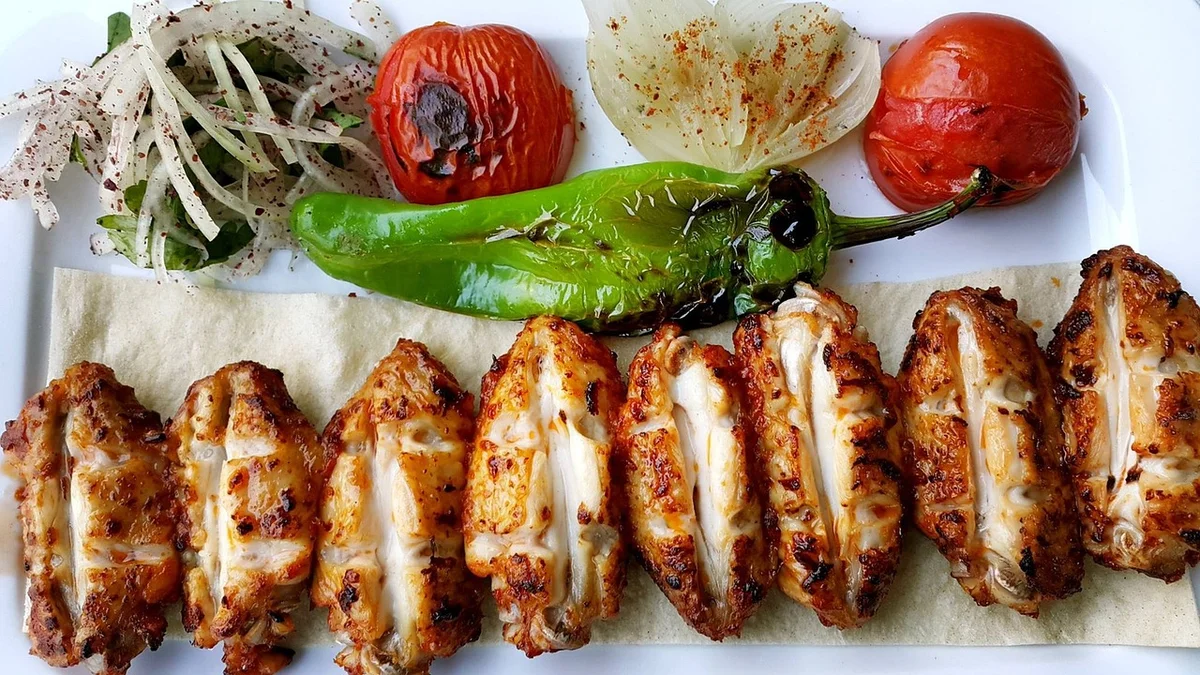
The spice blend varies by country and household, but the basics are cumin, coriander, paprika, and garlic. Lamb is the authentic flavor, but chicken or beef also make a delicious version. The detailed method is explained in Kebab recipes (Adana kebab and shish kebab). For lamb skewers from eastern Turkey there is çağ kebabı (in Japanese), for something closer to a paper-wrapped stew there is kağıt kebabı (in Japanese), and for the rice and skewer culture of Iran, chelow kabab (in Japanese) is also a good next step.
5. Tabbouleh
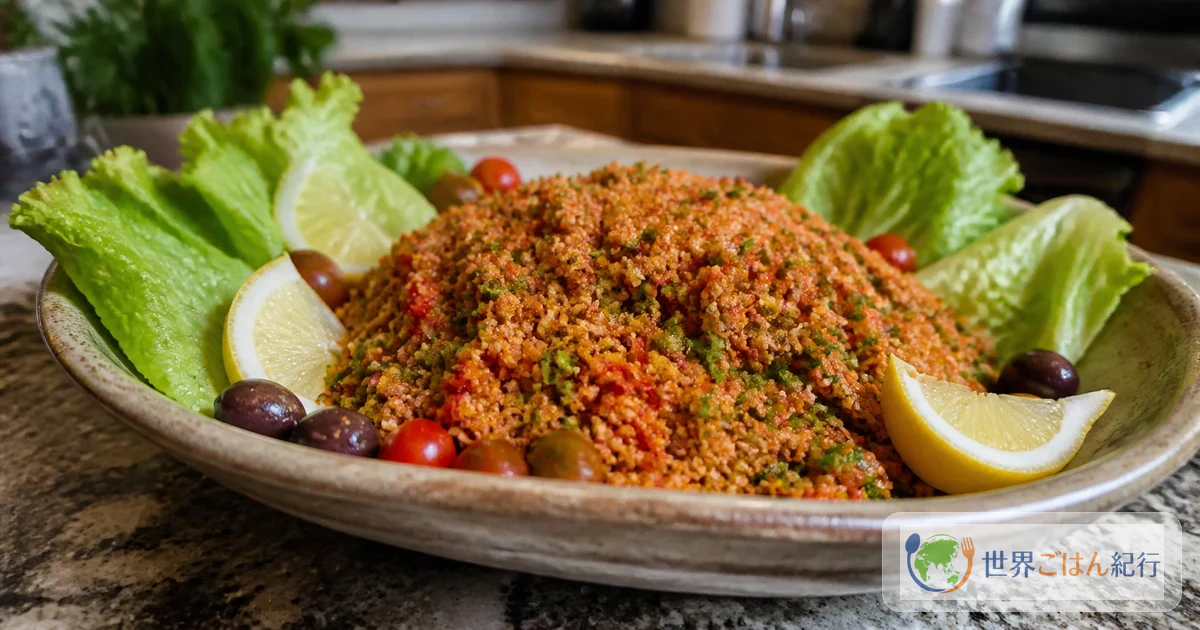
A Lebanese salad using plenty of parsley. In many places parsley is thought of as a garnish, but in the Middle East it is truly a "vegetable to eat." It is a refreshing dish of finely chopped parsley mixed with tomato, bulgur (cracked wheat), lemon juice, and olive oil, perfect as a palate cleanser between meat dishes. In authentic Lebanese tabbouleh parsley is the star and only a little bulgur goes in. The point is to chop the parsley stems along with the leaves, which gives a richer aroma and texture than leaves alone. For the detailed method, see the tabbouleh recipe.
6. Baba ghanoush
A dip with a wonderful balance of the smoky flavor of roasted eggplant and the richness of tahini. Along with hummus, it is a staple of meze (an assortment of starters), and every household has its own "our recipe." The trick is to roast the eggplant over a direct flame until completely black, and that smokiness decides the flavor.
There are various theories about the origin of the name, but the one widely known is that it means "pampered father" in Arabic. The tradition holds that the dish began as something made soft for a father with weak teeth. The details of roasting and draining are gathered in How to make baba ghanoush (in Japanese). If you like the direction of binding eggplant with yogurt, Iran's borani (in Japanese) is also close in flavor.
It is no exaggeration to say that 80 percent of the flavor of baba ghanoush is decided by how you roast the eggplant. Roast it on a gas burner's open flame, under a broiler, or in a toaster oven until the surface is completely charred black. Heating in a microwave does not produce the smoky flavor.
7. Shawarma
Shawarma is a Middle Eastern street food in which spice-marinated meat is thinly grilled and combined with pita and vegetables. A similar dish is seen elsewhere under the name döner kebab, but for home cooking a realistic method is to marinate sliced chicken in yogurt, lemon, cumin, and paprika and cook it fragrantly in the oven or a frying pan.
How to make shawarma organizes Lebanese-style spice marinade and garlic sauce for home cooks. On a day you want to make meat a large platter, going on to Jordan's mansaf or Palestine's musakhan (in Japanese) brings the atmosphere of Middle Eastern "hospitality dishes."
8. Mercimek çorbası (Turkish red lentil soup)
A thick soup made with red lentils is loved as a home flavor across the Middle East. The ingredients are lentils, onion, carrot, garlic, cumin, and lemon juice. Its ease, done in about 30 minutes, is also appealing. Turkey's mercimek çorbası gets its aroma from a finish of mint butter and lemon, so it suits people looking for a lighter entrance than hummus or kebab.
9. Kofte
Turkish-style meatballs, in which spice-kneaded lamb or beef is shaped and grilled. It resembles a hamburger patty, so it is an easy menu to bring in as a first Middle Eastern dish. Grilling over charcoal or on a grill pan after shaping is the local way, but a frying pan also cooks them well. The detailed blend is given in How to make kofte. To serve alongside, the spicy chopped salad ezme and the white bean salad piyaz (in Japanese) go well.
10. Baklava
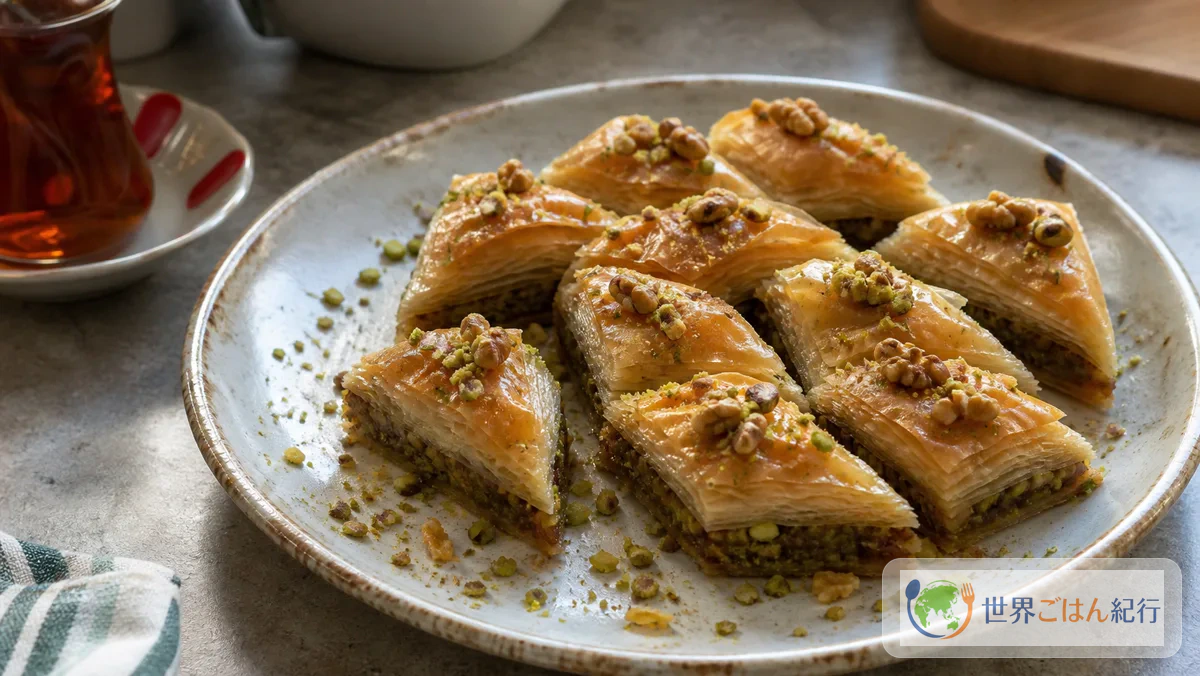
A representative Middle Eastern sweet of nuts and syrup layered with phyllo. Turkey, Greece, Lebanon, and others each have their variations. In a home kitchen, using frozen phyllo or a thin pastry dough makes it easier. The detailed layering and how to combine the syrup are given in How to make baklava (in Japanese). For a cheese sweet, there is the Levantine knafeh; for a festive sweet to share, Turkey's aşure (in Japanese); and for a thin sesame sweet, Syria's barazek (in Japanese).
Tips for Enjoying Middle Eastern Cooking in Your Own Kitchen
Here are a few small tips for making Middle Eastern cooking at home.
If you cannot get lamb, beef or chicken can substitute. The flavor changes, but since spices are the stars of the taste, it still turns out delicious. Lamb is also often available at halal butchers and large wholesale stores at reasonable prices.
If you use sesame paste in place of tahini, choose white sesame paste. Black sesame changes both color and flavor. Sesame paste is thicker than tahini, so thinning it with a little water gives just the right firmness.
As a substitute for flatbread, naan or thin tortillas can be used. Easiest of all is rolling sandwich bread thin and toasting it.
Yogurt sauce is an all-purpose seasoning in Middle Eastern cooking. Just mixing plain yogurt with grated garlic, salt, and lemon juice makes a sauce that goes with kebab and falafel. Greek yogurt saves the trouble of draining.
As a hint for entertaining, a meze-style table is perfect for parties. Heap hummus, baba ghanoush (in Japanese), tabbouleh, pickles, and cheese on large platters, add bread, and let everyone help themselves. To add a warm, staple-like dish, mujaddara goes well; to add a small meat plate, kibbeh (in Japanese). Since most of the preparation can be done the day before, you have room to enjoy conversation on the day.
I don't recommend buying a first-time spice in a large size right away. First try small jars (about 15g to 30g). After you know you like it, buying a large pack is less wasteful.
Roadmap by goal
For the fastest way to a Middle Eastern table, just make hummus, tabbouleh, and baba ghanoush (in Japanese), and add pita and olives. If you add one dish that uses heat, falafel (in Japanese) or shawarma is the natural choice.
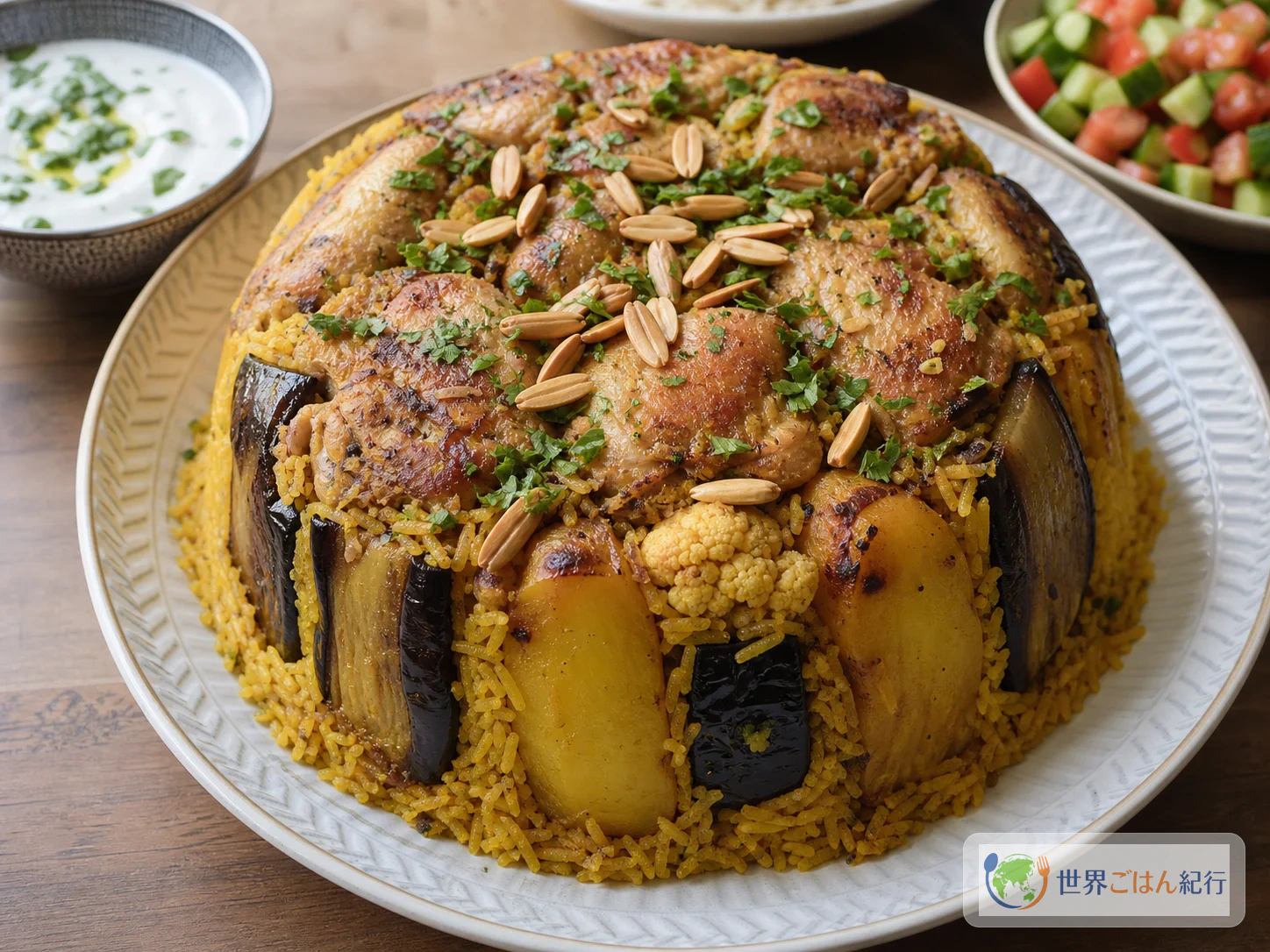
If you want a rice dish to be the star, first grasp the feel of saffron and crust with Iran's tahchin, then move on to Palestine's maqluba and Saudi Arabia's kabsa (in Japanese), and you will see how even the same rice differs in "baking," "turning over," and "cooking together." For a large table, mandi and machboos are also candidates.
If you want to go deeper into stews and home cooking, comparing Iran's ghormeh sabzi (in Japanese) and fesenjan (in Japanese) makes clear the bitterness of herbs, the sourness of dried lime, and the sweet-sour of pomegranate and walnut. Among plain grain dishes, Armenia's harissa and Saudi Arabia's jareesh (in Japanese) are a contrast.
Frequently Asked Questions
Q. Is Middle Eastern food spicy? Generally Middle Eastern food is mild in heat. Compared with Indian or Thai cooking, the use of spices is gentler, and it has developed in the direction of enjoying aroma and flavor. Some dishes use cayenne pepper or harissa (chili paste), but the amount can be adjusted to taste. For those who like heat, I recommend putting harissa on the table so people add it themselves.
Q. Where can I buy Middle Eastern ingredients? The basic spices (cumin, coriander, paprika powder) are available in the spice section of ordinary supermarkets. Specialized ingredients such as tahini, bulgur, and za'atar are easiest to find at Middle Eastern or international grocers. Halal food shops carry a wide range of imported Middle Eastern ingredients. Online, almost everything is available.
Q. Can children eat Middle Eastern food? Hummus, falafel, lentil soup, kofte, and others are recipes that use no heat at all or can be adjusted, so they are recommended even for small children. Chickpeas and lentils are highly nutritious and are used in baby food. However, be careful of allergies with dishes that use sesame (tahini) or nuts.
Q. Are there drinks that go with Middle Eastern food? Lebanon and Turkey have a long history of wine, and arak (an anise-flavored distilled spirit) is the traditional drink with meals. It turns cloudy white when water is added, and it goes superbly with meze. Among drinks easy to get elsewhere, dry white wine or rosé go well. IPA-type craft beers also pair well with spiced dishes.
Q. Can vegetarians enjoy Middle Eastern food? Middle Eastern cooking is one of the best options for vegetarians. Hummus, falafel (in Japanese), tabbouleh, baba ghanoush (in Japanese), mujaddara, and mercimek çorbası are among the many menus that originally contain no meat. This is because the tradition of religious fasting honed the skill of making satisfying dishes from plant ingredients alone.
Q. Which Middle Eastern dish should a beginner make first? At first I recommend hummus or shakshuka. Both can be made in a short time, need no special tools, and rarely fail. Hummus is just "a chickpea dip" eaten with bread and vegetables, so even those who are wary of flavor adventures should have little resistance. To add one more dish, falafel (in Japanese) if you want to try frying, or mercimek çorbası, which can be made in one pot, is realistic.
Q. How long do Middle Eastern ingredients keep? Dried chickpeas and lentils keep for more than a year stored at room temperature in an airtight container. For spices the guide is 6 months for powder and 1 year for whole. Tahini keeps more than a year unopened, and 3 to 6 months in the refrigerator after opening. Olive oil is ideally used up within 2 to 3 months after opening.
Summary
Middle Eastern cooking is food you can fully enjoy in a home kitchen. Once you have the spices, there are plenty of recipes you can make with familiar ingredients.
Start with hummus or shakshuka. Both can be made in a short time, rarely fail, and let you feel "so this is what Middle Eastern food tastes like." If you take on falafel (in Japanese), your repertoire of fried dishes widens too. From there, to expand the meze, add tabbouleh and baba ghanoush (in Japanese); to add a staple, mujaddara; and to make meat the star, go on to shawarma, and the table comes together more easily.
Find more recipes from across the Middle East
The depth of Middle Eastern cooking lies in the use of spices and the cooking methods that differ by country. From Lebanon, beyond hummus and falafel, it has grown to include shawarma, mujaddara, kibbeh (in Japanese), and kibbeh bil sanieh (in Japanese). Because you can see the flow of meze, rice, meat, and baked sweets in one region, it is the easiest country to use as an entrance to Middle Eastern cooking.
From Turkish cooking you can now put together main dishes, accompaniments, and sweets, from dolma (in Japanese), kofte, and lahmacun (in Japanese) to kebab sauce and baklava (in Japanese). For Iranian cooking, lining up tahchin, chelow kabab (in Japanese), ghormeh sabzi (in Japanese), and fesenjan (in Japanese) shows how rice, herbs, pomegranate, and walnut are used.
For the large-platter dishes of Palestine and Jordan, musakhan (in Japanese), maqluba, and mansaf are central. Among rice dishes of the Gulf and Yemen, comparing kabsa (in Japanese), machboos, and mandi shows the differences in techniques for carrying the aroma of meat into rice. Armenia's harissa, ghapama (in Japanese), and amich (in Japanese) are an entrance to both festive and home cooking.
First time: hummus or shakshuka (done quickly, rarely fails) → Second time: falafel or mercimek çorbası (widen your range of bean dishes) → Third time: add tabbouleh, baba ghanoush, and mujaddara to make a meze table. Once you can make that much, wherever you go next, whether Turkey, Iran, Palestine, or the Gulf, you will enjoy it.