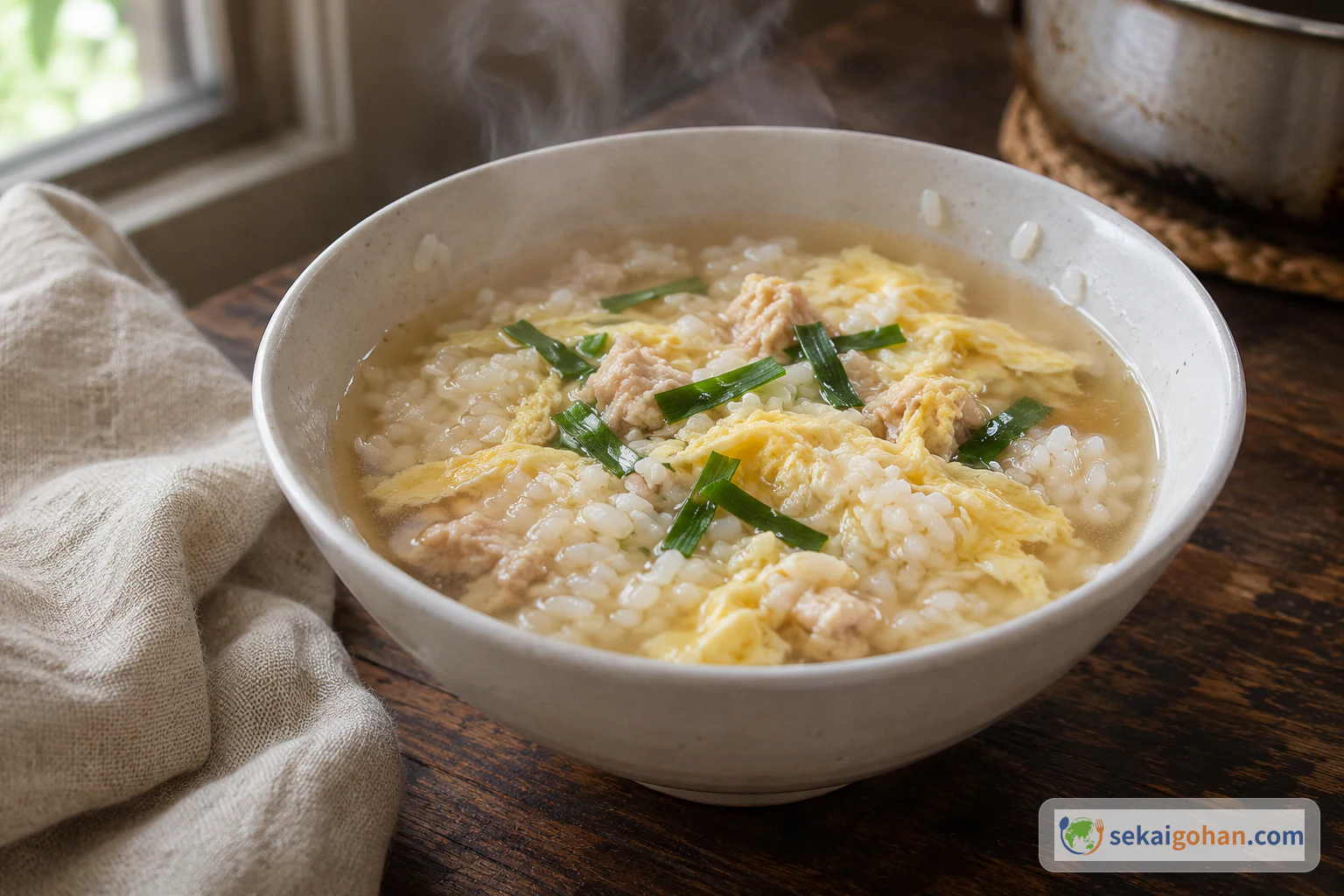
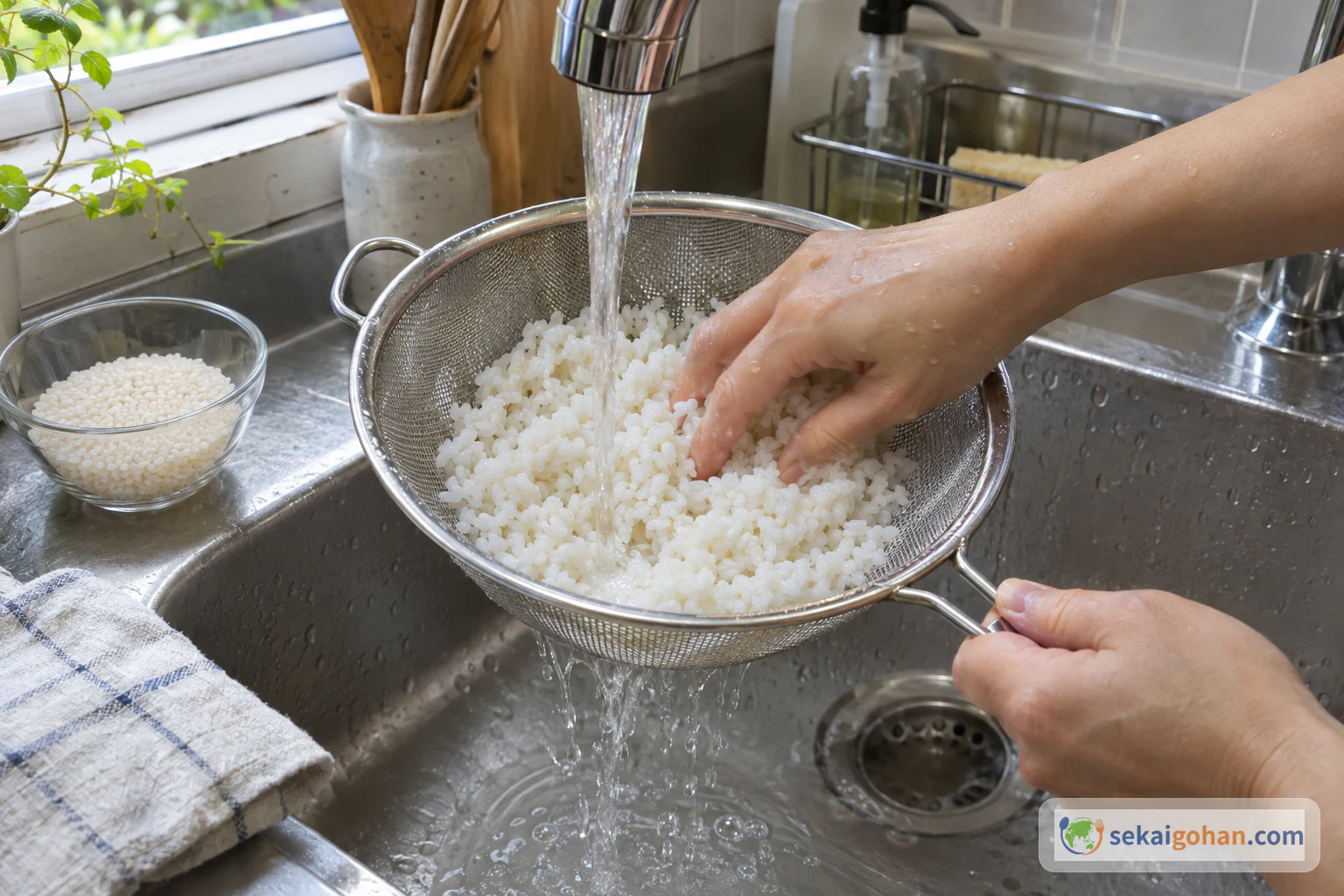
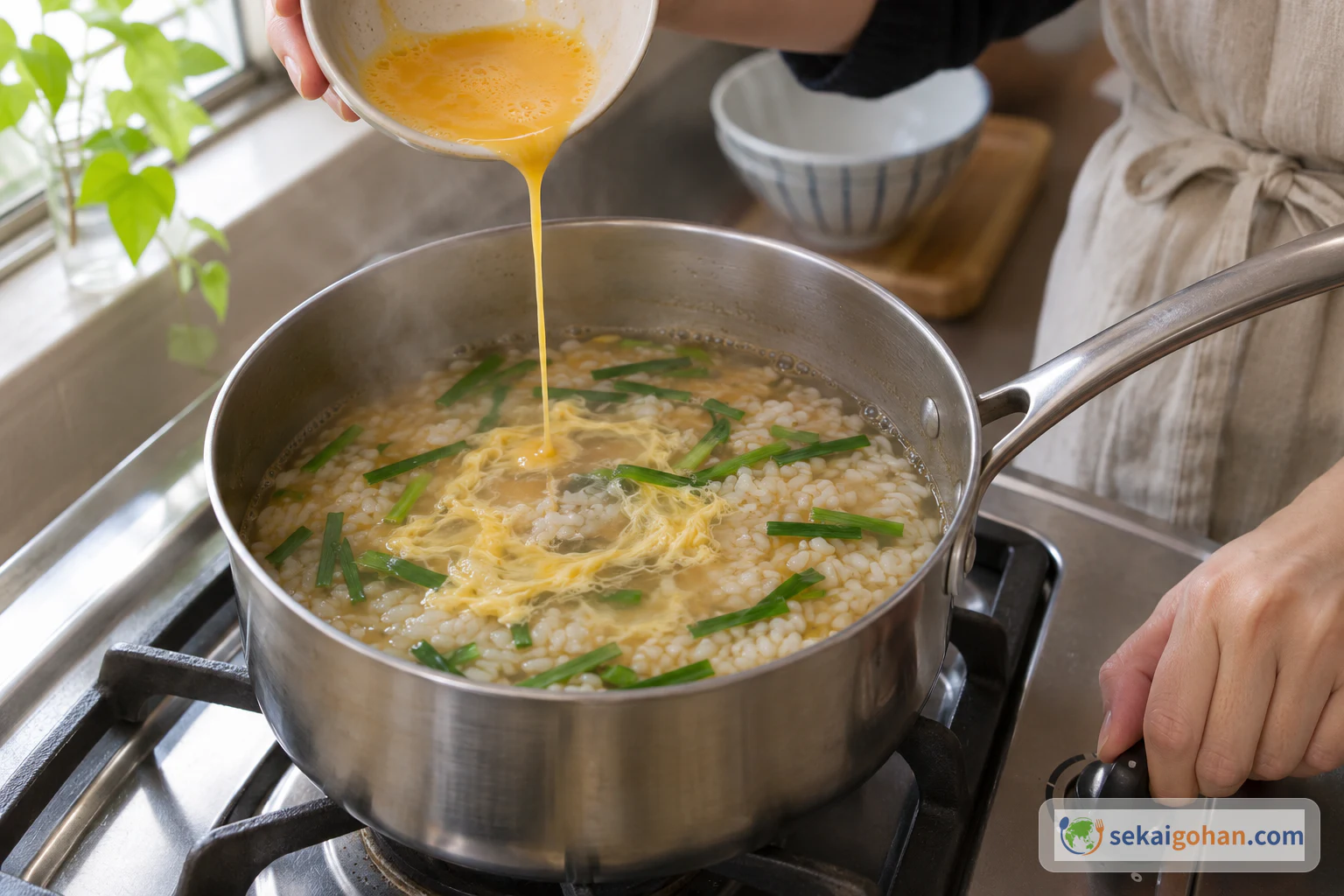
Tip the cooked rice into a strainer, run the tap over it, and the water comes through milky for a moment before it turns clear and the grains fall loose against the mesh. That wash shapes the whole pot. Zosui is cooked rice simmered briefly in seasoned dashi. This one carries crumbled chicken and garlic chives, and a thin stream of egg sets into soft ribbons as the heat goes off. The broth stays light and clear and smells of bonito and soy, and each grain stays whole with the seasoning soaked right through it.
Rinsed Rice, Clear Broth: Where Zosui Belongs
In Japanese homes zosui is best known as the dish that closes a hotpot. The meat and vegetables are gone, rice goes into the broth left in the pot, and everyone gets one last bowl. Made from scratch, it is how a bowl of leftover rice becomes a meal in a quarter of an hour. It sits among the everyday rice dishes of Japan, next to curry rice and rice bowls, as the one people make when they want something hot, light and quick.
Zosui, ojiya and okayu
The usual way to tell zosui apart is the rinse. When you rinse the cooked rice before it goes into the dashi, the surface starch washes away, the broth stays clear, the finish is light, and the grains take up the seasoning readily. Skip the rinse and that starch dissolves into the liquid and thickens it. That thicker pot is commonly called ojiya. Some people draw the line by seasoning instead: broth or salt makes zosui, and miso or soy sauce makes ojiya. There is no fixed line between the two, and households use the names their own way. Okayu belongs to another family altogether. It starts from raw rice cooked in more water than usual.
That starting point is what separates zosui from its neighbors elsewhere. Italian risotto coats raw rice in fat and feeds it hot broth until the starch turns creamy. Filipino arroz caldo cooks raw rice with oil and aromatics into a porridge. Korean dwaeji gukbap brings rice and soup together without simmering the rice down into the broth. Zosui begins with rice that is already cooked and gets washed first.
Both names have several explanations. One traces zosui to masui, "added water." Ojiya is usually explained as jiya, a word from the language of court ladies, with the polite prefix o in front. Jiya echoes the sound of rice simmering, or the sense of cooking it slowly. A popular idea that ojiya comes from the Spanish olla is dismissed as folk etymology, since a court ladies' word could hardly have come from Spanish.
Three regional pots
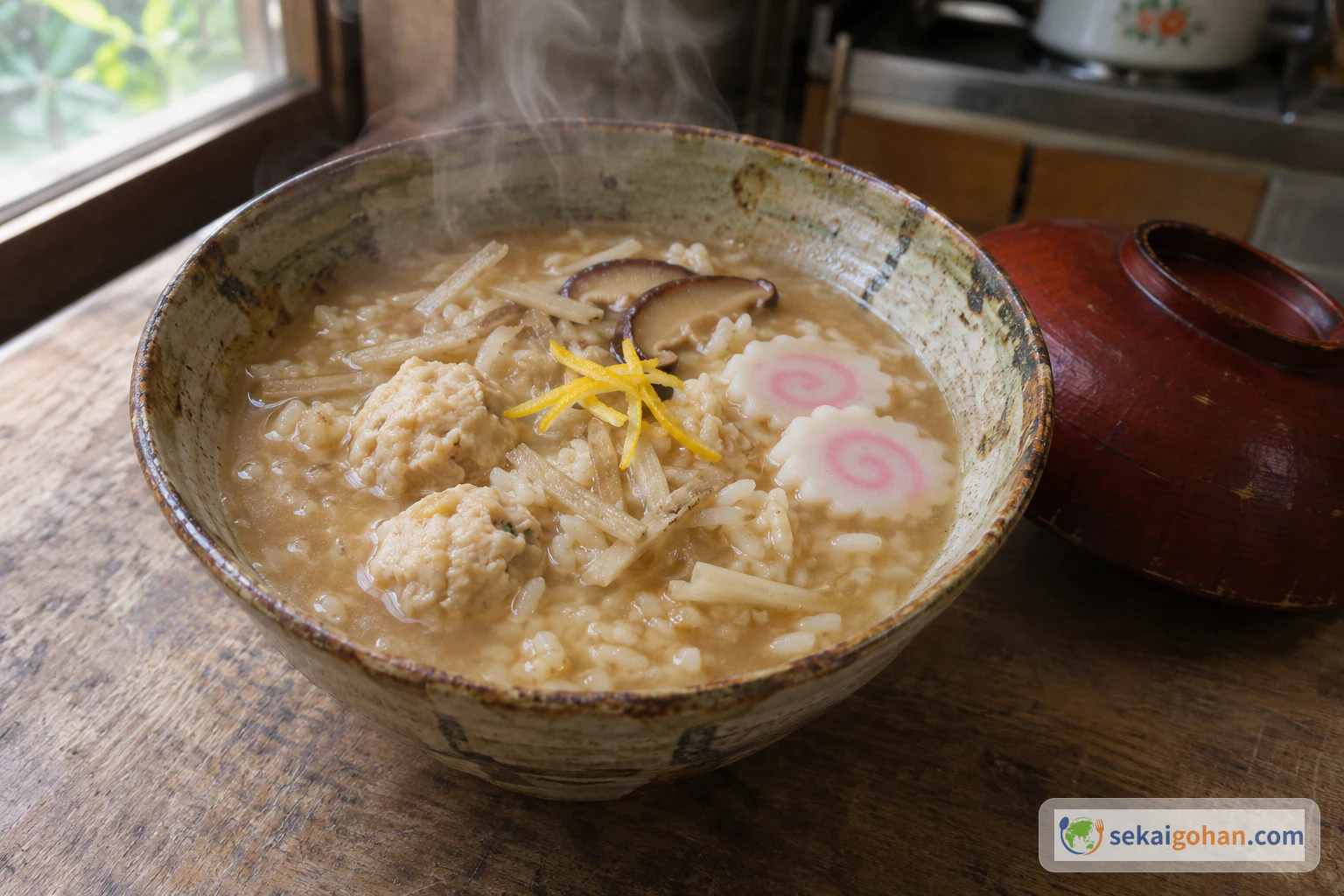
In Ichihara, Chiba Prefecture, torizosui, locally toridose or toddose, is the pot for big days. It is served at New Year, at weddings and funerals, and whenever people gather for a meeting or a festival. Every farm once kept chickens, so it was ordinary home food as well. The chicken bones are pounded fine and worked into the chicken dumplings, so nothing goes to waste. The rice is cooked on the firm side. Burdock is shaved thin, the chicken is cut small, and both simmer in the pot with dried shiitake, naruto fish cake and ginger before miso goes in. The rice goes in last, the pot comes back to a boil once, and yuzu goes on top. Ichihara's public schools and kindergartens still serve a toridose-style soup for school lunch on the city's Citizens' Day.
In the Iya valley of Miyoshi, Tokushima Prefecture, rice grows poorly in the mountains and buckwheat took its place. Whole buckwheat groats are boiled in salted water, hulled and dried into soba-gome, "buckwheat rice." They swell to more than four times their size when cooked and become the grain of soba-gome zosui. The broth is niboshi dashi seasoned with light soy sauce and mirin, and it holds chicken thigh, chikuwa, carrot, dried shiitake, konnyaku and scallions. Local legend credits Heike warriors who came to Iya with planting buckwheat in place of rice. Soba-gome is an easy supermarket buy within Tokushima.
In the mountains of northern Miyazaki, zosui is called zushi. In Shiiba village, hie-zushii is cooked in the broth from bone-in wild boar meat with rice, barnyard millet, offal and vegetables. Salt is the only seasoning, and the millet simmers over very low heat for about two hours while the scum is skimmed away. Families used to make a large batch, then take a small pot's worth for each meal and stretch it with more broth as it warmed.
Ingredients (serves 2)
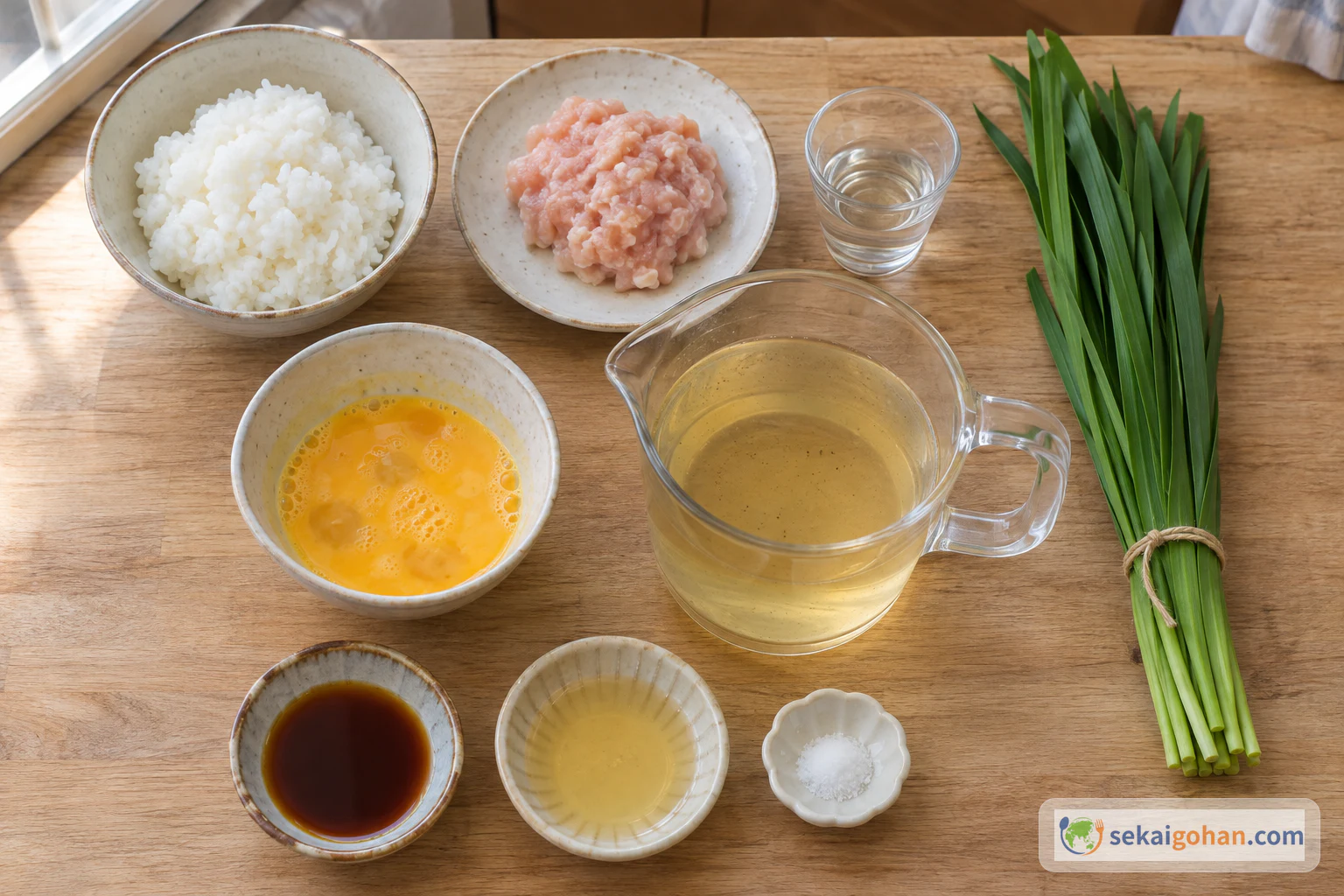
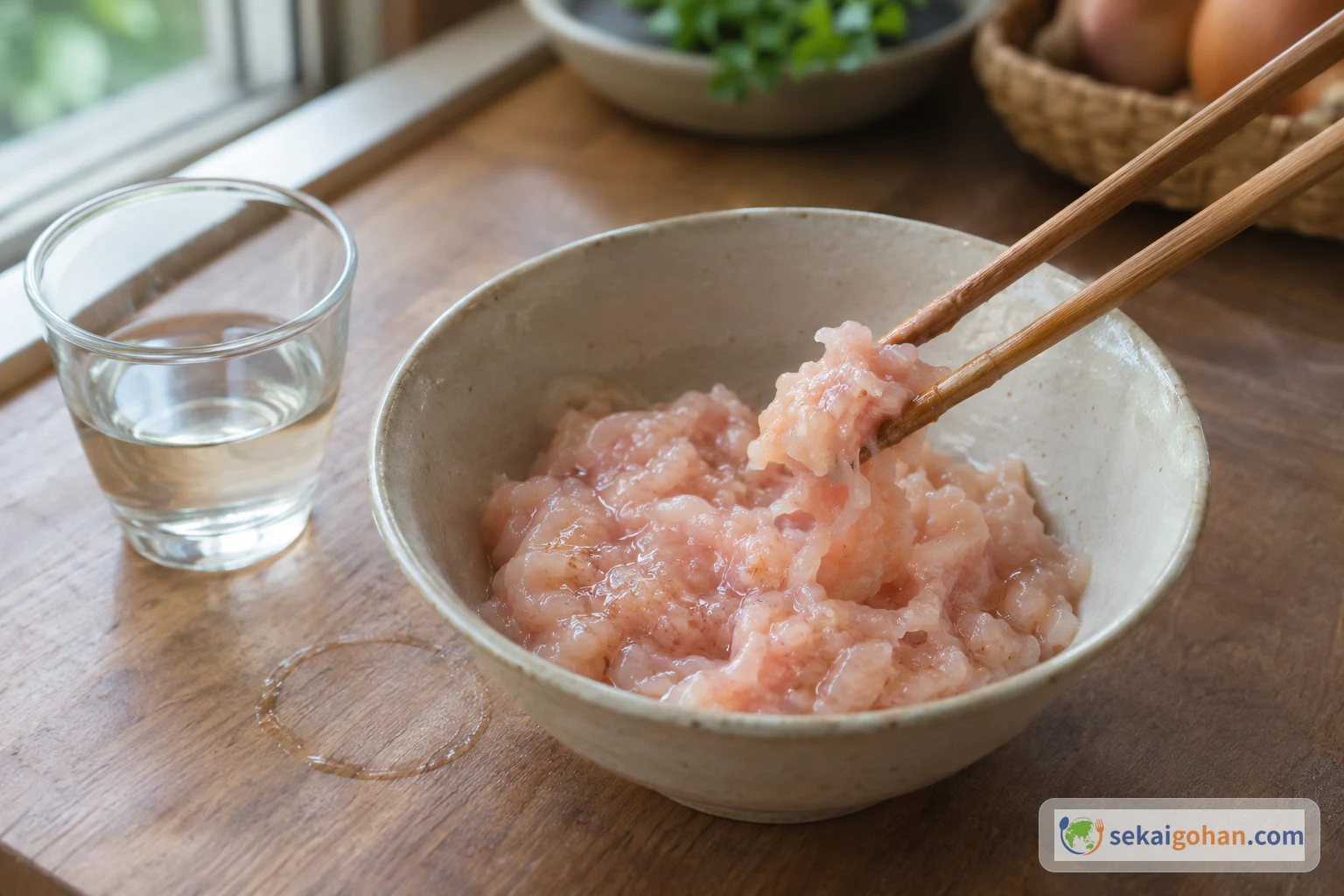
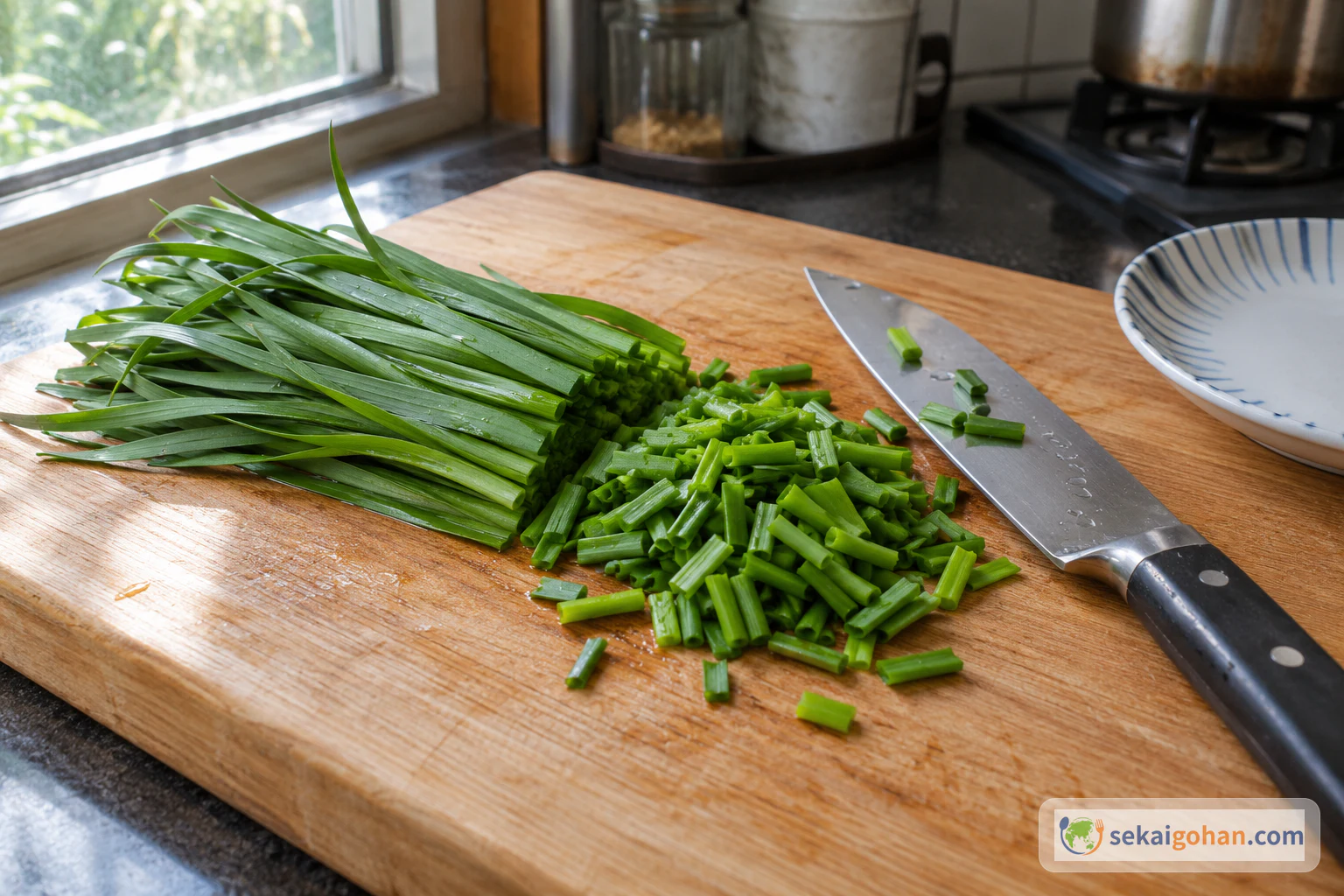
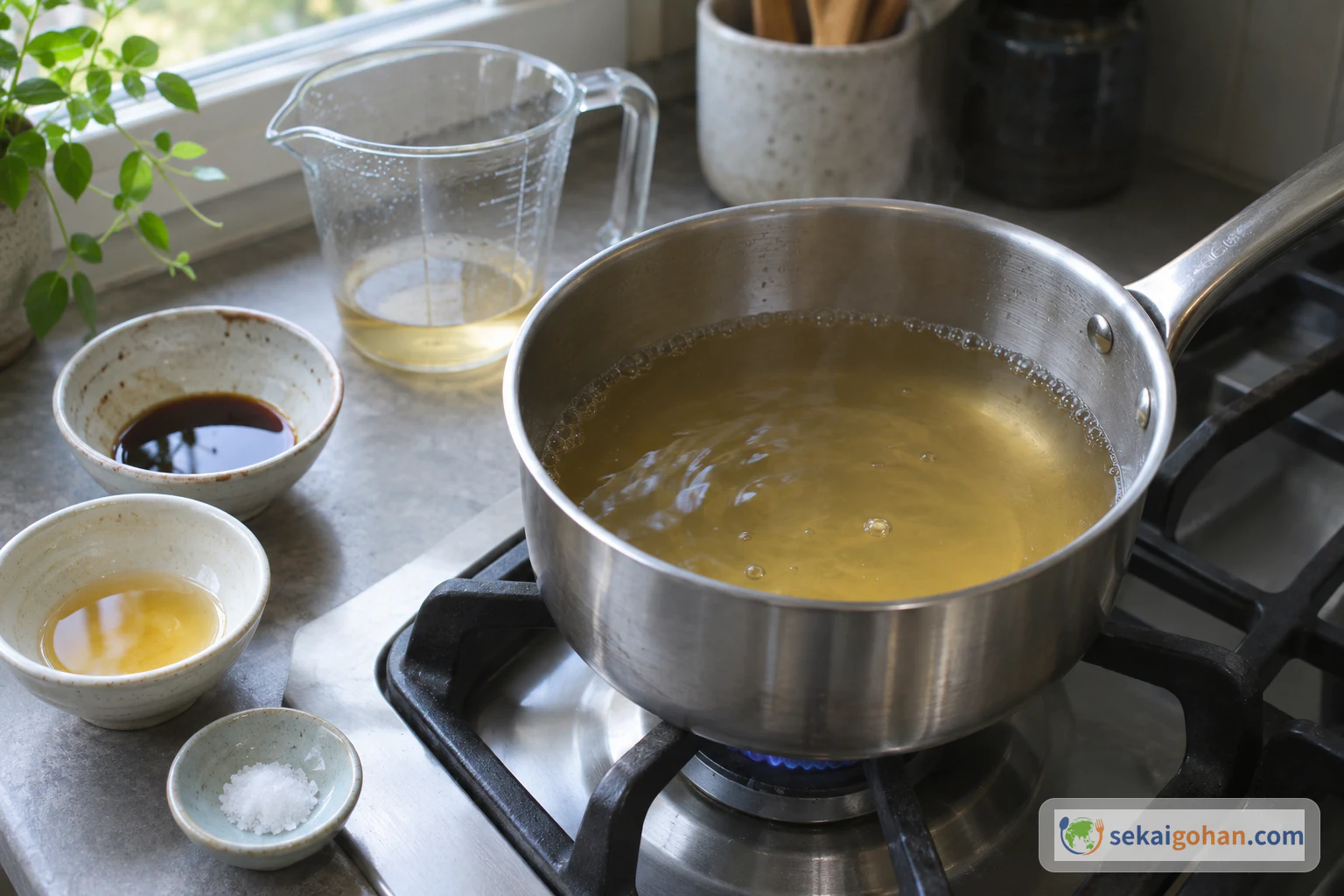
Rice, chicken, chives and egg are prepared before the pot goes on the heat. The dashi and its seasonings go in together and set the flavor for the whole dish.
Rice still warm from the cooker sheds its surface starch quickly under the tap. Cold rice from the fridge needs a little more turning with your fingertips before the water runs clear.
This dish contains egg, chicken and fish (bonito in the dashi). Soy sauce is made with soybeans and usually wheat. Check the label on your soy sauce and on any instant dashi. If you leave out the egg for an allergy, the broth loses its soft binding and stays thin and clear.
Equipment
- Fine-mesh strainer (coarse mesh lets the rinsed grains slip through)
- 1½- to 2-quart (1.5–2 L) saucepan or donabe clay pot
- Small bowl for the chicken and another for the egg
- Long cooking chopsticks
- Small ladle or skimmer
- Cutting board and knife
- Measuring cup and tablespoon
Choosing and Substituting
Choose hon-mirin, true mirin, over mirin-style seasoning. The imitation differs in alcohol and sugar, so it changes the balance even at the same spoonful. Low-sodium soy sauce brings the saltiness down. Light (usukuchi) soy sauce turns the broth paler, and neither gives the same pot as regular dark soy sauce. Cooking sake works in place of drinking sake. Seasoned cooking sake carries added salt, so keep the pinch of salt small. Scallions or mitsuba can stand in for garlic chives. Scallions give a milder onion note, and mitsuba gives a cool, herbal one. Ground pork or thin strips of chicken thigh can replace the ground chicken, with a richer, meatier broth as the result.
Instant dashi granules or a dashi pack work in place of homemade stock. Dissolve or brew them following the package for the amount of liquid. The broth matters most here, because it carries all the seasoning the rice absorbs.
For the Tokushima-style pot, buy dried soba-gome by mail order or from regional producers. Raw buckwheat groats need different preparation and do not stand in for it. Barnyard millet for the Shiiba style is hard to find outside the region.
Making katsuo-kombu dashi
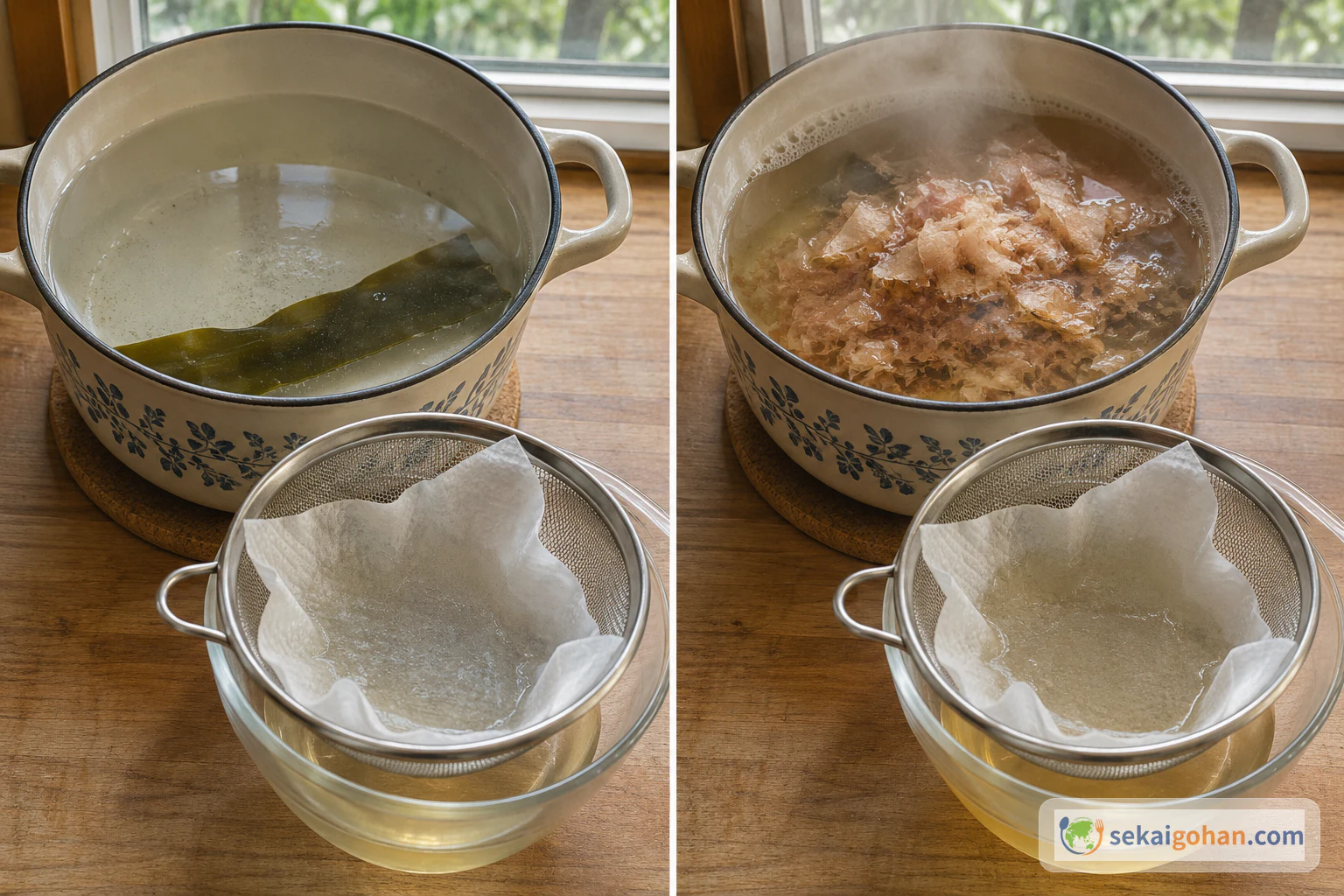
A full batch uses ⅓ oz (10 g) kombu, a piece about 1¼ by 10 inches (3 by 25 cm), plus ¾ oz (20 g) bonito flakes (katsuobushi) and 4¼ cups (1 L) water. It yields 3⅓ cups (800 ml) of dashi, enough for the four-serving pot. Soak the kombu in the water for 30 minutes, then set the pot over medium heat. Lift the kombu out just before the water boils. When it boils, turn off the heat, add the bonito flakes and leave them for 2 minutes, then strain.
Method
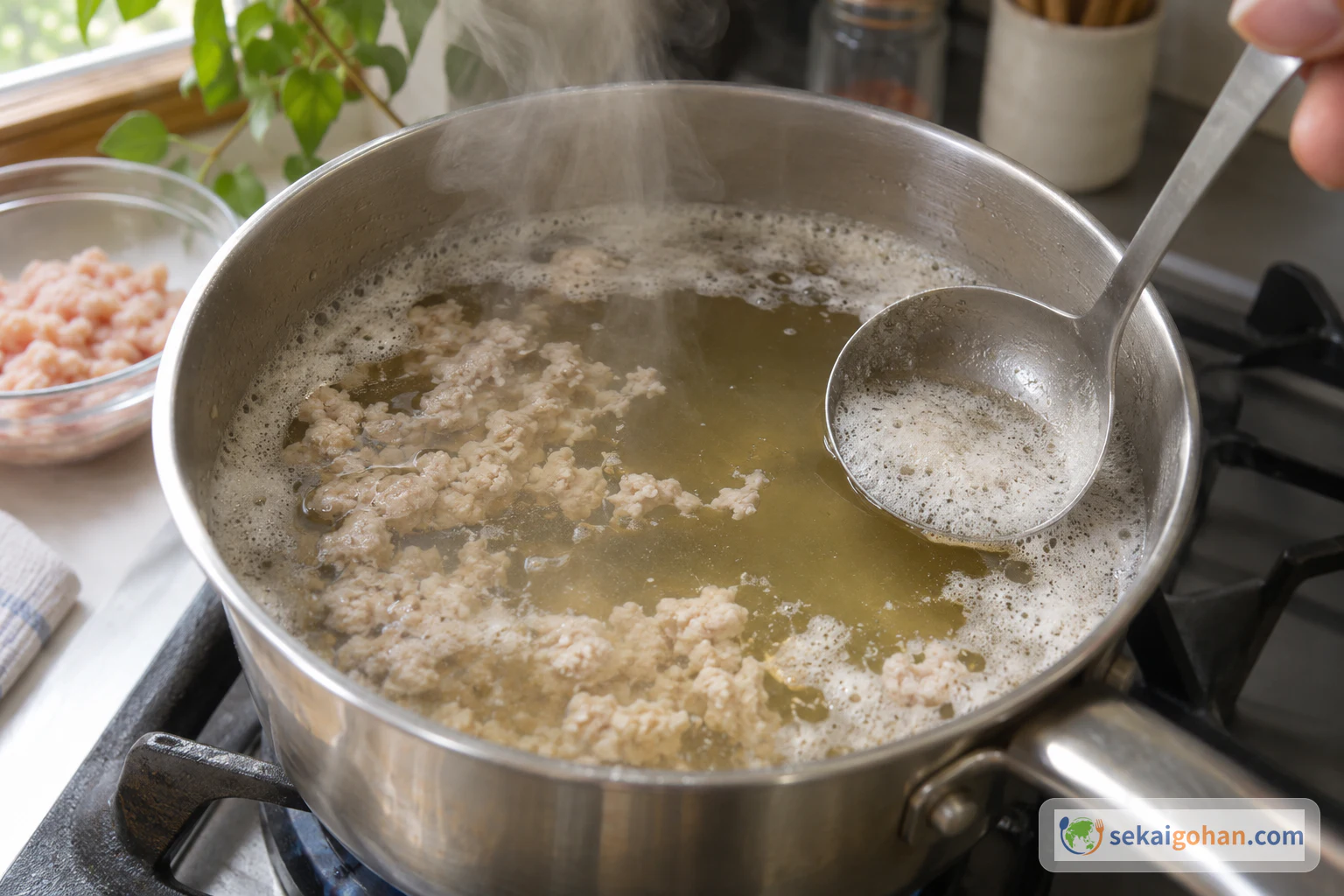
Rinse the rice, mix the chicken and cut the chives first. Once the dashi is on the heat, the pot runs straight through to the egg without a pause, and the whole dish takes 15 minutes. Keep the bowl of beaten egg and the chives beside the stove before you light it.
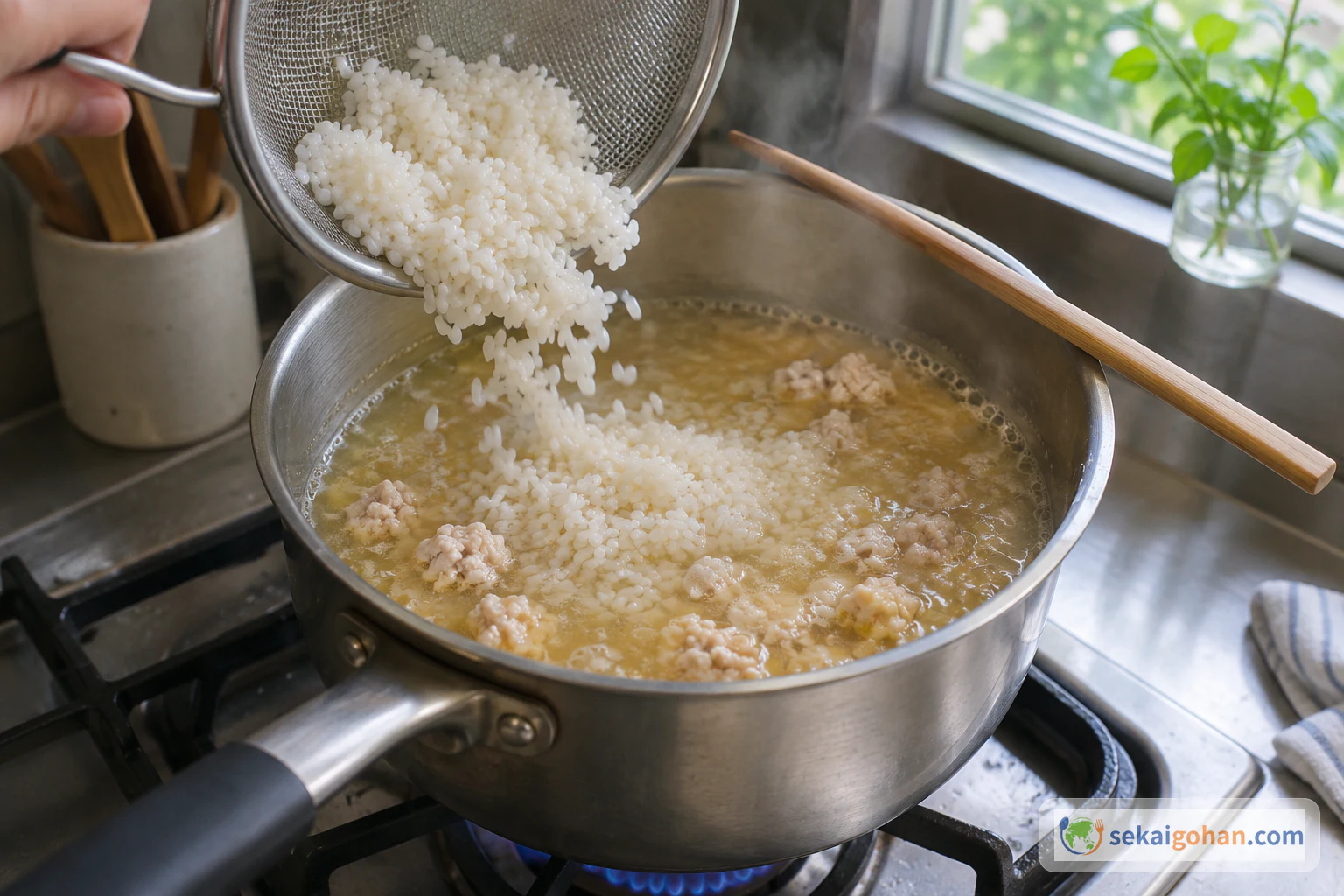
The dashi, soy sauce, mirin and salt are combined at the start and nothing is added at the end. Keep that first boil gentle. A hard boil reduces the broth and concentrates the salt before the rice ever goes in.
Stirring after the egg goes in breaks the ribbons into fine crumbs and clouds the broth. Ladle straight from the pot into bowls and the ribbons stay whole.
Keep eggs refrigerated and use them soon after buying. Salmonella is most often linked to chicken and eggs. In a 2010–2011 survey of retail eggs in Japan, about 0.0029% had Salmonella Enteritidis inside the egg, and no food is entirely safe eaten raw. The egg here finishes soft. Cook it until fully set for anyone in the groups named in step 7.
When It Goes Wrong
Most problems show up in the last two steps, where the pot moves quickly. Catch them by the look of the broth and the grains.
| What you see | Why | What to do |
|---|---|---|
| The broth is thick and gluey | The rice went in unrinsed, so its starch dissolved | This is ojiya-style and good to eat as it is. Next time, rinse until the water runs clear |
| The broth tastes watery | The rice was not drained, or it simmered too briefly | Push the rice to one side and let the broth bubble a little to reduce. Taste before adding any soy sauce |
| The rice has collapsed into porridge | It simmered too long after going in | Eat it as a soft, ojiya-like pot, with extra chives or scallions on top. Next time, stop while the grains are whole |
| The egg is cloudy and crumbly | It was stirred after pouring | The taste is the same. Next time, pour and leave it |
| It tastes too salty | The dashi boiled hard and reduced before the rice went in | Thin it with a little more dashi |
Serving, Variations and Storage
At the table
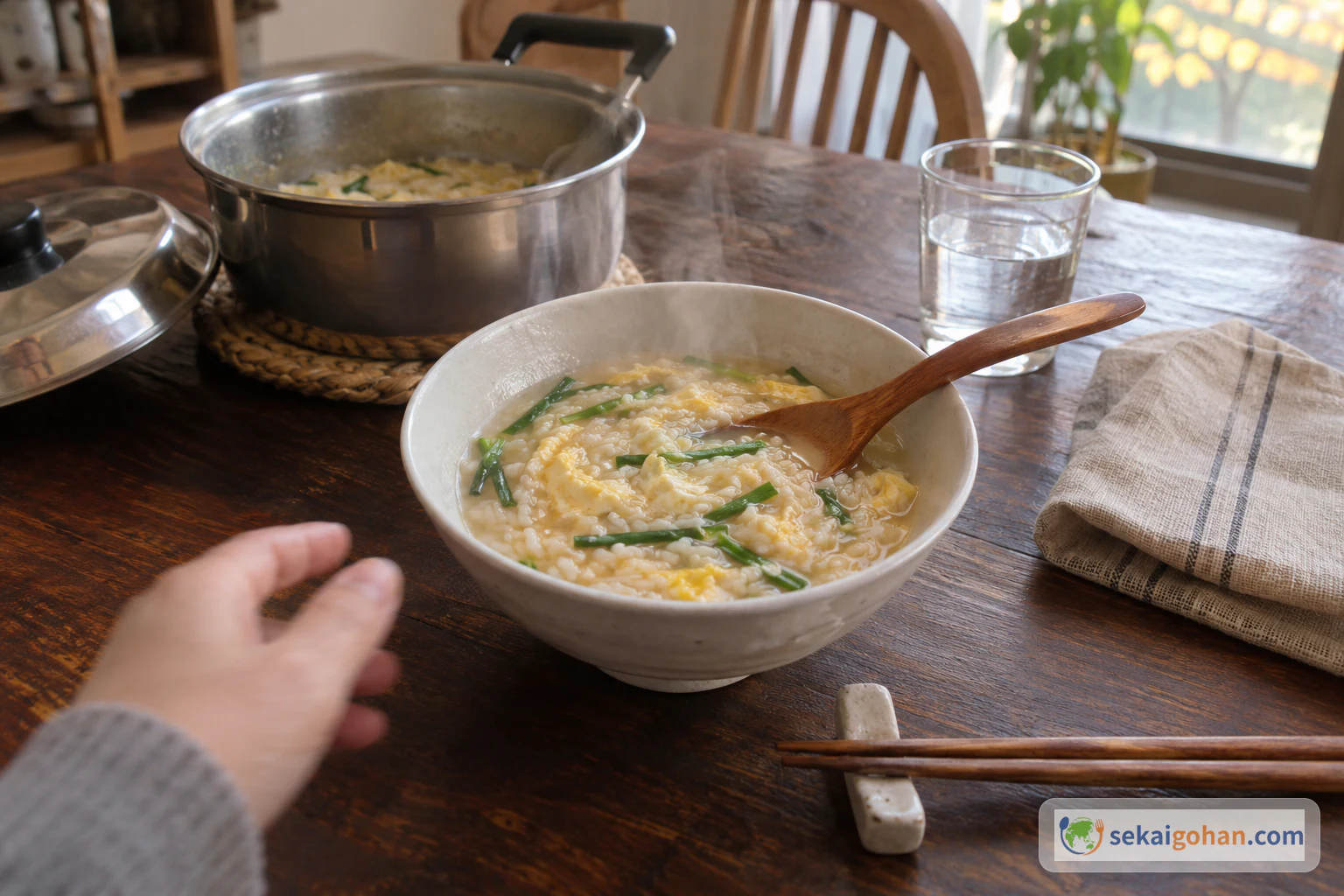
Serve zosui straight from the pot into warmed bowls, with a spoon as well as chopsticks for the broth. It makes a light supper on its own. After a hotpot, it is the closing course. Put rinsed rice into the broth left in the hotpot and finish it the same way. Skip the soy sauce and mirin in that case, because the hotpot broth is already seasoned and has grown saltier as it cooked.
Variations
- Miso-seasoned, in the Chiba spirit. Replace the soy sauce and mirin with miso, added little by little and tasted as you go. Burdock and chicken dumplings take it toward toridose, with an earthier, cloudier broth.
- A different dashi. Kombu dashi makes a lighter pot. Niboshi (dried sardine) dashi adds bitterness and depth, and dried shiitake broth adds the woodsy note of the Tokushima pot. Keep the amounts the same.
- Different greens. Scallions or mitsuba change the aroma. A little yuzu peel on top gives the citrus lift of the Chiba bowl.
- Buckwheat in place of rice. Soba-gome needs its own boil before it goes into the pot, and it swells far more than cooked rice. Treat it as a separate dish rather than a straight swap.
Leftover rice and leftover zosui
The bacteria behind most rice-related food poisoning in Japan, Bacillus cereus, survive cooking as spores. They grow between 50 and 122°F (10–50°C) and make their vomiting toxin fastest at 77–86°F (25–30°C). That toxin survives 250°F (121°C) for 20 minutes, so reheating does not destroy toxin already formed. Prevention means stopping growth in the first place.
Use leftover rice only if it went into the refrigerator quickly and was kept at 41°F (5°C) or below. Never use rice that sat out at room temperature overnight. Cook only as much zosui as you will eat in one meal and eat it as soon as it is ready. If some is left, chill it quickly at 41°F (5°C) or below, keep it hot at 149°F (65°C) or above, or freeze it. Eat chilled zosui by the next day. Reheat it in a pot with a splash of water or dashi until it boils. In a microwave, stir and reheat in rounds until it is hot all through. The egg firms up on reheating.
Frequently asked questions
Can I use freshly cooked rice?
Yes. Rinse and drain it the same way. Warm rice gives up its starch quickly, so a short rinse is enough to get clear water.
How do I make it for four?
Double every ingredient except the salt. Start with a little and adjust by taste. With twice the rice, the pot takes longer to come back to a simmer in step 6. Wait for the edge to bubble again before you start counting, and stop while the grains are whole. A full batch of homemade katsuo-kombu dashi is the right amount.
What if I can't eat egg?
Leave it out and finish the pot after the chives in step 7. The broth stays thin and clear, without the soft ribbons that bind each spoonful. Extra chives or scallions keep the bowl green and fresh.