A fish grilled for five thousand years on the Mesopotamian riverbank
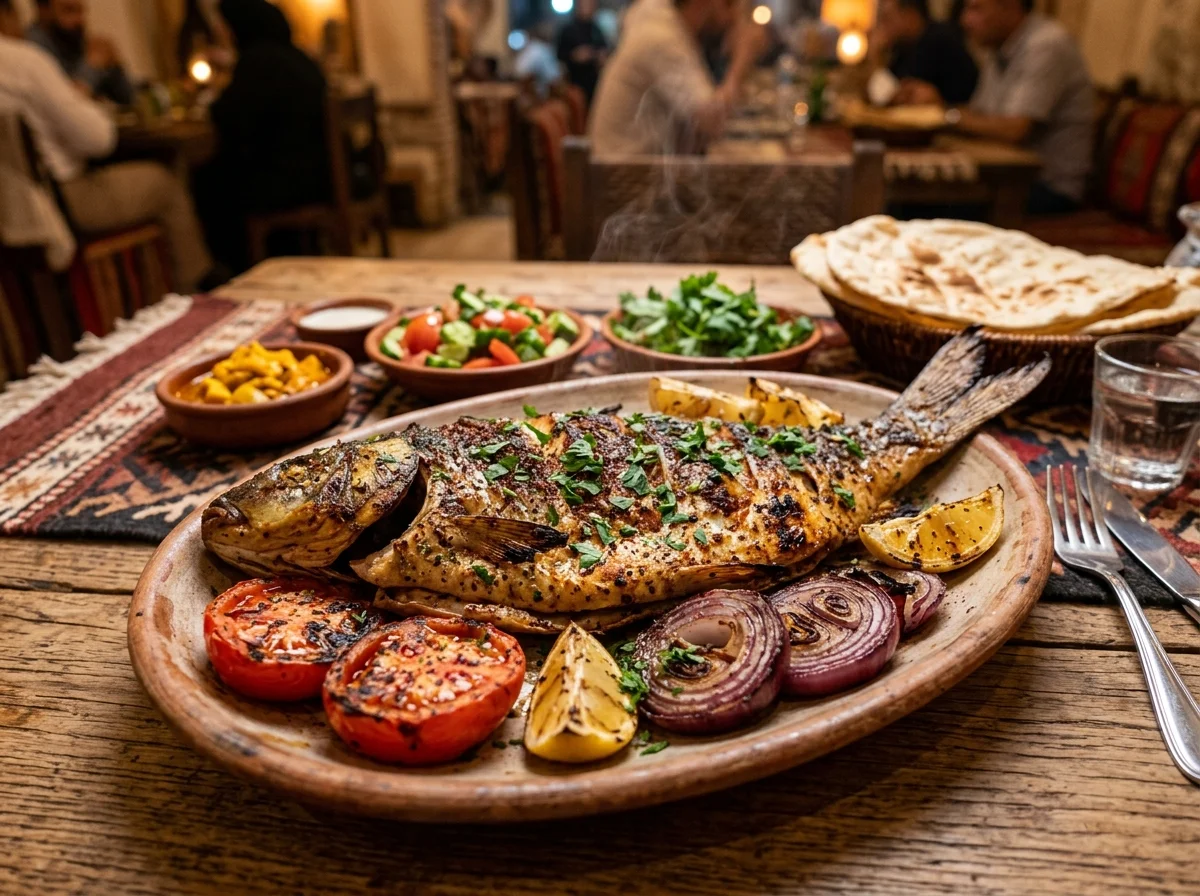
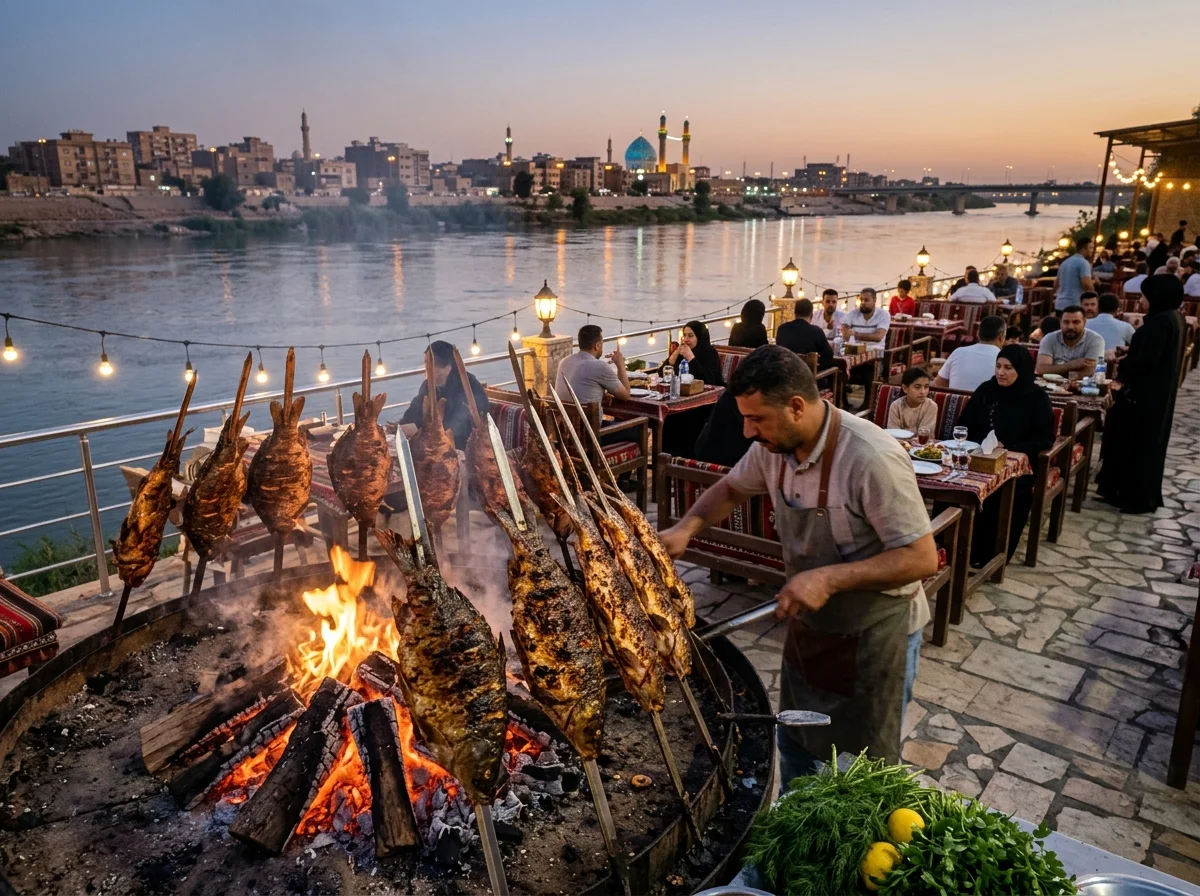
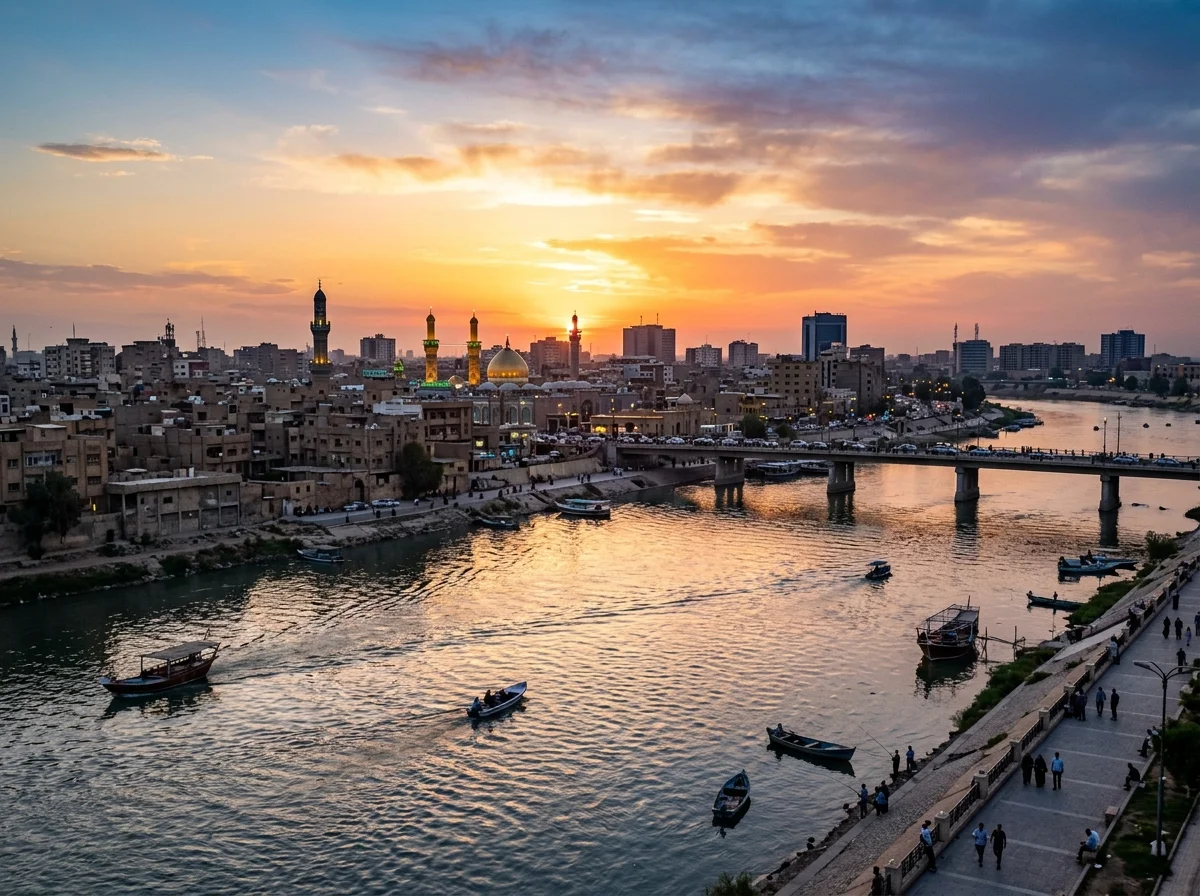
On the banks of the Tigris, at dusk in Baghdad, large fish stand split open before the fires lined up along the riverside restaurants of Abu Nuwas Street. Lit by the red glow of the charcoal, their skins slowly turn crisp. This is masgouf (Masgouf / Masgoof), Iraq's national dish.
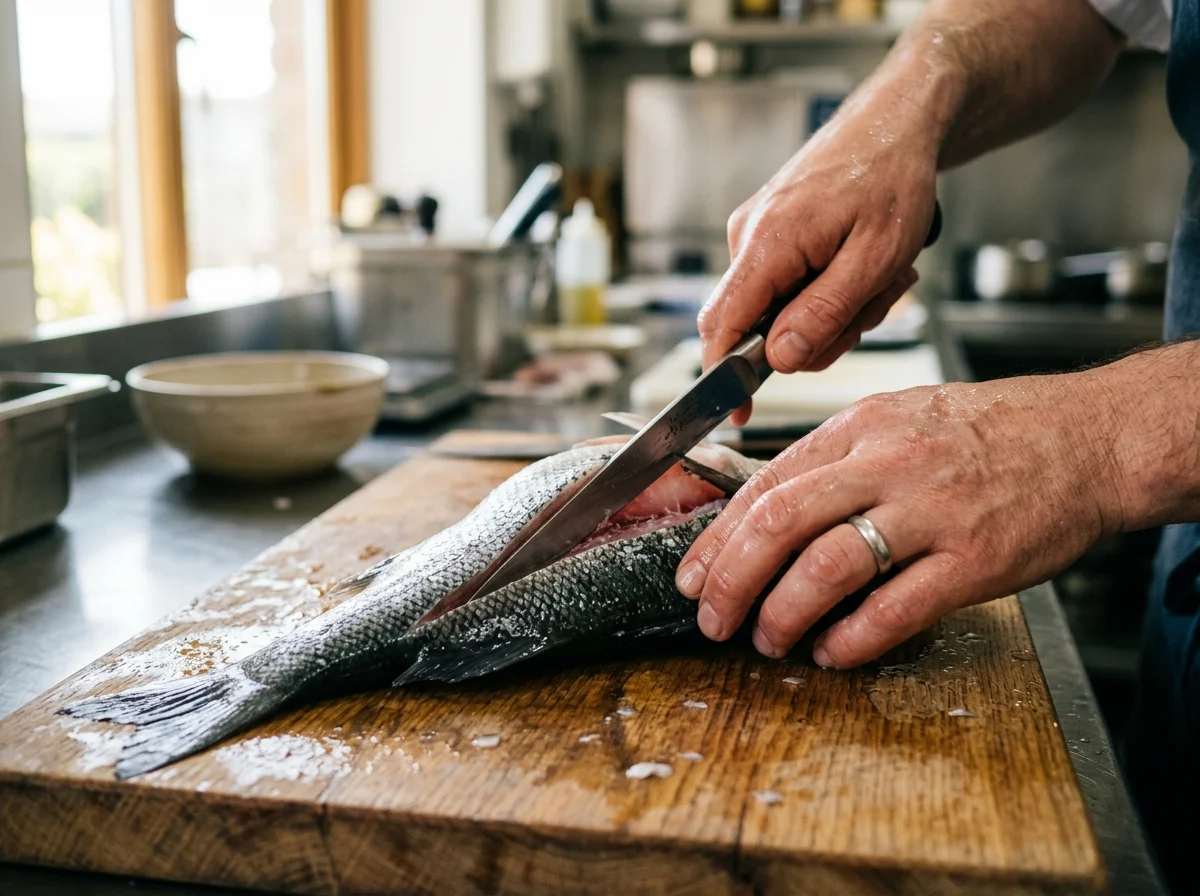
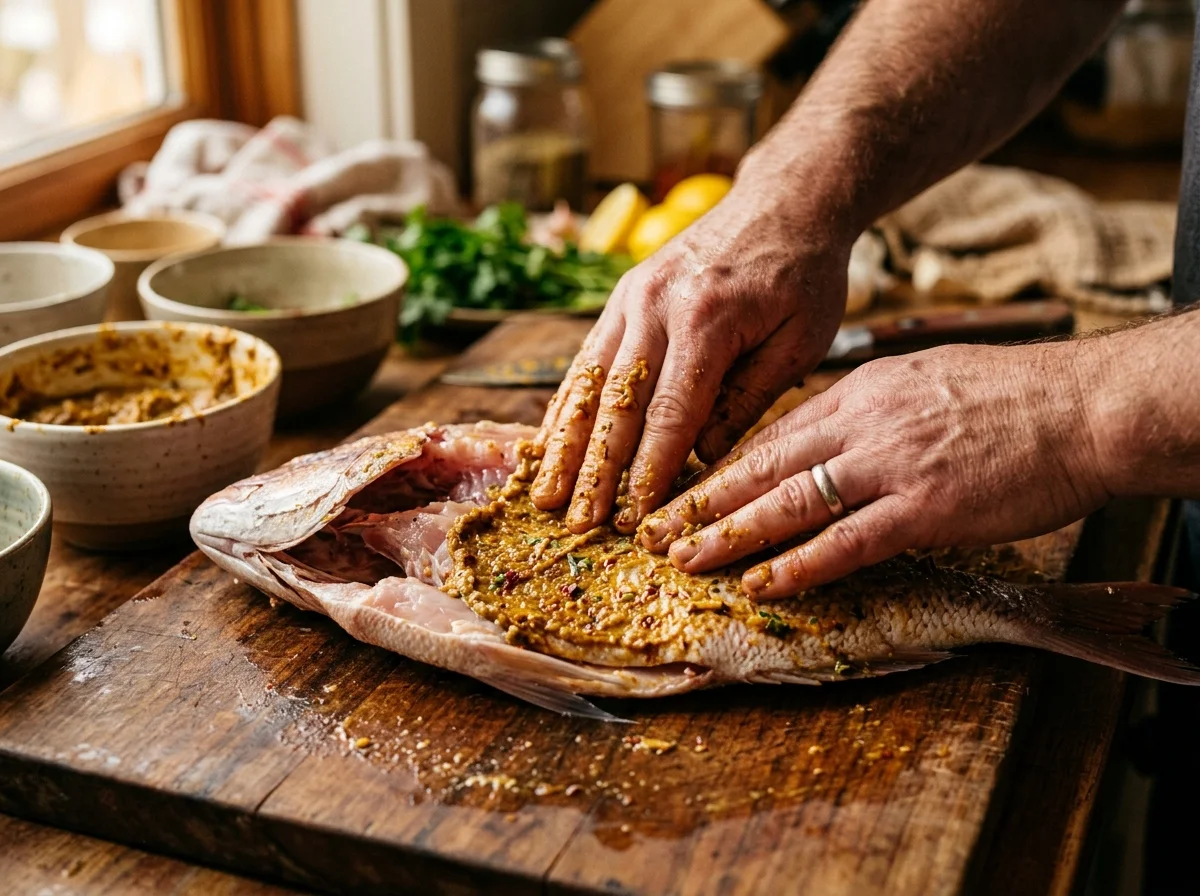
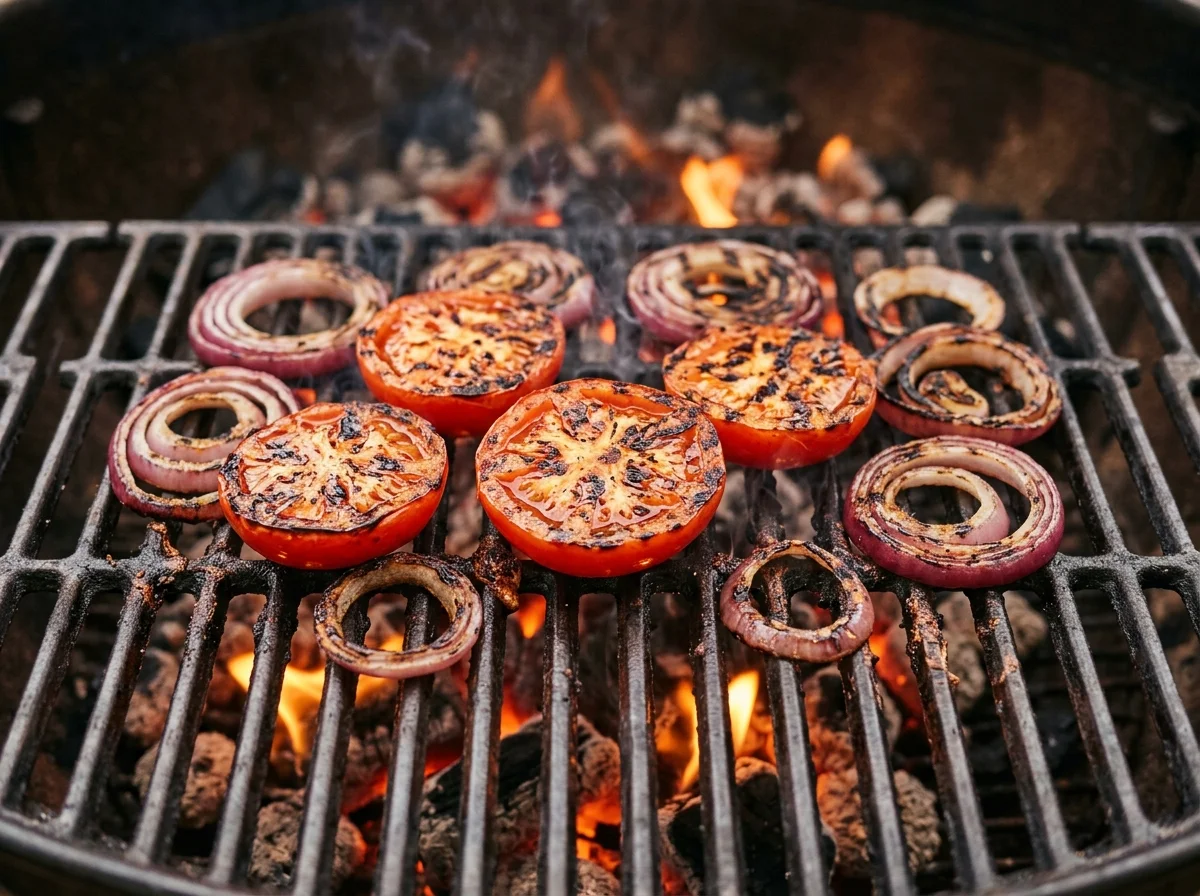
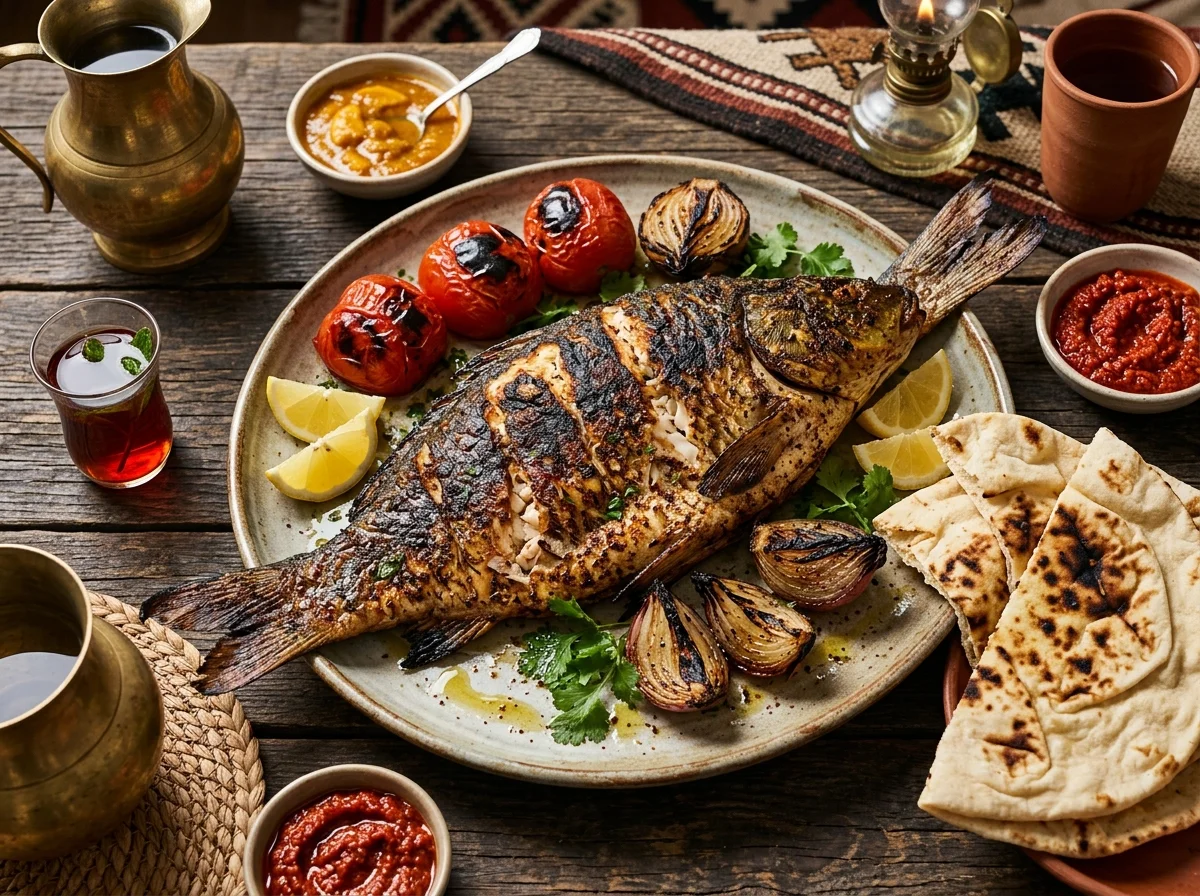
Masgouf is a grilled fish unlike any other in Middle Eastern cuisine: a large freshwater fish from the Tigris or Euphrates (traditionally carp) is split along the back, seasoned with tamarind and spices and slowly grilled standing beside charcoal. At the first bite, the toasty crispness of the skin on the outside and the juicy savor of the fish inside fill the mouth. A sweet-sour tamarind sauce gives an accent, and charred tomatoes tighten the flavor further.
According to Dr. Nawal Nasrallah, a researcher of Iraqi food culture, in her book Delights from the Garden of Eden, the method of cooking masgouf has a history of at least 5,000 years.
A dish of a fish split open, set on stakes and stood before charcoal. In Baghdad dialect it is masgouf, and in standard Arabic it is also called samak mashwi (grilled fish). It belongs to the line of Middle Eastern cooking over a vertical heat source, like Lebanese shawarma, but its use of fish is distinctive.
Outside the Arabic-speaking world, many Iraqi diaspora cooks publish recipes for masgouf. As Turkish kebab and Lebanese hummus have become better known, Iraqi cooking remains a largely untapped treasure. This article explains how to reproduce a traditional Baghdad masgouf with fish and cooking equipment available in a home kitchen.
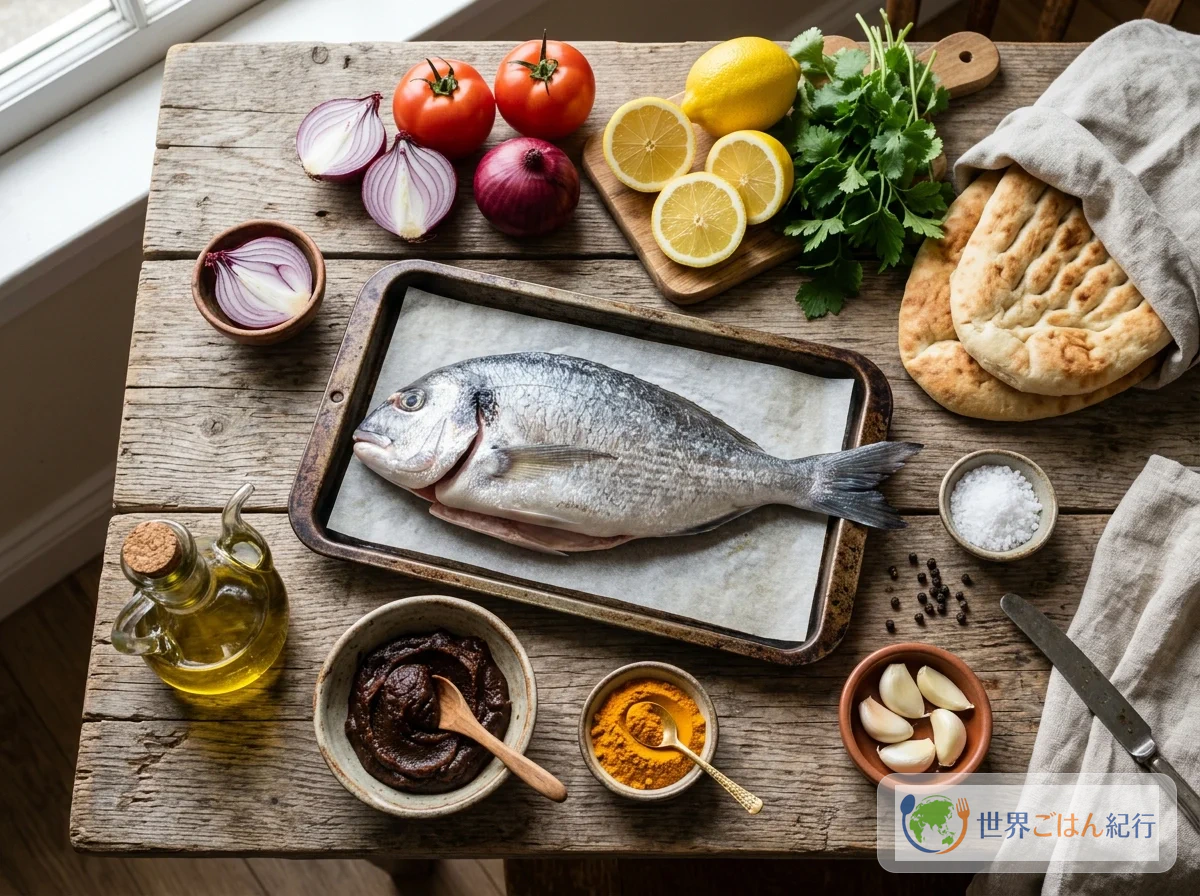
Ingredients (serves 4)
Cooking tips
Wiping all the moisture from the surface of the fish with paper towels before grilling is an absolute condition for crisp skin. If moisture remains, steam forms and the skin turns soggy. Setting the opened fish on a tray and drying it in the refrigerator for about 30 minutes is more effective still.
Tamarind paste comes as "blocks (with seeds)" and as "jarred paste (seedless)." For masgouf, jarred paste is easier to use. If you use a block, soften it in lukewarm water, strain out the seeds and fibers and then make it into a paste. Tamarind is used in Armenian harissa and in Iranian cooking too, but a food culture in which it plays a leading role as in Iraqi cooking is rare.
For a 1 kg bream, a total of 25–30 minutes is the guide; for 1.5 kg, 30–35 minutes. The surest way is to insert a thermometer into the thickest part and confirm 63°C or higher. Undercooked fish carries a risk of food poisoning, so cook it thoroughly, especially when you use freshwater fish such as carp.
Iraqis squeeze plenty of lemon over masgouf. Adding lemon's acid to grilled fish removes greasiness and brings out the sweetness of the flesh. The rule is to squeeze it just before eating. If squeezed before grilling, the acid firms the flesh too much and it dries out.
Variations
Salmon masgouf
Use a 600 g salmon side. Salmon is fatty, so the acid of the tamarind paste cuts the fat more effectively. Grill the skin side crisp and spoon on the tamarind sauce, and it is the easiest masgouf to make at home.
Mackerel masgouf
Use 2 mackerel split along the back. The fat of mackerel and the acidity of tamarind pair superbly. Mackerel flesh is soft, so grilling in a broiler is recommended.
Yogurt marinade version
Instead of tamarind, marinate with 100 g yogurt + 1 tsp turmeric + 1 tsp cumin. A combination of yogurt and spices like that in Iranian tahchin makes the fish tender.
Pomegranate sauce version
Spoon 3 tbsp pomegranate molasses over it instead of the tamarind sauce. The sweet-sour pomegranate pairs lavishly with the white flesh of the bream.
Outdoor barbecue version
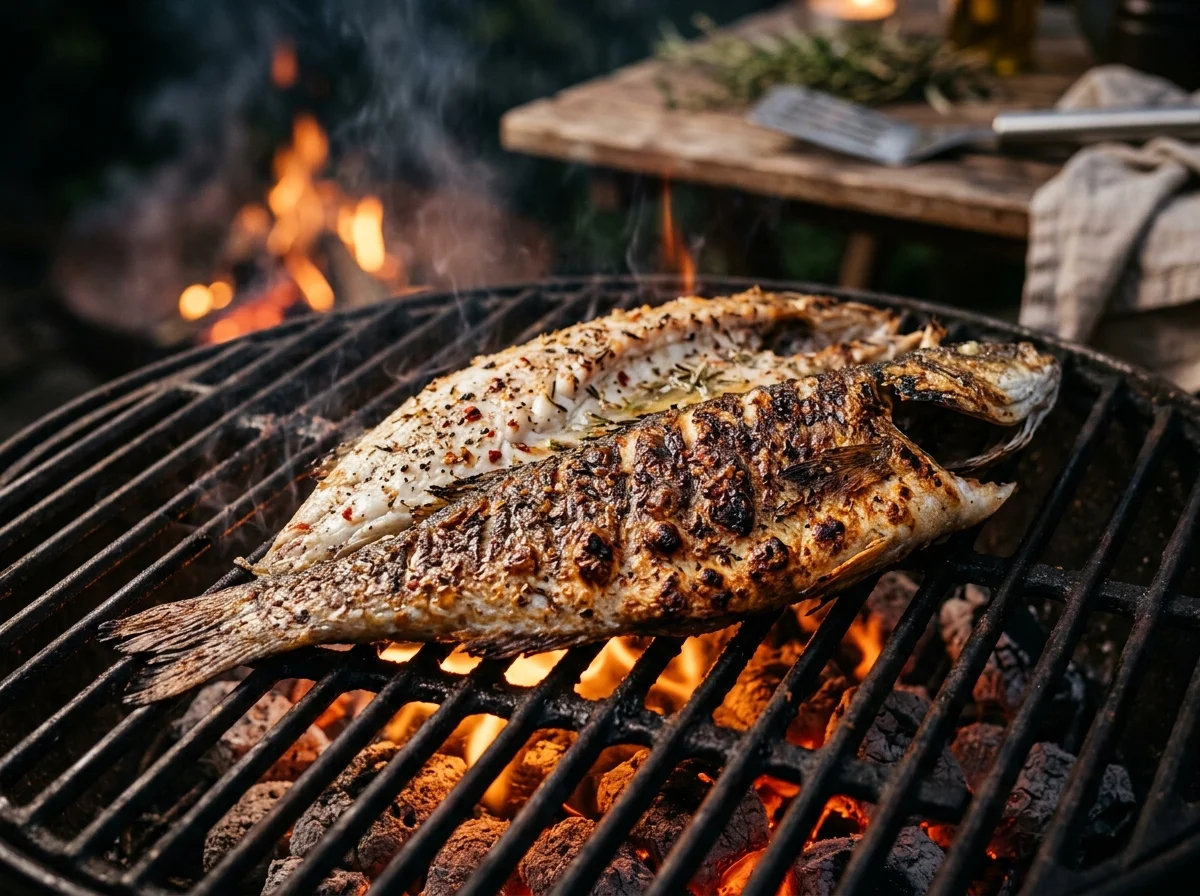
Fix the opened fish on metal skewers and stand it beside the charcoal of a barbecue grill. This is the approach closest to the most traditional method, adding the radiant heat of charcoal and the aroma of smoke for an exceptional taste. The grilling time is a little longer, 40–50 minutes.
Background of the dish
Mesopotamia and fish-eating culture
Iraq is the land of Mesopotamia, the "cradle of civilization." In this land between the two great rivers, the Tigris and the Euphrates, fish has been an important source of protein for over 5,000 years.
Also worth reading
Iraqi masgouf sits in the oldest line of Middle Eastern grilled dishes. Do try the dishes of neighboring countries.
- Shawarma (Lebanon): meat on a vertical rotating grill
- Kebab (Turkey): the classic skewered meat
- Tahchin (Iran): saffron and yogurt rice cake
- Dolma (Turkey): grape leaves stuffed with rice
- Shakshuka (Israel): tomatoes and eggs simmered together
Dishes to make alongside
- How to make harissa: you can reuse ingredients and aromas from the same region.
- How to make machboos: you can reuse ingredients and aromas from the same region.
Frequently asked questions
Besides bream, what fish do you recommend for masgouf?
White fish such as sea bass, flounder and amberjack are good choices. Salmon also makes a tasty version, but because it is fatty, increasing the tamarind a little balances it. In Iraq freshwater fish are the original choice, but the taste of masgouf can be reproduced without problem with saltwater fish.
I cannot find tamarind paste. Is there a substitute?
Mixing 2 tbsp pickled plum paste (umeboshi) + 1 tbsp honey + 1 tbsp vinegar reproduces a sweet-sour quality close to tamarind. 3 tbsp lemon juice + 1 tbsp sugar also works as a minimal substitute, but the characteristic depth of tamarind will not come through. Jarred tamarind paste is available at Asian and Middle Eastern grocery stores and online, so use the real thing if you can.
What if I have no flatbread?
Naan or pita is the best substitute. A thin tortilla also works. Serving it with white rice is not the original style, but the combination of grilled fish and rice is natural and tasty to many palates.
Nutrition (one serving of 4)
| Nutrient | Amount |
|---|---|
| Energy | 380 kcal |
| Protein | 42 g |
| Fat | 16 g |
| Carbohydrate | 18 g |
| Fiber | 3 g |
| Sodium | 620 mg |
| Omega-3 fatty acids | 1.2 g |
| Vitamin D | 8.5 μg |
Sources
- Nasrallah, N. (2013). Delights from the Garden of Eden: A Cookbook and History of the Iraqi Cuisine. London: Equinox Publishing.