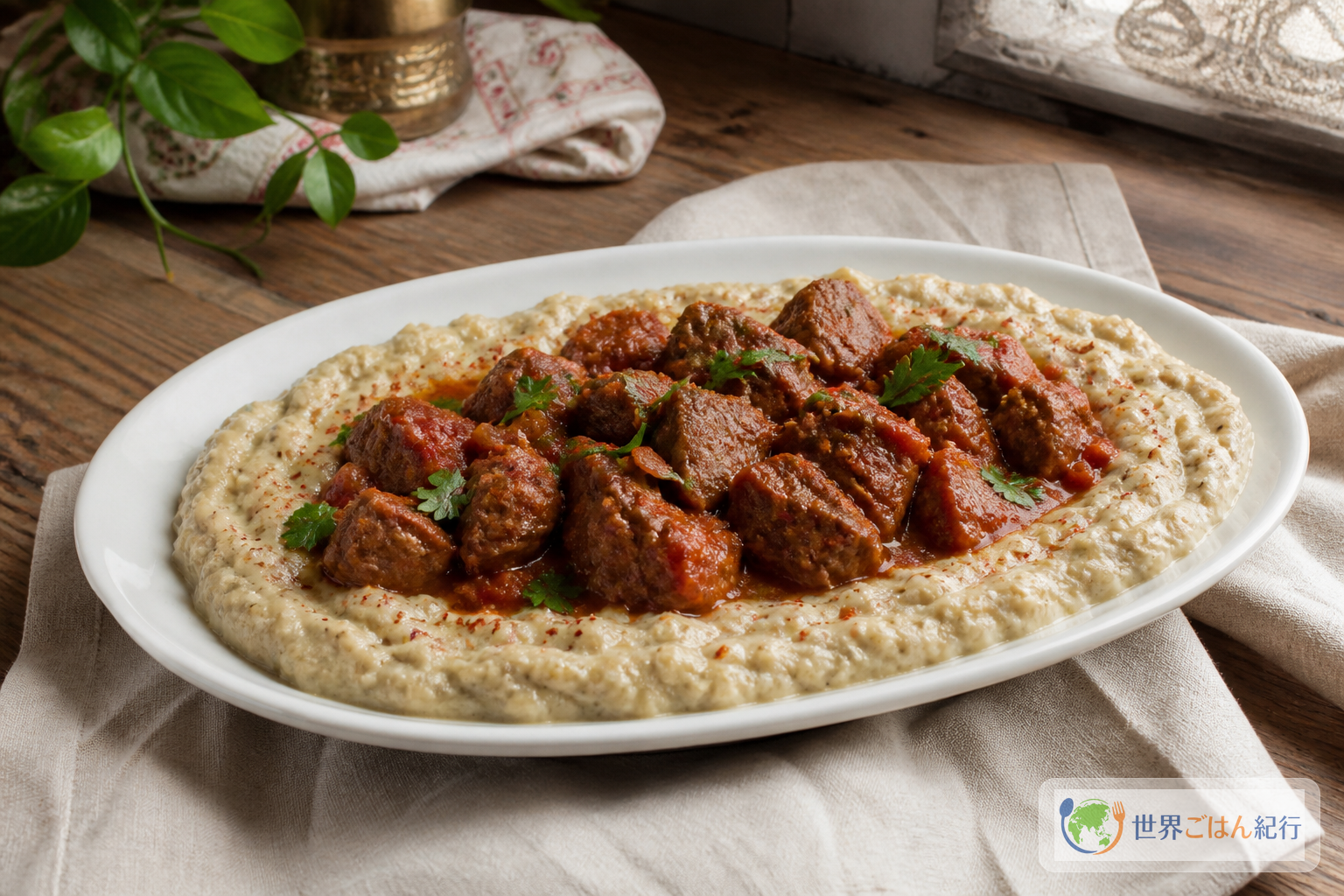
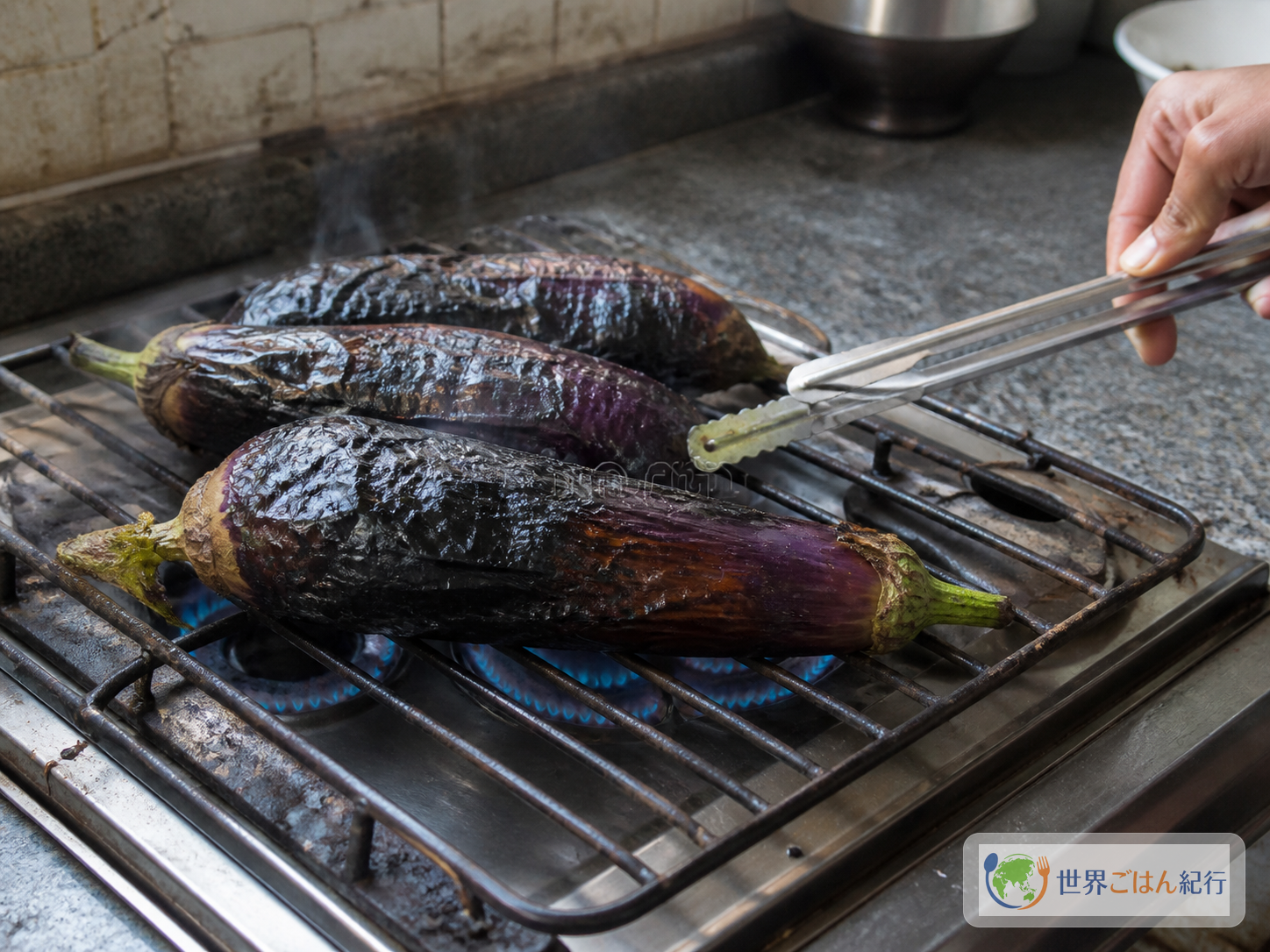
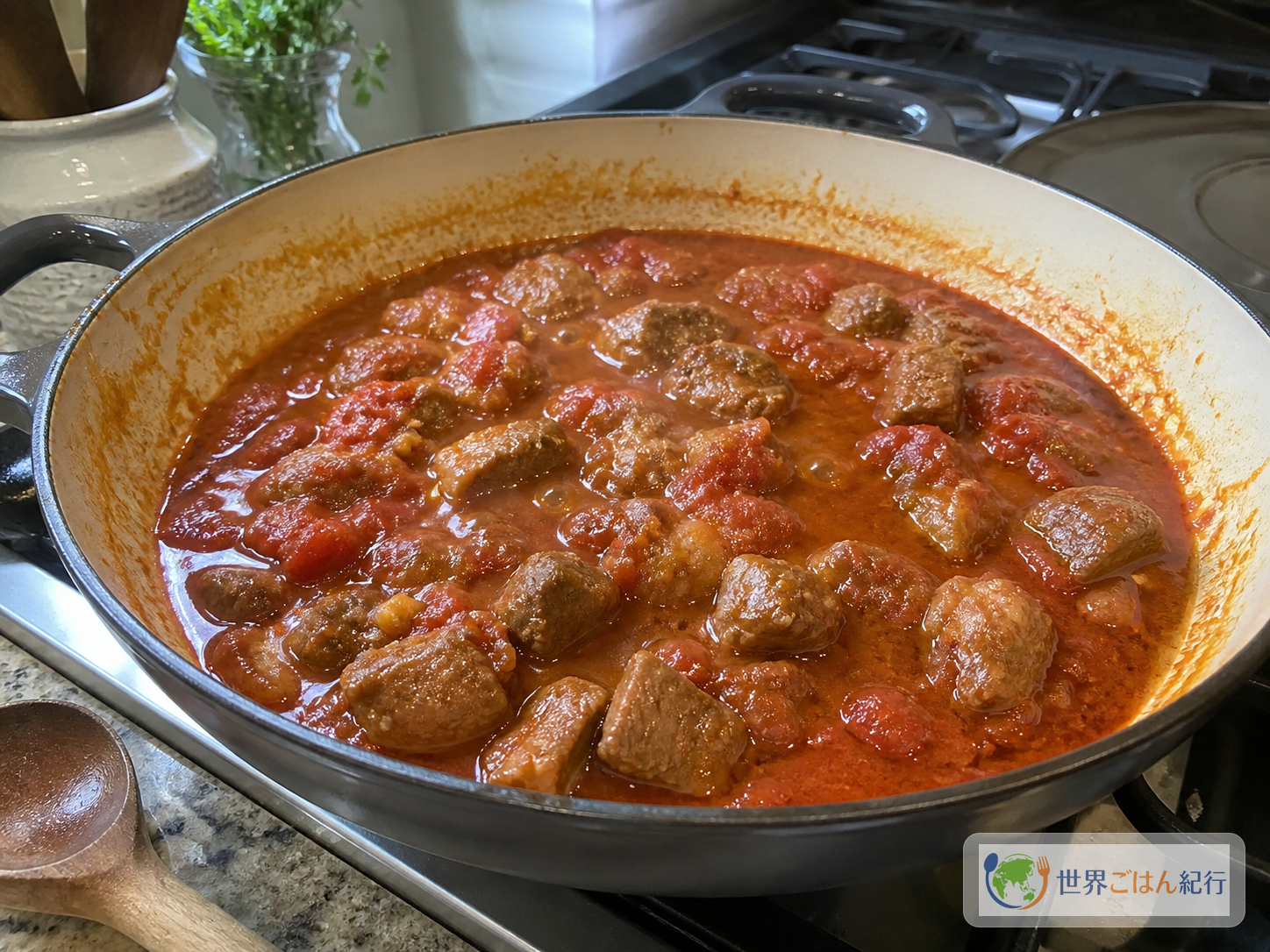
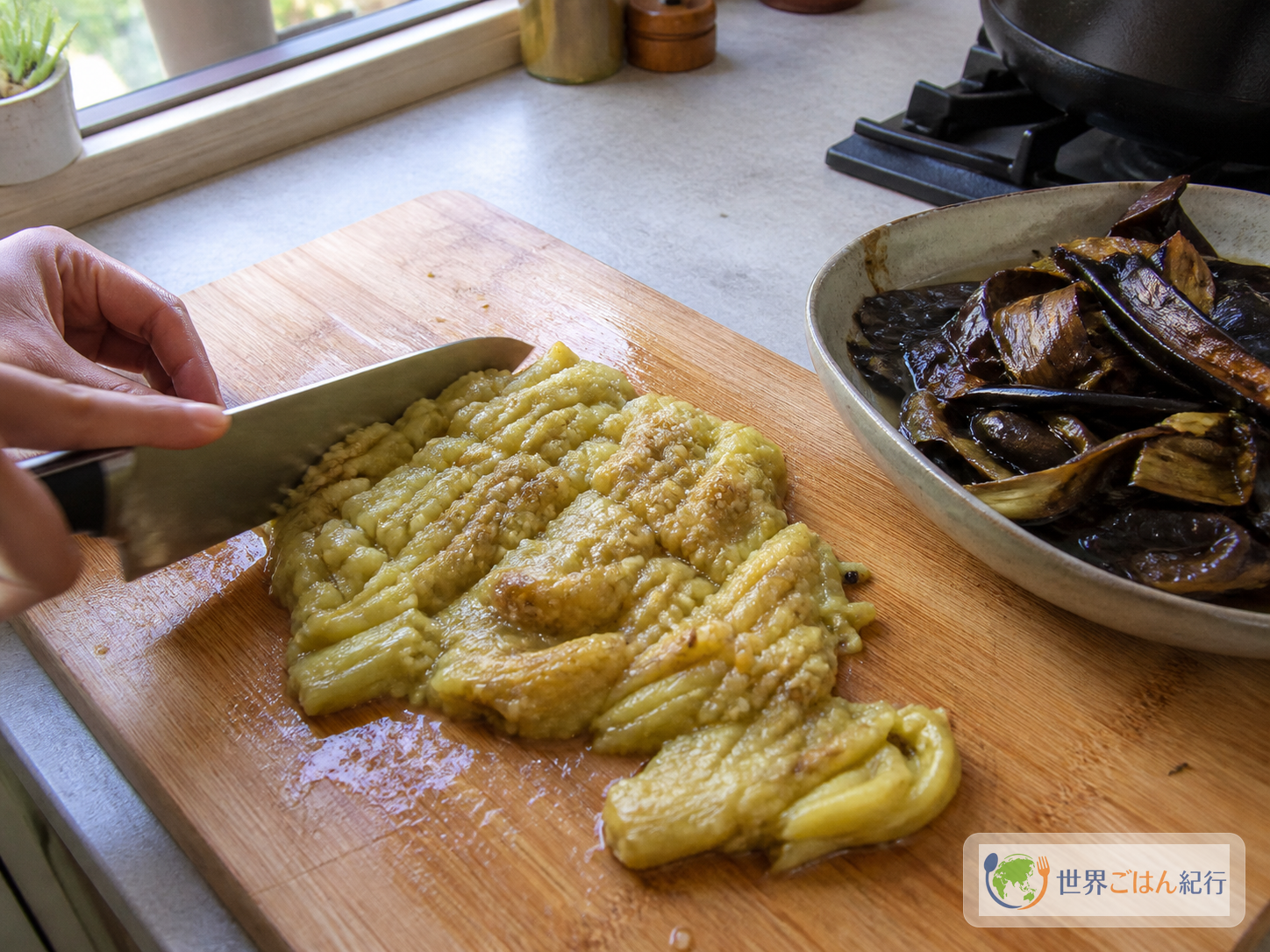
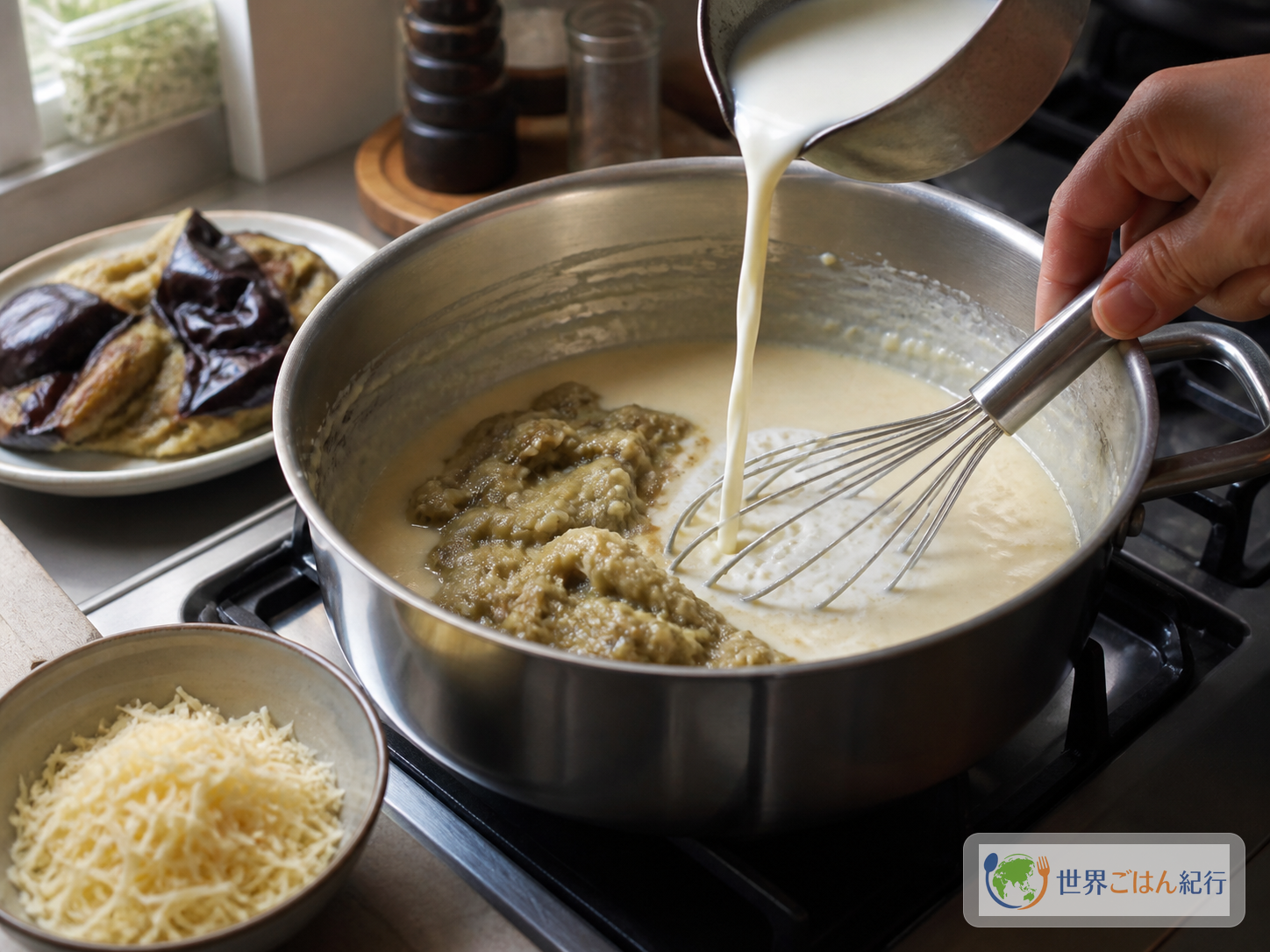
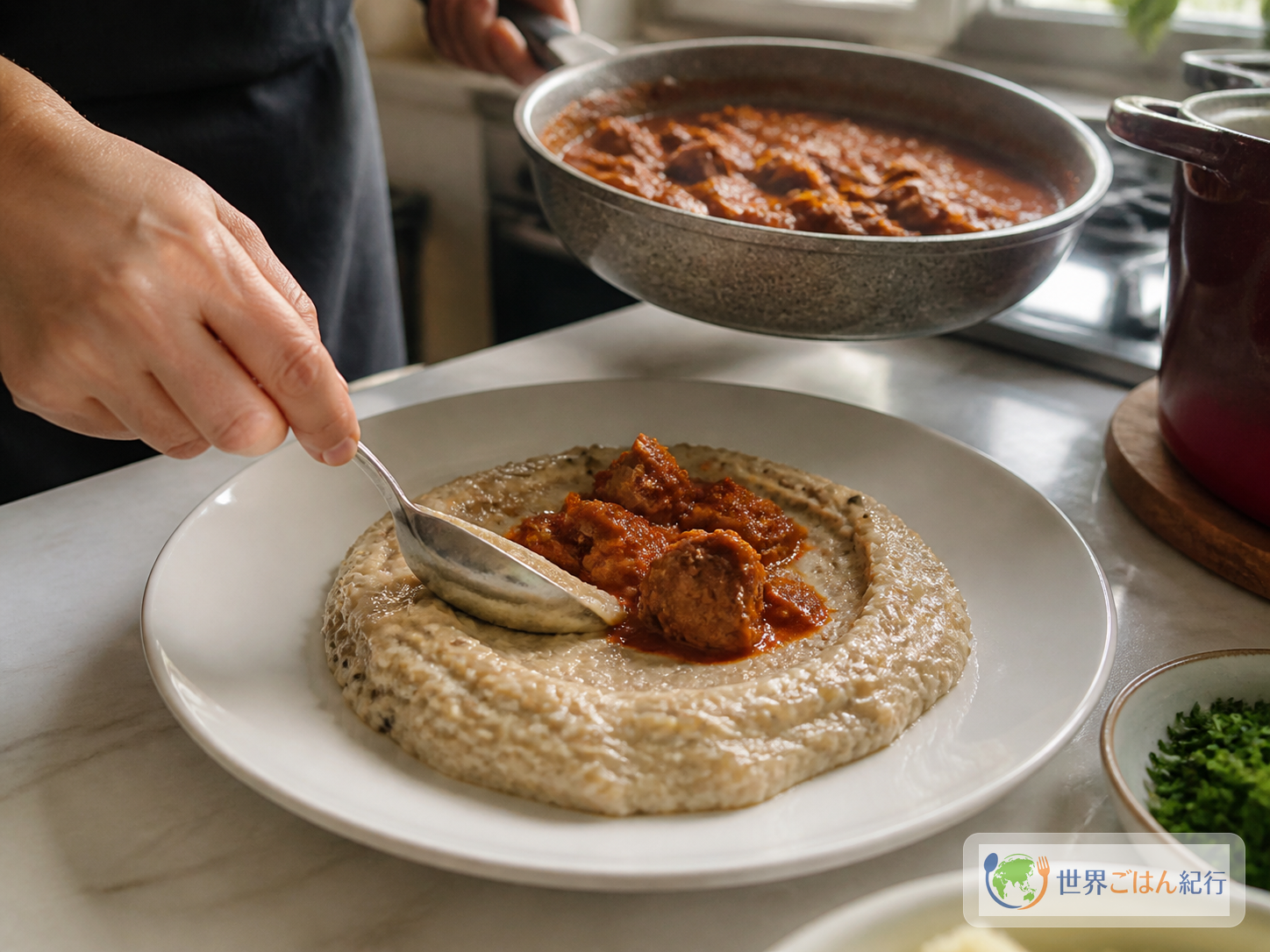
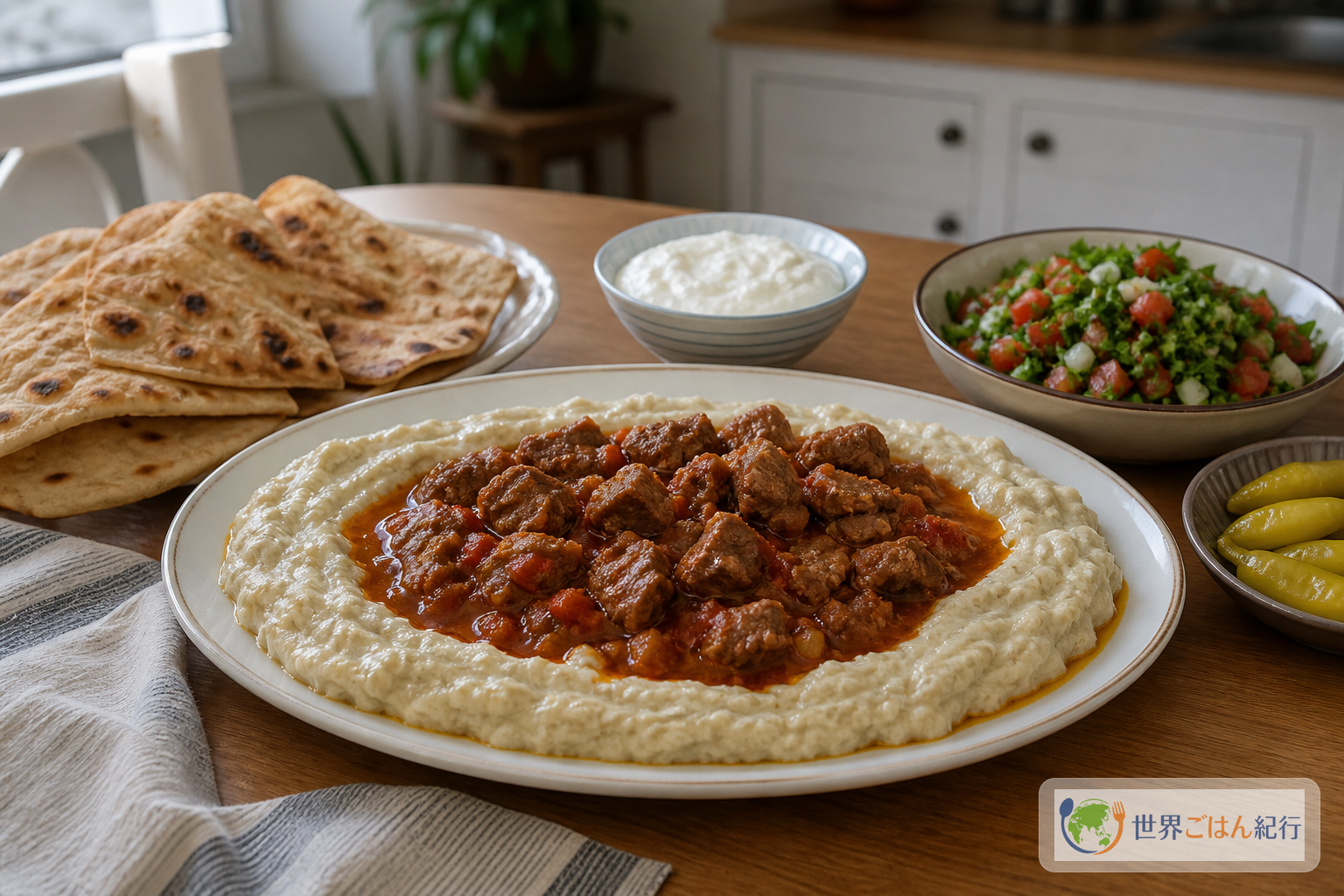
When the eggplant skins have turned black and puffed, and a finger pressed against them sinks into soft flesh, a sweet, smoky scent fills the kitchen. That flesh, mixed with butter, flour, milk and cheese, becomes a thick, pale purée you can scoop with a spoon. Spoon a slow braise of lamb, onion and tomato on top and you have Hünkar Beğendi, "the sultan liked it," known in English as Sultan's Delight. The red-brown stew lands on the white purée, and the roasted eggplant, the lamb fat and the tomato's acidity each stay distinct while layering together on one plate.
Hünkar Beğendi in Turkey
Accounts of the dish's origin vary, including which ruler it was first made for. However the story goes, it is a dish tied to the Ottoman court that is still served as a main course in Turkey today, with the meat stew set in the center of the eggplant purée, as in this recipe.
Turkish cooking shifts in ingredients and flavor across inland Anatolia, the Aegean, the Mediterranean, the east and the Black Sea coast, and this overview explains how several cultures, Ottoman cuisine among them, shape today's table. Hünkar Beğendi isn't tied to any one region. Its frame is simple: stewed meat plus roasted eggplant bound with dairy, which is where home cooking and court cooking meet.
Locally it is eaten as a main course at lunch or dinner, with bread for scooping up the stew's juices and the purée together. Yogurt comes alongside, and a salad, a sour pickle and thin bread round out the table so the rich lamb isn't the only thing on the plate.
Ingredients (serves 4)
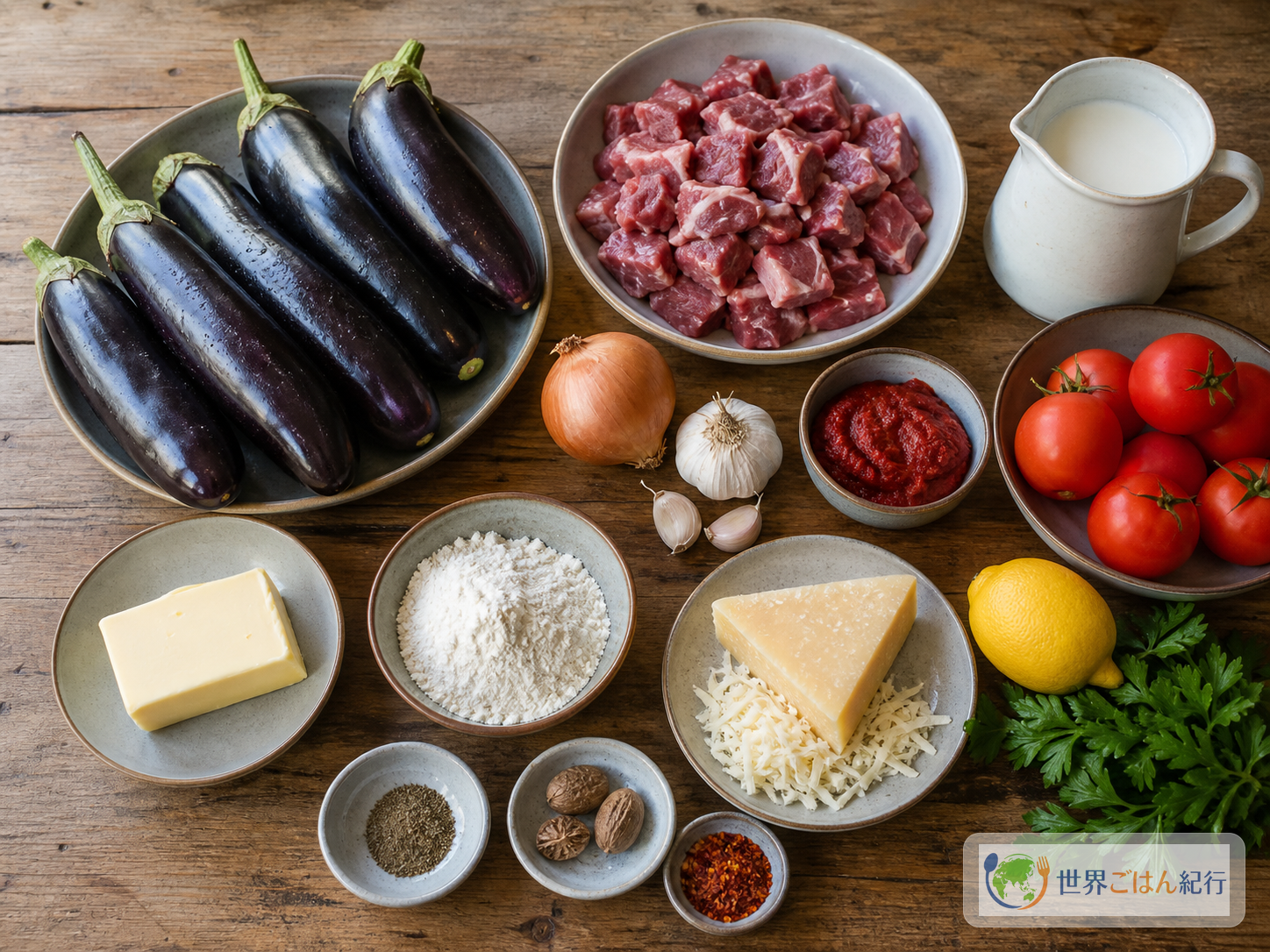
Nutrition values are this ingredient list divided by four. Fat on the lamb, the cheese and how much sauce stays in the pot all change them.
Turkish kashar is a cheese with mild saltiness that melts like young Gouda. Finely grated Gouda is easy to handle. High-moisture mozzarella loosens the purée and stretches strongly, so it's not a good first substitute.
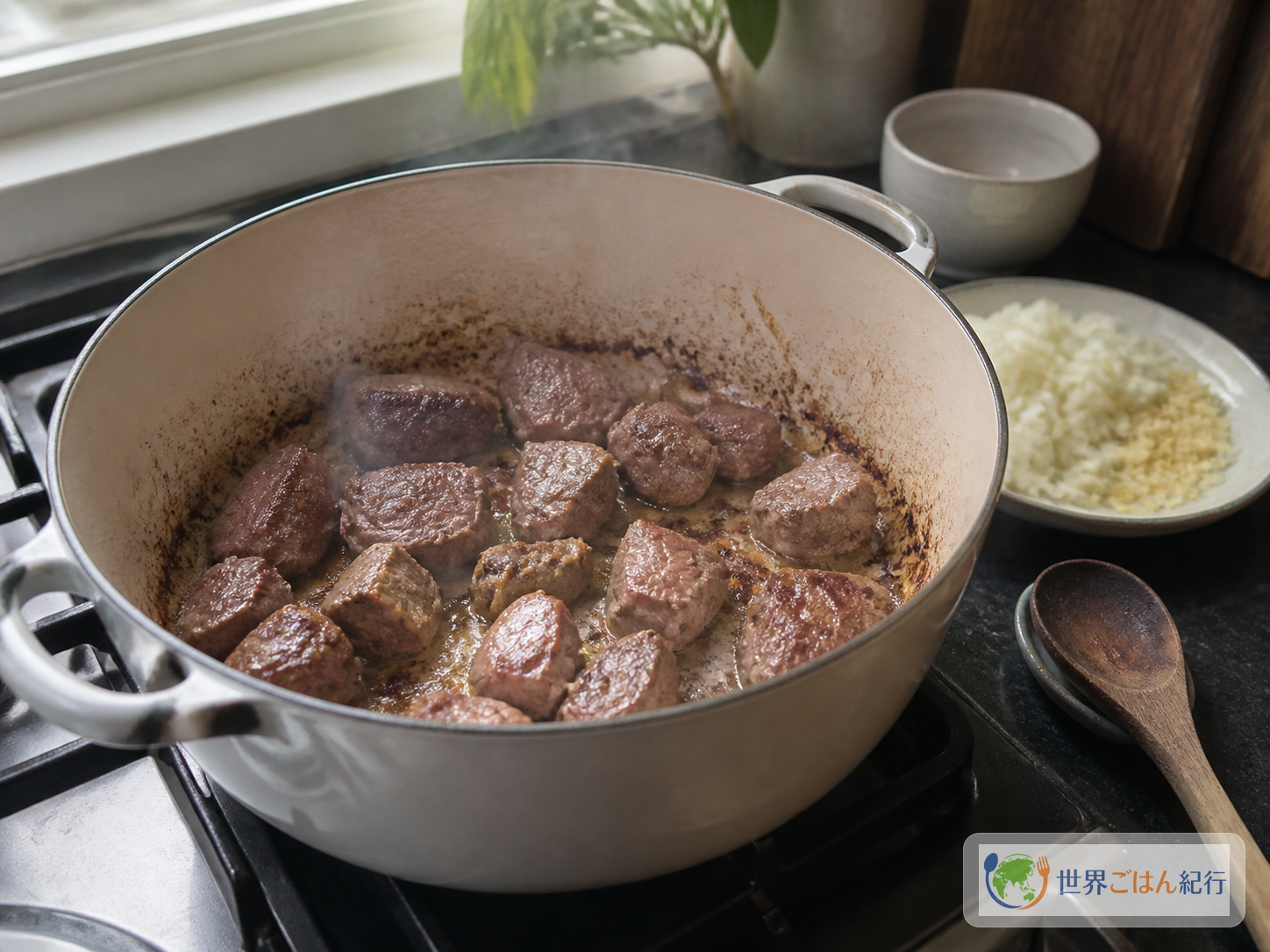
Take the lamb out of the refrigerator before searing and press the surface dry with paper towels. If moisture remains, the meat steams before it browns, and the savory depth that goes into the stew is weaker. Go by weight for the eggplants, and if you use thin ones, use more. Eggplants hold different amounts of water, so don't add all the milk at the start; adjust at the end by checking firmness.
Paprika for days without pul biber
Pul biber is a red chili used as a finish in Turkish cooking. It is not only heat but a dry red aroma and a roundness with a little oil, so it is not the same as sweet paprika. On days you can't get it, rather than mixing a lot of chili into the purée, scatter a little sweet paprika and add coarsely ground chili only on the plates of those who want heat, so it doesn't hide the eggplant and lamb.
Choose sweet paprika only if you want a little red aroma rather than heat; if you already have sweet paprika, or want the heat of red chili, you don't need to buy more. Smoked paprika and chili powder change aroma and heat a great deal, so treat them as ingredients for other dishes, not for a first Hünkar Beğendi.
Choosing the lamb, eggplant and cheese
Recipes vary across Turkey, mostly in the meat, the cheese and how the eggplant is charred. One version pairs a stew of lamb or veal with roasted eggplant mixed with butter, flour, milk and kashar-type cheese; another lets you choose kashar, Gouda or Parmesan for the purée. Whatever you swap, keep the frame: finish the eggplant and the stew separately rather than stirring one into the other.
| What to look at | Range within Turkish cooking | Judgment in a home kitchen |
|---|---|---|
| Meat | Lamb is the standard; some recipes use veal | For a first try choose shoulder; if you switch to beef, accept the difference in aroma |
| Eggplant | Charred over charcoal, open flame or a grill until the skin scorches and the flesh softens | A broiler gives the most aroma; a high oven on the top rack can stand in |
| Cheese | Kashar is the base; some recipes use Gouda or Parmesan | A low-moisture, mild Gouda melts easily and makes saltiness easier to adjust |
| Texture | Some households chop the eggplant fine, others mash it smooth | Leaving some small bits keeps the roasted-eggplant aroma |
| Finish | Red chili or parsley scattered on top | Without pul biber, use sweet paprika for color and adjust heat separately |
Method: char the eggplant, braise the lamb, finish them separately
If you start braising the lamb while the eggplant roasts, you don't have to watch two pots at once. Only the stage of charring the eggplant skin needs your eyes on it, and if you use an open flame, ventilate.
Getting the purée and stew right
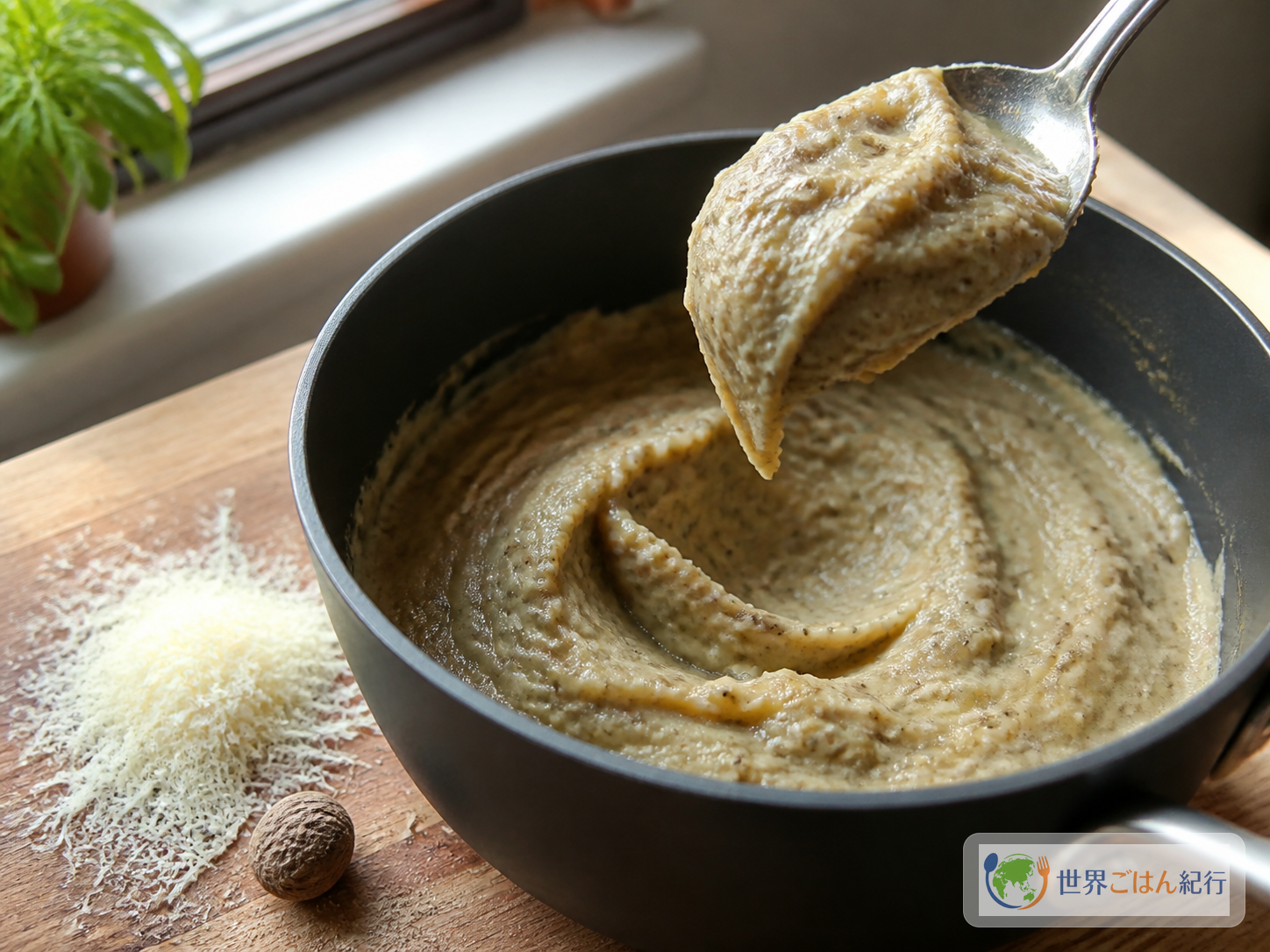
Stop the purée at a firmness where the spoon's trail slowly closes. Too loose, and the lamb sauce pushes it off the plate; too firm, and the dairy sits heavy in the mouth. Eggplants and cheeses vary in moisture, so holding back the last 3.5 tbsp (50 ml) of milk gives you room to adjust.
| State | How to tell it is ready | What to do on the spot |
|---|---|---|
| Eggplant | Flesh is soft, with a brown smoky aroma | Remove the black skin and discard any burnt flesh |
| Purée | A spatula line holds about 2 seconds and the mound doesn't collapse at once | If loose, 2–3 minutes over low heat; if firm, 1 tbsp (15 ml) warm milk at a time |
| Lamb | Flakes when pressed with chopsticks but the cubes keep their shape | If tough, add 3.5 tbsp (50 ml) boiling water, cover and simmer 10–15 minutes on low |
| Sauce | Clings to the meat and doesn't pool on the plate | If watery, uncover and reduce 5 minutes |
| Cheese | Melts into the purée without stringing too much | Add off the heat and don't bring back to a boil |
If the eggplant flesh itself has burnt black and turned bitter, sugar or tomato won't hide it. When bitterness lingers even after you cut away the black parts, roast a fresh batch of eggplant rather than forcing the bitter purée into use.
Serving and storing Hünkar Beğendi
What to serve with it
Hünkar Beğendi is rich enough to stand alone as a main course. Serve it with warm bread, unsweetened yogurt, a tomato and cucumber salad and a little sour green chili. If you want a starch, bread or thin pita beats a big mound of white rice; scooping with bread lets you taste the eggplant and the lamb sauce separately.
A small dish of sour piyaz lightens the meal more than a heap of salad, and a bowl of spicy ezme lets each person add heat to taste, so children and anyone who avoids chili can share the same main. If dessert follows, cut the syrupy baklava small and keep the sour yogurt on the table so the richness doesn't pile up.
Storage and reheating
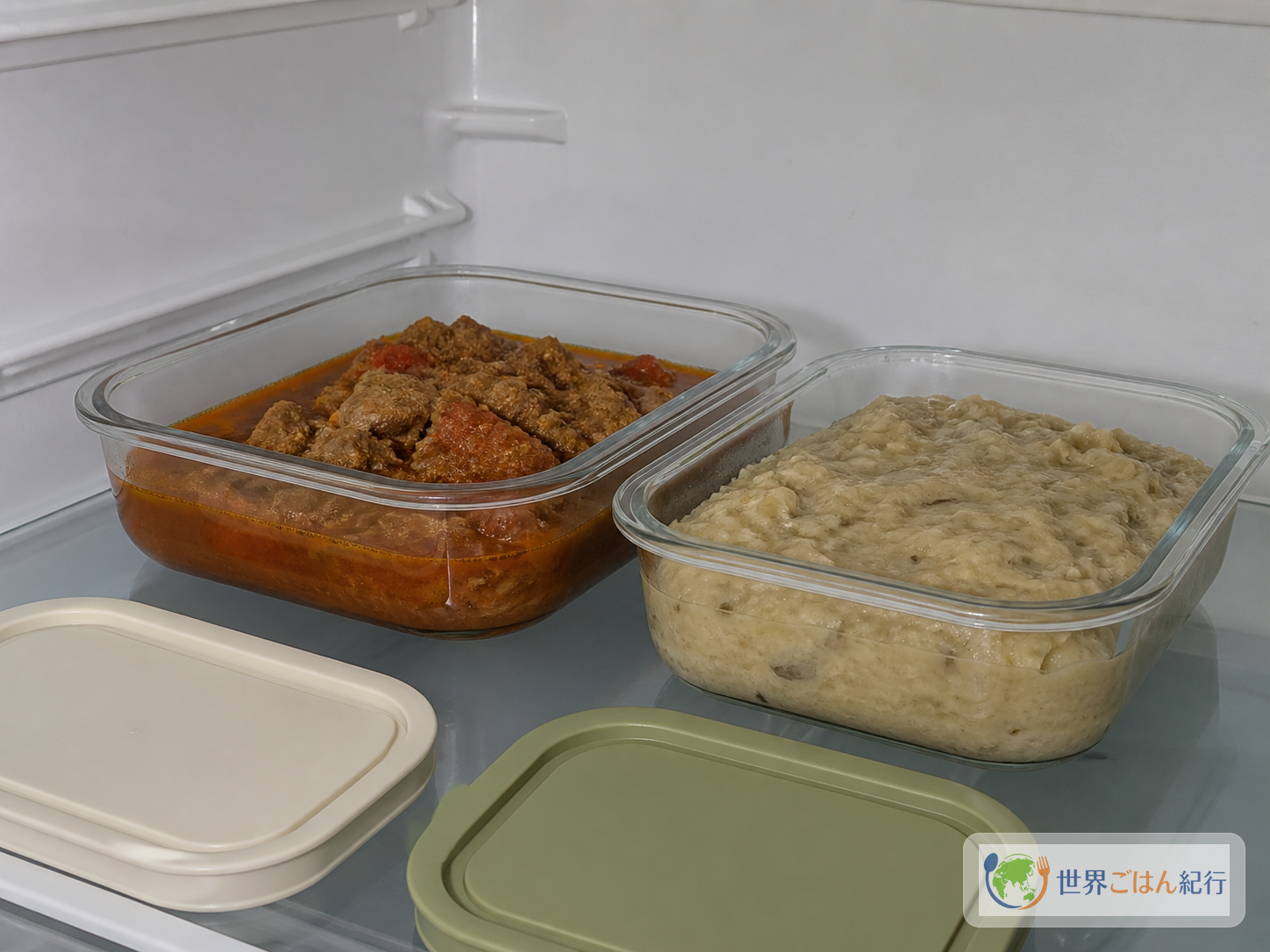
Store the purée and the lamb stew in separate containers from the start. Layered together, the tomato sauce seeps into the purée, and its aroma and firmness are hard to bring back. Once they have cooled, move both to shallow containers, refrigerate, and take out only what you will eat.
Cooked meat, stews and leftovers keep 3–4 days in the refrigerator; the cold storage chart has the details. The lamb stew freezes for 2–3 months, but the milk and cheese make the purée prone to separating after thawing. If you do freeze it, spread it flat in small portions and expect the texture to change.
To reheat, warm the lamb in a pot over low heat, adding boiling water 1 tsp at a time if needed. Warm the purée in a separate pot over low heat, loosening it with warm milk 1 tbsp (15 ml) at a time; stop just before it steams, because boiling separates the fat from the cheese. Heat leftovers to 165°F (74 °C) in the center (safe minimum temperatures).
FAQ
Can I use something other than Gouda for kashar cheese?
A low-moisture young Gouda is the easiest substitute. Strongly aged Gouda and Parmesan are more aromatic and saltier, so start with 2 oz (60 g) rather than the full 2.75 oz (80 g), taste, then add more. High-moisture mozzarella loosens the purée; if you use it, keep the amount small and press it dry.
If I don't like lamb, can I make it with beef?
Beef shoulder works, though you lose the aroma where lamb fat meets roasted eggplant. To keep the character of the Turkish dish, try a small amount of lamb first and trim away only the fat that bothers you. Pork changes the cultural premise and the flavor so much that it's better thought of as a different stew.
Will ordinary eggplants give the aroma too?
Yes. Size matters less than roasting until the skin is black and the center is completely soft. Peel watery eggplants and drain them in a colander for 5 minutes or more. Under-roasted eggplant plus extra milk gives you something closer to a thin white sauce, and the smoky aroma won't come back.
What if I can't eat wheat, milk or cheese?
The purée uses flour, butter, milk and cheese. Rice flour can replace the flour, unsweetened oat milk the milk, and plant-based products the butter and cheese, though the thickness and saltiness will change. With a dairy allergy, check ingredient labels and production lines, and either use substitutes or bind the roasted eggplant with olive oil and salt instead.
If I eat it the next day, how much can I make the day before?
Make both the lamb stew and the eggplant purée the day before and refrigerate them separately. To avoid separation, store the purée before adding the cheese, then warm it, adjust the firmness with milk and stir in the cheese just before serving.