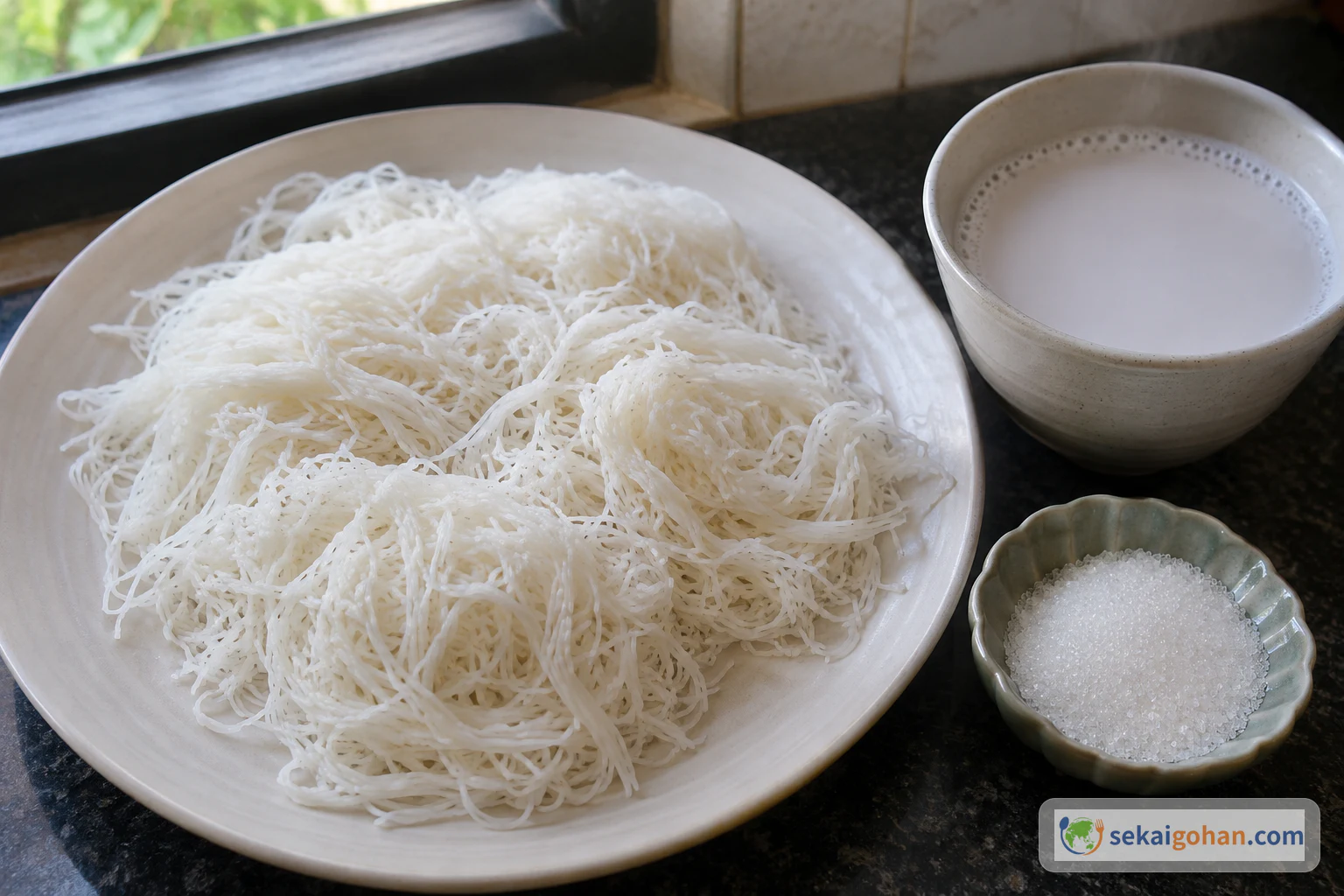
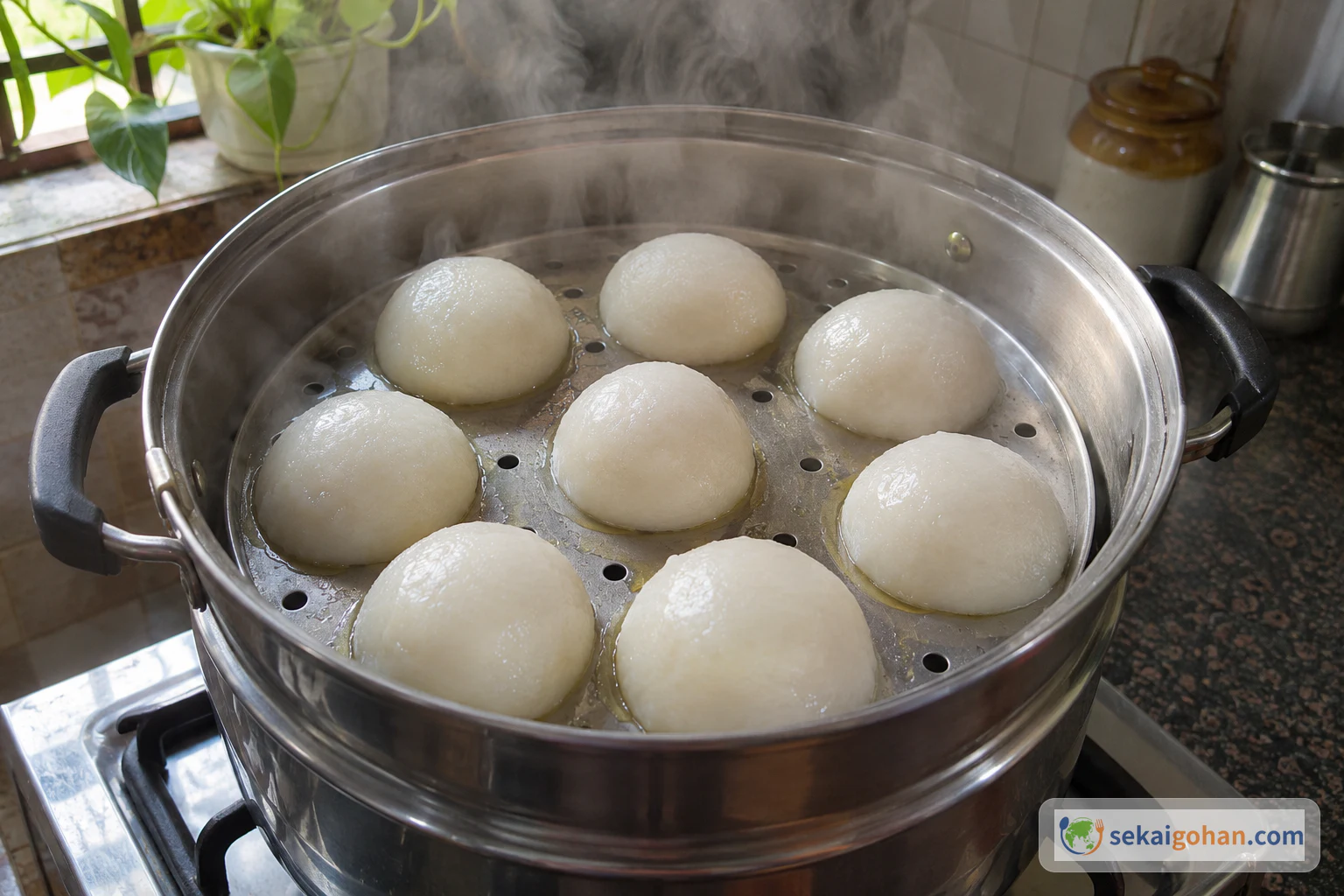
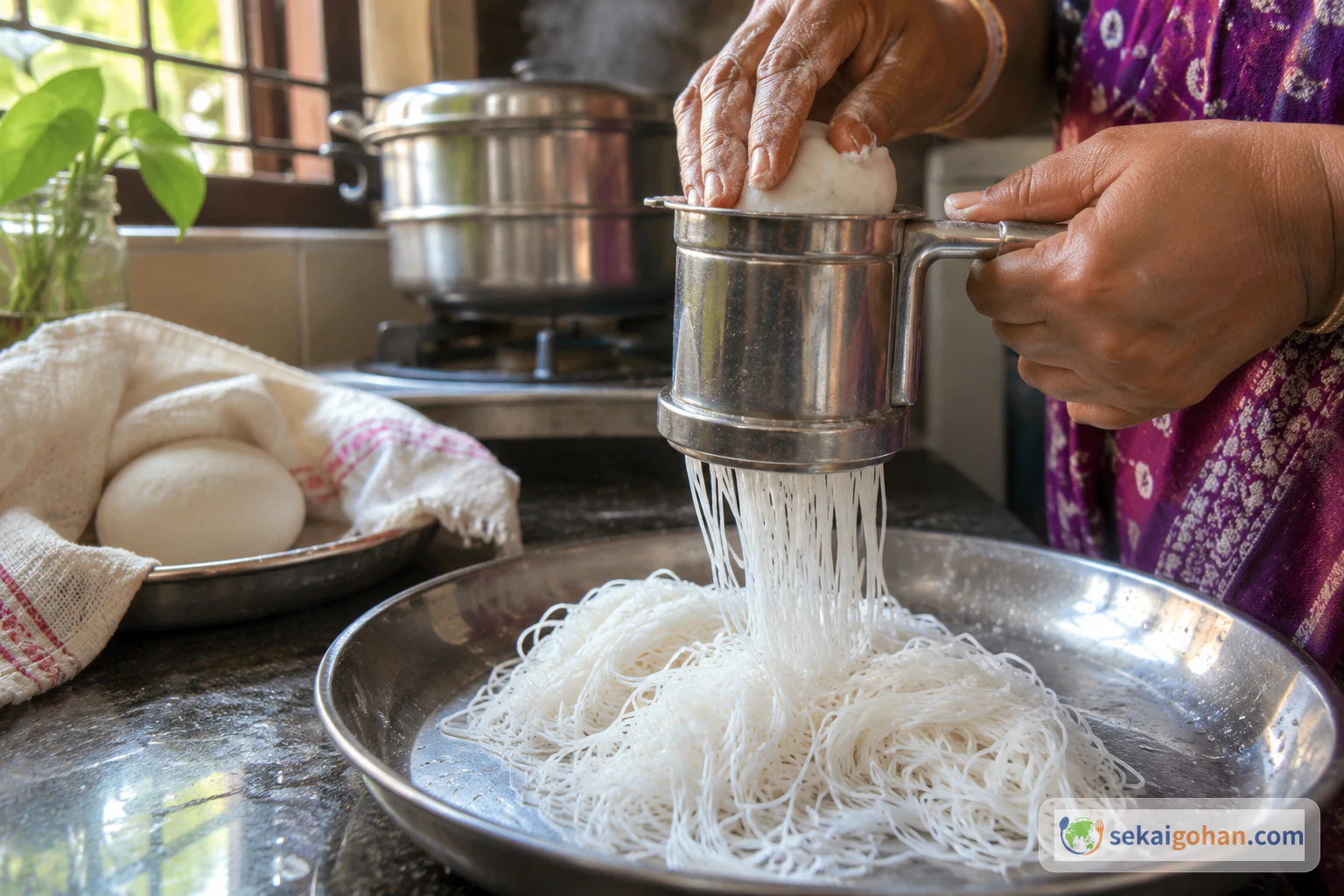
The lid comes off the steamer, and the rice dough balls sit glossy and a little translucent in their idli plates. You lift one out while it is still hot, drop it into the press, and turn the handle. Thin white strands fall onto the plate in loose coils, while the other balls wait in the steam for their turn. This is sevai, the pressed rice noodle of South Indian home kitchens. It is soft, mild and clean-tasting, a plain base that some families sweeten with coconut milk and sugar and others toss with lemon, chilli, curry leaves and crunchy peanuts.
Sevai in Tamil Home Kitchens
Sevai is home cooking from the southern part of India, and it is especially popular in Kongunadu, in the western Tamil region. In Kannada the same kind of noodle is called shyavige or shavige. Where sevai first came from is not settled. What is clear is the way it sits in the day. In homes that make it, the noodles are pressed in the morning or afternoon and seasoned just before the evening tiffin, the light meal that takes the place of a heavy dinner.
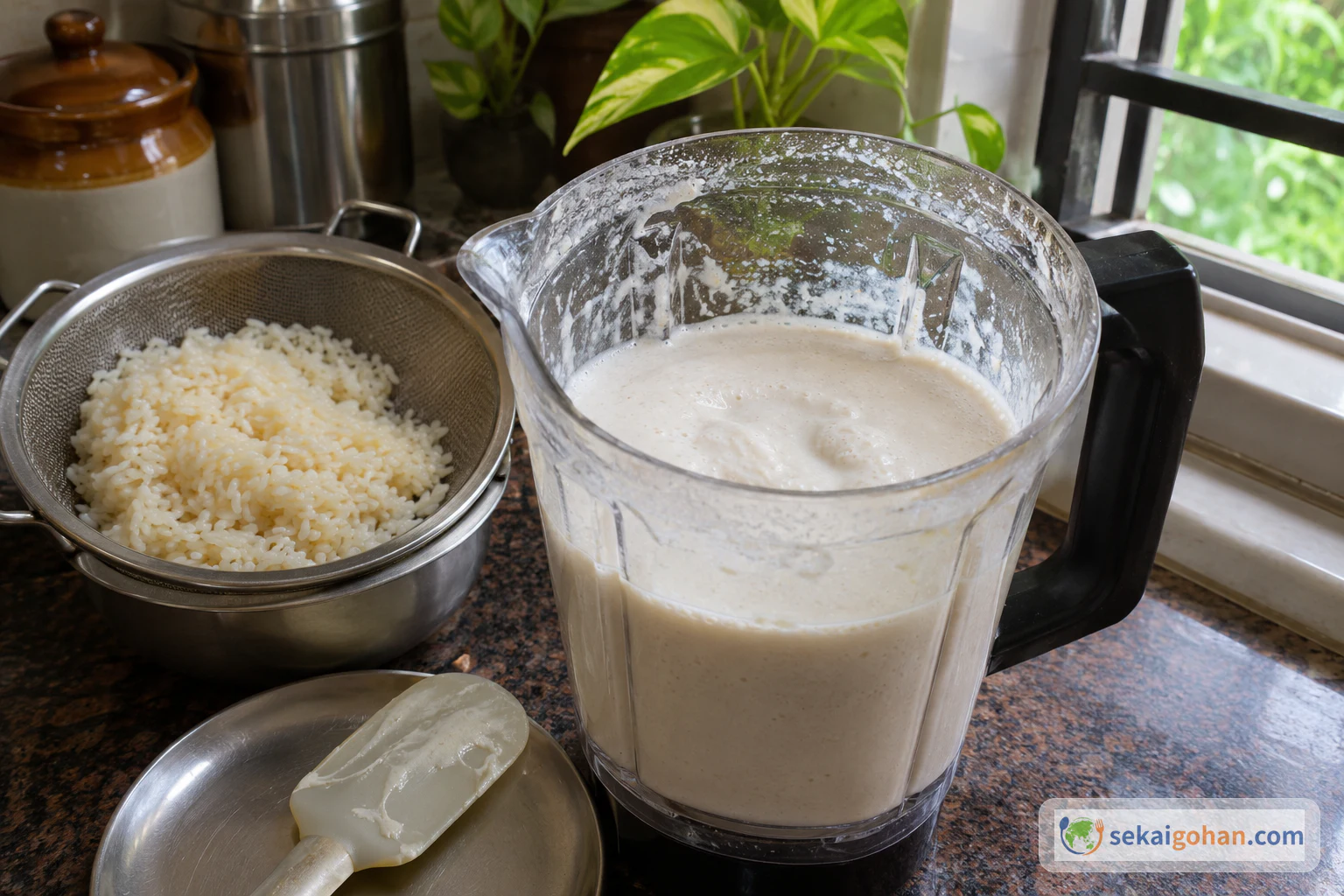
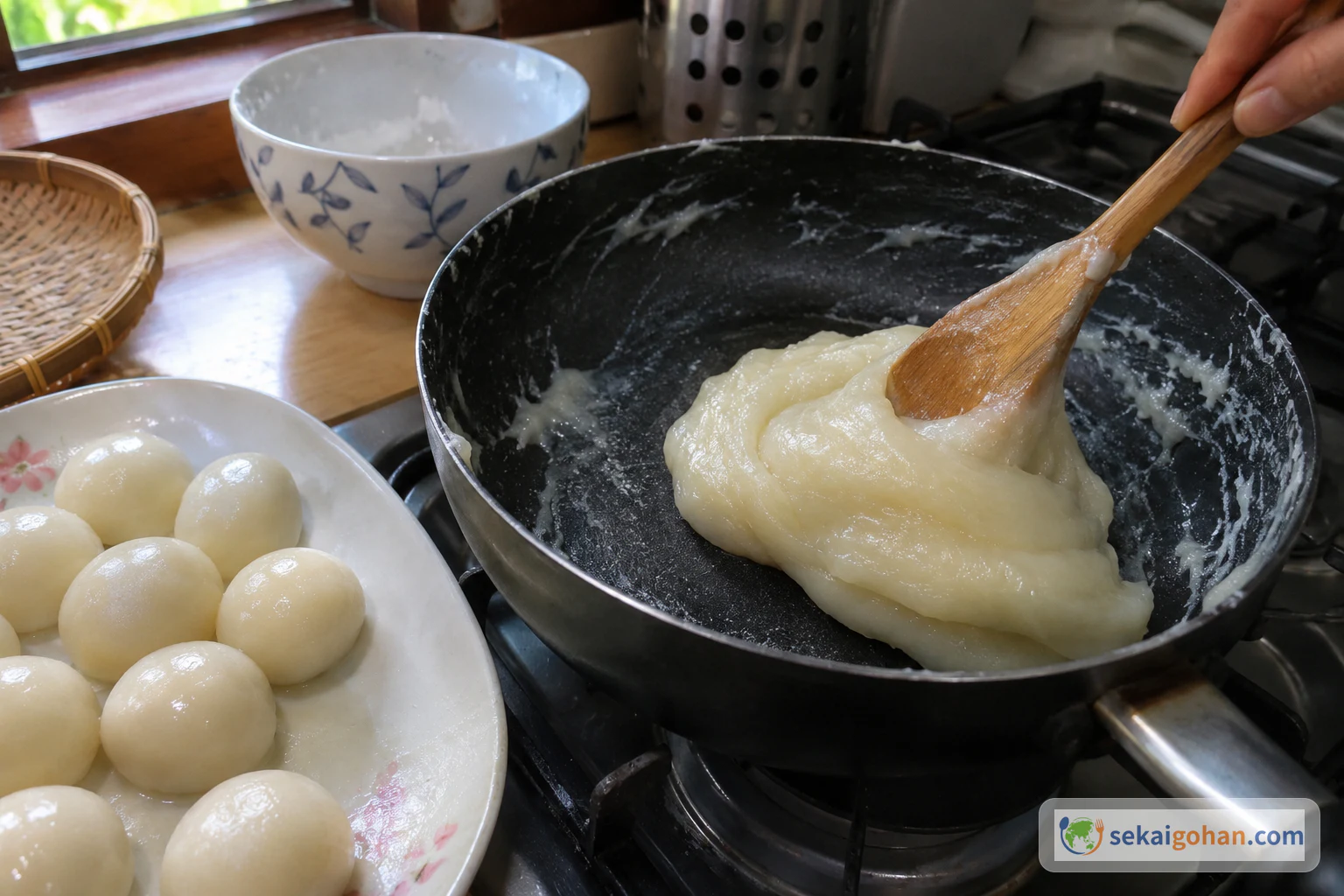
The work starts much like idli. Parboiled rice is soaked and ground to a smooth batter of about the same thickness. After that the two dishes part ways. Idli batter is steamed in its moulds and eaten as soft cakes, and the rice-and-lentil batter for dosa is fermented and spread on a hot griddle. Sevai batter is cooked in a pan until it becomes a dough, shaped into balls, steamed, and then pressed while it is still hot. The steaming comes before the pressing, and the timing at the stove depends on it. A steamed ball presses easily only while it is warm, so you press one ball at a time and keep the rest in the steamer.
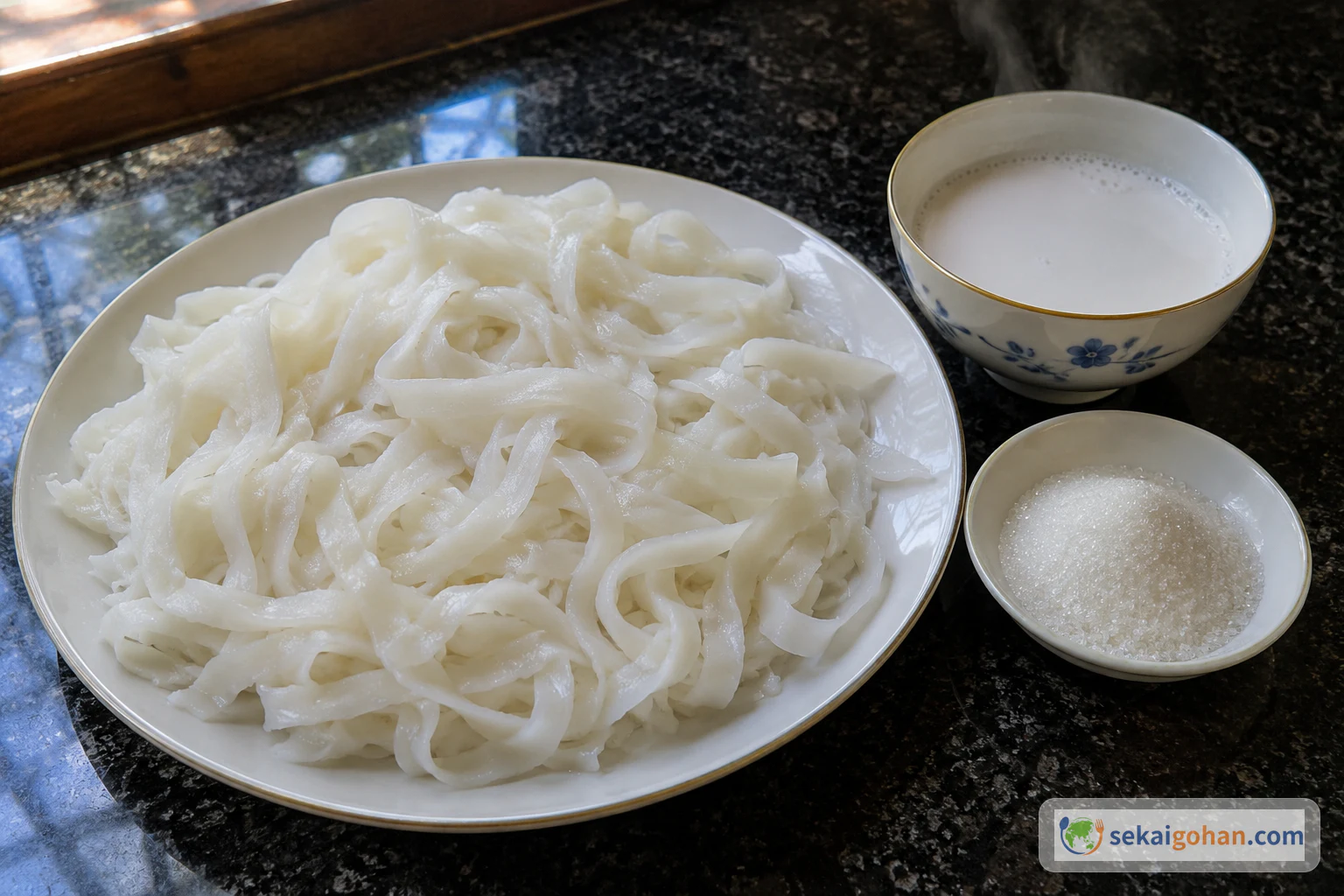
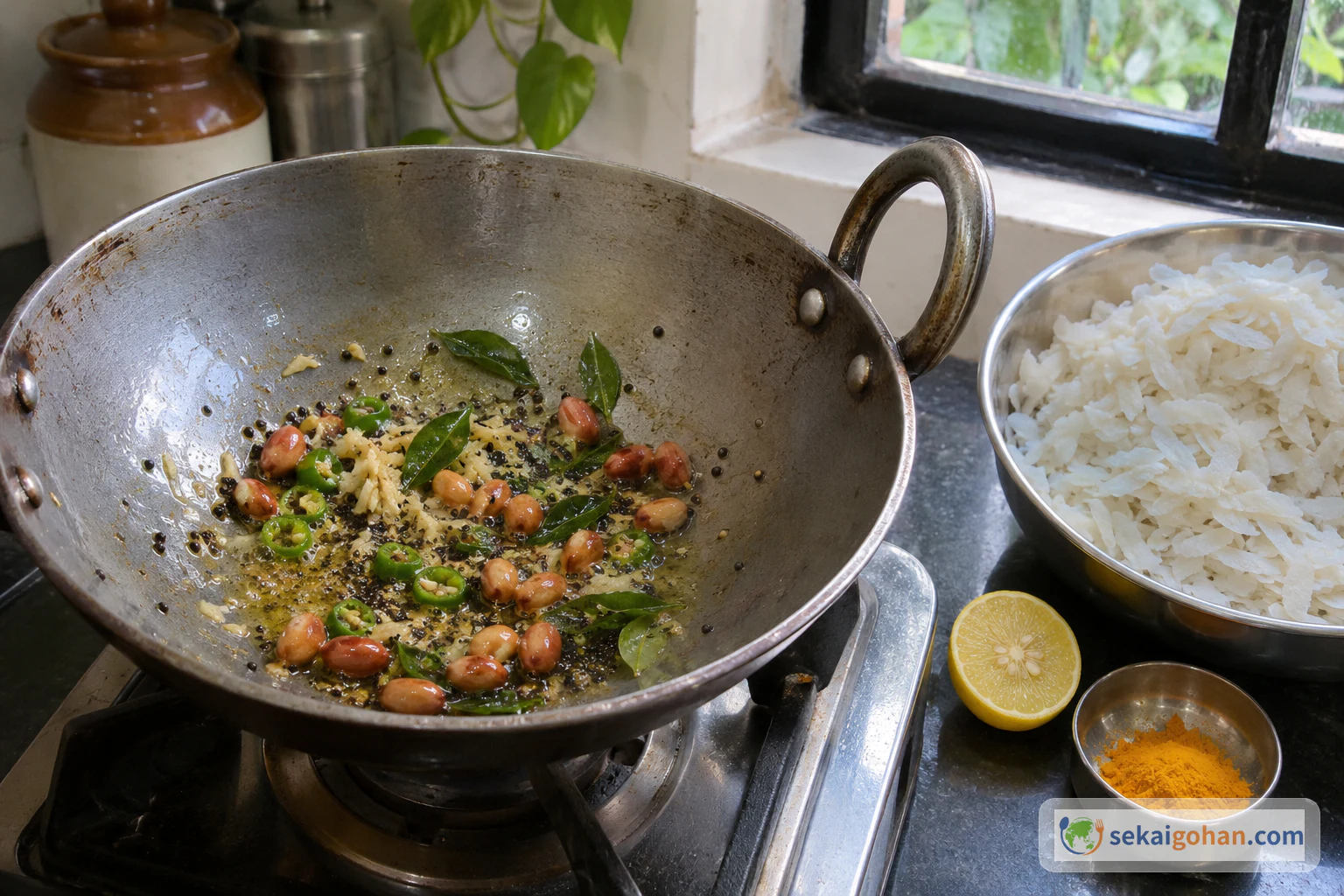
The plain noodles are only half the dish. Lemon sevai is served as a light meal in Tamil homes. The cooled noodles are broken up and tossed in a pan of sesame oil with popped mustard seeds, peanuts, ginger, green chilli, curry leaves and turmeric, then sharpened with lemon juice. The sweet way is simpler. The noodles go on the plate with sugar and warm coconut milk alongside. Because pressing sevai by hand takes real time and effort, dried rice sevai and instant rice noodles are now widely sold, and some cooks skip the from-scratch version and break up ready-made idiyappam for lemon sevai.
The two use the same press, and in some kitchens and sources the names are used for the same thing. As a dough they are different. For sevai, soaked parboiled rice is ground, cooked into a dough, steamed as balls and then pressed. For idiyappam, roasted rice flour is kneaded with hot water, pressed first and then steamed, and it is usually served Kerala-style with coconut on top.
Ingredients (serves 3)
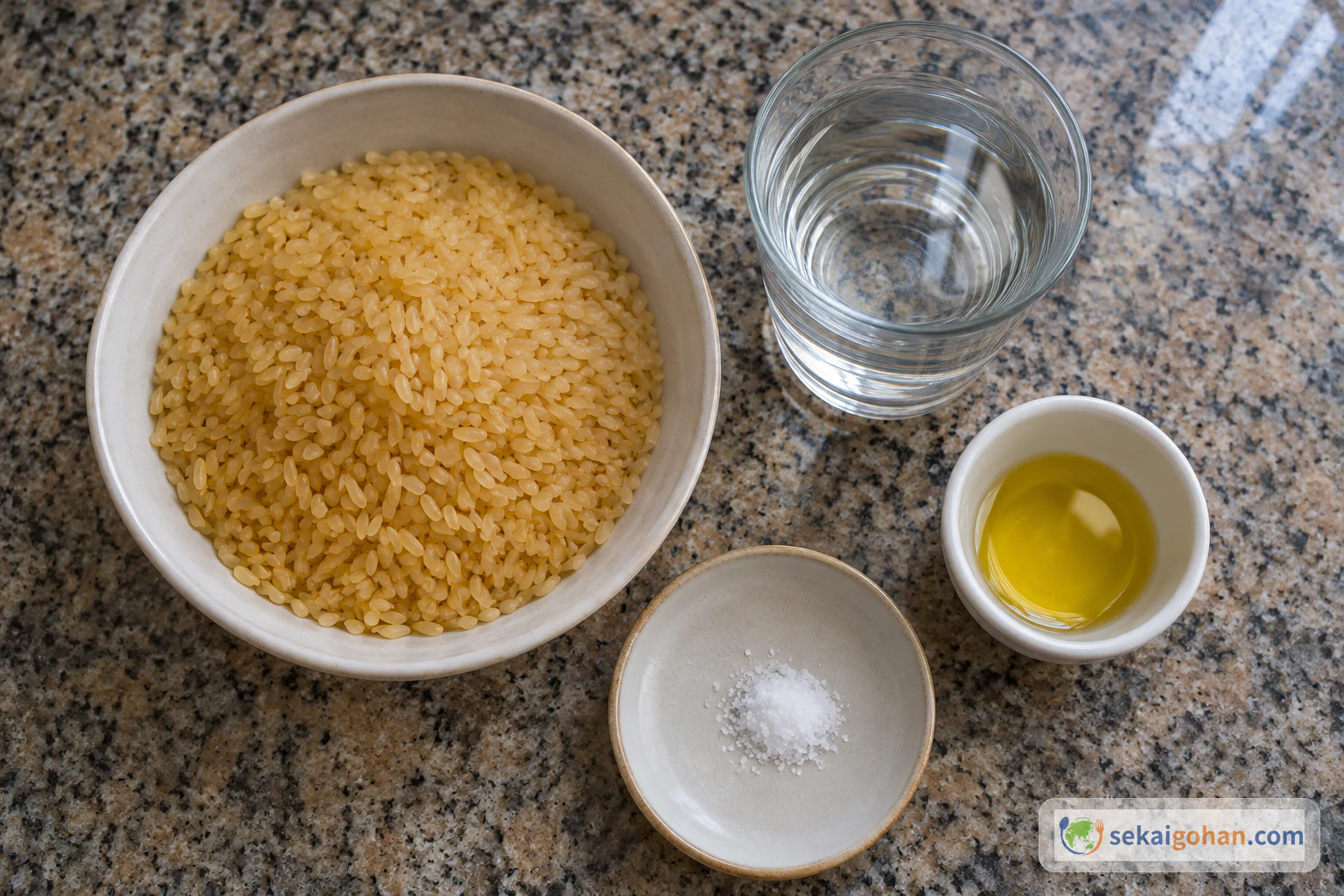
The noodles need very little: rice, salt, oil and water. The lemon seasoning is a separate set of ingredients for the whole batch of pressed noodles. Taste and adjust the lemon and salt at the end, because how sharp you like it is up to you.
Lemon sevai contains peanuts and sesame (in the sesame oil). The plain noodles are rice, salt, cooking oil and water. Check the label on your cooking oil.
Grinding the soaked rice completely smooth matters more than anything else in this recipe. Any grit left in the batter stays in the dough, and the strands tear in the press.
Equipment
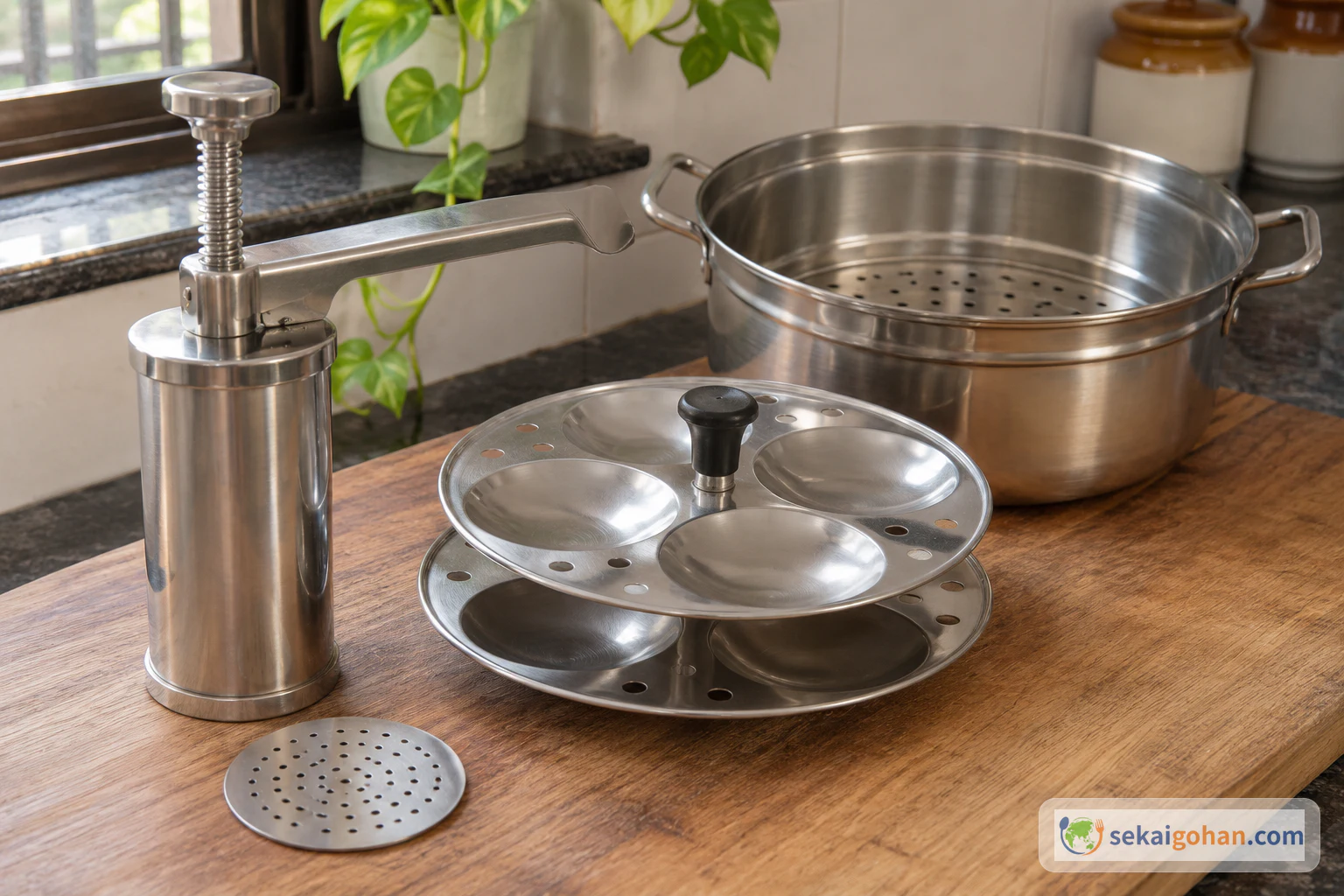
- Blender or wet grinder
- Small heavy pan and a wooden spoon
- Steamer with idli plates (or a heatproof plate that fits the steamer)
- Sevai press (sevai nazhi) or another sturdy hand press
- Large plate for pressing onto and cooling
- Kadai or wok for the lemon tempering
Choosing and Substituting
Parboiled rice is the one thing to keep. Look for it at Indian grocers or online, often labelled idli rice. The uncooked grains are golden-tan. Ordinary white rice is not parboiled and does not give the same texture, so the noodles come out differently. Rice from different growers also behaves a little differently, so judge the batter by its thickness and the dough by how smooth it feels, and treat the amounts as your starting point.
Fresh curry leaves are sold at Indian grocers. They give the tempering its smell. Without them the lemon sevai still works, but it tastes flatter and less like South India. Sesame oil is the usual oil for the tempering. Any neutral cooking oil works for the dough itself. Black mustard seeds and green chillies are sold in the same shops. What makes sevai taste like sevai is ground parboiled rice, steamed first and pressed hot. The seasoning can move with your kitchen.
Method
Start with the 3-hour soak, which needs no attention. After that the work is steady, and timing matters: the pan cooking, the shaping, the steaming and the pressing follow one after another without a break. Have the steamer, press and a large plate ready before the dough goes into the pan. Cool the noodles completely before seasoning them. If you are making them for dinner, you can press them hours earlier.
The steamer is your holding oven. Take out one ball at a time and leave the others covered over the hot water. A ball left on the counter cools and stiffens, and then it is hard to press.
Toss the noodles only after they have cooled. Cooled noodles hold their strands in the tempering. Hot ones are softer and clump together.
Handle the steamed balls with oiled fingers or tongs, and press over a plate rather than your hand. Mustard seeds spit as they pop and curry leaves spatter when they hit hot oil, so keep your face back from the kadai.
When It Goes Wrong
| What you see | Why | What to do |
|---|---|---|
| The batter feels gritty between your fingers | The rice is not ground enough | Stop, scrape down the blender and grind again until smooth |
| The dough cracks when you roll the balls | It has not been kneaded enough | Oil your hands again and keep kneading until the surface is smooth |
| The press is hard to turn and the strands break | The ball has cooled | Put it back in the steamer to heat through, then press it hot |
| The noodles are sticky and too soft | Too much water in the batter, or the balls were not fully steamed | Next time grind with less water and give the balls the full 15 minutes of steam |
| The lemon sevai tastes flat | Not enough acid or salt | Add lemon juice and salt a little at a time, tossing and tasting |
Serving and Storage
On the table
Sevai is tiffin food: a light evening meal or a snack, set out in a big shared plate or in single portions. The two ways in this recipe pull in opposite directions. Sweet sevai is the plain cooled noodles with sugar and warm coconut milk, soft and mild. Lemon sevai is sharp, hot and crunchy, the turmeric-yellow strands full of popped mustard seeds and peanuts. You can also season the plain noodles any way you like, since they take on whatever they are tossed with.
Making ahead and leftovers
Eat sevai on the day you make it. To have it ready for dinner, press the noodles in the morning or afternoon, keep them plain, and season them just before serving. If plain noodles need warming, steam them briefly.
Frequently Asked Questions
Can I use dried rice noodles instead?
Yes. Dried rice sevai and instant rice noodles are sold widely and make a quick lemon sevai. Cook them as the packet directs, cool them, and pick up from the tempering step. The texture and the rice aroma are different from freshly pressed noodles.
Do I need a sevai nazhi?
A sevai press is made for exactly this job, but any sturdy hand press works. A press-style noodle maker with a fine disc can also stand in. It needs to be strong enough to push hot, firm dough through without the handle bending.
Can I make lemon sevai without peanuts?
Yes. Leave them out and keep the rest of the tempering the same. You lose the crunch against the soft noodles, but the lemon, chilli and curry leaves still carry the flavour.
Can I use another oil instead of sesame oil?
Any cooking oil works for the tempering, and that is the swap to make for anyone with a sesame allergy. Sesame oil gives a deeper, nuttier smell. A neutral oil lets the lemon and curry leaves stand out more.