
Recipes (24)
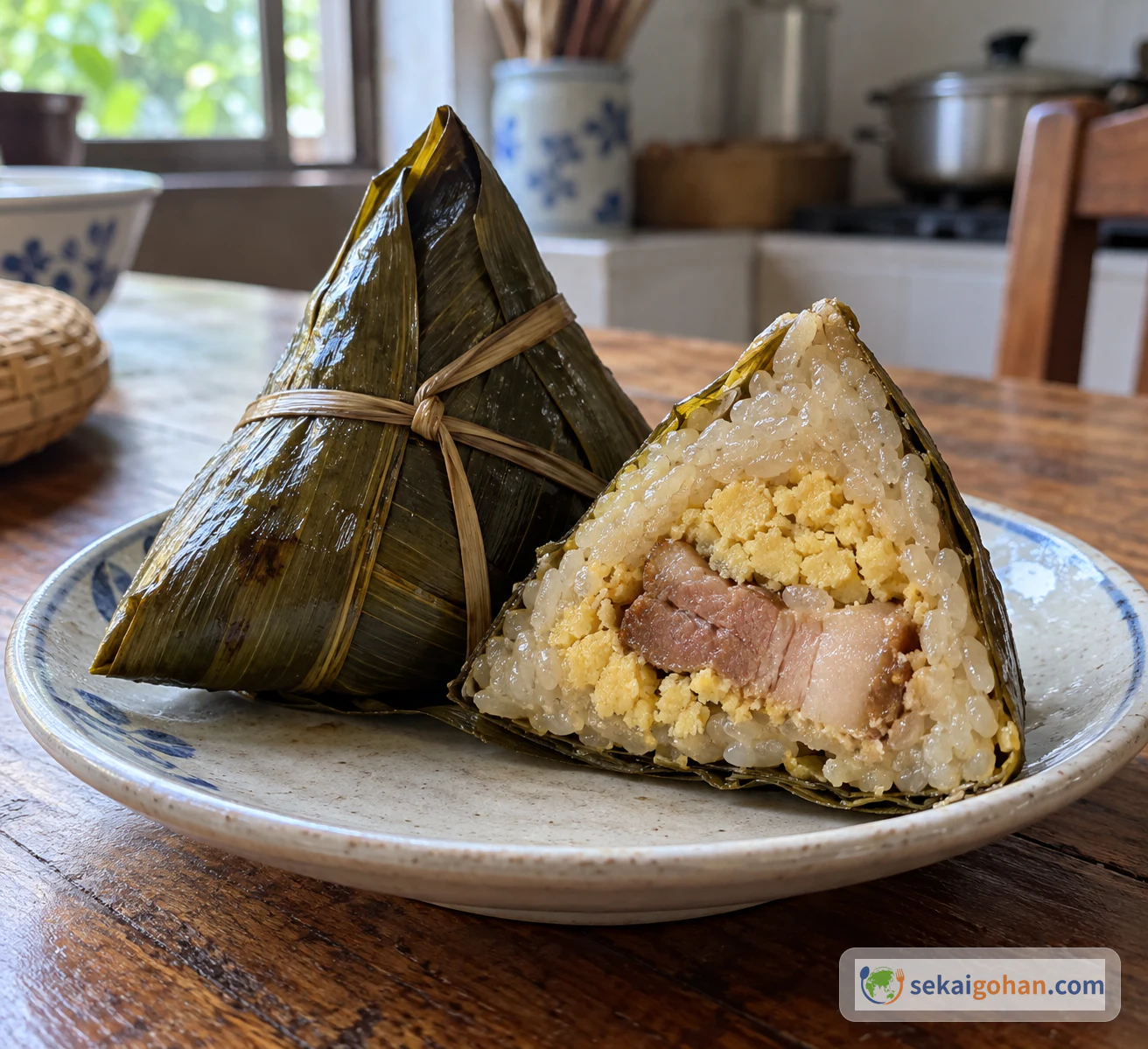
Bánh Ú: Vietnamese Pyramid Sticky Rice Cakes with Pork and Mung Beans
How to make bánh ú, the small Vietnamese pyramid cakes of sticky rice, pork belly and mung beans wrapped in banana leaf. Covers soaking, folding the leaf cone, layering, pressure cooker and stockpot times for 12 small cakes, and how this version differs from ash-soaked bánh ú tro.
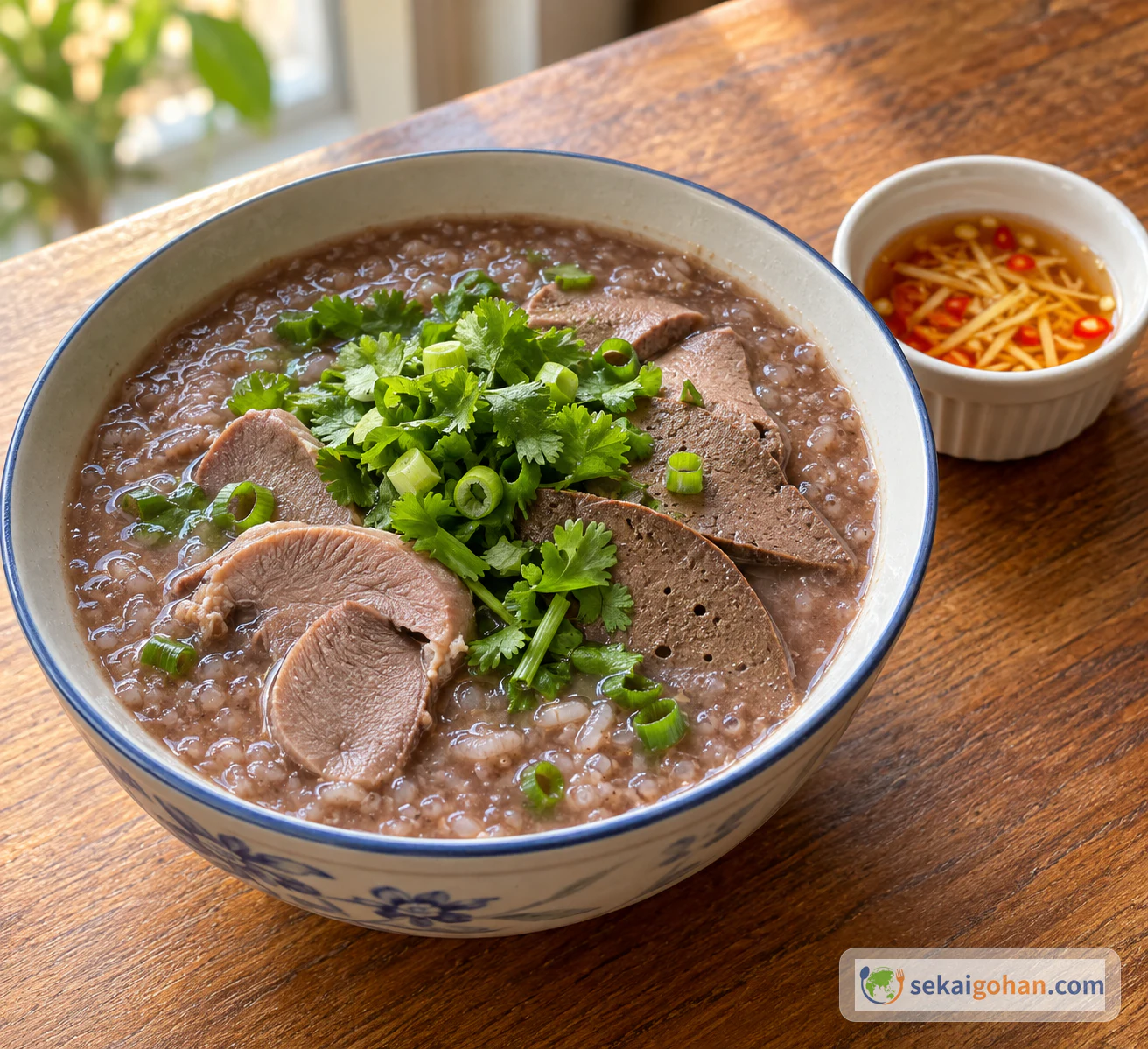
Cháo Lòng: Vietnamese Pork Organ Porridge with Liver and Tongue
How to make cháo lòng, Vietnamese rice porridge cooked with crumbled raw congealed pork blood and topped with sliced pork liver and tongue. Based on Vicky Pham's recipe for 4–5 servings, with Japan's official heating figures for pork offal and blood, and notes on buying ingredients, fixing problems, and how other versions differ.
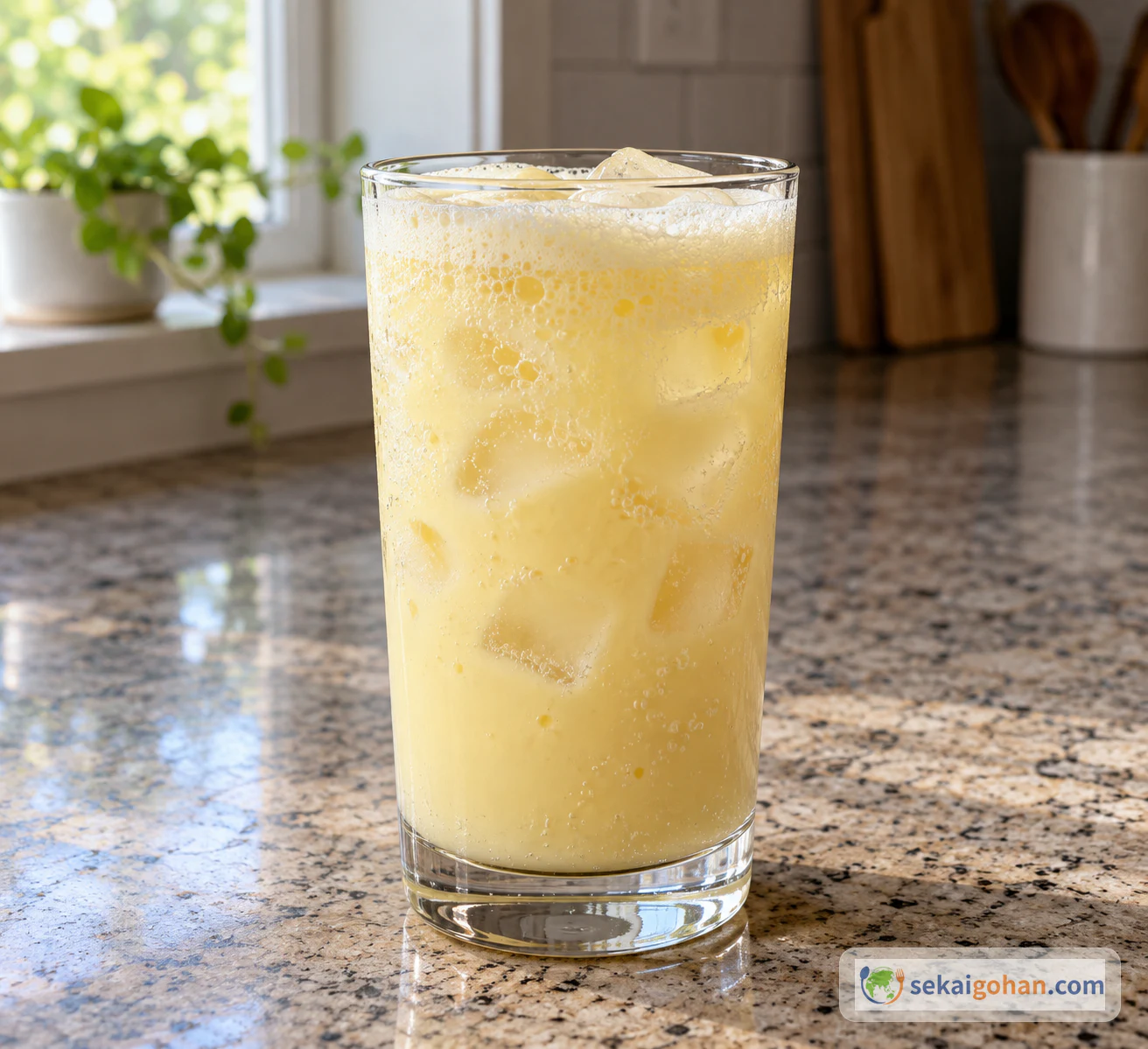
Vietnamese Egg Soda: How to Make Soda Sữa Hột Gà
A one-glass recipe for Soda sữa hột gà, the Vietnamese egg soda made with club soda, sweetened condensed milk, an unheated egg yolk and ice. Includes hand-mixing options, when to strain, public guidance on raw eggs, and how other cooks' versions differ.
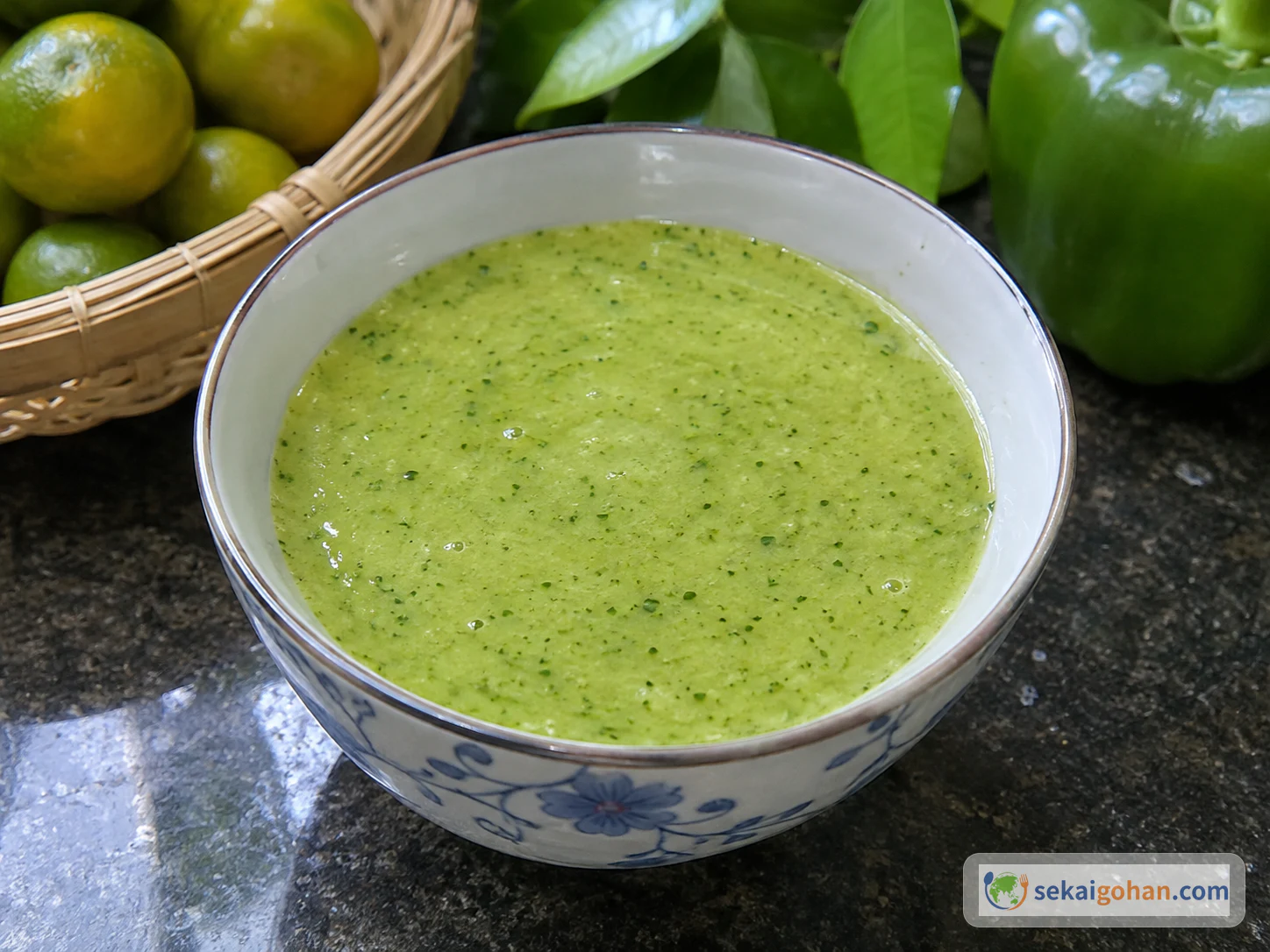
Muối Ớt Xanh: Vietnamese Green Chili Dip with Tắc and Condensed Milk
How to make one blended version of muối ớt xanh, a Vietnamese green chili dip with tắc juice, citrus leaves and sweetened condensed milk. Covers the two-stage juice method, what each swap changes, uses with cooked seafood and chicken, and food-safety guidance for this no-heat sauce.
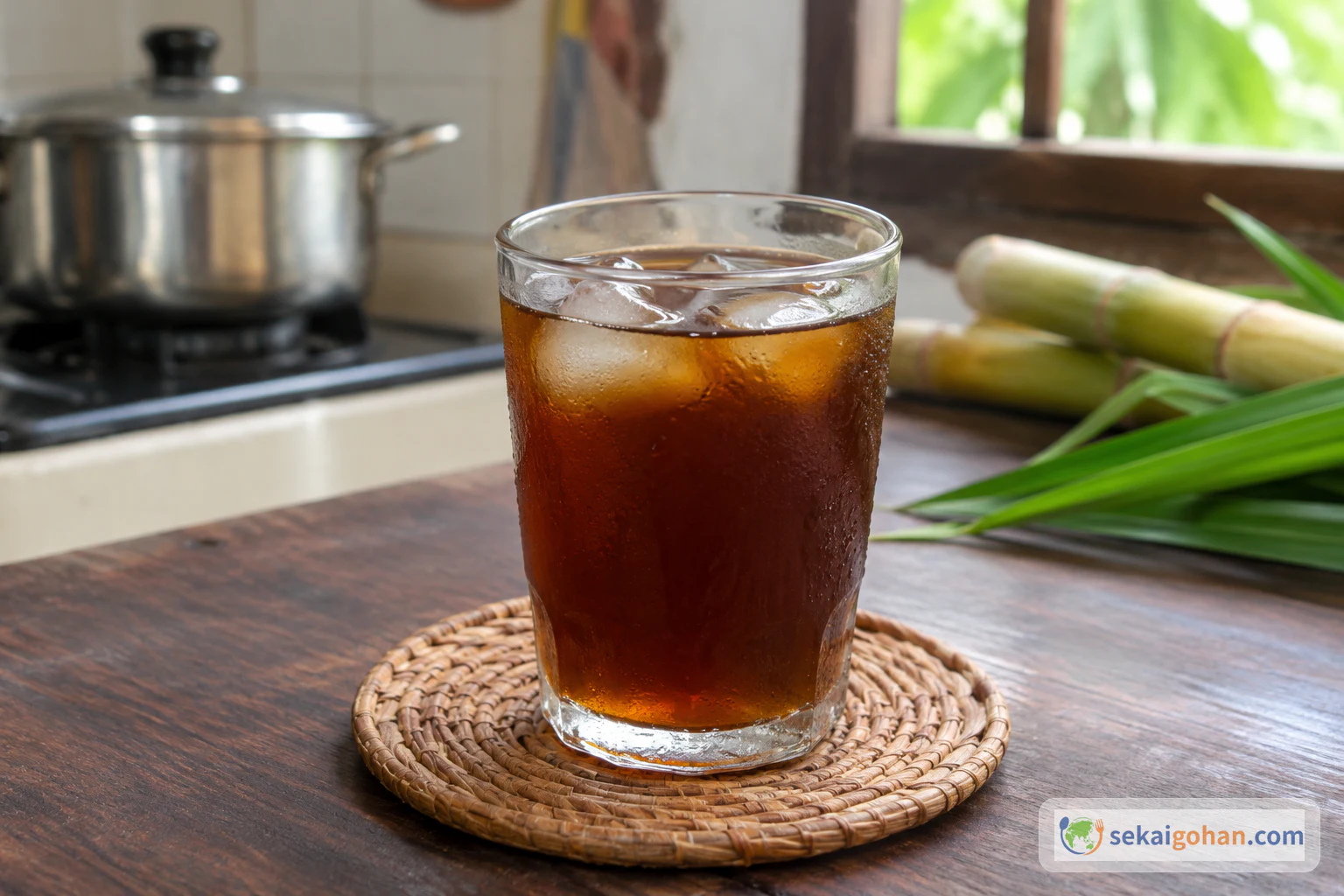
Nước Sâm: Vietnamese Herbal Drink Simmered with Sugarcane and Chrysanthemum
How to make nước sâm, a Vietnamese herbal drink, using plain water, sugarcane, dried chrysanthemum flowers, pandan, monk fruit and jujubes with no added sugar. Covers choosing food-labeled flowers, a gentle covered simmer, cooling in shallow containers, straining and serving over ice, along with what this recipe does not guarantee.
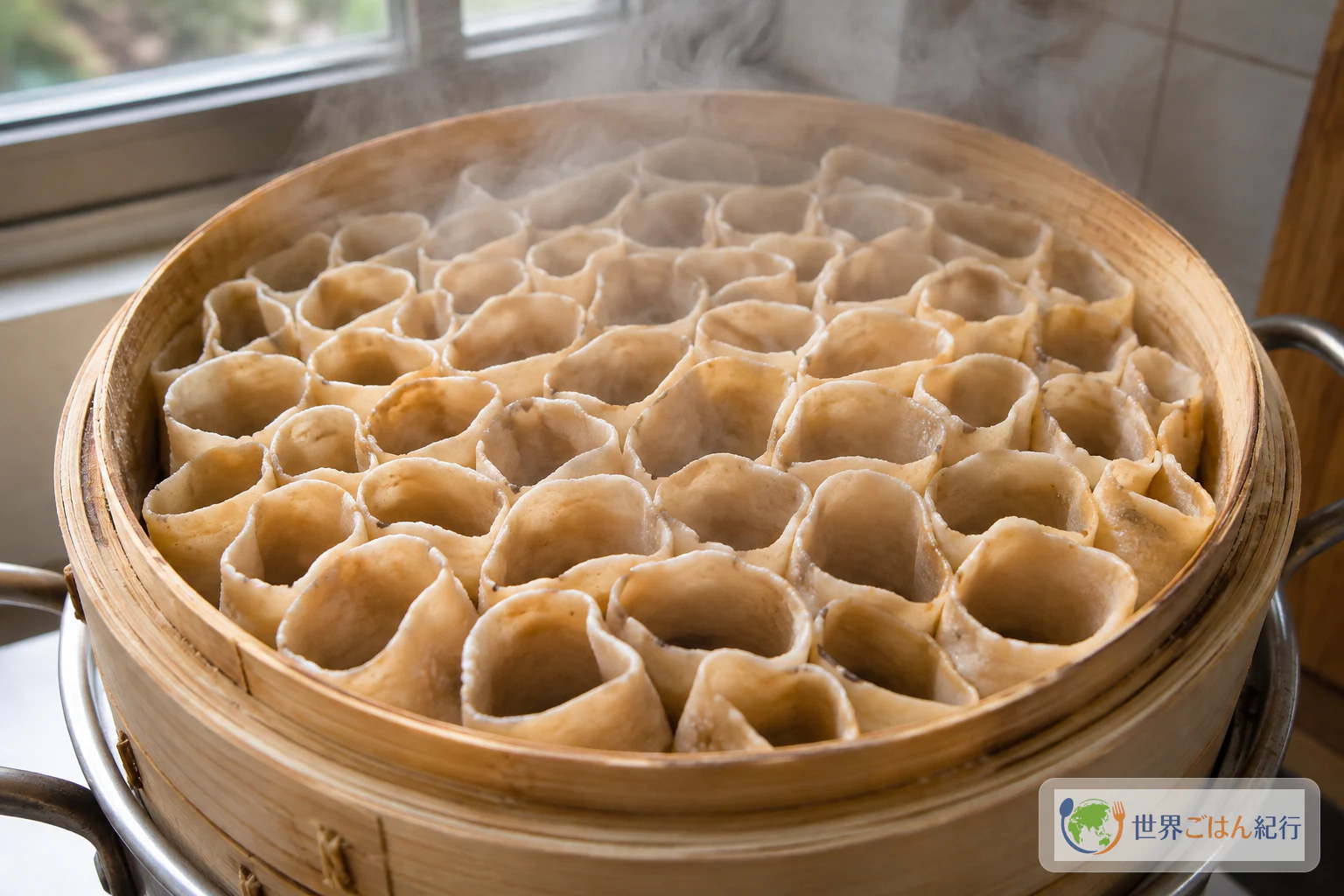
Kaolaolao: Shanxi Steamed Naked-Oat Rolls (莜面栲栳栳)
How to make kaolaolao (莜面栲栳栳), the Shanxi dish of thin naked-oat dough sheets rolled into hollow tubes, stood upright in a honeycomb and steamed. Covers the youmian (naked-oat flour) and freshly boiled water dough, safe handling of hot dough and steam, how to choose a steamer liner, and how youmian differs from ordinary oat flour and buckwheat.
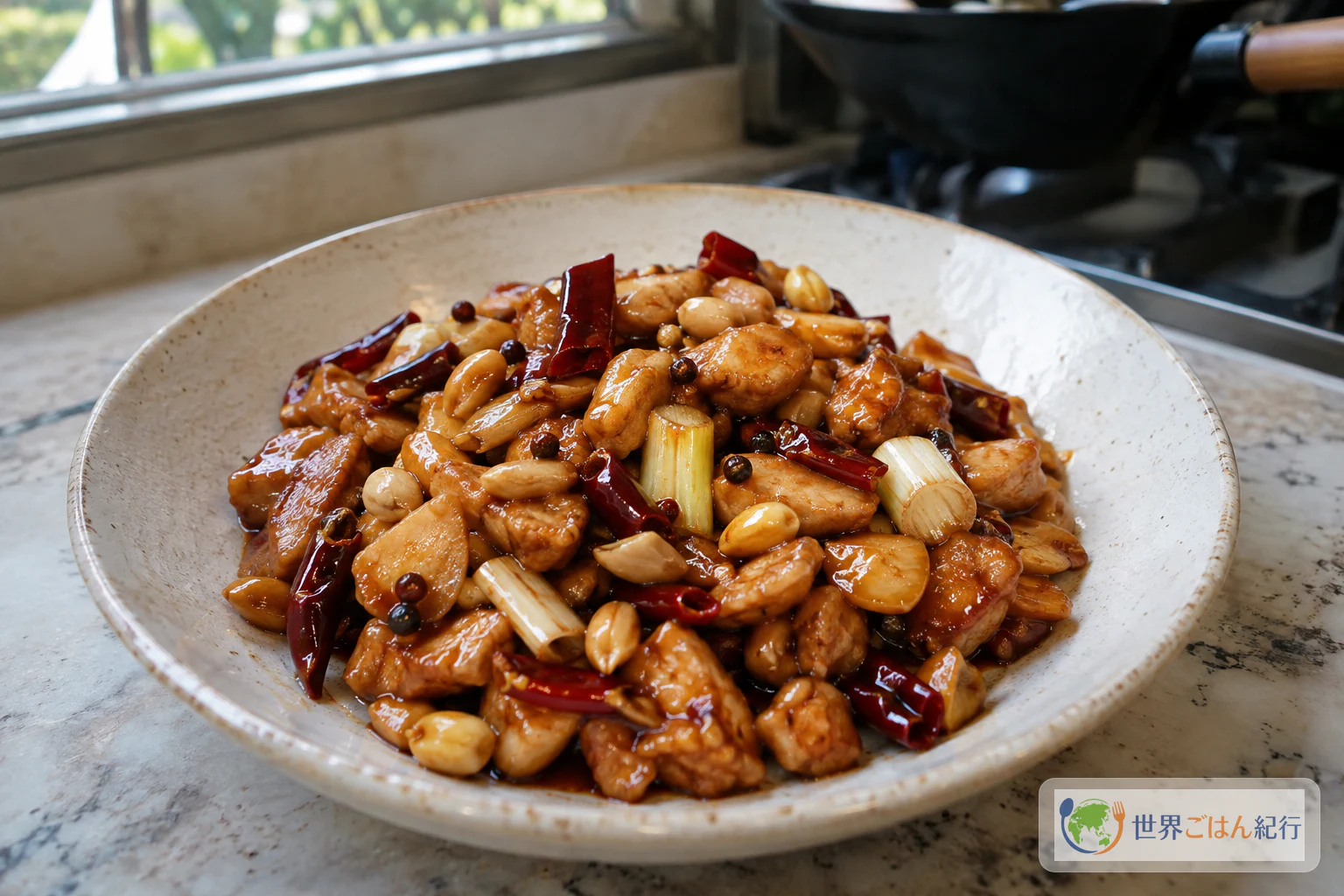
Kung Pao Chicken: A Sichuan Gong Bao Recipe (宮保雞丁)
How to make Sichuan-style Kung Pao (Gong Bao) chicken with diced chicken breast, dried chiles, whole Sichuan peppercorns, a glossy sauce with Chinkiang vinegar, and roasted peanuts, with step-by-step images, ingredient notes, and raw chicken safety guidance.
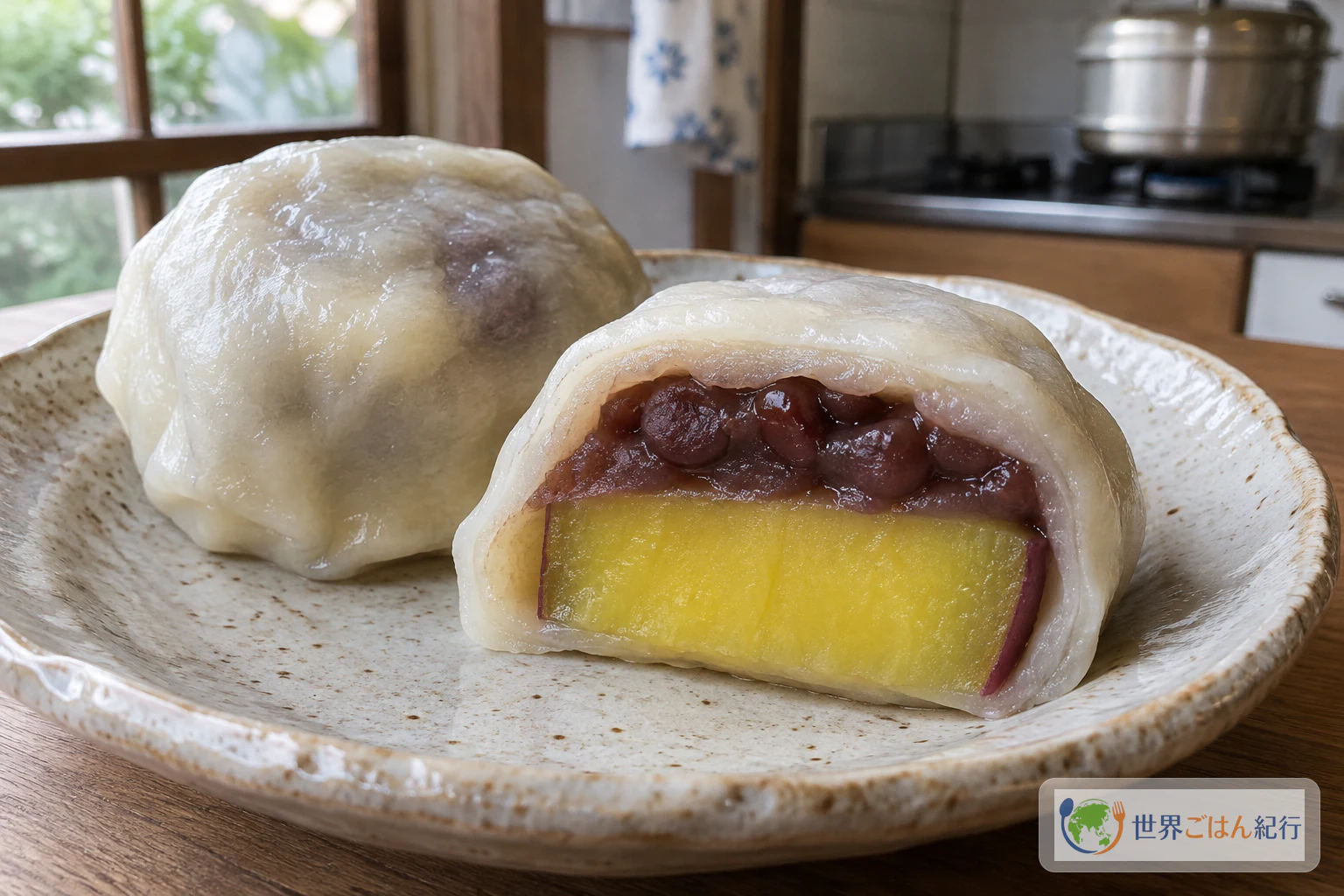
Ikinari Dango: Kumamoto's Steamed Sweet Potato and Red Bean Dumplings (いきなり団子)
How to make ikinari dango, the steamed sweet from Kumamoto, Japan: a skin-on sweet potato round and sweet red bean paste wrapped in a thin wheat and dango-flour dough. This twelve-piece version follows Kumamoto City's home recipe, with the region's names for sweet potato, how the dumpling grew from a simple potato snack into today's bean-paste version, and how to check the potato with a toothpick.
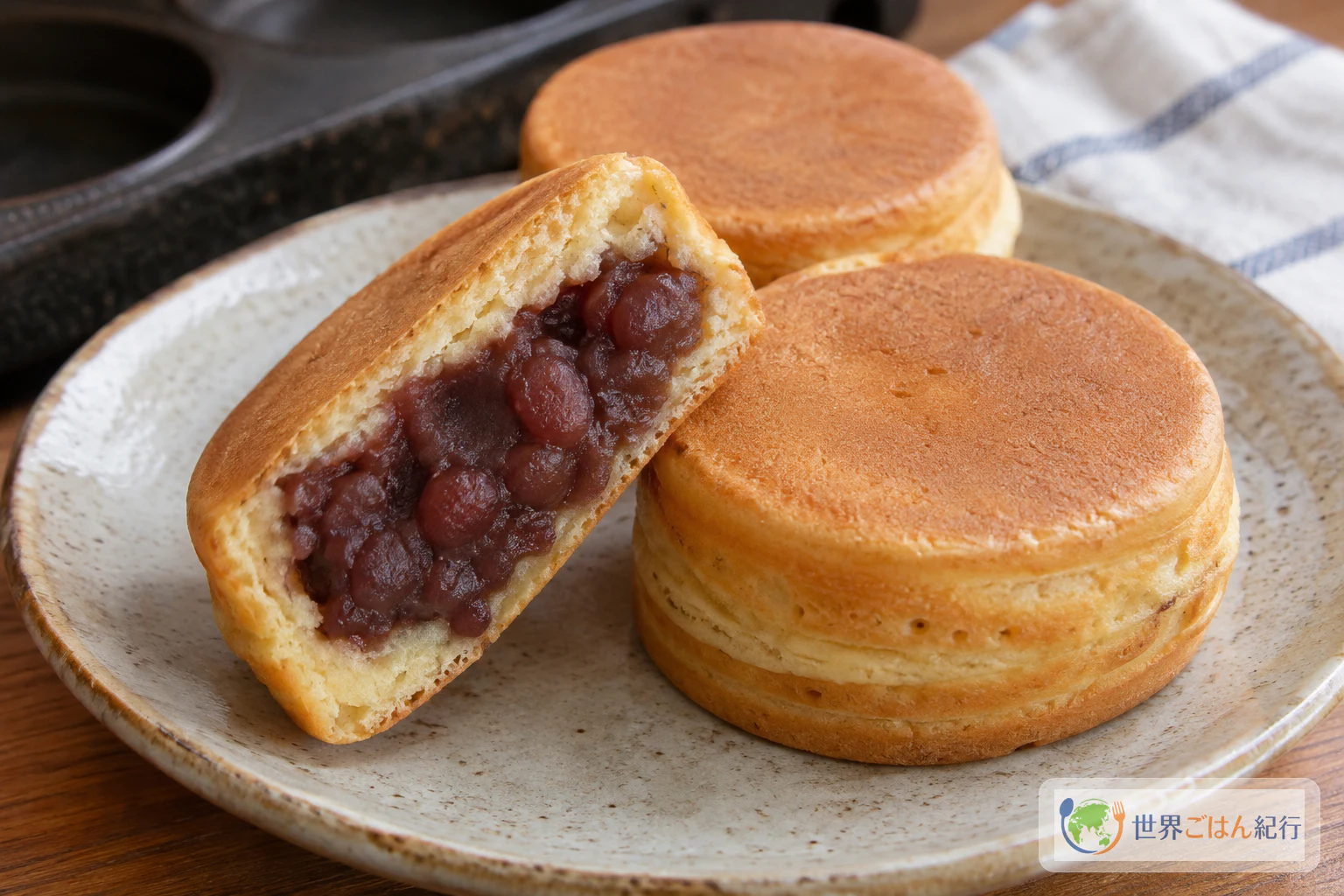
Imagawayaki: Round Red Bean Cakes Made in a Frying Pan (今川焼き)
How to make imagawayaki (今川焼き), the round Japanese cake with sweet red bean paste baked inside, at home with two 8 cm-diameter silicone molds and a lidded frying pan. Covers the batter, the shallow first layer, placing the bean paste, turning safely, what the cooking times mean, and what is known about the cake's Edo-period history.
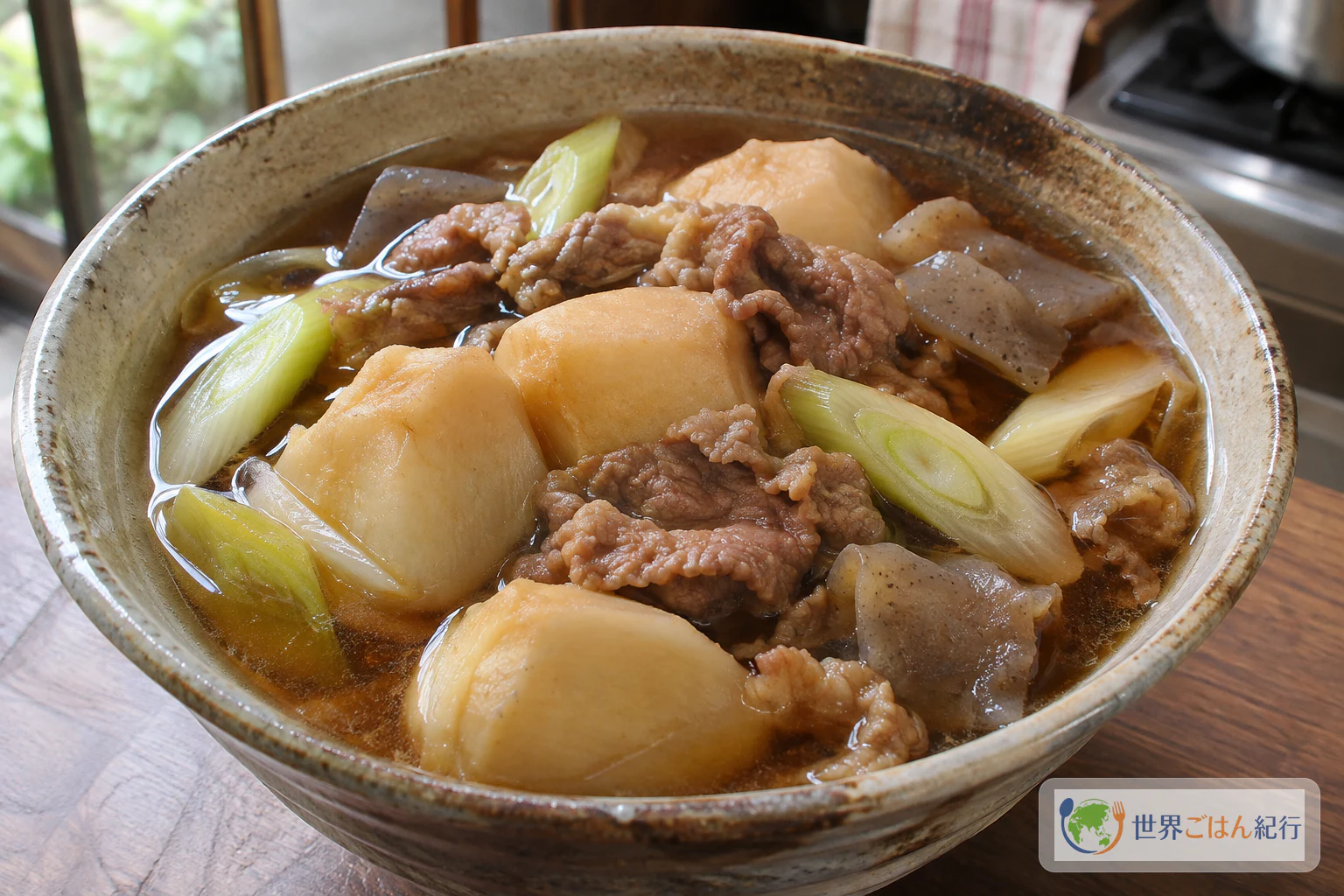
Imoni: Yamagata Inland-Style Taro and Beef Soup (芋煮)
How to make imoni (芋煮) the inland Yamagata way: taro weighed with its skin on, hand-torn konnyaku, fatty thin-sliced beef and long scallion simmered in a soy sauce, sugar and sake broth. Covers the two-stage soy seasoning, when to add the beef, how to judge the taro's softness, beef food safety, leftovers, and how inland imoni differs from Shonai's pork-and-miso pot and other regional versions.
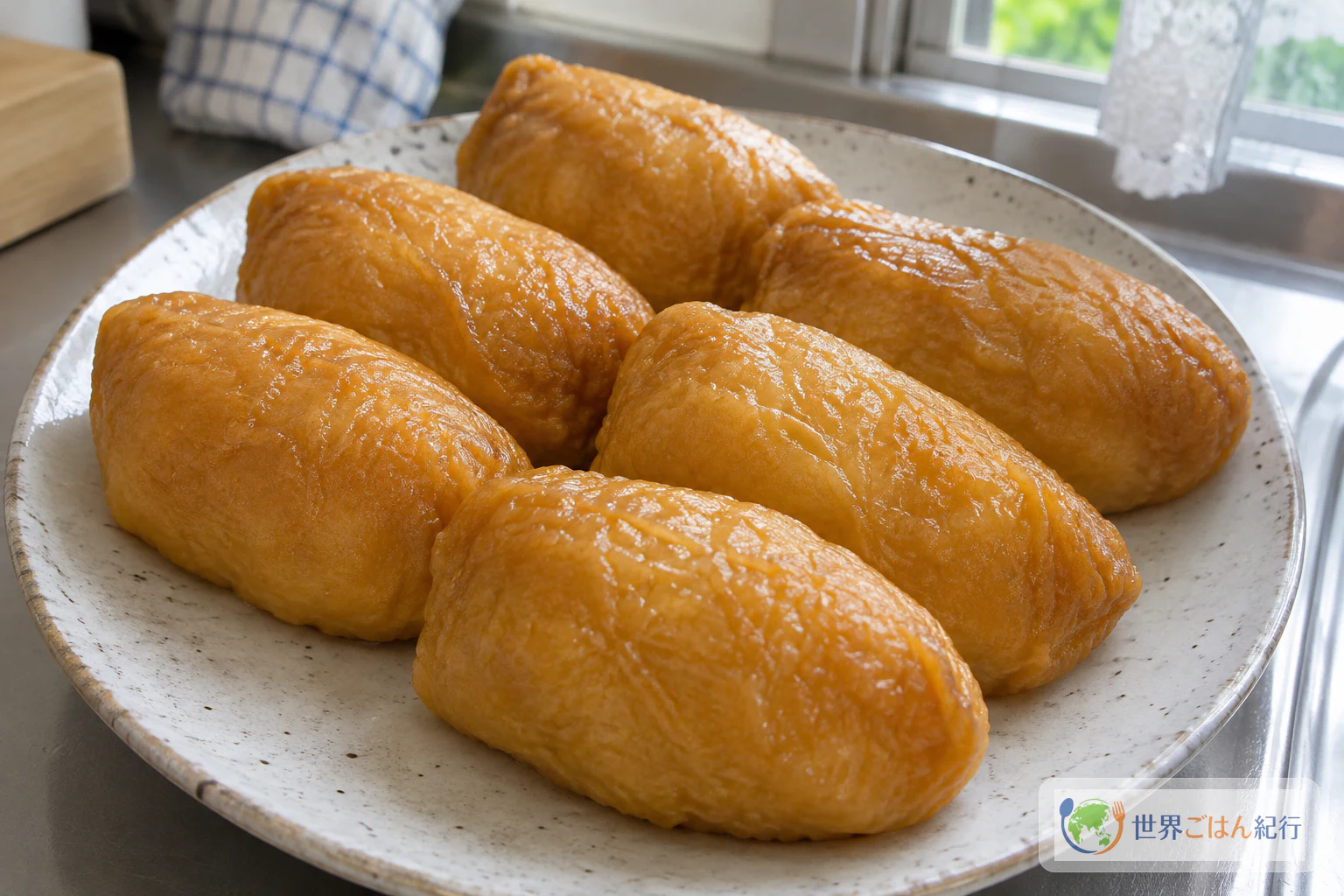
Inarizushi: Sweet-Savory Tofu Pouches Filled with Sesame Sushi Rice (いなり寿司)
How to make inarizushi, Japanese abura-age tofu pouches simmered in sweet-savory dashi and filled with sesame sushi rice, folded into an oblong shape. Ten pieces, with the rice, the sushi vinegar, oil removal, opening the pouches and the seasoning order step by step, plus regional shapes such as the red, sweet Tsugaru style.
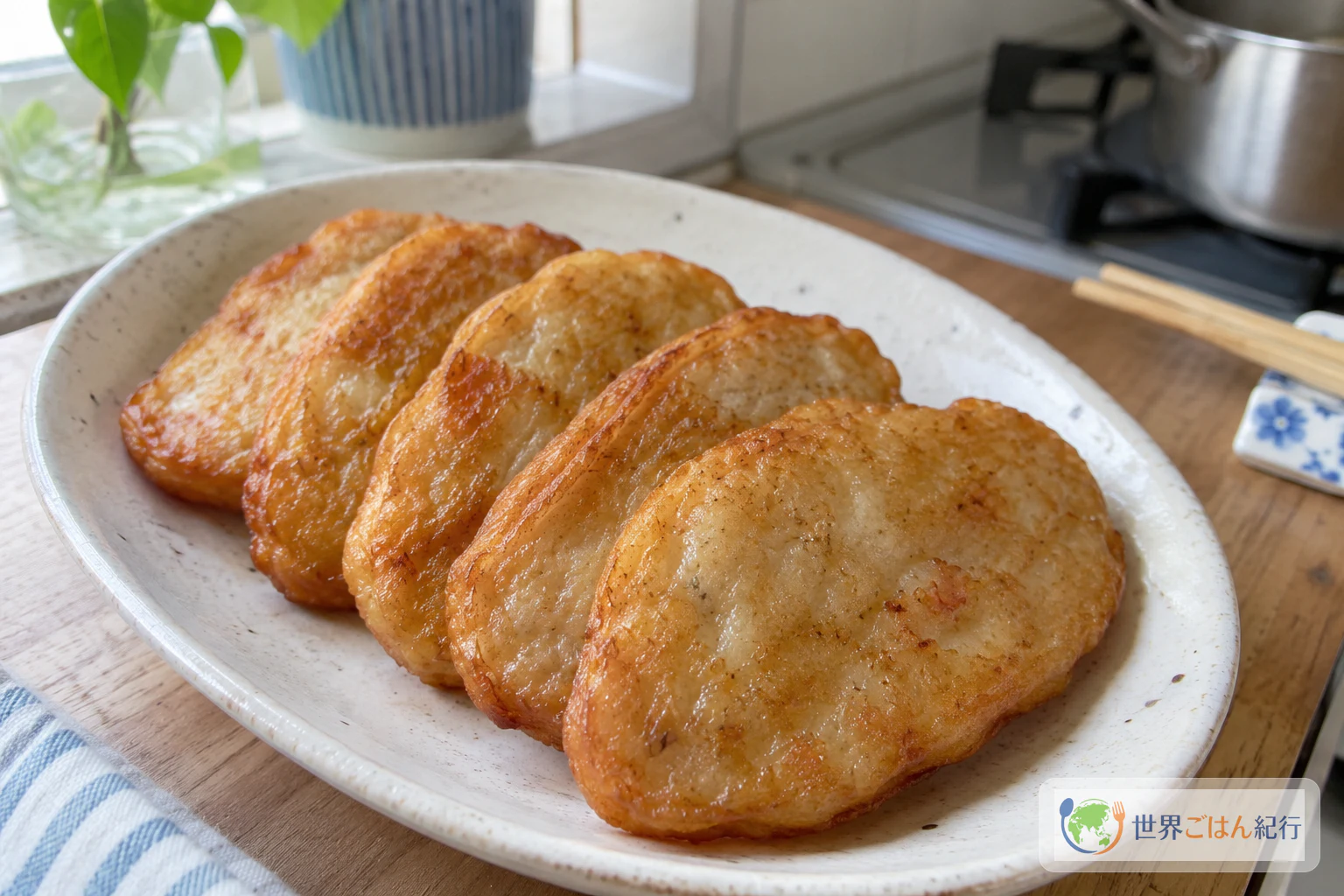
Jakoten (じゃこ天): A Home-Style Fried Fish Cake from Southern Ehime Made with Fish Skin
How to make jakoten, the fried fish-paste cake of the Nanyo region of Ehime, Japan, using a four-serving home formula of lizardfish skin and small horse-mackerel flesh. Covers making the paste, shaping the oval cakes, general frying and center-heating guides, ways to eat it, and how this home version differs from bone-in Uwajima production.
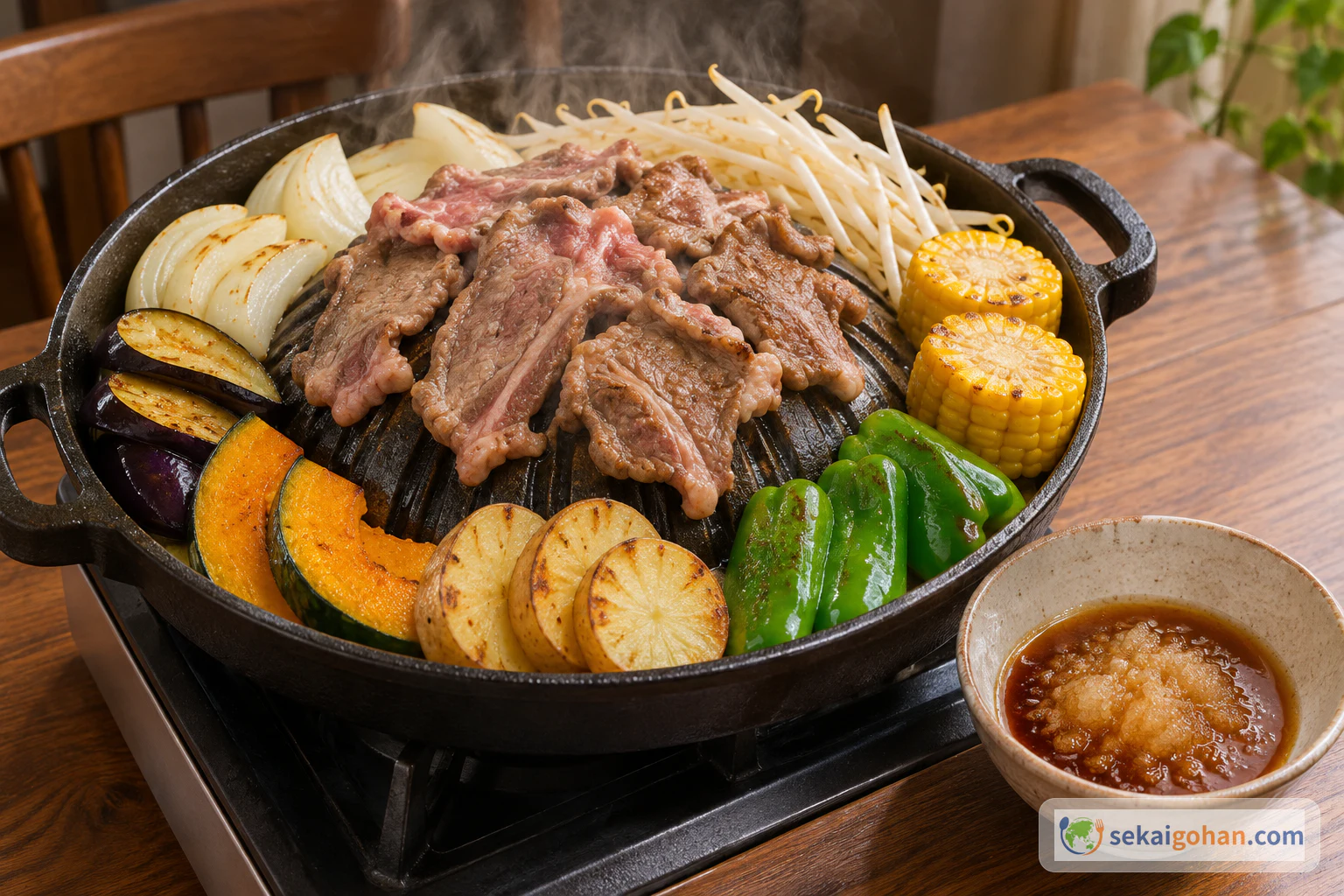
Jingisukan: Hokkaido Grilled Lamb and Vegetables with a Fruit Dipping Sauce (ジンギスカン)
How to make jingisukan the Hokkaido way: thin, unseasoned lamb and seven vegetables grilled together on a domed pan, then dipped in a grated apple, pear, garlic and ginger sauce. Covers the four-serving recipe, how each vegetable is cut, the difference between the marinated and dip-after styles, lamb versus mutton, cooking without a dedicated pan, and food-safety basics.
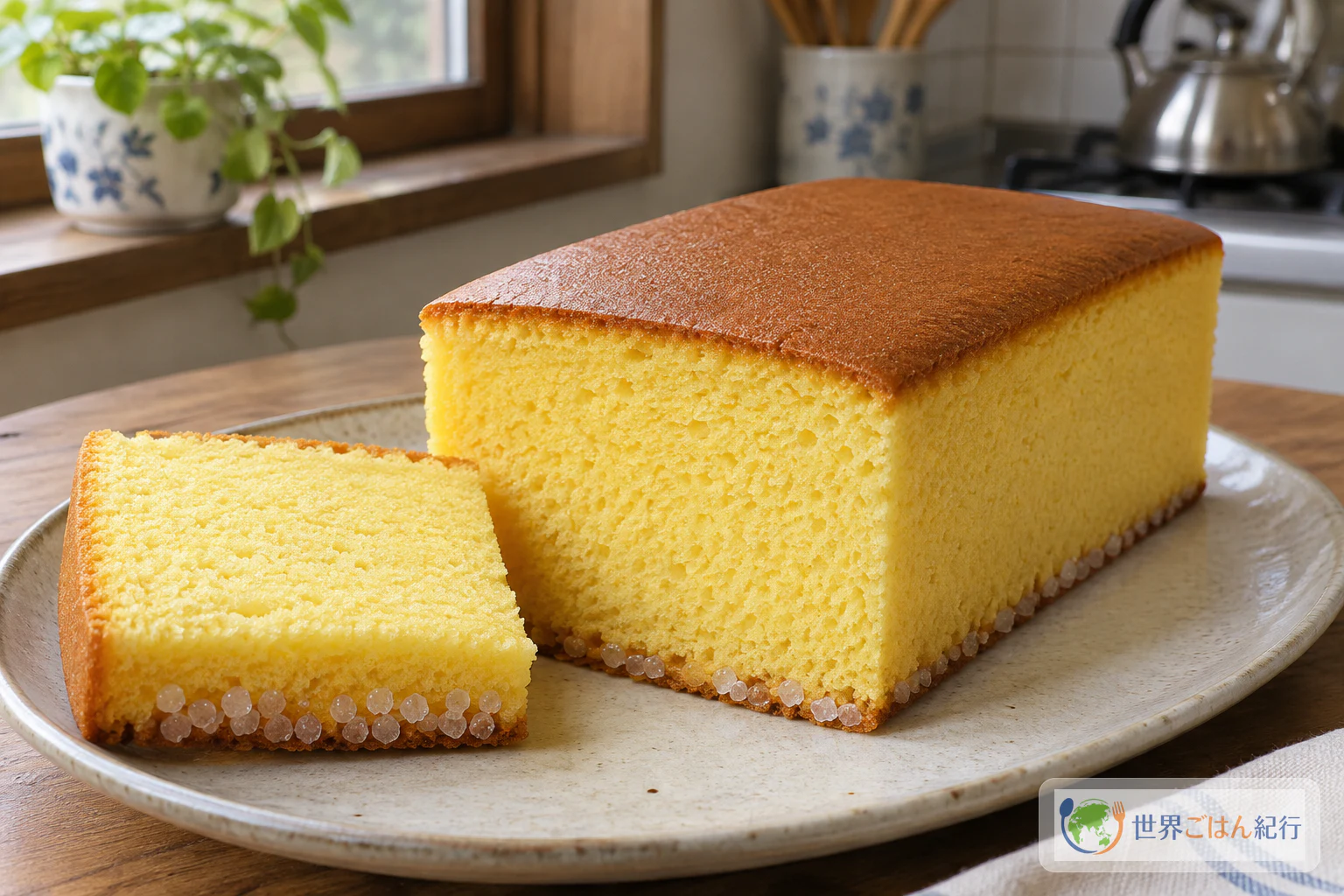
Kasutera: Japanese Home-Style Castella with Coarse Sugar on the Bottom (カステラ)
How to make kasutera (カステラ), Japanese castella, from a home recipe published by Japan's Ministry of Agriculture, Forestry and Fisheries: eggs and sugar whipped to a ribbon, honey, milk and cake flour, baked in a 24 × 13 × 4 cm pan over a layer of coarse sugar. Covers the six ingredients, how to judge each stage, the skewer test, how this version differs from Nagasaki makers' methods, and why it must not be given to babies under one.
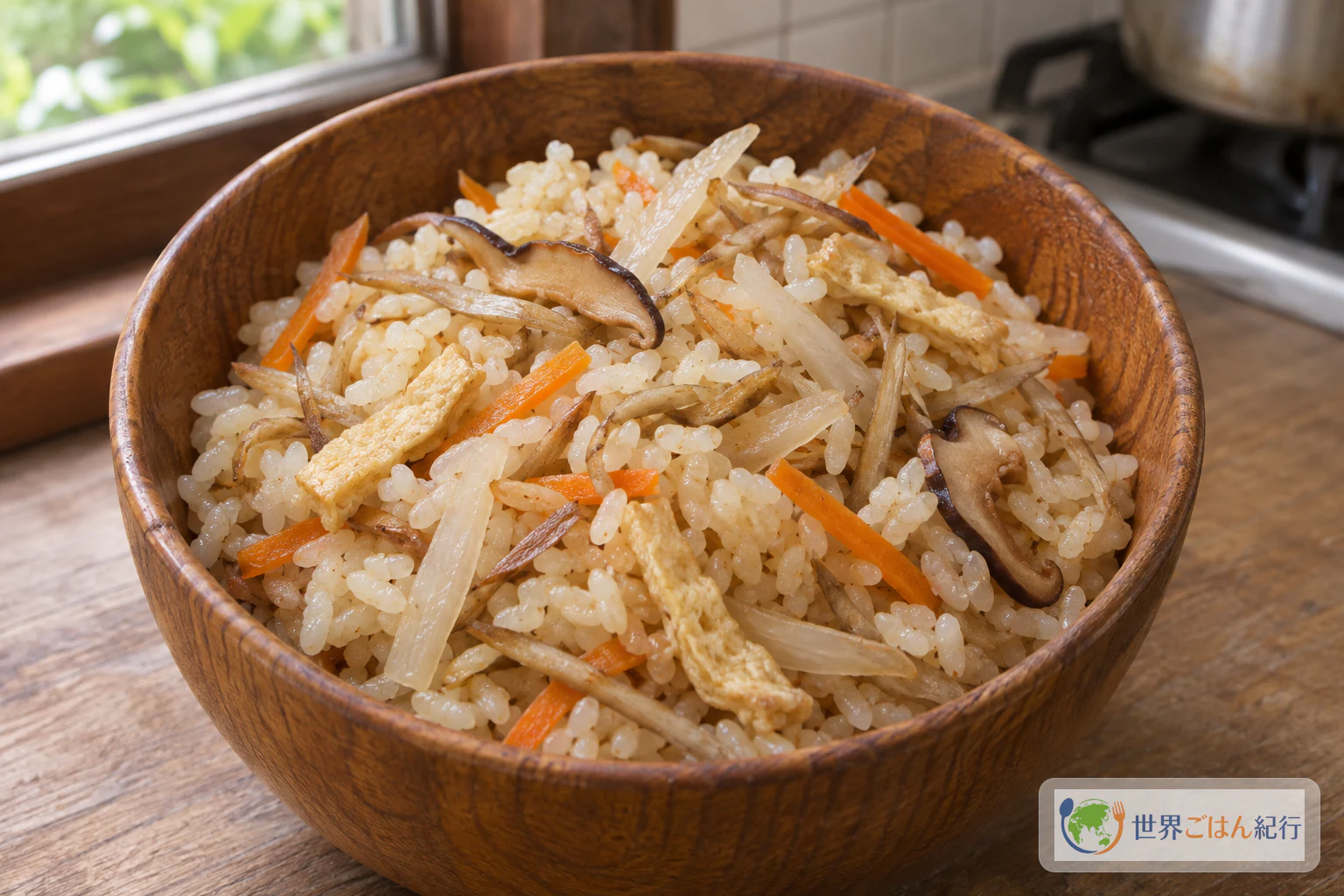
Katemeshi: Saitama Mixed Rice with Simmered Root Vegetables (かてめし)
How to make katemeshi, a home-style mixed rice from Saitama Prefecture, Japan, using a six-serving recipe from a collection of Saitama's traditional dishes. You simmer daikon, burdock, carrot, rehydrated dried shiitake and fried tofu in soy-seasoned liquid, then fold them through freshly cooked rice. Also covers where the dish is made, how regional versions differ, and simple kitchen hygiene for leftovers.
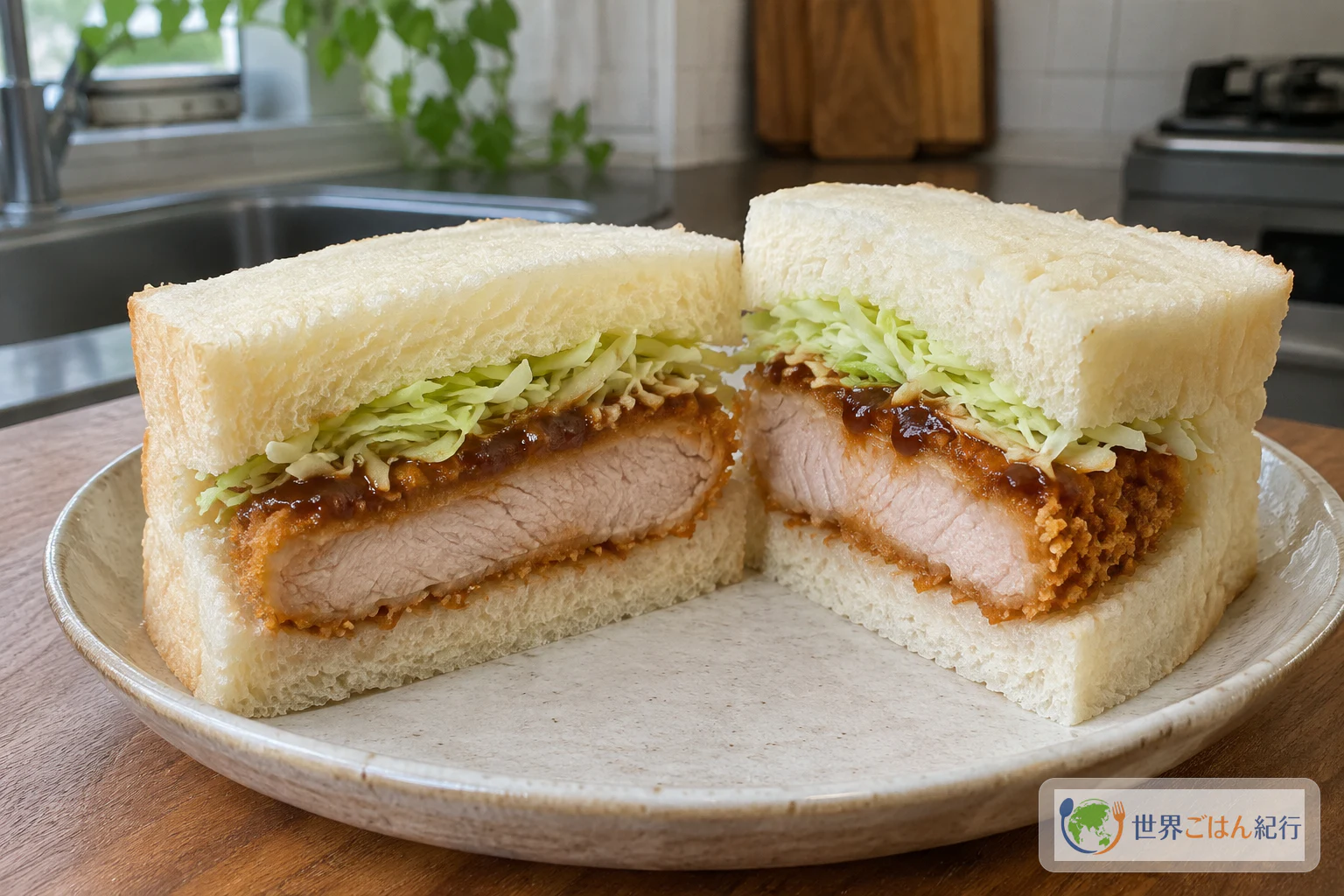
Katsu Sando: Japanese Pork Cutlet Sandwich with Oven-Baked Panko (カツサンド)
How to make katsu sando at home: a pork loin cutlet coated in pre-toasted panko and baked on a rack, layered with shredded cabbage, butter, Dijon and tonkatsu sauce between soft shokupan. Covers amounts, coating order, how to keep the bread from getting soggy, and checking the pork's center temperature.
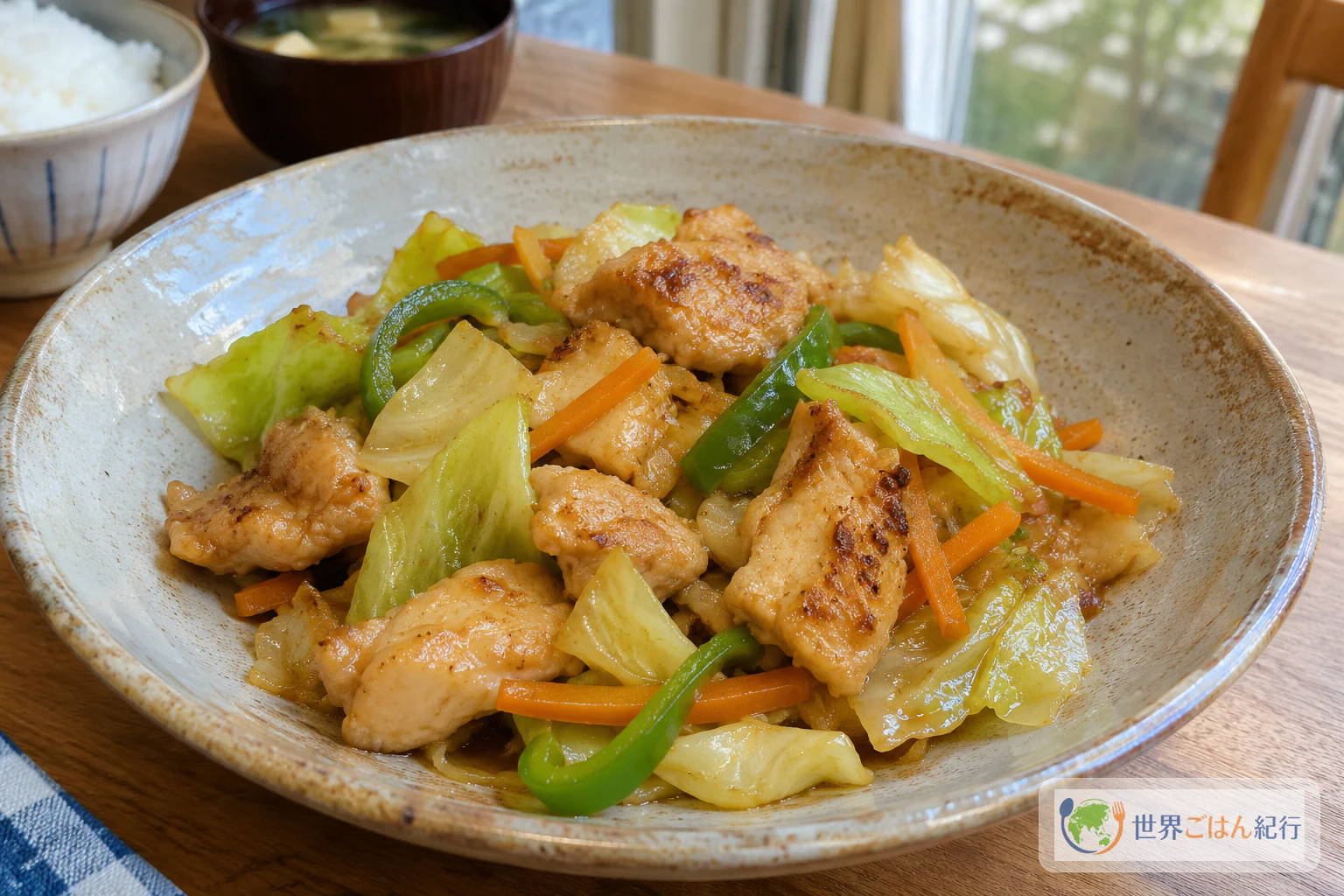
Keichan: Gifu's Miso Chicken and Vegetable Stir-Fry (鶏ちゃん)
How to make keichan (鶏ちゃん), the chicken and vegetable stir-fry from Gujo, Gero and southern Takayama in Gifu, using a four-serving version with chicken breast, mixed miso, sake, usukuchi soy sauce, garlic, cabbage, carrot and green pepper. Covers choosing the miso and soy sauce, keeping raw chicken apart from vegetables, cooking chicken through to the center, and the miso, soy sauce and salt styles found across the region.
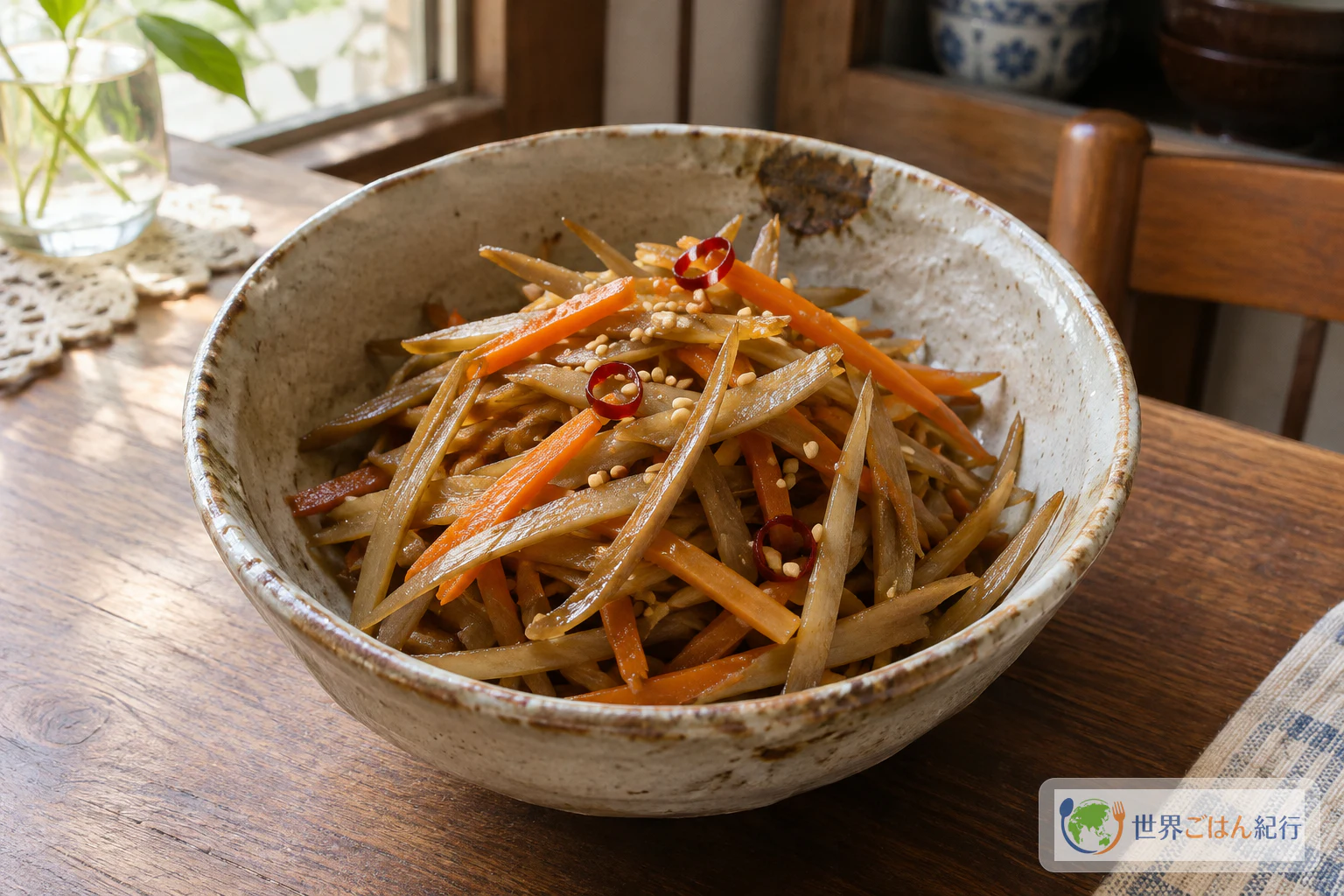
Kinpira Gobo: Japanese Burdock and Carrot Stir-Simmered Until Almost Dry (Kinpira Gobō)
How to make kinpira gobo (きんぴらごぼう), the Tokyo home side dish of burdock root and carrot stir-fried in sesame oil with red chili and simmered in soy sauce, sugar and sake until the liquid is almost gone. Covers the two-serving amounts, scrubbing instead of peeling, the order of the pan, how to judge the finish, related variations, and the dish's place on Japanese tables.
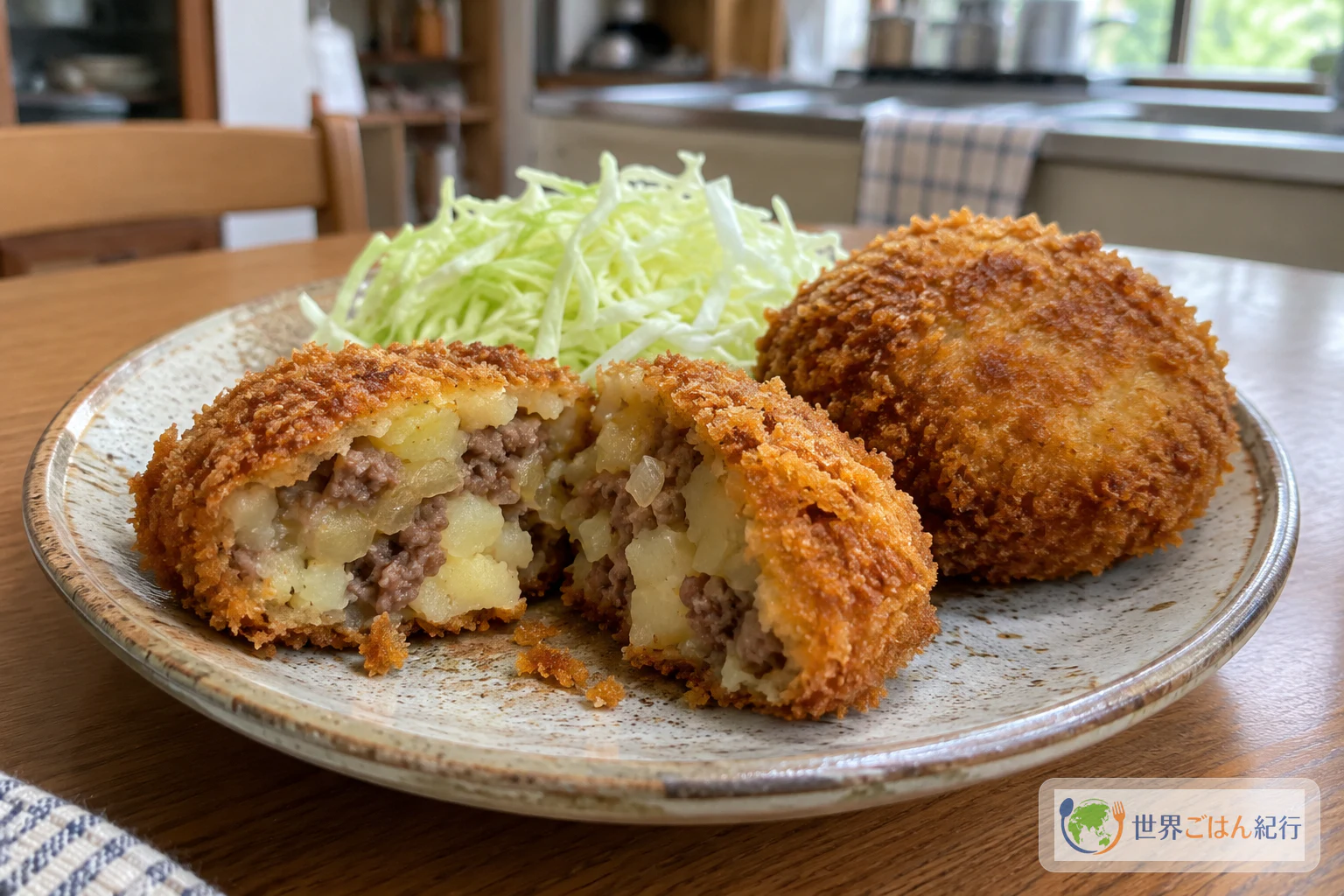
Korokke: Japanese Beef and Potato Croquettes (コロッケ)
How to make Japanese beef and potato korokke, 16 oval croquettes with a crisp panko crust. Covers drying the potatoes so the filling isn't watery, shaping without air pockets, quick chilling before coating, frying at 340–350°F (170–180°C) a few at a time, and the dish's place in Japan's yoshoku home cooking.
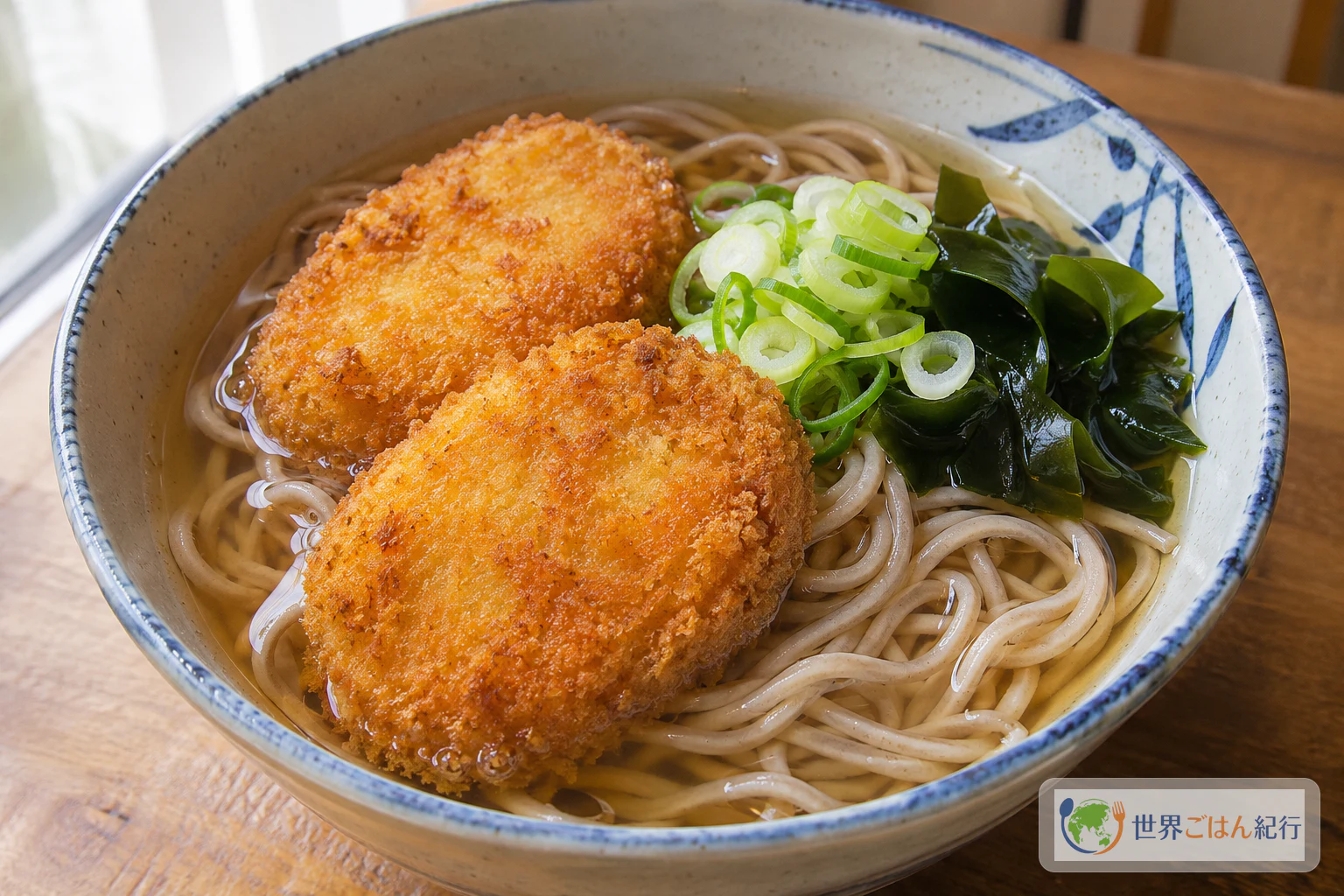
Korokke Soba: Hot Soba in Broth Topped with Potato Croquettes (コロッケそば)
How to make korokke soba (コロッケそば), a single bowl of hot soba in white-dashi broth topped with two potato-and-onion croquettes. Covers amounts for one serving, the coating order, frying at 200°C until golden, when to place the croquettes so the coating behaves the way you want, and how this potato version differs from the chicken, yam and egg patty that shares the same name.
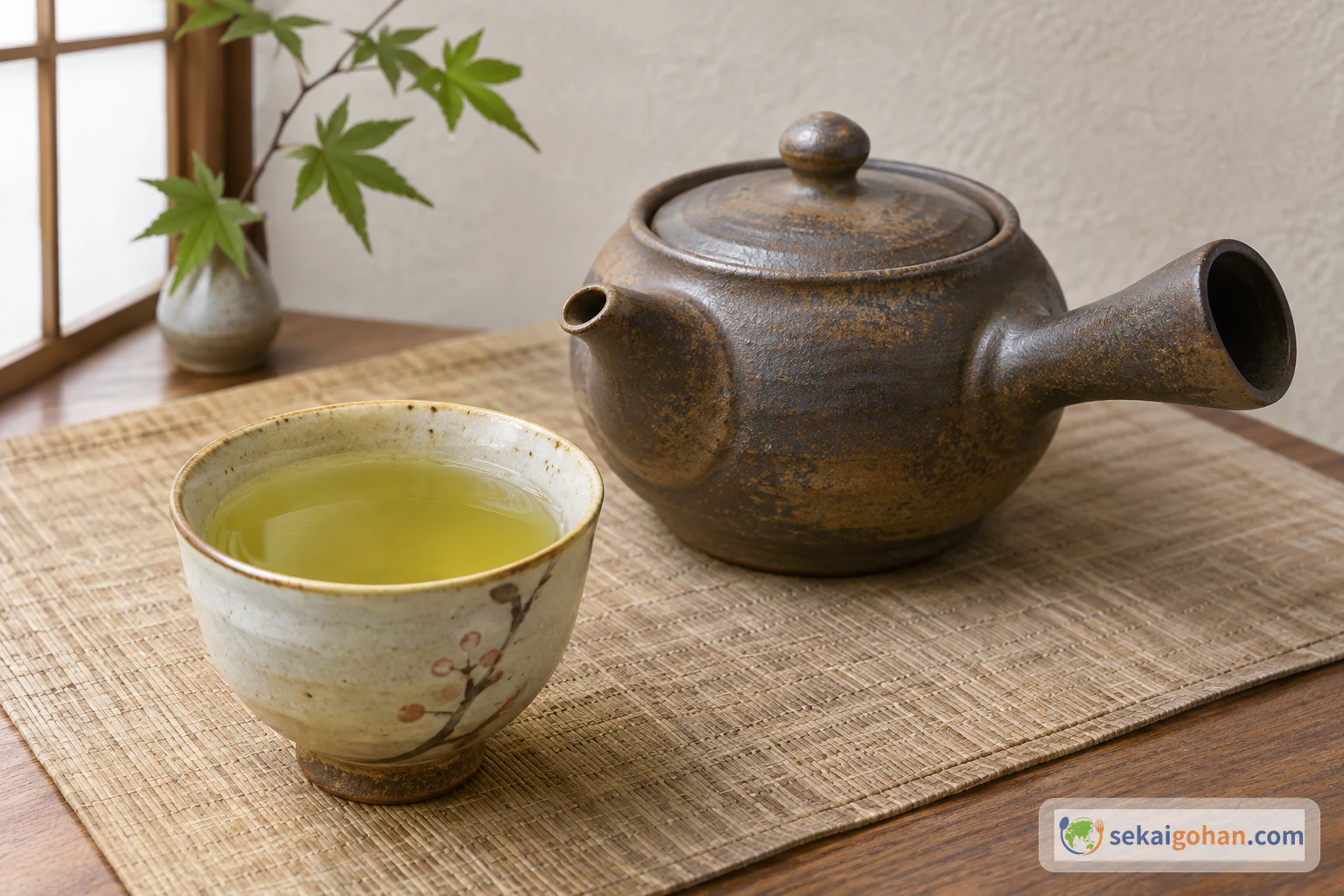
Kukicha: Brewing Japanese Stem Green Tea in a Kyusu (茎茶)
How to brew one cup of kukicha (茎茶), the Japanese green tea made with tea stems and some leaf, in a kyusu teapot: 2–3 g of tea and 80 ml of water cooled to 80–90°C, steeped for 60–120 seconds and poured through a strainer to the last drop. Also covers how kukicha differs from karigane, roasted bōcha and sencha, and why steeping guidance varies between tea sellers.
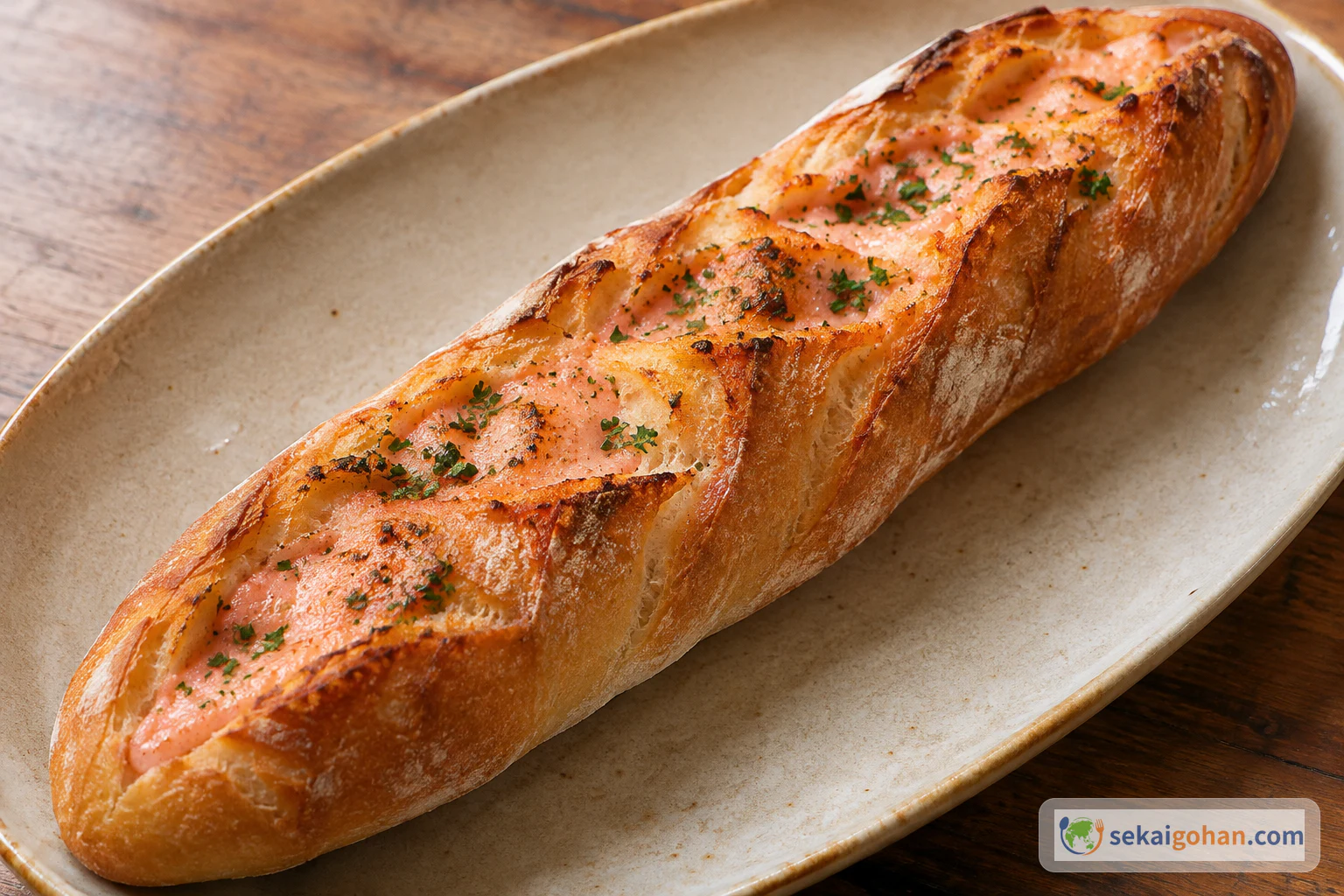
Mentai-France: Japanese Mentaiko Mayo French Bread (明太フランス)
How to make mentai-France (明太フランス), the Fukuoka-linked French bread baked with a mentaiko mayonnaise sauce. A home-style version with a lengthwise slit, butter inside, sauce both inside and on top, and a bake at 180°C until browned, plus the background of karashi mentaiko and how to choose the bread.
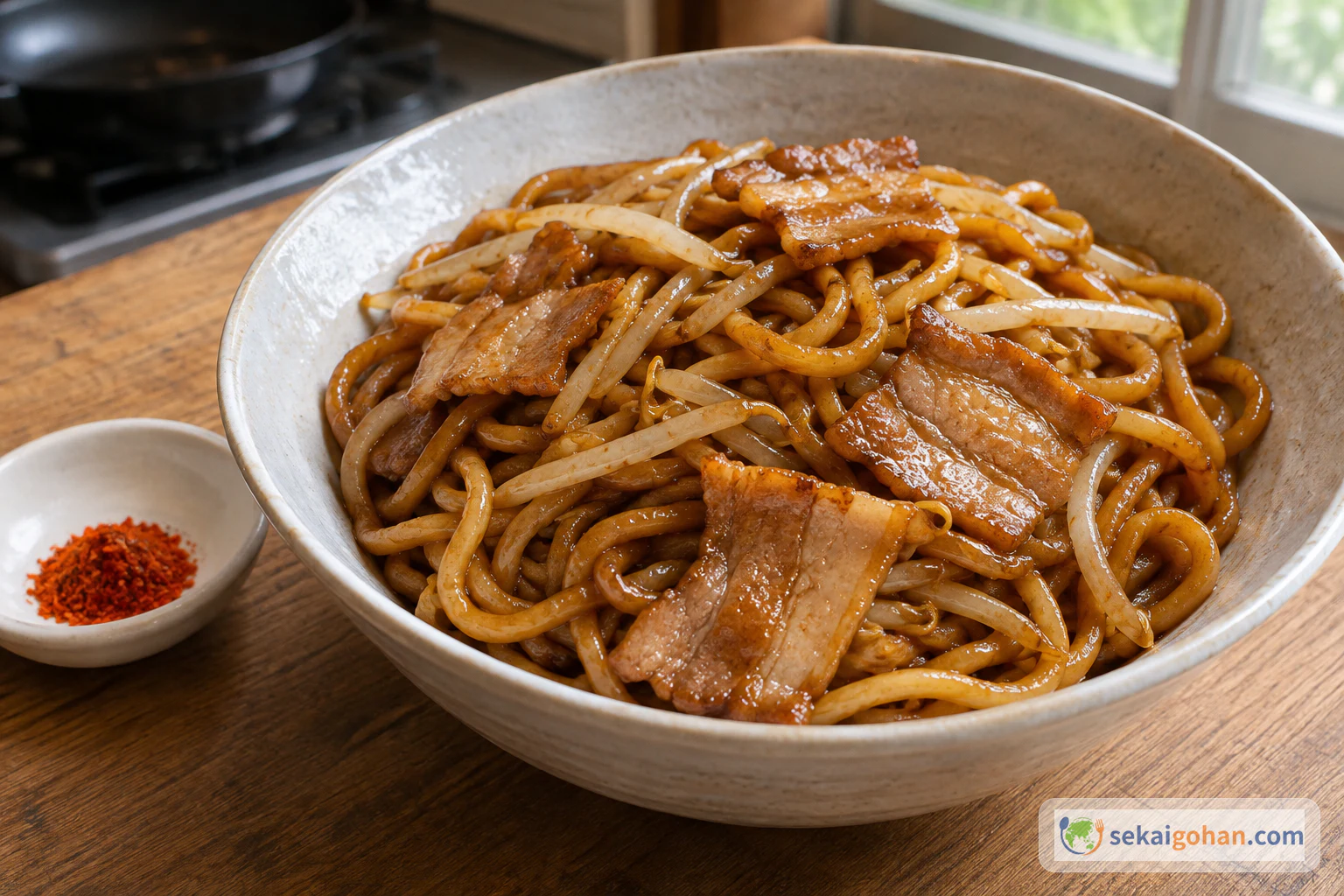
Namie Yakisoba: Fukushima's Thick-Noodle Yakisoba with Pork, Bean Sprouts and Rich Sauce
How to make Namie yakisoba, the regional dish of Namie Town in Fukushima: extra-thick Chinese-style noodles, pork belly and bean sprouts stir-fried with a rich sauce until no liquid remains. Includes one bundle of noodles with 50g pork and 170g sprouts, how to choose noodles and sauce, safe cooking of pork and sprouts, fixes for common problems, and the dish's place in the town's food culture.
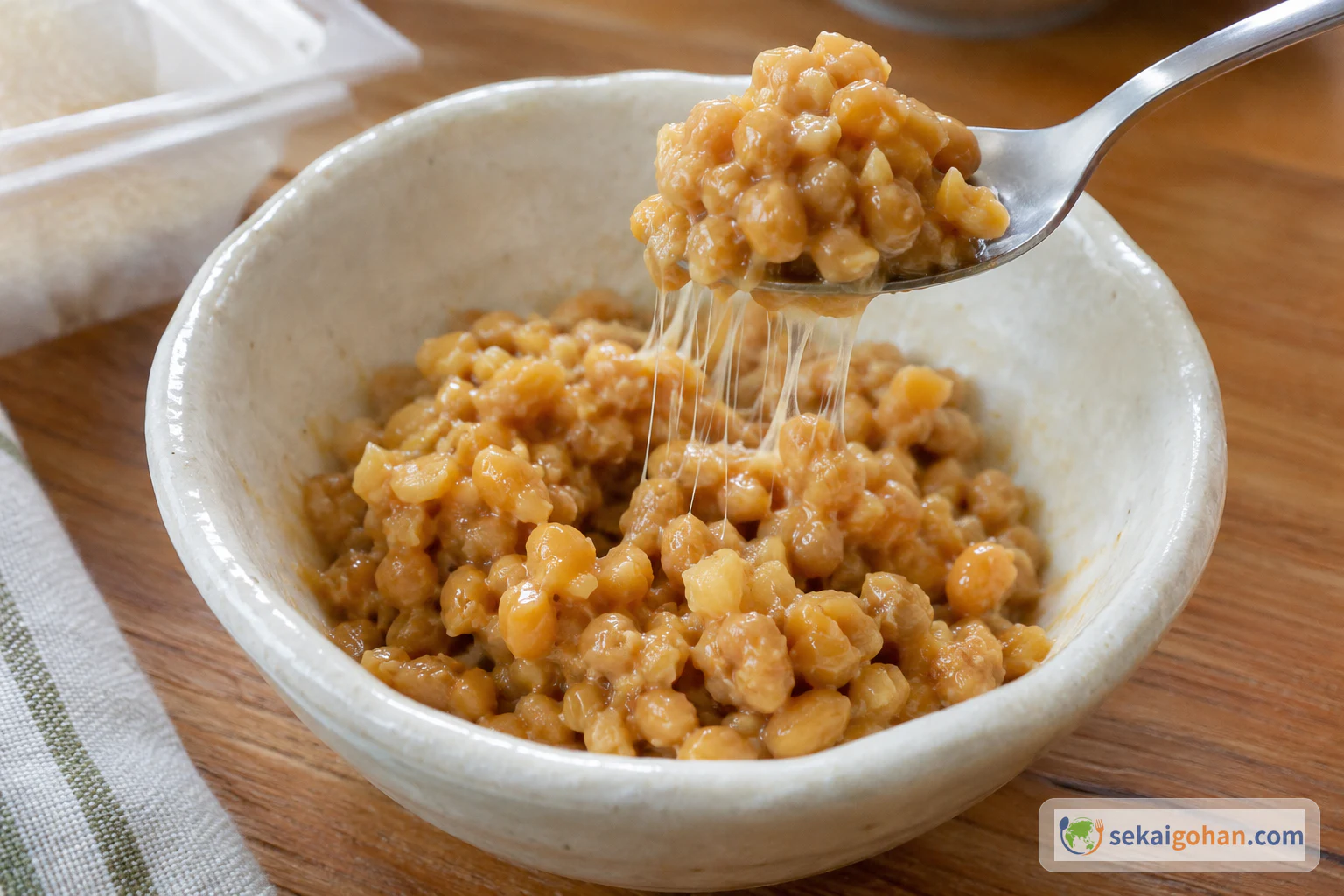
Nattō: Japan's Stringy Fermented Soybeans, and a Miyagi Natto Soup (Nattō-jiru)
What nattō is, how stringy natto differs from temple natto (tera natto), and how to make a Miyagi-style natto miso soup for 5 with store-bought hikiwari natto, tofu, carrot, daikon, aburaage, scallion and Sendai miso. Covers the cuts, the order of additions, when to add the natto and when to turn off the heat.