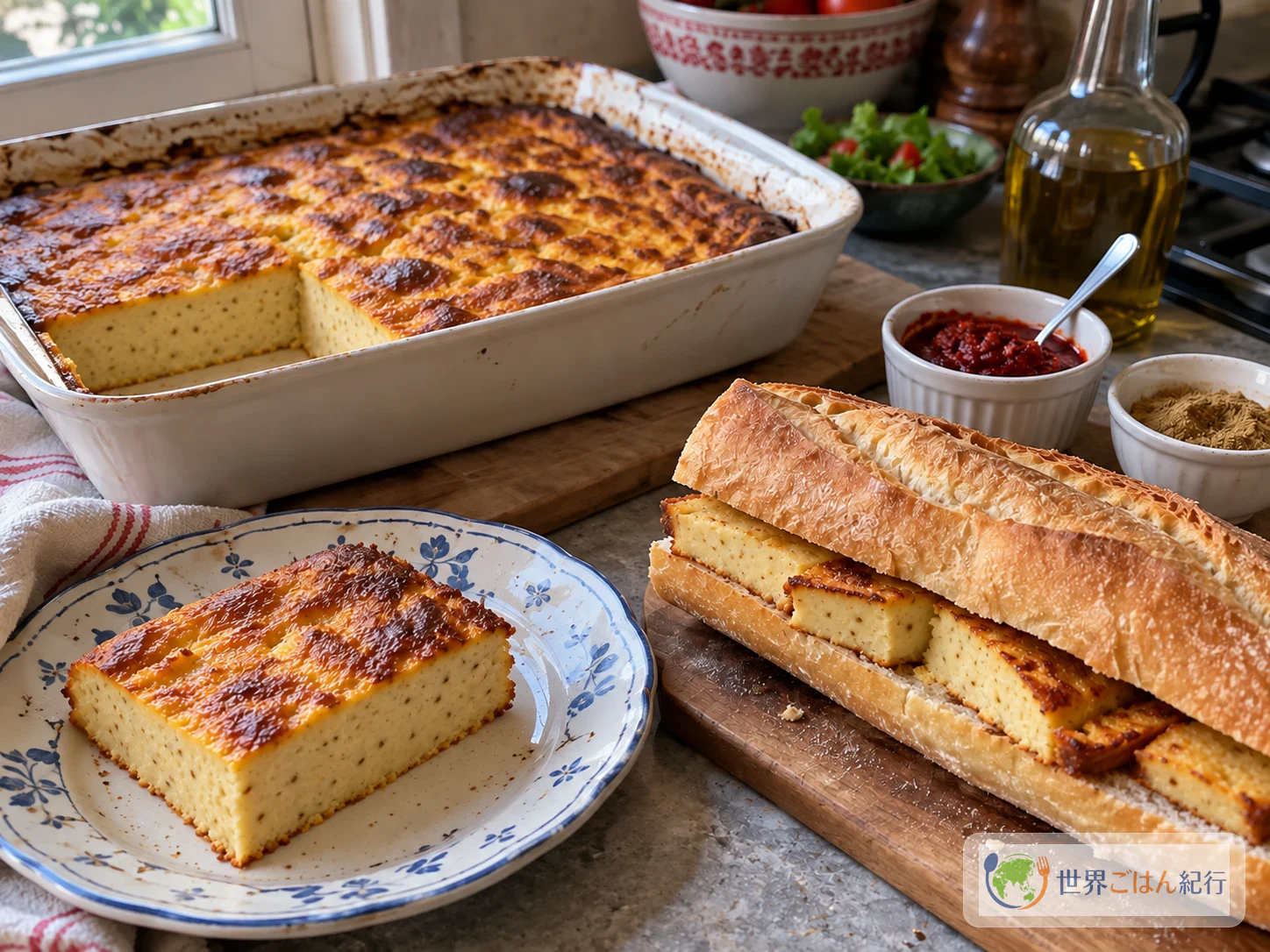
"African food" is not one cuisine

"African food" sounds like one big category. In reality, North Africa's couscous and tagine, West Africa's jollof rice and fufu, the injera culture of Ethiopia and Eritrea, East Africa's ugali and Southern Africa's bobotie use very different ingredients and techniques. It is closer to the truth to think of it as a term as broad as lumping Japanese, Indian and Turkish food together as "Asian food."
Even so, it is worth looking across the whole continent at once. In many regions the cooking rests on grains, legumes, roots and tubers, and leafy greens, with meat and fish used less as the star and more as a source of savory depth in sauces and stews. Oldways' African Heritage Diet likewise describes these food cultures as putting leafy greens, beans, peanuts, whole grains, tubers and aromatic vegetables at the center of the table. It is an approach that fits easily into everyday home cooking.
This page organizes the African recipes on Sekai Gohan Kiko by region so that, before you shop, you can decide which dish to make first and what to buy to get close to the real flavor. Links marked "(in Japanese)" go to recipes that are only available in Japanese for now. For a first dish, start with jollof rice; for a weekend braise, tagine (in Japanese); and if you want to try fermentation, injera (in Japanese).
Don't just browse the dish names; read through the shopping list and the substitution table in the second half before choosing a recipe, and you'll be far less likely to go wrong. African cooking uses plenty of unfamiliar ingredients, but if you know the substitutes you can get a long way with a regular supermarket plus an international grocer or online shop.
African dishes may contain wheat (couscous, bread, bouillon), peanuts (mafe, ndolé, peanut sauces), fish and shellfish (thieboudienne and other fish dishes) and dairy (some North African and Ethiopian dishes). If you have a food allergy, always check the ingredient list of each individual recipe.
Before you head out, it helps to sort your options into "a rice day," "a make-ahead stew day" and "a fragrant weekend dish day." Whether long-grain rice, unsweetened peanut butter, or lemons and olives go into your cart changes where the meal ends up.
| Today's mood | Recipe to read first | What to pick up | Why it's hard to get wrong |
|---|---|---|---|
| A rice dish for the family | Jollof rice | Long-grain rice, canned tomatoes, red bell pepper | Close to a familiar one-pot rice and easy to serve as the main carb |
| A stew that's even better the next day | Mafe (in Japanese) | Unsweetened peanut butter, chicken, komatsuna | Goes well with plain rice, and the heat can be adjusted later |
| A fragrant weekend dish | Tagine (in Japanese) | Chicken, lemon, olives, cumin | Works in a heavy pot and satisfies with aroma rather than heat |
A flavor map that changes by region

The foundations of the food shift dramatically from north to south and east to west across the continent. In Mediterranean North Africa the core is wheat, semolina, olives, legumes, lamb and spices. Morocco's tagine, Tunisia's chakchouka and Algeria's chorba frik (all in Japanese) are dishes where Arab, Berber and Mediterranean influences overlap. UNESCO's 2020 inscription of the knowledge and practices around couscous as intangible cultural heritage shows that North African food culture is a heritage shared across borders.
In West Africa, rice, cassava, yams, plantains, peanuts, palm oil, chiles and tomatoes are the backbone of the cooking. Jollof rice is rice cooked with tomato, fufu is a staple of pounded cassava or yam, mafe (in Japanese) is a peanut stew and thieboudienne (in Japanese) is a dish of fish and rice. To go one step further with flour-based staples, Benin's amiwo (Amiwô) (in Japanese) is cornmeal stirred into a red tomato broth and eaten with chicken or fish sauce, an easy way in. If you want the smell of the street stalls too, read about Nigeria's suya (in Japanese), grilled meat coated in peanuts and chile, which widens the stew-centered picture of West Africa a little. On a day when you want Ghana's peanut stew with plain rice or fufu, the gently rich groundnut soup (in Japanese) is easy to try with the same shopping basket. Britannica's entry on jollof rice describes it as a dish that spread through West Africa from the Senegambia region.
East Africa is home both to the fermented-bread culture of Ethiopia and Eritrea and to the cornmeal-staple culture around Kenya, Tanzania and Uganda. Injera (in Japanese) is a flatbread of fermented teff flour that is both plate and spoon. It is the base that soaks up red stews such as doro wot and zigni (both in Japanese). If you'd like to start with a meatless wot, shiro wot (in Japanese), chickpea flour simmered until silky, is a quick way to try the aroma of berbere. Ugali (in Japanese), on the other hand, is a simple staple of cornmeal stirred into a stiff dough. Serve it alongside a rich stew or grilled meat and you get the feel of an East African table. To move on to the flavors of the Kenyan coast, kuku paka (in Japanese), chicken with coconut milk, lets you try the spice notes of the Indian Ocean trade in a home pot. And if you want to know an everyday dish built around beans and corn, Kenya's githeri (in Japanese) shows a way of eating grains that is different from ugali.
Central and Southern Africa lean toward cassava, leafy greens, peanuts, cornmeal, beans and stews of meat or fish. Congo's poulet moambé (in Japanese) has a rich palm-nut sauce, Rwanda's isombe (in Japanese) combines cassava leaves and peanuts, and Angola's calulu de peixe (in Japanese) is a home dish of dried fish and white fish gently simmered with okra, eggplant and greens. To move on to Angolan meat dishes, kissuto rombo (in Japanese), goat or lamb roasted with white wine and lemon, shows a different way of building a meal than stews. For a plainer pairing of greens and corn, Cameroon's sanga (in Japanese) brings the bitterness of greens and the sweetness of corn together in one pot. South Africa's bobotie (in Japanese) is a curry-spiced meatloaf that reflects Cape Malay culture.
When there are too many dish names to keep track of, organize them like this: North Africa = couscous and wheat, West Africa = rice, cassava and peanuts, around Ethiopia = teff and injera, East Africa = ugali, Southern Africa = cornmeal and stews. It makes shopping much easier.
15 classics to cook first

Here are 15 dishes from the African recipes on Sekai Gohan Kiko that are approachable at home and clearly show where they come from. There's no need to make them all at once. Choose by whether rice dishes, stews, breads and staples, or grilled dishes appeal to you most. If you want to stretch as far as the sweet coconut dishes of the islands, read about Seychelles' ladob (in Japanese) to get a sense of the Indian Ocean side, where plantains, cassava and sweet potatoes share one pot.
1. Jollof rice — West Africa's celebration rice
Jollof rice is West Africa's signature dish of long-grain rice cooked in a paste of tomatoes, bell peppers, chiles and onions. The "Jollof Wars" between Nigeria and Ghana are a regular topic on English-language social media, and the dish itself has become a way into talking about West African pride. Basmati or jasmine rice makes it hard to go wrong, and red bell pepper plus tomato paste set the color and sweetness.
2. Thieboudienne — Senegal's fish and rice
Thieboudienne (in Japanese) is Senegal's national dish of fish, rice, cassava, carrots, cabbage and tomato sauce cooked in one pot. UNESCO's intangible heritage page describes it as originating in the fishing communities of the island of Saint-Louis, a dish in which the quality of the fish and the choice of vegetables are also bound up with respect for guests. At home, white fish fillets, sea bream heads and bones, and frozen cassava give it the right feel.
3. Tagine — Morocco's steam-braise
Tagine (in Japanese) is a Moroccan dish of meat and vegetables braised in very little liquid in a pot with a conical lid. Without a tagine, you can make it in a heavy pot such as a Staub or Le Creuset. Chicken, lemon, olives, cumin, coriander and cinnamon together give the sweet, complex aroma of North Africa.
4. Injera — the fermented bread that is also the plate
Injera (in Japanese) is the fermented bread at the heart of the Ethiopian and Eritrean table. Britannica describes it as a sour flatbread made from fermented teff batter, used both as the plate that holds the food and as the utensil you tear off to eat with. Teff flour is expensive, so at home it makes sense to start with a practical version that blends in rice flour or buckwheat flour.
5. Doro wot — Ethiopia's festive chicken stew
Doro wot (in Japanese) is Ethiopia's signature dish of onions cooked for a long time, then simmered with berbere, chicken and hard-boiled eggs. The key is to cook the onions slowly without oil until their moisture is driven off. Even with less fat than a typical curry, the sweetness of the onions and the spices build a deep flavor. If you don't have time to make injera, thin crêpes or tortillas work perfectly well to scoop it up.
6. Fufu — West Africa's eat-with-your-hands staple
Fufu is a sticky, dough-like staple of cassava, yam, plantain and the like, boiled and pounded. Britannica introduces it as widely eaten in West and Central Africa and dipped into sauces and stews of meat, fish and vegetables. Combining frozen cassava with potatoes makes it easier to prepare and gives it stretch and heft.

7. Mafe — a peanut stew
Mafe (in Japanese) is a West African dish of chicken and vegetables stewed with peanut butter and tomatoes. All you need is unsweetened peanut butter, canned tomatoes, onions and chicken thighs, which makes it one of the most home-kitchen-friendly African dishes. Sweetened peanut butter throws the flavor off, so always choose an unsweetened one.
8. Koshari — Egypt's carb mash-up
Koshari (in Japanese) is an Egyptian street food that layers rice, macaroni, lentils, chickpeas, tomato sauce and fried onions. Almost everything can be found at a regular supermarket, and it is filling even without meat. Go heavy on the lentils and fried onions and it becomes not just a rice mix but a toasty legume dish.
9. Ugali — East Africa's white staple
Ugali (in Japanese) is East Africa's staple of cornmeal stirred into boiling water. Its flavor is mild, but eaten with a rich stew or grilled meat it suddenly makes sense. Cornmeal or polenta works. At first, serve it next to meat dishes such as nyama choma or tibs (in Japanese) and it's easy to enjoy.
10. Nyama choma — Kenya's grilled-meat culture
Nyama choma is charcoal-grilled meat loved in Kenya. The name means "grilled meat" in Swahili. Goat is the classic, but lamb, beef chuck or chicken thighs also work. Season with just salt, garlic, ginger and lemon, and serve with a kachumbari-style salad of tomato and onion for a much more authentic feel.
11. Bobotie — South Africa's curry-spiced meatloaf
Bobotie (in Japanese) is a South African dish of spiced ground meat topped with an egg custard and baked. It shows Cape Malay influence, with the sweet-savory balance of curry powder, raisins, almonds and chutney. You can make it like a meatloaf, and it's an African dish that's easy to serve to kids.
12. Ndolé — Cameroon's greens and peanuts
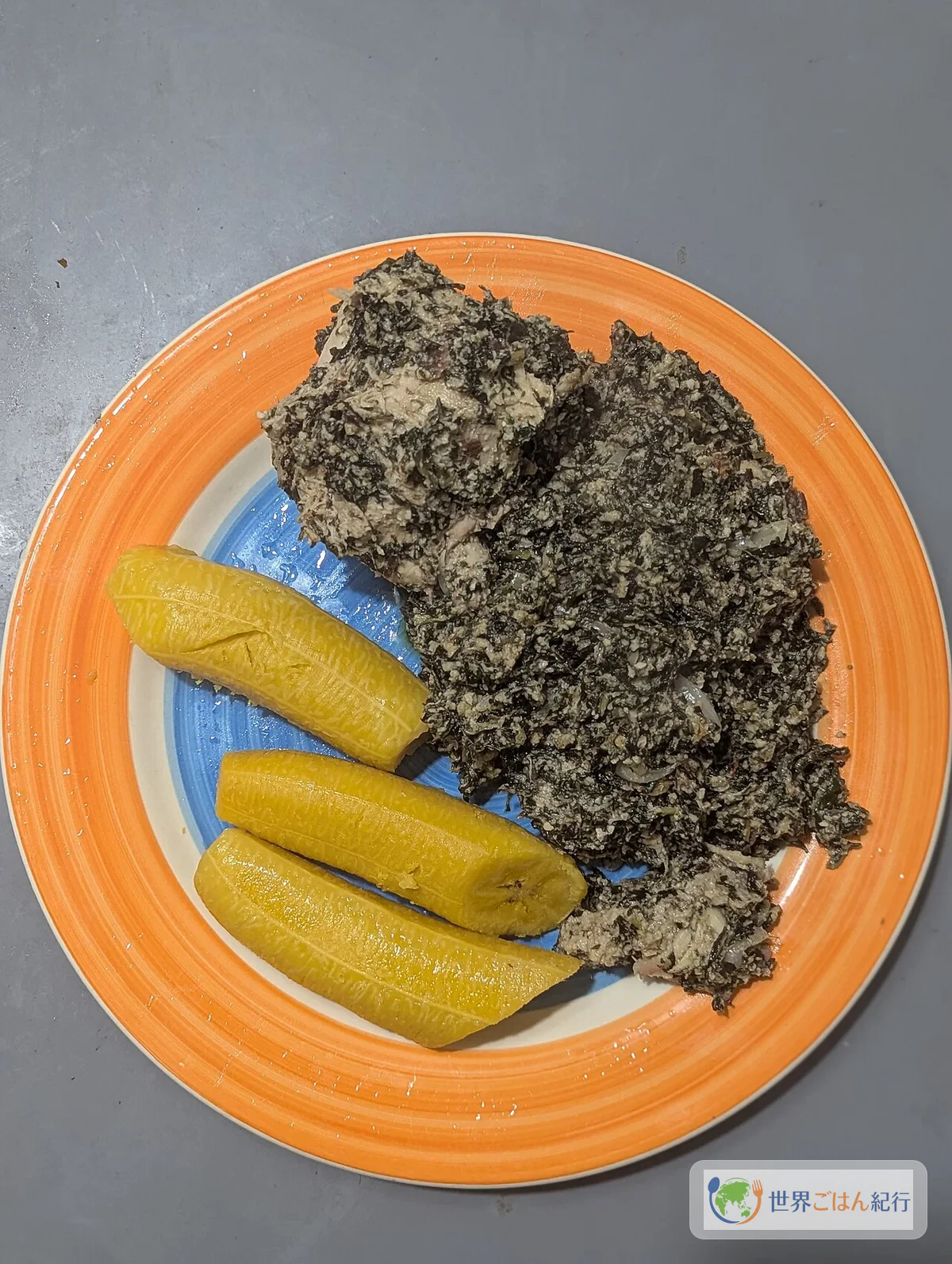
Ndolé (in Japanese) is a Cameroonian classic that combines bitter leafy greens with peanuts. Real ndolé leaves are hard to find outside the region, but a mix of komatsuna, chrysanthemum greens (shungiku) and kale gets close to their bitterness and green flavor. Peanuts, dried shrimp and beef layer up savory depth, and it goes very well with plain white rice.
13. Isombe — cassava leaves stewed with peanuts
Isombe (in Japanese) is a stew of cassava leaves eaten in and around Rwanda. Cassava leaves are hard to find, so komatsuna, spinach or kale stand in. With red palm oil and peanut butter, it is a greens dish with real richness that satisfies even without meat.
14. Chorba frik — a nourishing Ramadan soup
Chorba frik (in Japanese) is a soup often eaten in Algeria during Ramadan. Frik is green wheat that has been roasted and cracked, and it adds a toasty flavor and body. Pressed barley or waxy barley can stand in. The combination of tomato, lamb, cilantro and mint makes it a distinctly North African bowl.
15. Attiéké — fermented cassava couscous
Attiéké (in Japanese) is a granular staple of fermented cassava widely eaten in Côte d'Ivoire. It looks like couscous but has a tang and lightness of its own. Buying dried attiéké online is the realistic option. Pair it with grilled fish, tomato, onion and chile sauce for a dish that's easy to eat on a hot day.
Basic ingredients to stock before you shop

When you start cooking African food, you don't need to buy every unusual ingredient at once. It's more sustainable to first stock a base you can use again and again. The table below is a shared shopping list for cooking the African recipes on Sekai Gohan Kiko.
| Ingredient or seasoning | Used in | Where to find it | How to substitute |
|---|---|---|---|
| Long-grain rice (basmati, jasmine) | Jollof rice, thieboudienne | Supermarkets, international grocers, online | If you truly have none, short-grain rice cooked on the firm side, though it turns sticky |
| Canned tomatoes, tomato paste | Jollof, mafe, koshari | Any supermarket | Fresh tomatoes alone are too thin; add paste |
| Red bell pepper | Jollof, stews in general | Any supermarket | For sweetness and color; frozen peppers beat leaving it out |
| Unsweetened peanut butter | Mafe, ndolé, isombe | Supermarkets, natural food stores, online | Sesame paste makes a different dish; prioritize unsweetened peanut |
| Lentils, chickpeas | Koshari, North African dishes | Supermarkets, international grocers | Canned is fine; dried beans are cheap and make big batches |
| Cumin, coriander | North and West African dishes | Supermarket spice aisle | Curry powder can partly stand in, but single spices are easier to adjust |
| Paprika | Jollof, tagine, stews | Supermarkets, online | Color and sweetness; easy to use because it isn't hot |
| Berbere | Ethiopian and Eritrean dishes | Online, international grocers | Quick stand-in: chile, paprika, garam masala and ginger |
| Cornmeal | Ugali | Baking supply stores, online | Polenta also works |
| Frozen cassava | Fufu, thieboudienne | Latin American or African grocers | Mix in potato or taro to make up the texture |
Choose substitutes by the role they play in the dish, not by a similar name. Long-grain rice brings separate, fluffy grains; peanut butter brings fat and richness; cassava brings a chewy staple texture; and berbere brings not just heat but a complex aroma suited to fermented bread and stews.
| Missing ingredient | Substitute that gets close | Substitute to avoid | Why |
|---|---|---|---|
| Teff flour | Rice flour 2 : buckwheat flour 1 : cake flour 1 | Pancake mix | Its sugar and leavening pull it away from injera |
| Cassava leaves | A mix of komatsuna, kale and chrysanthemum greens | Spinach alone | The bitterness and green aroma tend to be too weak |
| Palm-nut cream | A little peanut butter + paprika + rice bran oil | Coconut milk alone | Hard to get the earthy richness of Central African dishes |
| Scotch bonnet | Dried red chiles + paprika | Lots of habanero | Heat overwhelms aroma, and it's hard to serve to a family |
| Dried attiéké | Couscous + a little lemon | Plain breadcrumbs | Loses the texture of a granular staple |
The most common shopping mistake with African food is making it too hot. Scotch bonnets and habaneros have a wonderful aroma, but for many home cooks their heat can be too much. Start by adjusting with dried red chiles, cayenne pepper and paprika, and prioritize aroma over heat; it makes the food easier to enjoy.
Jollof rice, tagine, mafe, koshari and doro wot all benefit from a heavy pot: it keeps them from scorching and helps the aromas come together. Some dishes can be made in a rice cooker, but for dishes where you fry tomato paste and spices before adding the rice, a pot gives more reliable results.
Starter baskets for your shopping trip

Standing in the supermarket in the evening with a bell pepper in your hand, you may wonder, "Will I really use this up today?" Because African food has so many unfamiliar names, thinking in reusable baskets rather than dish by dish keeps you from going wrong. For your first shop, it's realistic to choose one of these three patterns.
| Basket | What to buy | Dishes you can make | Good for |
|---|---|---|---|
| Red rice basket | Long-grain rice, canned tomatoes, red bell pepper, onions, chicken, paprika | Jollof rice, a first step toward thieboudienne (in Japanese) | People who want to start with rice dishes or serve a family dinner |
| Peanut stew basket | Unsweetened peanut butter, canned tomatoes, chicken, komatsuna, dried shrimp, chiles | Mafe, ndolé, isombe (all in Japanese) | People who love rich stews or want dishes that go with plain rice |
| Fragrant braise basket | Chicken, onions, lemon, olives, cumin, coriander, cinnamon | Tagine, chorba frik, chakchouka (all in Japanese) | People who prefer aroma to heat or want to braise on the weekend |
For a weeknight, the red rice basket is the easiest to handle. Once the smell of tomato and rice rises, your kitchen moves well beyond the usual one-pot rice. If you have a bit more time on the weekend, choose the peanut stew basket; leftover mafe is delicious the next day over noodles or rice.
If someone in the family doesn't like heat, leave the chiles out of the pot and serve them on the side at the table. Both jollof rice and tagine stand on the aroma of onions, tomatoes and spices rather than heat. If only the adults add harissa or cayenne pepper, the whole family can share the same pot.
You don't need to buy five or more spices the first time. Cumin, coriander and paprika, plus the curry powder and cinnamon you probably already have, are enough to make a start on many North and West African dishes. Berbere and teff flour can wait until you want to move on to injera and doro wot.
Getting close with supermarket ingredients

When cooking African food at home, replacing the role an ingredient plays works better than assembling every authentic ingredient. For example, rather than giving up on injera because you have no teff flour, recreate its sourness, thinness and ability to hold sauce with flours you can get. Rather than giving up on isombe because you have no cassava leaves, build the bitterness of greens and the richness of peanuts with komatsuna or kale. Think this way and the number of dishes you can make jumps.
Teff flour is expensive, and its price varies with import conditions. For your first injera, a home version made by fermenting a mix of rice flour, buckwheat flour and cake flour is plenty. Strictly speaking it differs from the original, but it does the job of holding the sauces of doro wot and zigni (both in Japanese). Switch to teff once you're comfortable and you'll really notice the difference.
Palm oil appears often in West and Central African cooking. Red palm oil brings the color and aroma of poulet moambé and isombe (both in Japanese) closer, but its aroma is strong and divides opinion. For the first time, it's fine to add a little paprika to rice bran oil or vegetable oil to make up the color, and buy red palm oil once you know you like it.
Long-grain rice matters a lot in African cooking. Make jollof rice with short-grain rice and it tends to turn sticky, like a tomato risotto. Keep a bag of basmati or jasmine rice on hand and you can use it for jollof rice, thieboudienne (in Japanese), Middle Eastern machboos and South Asian biryani (in Japanese).
Always choose unsweetened peanut butter. West African peanut stews are not sweet dishes. Use peanut butter with added sweetener and both mafe and ndolé suddenly lean toward dessert. It's safest to buy an unsweetened, unsalted type and adjust salt and chile in the dish itself.
Replacing long-grain rice with short-grain rice, unsweetened peanut butter with a sweet peanut spread, or berbere with plain curry powder alone. These three change the direction of the flavor dramatically. You can substitute, but make the adjustments the recipe specifies.
If in doubt, cook them in this order

If you're cooking African food for the first time, it's realistic to progress in order of difficulty. Tackle injera fermentation first and it's easy to stumble over the flour ratio and fermentation time. Start with grilled meat or tomato rice instead, and you'll find the flavor direction more easily.
Week 1: jollof rice or nyama choma. Jollof rice is tomato and long-grain rice cooked together, so it makes sense as an extension of familiar one-pot rice. Nyama choma is close to a barbecue, and just making the kachumbari on the side gives you an East African table.
Week 2: mafe or tagine. Mafe is made with unsweetened peanut butter and canned tomatoes, so shopping is simple. Tagine takes a little time, but with a heavy pot it isn't difficult. It's the best dish for learning the combination of cumin, coriander and cinnamon by feel.
Week 3: injera and doro wot. Because the flour has to ferment, this is weekend work. But once you can make injera, the way you see Ethiopian food changes, because you can put doro wot, misir wot, tibs and zigni on the same table.
Week 4: thieboudienne or fufu. From here it becomes more of a cultural experience. Thieboudienne cooks fish and rice in the same pot, a feeling shared with Japanese tai-meshi (sea bream rice). With fufu, the very act of tearing it by hand and dipping it into soup is new, and making it with family or friends makes it a memorable dish.
Make jollof rice for Saturday lunch, and koshari with the leftover long-grain rice for dinner. The next week, make a big tagine and pair the rest with couscous or bread. African dishes settle in flavor when you make plenty and eat them again the next day.
Shopping routes by dish

The thing that's easiest to get stuck on before shopping is which store to go to. Trying to get everything in one store is exhausting. Splitting stores by dish makes it easier.
For jollof rice, buy canned tomatoes, red bell peppers, onions, garlic, ginger and chicken at a regular supermarket, and long-grain rice at a supermarket's international aisle or an international grocer. For spices, paprika, thyme, bay leaves and curry powder are enough. If you can't find habanero, dried red chiles are fine.
For tagine, buy chicken, onions, carrots, lemons and olives at the supermarket, and pick up cumin, coriander and cinnamon from the spice aisle. Preserved lemons aren't essential; lemon zest, lemon juice and salt can stand in. Use an international grocer only if you want couscous on the side.
For mafe or ndolé, unsweetened peanut butter is the most important item. Buy it at a natural food store, the health-food shelf of a supermarket, or online. For greens, combining komatsuna, kale and chrysanthemum greens brings bitterness and aroma. A little dried shrimp brings you closer to the savory depth of Cameroonian cooking.
For injera and doro wot, secure the berbere first. Without berbere, you can make a quick version with chili powder, paprika, garam masala, ginger and cinnamon. Teff flour is most realistically bought online, but rice flour and buckwheat flour are enough to start. Don't forget unsalted butter for niter kibbeh.
For fufu, look for frozen cassava. If your supermarket doesn't have it, try a Latin American or African grocer, or order online. If you can't get it, it's more sensible to switch to a simple version combining potatoes, taro and potato starch.
The background to African food

Part of what makes African food fascinating is that the dishes are older than the borders. Jollof rice is not just a dish of modern Nigeria or Ghana; it is described as a food culture that spread from the rice dishes of the Senegambia region. Thieboudienne is Senegal's national dish, but the idea of cooking fish and rice in one pot is coastal life itself. Couscous, too, is a culture that crosses borders, as shown by its joint UNESCO inscription by Algeria, Morocco, Tunisia and Mauritania.
In English-language food media, attention to West African cooking has grown in recent years. In cities such as London and New York, restaurants serve jollof rice, suya, egusi soup and fufu in modern ways, and African food is increasingly seen as a destination at the restaurant table, not only as the food of immigrant neighborhoods. There is also plenty of room for it in everyday home cooking.
African food is also easy to revisit in a plant-forward context, because so many dishes center on beans, leafy greens, grains, tubers and peanuts, using a small amount of meat or fish for savory depth. Oldways' African Heritage Diet also presents it as a food culture built on vegetables, beans, whole grains, tubers, nuts and aromatic vegetables. A meal structure that satisfies without large amounts of meat should be easy to bring into your regular menu.
That said, summing up African food as only "healthy" or "rustic" misses its richness. North African court cuisine, Ethiopian festive dishes, West African celebration rice and the dishes of South Africa's immigrant cultures each express abundance in different ways. Bring them into your home kitchen while learning their local context, and the food takes on a much fuller dimension.
Frequently asked questions

Many ingredient names are unfamiliar, but the cooking itself falls into stews, one-pot rice, grilled dishes and fermented breads. Start by choosing the type of dish you want to make.
Q. Is African food all spicy?
There are spicy dishes, but not everything is fiery. Jollof rice, doro wot and zigni use chiles, but the amount can be adjusted. Tagine, bobotie, koshari, ugali and fufu are centered more on aroma or on being a staple than on heat. If heat worries you, start with tagine or bobotie (both in Japanese).
Q. Which dishes can I make with just a regular supermarket?
In order of ease: koshari, mafe, tagine, bobotie (all in Japanese) and nyama choma. For dishes that need long-grain rice or berbere, adding an international grocer or online shop improves the result.
Q. Is the staple in African food rice or bread?
It depends on the region. West Africa has many rice dishes, but also cassava-based staples like fufu and attiéké. Couscous and bread are typical in North Africa, injera around Ethiopia and ugali in East Africa. Knowing the differences in staples makes the background of the dishes easier to see.
Q. Can I serve it to kids or family members who don't like spicy food?
Yes. Tagine with less chile, bobotie, koshari, nyama choma and mafe are easy to eat. For dishes that use berbere or habanero, serve the chile on the side and let the adults add heat afterward, so the whole family can enjoy the meal.
Q. Which spices should I buy first?
Five: cumin, coriander, paprika, cinnamon and cayenne pepper. With these you can make the basics of tagine, jollof rice, koshari and bobotie. Add berbere once you start cooking Ethiopian food.
Where to go next

Once you have the big picture from this page, dig deeper region by region. If you want to learn about Ethiopian food on its own, our introduction to Ethiopian food (in Japanese) covers injera, doro wot, berbere and the fasting culture in detail.
To start with West Africa, read jollof rice, fufu, thieboudienne, mafe and ndolé (the last three in Japanese) in order to see the range of rice, staples, fish, peanuts and greens. For North Africa, tagine, chorba frik, chakchouka and koshari (all in Japanese) are the way in.
For East Africa and the Horn of Africa, move on to injera, doro wot, tibs, zigni, ugali (all in Japanese) and nyama choma to see the differences between fermentation, stews, grilled meat and staples. In Central and Southern Africa, poulet moambé, isombe and bobotie (all in Japanese) broaden how you use ingredients.
To branch out into a spice culture close to Africa's, our guide to Middle Eastern food (in Japanese) is a natural partner. Add chickpea hummus, Turkish köfte and Israeli shakshuka (all in Japanese), and you'll see how food cultures connect from the Mediterranean to the Red Sea and North Africa.
Sources
This article draws on information from English-language public institutions, encyclopedias and food-culture organizations, reorganized into a form that is easy to recreate in a home kitchen. Check each recipe page for individual amounts and steps.
- UNESCO Intangible Cultural Heritage. "Ceebu Jën, a culinary art of Senegal." https://ich.unesco.org/en/RL/ceebu-jen-a-culinary-art-of-senegal-01748 (accessed 4 May 2026)
- UNESCO. "UNESCO's inscription of couscous traditions, an example of international cultural cooperation." https://www.unesco.org/en/articles/unescos-inscription-couscous-traditions-example-international-cultural-cooperation (accessed 4 May 2026)
- Encyclopaedia Britannica. "Jollof rice." https://www.britannica.com/topic/jollof-rice (accessed 4 May 2026)
- Encyclopaedia Britannica. "Injera." https://www.britannica.com/topic/injera (accessed 4 May 2026)
- Encyclopaedia Britannica. "Fufu." https://www.britannica.com/topic/fufu (accessed 4 May 2026)
- Oldways. "African Heritage Diet." https://oldwayspt.org/explore-heritage-diets/african-heritage-diet/ (accessed 4 May 2026)