
Recipes (30)
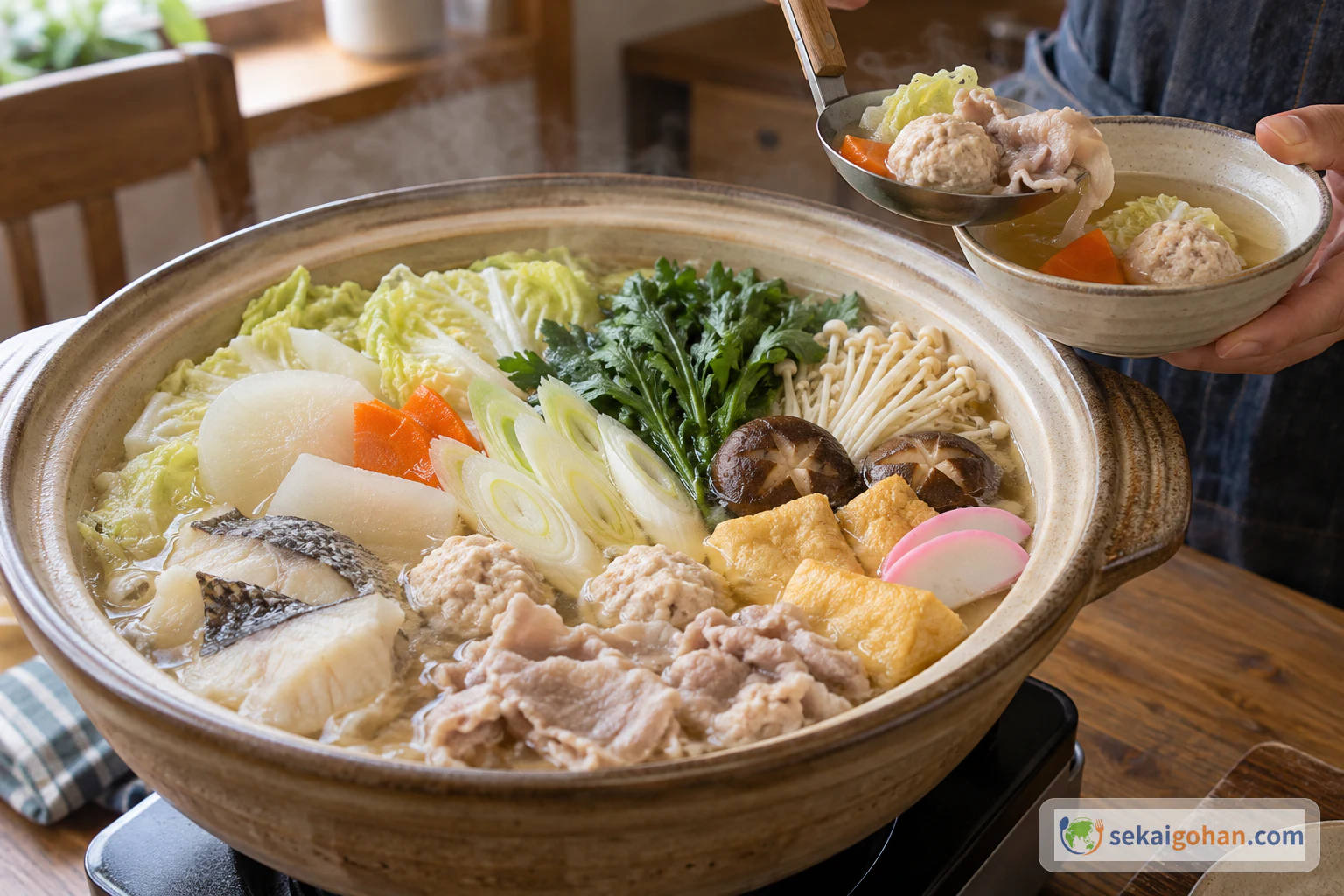
Chankonabe: A Home Hot Pot with Chicken Dumplings, Cod and Pork (Chanko Nabe)
How to make chankonabe for four at home: hand-mixed chicken dumplings, cod, thinly sliced pork and vegetables simmered in dashi seasoned with mirin, sake, light soy sauce and salt. Covers the order ingredients go into the pot, safe cooking of the meat, and what 'chanko' means in the sumo world.
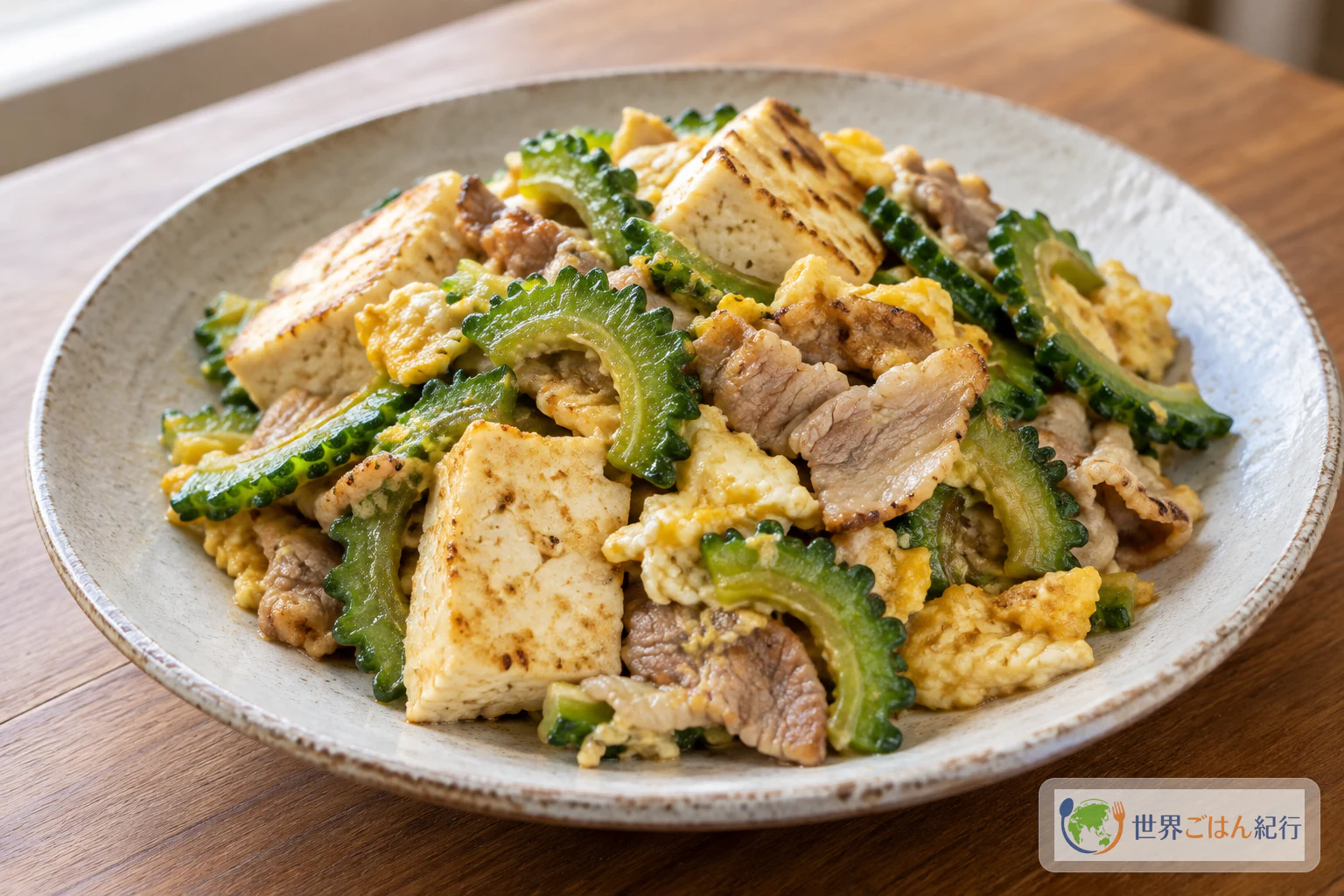
Chanpurū: How to Make Okinawan Goya Champuru with Momen Tofu, Pork Belly and Egg
What Okinawan chanpurū is: a family of stir-fries built on browned island tofu and seasonal vegetables. This article follows one goya champuru recipe for 4 published by Japan's Ministry of Agriculture, Forestry and Fisheries, using the momen-tofu option, and covers the 10-minute weighted drain, simmering the pork first, browning and removing the tofu, and when to add the egg.
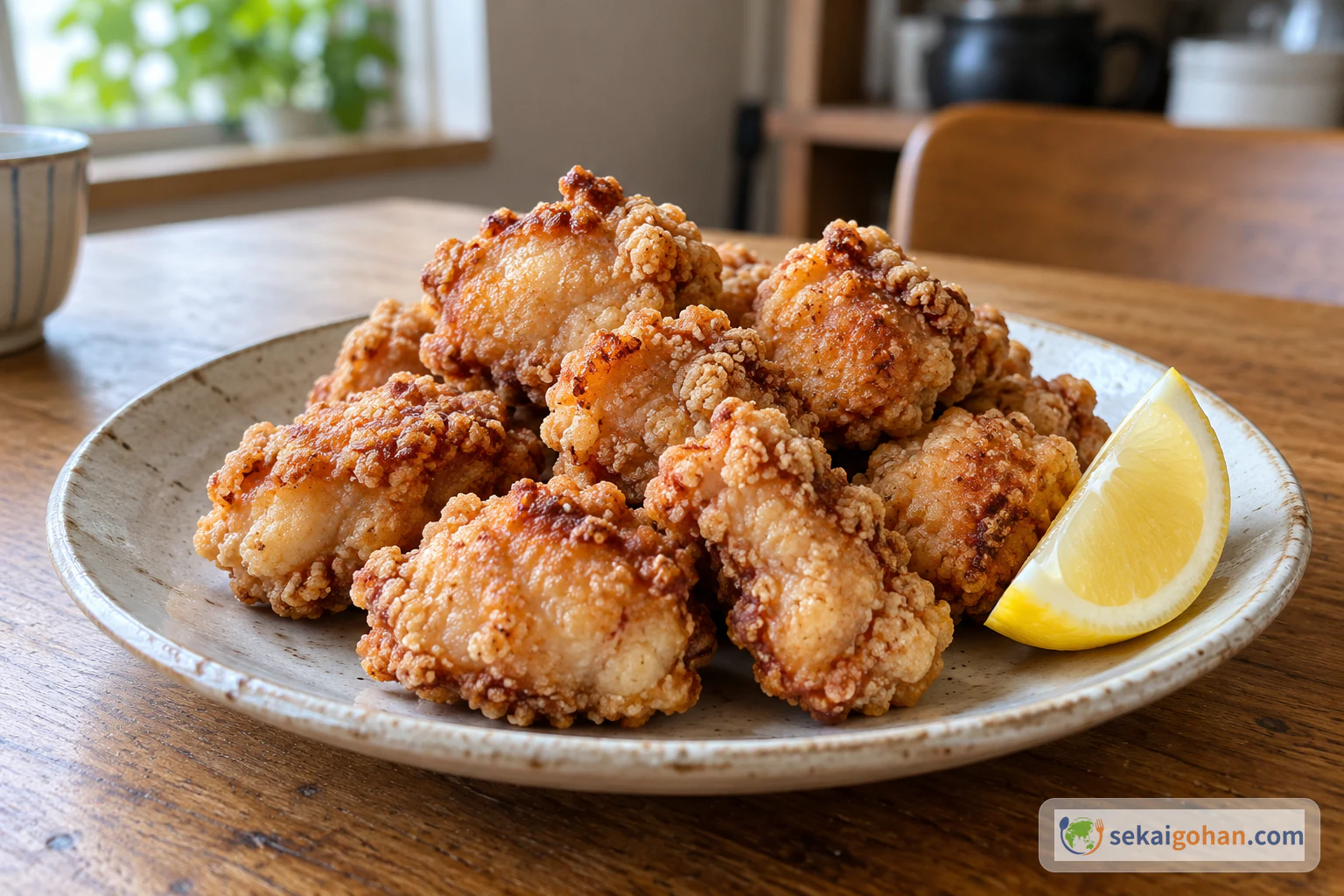
Chicken Karaage (鶏のから揚げ): Japanese Fried Chicken Seasoned First with Salt and Lemon
How to make Japanese chicken karaage from Chef Kimio Nonaga's two-serving recipe: about 250g of chicken thigh rubbed with salt and lemon juice, rested in the refrigerator for 1 to 6 hours, then worked with soy sauce, mirin, garlic, ginger, egg and katakuriko and fried at about 160°C. Covers checking that the center is cooked through, raw-chicken hygiene, and cooling the karaage before packing it into a bento.
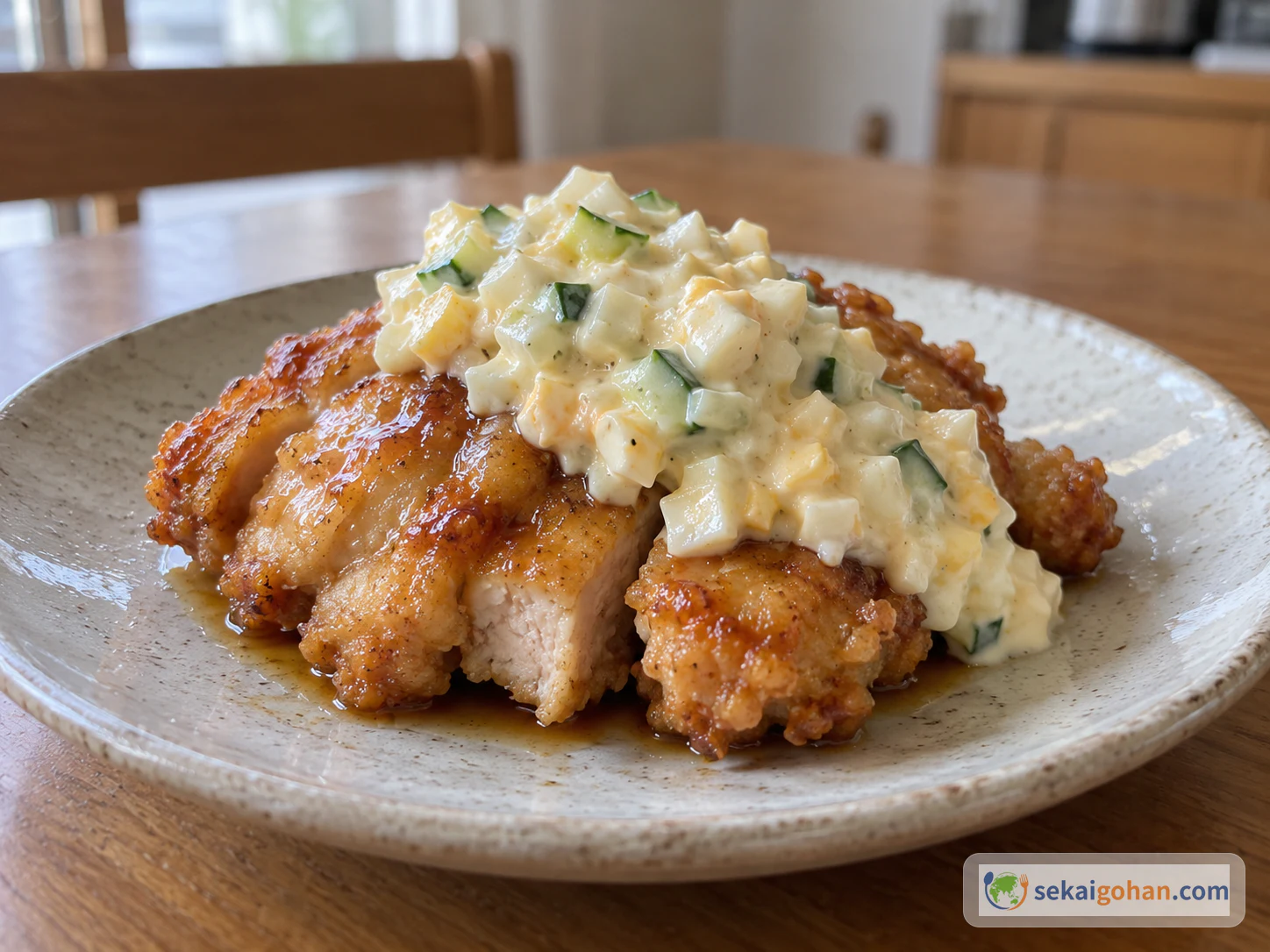
Chicken Nanban: Miyazaki Fried Chicken in Nanban Vinegar with Tartar Sauce (チキン南蛮)
How to make chicken nanban (チキン南蛮), the Miyazaki dish of chicken breast in a flour-and-egg coating, fried in 170°C oil, dipped in sweet-sour nanban vinegar, drained and topped with a tartar sauce of fresh cucumber, onion and boiled egg. Includes a 2-serving recipe from Miyazaki, the dish's story in Nobeoka, the tartar and sauce-only styles, and how to check that chicken is safely cooked.
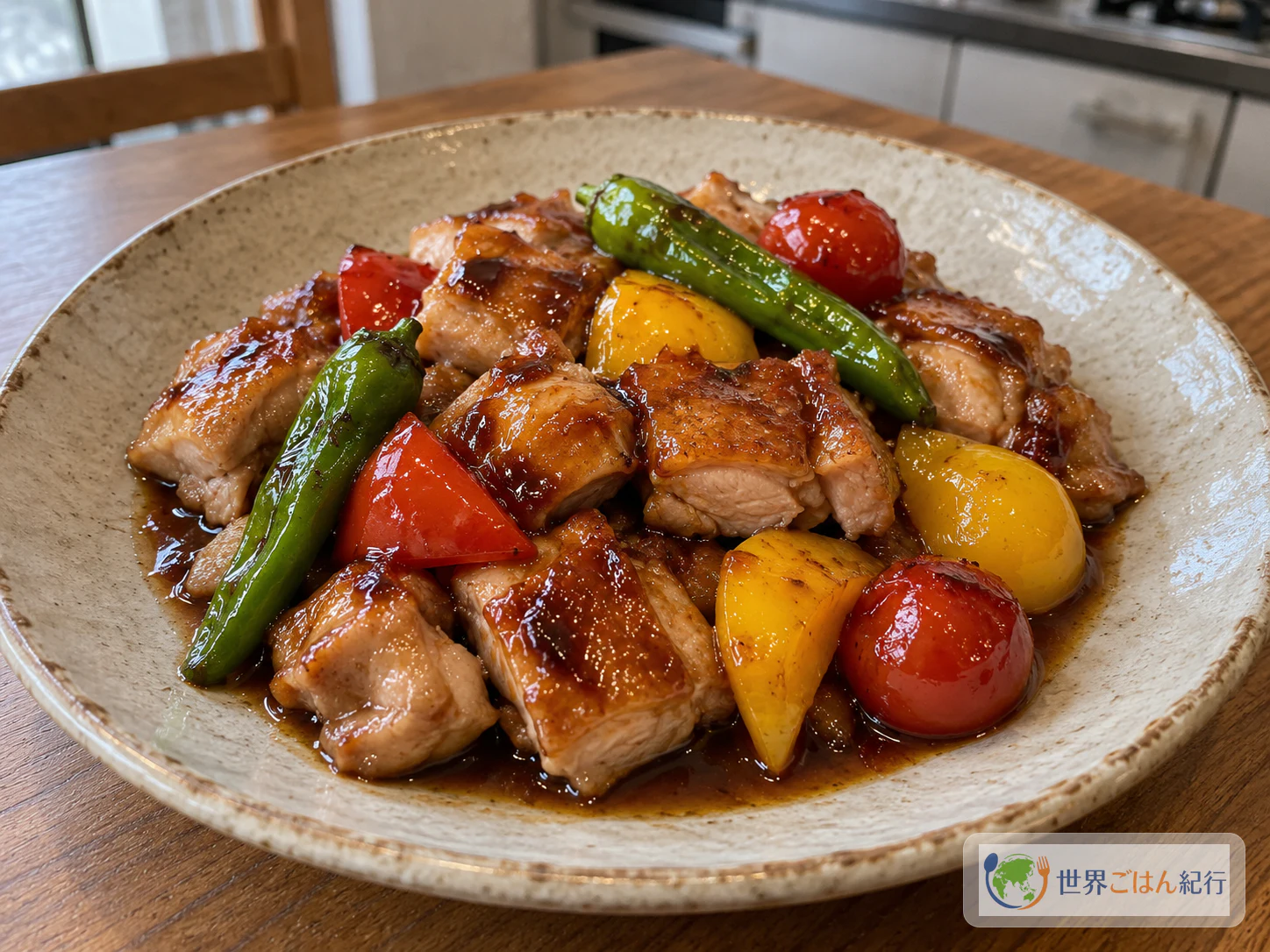
Chicken Teriyaki: Skin-Side-First Thighs Reduced with Soy, Mirin and Sake (鶏の照り焼き)
How to make chicken teriyaki from one published chef's recipe on Chef Gohan: chicken thighs marinated for 10 minutes, cooked skin side first, then reduced in soy sauce, mirin, sake and sugar with Fushimi peppers, red and yellow bell pepper and cherry tomatoes. Covers what the published recipe leaves unstated, such as times and oil amount, and how to check that chicken is safely cooked.
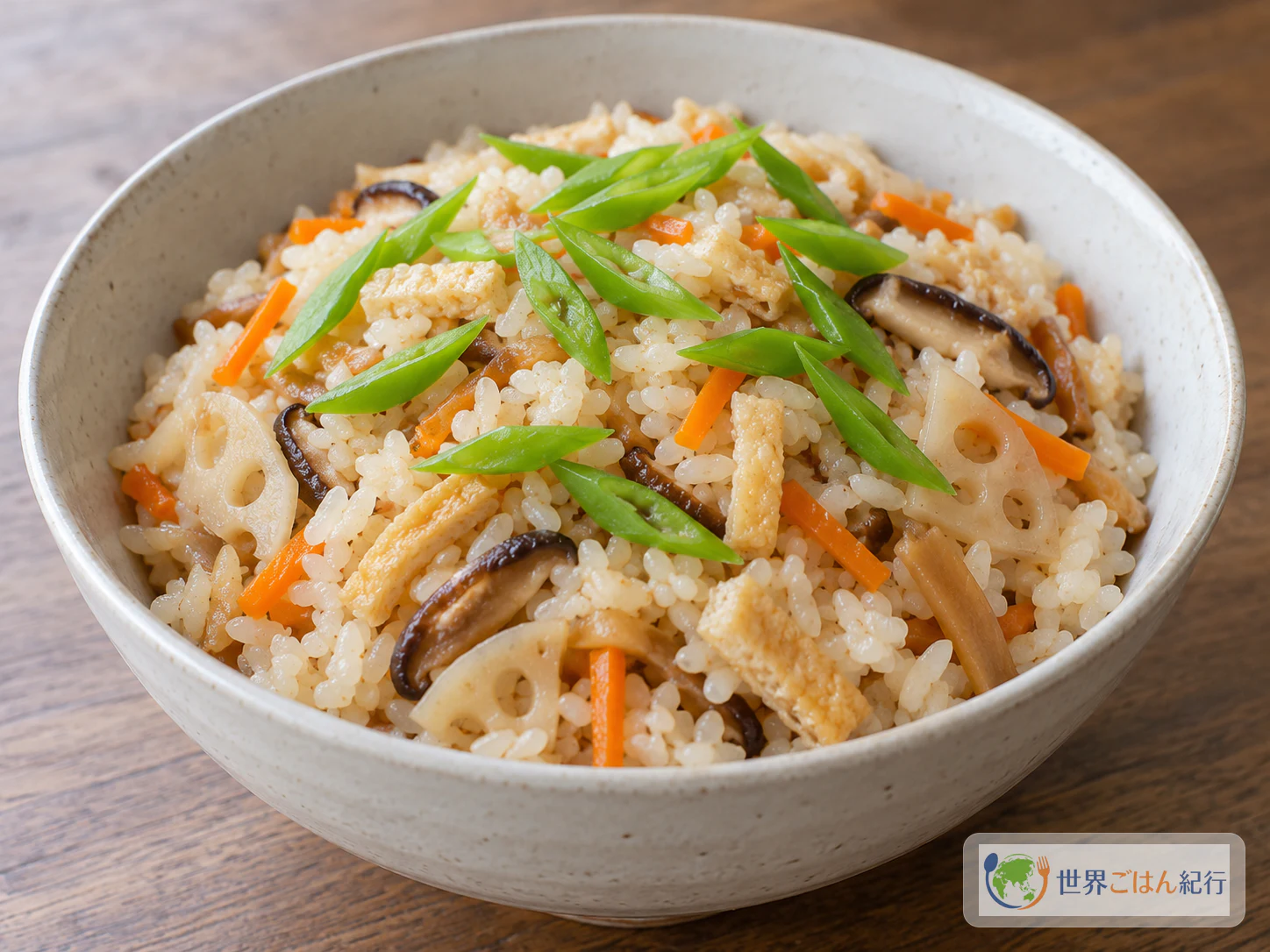
Chirashizushi: Gomoku-zushi with Simmered Root Vegetables and Aburaage (ちらし寿司・五目ずし)
How to make chirashizushi as gomoku-zushi, the style where simmered fillings are folded into vinegared rice. Aburaage, lotus root, carrot, dried shiitake and kanpyo are simmered in shiitake soaking liquid, mixed into fan-cooled sushi rice and finished with diagonally sliced snow peas. Covers the sweet vinegar dressing, how this mixed-in style differs from topped chirashi, fixing common problems and handling leftovers.
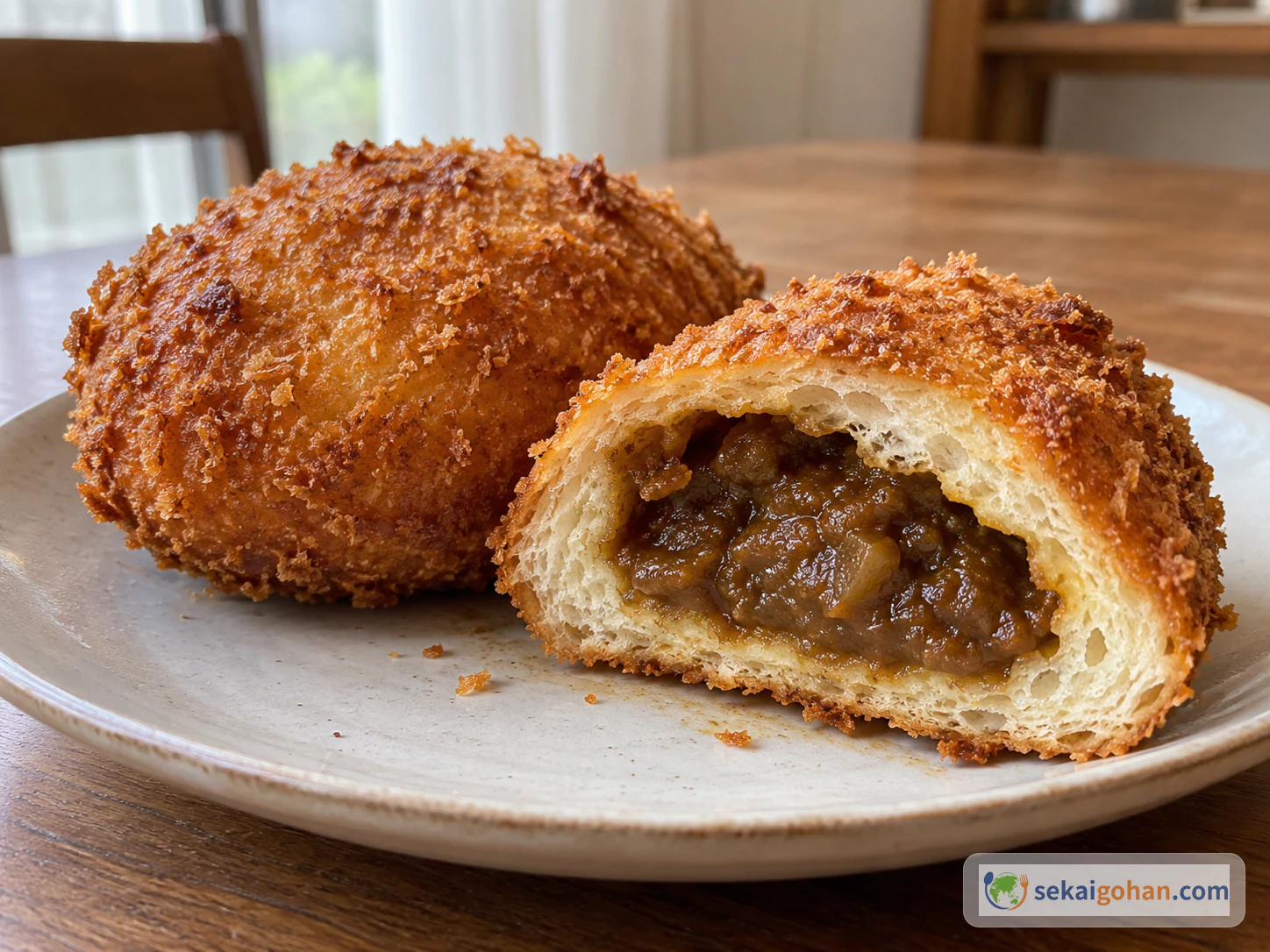
Curry Bread (Karē Pan): Fried Curry Buns with Cooked Rice in the Dough
How to make Japanese curry bread (karē pan) from a chef-boulanger's six-piece recipe: a cooled curry filling thickened with onion, butter and cake flour, a bread dough with cooked rice folded in, two proofs, a panko coating and frying at 180°C for about 4 minutes. It also separates what the recipe specifies from what it leaves open.
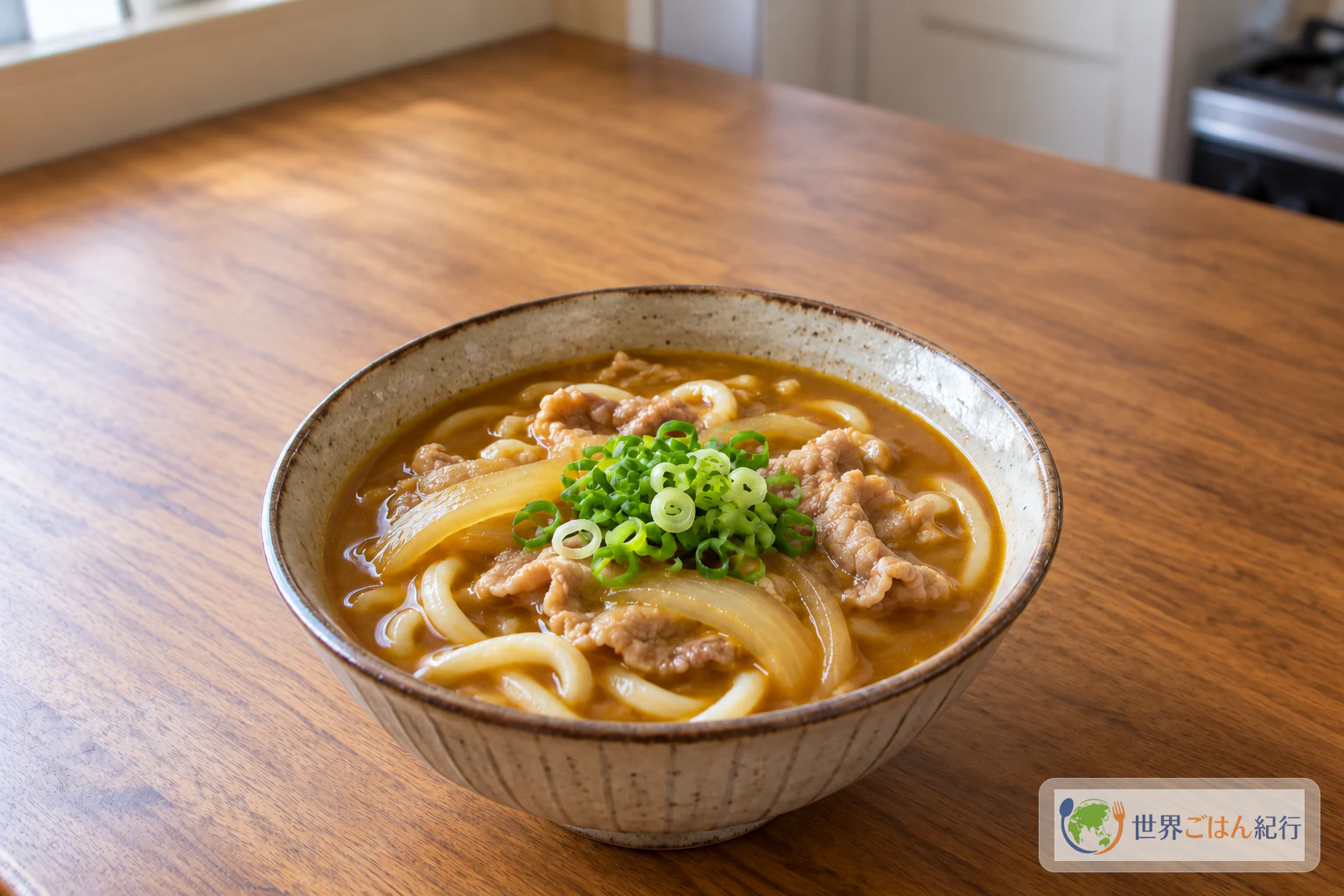
Curry Udon: Pork and Dashi Curry Noodle Soup with Boxed Roux (カレーうどん)
How to make curry udon for two with thin pork loin, onion, prepared Awase Dashi, Japanese boxed curry roux and frozen Sanuki udon. Covers why 3 cups here means 720 ml, how to dissolve the roux one portion at a time in a ladle with the heat off, and why the noodles cook in a separate pot.
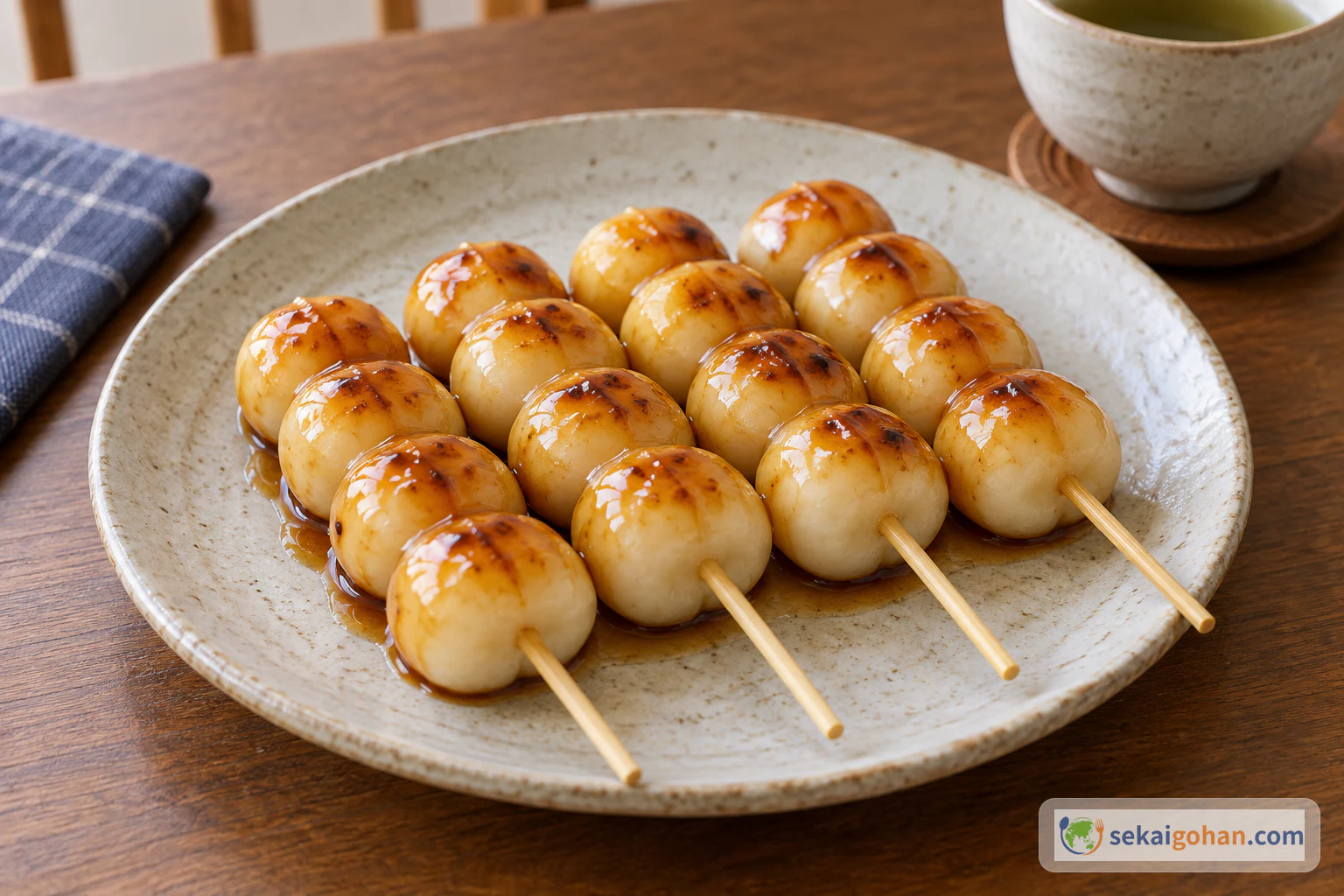
Kushi Dango: Tokyo Skewered Rice Dumplings with Sweet Soy Glaze (串だんご)
How to make kushi dango, the skewered rice dumplings listed among Tokyo's local dishes, from shiratamako and joshinko. Two doughs are mixed separately, combined, boiled in rough portions until they float, kneaded again on a damp cloth, then cut into 16, rounded, skewered four to a stick, lightly torched and coated in a simple sauce of soy sauce, sugar, water and potato starch.
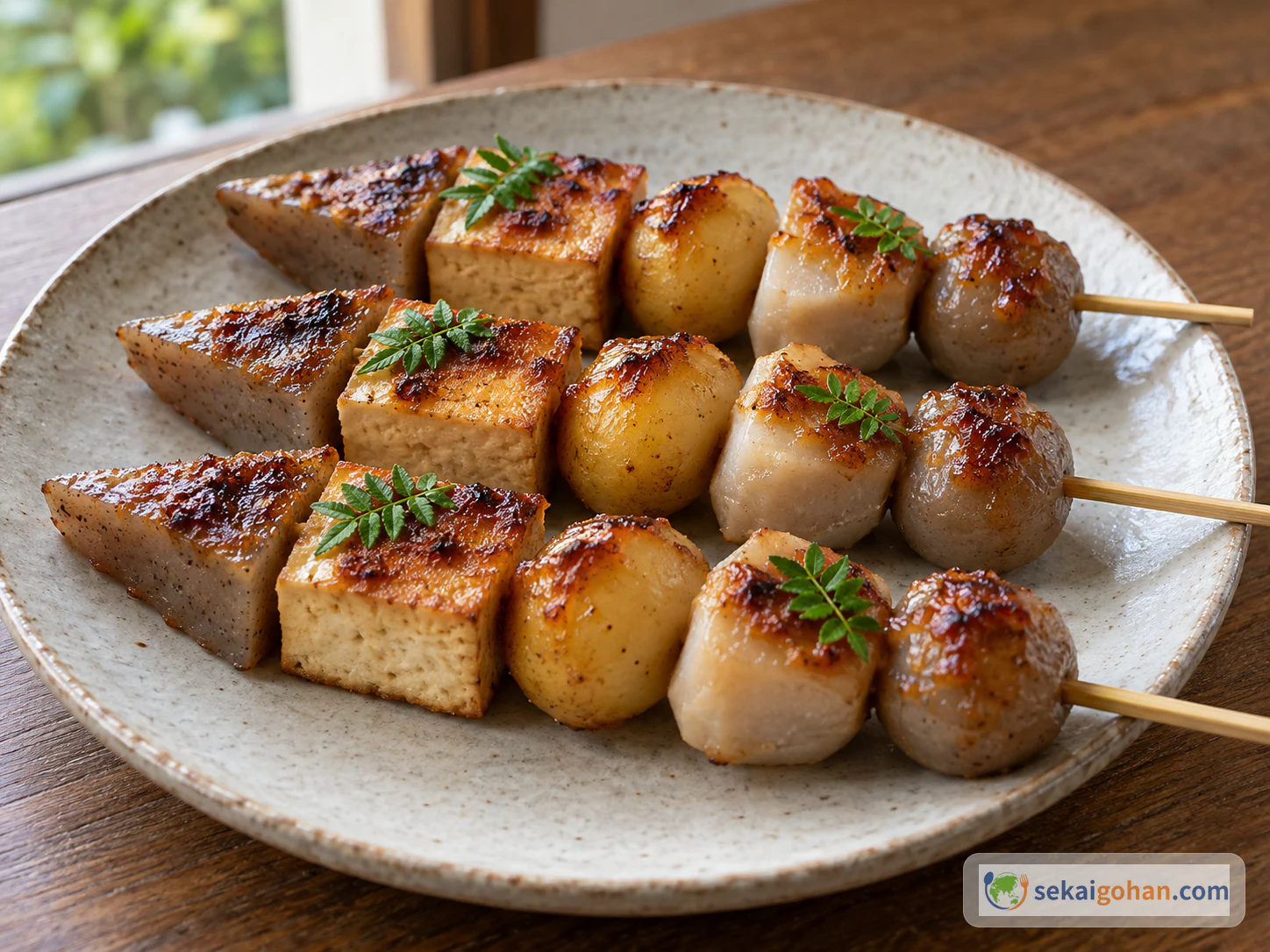
Dekomawashi: Tokushima's Five-Ingredient Skewers with Ginger Miso (でこまわし)
How to make dekomawashi, the skewered local dish of Iya in Tokushima prefecture: taro, small potatoes, konnyaku, firm tofu and buckwheat dumplings, brushed with ginger miso and roasted twice, then finished with kinome. Covers each component's preparation, the order for threading the skewers, the two-stage roast, regional ingredients, and how this version differs from other published recipes.
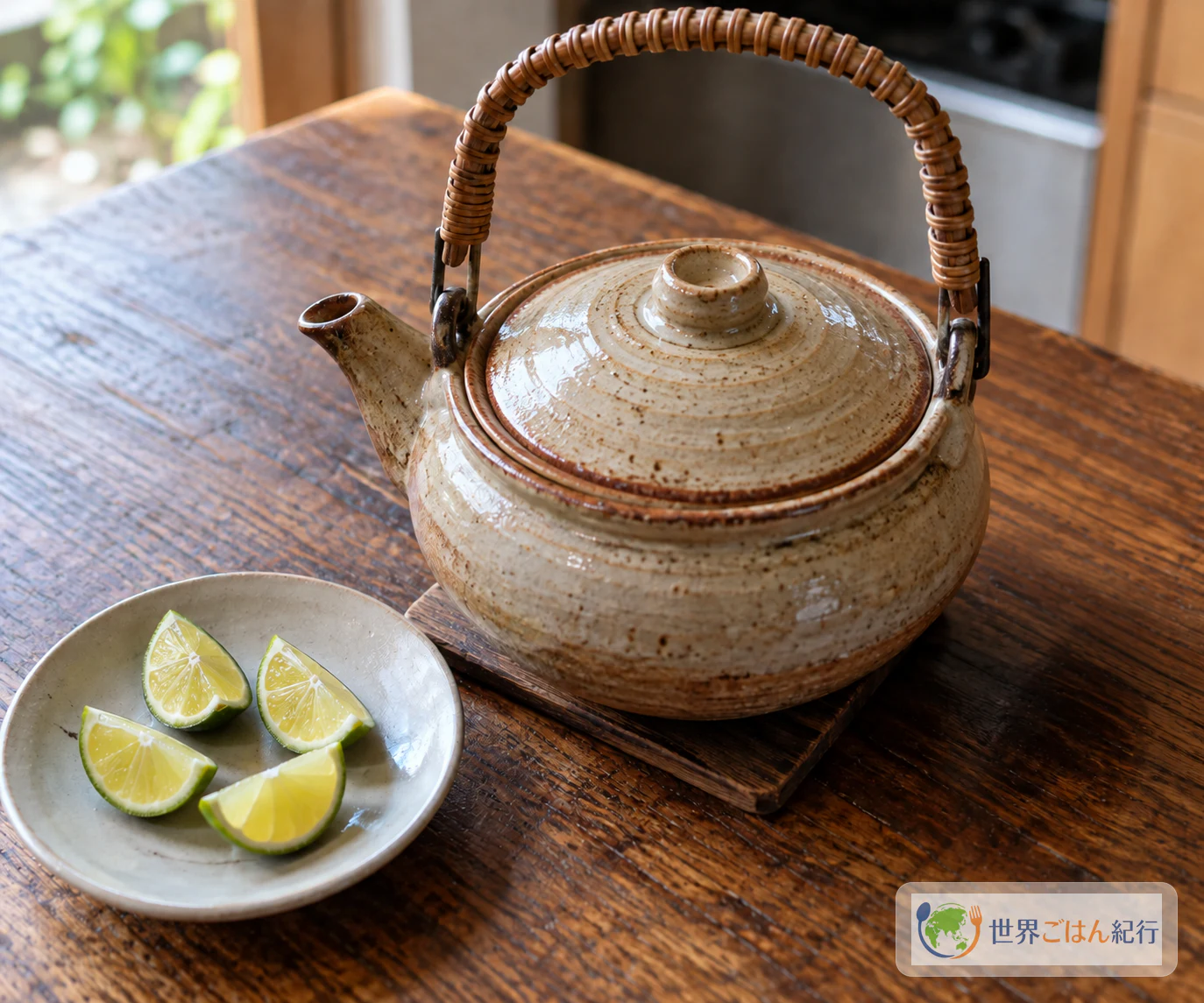
Matsutake Dobin Mushi: Japanese Teapot Soup with Shrimp, Chicken and Ginkgo
How to make matsutake dobin mushi from Ajinomoto KK's four-serving recipe: sliced matsutake, sai-maki shrimp, chicken thigh and ginkgo in a clear Hondashi broth, brought to one boil in a dobin, finished with mitsuba and served with quartered sudachi. The water stays at 3 cups as written, and the 20 minutes shown on the recipe page is treated as a displayed time, not a measured one.
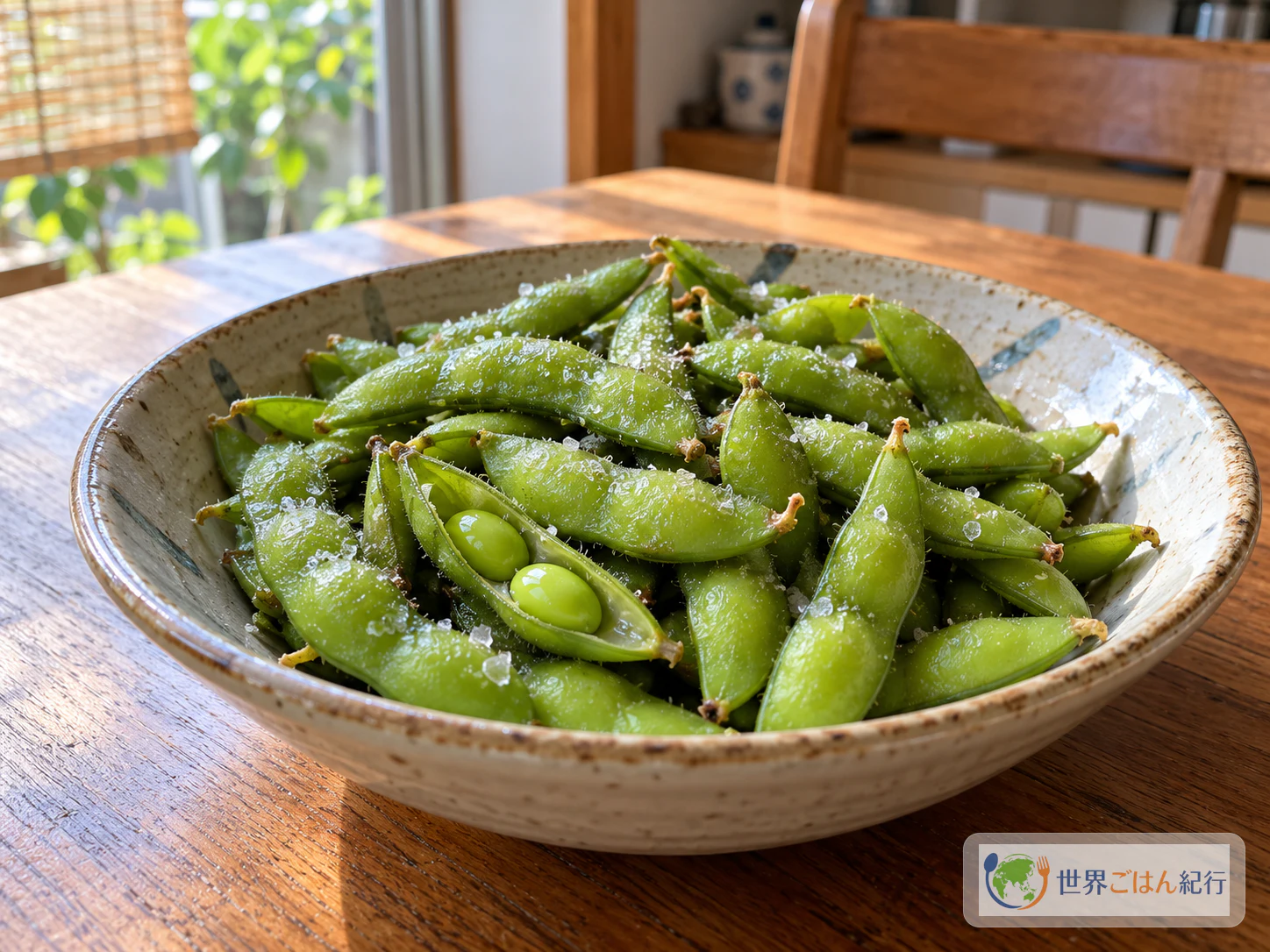
Edamame: Japanese Salt-Boiled Green Soybeans in the Pod (枝豆)
How to salt-boil fresh edamame (枝豆) in their pods the Japanese home way: rub with half the salt, boil the water first, add the rest of the salt, then cook 4–6 minutes after the pods return to a boil. Covers choosing fresh pods, weighing the salt, the fuzzy-pod and leftover-salt branches, cooling without water, make-ahead notes, and how other Japanese versions differ.
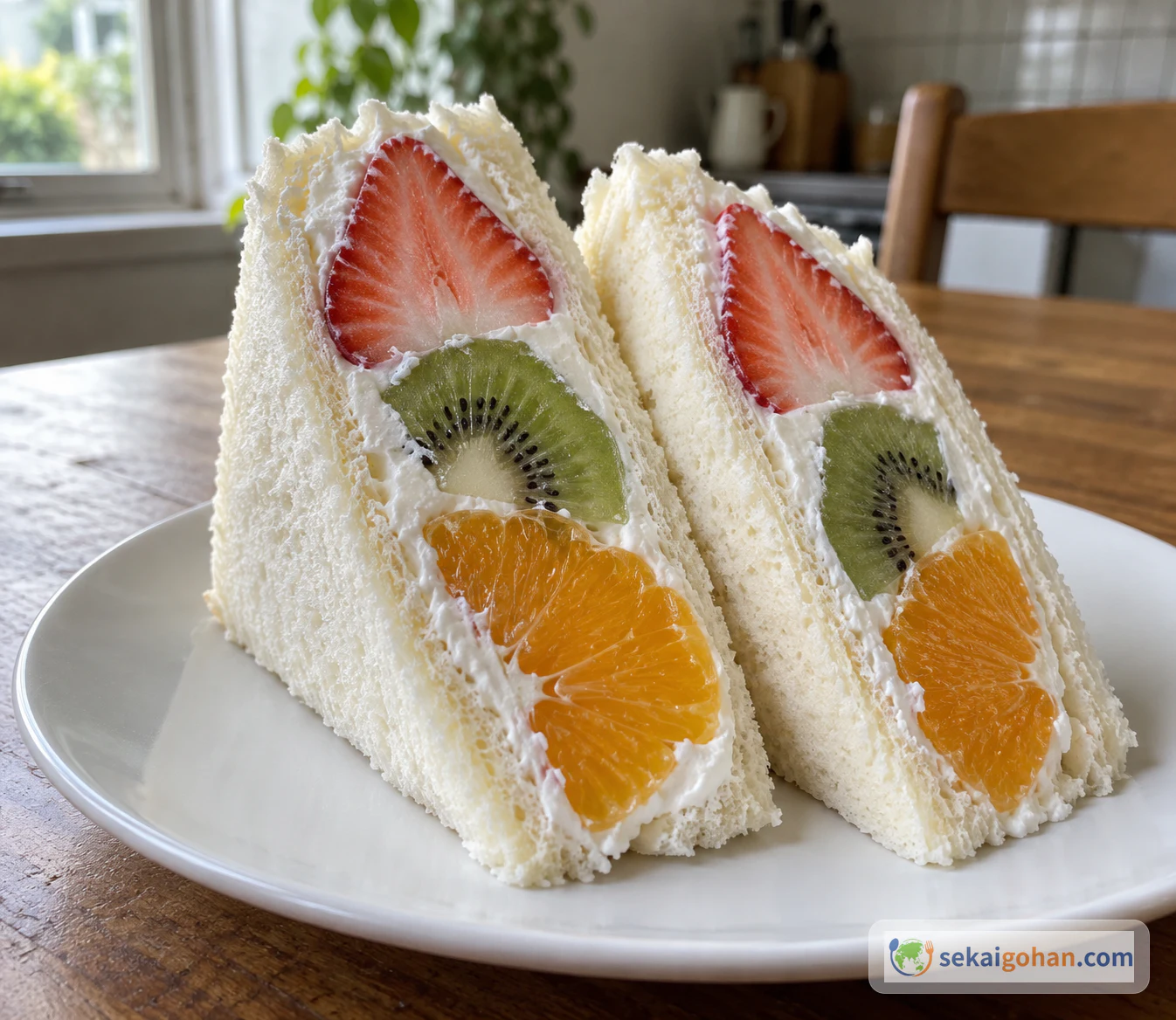
Japanese Fruit Sandwich (Fruit Sando): Whipped Cream and Fresh Fruit in Soft Shokupan
How to make a Japanese fruit sandwich (fruit sando, フルーツサンド): soft shokupan, whipped cream whipped to medium peaks, and strawberries, kiwi and navel orange arranged along a cut line so the cross-section shows when you slice it. Covers drying the fruit, whipping cream over ice, wrapping and chilling, cutting cleanly, storage, fruit variations and why the dish's origin is still debated.
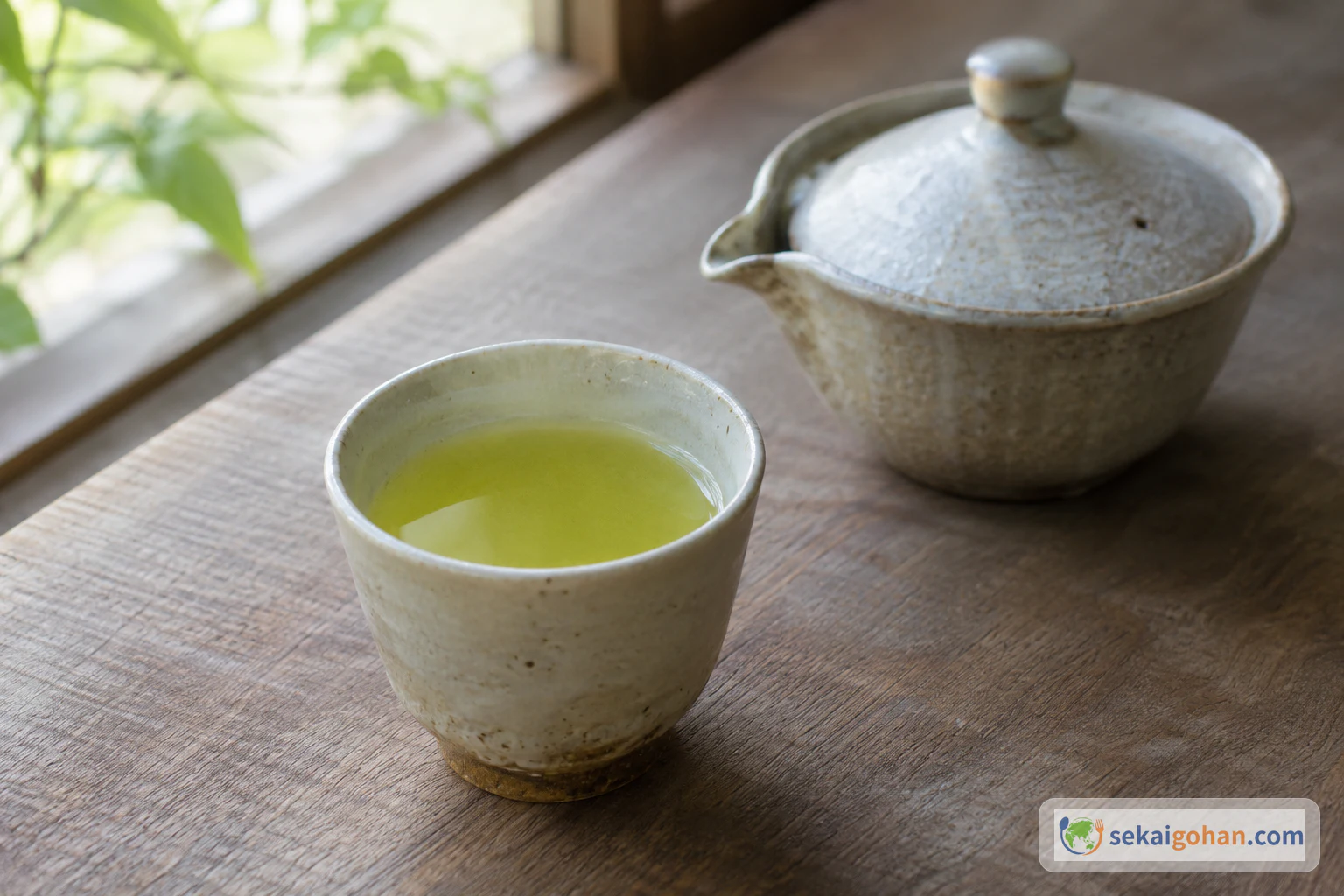
Gyokuro (玉露): How to Brew Japanese Shade-Grown Tea with 10g, 80mL, 60°C and 90 Seconds
A basic way to brew gyokuro (玉露), Japan's shade-grown green tea, from loose leaves: 10g of leaves, 80mL of water at 60°C, poured off 90 seconds after you begin pouring. Covers weighing the leaves, bringing the water to 60°C, when to start counting, how another shop's ratio differs, and the Uji and Yame background behind the tea.
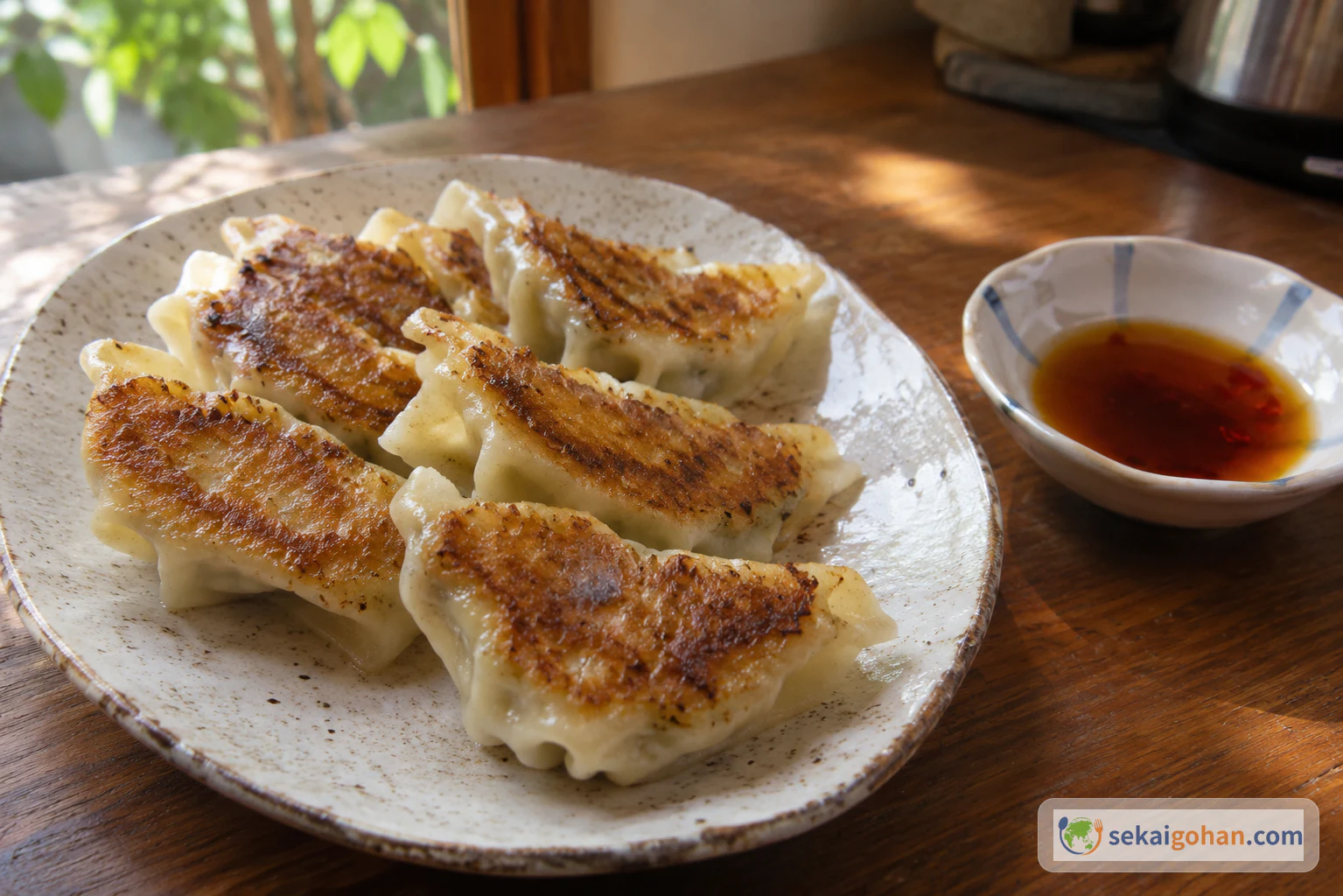
Gyoza (餃子): Japanese Pan-Fried Pork and Cabbage Dumplings
How to make Japanese yaki-gyoza with a pork, green cabbage and shiitake filling: salting and squeezing the cabbage, kneading the filling, pleating store-bought wrappers, then browning, steaming and crisping in one pan. Includes per-batch and per-serving amounts, a soy and rice vinegar dipping sauce, storage, troubleshooting and the separate center-temperature safety target.
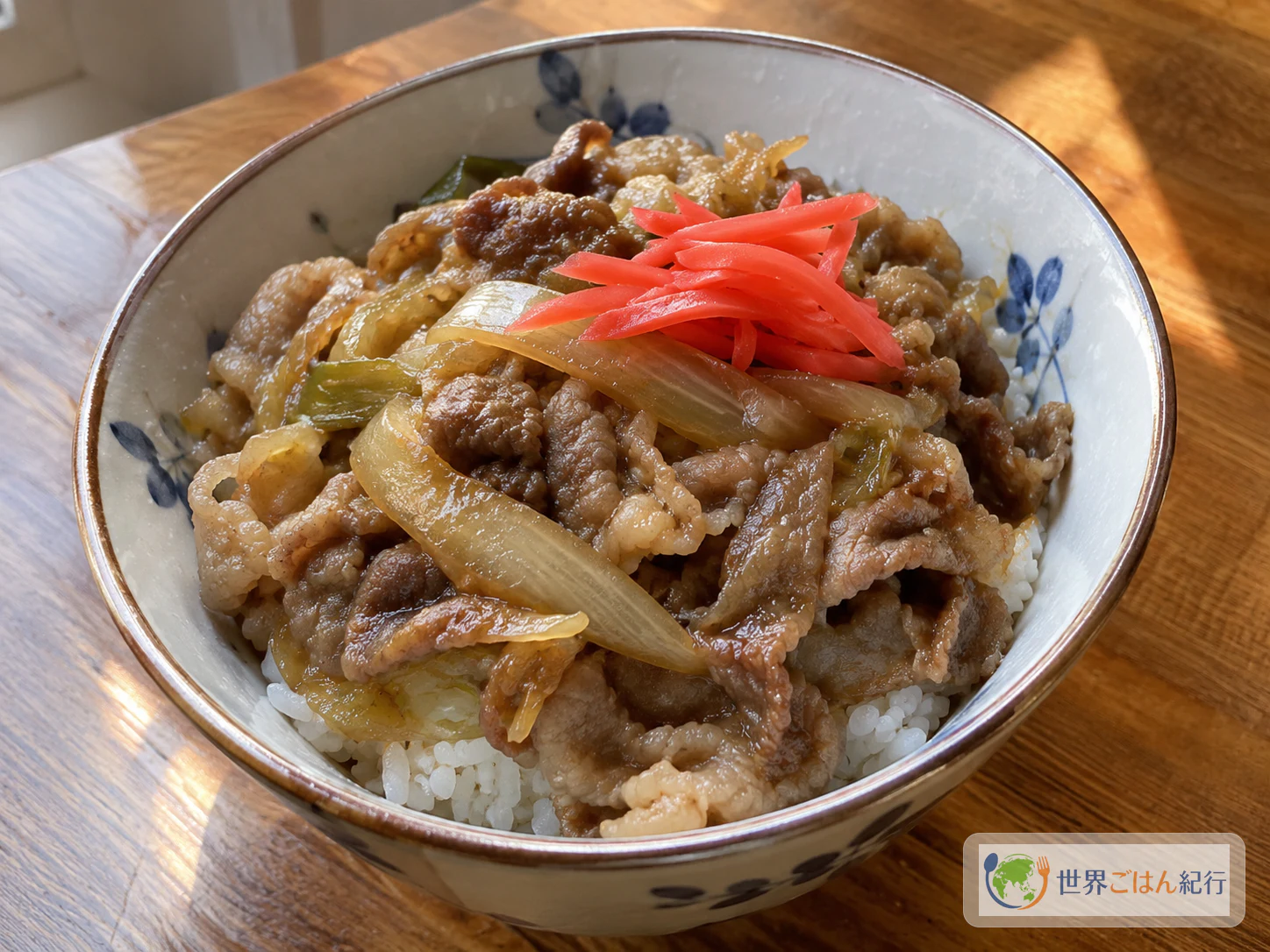
Gyūdon: Japanese Beef and Onion Rice Bowl (牛丼)
How to make gyūdon (牛丼), the Japanese rice bowl of paper-thin beef and onion simmered in a savory-sweet dashi sauce. A two-serving, one-pan recipe that starts the sauce in a cold pan, layers onion and beef before the heat goes on, and finishes the scallion under the lid. Includes the cooked-rice amount, choosing beef and dashi, fixing chewy beef, and a clear note on cooking meat through.
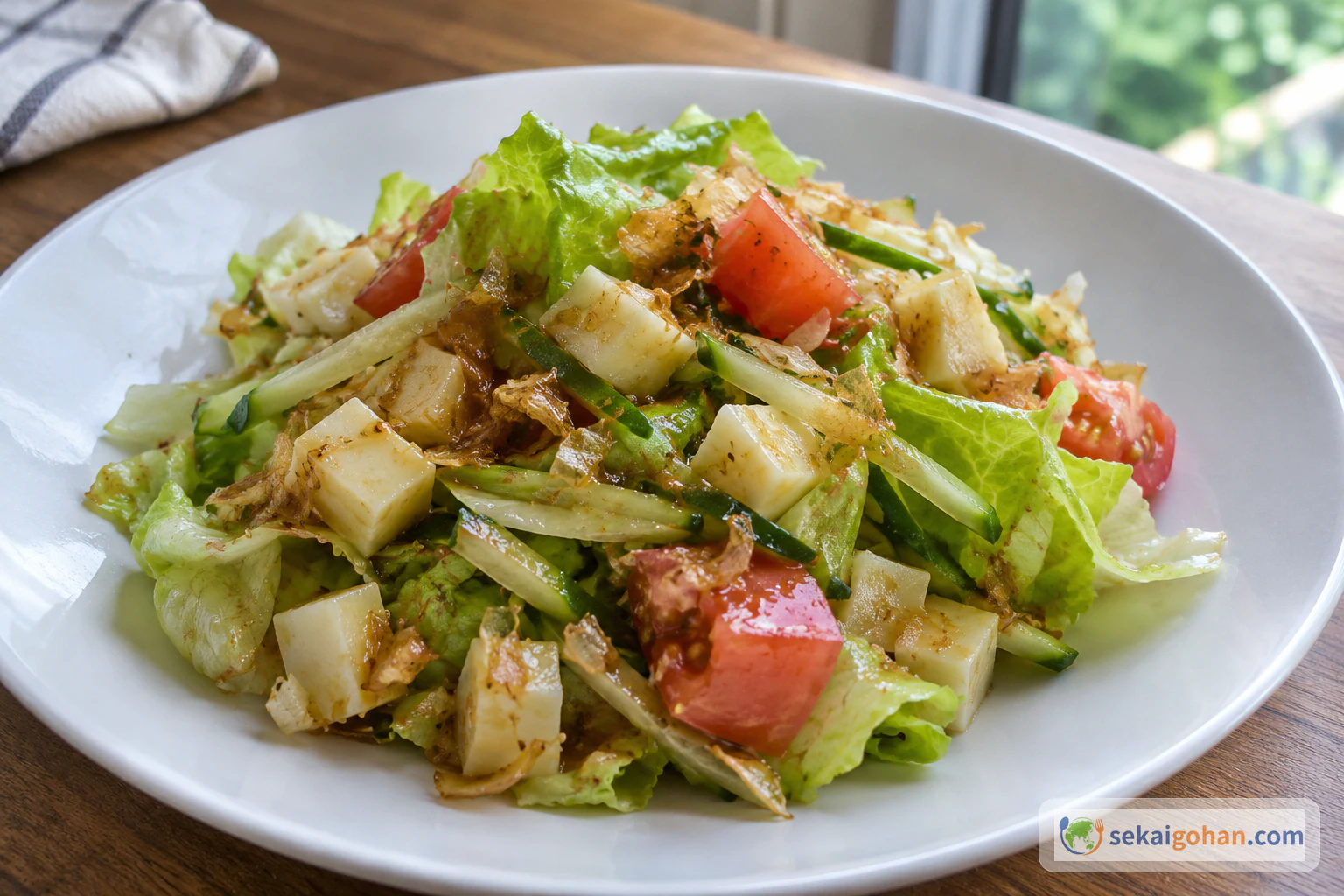
Ise and Tsu Hanpei Salad: Mie's White Half-Moon Fish Cake with Bonito Dressing (Hanpen)
A simple salad from Ise and Tsu in Mie Prefecture, Japan: a purchased ready-to-eat hanpei fish cake, cut into cubes and plated with hand-torn lettuce, cucumber matchsticks and diced tomato, then dressed with Japanese-style dressing mixed with bonito flakes. Covers how the regional half-moon hanpei differs from Kanto's airy hanpen and the grey kuro-hanpen, how to shop, and why product labels decide storage and allergen questions.
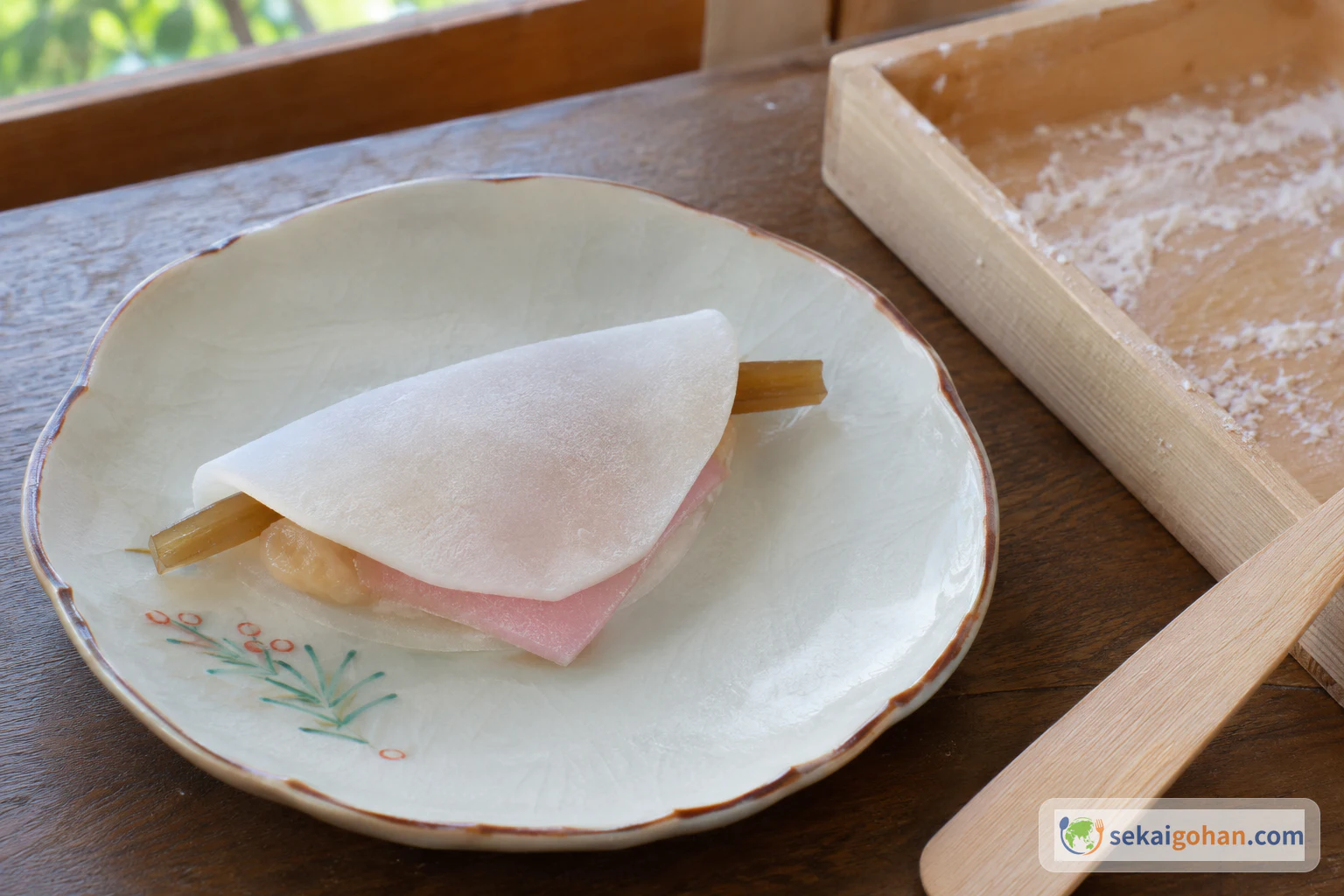
Hanabiramochi: Japanese New Year Sweet with White Miso and Candied Burdock (花びら餅)
How to make hanabiramochi (花びら餅), the Kyoto-style January sweet of soft white gyuhi folded over a pale pink square, white miso bean paste and candied burdock. Six pieces, made with a 500W microwave, with the burdock started the day before and cooled and refrigerated overnight. Includes the dish's ties to New Year and the first tea ceremony of the year, regional mochi and gyuhi styles, and honest notes on substitutions.
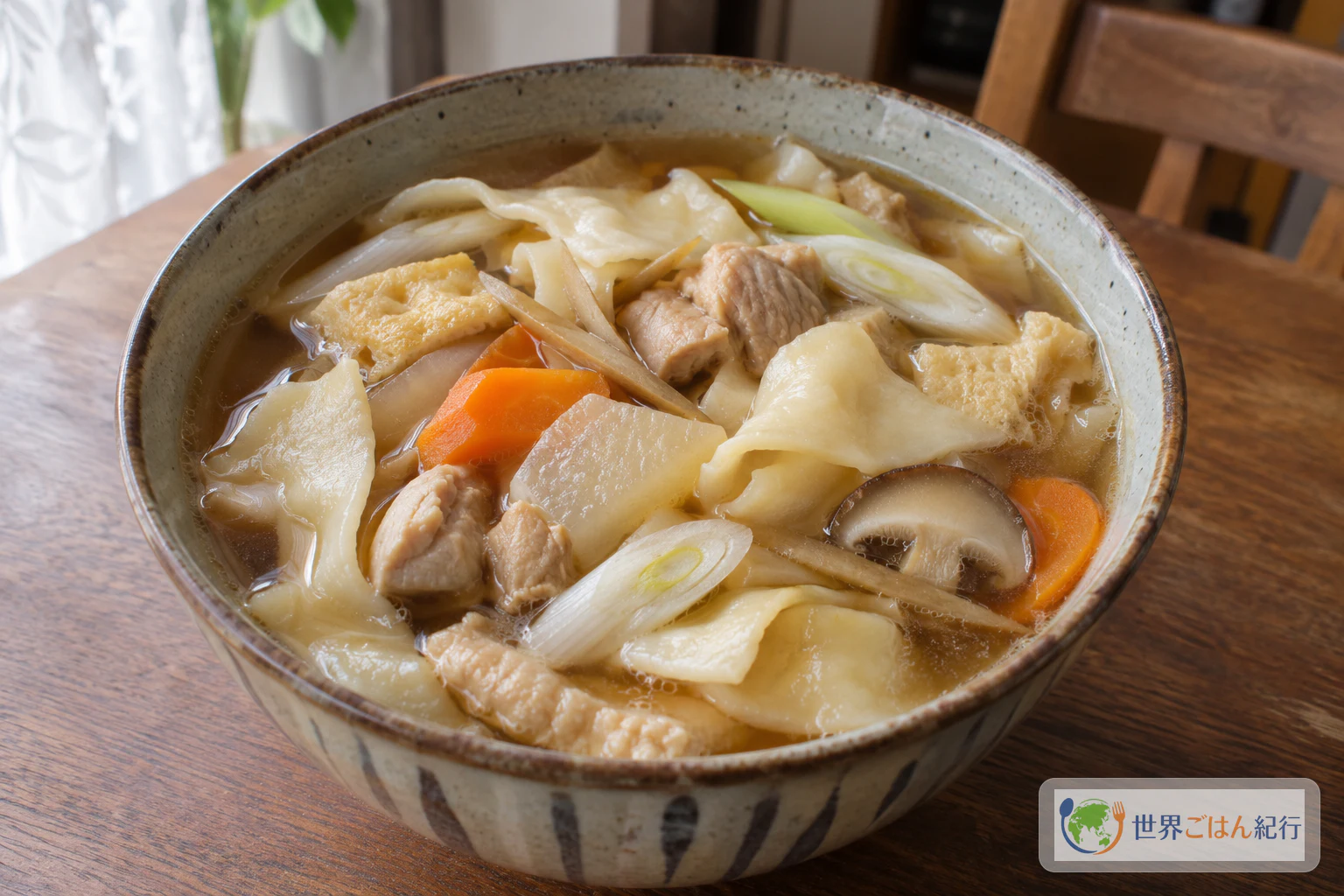
Hatto-jiru: Miyagi Soup with Hand-Torn Wheat Dough (はっと汁)
How to make hatto-jiru, the savory soup form of hatto from Tome in Miyagi Prefecture: a soft wheat dough stretched thin and torn by hand into a broth of chicken thigh, burdock, daikon, carrot, fresh shiitake and aburaage, finished with long onion and soy sauce. Covers the regional background, the told story behind the name, how to judge when the dough is cooked, a separate chicken-safety check, and household variations kept apart from the recipe.
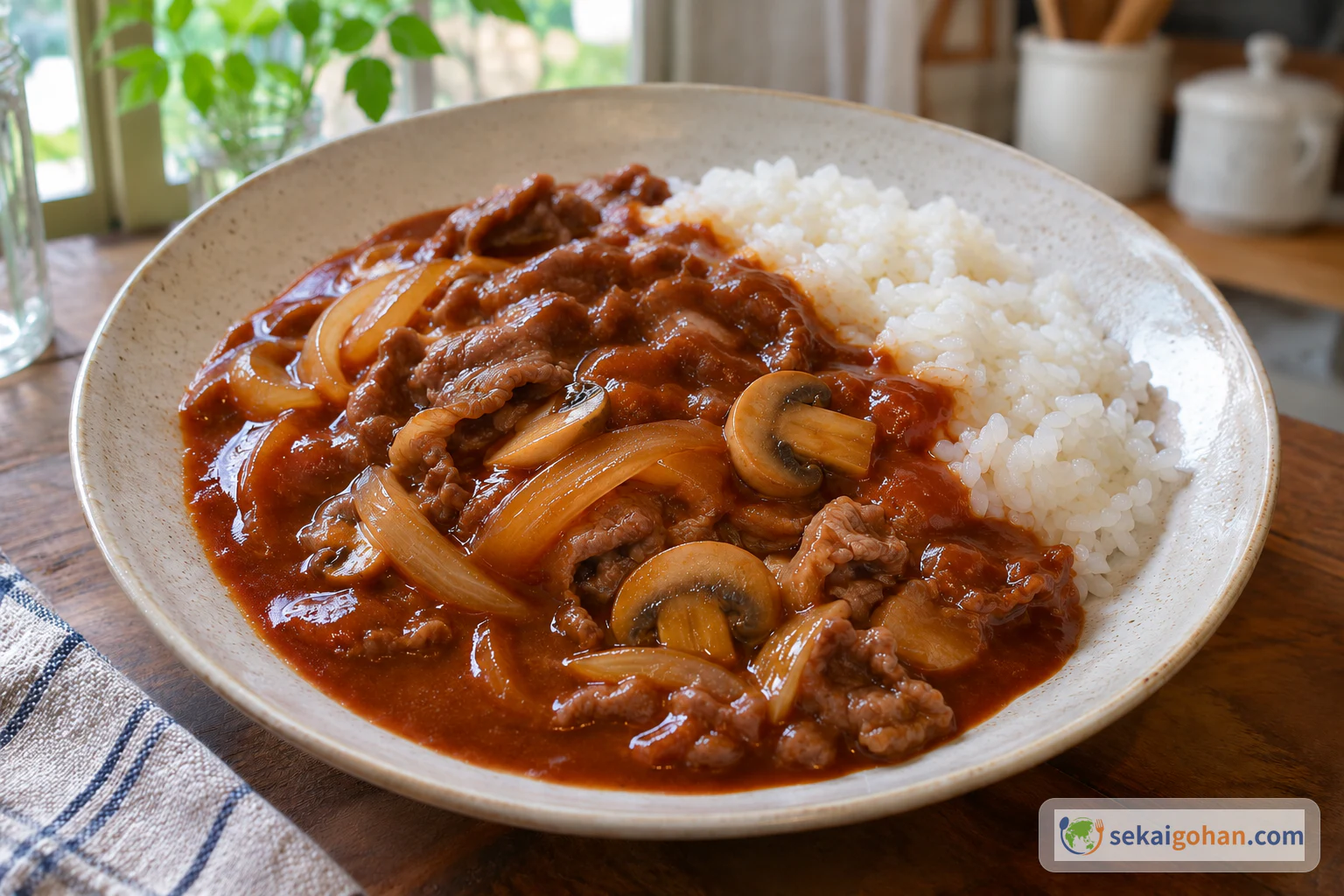
Hayashi Rice: Japanese Beef and Onion Sauce over Rice with Red Wine and Demi-Glace (ハヤシライス)
How to make hayashi rice (ハヤシライス), the Japanese home-style yōshoku plate of thinly sliced beef, onion and mushrooms simmered with red wine and canned demi-glace and served over rice. Four servings, a step-by-step order from sautéing the onion to the final knob of butter, how to judge the sauce by its thickness, honest notes on swaps, and why the dish's name has no single settled origin.
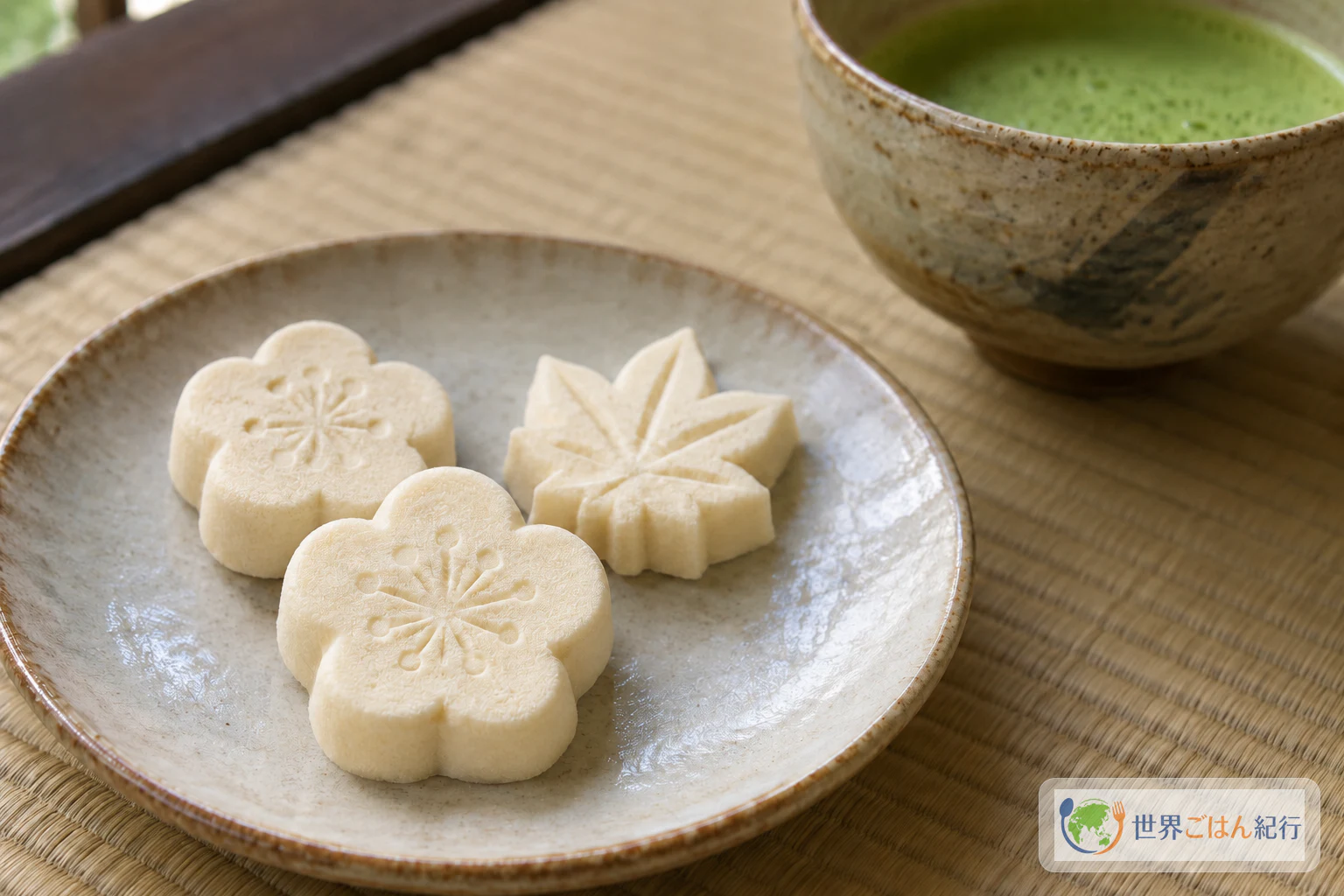
Higashi (Japanese Dry Sweets): What They Are and How to Make Rakugan
Higashi (干菓子) is the broad Japanese category of dry, low-moisture sweets, not a single recipe. Learn what the category covers, how it appears alongside thin tea, and how to make one version of rakugan (落雁) from sugar, water and mijinko in three steps.
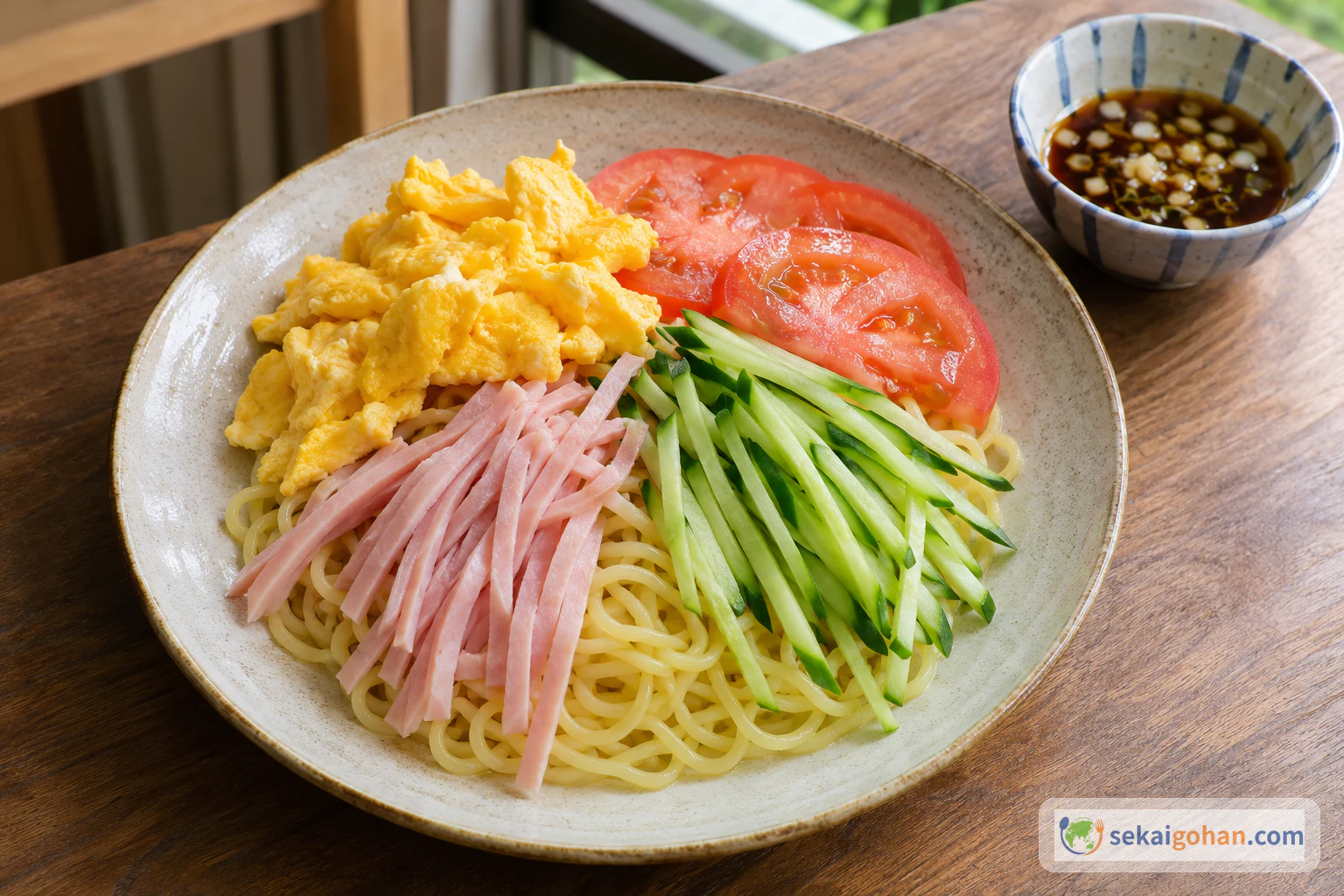
Hiyashi Chūka: Japanese Chilled Noodles with Scallion-Ginger Sauce (冷やし中華)
How to make hiyashi chūka for two: fresh Chinese noodles boiled to the package time, cooled in two water baths, washed under running water and drained well, then topped with large-curd scrambled egg, ham, cucumber and tomato, with a sweet-sour soy sauce of scallion, ginger and doubanjiang on the side. Includes substitutions, origin accounts from Sendai and elsewhere, regional names, and hygiene notes.
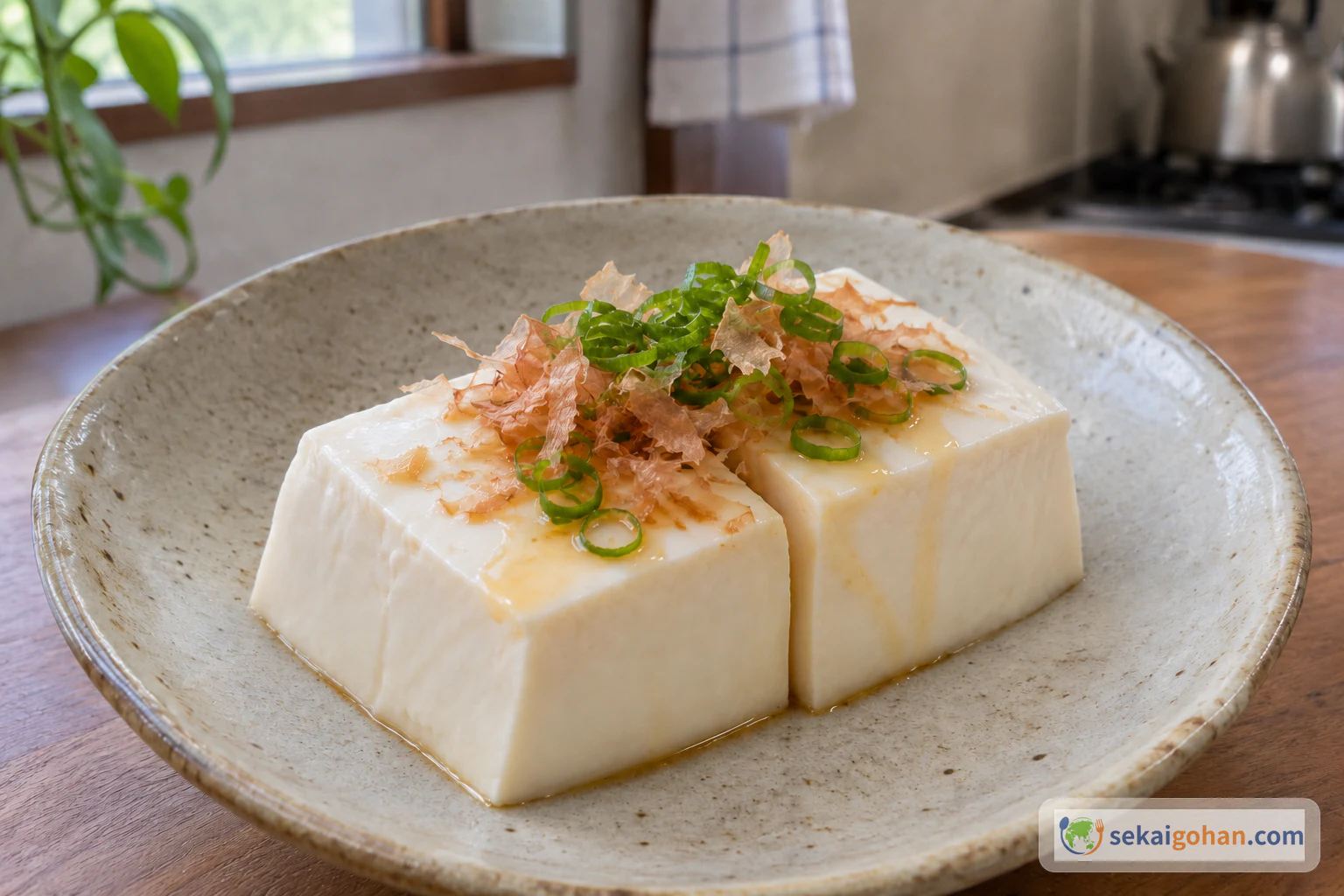
Hiyayakko: Japanese Cold Silken Tofu with Bonito Flakes and Green Onion (冷奴)
How to make hiyayakko (冷奴), a no-cook Japanese plate of chilled silken tofu, in a single-serving version: 100 g silken tofu cut in half, topped with a pinch of shaved bonito flakes and sliced green onion, and finished with 1 teaspoon of Kikkoman Basic Okazu Tsuyu. Covers the ingredients, the one-step method, what this version leaves out, and common questions.
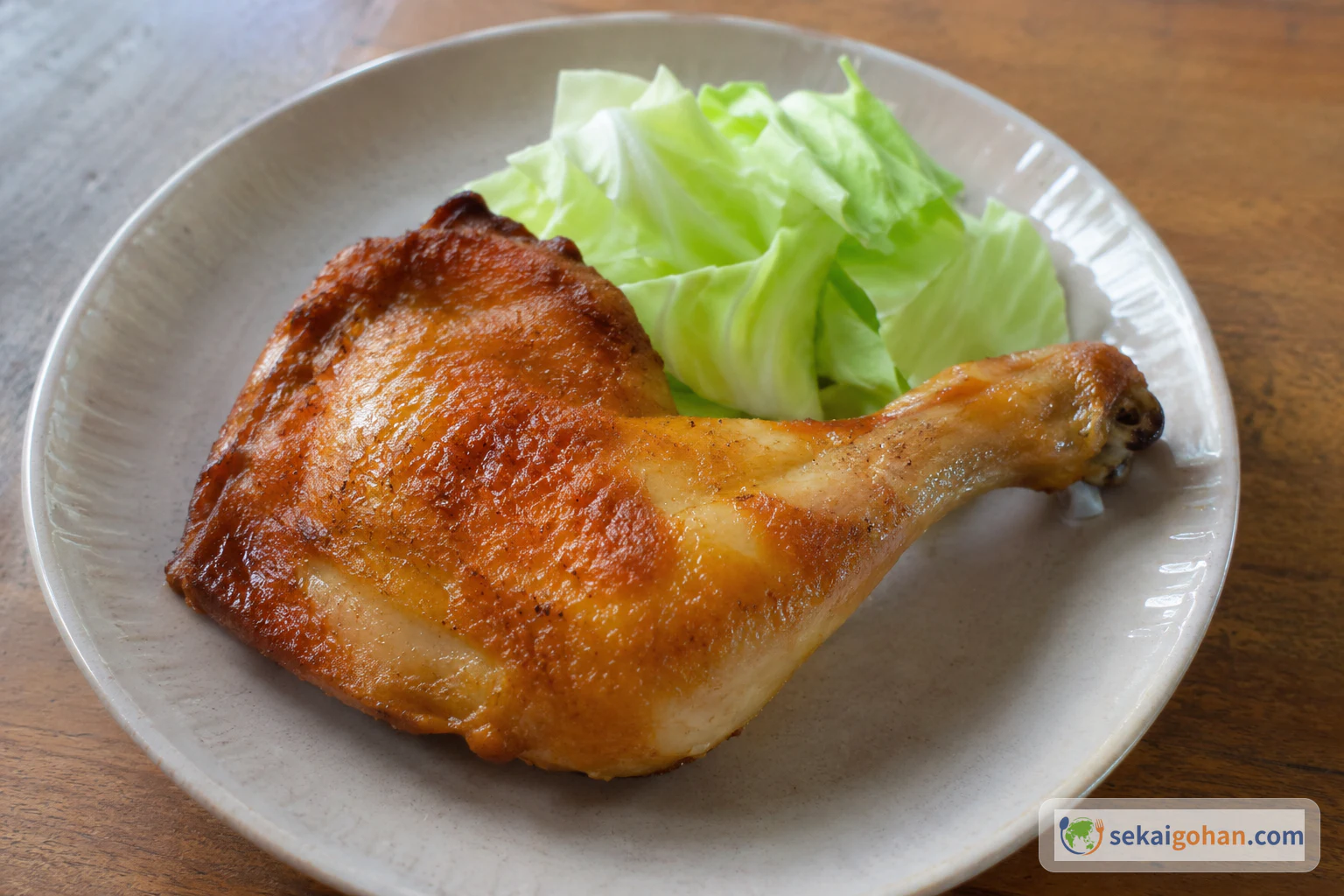
Honetsukidori: Kagawa's Garlic-Peppered Bone-In Chicken Leg (骨付鳥)
How to make honetsukidori (骨付鳥), the bone-in chicken leg dish of Kagawa Prefecture and Marugame, as a one-leg frying-pan recipe for home cooks. Covers the garlic powder, pepper, salt and soy seasoning, the refrigerated marinade, searing skin-side down, basting the skin crisp, checking the center temperature with a thermometer, and serving with roughly cut cabbage.