
Recipes (43)
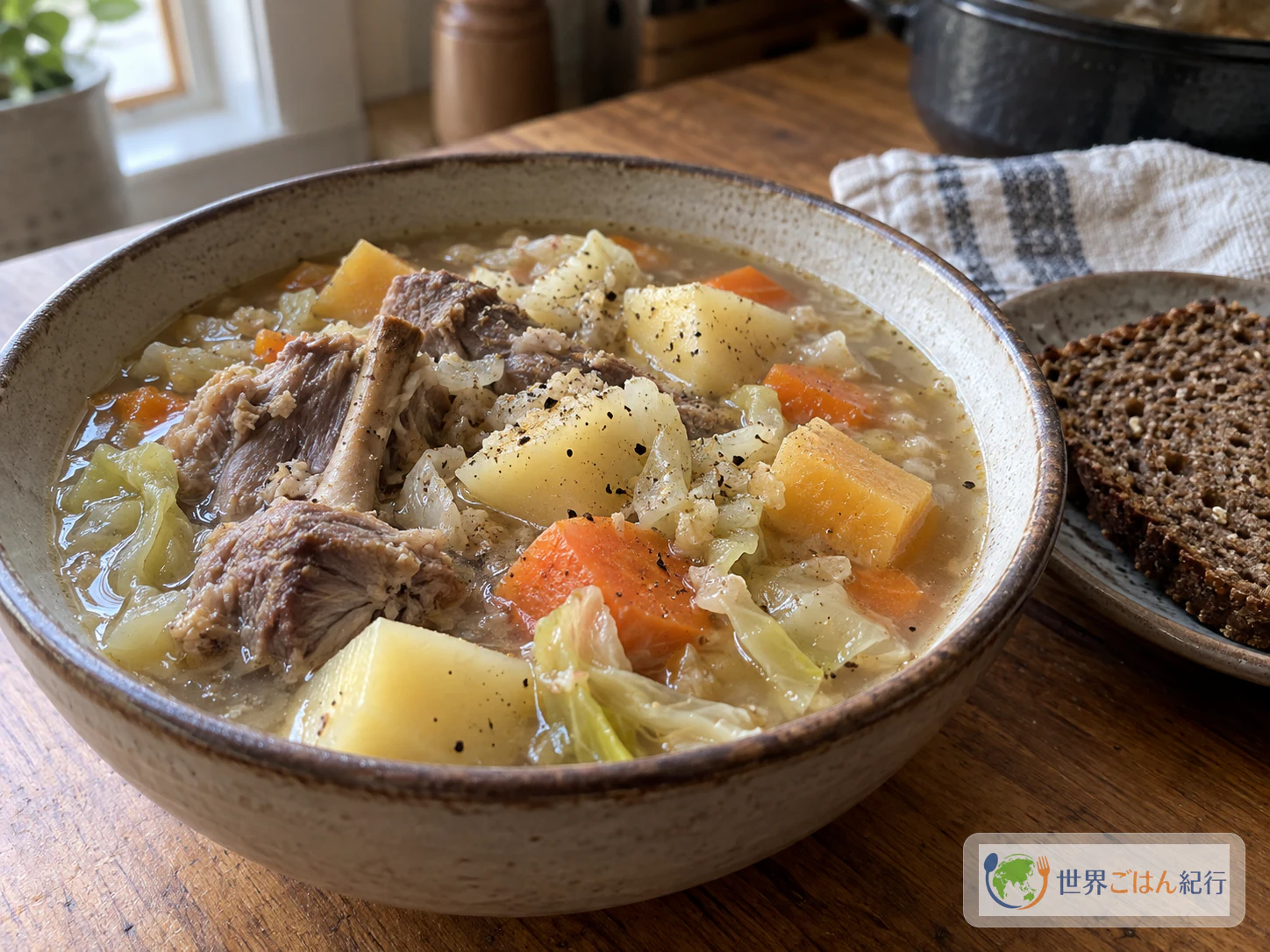
Kjötsúpa: Icelandic Lamb Soup with Root Vegetables and Oats
How to make kjötsúpa, the Icelandic lamb soup, at home: bone-in lamb simmered with onion and herbs, then rutabaga, potatoes, carrots, oats and cabbage added in stages. Covers ingredient substitutes such as turnip and Herbes de Provence, how to judge each stage, and the dish's place in Icelandic food culture.
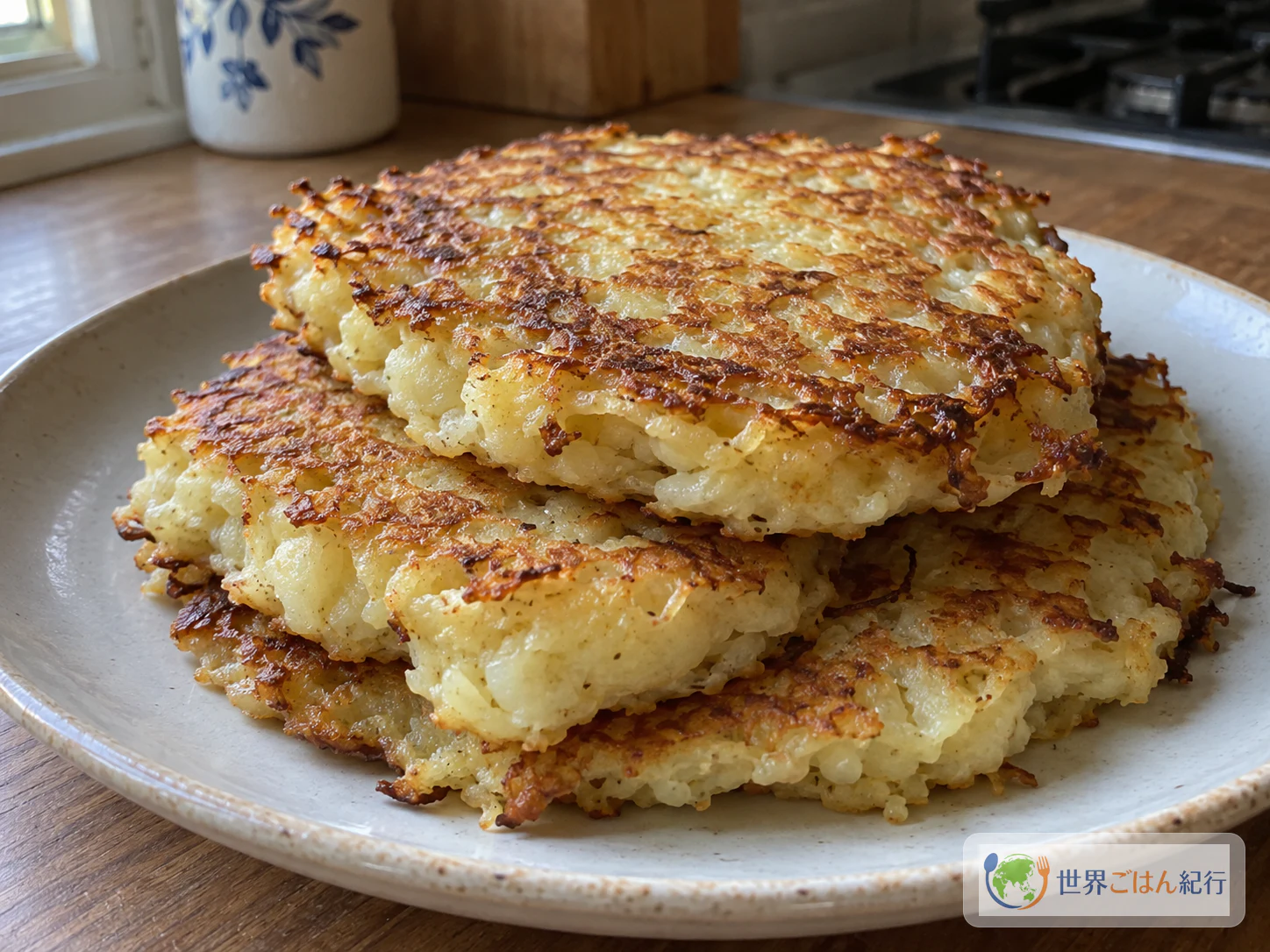
Boxty: Irish Potato Pancakes Made with Grated Raw and Mashed Potato
How to make pan boxty, the Irish potato cake that brings grated, squeezed raw potato and boiled, mashed potato together with flour, baking soda and buttermilk. Covers the source recipe's amounts, how firm the mixture should be, judging color and doneness in the pan, the regions boxty is tied to, and why its origins remain open.
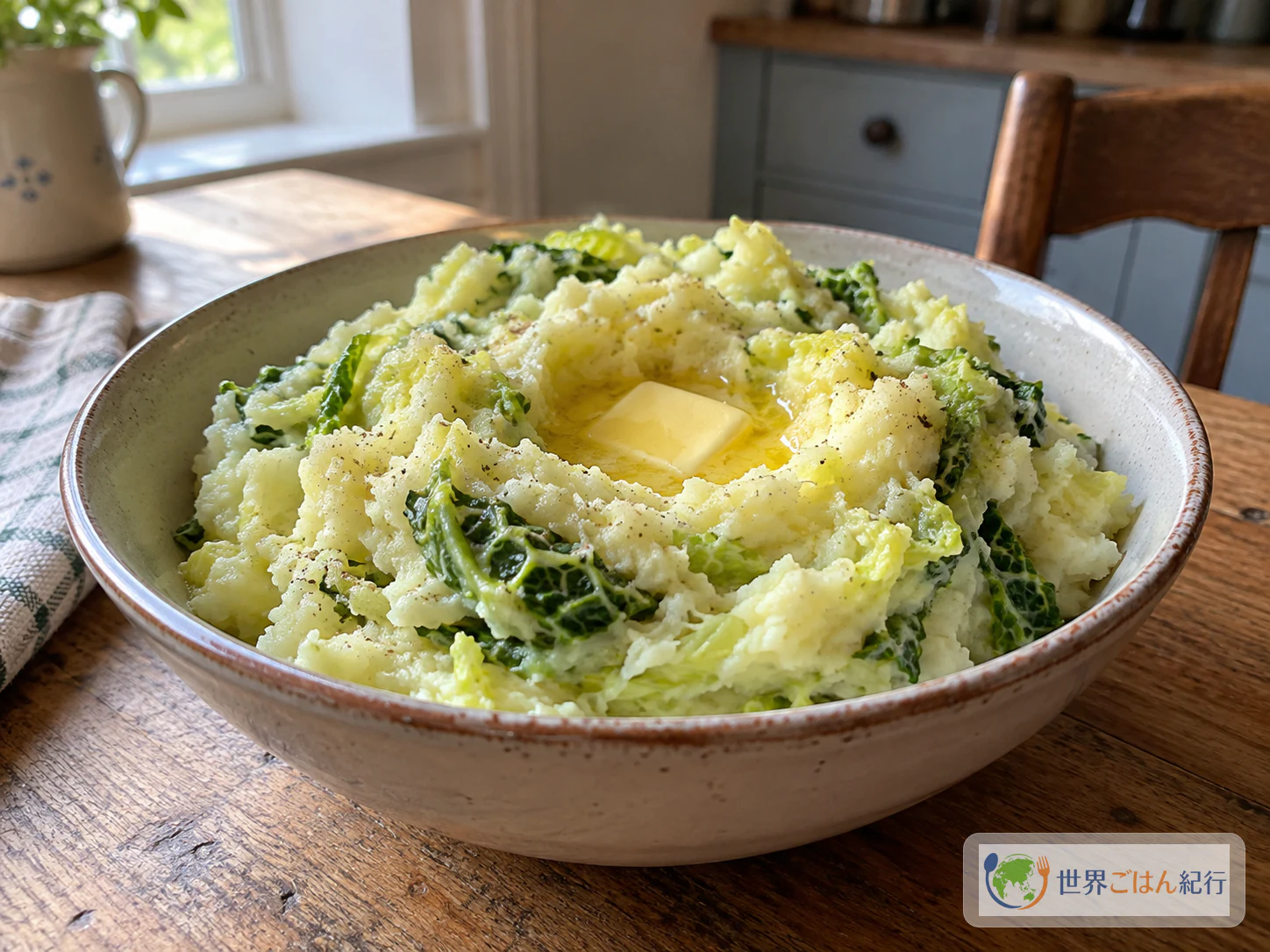
Colcannon: Irish Mashed Potatoes with Savoy Cabbage
How to make colcannon, the Irish dish of mashed potatoes and savoy cabbage, from a four-serving heritage recipe. Covers when to pour off the potato water, how to add hot milk and salted butter, regional variations from kale to leeks, and Halloween records from County Wexford and County Galway.
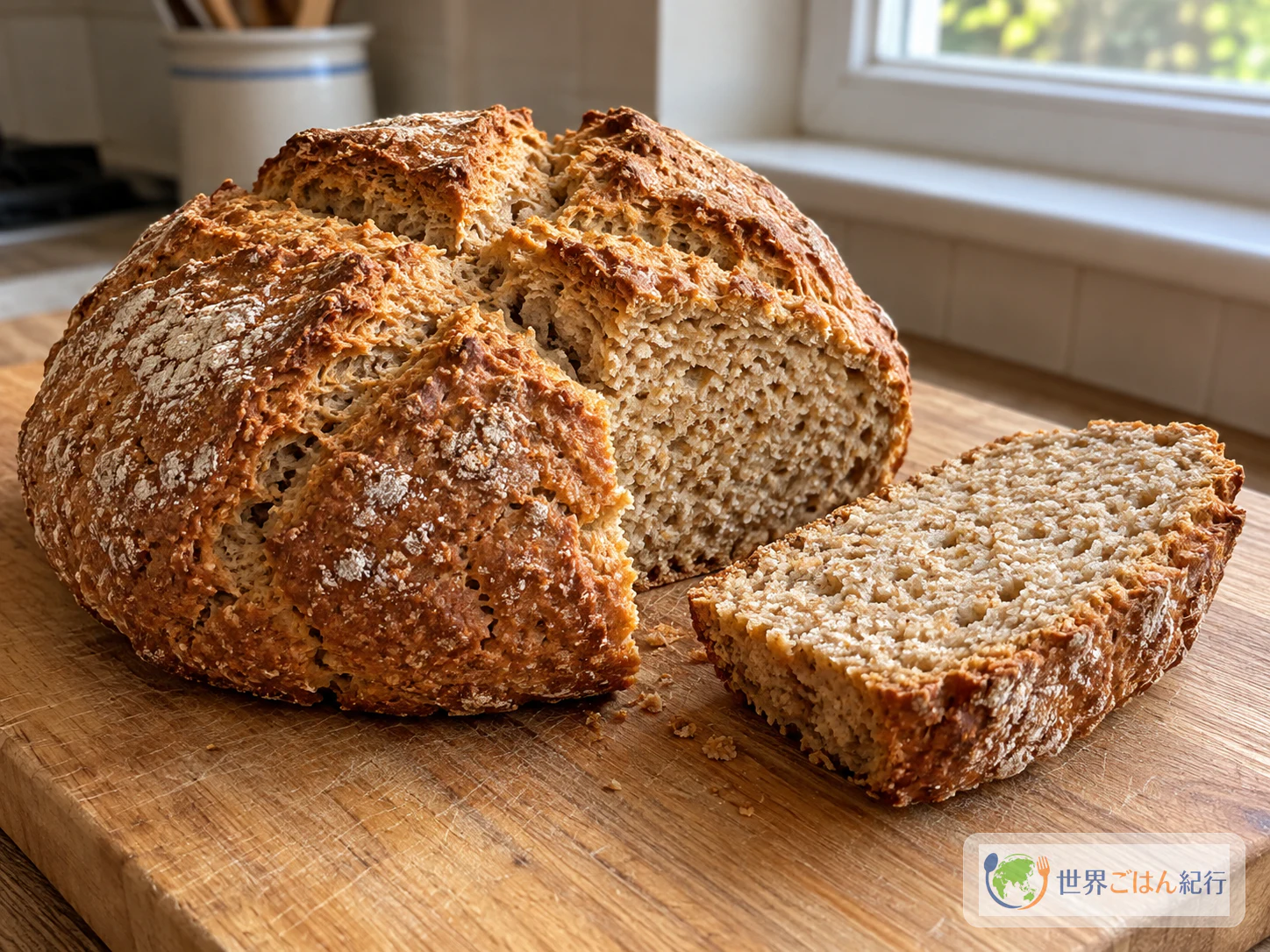
Irish Soda Bread: Brown Soda Bread with Wholemeal Flour and Buttermilk
How to make Irish brown soda bread from equal parts wholemeal and plain white flour, salt, bicarbonate of soda and buttermilk, following the National Dairy Council Ireland recipe. Covers adding buttermilk only until the dough comes together, why the dough is not kneaded, cutting the cross without separating the loaf, judging the bake by colour and a hollow sound, and how soda bread is eaten at Irish tables.
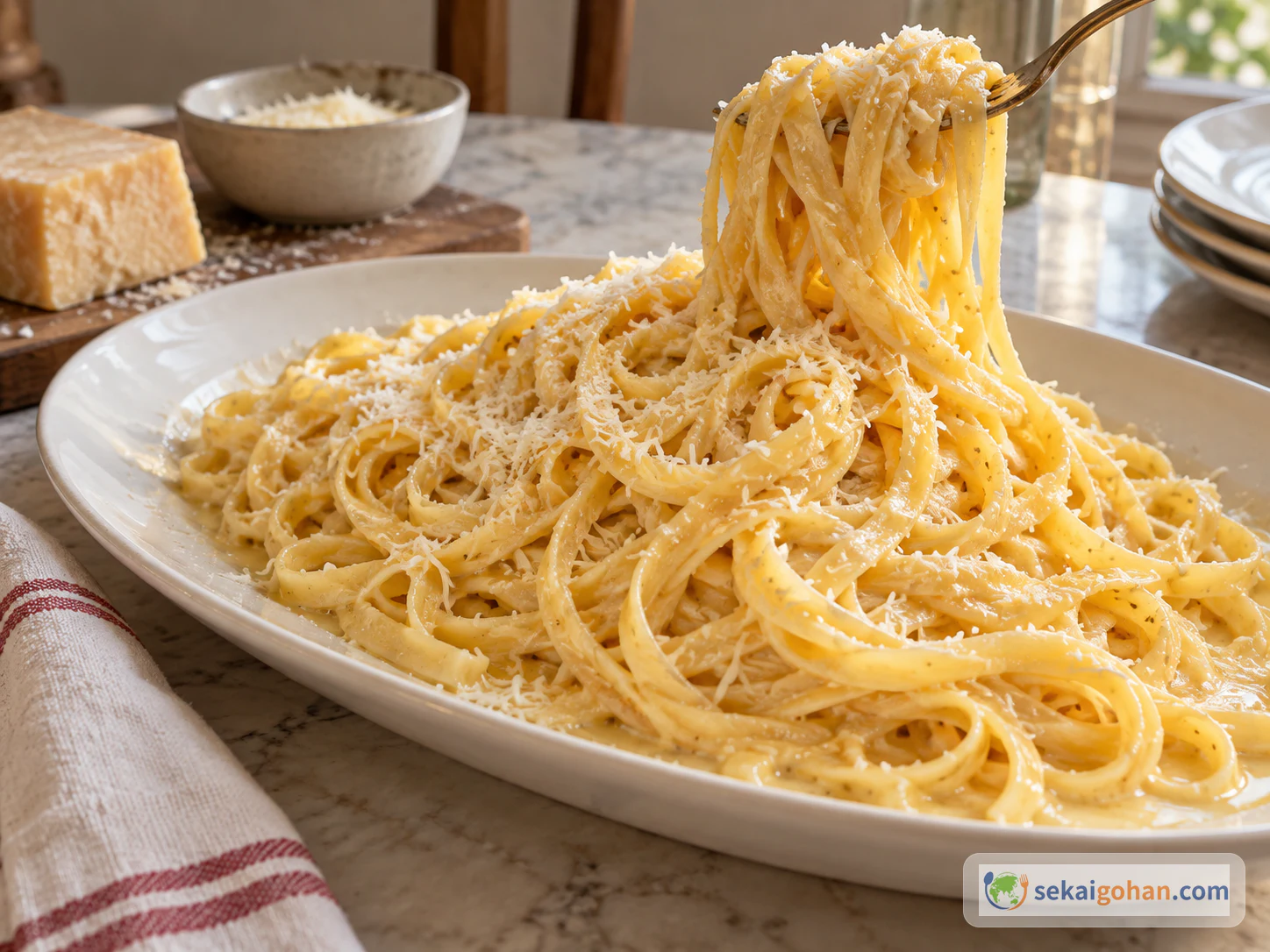
Fettuccine Alfredo: Rome's Butter and Parmigiano Pasta Without Cream
How to make fettuccine Alfredo as published by the City of Rome's tourism site: 400g of very thin fresh egg fettuccine, unsalted butter, 24-month Parmigiano Reggiano and pasta water, brought together on the plate in front of the diner. Covers choosing the pasta and cheese, avoiding clumps, the story Rome tells about the dish, and how it differs from the cream-based Alfredo that spread in North America.
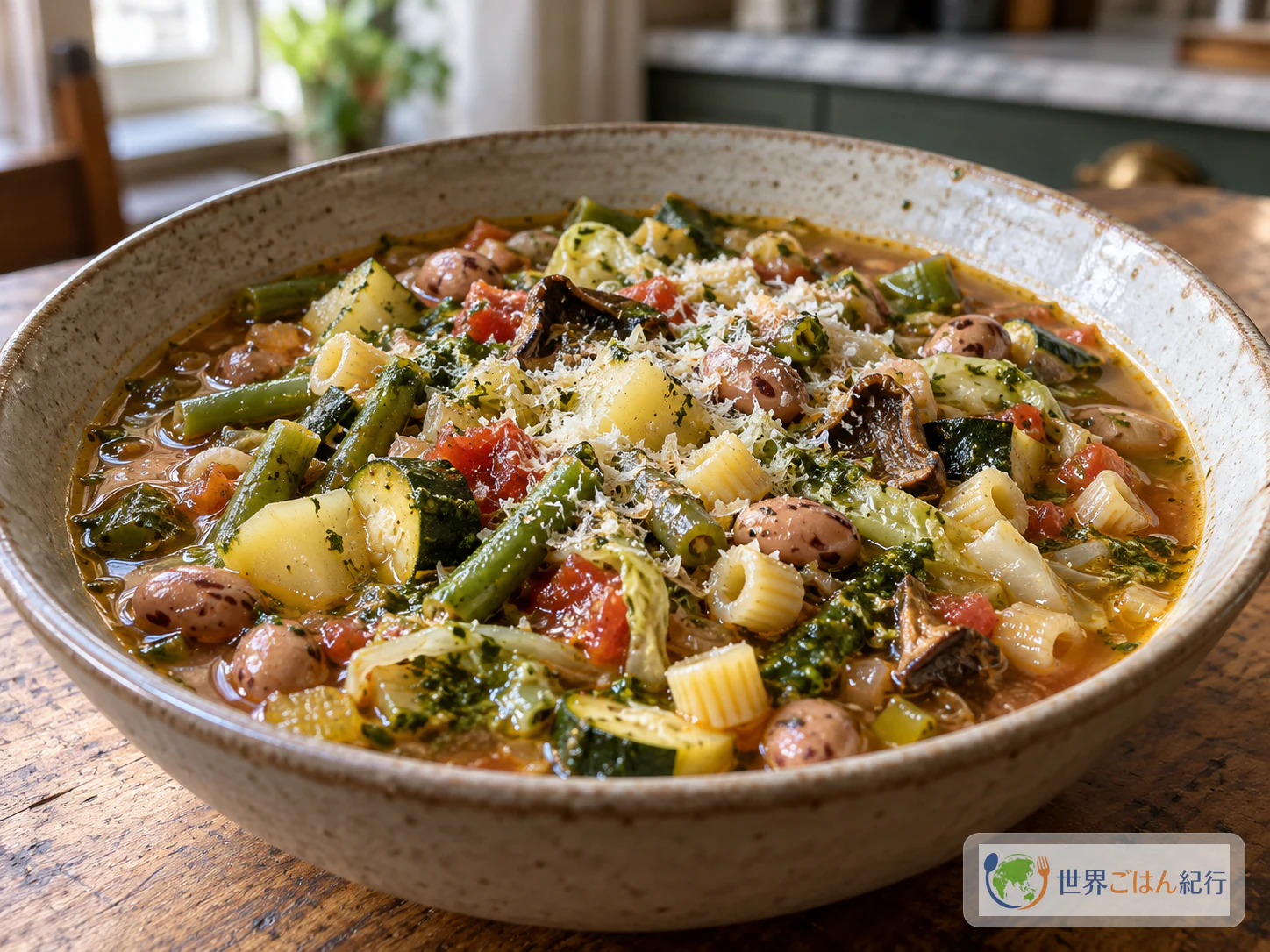
Minestrone alla Genovese: Genoese Vegetable and Bean Soup Finished with Pesto
How to make Genoese minestrone for 4: vegetables, fresh borlotti, dried mushrooms and ditalini simmered gently, with pesto stirred in off the heat. Covers substitutions, regional differences, storage and safe reheating.
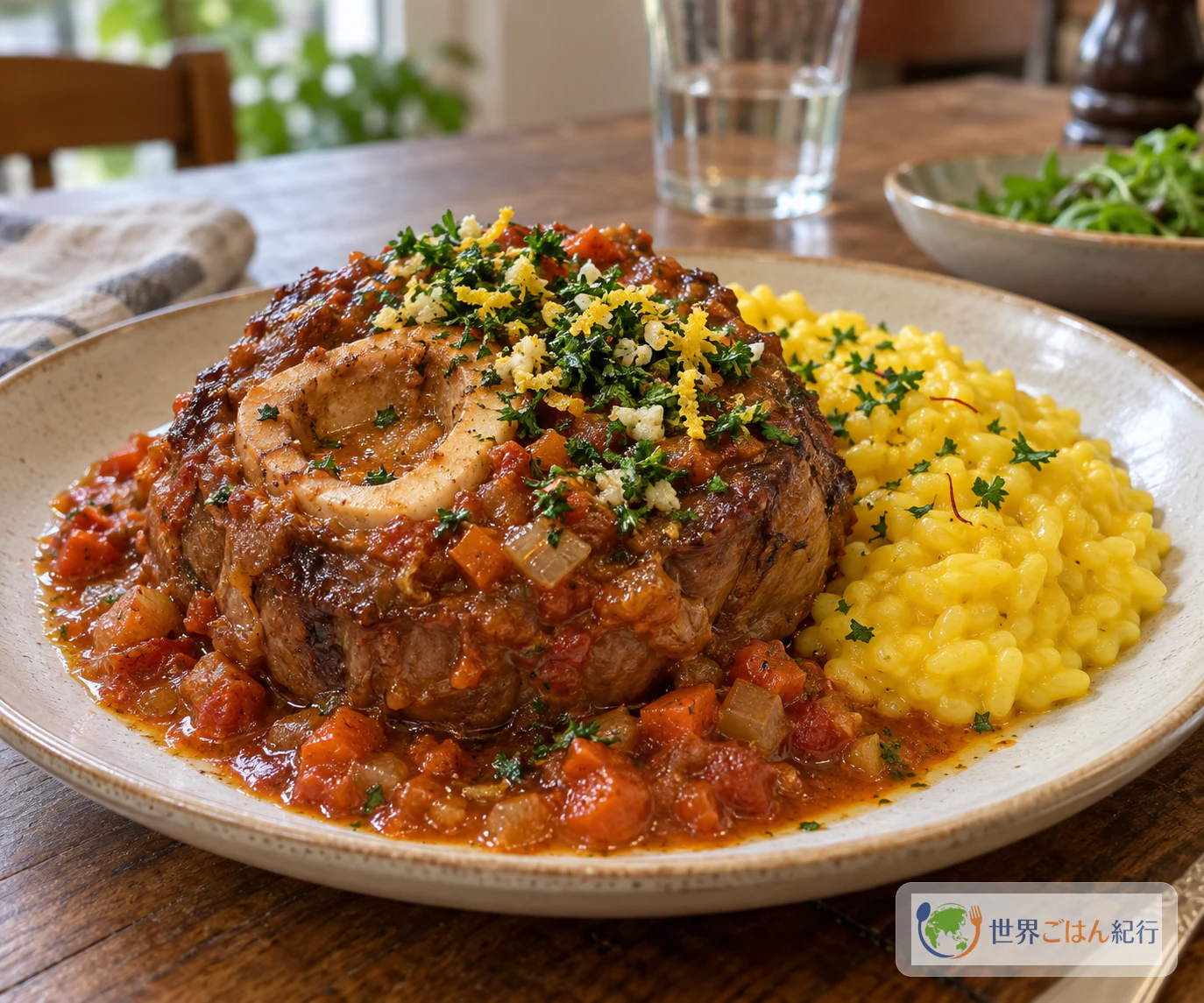
Ossobuco alla Milanese: Braised Veal Shank with Gremolata
How to make ossobuco alla milanese, the Milanese braise of cross-cut veal shank with its marrow bone, for 4 servings. Covers choosing the shank, the order of browning, deglazing and braising, a gentle simmer, gremolata of parsley, garlic and lemon zest, serving with saffron risotto, the history of the dish with and without tomato, and what changes if you use beef shank.
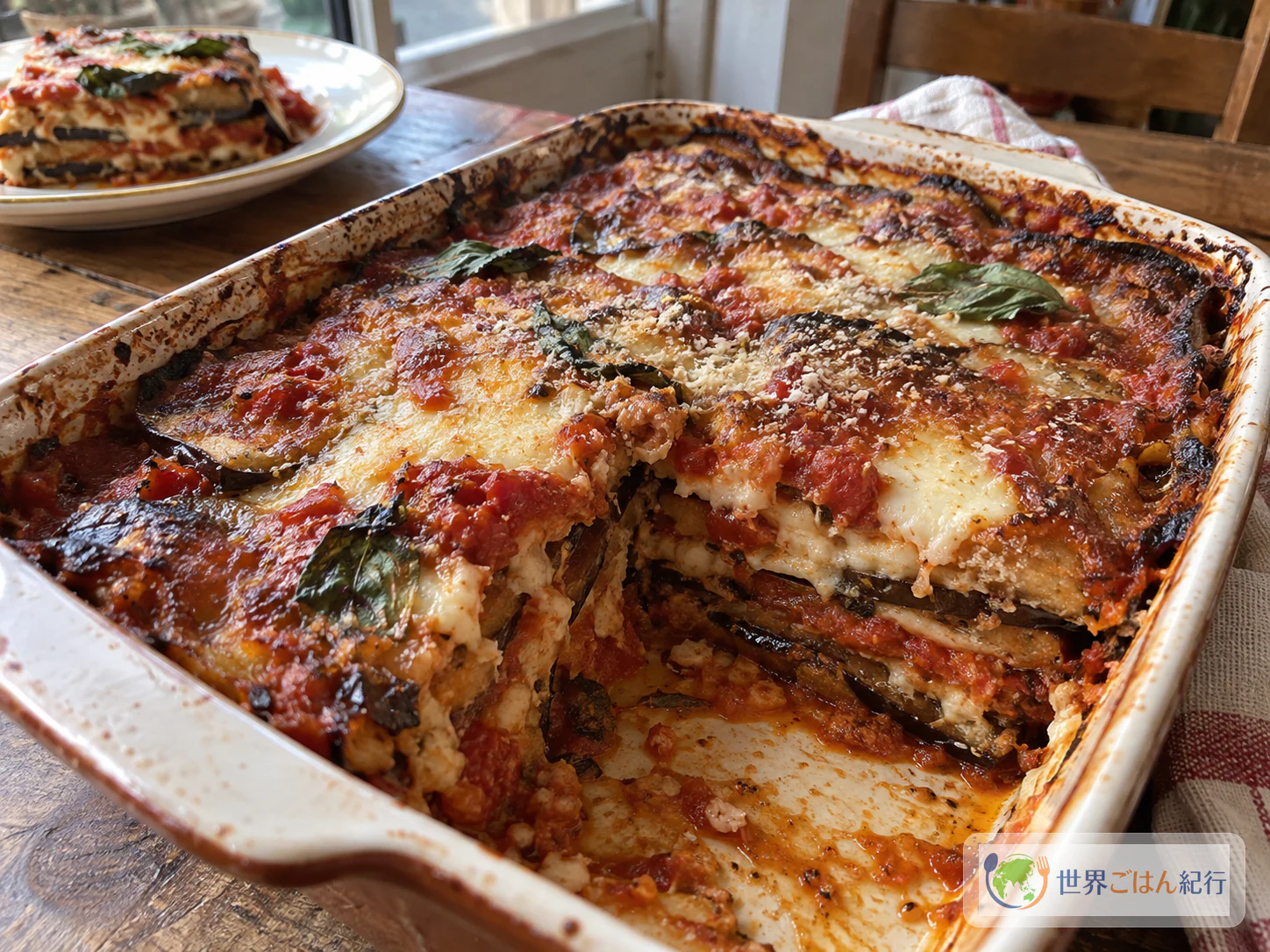
Parmigiana di Melanzane: Southern Italian Layered Fried Eggplant with Tomato and Cheese
How to make parmigiana di melanzane, the southern Italian bake of fried eggplant, tomato passata, mozzarella and Parmigiano Reggiano, following one home cook's published recipe. Covers salting, frying, layering, baking at 200°C, resting before slicing, regional variations from Campania, and how to choose ingredients outside Italy.
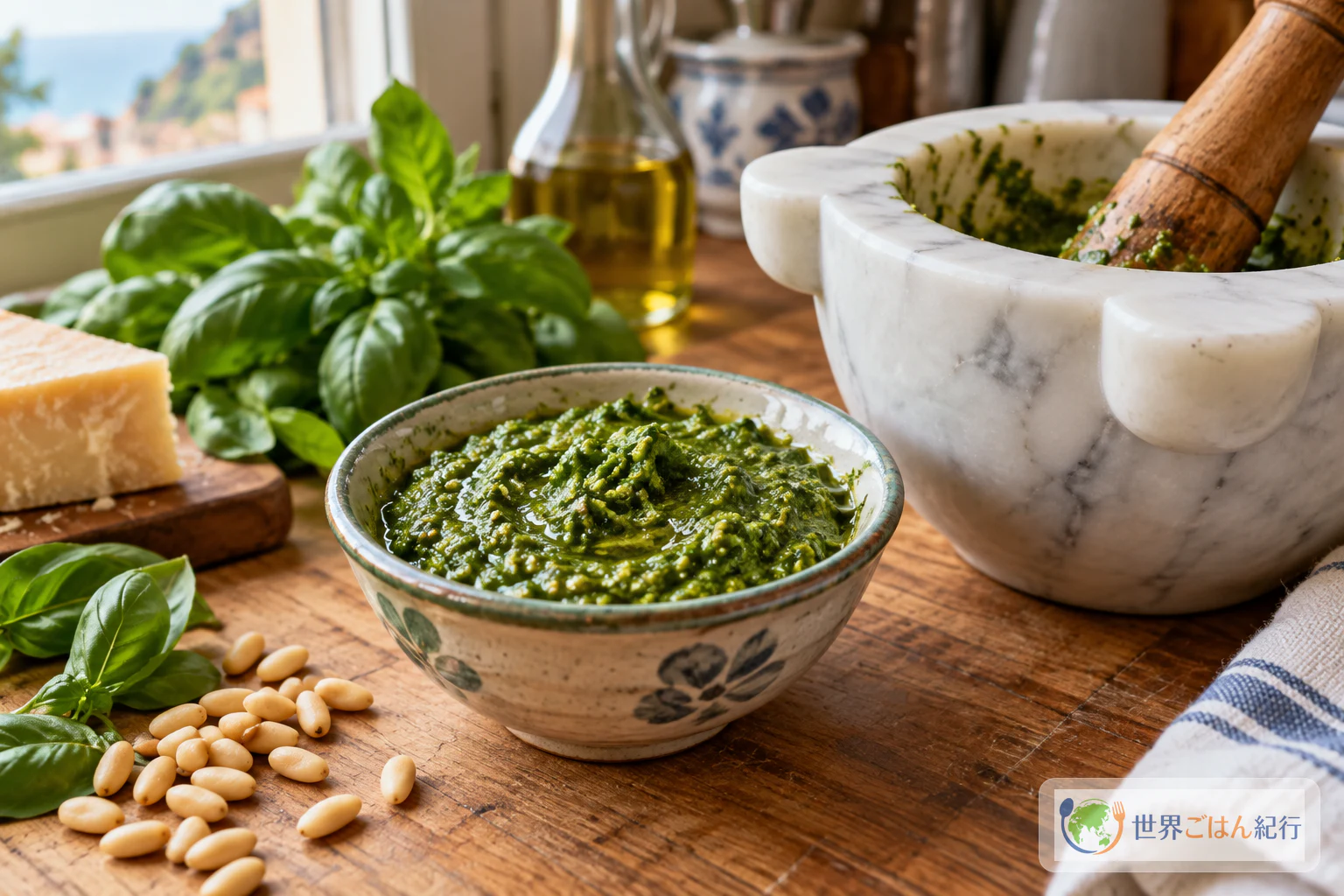
Pesto Genovese: Genoa's Basil Sauce Made in a Marble Mortar
How to make Pesto Genovese, Genoa's basil sauce, with the Consorzio del Pesto Genovese's seven-ingredient recipe based on 50 g of basil. Covers how to choose basil, pine nuts and the two cheeses, how to grind the leaves without crushing their aroma, how a mortar differs from a blender, and how the sauce is served in Liguria with trofie and other pasta. Also covers honest substitutions and hygiene, without changing the source recipe.
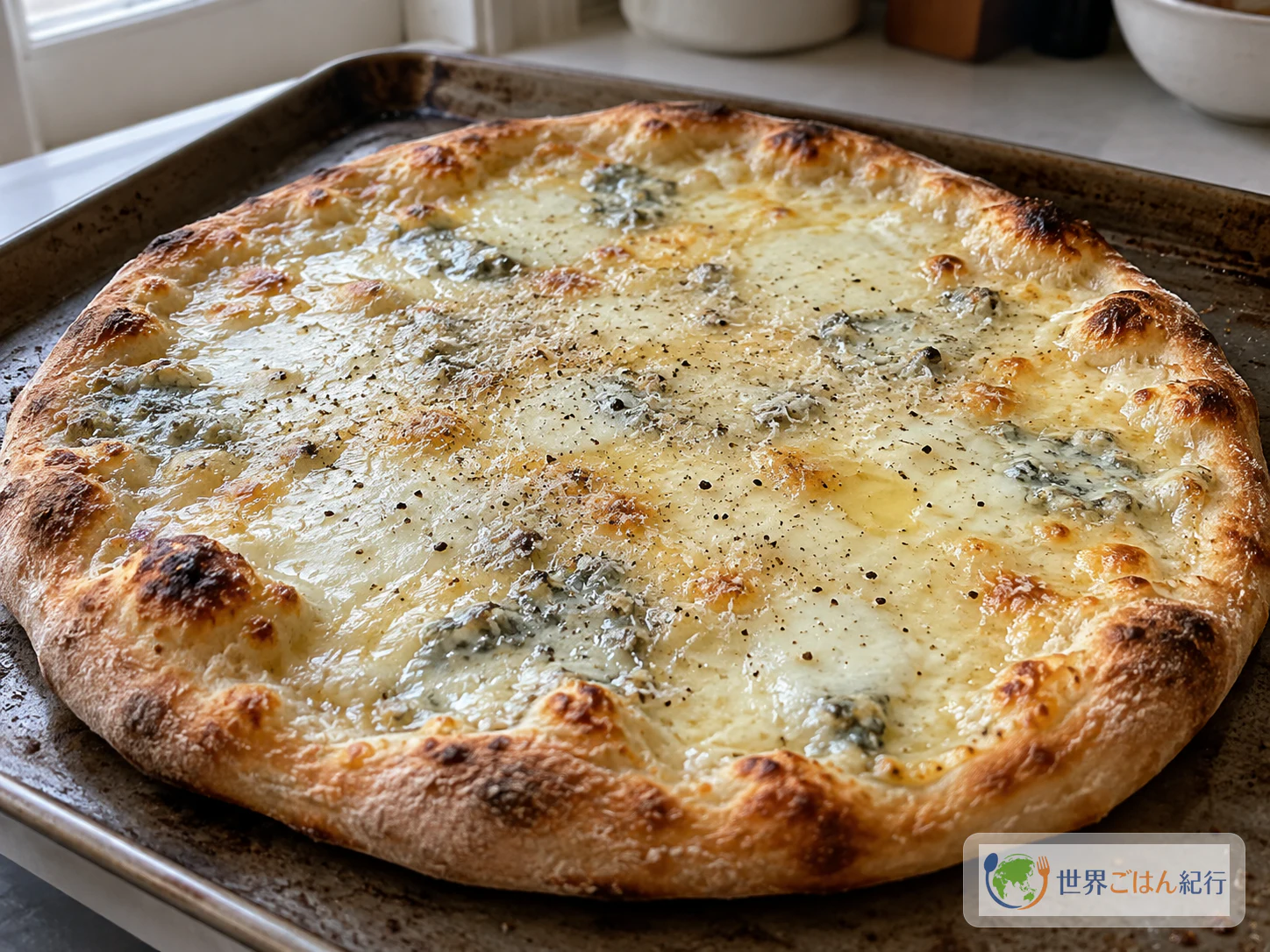
Pizza Quattro Formaggi: Italian White Pizza with Four Cheeses (Pizza ai Quattro Formaggi)
How to make pizza quattro formaggi, the Italian pizza named for its four cheeses, as a white pizza with no tomato. Built on a one-pizza recipe using 50g each of mozzarella, gorgonzola, fontina and Grana Padano, with what each cheese does, how to choose and substitute them, and how to judge doneness in a home oven by the rim and the underside.
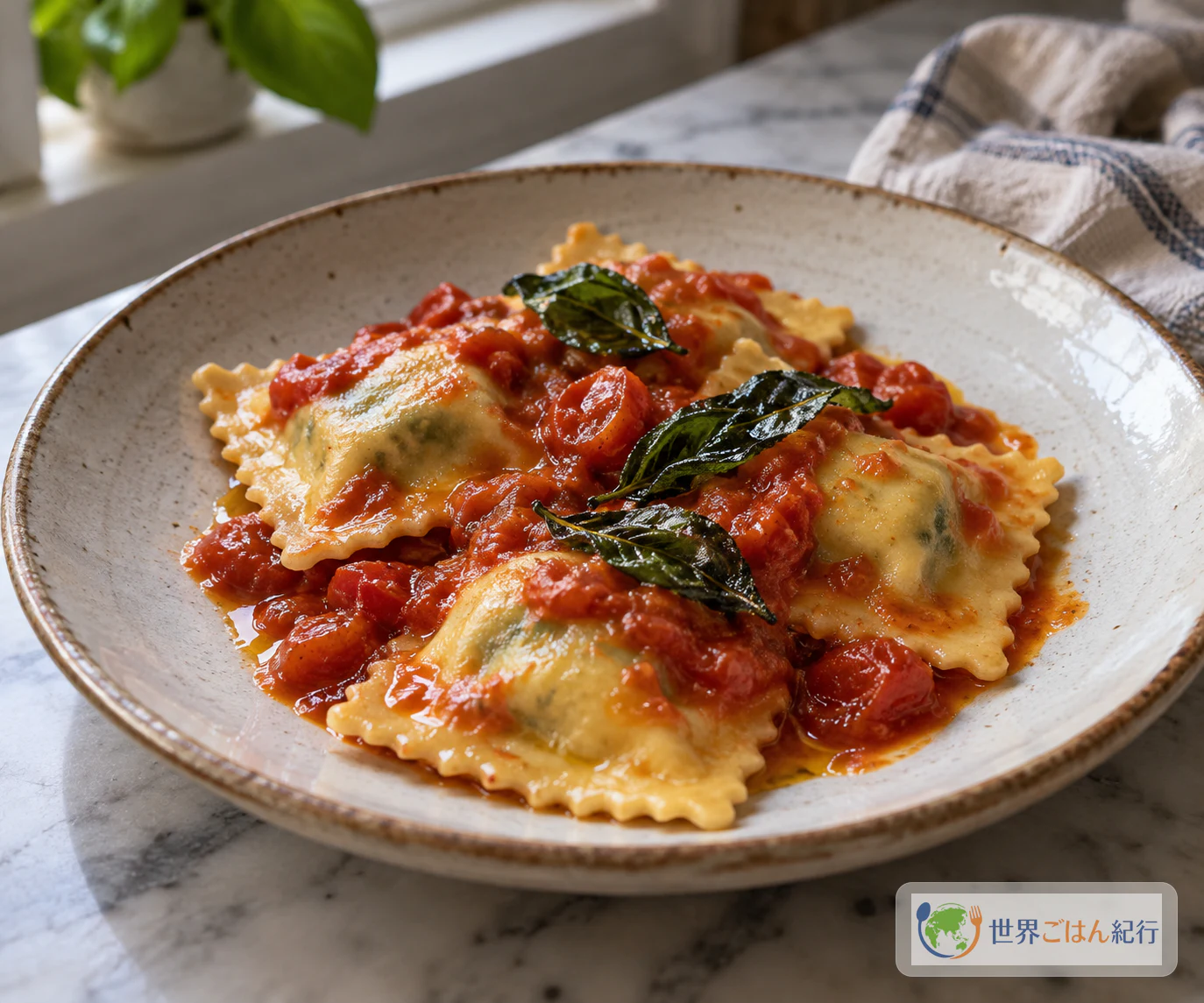
Ricotta and Spinach Ravioli: Square Egg-Dough Pasta with Roasted Datterini Tomato Sauce (Ravioli di ricotta e spinaci)
How to make ricotta and spinach ravioli at home from one Italian recipe: an egg dough of re-milled durum semolina and 00 flour, a filling of baked and fresh ricotta with spinach and Parmigiano, and a sauce of datterini tomatoes roasted at 100°C. Covers the 2-hour rest, cutting 8×12cm rectangles, sealing the edges, test-boiling, how ravioli differ across Italian regions, and how to judge substitutions.
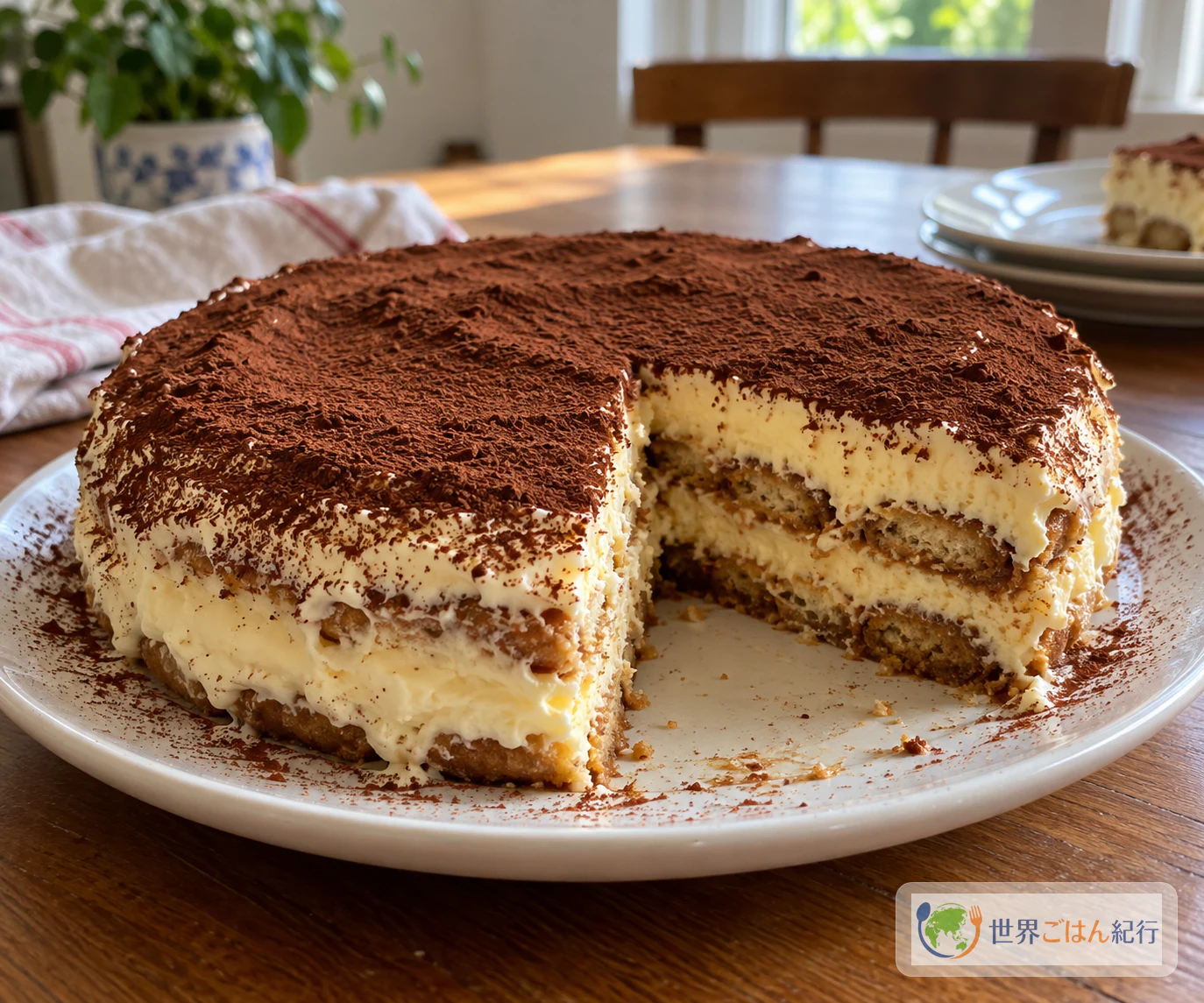
Tiramisu: Treviso-Style Layers of Savoiardi, Mascarpone and Coffee (Tiramisù)
How to make tiramisu from the six-ingredient recipe published by Le Beccherie in Treviso, halved for a home kitchen: egg yolk and sugar whipped with mascarpone, savoiardi briefly dipped in cooled coffee, two layers and a dusting of unsweetened cocoa. Covers choosing a pasteurized yolk product, dipping without collapse, keeping it covered at 4°C or below, how versions differ, and the restaurant's account of the dish.
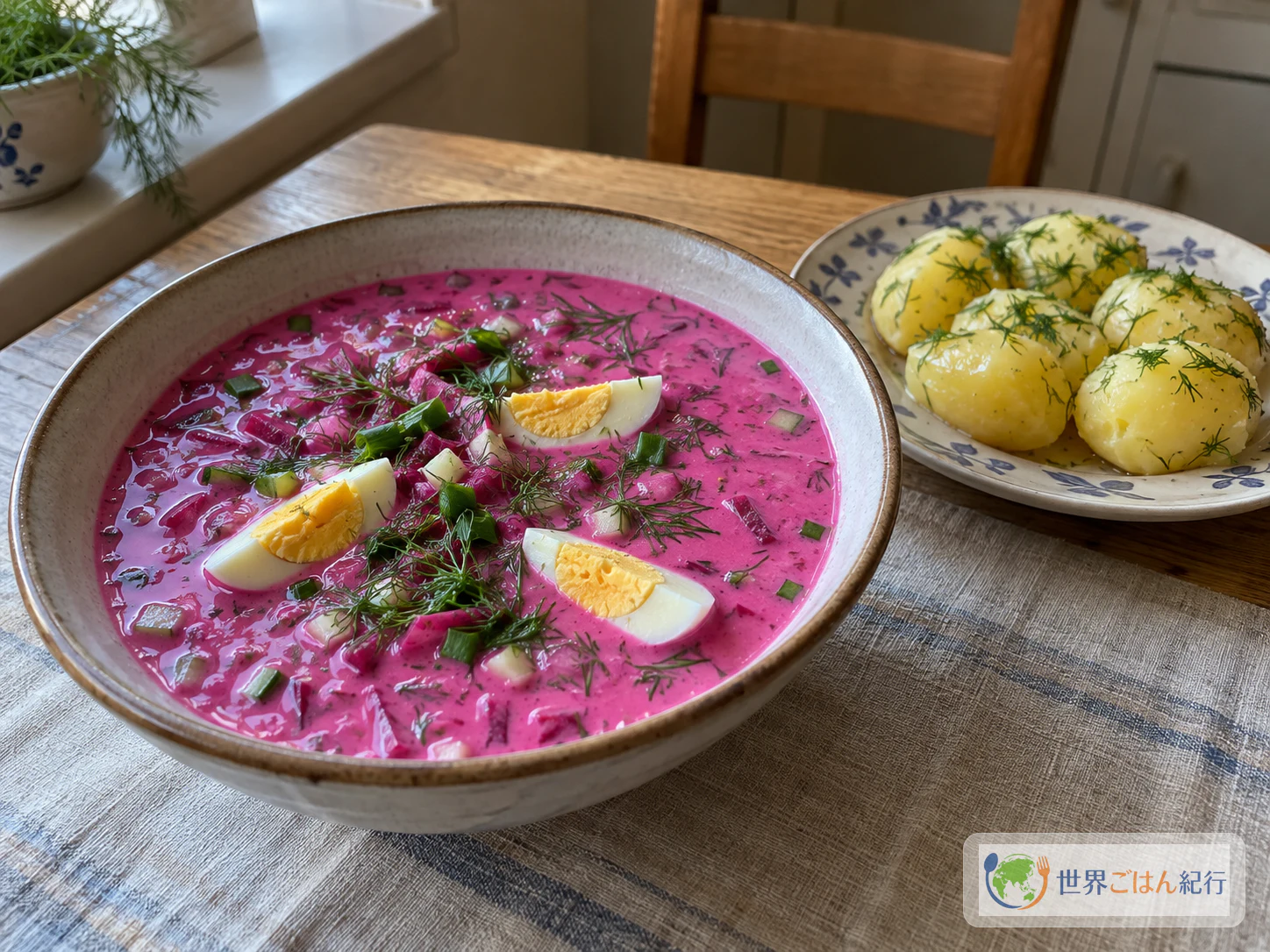
Šaltibarščiai: Lithuanian Cold Beet Soup with Kefir (Cold Borscht)
How to make šaltibarščiai, Lithuania's chilled pink soup of kefir, beetroot and cucumber, topped with hard-boiled egg and spring onion and served with warm buttered dill potatoes on the side. Covers choosing kefir and cooked beetroot, the order of work, fixing the flavor, variations and food-safety basics.
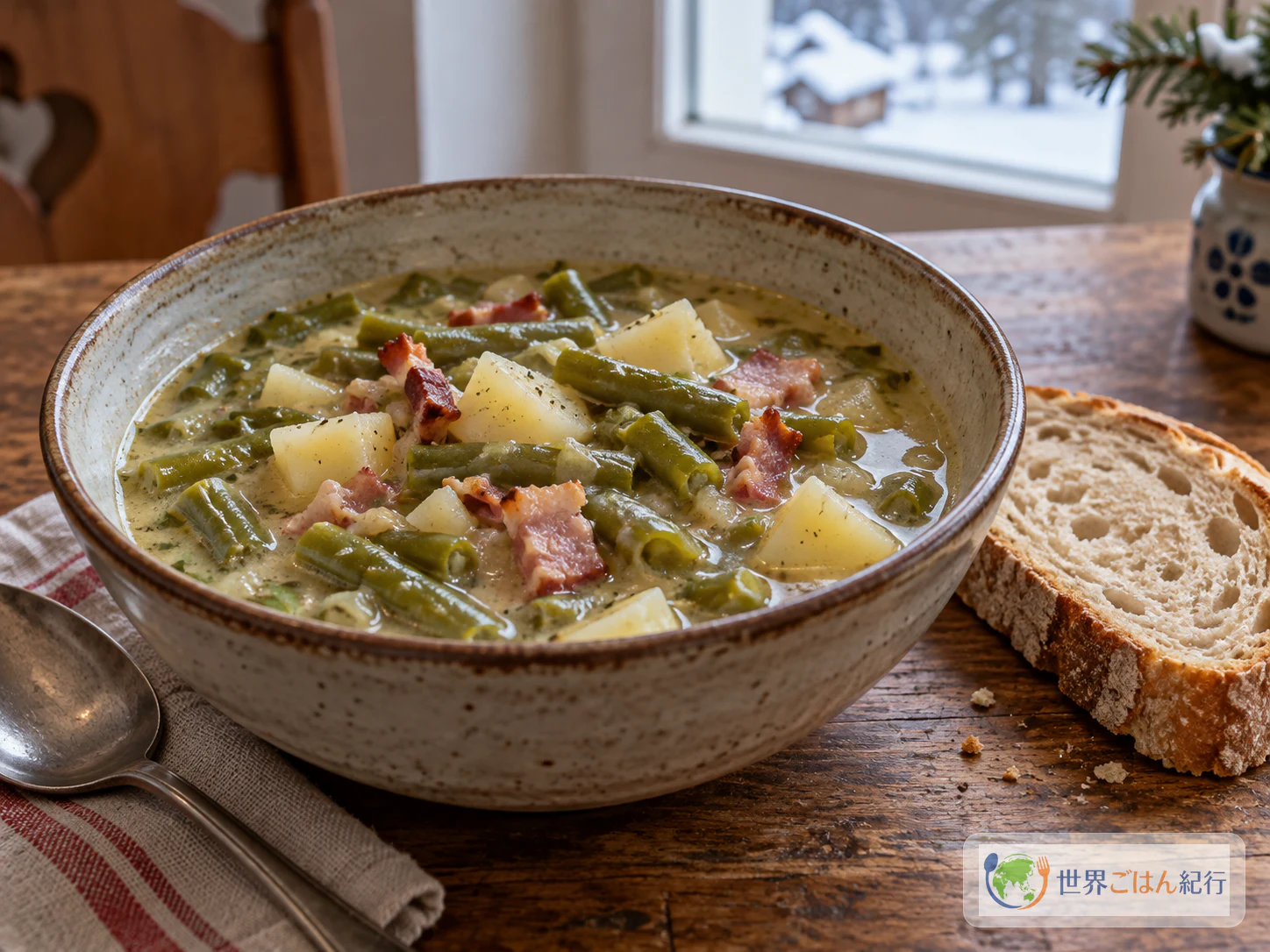
Bouneschlupp: Luxembourg Green Bean Soup with Smoked Bacon, Potatoes and Cream
How to make Bouneschlupp, the traditional Luxembourgish green bean soup, following a recipe published by the Luxembourg City Tourist Office. Covers smoked bacon, floury potatoes and cream, when to add frozen versus fresh green beans, how to season around salty bacon and stock, and how household versions with Mettwurscht and savory differ.
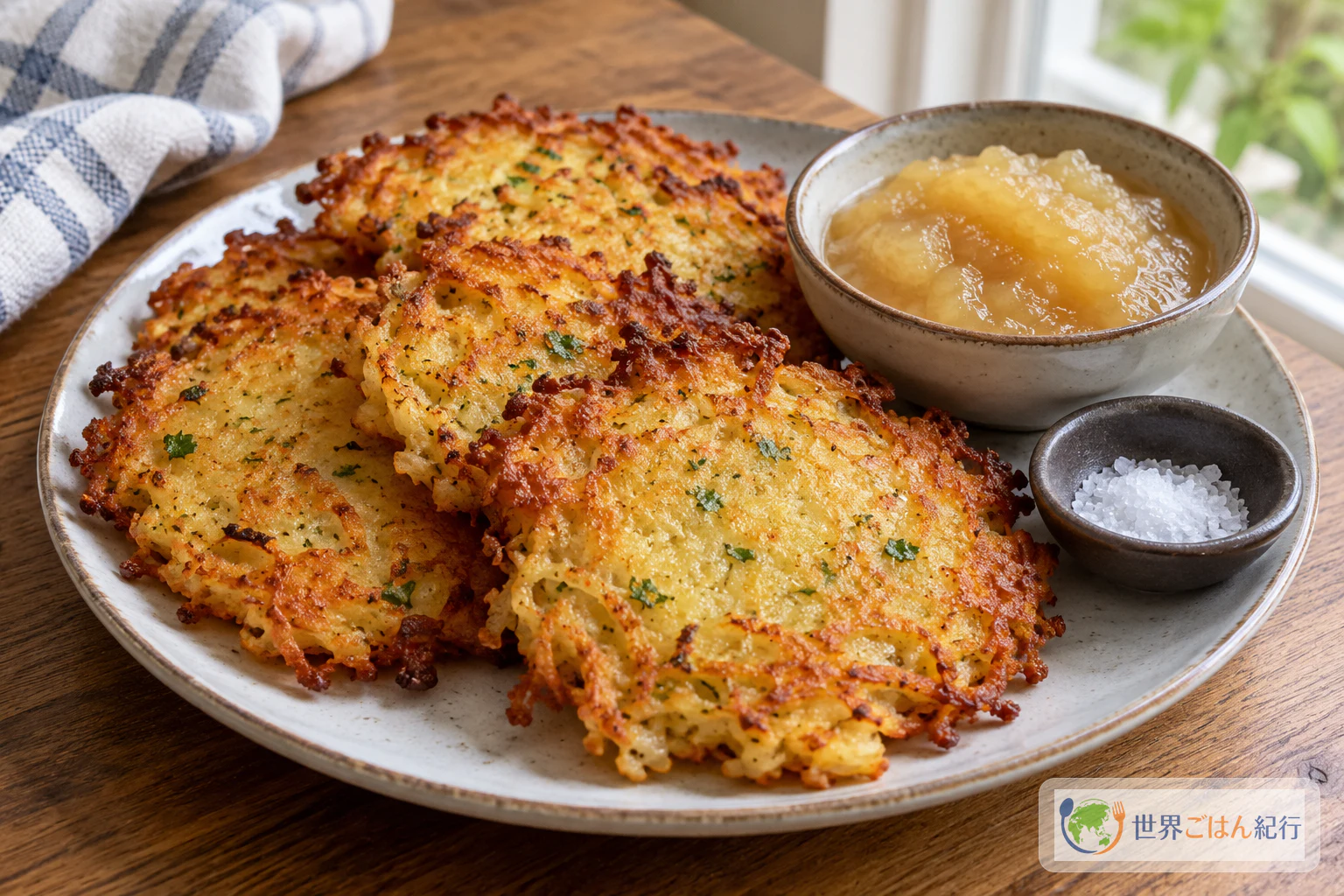
Gromperekichelcher: Luxembourg's Golden Pan-Fried Potato Patties
How to make Gromperekichelcher, the grated potato patties of Luxembourg's fairs and markets, following the recipe published on the Luxembourg government portal. Covers potatoes, onions, parsley and eggs, how to judge the golden color on each side, what to do with a wet mixture, and the traditional way of eating them hot with salt and applesauce.
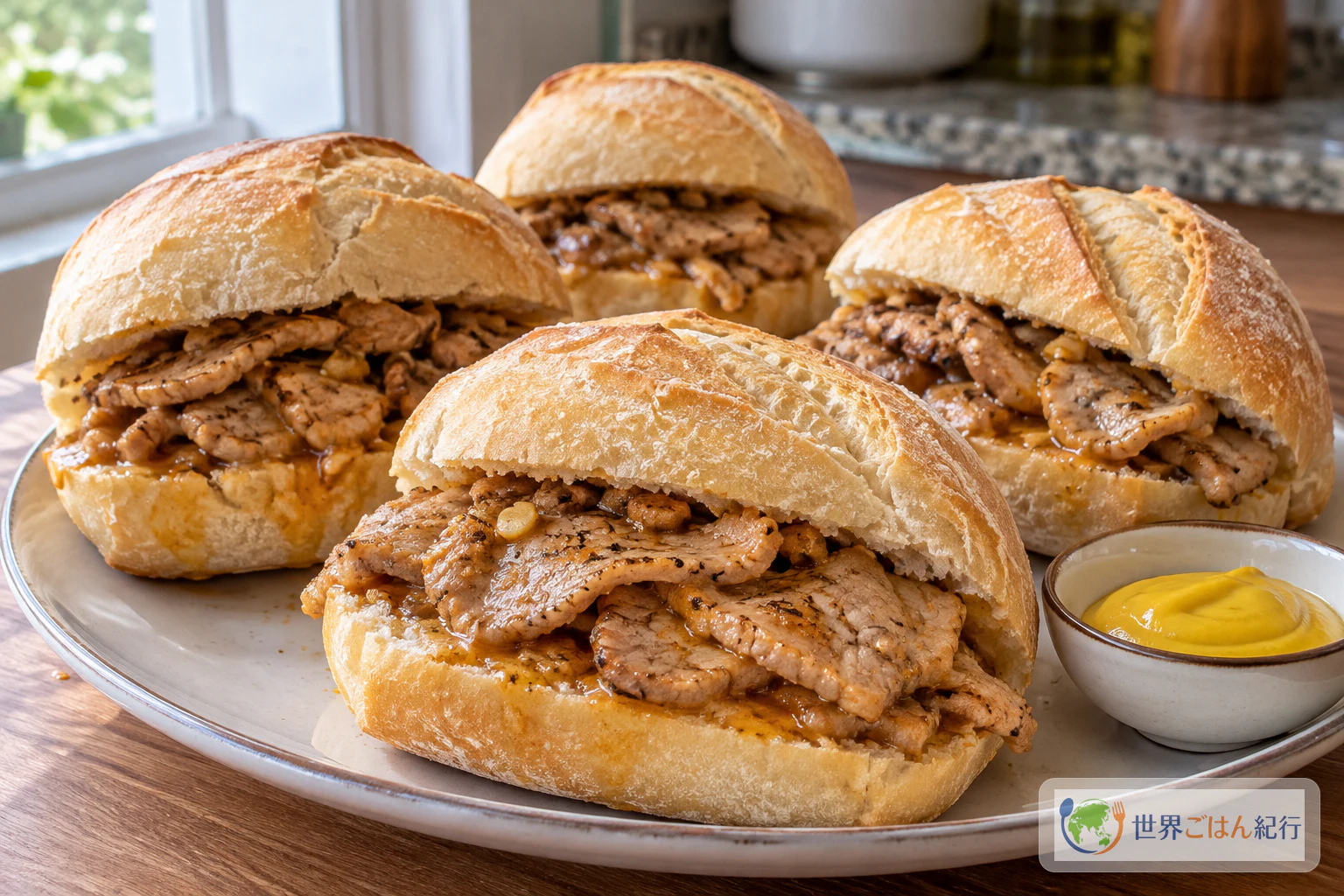
Bifana: Portuguese Pork Sandwich in White Wine and Beer Sauce
How to make bifana, the Portuguese pork sandwich, as a Lisbon-style home version with garlic, bay, white wine and beer. Covers searing thin pork loin, spooning the pan sauce into small white rolls, how Vendas Novas and Porto styles differ, safe pork cooking with a thermometer, and honest substitutions.
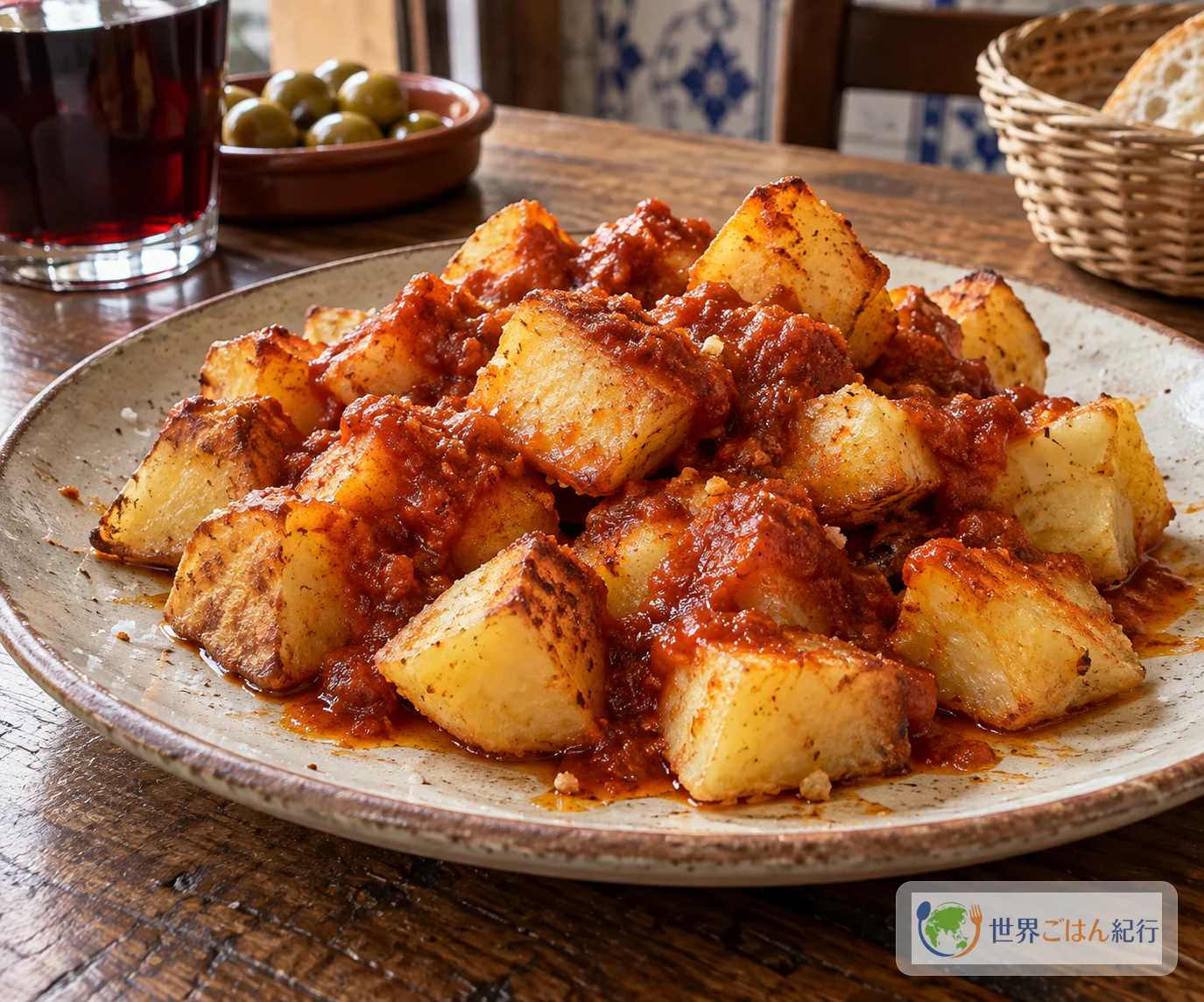
Patatas Bravas: Spanish Tapas Potatoes, Slow-Cooked Then Browned, with a Spicy Bravas Sauce
How to make patatas bravas, the Spanish tapa of fried potatoes with a spicy sauce. This version is built on onion, sweet and hot pimentón, ground almonds and choricero pepper paste. The potatoes cook gently in olive oil, then brown over higher heat in the same pan. Covers choosing ingredients, adjusting the heat, fixing common mistakes, and how the sauce varies by region and bar.
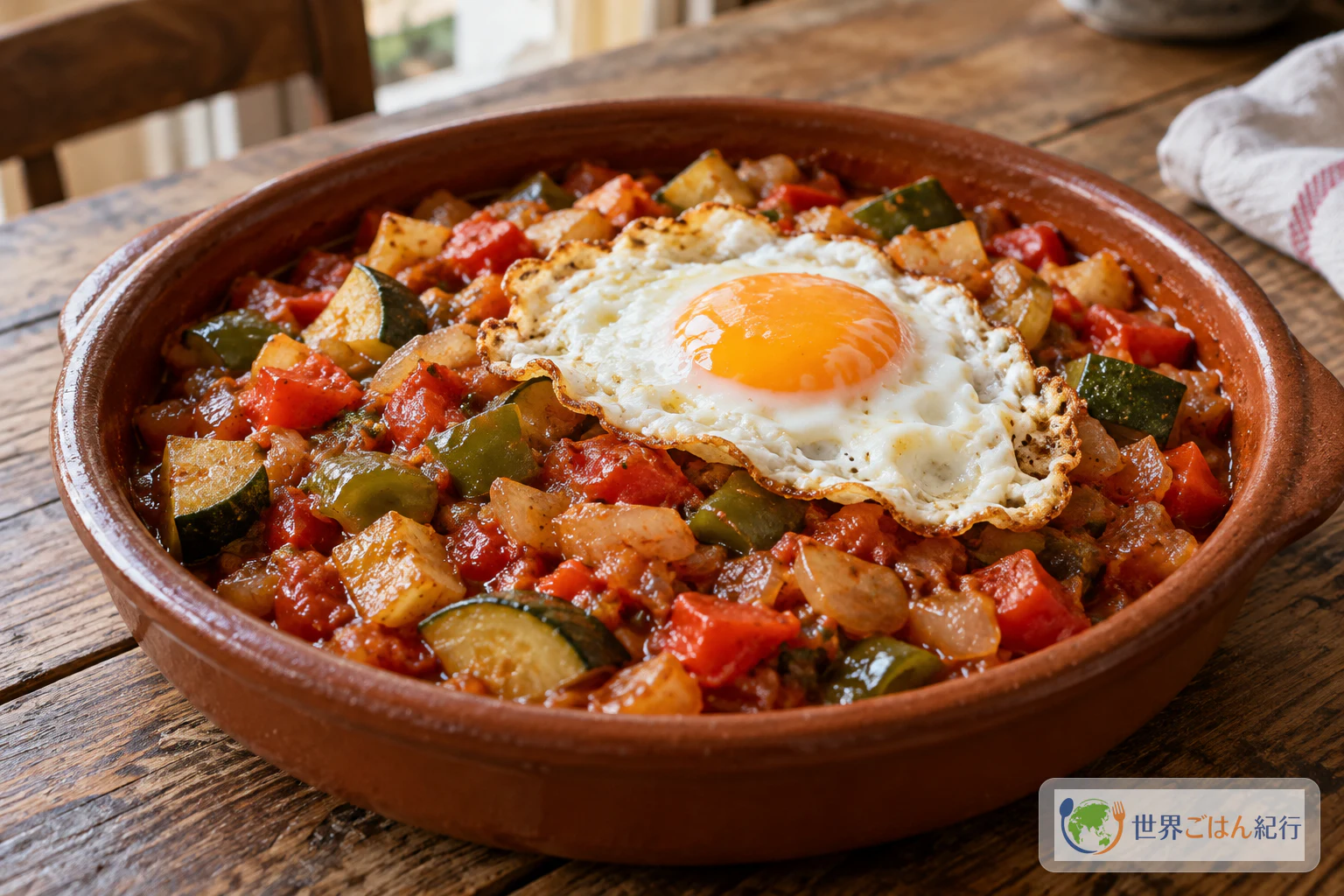
Pisto Manchego: Slow-Cooked La Mancha Vegetables with Fried Eggs
How to make pisto manchego, the vegetable dish of Castilla-La Mancha: onion and peppers first, then zucchini, then tomato on low heat, finished with fried eggs to share. Covers cutting, heat control, optional serrano ham, regional versions with garlic or eggplant, and safe handling of eggs and leftovers.
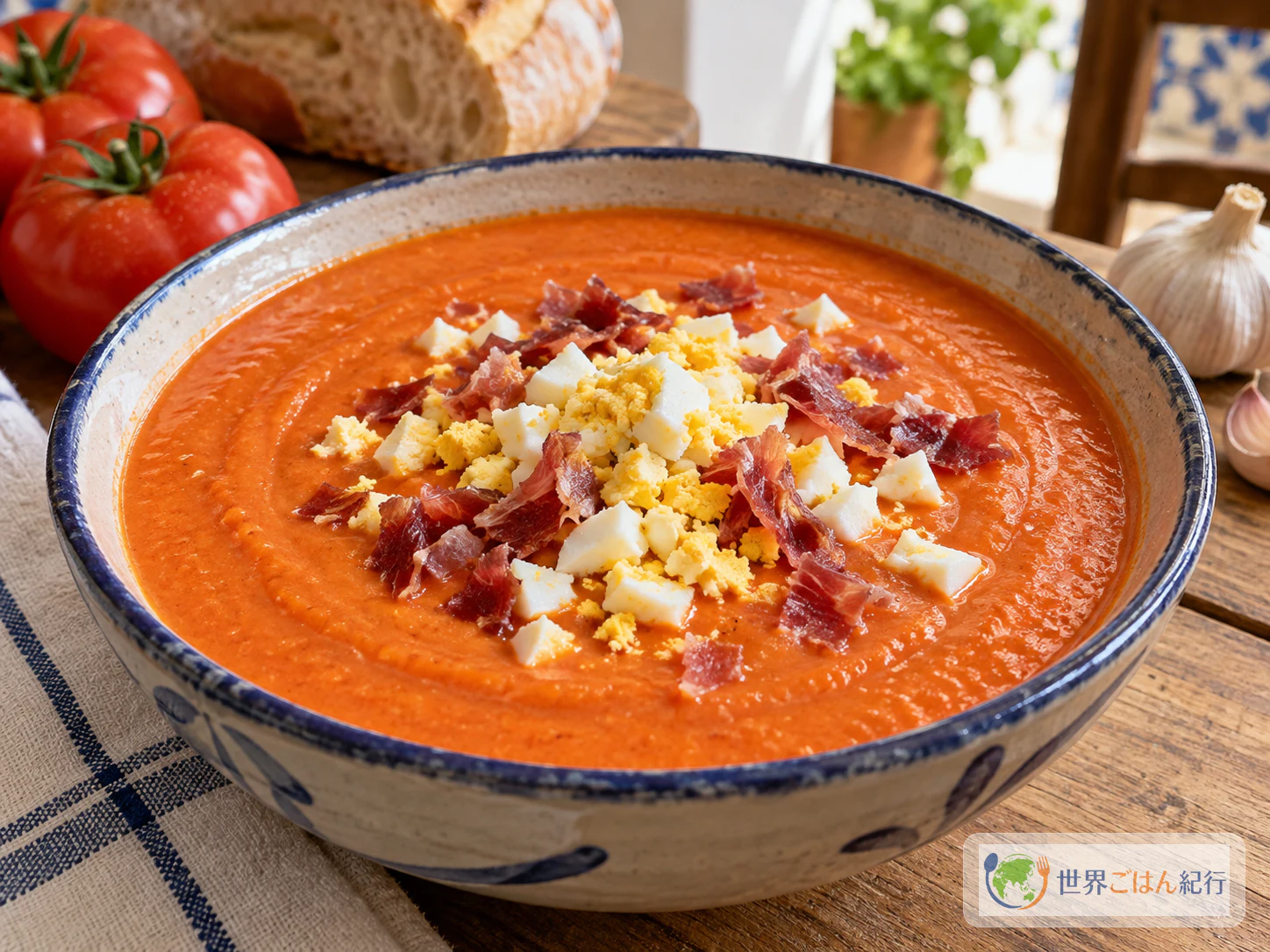
Salmorejo: Córdoba's Thick Cold Tomato and Bread Soup (Salmorejo Cordobés)
How to make Cordoban salmorejo (salmorejo cordobés) from the published Cofradía recipe of tomatoes, telera bread, extra-virgin olive oil, garlic and salt. Covers how it differs from gazpacho, choosing bread and tomatoes outside Córdoba, straining and blending, chilling safely, the classic hard-boiled egg and jamón serrano garnish, regional versions, and fixes for a grainy or loose texture.
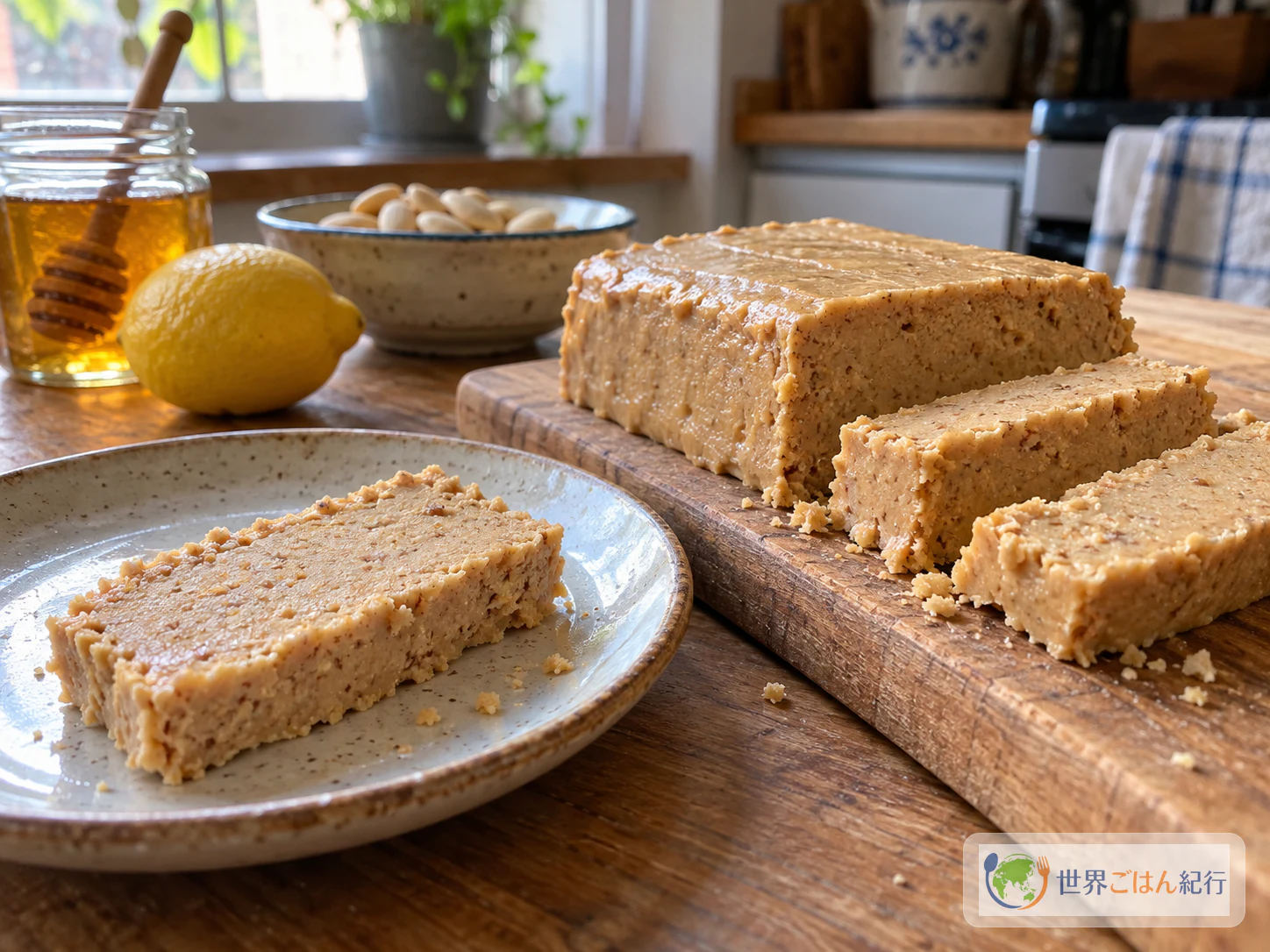
Turrón de Jijona: Soft Spanish Almond and Honey Turrón
How to make soft turrón de Jijona at home, based on a home recipe shared by the Valencian Community's tourism board: almonds, honey, sugar and egg white, ground until the almond oil binds everything. Covers how Jijona differs from hard Alicante turrón, how to choose almonds and egg white safely, the honey warning for babies, and what the source recipe does and does not specify.
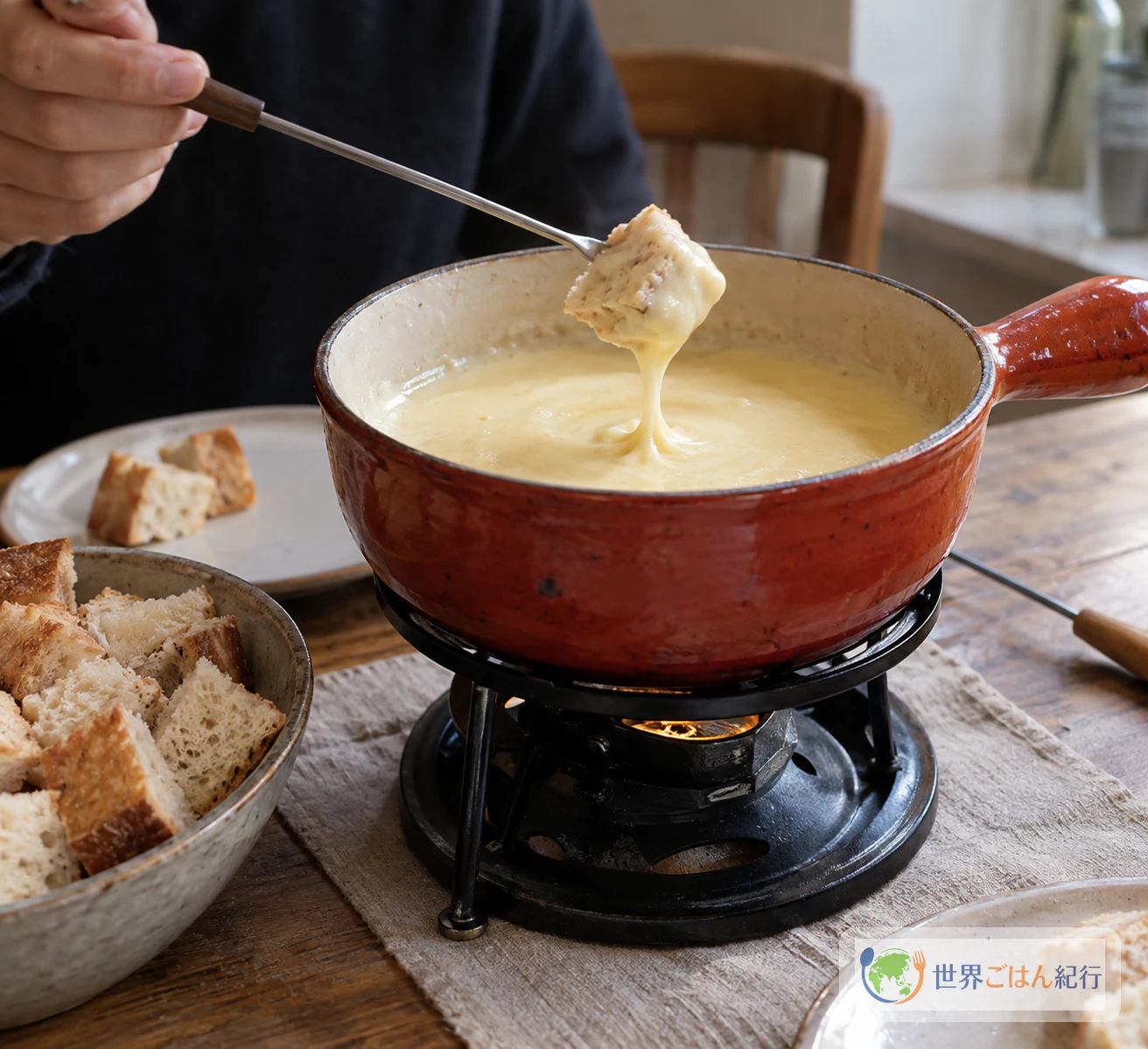
Swiss Cheese Fondue (Käsefondue): The Classic Caquelon Recipe for Four
How to make classic Swiss cheese fondue (Käsefondue, fondue au fromage) from Swissmilk's Fondue klassisch: a grated fondue cheese mix, cornstarch, white wine, lemon juice and kirsch, heated while stirring and kept at a gentle simmer at the table for dipping bread. Covers how it differs from Fribourg's moitié-moitié, choosing cheese and bread, the alcohol-free option the recipe gives for children, how to eat it, and handling leftovers.
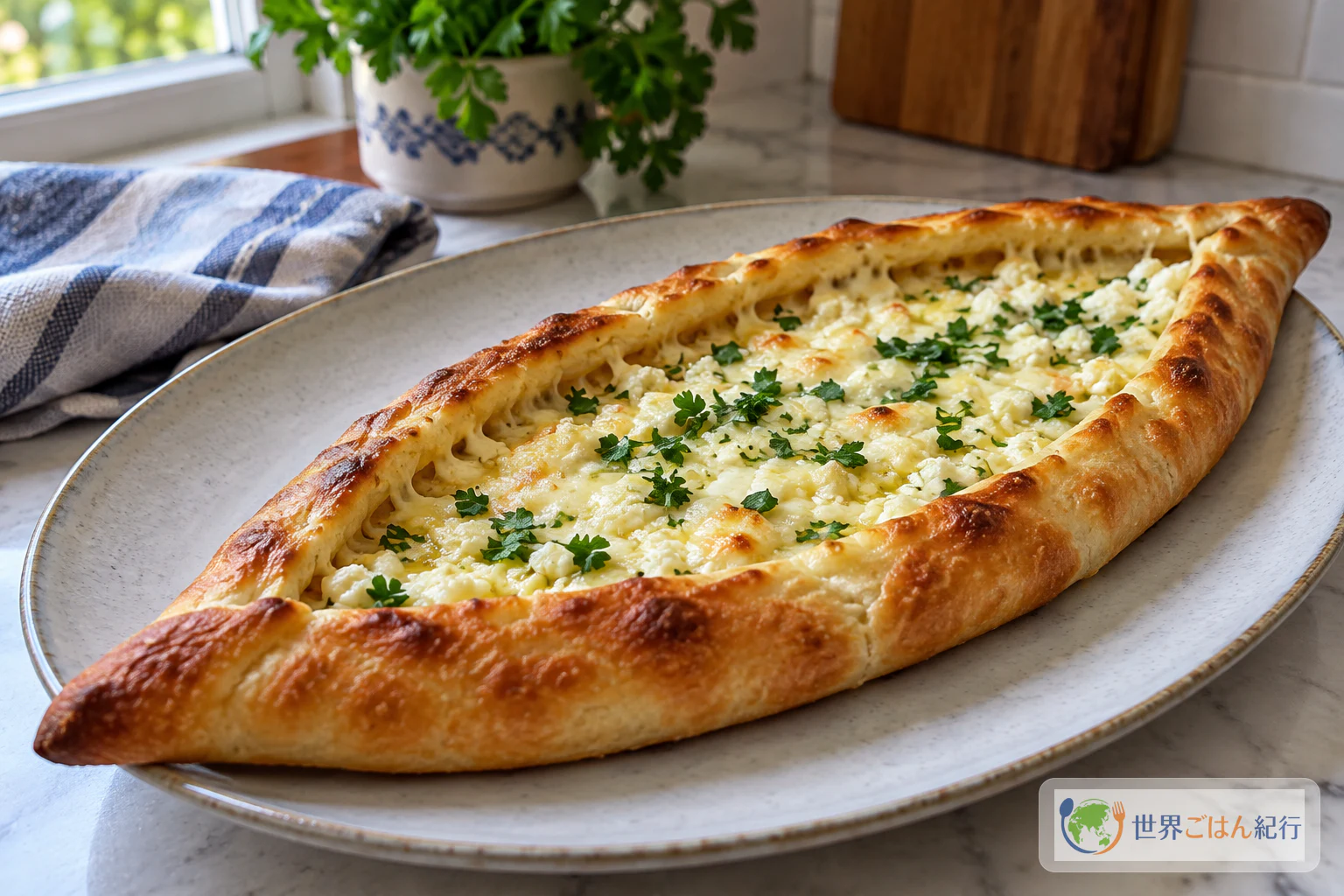
Pide: Turkish Cheese-Filled Boat Bread (Peynirli Pide)
What Turkish pide is, how its shape and fillings vary by region, and how to make peynirli pide (cheese pide) from the recipe published by Türkiye's Ministry of Culture and Tourism. Covers the yogurt dough, rising, shaping open boat-shaped ovals, baking in batches, judging doneness, and choosing cheese outside Türkiye.
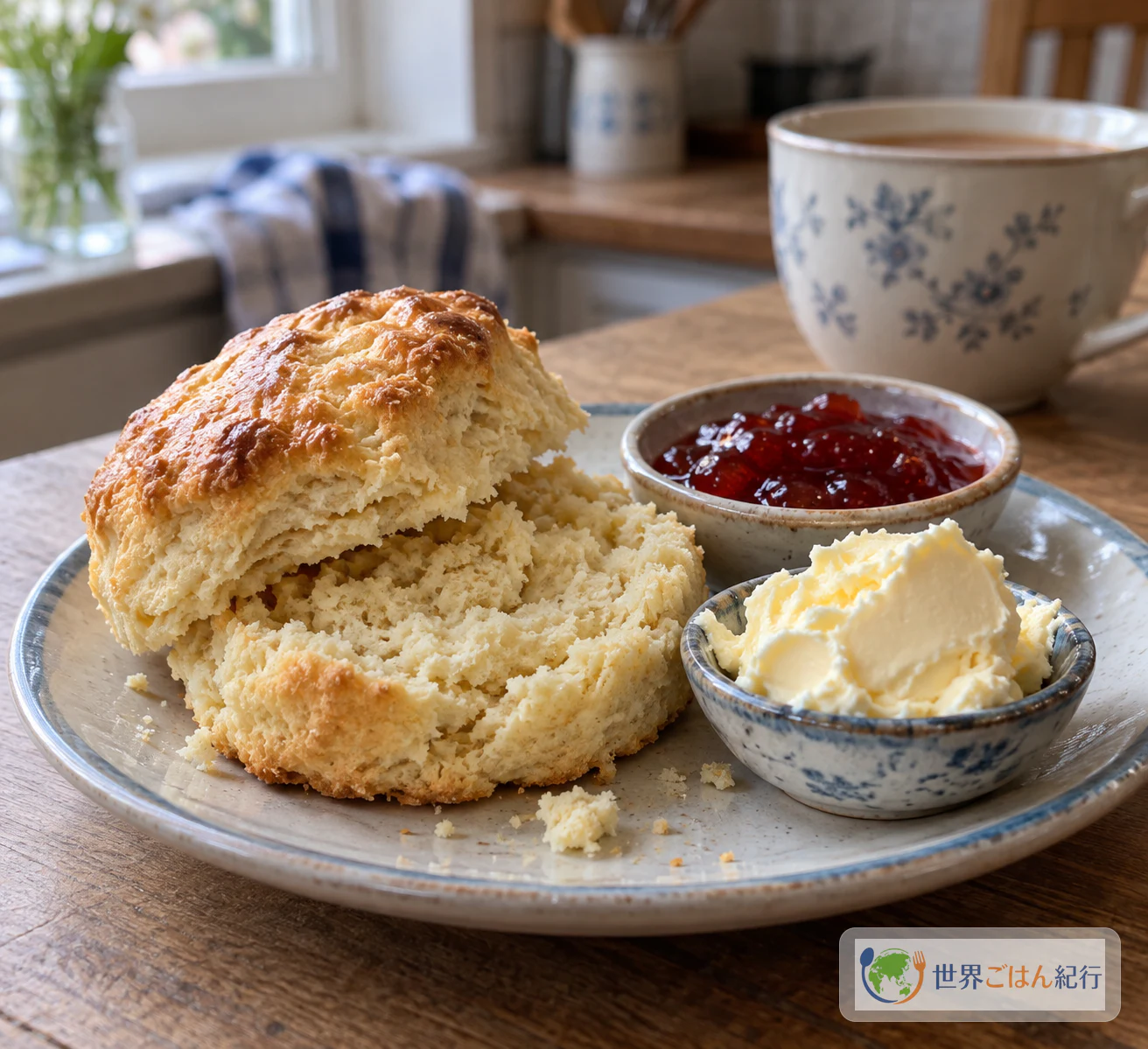
British Scones: Plain Buttermilk Scones for Teatime
How to make plain British scones with buttermilk and cold butter, following a recipe selected by Royal Chef Mark Flanagan. Covers the ingredients, rolling to 2 cm and cutting with a 5 cm cutter, glazing only the tops, baking at 220°C, and serving with strawberry jam and clotted cream the Cornish way.
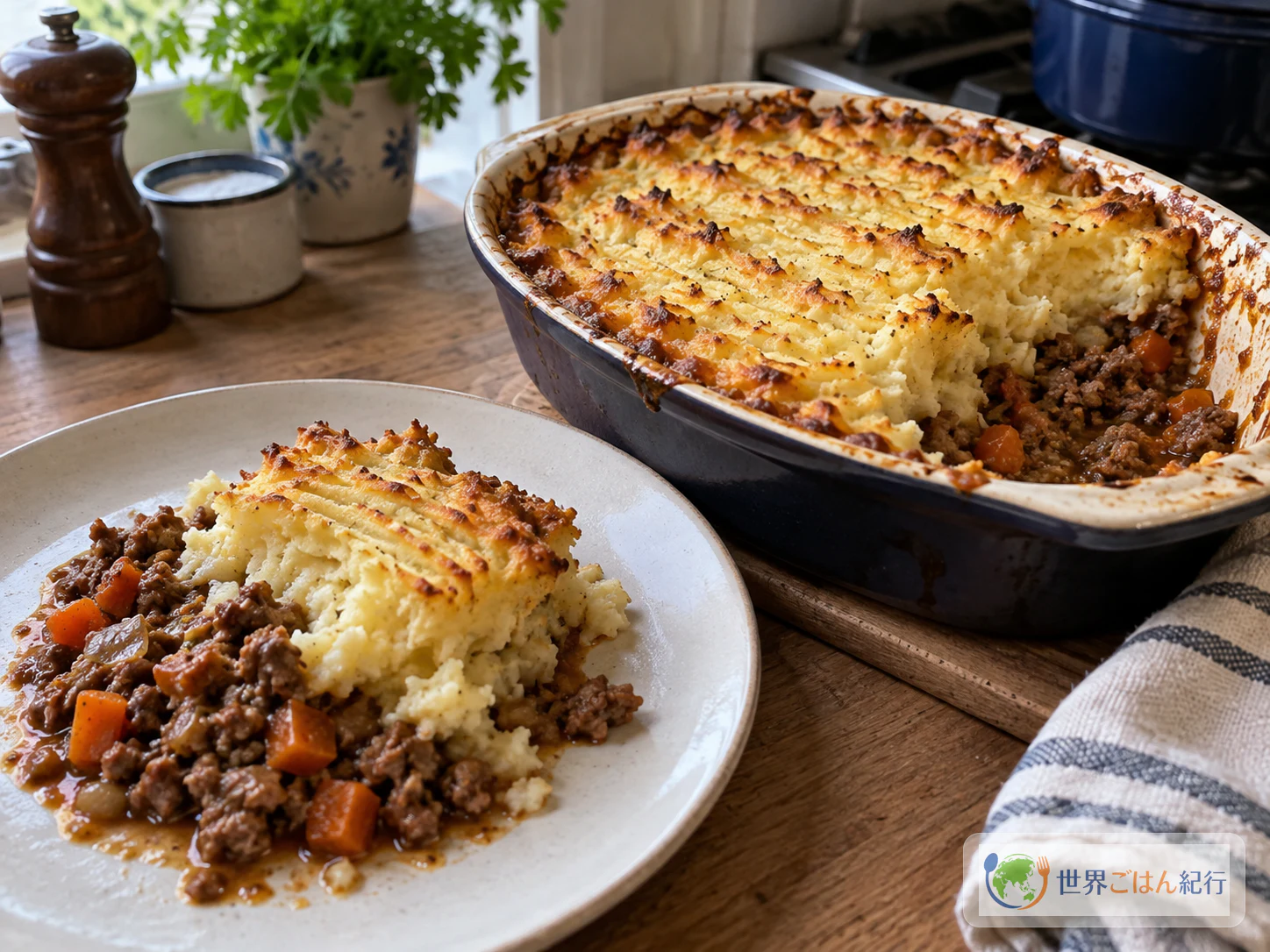
Shepherd's Pie: British Lamb Mince Baked Under Mashed Potato
How to make shepherd's pie, the British dish of lamb mince simmered with onion, carrot and beef stock, then covered in buttery mashed potato and baked until golden. Covers the 4-serving recipe step by step, keeping the filling from turning watery, getting a browned top, choosing lamb and Worcestershire sauce, how it differs from cottage pie, the uncertain history of the name, and safe cooling and reheating.